1/6
I Used AI Interior Designers to Reimagine My Boring Basement
The author shares their experience exploring various AI-driven interior design services to transform an unfinished basement. Initially, the author struggled with the design of newly flipped home, which featured aesthetically inconsistent fixtures. This led to seeking help from a human designer who quickly understood the author's personal aesthetic and made the design process seamless, in contrast to the author's concerns about making poor design choices.
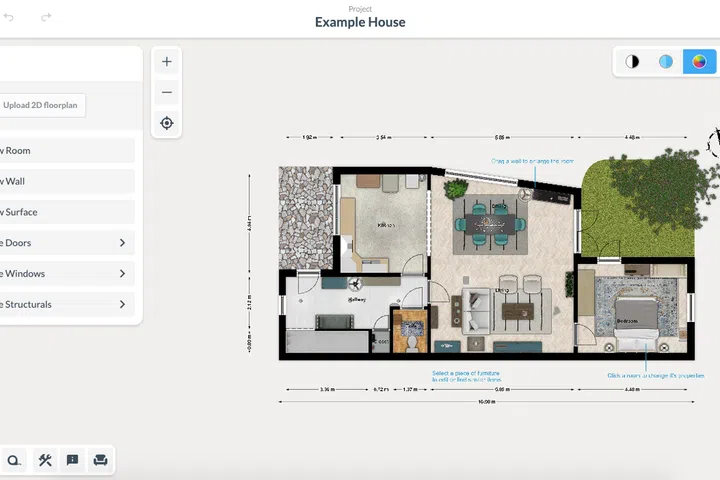
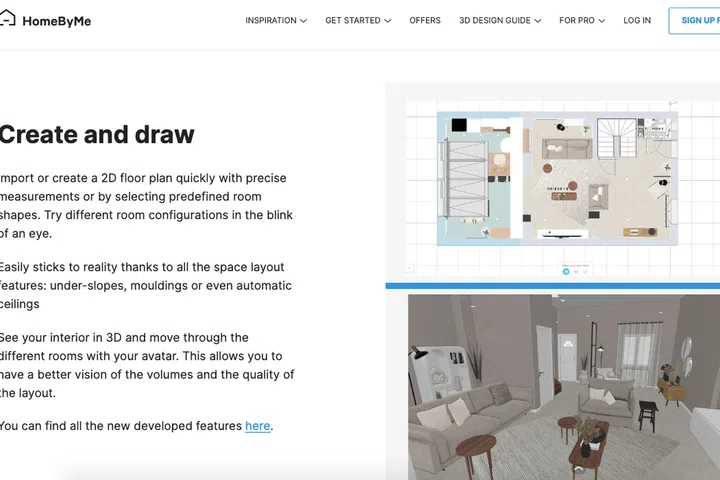
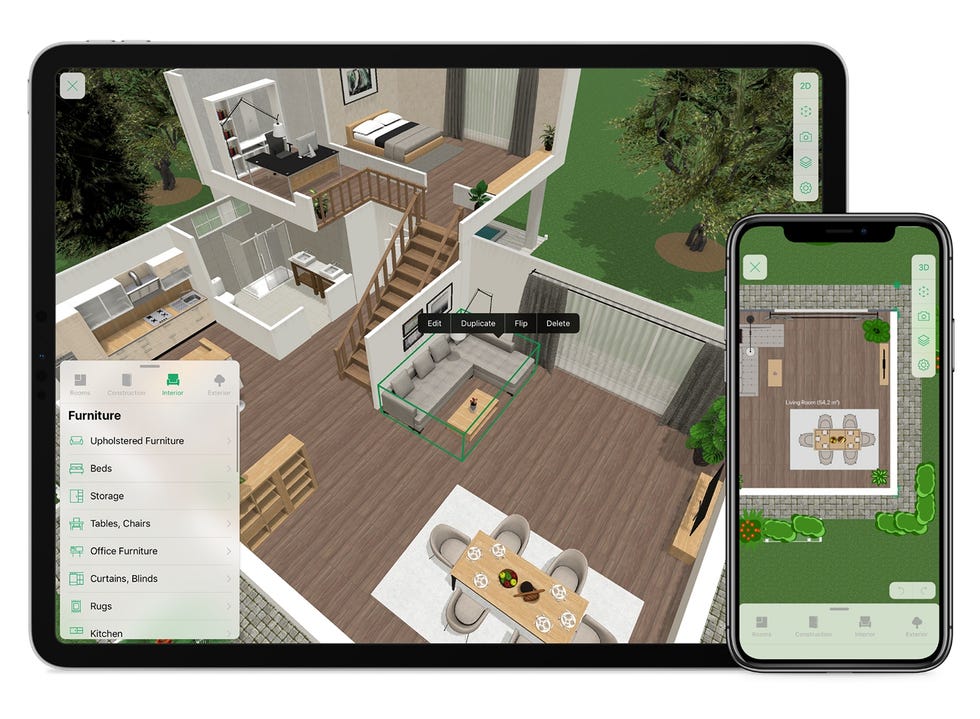
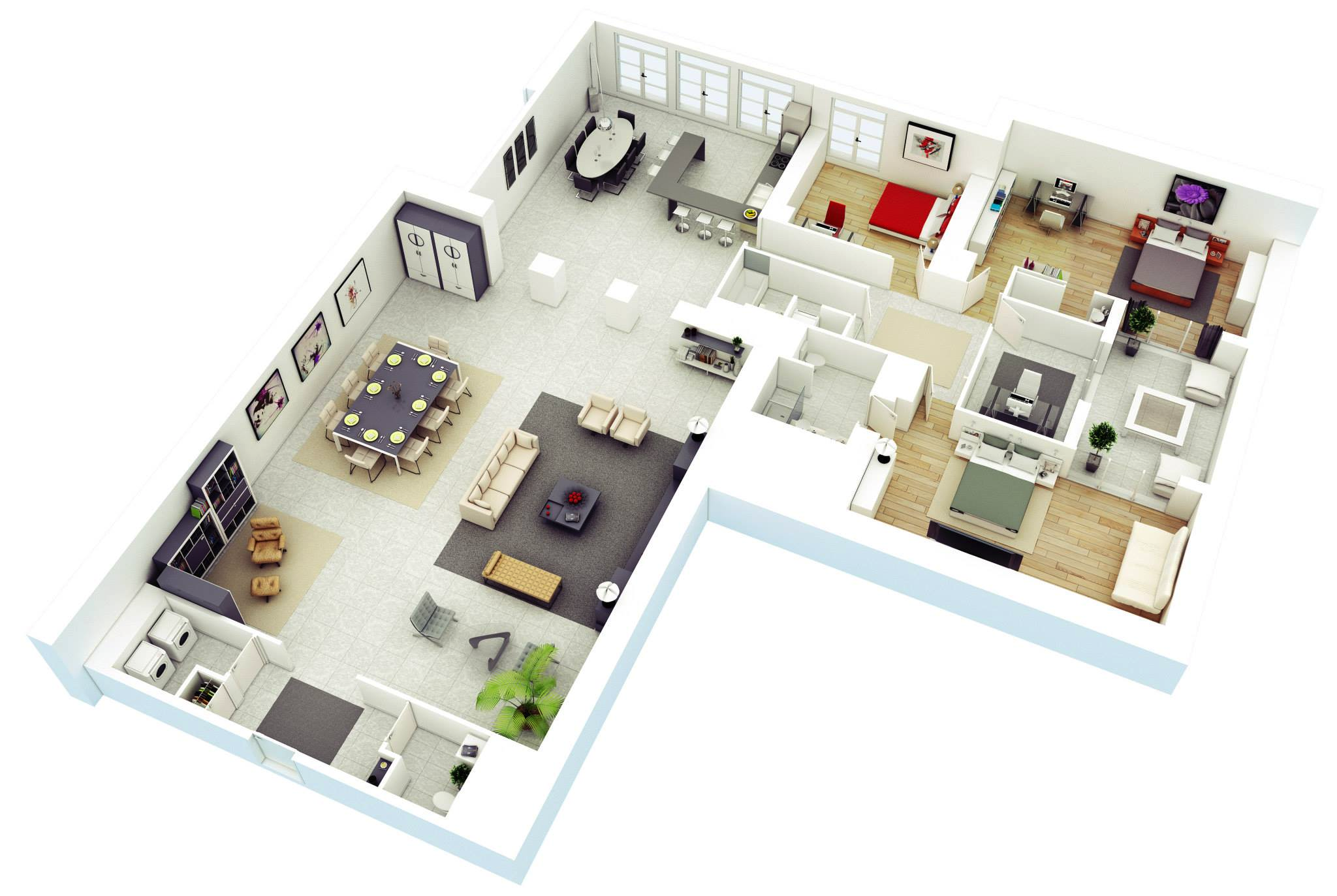
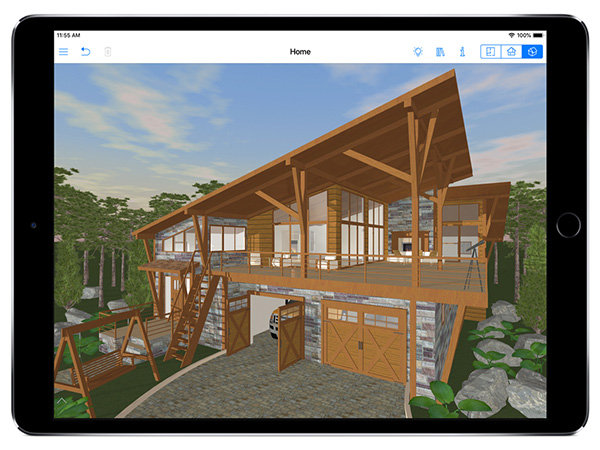
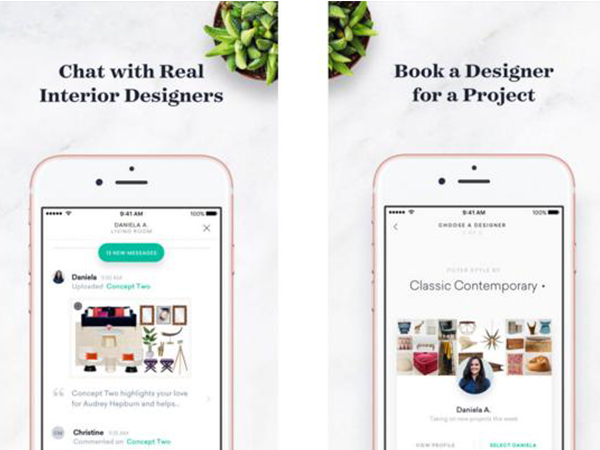
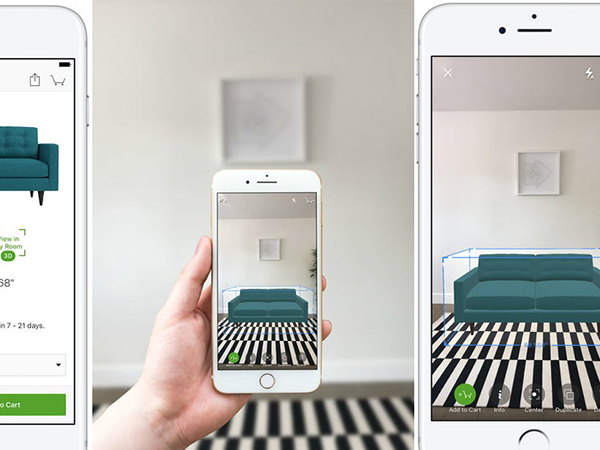
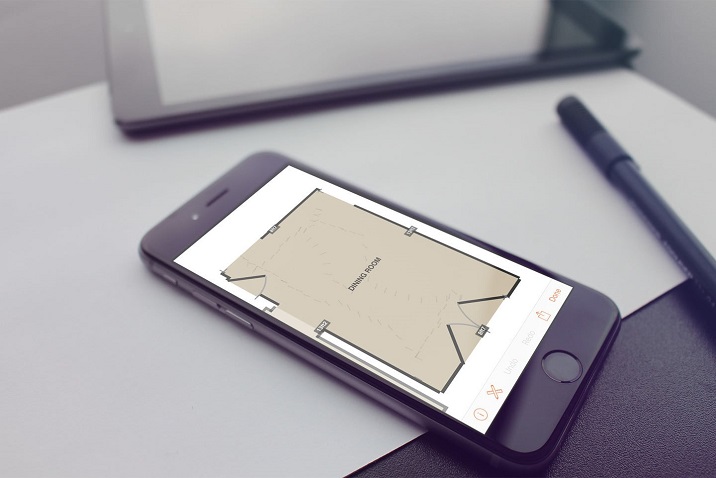
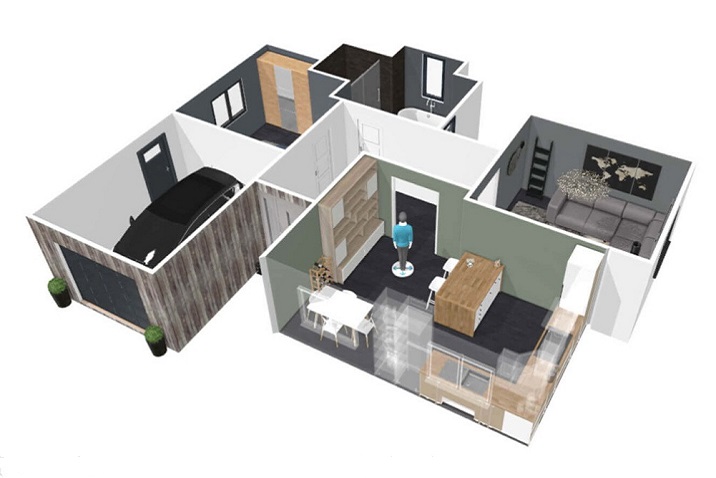
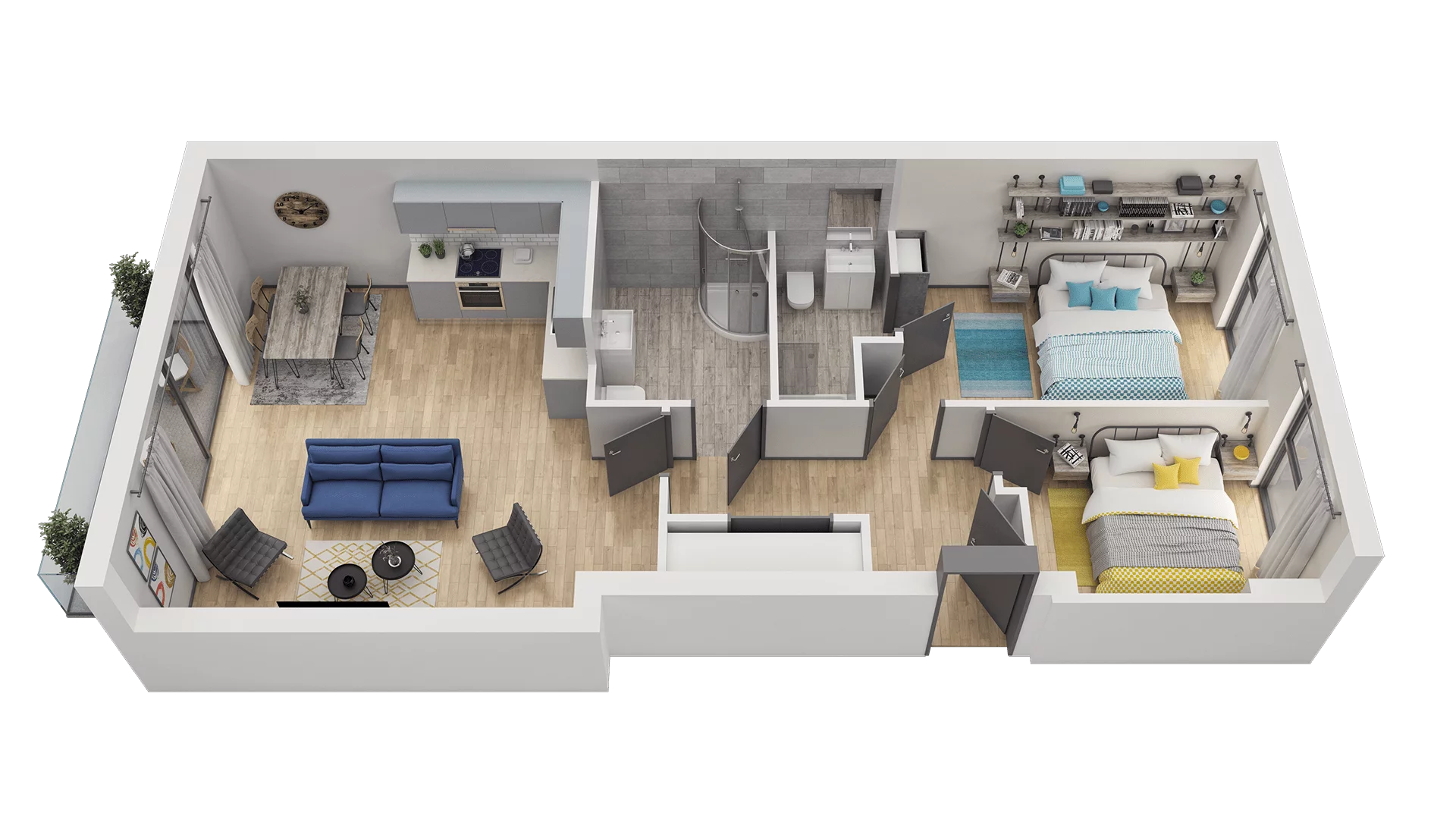
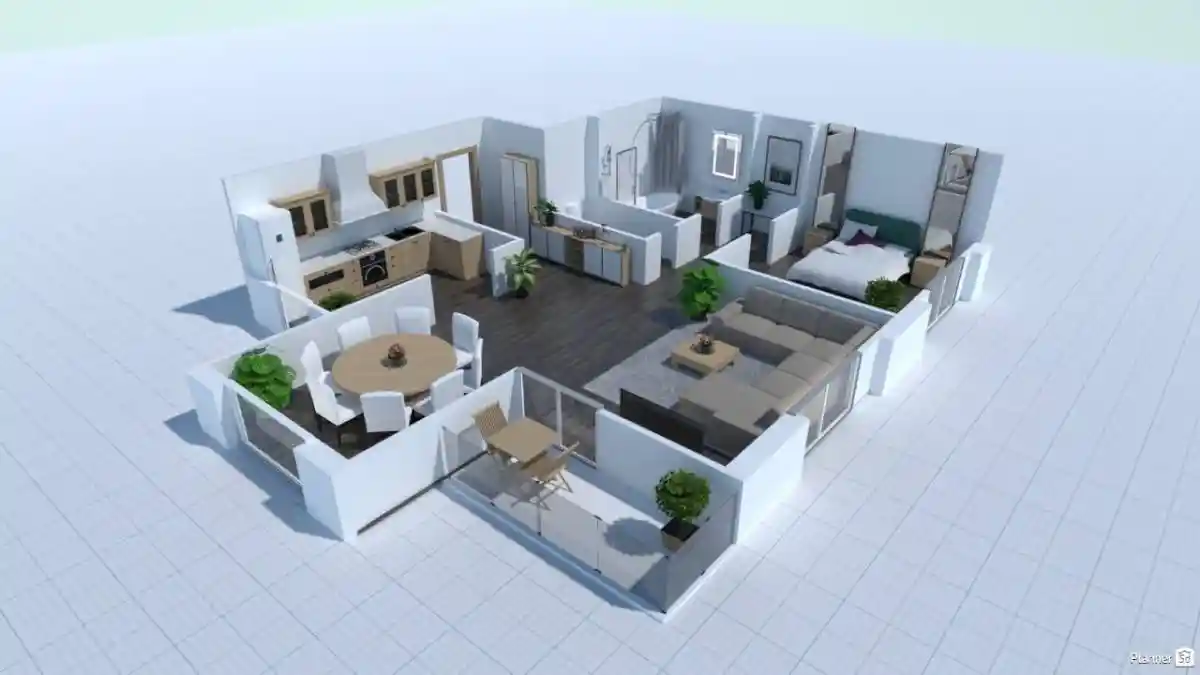
The article then delves into the world of AI interior design, acknowledging the common sentiment that these services aim to augment, rather than replace, human designers. Markk Tong of CollovGPT emphasizes that future competition will be between designers who leverage AI tools and those who stick to traditional methods, positioning AI as a significant driving force in design. The market is saturated with various AI services, broadly categorized into image-generation tools like RoomGPT, Interior AI, HomeDesigns AI, Midjourney, and DALL-E, which primarily offer inspiration, and floor plan creation tools like Planner5D, Homestyler, and HomeByMe. Other platforms, including Houzz, Havenly, Ikea, and SpaceJoy, integrate AI for design visualization, while newer entrants like ReImagine Home, RoomGPT, RemodeledAI, and CollovGPT use AI as their core offering.
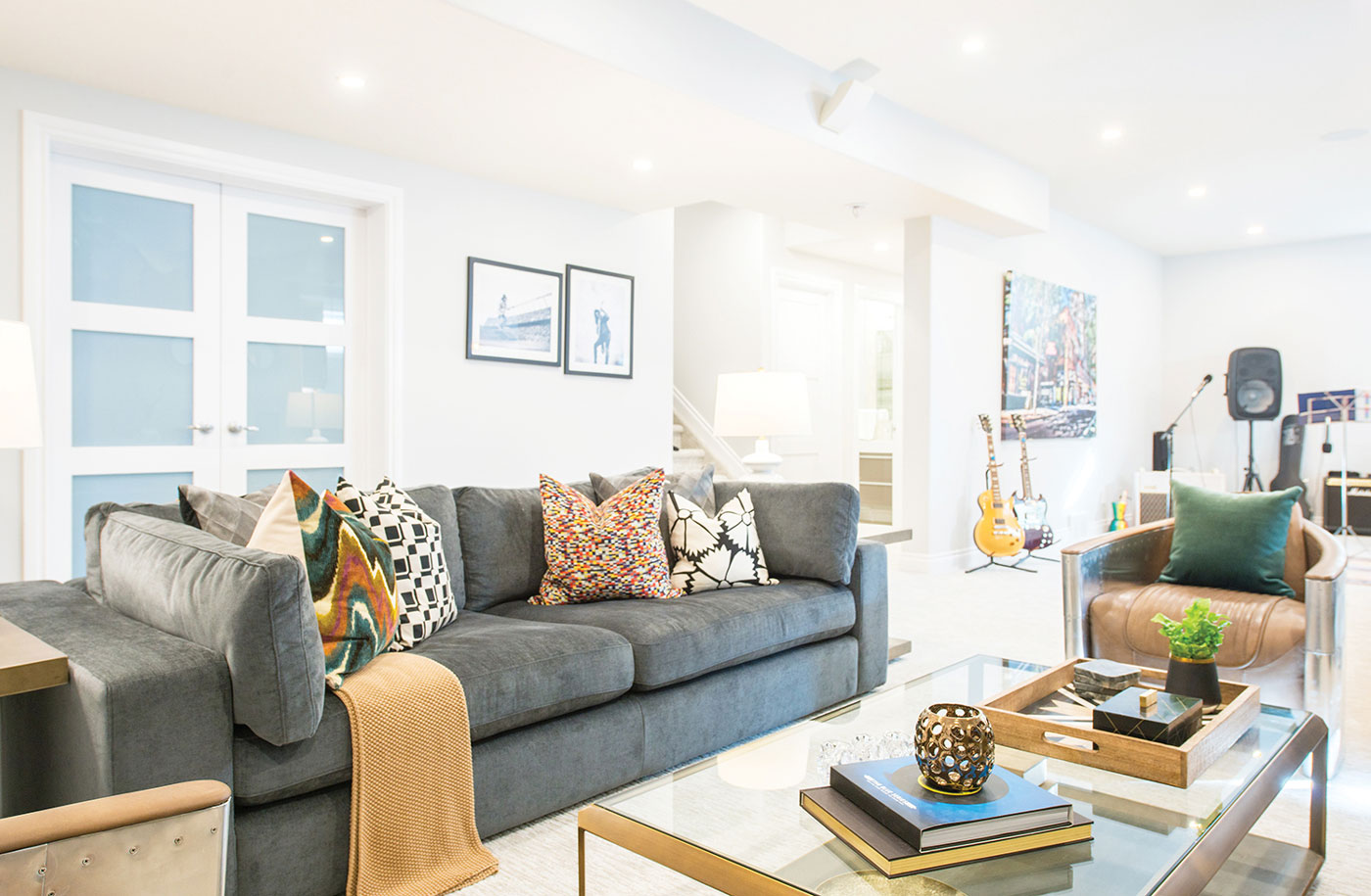
RoomGPT founder Hassan El Mghari notes the rapid improvement in AI design platforms, particularly with the introduction of ControlNet, which enhances control over AI image generation engines like Stable Diffusion. CollovGPT's mission is to democratize interior design by lowering entry barriers and increasing efficiency. To assess the practical utility of these tools, the author uses their unfinished basement as a test case, describing it as a space with a washer, dryer, and children's toys.
The author first tests "full-service" AI platforms that combine design generation with shoppable product links. CollovGPT, for example, offers packages ranging from $159 to $259, including 3D mock-ups, shopping lists, and consultations with human designers. It also features a beta chatbot for design modifications. Fulhaus, a company providing furnishings for hotels and rental properties, offers its AI tool, Ludwig, for free room designs or $99 for an entire single-family unit, instantly generating buyable furniture options based on reference images. ToTree, another service, offers shoppable mock-ups and human design consultation for $149, positioning itself as a furniture shopping service prioritizing efficiency.
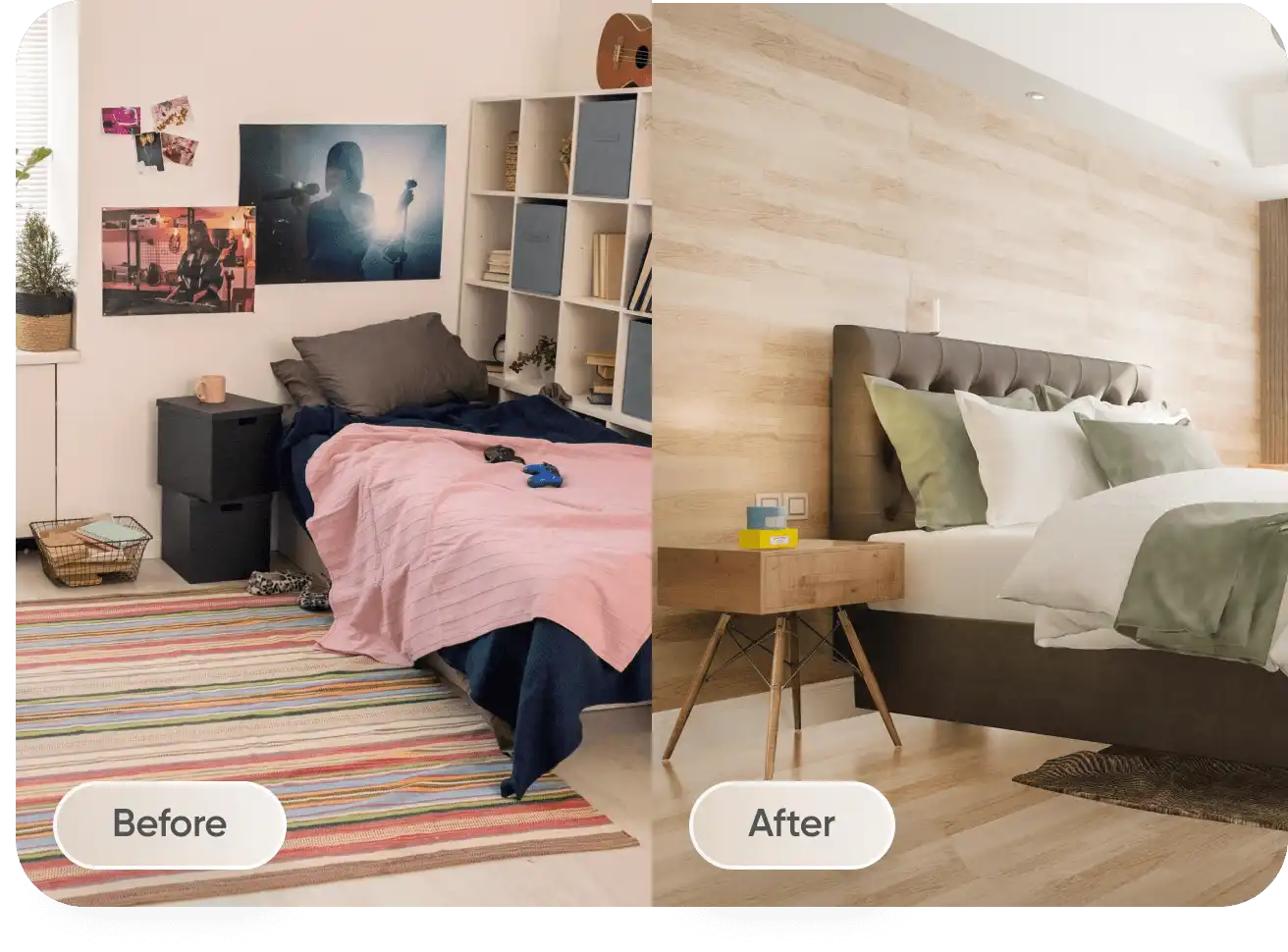
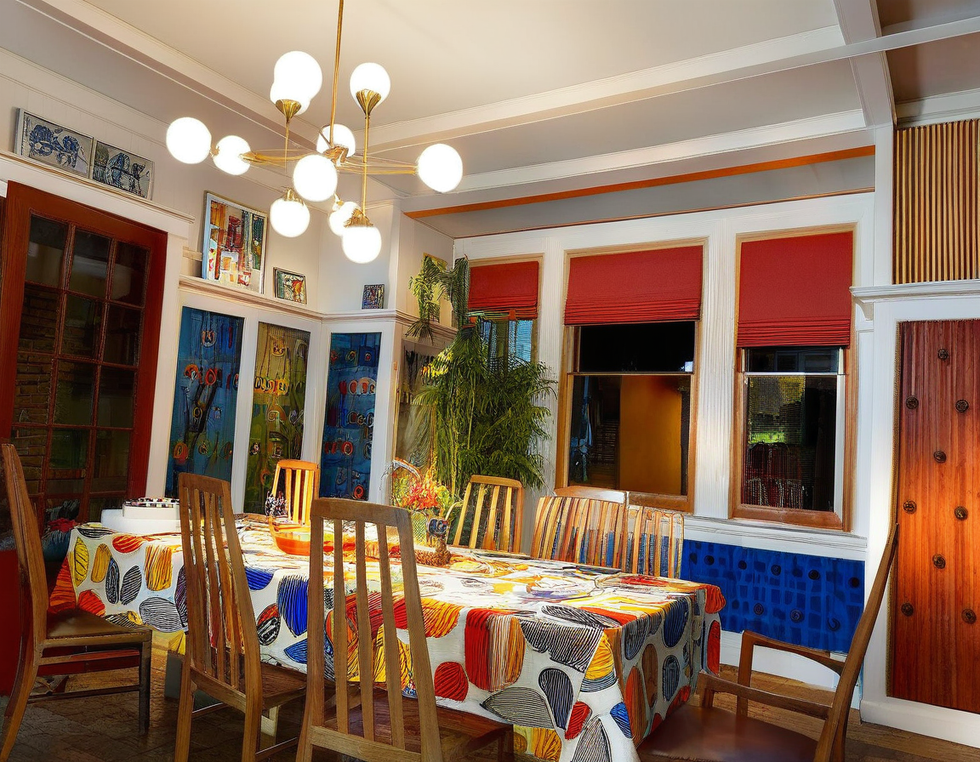
Next, the author evaluates image-generation services such as REimagine Home, RoomGPT, and InteriorAI. REimagine Home offers unlimited free renderings but produced unrealistic and structurally inaccurate designs for the author's basement, at times replacing essential architectural elements like windows with televisions. RoomGPT, after initial limitations, has expanded its room type selections and offers four themes per upload, with the first three designs being free. It generated a "gaming room" aesthetic when the "basement" option was unavailable. InteriorAI, launched in October, provides a community-driven platform with customizable keyword inputs for style and aesthetic, generating designs that, while aesthetically pleasing, did not accurately reflect the author's basement layout. These services typically offer a few free designs before requiring a subscription.
The article concludes by discussing the role of AI in interior design. While AI tools make design more accessible and efficient, they do not yet fully replicate the nuanced understanding of a human designer. El Mghari suggests that AI tools like RoomGPT can serve as valuable aids for designers during initial client consultations, allowing them to handle more clients by rapidly generating mock-ups. Despite the appeal of generating design ideas quickly and affordably, the author maintains that AI cannot replace the expertise and personal touch of a human designer, especially for complex projects like their basement. The author plans to eventually finish the basement, envisioning a personalized space for family activities, but notes that AI still needs to better understand specific room types like basements to be truly effective for such projects.
#AIInteriorDesign #HomeRenovation #DesignTechnology #InteriorDesigners #ArtificialIntelligence #DesignTools #HomeDecor #DIYDesign #AIInteriorDesign #HomeRenovation #DesignTechnology #InteriorDesigners #ArtificialIntelligence #DesignTools #HomeDecor #DIYDesign
0 комментариев всего
 Комментариев пока нет
Вам также может понравиться

10 DIY Home Renovation Apps (Free)
16 Best Free Home and Interior Design Apps, Software and Tools


The Influence of AI in the Interior Design Industry

I Let AI Design My Home. Here’s What Happened

10 free AI interior design generators


Top 16 AI Tools for Interior Design
5 best AI interior design apps in 2024

Best AI Floor Plan Generators For Various Uses #2025
13 Creative Basement Ideas That Go Beyond Adding a Ping-Pong Table

5 best AI interior design apps in 2024


House Design App: 10 Best Home Design Apps
Enhancing interior design and space planning via human–machine intelligent interaction for artistic cognition
If You're Looking to Remodel Your Home, I Found This AI Tool Useful for Inspiration. What to Know

The Interior Design Apps Making Redecorating Easy

Why the Perfect Time to Work with an Interior Designer Is Now
I'm an interior designer – and this is how I design my clients' rooms with art in mind


Beautiful Basements: 13 Surprisingly Cool Underground Amenities in Real American Homes
How Two Local Designers Transformed These Family Living Rooms into Stylish and Functional Spaces


Room Design App: 7 Best Apps to Design Your Own Room
Use These AI Tools Before Your Next Home Renovation Project