1/9
I'm an interior designer – and this is how I design my clients' rooms with art in mind
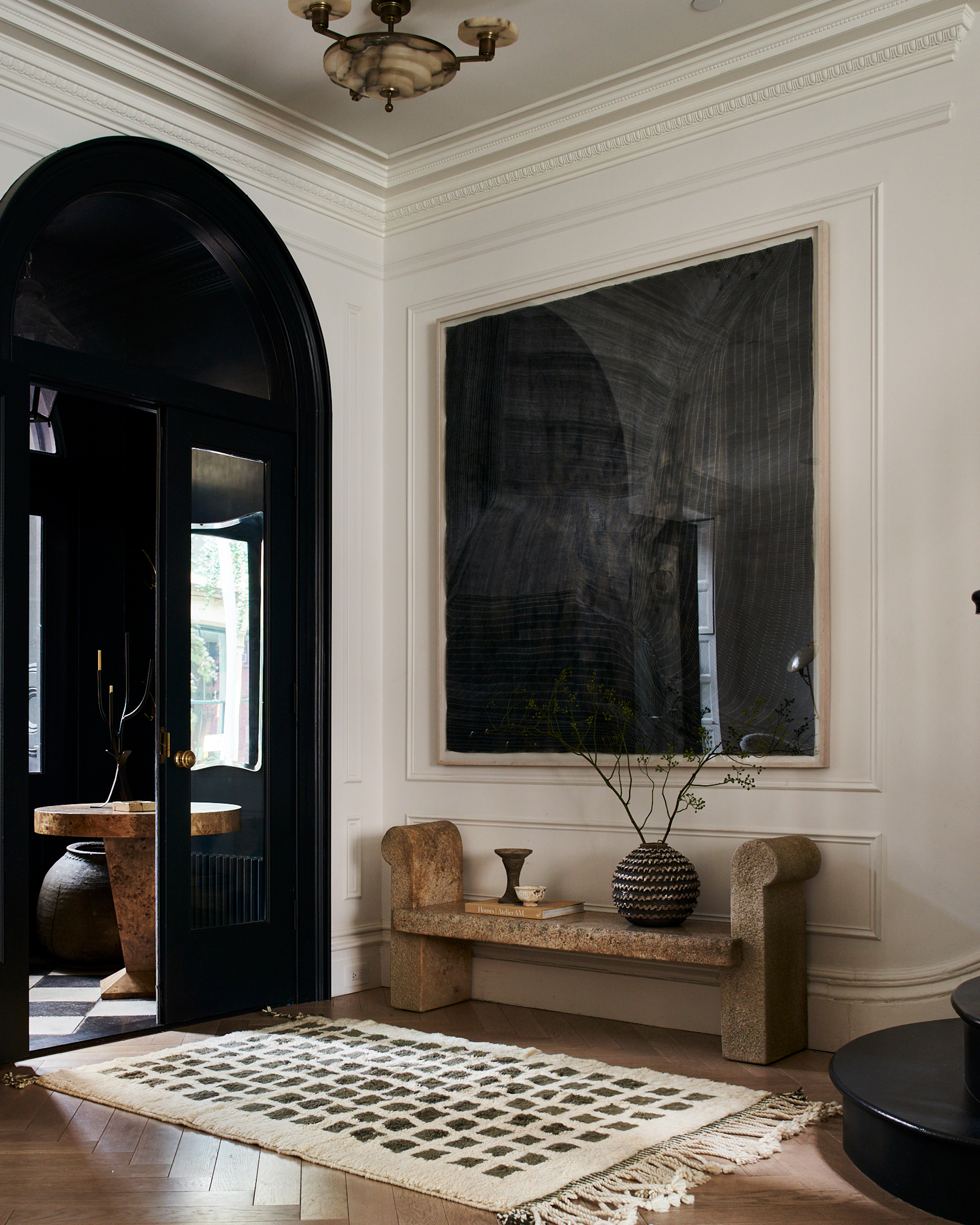
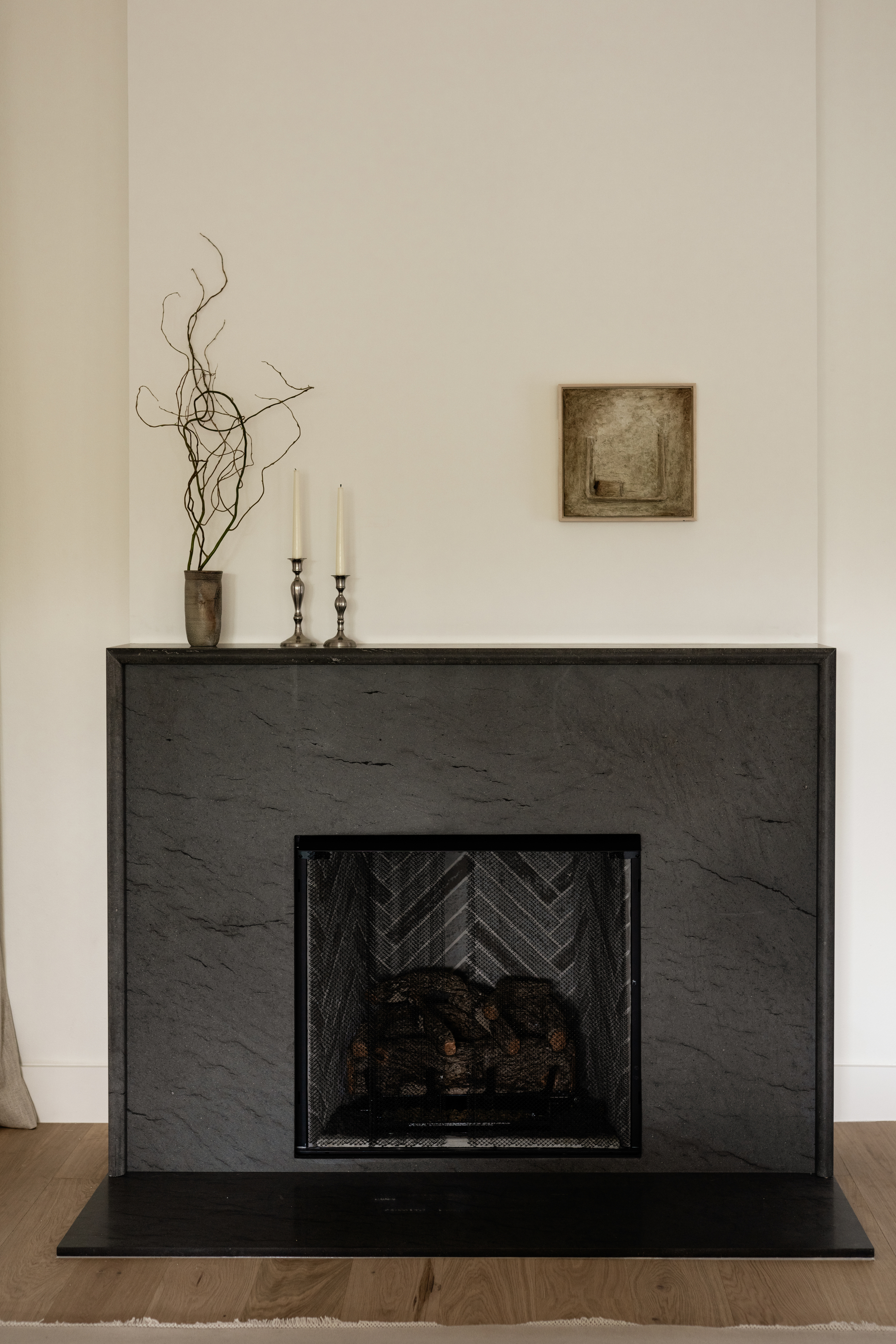
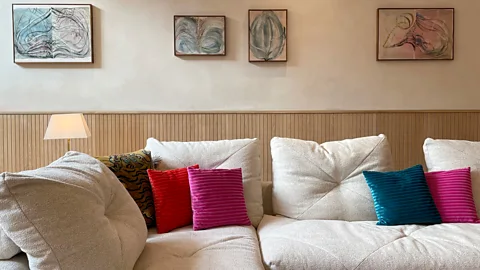
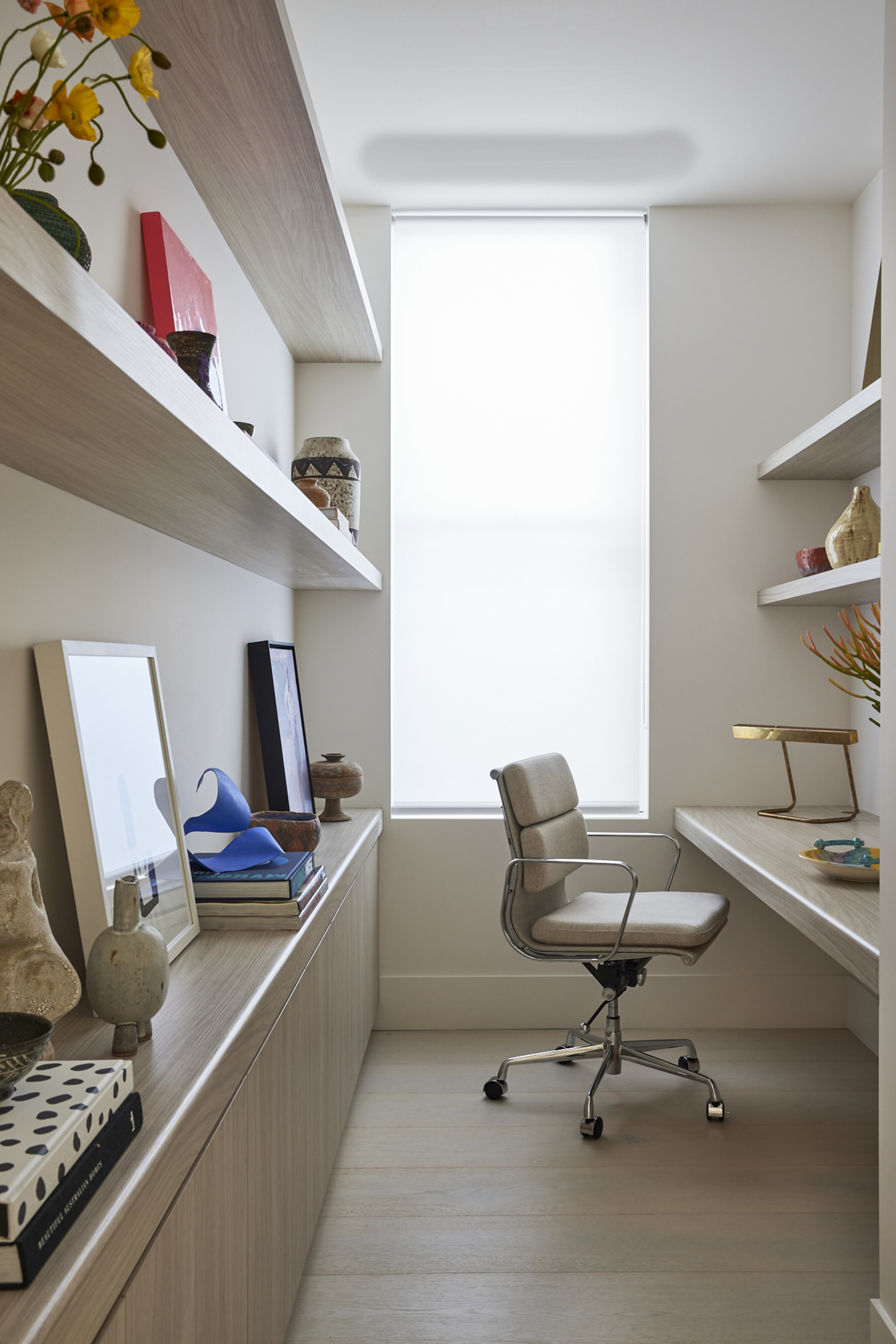
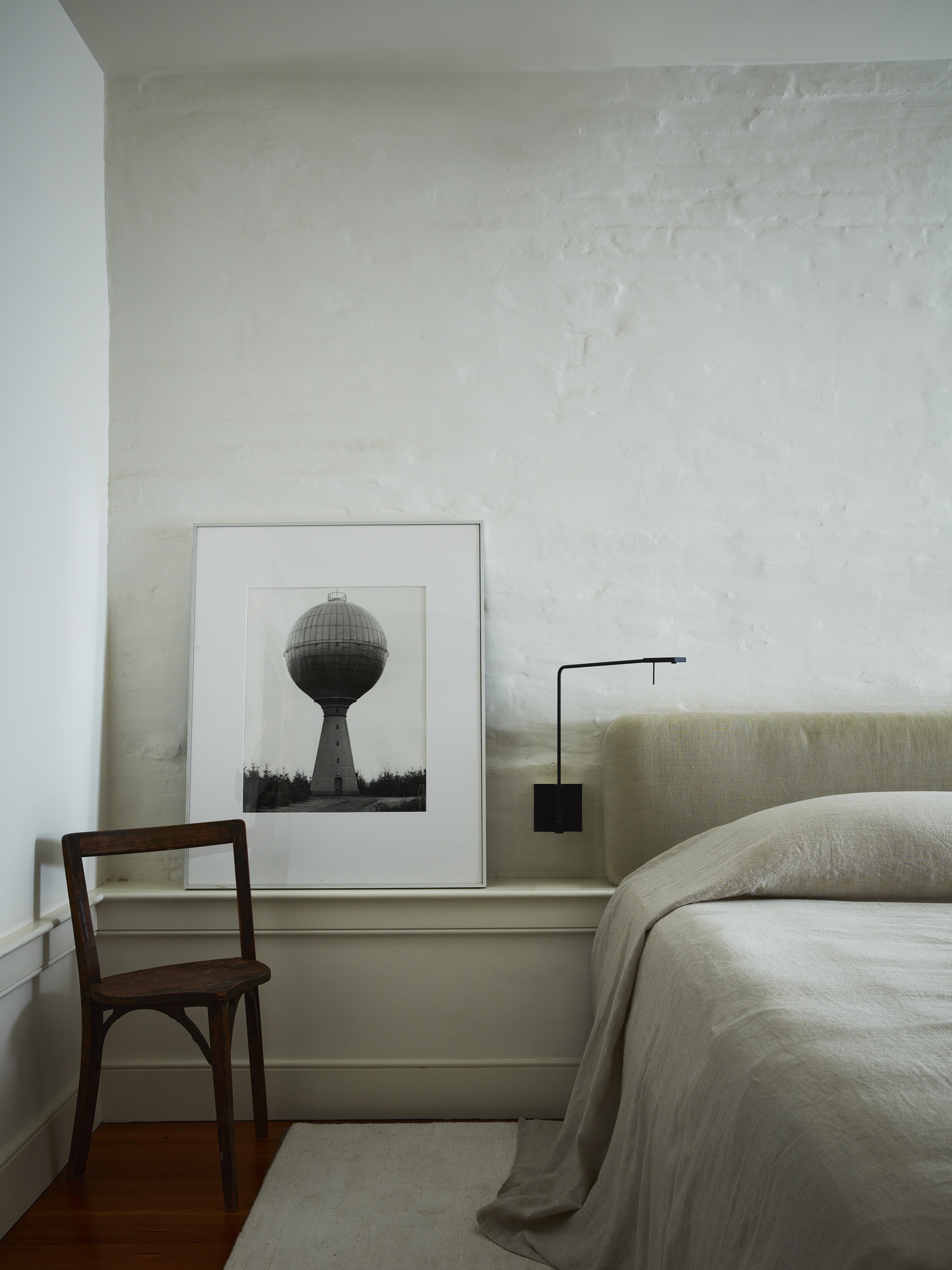
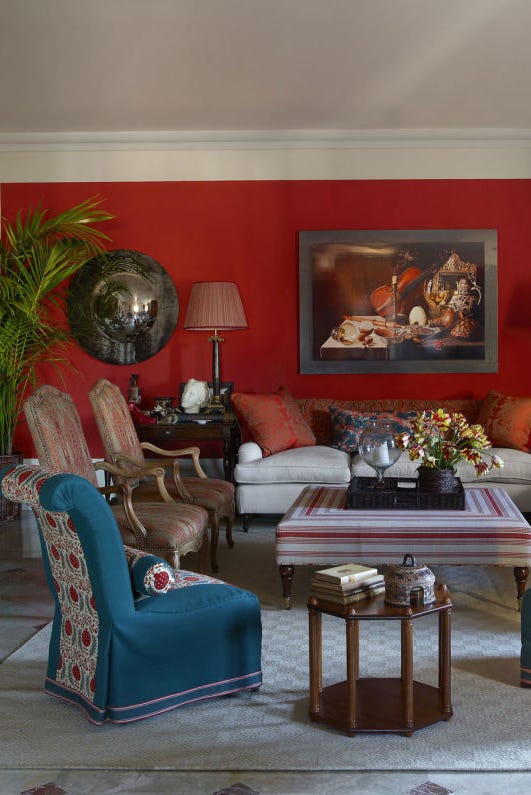
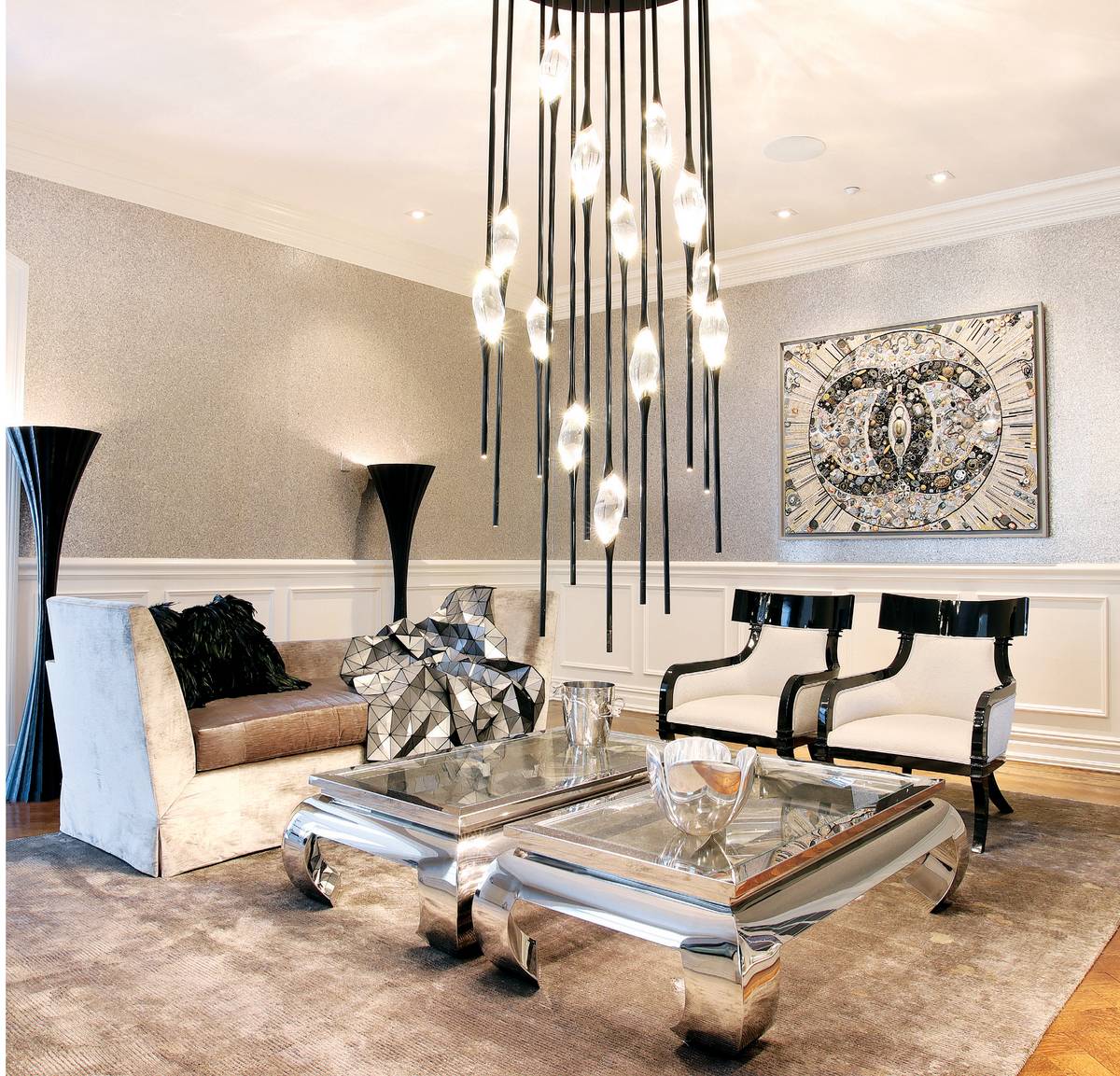
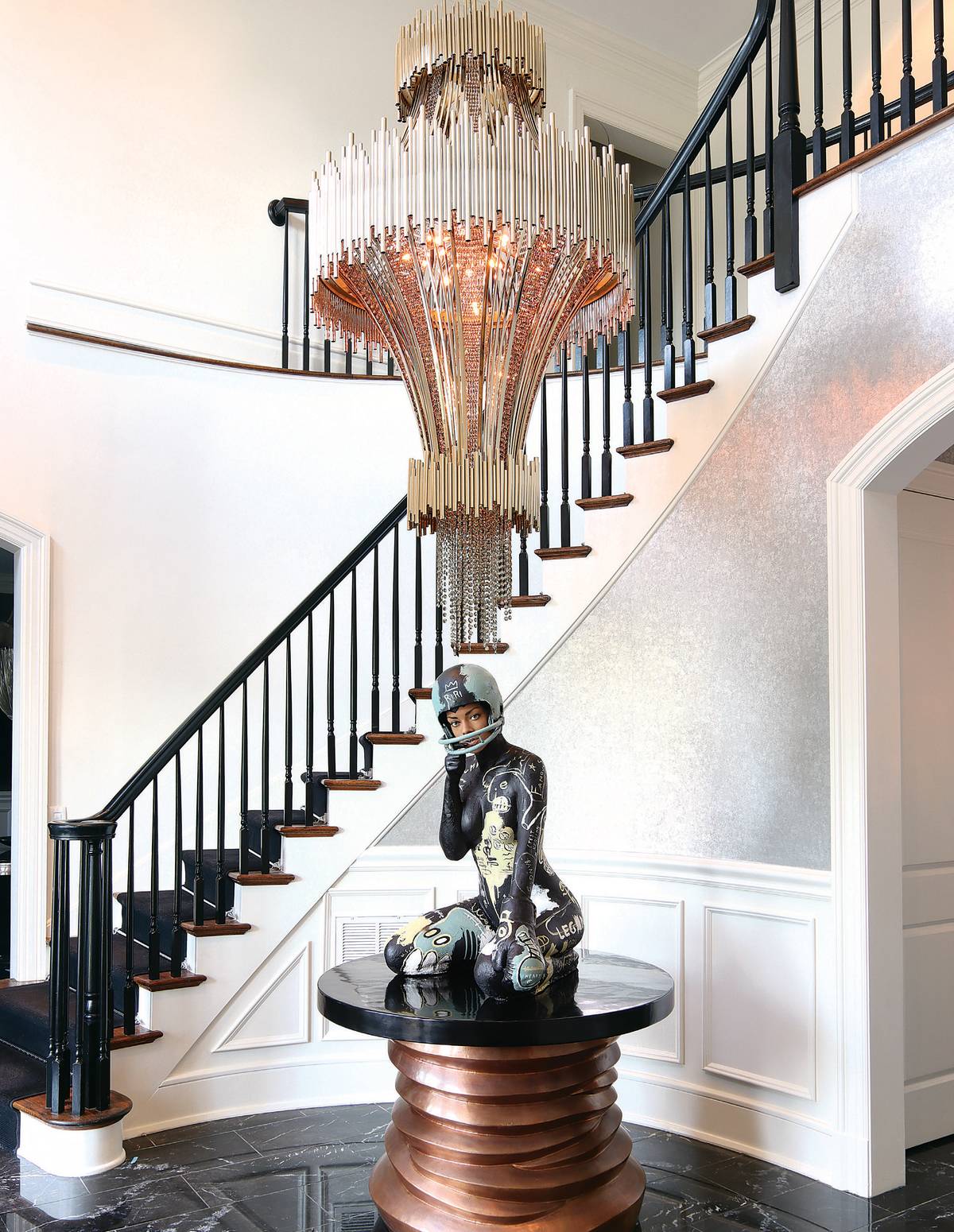
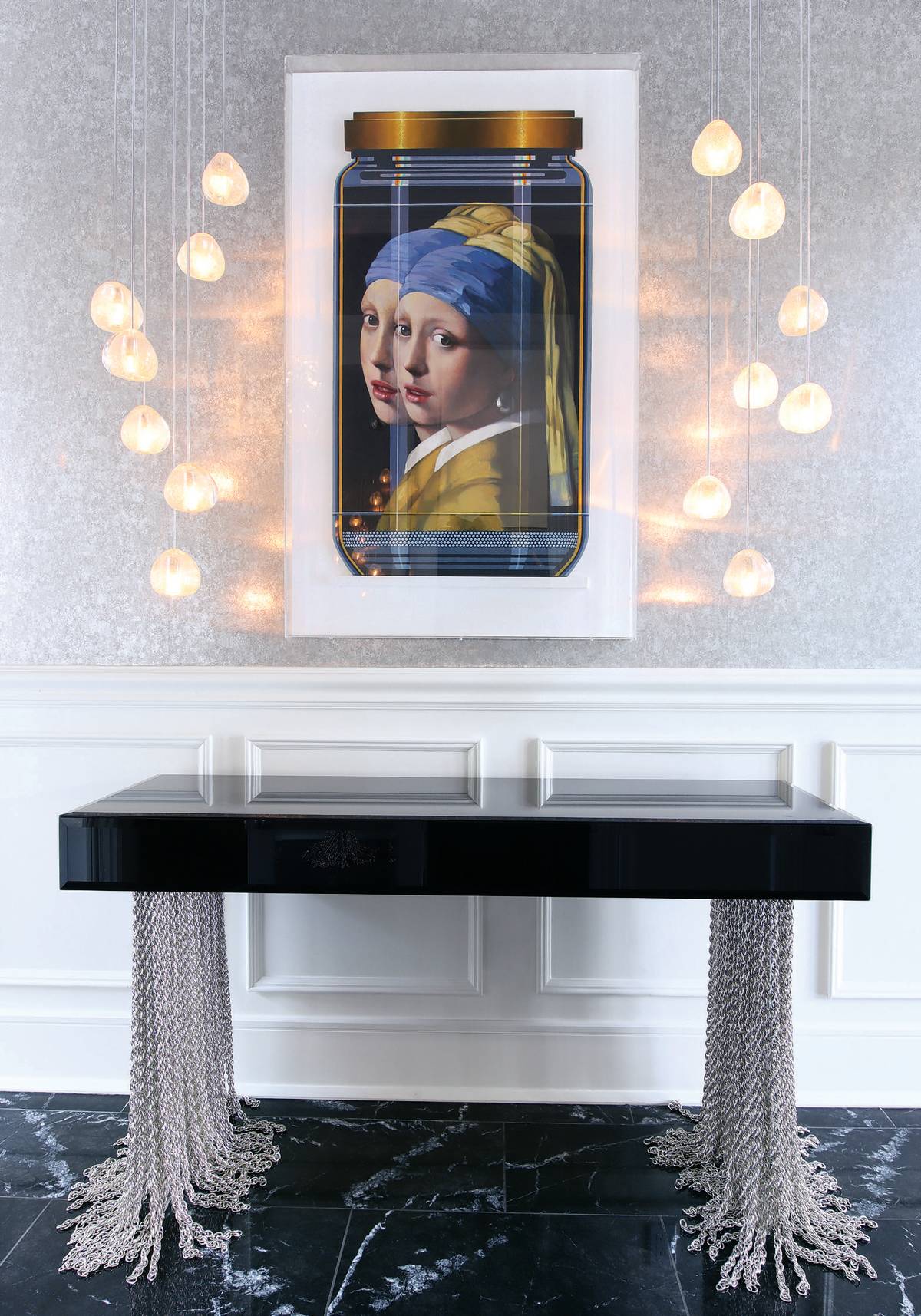
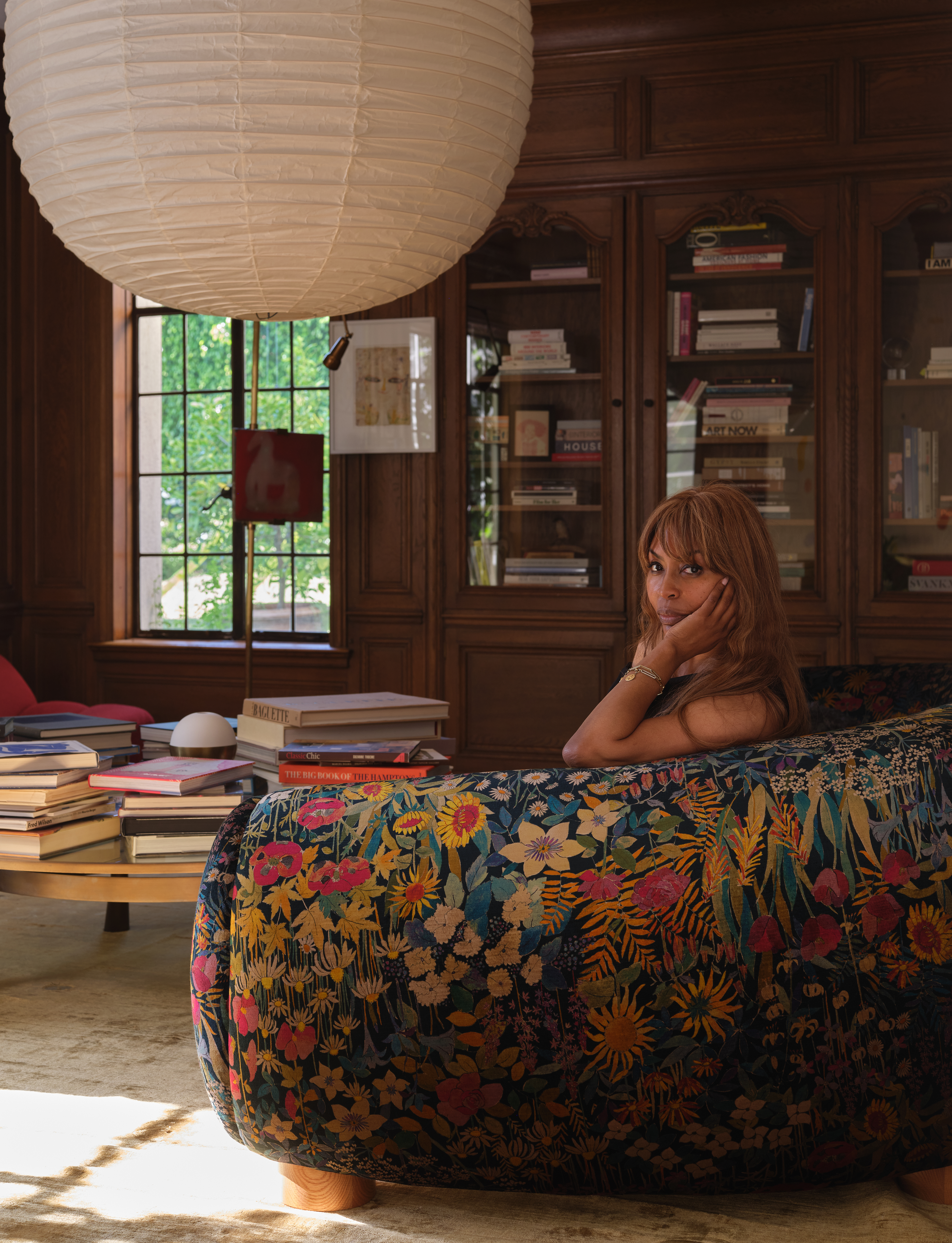
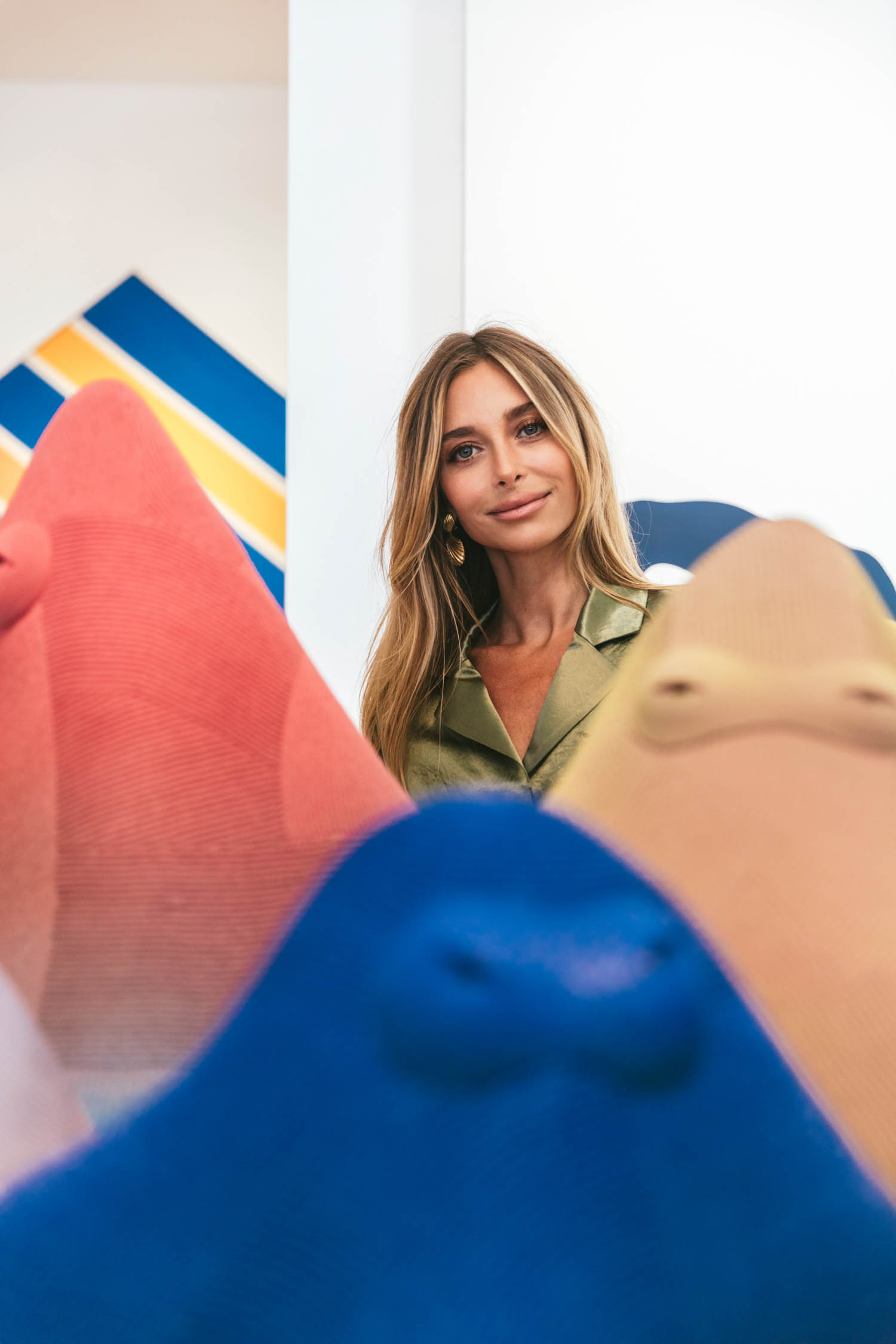
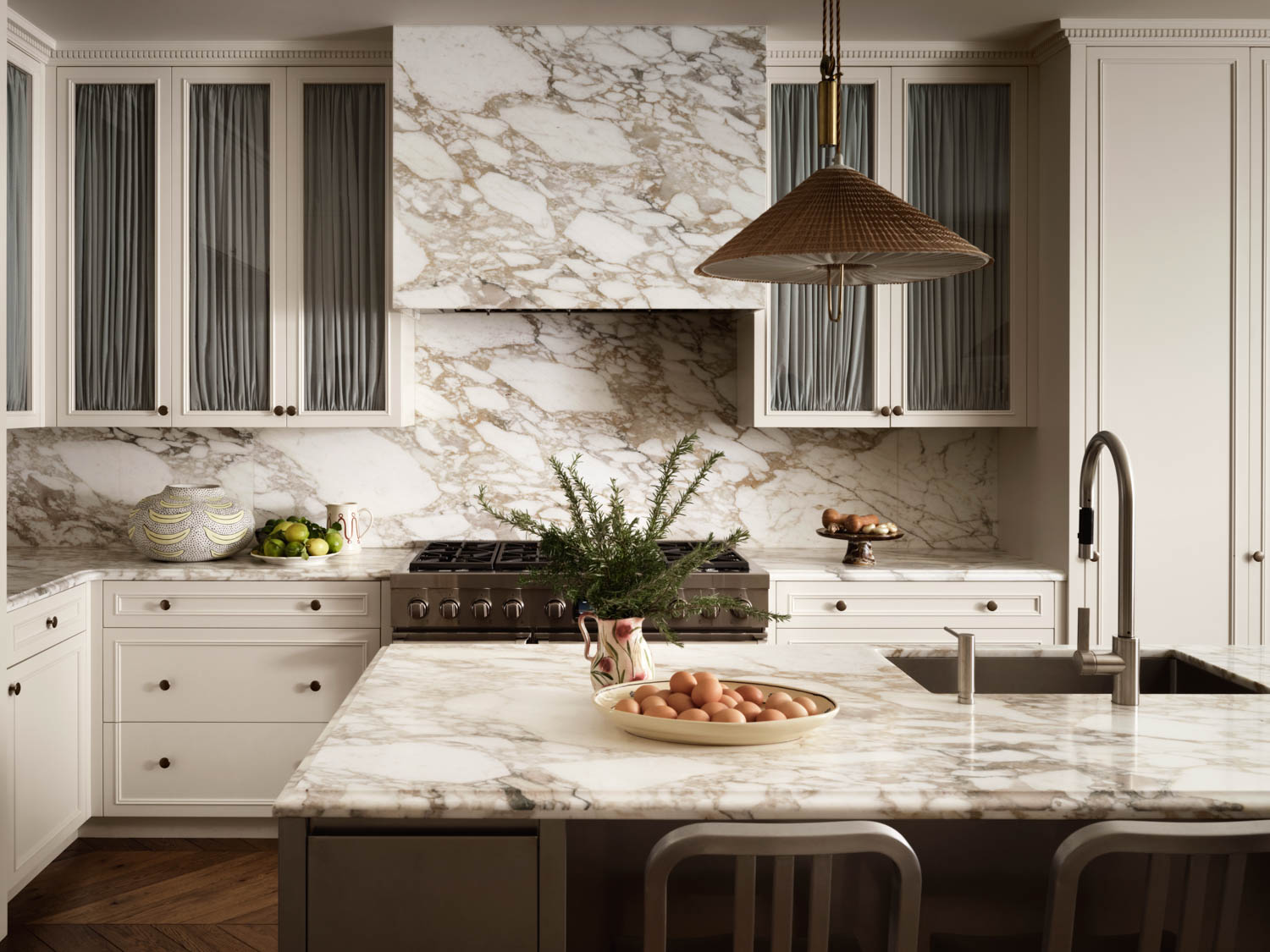
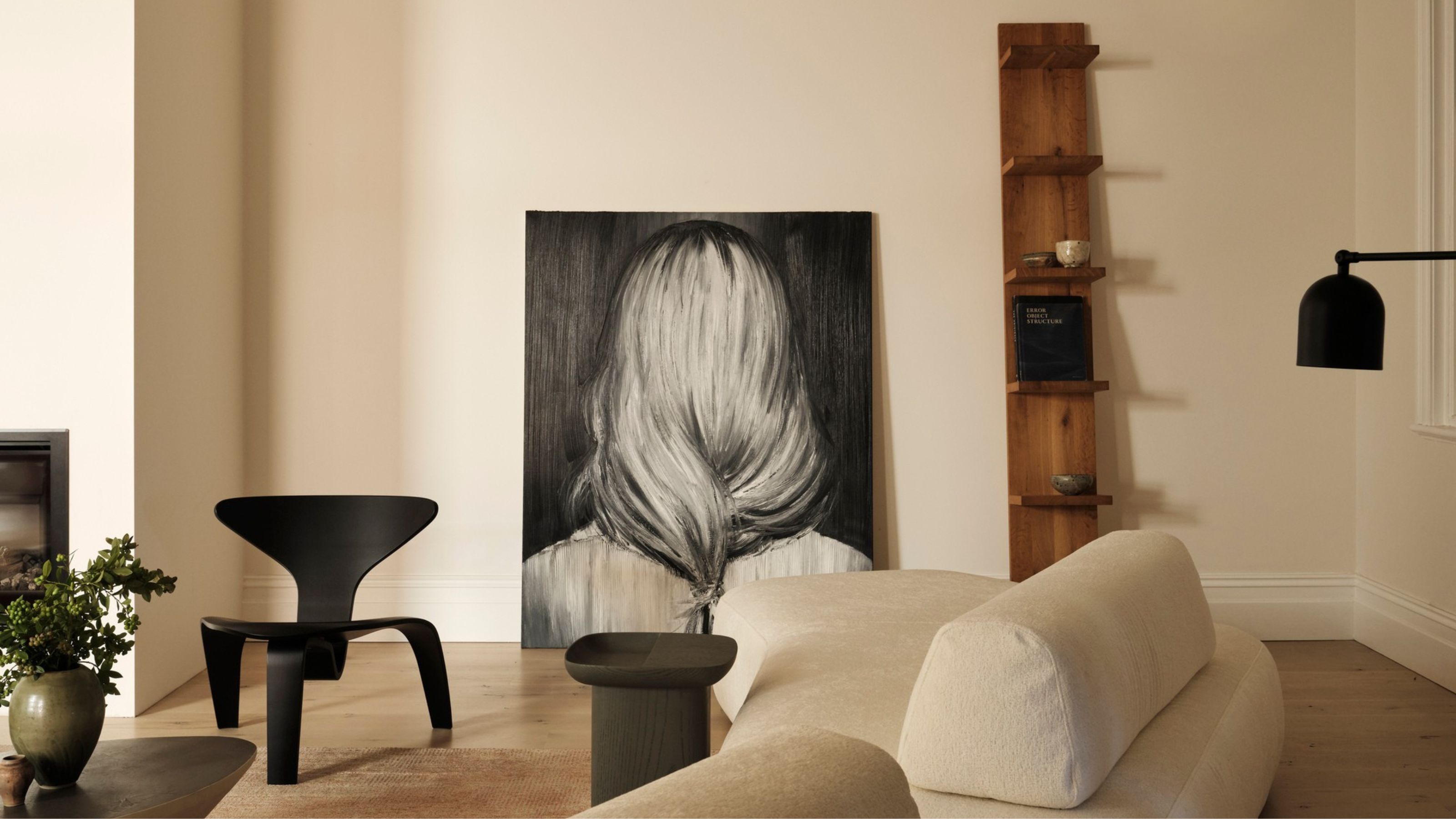
The desire to integrate art into living spaces has become widespread, moving beyond an exclusive realm to encompass a broader audience interested in contemporary pieces. Art serves as a valuable medium for cultural and historical narratives, offering aesthetic pleasure. The challenge lies in harmonizing art with other interior elements to achieve balance. Interior designer Natalie Tredgett emphasizes a purposeful approach to design, ensuring each art piece is thoughtfully placed to enhance, rather than compete with, the room's energy.
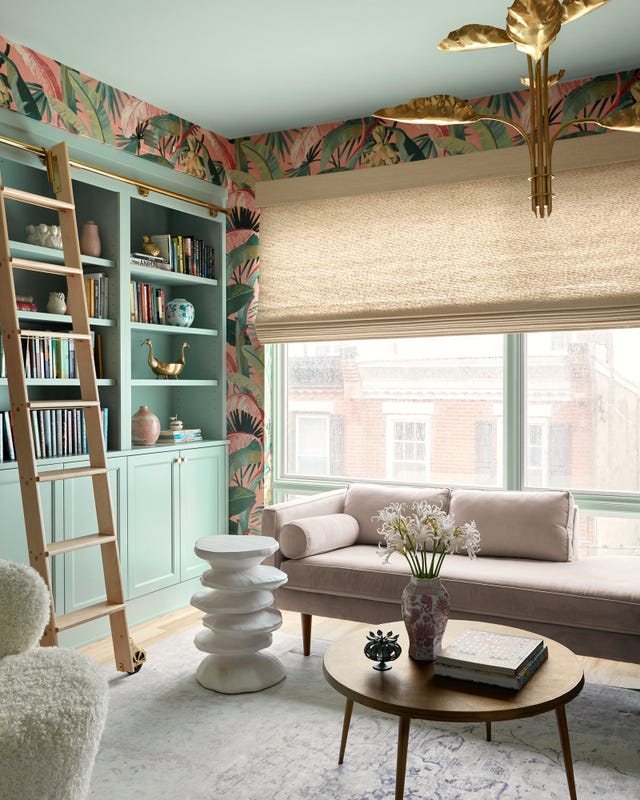
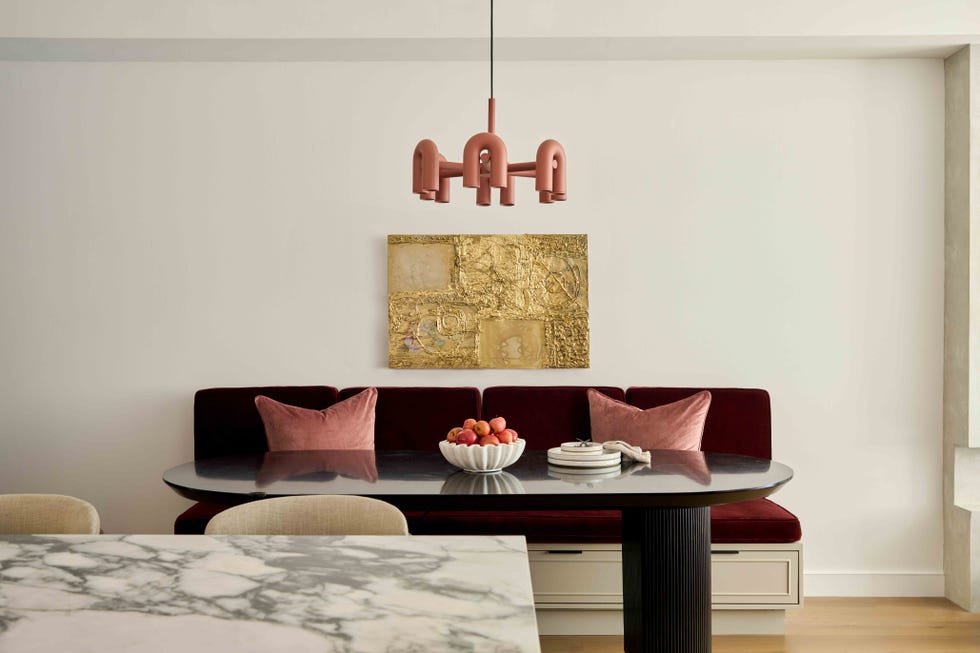
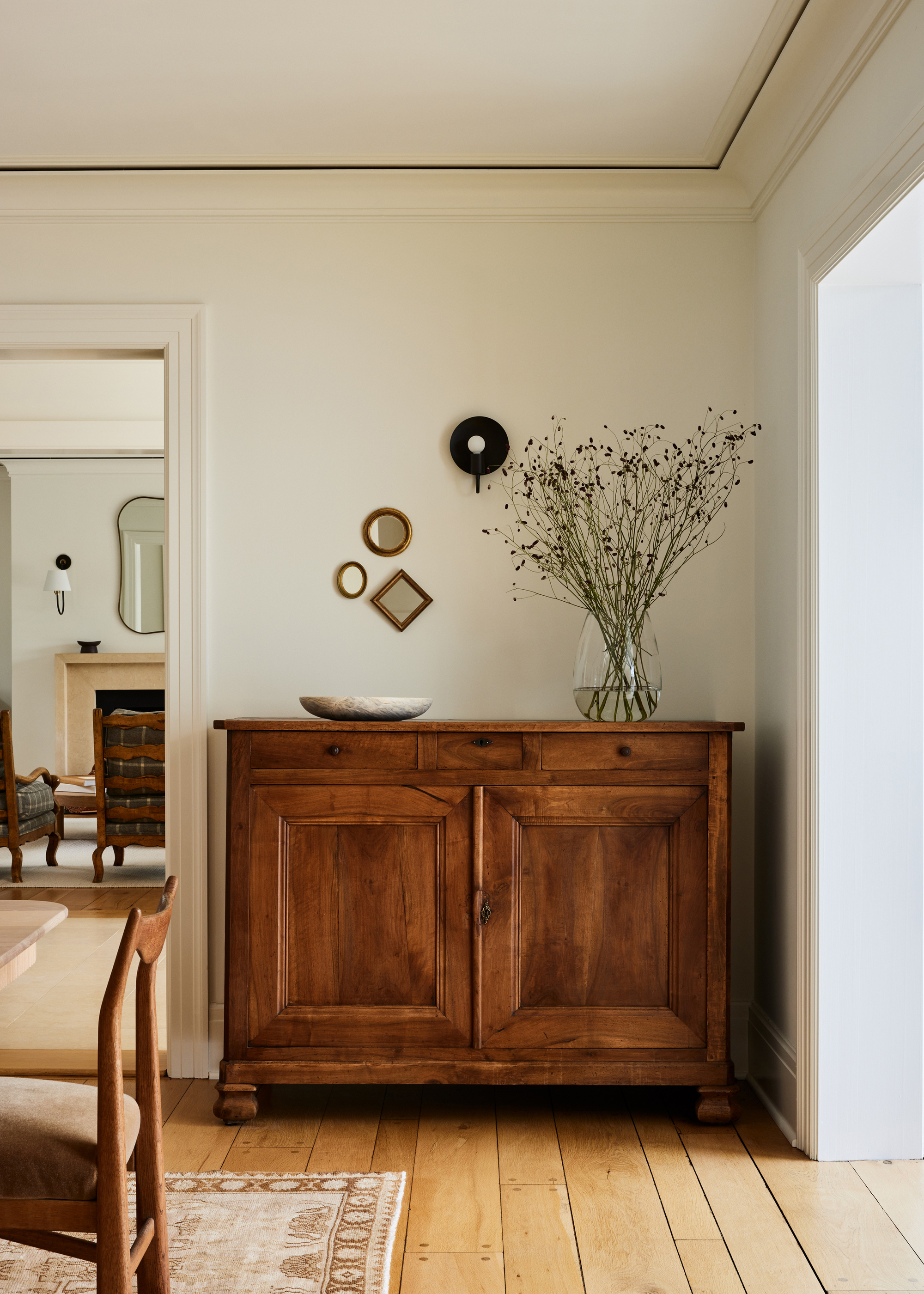
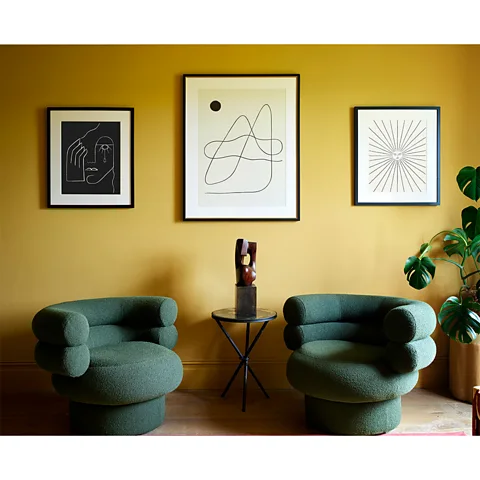
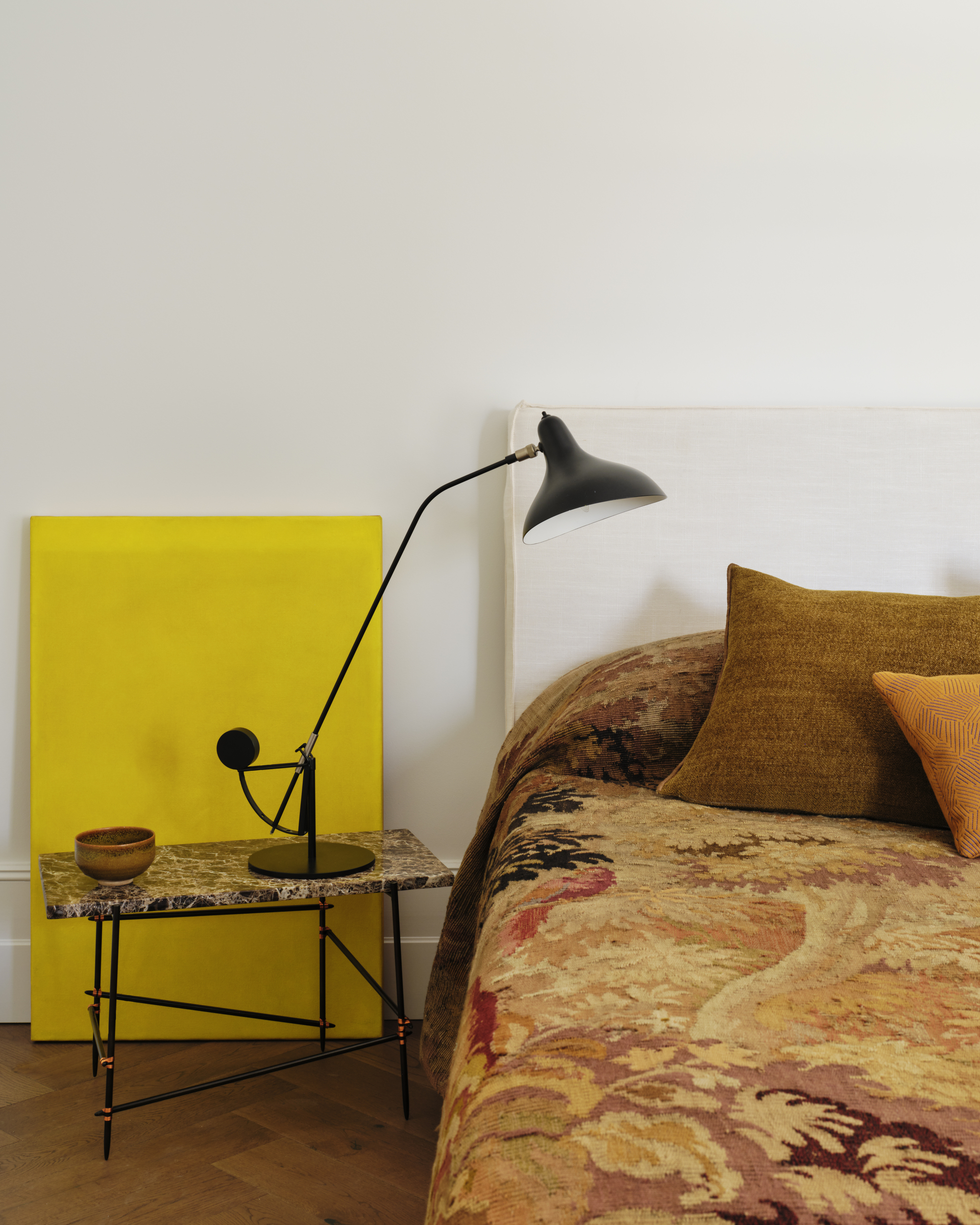
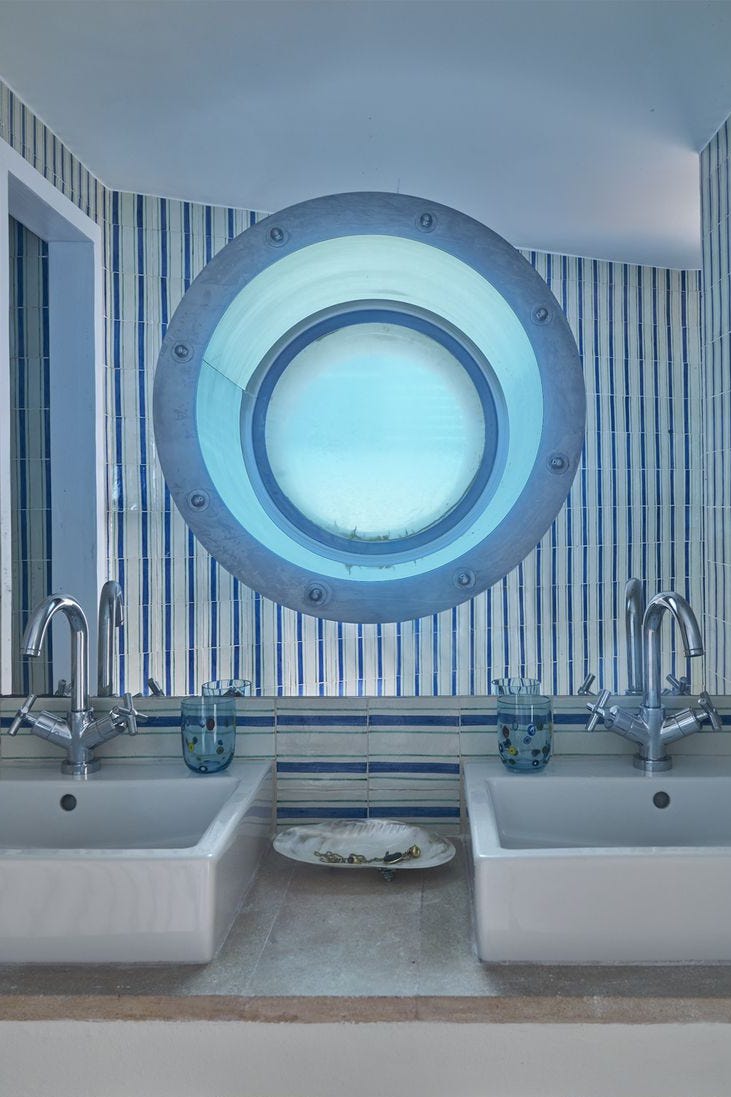
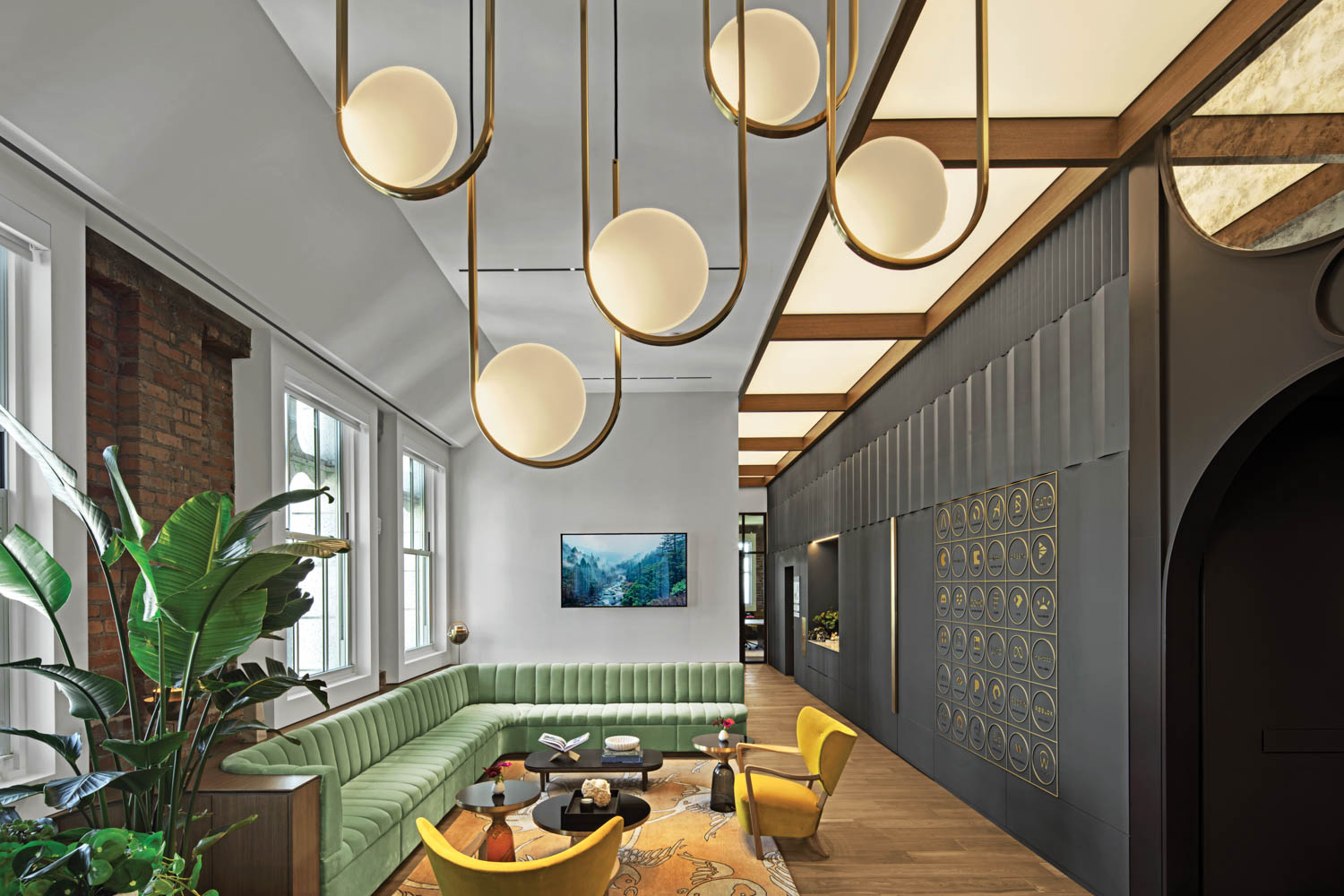
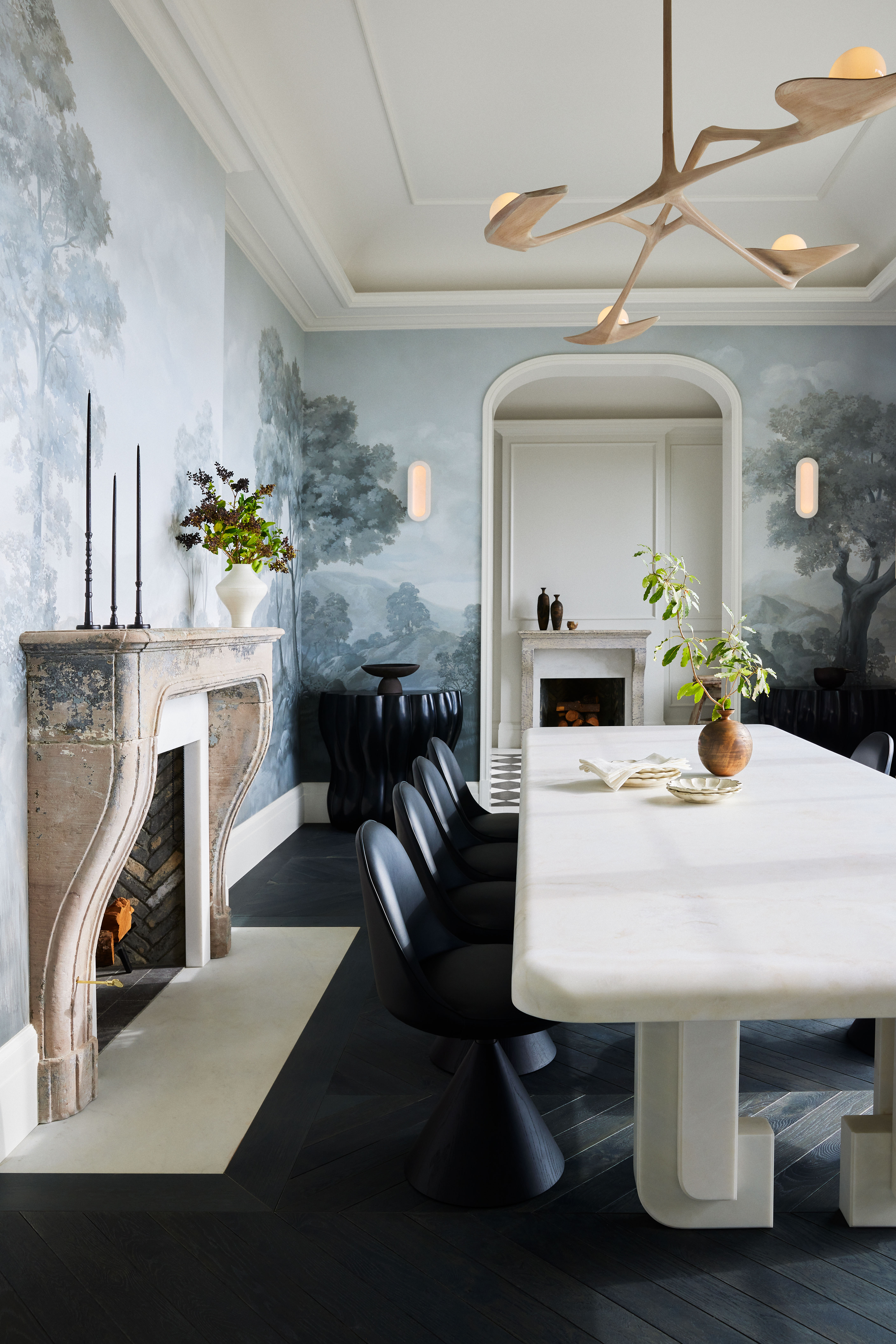
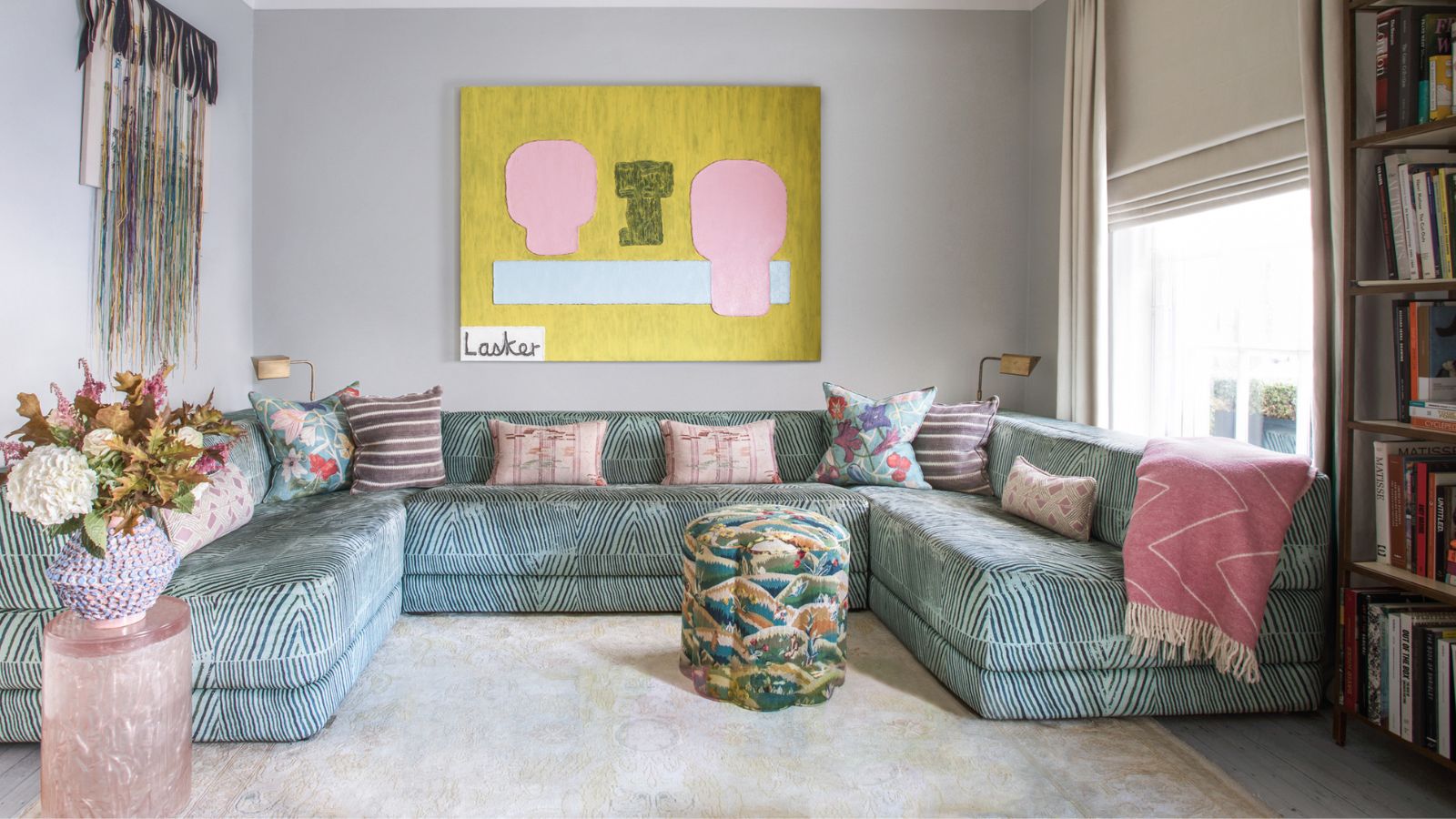
When incorporating art, the objective is not to directly match the room's decor to the art or vice versa. Instead, the focus is on creating a balanced environment where all elements coexist harmoniously. This involves considering a complementary color palette that works with the art, building upon a wider spectrum of colors. Beginning with hues that resonate with the artwork, contrasting colors can then be introduced. Instead of exact matches, the strategy involves selecting color families, drawing inspiration from paint charts that display various shades of a color, or observing natural palettes. Fabric choices can also incorporate a multitude of colors that align with the art.
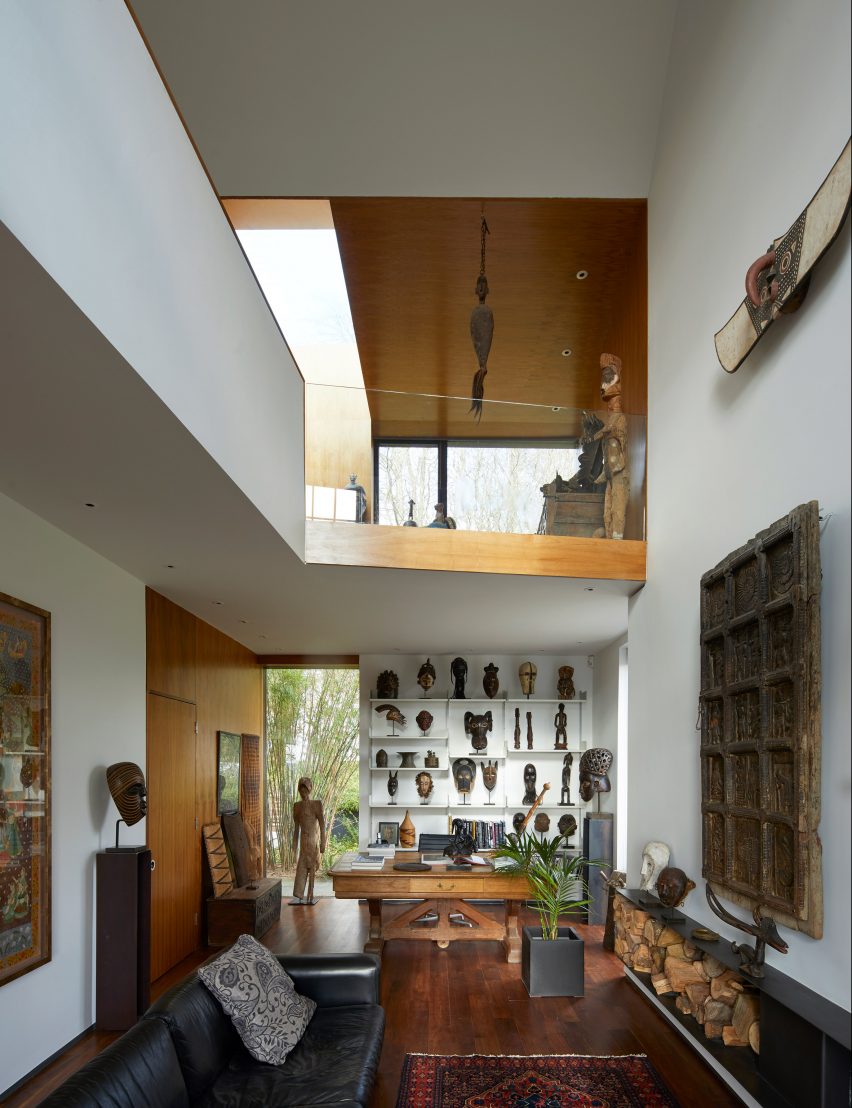
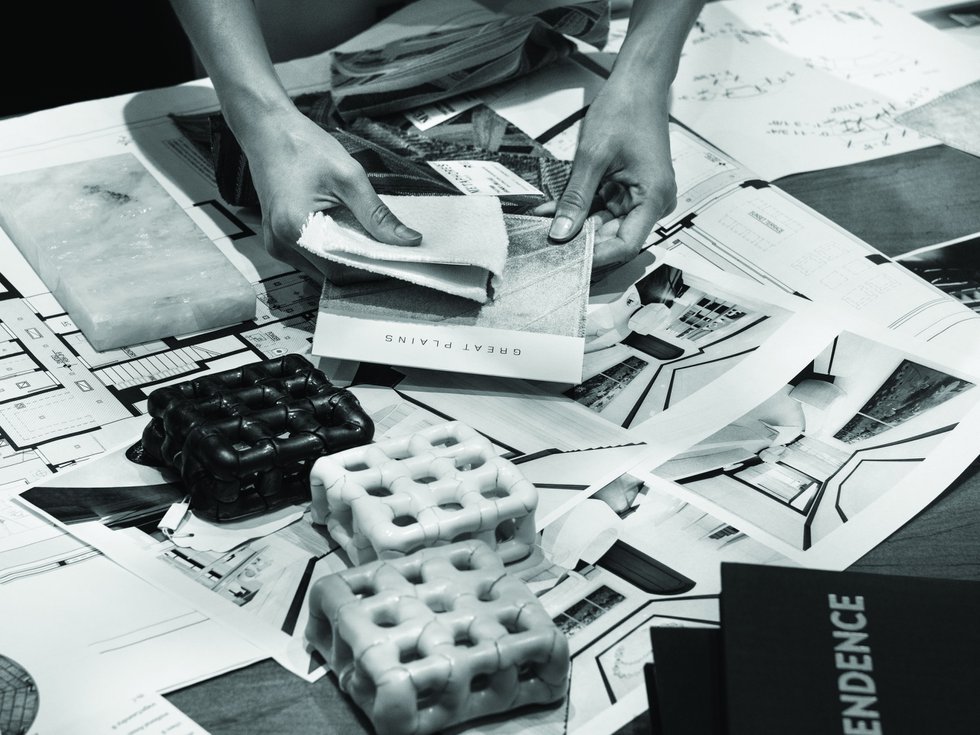
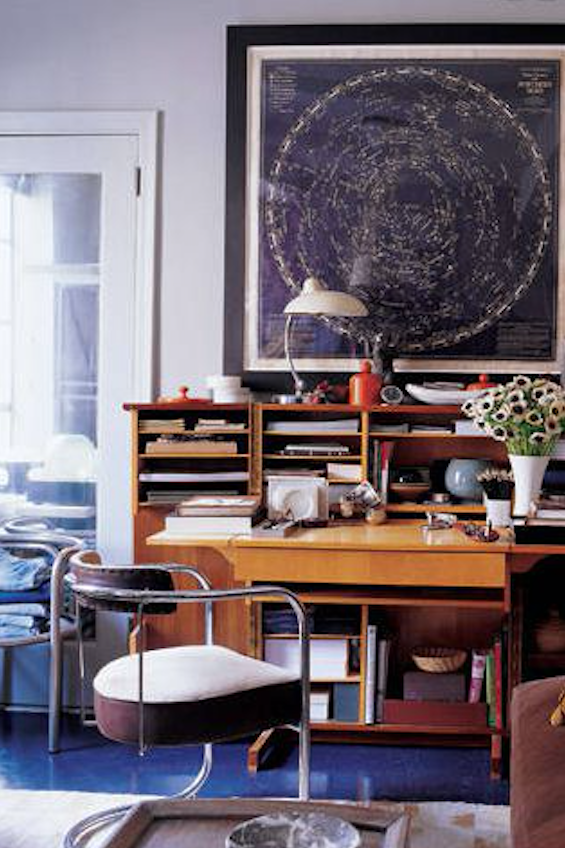
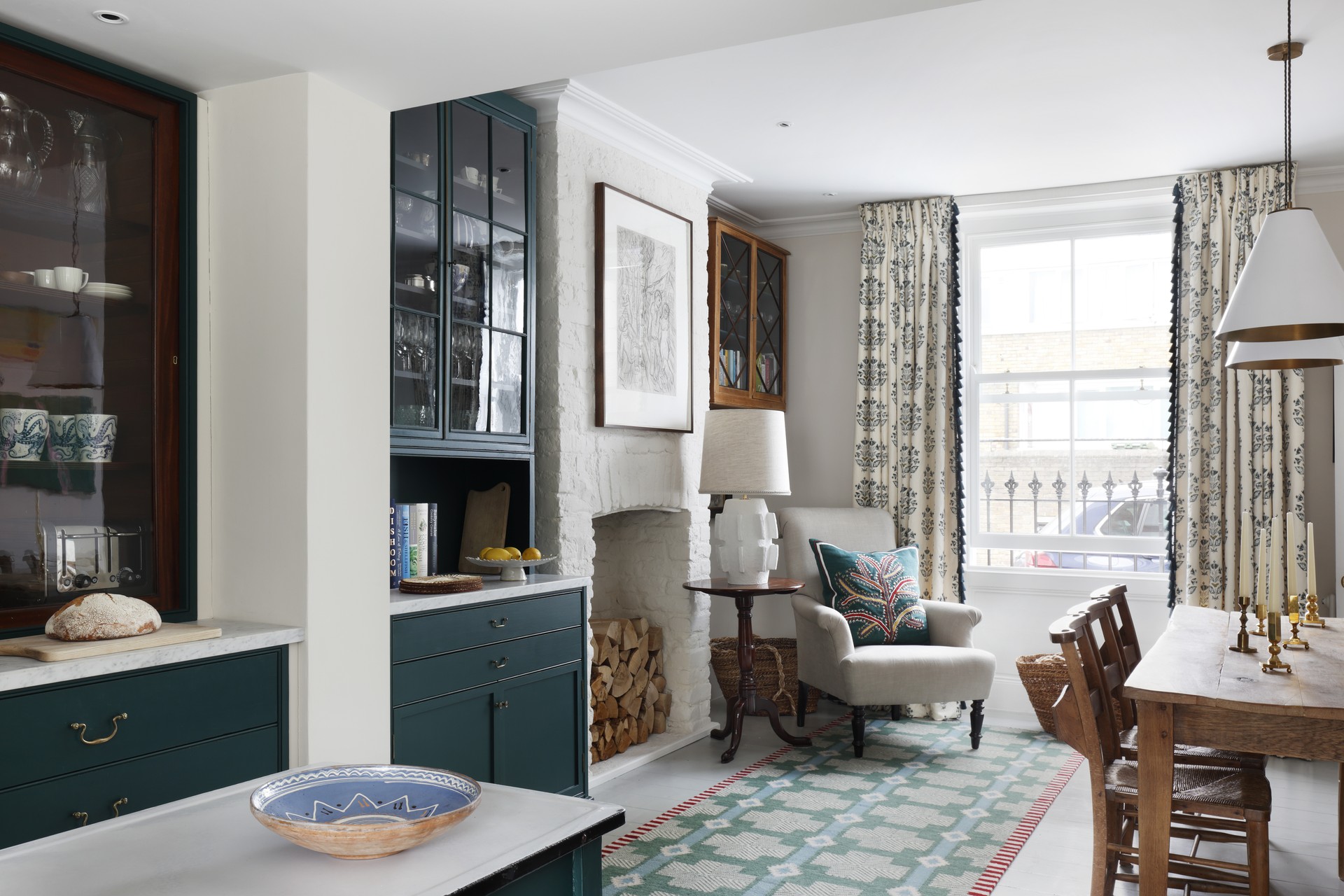
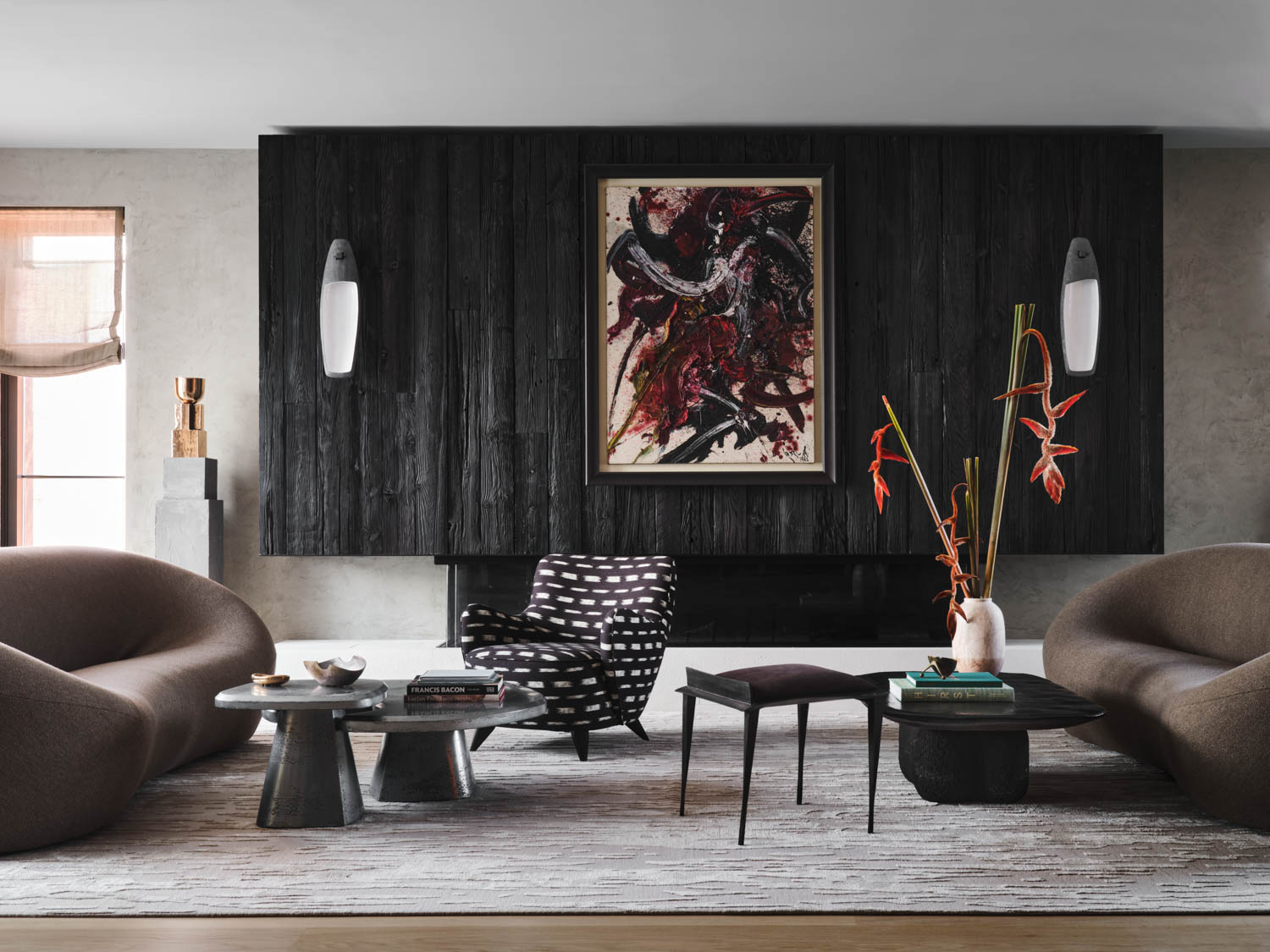
The complexity of the artwork also influences design decisions. For intricate pieces, pairing them with calm textures and patterns helps maintain balance, preventing either the art or the room from overpowering the other. Each element is given its designated place and purpose within the overall design. Beyond selecting existing pieces, there is an opportunity to commission unique artworks and objects. Social media platforms and art fairs have broadened access to artists, making it easier to collaborate on custom pieces. The aim is to create items that deeply resonate with the homeowner, bringing personality, happiness, and enjoyment to their spaces. An example includes commissioning lamps made from upcycled plastics, where the artist and designer collaborated on size, color palette, and form to create a distinctive, cherished piece.
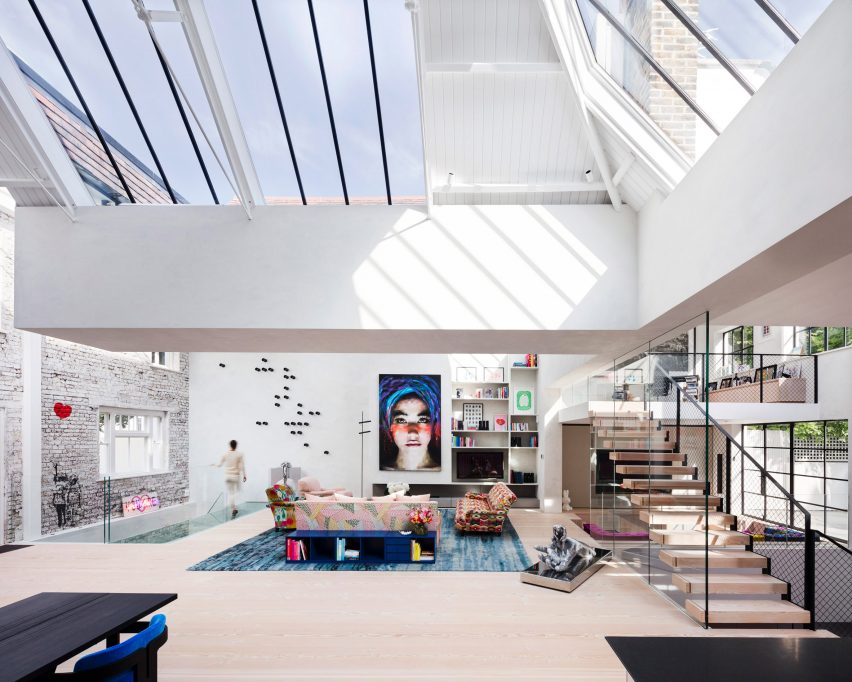
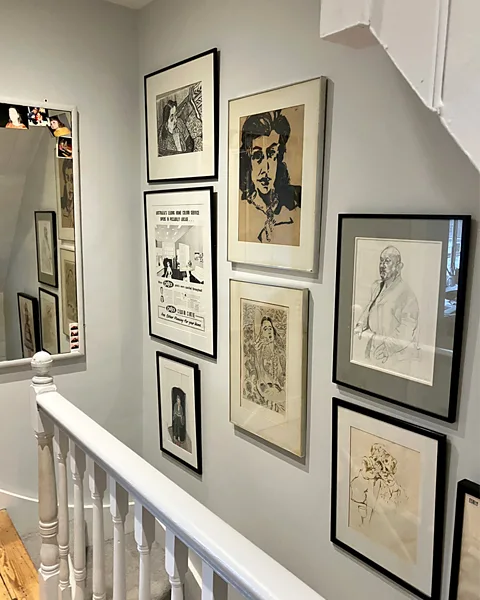
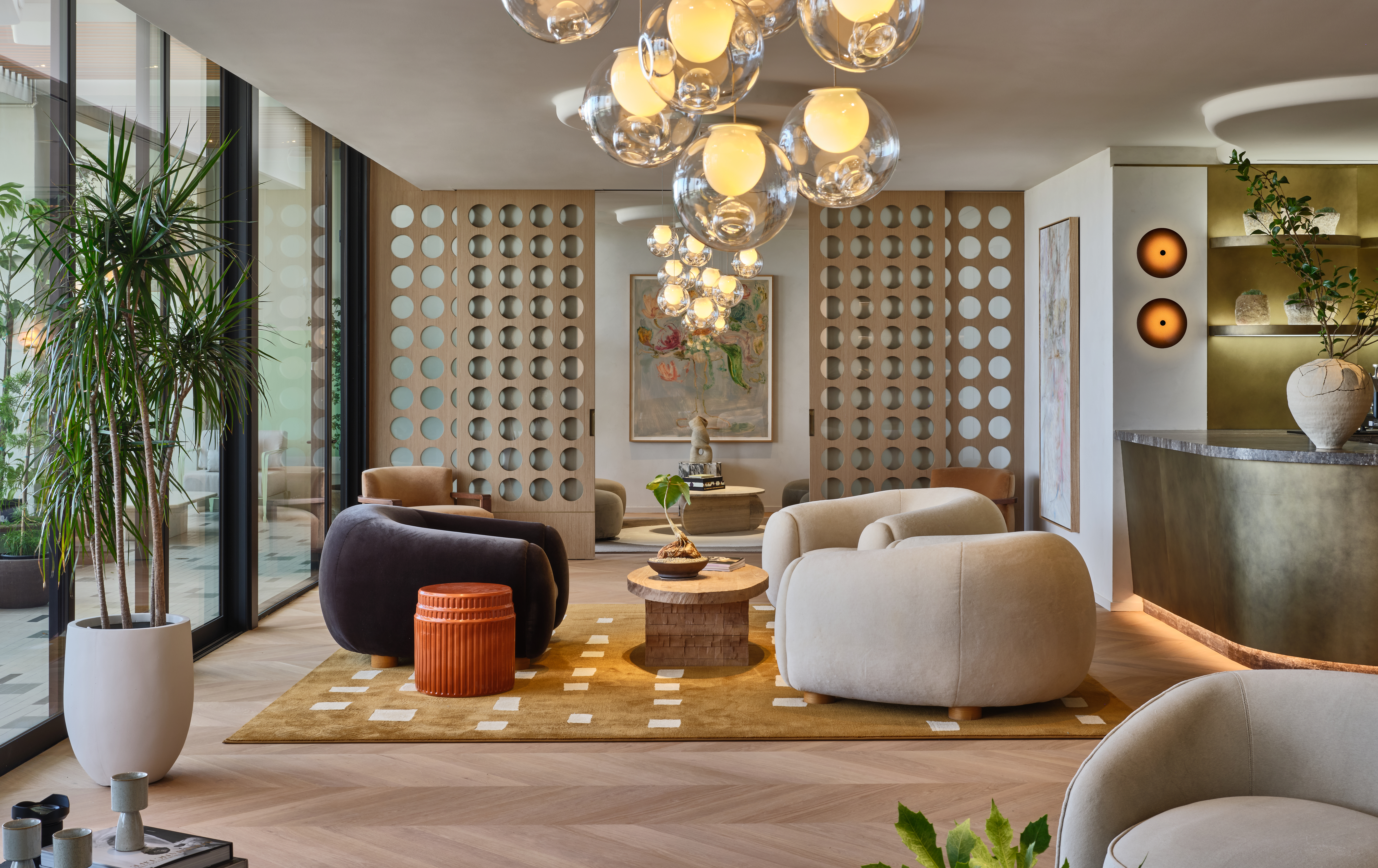
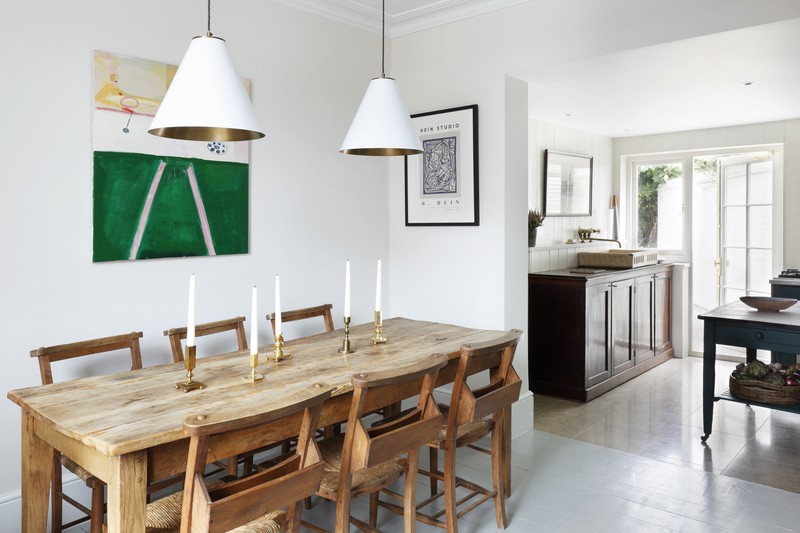
Layering is a fundamental aspect of this design philosophy. A home is not a static museum; it evolves with its inhabitants' lifestyles, and art and objects must adapt to these changes. Layering acknowledges that other elements, such as furniture, family photos, books, and lighting, will interact with the art. The key is to identify the central focal point in a room and use it as an anchor, positioning it where the eye is naturally drawn. The surrounding elements, including art, lamps, objects, and textiles, should then build upon this anchor with color harmony, contrasting patterns, and varied materials. This approach ensures that while each piece has its individual presence, they collectively form a cohesive composition.
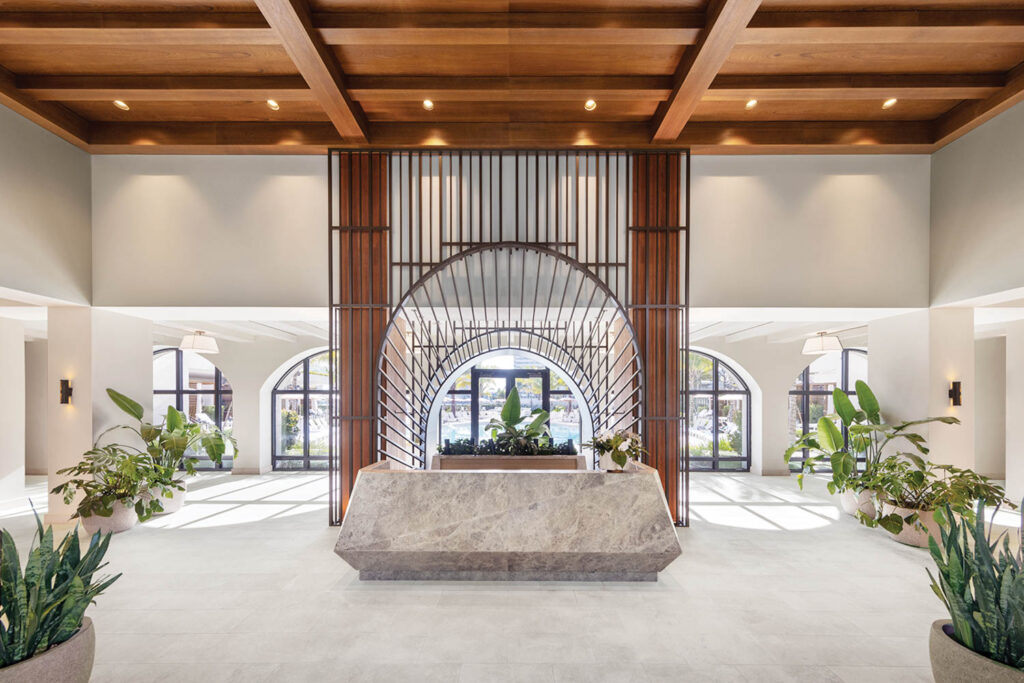
Successful design involves a dynamic interplay where the eye dances across a diverse array of unexpected yet unified pieces. When a room is designed effectively, no single element monopolizes attention. Instead, the art and the room together function as an installation that marries form and function, rich with memories and emotions unique to the owner. The beauty of the design lies in the synergy of its components. Achieving this balance, allowing each piece to have its breathing room and significance without overshadowing others, encourages homeowners to tell their personal stories through their curated spaces. The ultimate goal is to integrate art thoughtfully, giving each piece the presence it deserves within a cohesive and evolving home environment.
#InteriorDesign #ArtIntegration #HomeDecor #ColorPalettes #ArtPlacement #Layering #CommissionedArt #NatalieTredgett #InteriorDesign #ArtIntegration #HomeDecor #ColorPalettes #ArtPlacement #Layering #CommissionedArt #NatalieTredgett
0 comment in total
 No comments yet
You may also like

Interior Designer
How to transform your home with art

Associate Interior Designer
Full-Service Interior Design

If You Have These 10 Traits, You'd Probably Be a Great Interior Designer

9 Acclaimed Interior Designers Share Their Most Memorable Tales of Discovery and Disappointment

10 Ways to Decorate Your Home Like an Interior Designer

7 Interior Designers Share Their Tips on Buying Art for Your Home
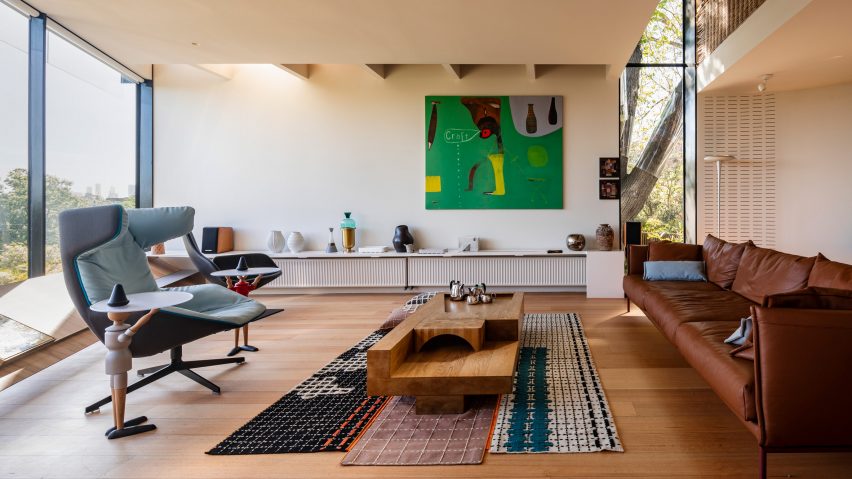
Ten homes with interiors designed to showcase art

Yoselin Alonso Open Concept
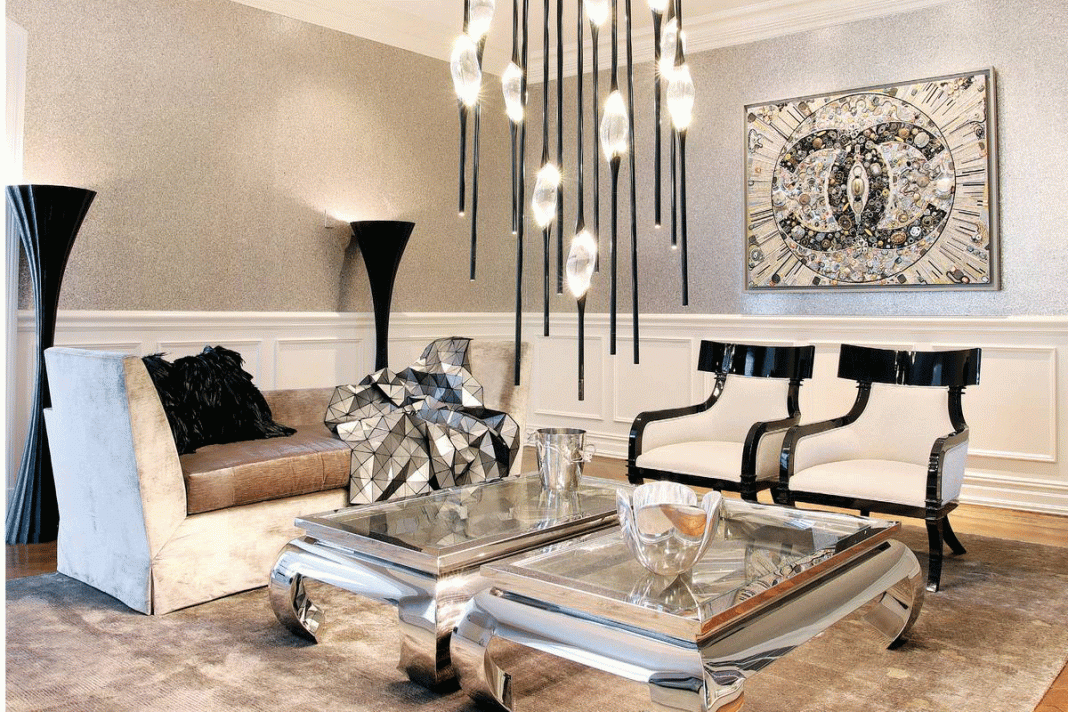
This Purchase Home Design Is All About the Artwork

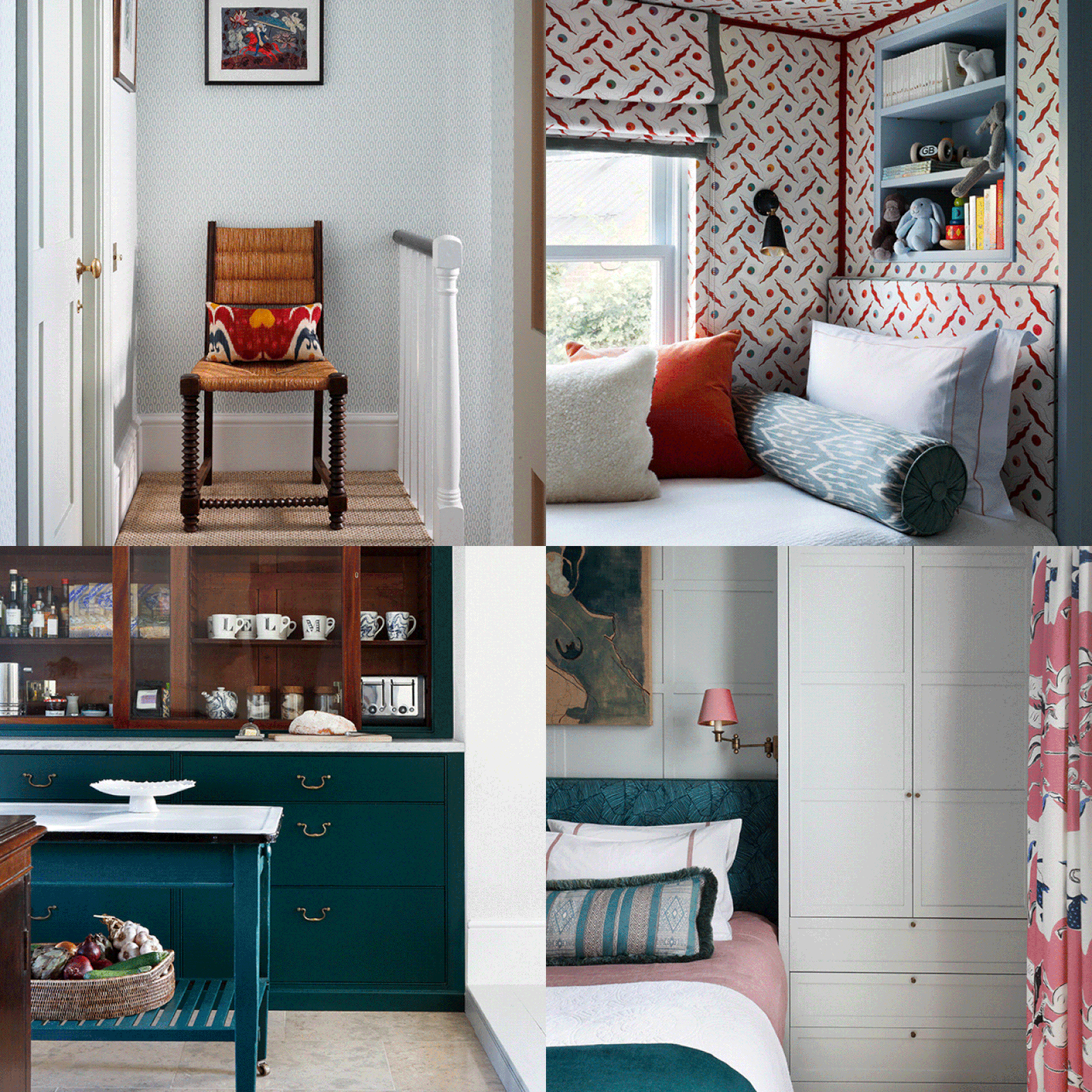
An Interior Designer Shows Us Around Her Favourite Project

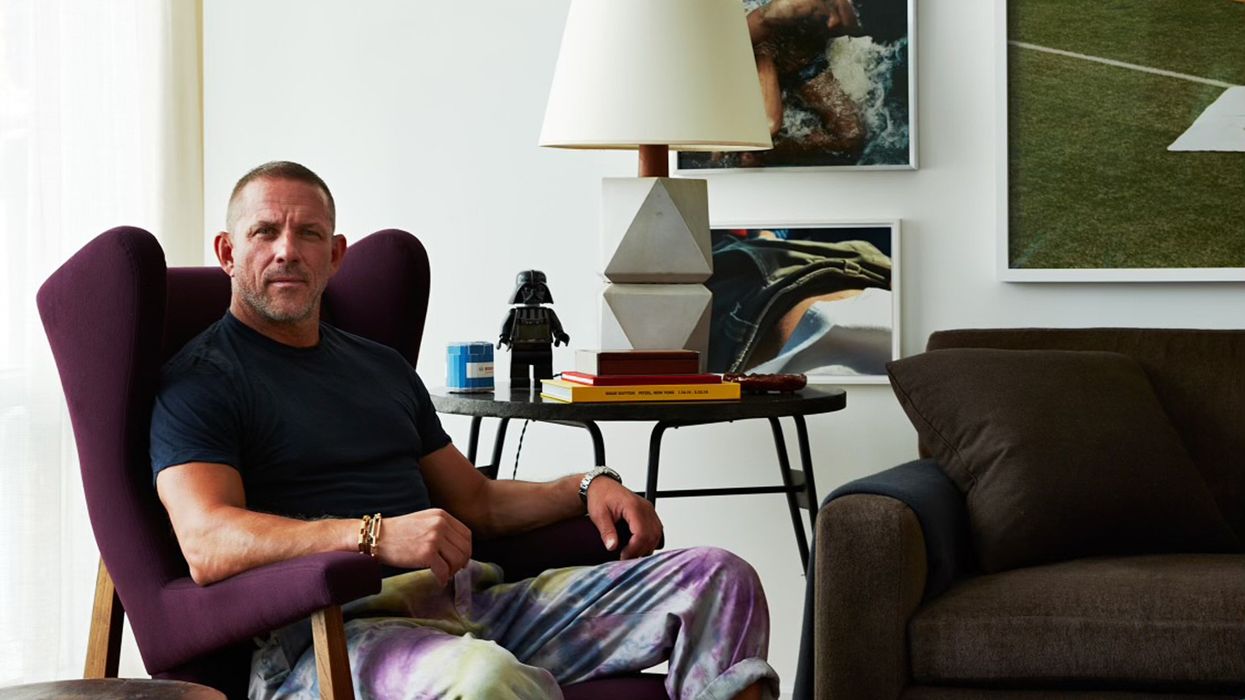
For This Interior Designer, Home is Where the Art Is

This 'Lazy' Way of Displaying Art, Conveniently, Also Happens to Be the Best Looking

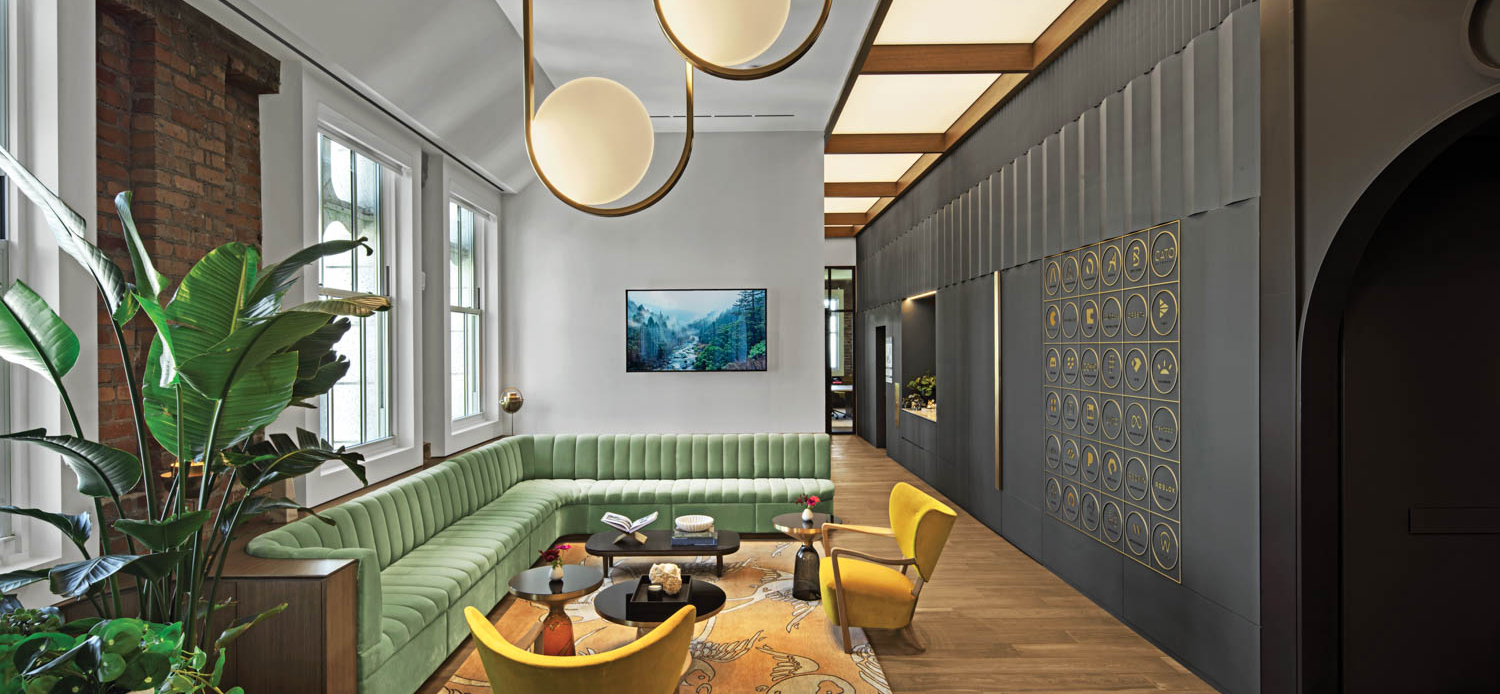
9 Stunning Art Deco Interior Design Styles

How This Designer Fashions Interiors To Stand The Test Of Time
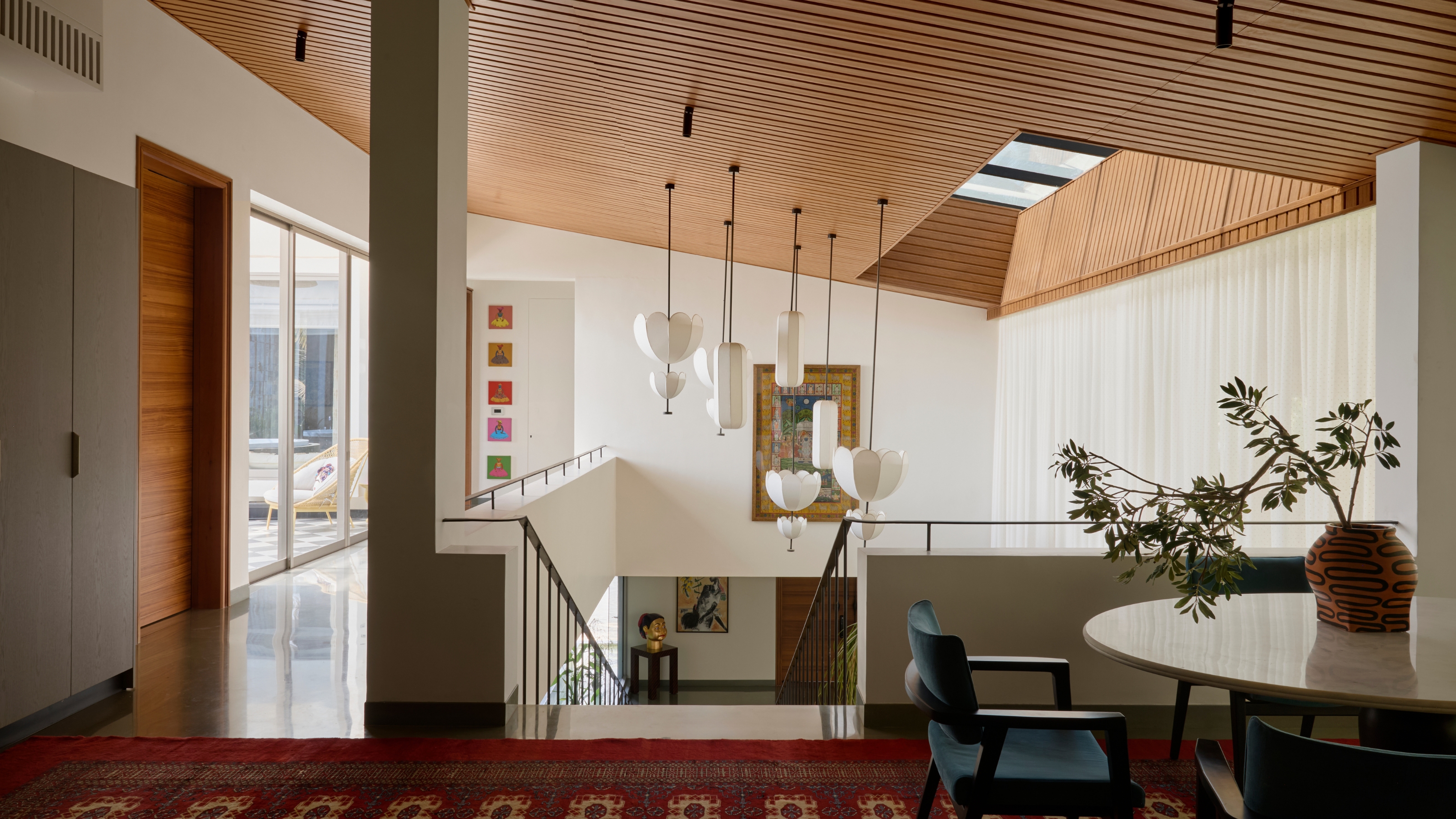
There's Hanging Art, and Then There's Hanging Art Like an Interior Designer — Here's How to Do the Latter

The 2020 A-List: 125 of the Best Interior Designers in the World

Meet Krysti Lyn | Whole Home Designer
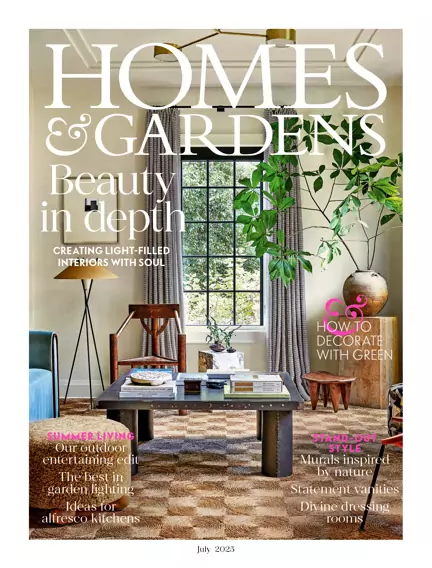
Meeting of minds - 5 Jun 2025 - Homes and Gardens - UK Magazine