1/6
I Cleared My Blocked Bathroom Drain in Minutes With This 'Spot On' Fix
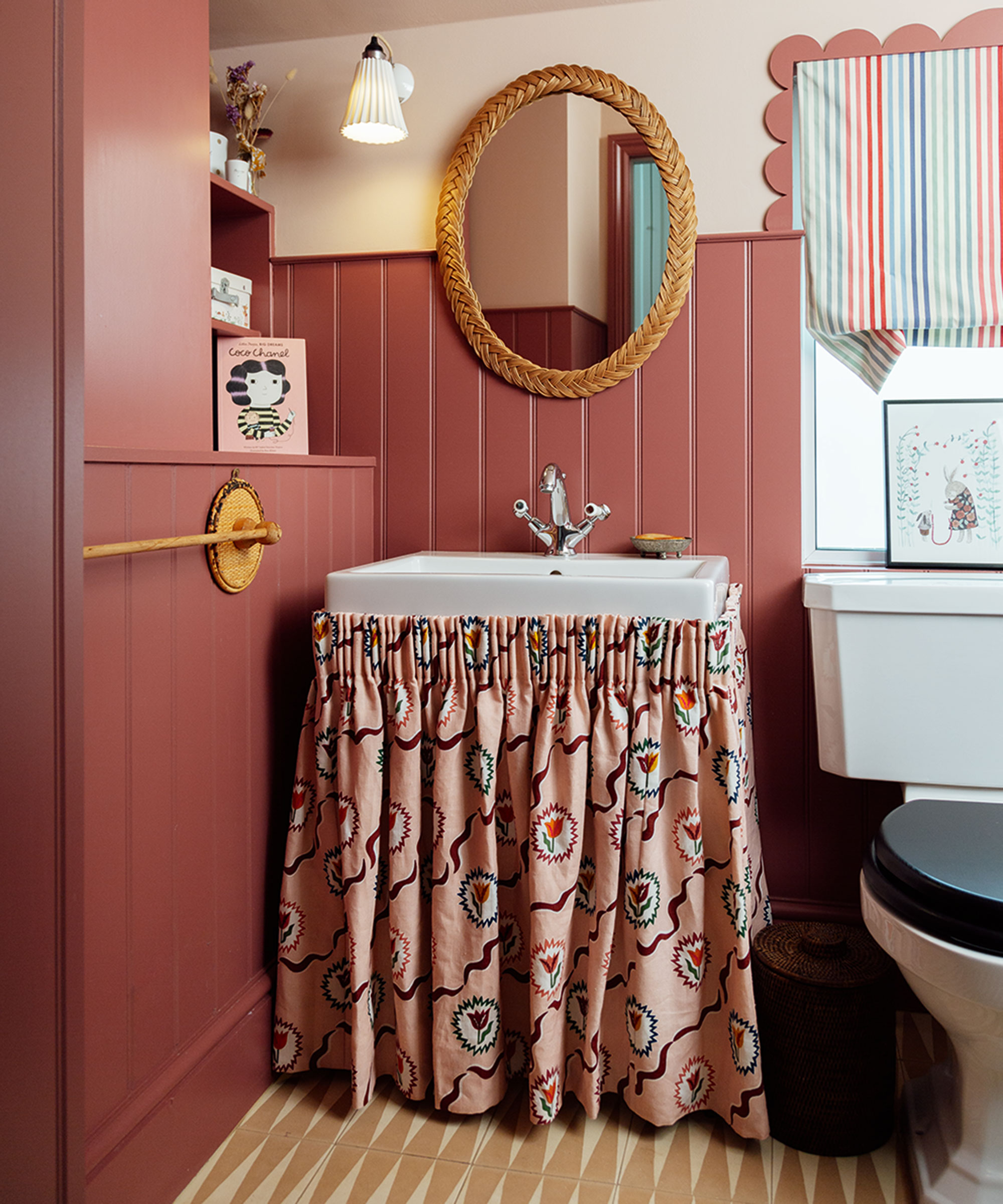
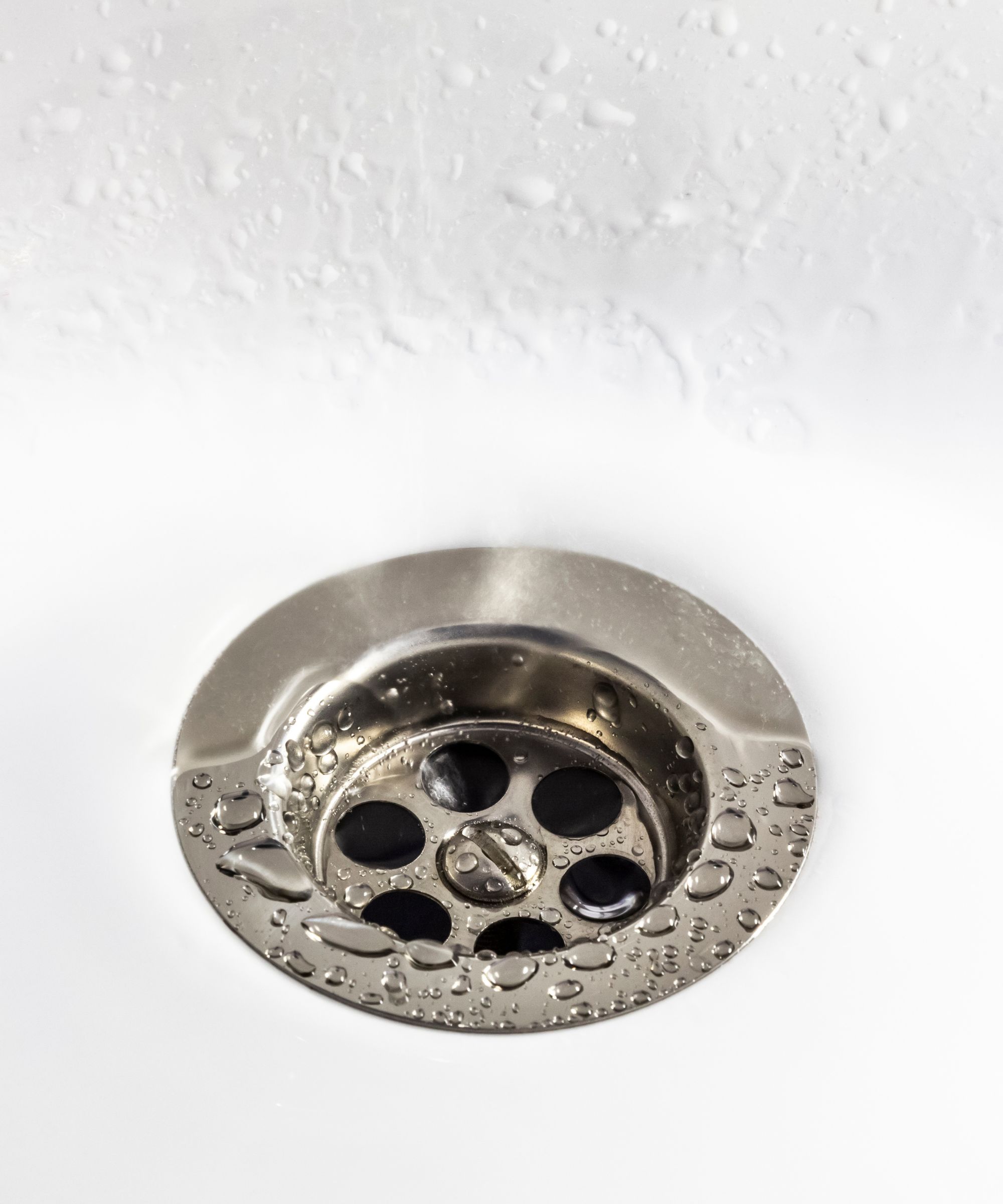
The author shares a quick, inexpensive, and chemical-free method for clearing a blocked bathroom sink drain using common kitchen ingredients. The method was successfully applied to an en-suite bathroom sink that became blocked and developed an odor after prolonged use. The author's personal experience highlights the effectiveness of natural cleaning solutions as an alternative to harsh chemicals, particularly in small, enclosed spaces where strong odors can be overwhelming.
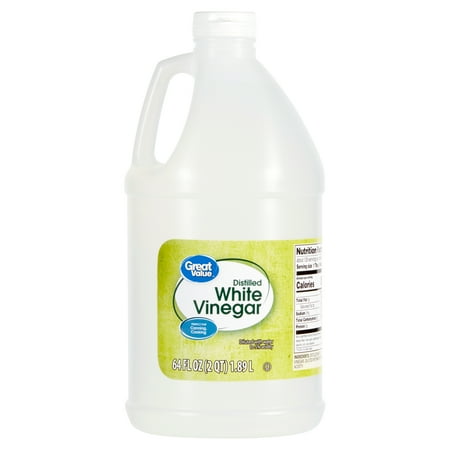
The required materials include three simple kitchen items: dish soap, freshly boiled water (not boiling, but hot), and half a cup of cleaning vinegar. A thin metal hanger or straw brush is also recommended for physical debris removal. Karina Toner, a professional cleaner and operations manager at Spekless, supports this approach, emphasizing the dish soap's ability to break down grease and biological residue in tight spaces where tools might struggle. The article specifies that approximately three squirts of dish soap, such as Dawn, should be applied to the drain first.
After allowing the dish soap to sit, two cups of hot water (not boiling) are poured down the drain. This step helps to loosen natural materials, soap, and scum buildup without damaging the pipes, as confirmed by Karina Toner. The use of hot water softens grime and grease, making it easier to flush away. Following the hot water, cleaning vinegar is introduced. Vinegar acts as a natural deodorizer and its acidic properties aid in dissolving limescale and soap scum. Karina Toner suggests a 5-10 minute soak for the vinegar to work effectively, with the option to extend the soak time or repeat the process for more stubborn clogs.
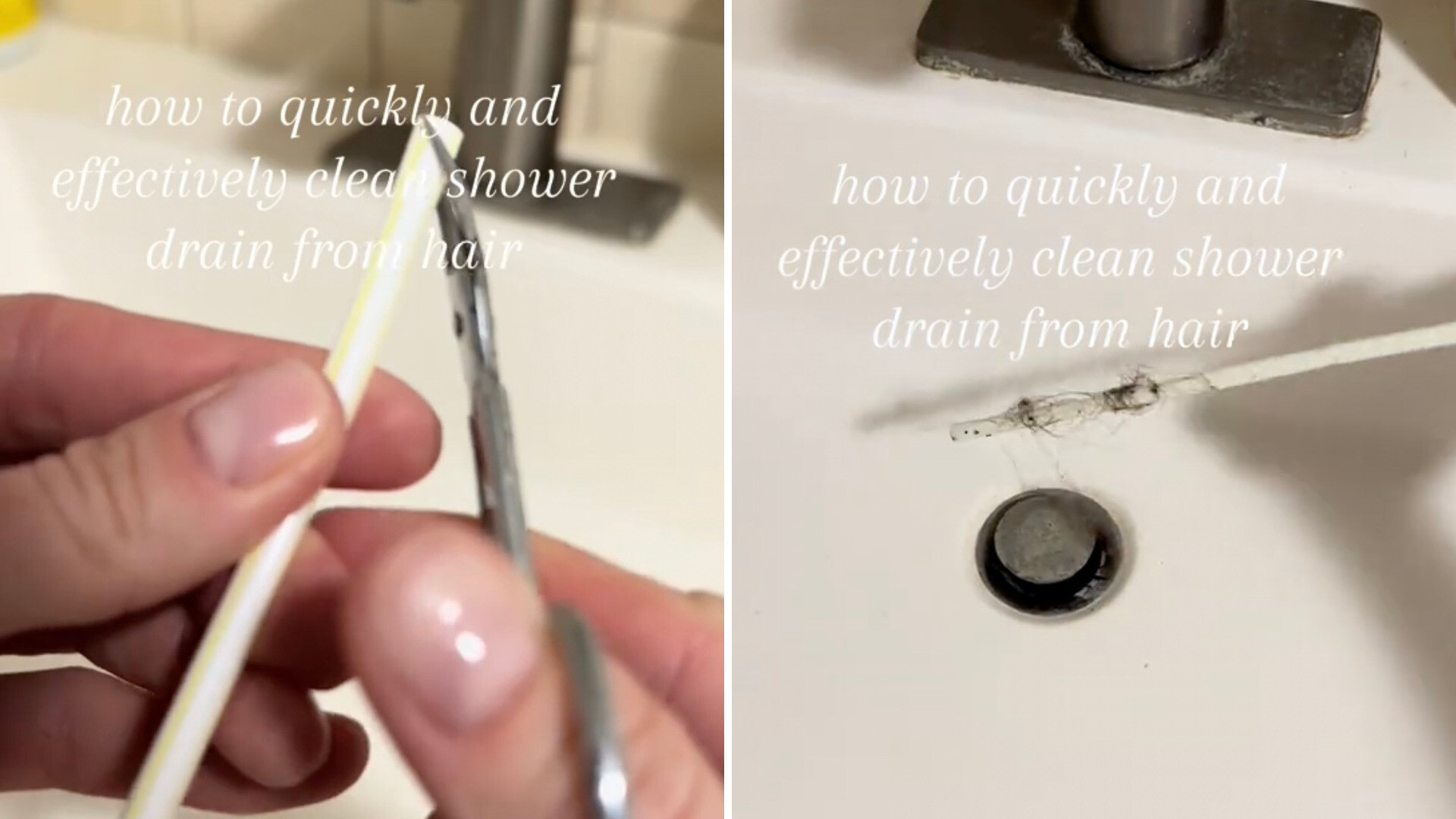
The final step involves a second pour of hot water and manual removal of loosened debris. The author used a thin metal straw cleaner to scoop out a mixture of natural residue and a small plastic toy piece from the drain, while simultaneously wiggling the static plug to dislodge any remaining blockages. This combination of chemical and mechanical action is deemed crucial for a thorough clean and to prevent future clogs. The article also notes a positive side effect of the vinegar treatment: the removal of limescale around the metal drain without scrubbing.
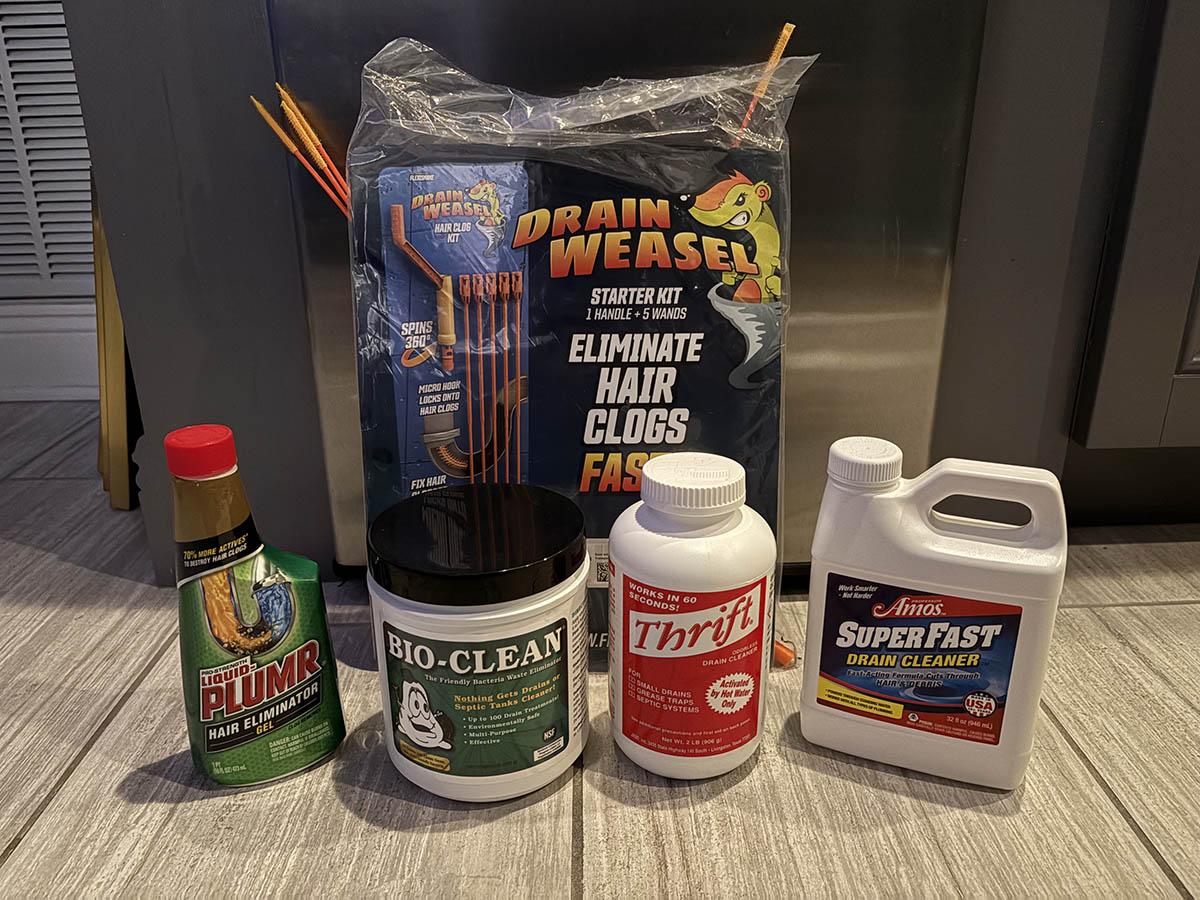
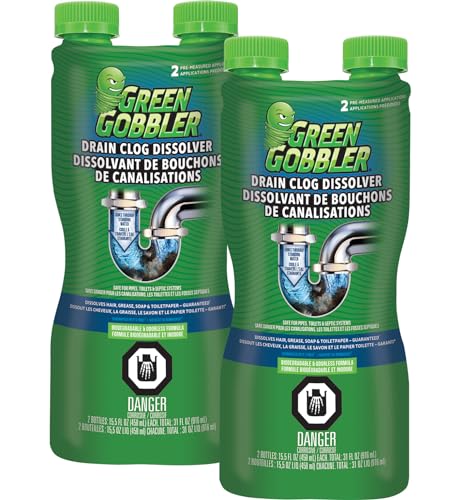
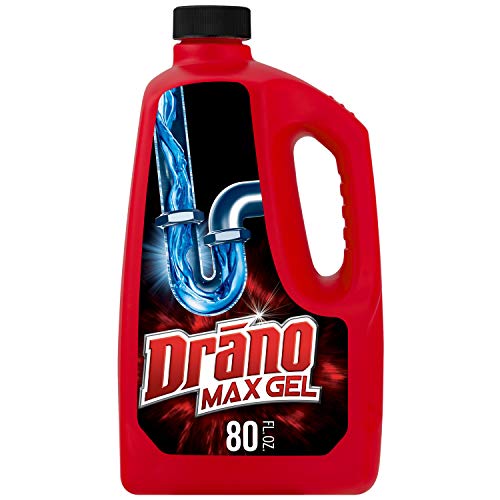
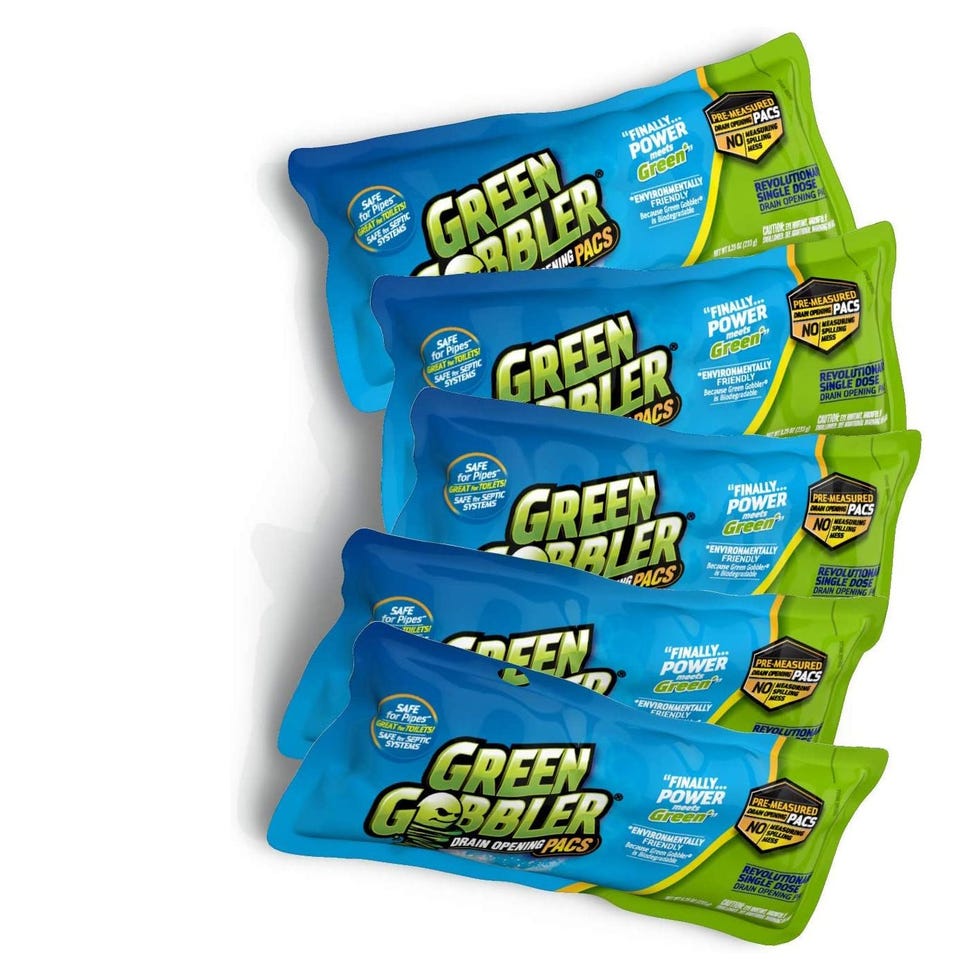
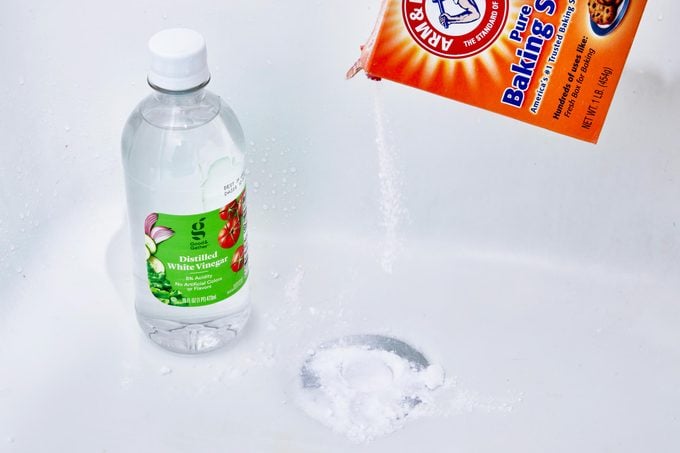
The article also addresses the common misconception regarding the use of baking soda and vinegar for cleaning. While their mixture creates a fizzing reaction that can dislodge minor debris, the chemical reaction actually neutralizes both substances, preventing a long-lasting cleaning effect. However, baking soda can still be beneficial for balancing acidic residues and combating lingering odors. The author then provides a list of recommended products for those seeking commercial alternatives or tools, including Drano Max Gel for stubborn blocks, Flexisnake Drain Weasel for hair clogs, decorative glass bottles for vinegar storage, Afuufa Straw Cleaner Brushes, White House Multipurpose Cleaning Vinegar, and Green Gobbler Drain Cleaner and Deodorizer Sticks for maintenance.
#BlockedDrain #BathroomMaintenance #NaturalCleaning #DIYCleaning #HomeCare #CleaningTips #KitchenIngredients #BlockedDrain #BathroomMaintenance #NaturalCleaning #DIYCleaning #HomeCare #CleaningTips #KitchenIngredients
0 комментариев всего
 Комментариев пока нет
Вам также может понравиться
This $7 Product Can Clear Even the Most Stubborn Drain Clog

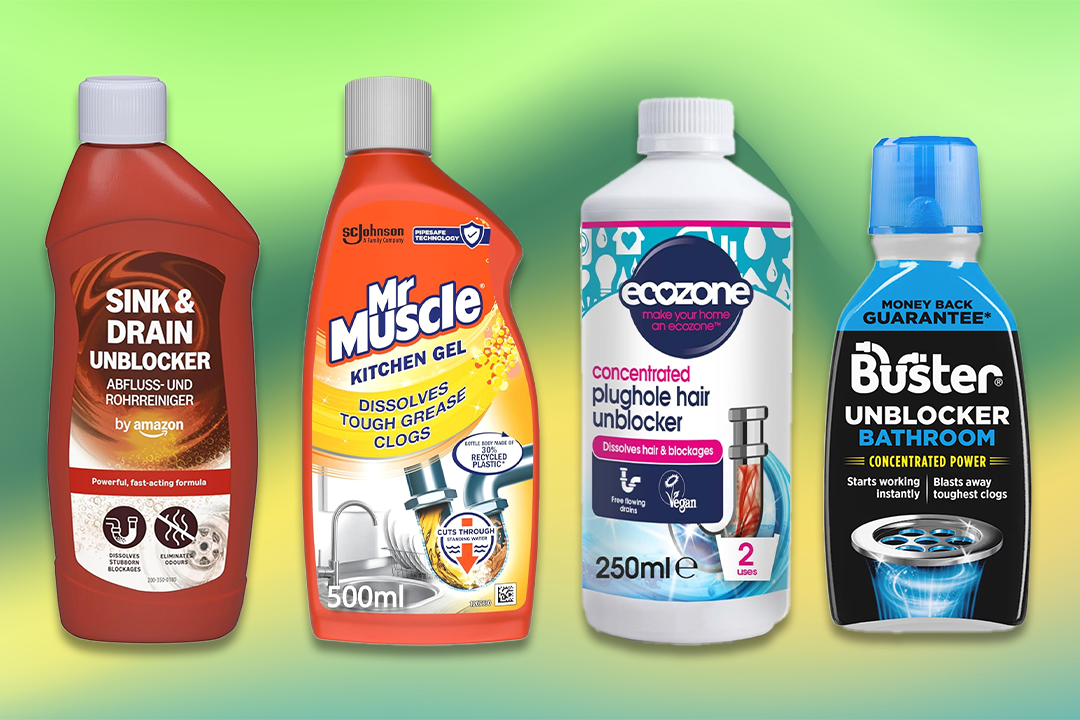
Best drain unblockers 2025, tested in a real home
How to Clear a Clogged Sink Drain—Without Needing to Call a Plumber

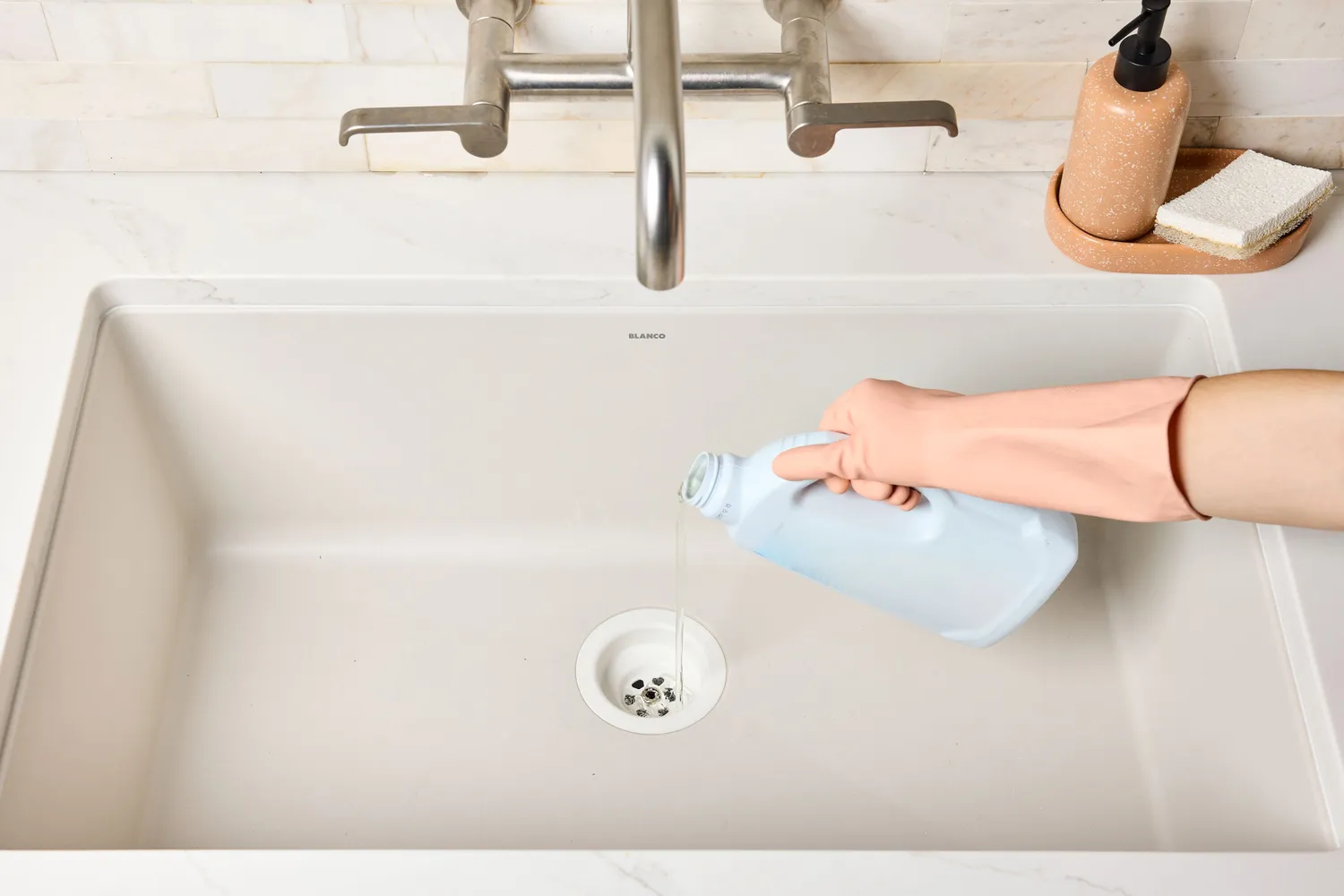
We Asked a Plumber What Really Works to Unclog Drains—Here’s What They Swear By


Say goodbye to clogged drains with these simple household cleaning hacks


The Best Drain Snakes for Clogged Showers, Bathtubs, and Sinks
This “Brilliant” $10 Sink Gadget Solved My Grossest Kitchen Problem

Stop Bedroom Damp with This 84-Cent Natural Home Fix

This simple swap has transformed my crowded small bathroom
Homeowner shares simple hack to unclog drains using common materials: 'Smart for times I can't run to the store'

7 reasons your sink won't drain – plus expert tips to unclog a sink like a pro
How to use a drain snake, according to experts

Homeowner shares plumber-approved hack to easily fix clogged drains: 'Interesting idea'

8 Things You Should Never Wash Down The Sink

This One Simple Swap Instantly Gave My Bathroom a Luxury Upgrade—Without the Price Tag

The Easy (and Cheap!) Bathroom Update that Makes a Big Difference
This Drain Cleaner Is the Best At Tackling Stubborn Clogs, Say Our Experts

When Your Sink Won’t Drain, Try This Easy Fix Before Calling a Plumber


I Tried This $13 "Pineapple Bulb" Hack and It Seriously Elevated My Bathroom

Physical Therapists Just Revealed A Mind-Blowing Bathroom Hack That Has Me Rethinking My Entire Pooping Strategy