1/2
Physical Therapists Just Revealed A Mind-Blowing Bathroom Hack That Has Me Rethinking My Entire Pooping Strategy
Constipation is a prevalent gastrointestinal issue, affecting 12% of the global population and leading to 2.5 million doctor visits annually in the US. While traditional remedies like increasing fiber intake and using laxatives are common, physical therapists have introduced an unexpected hack: blowing bubbles. This technique, demonstrated by Dr. Karan Rajan on Instagram and supported by pelvic floor therapists Lalitha McSorley and Heather Jeffcoat, involves engaging the diaphragm and pelvic floor muscles. The controlled, gentle exhale, similar to a “breathy whistle,” helps relax the lower abdomen and coordinates muscle activity for easier bowel movements.
According to McSorley, blowing bubbles helps in relaxing the pelvic floor. Jeffcoat elaborates that this method prevents "dyssynergic defecation," a condition where pelvic floor muscles do not function correctly during a bowel movement. While a cup and straw can make it more engaging for children, the core principle is the controlled exhale. This technique complements other preventative measures such as adequate hydration and a fiber-rich diet. Straining during bowel movements, a common but unhelpful practice, can lead to complications like hemorrhoids, anal fissures, tight pelvic floor muscles, and anal leakage.
Blowing bubbles offers a gentle alternative to straining, teaching the abdominal wall and pelvic floor to work in harmony. This approach aims to facilitate a natural bowel movement rather than forcing it, thereby reducing the risk of associated physical discomfort and potential medical issues. However, physical therapists emphasize that this hack is not a standalone solution. It should be integrated into a comprehensive approach to managing constipation that also includes dietary adjustments and hydration.
Despite its effectiveness as a complementary strategy, the bubble-blowing technique is not a foolproof cure for chronic or severe constipation. Individuals experiencing persistent constipation, particularly if accompanied by pain, discomfort, or bleeding, should seek medical evaluation. More serious treatments may be necessary, including prescription medications, stool testing, bloodwork, biofeedback, or a colonoscopy. McSorley advises individuals to listen to their bodies and consult a doctor or pelvic floor therapist if something feels amiss, highlighting the importance of professional medical advice for ongoing gastrointestinal concerns.
#ConstipationRelief #PelvicFloorHealth #PhysicalTherapy #BowelHealth #DigestiveWellness #HealthTips #MindBodyConnection #ConstipationRelief #PelvicFloorHealth #PhysicalTherapy #BowelHealth #DigestiveWellness #HealthTips #MindBodyConnection
0 comment in total
 No comments yet
You may also like

Here’s the Bathroom-Organizing Hack That My Wirecutter Colleagues Call ‘Genius’
Traditional Bathroom Tile Is Out—Here’s What to Do Instead
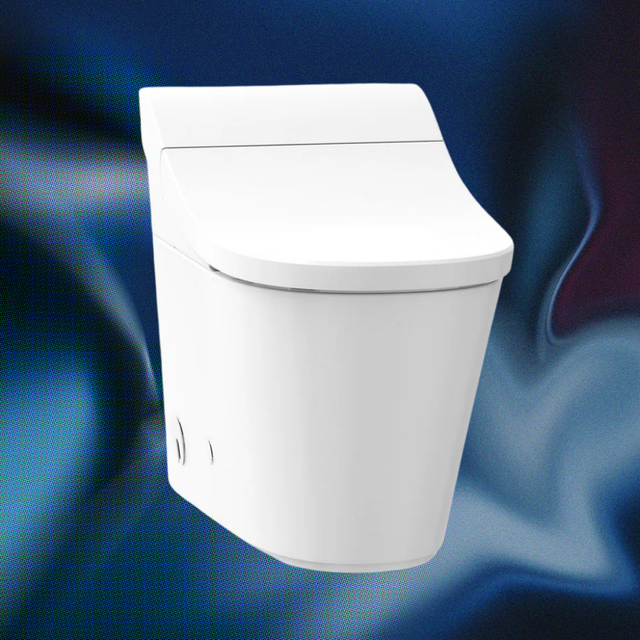
Hot Take: Smart Toilets Are Totally Worth The Splurge

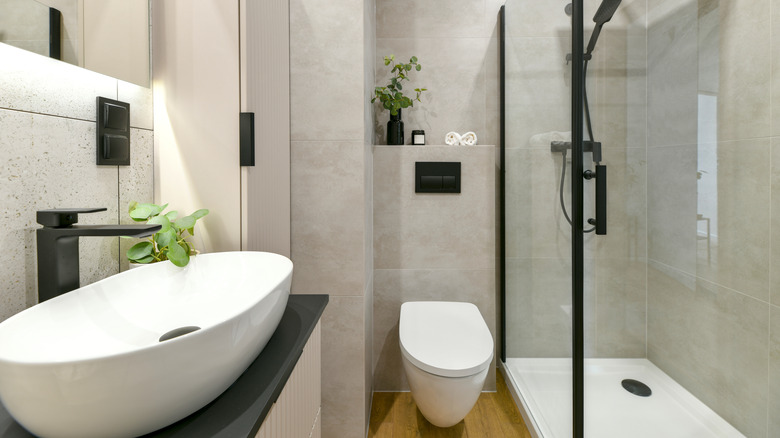
The Bathroom Design Trend That Experts Are Seriously Conflicted On (Is It An Eyesore?)
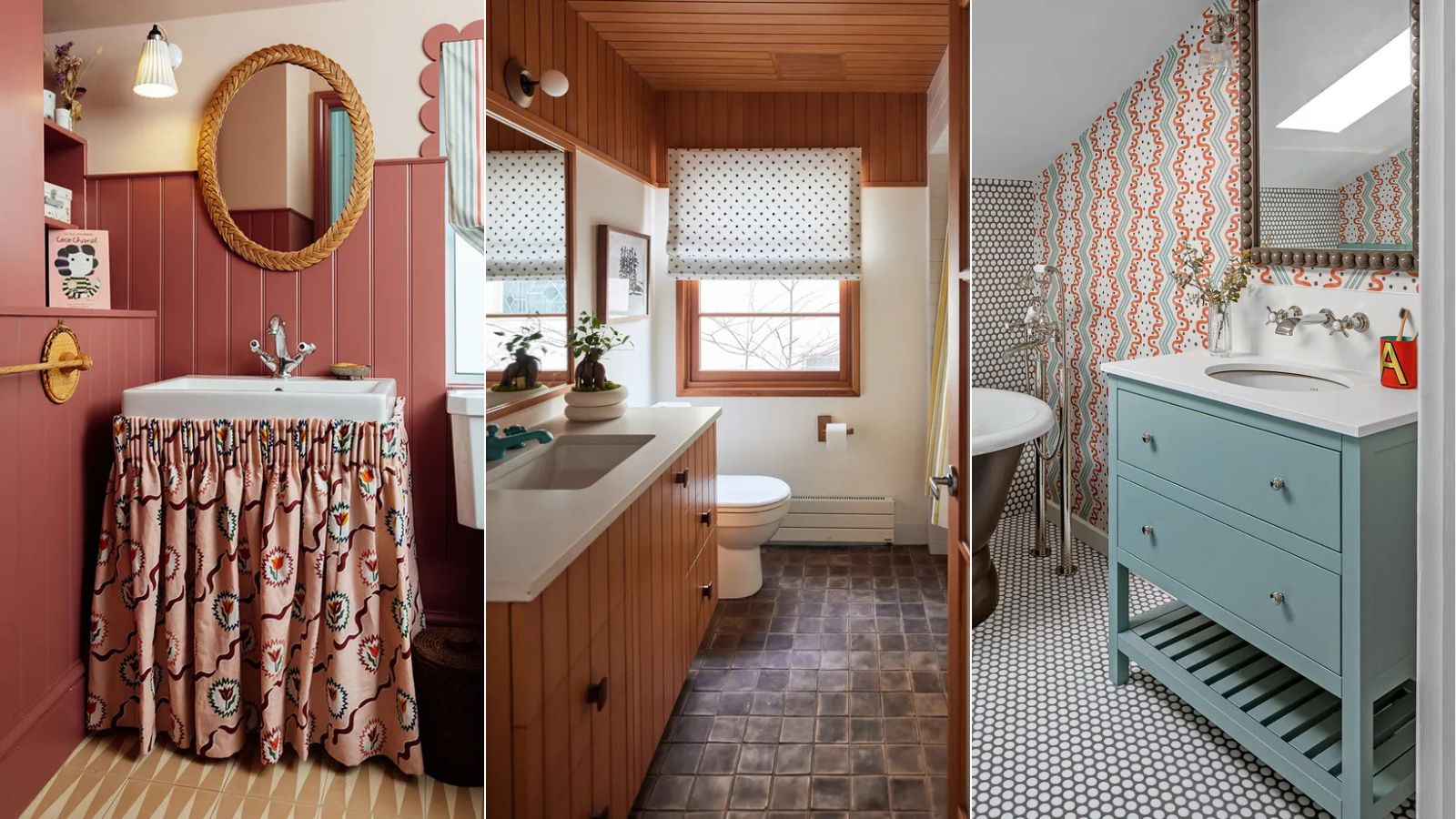
This simple swap has transformed my crowded small bathroom

Bathroom Trends

The Unique Walk-In Shower Alternative That's Taking Bathrooms To The Next Level
This 'Invisible' Toilet Is the Future of Bathroom Design

The Easy Upgrade That Can Change Your Bathroom Experience

This Genius Tile Hack Could Transform Your Bathroom—But Pros Say There's a Catch

This Bathroom Trend Will Literally Stand the Test of Time

Refreshing THIS Design Feature Can Completely Transform Your Bathroom

A professional cleaner just revealed the most obvious bathroom cleaning hack, and I'm shocked I never thought of it

This One Simple Swap Instantly Gave My Bathroom a Luxury Upgrade—Without the Price Tag
The Latest Bathroom Trends Are Indulgent—and Totally Worth It


TikTok Made Me Buy These Stackable Drawers—And They Actually Tame the Chaos Under My Bathroom Sink
Designers Say This Small Change Can Make a "Huge Difference" Your Bathroom

This is the easiest trick to elevate a boring bathroom, according to an interior designer
Awkward bathroom layout? These clever products solve common design problems
Six Wellness-Related Bathroom Design Trends For 2024