1/6
When Your Sink Won’t Drain, Try This Easy Fix Before Calling a Plumber
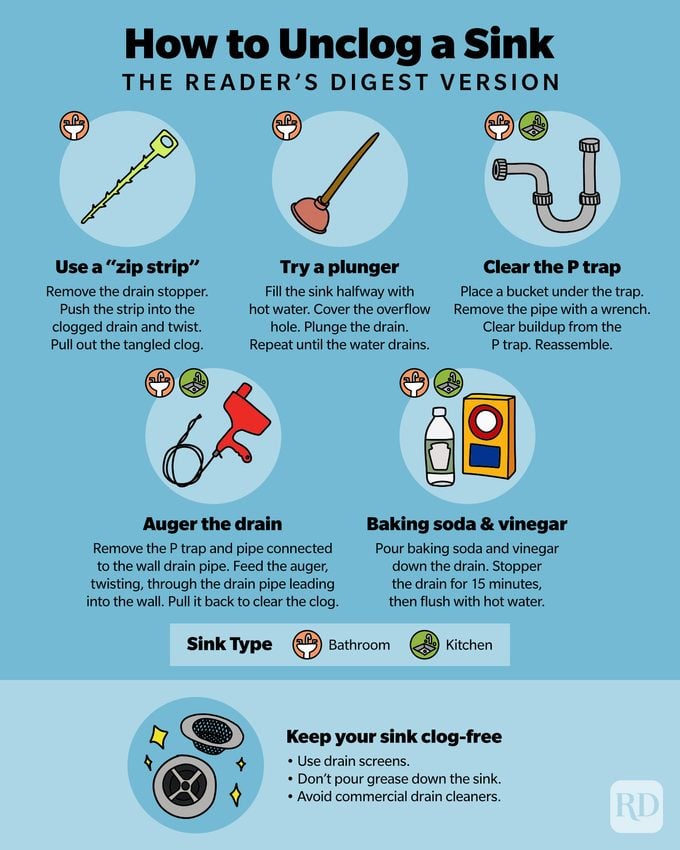
A clogged sink is a common household problem, often leading to frustration and the immediate thought of calling a professional plumber. However, many sink blockages can be resolved with a simple DIY method involving the P-trap, the J-shaped pipe located directly beneath the sink basin. This component is designed to hold a small amount of water to prevent sewer gases from entering the home and can also trap solid debris, including lost items like jewelry. Understanding its function and how to access it can save homeowners both time and money.
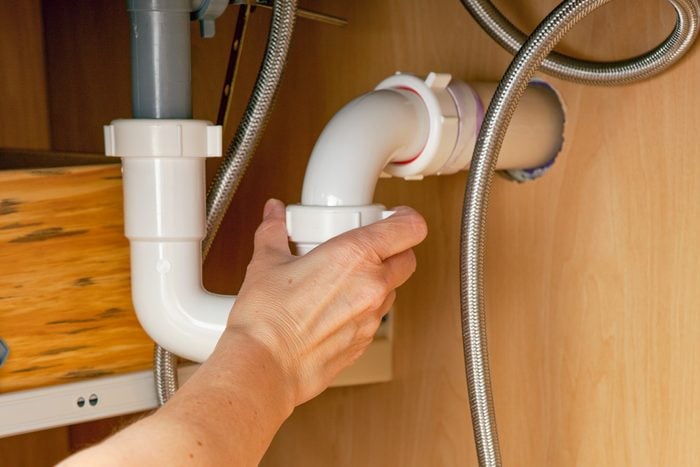
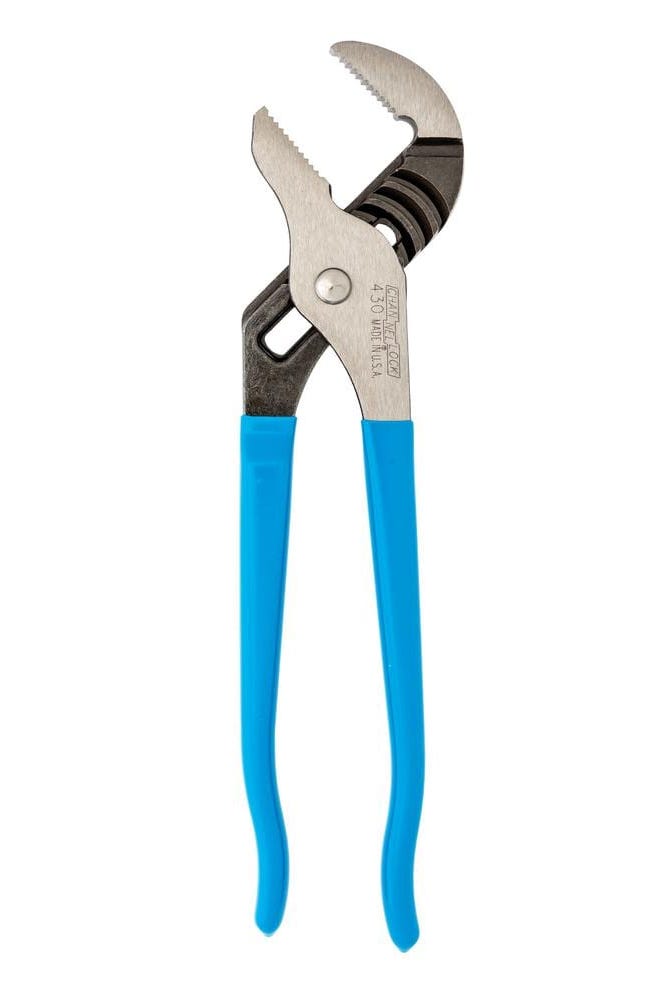
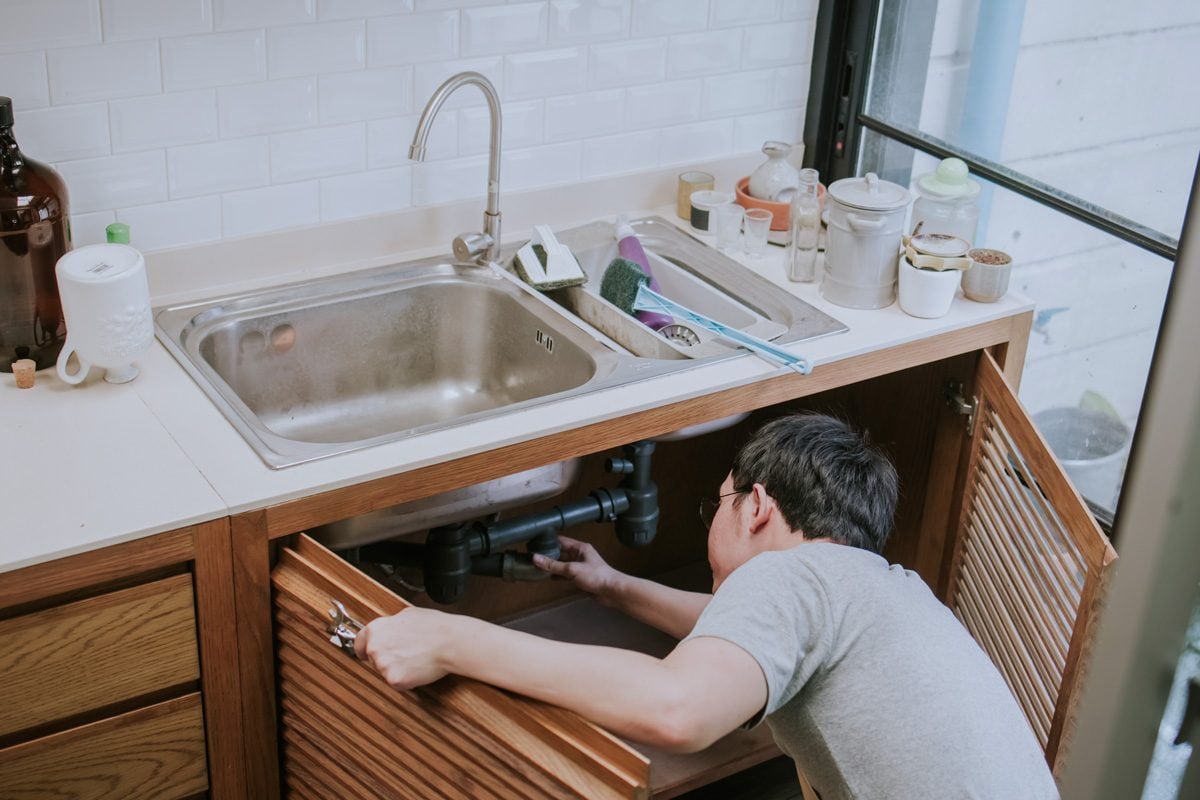
The process begins by recognizing the components of the under-sink plumbing: the drain extension tube, the P-trap adapter, and the tailpiece. These parts are typically connected by three threaded compression collars, which, in modern plastic systems, can often be loosened by hand. Two of these collars secure the drain tube and P-trap, utilizing nylon or rubber gaskets to create a watertight seal when hand-tightened. The third, for the tailpiece, relies on a flared end for a positive seal. For older metal plumbing systems, channel-lock pliers may be necessary for both removal and tightening, as these do not feature finger tabs.
Before disassembling the P-trap, it's crucial to prepare for potential water spills. This involves bailing out or toweling any standing water from the sink basin and placing a small bucket or pan directly underneath the P-trap to catch residual water and debris. The nuts connecting the P-trap to the vertical drain tube and the horizontal tailpiece should be loosened sequentially, typically starting with the nut closer to the vertical drain tube. Once both nuts are loosened, the P-trap should drop down, allowing access to its interior.
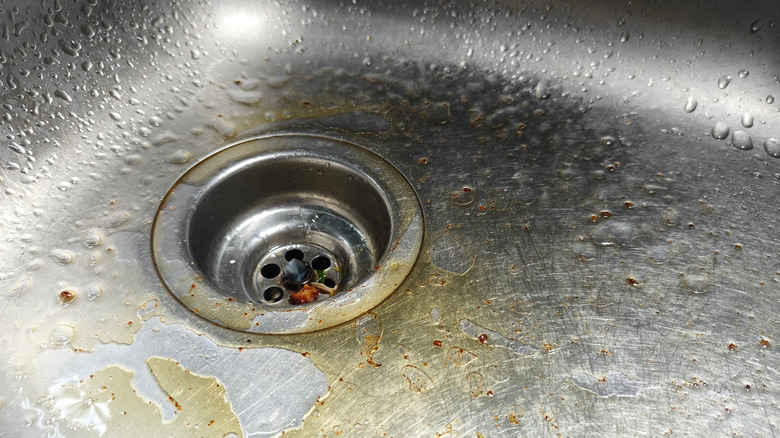
Upon removal, the P-trap should be inspected for accumulated hair, grease, food particles, or other debris that might be causing the blockage. The connecting pipes—the vertical drain tube from the sink and the horizontal tailpiece leading to the main drain—should also be examined. Sometimes, clogs can form higher up, near the sink's drain stopper, where hair and debris can create a web-like obstruction. Shining a light into the drain tube from below can help identify such blockages. A long screwdriver or similar tool can be used to clear any accessible debris.
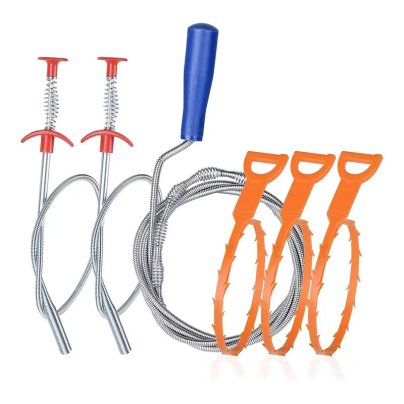
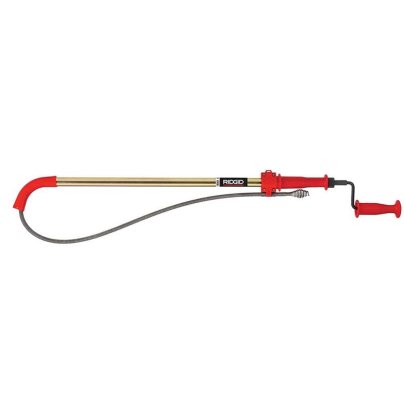
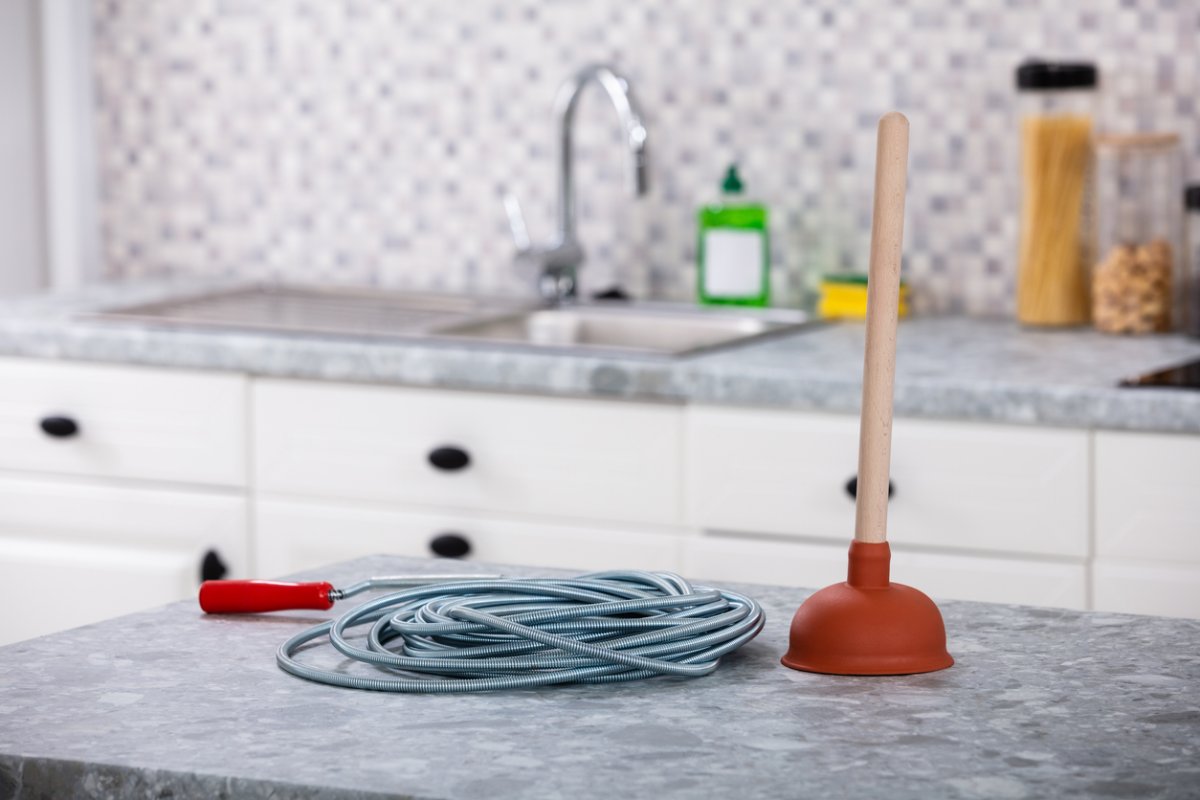
If the clog is not within the P-trap or the immediate connections, and water back-flows from the tailpiece tube when the P-trap is removed, the obstruction is likely further down the main drain line. In such cases, a simple drain snake can often clear the blockage. After clearing the clog, the P-trap is reconnected, ensuring that any nylon gaskets are correctly positioned between the trap and the nuts. All fittings should be hand-tightened securely, or with channel-lock pliers for metal systems, to prevent leaks. If other fixtures in the house, such as showers or toilets, also exhibit slow drainage, it suggests a more significant issue within the main sewer line, which typically requires professional assistance from a plumber or a drain-clearing service.
#CloggedSink #Plumbing #DIYHomeRepair #PTrap #Drainage #HomeMaintenance #HouseholdTips #PlumbingTools #SinkRepair #CloggedSink #Plumbing #DIYHomeRepair #PTrap #Drainage #HomeMaintenance #HouseholdTips #PlumbingTools #SinkRepair
0 comment in total
 No comments yet
You may also like
7 reasons your sink won't drain – plus expert tips to unclog a sink like a pro

11 Common Kitchen Sink Problems And How To Fix Them

Dealing With a Slow Drain? Here are 7 Drain Cleaners to Safely Unclog Pipes

5 DIY Drain Cleaner Recipes That Use Natural Ingredients to Prevent Clogs

How to Clear a Clogged Sink Drain—Without Needing to Call a Plumber

Why Did My Sink Suddenly Stop Working?

We Asked a Plumber What Really Works to Unclog Drains—Here’s What They Swear By
Best drain unblockers 2025, tested in a real home

8 Things You Should Never Wash Down The Sink

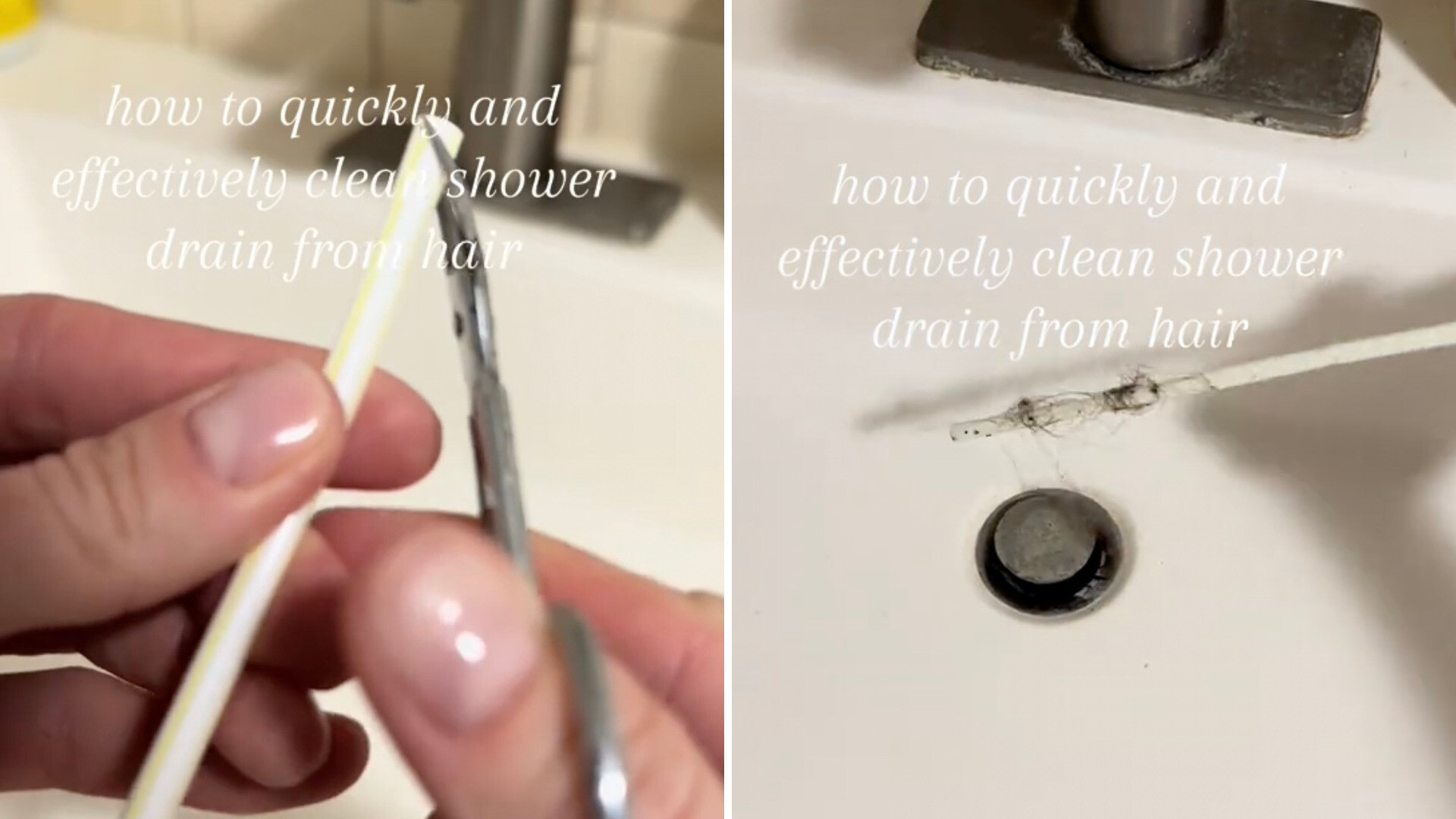
Homeowner shares simple hack to unclog drains using common materials: 'Smart for times I can't run to the store'


I Cleared My Blocked Bathroom Drain in Minutes With This 'Spot On' Fix
The Best Drain Cleaners for Hair and Grime

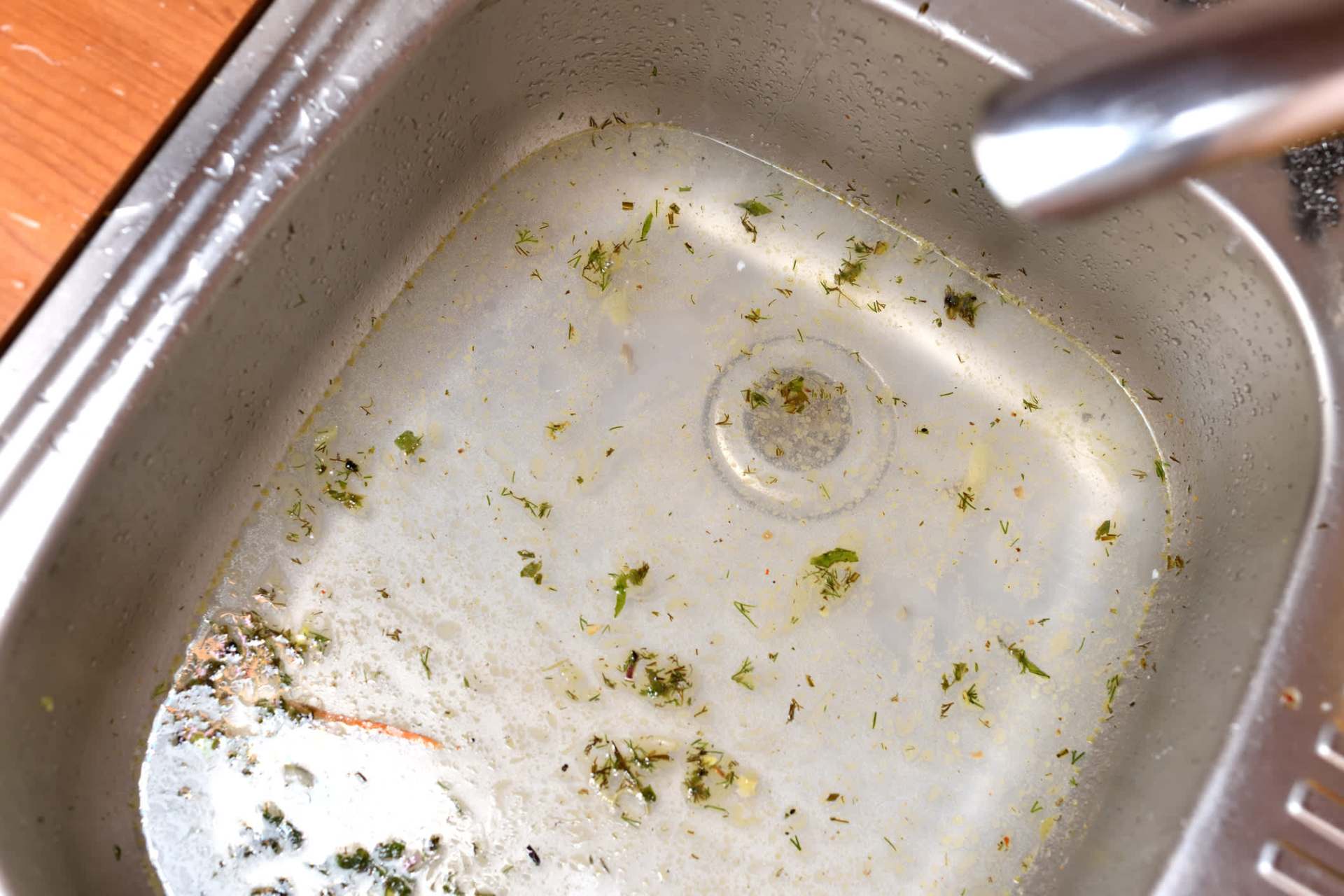
Homeowner shares plumber-approved hack to easily fix clogged drains: 'Interesting idea'
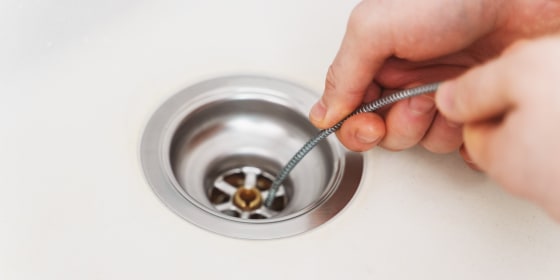
How to use a drain snake, according to experts

The Best Drain Snakes for Clogged Showers, Bathtubs, and Sinks
How To Clean a Drain With Baking Soda and Vinegar

Say goodbye to clogged drains with these simple household cleaning hacks

Here's How to Fix a Running Toilet Without Calling a Plumber
This $7 Product Can Clear Even the Most Stubborn Drain Clog
Home improvement hacks for common household issues