1/9
How to Clear a Clogged Sink Drain—Without Needing to Call a Plumber
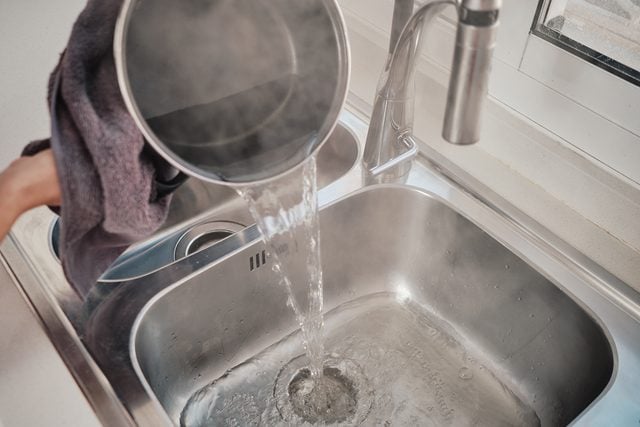
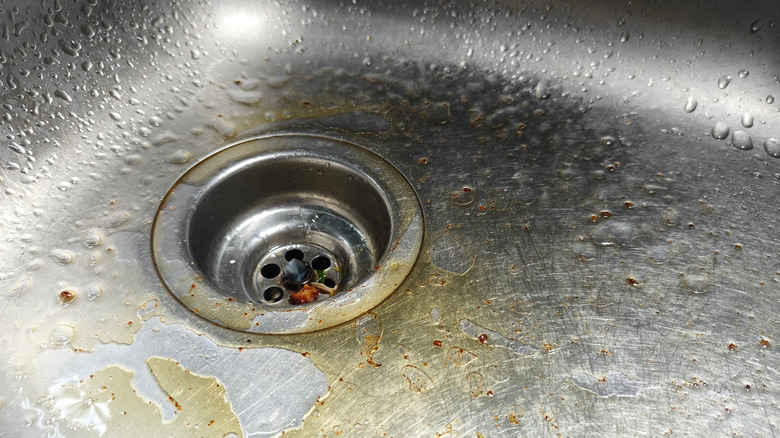
This article offers a comprehensive guide on how to clear clogged sink drains in both bathrooms and kitchens, providing step-by-step instructions and expert advice from plumber Alan Soukup and cleaning expert Alicia Sokolowski. The article begins by acknowledging the common occurrence of clogged sinks due to hair, grease, soap scum, food particles, and other debris, and emphasizes that learning to unclog a sink oneself can save money and effort. It cautions against using boiling water for clogs, as it can temporarily melt grease, causing it to re-solidify further down the pipe, making the blockage harder to remove.
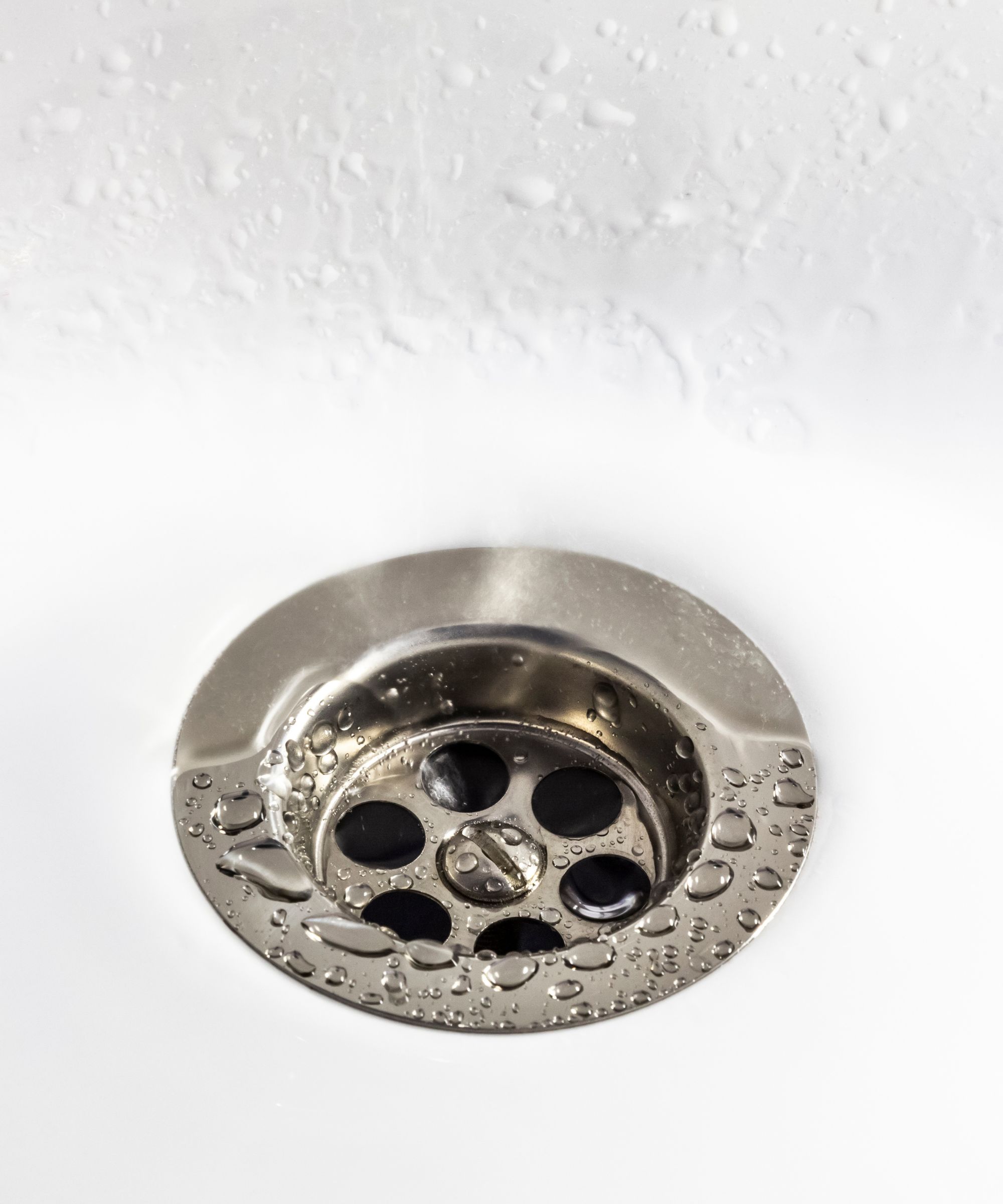
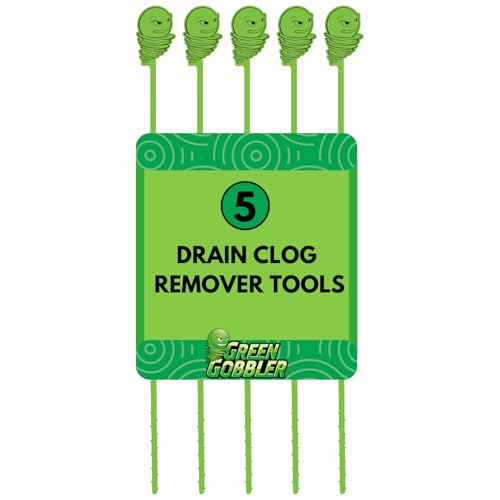
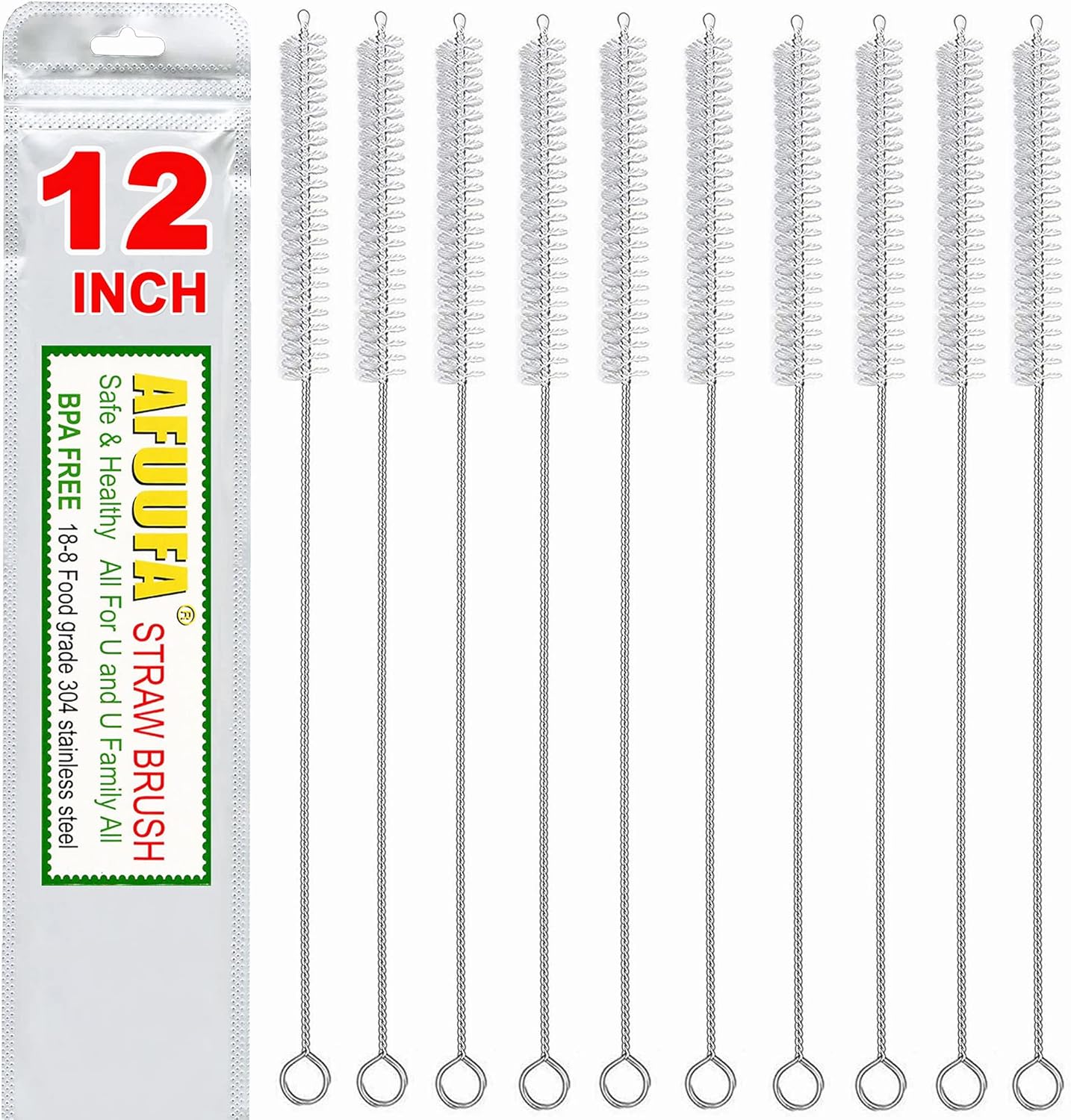
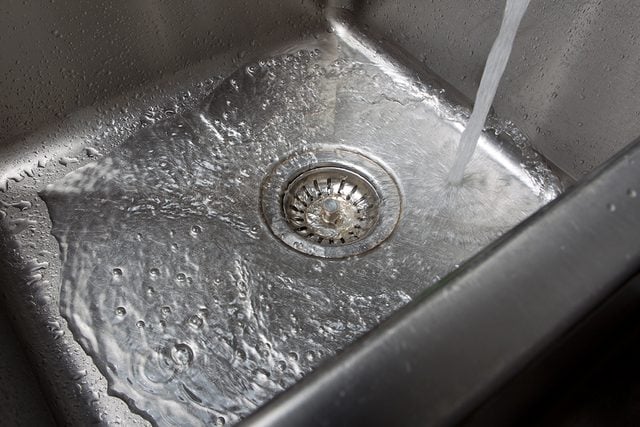
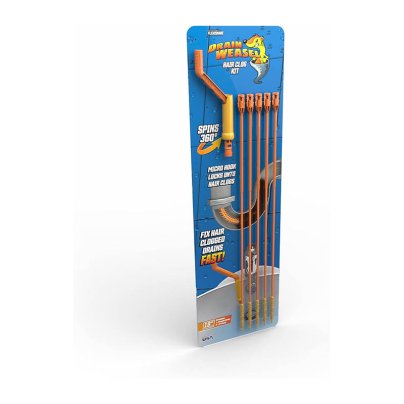
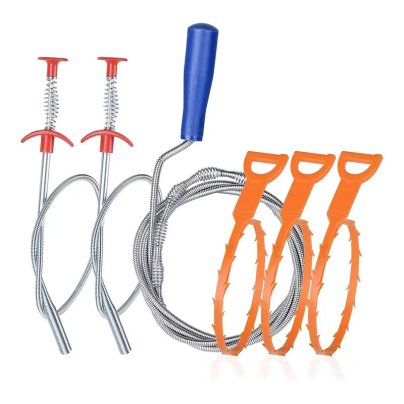
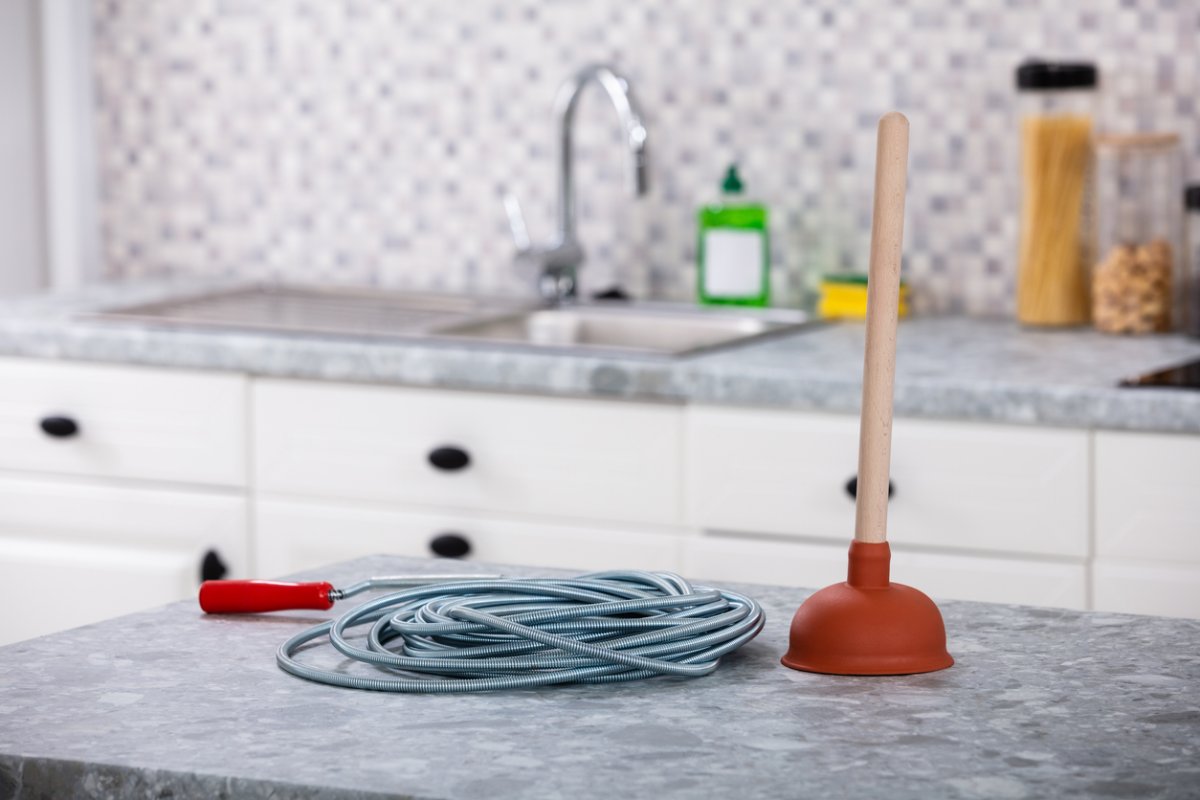
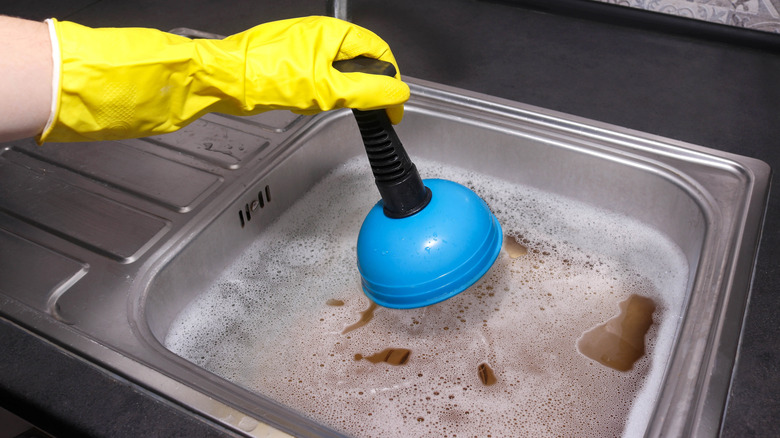
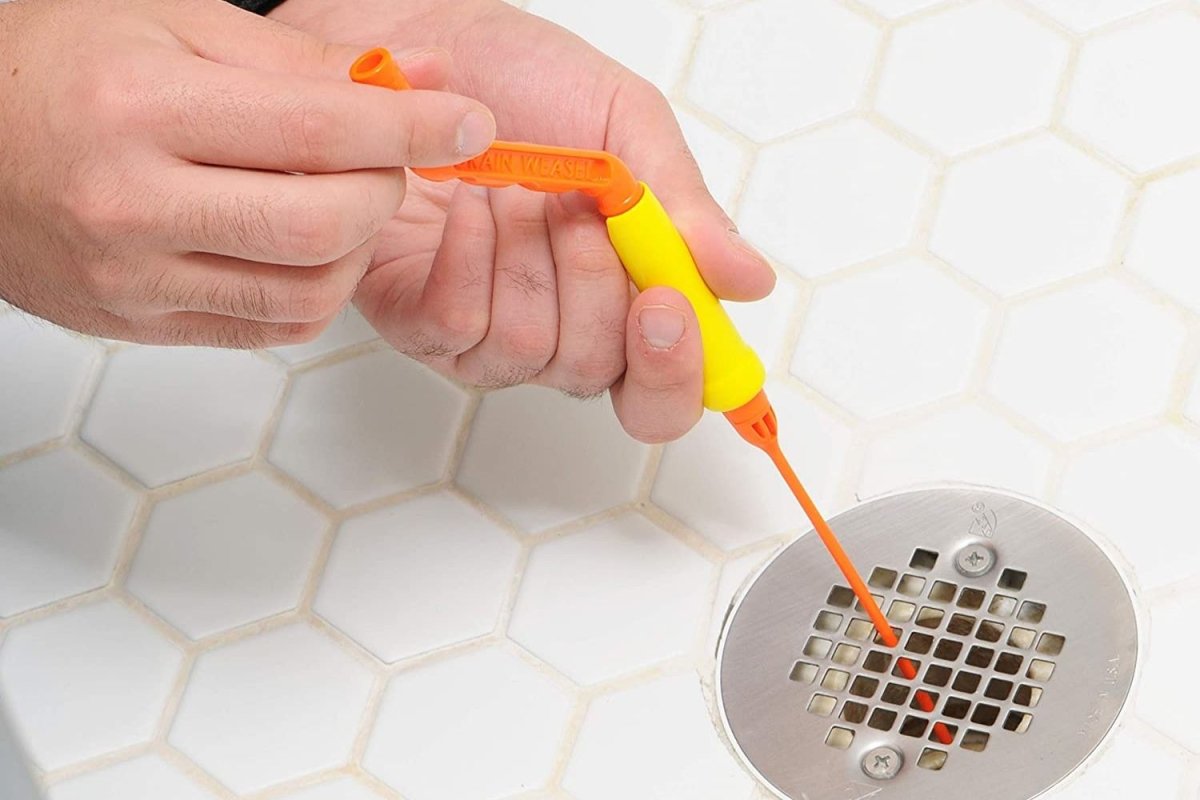
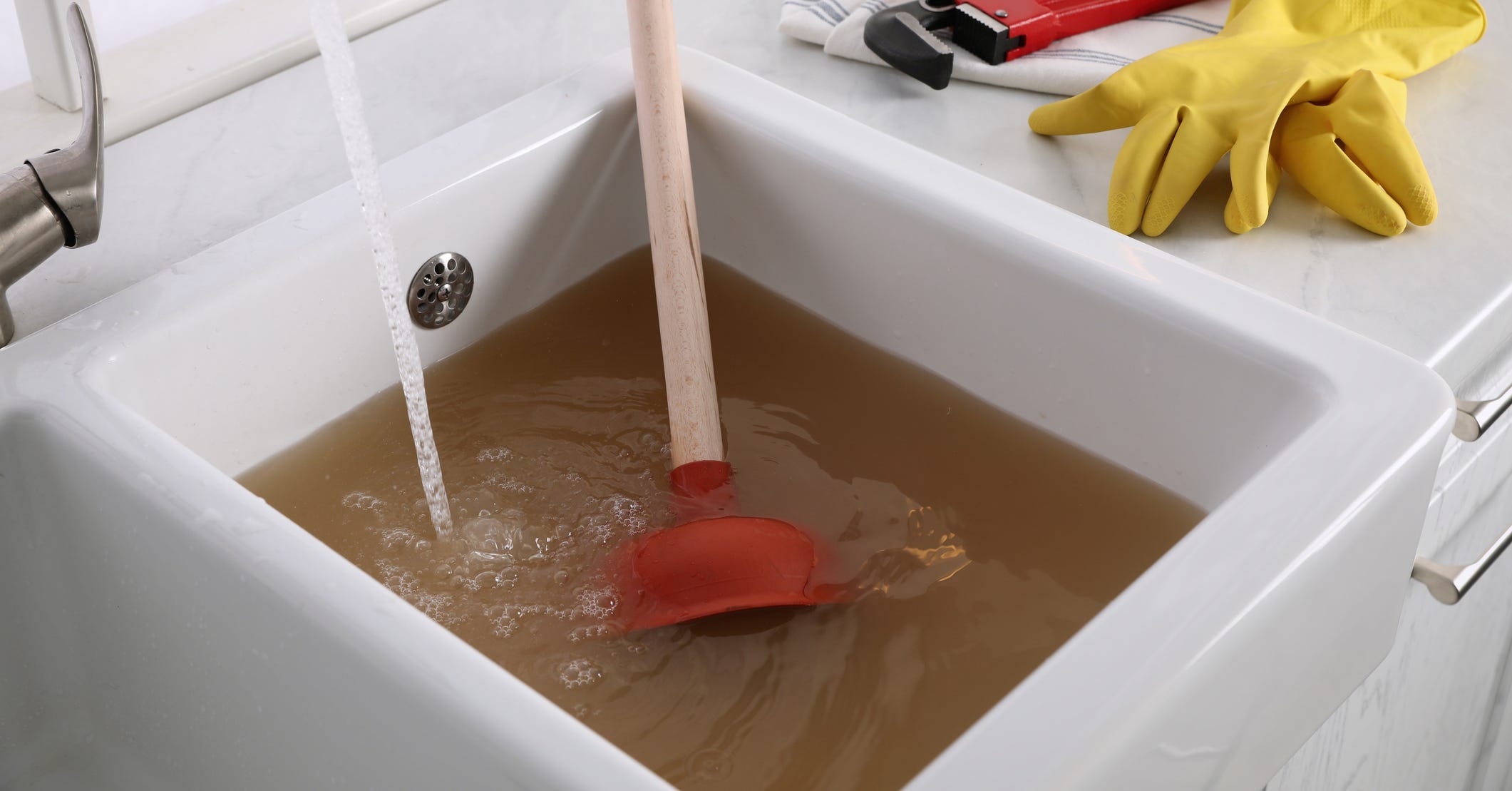
For bathroom sink clogs, which are typically a combination of hair, soap, and hard water residue, the first recommended method involves using a "zip strip." This barbed plastic tool is designed to snag and remove hair clogs. Users are instructed to remove the drain stopper, insert the zip strip into the drain, twist it, and then pull out the tangled clog. If the zip strip is insufficient, a plunger is the next suggested tool. The article specifies using a sink-only plunger, not a toilet plunger. To effectively use a plunger, the sink should be filled halfway with hot tap water, the plunger positioned over the submerged drain, and the sink overflow covered with a cloth to create a vacuum. Multiple pumps are recommended to dislodge the clog.
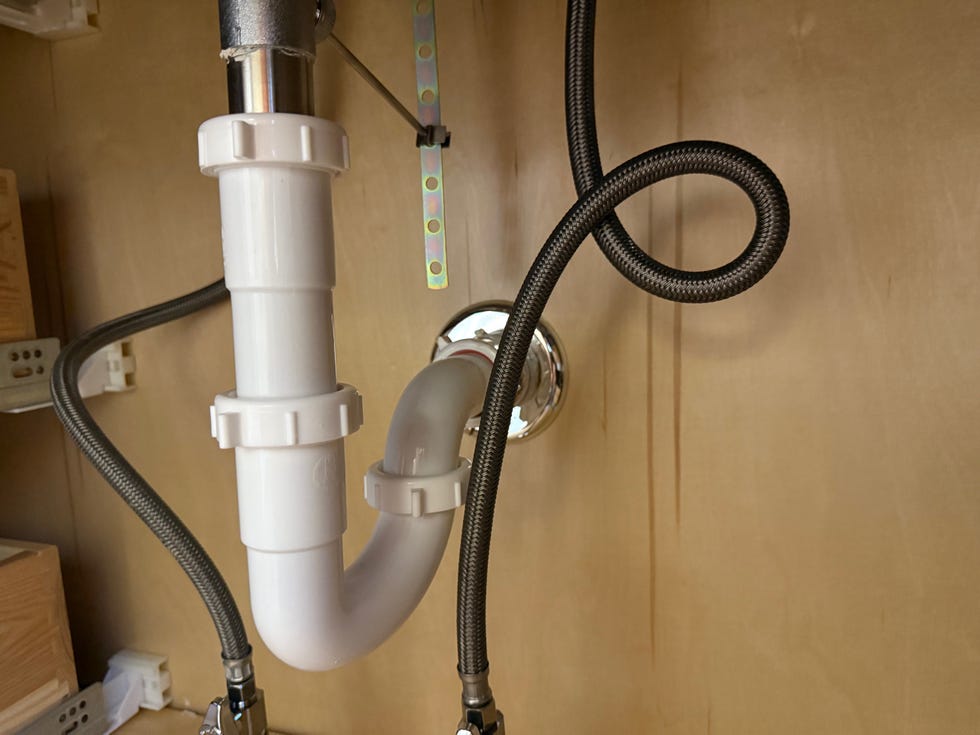
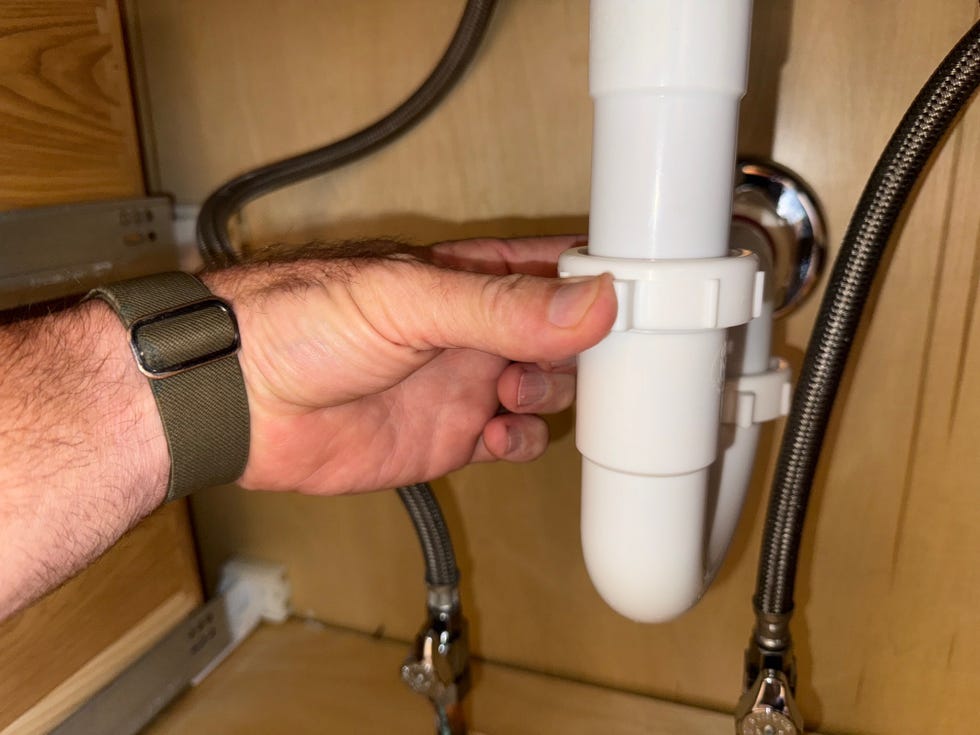
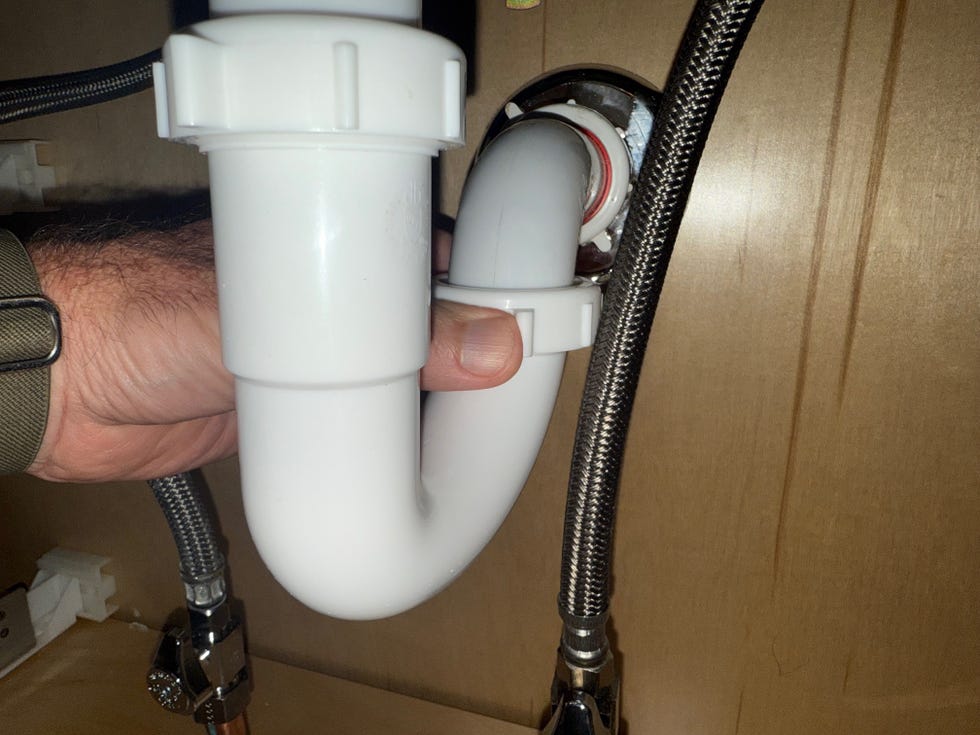
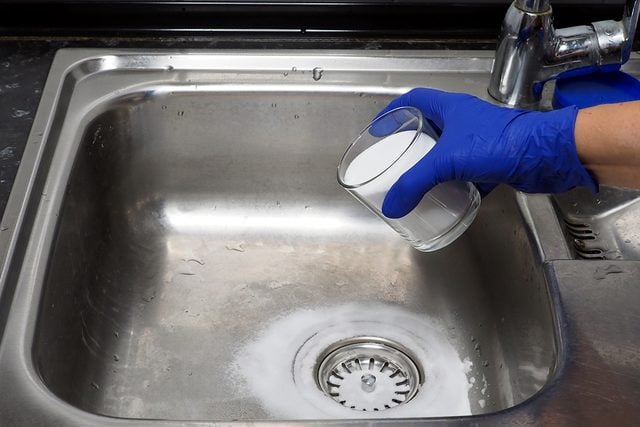
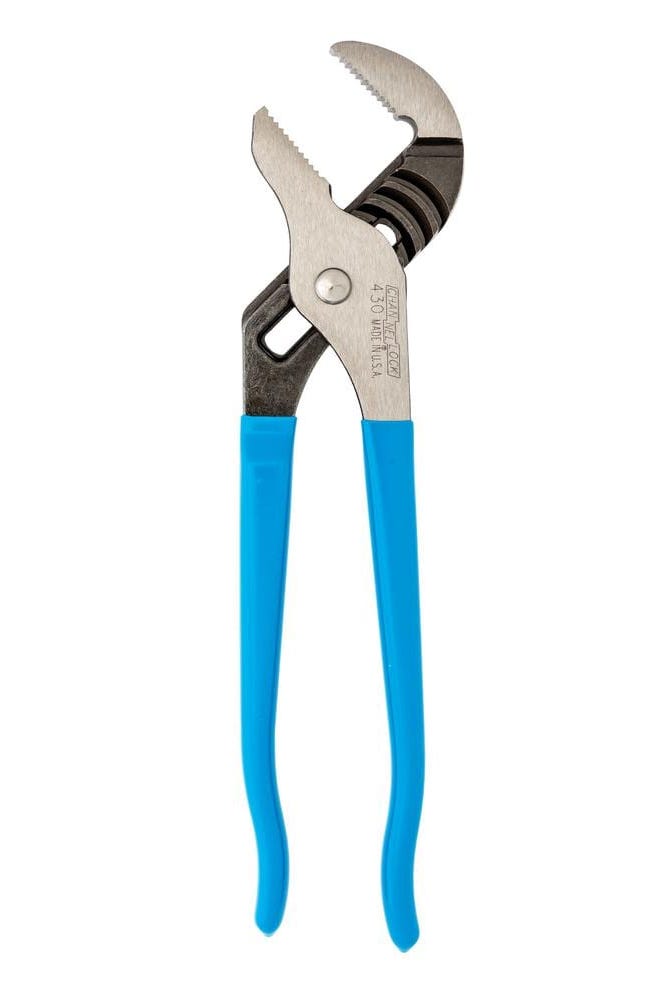
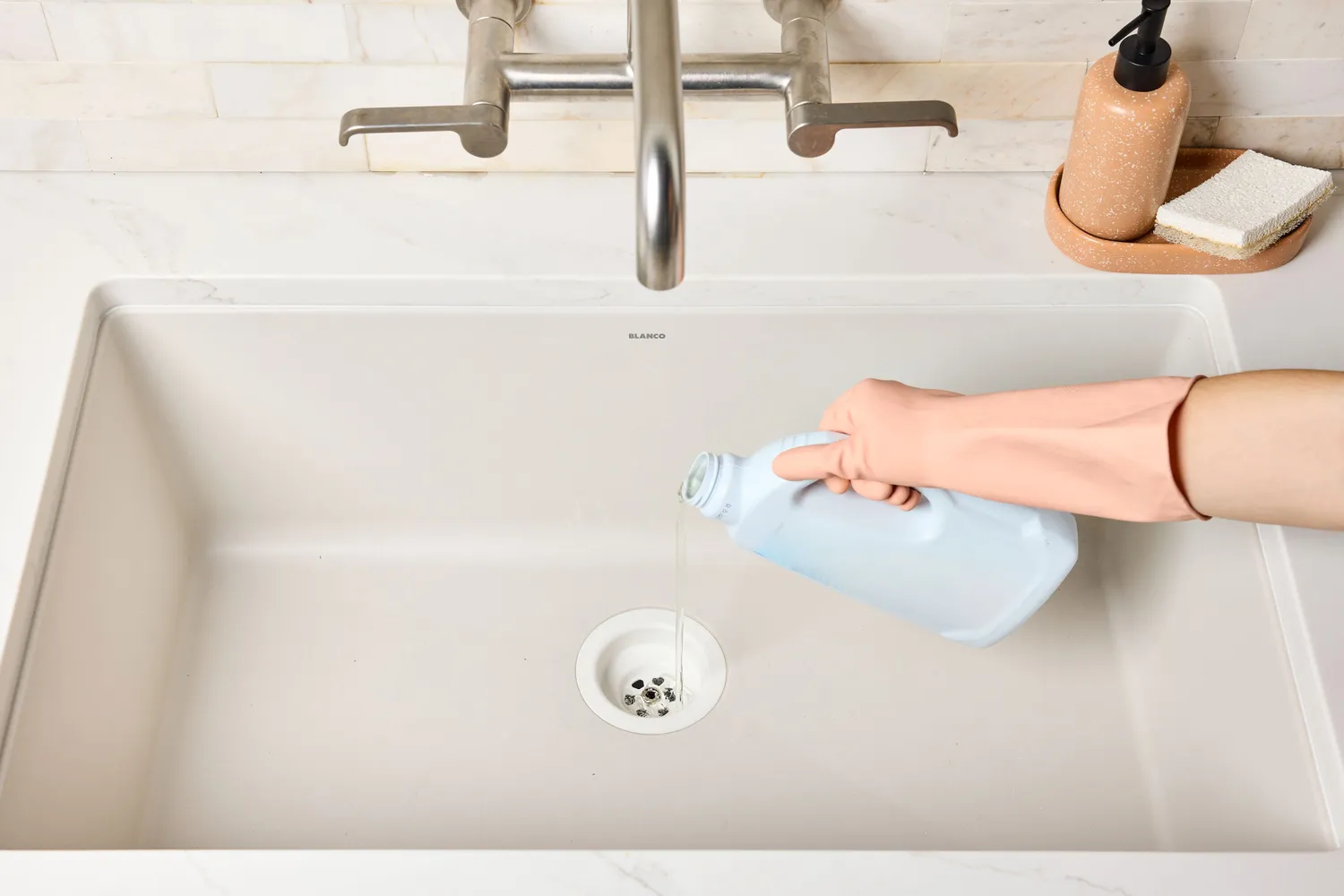
Following the plunger, a DIY solution of vinegar and baking soda is presented for very light or slow drains, though experts note it's not highly effective for major blockages or hair. The process involves removing standing water, pouring a cup of baking soda into the drain, followed by a cup of white vinegar, stoppin the drain for 15 minutes to allow the bubbling action, and then flushing with hot tap water. For more stubborn clogs, clearing the P-trap, the bent pipe under the sink, is detailed. This often collects fallen items or significant buildup. A bucket should be placed underneath to catch debris, and a wrench is used to remove the P-trap for manual cleaning. After clearing, the piping is reassembled and tested.
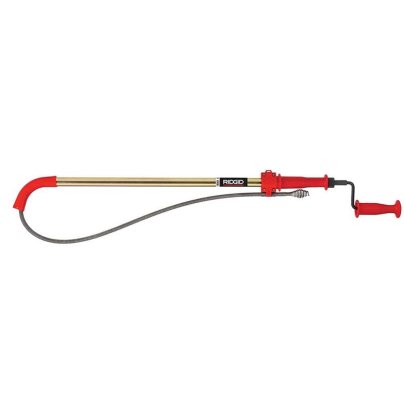
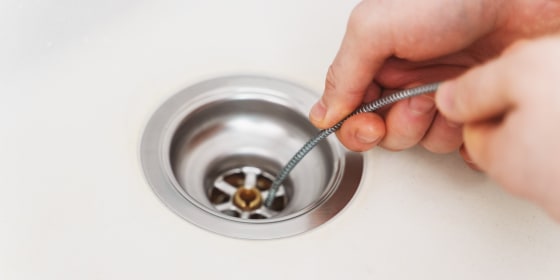
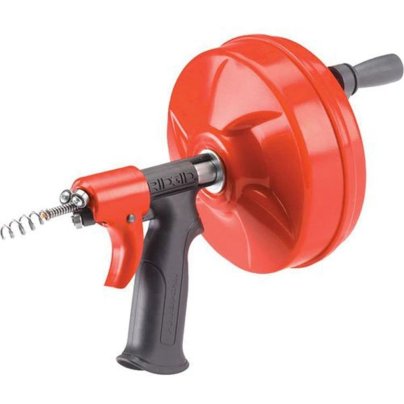
If the P-trap is clear, the clog is likely further down the drain pipe, necessitating the use of an auger or drain snake. The article advises removing the P-trap and the pipe section leading to the wall before feeding the auger into the drain pipe. Twisting the auger as it advances helps it grab the obstruction, which is then pulled back to clear the clog. It is crucial never to auger through the sink drain itself to prevent damage to the porcelain or the sink.
For kitchen sink clogs, the zip strip method is skipped as hair is less of a culprit. The garbage disposal is a key difference. The first step for a kitchen clog is to check the disposal; if it's humming but not spinning, the blockage is within the disposal itself. Instructions are provided to unplug the disposal, use the accompanying Allen wrench to dislodge stuck items, and then reset the unit. If the disposal is functioning but the sink is still clogged, the vinegar and baking soda method is again offered as a mild option for grease and food particles, followed by clearing the P-trap and augering the drain pipe, similar to bathroom sinks. The article emphasizes unplugging the disposal before working on the P-trap. The article concludes with preventative measures, including using drain screens, avoiding pouring grease down drains (and always running cold water with disposals), and refraining from using commercial drain cleaners, which can be harmful to pipes and complicate future plumbing work.
#CloggedSink #DrainCleaning #DIYPlumbing #BathroomClogs #KitchenClogs #PlumbingTips #HomeMaintenance #CleaningHacks #GarbageDisposal #CloggedSink #DrainCleaning #DIYPlumbing #BathroomClogs #KitchenClogs #PlumbingTips #HomeMaintenance #CleaningHacks #GarbageDisposal
0 comment in total
 No comments yet
You may also like
When Your Sink Won’t Drain, Try This Easy Fix Before Calling a Plumber


I Cleared My Blocked Bathroom Drain in Minutes With This 'Spot On' Fix

This $7 Product Can Clear Even the Most Stubborn Drain Clog

Homeowner shares simple hack to unclog drains using common materials: 'Smart for times I can't run to the store'


8 Things You Should Never Wash Down The Sink

How To Clean a Drain With Baking Soda and Vinegar

We Asked a Plumber What Really Works to Unclog Drains—Here’s What They Swear By

How to use a drain snake, according to experts

7 reasons your sink won't drain – plus expert tips to unclog a sink like a pro
5 DIY Drain Cleaner Recipes That Use Natural Ingredients to Prevent Clogs

This Drain Cleaner Is the Best At Tackling Stubborn Clogs, Say Our Experts

Here's How to Fix a Running Toilet Without Calling a Plumber
Homeowner shares plumber-approved hack to easily fix clogged drains: 'Interesting idea'
How To Unclog a Toilet With or Without a Plunger
The Best Drain Snakes for Clogged Showers, Bathtubs, and Sinks
The Best Drain Cleaners for Hair and Grime

Say goodbye to clogged drains with these simple household cleaning hacks

Dealing With a Slow Drain? Here are 7 Drain Cleaners to Safely Unclog Pipes
11 Common Kitchen Sink Problems And How To Fix Them

How to Unclog a Drain With Baking Soda