How to Unclog a Drain With Baking Soda
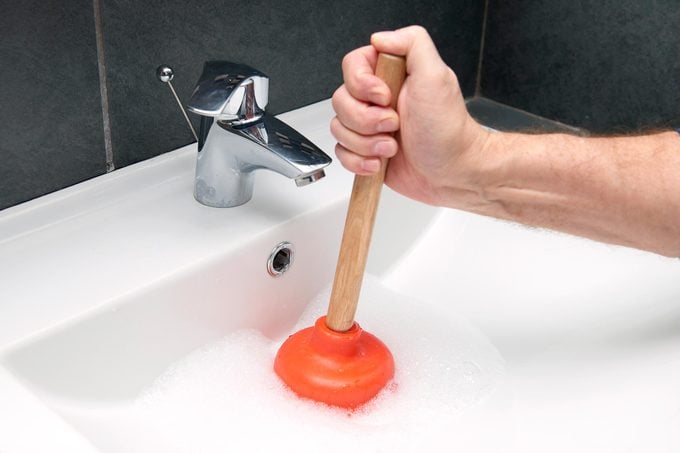
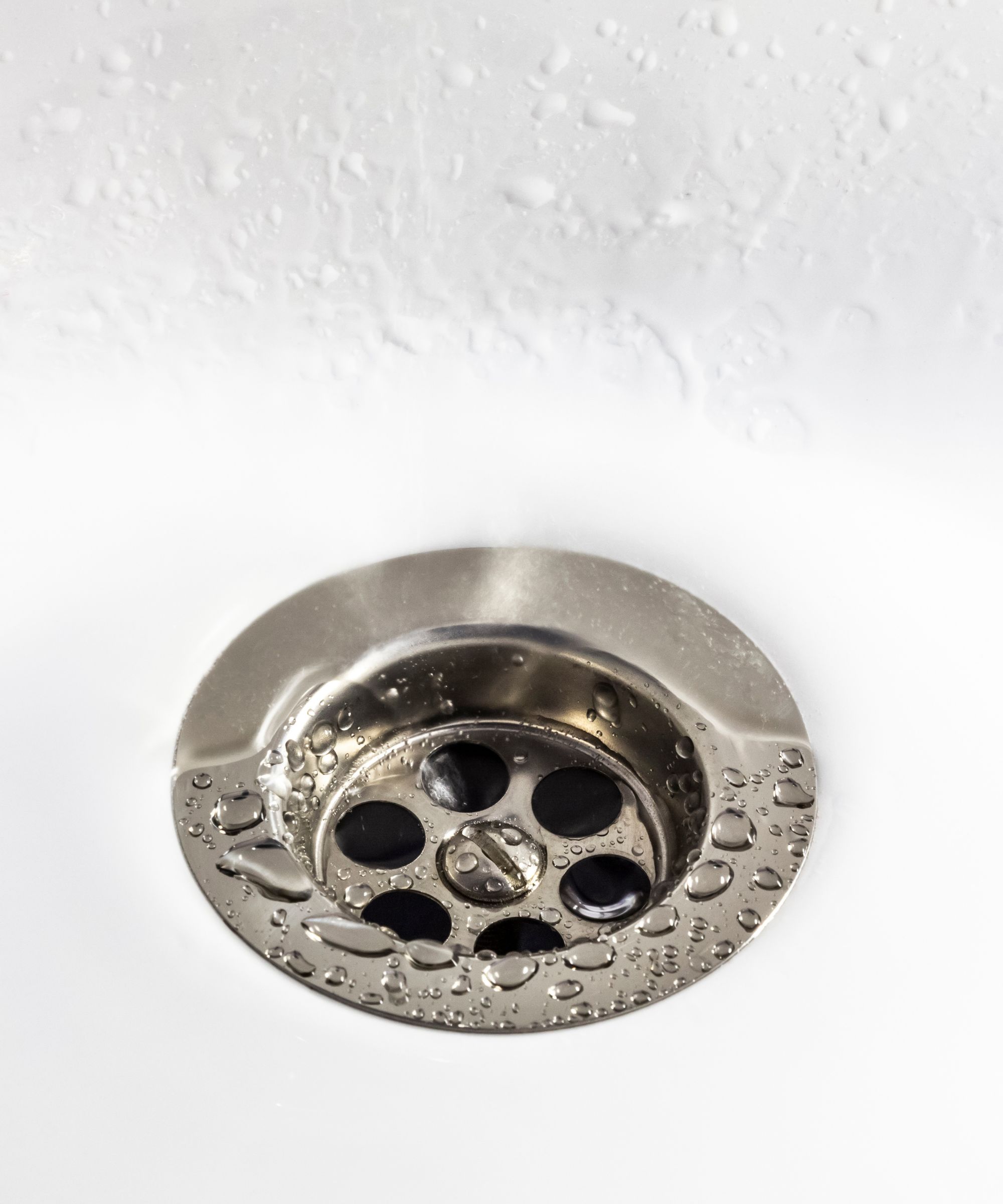
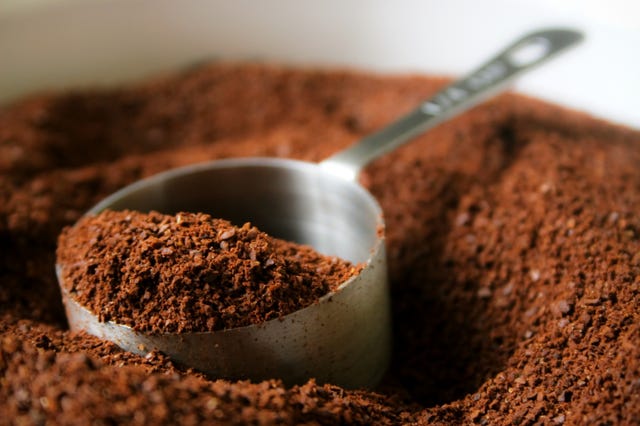
Drains in residential homes are susceptible to clogs from various forms of debris such as food waste, oil, coffee grounds, shampoo, and hair. When minor clogs occur in sinks or showers, baking soda and vinegar can serve as effective and readily available solutions. This combination initiates a chemical reaction that helps break down mineral deposits and other accumulated substances. Regular maintenance is crucial, with cleaning frequency depending on usage; for instance, busy kitchen drains may require more frequent attention due to the type of waste they handle. Val Oliveira, CEO of Val's Cleaning Services, suggests cleaning drains whenever slow drainage or blockages are observed.
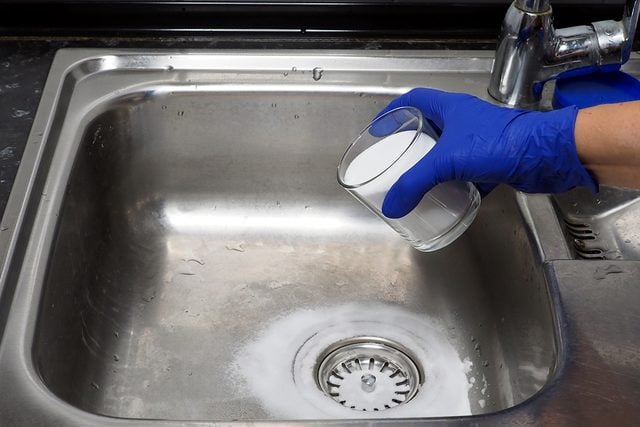
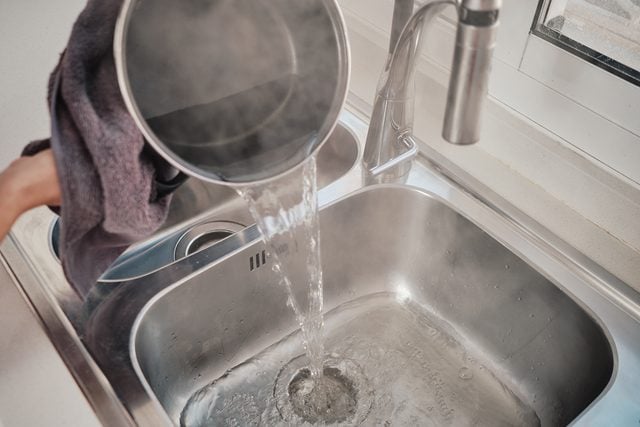
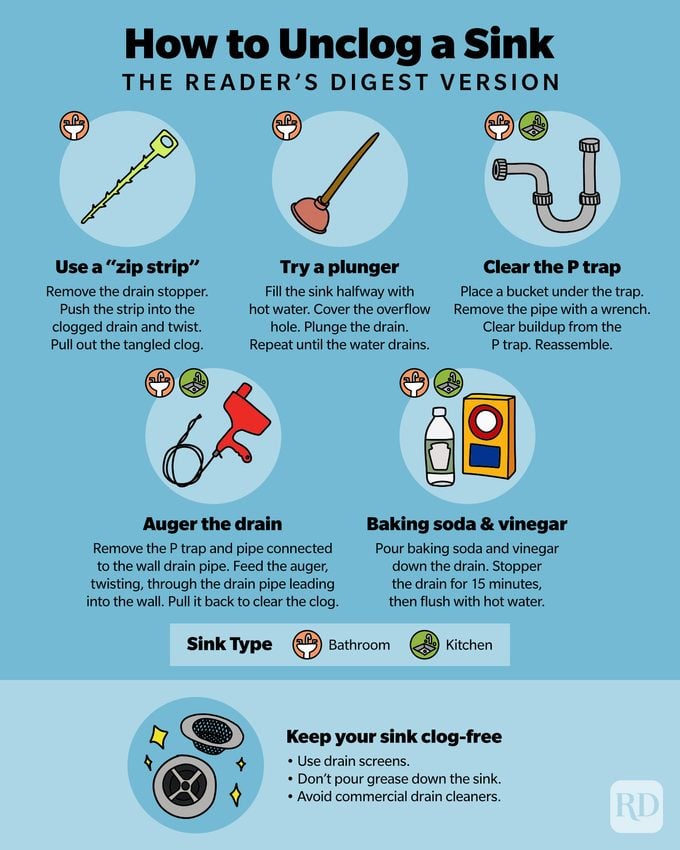
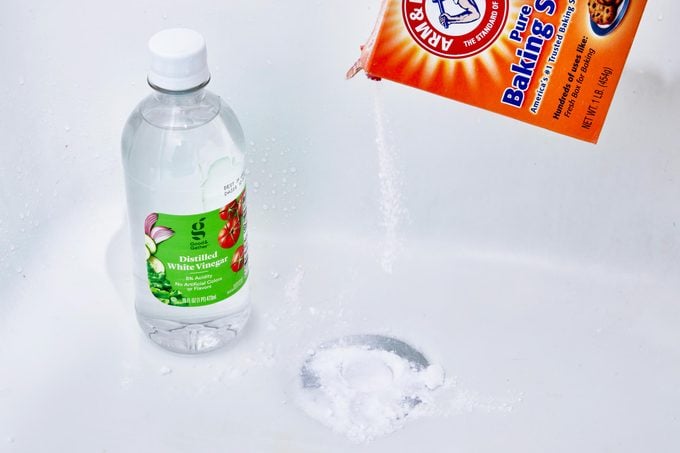
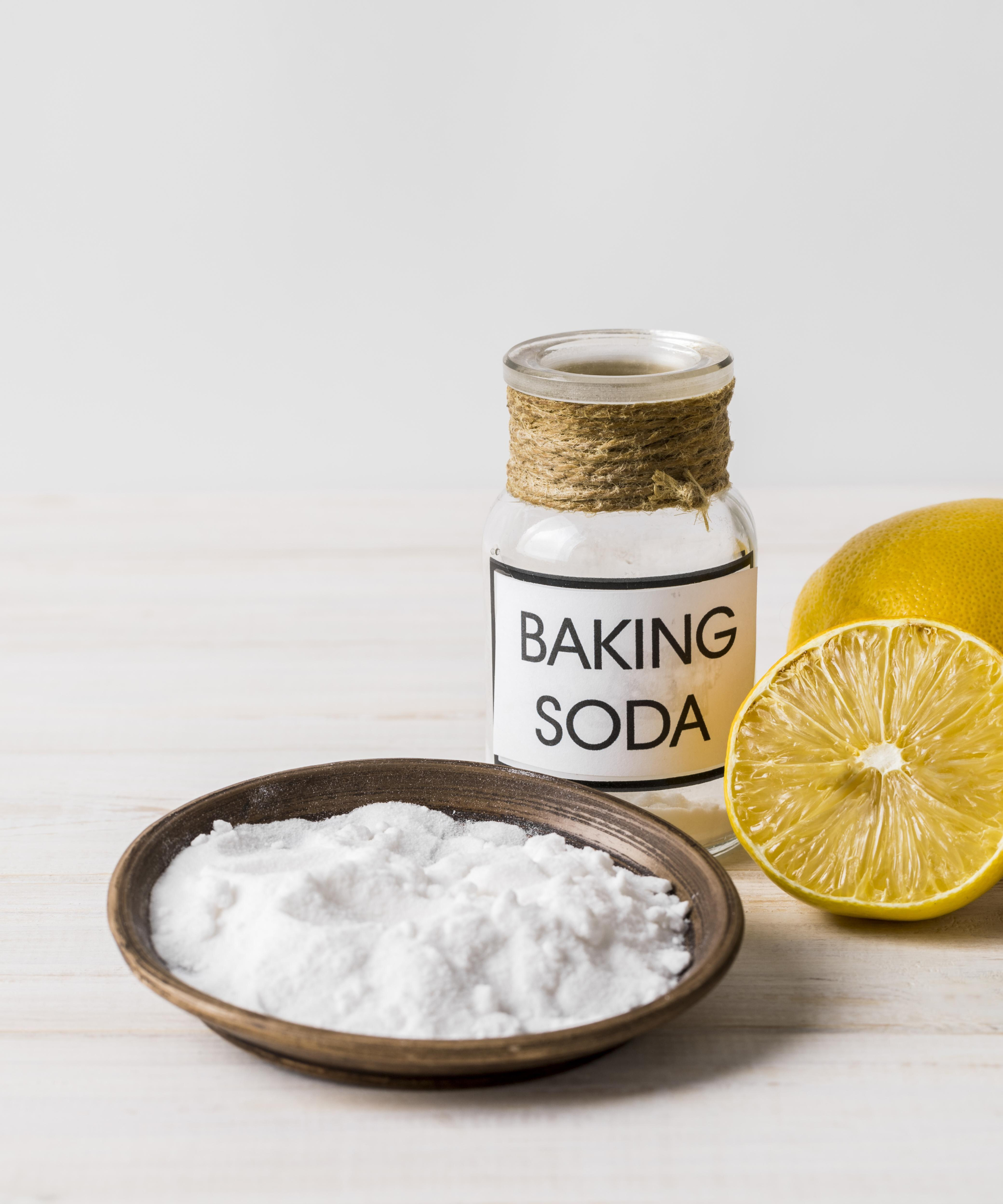
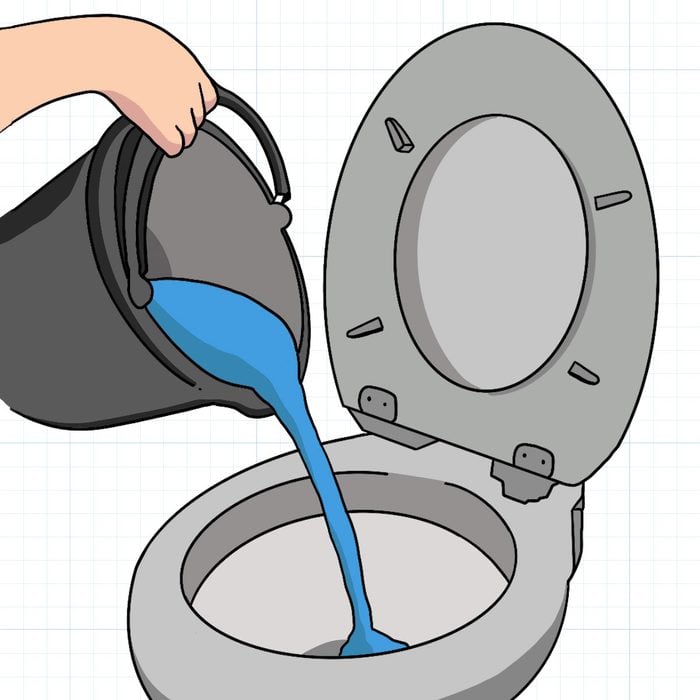
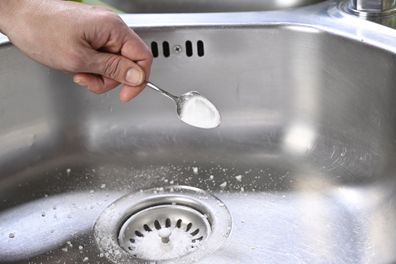
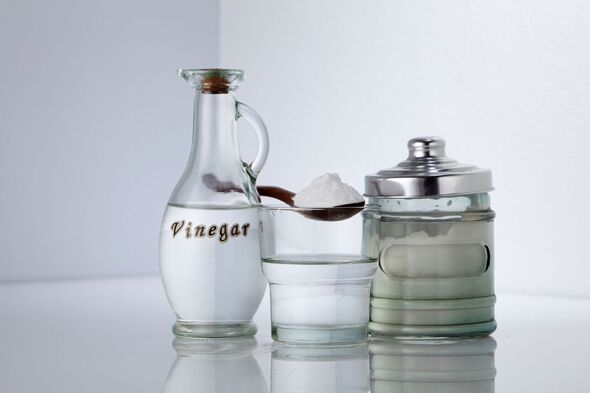
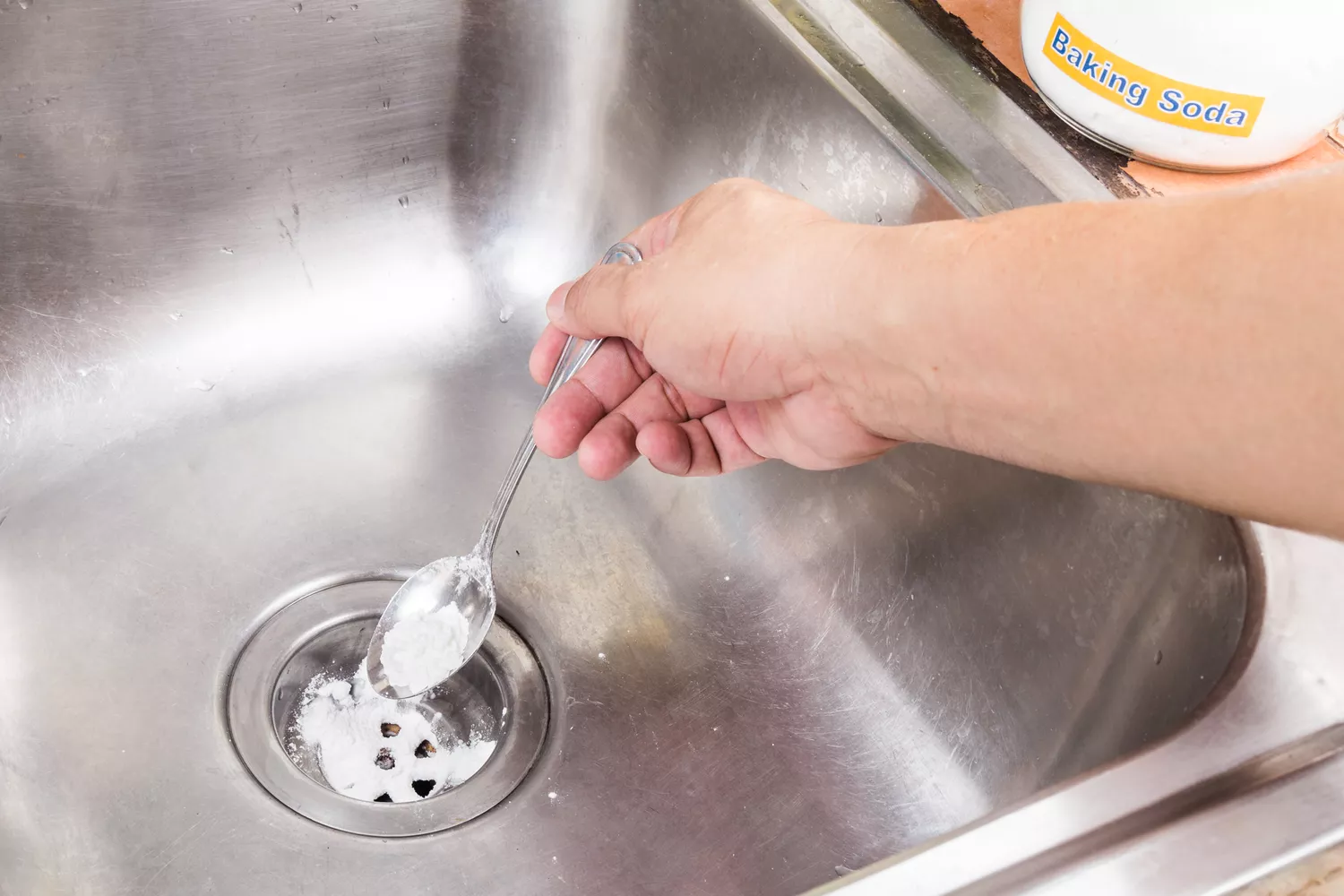
To unclog a drain using baking soda and vinegar, one first needs to gather the necessary materials: baking soda, white vinegar or apple cider vinegar, boiling water, and a clean cloth or drain plug. The process begins by removing any standing water from the clogged drain using a bucket. Next, half a cup of baking soda is poured into the drain, followed by half a cup of vinegar, poured slowly. The drain should then be immediately covered with a cloth or plug to maximize the foaming action of the mixture. This solution should be allowed to sit for 30 minutes to an hour. After this period, the cover is removed, and a pot of boiling water is slowly poured down the drain, allowing time for it to work through the pipes. Finally, running tap water can confirm if the clog has been cleared. For severe or persistent blockages, professional plumbing assistance is recommended.
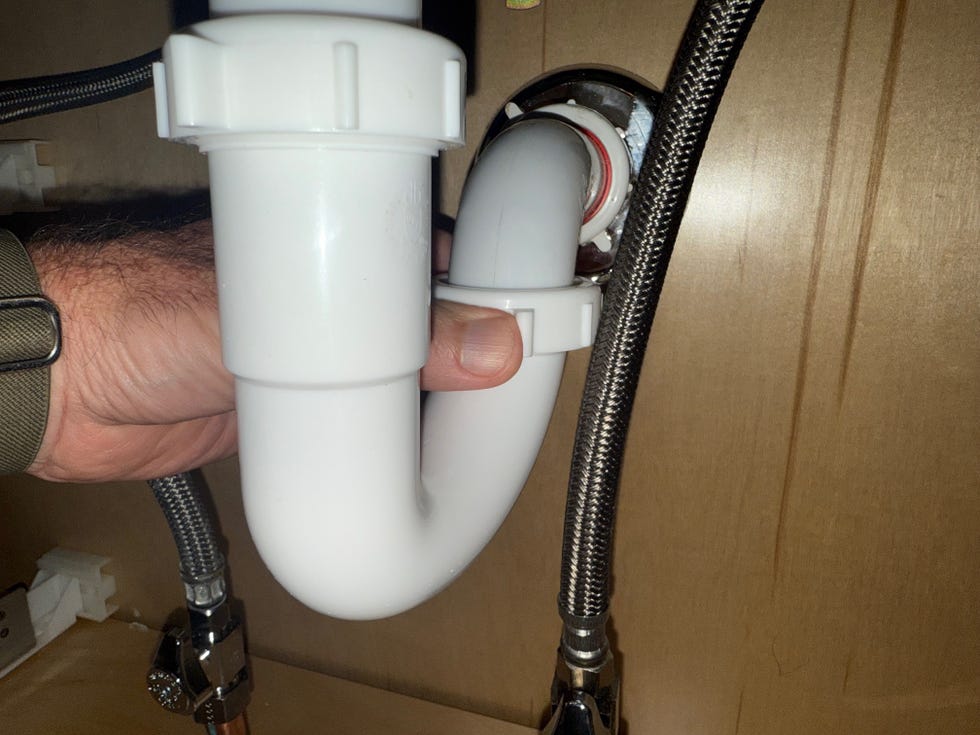
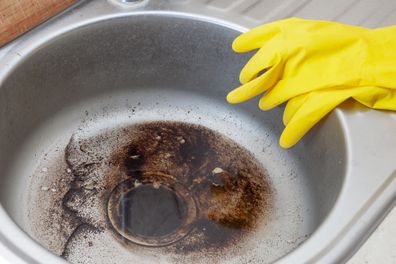
Clogs typically form due to the accumulation of everyday items. In kitchen sinks, food residue from dirty dishes builds up over time. Bree Lemmen, kitchen brand manager for Whirlpool, emphasizes the importance of incorporating sink cleaning into a regular routine to prevent this. Bathroom sinks and shower drains commonly experience clogs from hair buildup and soap or product residue. Hair, in particular, can clump together as it goes down the drain, significantly restricting water flow. Therefore, prevention is a key aspect of maintaining clear drains.
Preventative measures can greatly reduce the incidence of drain clogs. One method involves flushing drains with hot water once a week, as hot water helps dissolve grease and other debris. Another effective strategy is installing drain strainers or stoppers in sinks and showers to catch food particles, hair, and other larger debris. These strainers should be emptied regularly to prevent accumulation. Furthermore, careful disposal of waste is vital. Grease, oil, and food scraps should be disposed of in the trash rather than poured down the sink, as these substances can solidify in pipes and cause blockages. When using a garbage disposal, running cold water simultaneously is recommended. Cold water solidifies fats and oils, allowing the disposal to chop them into smaller pieces and flush them away more efficiently, according to Oliveira.
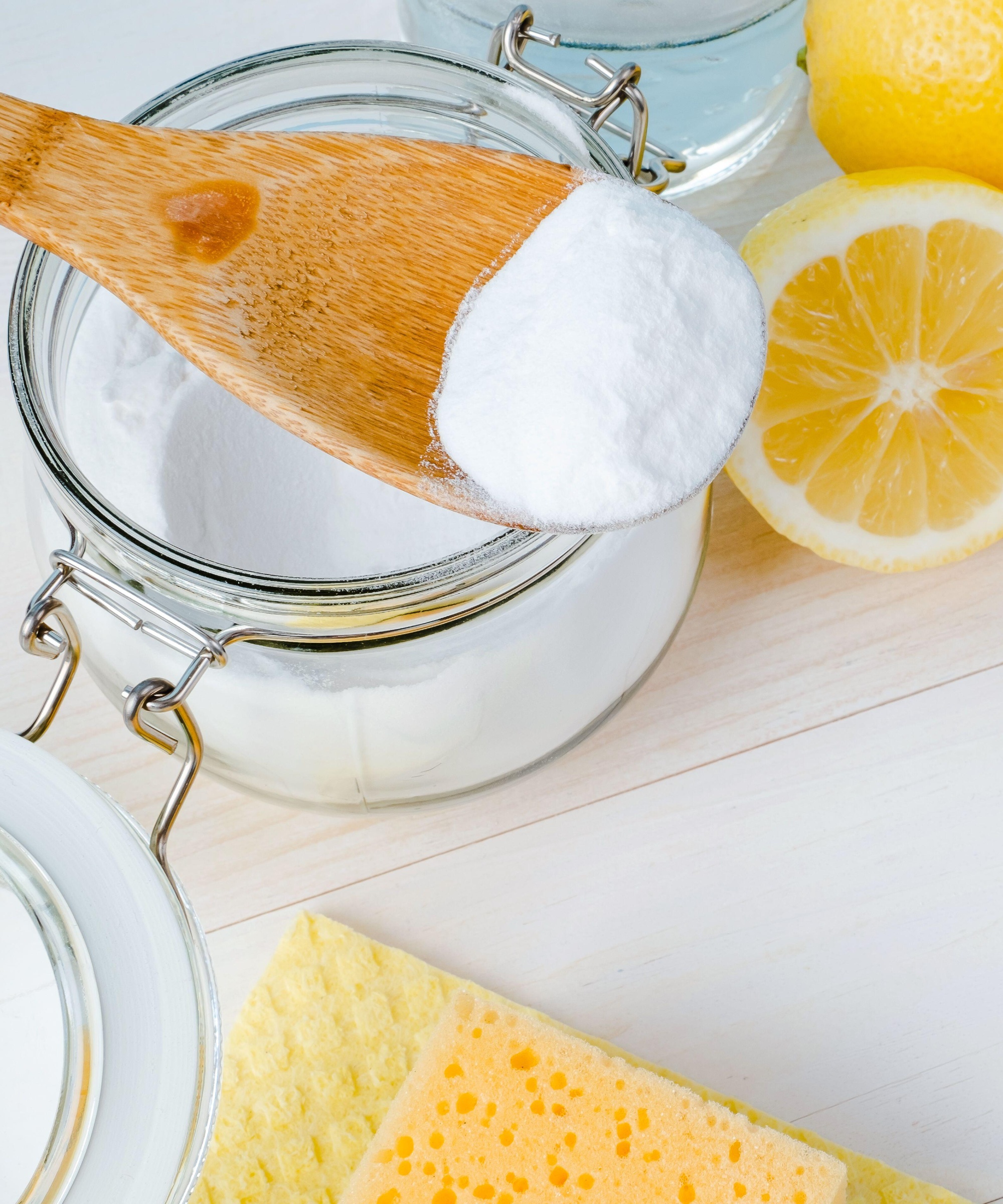
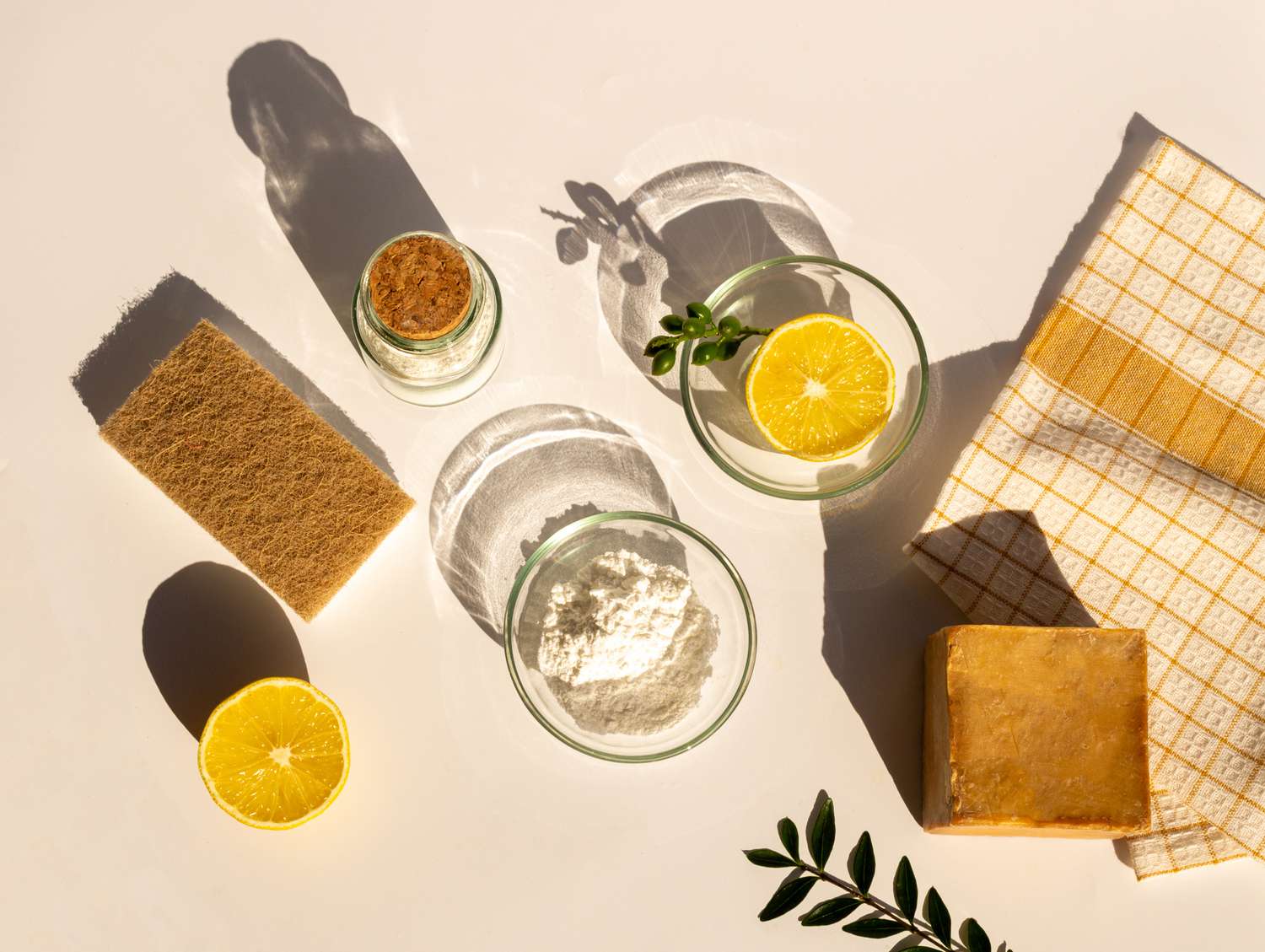
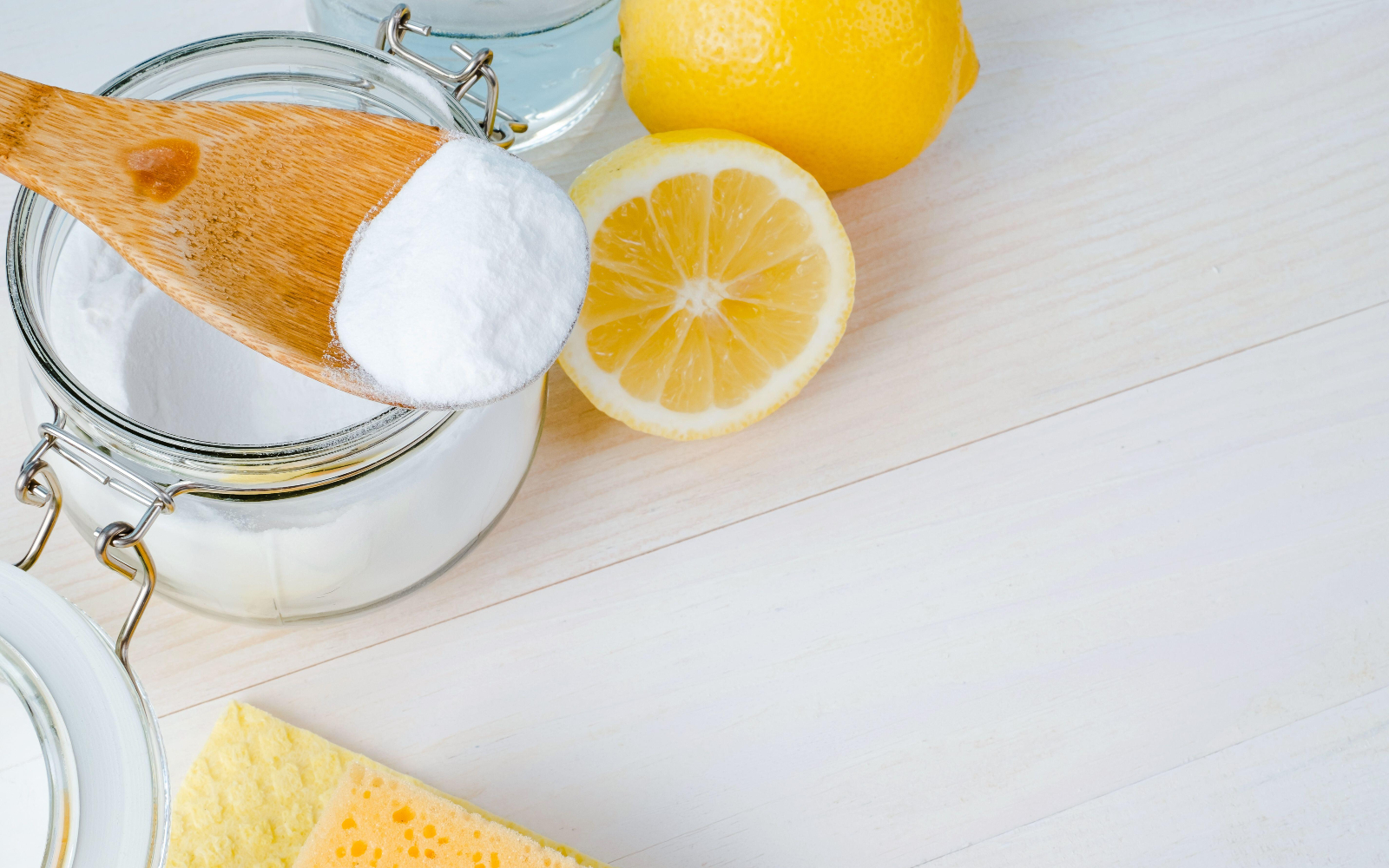
In addition to baking soda and vinegar, other natural methods can be used to clear minor clogs. Lemon juice, due to its acidity, can remove grease and other obstructions. It should be poured down the drain, left for about an hour, and then flushed with hot water. Lemon juice can also be combined with baking soda. Salt, with its abrasive texture, can help remove built-up debris when poured down a drain and flushed with hot water. Cream of tartar, another highly acidic ingredient, is useful for more stubborn clogs and can also be used in conjunction with baking soda. These natural alternatives provide versatile options for household drain maintenance and unclogging.
#DrainClogs #BakingSoda #Vinegar #HomeCleaning #DIYSolutions #PlumbingMaintenance #NaturalCleaners #HouseholdTips #DrainClogs #BakingSoda #Vinegar #HomeCleaning #DIYSolutions #PlumbingMaintenance #NaturalCleaners #HouseholdTips
0 comment in total
 No comments yet
You may also like
How To Clean a Drain With Baking Soda and Vinegar


Say goodbye to clogged drains with these simple household cleaning hacks


The Best Drain Snakes for Clogged Showers, Bathtubs, and Sinks

Remove silicone sealant mould with ‘100% effective’ solution ‘without causing damage’
How to Clear a Clogged Sink Drain—Without Needing to Call a Plumber


I Cleared My Blocked Bathroom Drain in Minutes With This 'Spot On' Fix

You Can Clean Almost Every Surface in Your Bathroom With This One Household Product—Here’s How

Silicone sealant mould will vanish in 15 minutes if cleaned with 1 natural item

7 reasons your sink won't drain – plus expert tips to unclog a sink like a pro
Should You Be Using Washing Soda? What to Know About This Powerful Cleaner
How To Unclog a Toilet With or Without a Plunger
‘Fastest’ way to remove silicone sealant mould around windows - ‘100% better than bleach’
5 DIY Drain Cleaner Recipes That Use Natural Ingredients to Prevent Clogs

When Your Sink Won’t Drain, Try This Easy Fix Before Calling a Plumber

Dealing With a Slow Drain? Here are 7 Drain Cleaners to Safely Unclog Pipes

This $10 unexpected Alka-Seltzer hack is a simple and effective way to clear slow moving drains

8 Things You Should Never Wash Down The Sink

5 things you should never clean with baking soda – according to professionals
The $5 laundry staple a plumber swears by for unblocking drains

How To Clean Your Kitchen Sink Drain: 3 Steps