1/3
‘Fastest’ way to remove silicone sealant mould around windows - ‘100% better than bleach’
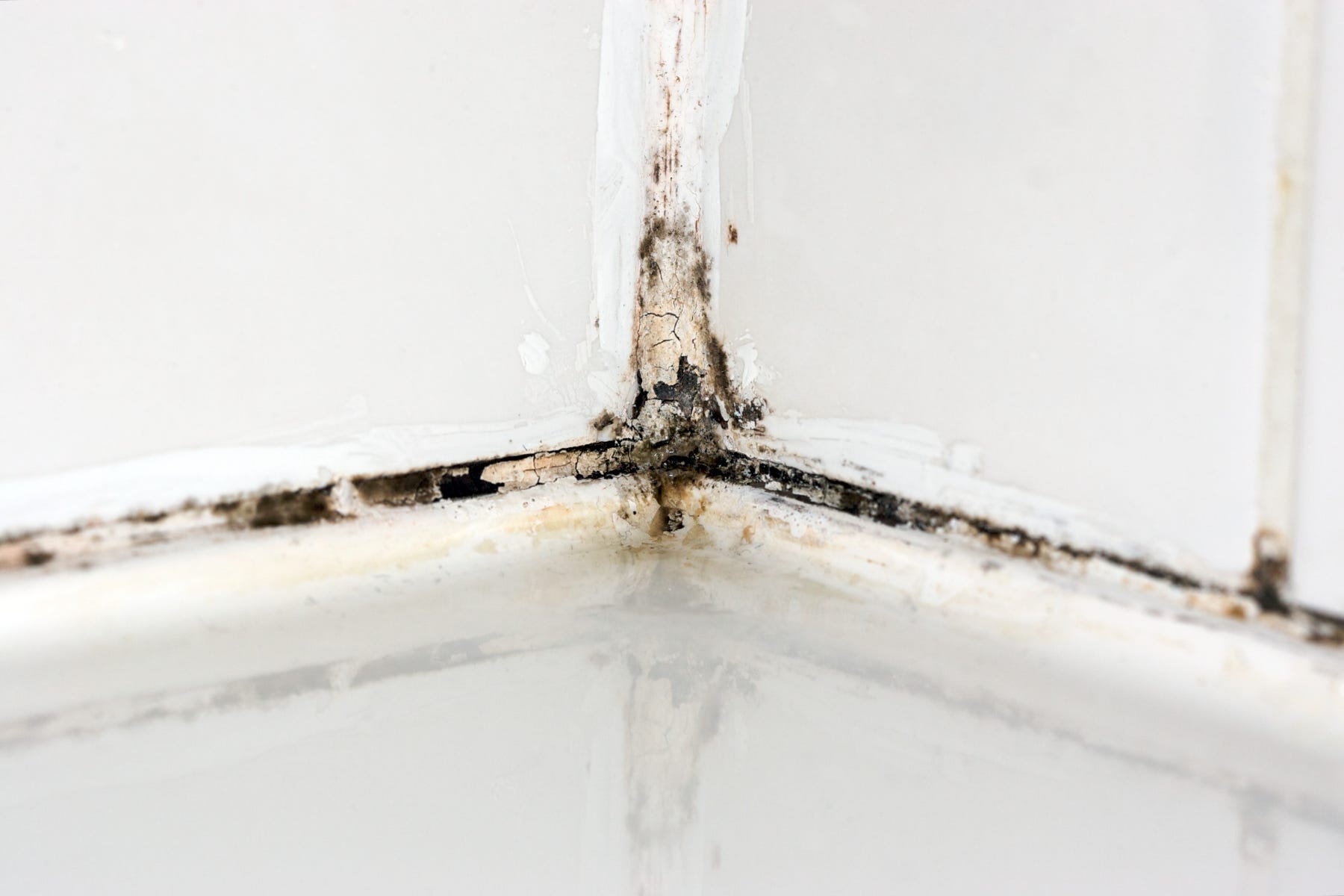
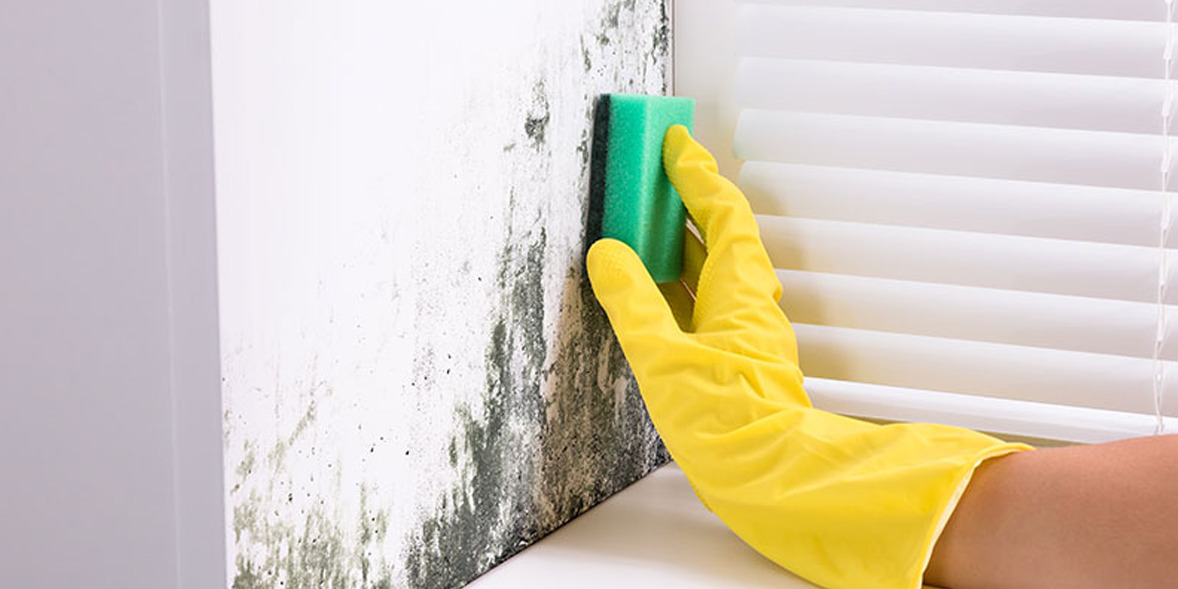
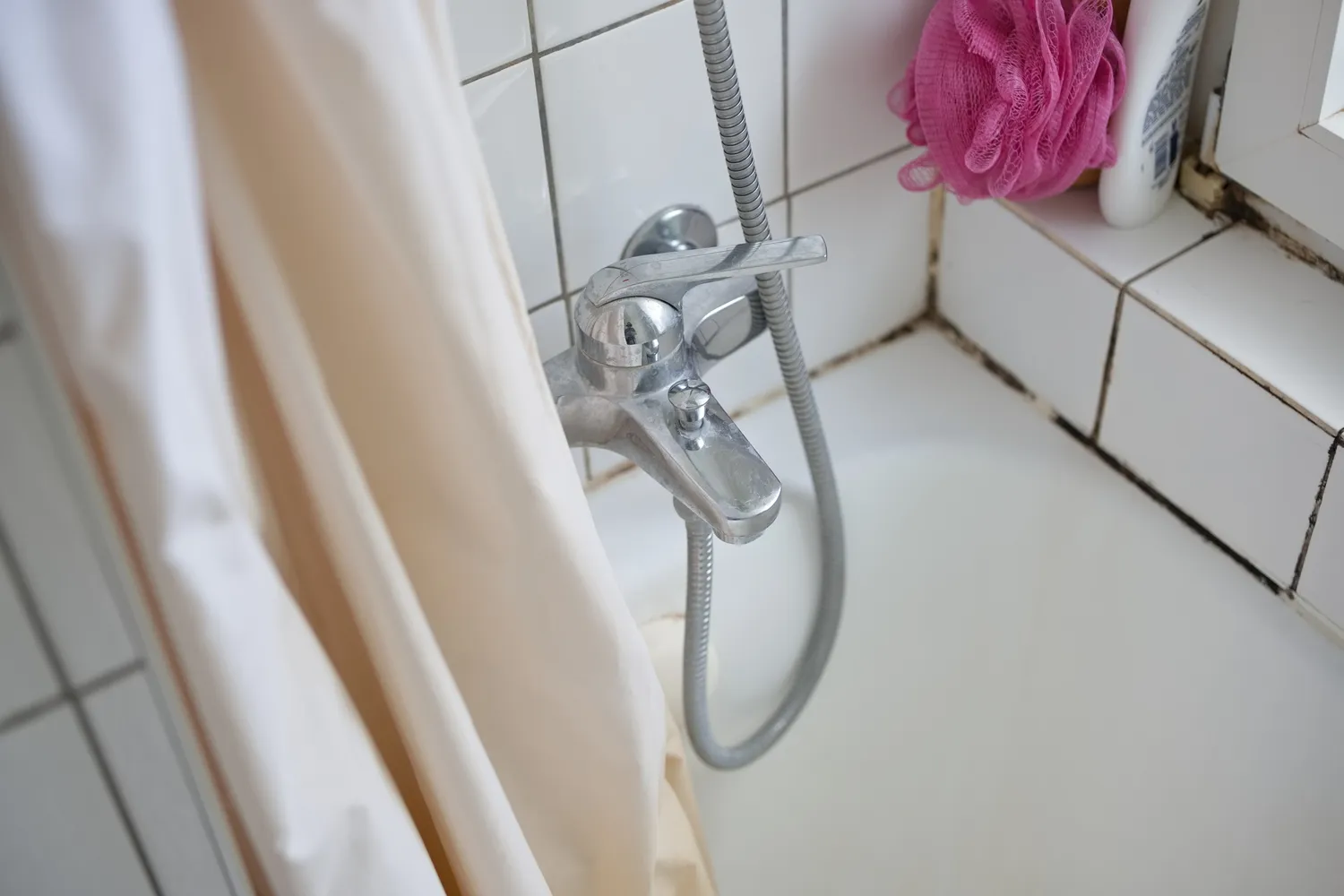
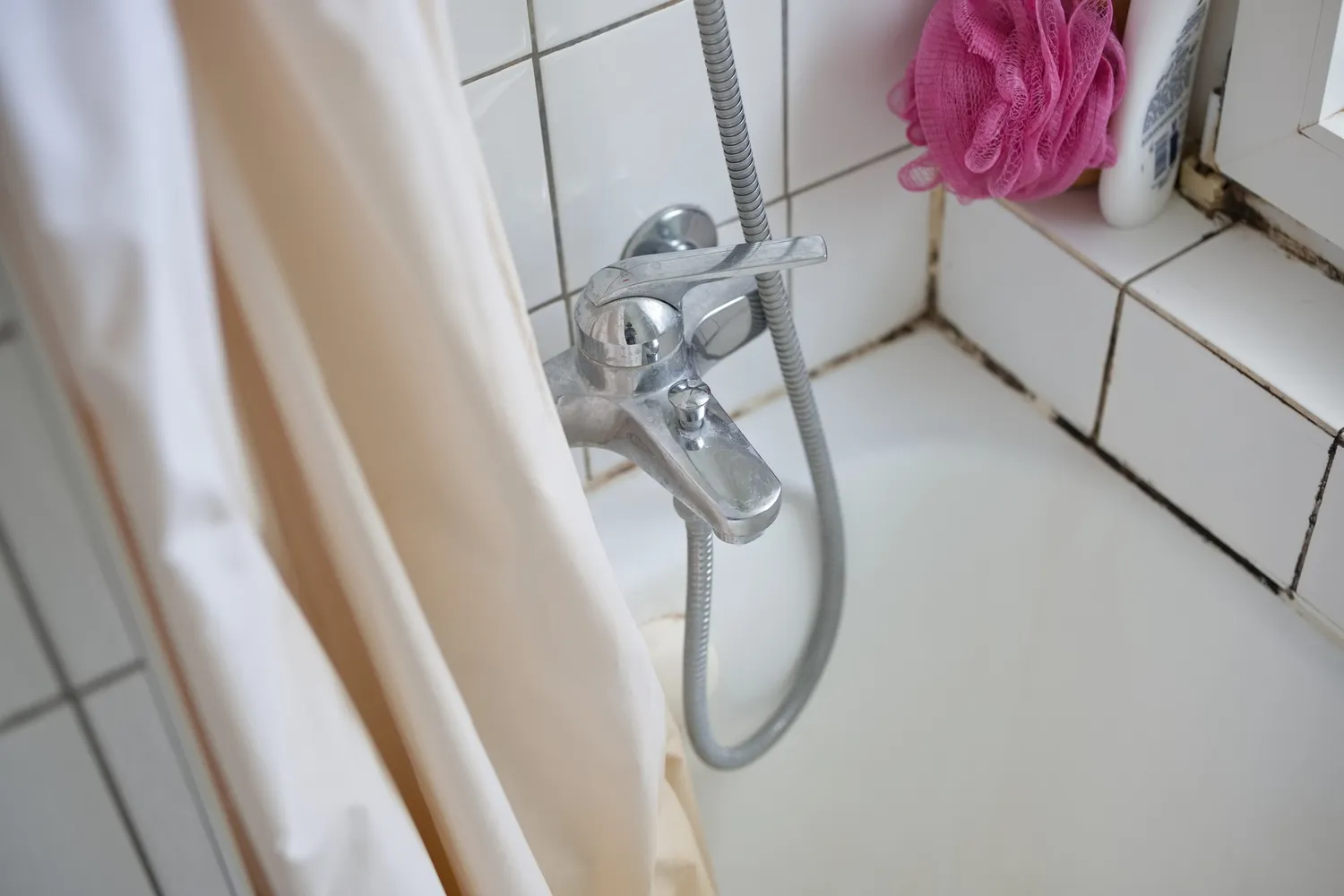
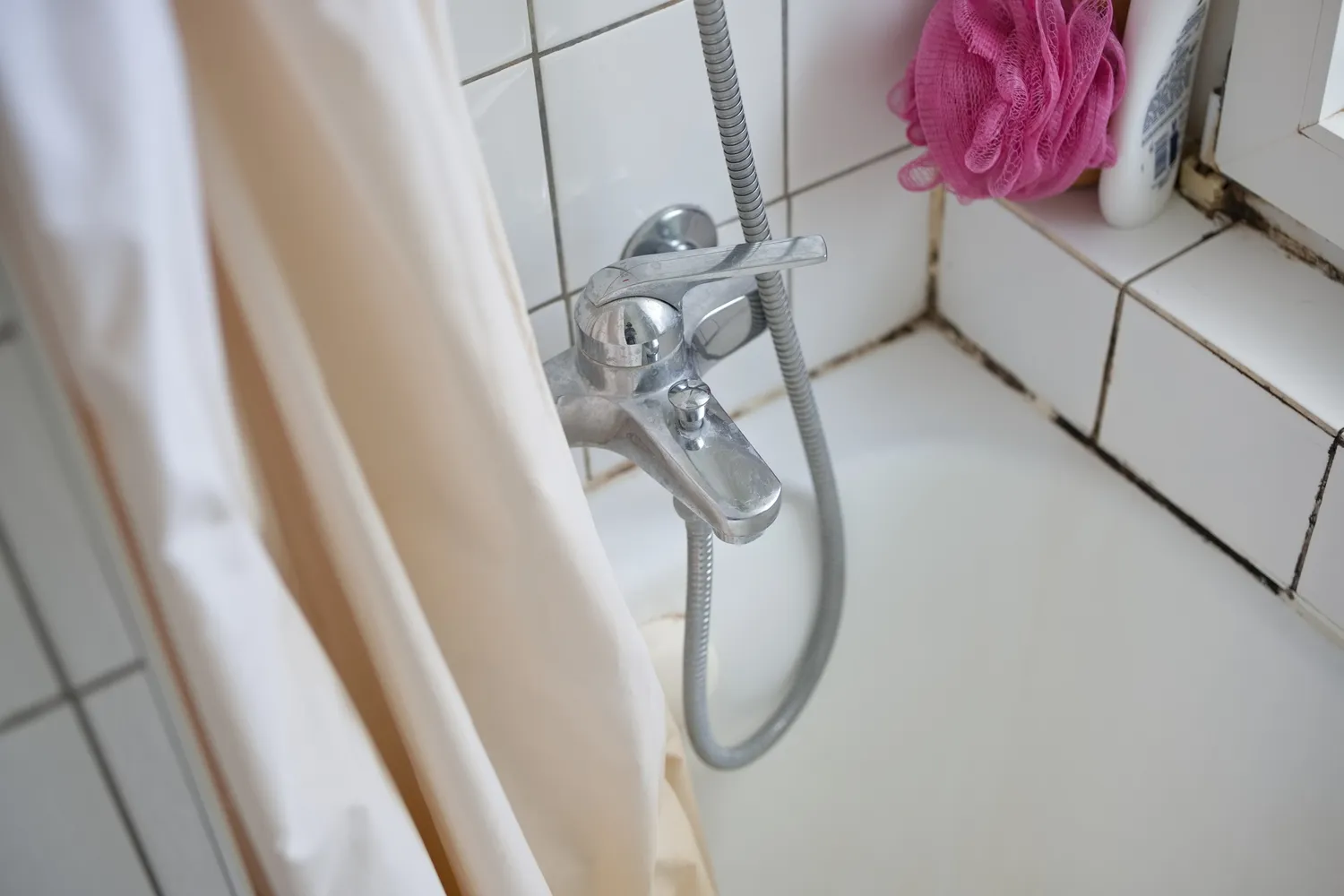
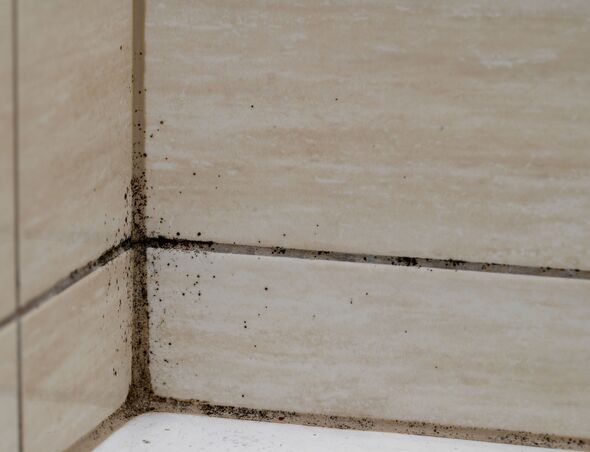
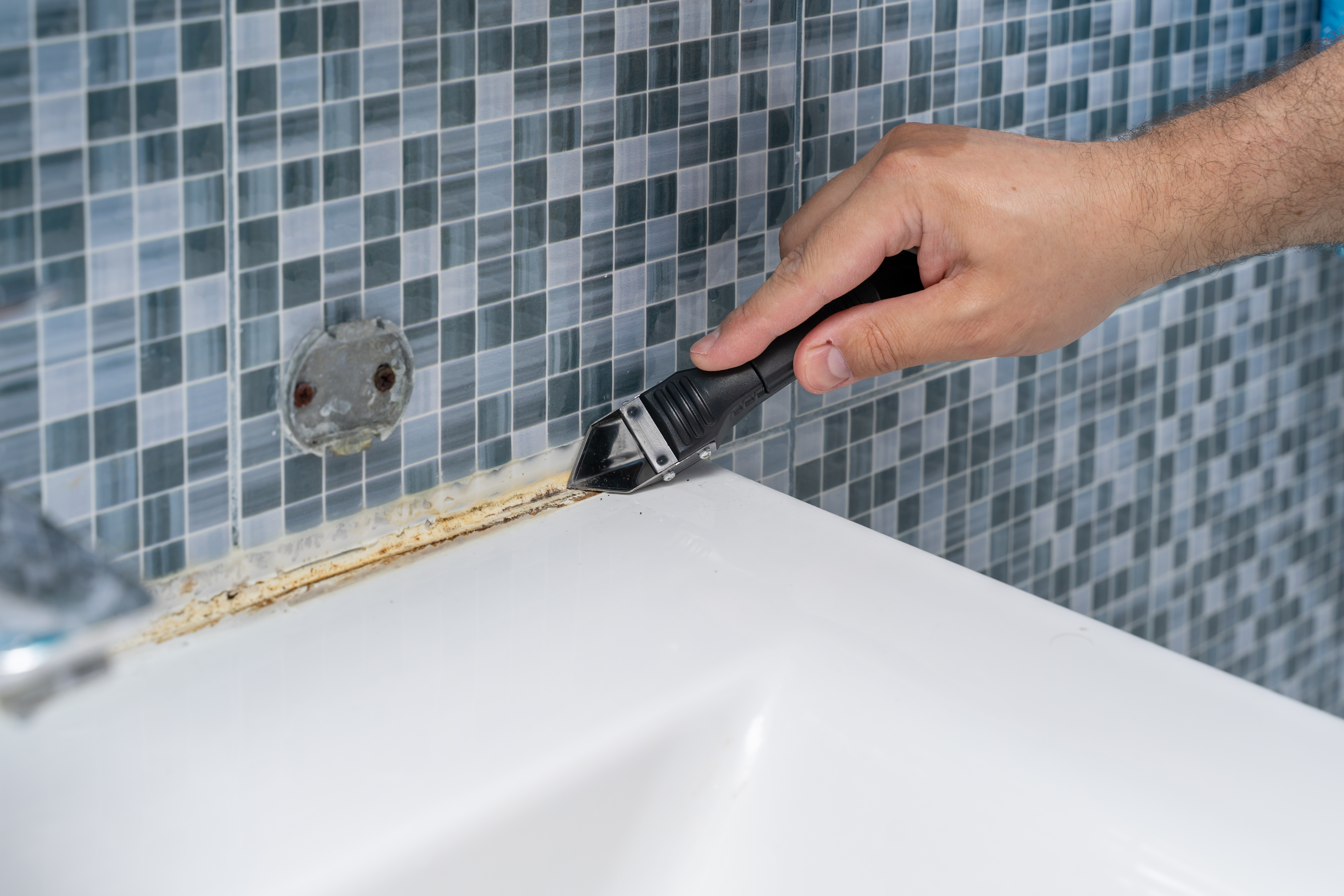
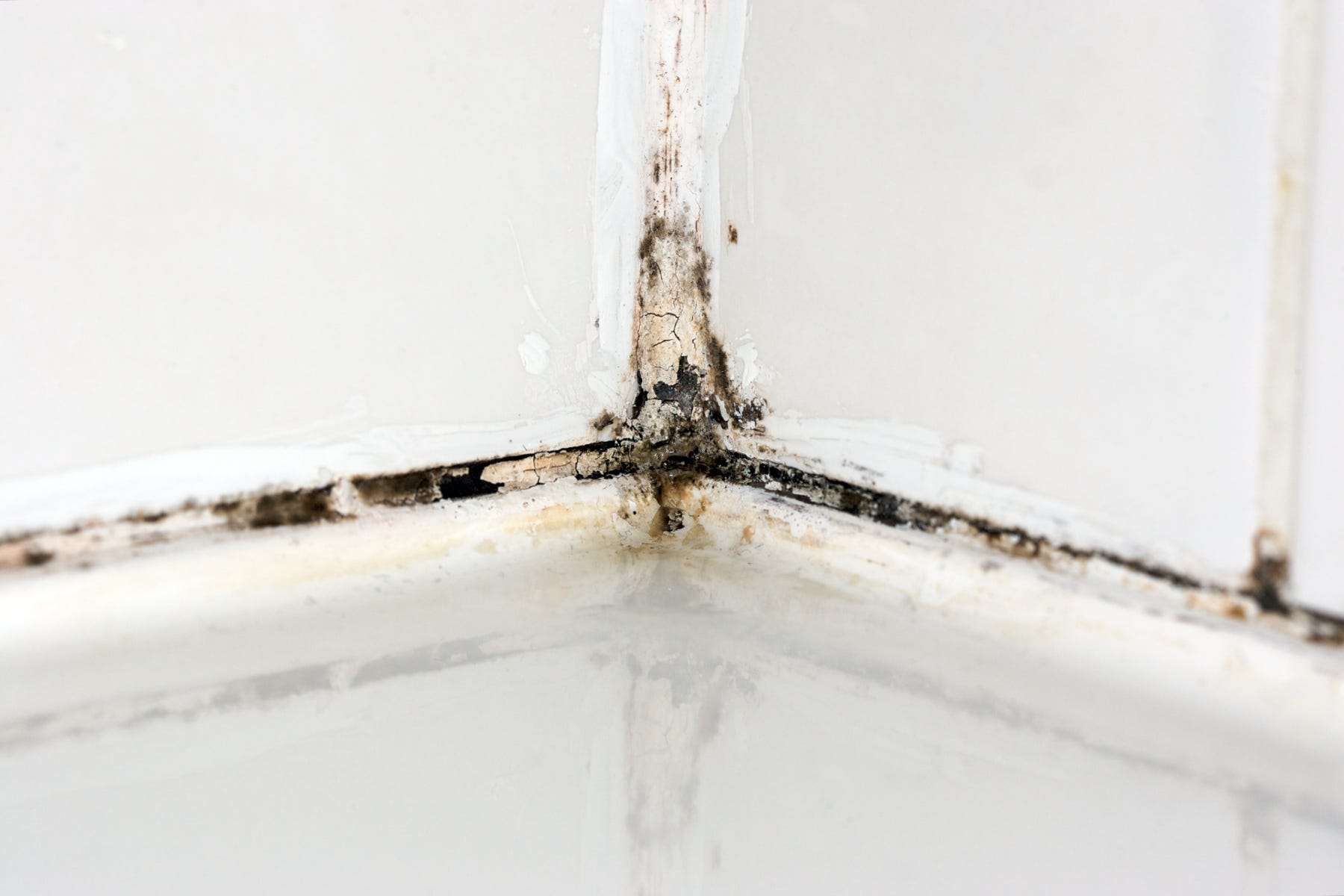
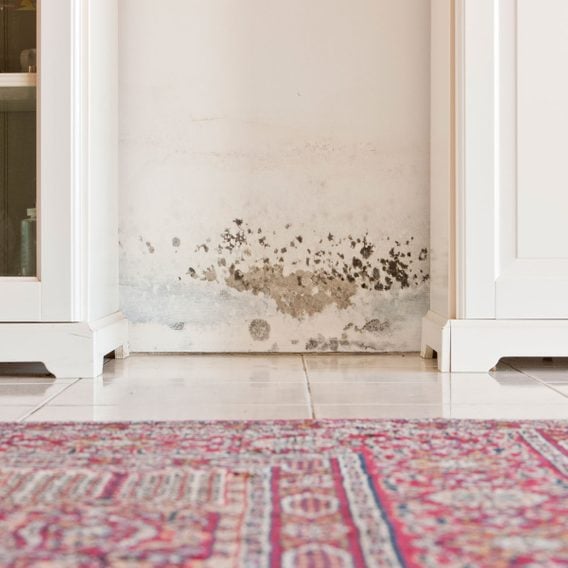
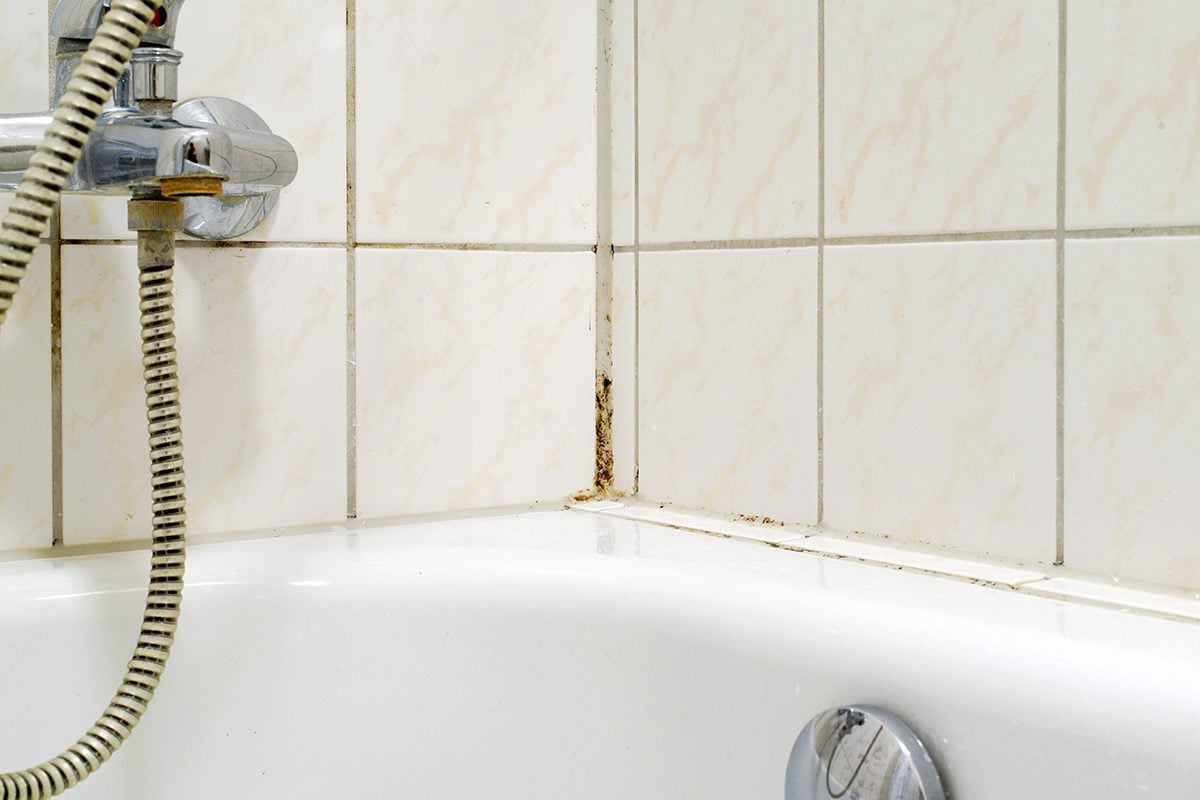
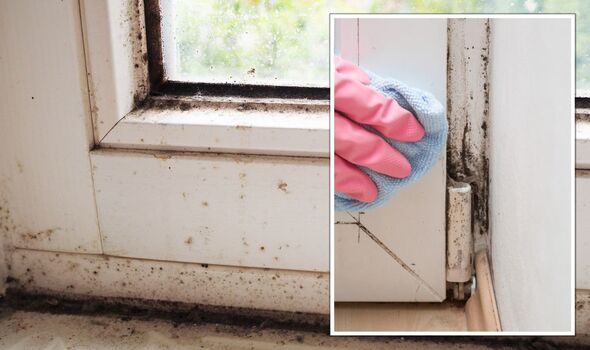
Silicone sealants, particularly those found around windows in bathrooms, are susceptible to mould growth due to their warm and humid environment. While silicone is inherently waterproof, over time, it can separate from surfaces, creating pockets where water collects, fostering mould development. Black mould is not only an aesthetic concern but also poses potential health risks, such as respiratory irritation, making its prompt removal crucial.
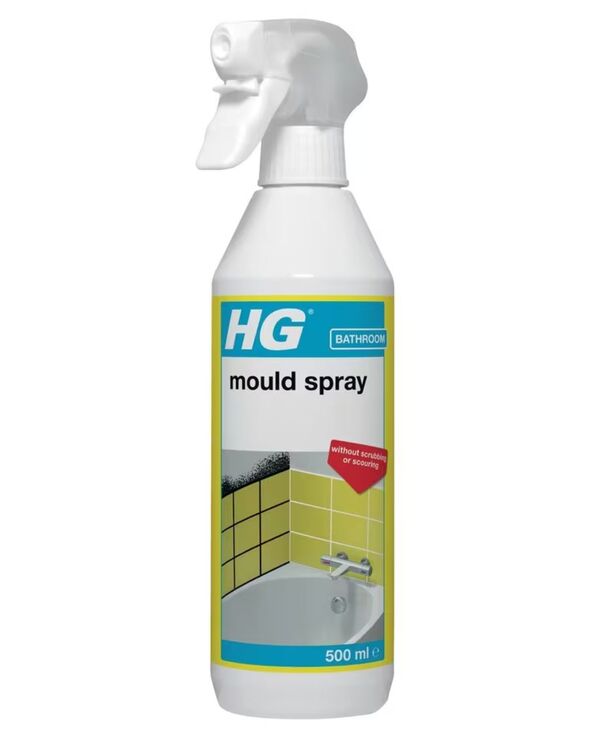
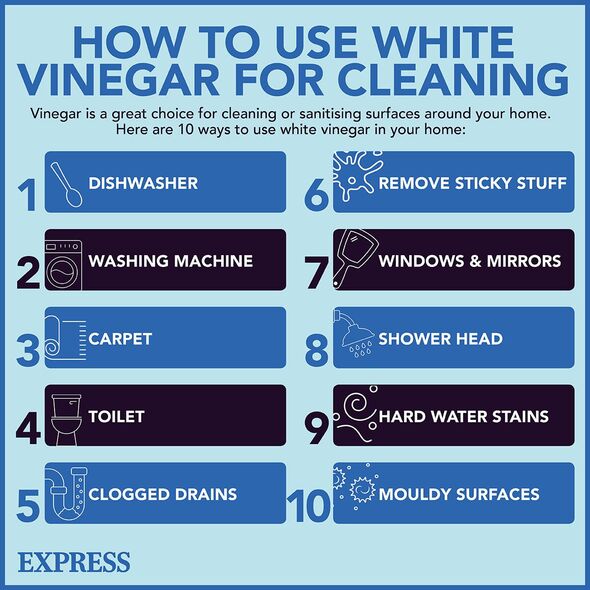
Traditional cleaning methods, including various mould removers, all-purpose cleaners, the pink stuff, and bleach, often prove ineffective against stubborn silicone sealant mould. This article highlights a popular and highly effective natural solution advocated by cleaning enthusiasts, particularly followers of cleaning expert Mrs. Hinch: a combination of baking soda and white vinegar.
Several individuals shared their positive experiences on social media platforms, attesting to the efficacy of this natural remedy. Becca Holden reported success with a white vinegar and baking soda paste on stubborn bathroom mould, leaving it for a day for optimal results. Lydia Norton, having just moved into a new house, found the mixture to be 100% better than bleach for removing mould from her bedroom window sealant. Chloe Heins noted it as the fastest method for her, and Ashley Will suggested applying a paste for an hour before cleaning with cold water.
Further endorsements came from Laura Burns and Jodie Maloy, who both recommended mixing baking soda and white vinegar into a paste, applying it to the affected areas, and then wiping it away after a short period. Anne McCabe advised applying the paste and covering it with cling film overnight for deeply ingrained mould, repeating if necessary. Shannon Grey praised the method for its effectiveness and cost-efficiency.
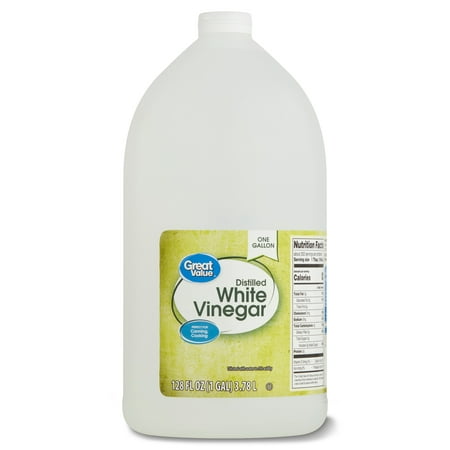
Cleaning experts at Cleanipedia also support this natural approach, emphasizing that bathroom sealant is a common site for mould. They recommend creating a paste from one cup of white vinegar and two to three teaspoons of baking soda, allowing it to sit on the mould for five minutes. Subsequently, a stiff-bristled brush should be used to scrub the paste away, followed by a clean wipe. If stains persist, the process can be repeated.
Experts at Belvoir reinforce this method, suggesting the same baking soda and white vinegar mixture, but recommend leaving the paste on for at least 30 minutes. For particularly stubborn mould, they advise covering the treated area with cling film or a cloth to ensure the solution remains in contact with the surface, preventing it from dripping away. This natural, non-toxic, and highly effective method offers a superior alternative to harsh chemical cleaners for tackling silicone sealant mould.
#MouldRemoval #SiliconeSealant #BakingSoda #WhiteVinegar #HomeCleaning #NaturalCleaning #WindowMaintenance #HouseholdTips #MouldRemoval #SiliconeSealant #BakingSoda #WhiteVinegar #HomeCleaning #NaturalCleaning #WindowMaintenance #HouseholdTips
0 comment in total
 No comments yet
You may also like
The Best Way to Remove Mildew, According to Experts

We Asked a Cleaning Pro How to Finally Get Rid of Mold in the Shower—And We're Trying This ASAP


Door & Window Sealants

Remove silicone sealant mould with ‘100% effective’ solution ‘without causing damage’
Expert-tested mould removal tips that actually work

How to get rid of mould on walls – 7 home treatments tried and tested by the experts
The B&M buy that melts silicone sealant mould in seconds with zero scrubbing

We Tested The Best Caulk Removal Tools: These Are The Must-Haves For Your Tool Kit

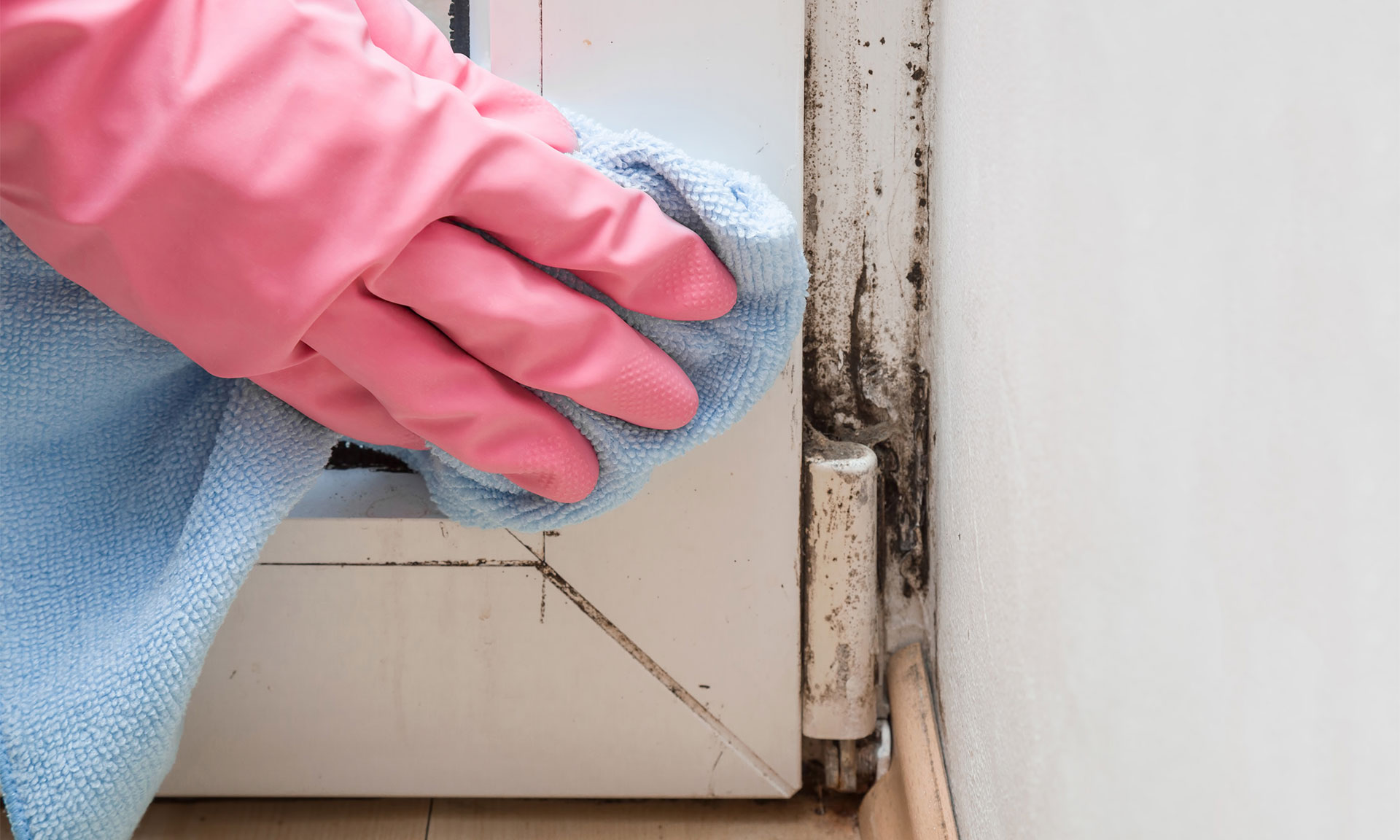
How to get rid of mould
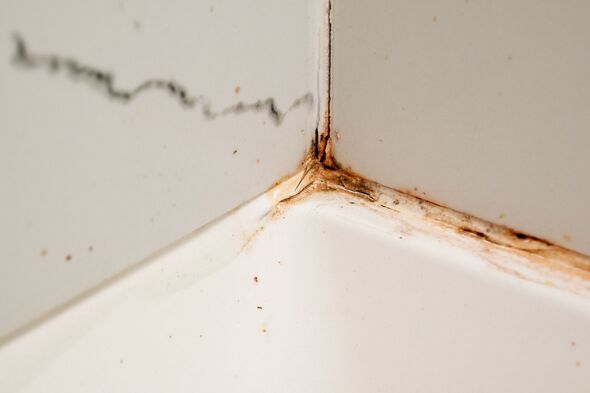
Cleaner’s ‘fantastic’ spray to ‘melt away’ silicone sealant mould in 30 minutes
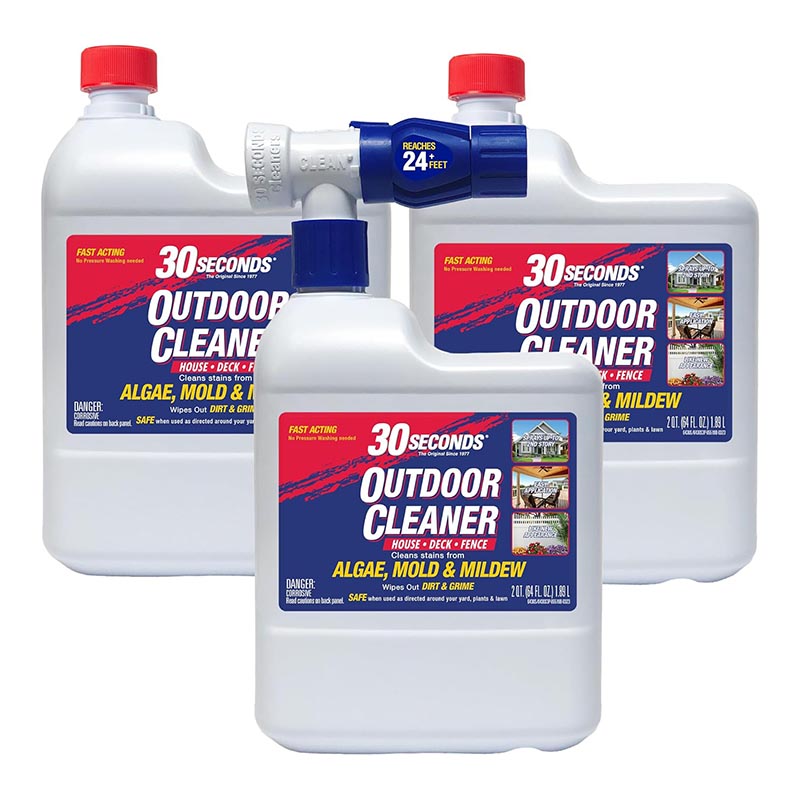
The Best Vinyl Siding Cleaners for the Home, Tested
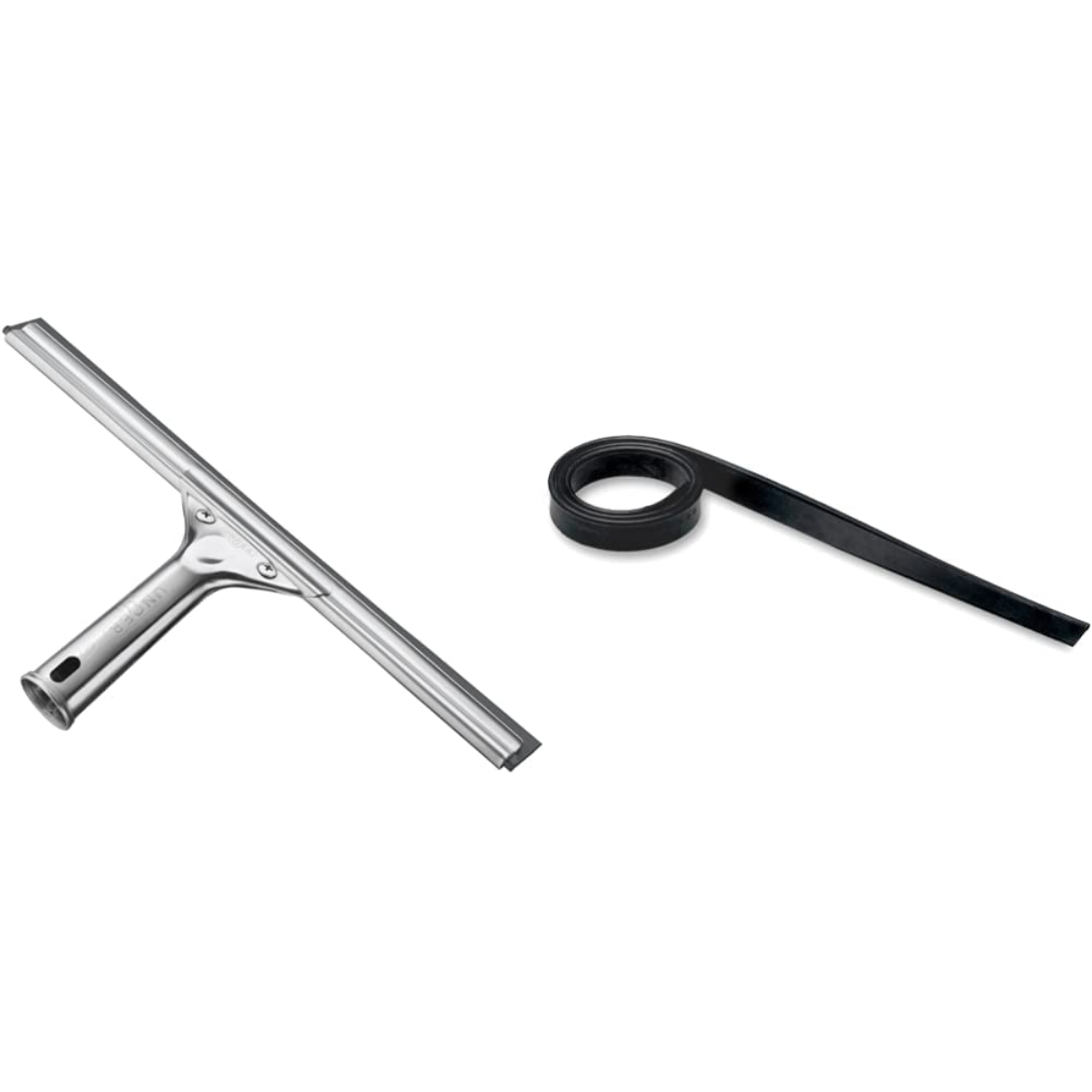
We Put The Best Window Squeegees Through 8 Hours of Hands-On Testing—Here Are The Results
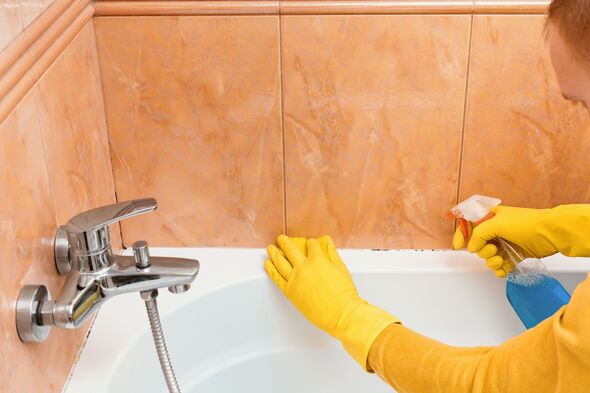
Bleach is the ‘worst’ for silicone sealant mould - cleaner’s ‘magic’ item works way better
Fight Mold With Paperless Drywall

Gross! Here Are the Best Ways to Remove Mildew for Good
These Old-School Cleaning Products Still Work Like Magic

How to clean mold off outdoor cushions – refresh your outdoor seating in time for summer

Sealants

Mold and Mildew Cleaning and Repair

These 5 Best Mold Removing Products Will Help You Get Rid of Mold ASAP