How to clean upholstery – to keep furniture looking fresh
Maintaining the cleanliness of upholstered furniture is essential to preserving its appearance and longevity, irrespective of the material, be it fabric, leather, or velvet. Regular upkeep is crucial, as dust and dirt accumulate over time, necessitating more than just reactive cleaning for spills. Proactive measures, such as having immediate cleaning remedies on hand, can prevent permanent stains when accidents occur.
The general approach to cleaning upholstery remains consistent across different furniture types, but the specific fabric dictates the cleaning method and products. Before commencing any cleaning, it is vital to identify the fabric type and consult the care label. These labels often use a standardized code: 'W' for water-based cleaners, 'S' or 'P' for solvent-based products only, 'SW' or 'WS' for either water or solvent-based cleaners (including steam), and 'X' indicating that only brushing and vacuuming are permissible, with professional cleaning recommended for deeper treatments. If the label is absent, testing any cleaning solution on an inconspicuous area, such as the underside of a cushion, is advised to prevent discoloration or damage, especially for delicate materials like velvet or silk.
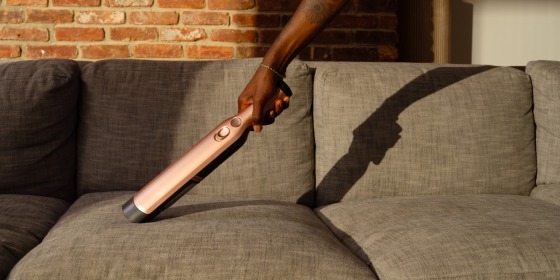
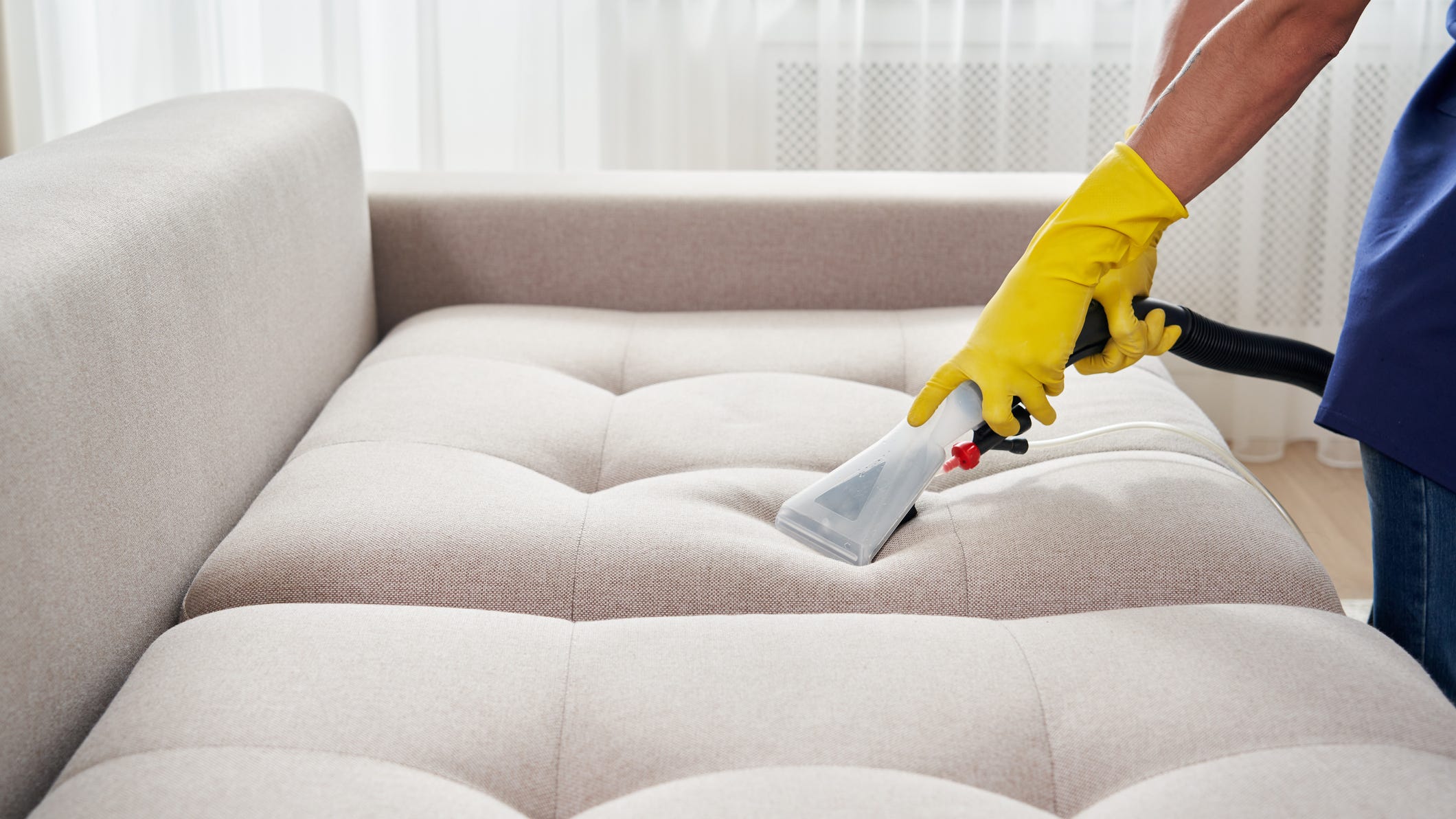
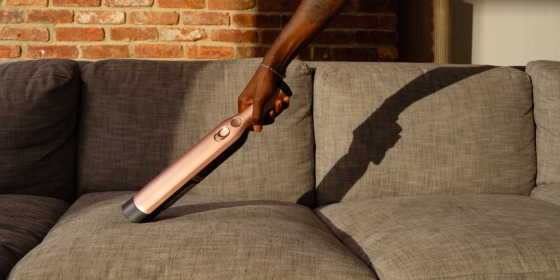
Regular vacuuming is a foundational step in upholstery maintenance. Weekly vacuuming helps prevent dirt buildup that can degrade the fabric. Removing cushions and thoroughly vacuuming all surfaces—top, bottom, sides, and crevices—is recommended. The appropriate attachment should be used: an upholstery attachment for fabric and a brush attachment for leather to avoid scratches. For delicate fabrics such as silk and linen, a low suction setting is preferable. This routine is also applicable to outdoor cushions.
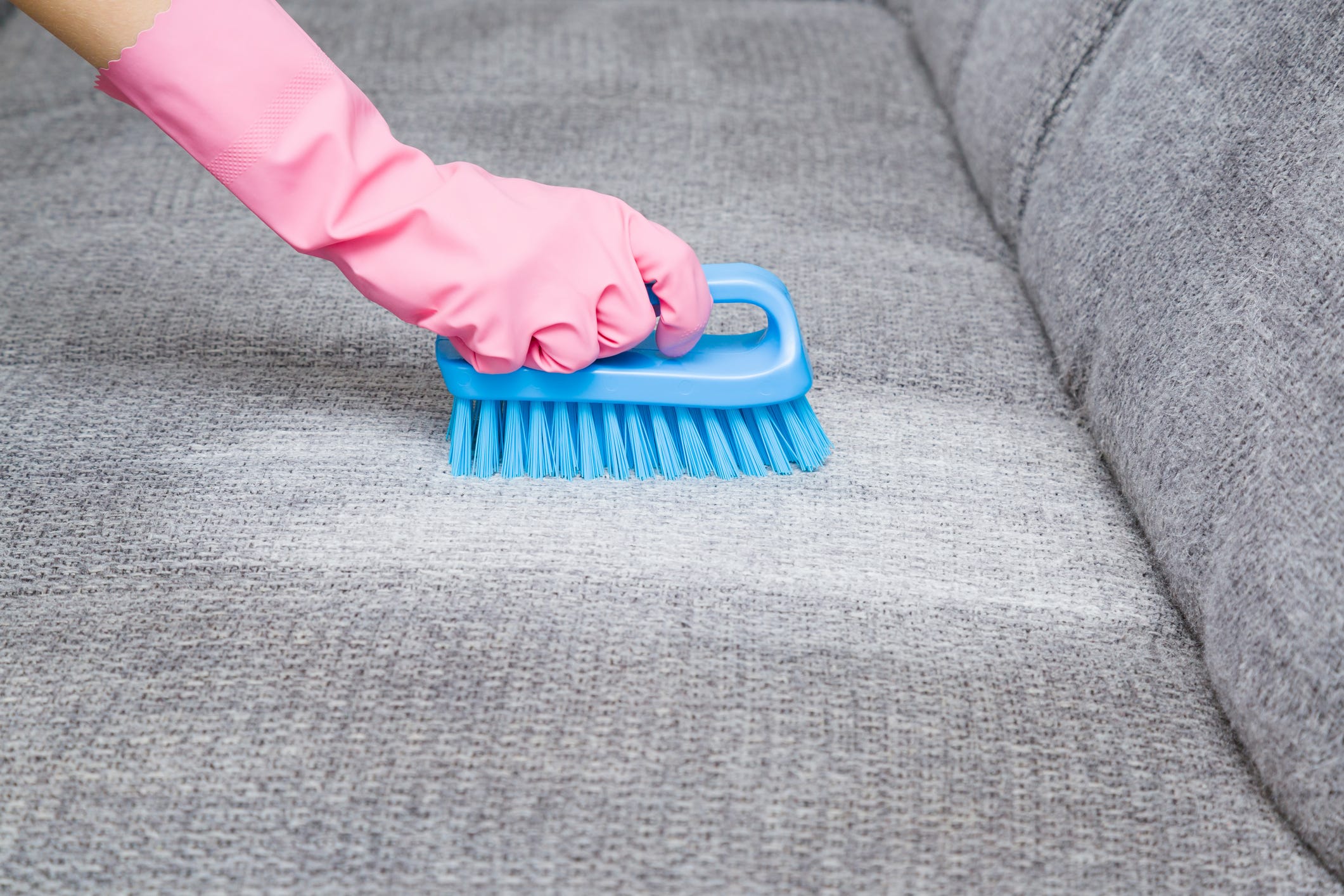
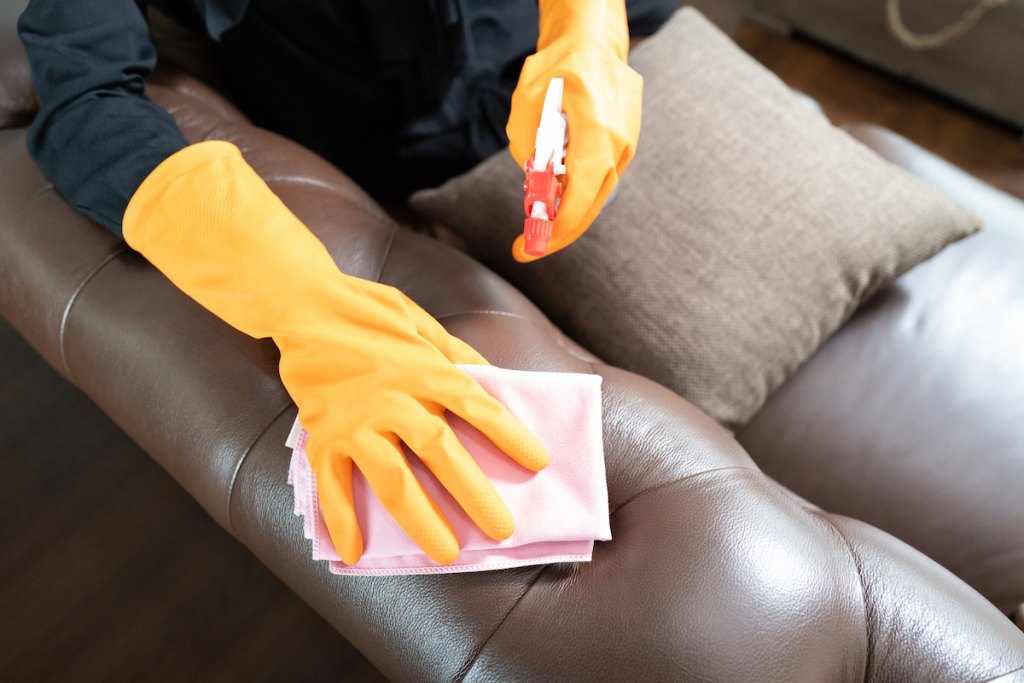
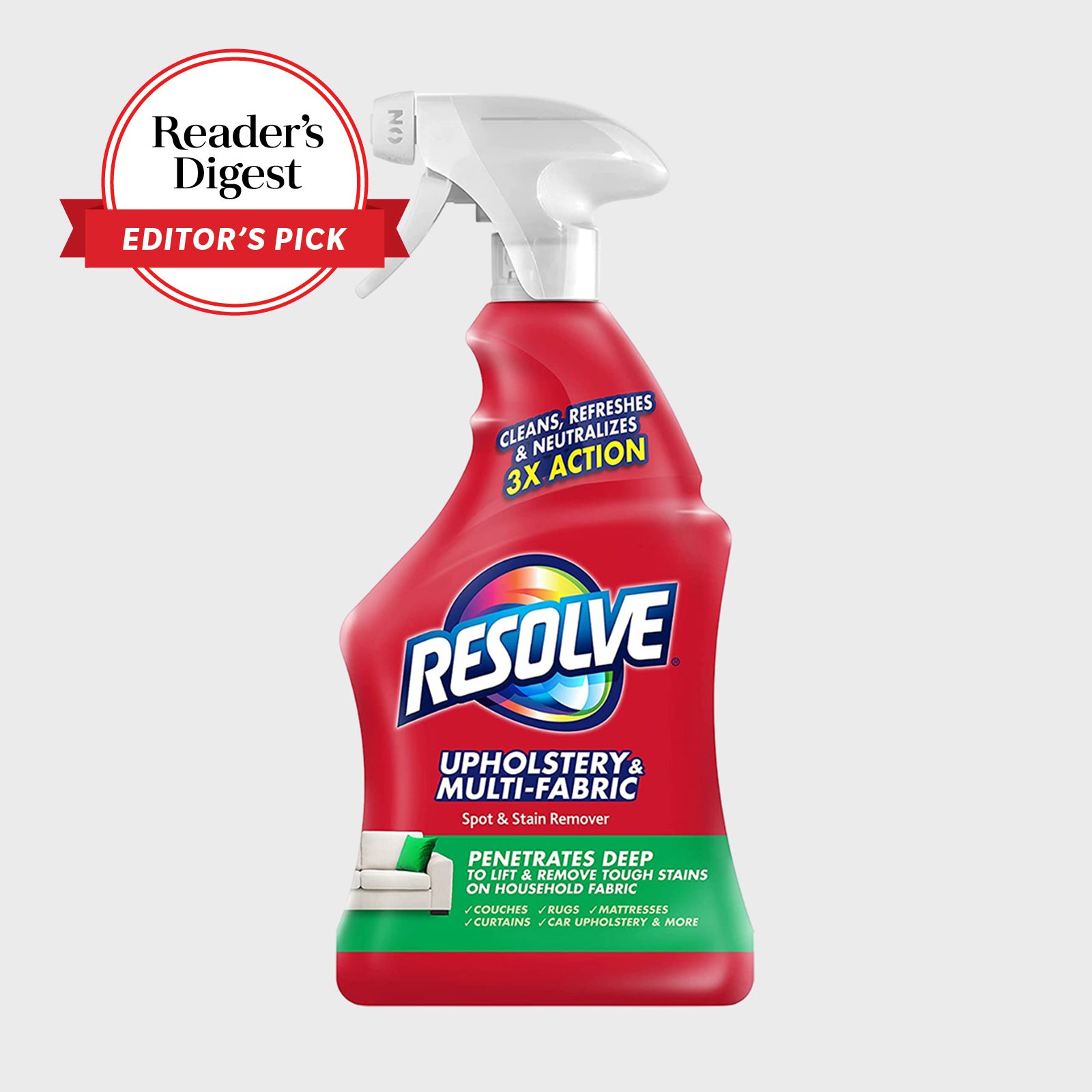
For spot cleaning stains, acting quickly is paramount. Stains can set rapidly, becoming much harder to remove if left unattended for even a few minutes. While commercial cleaners are effective, common household items can also be utilized. White vinegar is a natural stain remover suitable for most upholstery types, though a spot test is always necessary. A solution of mild washing-up liquid, warm water, and a dash of white vinegar can address many sofa stains. This solution should be applied to a clean cloth and then blotted onto the stain, working from the outside in to avoid spreading. Scrubbing should be avoided, as it can push the stain deeper into the fibers. Using a white cloth is advisable to prevent dye transfer, particularly on lighter-colored upholstery. Different stains, such as red wine or coffee, may require specific approaches, from blotting with salt for wine to a dish soap solution for coffee on unprotected upholstery.
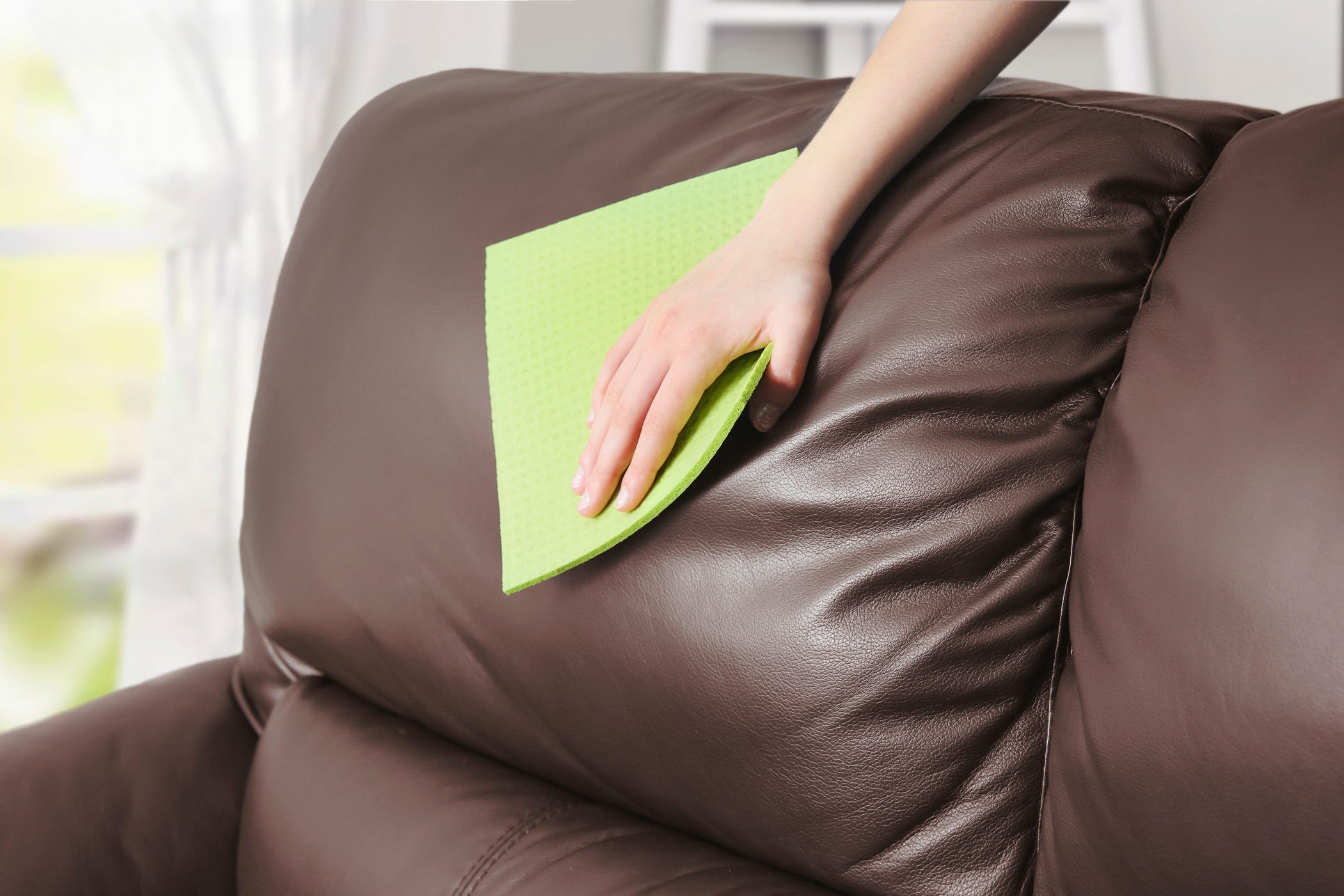
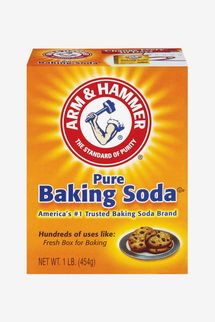
For leather couches, the cleaning process is similar for finished leather. Unfinished leather typically requires professional cleaning. Regular vacuuming, weekly polishing with saddle soap, and conditioning after deep cleaning are beneficial. To eliminate odors, baking soda is effective as it neutralizes rather than just masking them. Sprinkle baking soda over the affected area, brush it in, let it sit for a few hours or overnight, and then vacuum it up.
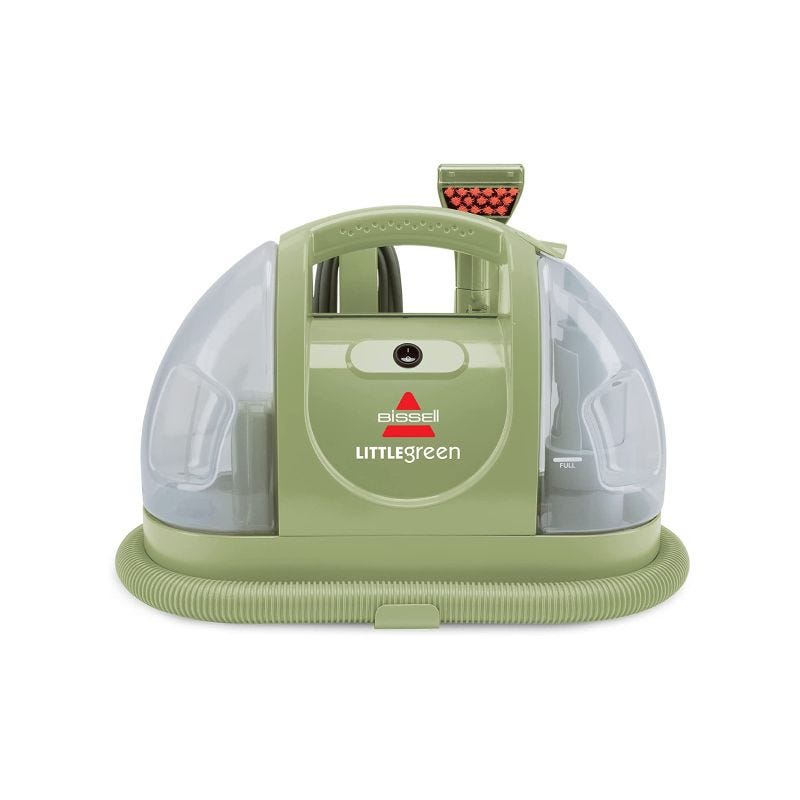
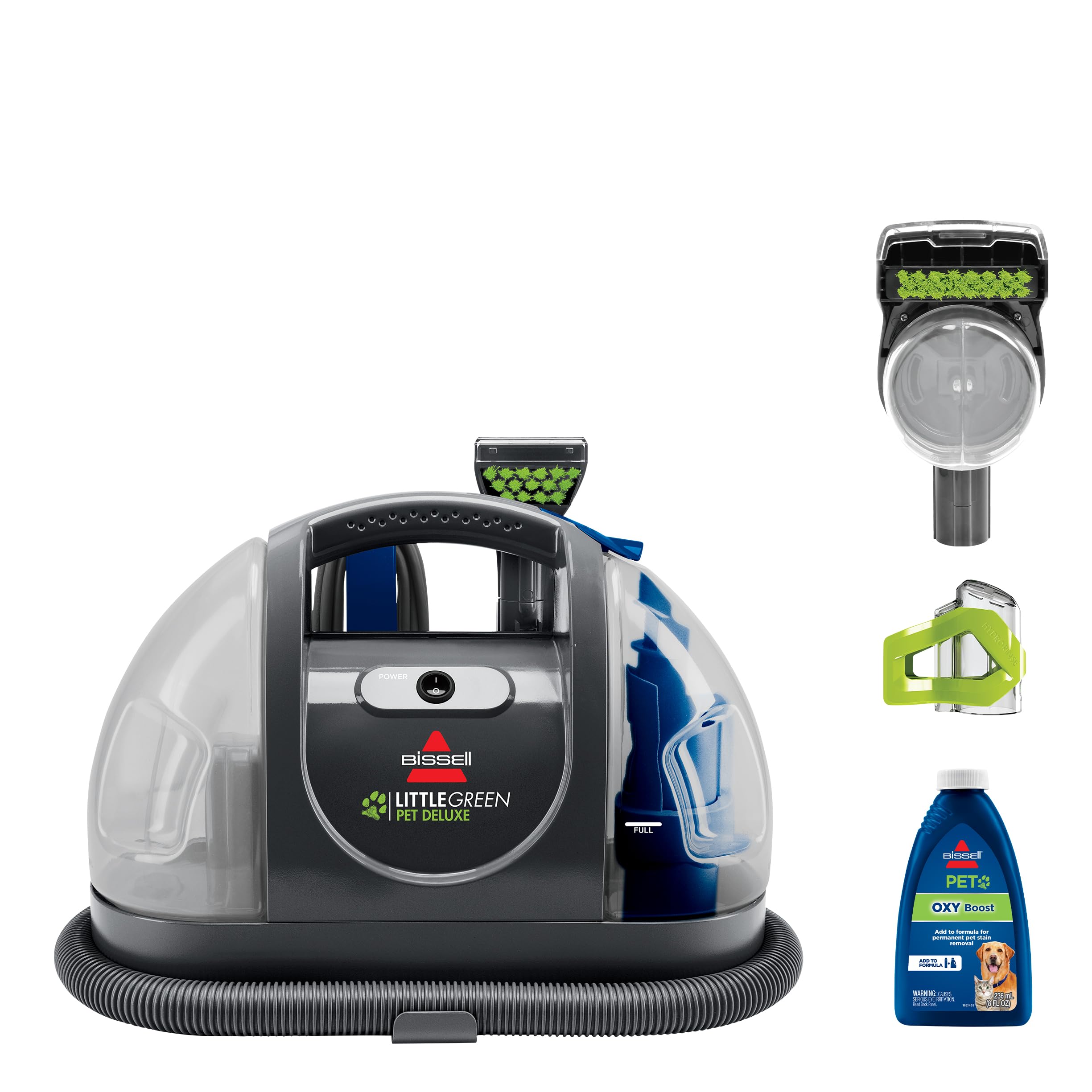
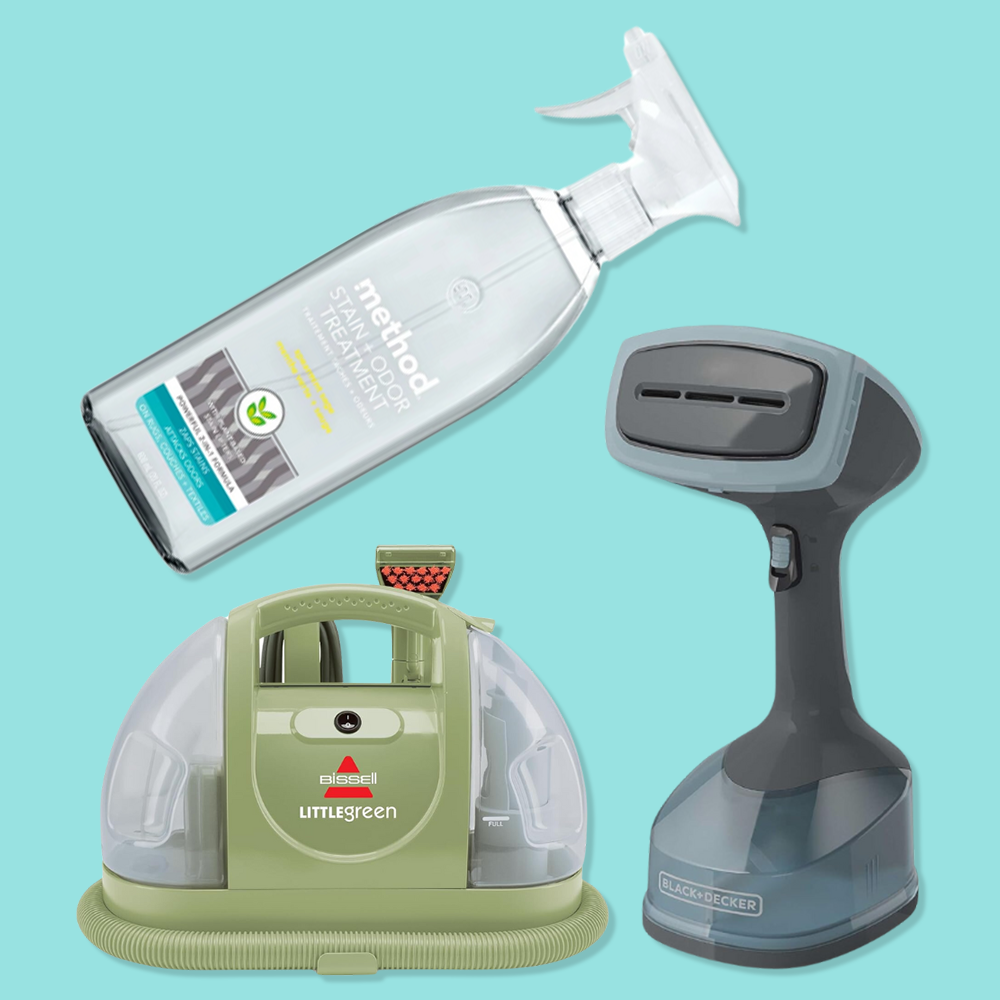
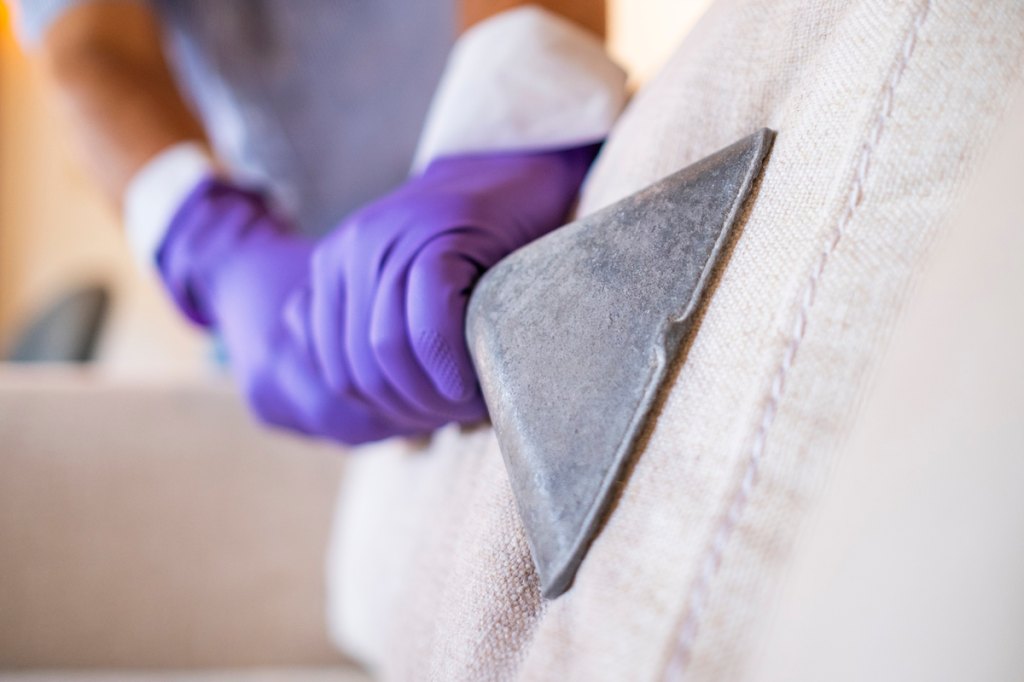
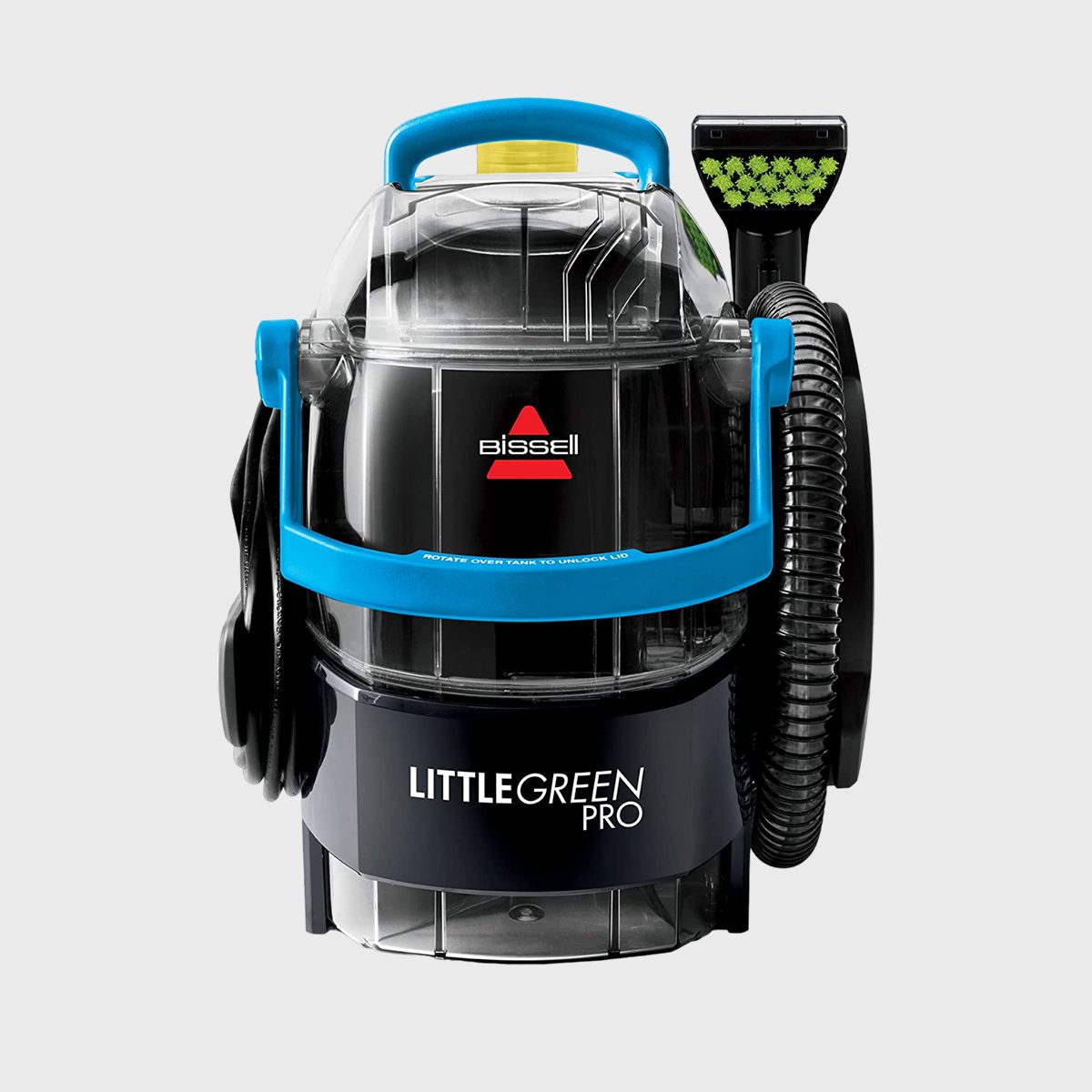
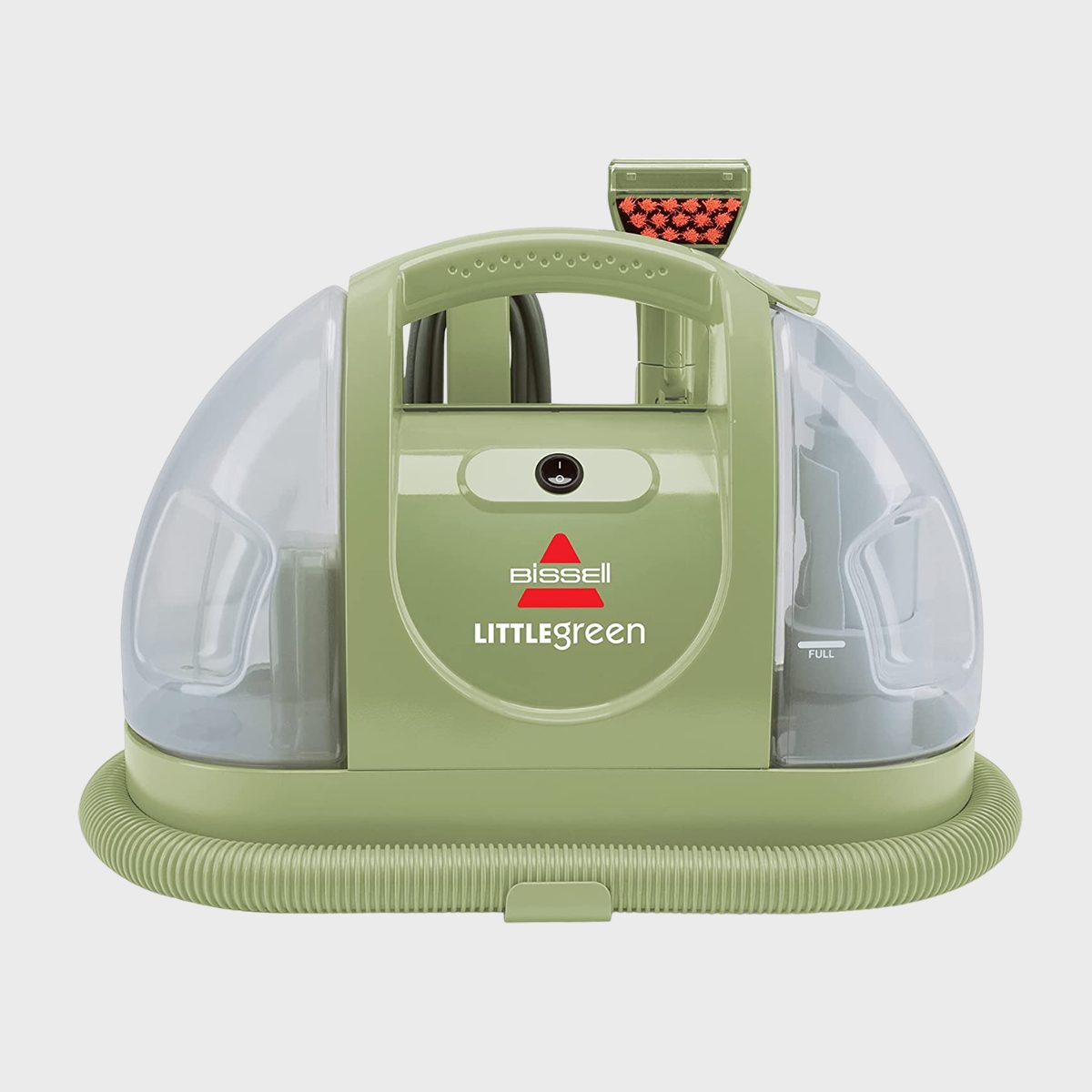
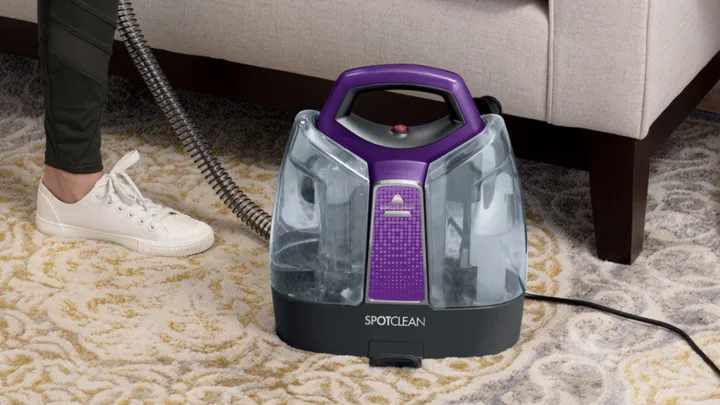
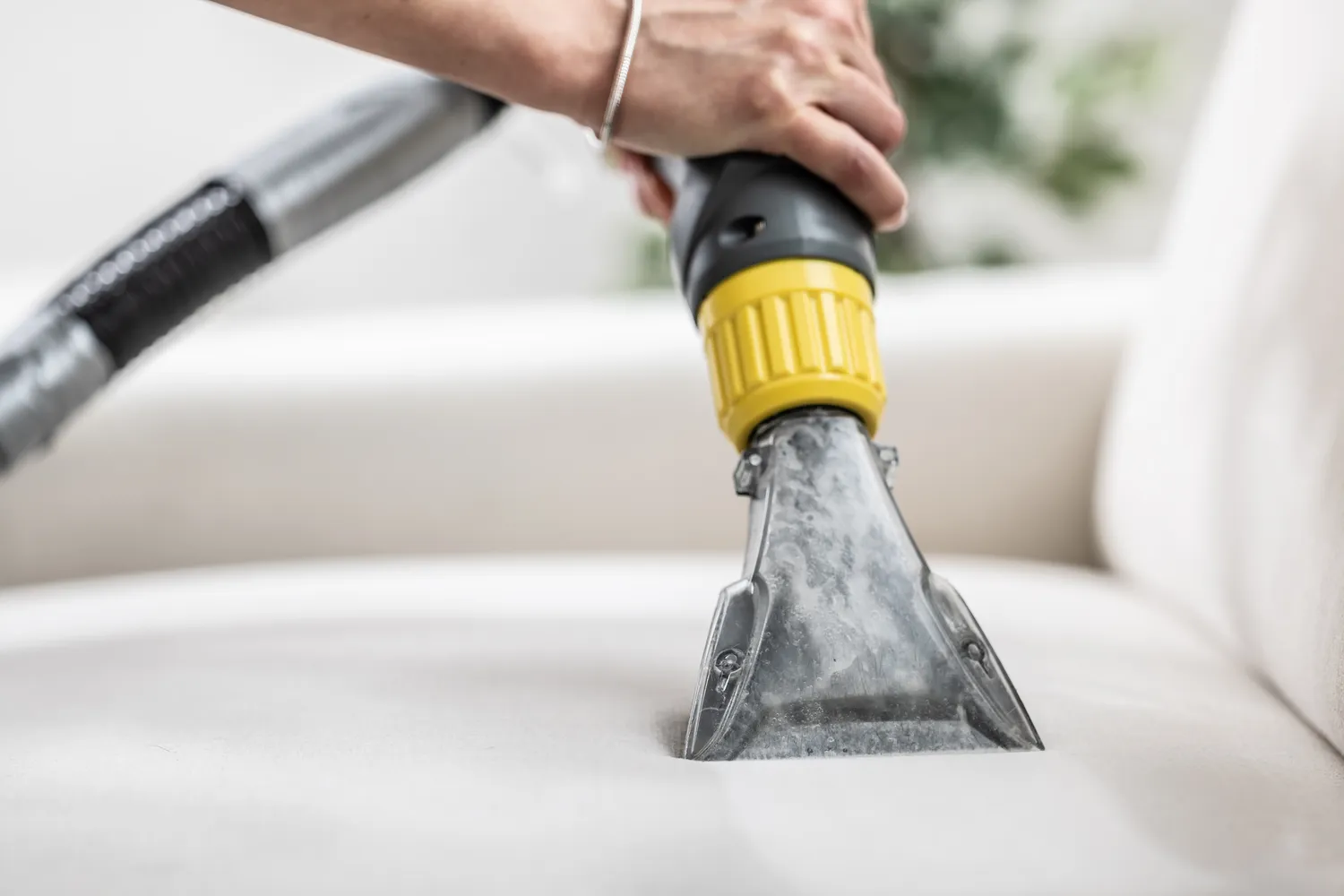
Professional intervention is recommended if a stain persists after two attempts at spot cleaning, as repeated scrubbing can harm the fabric. Velvet upholstery, despite its reputation, is durable but requires gentle care. Instead of vacuuming, brushing velvet 3-5 times a month is suggested. Proper furniture placement is also important to prevent marking. If upholstery covers are removable and the care label permits, they can be machine washed. Following care label instructions precisely is crucial, using cool, delicate cycles and avoiding tumble drying to prevent shrinkage. Covers should be reshaped and left to air dry until slightly damp before being replaced. Deep cleaning, including stain removal, should be performed every 3-6 months or as needed. Natural cleaning methods, combining white vinegar and baking soda with a small amount of washing-up liquid, offer an acidic, low-waste solution for general cleaning and stain removal. Steam cleaners can be used on upholstery marked 'W', 'SW', or 'WS' on the care tag, effectively killing dust mites, lifting dirt, and refreshing the fabric, provided the fabric is suitable for water-based cleaning.
#UpholsteryCleaning #FurnitureCare #StainRemoval #FabricMaintenance #HomeCleaning #InteriorMaintenance #NaturalCleaning #VelvetCare #LeatherCare #UpholsteryCleaning #FurnitureCare #StainRemoval #FabricMaintenance #HomeCleaning #InteriorMaintenance #NaturalCleaning #VelvetCare #LeatherCare
0 комментариев всего
 Комментариев пока нет
Вам также может понравиться
7 top upholstery cleaners to keep your furniture looking new


5 Common Sofa Cleaning Mistakes You Might Be Making


How to Protect Fabric Furniture From Stains and Dirt

4 Expert Tips for Keeping Velvet Furniture Looking Like New
10 Best Upholstery Cleaners That Will Make Your Furniture Look Good as New

How to Clean a Couch, According to Experts | NBC Select
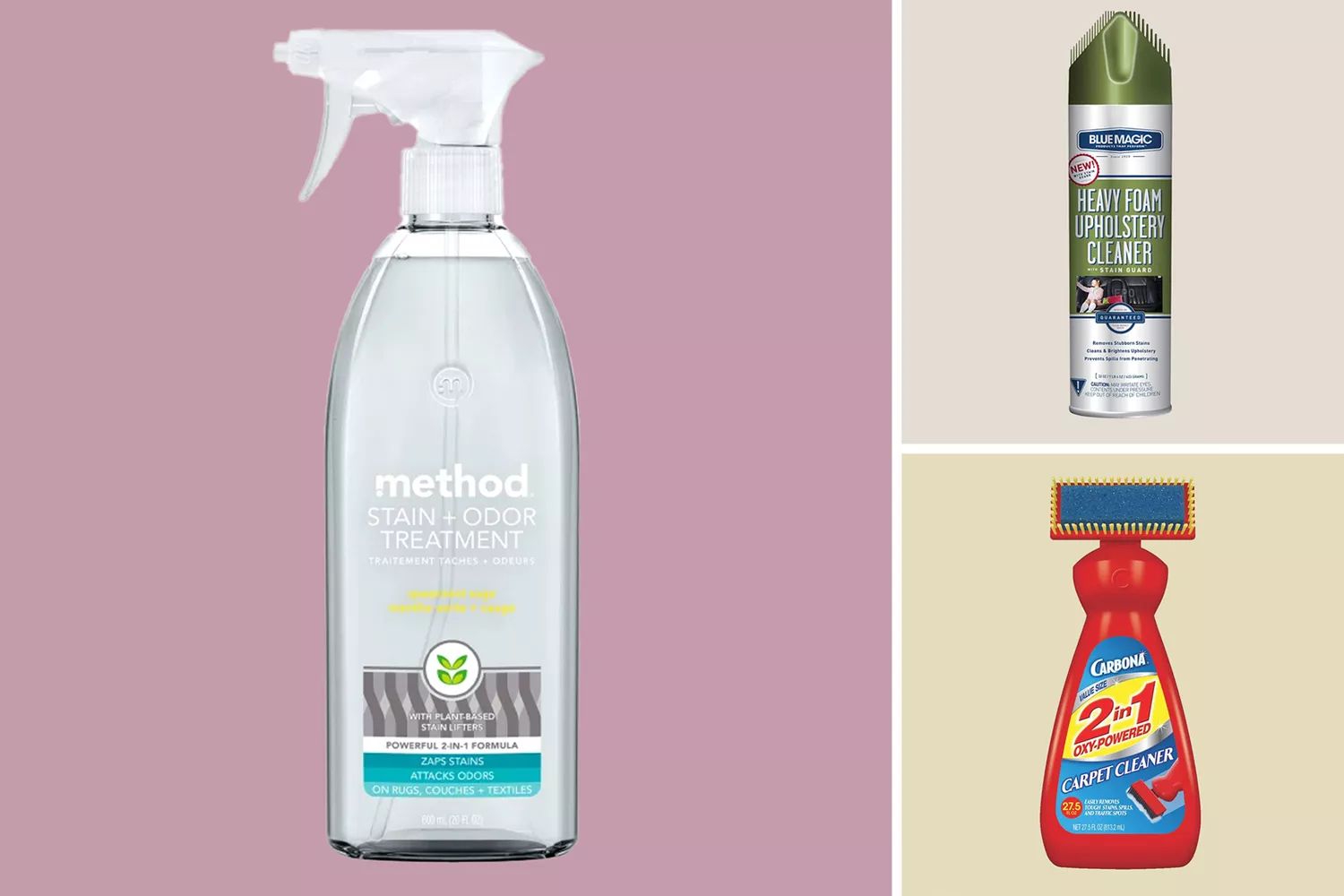
These 10 Upholstery Cleaners Will Make Your Furniture Look Like New, Say Pro Cleaners

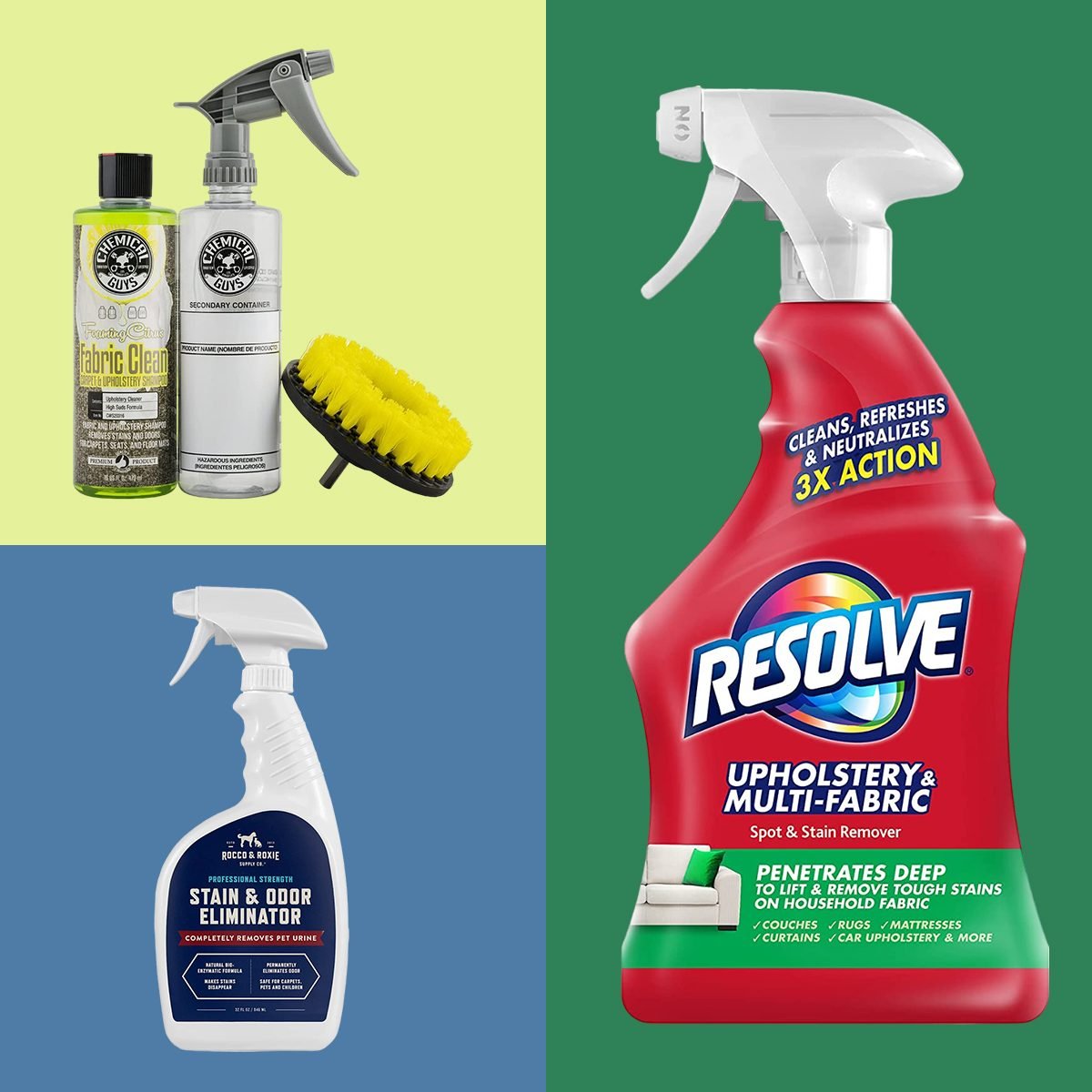
The 8 Best Upholstery Cleaners for Furniture and Beyond

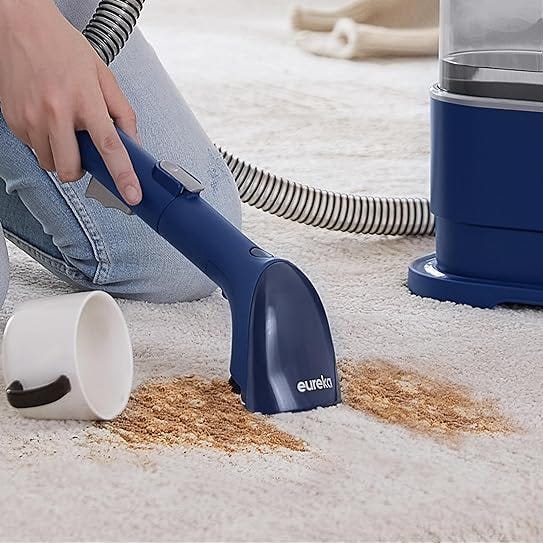
Refresh Your Furniture and More with These Best Upholstery Cleaners


How To Clean A Couch So It Looks As Good As New
Yes, You Can Dry-Clean at Home: And These 5 Furnishings and Decor Pieces Need TLC

How to clean bouclé fabric in 4 simple steps
How to Clean Upholstered Furniture the Right Way


How To Deep Clean a Couch: Expert Tips for Getting It To Look Like New

6 couch cleaning mistakes that pros say could lead you to 'serious upholstery heartbreak'

How to Clean Secondhand Furniture, According to Professional Upcyclers
Are You Cleaning Your Couch Enough? Here's How to Do It the Right Way

How to clean a sofa bed – top hacks for tackling stains and everyday cleaning for an immaculate couch
You need to deep clean your couch every few months — here’s how experts say to do it

How to Steam Clean a Couch Without Damaging the Fabric