1/5
Carpet types – everything you need to know about how to choose this cozy flooring
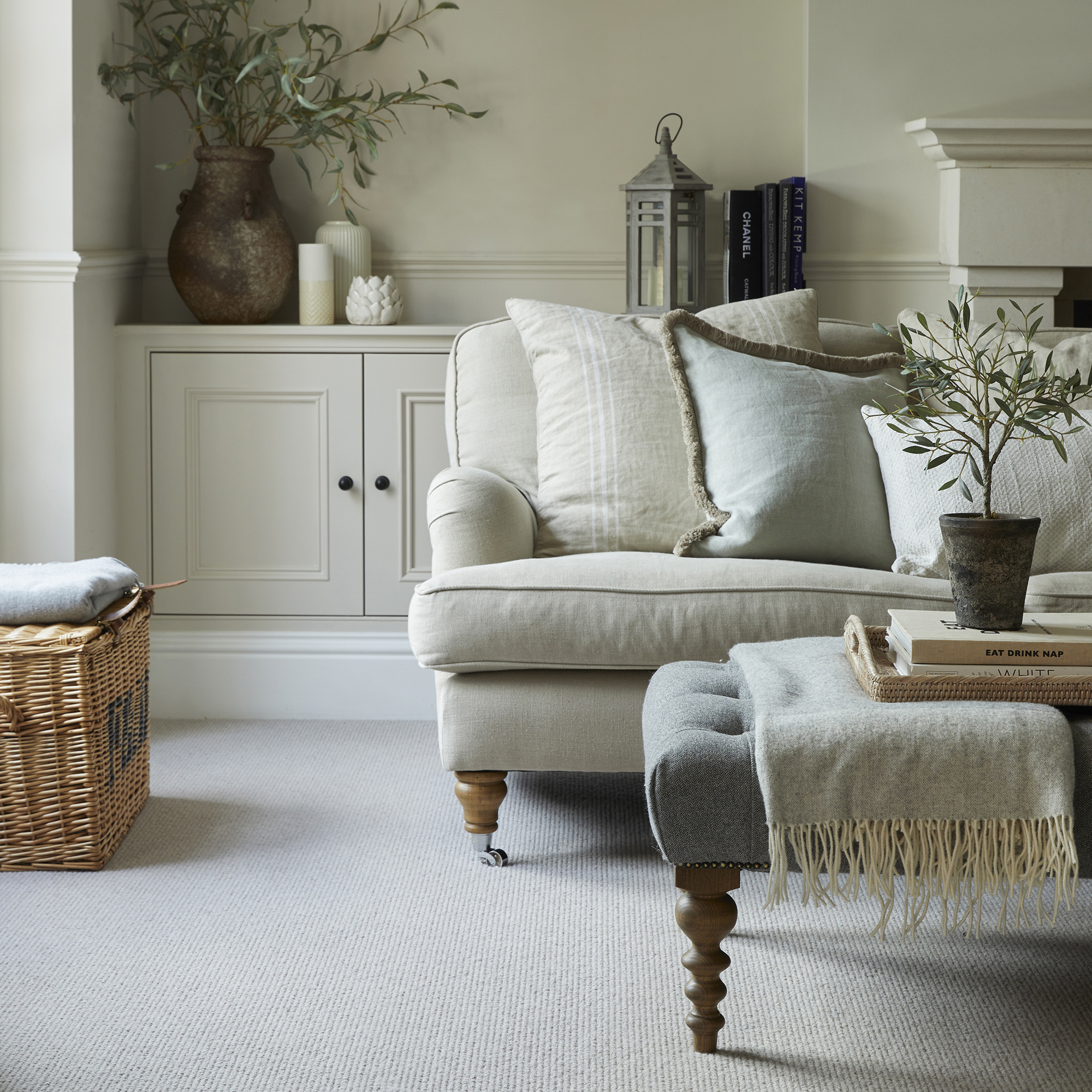
Selecting the right carpet for a home extends beyond aesthetic preferences like color and pattern, involving a comprehensive understanding of material, fiber, pile, and backing choices. This guide, compiled with expert insights, demystifies the jargon associated with carpet selection, focusing on durability, sustainability, affordability, and current trends. The article outlines various carpet fibers, categorizing them into natural and man-made options, each with distinct advantages and disadvantages.
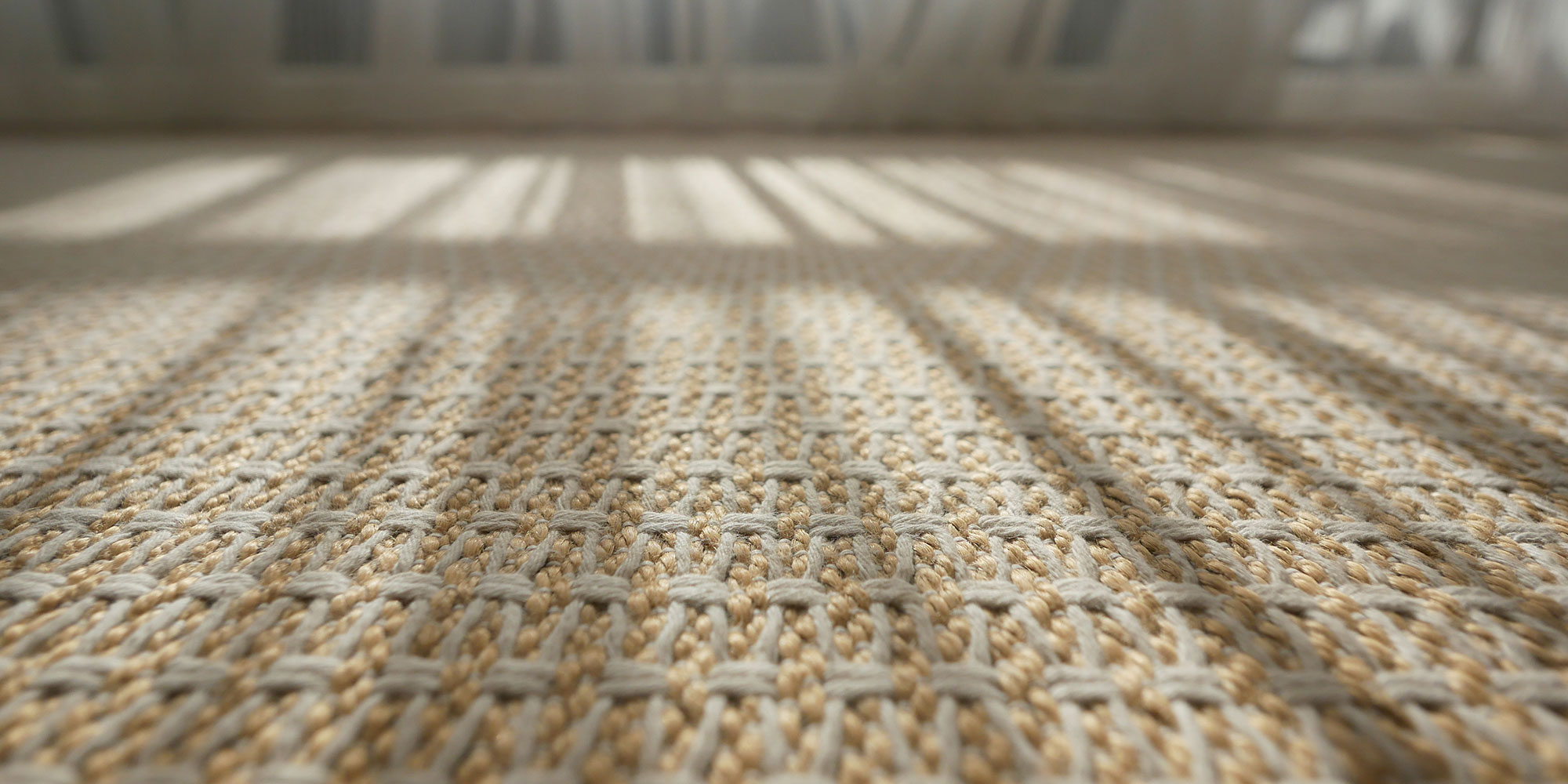
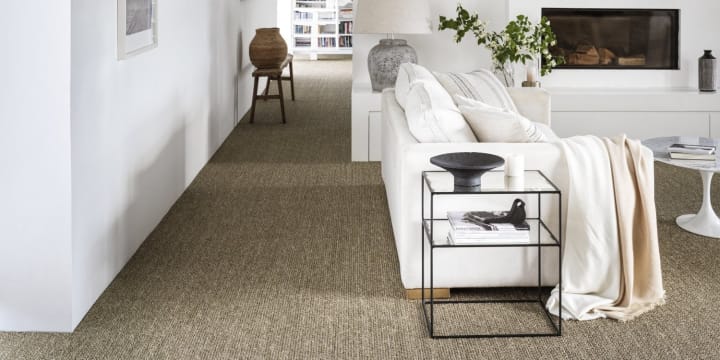
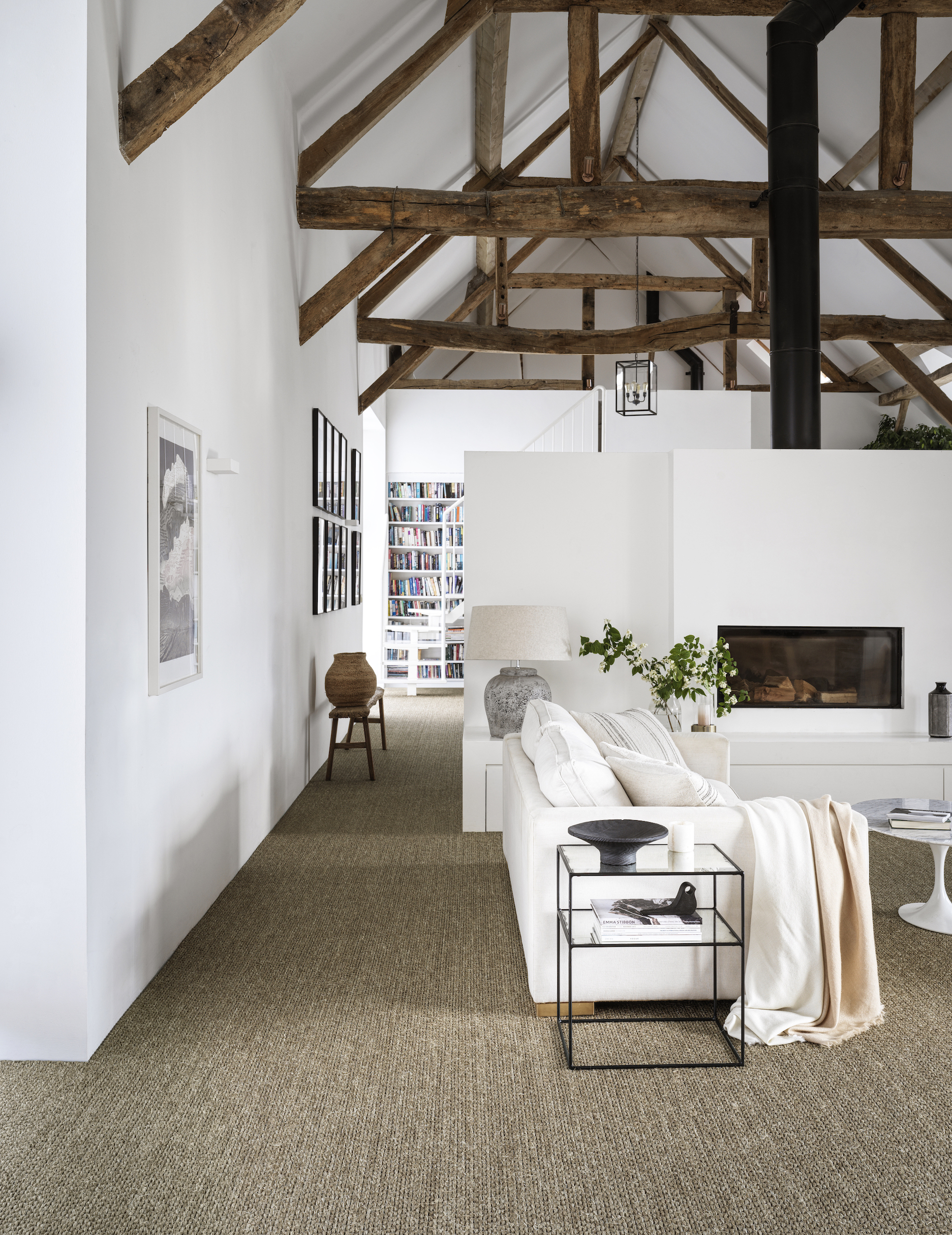
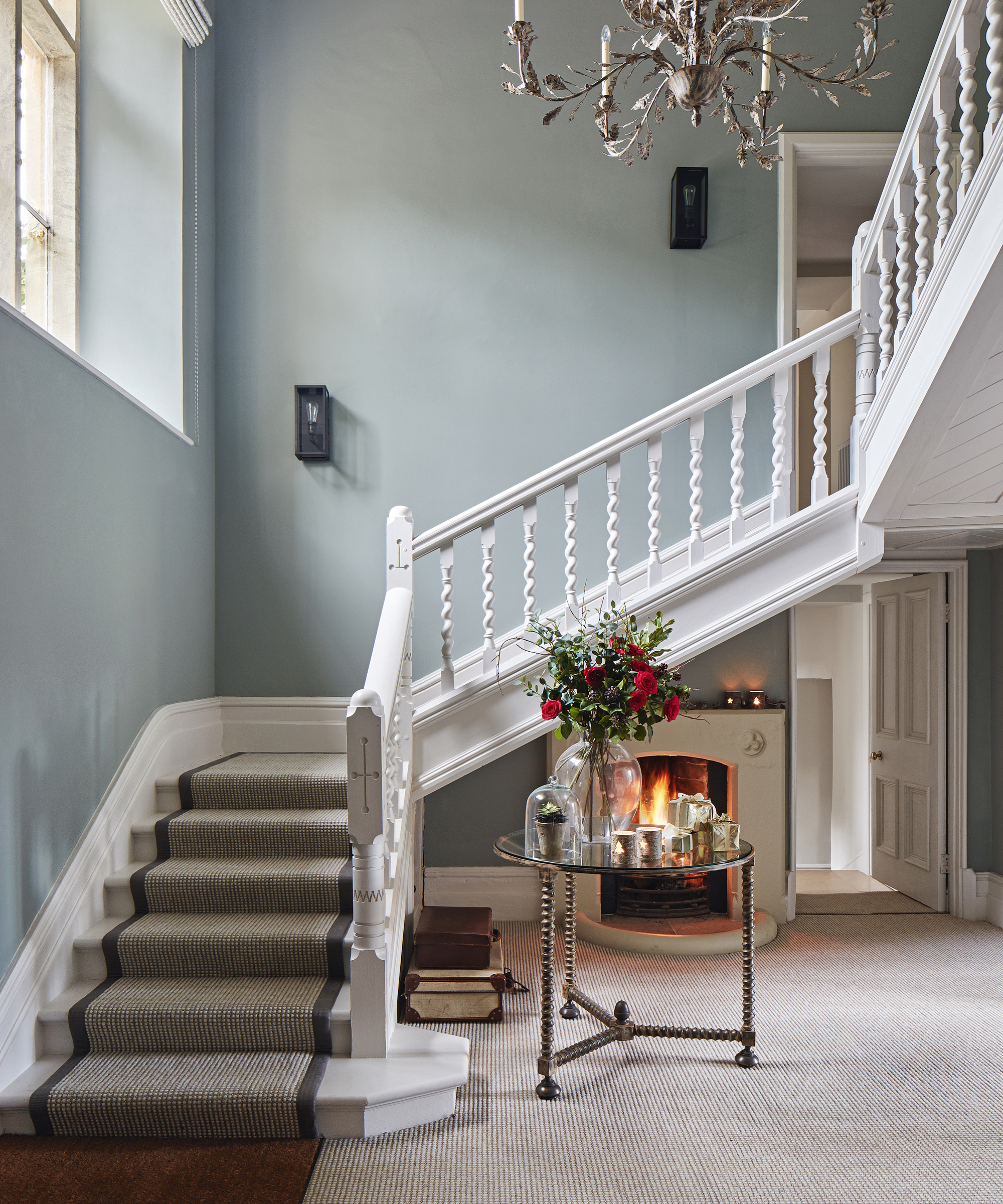
Natural carpet materials, such as sisal, jute, coir, seagrass, and wool, are highlighted for their sustainability and durability. Sisal, known for its subtle, chic texture, is ideal for minimalist designs and high-traffic areas due to its resilience and ease of maintenance. It is also beneficial for allergy sufferers due to low VOC emissions. Other natural fibers like seagrass and coir offer crisp and neat effects or rougher textures, respectively, while jute provides a softer underfoot feel but is less hardwearing. Wool is presented as a premium natural fiber, celebrated for its softness, luxurious feel, durability, and ease of maintenance. It is inherently fire retardant, excellent at hiding dirt, and offers natural anti-static and hypoallergenic properties by binding harmful VOCs. Wool blends, typically 80/20 with synthetic materials, combine the benefits of wool with enhanced durability, stain resistance, and affordability.
Man-made carpet materials, including nylon and polypropylene, offer more affordable options with a wider range of colors and patterns, alongside strong stain resistance. Nylon is noted for its exceptional hardwearing qualities and ease of maintenance, often mimicking the appearance of wool. Polypropylene, while cost-effective and highly stain-resistant, is best suited for areas with less foot traffic as its fibers can compress over time and it has a low melting point, making it unsuitable for areas with direct sunlight or open fires.
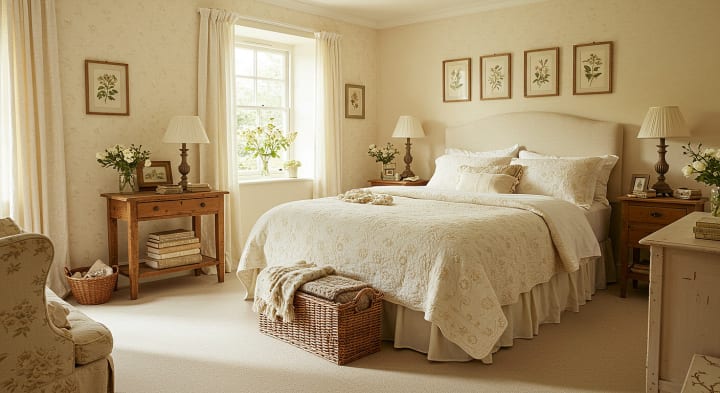
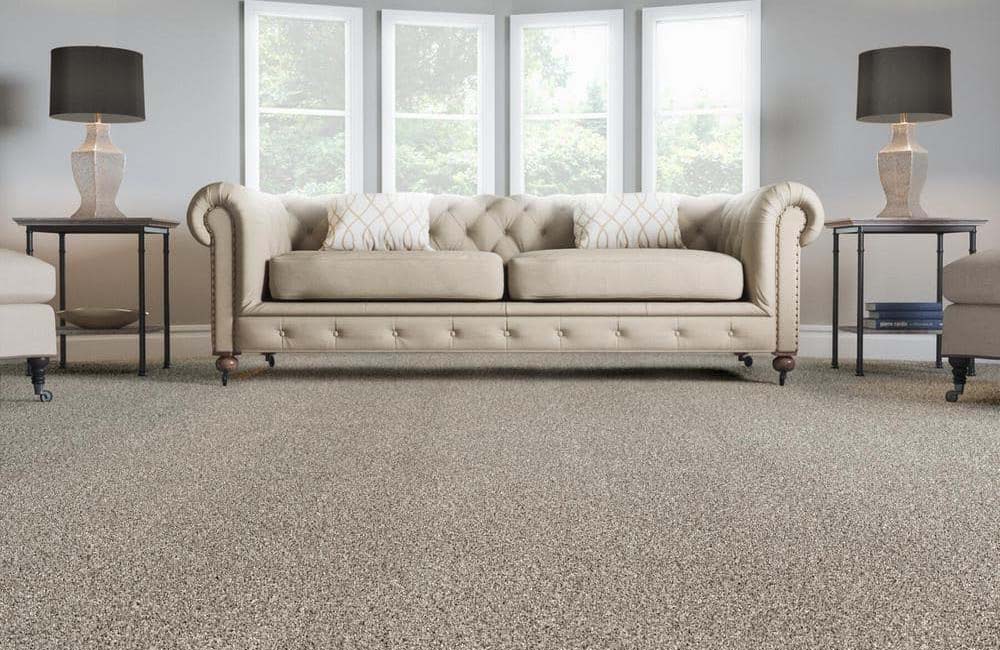
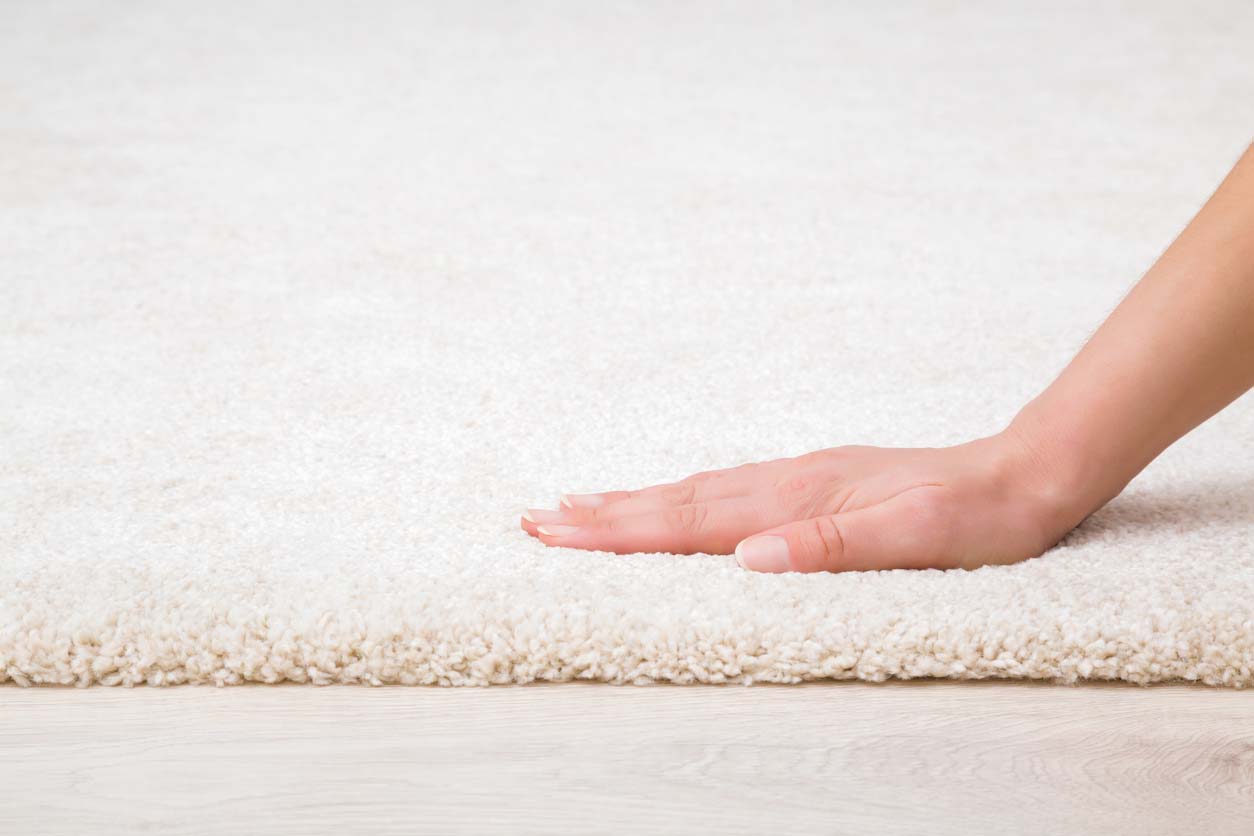
The article further elaborates on carpet pile, explaining that this refers to how fibers are constructed and significantly influences the carpet's feel and style. Cut pile carpets, including Saxony, frieze, and plush, involve yarns cut to a specific height and twisted into tufts. Saxony carpets are known for their soft, luxurious feel, making them comfortable for living rooms and bedrooms. Frieze carpets are thick and textured, effective at concealing dirt and highly durable for high-traffic areas like hallways and stairs. Plush carpets, with their short fibers, offer a very soft and smooth surface, ideal for bedrooms but less suitable for busy areas due to potential wear and tear.
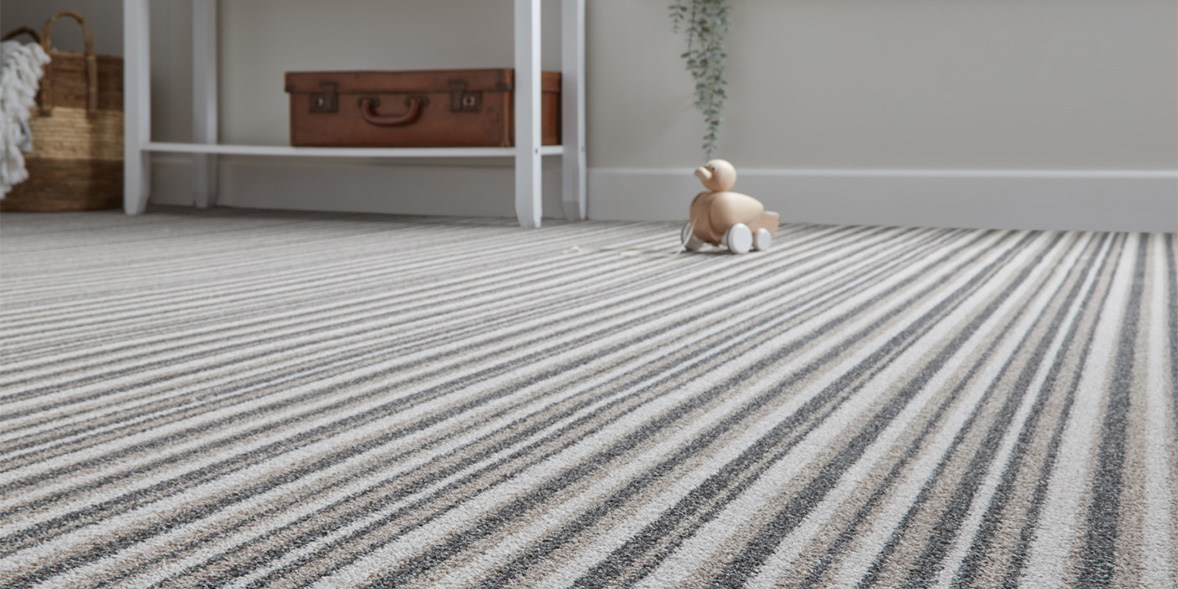
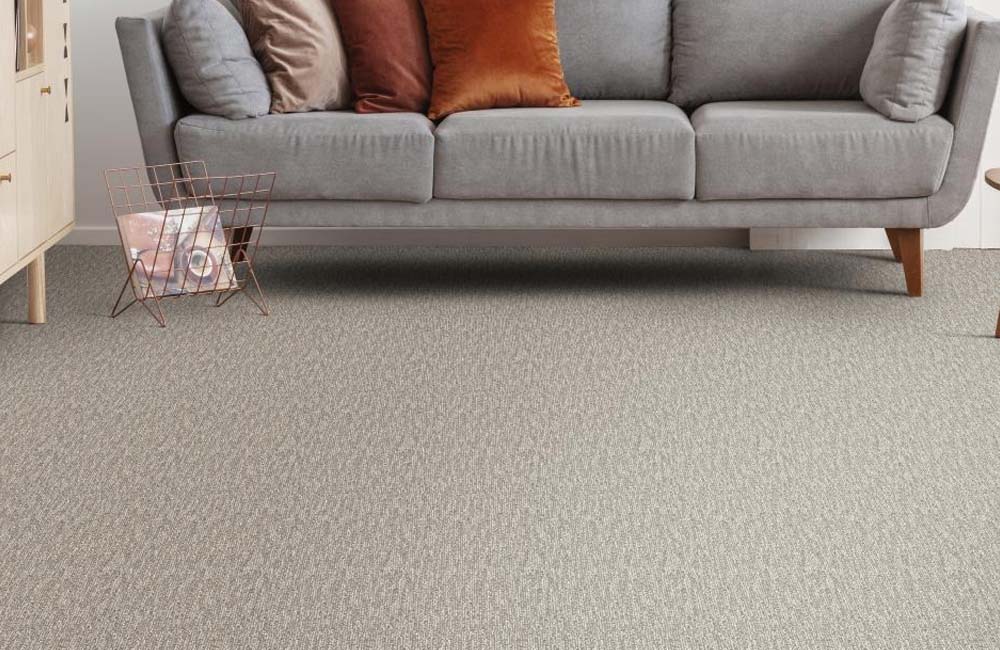
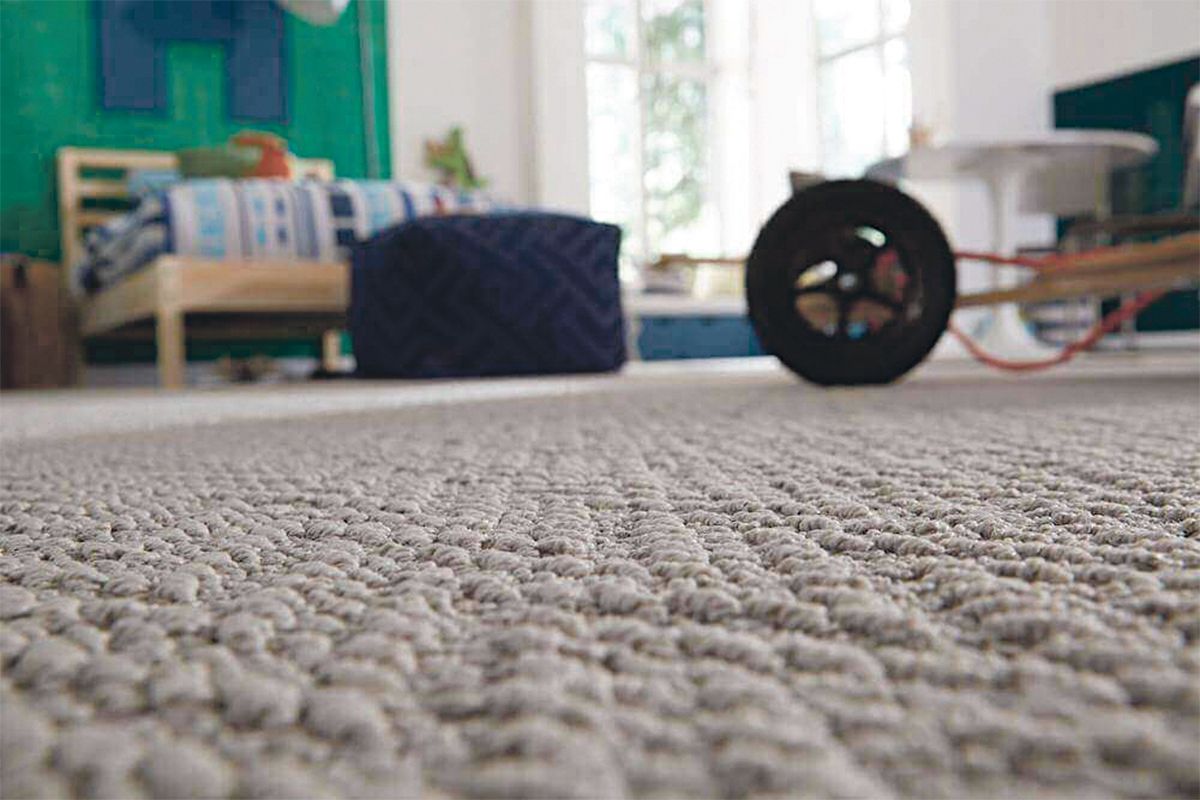
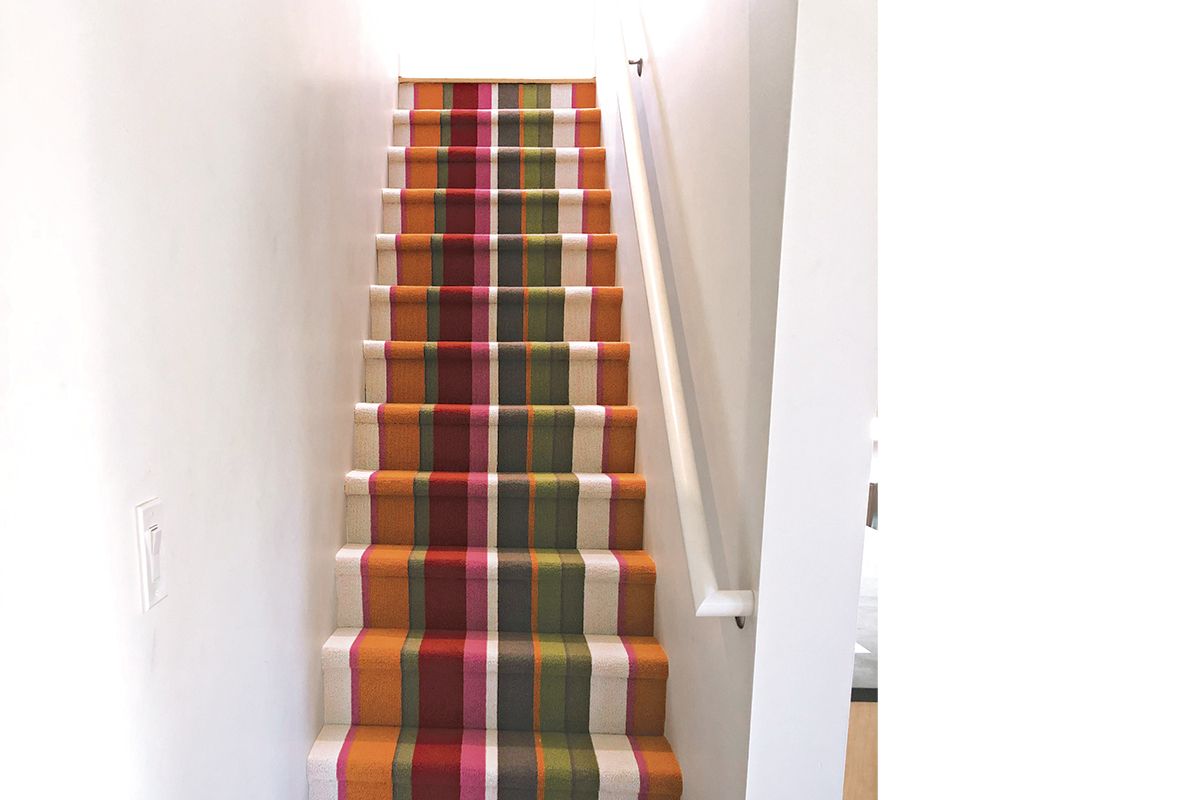
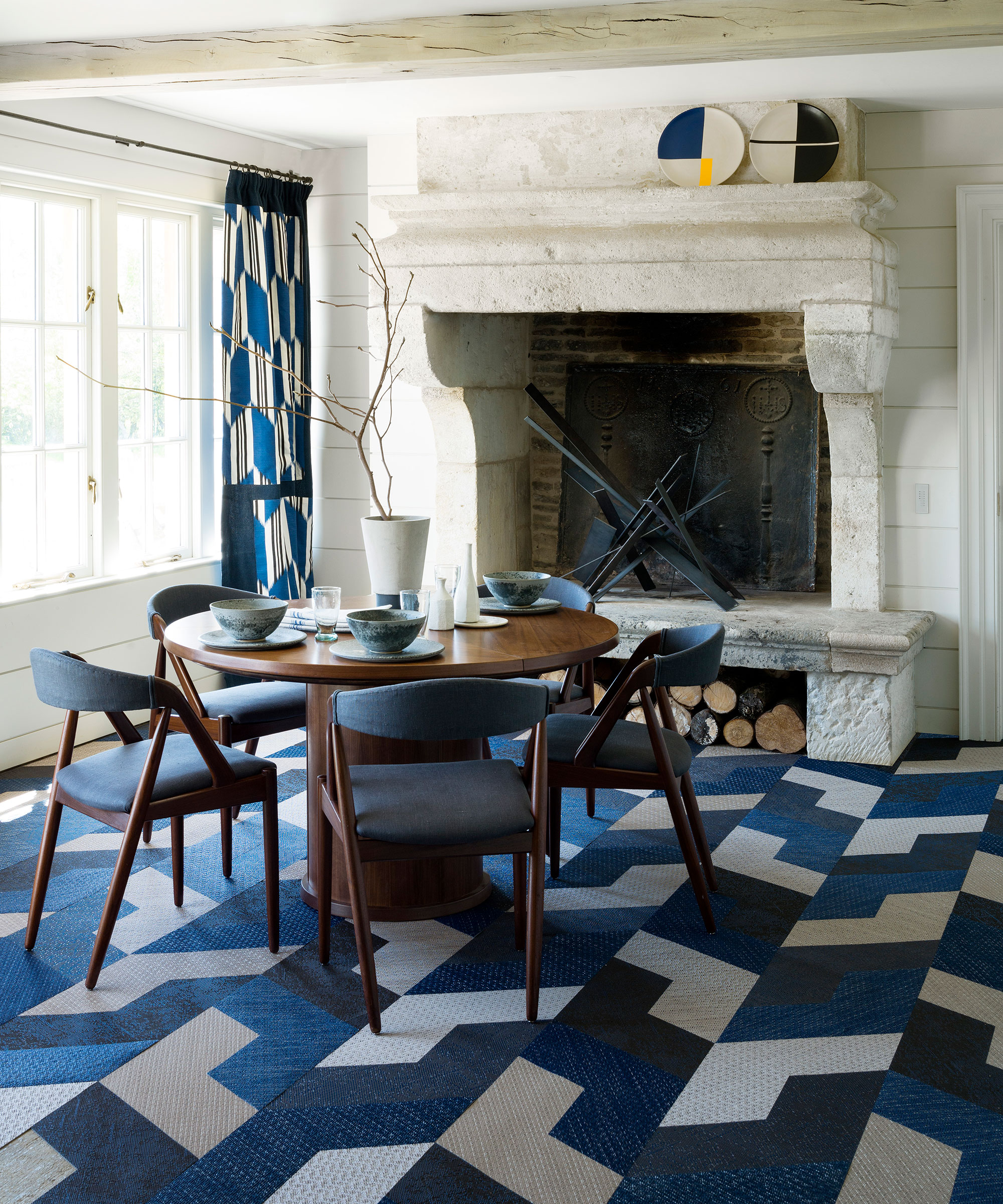
Loop pile carpets, also known as Berber or level loop pile, feature continuous loops of yarn. These are highly durable and suitable for high-traffic zones like staircases. However, they are not recommended for homes with pets due to the risk of snagging. Woven carpets, created using traditional loom methods, are among the most durable and stable options, often made from natural materials. Examples like Wilton and Axminster are excellent for busy areas as they resist crushing and hide footprints effectively, though their intricate manufacturing process makes them more expensive.
Choosing the best carpet type involves considering the room's function, traffic levels, and desired aesthetic. High-traffic areas benefit from compact wool loops, tightly woven sisal boucle, or durable woven carpets. Softer, deeper pile carpets, such as 100% wool, are more suitable for bedrooms and living areas where comfort is paramount. Budget allocation should prioritize higher quality carpets for high-wear areas and more economical options for less frequented spaces. The size of the room and lighting conditions should also influence color and weave choices. The most sustainable carpet choices are natural and renewable materials like sisal, jute, wool, and bamboo, or carpets made from recycled materials, offering long-term investment due to their durability.
#CarpetTypes #HomeFlooring #InteriorDesign #NaturalFibers #ManMadeFibers #CarpetPile #SustainableCarpets #WoolCarpet #SisalCarpet #CarpetTypes #HomeFlooring #InteriorDesign #NaturalFibers #ManMadeFibers #CarpetPile #SustainableCarpets #WoolCarpet #SisalCarpet
0 комментариев всего
 Комментариев пока нет
Вам также может понравиться
How to buy the best carpet UK 2025
5 things designers look at to compare carpet vs hardwood floors – they'll help you choose the right one for your room

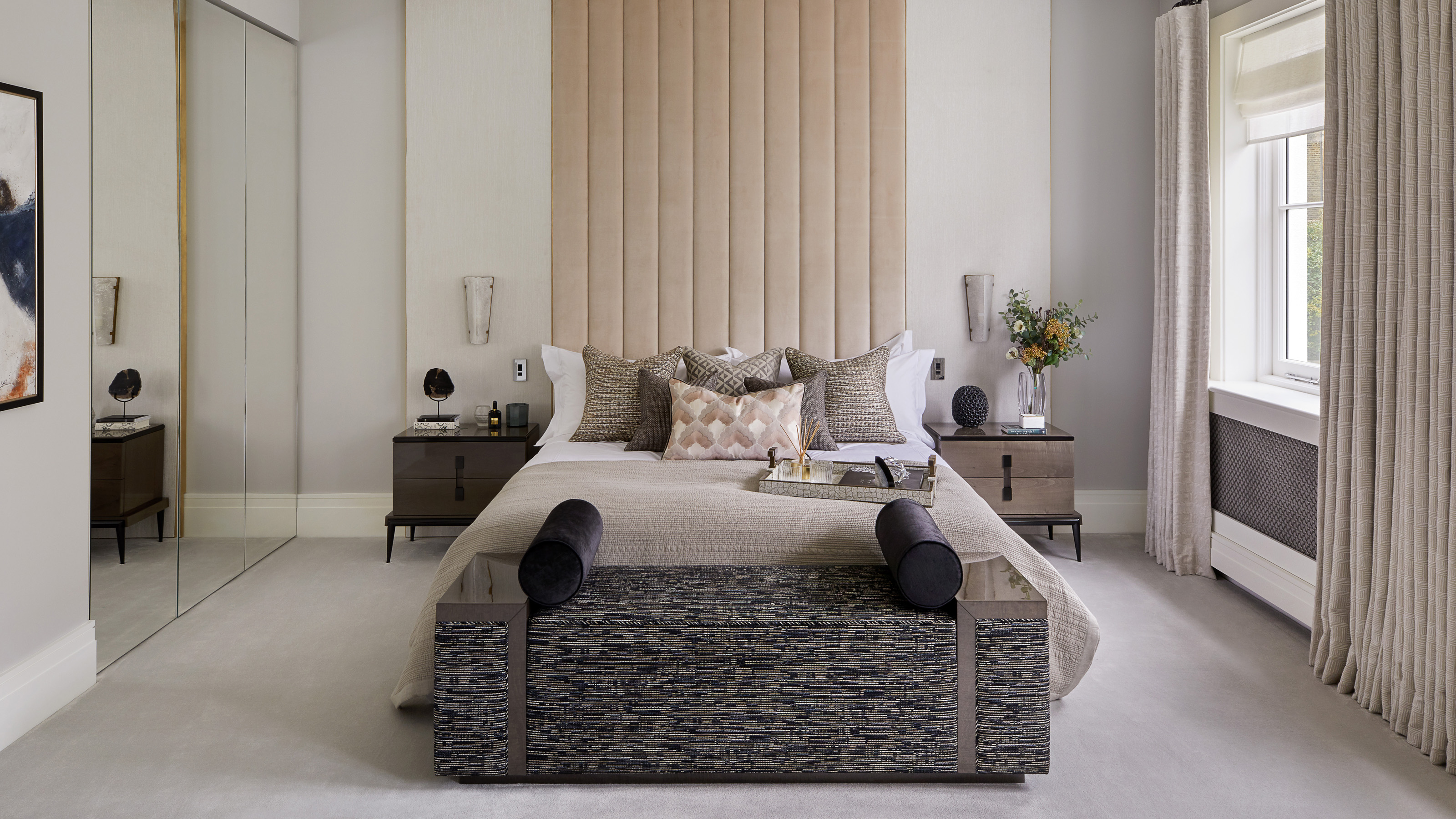
Bedroom carpet ideas – 10 cozy flooring styles for your sleep space

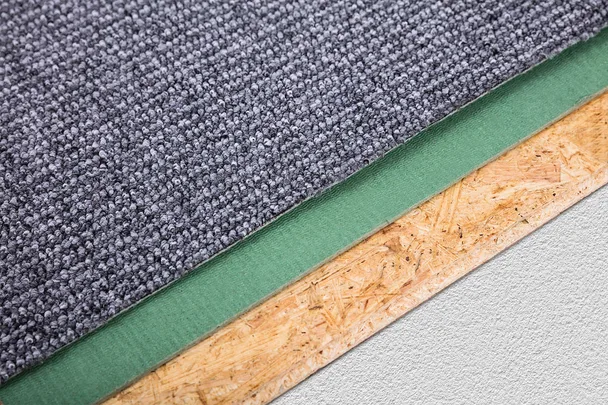
The beginners guide to hard and soft flooring options

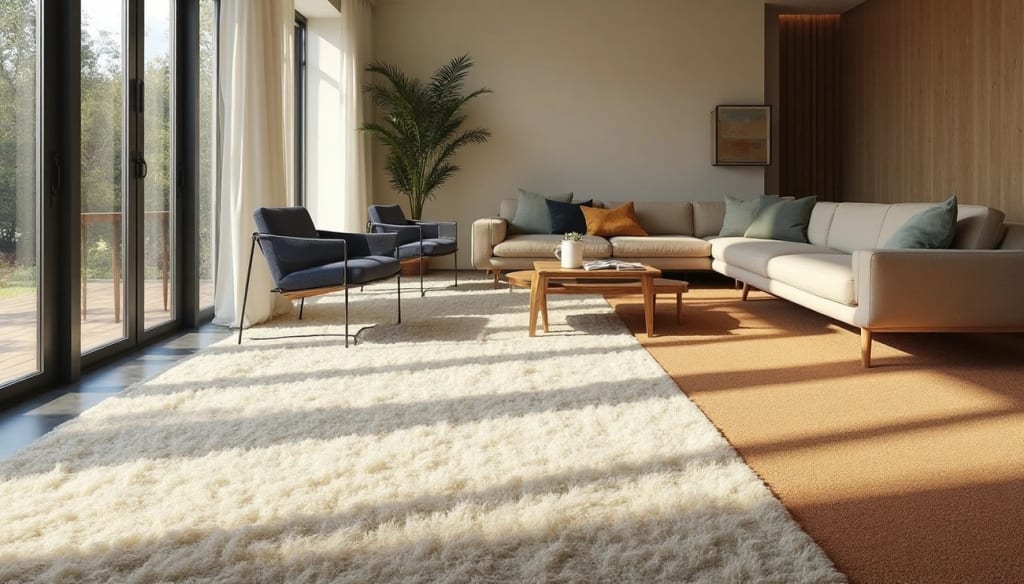
How to Choose the Perfect Carpet: Expert Guide to 2025 Trends

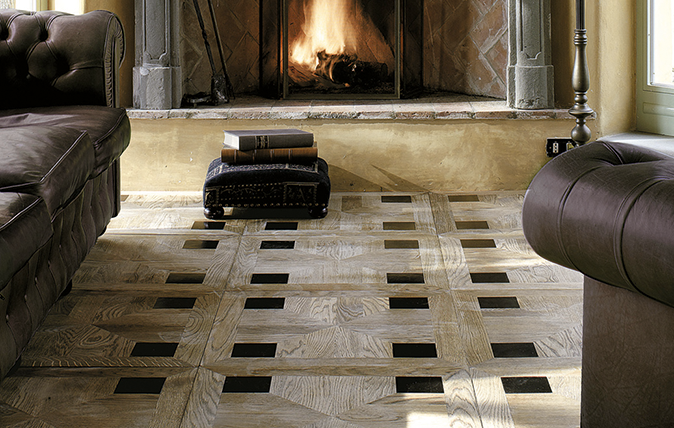
Flooring it: 10 ideas for beautiful carpet, wood, stone or ceramic floors
![The best carpet stores in Canberra [Updated for 2025]](https://gstatic.ideal.house/news/images/e652fefff45a4c86809536c3b25e71ac.png)
The best carpet stores in Canberra [Updated for 2025]
The 8 Best Places to Buy Carpet

Three design experts share their secrets for finding a new rug and carpet
The Best Carpet Brands—and a Detailed Guide Before You Shop

8 Carpet Floor Trends That Are Having A Moment In 2025
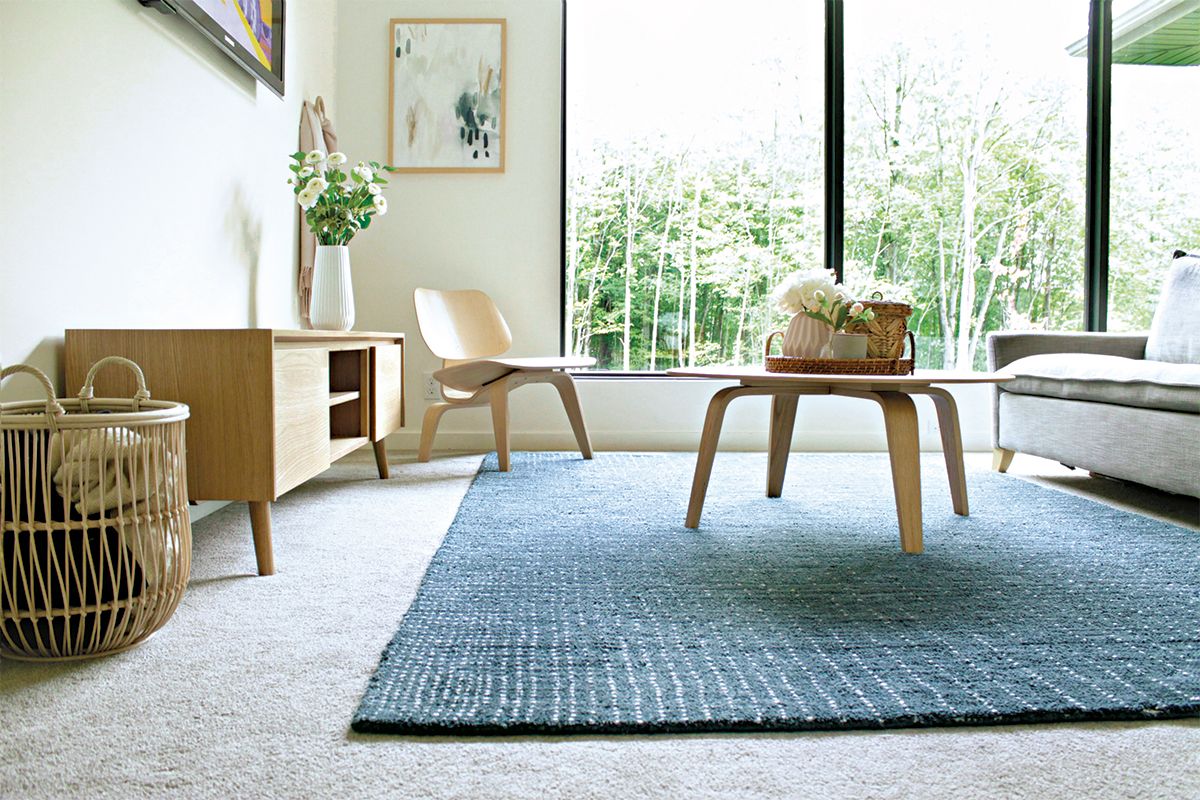
Comfy carpet, once dismissed as out-of-date, is back in vogue

Tips for Choosing the Best Carpets and Rugs

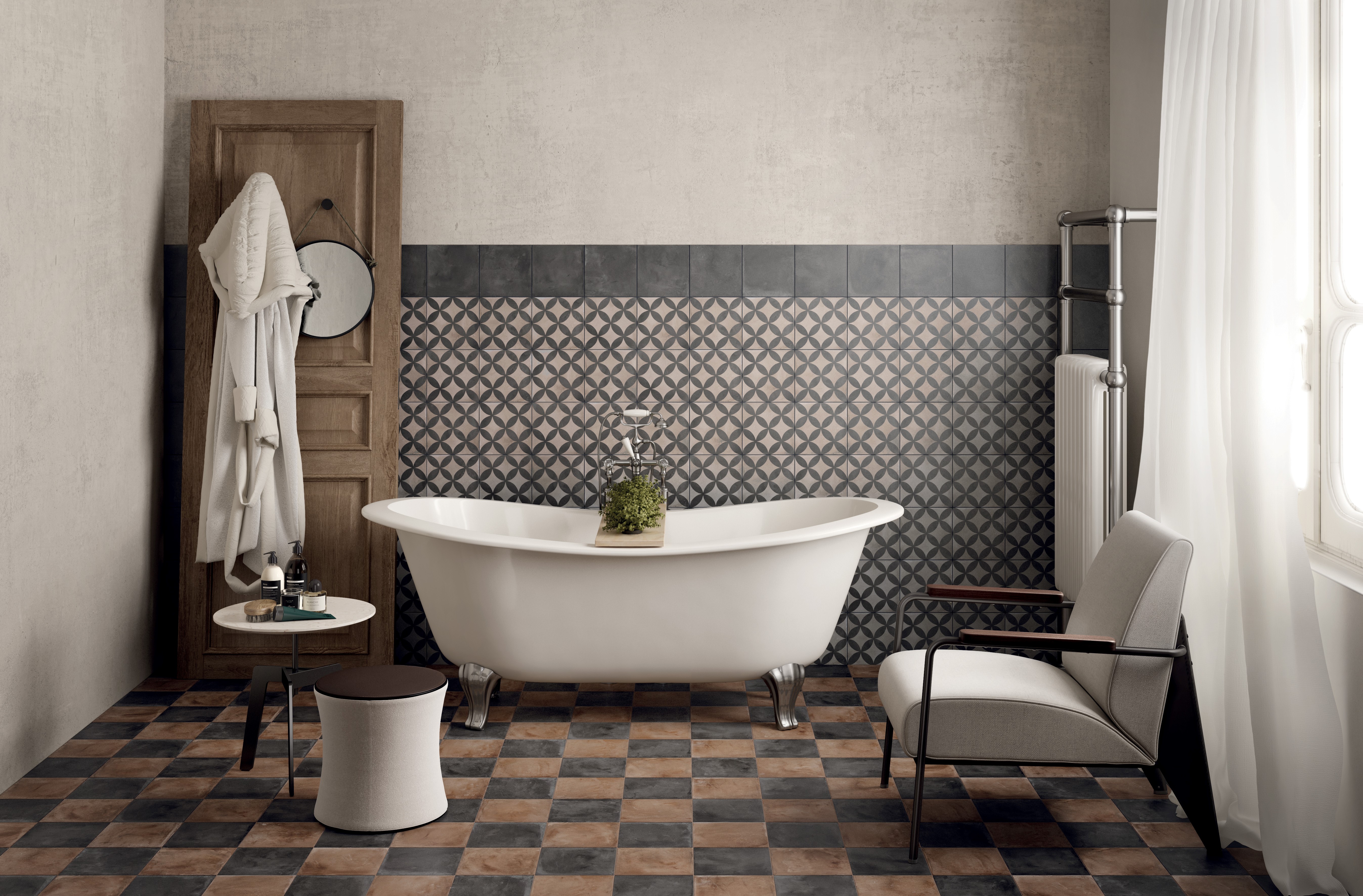
How to choose bathroom flooring - everything you need to know, according to experts
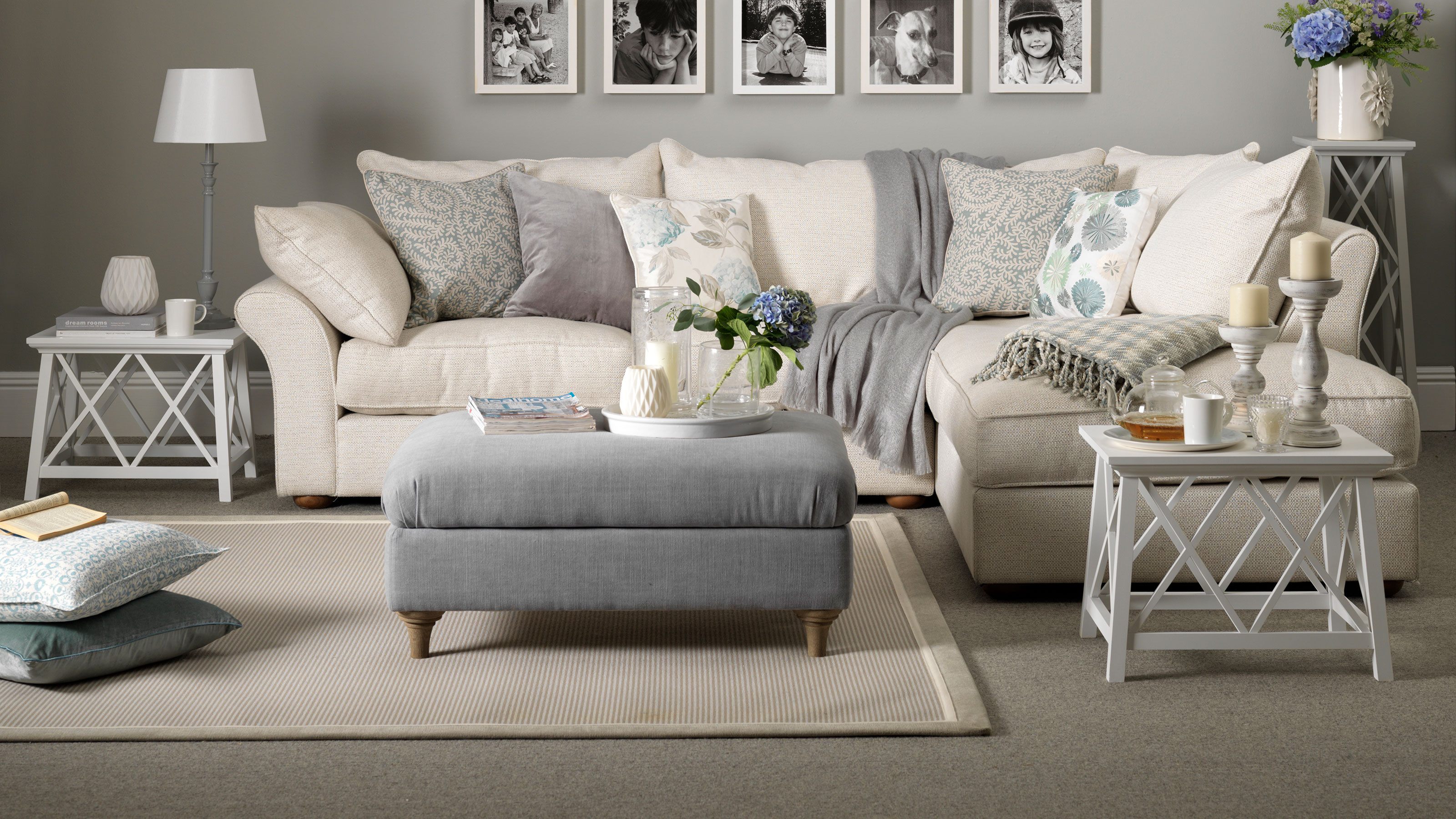
Grey carpet living room ideas – 14 ways to start your scheme from the floor up
Carpet mistakes to avoid – 5 expert-approved tips to ensure perfect flooring
The Best Carpet Tiles for Every Space in Your Home
10 living room carpet ideas to add warmth and coziness to your space
How to Pick the Perfect Rug for Your Space

Carpeting questions answered for homeowners