1/8
3 Problems With Matte Paint That People Never Talk About — Because Super Flatt Finishes Are Popular, Not Perfect
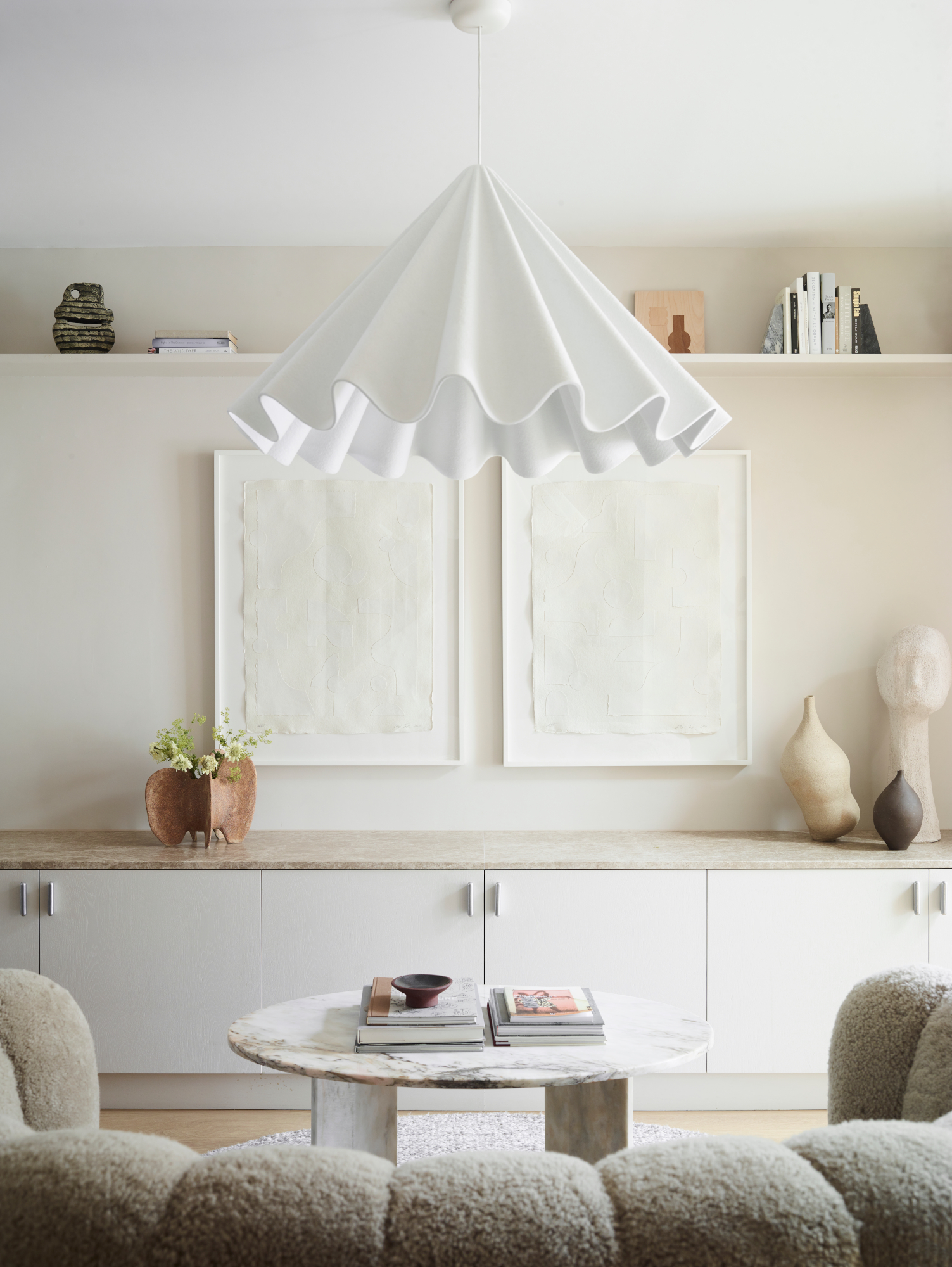
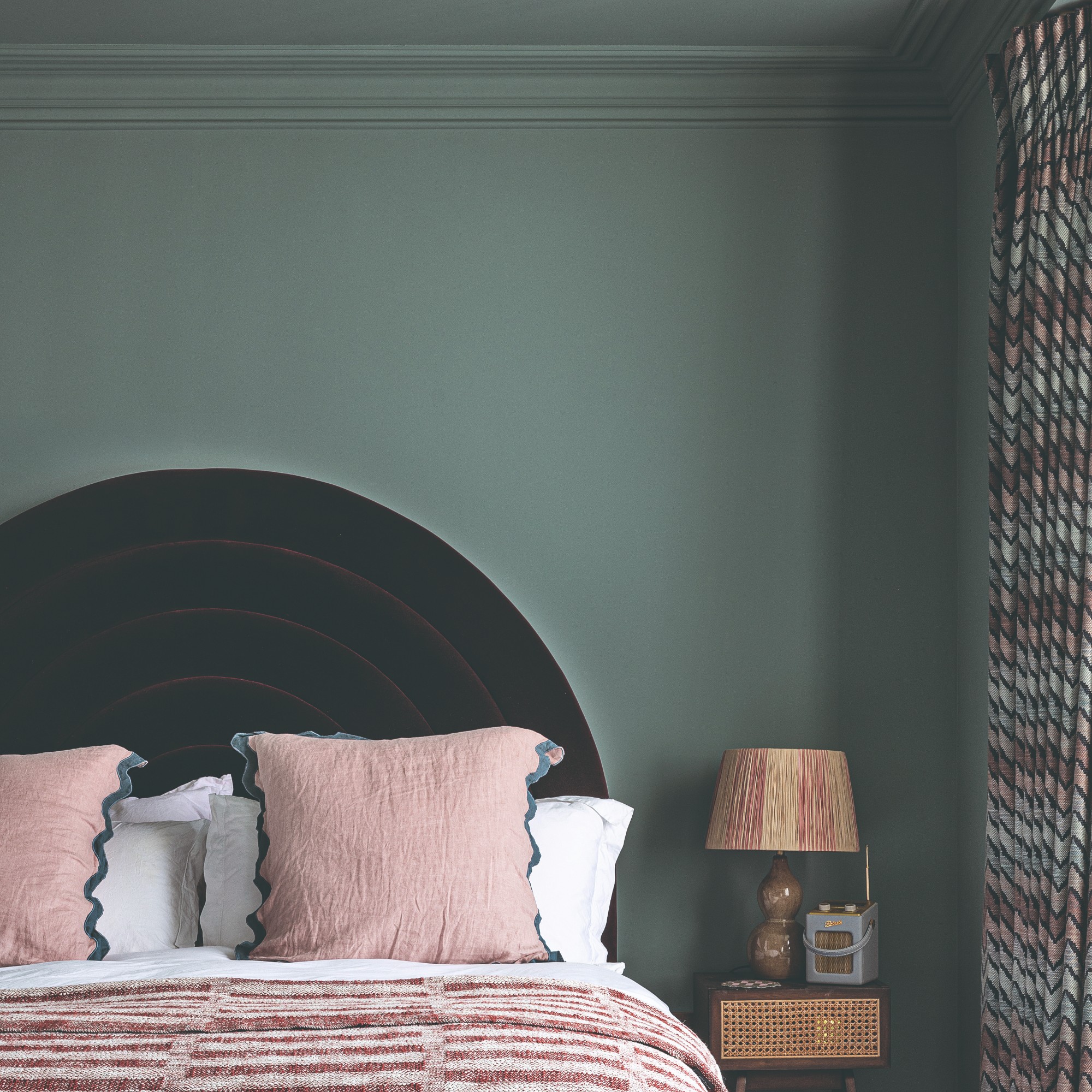
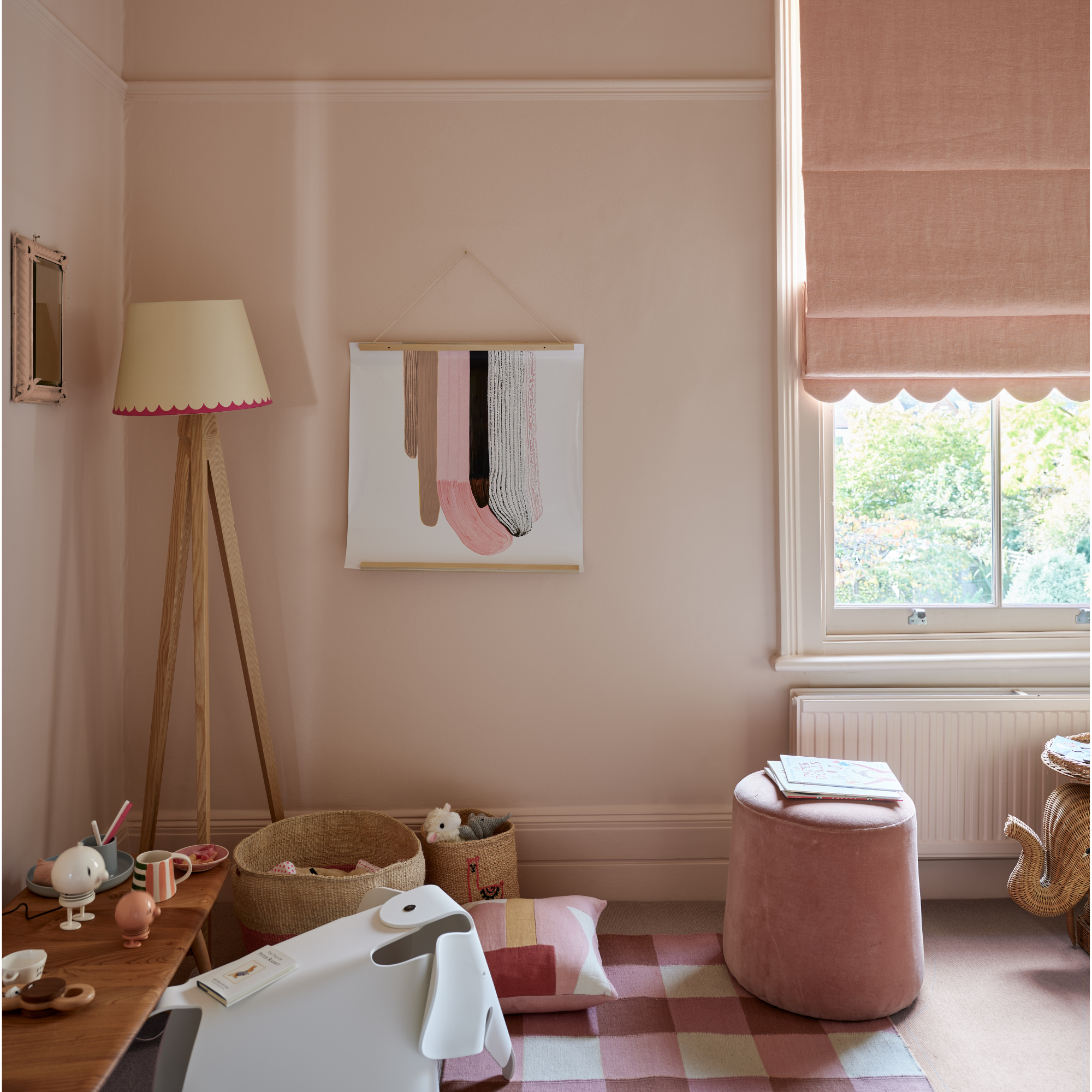
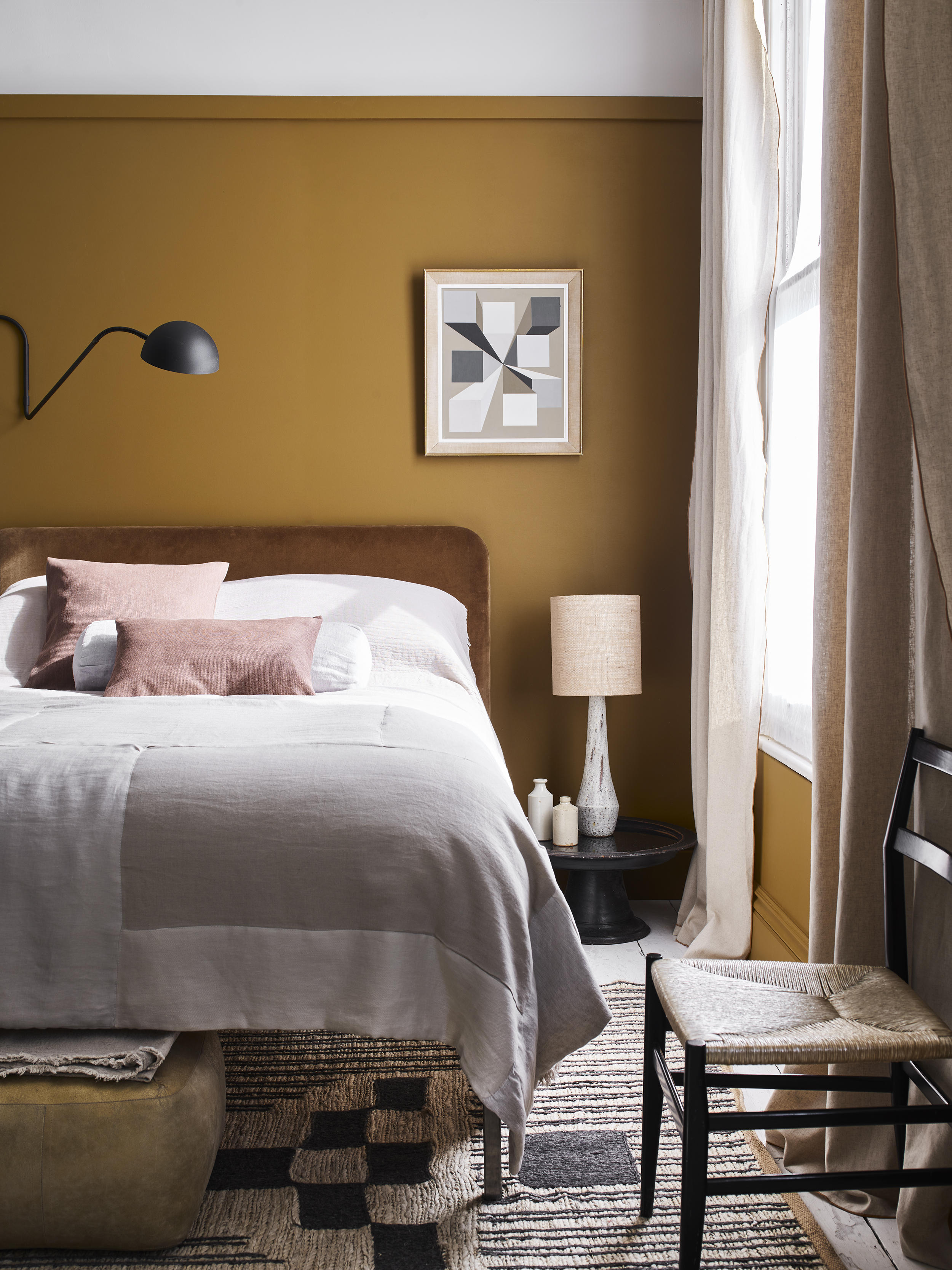
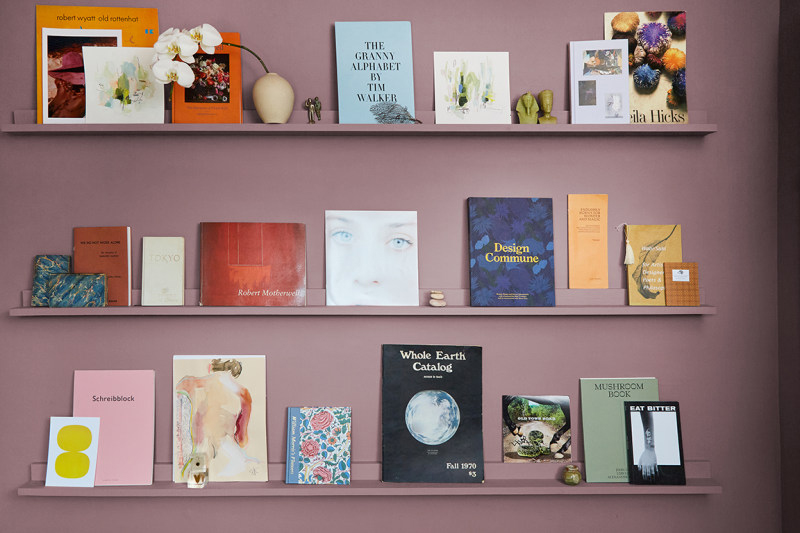
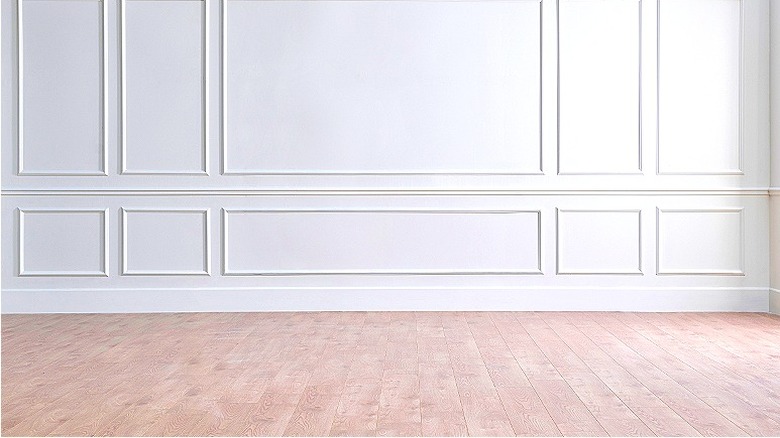
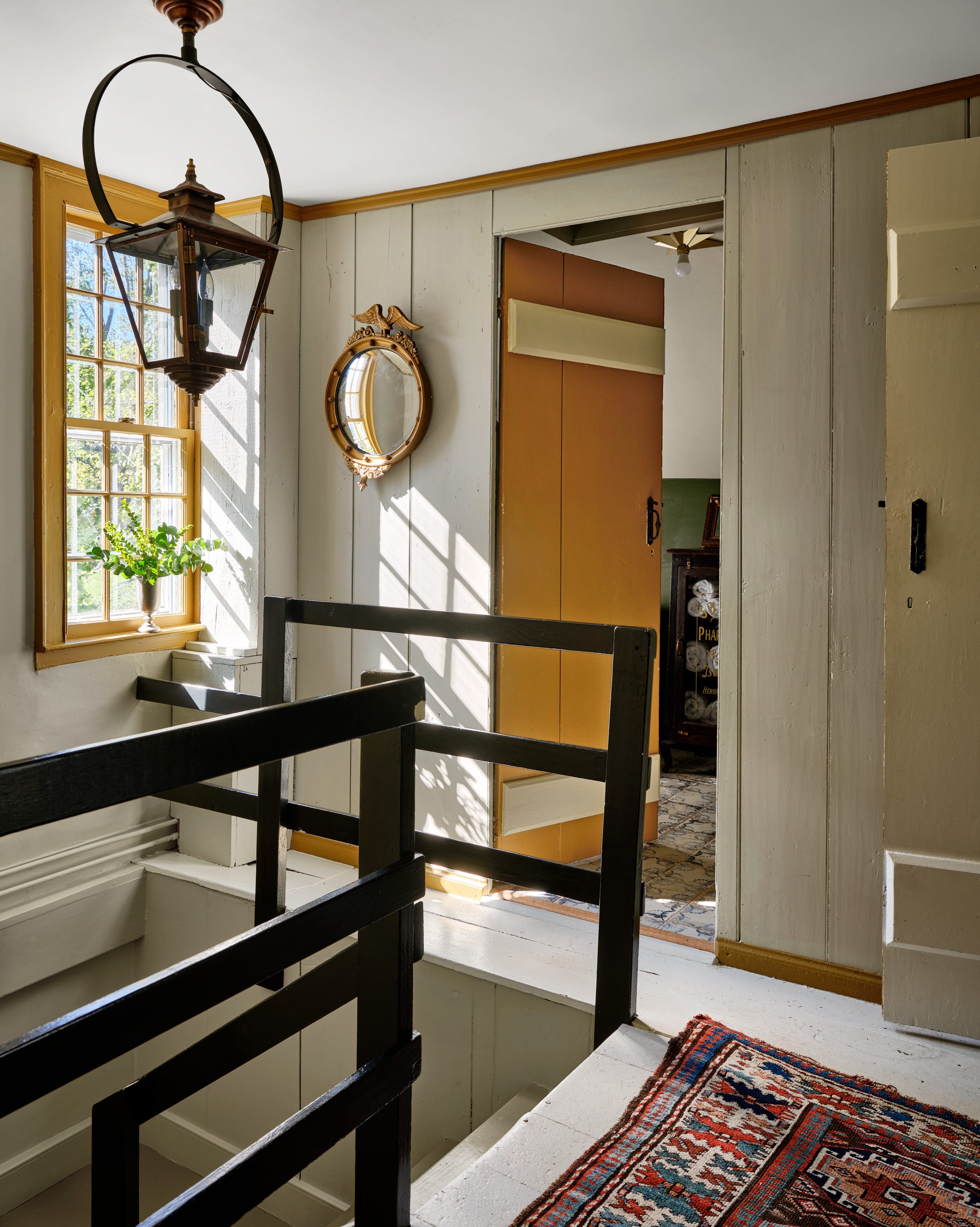
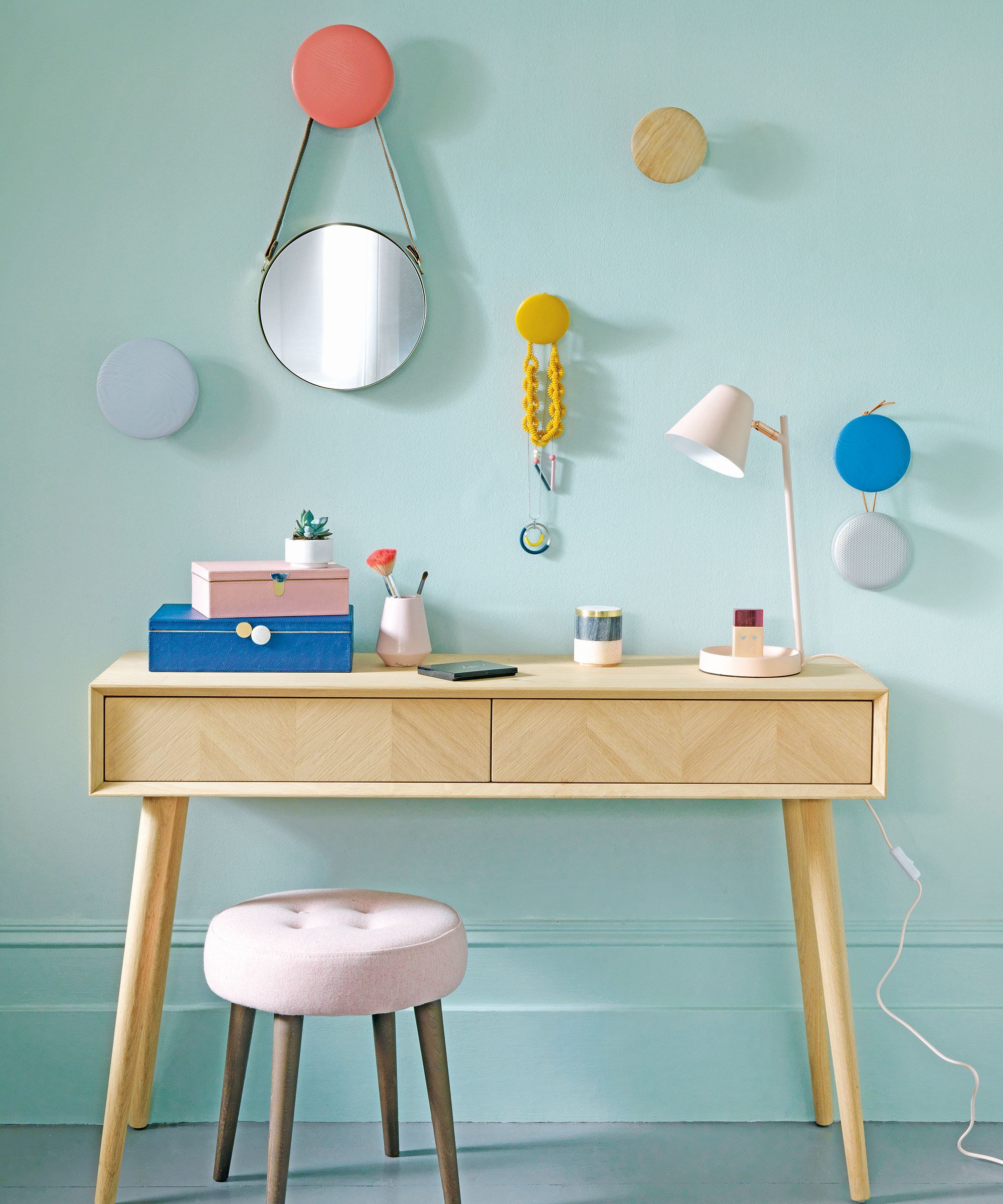
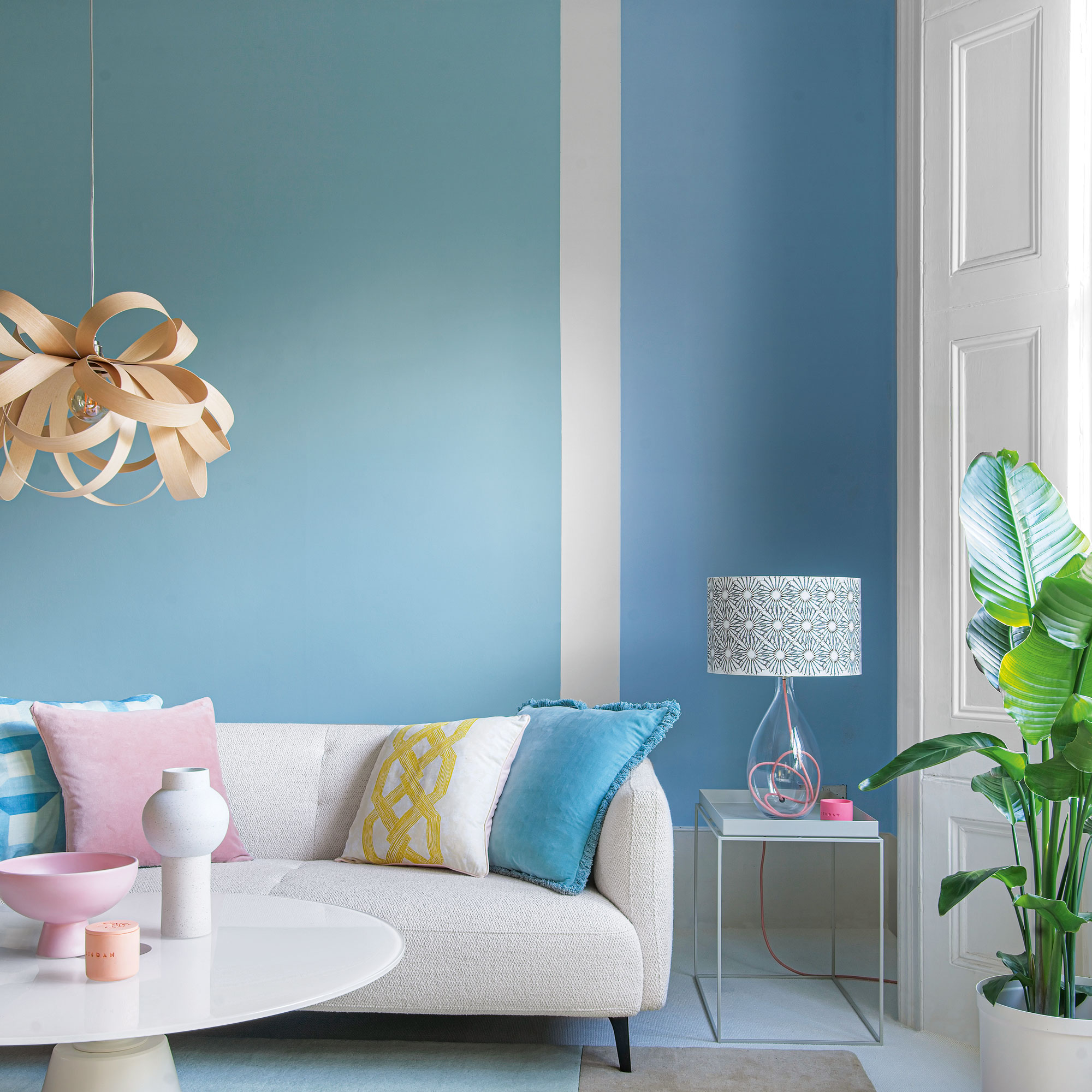
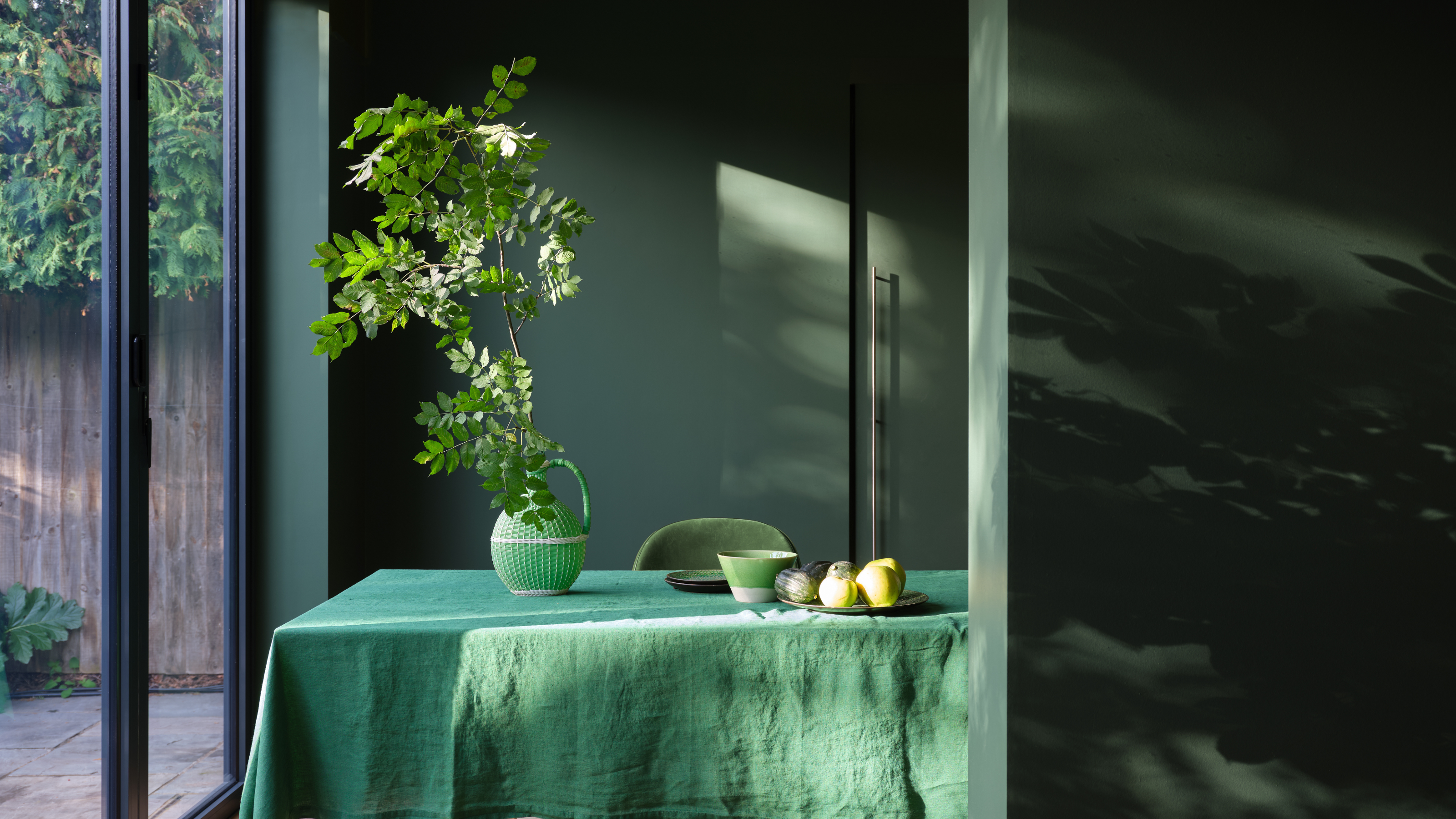
Matte paint is a popular choice for interior walls, known for its subtle and soft finish that creates a cozy and cocooning effect in rooms. It is characterized by its super flat appearance, sitting at the low end of the sheen spectrum, and its ability to absorb light rather than reflect it. This characteristic helps make dark colors appear richer and deeper. While matte paint can be used in various areas of the home, it is most effective and commonly used in low-traffic areas.
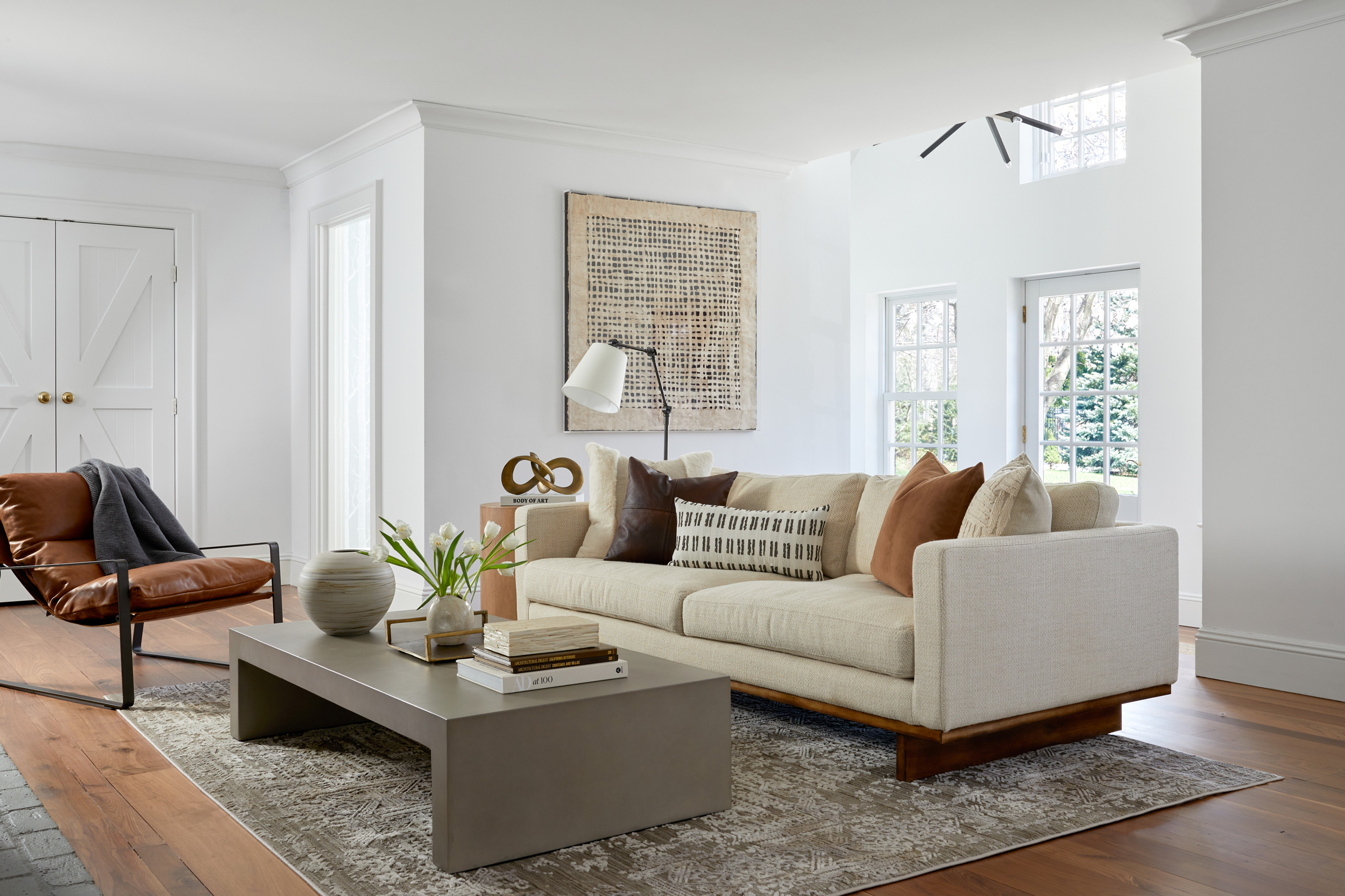
One of the primary disadvantages of matte paint is its durability. Most matte paints are considered 'soft' and are not particularly hard-wearing. This means they are prone to scuff marks and stains, which can appear easily and are often more challenging to remove compared to those on surfaces painted with other finishes. Consequently, matte paint is generally not suitable for high-traffic areas such as living rooms, entryways, or children's bedrooms, where surfaces are more likely to experience wear and tear.
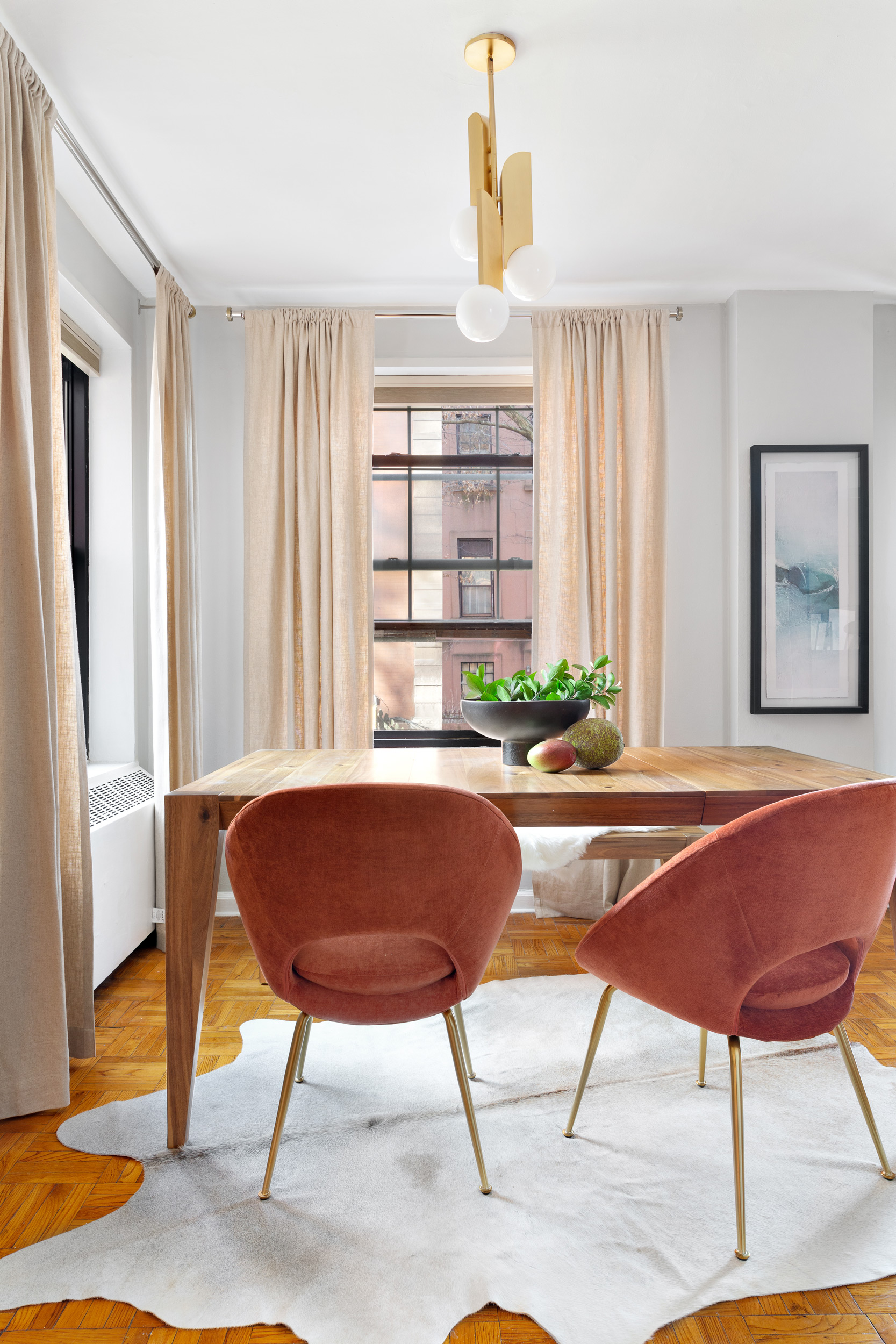
Another significant drawback is matte paint's limited moisture resistance. Unlike paints with higher sheens, matte paint does not perform well in moisture-prone environments like kitchens or bathrooms. Water splashes and moisture tend to show more easily and are difficult to even out, potentially compromising the finish's appearance over time. Therefore, careful consideration of the room's function and exposure to moisture is essential when choosing matte paint.
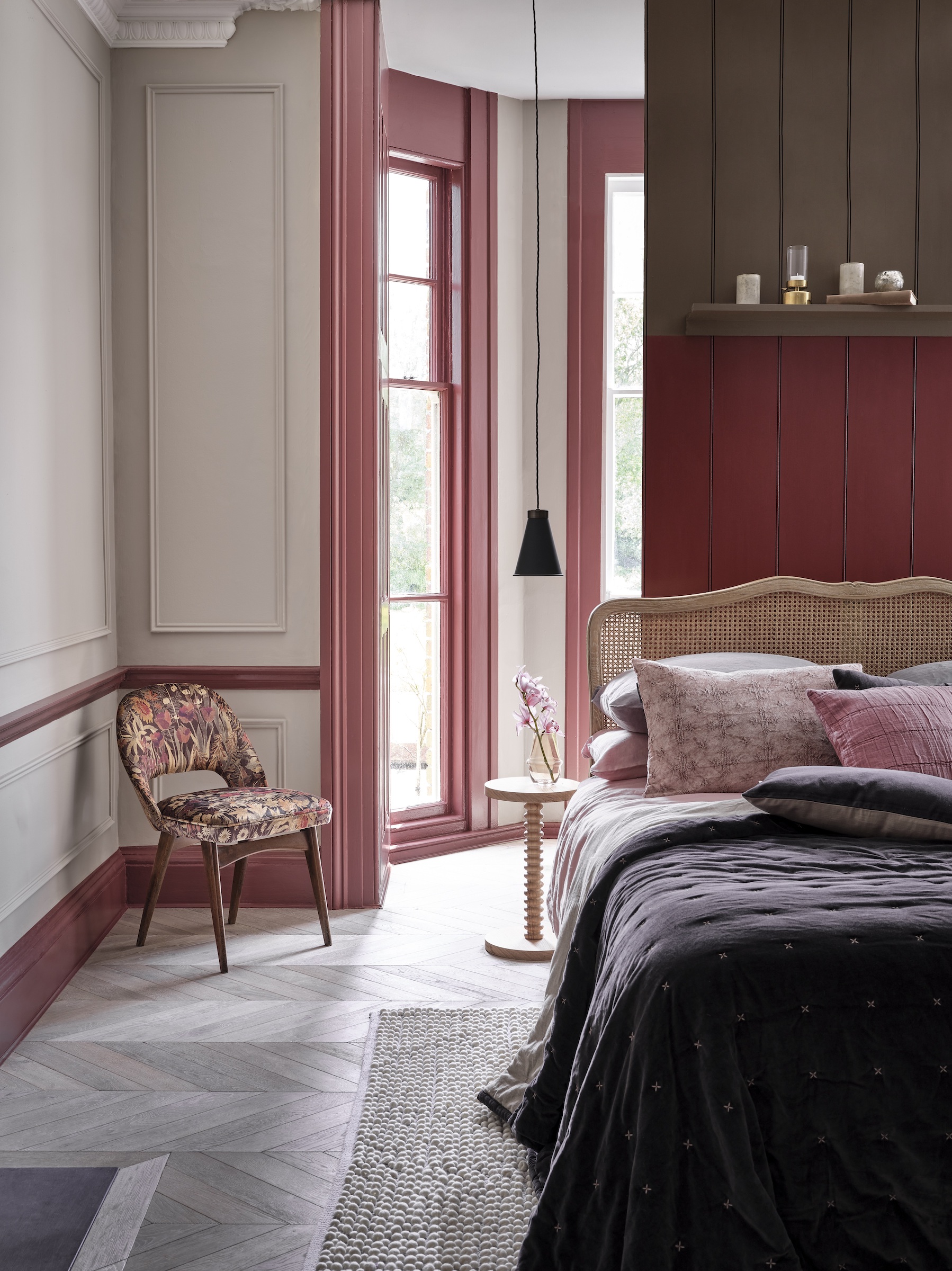
From an aesthetic perspective, matte paint's non-reflective quality can be both an advantage and a disadvantage. While it can contribute to a desirable cocooning effect, it can also make a space feel dominating, dark, and enclosed if not used appropriately. Because it does not reflect light, rooms painted with matte finishes may require additional artificial light sources to prevent them from feeling too dim. This lack of reflectivity also means that matte paint does not highlight wall imperfections such as cracks or bumps, which can be an advantage by creating a smooth and consistent appearance.
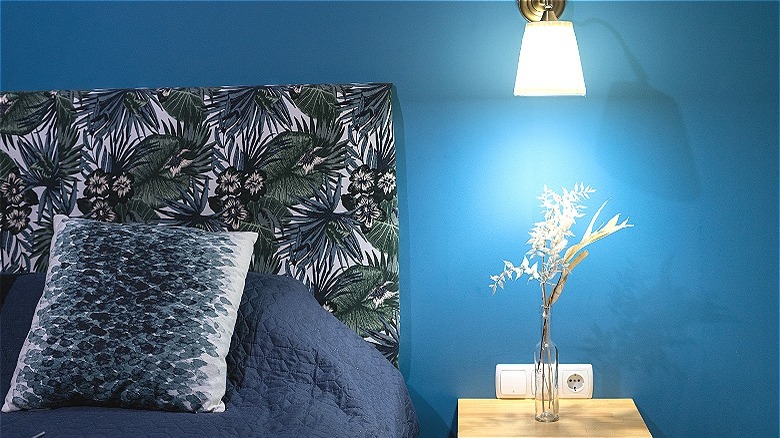
Despite these disadvantages, matte paint remains a highly common interior finish due to its numerous benefits. Its low sheen effectively conceals wall imperfections, presenting a smooth and uniform surface. Although stains can occur, tools like a magic eraser can help remove blemishes and maintain the paint's even look. The flat, non-reflective finish, while potentially darkening a room, can be a wonderful feature in certain contexts. For instance, in a home office, matte paint's glare reduction can create a more comfortable work environment. Similarly, in bedrooms, its low reflectivity helps tone down brightness, fostering a calming and cozy ambiance.
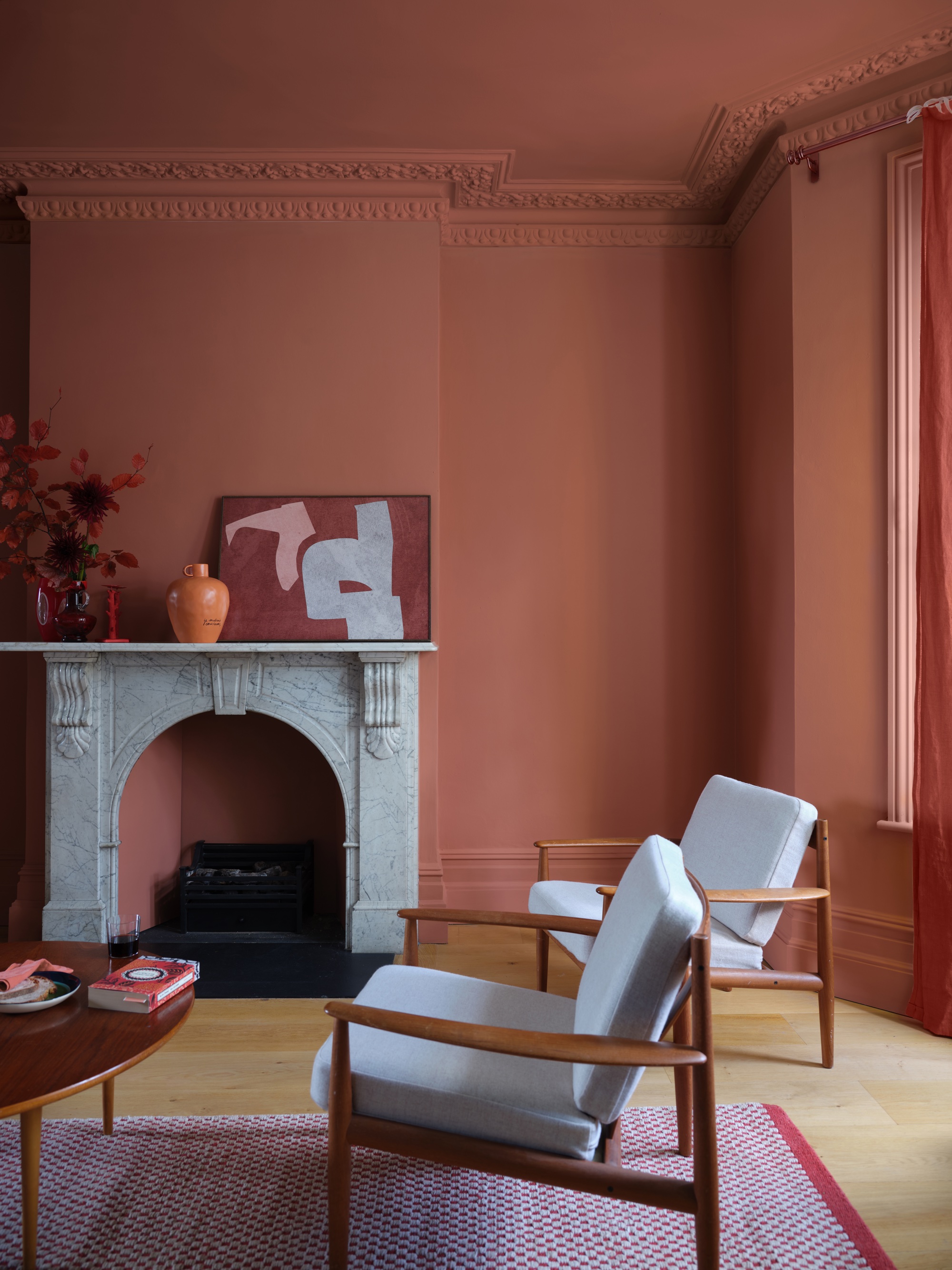
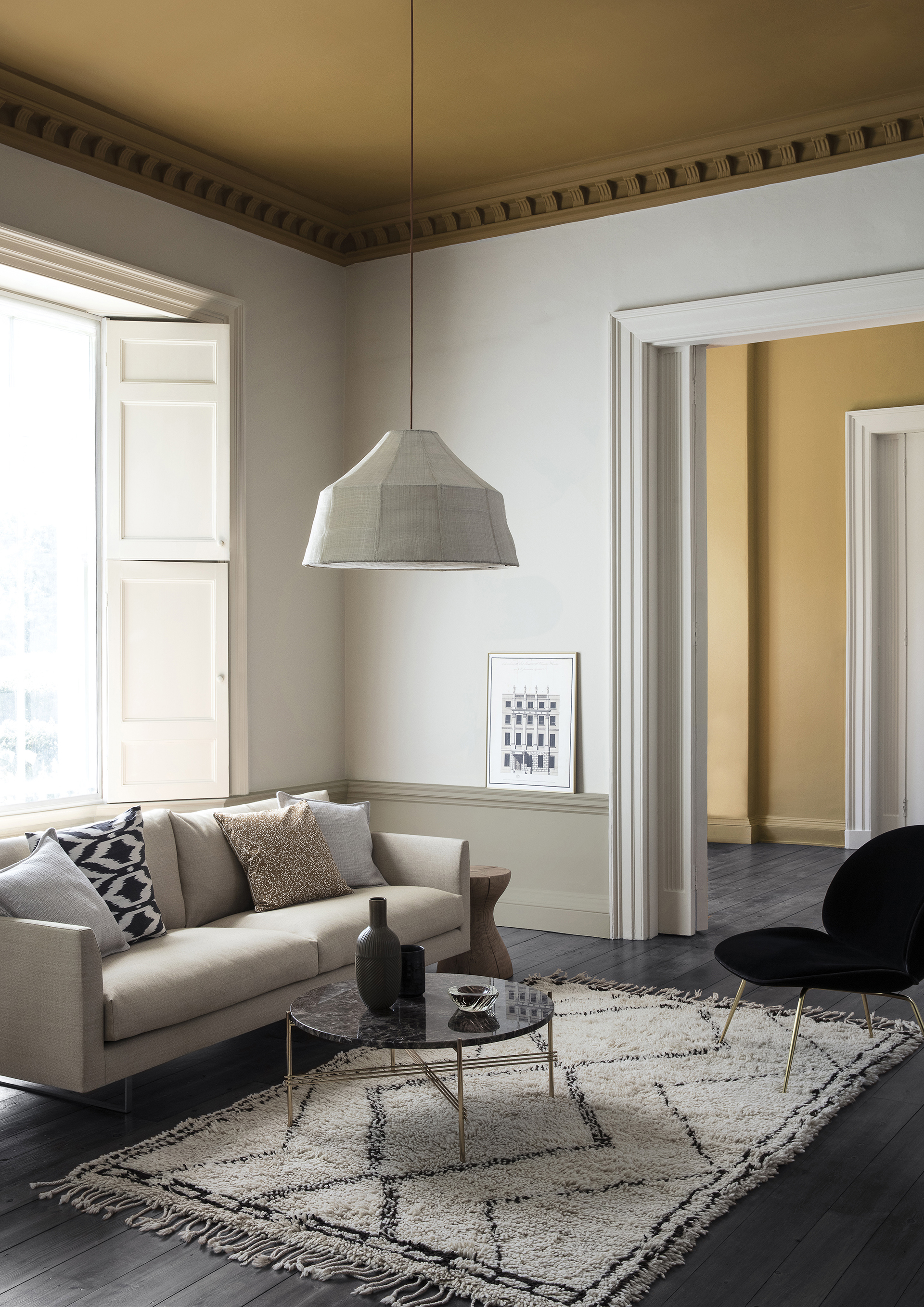
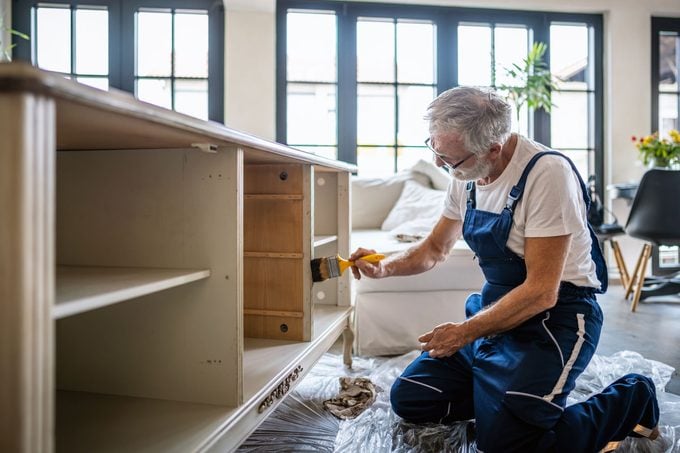
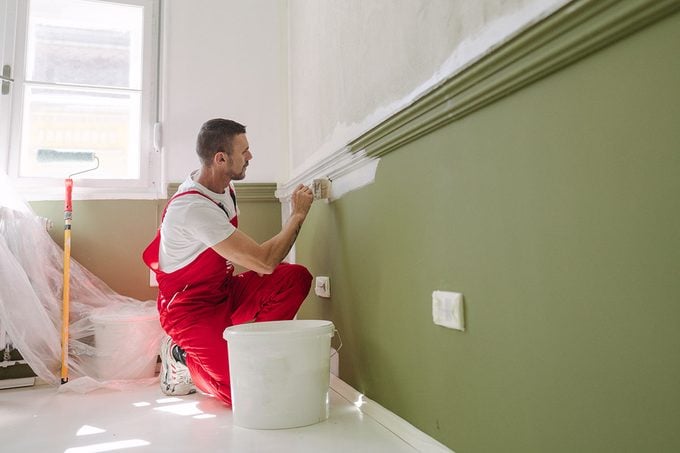
Matte paint also offers remarkable versatility. Experts note that it can be applied not only to walls but also to ceilings and crown moldings. Furthermore, specific formulations can be used on wood and metal surfaces, eliminating the need for multiple paint finishes and providing greater flexibility in home decoration. This adaptability makes matte paint a comprehensive solution for various interior design needs, provided its limitations regarding durability and moisture resistance are acknowledged and managed appropriately.
#MattePaint #InteriorDesign #PaintFinishes #HomeDecoration #WallPaint #PaintDisadvantages #PaintVersatility #HomeImprovement #MattePaint #InteriorDesign #PaintFinishes #HomeDecoration #WallPaint #PaintDisadvantages #PaintVersatility #HomeImprovement
0 комментариев всего
 Комментариев пока нет
Вам также может понравиться
5 Problems With Painting Your Walls White That No-One Ever Talks About (Until Now)
Paint finishes – a guide for every room

Understanding paint finishes


The Right Paint Finish Can Actually Help Your Home Look Cleaner—Here's How

What Actually Is Super Matte Paint? This Trending Finish Is What All the Brands Are Launching — Here's What It Means
Should ceilings be glossy or flat? A paint expert lifts the lid on getting this vital touch just right
Texture Takes Over: Why Matte Finishes Are the New Luxury

This Surprising Paint Mistake Could Be Making Your Home Look Cheap (And It’s Not the Color)

5 Ways To Pull Off The Matte Paint Trend


5 different paint finishes, from flat to high-gloss, and when to use them
The best paints for streak-free coverage, from Dulux to Farrow & Ball

Don’t Ever Use Semi-Gloss Paint— Here’s Why

This Paint Sheen Makes Any Room Look Tacky, Designers Say—No Matter the Color

Move Over Matte — Our Style Editor Breaks Down the Lacquer Trend Glossing Every Inch of Our Homes
Designers Share Their Tried-and-True Shades From the Best Interior Paint Brands
Decorating experts debunk 5 painting myths – avoid making these classic mistakes
What paint finish is best for walls and ceilings?
5 Problems With Tiled Backsplashes in Kitchens That No One Ever Talks About
Words Of Caution From A Pro If You're Considering Faux Paint Finishes
5 Painting Mistakes That Are Actually Ruining Your Projects, According to Reno Pros