1/3
Decorating experts debunk 5 painting myths – avoid making these classic mistakes
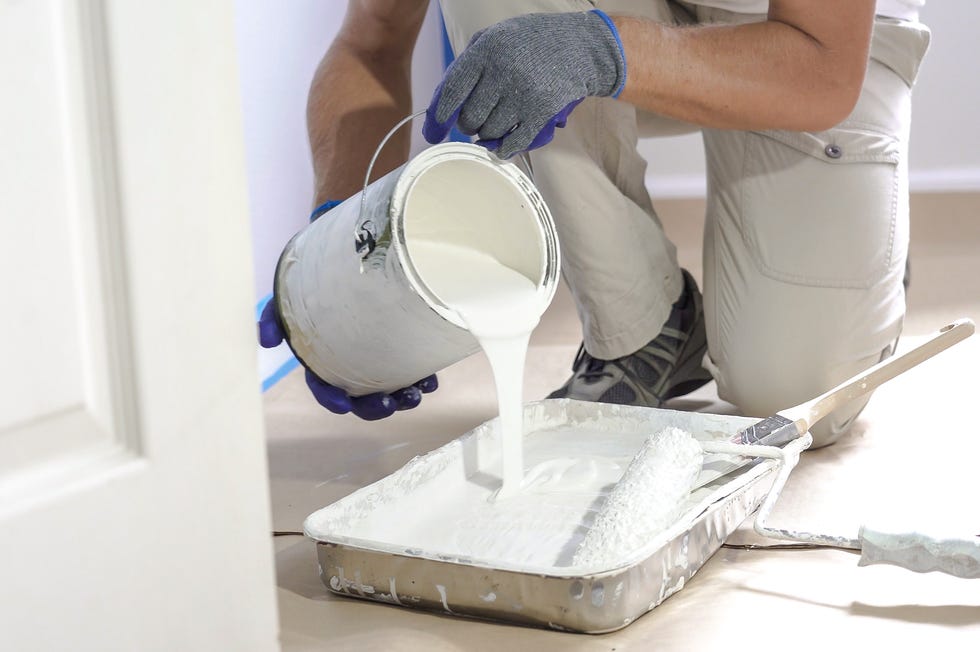
Painting is often considered an approachable DIY task, with many people feeling confident enough to tackle it to refresh their homes or try out new paint trends. However, there are numerous misconceptions and myths surrounding painting that can lead to less-than-ideal results or even significant issues. This article addresses five common painting myths, drawing on the expertise of professionals from The Paint Shed and Valspar Paint, to guide DIY enthusiasts toward a better finish and prevent decorating disasters.
The first myth debunked is the belief that primer isn't always necessary. Experts emphasize that skipping primer is a mistake that can result in paint peeling and premature wear. Primer is crucial for ensuring proper paint adhesion, enhancing the paint's shine, and effectively blocking future stains. Furthermore, using a primer can reduce the number of paint coats required, making the painting process more efficient. This preparatory step is highlighted as fundamental for achieving a professional and durable finish.
The second myth concerns the longevity of paint, with many assuming that paint never spoils. Contrary to this, all paint eventually goes bad. While properly stored and sealed open paint can last up to five years, most brands recommend using it within six months of purchase to maintain quality and avoid deterioration. This advice encourages homeowners to be mindful of paint's shelf life and plan projects accordingly.
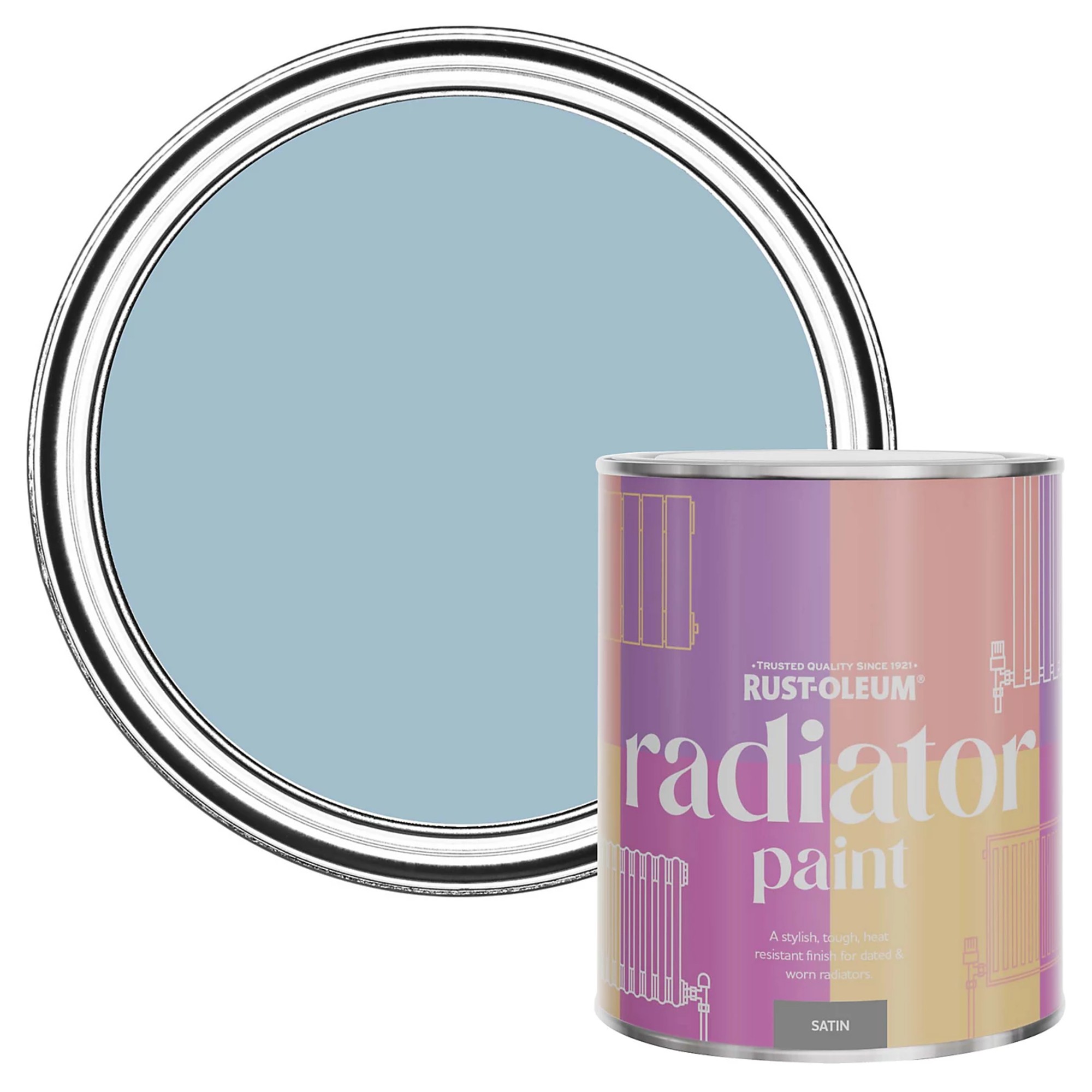
Another common misconception is that the type of paint used doesn't significantly matter. The article clarifies that different paints have distinct finishes and bases (oil-based vs. water-based), making them suitable for different surfaces and areas of the home. Using a wall paint on cabinetry, for example, may not yield the desired result. Researching and selecting the appropriate paint finish for a specific surface is crucial for optimal performance and aesthetics.
The fourth myth addressed is the dangerous practice of painting over mould. Experts strongly advise against this, as mould is typically an indicator of underlying dampness that requires proper treatment. Simply covering mould with paint will not resolve the issue; instead, it can exacerbate the problem, allowing the mould to regrow and damage the walls and ceilings beneath the paint layers. Treating the root cause of mould is essential for health and structural integrity.
Finally, the article refutes the idea that essential oils can be safely added to paint to improve its smell. This social media trend is cautioned against because essential oils can act as solvents, especially in oil-based paints, thinning them and negatively impacting the paint finish and application. Modern paints are often formulated with lower fumes and less odor. For better ventilation and reduced paint smells, experts recommend keeping the room well-ventilated and opening windows instead of introducing essential oils. Adhering to these expert recommendations can help DIY painters avoid common pitfalls and achieve a superior result.
#PaintingMyths #DIYPainting #HomeImprovement #DecoratingTips #PaintPrimer #MouldTreatment #PaintStorage #PaintSelection #InteriorDesign #PaintingMyths #DIYPainting #HomeImprovement #DecoratingTips #PaintPrimer #MouldTreatment #PaintStorage #PaintSelection #InteriorDesign
0 comment in total
 No comments yet
You may also like

'Dark ceilings make the room look smaller': 6 classic paint colour myths it's time to give up on

7 Paint Mistakes That Make Designers Instantly Cringe When They Walk Into Someone's Home

7 places in your home you’re probably forgetting to paint – but design experts say you really shouldn’t
5 Paint Mistakes Your Realtor Wishes You Wouldn't Make
10 mistakes to avoid when painting wooden furniture, according to experts

5 outdated wall decor trends designers warn to avoid – plus what we should be doing instead
6 Paint Color Mistakes To Stop Making, According To Designers
These Master Tips Will Help You Avoid Choosing The Wrong Type Of Paint
10 baseboard painting mistakes to avoid – and what experts say to do instead
6 Paint Color Mistakes To Stop Making, According To Designers

5 Exterior Paint Mistakes to Avoid If You Don't Want Your House to Become the Worst-Looking on the Street

5 outdated paint trends that interior designers are glad to see the back of – and what they're doing instead
5 Painting Mistakes That Are Actually Ruining Your Projects, According to Reno Pros

6 painting mistakes that are making your walls look 'dirtier' – and what you should be doing instead
6 bathroom design myths experts say you shouldn't believe
Stop! Step Away From the Paintbrush — Here's 4 Things Interior Designers Would Never, Ever Paint Around the Home
5 common gallery wall mistakes designers warn to always avoid – to create the chicest of displays
An interior designer reveals the 5 mistakes to avoid when painting with dark colours

Don't make these 5 entryway decor mistakes

Never Regret a Paint Color Again—Avoid These 6 Common Mistakes