1/7
How to clean cast iron – remove rust, reseason and refinish
Maintaining cast iron items is crucial for their longevity and appearance, as this versatile material is prone to rust if not properly cared for. Cast iron is widely used for various items, including pans, skillets, fireplaces, and decorative metalwork. The appropriate cleaning method largely depends on the item's age and whether its surface is painted or exposed. For instance, unenameled cast iron pans and skillets require seasoning with oil, while fireplaces and stoves are typically protected with iron paste or paint, and exterior metalwork is often painted.
Douglas Kent, technical and research director at the Society for the Protection of Ancient Buildings, highlights iron as the fourth most abundant element in the Earth’s crust and a common metal in older structures, emphasizing that proper maintenance can ensure ironwork lasts for centuries. When cleaning cast iron, it is generally advisable to avoid water due to its rust-prone nature, unless the metal is adequately protected or intended for reseasoning or refinishing. Roger Hunt, author of 'Old House Handbook,' suggests using a rag soaked in white spirit for removing dust, grease, and grime. If water is used, it is essential to ensure the metal is thoroughly dry before any refinishing or painting.
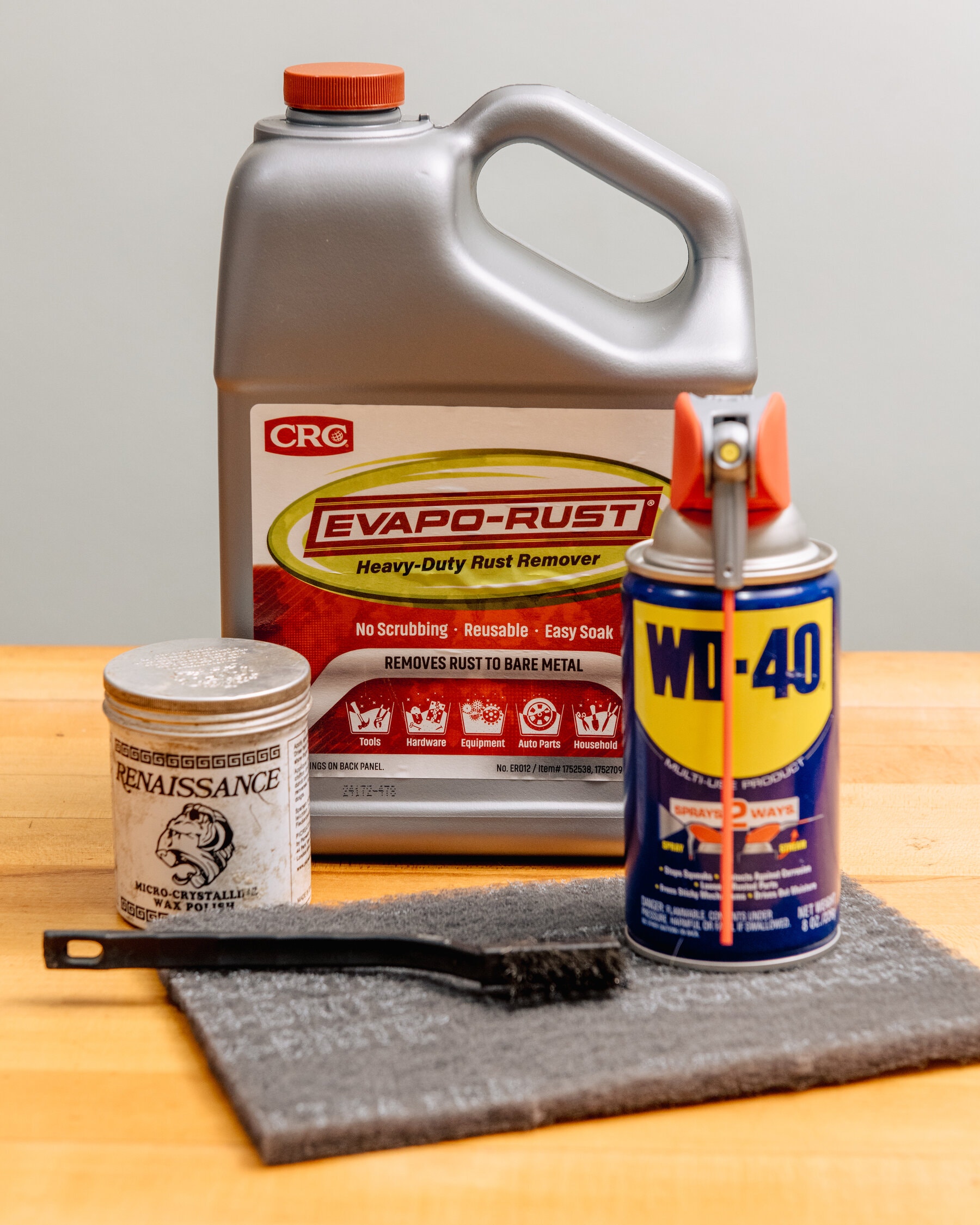
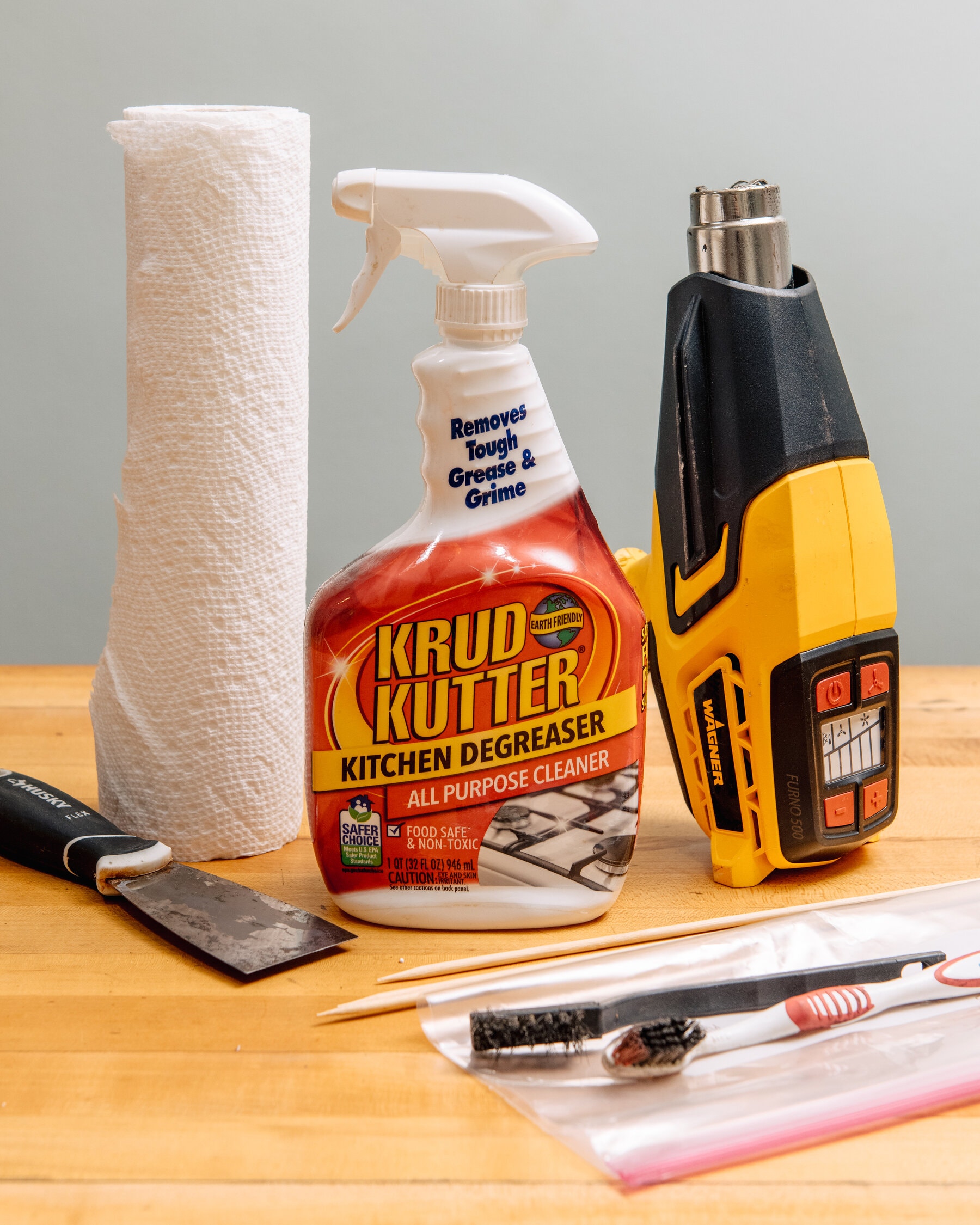
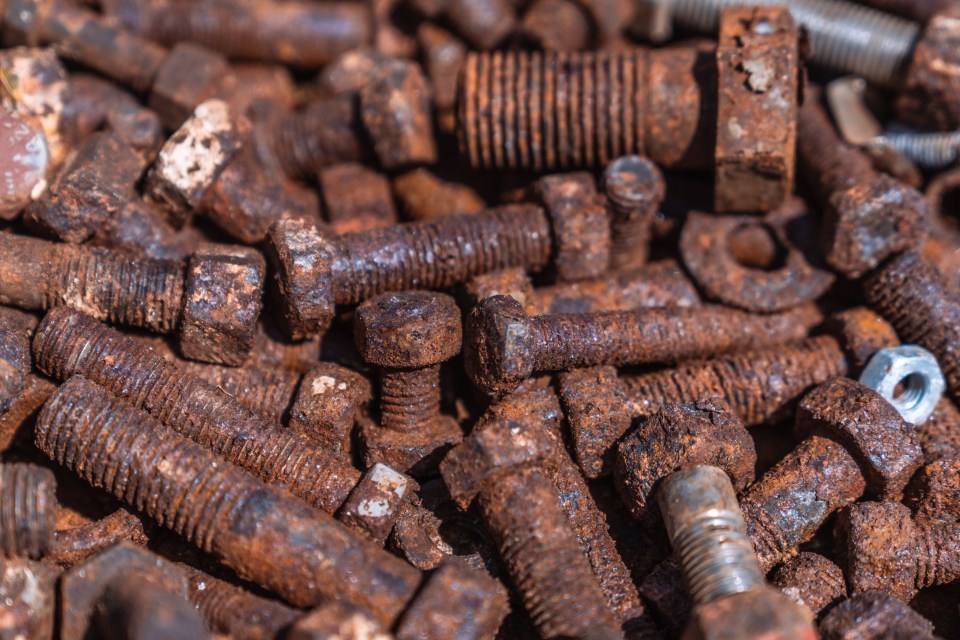
Rust can be removed using a wire brush or wire wool, but mechanical tools should be avoided on delicate or decorative surfaces to prevent damage. For heavily worn or rusted antique cast iron items, professional restoration is recommended. Rusty cast iron that is not seasoned or finished, especially in humid conditions, will quickly rust. Protective gear should be worn when using wire wool or a wire brush to rub away rust in a circular motion. For stubborn nuts and bolts, applying release oil and letting it sit overnight can help. After rust removal, refinishing or reseasoning the surface is necessary to prevent future rust.
Vinegar can also be effective in removing rust. A solution of equal parts white vinegar and water can be used to soak the item for up to eight hours, with regular checks until the rust disappears. It is crucial not to over-soak and to thoroughly dry the item afterward before reseasoning or refinishing. For painted cast iron that is in good condition, a damp cloth is sufficient for cleaning. However, if paint is flaking and rust is visible, the surface needs to be stripped, prepared, and repainted. Loose paint and rust must be completely removed. Sound paint can be washed, sanded to create a key, and then painted over. Caution is advised when dealing with older paints, which may contain lead; testing for lead and using dust-free removal methods or consulting a professional is important.
Daily cleaning of cast iron pans or skillets involves allowing them to cool before soaking in warm water for 15-20 minutes and using a dishwasher brush for stuck-on food. Thermal shock from plunging hot pans into cold water should be avoided. While soap can be used, it may necessitate reseasoning. After rinsing, the skillet should be towel-dried and then dried on a low heat stove to prevent rust. Regular application of vegetable oil can help maintain seasoning and prevent rust. If rust appears, it can be removed with wire wool or fine sandpaper, followed by washing and reseasoning.
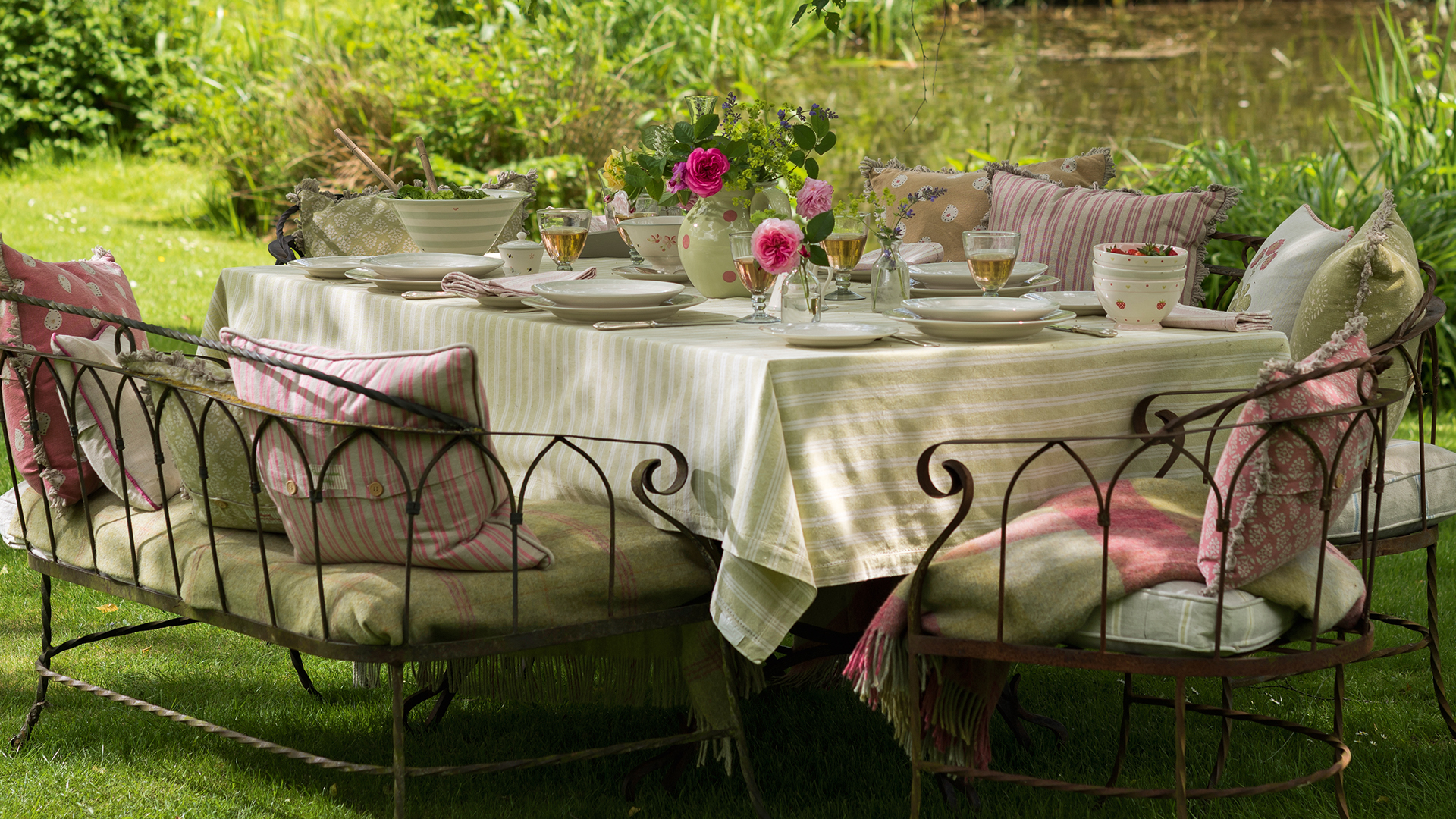
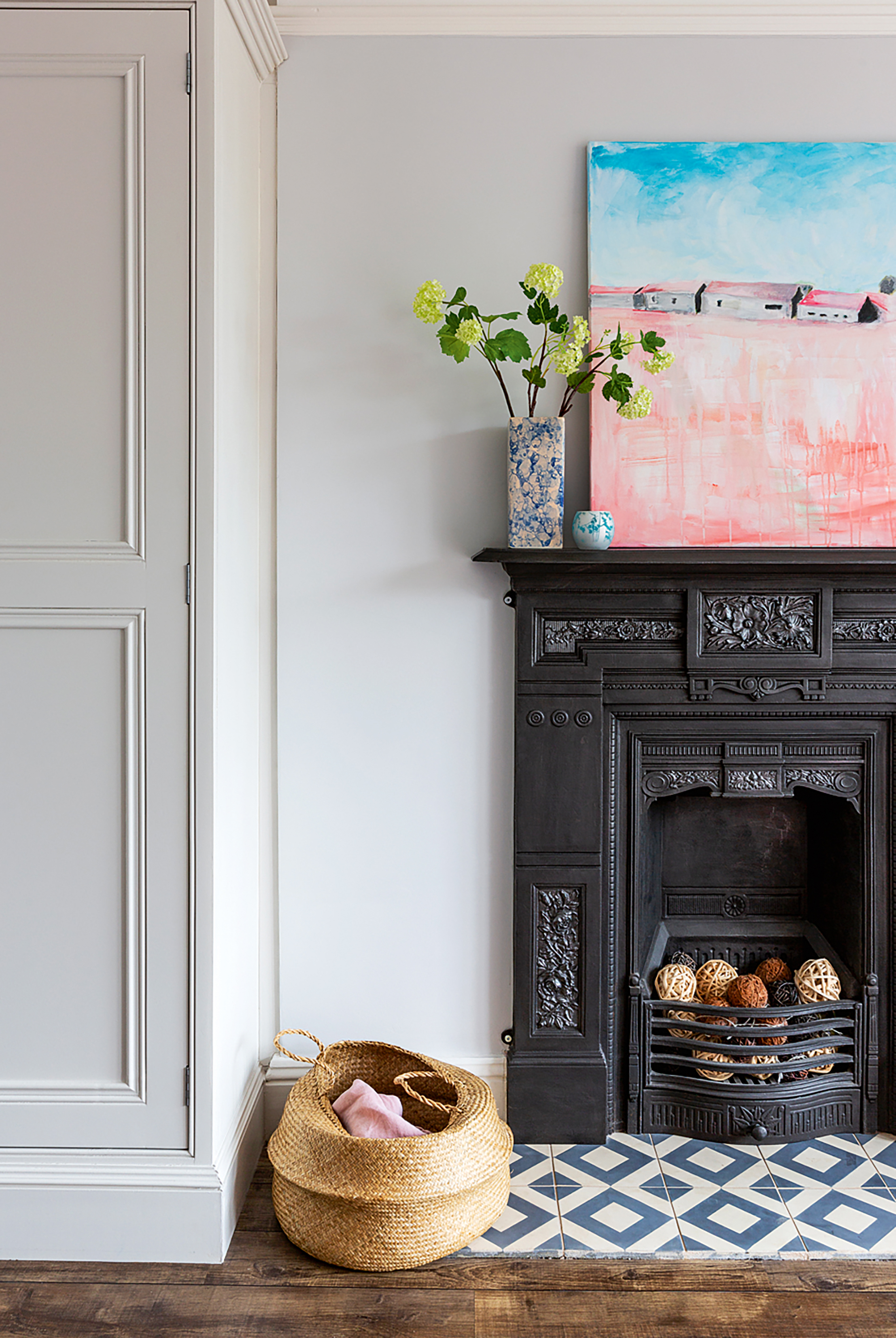
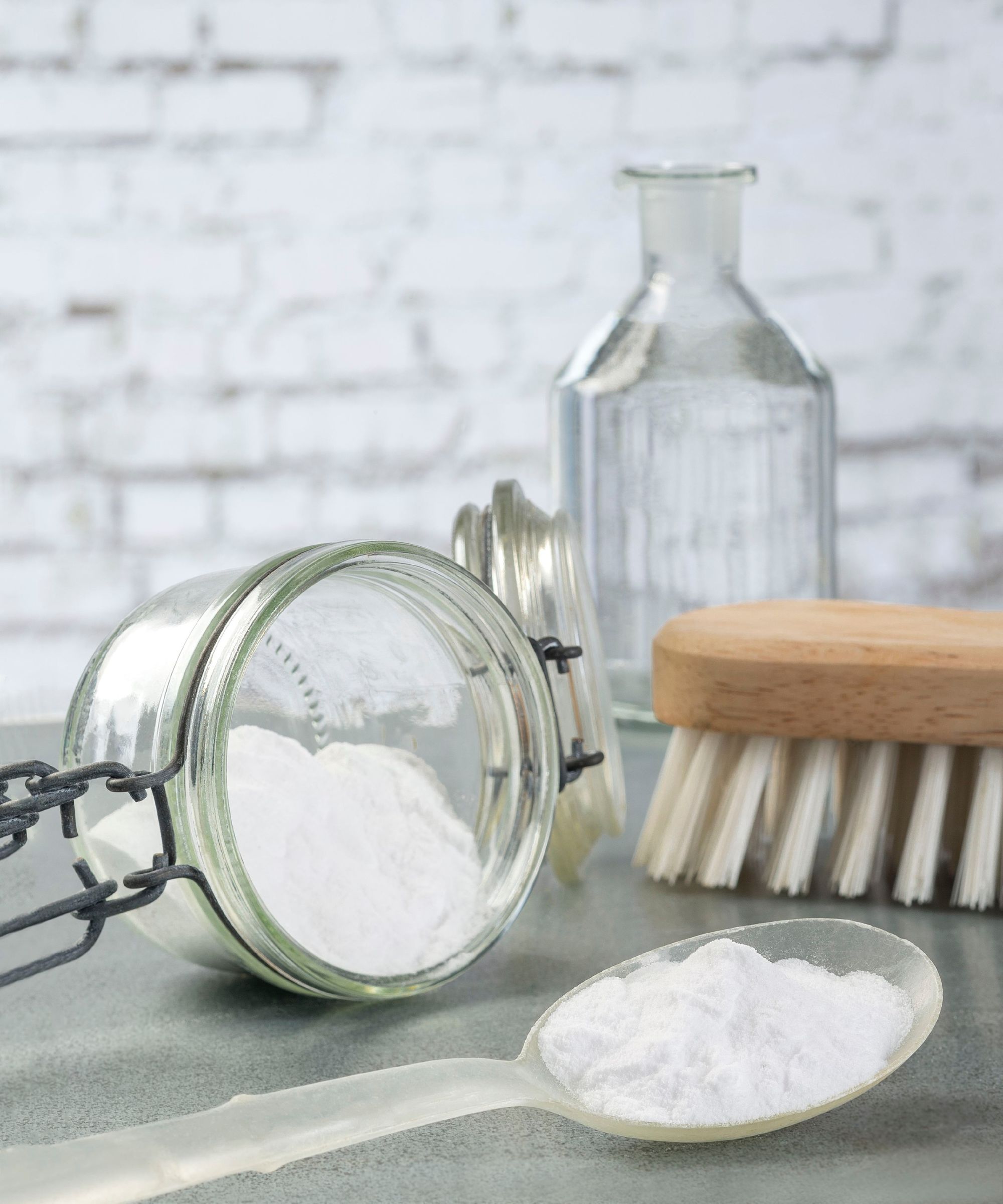
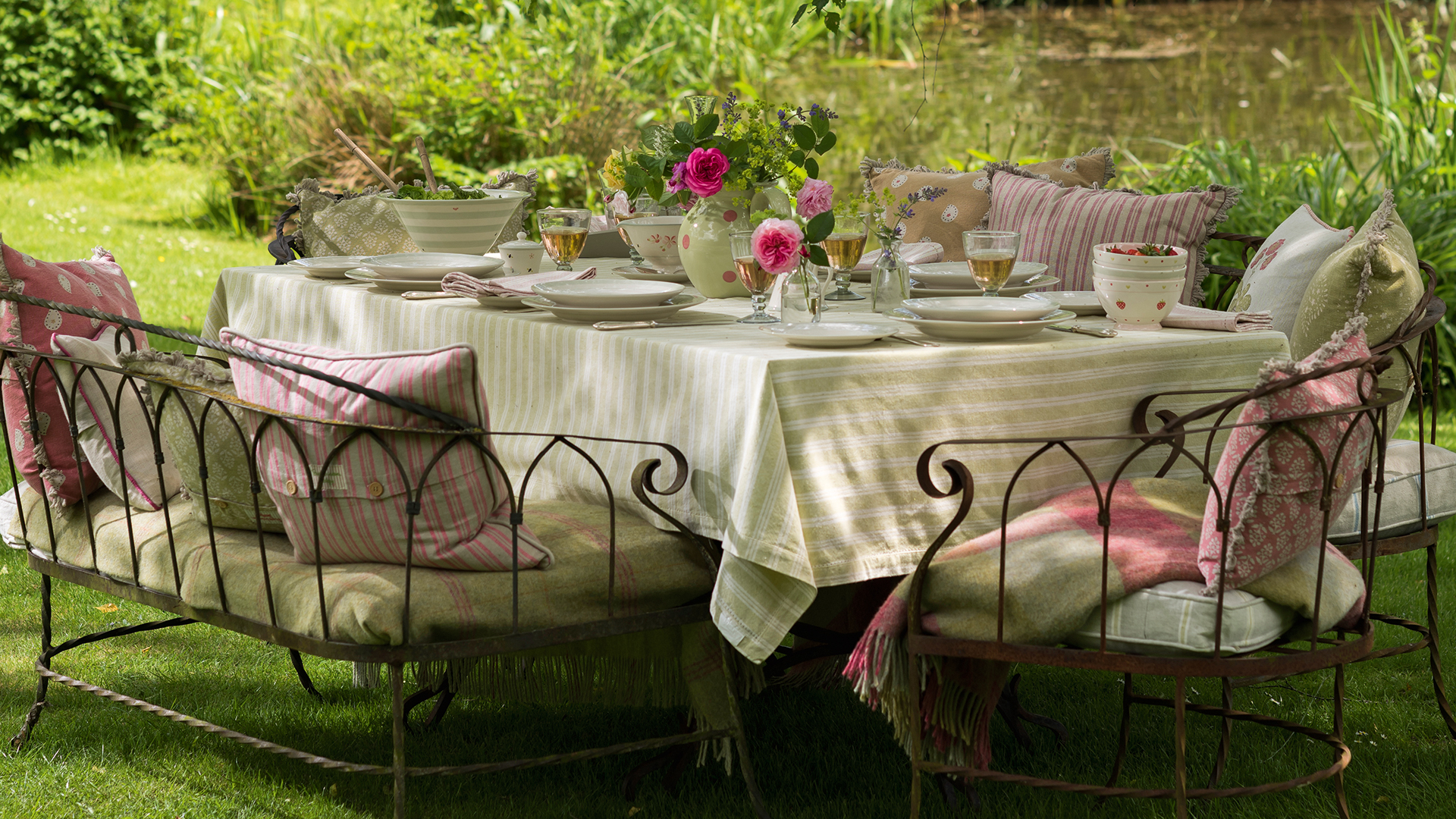
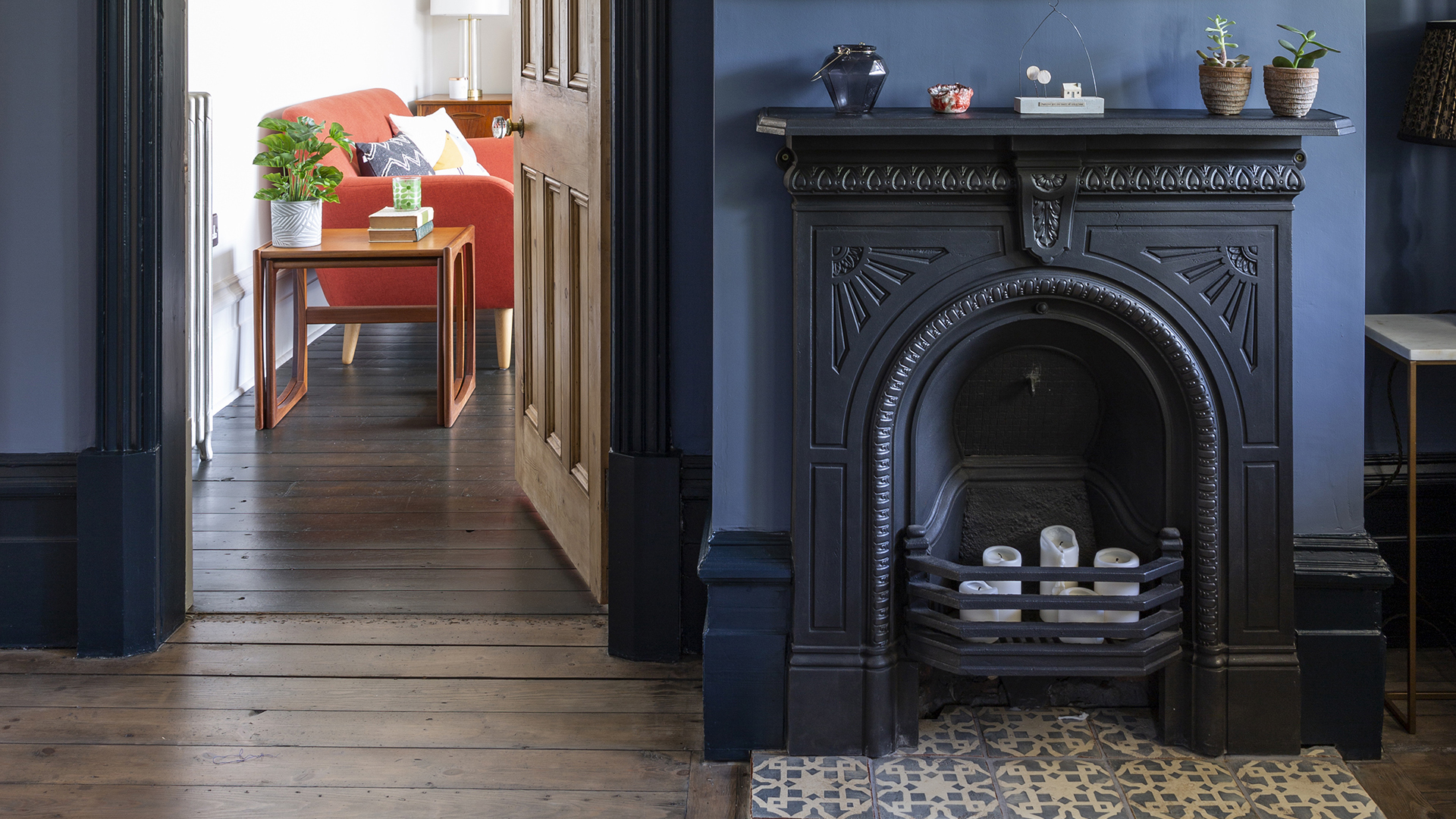
Reseasoning involves coating the pan with a thin layer of vegetable oil, heating it in a hot oven at 400°F/220°C for at least 10 minutes, and allowing it to cool inside the oven. For cast iron fireplaces or wood-burners, rust spots and dull finishes can be addressed by carefully removing rust with medium-grade steel wool and then applying protective iron paste or black grate polish for a classic finish. Stove paint can be used to restore the luster of a wood-burner. Cleaning cast iron grills involves using a long-handled wire brush on a hot grill, or applying a vinegar solution, salt paste, or baking soda paste as an abrasive. For rusty or badly baked-on food, wire wool should be used, followed by reseasoning with oil and heat. Cast iron garden furniture, typically painted, can be cleaned with hot soapy water and a cloth or sponge, using a nylon brush for crevices, followed by rinsing and drying. Flaking paint and rust spots require sanding and repainting.
#CastIronCare #HomeMaintenance #RustRemoval #KitchenCleaning #FireplaceMaintenance #GardenFurnitureCare #DIYCleaning #AntiqueRestoration #SeasoningCastIron #CastIronCare #HomeMaintenance #RustRemoval #KitchenCleaning #FireplaceMaintenance #GardenFurnitureCare #DIYCleaning #AntiqueRestoration #SeasoningCastIron
0 comment in total
 No comments yet
You may also like
How to restore cast iron – make repairs, remove rust and paint, and refinish
9 surprising things you can clean brilliantly with Dawn Powerwash – including garden tools, barbecues, shoes and more

Commonly-Stained Kitchen Surfaces—And How to Make Them Look Brand New Again

The Best Rust Removers


Skip the hardware store & use fridge staple to make rusty bolts shine like new


Professional cleaners do these 4 things to remove rust from bathtubs – here's how to replicate the results
How to Clean Bronze and Restore Its Luster


How to Remove Rust Stains From Quartz Countertops, Straight From a Cleaning Pro


How to Remove Every Type of Stain From Patio Furniture (Without Damaging the Material)
Time to Shine: Let’s Restore All Your Rusty Metal


How to clean cork – 5 expert cleaning tips to keep surfaces spotless