How to Remove Every Type of Stain From Patio Furniture (Without Damaging the Material)
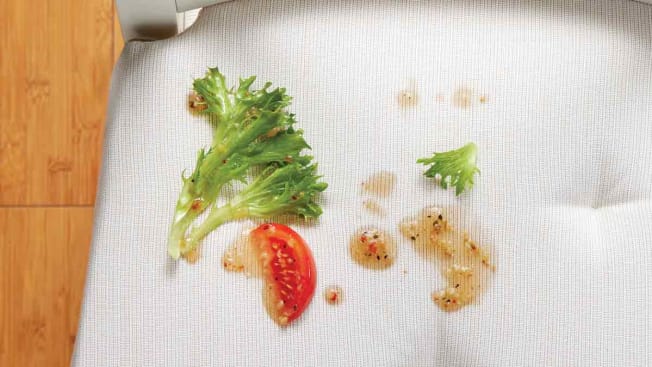
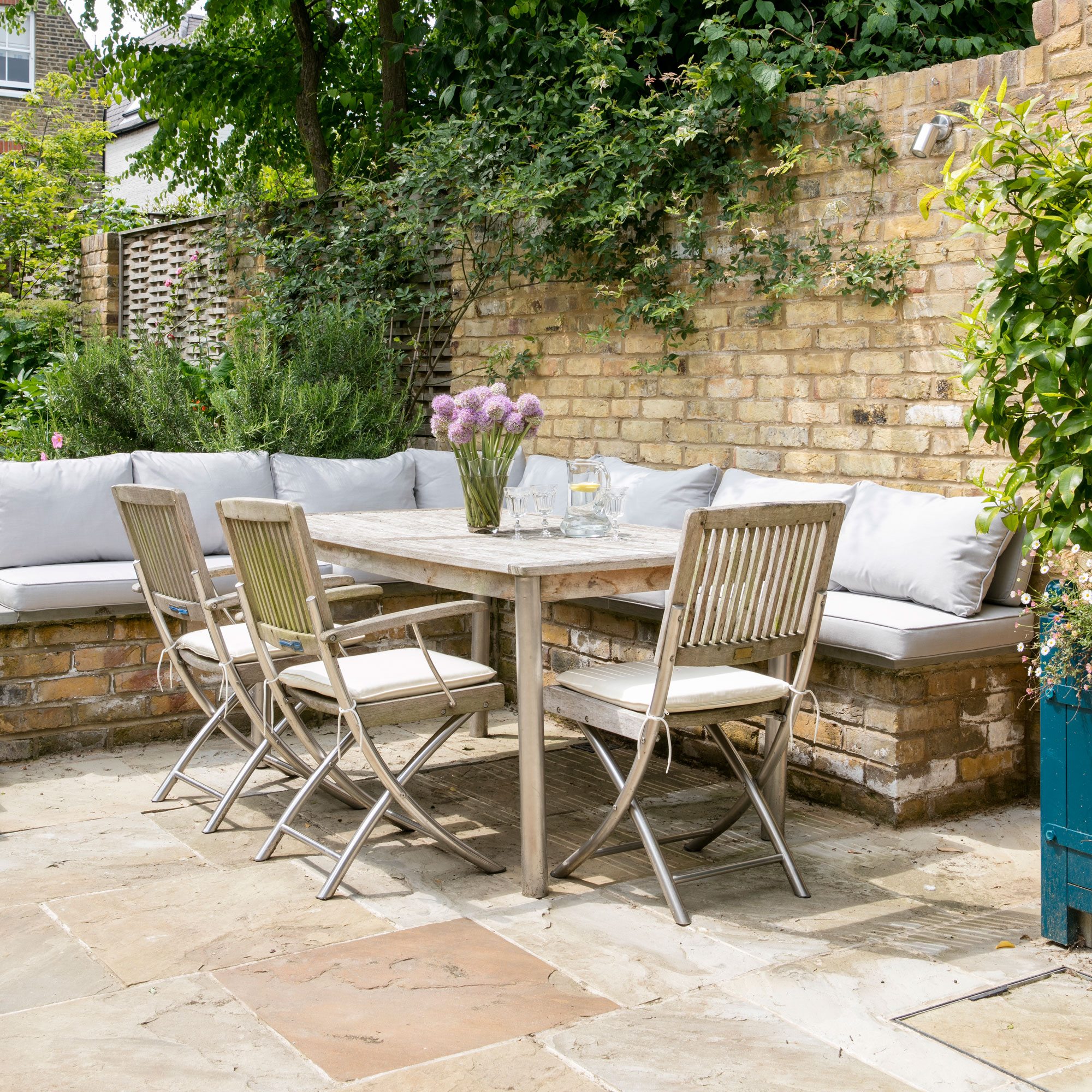
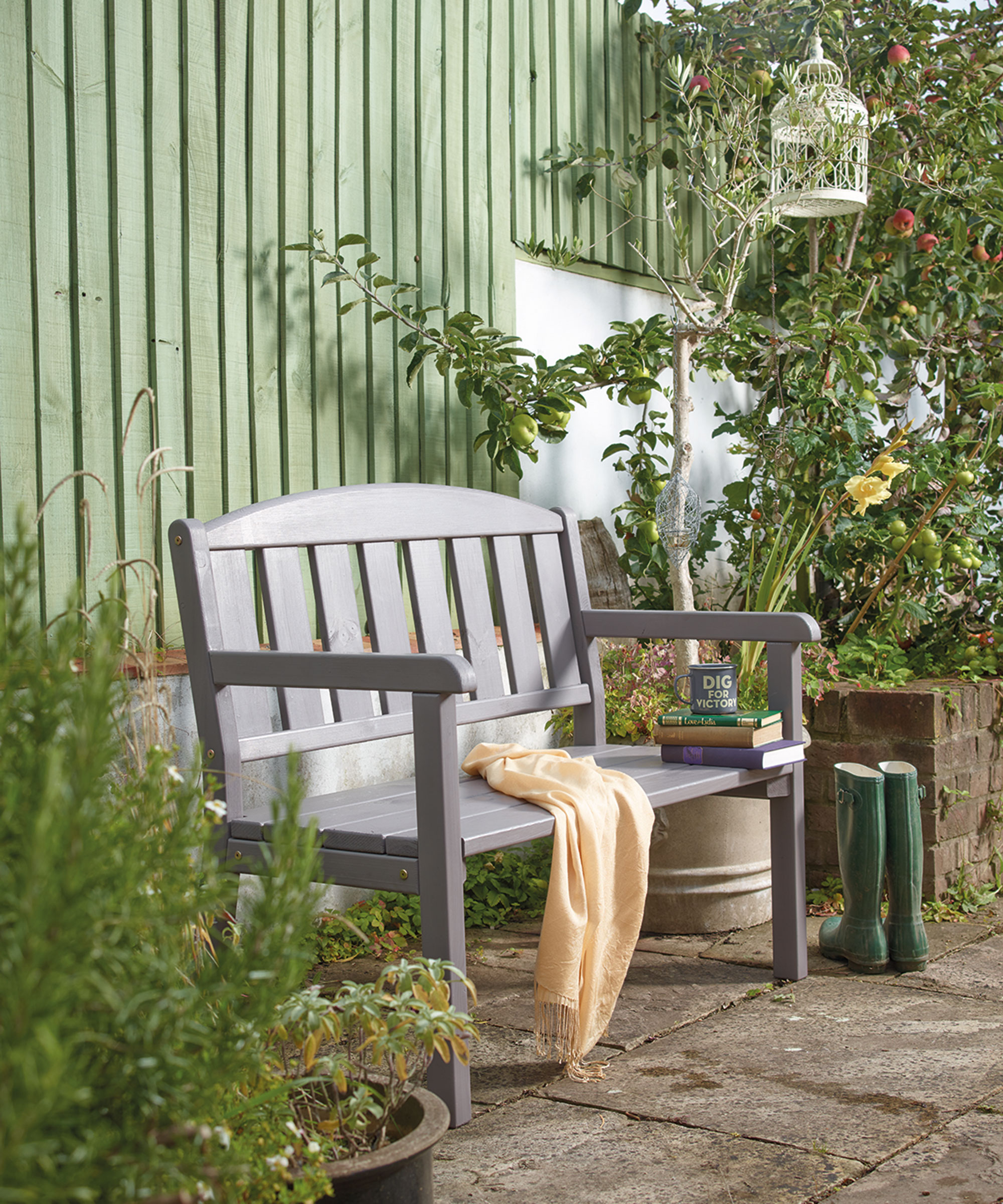
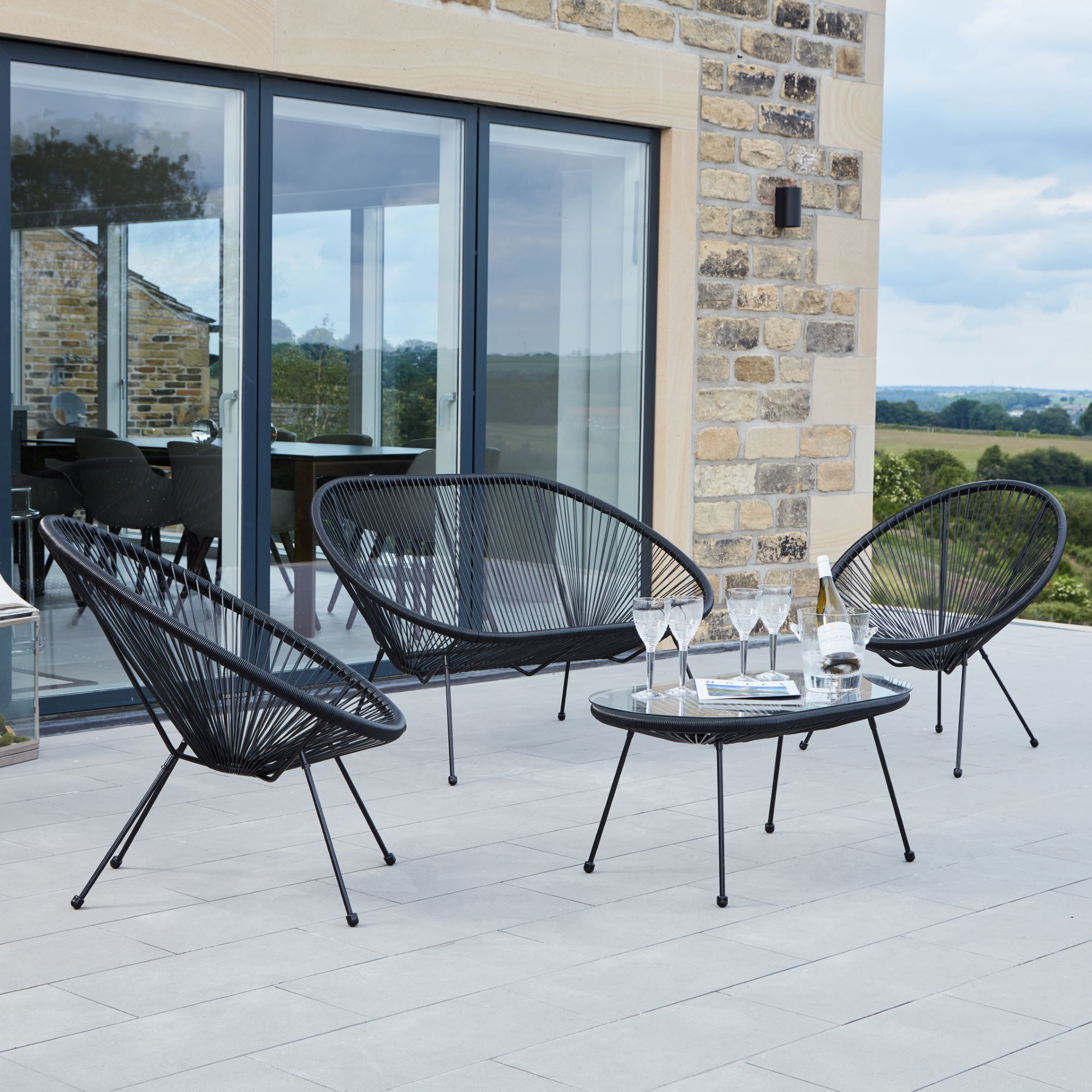
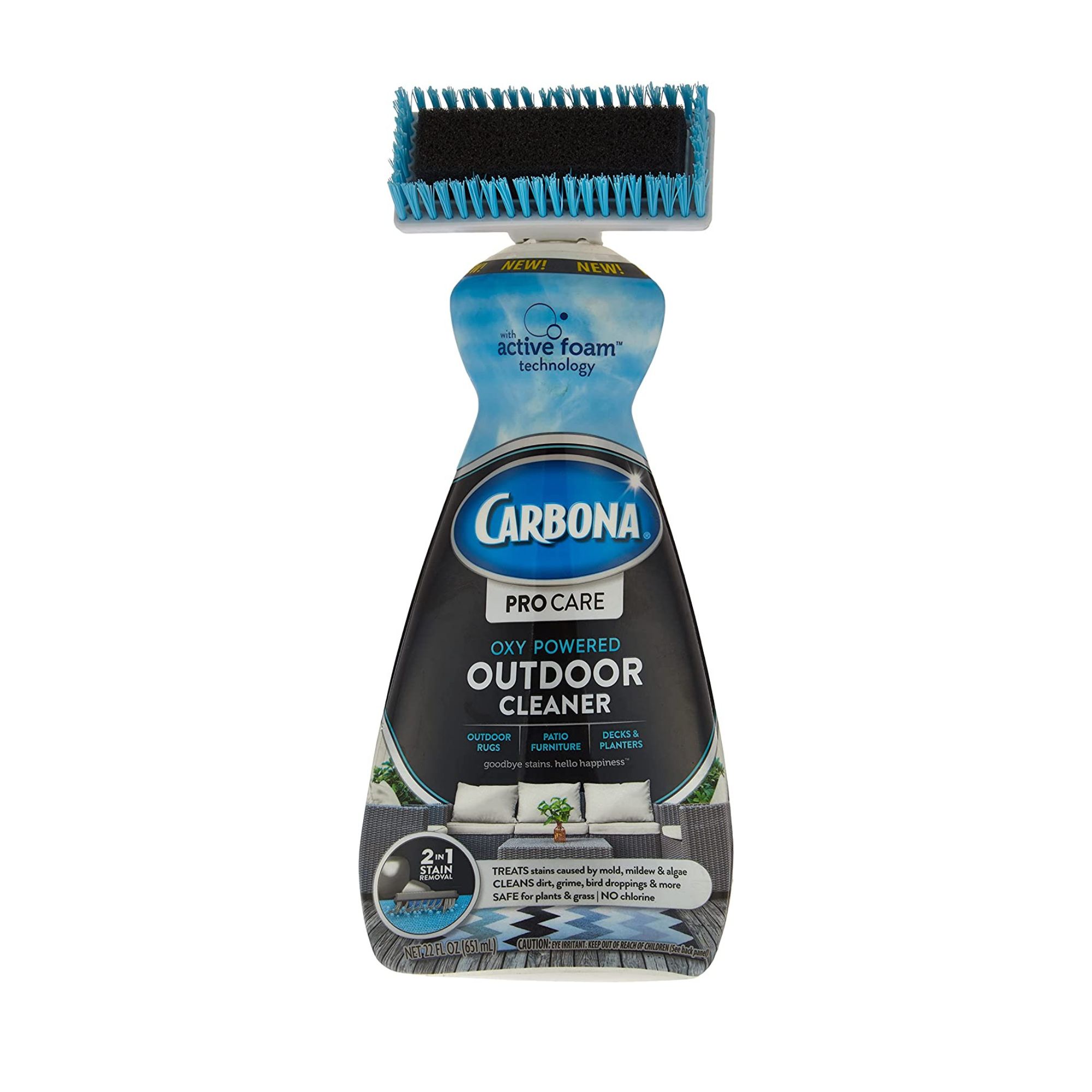
Maintaining the pristine appearance of outdoor patio furniture is essential for any alfresco setting, but it is prone to various stains from everyday use and environmental factors. Common outdoor stains range from food spills like ketchup and grease from barbecues to natural elements such as tree sap, mold, mildew, and bird droppings. Effective stain removal hinges on understanding the specific type of stain and the material of the furniture. Experts emphasize that material matters significantly; for instance, teak requires a soft brush and an oxygenated cleaner, while powder-coated metal only needs a soft, non-abrasive sponge. Plastic or resin furniture can be effectively cleaned with a Magic Eraser, avoiding excessive pressure.
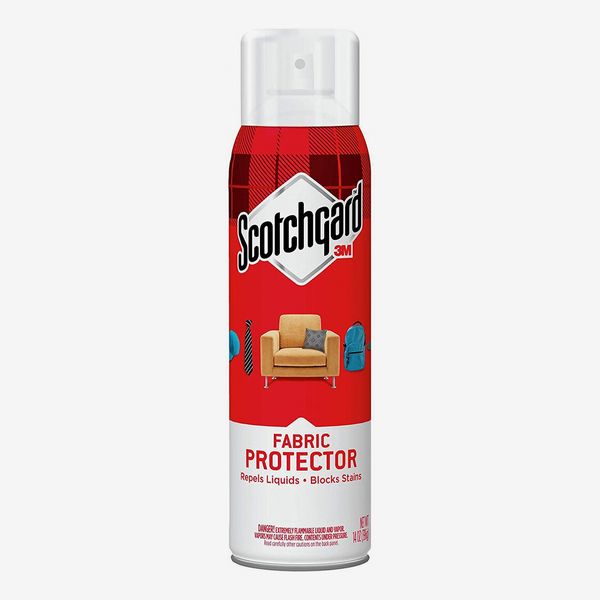
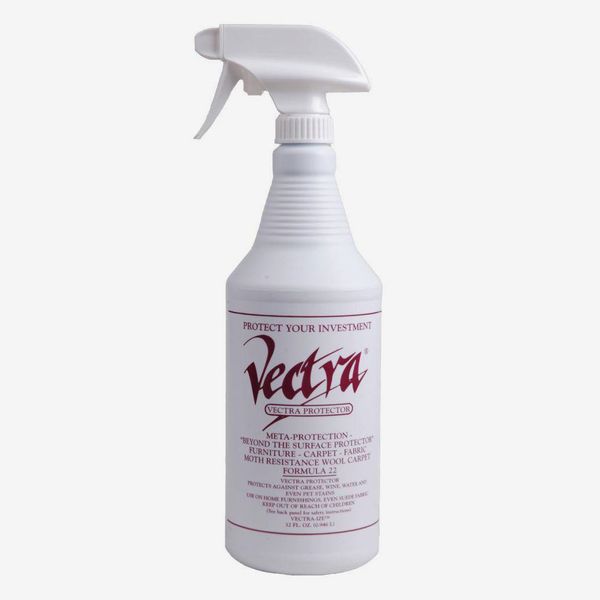
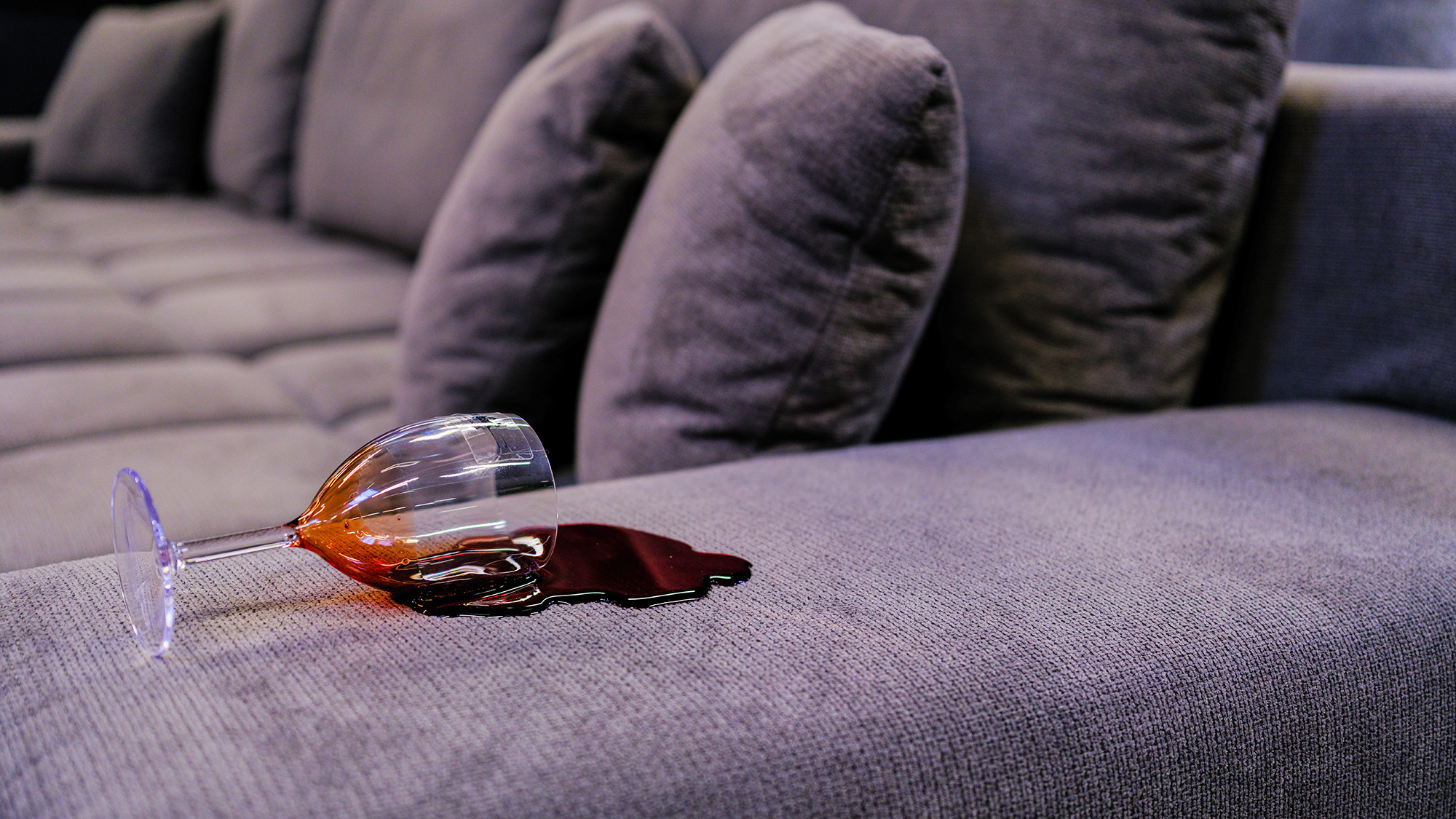
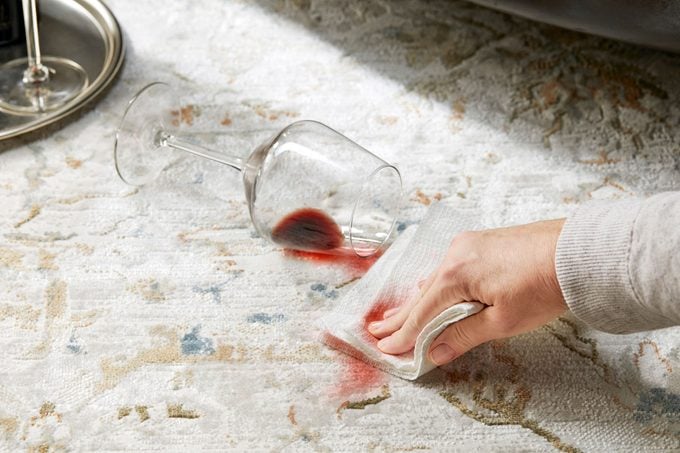
For fresh stains, blotting is recommended over rubbing to prevent the stain from penetrating deeper into the material. Harsh tools like steel wool and stiff wire brushes should be avoided to prevent damage. Older, set-in stains often benefit from pre-treatment with a solution of dish soap diluted with white vinegar, left to sit for 10-15 minutes before rinsing. After treatment and complete drying, applying a fabric guard or UV protectant can help prevent future stains and discoloration.
Grease and oil-based stains, commonly from sunscreen or cookouts, are particularly challenging due to their penetrative nature. To tackle these, a degreasing dish soap or cornstarch can lift the oil. The process involves blotting the stain, applying baking soda or cornstarch for 10-15 minutes, vacuuming it up, then scrubbing with dish soap or an all-purpose cleaner and a soft brush before rinsing and air-drying in sunlight.
Mold and mildew thrive in humid conditions and can be tricky, especially if they penetrate foam cushions. Removable cushion covers should be washed separately, and cushions dried thoroughly in direct sunlight. A mixture of one part white vinegar to three parts water is effective for mold and mildew; for tougher cases, oxygen bleach (not chlorine bleach, which can damage fabrics) can be used. The solution is applied, left for 10-15 minutes, scrubbed with a soft brush, rinsed, and dried in direct sunlight.
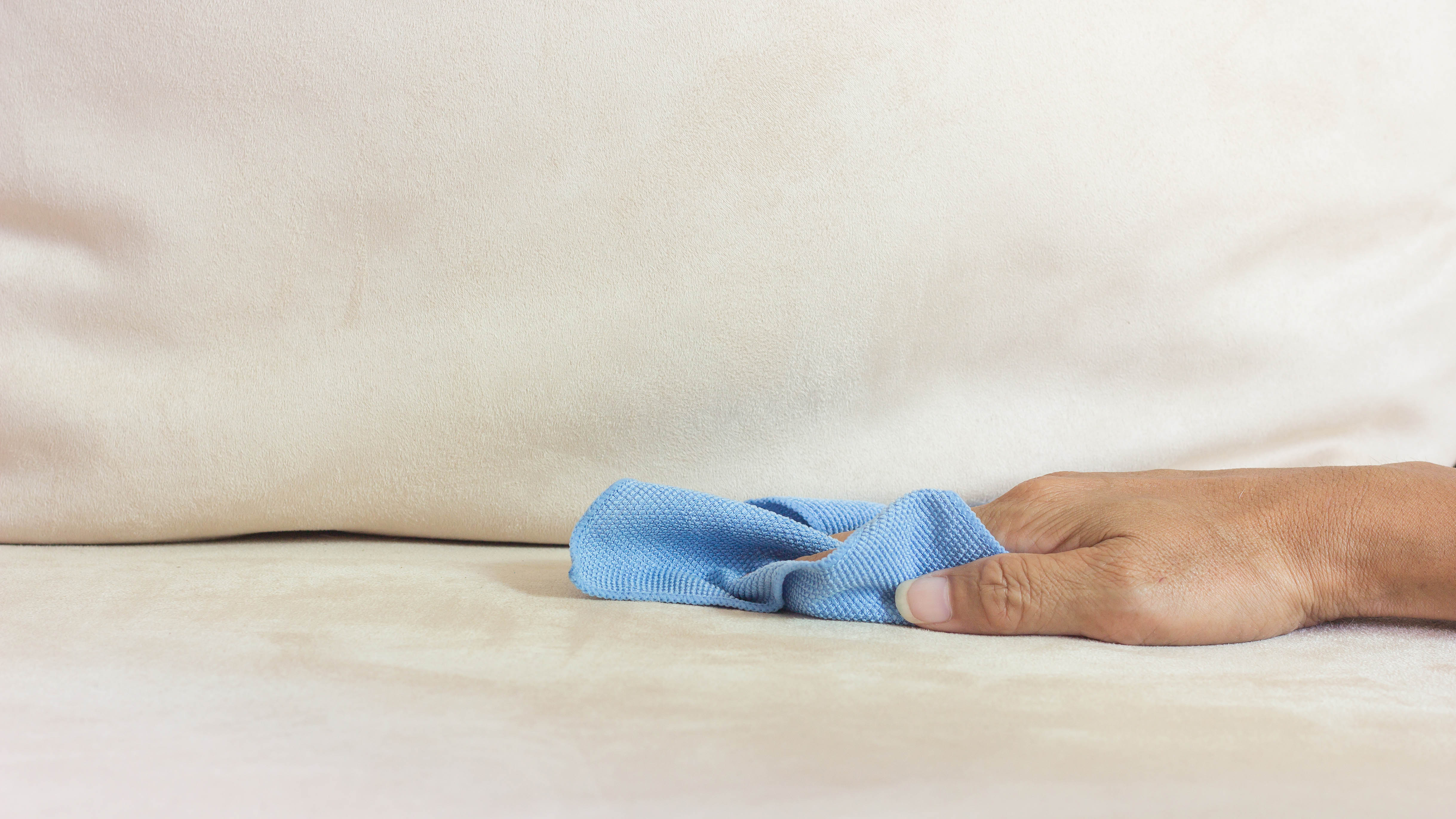
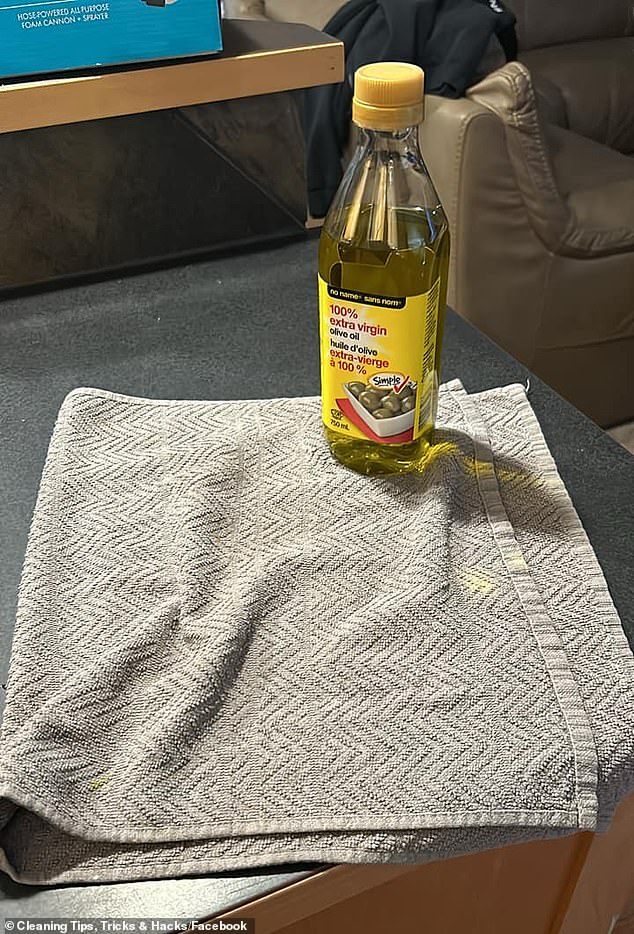
Tree sap, a sticky residue often found on furniture under trees, can be removed by first rubbing a small amount of olive or coconut oil onto the sap. This is followed by a paste made of equal parts baking soda and water, gently scrubbed onto the stain. A rinse is then applied using a spray bottle mixture of equal parts vinegar and water, followed by wiping with a microfiber cloth and warm, soapy water.
Rust on metal patio furniture, caused by oxygen and moisture, can make pieces look old. A paste of equal parts baking soda and water applied to rusty areas, gently scrubbed with a soft brush (or an old toothbrush), rinsed with water, and wiped dry with a microfiber cloth can restore the furniture. Bird droppings, though unsightly, are easily cleaned with a spray mixture of equal parts white vinegar and water, left for 10 minutes, then wiped with a damp microfiber cloth and rinsed with soapy water.
#PatioFurniture #StainRemoval #OutdoorLiving #CleaningTips #HomeMaintenance #GreaseStains #MoldRemoval #RustTreatment #DIYCleaning #PatioFurniture #StainRemoval #OutdoorLiving #CleaningTips #HomeMaintenance #GreaseStains #MoldRemoval #RustTreatment #DIYCleaning
0 comment in total
 No comments yet
You may also like
How to clean outdoor furniture – 3 simple steps for wood, metal, resin and rattan


The Ultimate Stain-Removal Guide
5 Common Sofa Cleaning Mistakes You Might Be Making


How To Remove Pollen Stains From Outdoor Furniture

How to Protect Fabric Furniture From Stains and Dirt
I Asked My Furniture-Maker Dad How to Remove Water Stains From Wood — These Are His 3 "Tried and Tested" Tricks

How to remove water stains from wood and keep your furniture looking great

Garden Furniture Paint & Stain

How to Remove Water Stains from Wood with Common Household Products

4 Ways to Remove Water Stains From Wood, According to Cleaning Experts

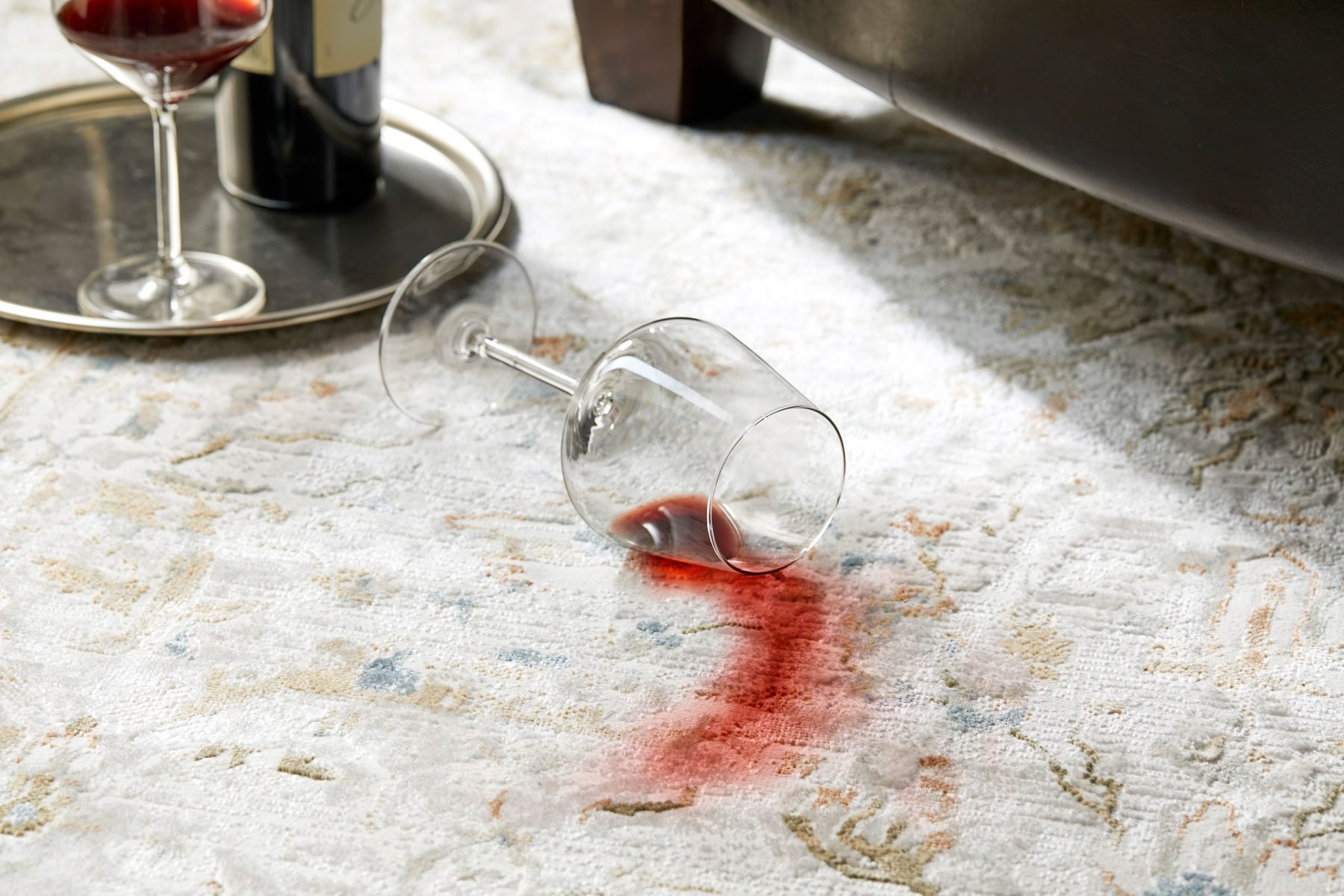
Red Wine Stain Removal: Step-by-Step Instructions for Any Surface

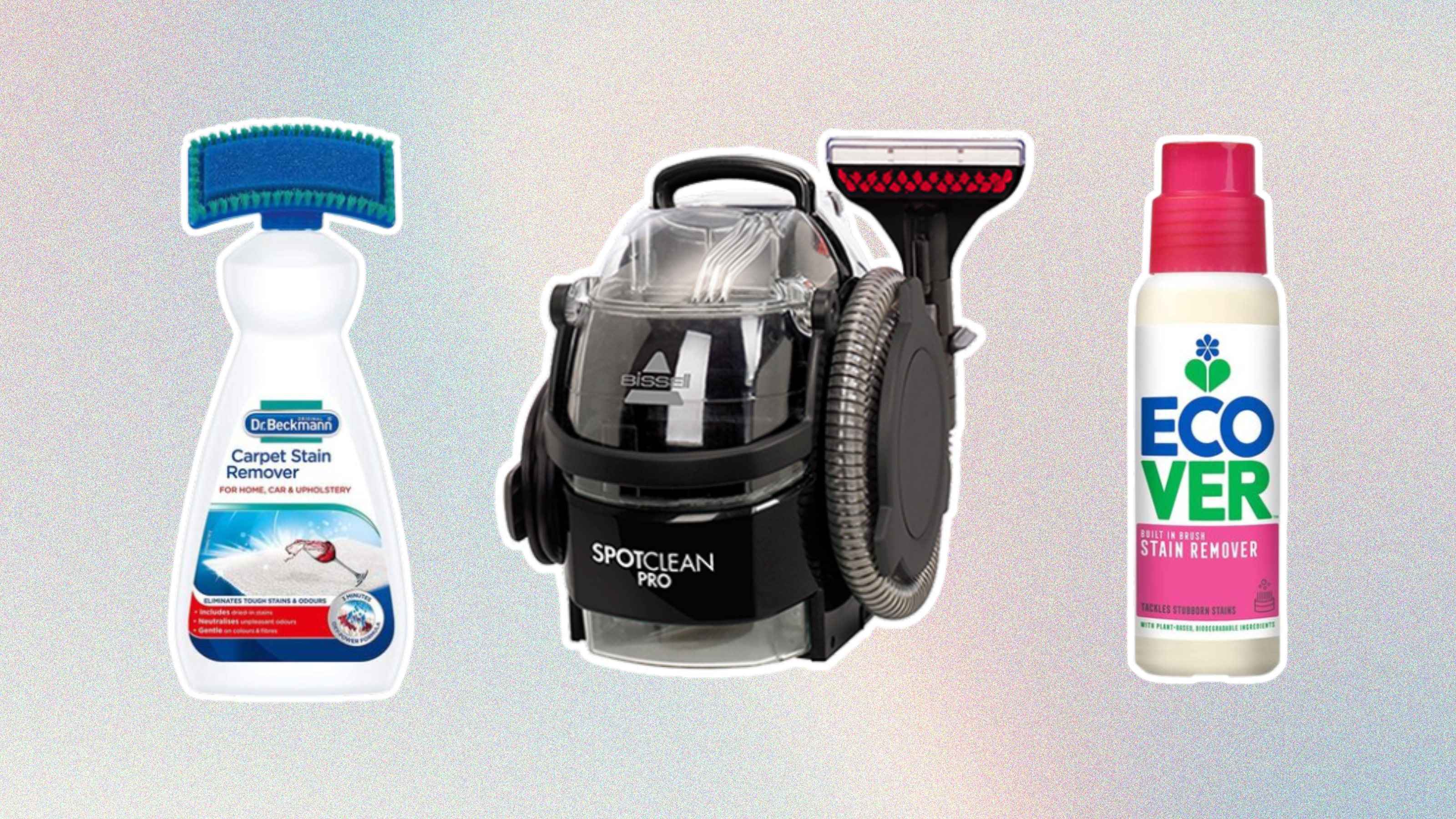
6 of the best upholstery cleaners — stain-removing solutions and machines that work
How to get stains out of almost anything

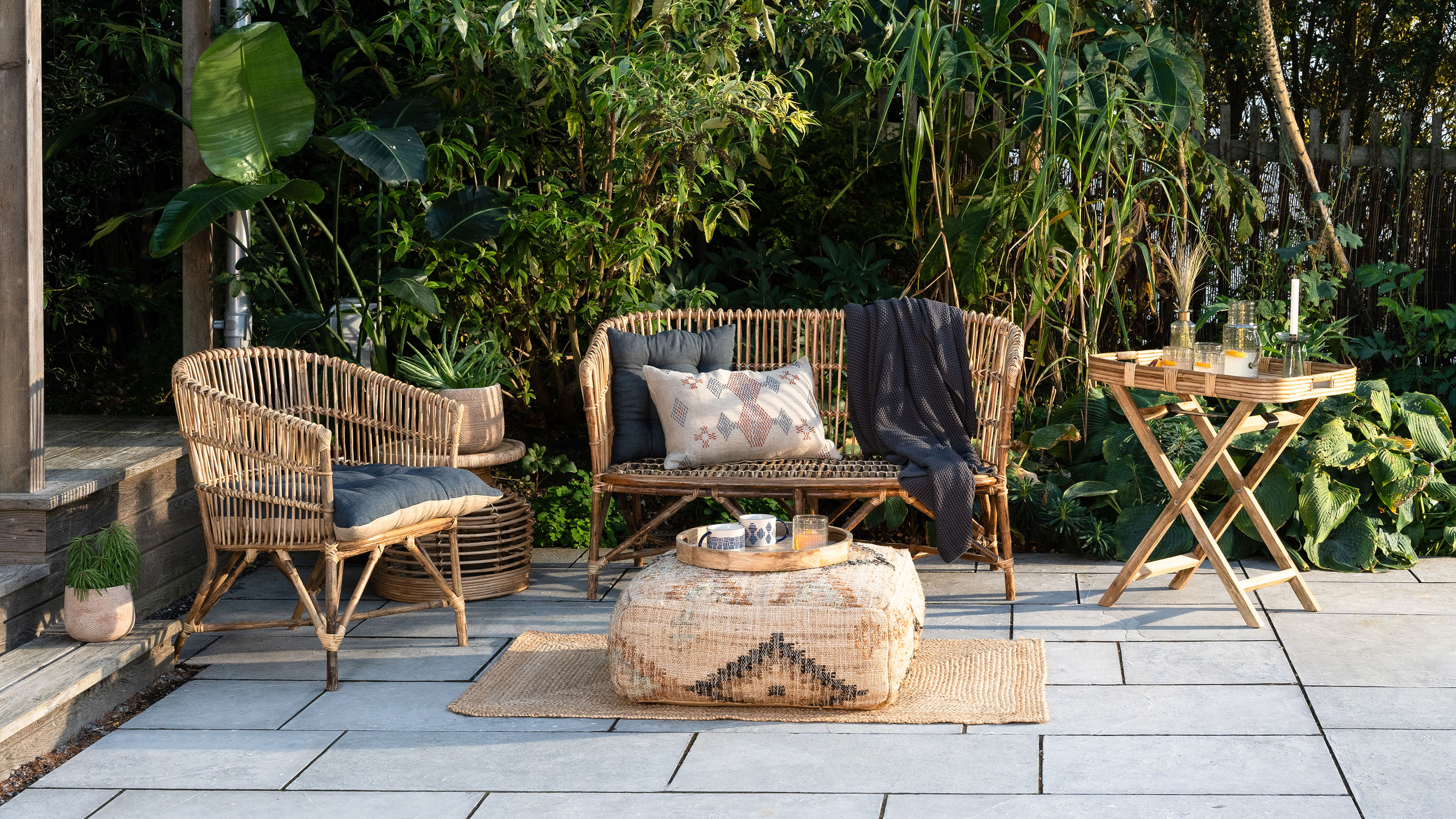
How to clean garden furniture to keep your pieces looking brand-spanking new
Mum's simple hack to remove stains from wooden furniture using a common pantry item
You need to deep clean your couch every few months — here’s how experts say to do it

How to clean a linen sofa to keep it in pristine condition – even in a busy family home

How to keep your sofa spotless this summer — 7 expert hacks for stains and spills

The Best Upholstery Cleaners for Stains, Odors, and Everyday Messes

How to Clean Water and Surface Stains on Antique Furniture