



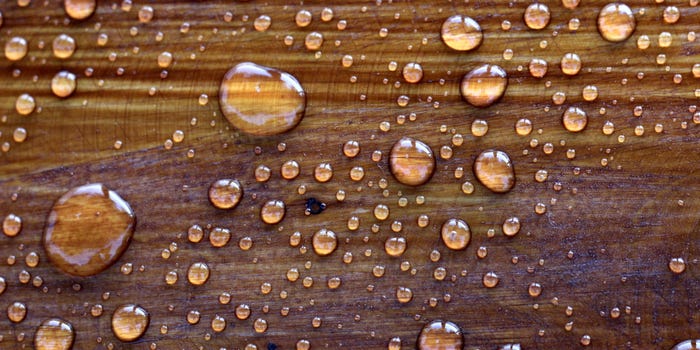
How to remove water stains from wood and keep your furniture looking great
Water stains on wood furniture and floors are a common issue, and addressing them promptly is crucial to prevent further damage. These stains occur when moisture penetrates the wood and becomes trapped beneath the surface, often from condensation or uncleaned spills. Water stains are categorized into two main types: light and dark, with their appearance indicating the severity and age of the stain. Light water stains, which appear white, cloudy, or light-colored, are newer and affect only the wood's finish or top layer. Dark water stains, presenting as deep brown or black, are older and indicate that water has seeped deeper into the wood, fostering mold growth. Consequently, dark stains are more challenging to remove than light ones.
For light water stains, several household remedies can be effective. A mixture of equal parts vinegar and water or a solution of lemon juice and water can be gently rubbed over the stain in the direction of the wood grain. Adding a teaspoon of salt or baking soda can enhance the cleaning power. If this initial approach is insufficient, white toothpaste (not gel) can be applied with a cloth and rubbed in a circular motion for up to one minute, utilizing its abrasive properties to remove the stain from the surface. Petroleum jelly or mayonnaise also work by displacing the trapped water with their oils; these substances should be applied to the stain, left for at least 15 minutes or overnight, and then wiped clean. Heat, from a hairdryer on a hot setting or an iron placed over a kitchen towel, can cause the water to evaporate, but caution is advised to prevent warping the wood. Should these home remedies fail, commercial wood cleaners and polishes, such as wood polish, wax, or ring remover solutions, can be applied, often requiring several hours to work.
Dark water stains necessitate a more intensive removal process because they involve not only trapped water but also mold growth within the wood. The primary method for removing dark stains is sanding back the wood surface. For small stains on furniture or countertops, 150-grit sandpaper can be used by hand, moving with the wood grain until the stain is reached. After sanding, a mold and mildew cleaner is essential to eliminate any mold and prevent its return. Once the area is dry, the wood can be refinished to match the rest of the piece. For larger dark stains, such as those on flooring resulting from plumbing leaks, a sanding machine may be required to remove heavy varnish. It is important to spot-test any chosen remedy in an inconspicuous area, as results can vary depending on the wood type and finish. For complex or large-scale projects, consulting a professional wood finisher or flooring expert is recommended to achieve a flawless result.
Ultimately, the effectiveness of water stain removal largely depends on how quickly the stain is addressed. Newer, lighter stains are often manageable with simple home treatments or specialized cleaning products. However, as stains age and penetrate deeper, turning dark, they demand more rigorous methods like sanding and refinishing, often requiring professional assistance to restore the wood to its original condition.
#WaterStains #WoodFurniture #HomeCleaning #DIYRemedies #WoodCare #FurnitureMaintenance #HouseholdTips #StainRemoval #WoodRestoration #WaterStains #WoodFurniture #HomeCleaning #DIYRemedies #WoodCare #FurnitureMaintenance #HouseholdTips #StainRemoval #WoodRestoration
 No comments yet