1/7
How to restore cast iron – make repairs, remove rust and paint, and refinish
Maintaining cast iron items is crucial for their longevity and to avoid wasteful replacements. Cast iron, a durable and versatile metal, is used for various items, including cookware, garden furniture, gates, and balustrades. While surface imperfections can add character, neglecting maintenance can lead to rust and deterioration. Many items made from cast iron are part of architectural heritage, and their robustness is often deceptive without proper upkeep.
Before undertaking any restoration, it is important to correctly identify whether an item is cast iron, wrought iron, or steel. Cast iron items are typically mass-produced and were historically joined by nuts and bolts or interlocking parts. Wrought iron, a malleable alloy, was traditionally worked by hand and used for architectural elements. Cast iron is more brittle but easier and quicker to produce than wrought iron.
The restoration process for old cast iron depends on its value, purpose, finish, and the extent of damage. Flaking paint or surface rust on an otherwise sound piece can be readily addressed. However, repairing broken or missing elements might be more complex or impossible. Fractures due to impact or casting flaws can be difficult and uneconomical to repair. While a proficient welder might be able to reattach a detached section, cold stitching is often considered the best repair method, especially for repetitive sections like railings, by specialist firms who can recast components from original moulds. If significant repairs are needed or the item is valuable, consulting an expert is recommended.
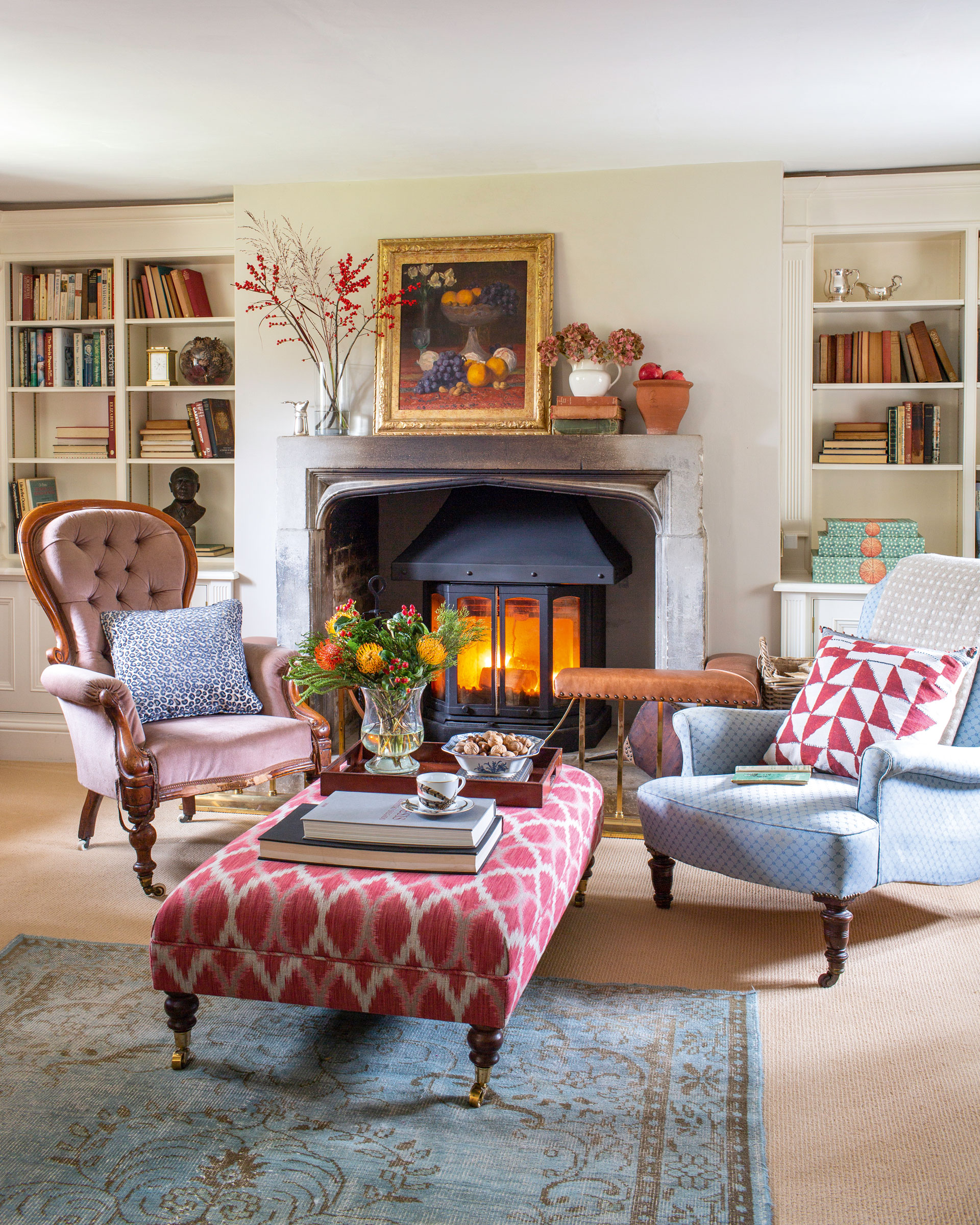
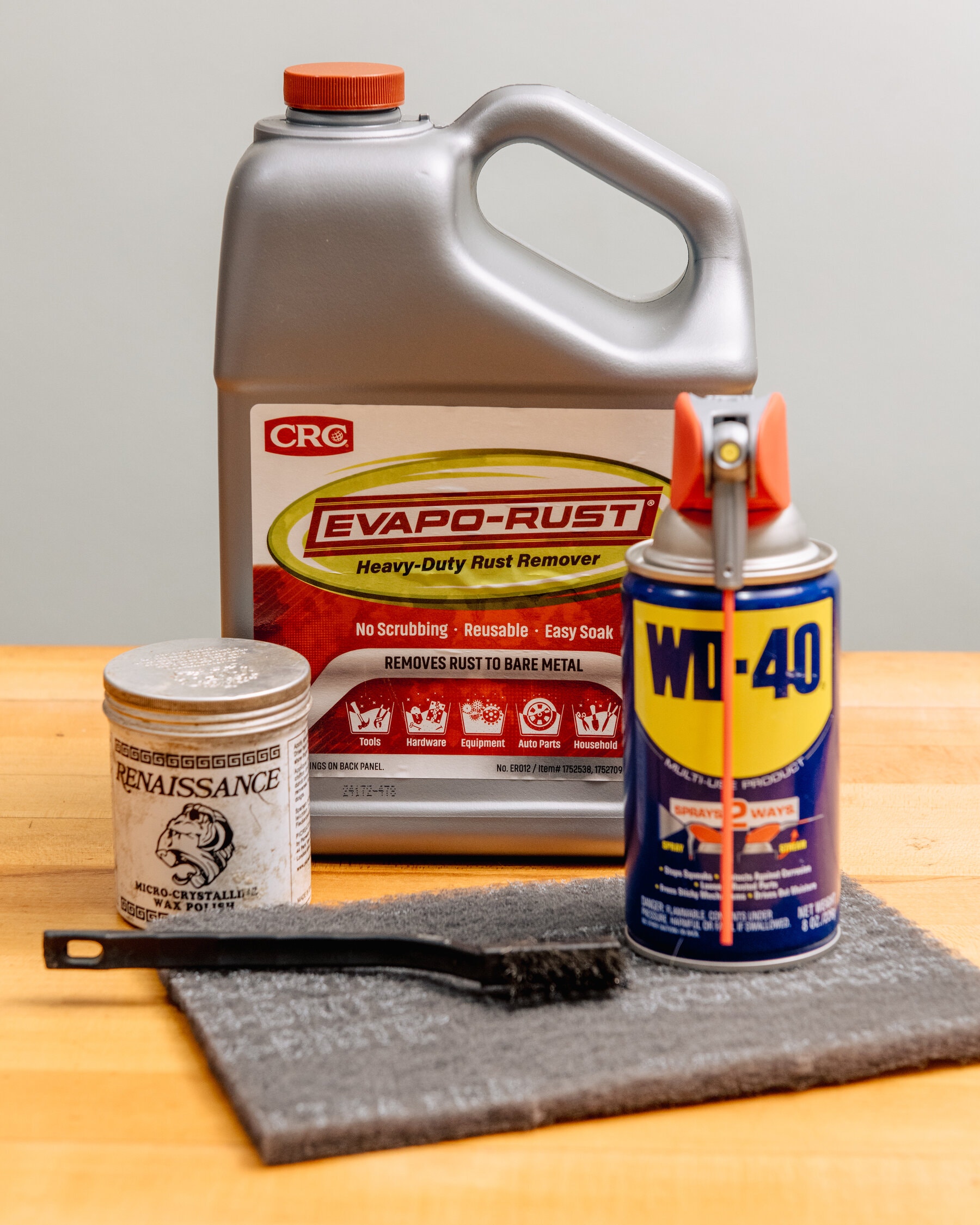
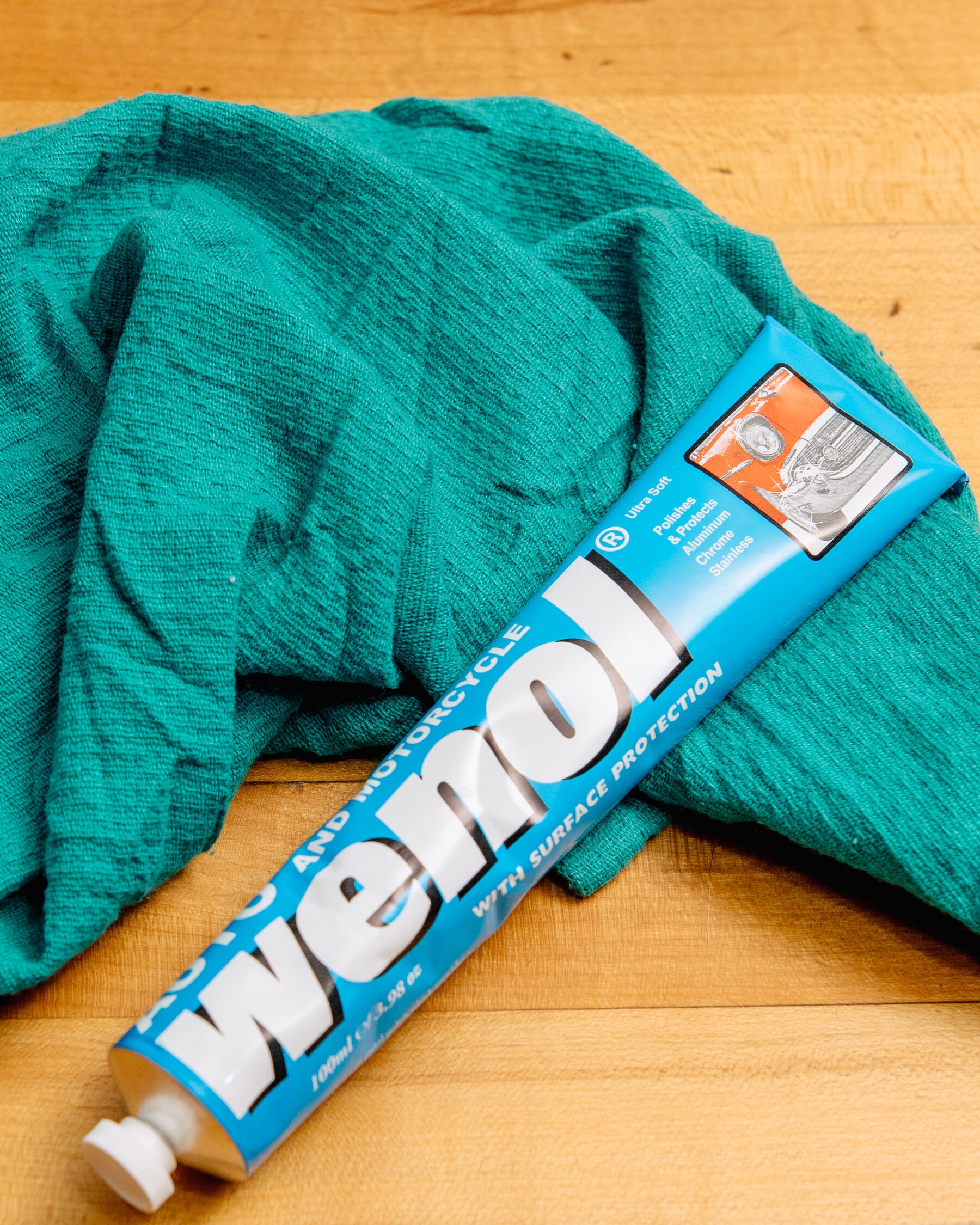
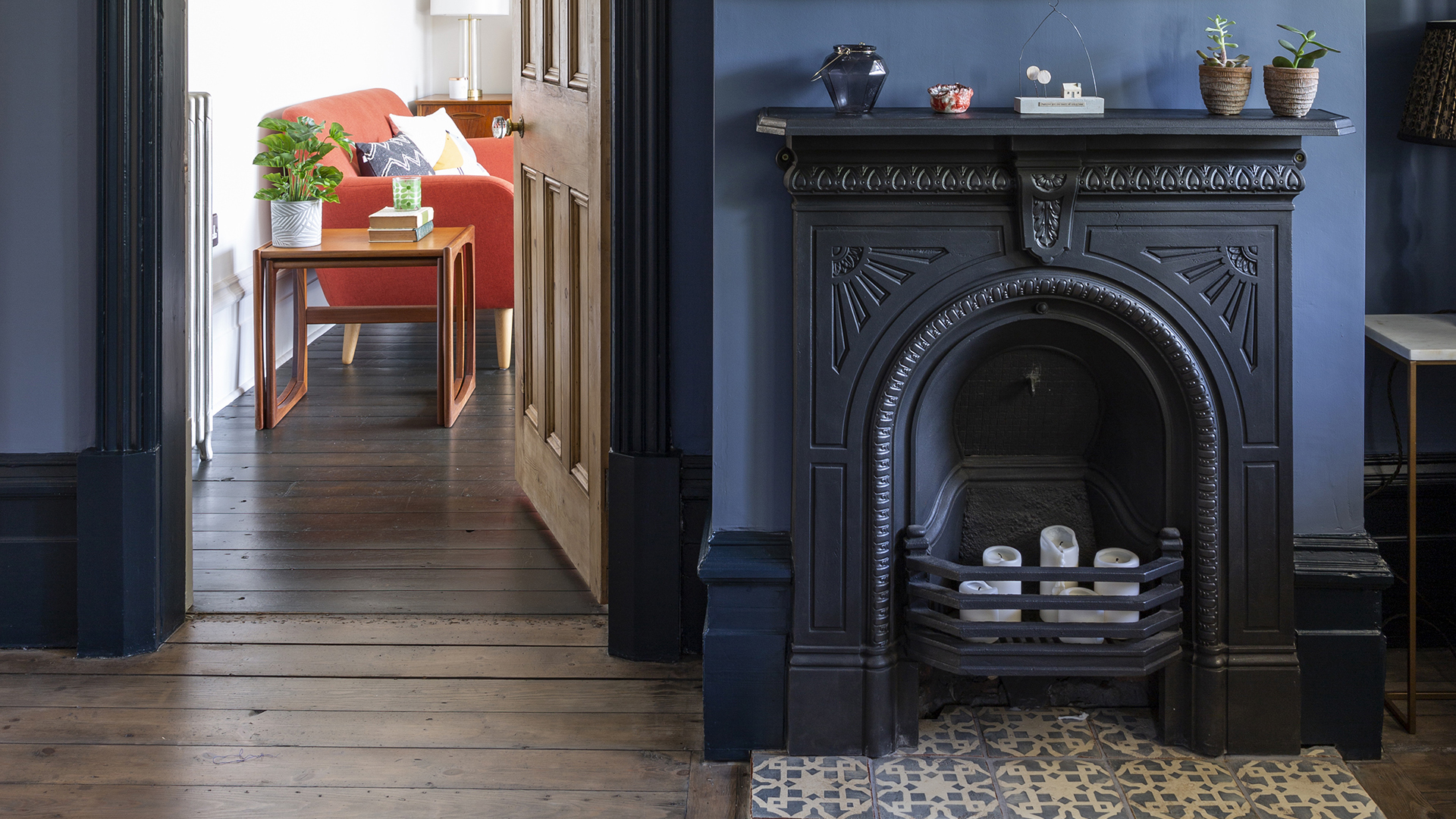
Restoring a cast iron fireplace often involves addressing damaged or flaking paintwork. Paint stripper, carefully applied according to instructions, is used to remove old paint, ensuring no blowtorches are used due to the risk of releasing lead or damaging the fireplace. Rust patches can be removed with medium-grade steel wool. The surface should then be primed with fine wire wool and allowed to dry completely before applying paint, polish, or paste.
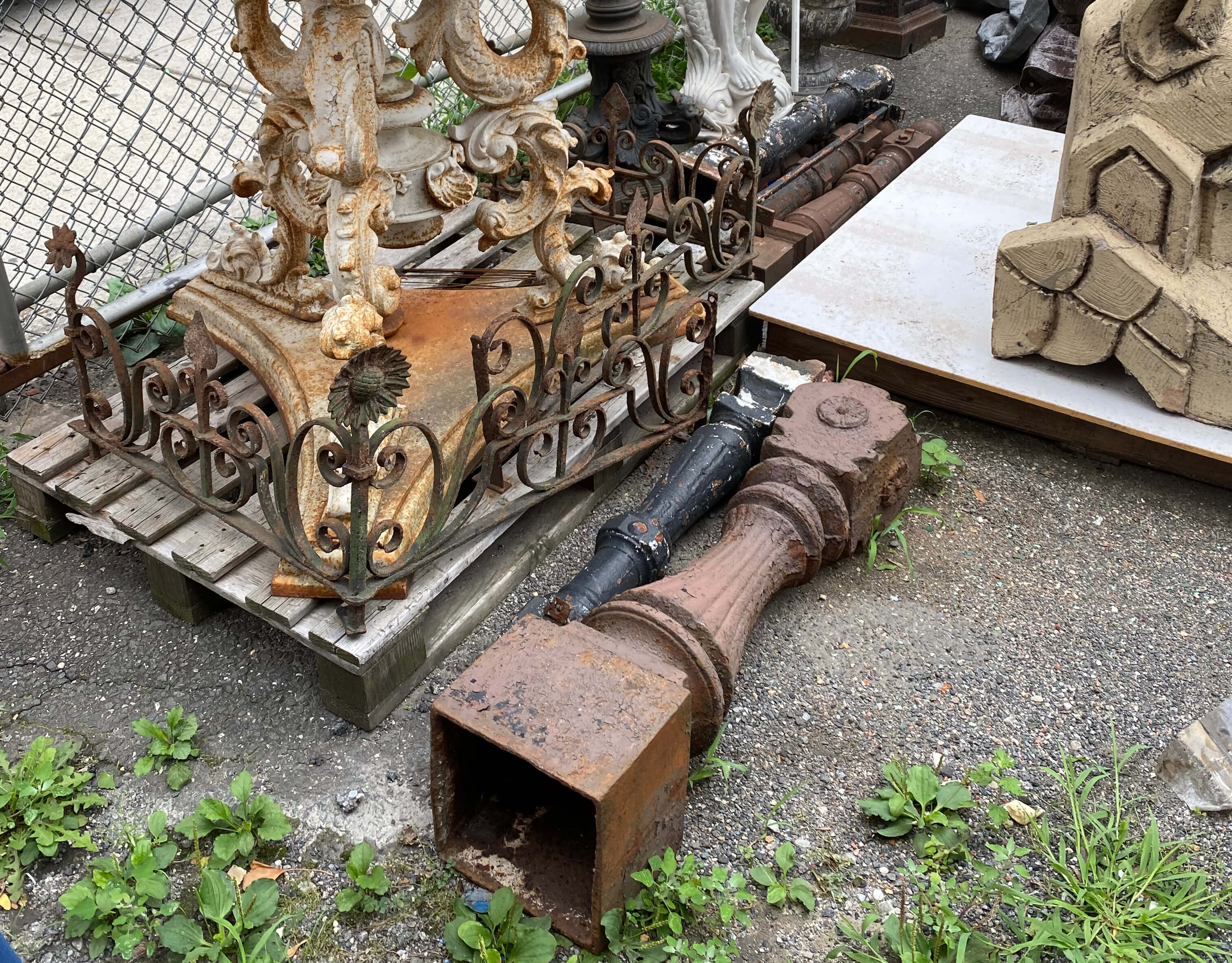
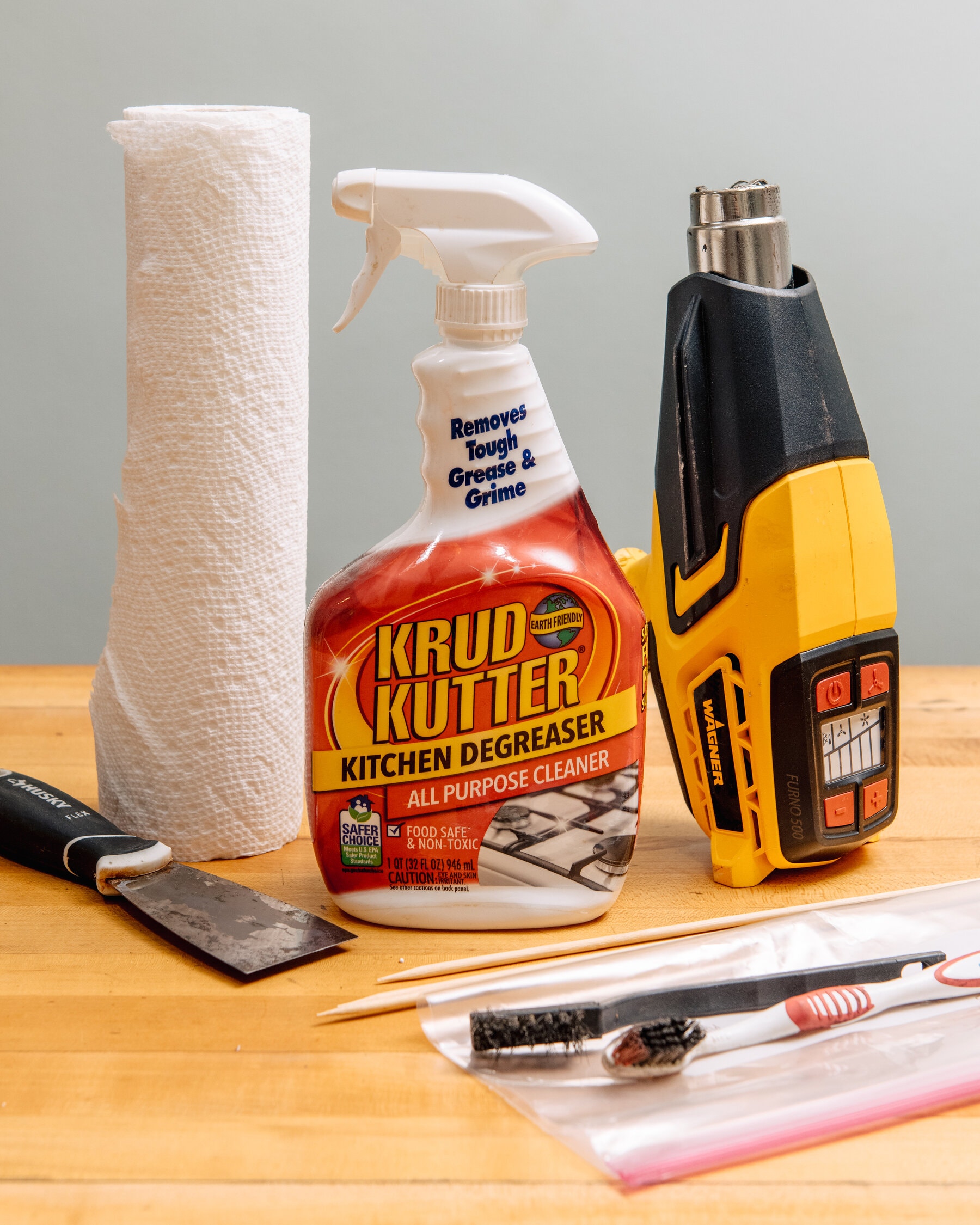
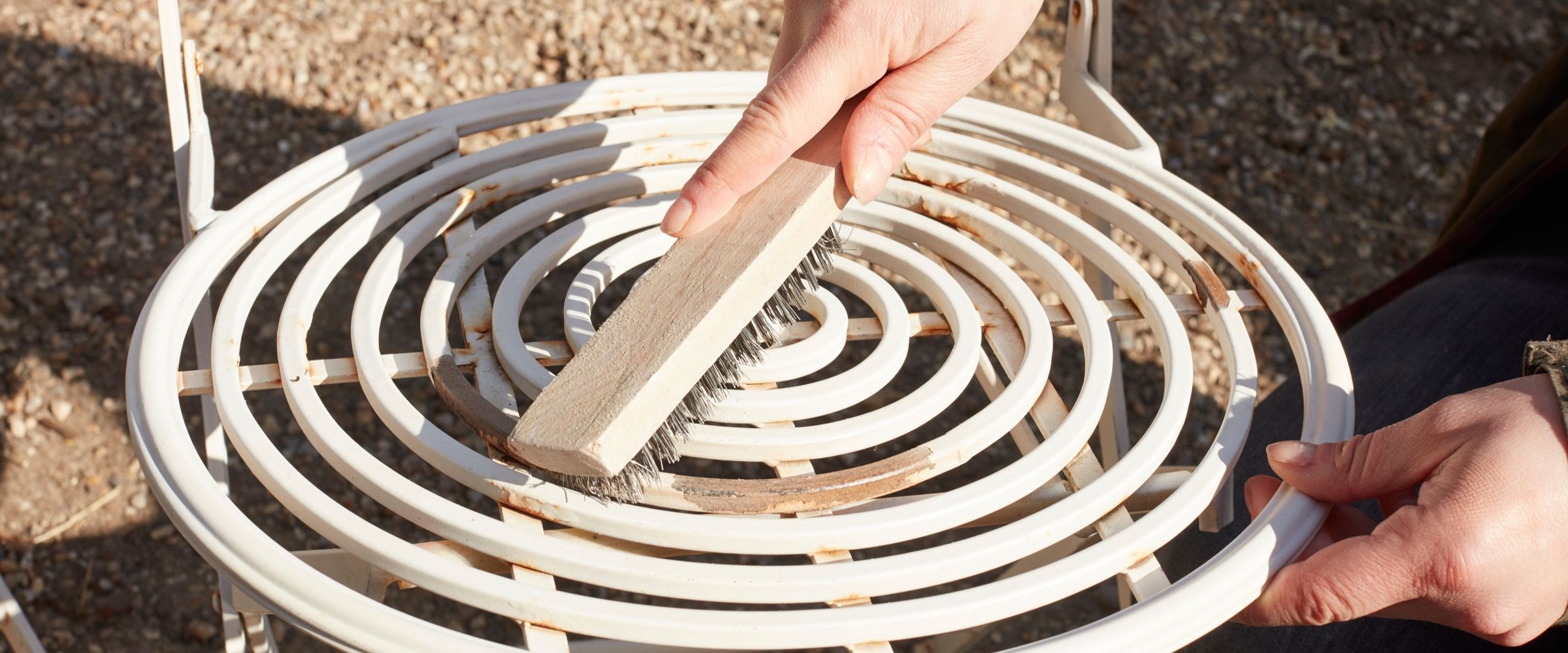
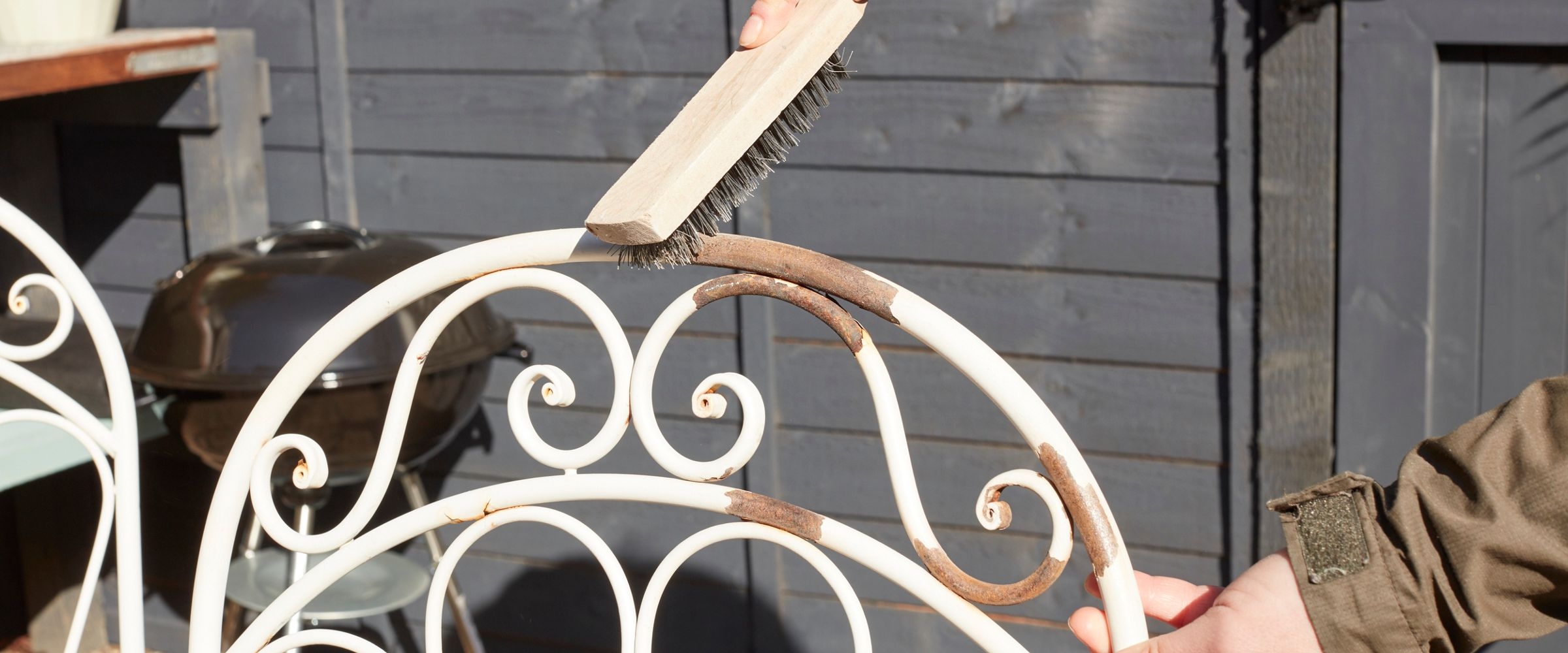
Cast iron garden furniture, exposed to the elements, often requires attention due to flaking paint, rusty bolts, and grime. Rusty bolts should be removed and replaced, using release oil and gentle tapping if necessary, but caution is advised due to cast iron's brittle nature. Cleaning involves removing algae with a fungicidal wash or bleach, followed by a thorough wash with water. Flaking paint should be removed with a steel brush, and powdery coatings on exposed metal should be treated with a sanding block and wet/dry abrasive paper to create a stable base for new paint. After cleaning with hot soapy water and complete drying, a primer and paint can be applied.
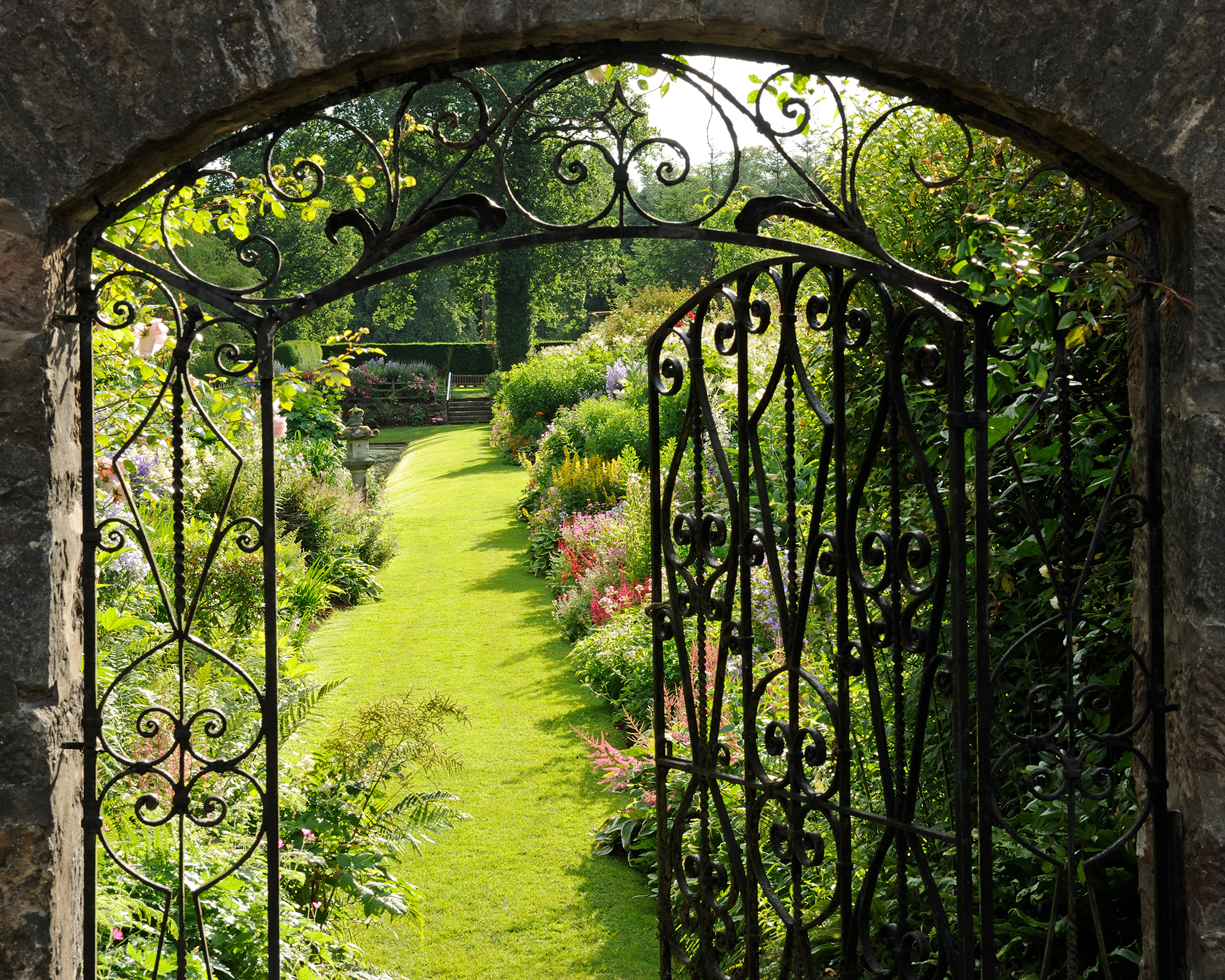
Restoring cast iron gates and railings, which contribute significantly to a home's curb appeal, may involve stripping off all original paint if there is a heavy build-up or extensive rust. Chemical paint strippers are used, or industrial stripping for removable items. For less severe flaking, loose paint is removed with a metal scraper, rust with a steel brush and steel wool, and edges feathered with abrasive paper. After cleaning and ensuring the metal is dry, rust remover, metal primer, and two coats of fresh paint are applied.
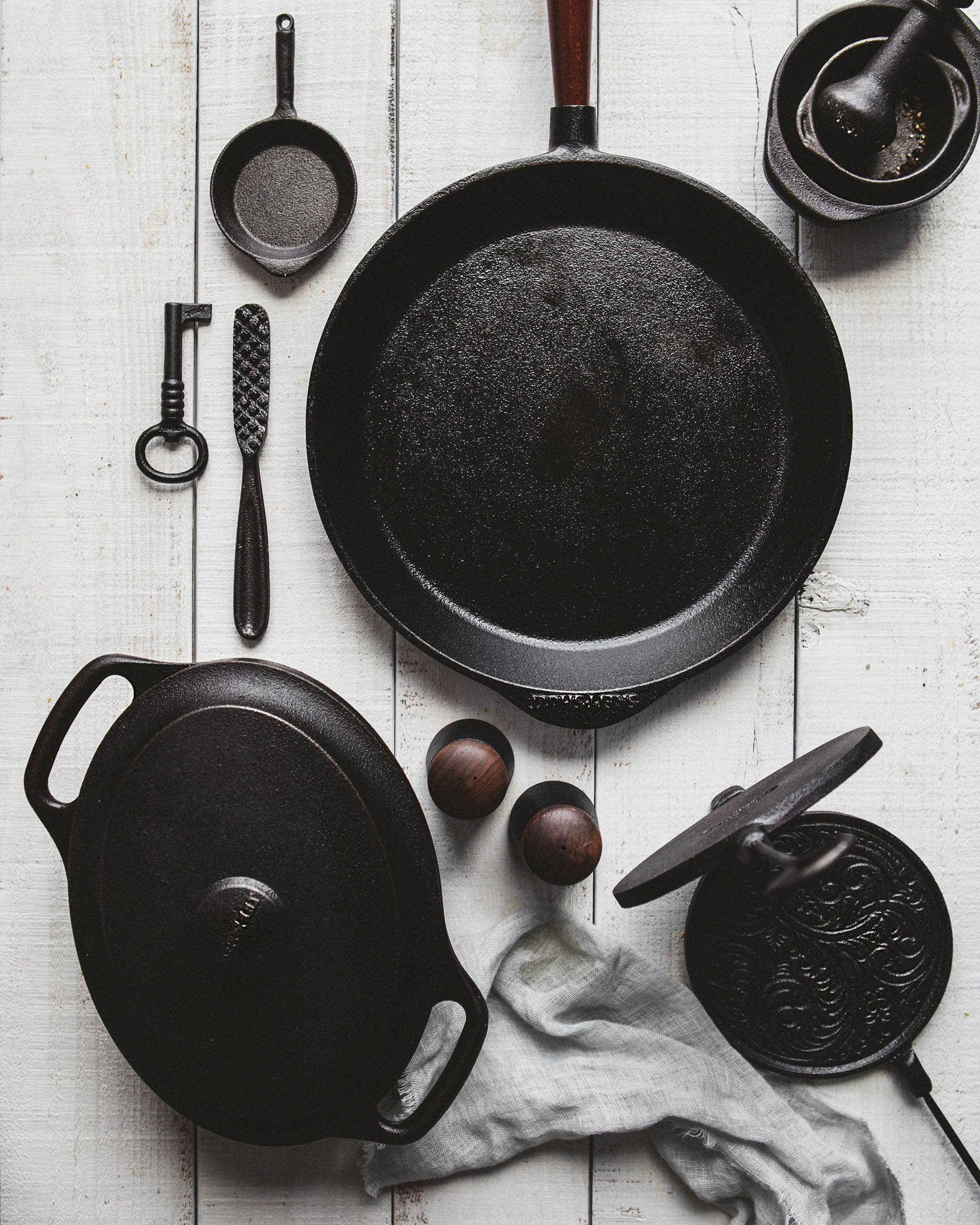
For cast iron pans and skillets that have lost their seasoning and developed rust, restoration is possible. Rust can be removed with steel wool or fine sandpaper, or by soaking in an equal mixture of white vinegar and water. Once the rust is gone, the pan is thoroughly washed, dried completely, and then reseasoned. Seasoning involves applying a thin coat of oil and baking the pan upside down in a hot oven for an hour, then allowing it to cool completely.
#CastIronRestoration #HomeMaintenance #DIYHomeRepair #FireplaceRestoration #GardenFurnitureCare #MetalWork #HistoricHome #CookwareCare #RustRemoval #CastIronRestoration #HomeMaintenance #DIYHomeRepair #FireplaceRestoration #GardenFurnitureCare #MetalWork #HistoricHome #CookwareCare #RustRemoval
 No comments yet
How to clean cast iron – remove rust, reseason and refinish
How to Remove Rust Stains From Quartz Countertops, Straight From a Cleaning Pro


Repairing Our Stoop and Historic Ironwork
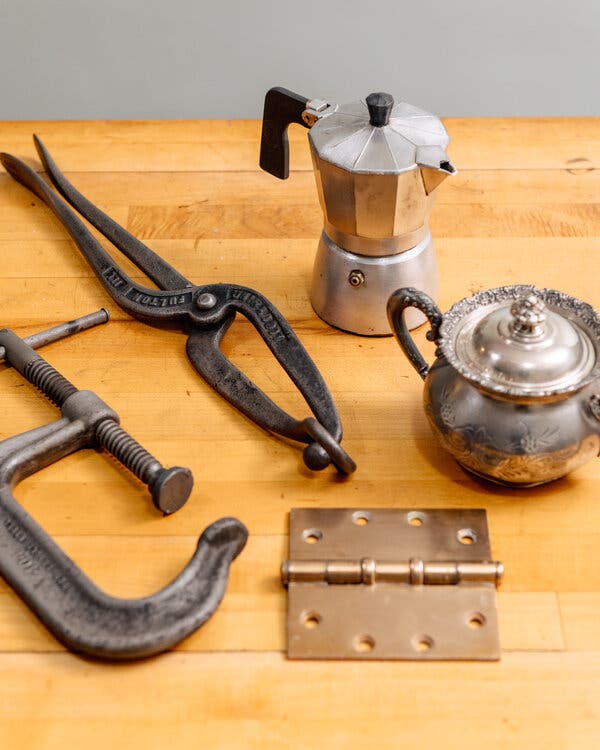
Time to Shine: Let’s Restore All Your Rusty Metal

Commonly-Stained Kitchen Surfaces—And How to Make Them Look Brand New Again

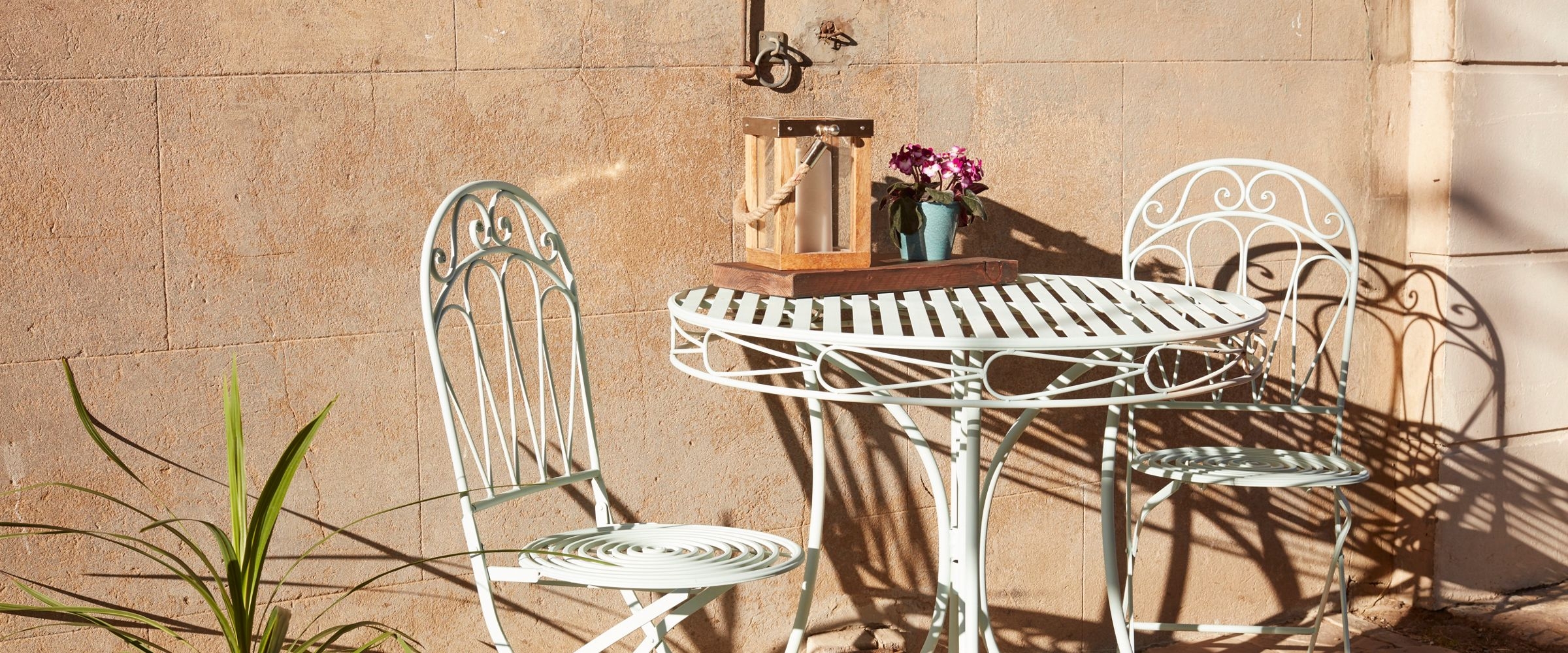
Metal furniture makeover