We've All Been Cleaning Our Countertops the Wrong Way—Here's What Experts Recommend
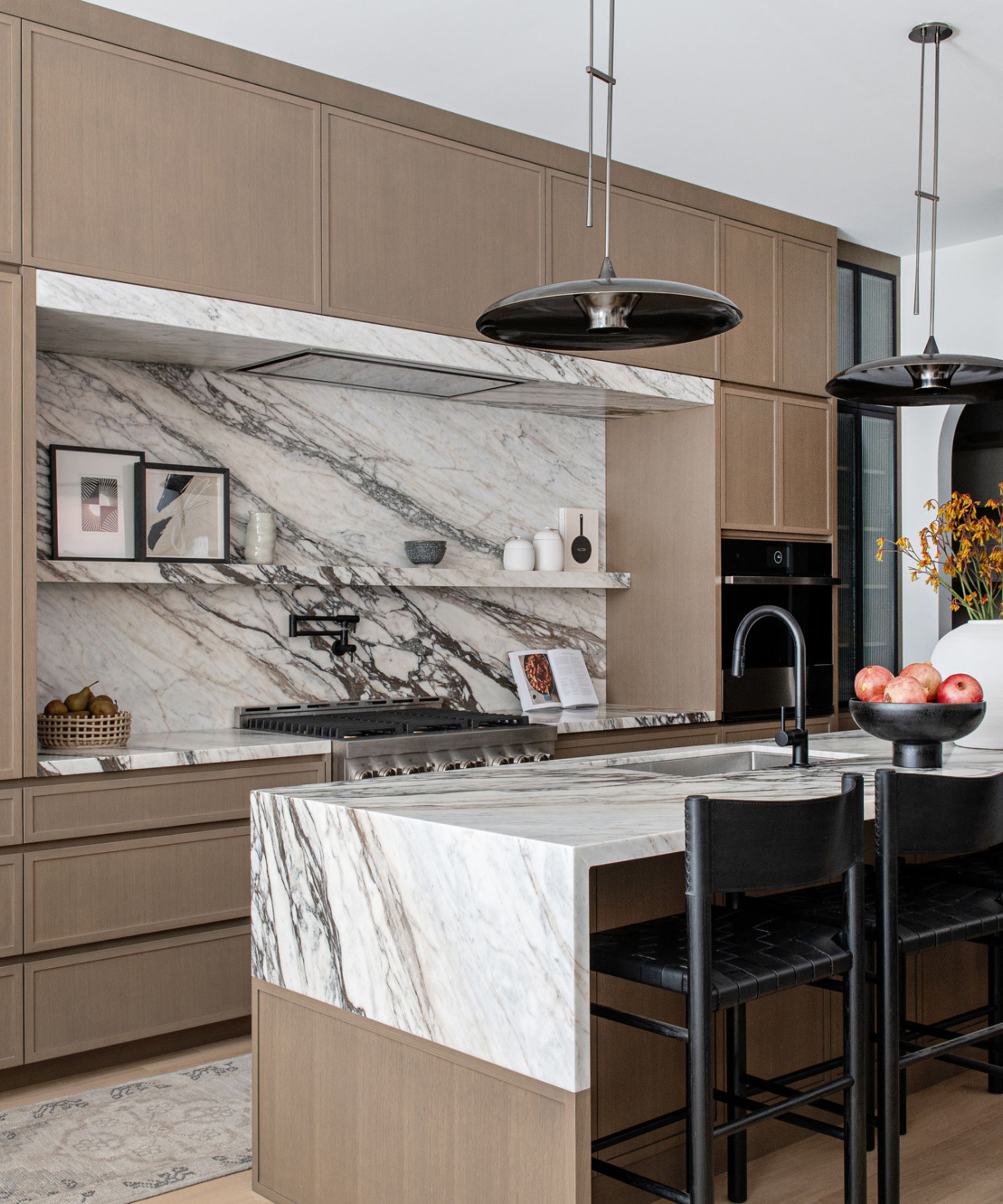
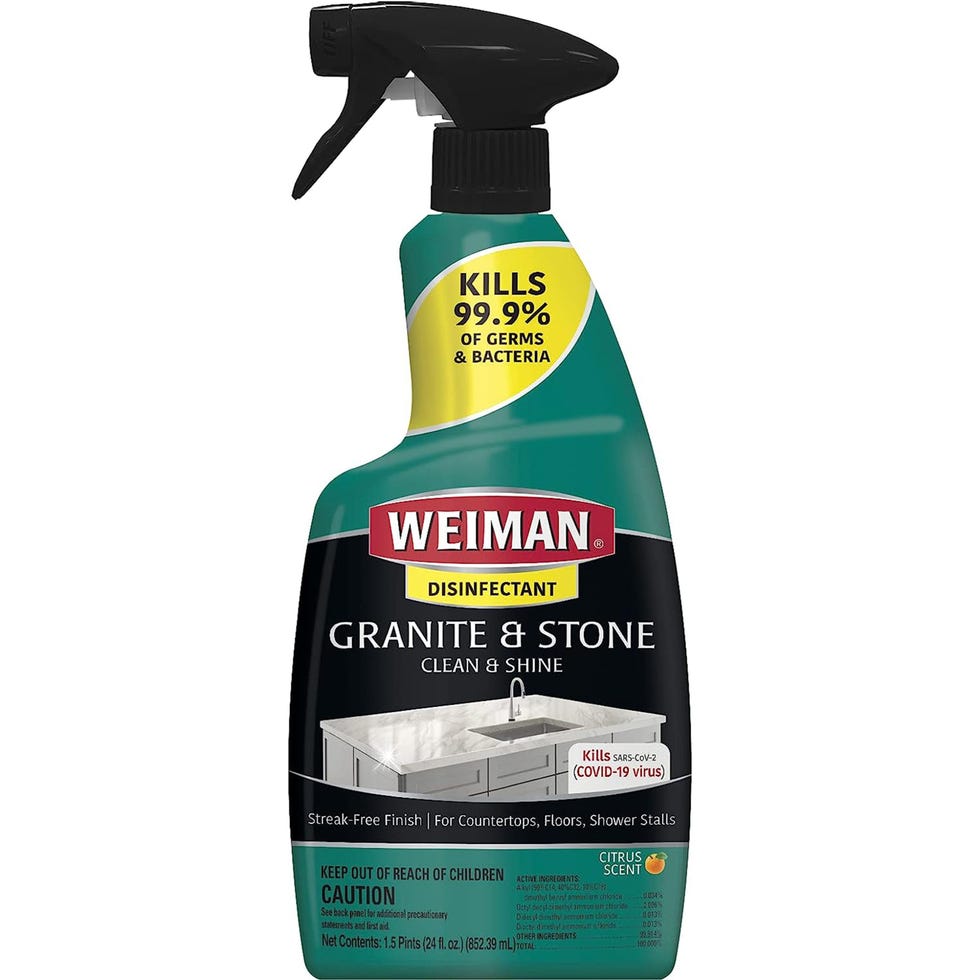
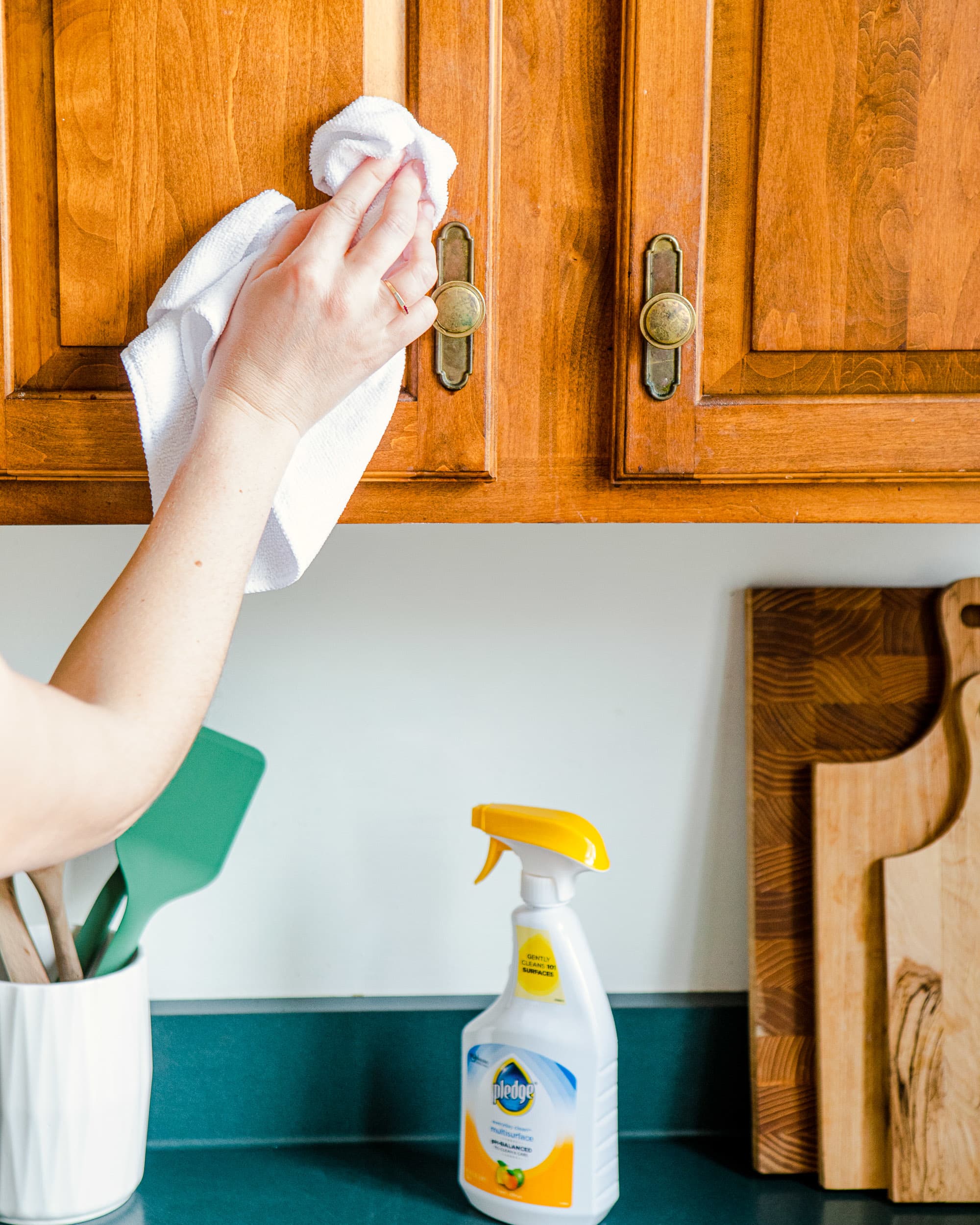
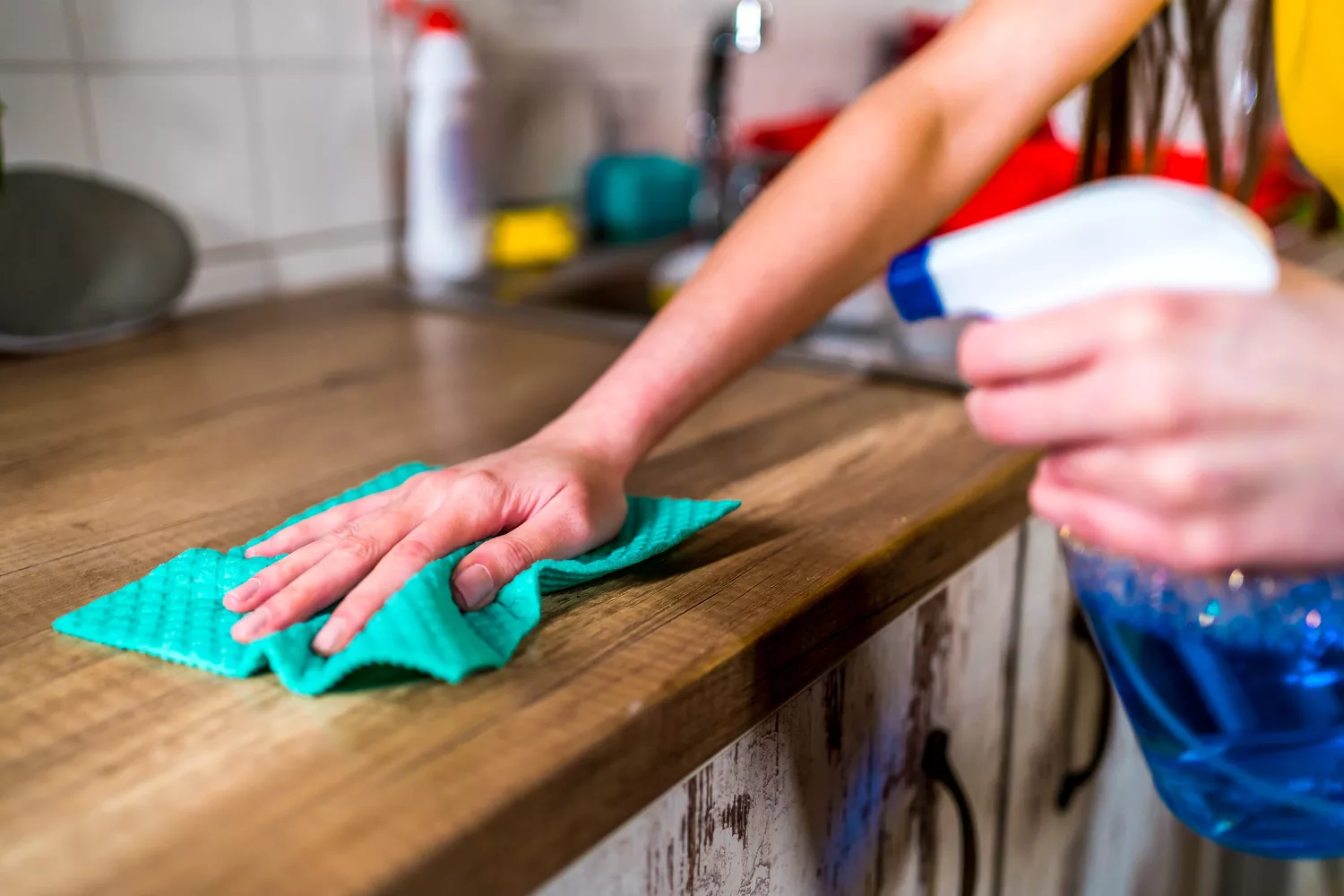
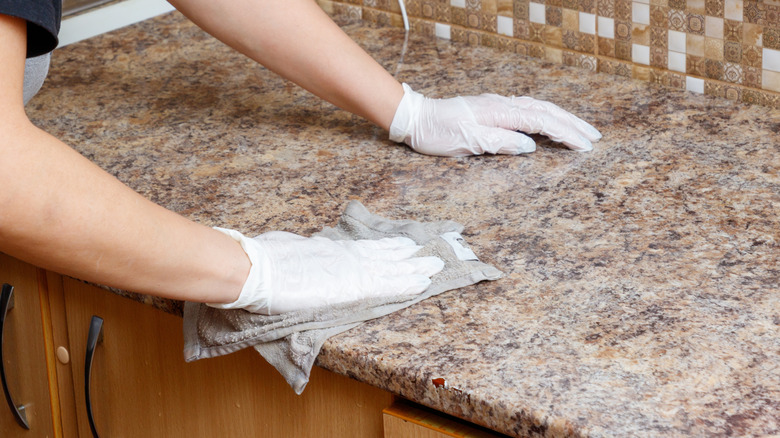
Many common household cleaning practices for countertops, particularly the use of disinfectant wipes, may not be food-safe, potentially leaving chemical residues on surfaces where food is prepared. Disinfectant wipes from brands like Clorox and Lysol often contain high concentrations of chemicals, such as chlorine, that are not intended for direct contact with food. These products are primarily designed for general disinfection and not for food contact surfaces. If these wipes are used on kitchen counters, it is crucial to wipe the surface thoroughly with potable water afterward to remove any residual chemicals.
The specific instructions for use are vital, as chemical concentrations and food-safety ratings can vary significantly between products. Some manufacturers offer bleach-free alternatives that may be suitable for surfaces that come into contact with food, but even then, careful reading of the label is necessary to ensure proper use and safety. The regulations for cleaning in commercial food service facilities are much stricter than those typically followed in homes, emphasizing the importance of using food-grade products and adhering to manufacturer guidelines.
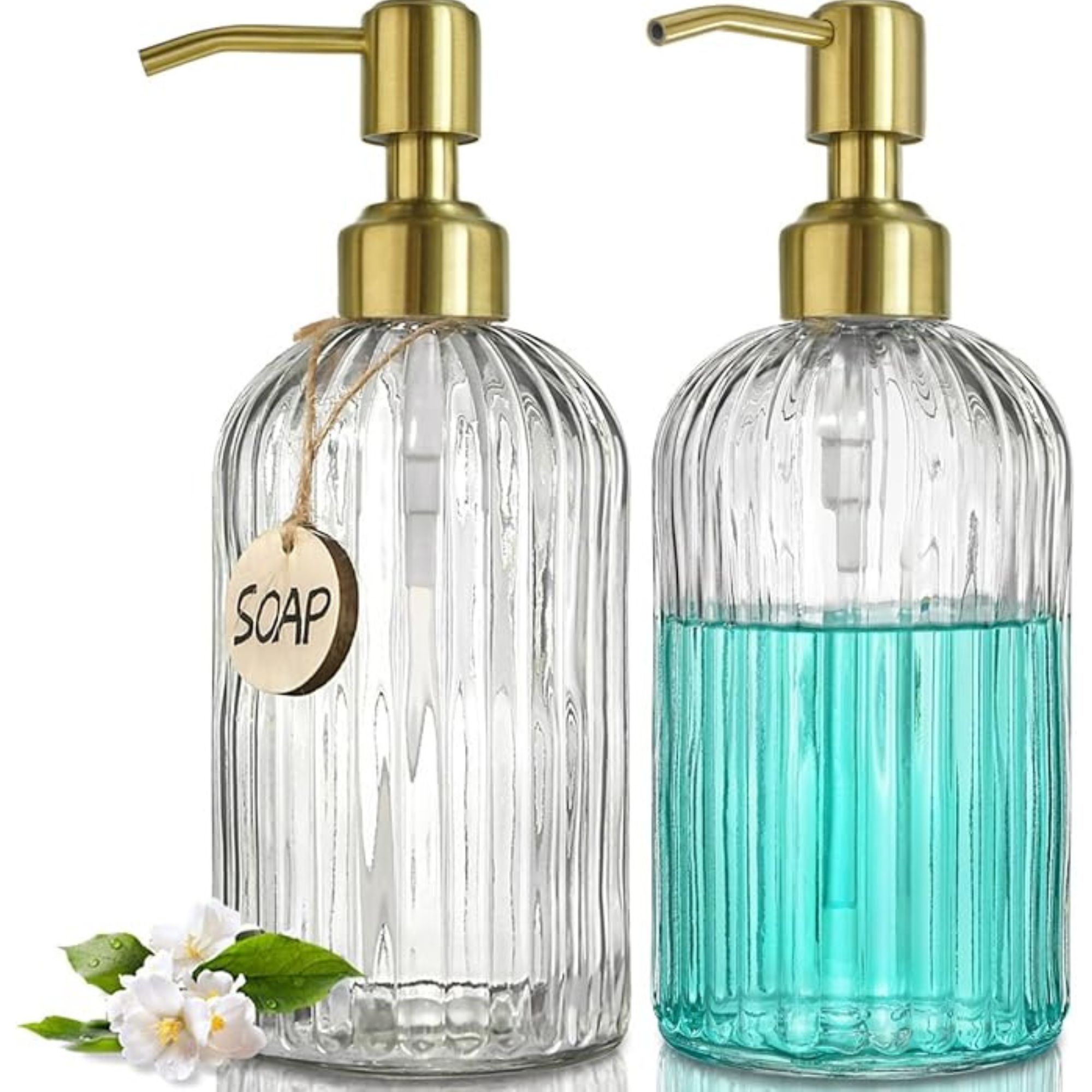
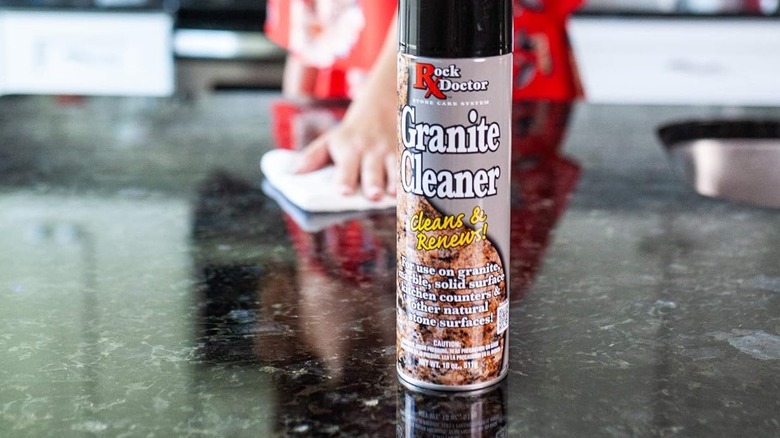
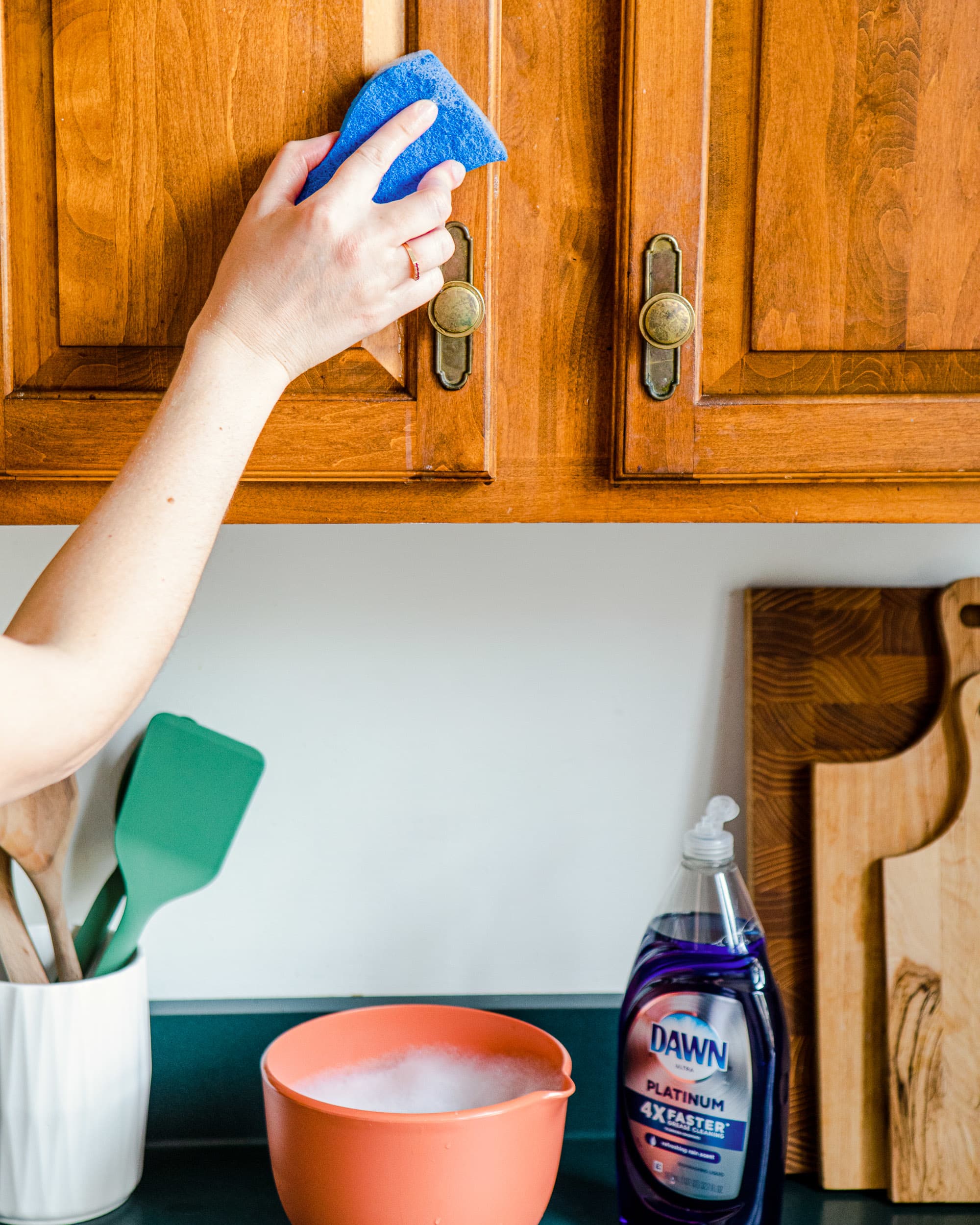
Beyond food safety, certain ingredients in cleaning wipes can damage the sealants on various types of countertops, leading to premature wear or discoloration. Therefore, while disinfectant wipes are effective for occasional deep cleaning, they should not be the go-to solution for daily maintenance. For everyday cleaning, a simple and safe alternative is a spray bottle containing water and a few drops of dish soap, which effectively cleans without leaving harmful residues.
For more robust disinfection, alternatives like diluted 70% rubbing alcohol or 3% hydrogen peroxide are often suggested. However, it is essential to note that regular household versions of these products may contain additives that are not food-safe. To ensure safety, only food-grade isopropyl alcohol or hydrogen peroxide should be used on food contact surfaces. These food-grade versions must be properly diluted according to instructions, and the surfaces should always be rinsed thoroughly with potable water before any food preparation occurs. Adherence to local regulations and proper sanitation procedures is always recommended.
Ultimately, the key takeaway is the importance of carefully reading product labels for cleaning instructions and food-safety advisories. While convenience often leads to widespread use of disinfectant wipes, understanding their limitations and potential risks for food preparation areas is crucial. Incorporating a post-disinfection rinse with water, or opting for food-safe cleaning agents like diluted isopropyl alcohol or hydrogen peroxide followed by a thorough rinse, ensures both cleanliness and safety in the kitchen. For daily cleaning, a mild soap and water solution is often the most appropriate and safest choice.
#CountertopCleaning #FoodSafety #KitchenHygiene #DisinfectantWipes #HouseholdCleaning #CleaningTips #HomeMaintenance #FoodGradeCleaners #CountertopCleaning #FoodSafety #KitchenHygiene #DisinfectantWipes #HouseholdCleaning #CleaningTips #HomeMaintenance #FoodGradeCleaners
Há 0 comentários no total
 Ainda não há comentários
Você também pode gostar
You're cleaning your bathroom floor wrong, experts warn – here's how to get it right

How to organize bathroom countertops for good, according to the pros

Our Pros Swear By These Kitchen Countertop Cleaners

The One Cleaning Product That’s Ruining Your Countertops, Experts Warn

5 cleaning myths that will damage your countertops – and what to do instead
Bathroom organizing mistakes – experts explain where you're going wrong and how to fix it
5 Bathroom Cleaning Mistakes Even The Tidiest People Make
Are these mirror cleaning mistakes ruining your shine? Professional cleaners reflect on what we're doing wrong
You're Styling Your Kitchen Countertops All Wrong—Here's How to Get It Right, According to Experts


How to Clean Every Type of Kitchen Countertop

5 things not to put on your bathroom countertops, according to interior designers
I Just Discovered a Brilliant 2-Minute Cabinet Cleaning Trick (It Was Hiding in My Pantry!)
The Right Way To Clean Quartz Countertops, According To Experts
5 kitchen countertop mistakes designers warn to avoid
5 Bathroom Vanity Countertops Experts Avoid

Experts warn against these 6 bathroom flooring mistakes - what to do instead
How to Properly Clean Quartz Countertops — And the Products You Should Never (Ever) Use
Experts reveal the kitchen worktop mistakes to avoid - ignore at your peril
The Best Quartz Countertop Cleaners According To Reviews

The Right Way to Clean Quartz Countertops