1/4
This Is the Most Optimal Place for an Open Shelf in Your Kitchen
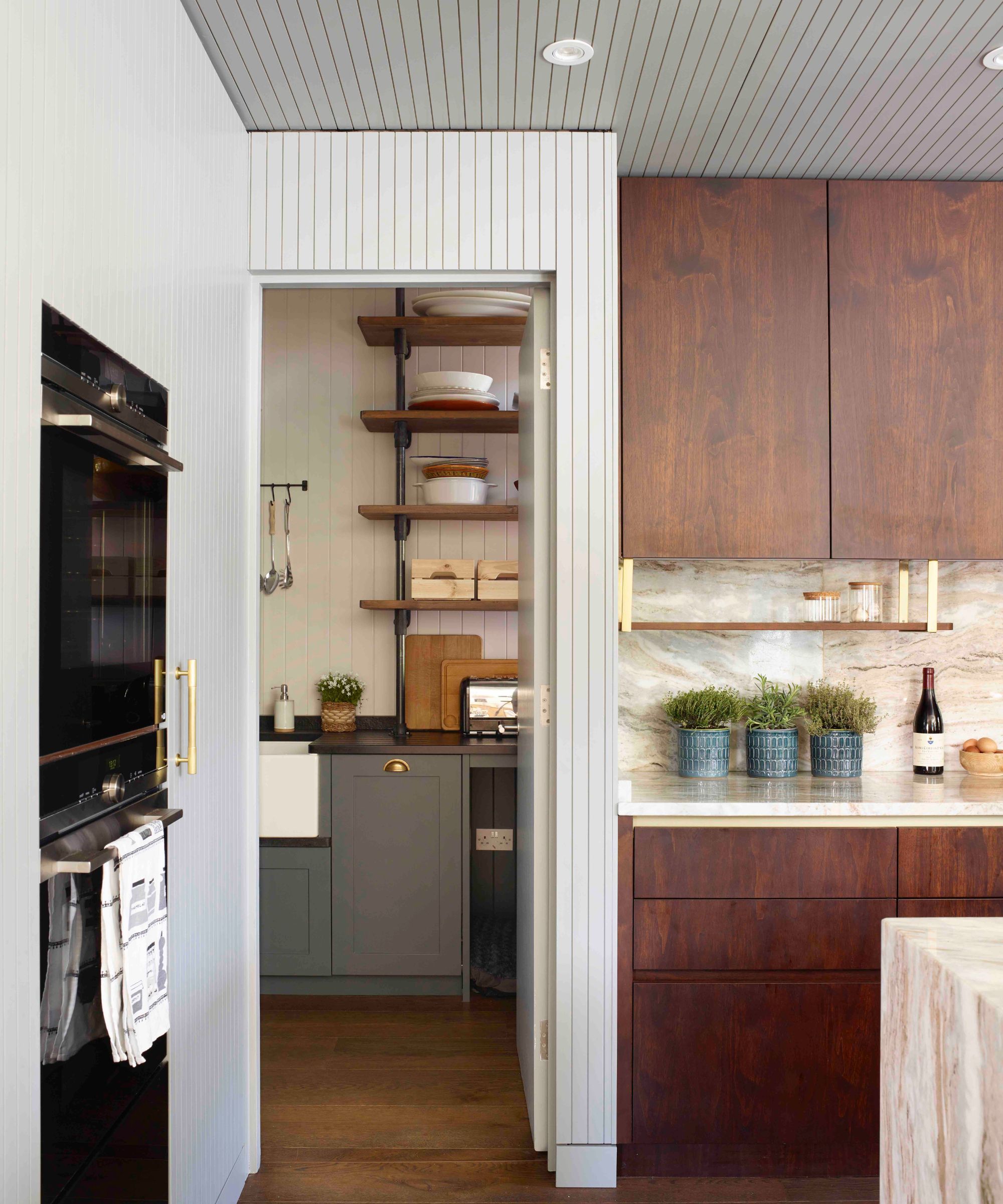
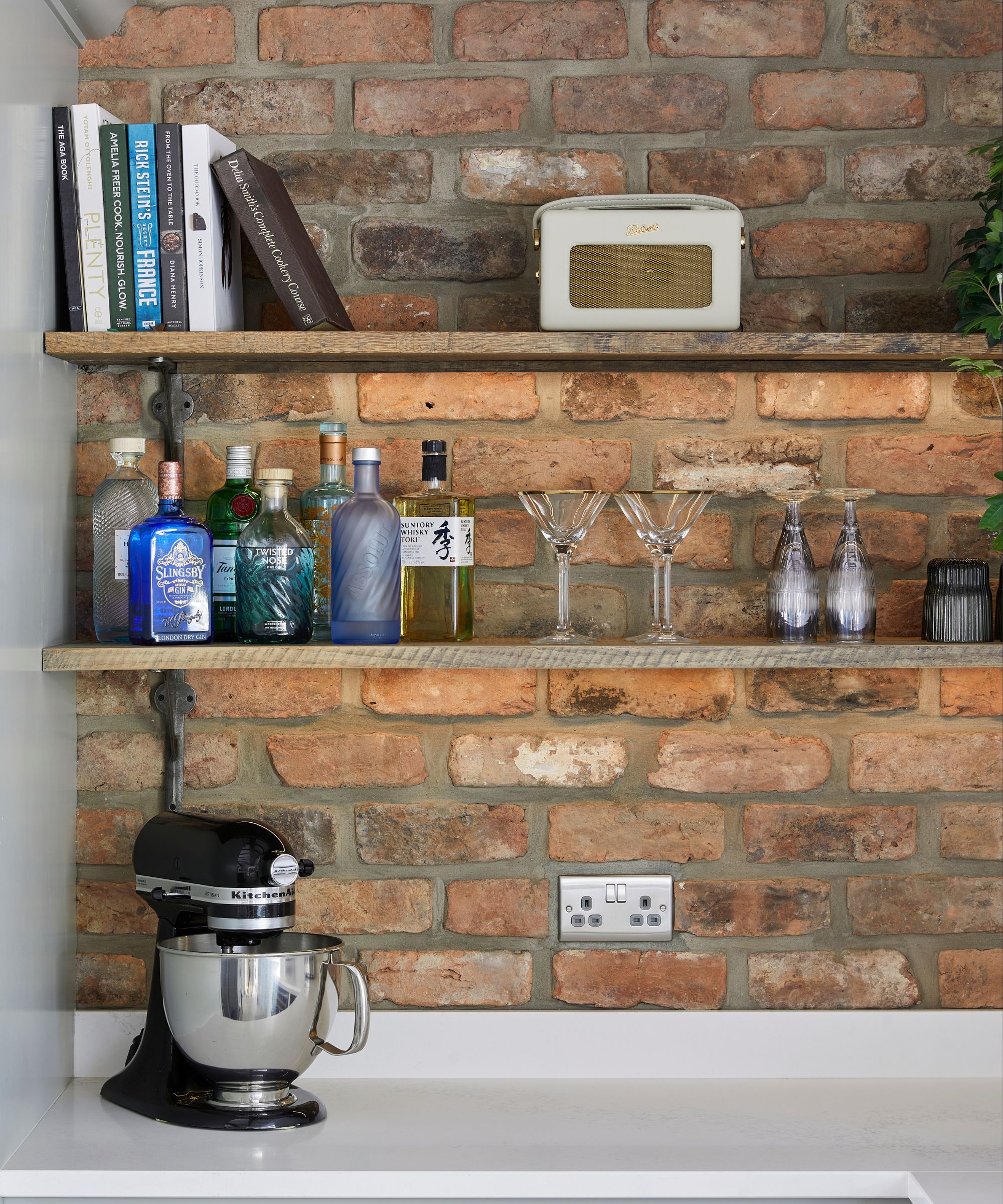
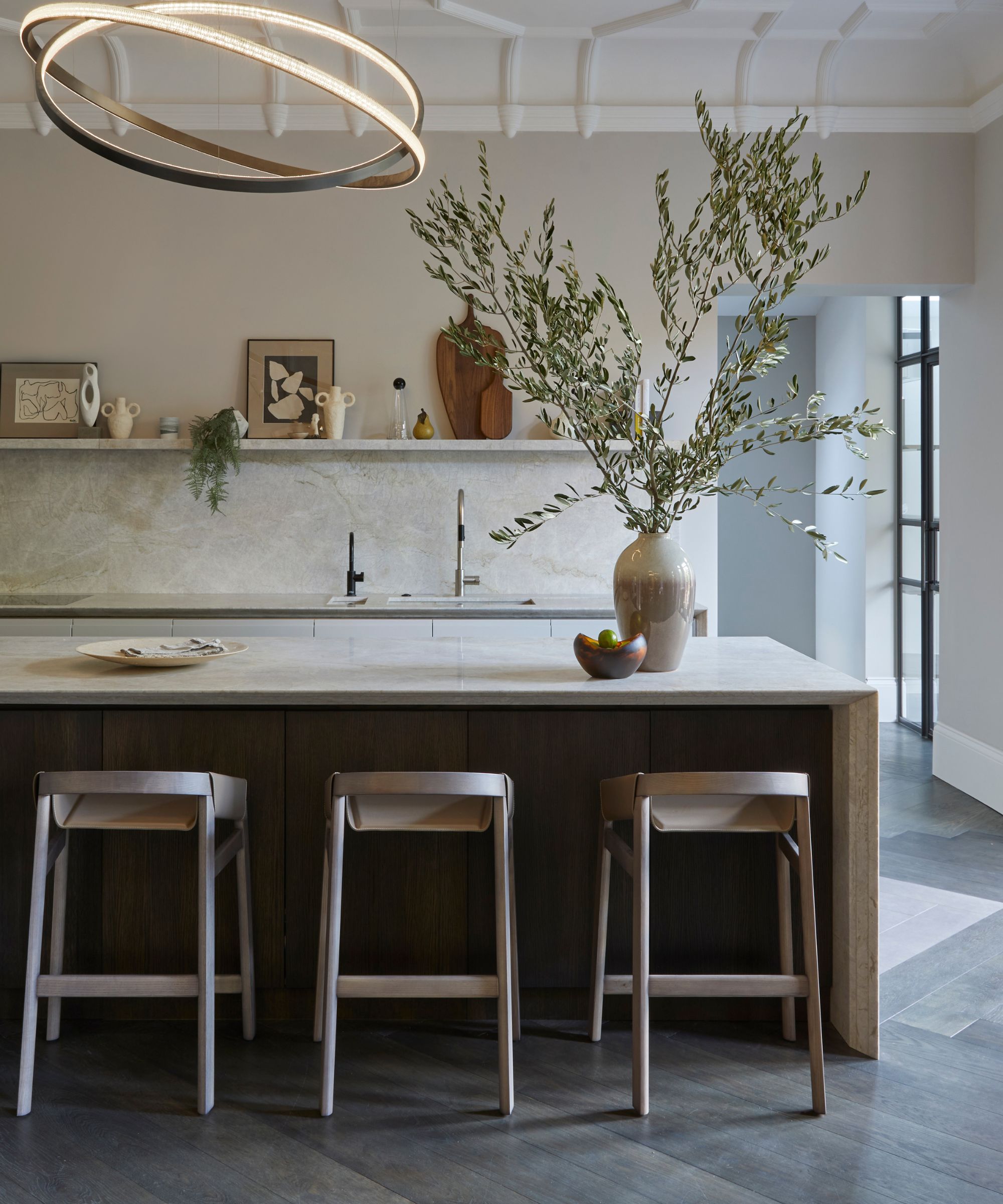
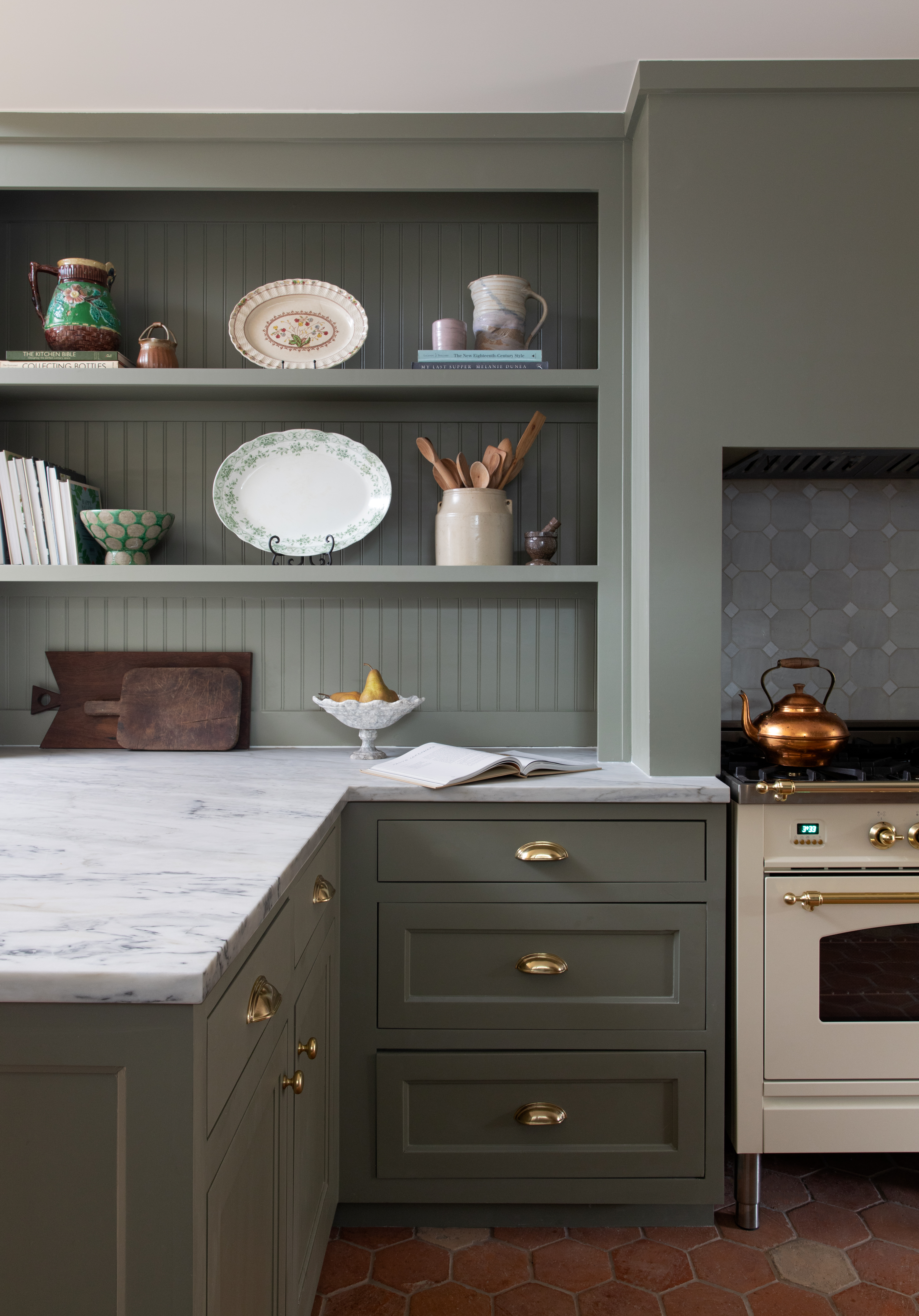
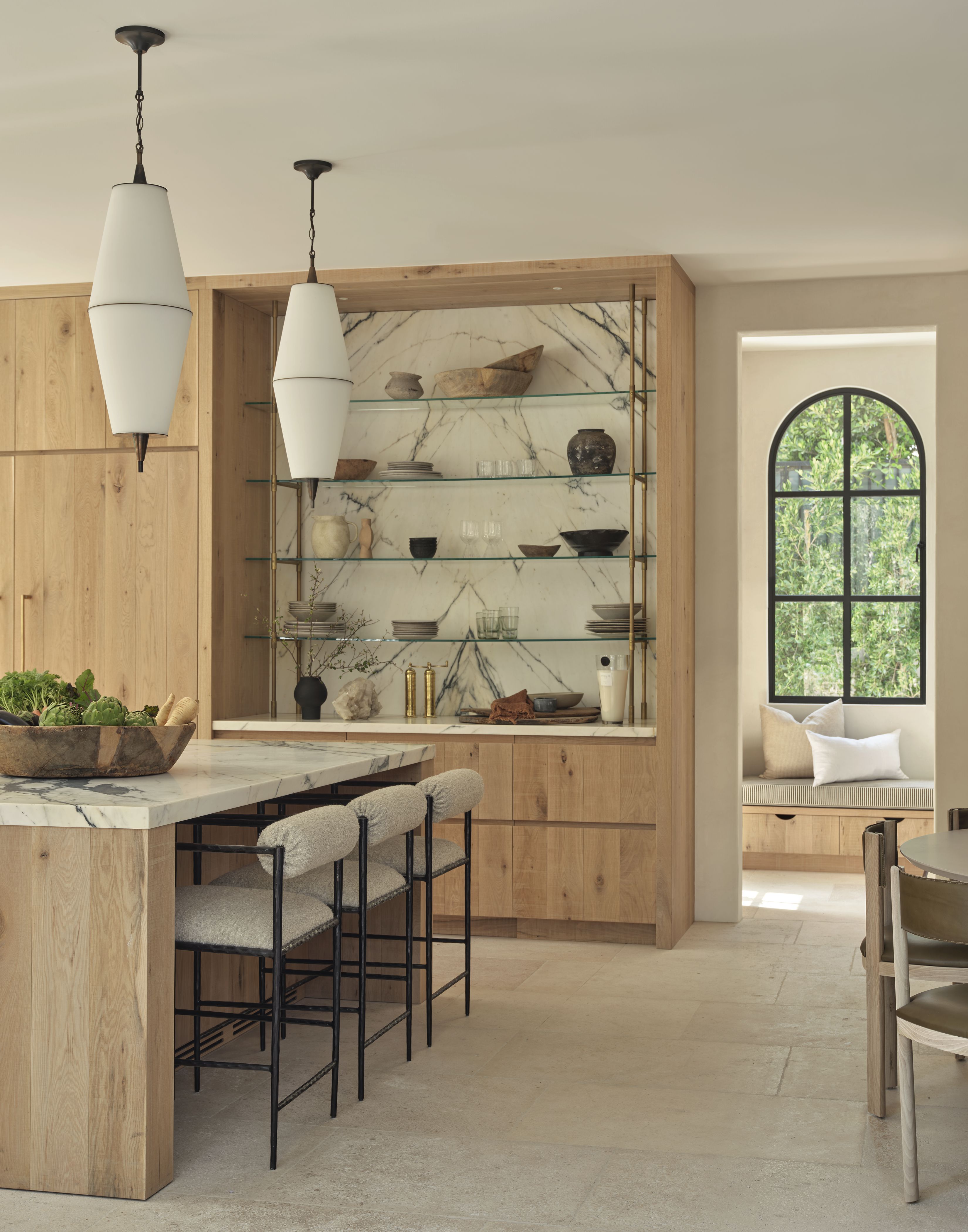
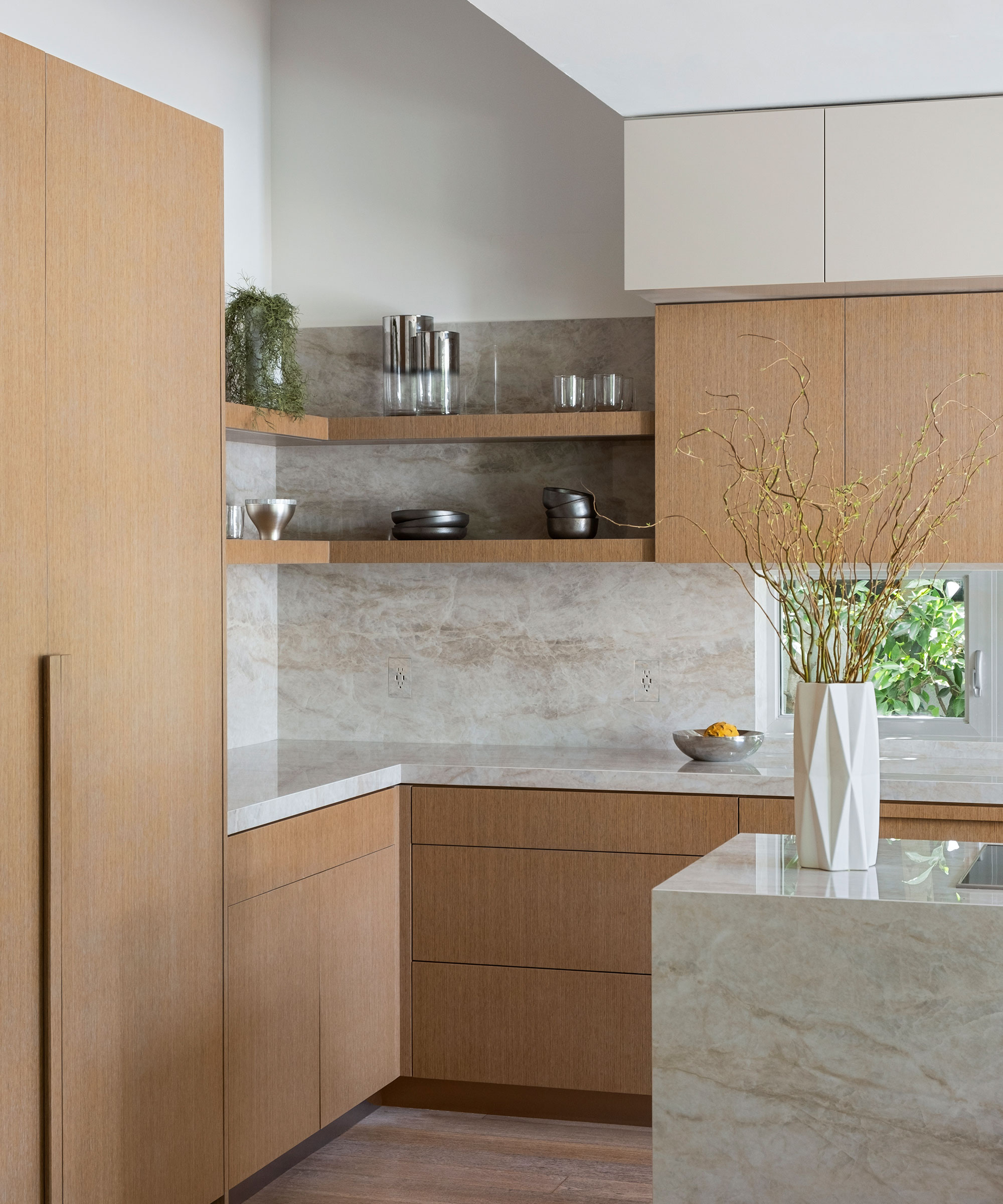
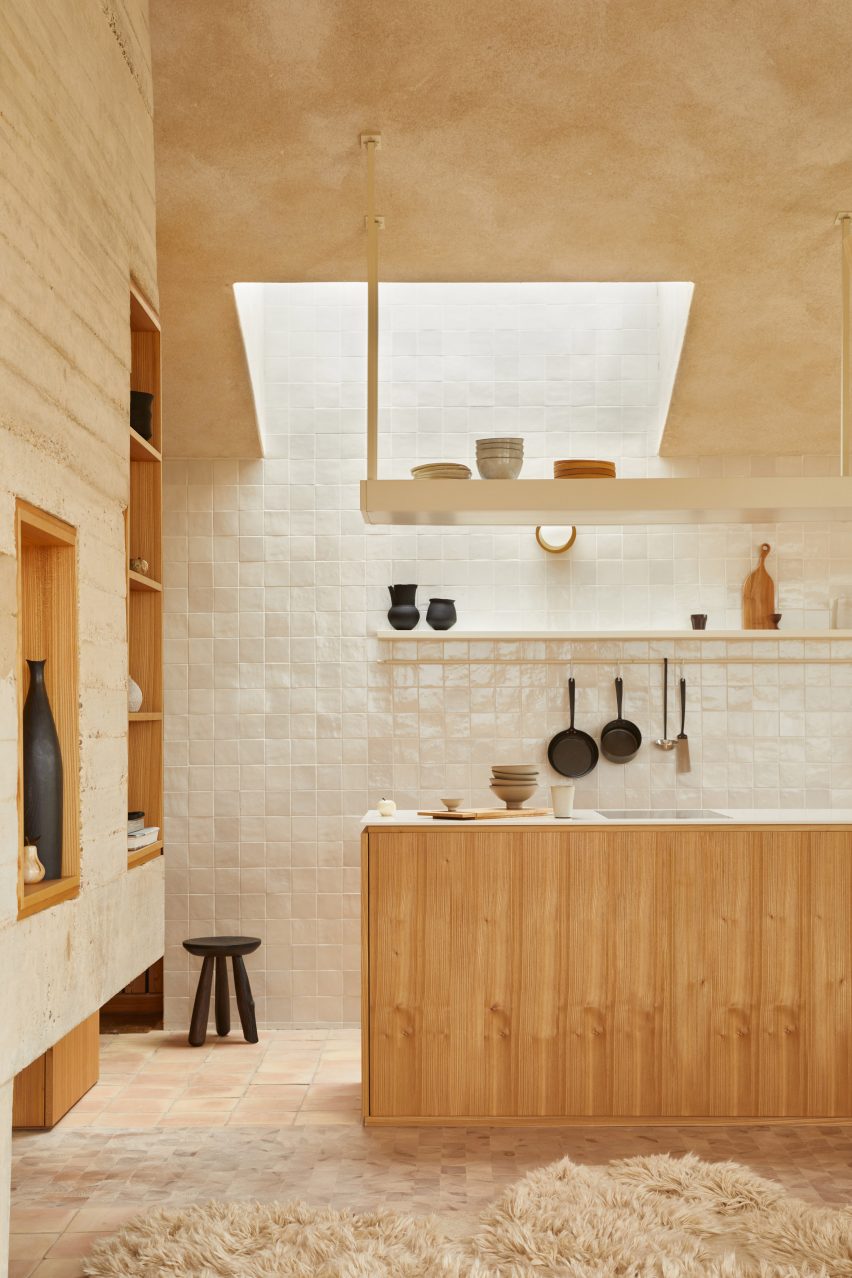
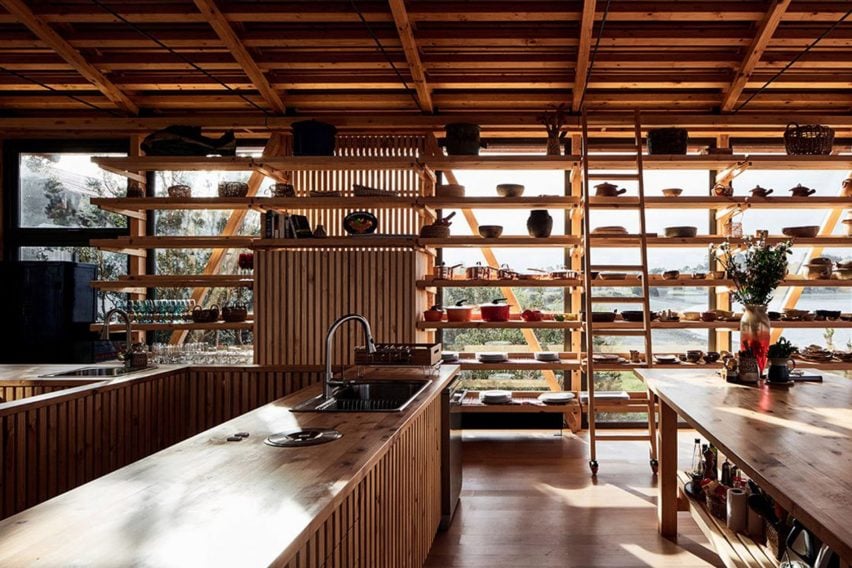
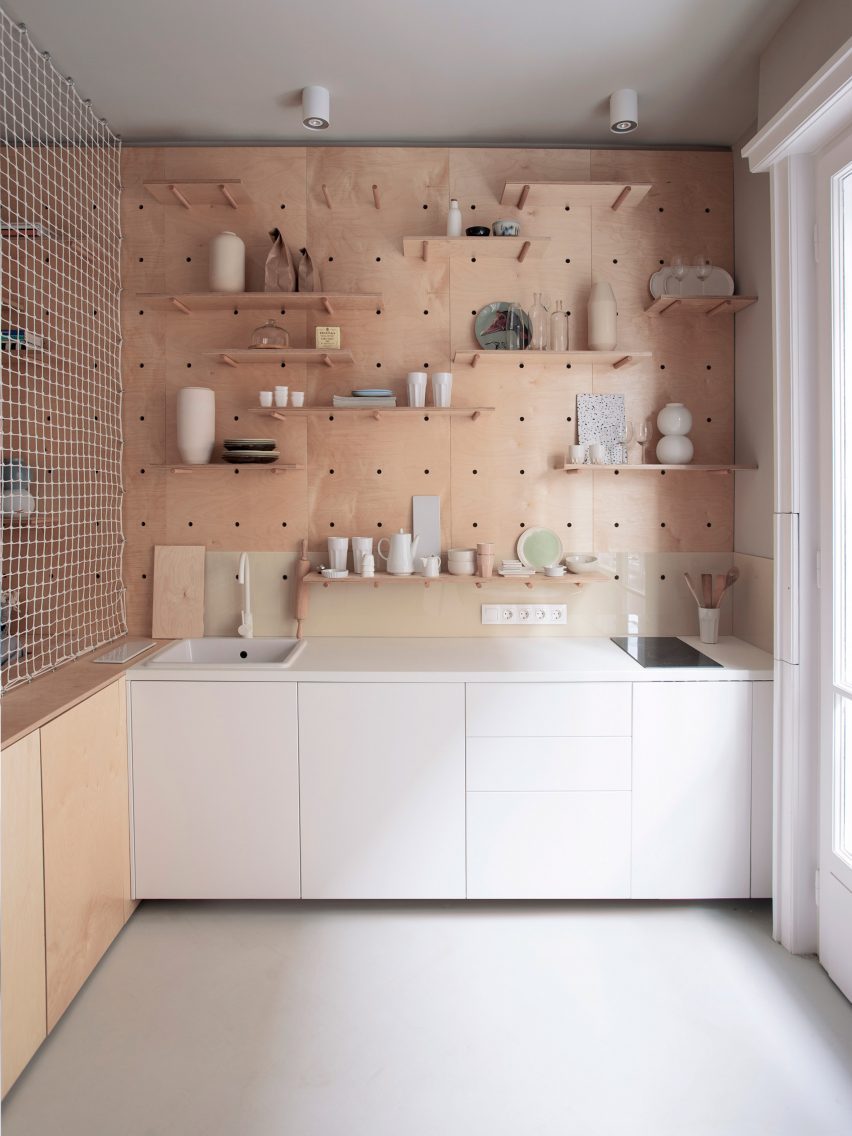
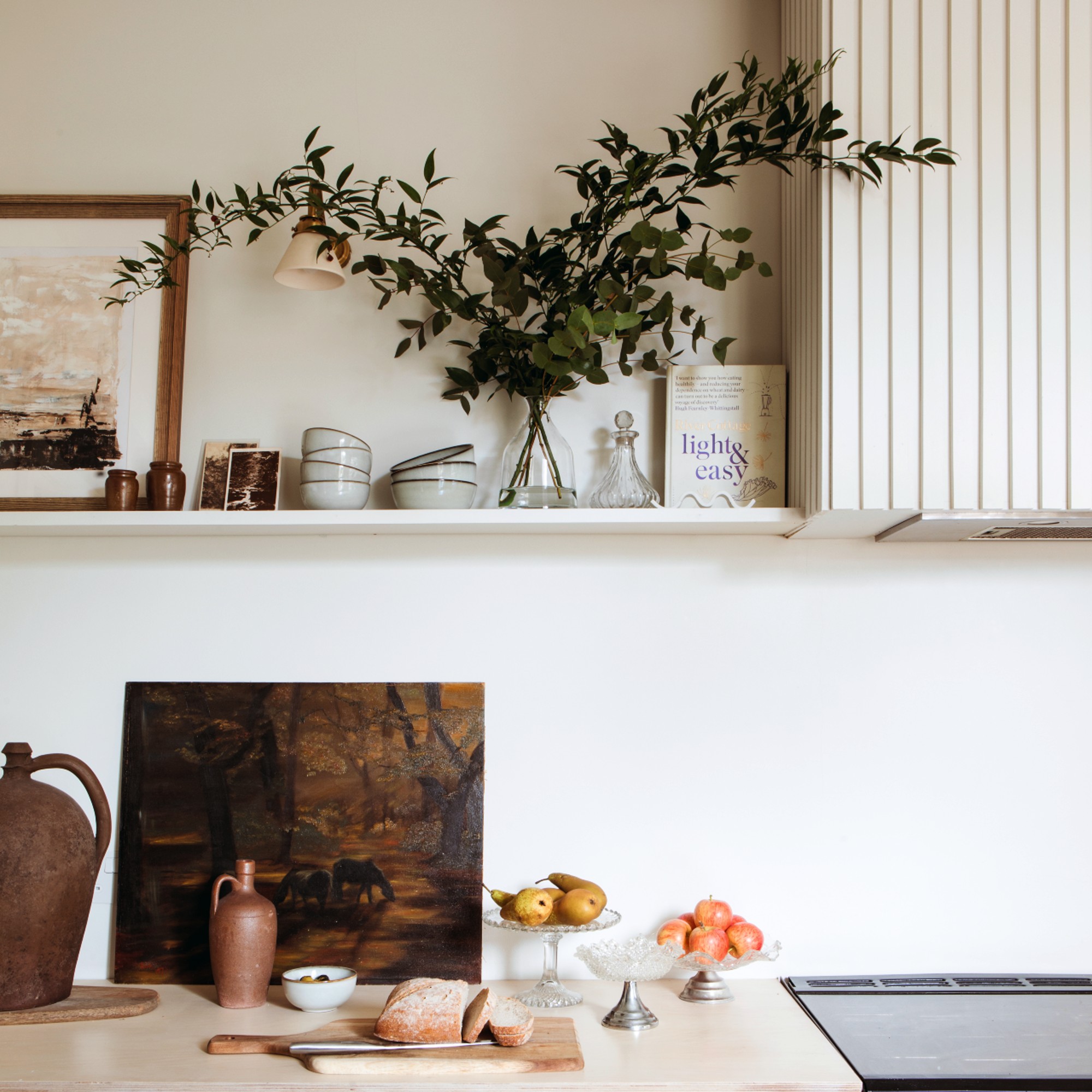
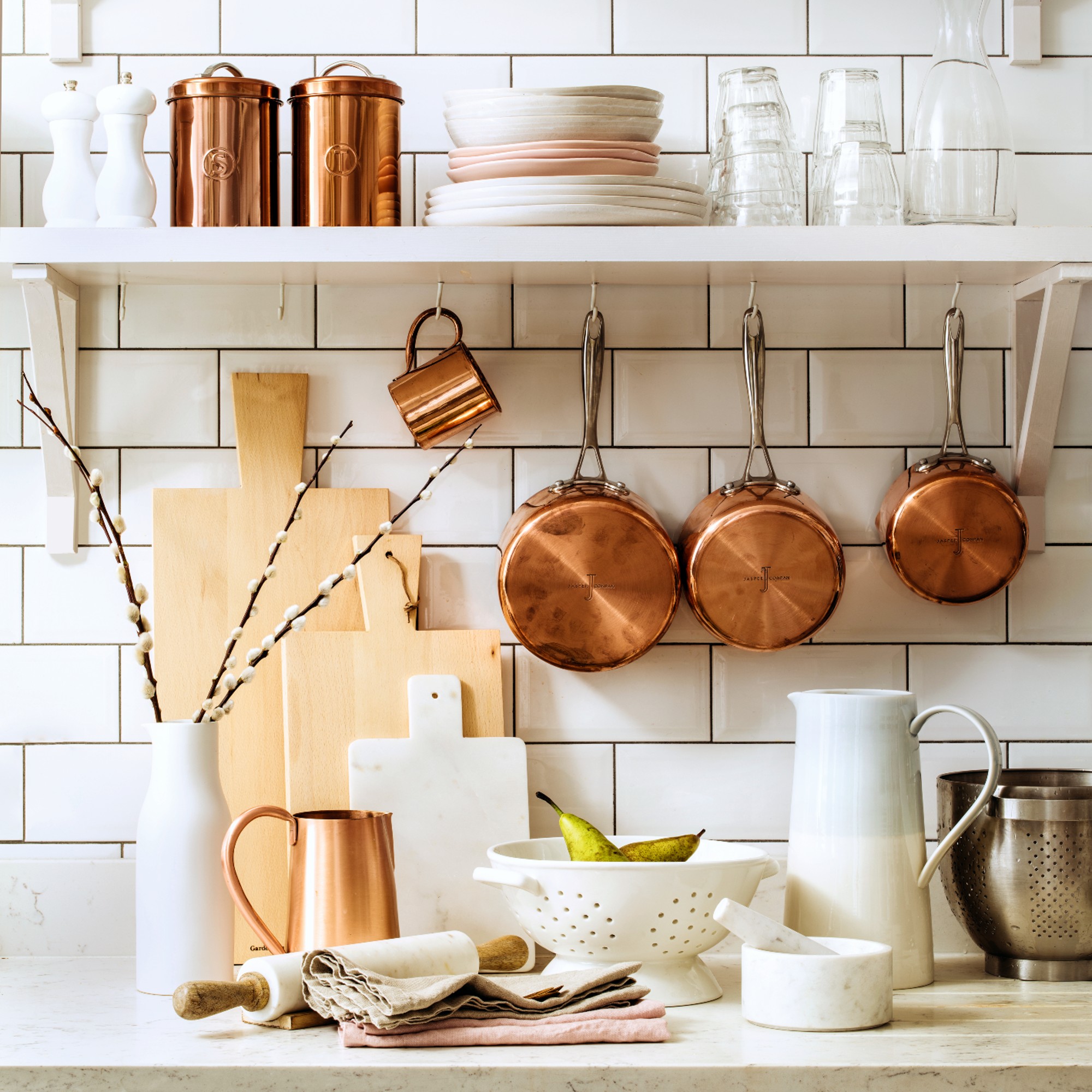
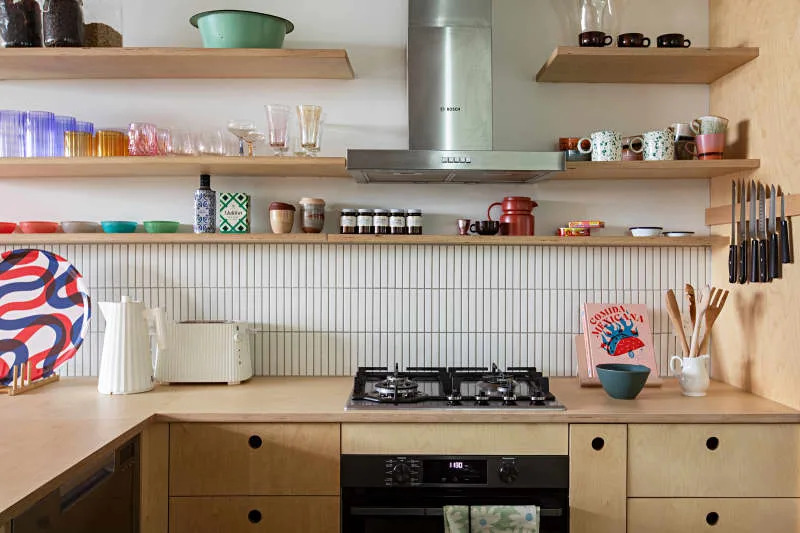
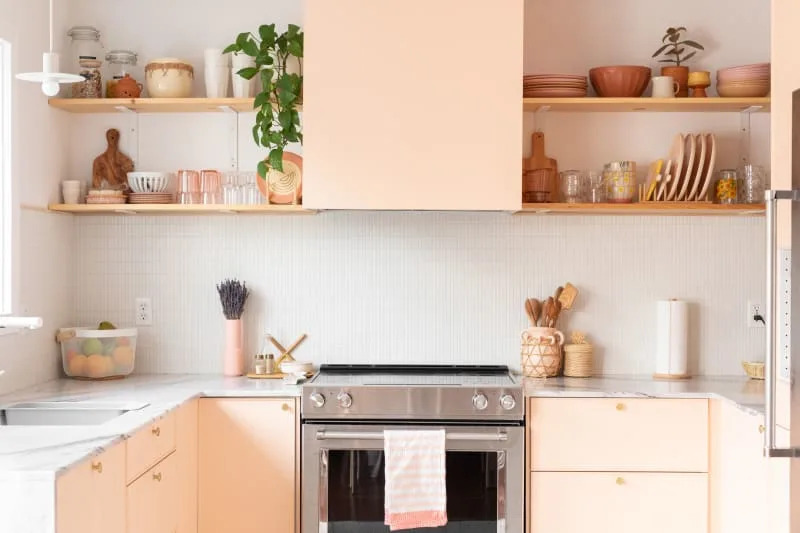
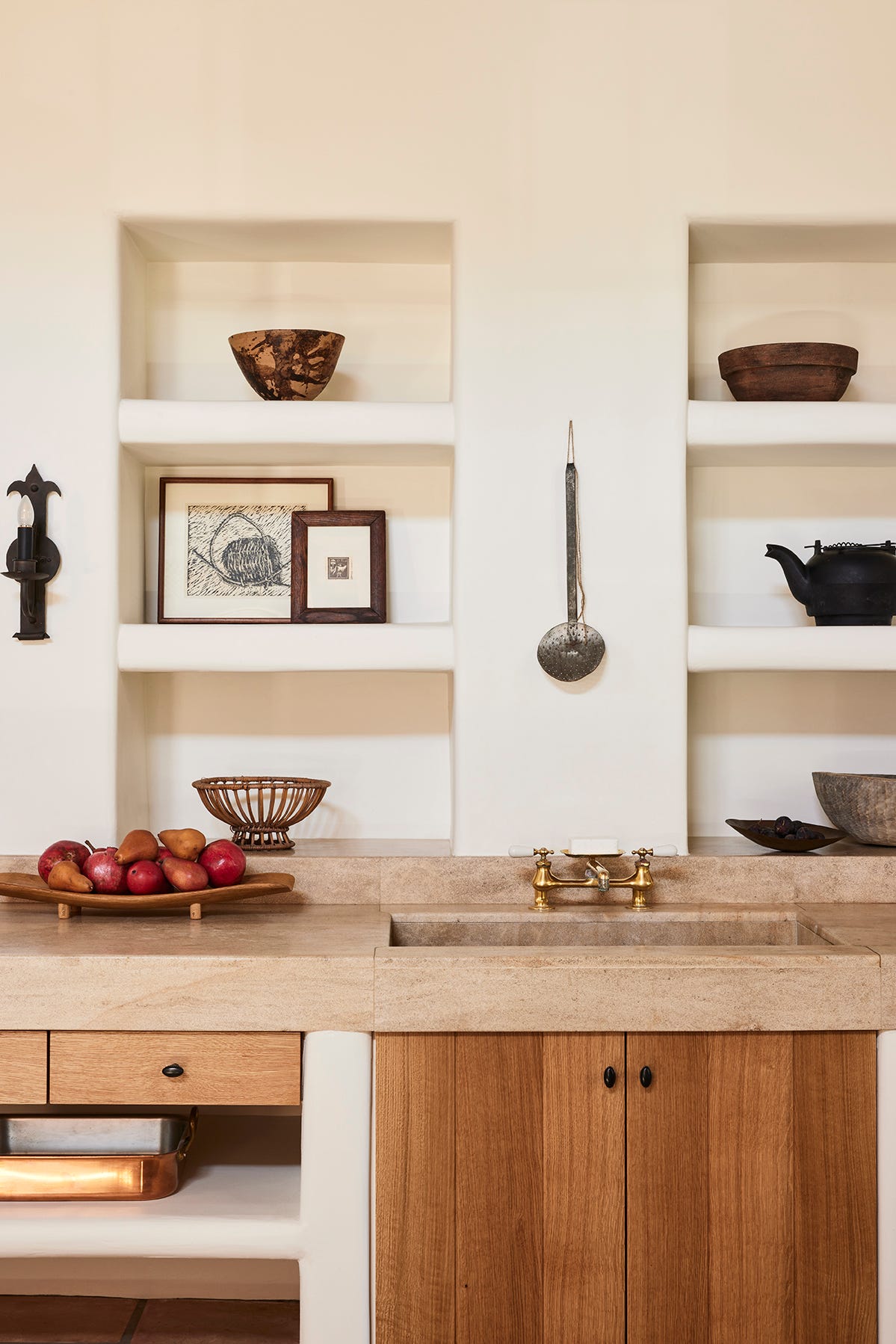
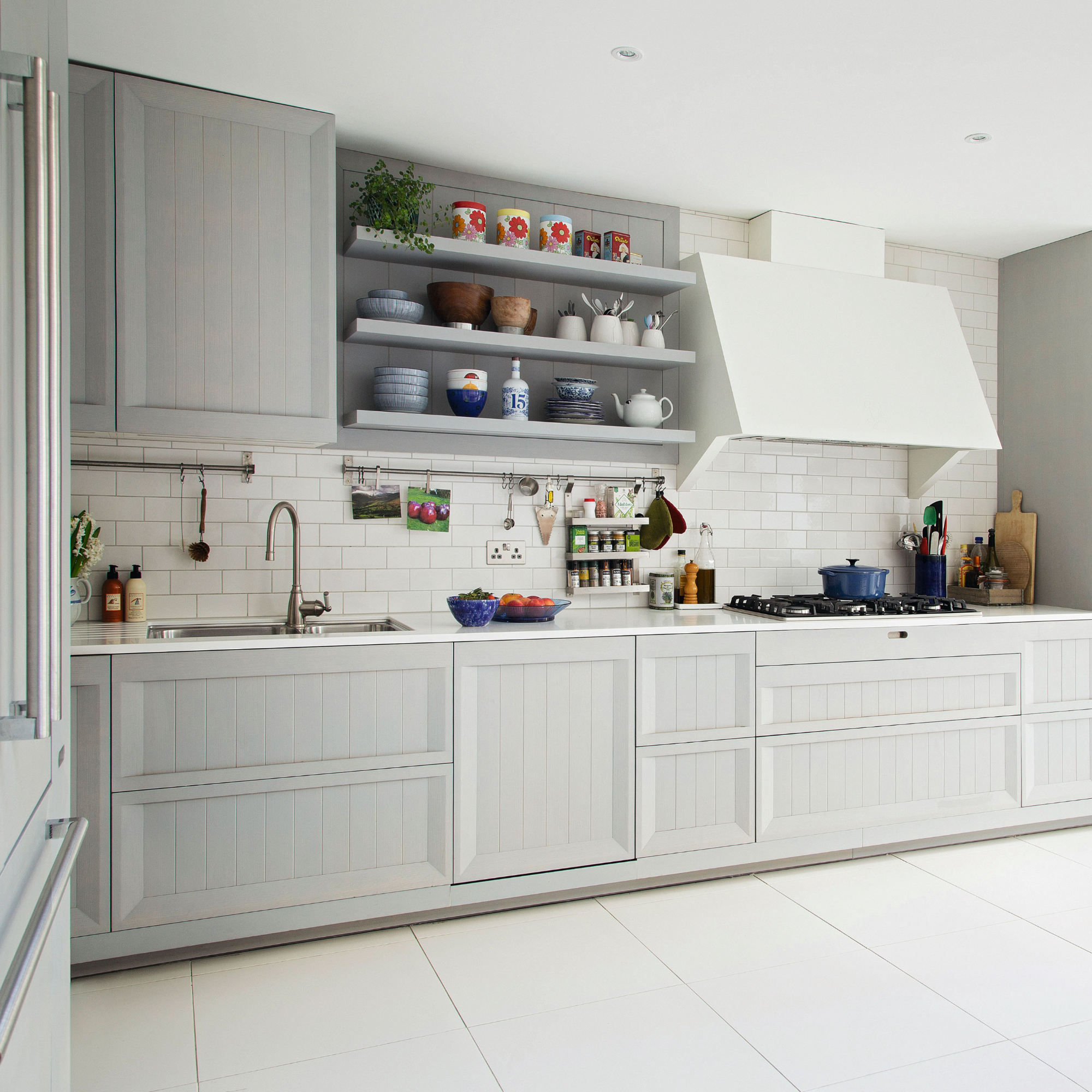
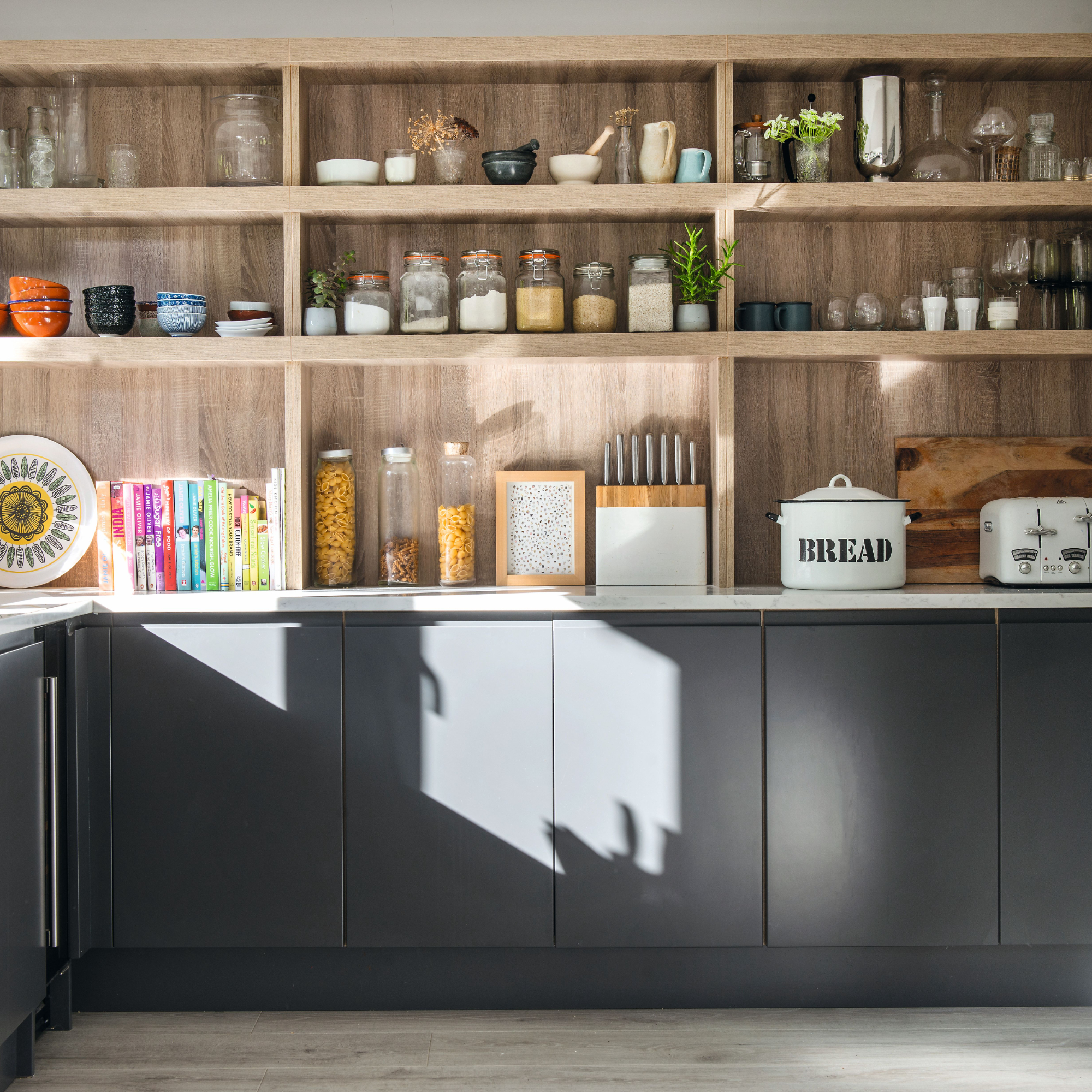
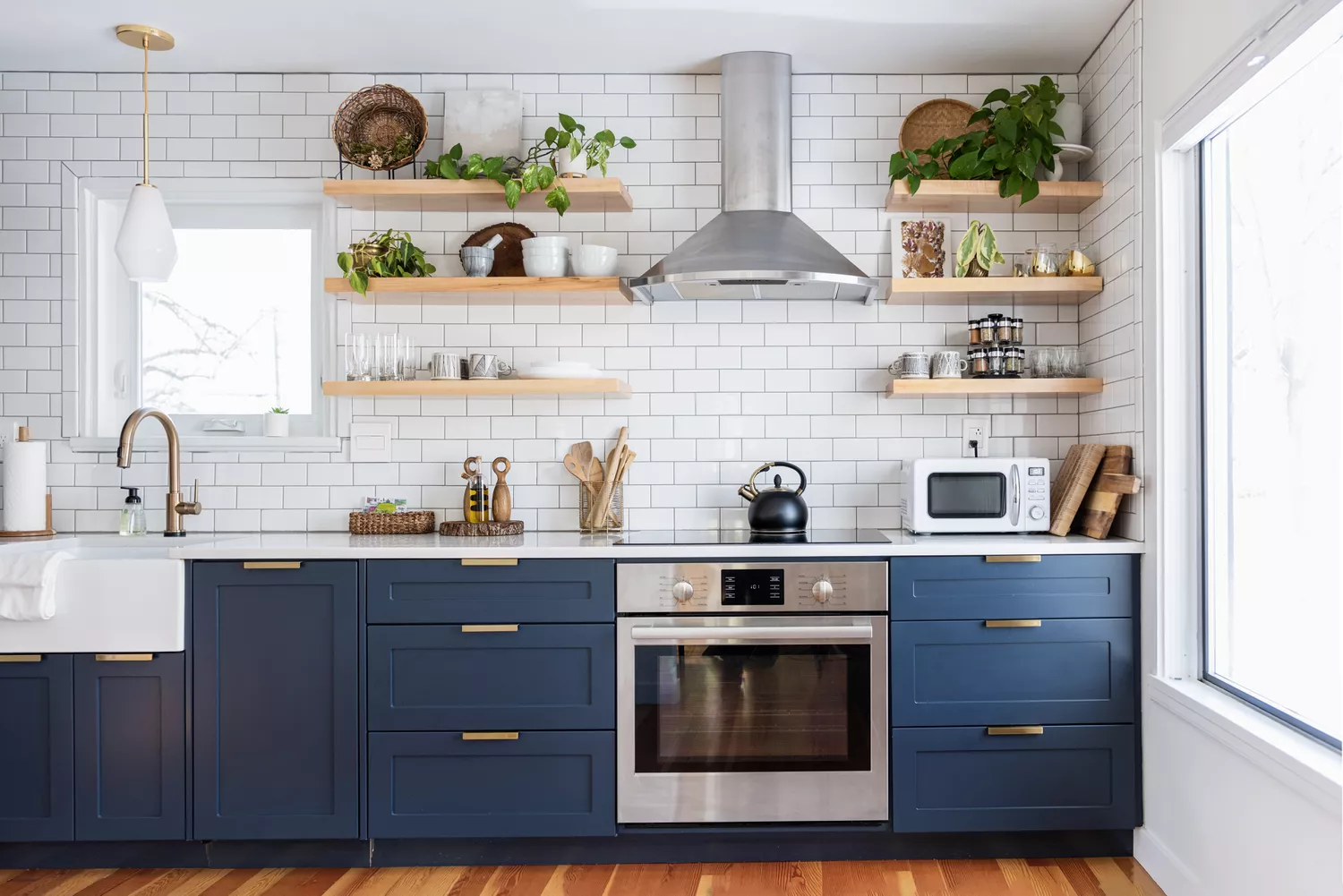
While open shelving above the sink has been a predominant trend in kitchen design for displaying decorative items, a new functional trend is emerging: placing open shelves above the stovetop. This approach prioritizes utility, offering a convenient perch for frequently used cooking essentials rather than purely aesthetic displays. The traditional placement of open shelves, often spanning the entire length of a wall, featuring multiple tiers of glass, or bisecting windows, typically served to showcase handmade ceramics, cookbooks, and decorative candles. However, the stovetop placement shifts the focus towards practicality, making items like salt and pepper shakers, cooking oil, and cutting boards easily accessible during meal preparation.
Despite the practical benefits, the new placement does come with the caveat of increased maintenance due to potential dust and cooking grease accumulation. Nevertheless, for enthusiastic home cooks, this configuration offers a significant advantage by keeping necessary items within arm's reach. The article explores three distinct interpretations of this innovative open shelf placement, each offering a unique solution to kitchen organization and design.
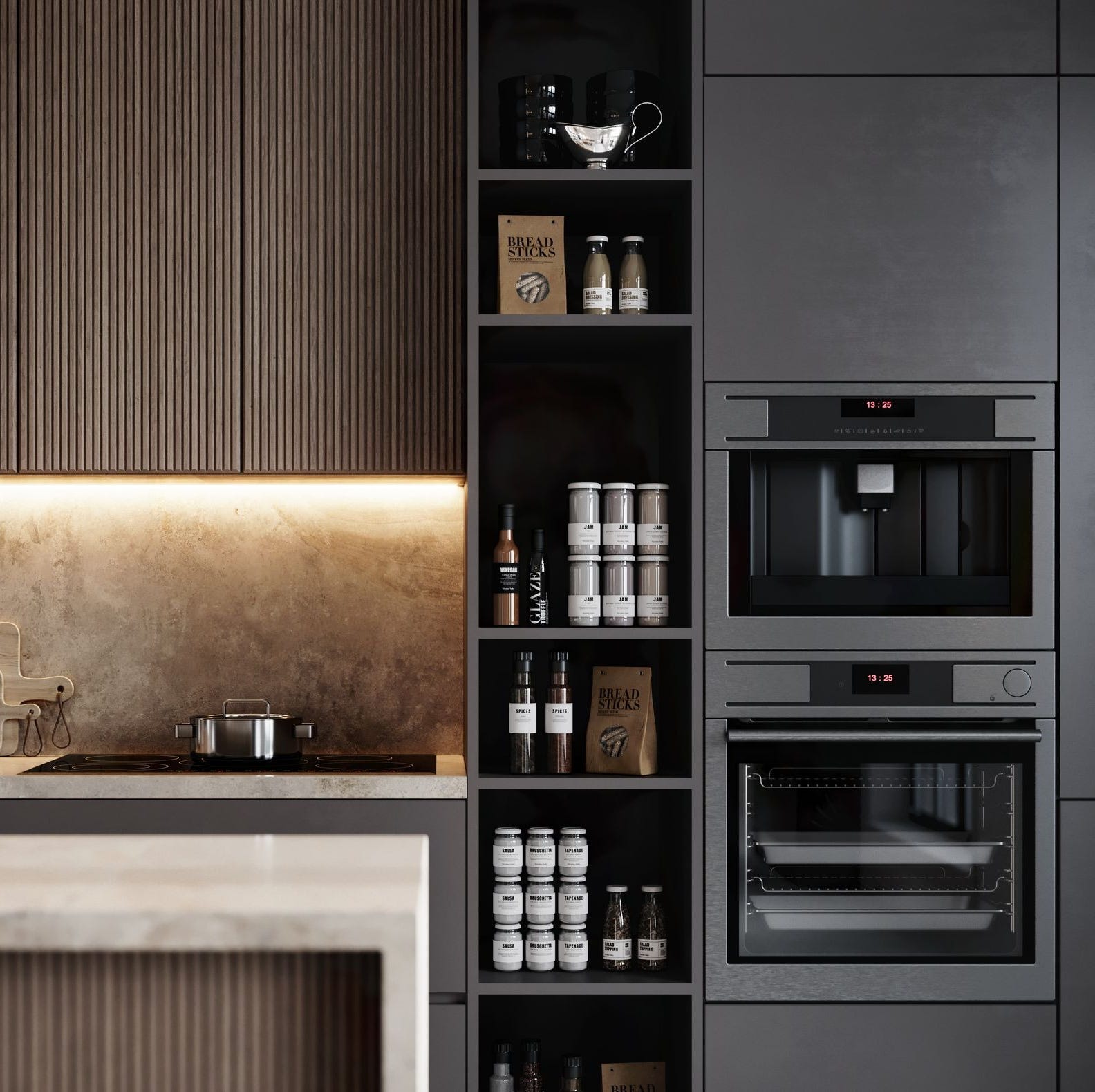
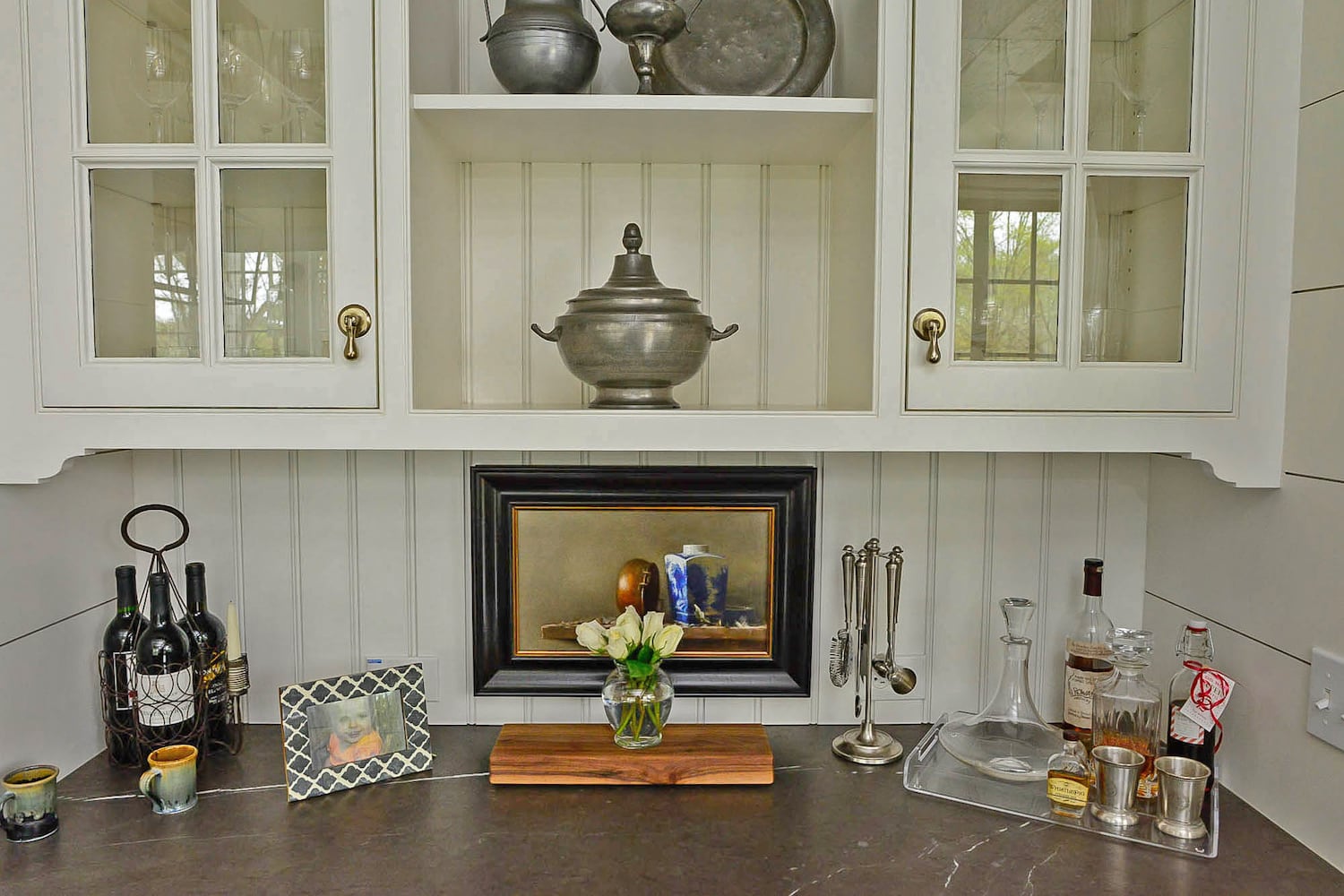
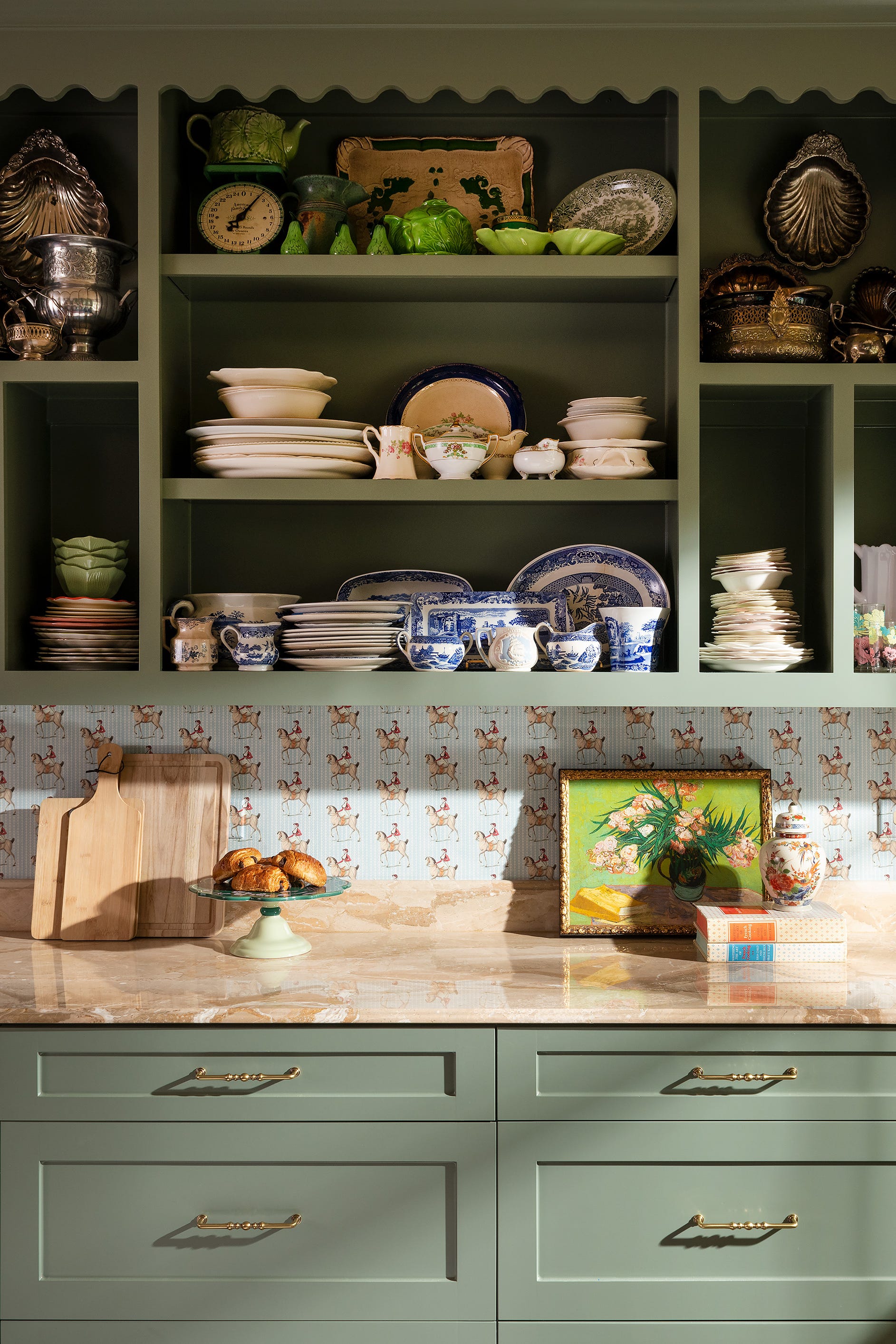
The first iteration, dubbed "The Spice Nook," is exemplified by a design from New York City–based Karen Asprea. In this concept, a small, recessed niche is created directly underneath a paneled vent hood. This niche is designed to be precisely the depth of a spice jar, effectively preventing visual clutter while providing a dedicated space for a curated selection of seasonings. This thoughtful integration ensures that spices are both organized and readily available, without encroaching on valuable counter space.
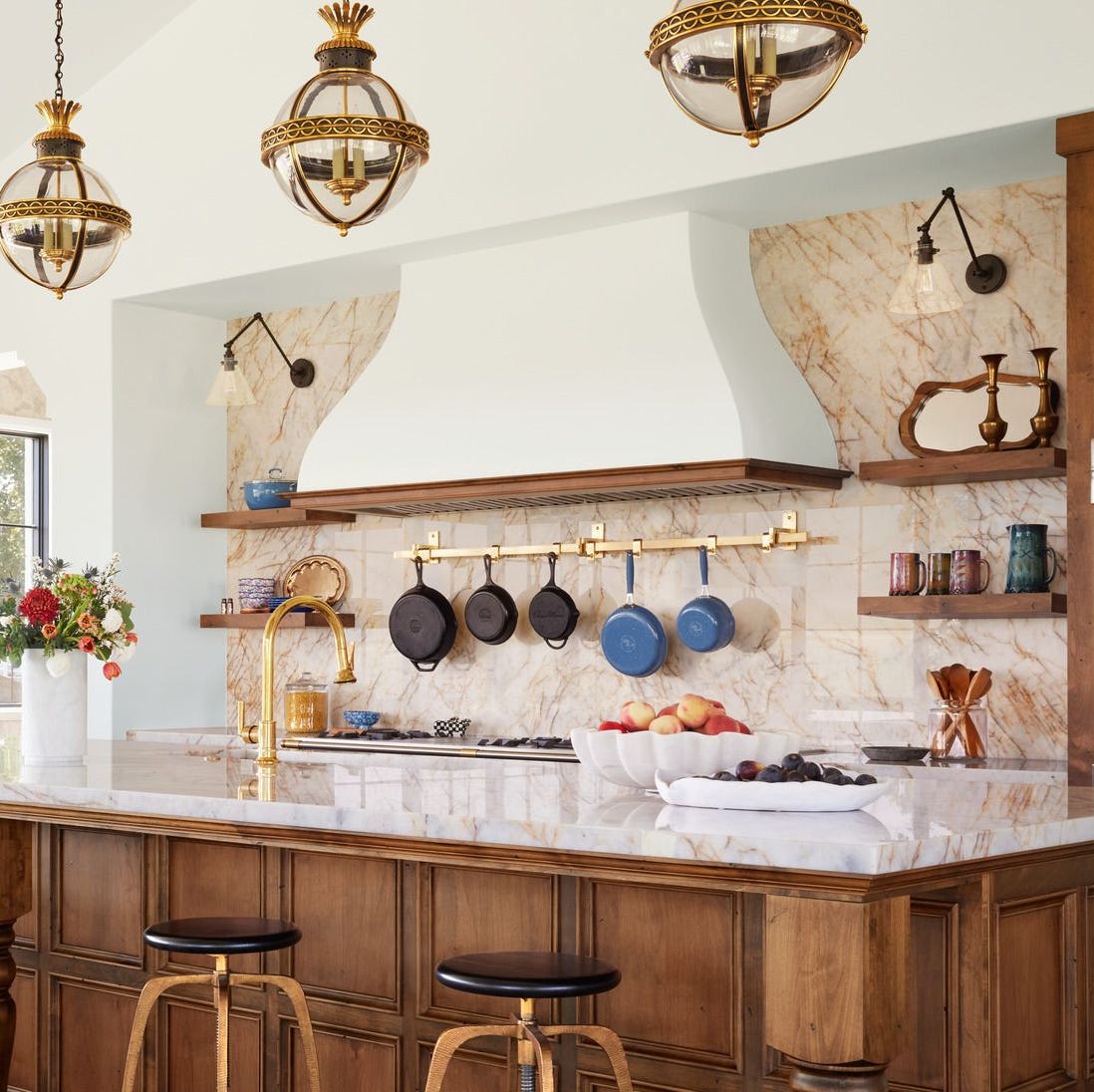
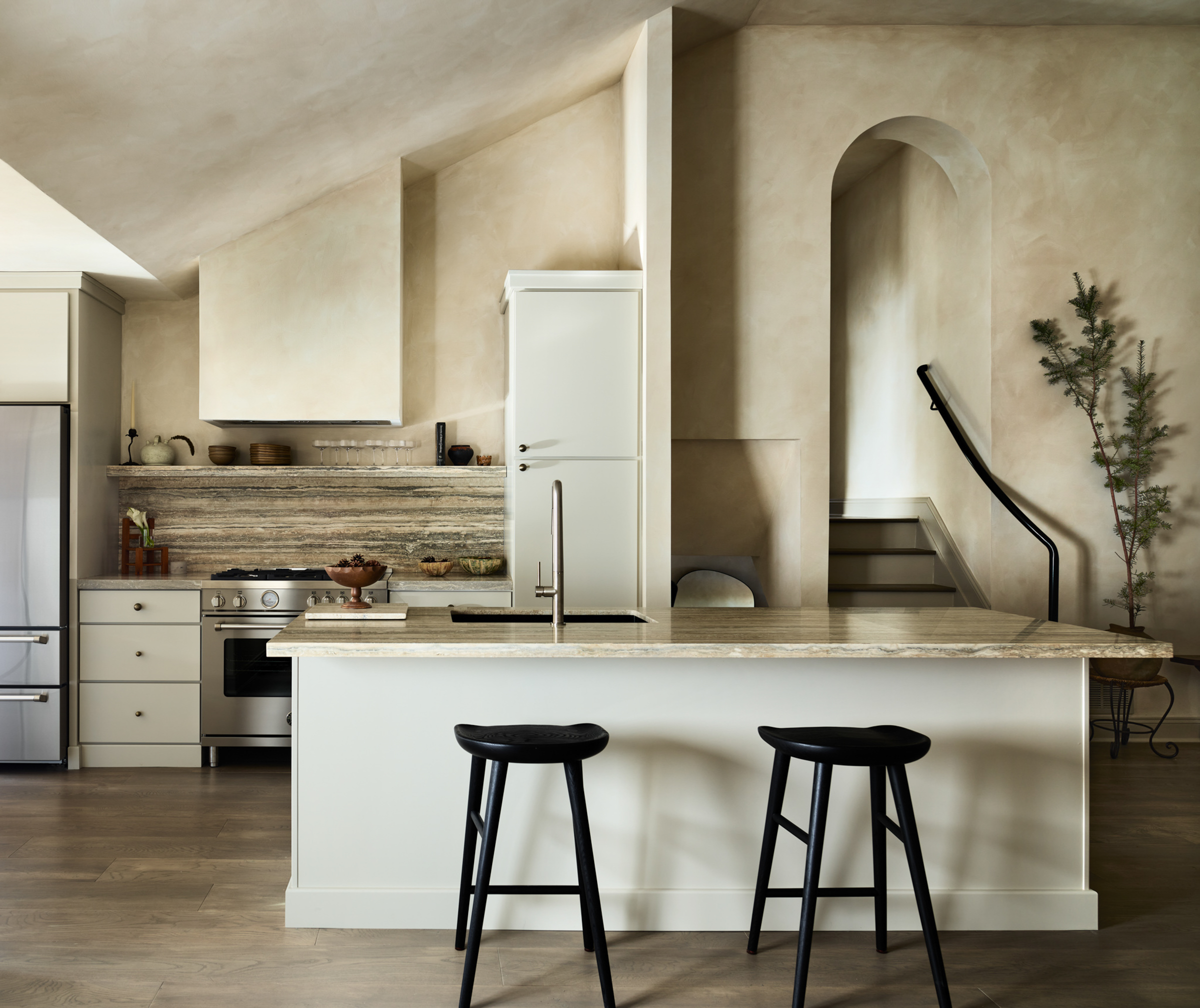
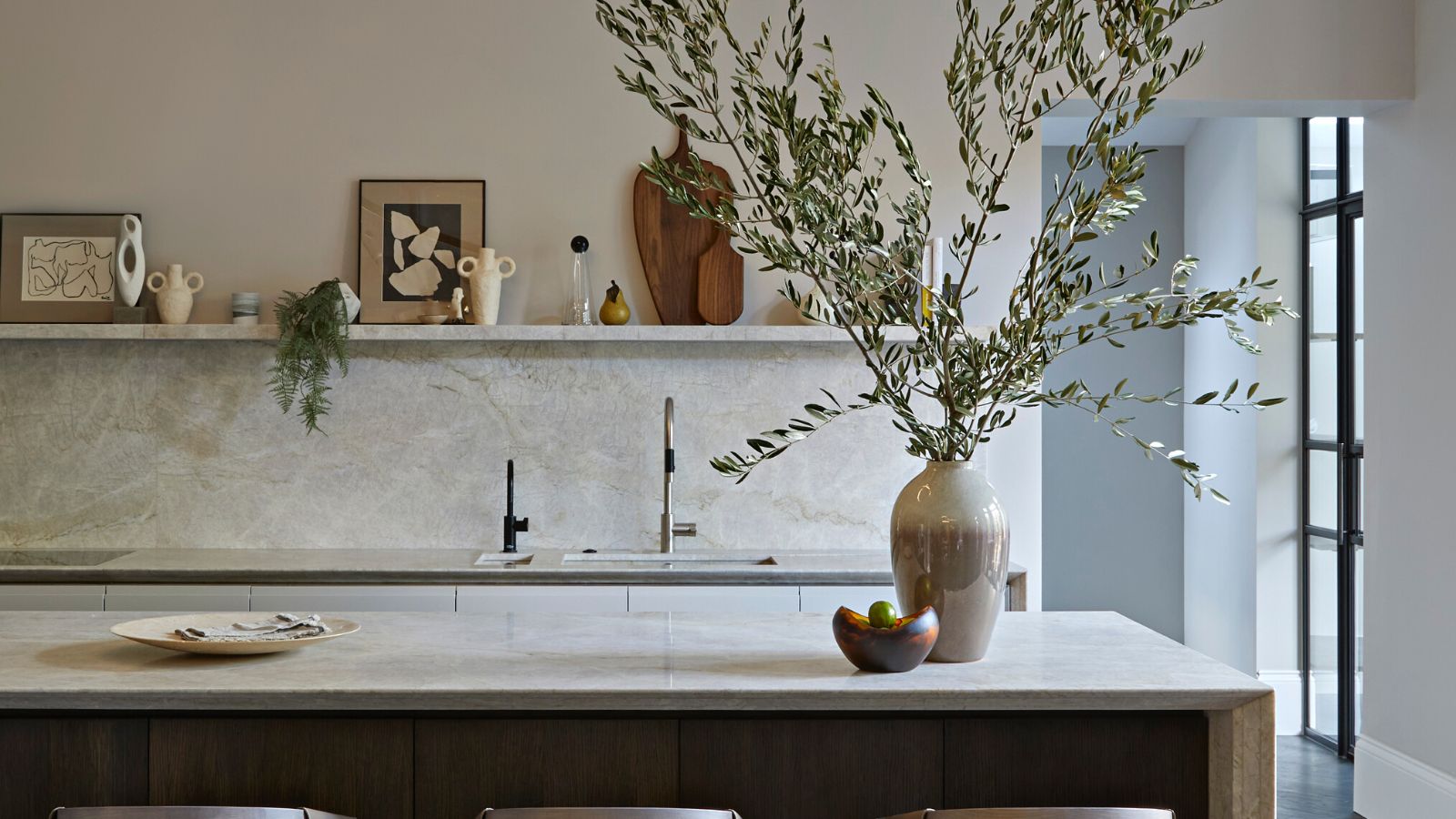
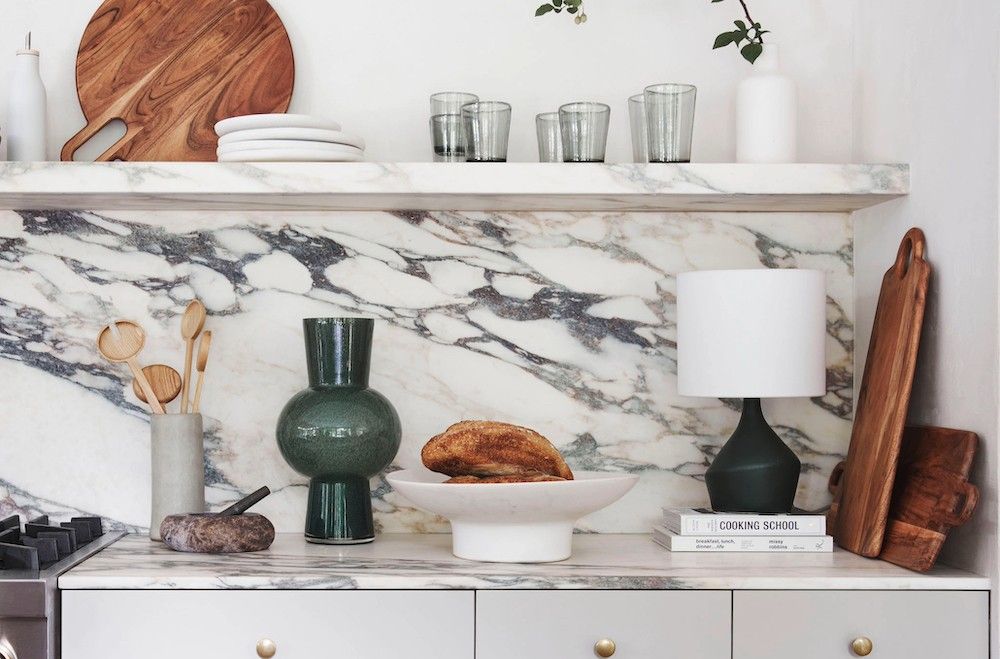
The second variation is referred to as "The Backsplash Lip," a design implemented by L.A. designer Sally Breer. Instead of simply capping a marble backsplash at a standard 12 inches with a bullnose edge, Breer extended the natural stone to create a subtle rim. This elevated lip along the backsplash serves as a convenient, shallow shelf where homeowners can stagger their daily necessities. This design cleverly incorporates additional storage without disrupting the aesthetic flow of the kitchen, maintaining the elegance of the marble while enhancing functionality.
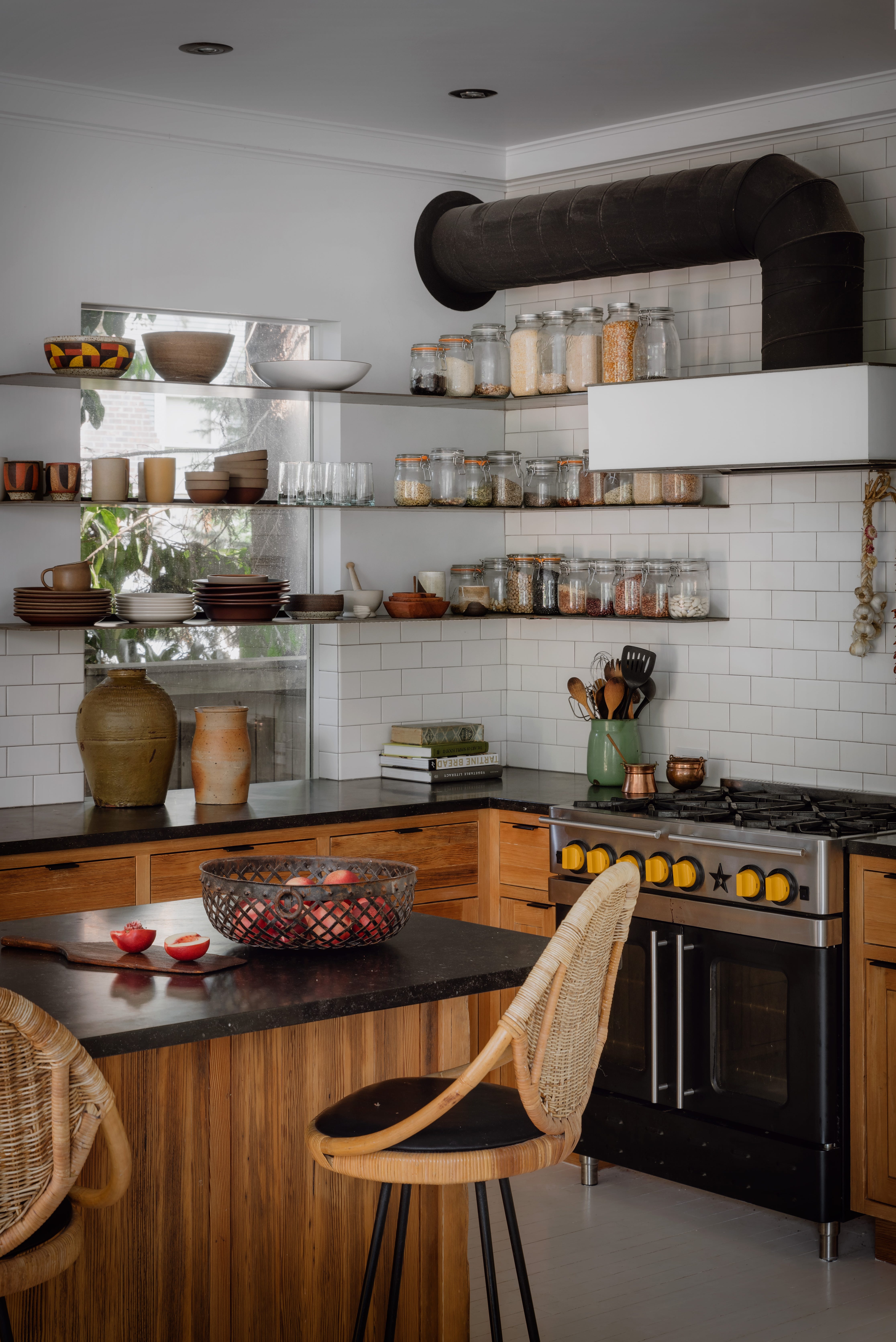
Finally, "The Sturdy Ledge" illustrates a solution for kitchens with spatial constraints, as demonstrated by architect Joshua Keay in a Brooklyn brownstone. Due to a staircase protruding into the kitchen, wall space for extensive shelving was limited. Keay's response was an asymmetrical arrangement that included a robust, lowest shelf made of stainless steel positioned above the range. This slab of metal is securely bolted into the wall, bisecting the stone backsplash. Although only about five-sixteenths of an inch thick, its approximately ten-inch depth makes it perfectly capable of holding essential items such as olive oil and various spices. This design showcases how thoughtful engineering can create practical storage solutions even in challenging layouts, proving that open shelving above the stovetop can be both functional and aesthetically integrated into diverse kitchen environments.
#KitchenDesign #OpenShelving #KitchenOrganization #HomeRenovation #InteriorDesignTrends #FunctionalDesign #SmallSpaces #KitchenStorage #KitchenDesign #OpenShelving #KitchenOrganization #HomeRenovation #InteriorDesignTrends #FunctionalDesign #SmallSpaces #KitchenStorage
Há 0 comentários no total
 Ainda não há comentários
Você também pode gostar
The downsides of open shelving – why this much-loved kitchen look may not be for you

Eight kitchens where open shelving turns storage into display
The Controversial Kitchen Trend the Design World Is Buzzing Over
Upper Kitchen Cabinets Are Totally "Outdated" For 2025 — What You Want Instead

Maximize Your Kitchen Space With These Open Shelving Ideas

Yes, Open Shelving in a Kitchen Can Be Stylish and Functional
Open Kitchen Shelves Are Losing Their Appeal—Here's What to Use Instead, According to Interior Designers
9 designer-approved ways to turn your kitchenware into decor that deserves to be seen
Are Open Kitchen Shelves Still in Style? This Interior Designer Told Us to Ditch Them — Here's Why

Open kitchen shelves may look great, but are they for you? | At Home with Marni

Upper Kitchen Cabinets Are on Their Way Out in 2025 — Here’s What’s Replacing Them

Tom Brady uses open shelves to upgrade a corner of his kitchen into a mini 'exhibit' – it's a personal way of introducing color to a neutral space
Open Shelving Is The Budget-Friendly Secret To Completing Your Kitchen, According To An Expert
Stunning kitchen cabinet organization designs you can put in your home
28 Open Shelving Ideas That'll Inspire You to Ditch Those Kitchen Cabinet Doors


I thought I'd mastered kitchen island storage until I saw Jimmy Fallon's bolder, open design – it's made me rethink my shelving placement

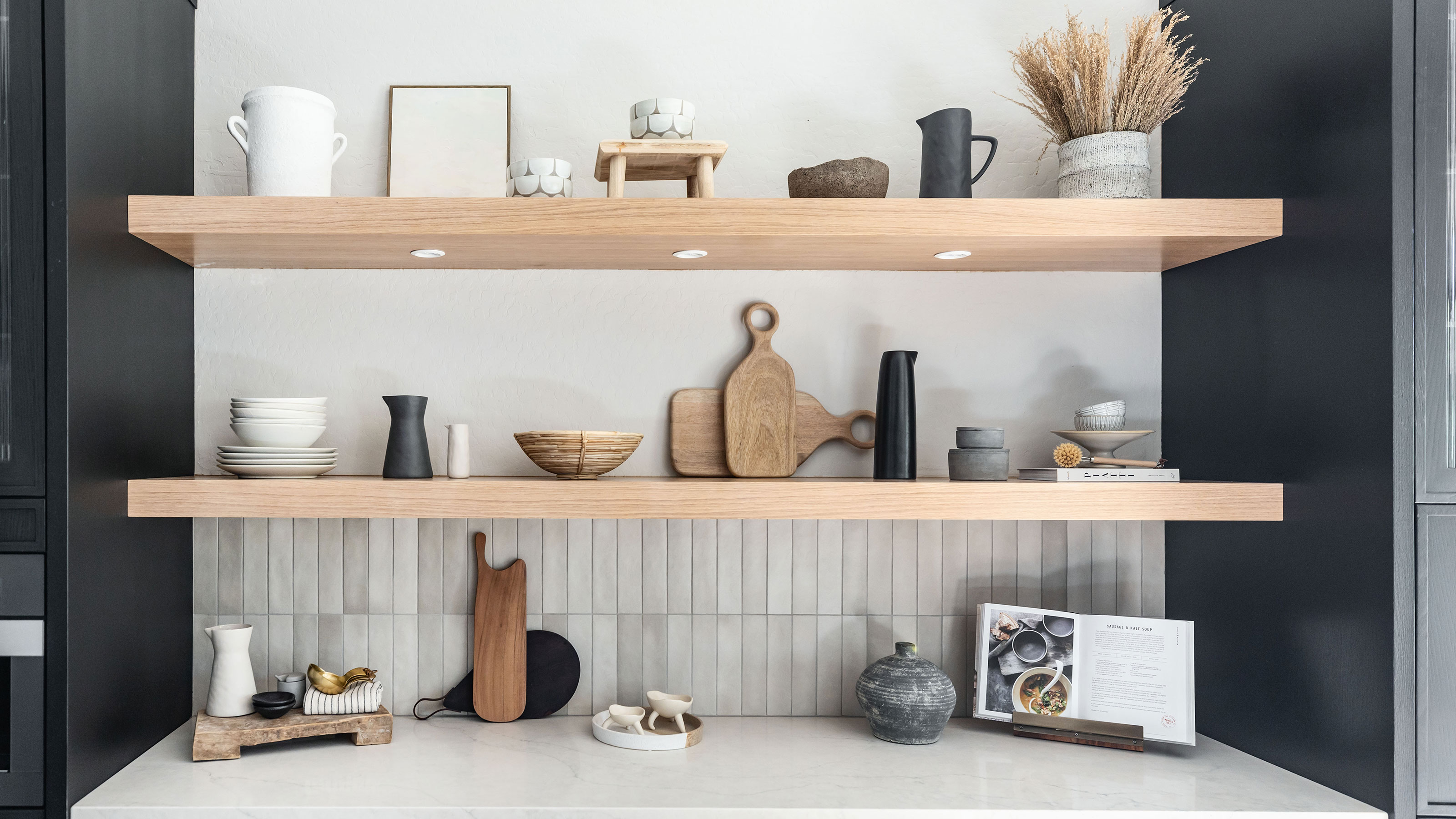
The 3 golden rules of organizing open shelving in the kitchen
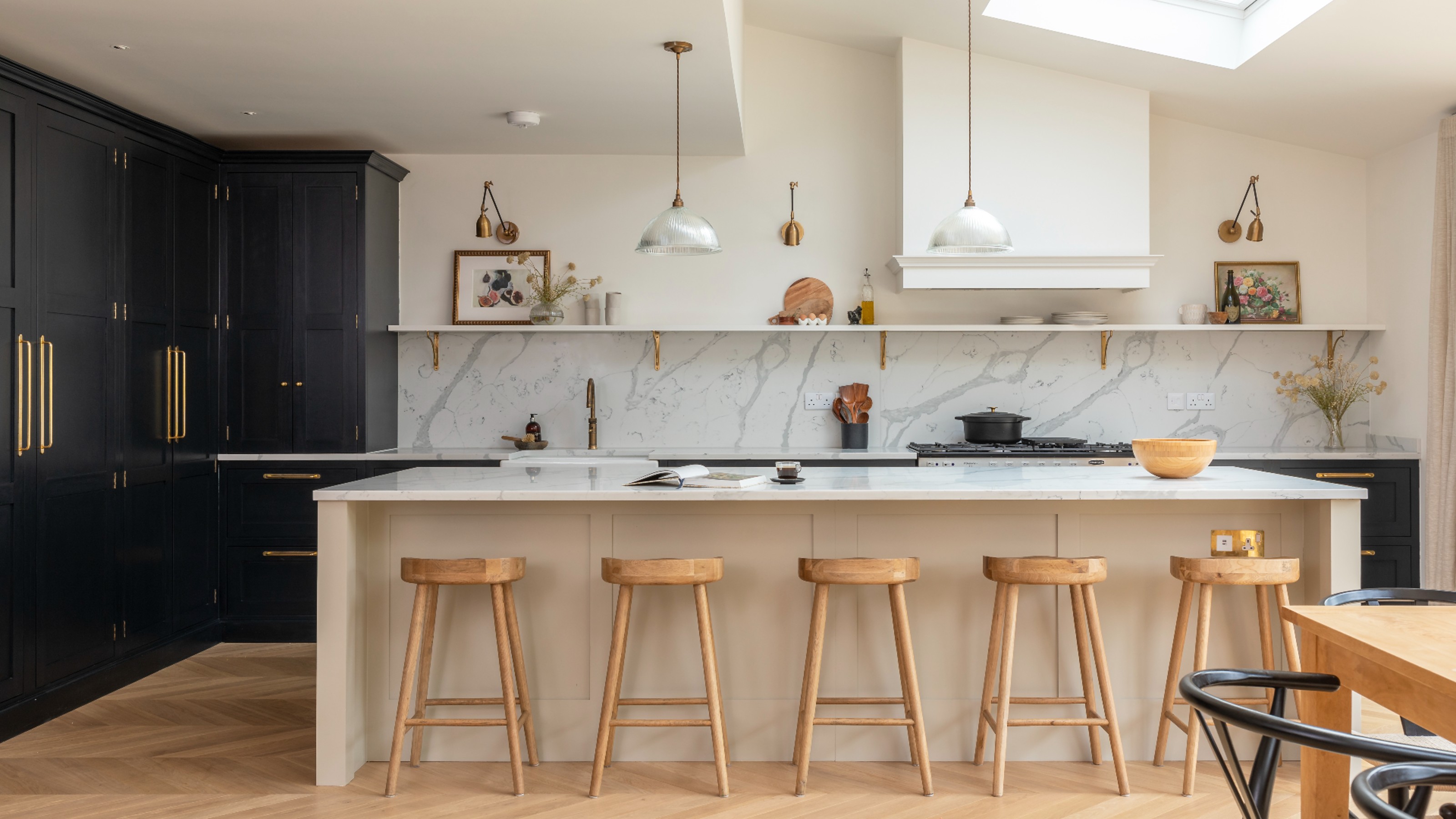
Never store these 6 things on open kitchen shelving, warn pro organisers

Rita Ora has taken a side in the ongoing open shelving vs wall cabinet debate – and it's easy to recreate
How to Transition from Cabinets to Open Shelves in Your Kitchen