1/5
Plants to hide a garden wall – expert-approved options for a beautiful, botanical screen
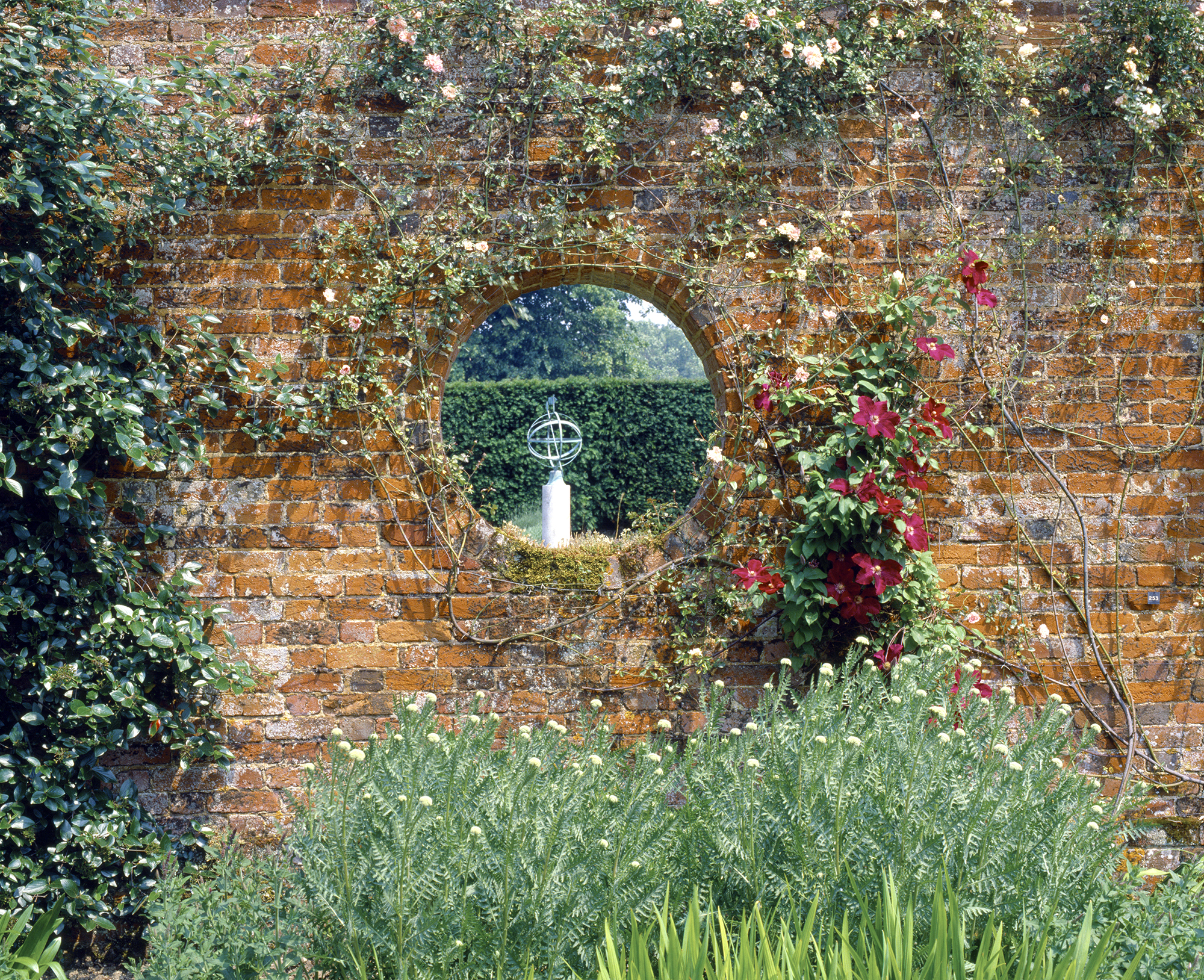
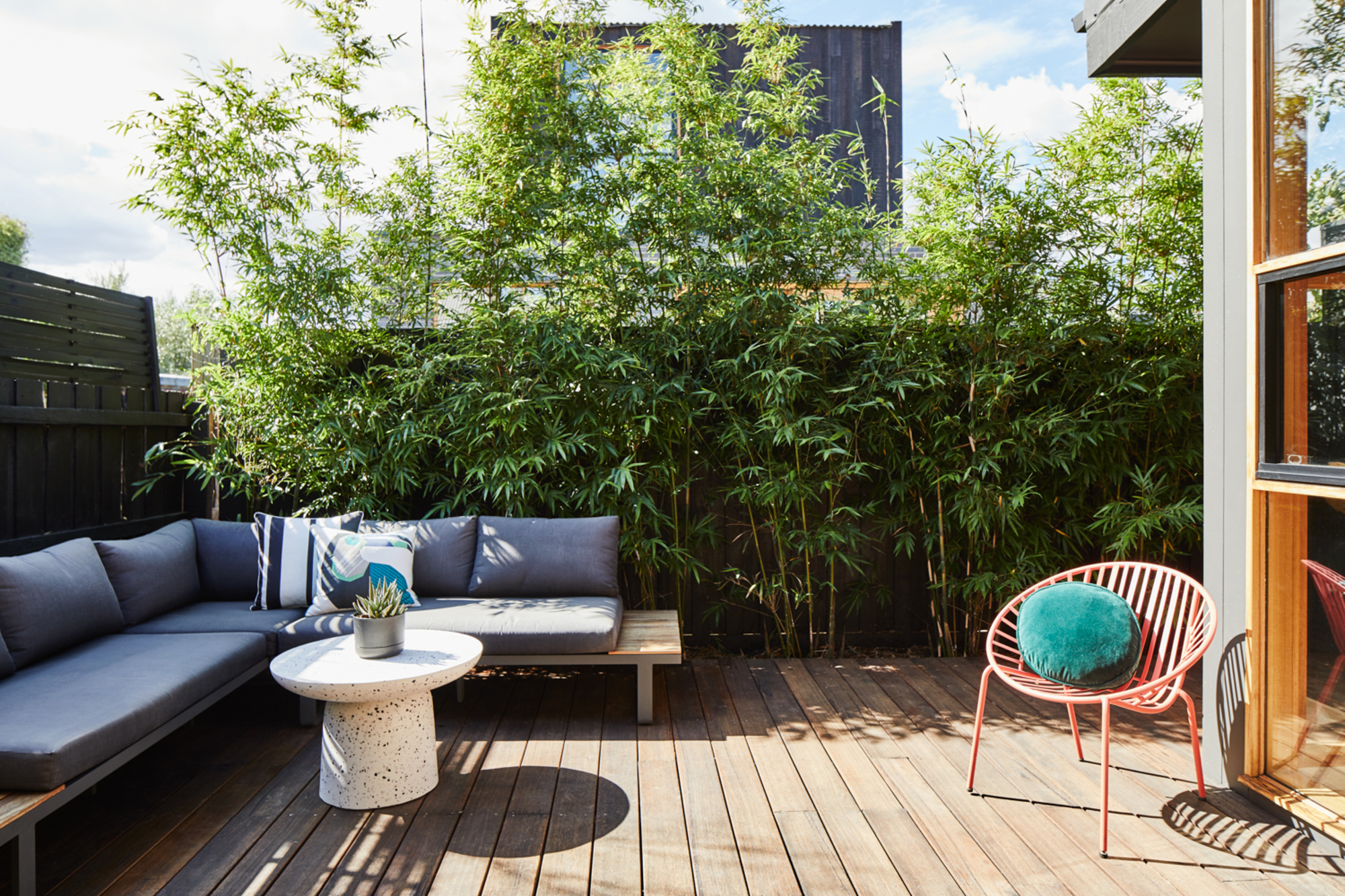
This article addresses the common design challenge of an unattractive backyard wall and proposes botanical solutions for screening it from view, particularly from areas like a patio. The approach focuses on using plants as a cost-effective and aesthetically pleasing alternative to immediate wall replacement. Gardening expert John Negus provides several recommendations, emphasizing the benefits of evergreen plants for year-round coverage.
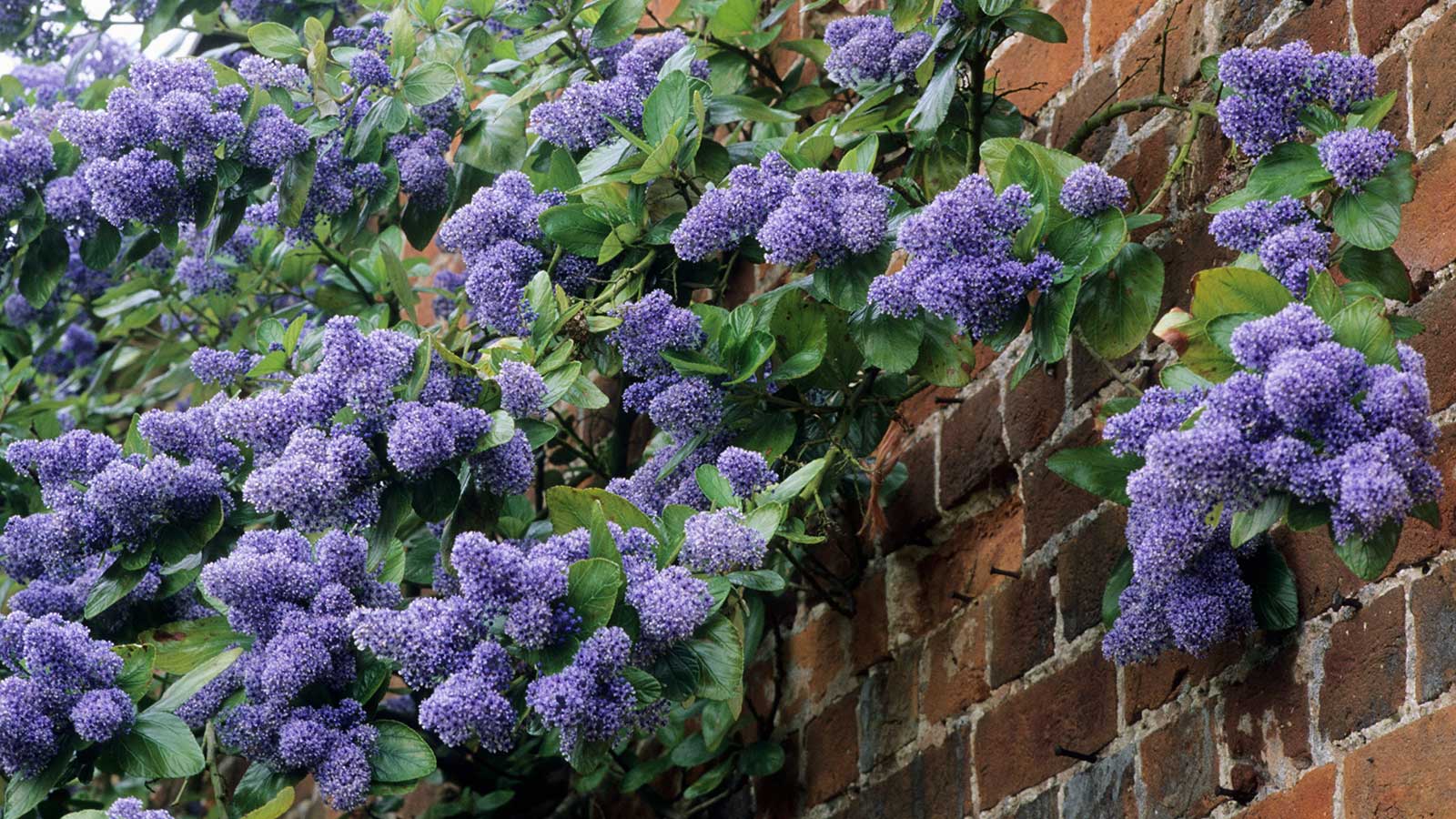
For evergreen shrubs to conceal a wall, recommendations include varieties like *Euonymus fortunei*, which grows upright; *Aucuba* (spotted laurel) for its relatively fast growth; *Photinia x fraseri* for its distinctive red-tipped foliage; *Ceanothus* (California lilac) known for its purple-blue blooms; and *Brachyglottis* (daisy bush) with silvery foliage and yellow flowers. White-flowered *Viburnum tinus* is also suggested. For those aiming for a more tropical garden aesthetic, *Fatsia japonica* with its large, glossy leaves is presented as a suitable option. The article also notes the availability of trellis-trained shrubs at garden centers, offering instant and portable screening. A crucial piece of advice is to always check plant labels to ensure they are suitable for the garden's specific growing conditions, considering factors like sun exposure, shade, and soil type, and to verify that the chosen plant is not invasive in the local area.
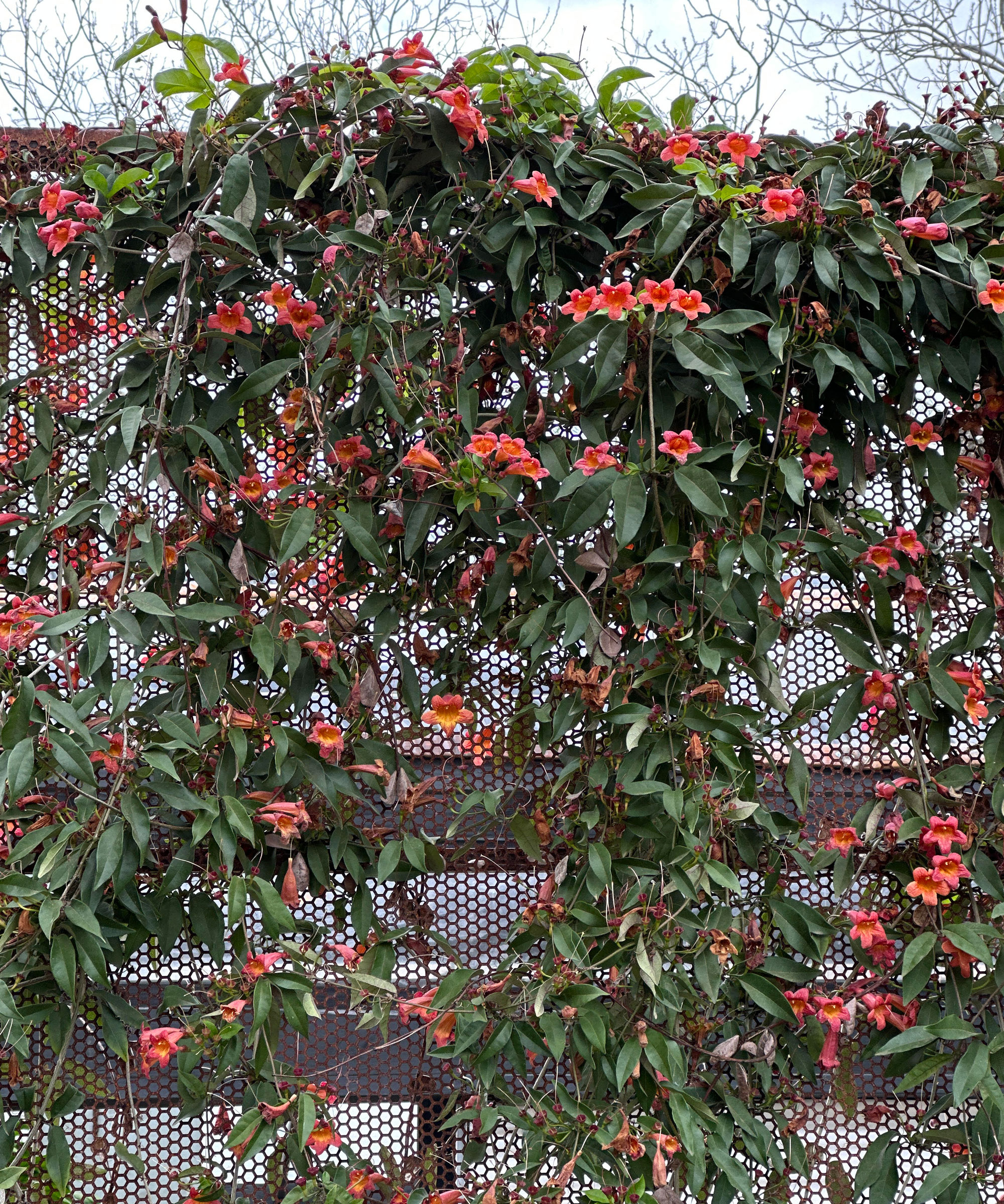
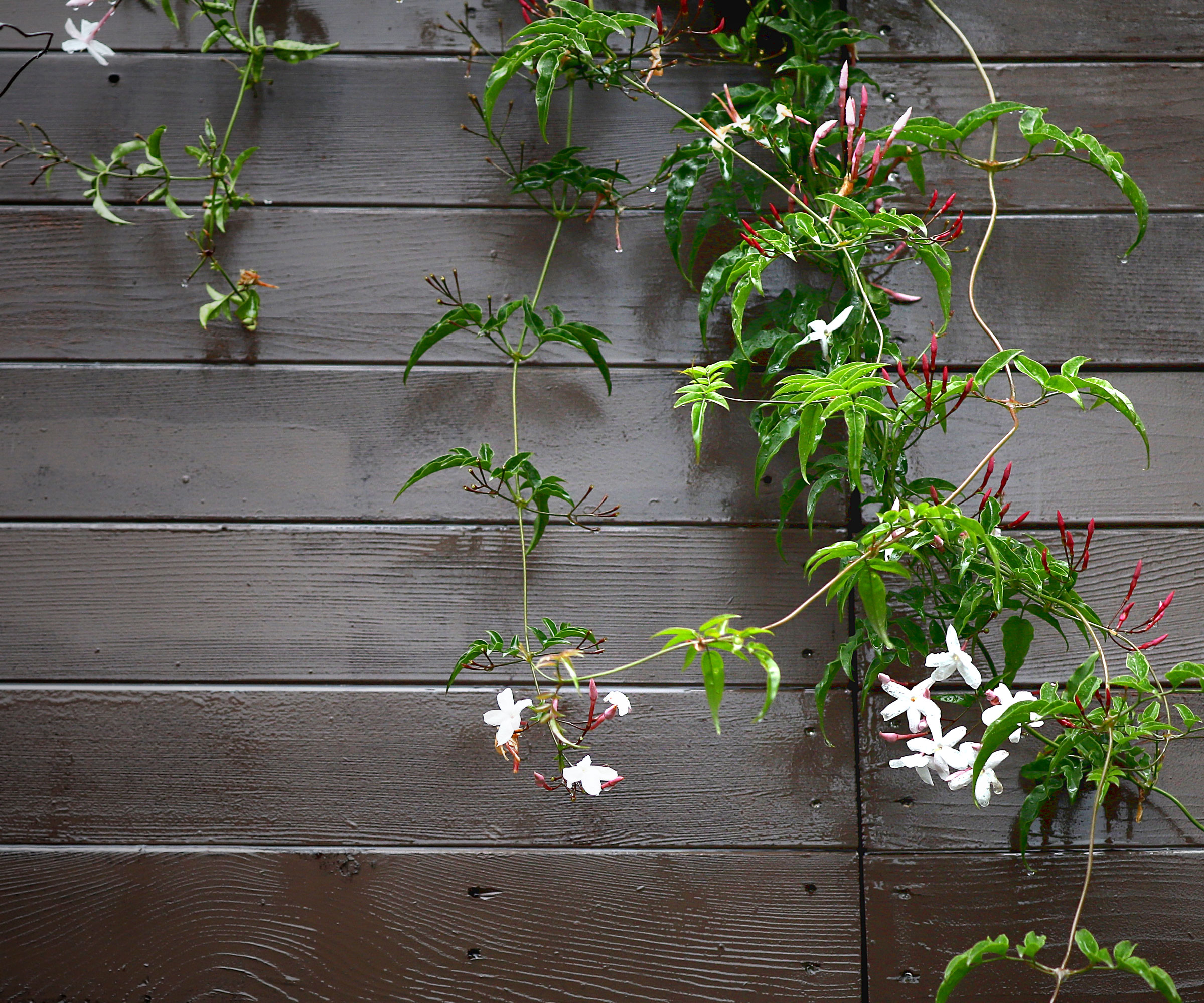
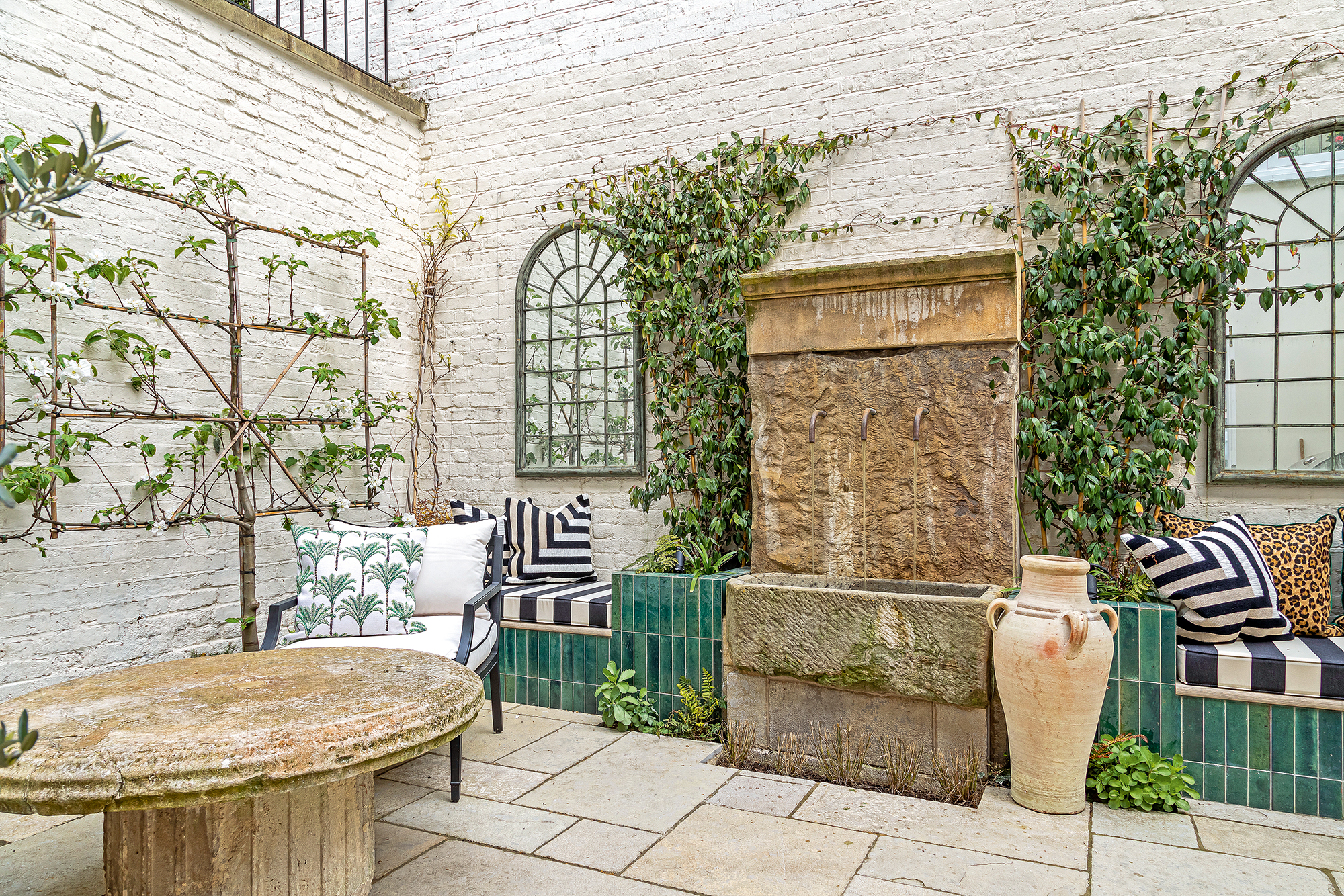
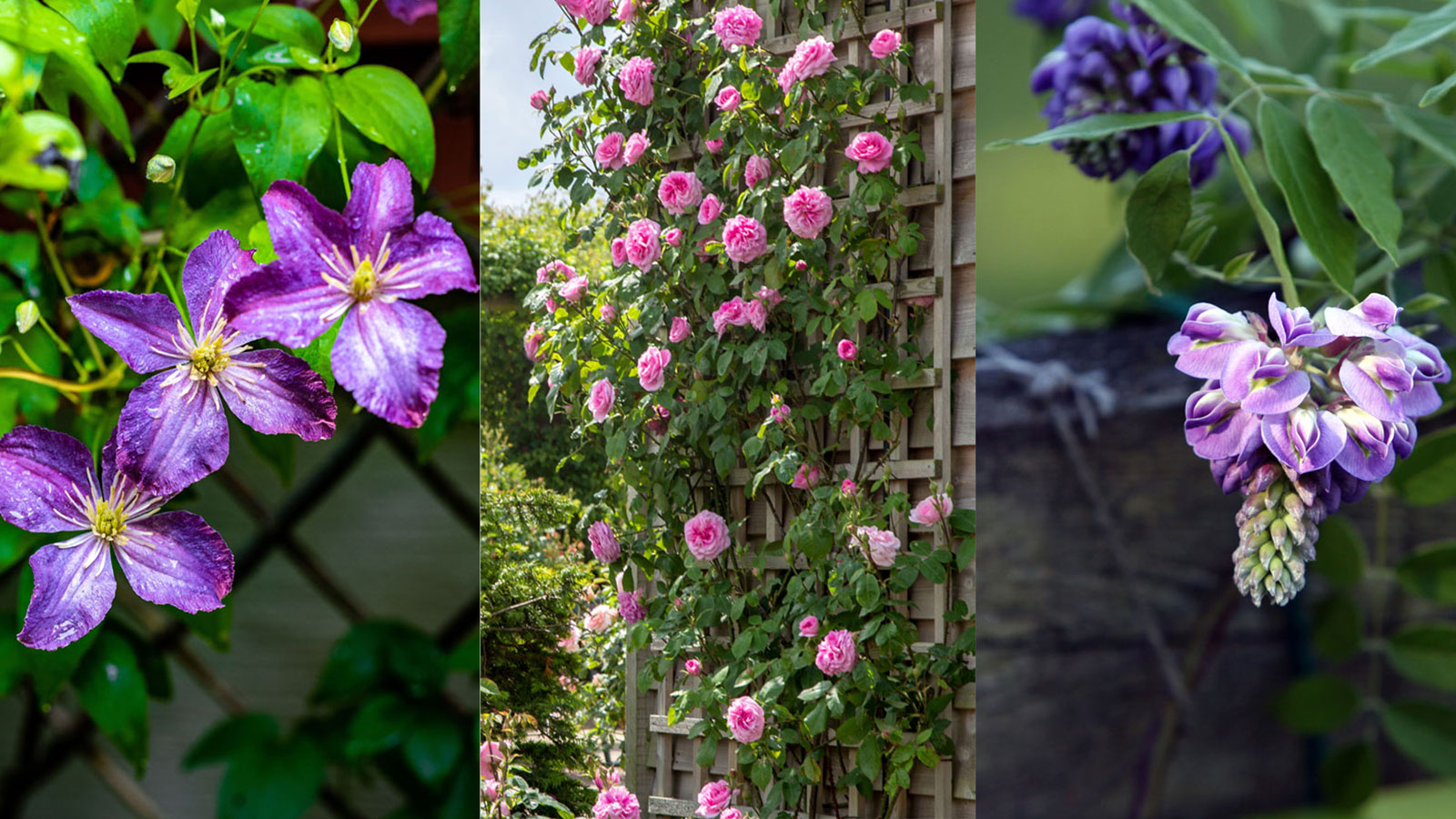
When considering climbing plants to train up a trellis fixed to the wall, the article suggests evergreen flowering climbers. Options include *Trachelospermum asiaticum* and *T. jasminoides* (star jasmine), both white-flowering climbers that bloom from mid to late summer and are relatively hardy, though they can be rampant and may require pruning. Other climbing plant suggestions include *Clematis ‘Avalanche’* for its evergreen leaves and white blooms, and the more compact *Clematis ‘Joe’* for smaller walls. *Holboellia latifolia* (broad-leaved sausage vine) is another option, evergreen in mild climates, featuring dense green leaves and fragrant mauve or cream-lime flowers in spring, followed by purple berries in fall, though it is a vigorous grower requiring pruning. For a tropical look, passion flowers are mentioned, offering intricate blooms and orange berries, evergreen in warmer climates. Various compact, small-leaved ivies (*Hedera helix*) such as 'Eva,' 'Goldchild,' 'Golden Ingot,' or 'Midas' are also recommended for their variegated foliage.
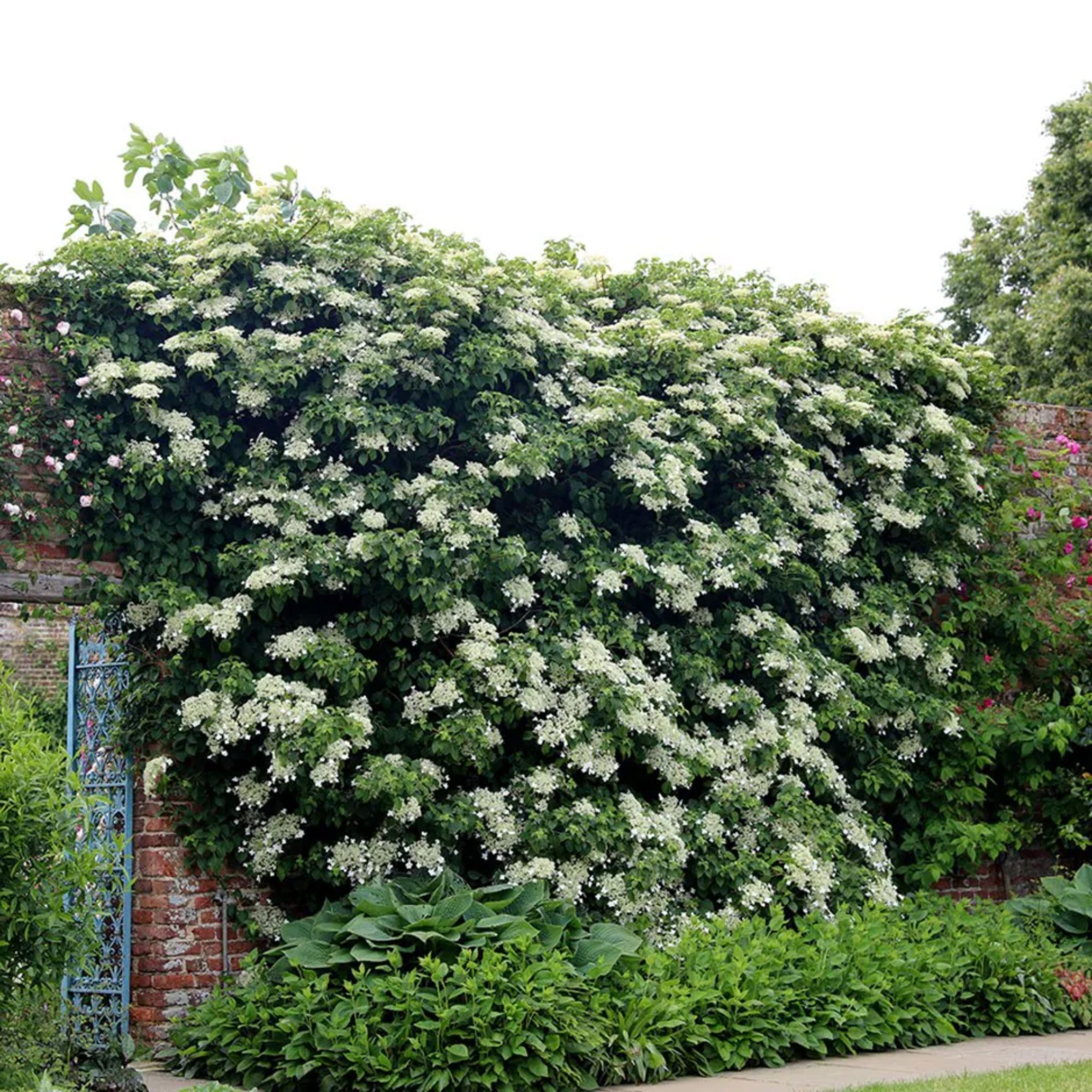
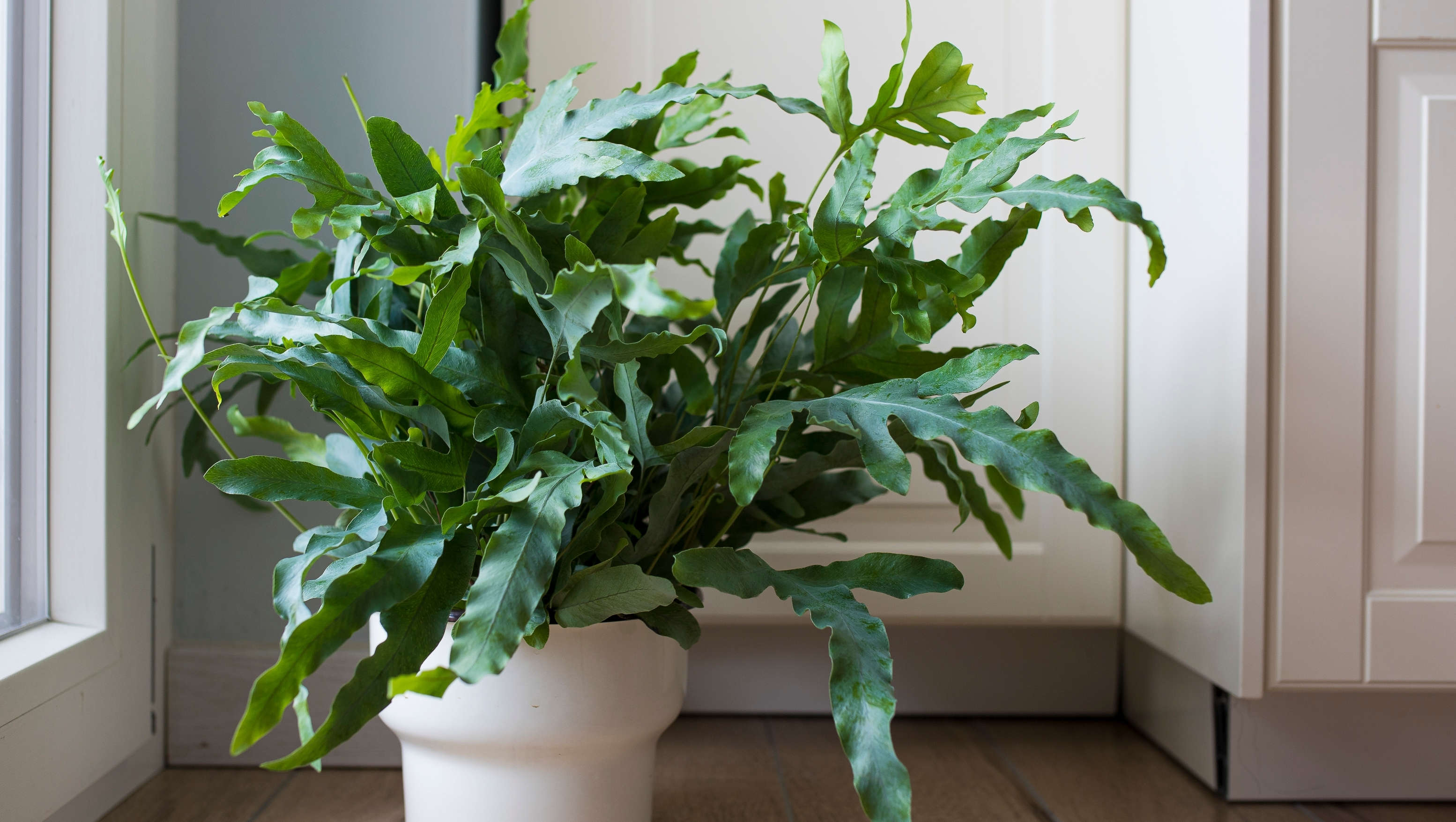
For walls situated in deep shade where most flowering climbers would not thrive, specific plant recommendations are provided. *Firethorn* (pyracantha), when trained as an espalier, is suggested for its sweet spring flowers and fiery berries in late fall and winter. *Hydrangea anomala subsp. petiolaris* (climbing hydrangea), a self-clinging species, is also recommended as it only needs initial support and will attach itself to brickwork once established. To cover the base of shady walls, various ferns are proposed, including *Polystichum polyblepharum*, *Adiantum venustum*, *Polypodium cambricum 'Richard Kayse'*, and *Adiantum capillus-veneris* (maidenhair fern), all of which prefer damp soil enriched with organic matter. The article concludes by suggesting that an unattractive wall can be viewed as an opportunity to introduce new plant life and that a simple clean and fresh coat of garden wall paint could further enhance its appearance, potentially negating the need for a full replacement.
#GardenDesign #PlantSelection #EvergreenShrubs #ClimbingPlants #GardenScreening #ShadeGardening #LandscapeImprovement #BotanicalSolutions #WallCovering #GardenDesign #PlantSelection #EvergreenShrubs #ClimbingPlants #GardenScreening #ShadeGardening #LandscapeImprovement #BotanicalSolutions #WallCovering
Há 0 comentários no total
 Ainda não há comentários
Você também pode gostar

How to create a plant wall in your garden

Best plants to cover a fence – 10 ways to disguise a fence with beautiful flowers and foliage
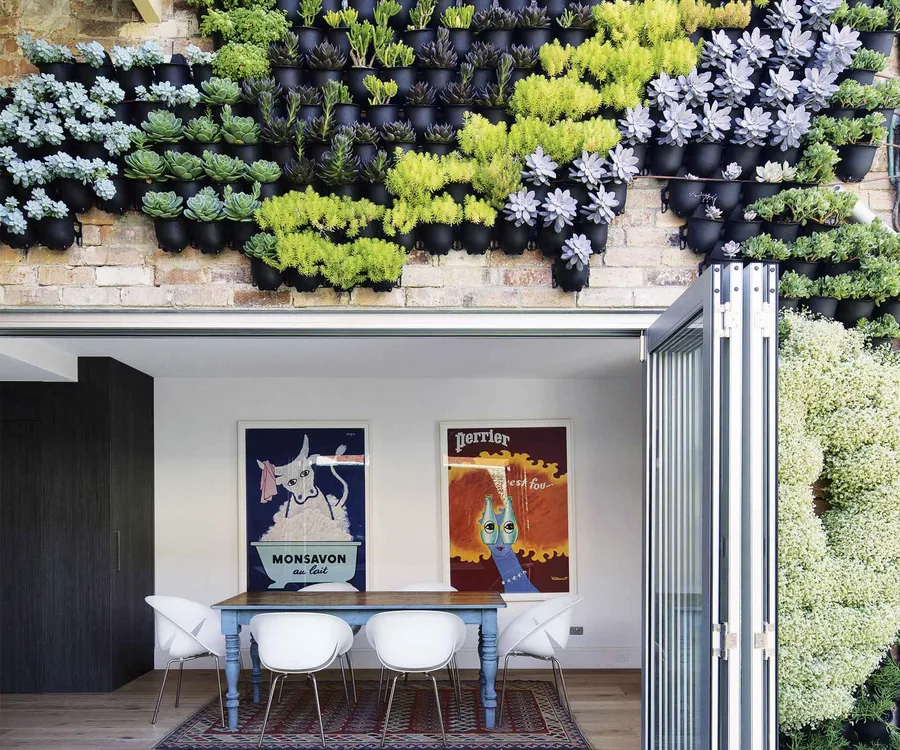
12 vertical garden ideas to inspire your own plant wall

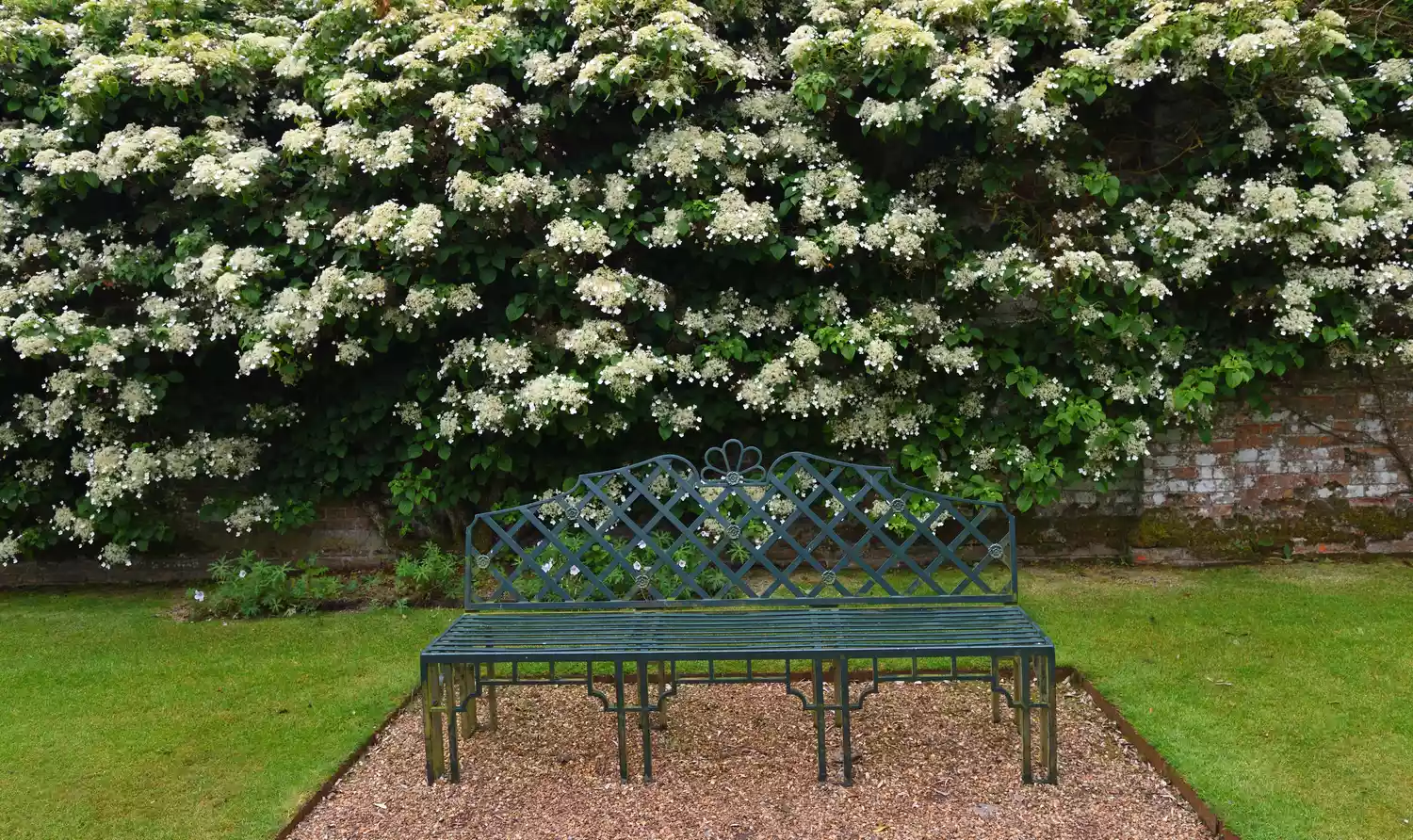
18 Best Plants To Add Privacy To Your Yard
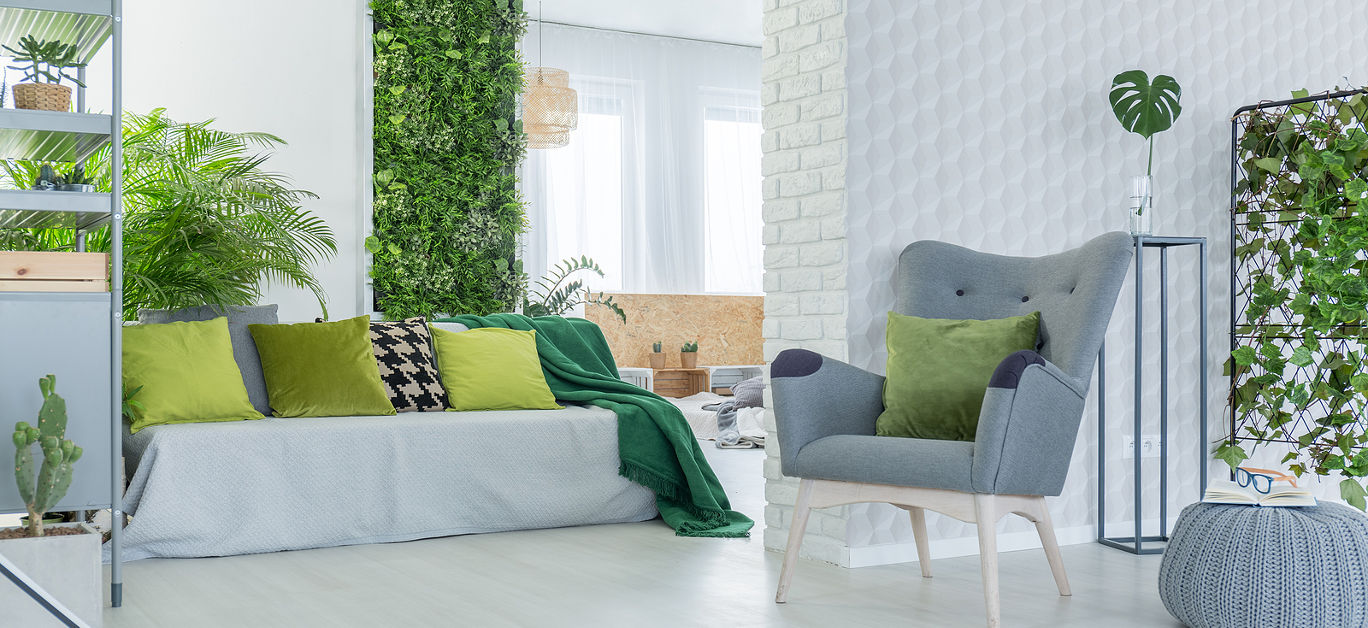
Exciting ideas for an indoor plant wall in your home


How to create an indoor plant wall for your home

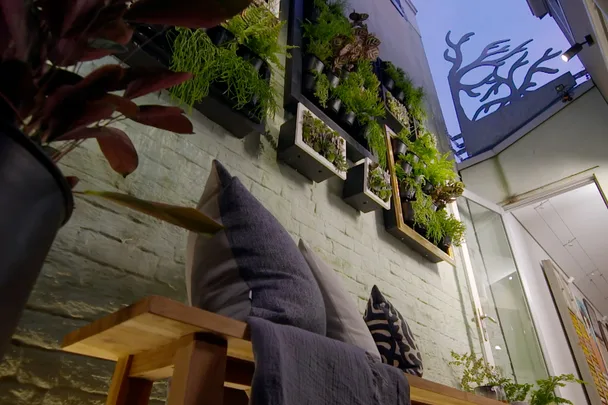
How to hide a brick wall in the garden

Fix Your Yard's Problems with These Ground Cover Flowers + Plants

21 Best Wall-Mounted Planters to Infuse Your Space With Greenery

23 Indoor Plant Wall Ideas to Bring Life to Any Room

Front garden wall ideas – 10 designs to elevate your space
'My neighbor's built an unsightly wall, how can I hide it?' 5 ideas that will turn an eyesore into your backyard's best feature

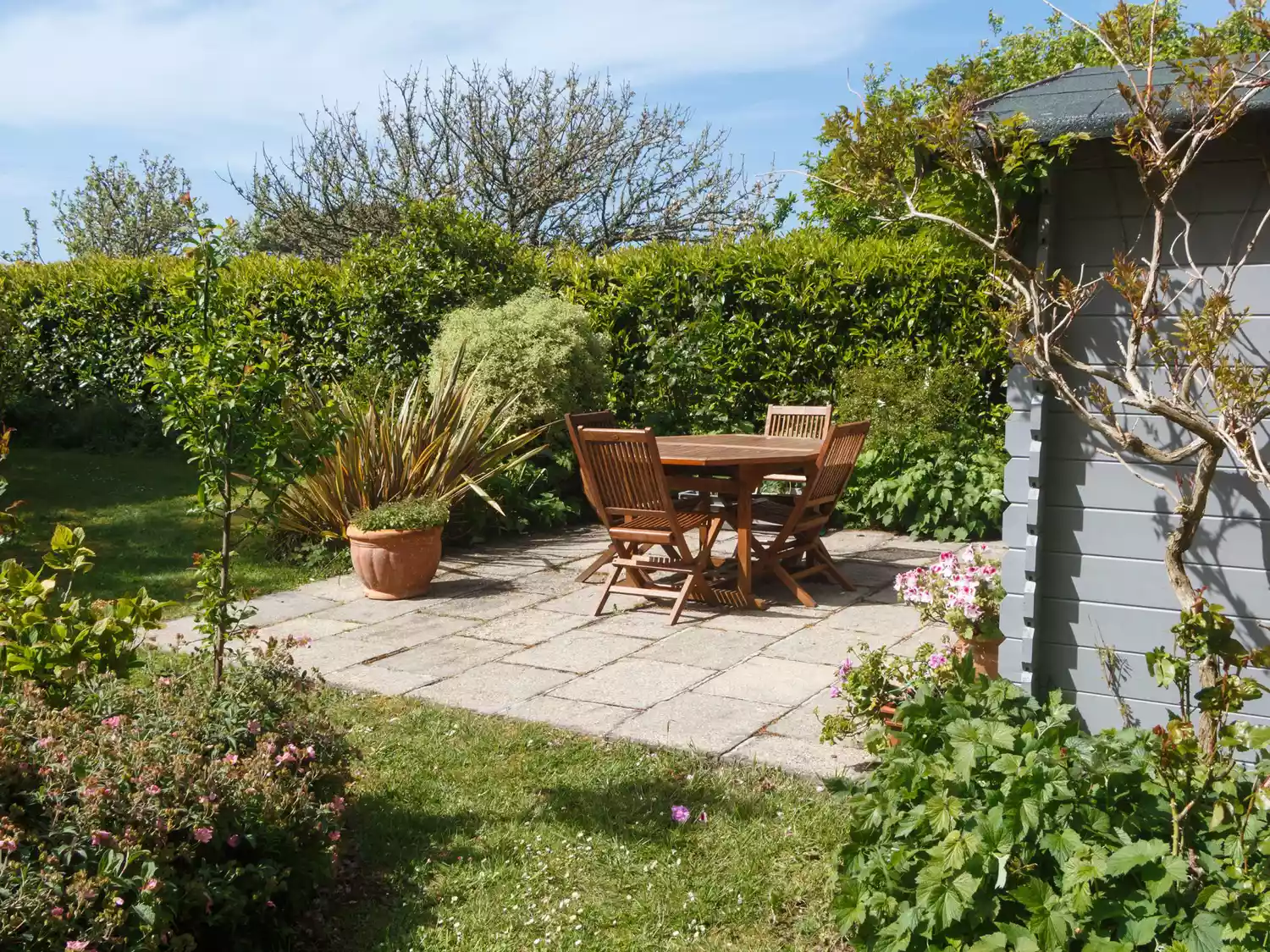
21 Landscape Plants That Pros Recommend for Adding Privacy

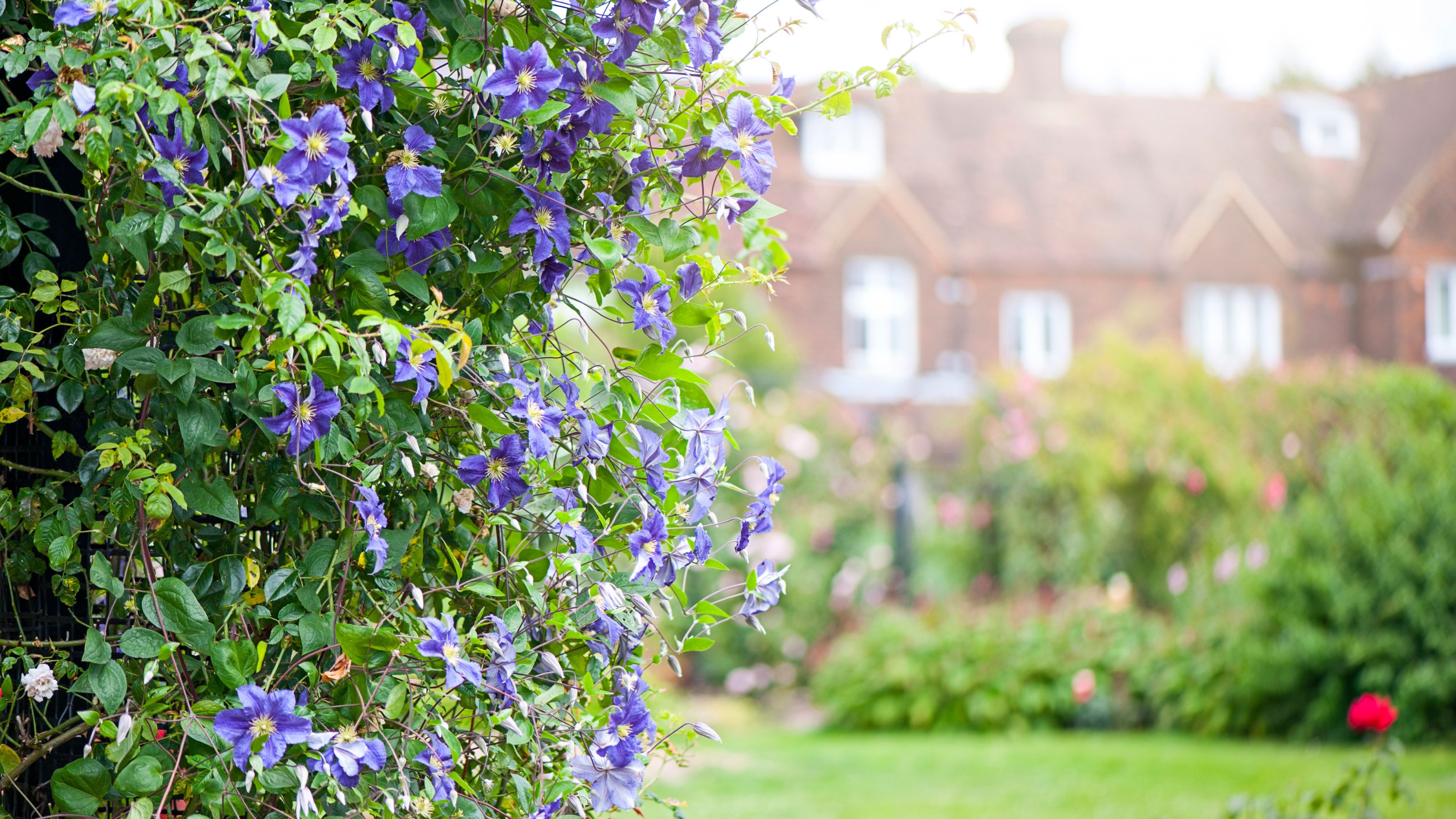
The 5 best climbing plants to cover an ugly fence, add privacy, and beautify your garden
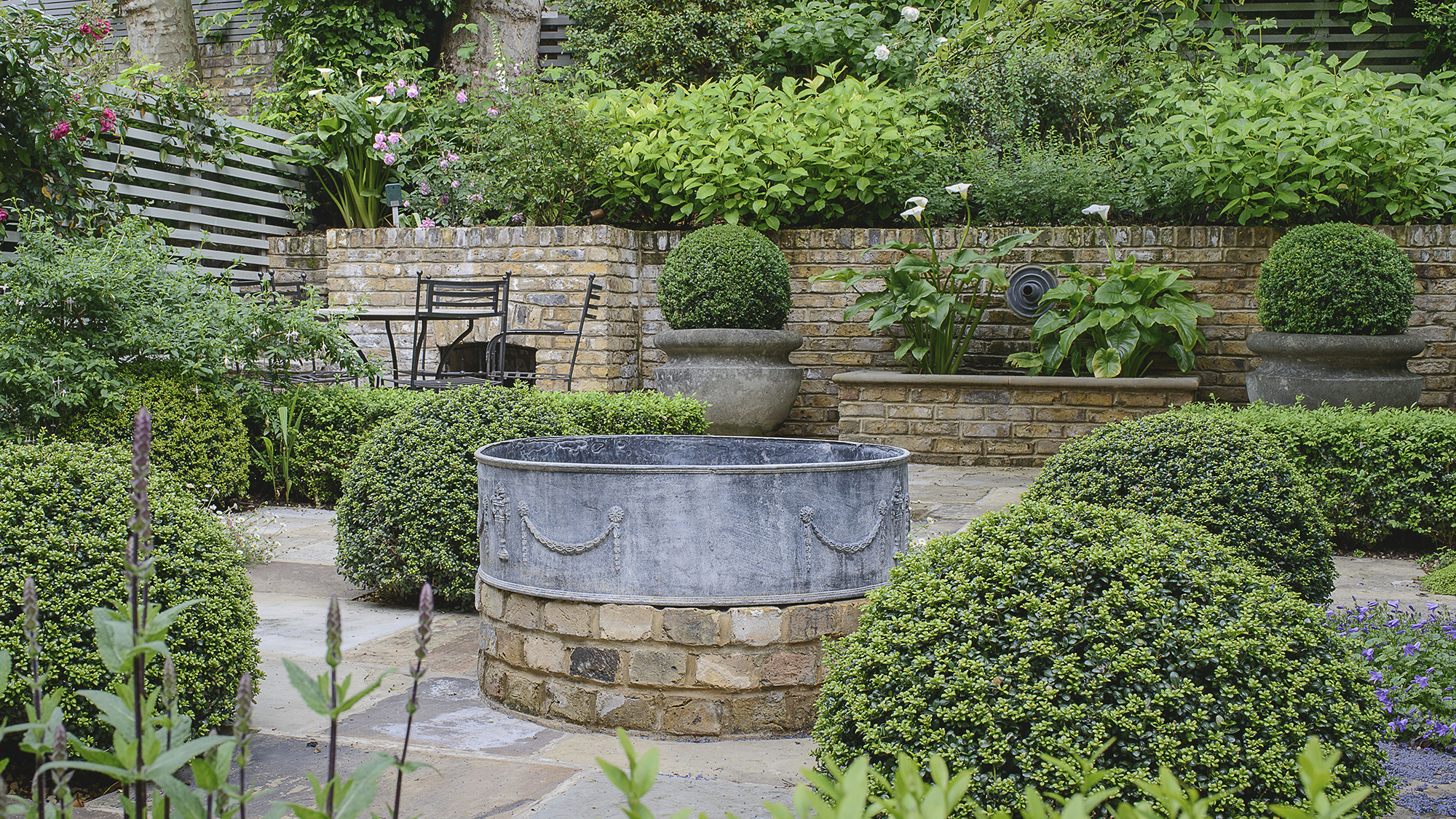
Garden wall ideas – 16 inspiring ways to define your boundaries

How to Create a Living Wall to Maximize Your Outdoor Space

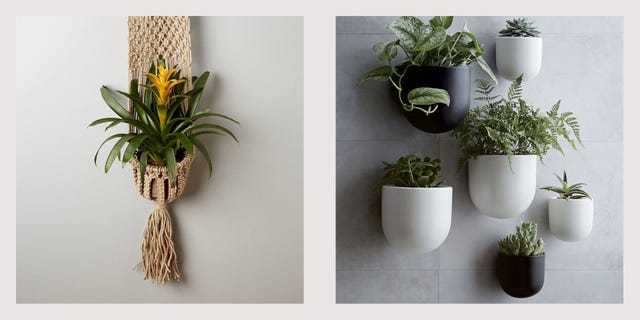
Give Your Blank Walls New Life With These Stunning Planters
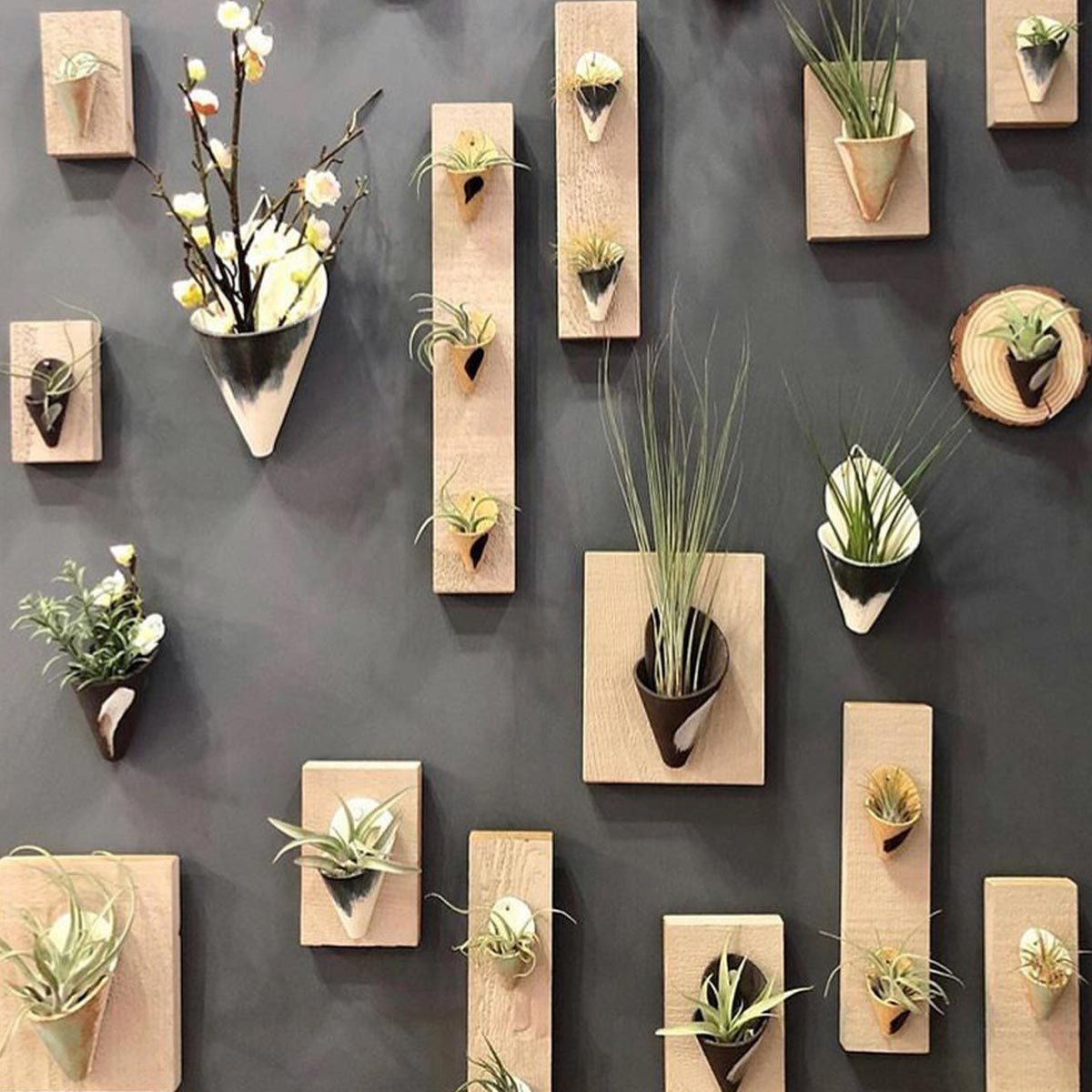
10 Ideas for Decorating Your Walls with Plants

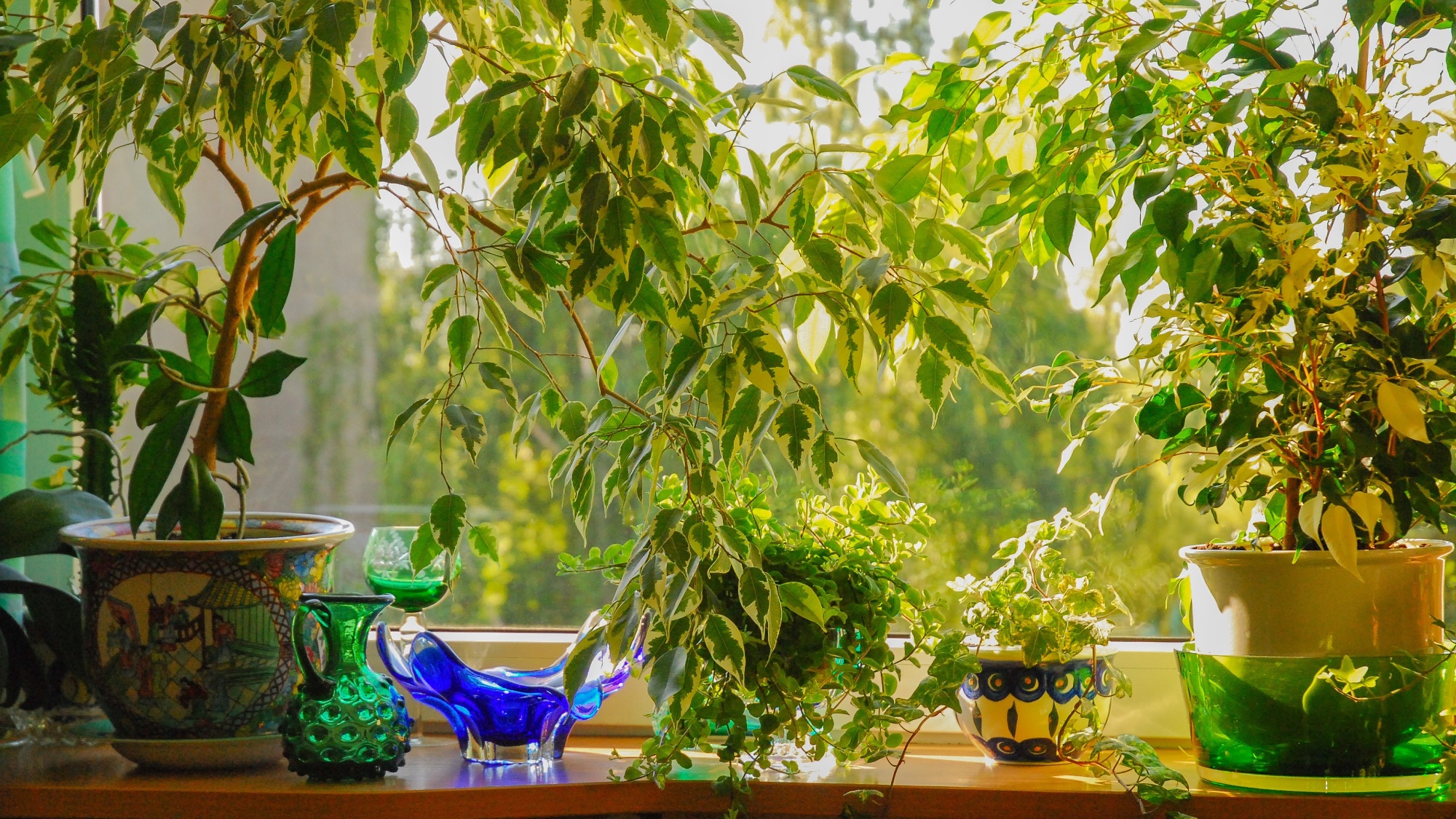
5 best indoor screening plants to protect your privacy

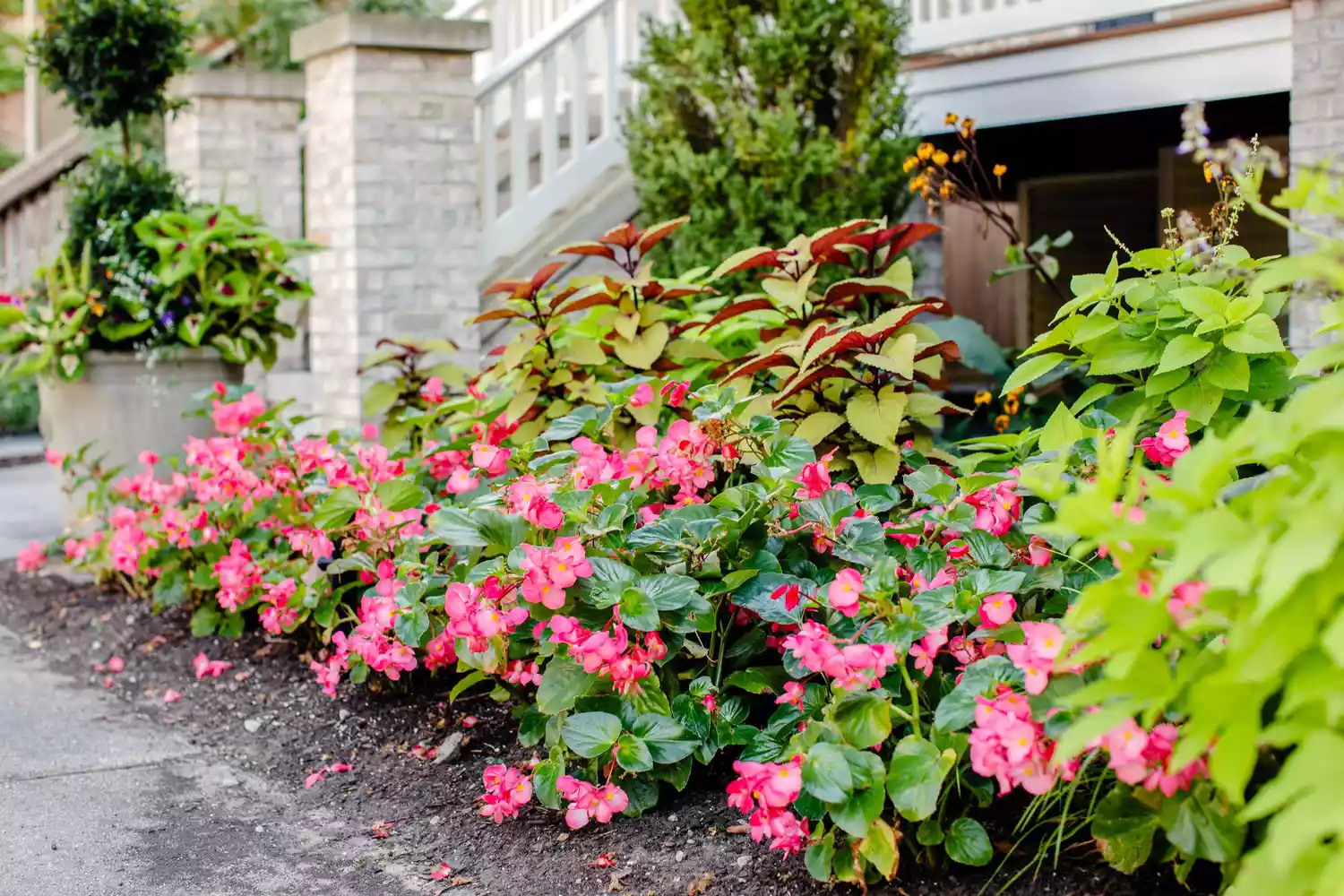
12 Best Shade Plants to Grow Along a North-Facing Wall