How to hide a brick wall in the garden
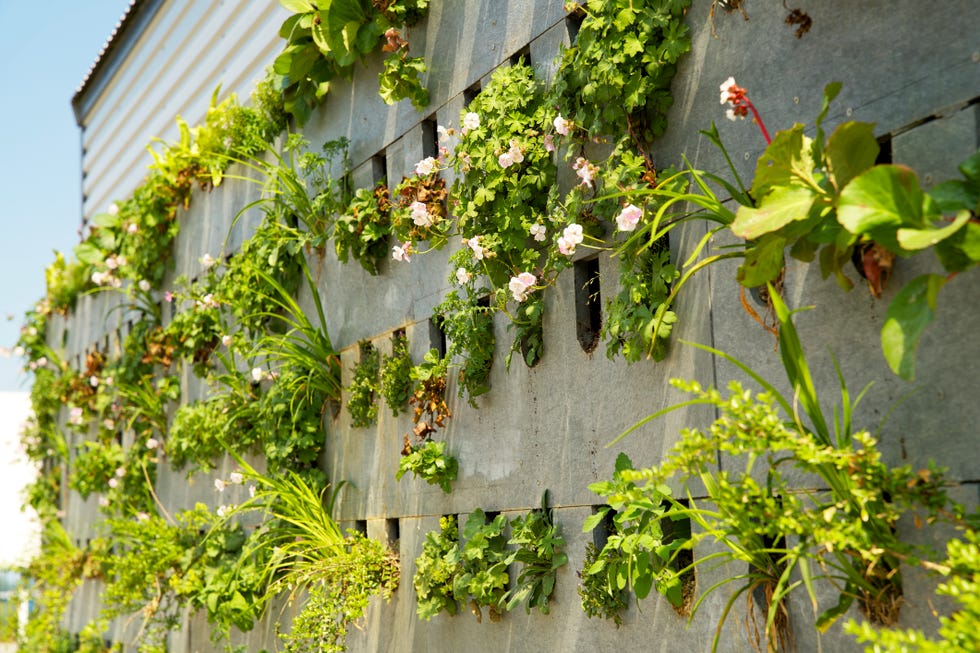
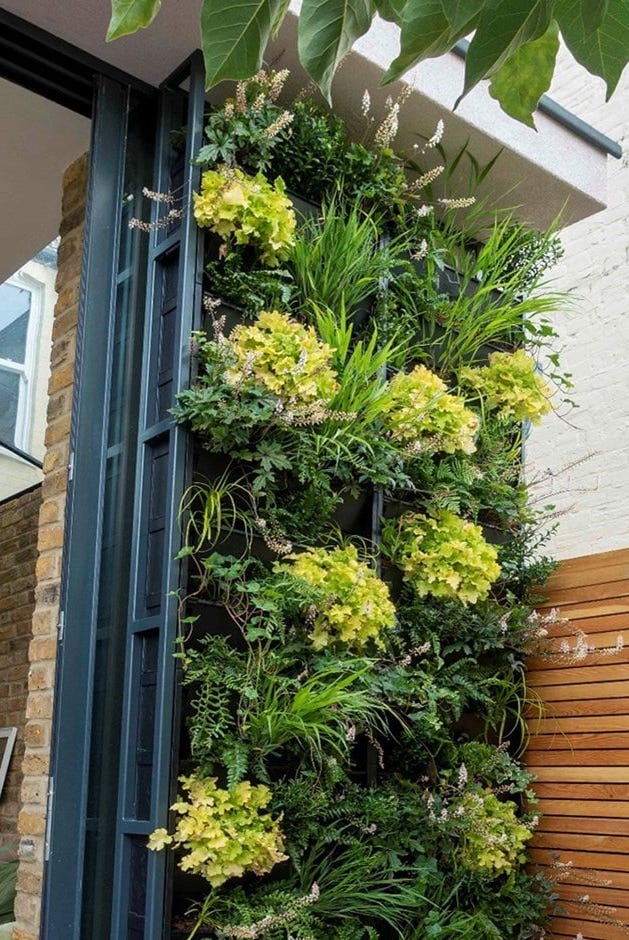
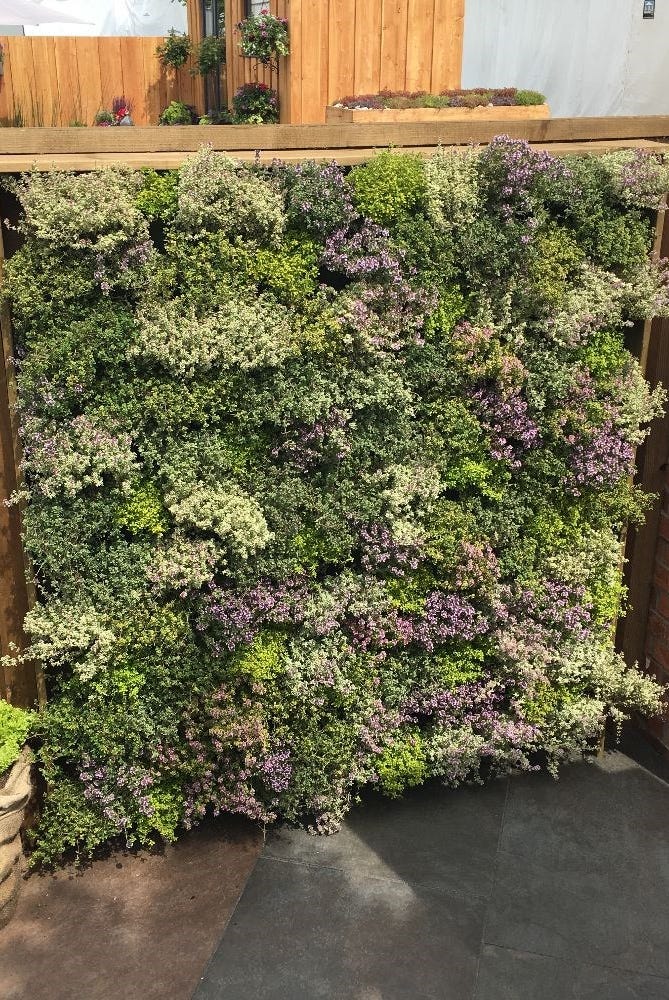
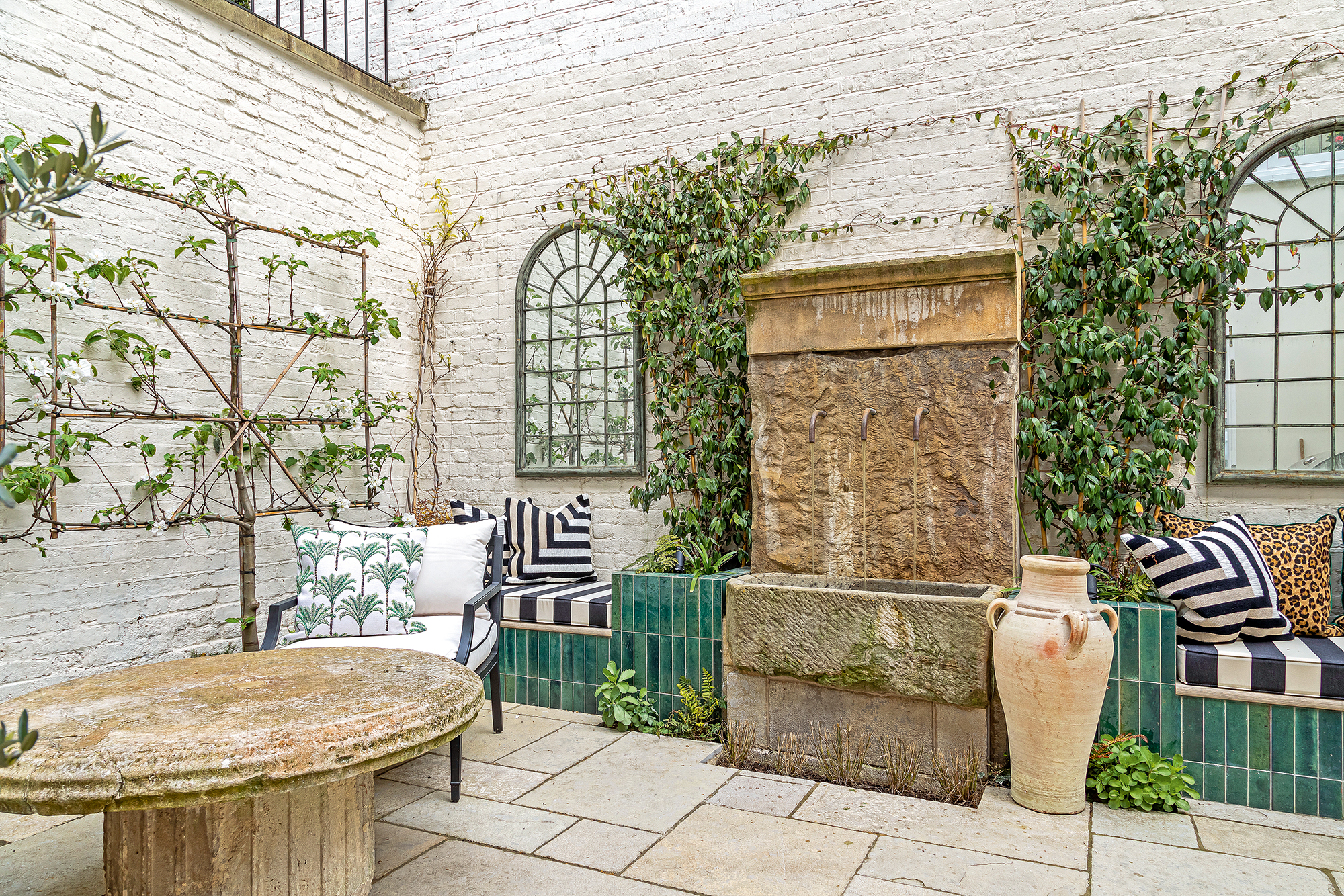
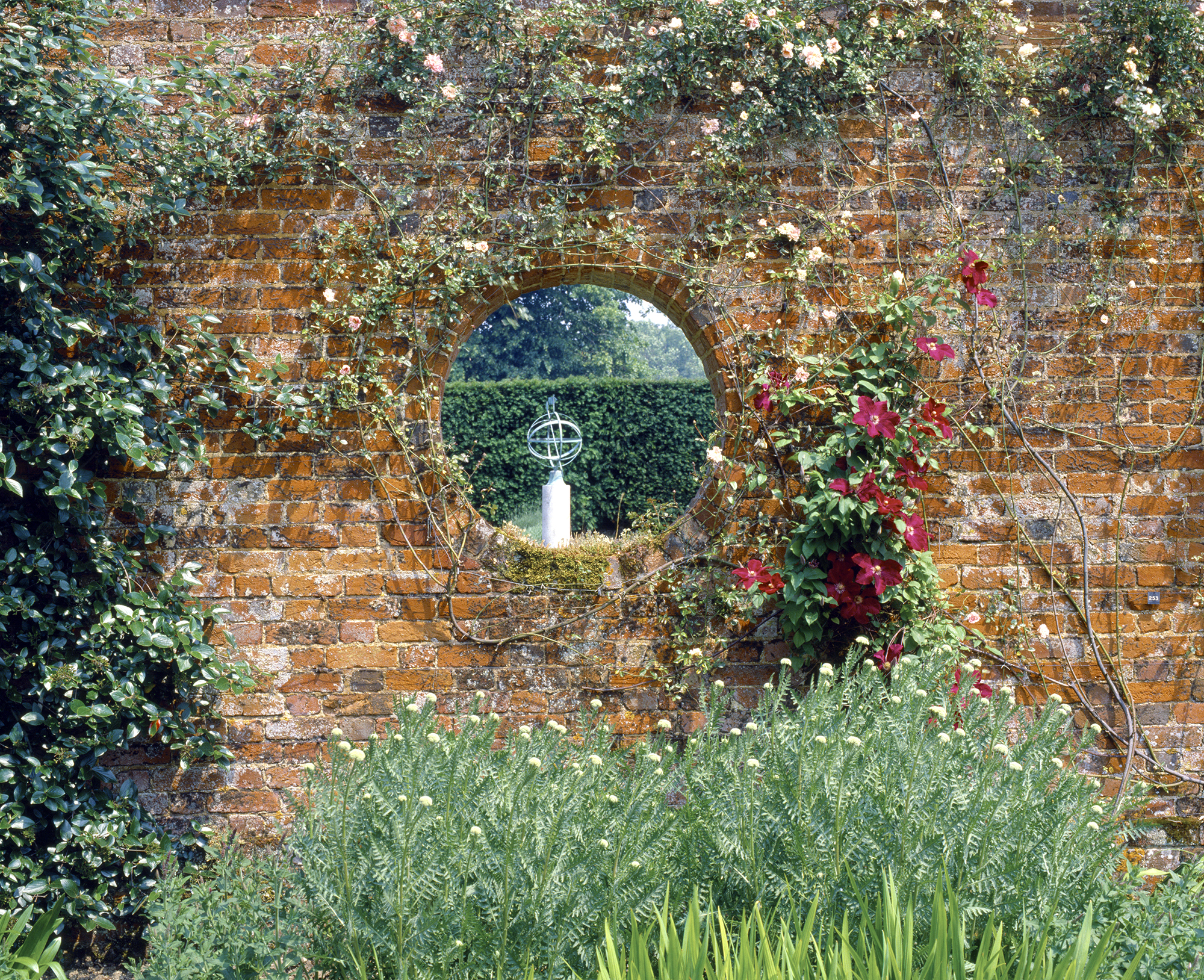
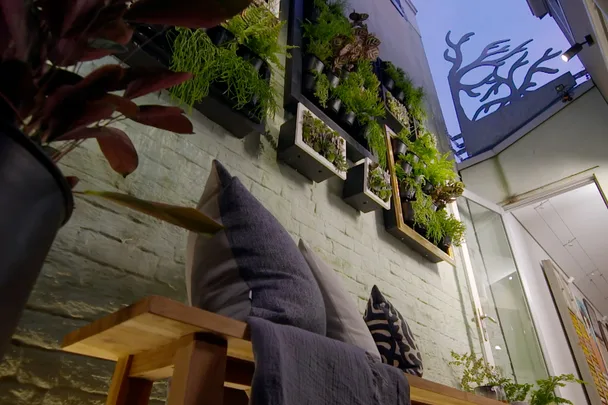
Gardens can be significantly impacted by the presence of an unsightly brick wall, which can detract from the overall aesthetic of an outdoor space. To address this common issue, a simple yet effective strategy focuses on distraction, utilizing framed wall planting systems to create a visually appealing 'green gallery.' This approach not only conceals the brick wall but also transforms it into a focal point, enhancing the garden's beauty.
The core of this transformation involves implementing vertical gardening solutions. Framed wall planters, which can be constructed to various specifications, allow for the cultivation of a diverse range of plants directly on the wall's surface. These systems are designed to be mounted, effectively covering the brickwork with lush foliage and vibrant blooms. The selection of plants for these wall planters is crucial; options might include climbing plants, ferns, succulents, or various herbs, chosen based on their aesthetic appeal, growth habits, and suitability for the local climate. The arrangement of these plants within the frames can be artistic, creating patterns, textures, and color schemes that draw the eye and create a dynamic visual display.
Beyond the daytime appeal of a green gallery, incorporating a well-designed lighting setup extends its enjoyment into the evening hours. Strategic placement of outdoor lighting can highlight the framed plants, casting interesting shadows and creating a soft, inviting ambiance. Options for lighting include uplights, downlights, or string lights, which can be integrated into the wall planting system or positioned nearby to illuminate the foliage. This dual approach of plant-based concealment and atmospheric lighting ensures that the once-ugly brick wall becomes a captivating feature, offering visual interest and a sense of tranquility throughout the day and night.
The installation process typically begins with the preparation of the wall, ensuring it is clean and structurally sound to support the planters. The framed systems are then securely attached, followed by the careful planting of chosen flora. Irrigation systems, such as drip lines, can be integrated to ensure efficient watering of the vertical garden, minimizing maintenance efforts. For lighting, low-voltage LED lights are often preferred for their energy efficiency and durability. These lights are installed to accentuate the botanical display, creating a serene and aesthetically pleasing environment.
This method offers a practical and beautiful solution for gardeners looking to enhance their outdoor spaces by transforming unattractive elements into stunning landscape features. The integration of vertical gardening with thoughtful lighting design not only hides the undesired brick wall but also adds significant value and character to the garden, creating a unique and enjoyable outdoor living area.
#GardenDesign #VerticalGardening #OutdoorLighting #HomeImprovement #LandscapeDesign #GreenWalls #DIYGarden #GardenDesign #VerticalGardening #OutdoorLighting #HomeImprovement #LandscapeDesign #GreenWalls #DIYGarden
0 comment in total
 No comments yet
You may also like
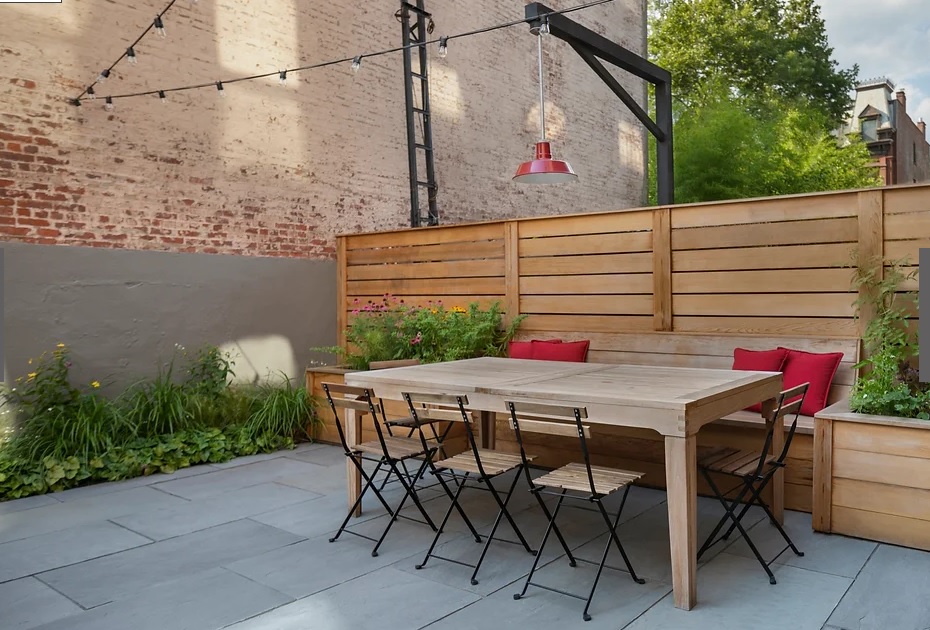
'My neighbor's built an unsightly wall, how can I hide it?' 5 ideas that will turn an eyesore into your backyard's best feature

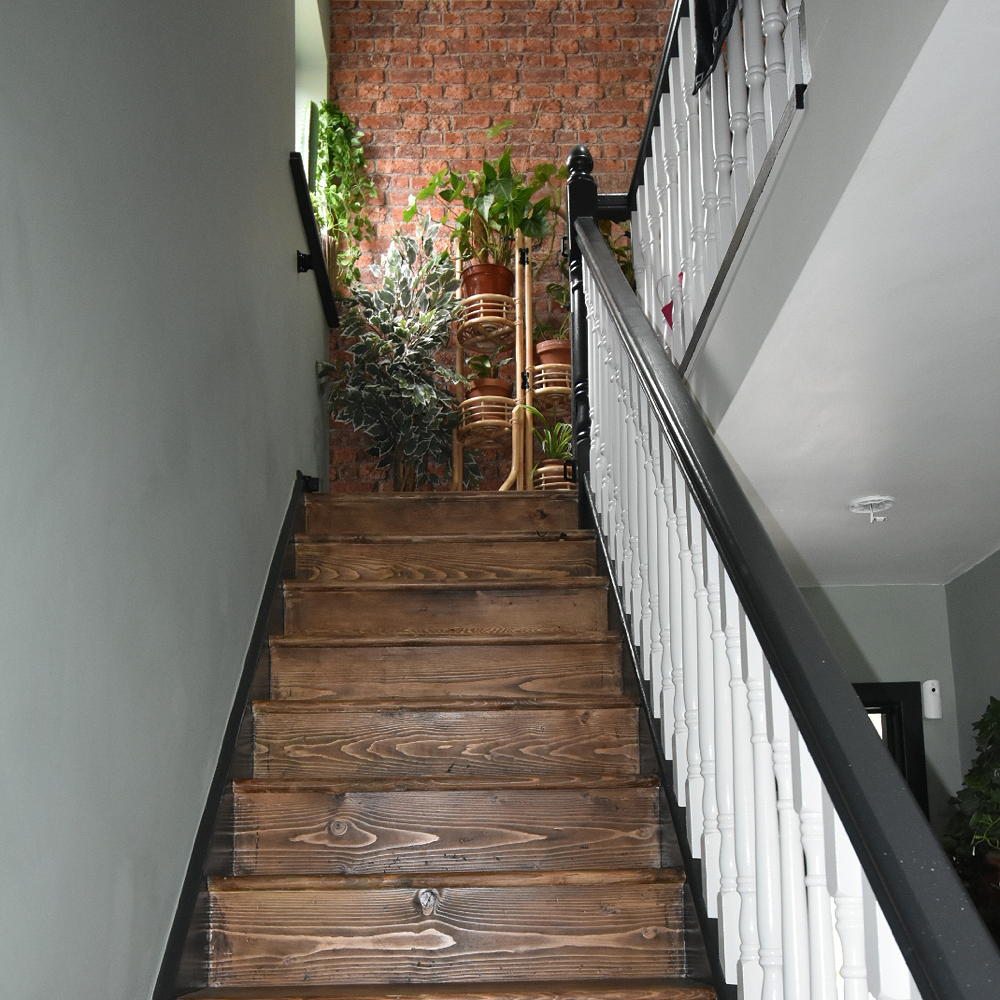
Fake exposed brick with wallpaper – see this savvy homeowner's trick
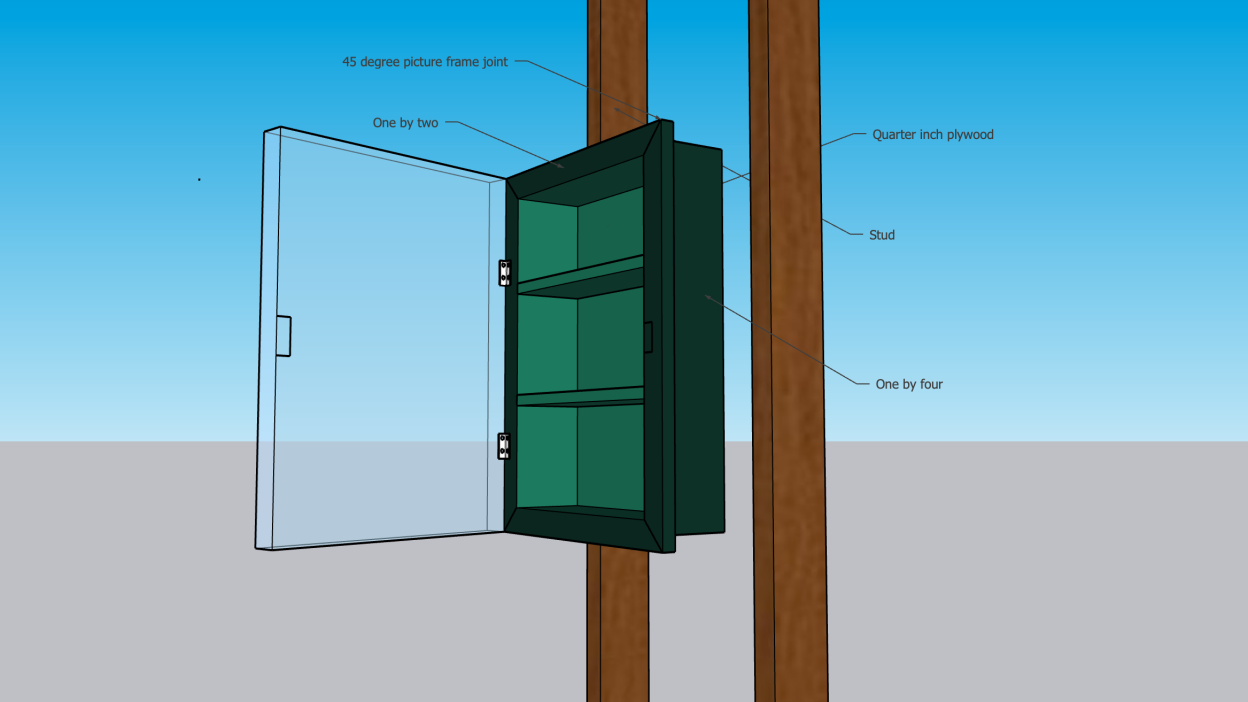
You Can Build a Hidden Cupboard Into a Wall


Add Privacy and Expand Your Home's Use With This DIY Interior Wall Project


Plants to hide a garden wall – expert-approved options for a beautiful, botanical screen


Another brick in the wall

Brick Cladding: Helping keep moisture out

How to create an indoor plant wall for your home


How to create a plant wall in your garden


10 Ways to Update an Exposed Brick Wall—Beyond Just Painting It

Ready To Pick a Patio Pattern? Here Are 12 Designs To Consider

Garden Paving & Walling | Front Garden Paving & Block Paving Grout


How to incorporate a brick wall in your home

Brick Patio Ideas Don’t Have to Be Boring—Peep These 5 Outdoor Spaces


A Homeowner’s Guide to Maintaining and Restoring a Brick Facade


4 Common Wall Hanging Myths, Busted


How to create an exposed brick feature wall or fireplace - and clean and maintain it like an expert
7 beautifully exposed walls for your country home

Garden wall ideas – 16 inspiring ways to define your boundaries
How to Clean Brick on Your Interior and Exterior Surfaces