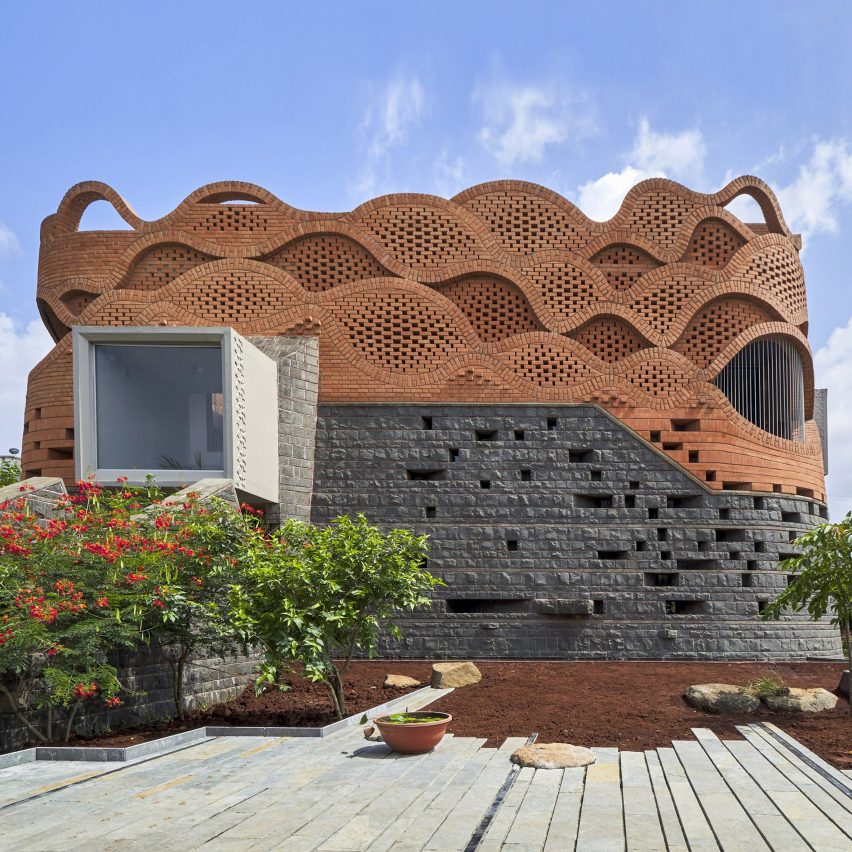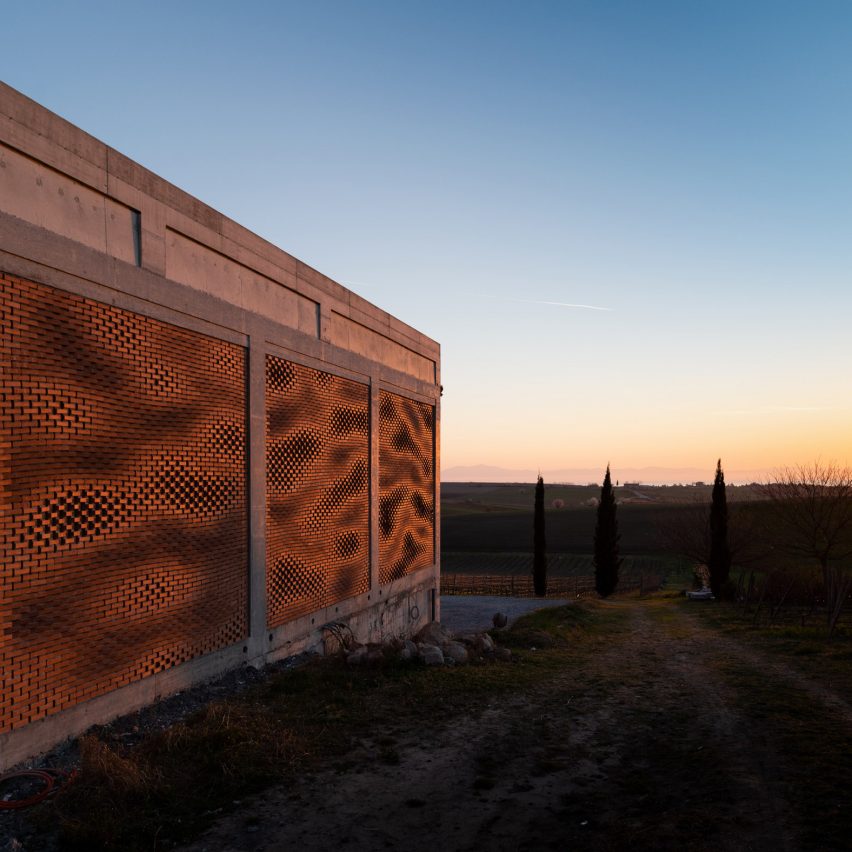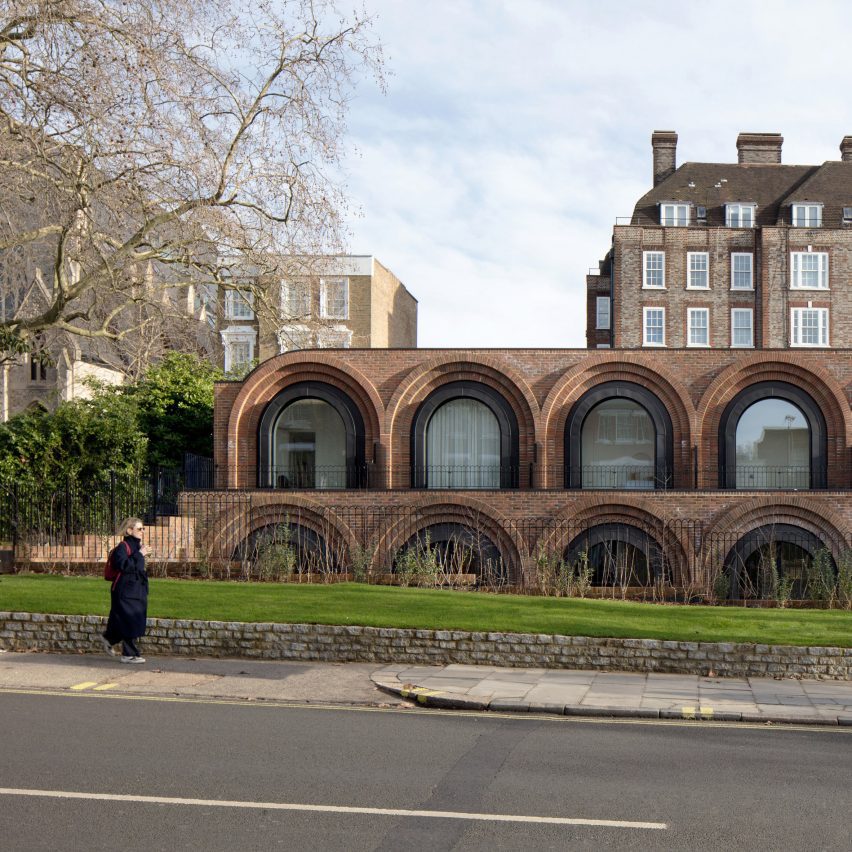
How to incorporate a brick wall in your home
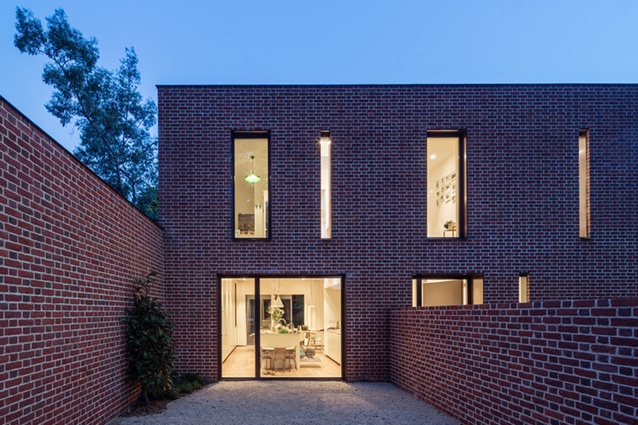
The Industrial design trend has gained significant popularity, moving away from the conventional minimalist and Scandinavian styles, especially in Singaporean homes. This trend is characterized by exposed building materials such as brick, concrete, and metal, which contribute to a raw, edgy, and textural aesthetic. One of the most defining features of this style is the brick wall, which can be incorporated into various home settings, adding character and warmth. While some homeowners might prefer an industrial look throughout their entire home, others choose to integrate brick elements subtly to create a focal point or a feature wall.
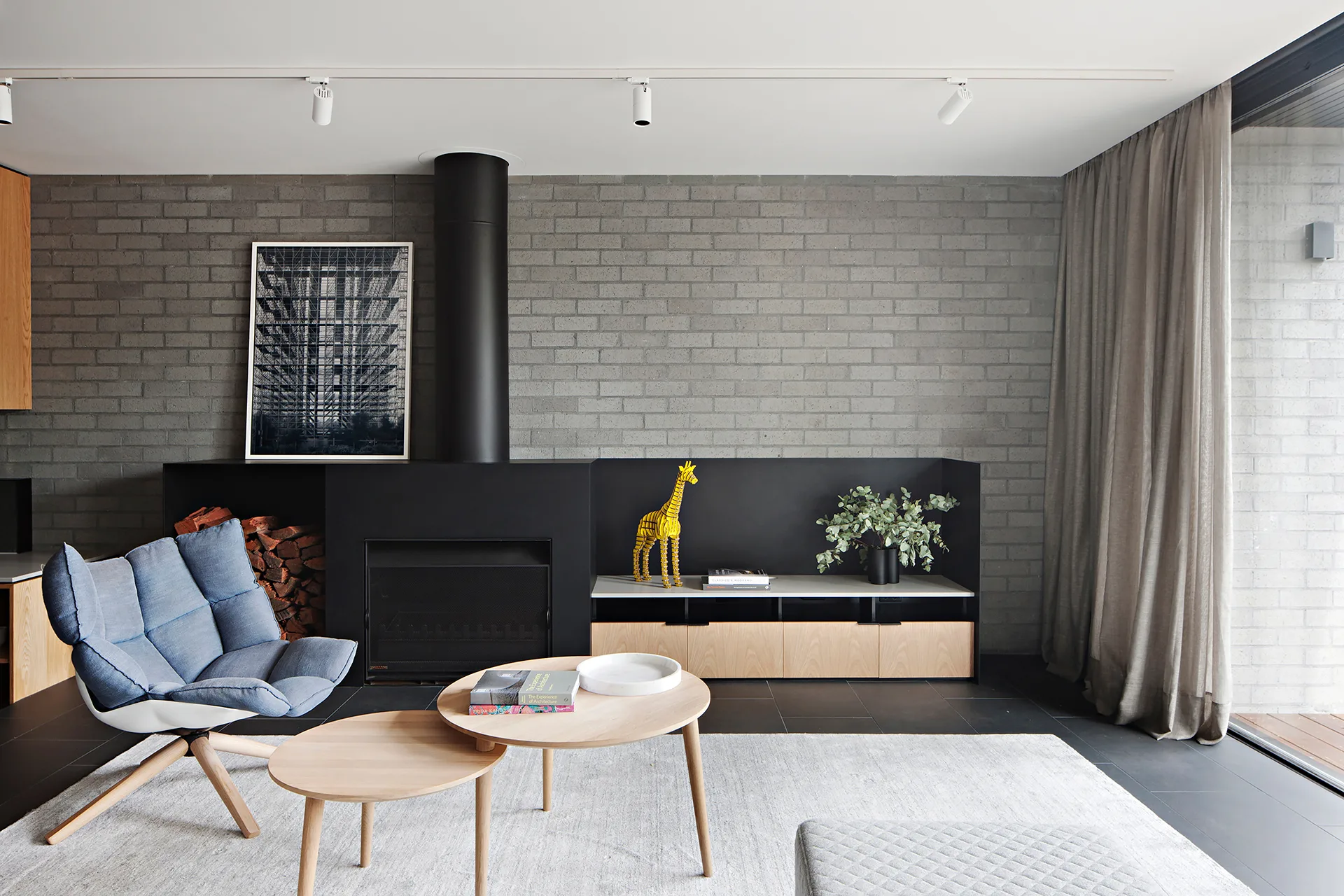
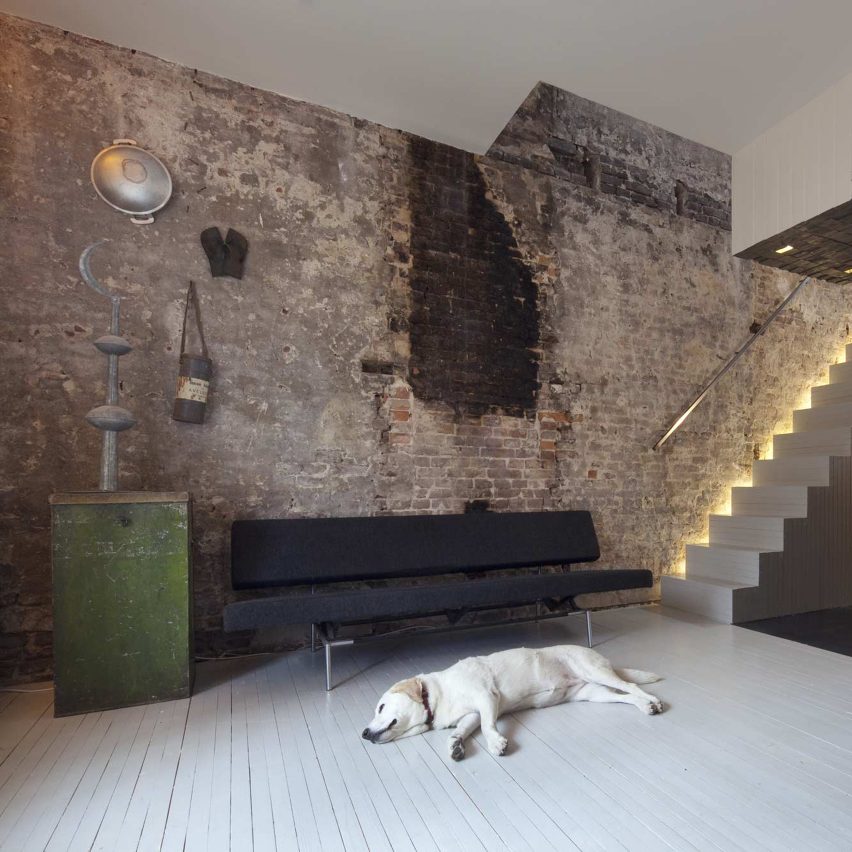
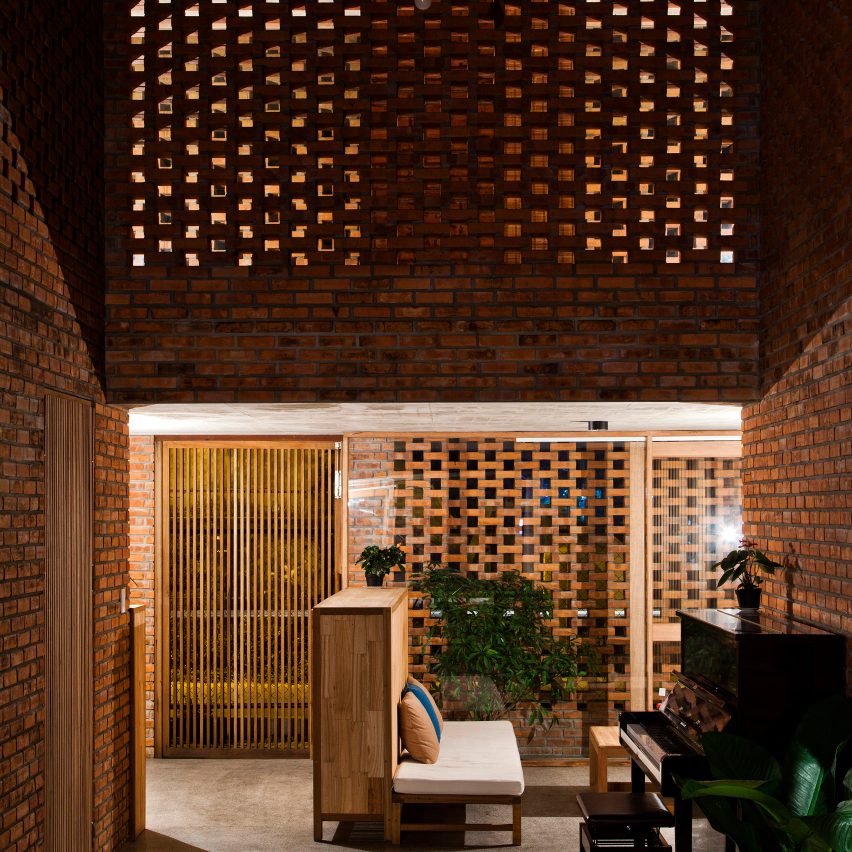
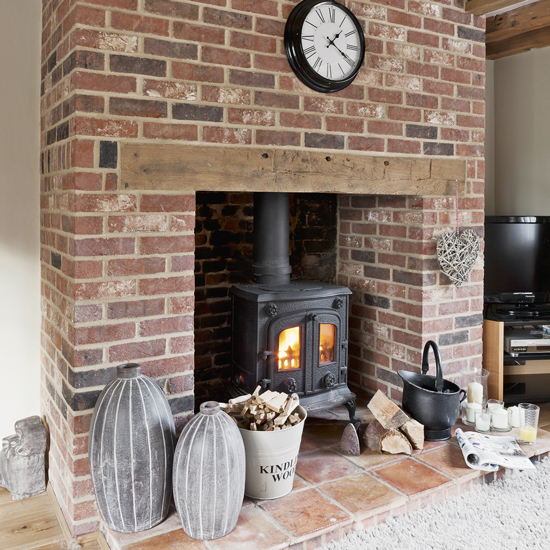
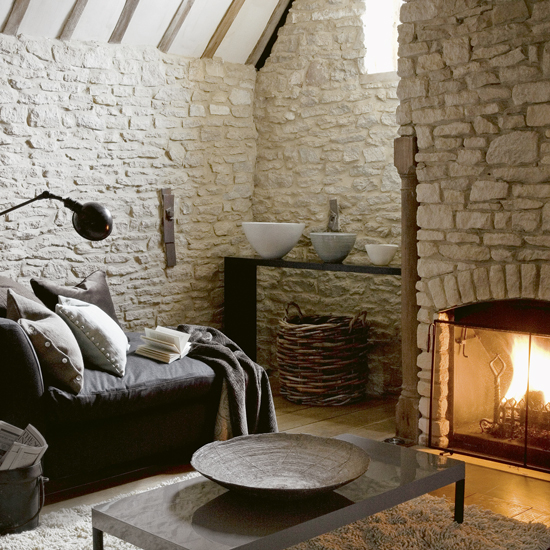
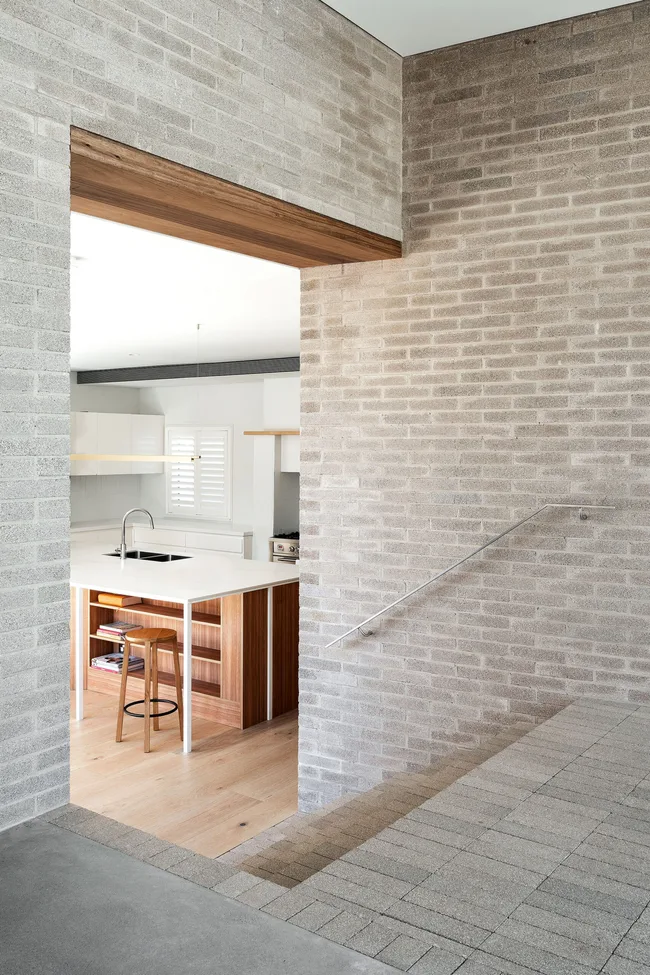
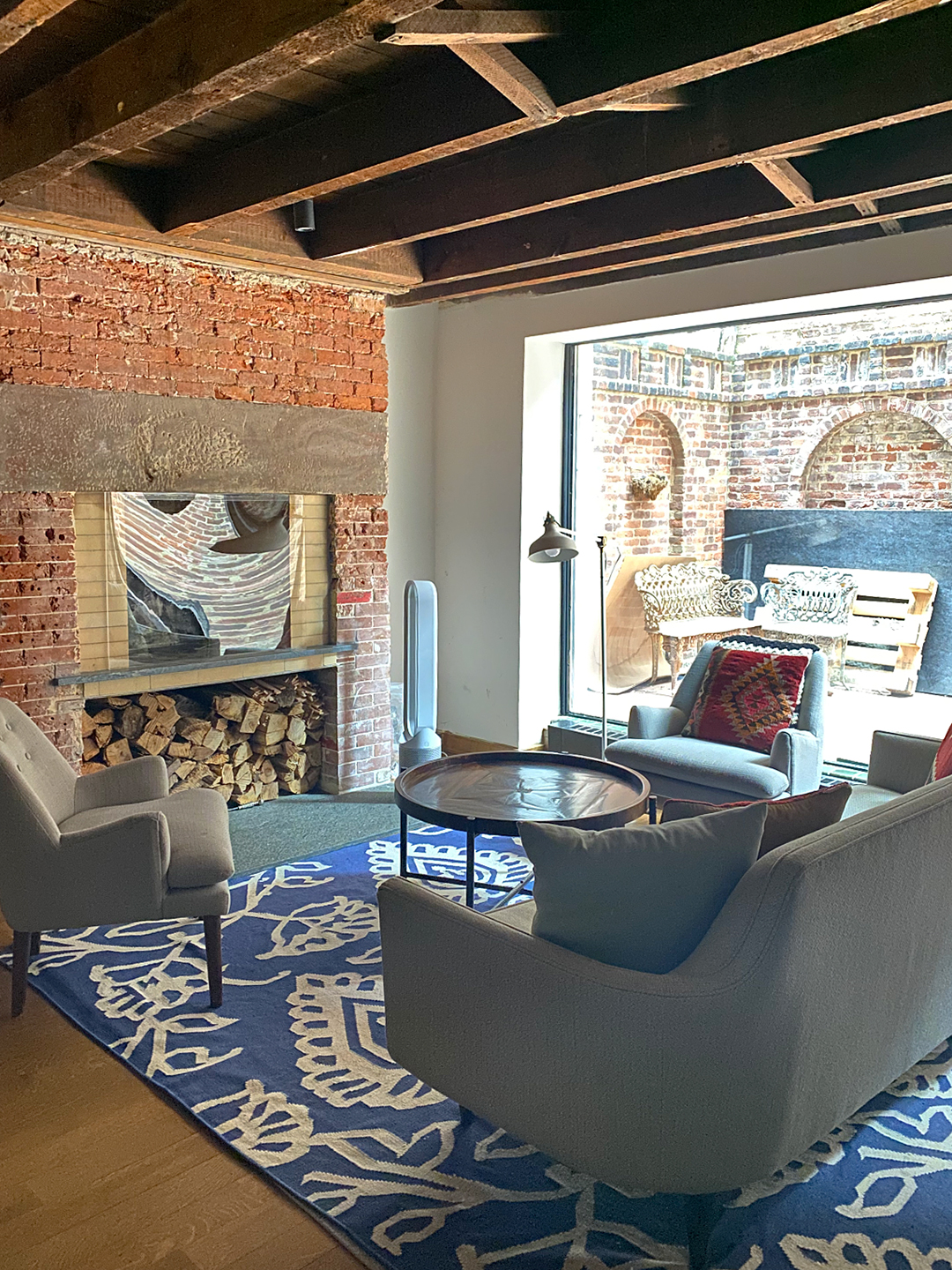
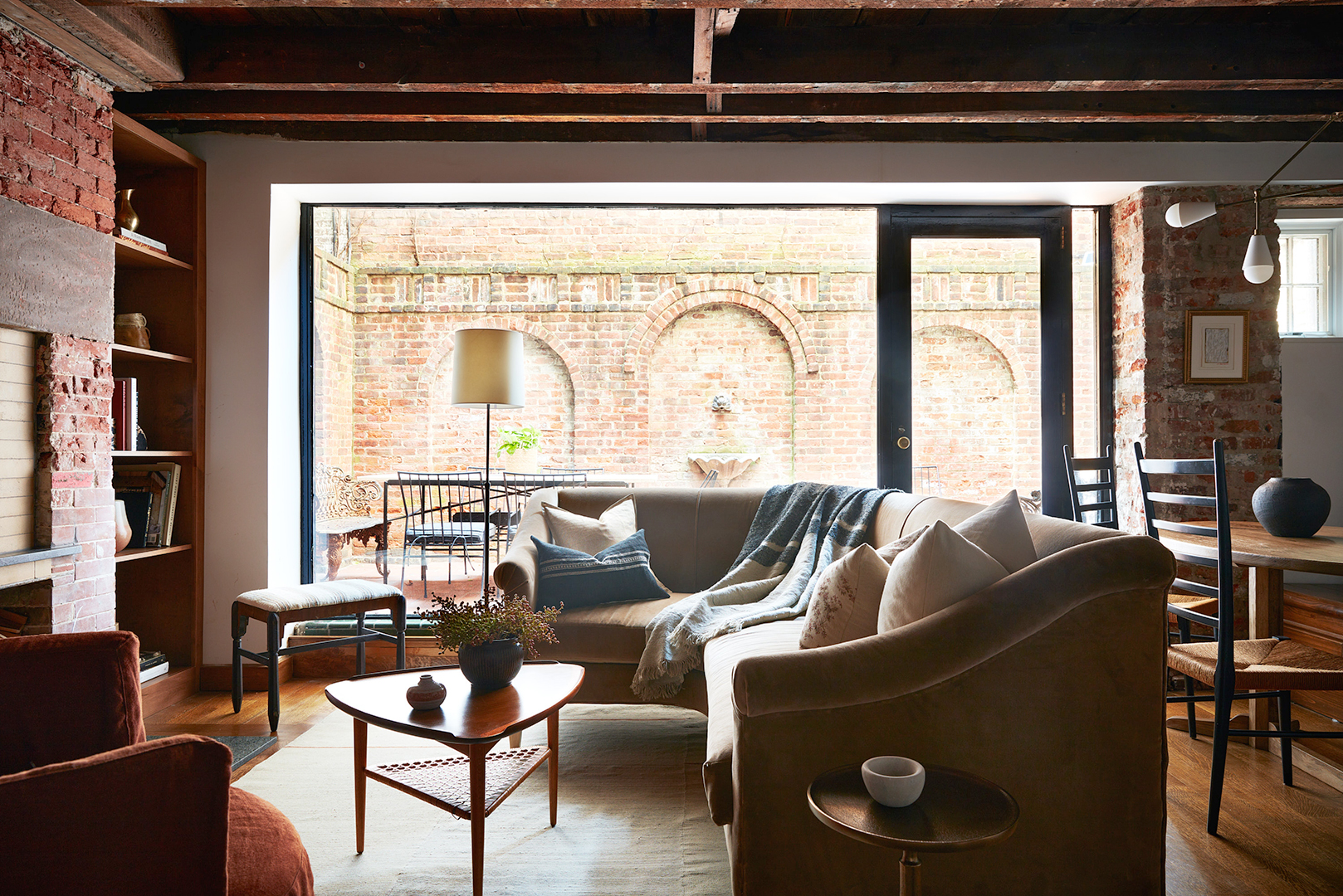
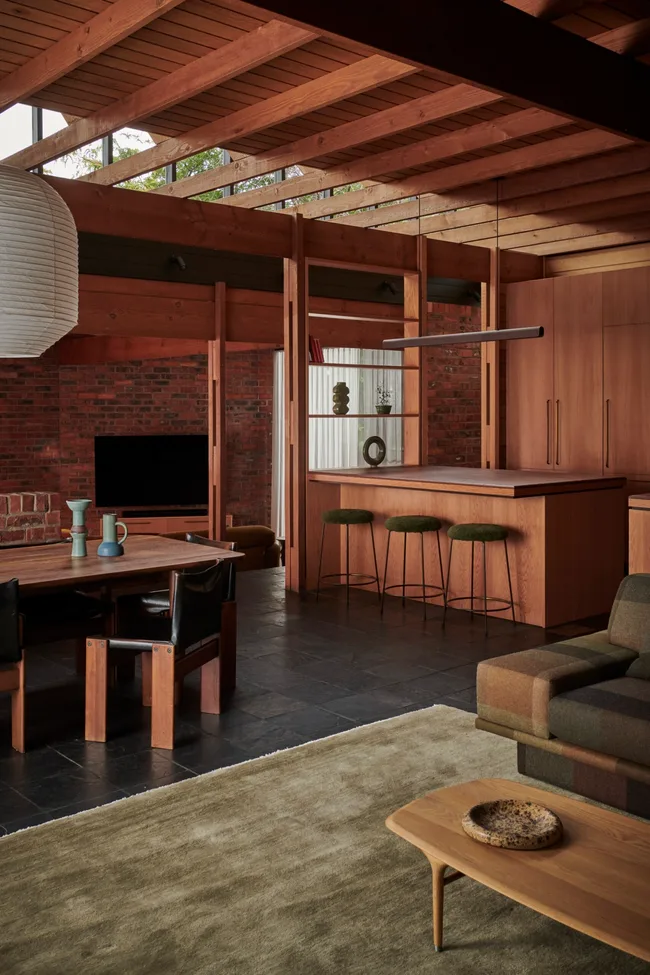
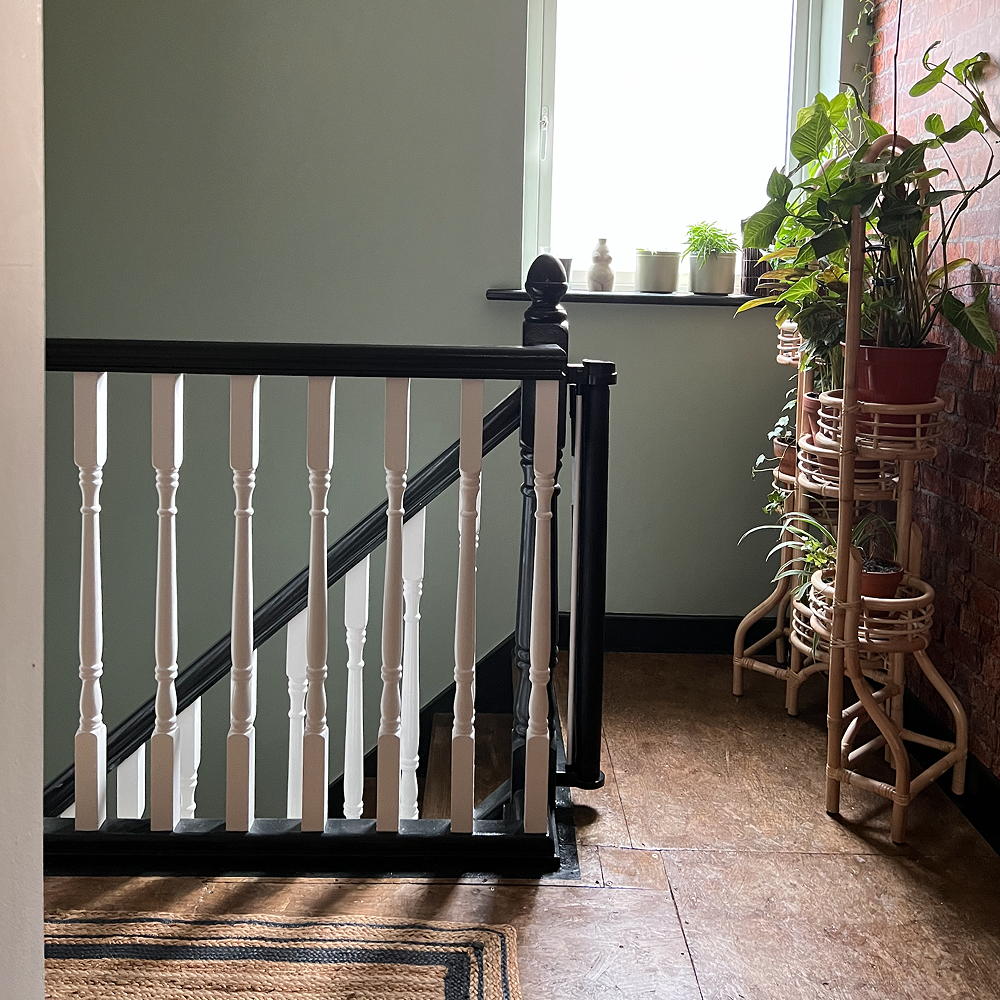
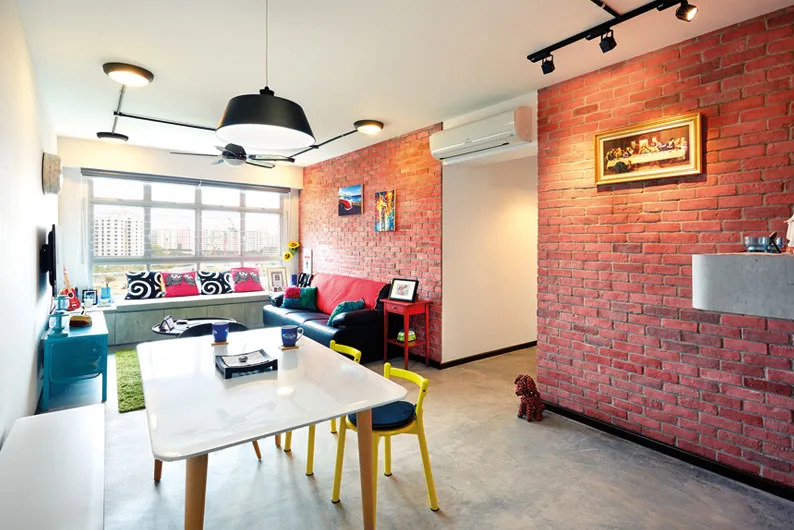
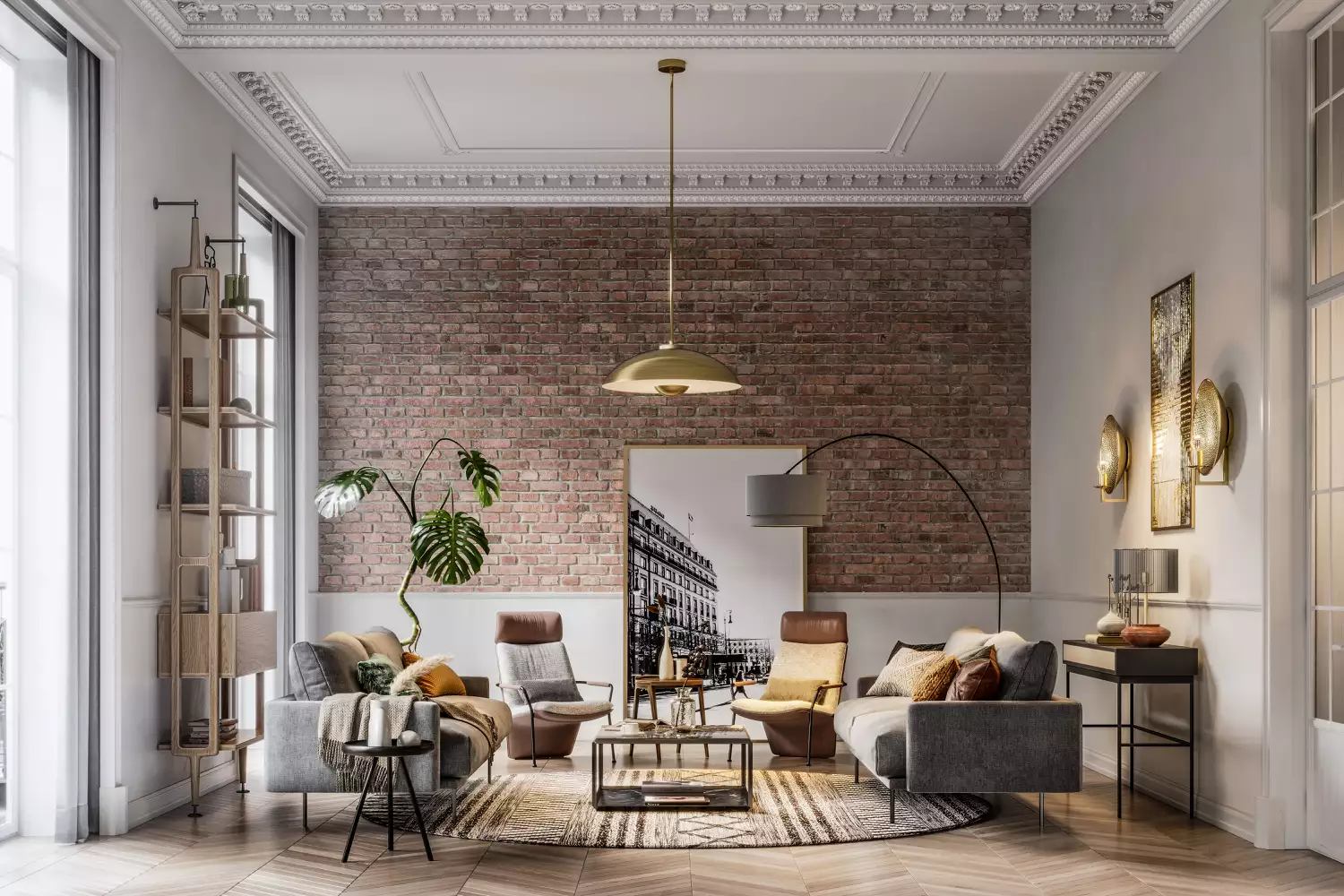
The appeal of brick walls lies in their ability to inject a rustic, unfinished charm into a modern space. The textured surface of bricks can break the monotony of smooth, painted walls, providing visual interest and a sense of history. In homes with high ceilings and open layouts, a brick wall can help to define spaces without the need for additional partitions. For instance, in an apartment with a combined living and dining area, a brick wall behind the sofa can anchor the living room, creating a cozy and distinct zone. The irregular surface and varying shades of brick add depth and dimension, making the room feel more inviting.
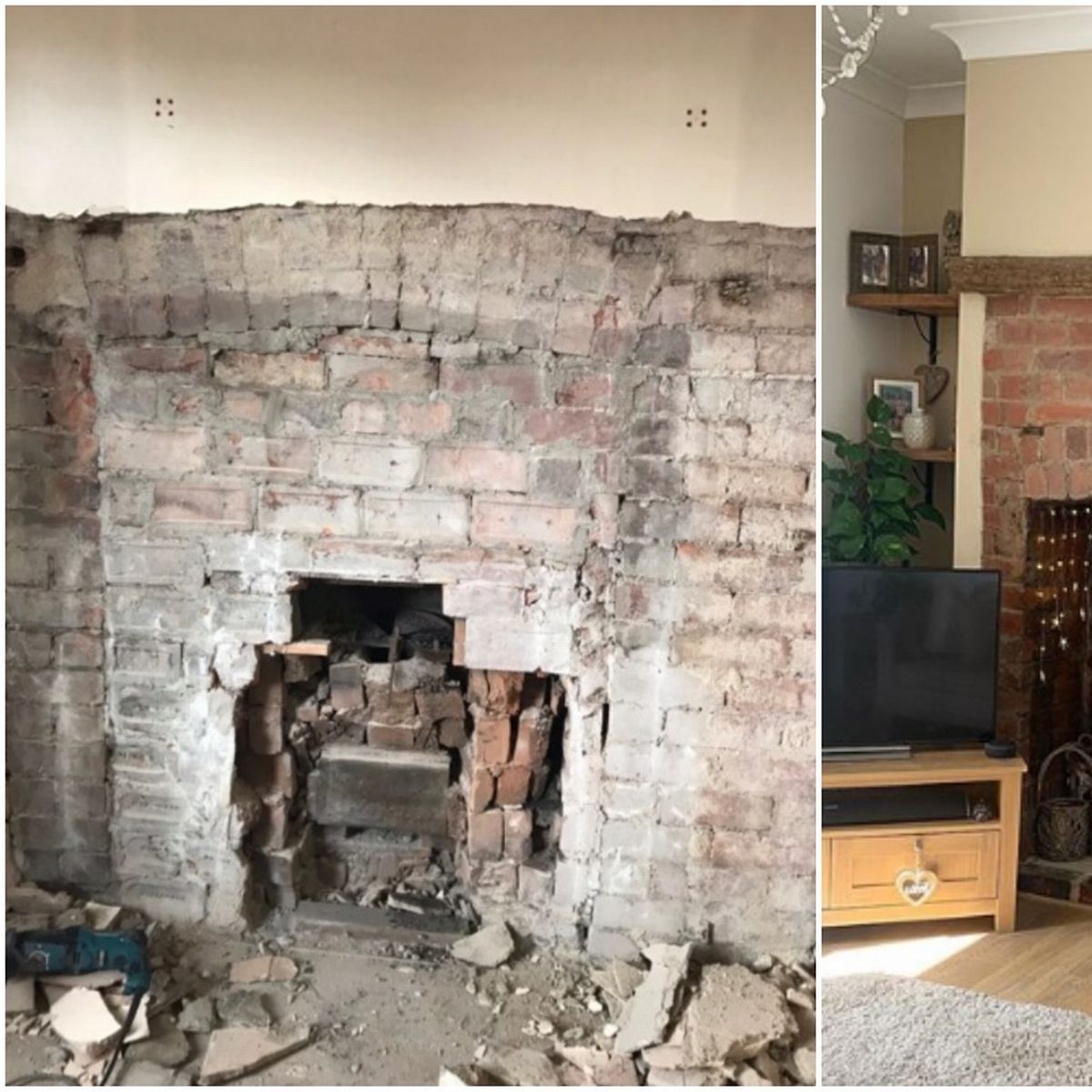
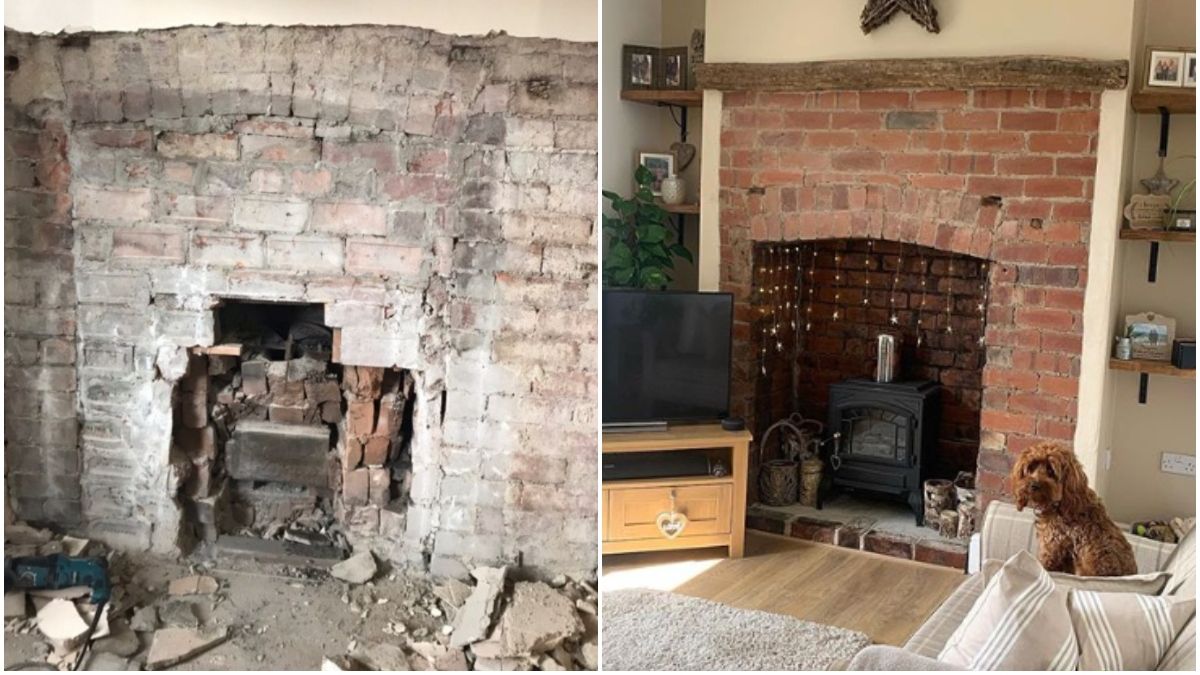
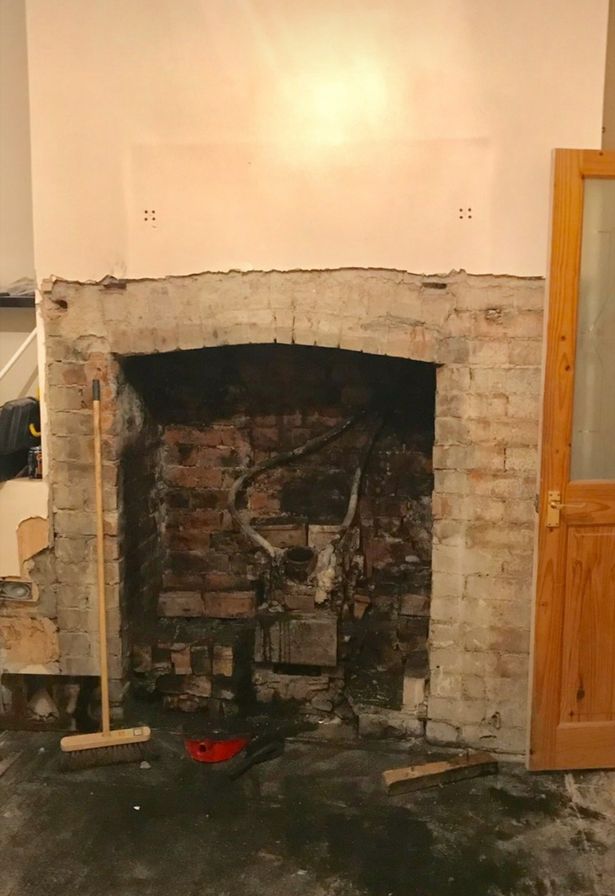
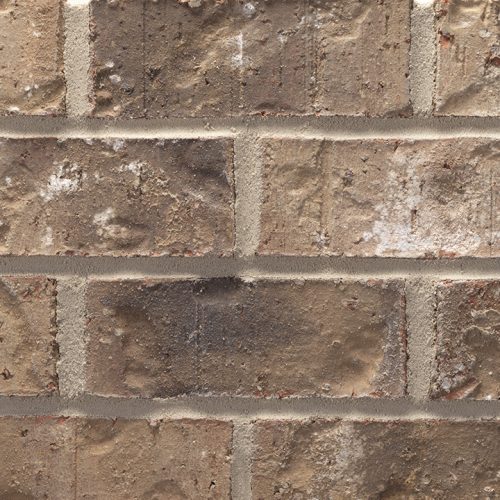
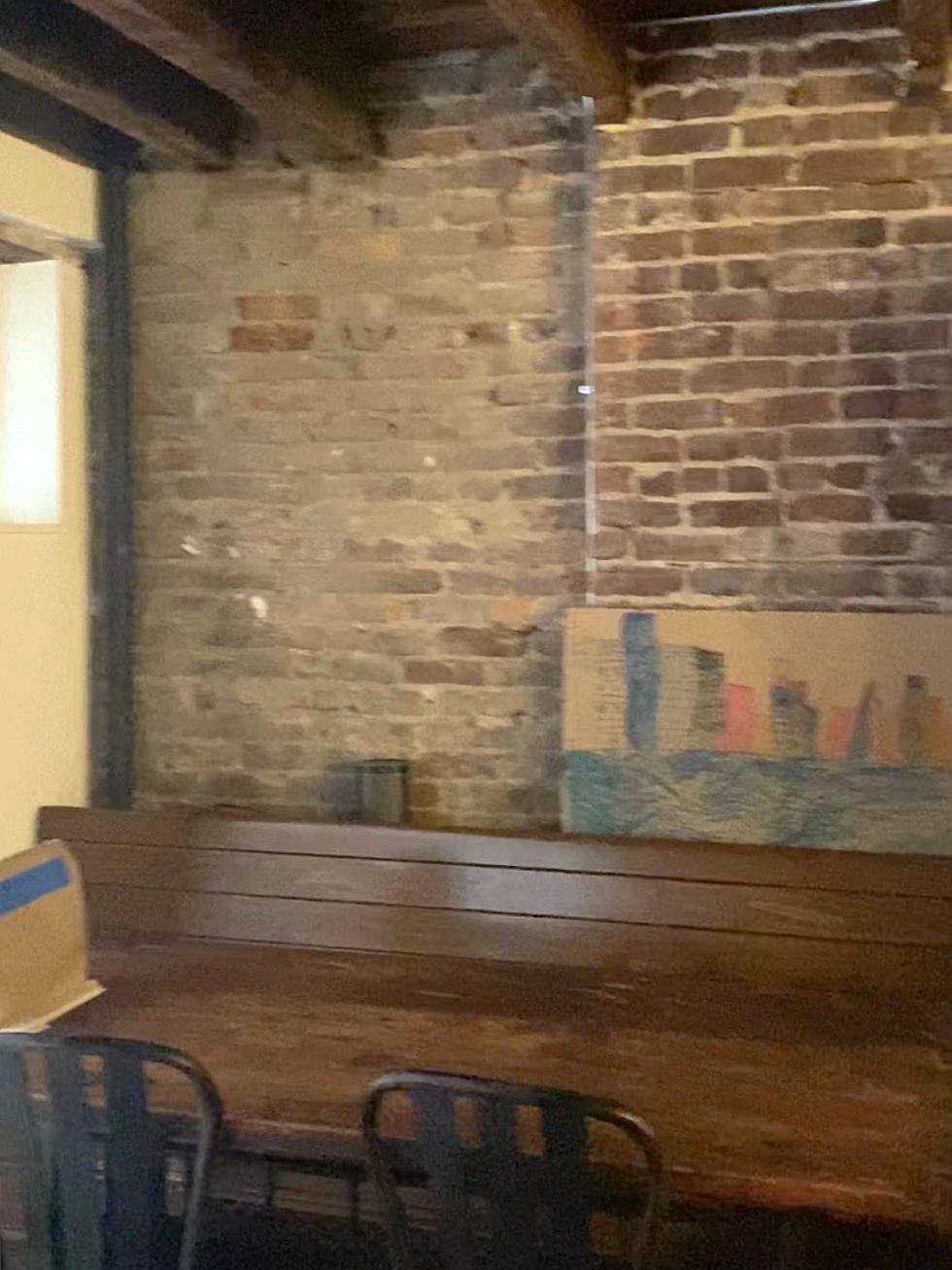
Achieving the industrial brick wall look can be done in several ways, each offering a different level of authenticity and aesthetic impact. The most straightforward method is to expose an existing brick wall, if the building structure permits. This approach reveals the original character of the bricks, often showcasing imperfections and natural variations that add to the charm. However, for homes without existing brick structures, alternatives like brick veneer or wallpaper are viable options. Brick veneer consists of thin slices of real brick that are applied to a surface, offering the genuine texture and appearance of brick without the weight and bulk of full bricks. This is a practical solution for interior applications where structural support for heavy brickwork might be an issue. Alternatively, brick-patterned wallpaper or murals can mimic the look of brick, providing a cost-effective and less permanent solution. Advancements in wallpaper technology have led to realistic textures and designs that can convincingly replicate the appearance of real brick.
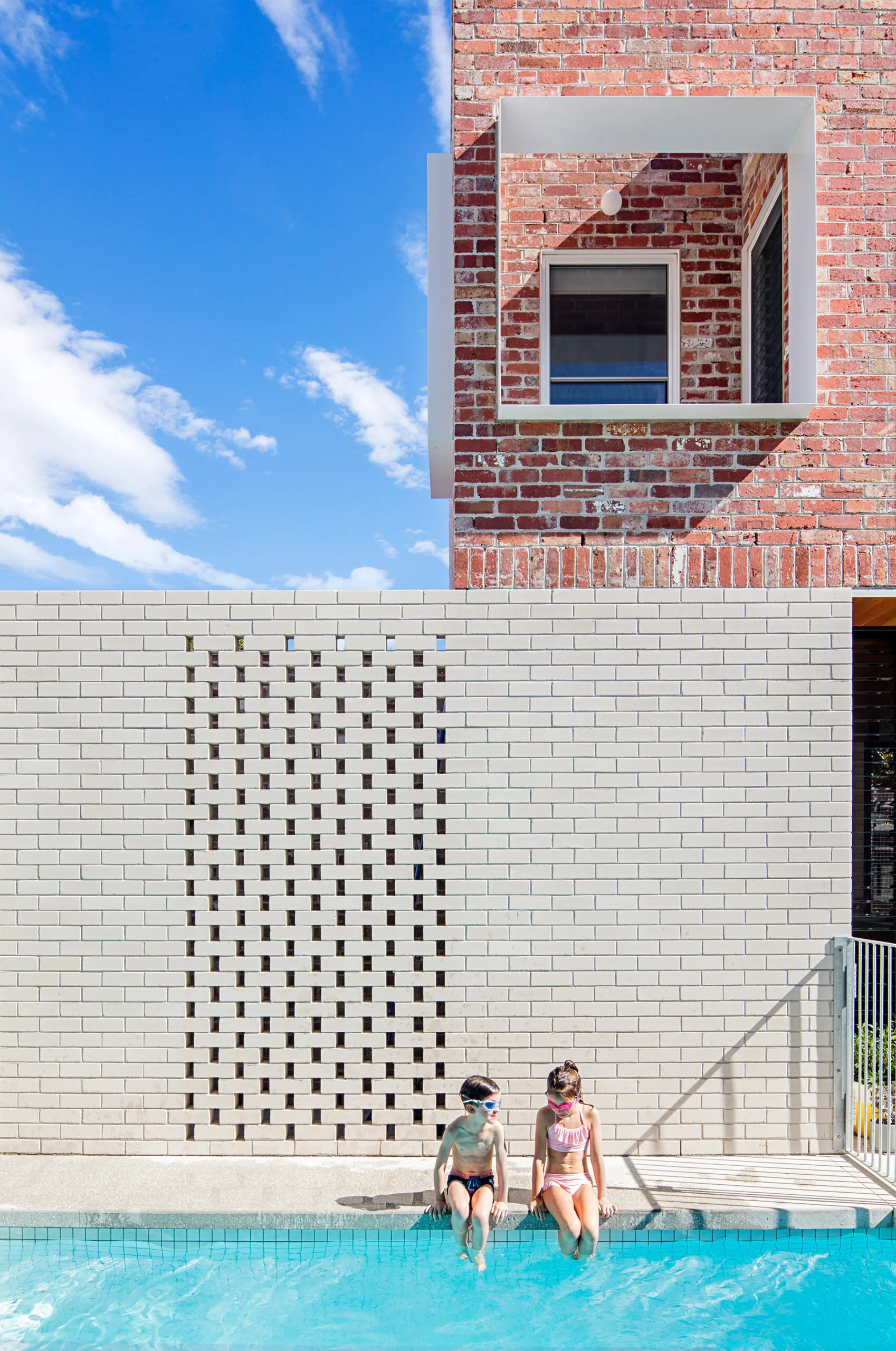
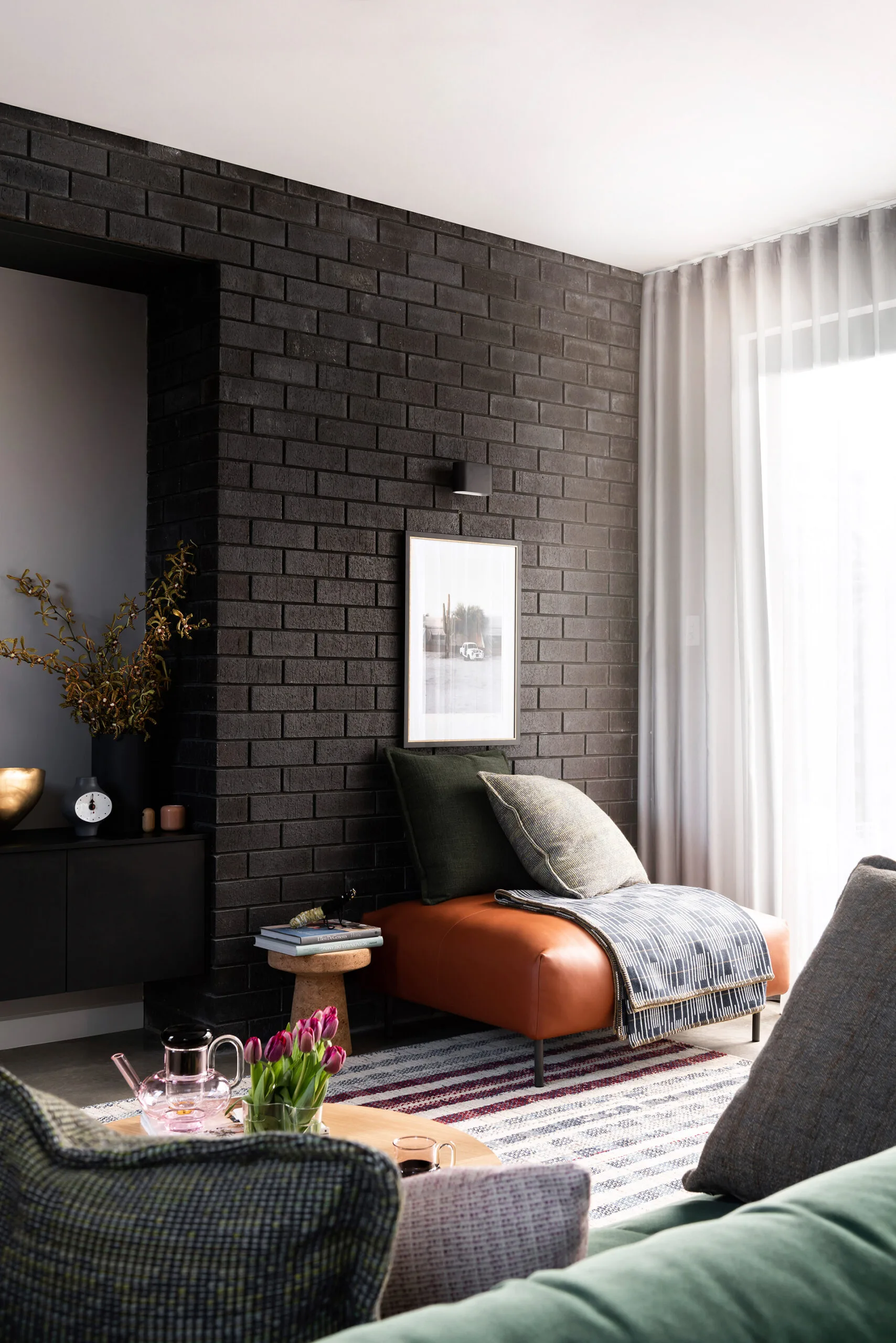
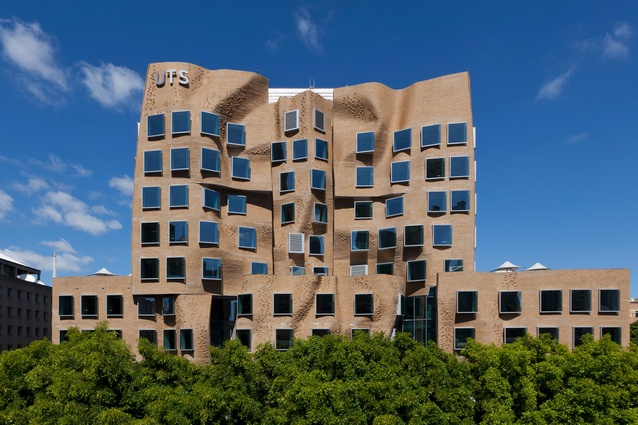
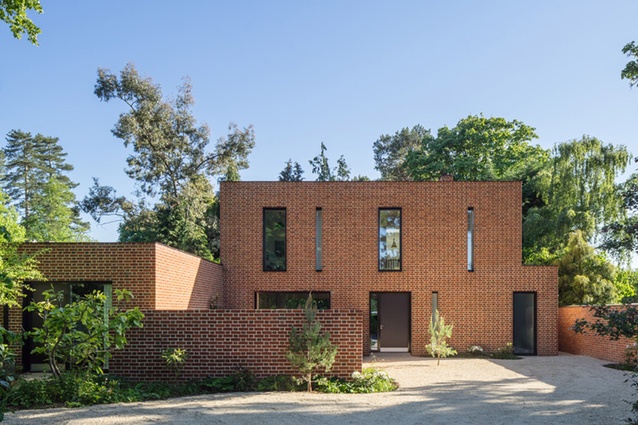
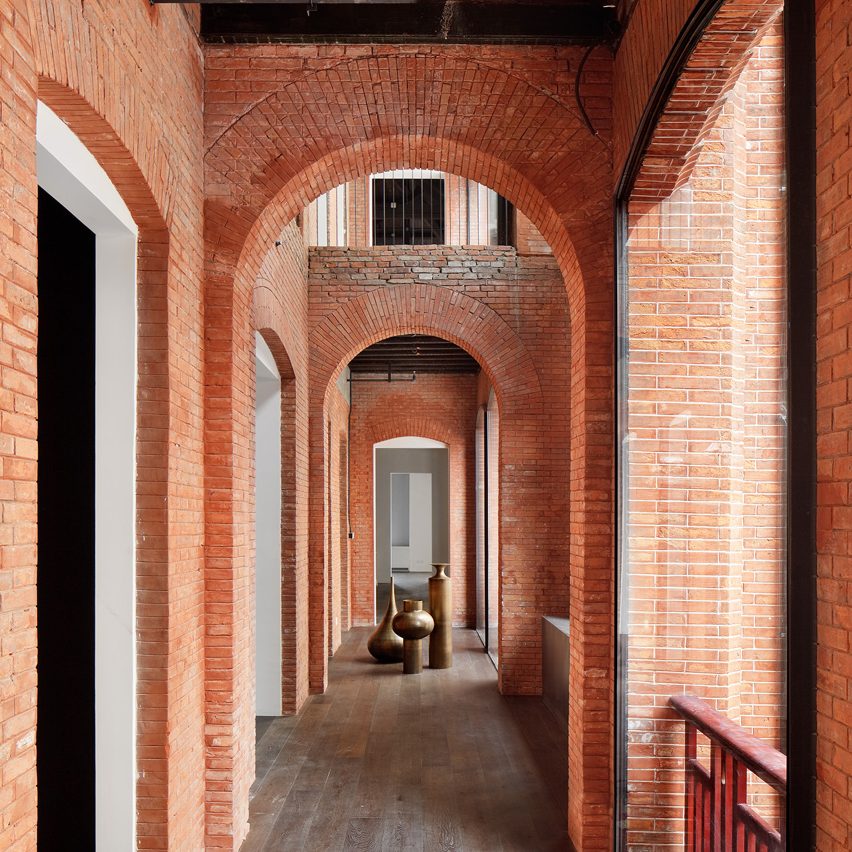
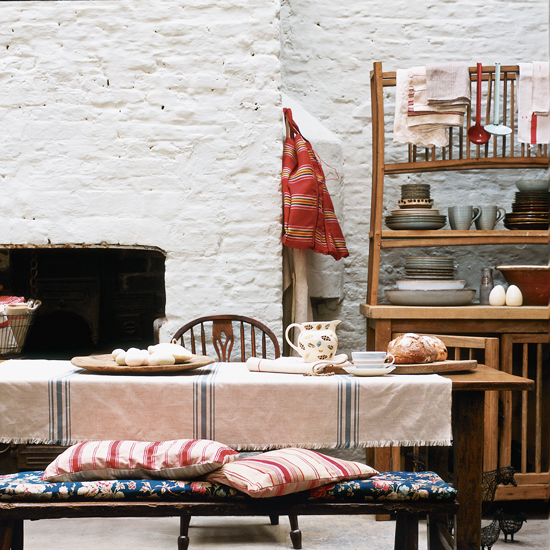
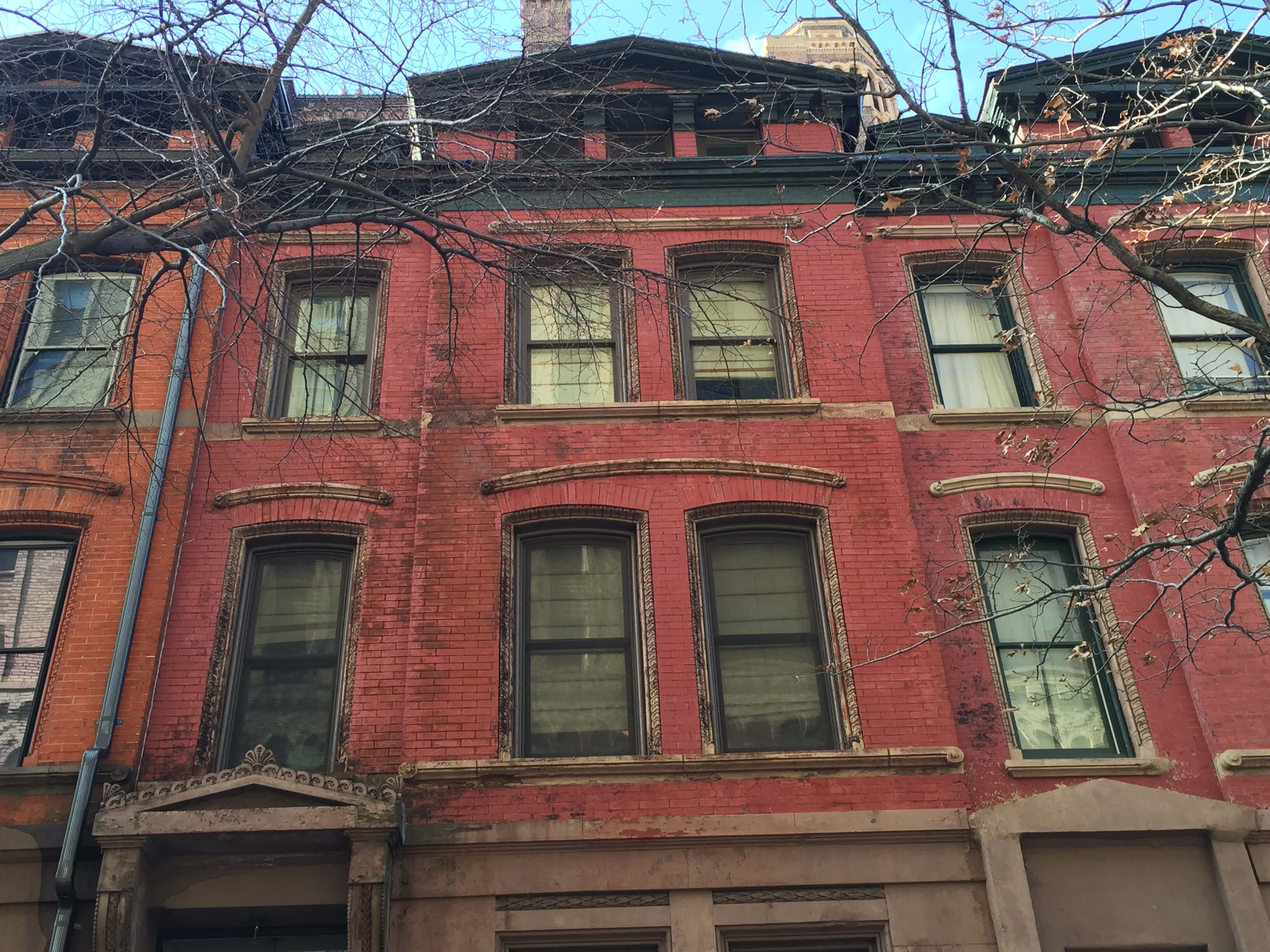
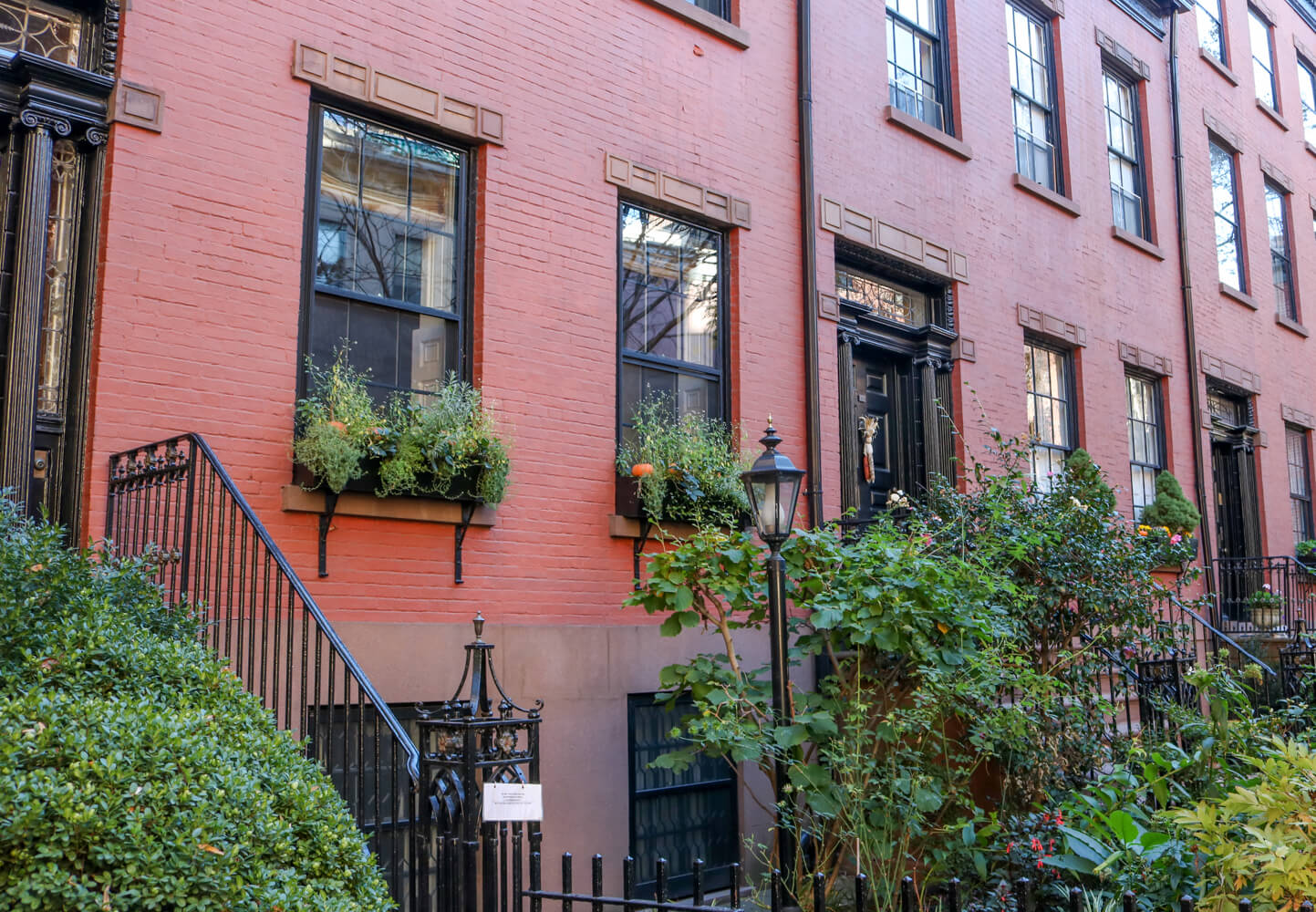
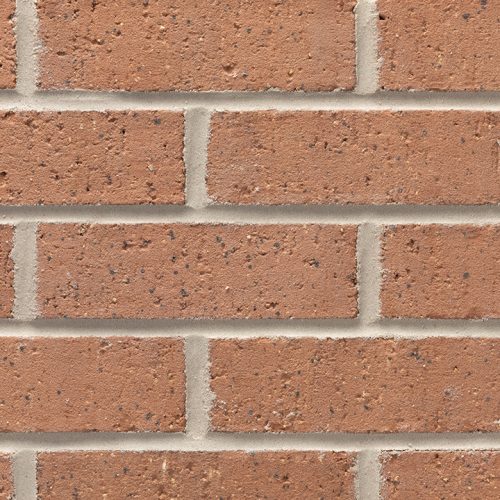
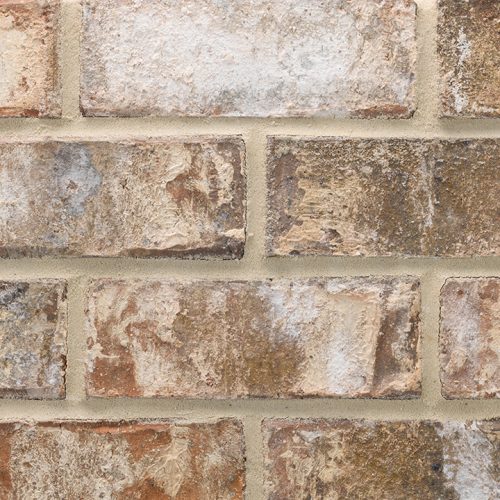
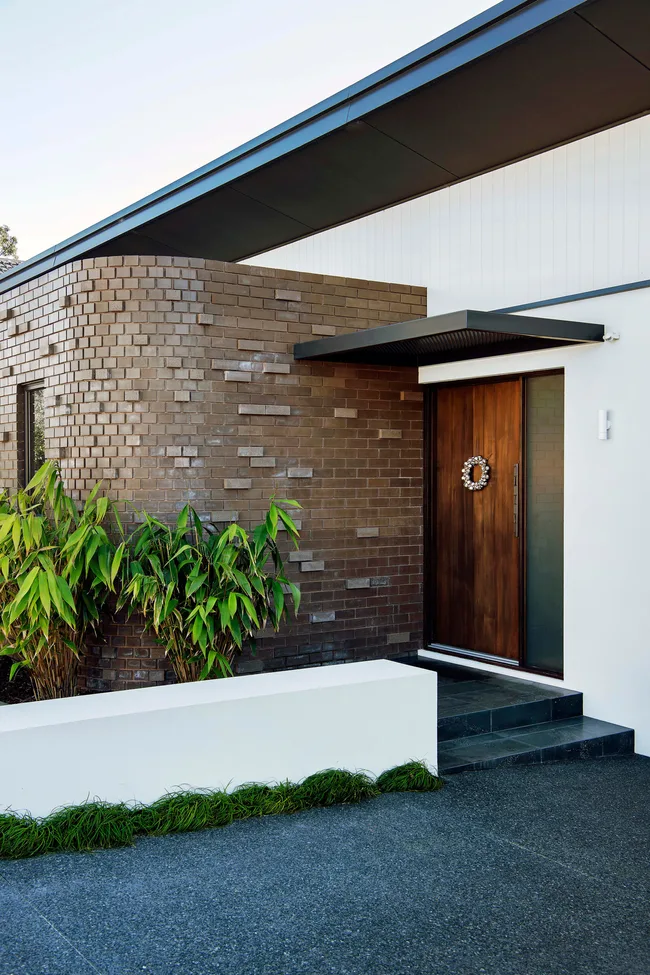
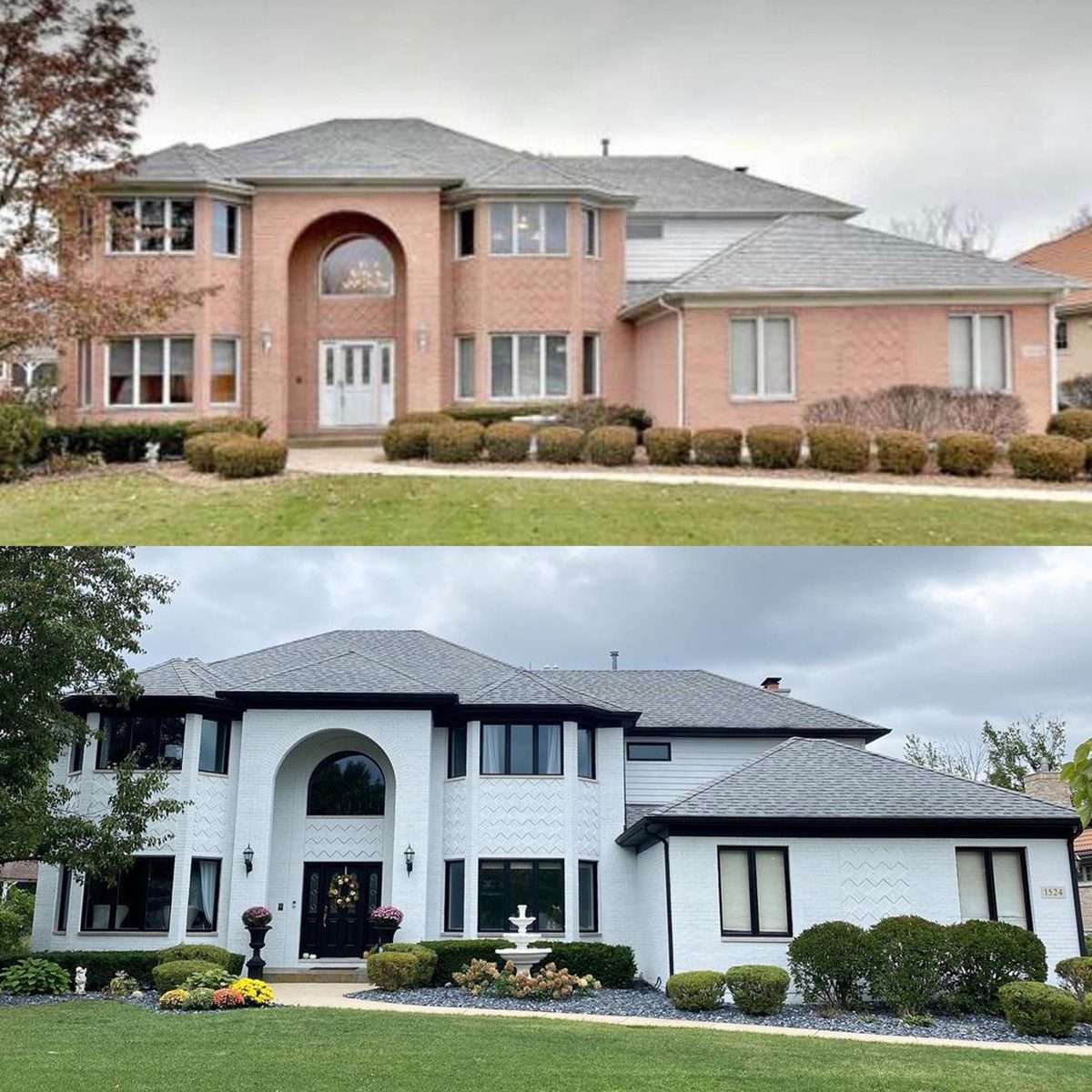
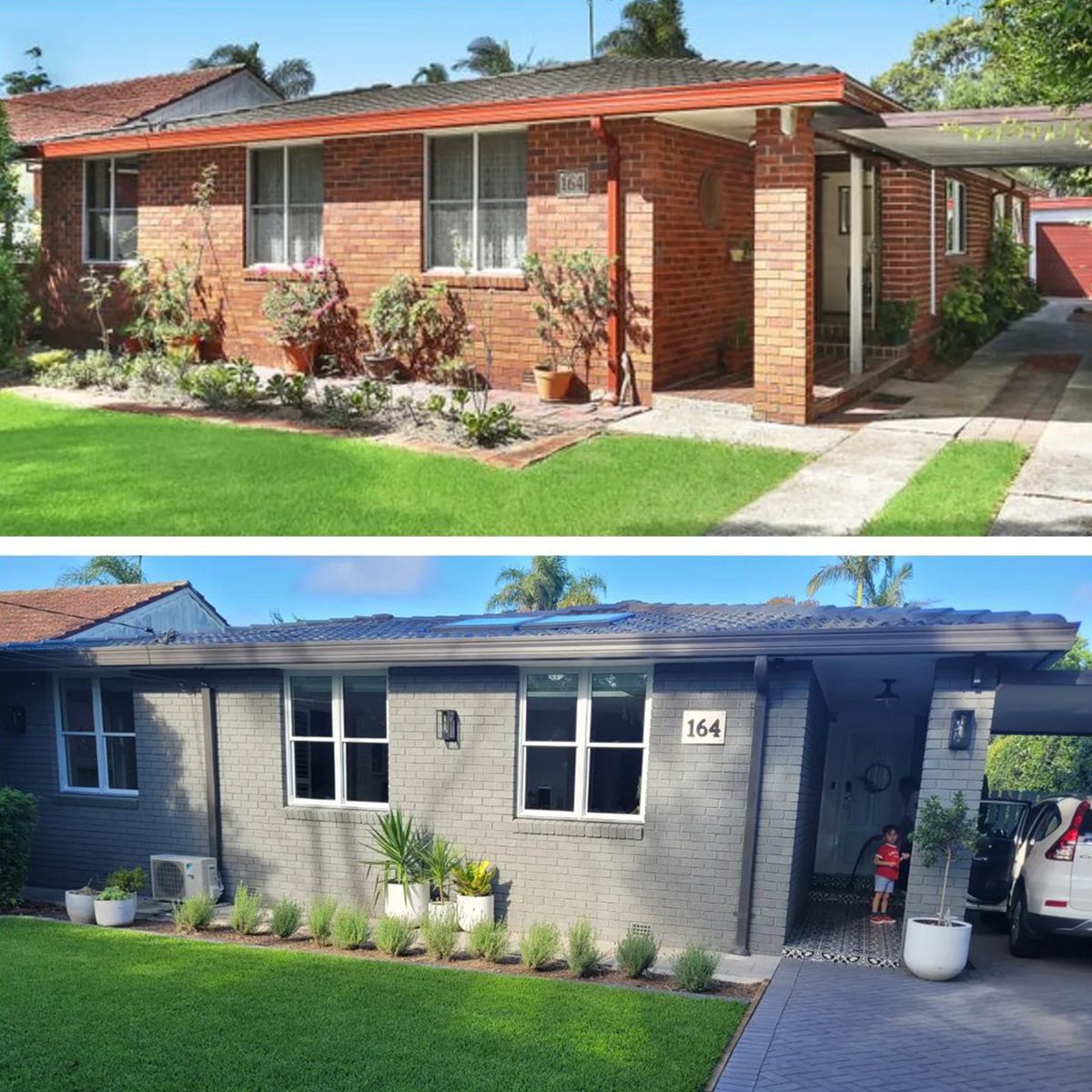
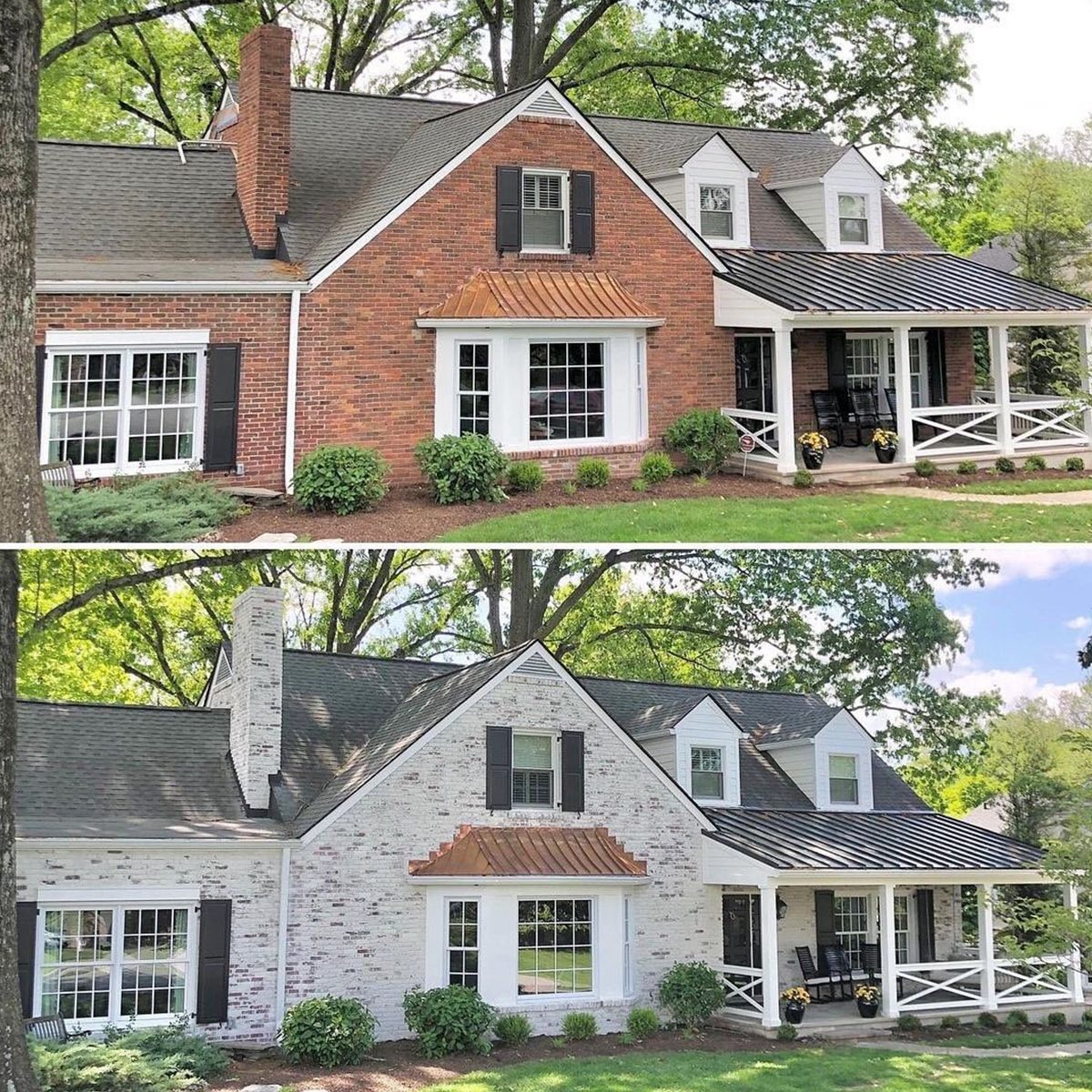
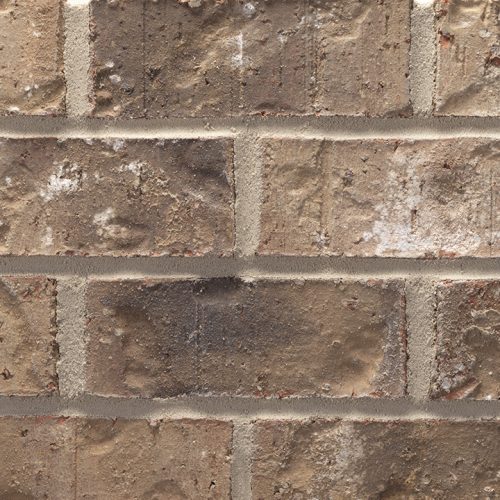
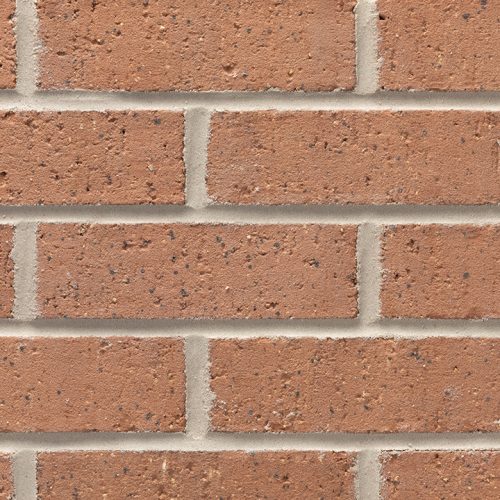
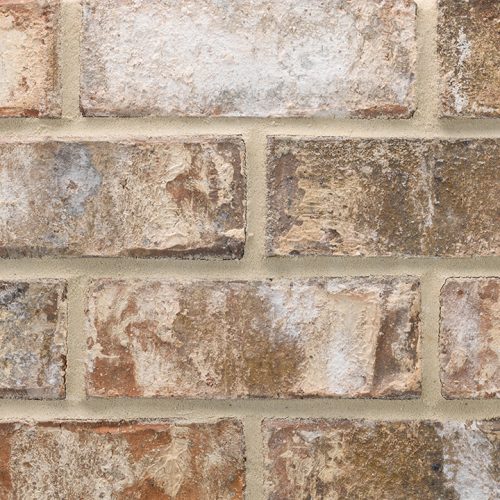
The versatility of brick walls allows them to complement various interior design styles beyond just industrial. When paired with warm lighting, timber furniture, and soft furnishings, a brick wall can enhance a rustic or farmhouse aesthetic. In contrast, combining a brick wall with sleek metal accents, minimalist furniture, and concrete finishes reinforces a modern industrial vibe. The color of the bricks also plays a crucial role in the overall ambiance. Red bricks evoke a traditional, warm feeling, while whitewashed or painted bricks can create a brighter, more contemporary, or even shabby-chic look. Darker bricks can add a dramatic and sophisticated touch.
Beyond aesthetics, brick walls offer practical benefits such as improved thermal mass, which can help regulate indoor temperatures, and sound insulation properties. They are also durable and require minimal maintenance, making them a long-lasting design choice. Incorporating a brick wall, whether as a full feature or a subtle accent, can transform a home by adding texture, character, and a unique visual statement, aligning with the growing trend of embracing raw and authentic materials in interior design.
#InteriorDesign #BrickWalls #IndustrialDesign #HomeDecor #TexturalElements #SingaporeHomes #RusticCharm #FeatureWall #InteriorDesign #BrickWalls #IndustrialDesign #HomeDecor #TexturalElements #SingaporeHomes #RusticCharm #FeatureWall
0 comment in total
 No comments yet
You may also like
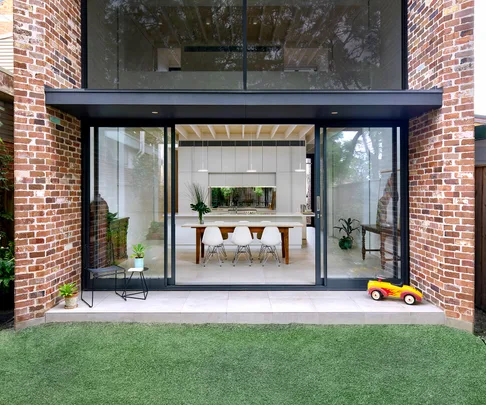
Statement bricks are the latest design trend

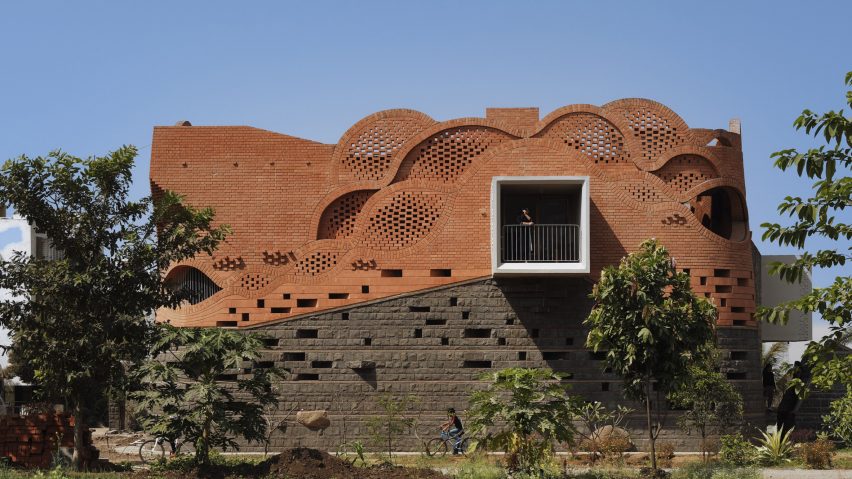
Ten buildings animated by expressive brick facades

Acme Brick, Tile and Stone – Northwest Arkansas
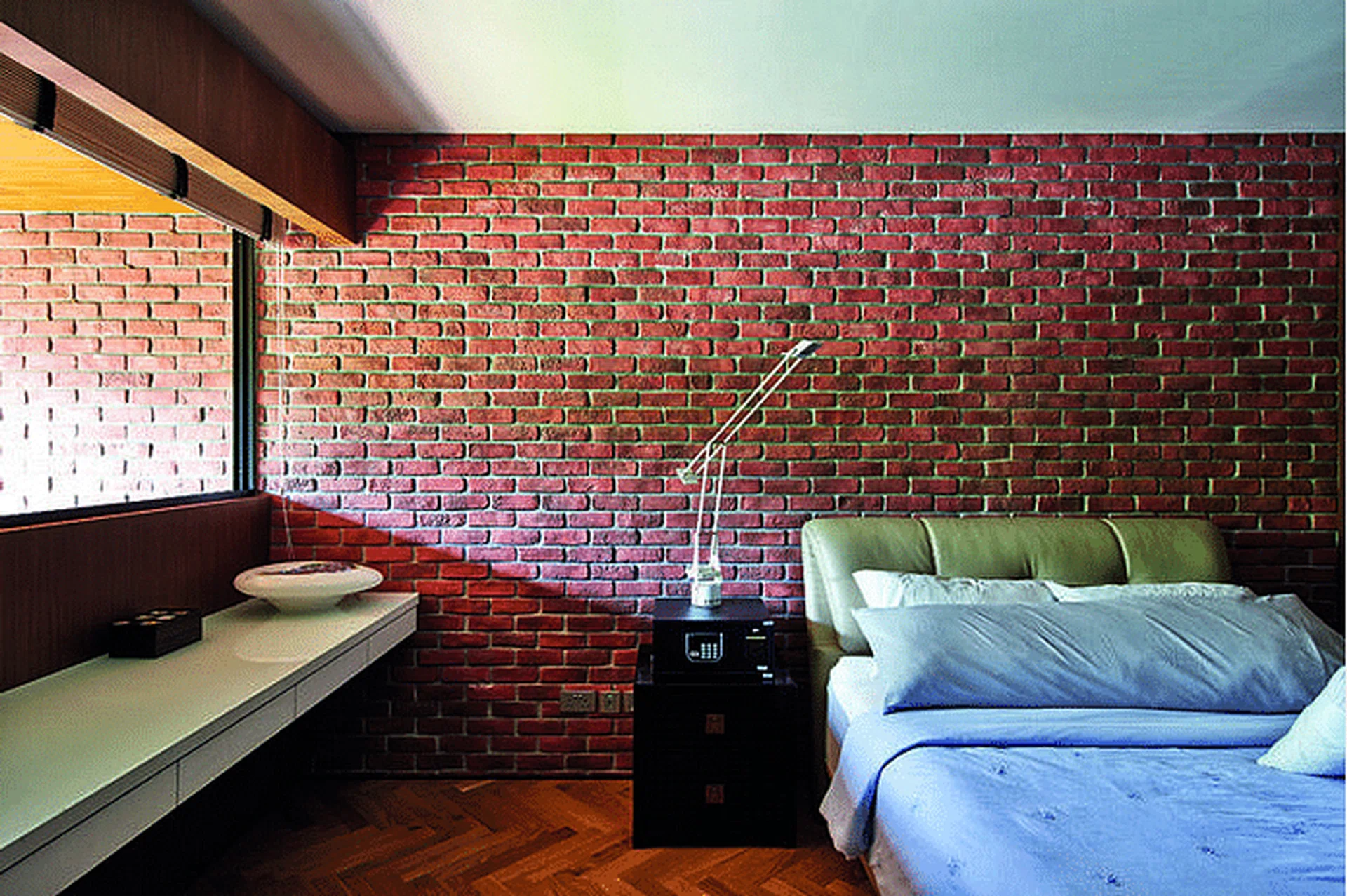
6 homes with walls that have the exposed brick look
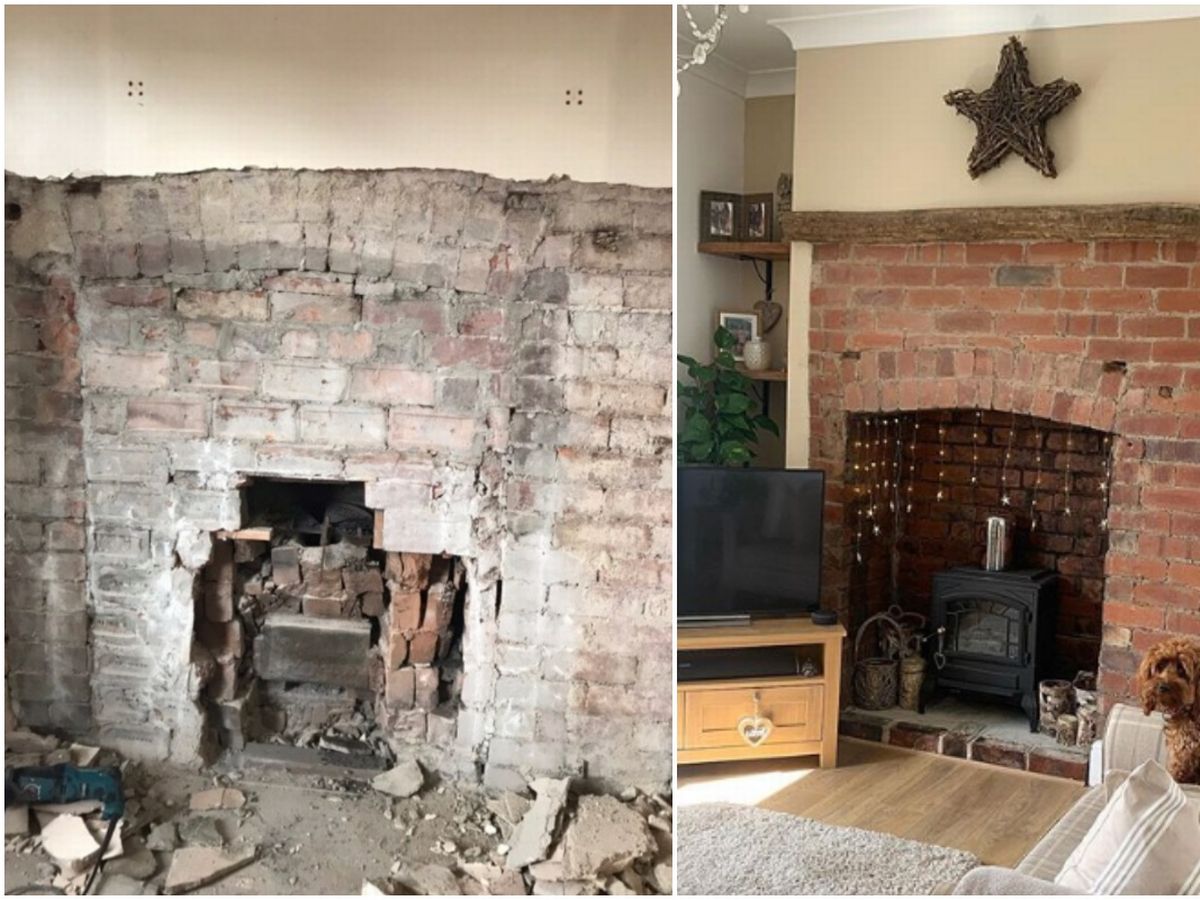
How to create an exposed brick feature wall or fireplace - and clean and maintain it like an expert
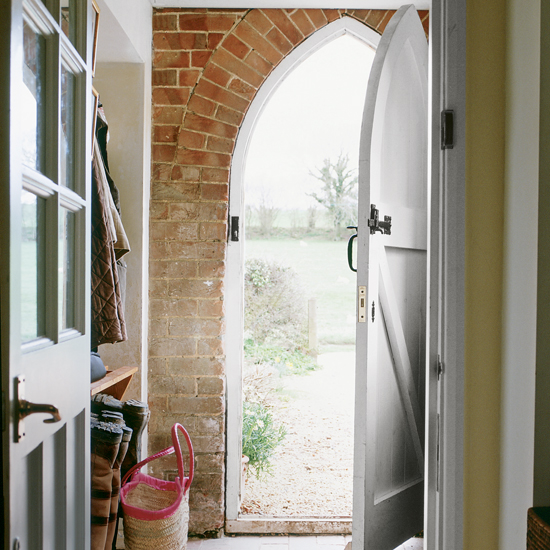
7 beautifully exposed walls for your country home
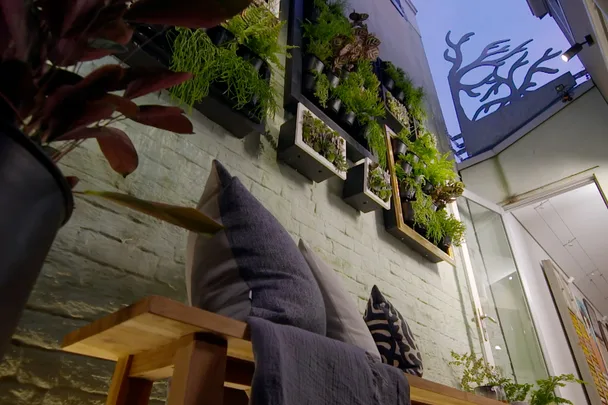
How to hide a brick wall in the garden

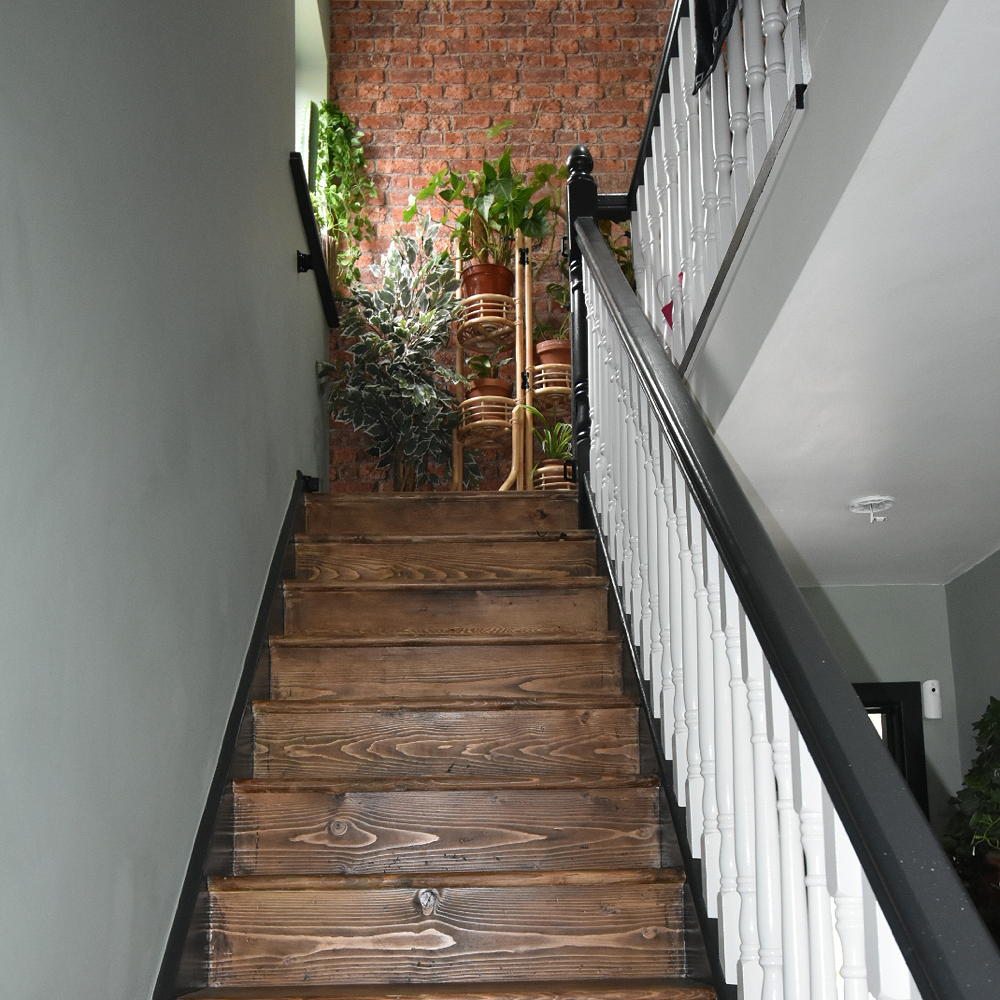
Fake exposed brick with wallpaper – see this savvy homeowner's trick
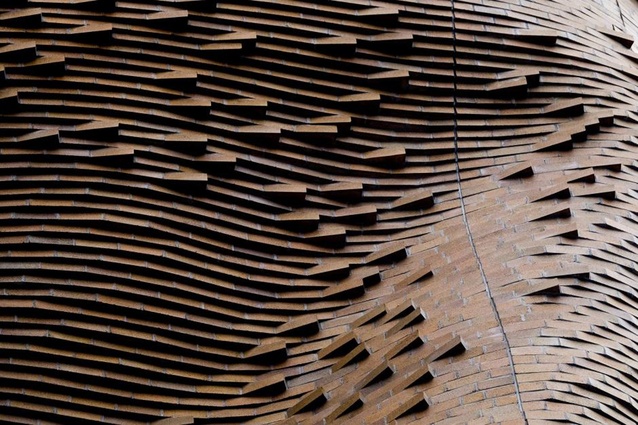
Another brick in the wall
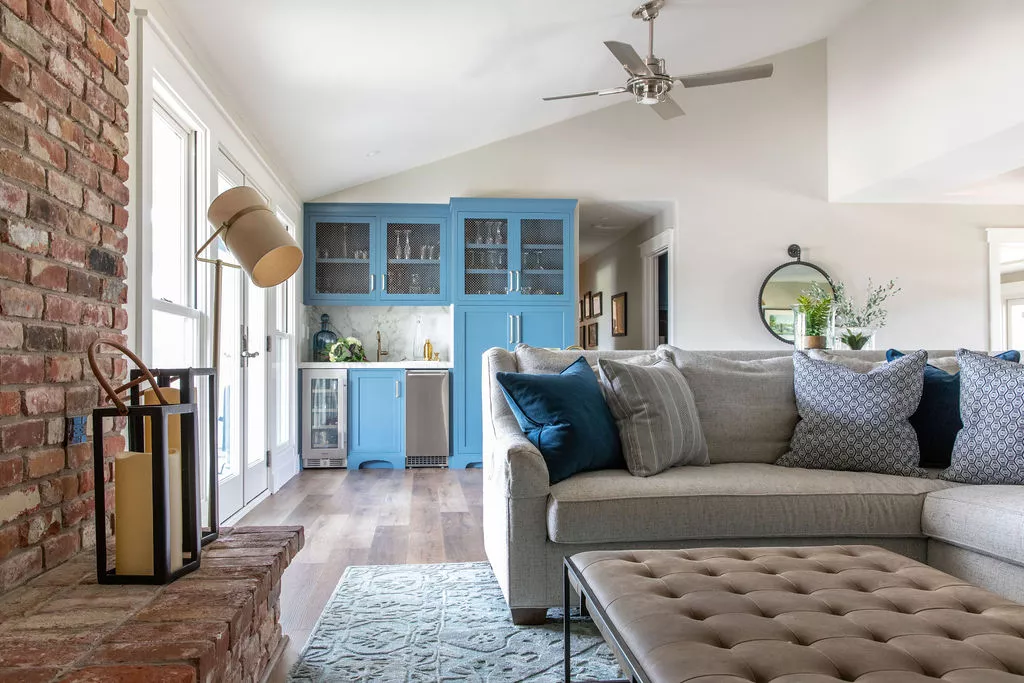
5 Reasons You Should Think Twice Before Painting Brick, Pros Say

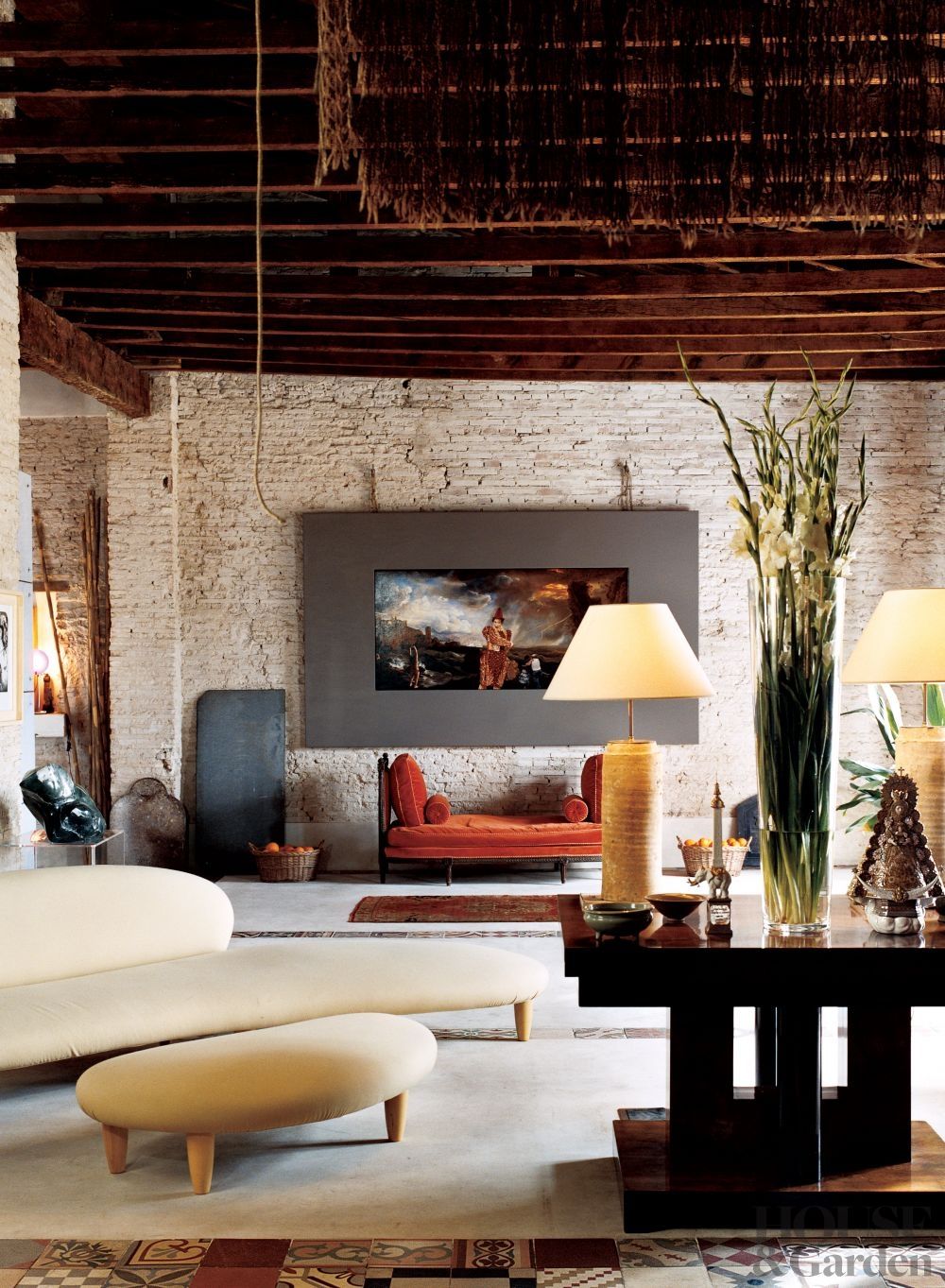
4 Common Wall Hanging Myths, Busted

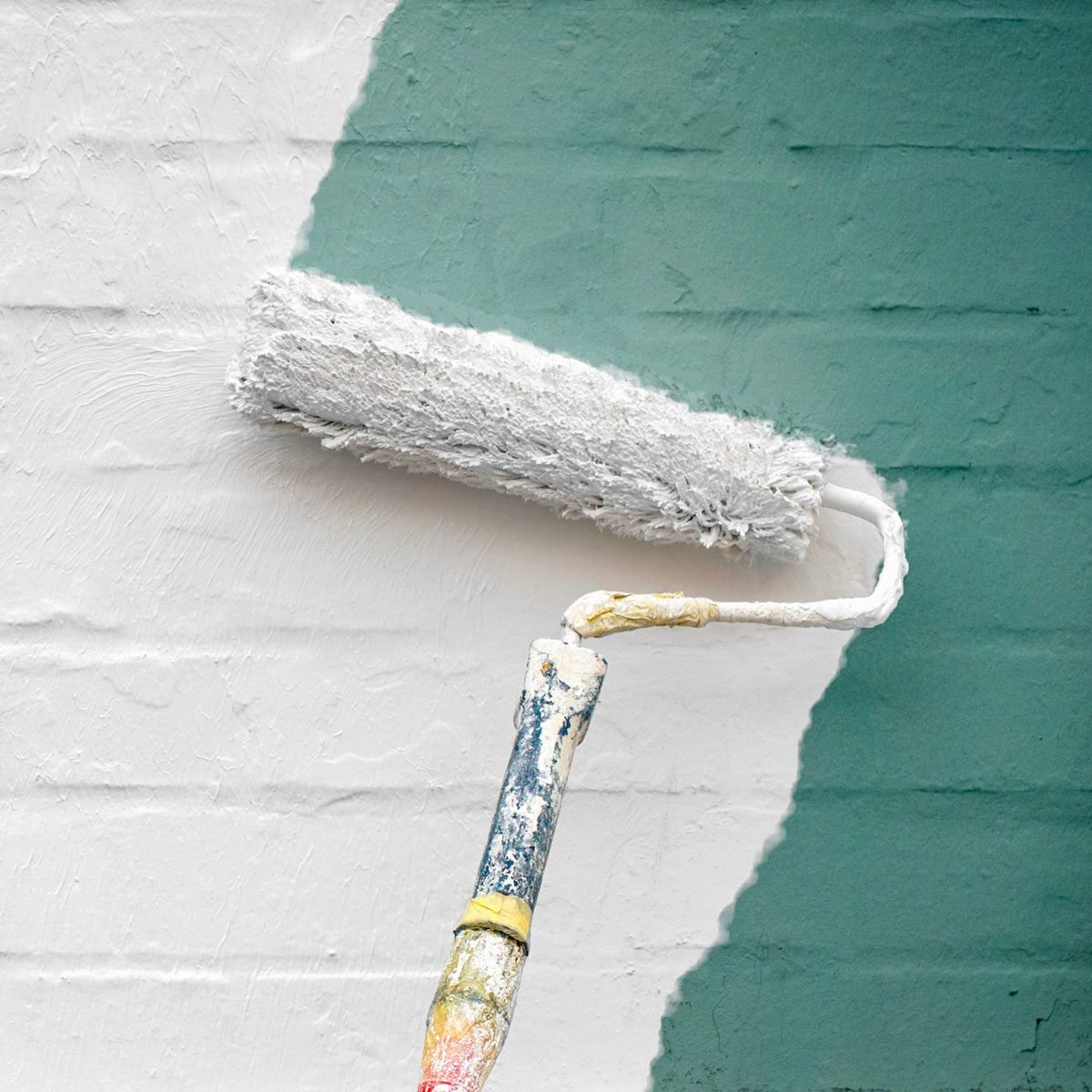
8 Exterior Brick Paint Color Ideas To Transform Your Home

10 Ways to Update an Exposed Brick Wall—Beyond Just Painting It


A Homeowner’s Guide to Maintaining and Restoring a Brick Facade

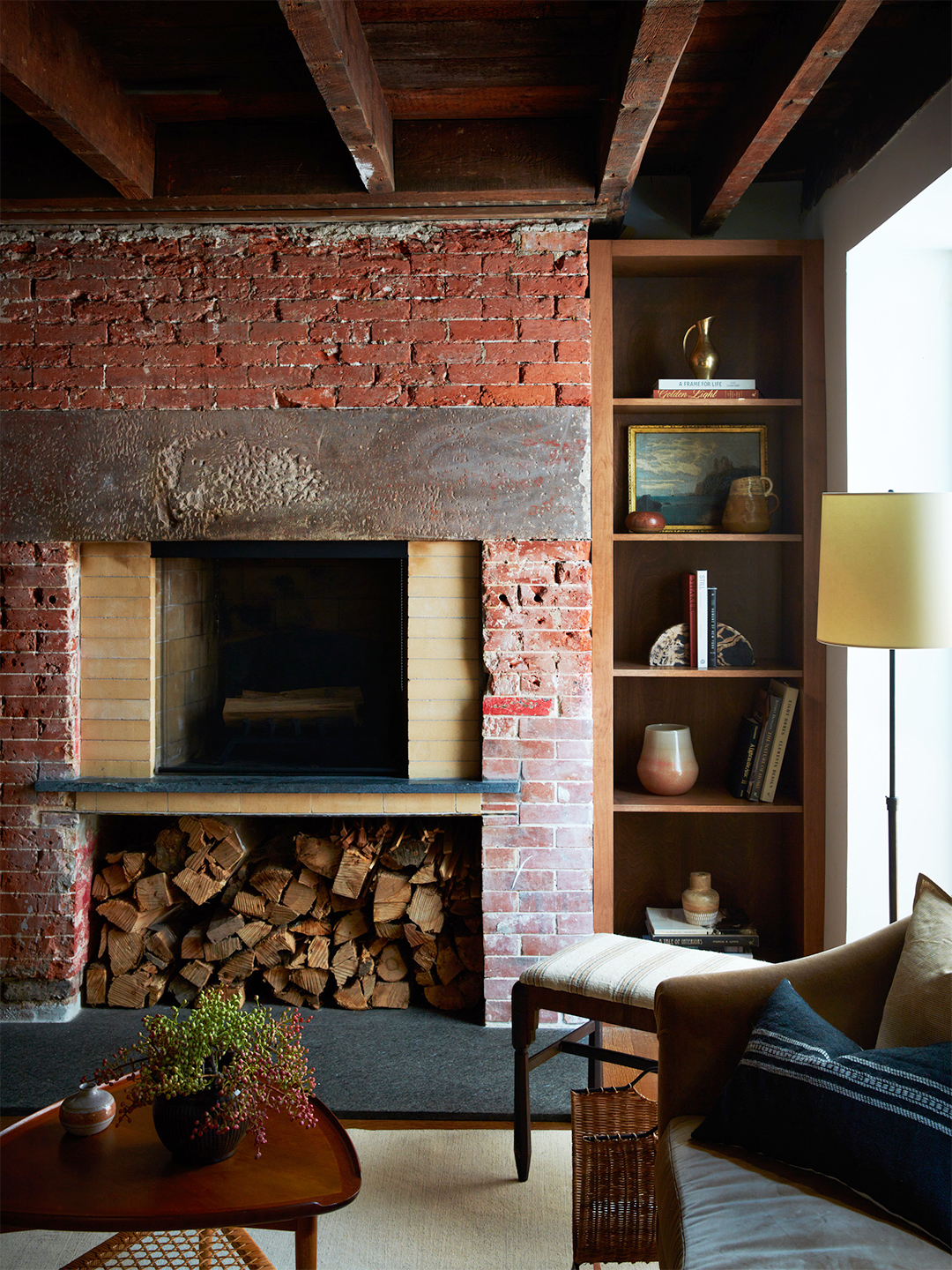
The Number-One Rule of Decorating a Space With Exposed Brick


Acme Brick, Tile and Stone – Abilene
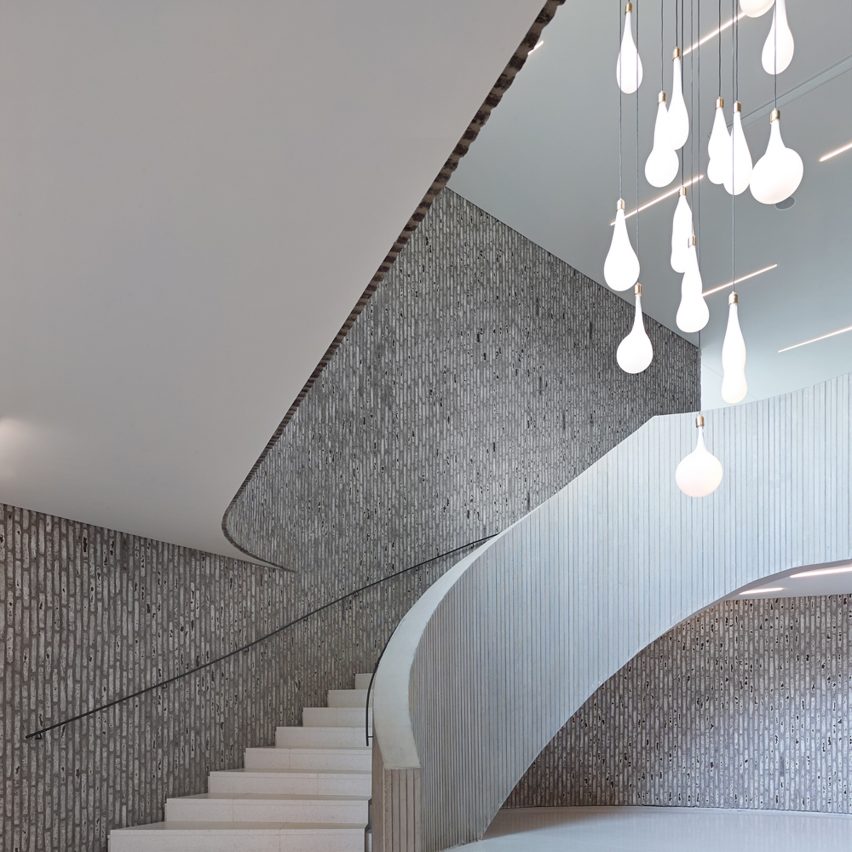
10 of the most popular brick interiors on Dezeen's Pinterest boards
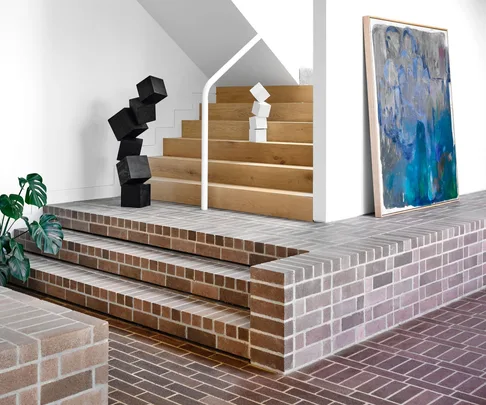
12 brick floors that will take your breath away
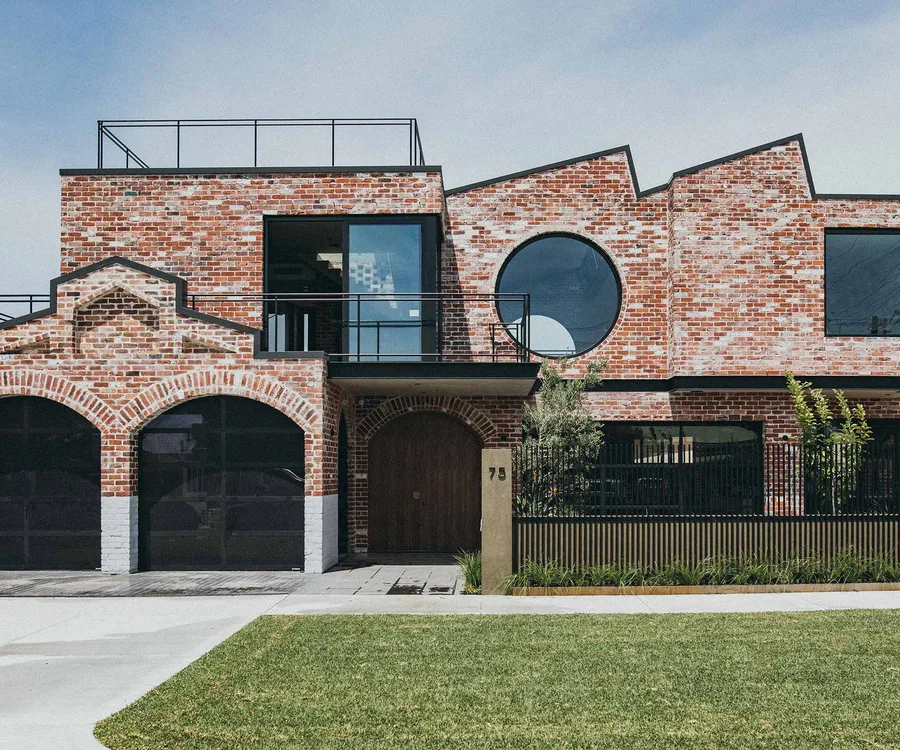
These 15 brick houses prove this age-old material deserves icon status

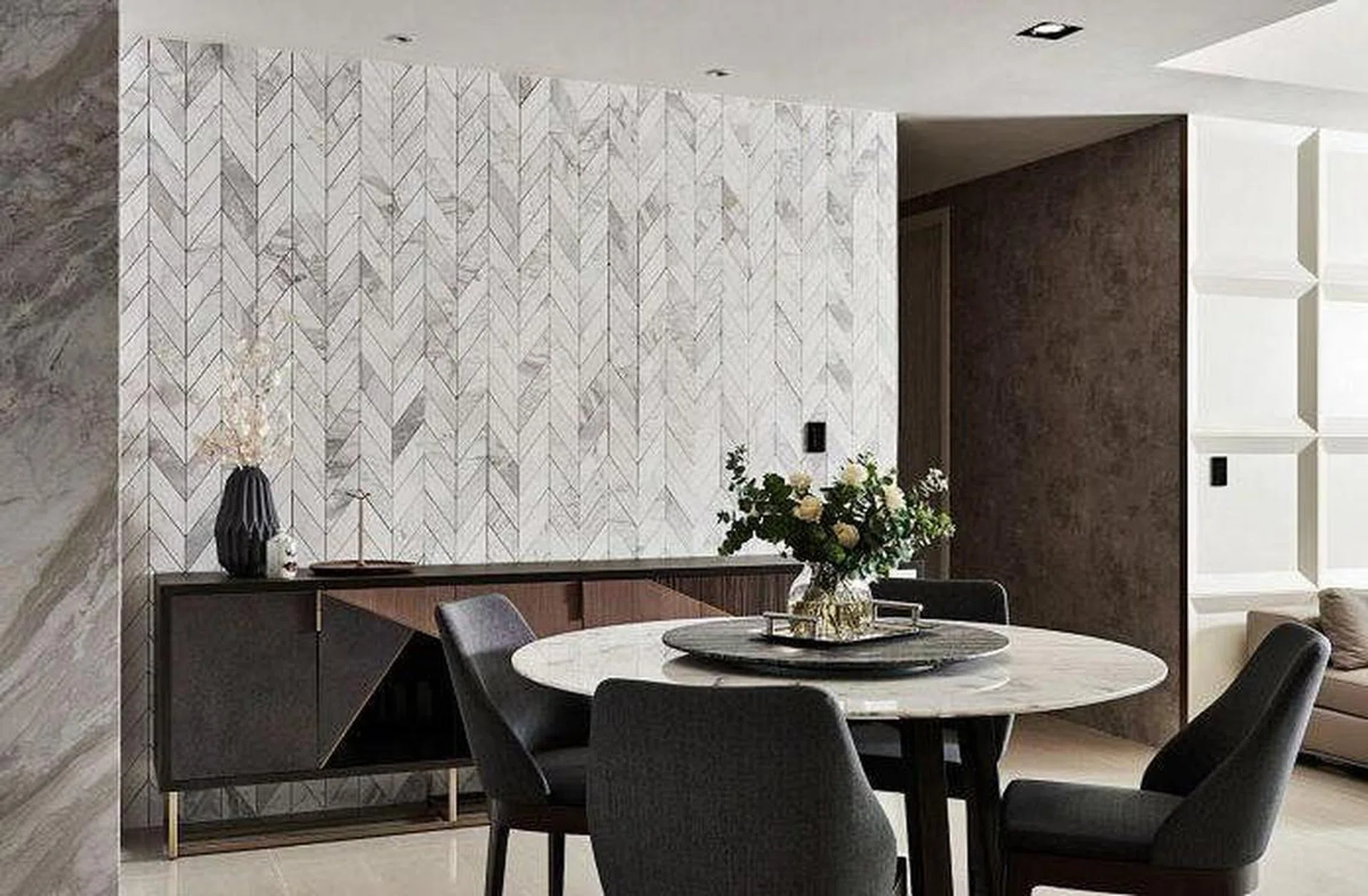
6 ways to incorporate a marble-look feature wall at home