Designers Say These Are the 2 Most Impractical Kitchen Cabinet Trends
The choice of kitchen cabinetry is a crucial element in home design, influencing both the aesthetics and functionality of a kitchen space. While various trends emerge and gain popularity, designers emphasize the importance of balancing visual appeal with practicality, especially in a high-traffic area like the kitchen. This article explores two prominent kitchen cabinet trends that design experts widely consider impractical for long-term use and easy upkeep: mirrored cabinets and open shelving.
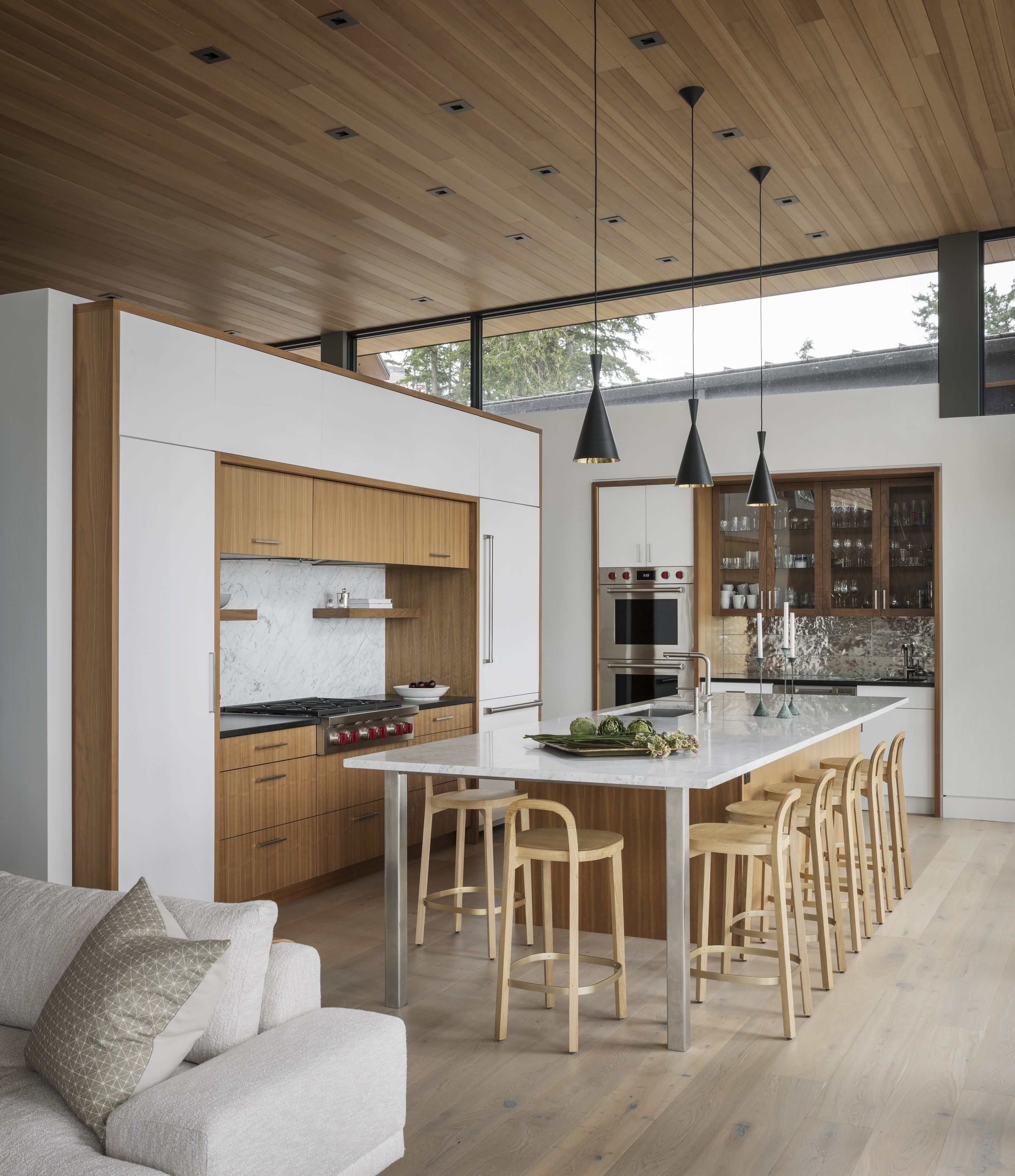
Mirrored cabinets have seen a resurgence in popularity, often appearing in design showcases and social media feeds. Proponents argue that mirrored surfaces create an illusion of greater space, making smaller kitchens feel larger and airier, and they can reflect more light, adding a glamorous and elegant touch. However, designers express significant reservations regarding their practicality. Katelyn De Spain of Makehouse Design Studio notes that while mirrored cabinets appear on antiques, their re-creation in modern kitchens can paradoxically make the space feel dated. Both De Spain and Jennifer Stephan, another designer, highlight the significant cleaning burden associated with mirrored surfaces, which are prone to fingerprints, grease, and smudges in a kitchen environment, making them difficult to maintain. Stephan also points out the potential safety hazard if the glass is damaged. Aesthetically, the reflective nature of mirrored cabinets can create a "hall of mirrors" effect, leading to visual chaos and an overwhelming atmosphere, especially if used extensively. Izabela Tokarski, principal designer of Kabela & Co., echoes these concerns, emphasizing that many homeowners prefer more forgiving and easier-to-maintain materials. While mirrored insets or a standalone mirrored furniture piece might serve as focal points, extensive use is generally advised against for those prioritizing durability and practicality.
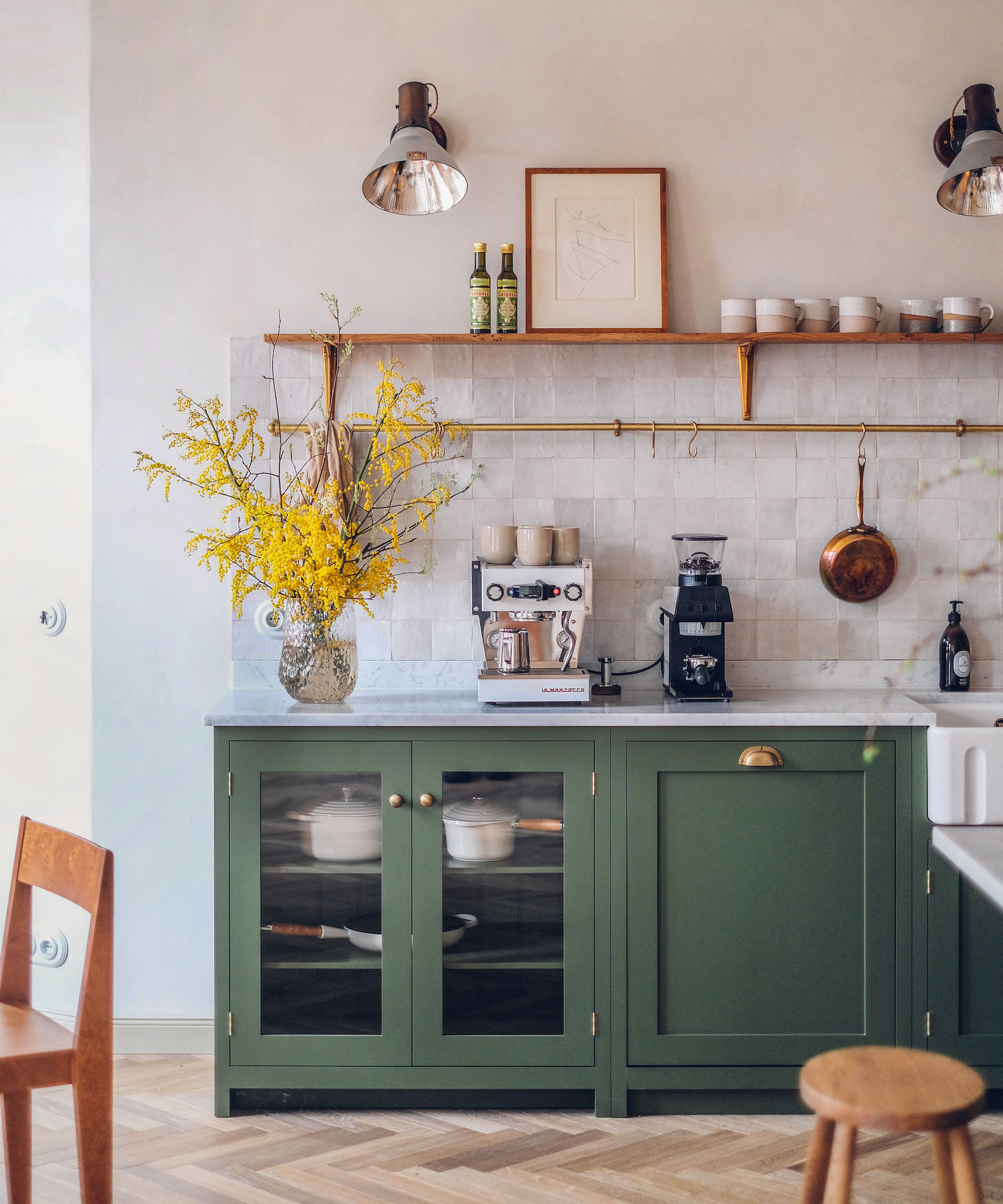
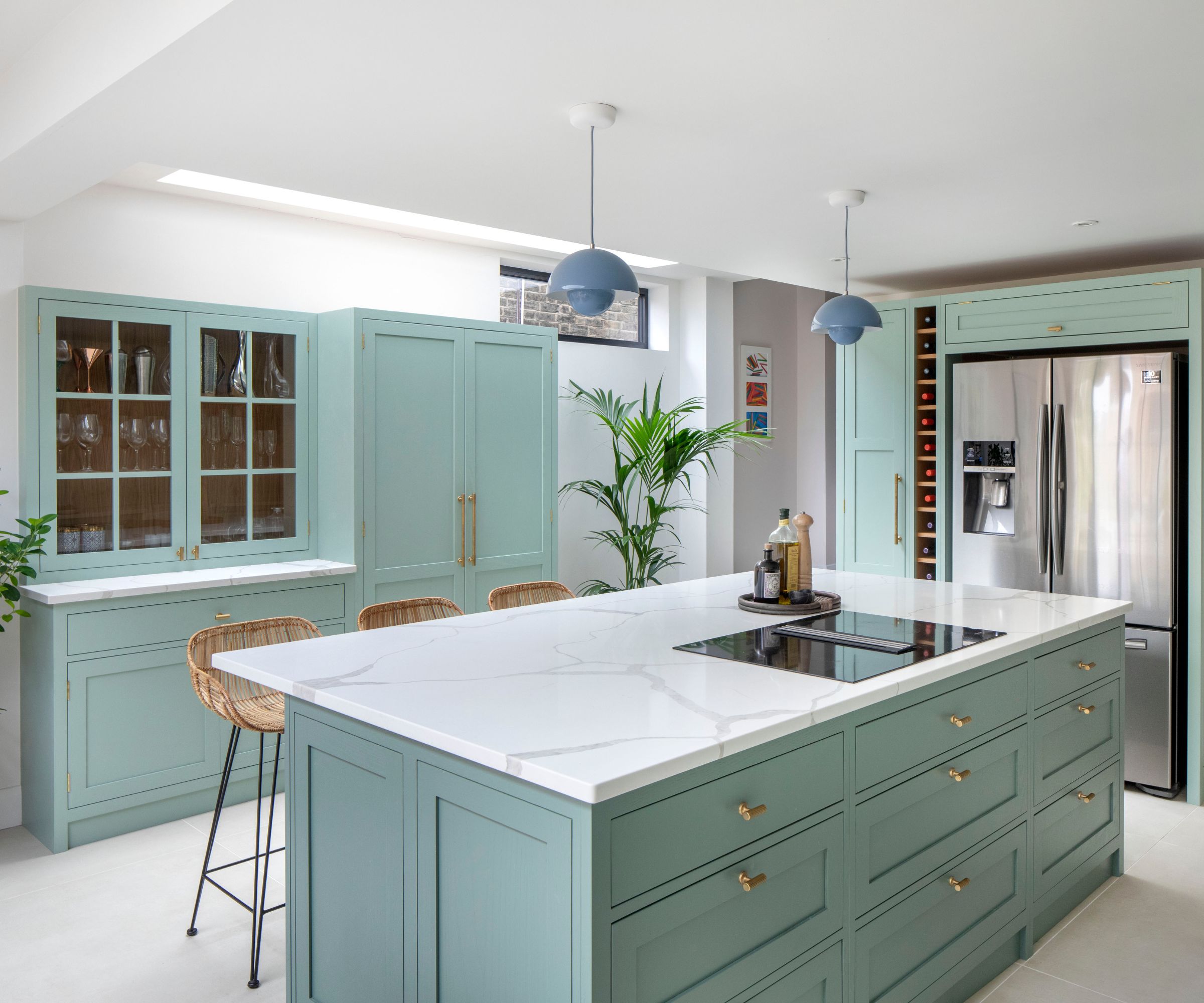
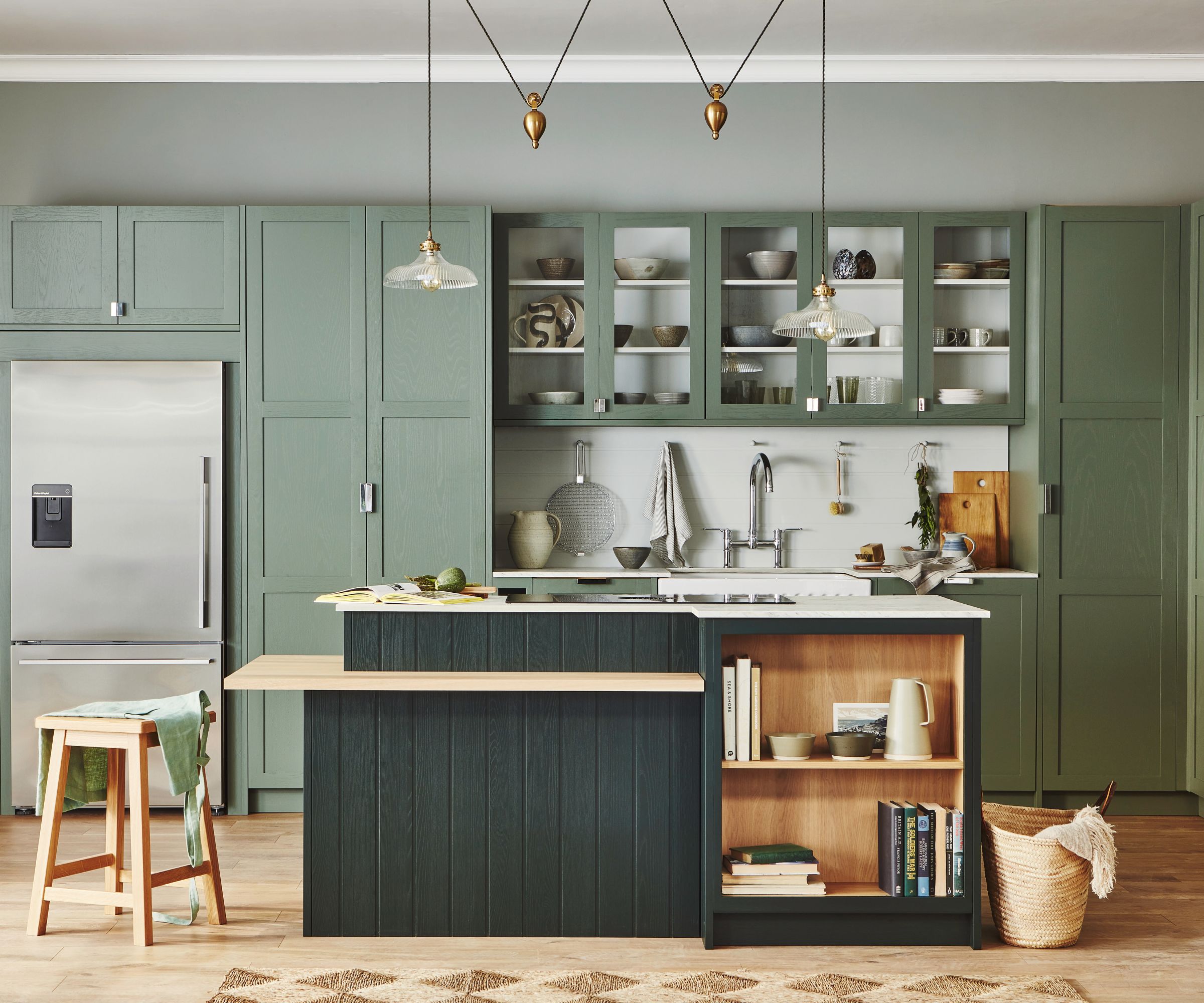
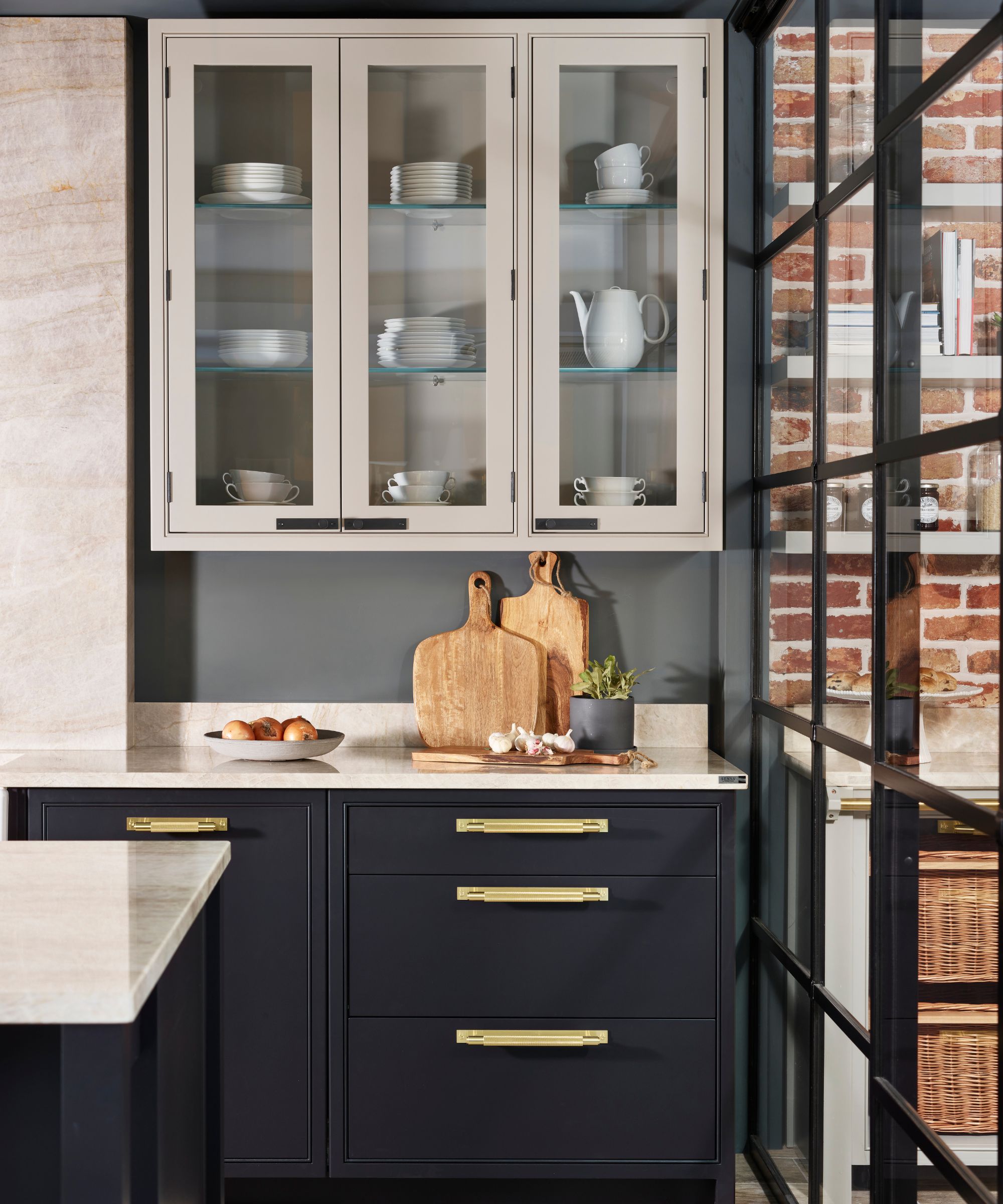
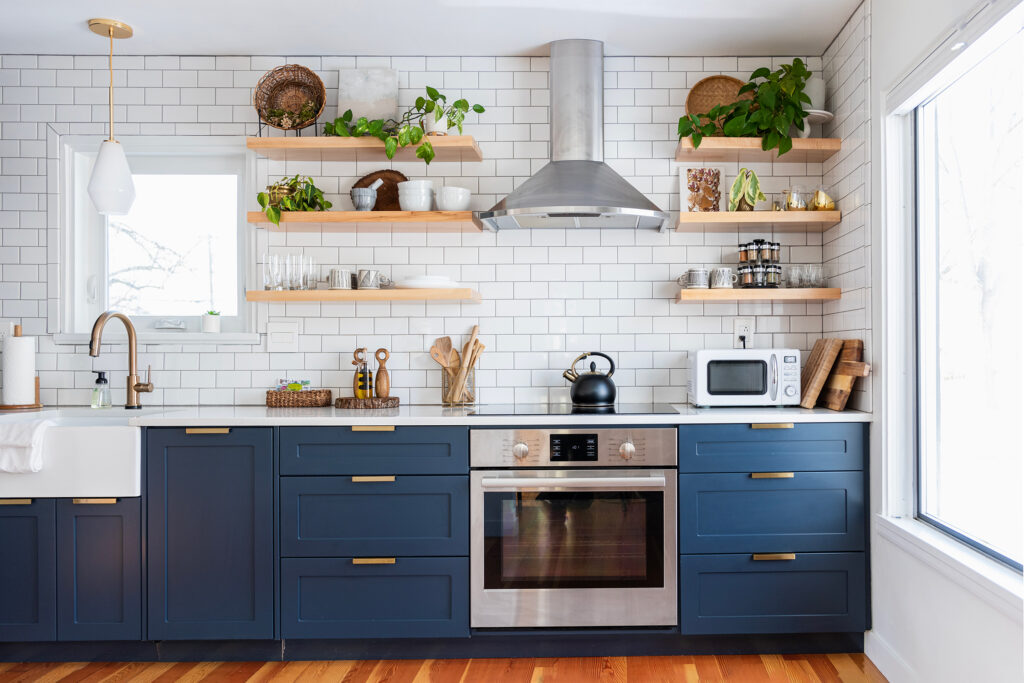
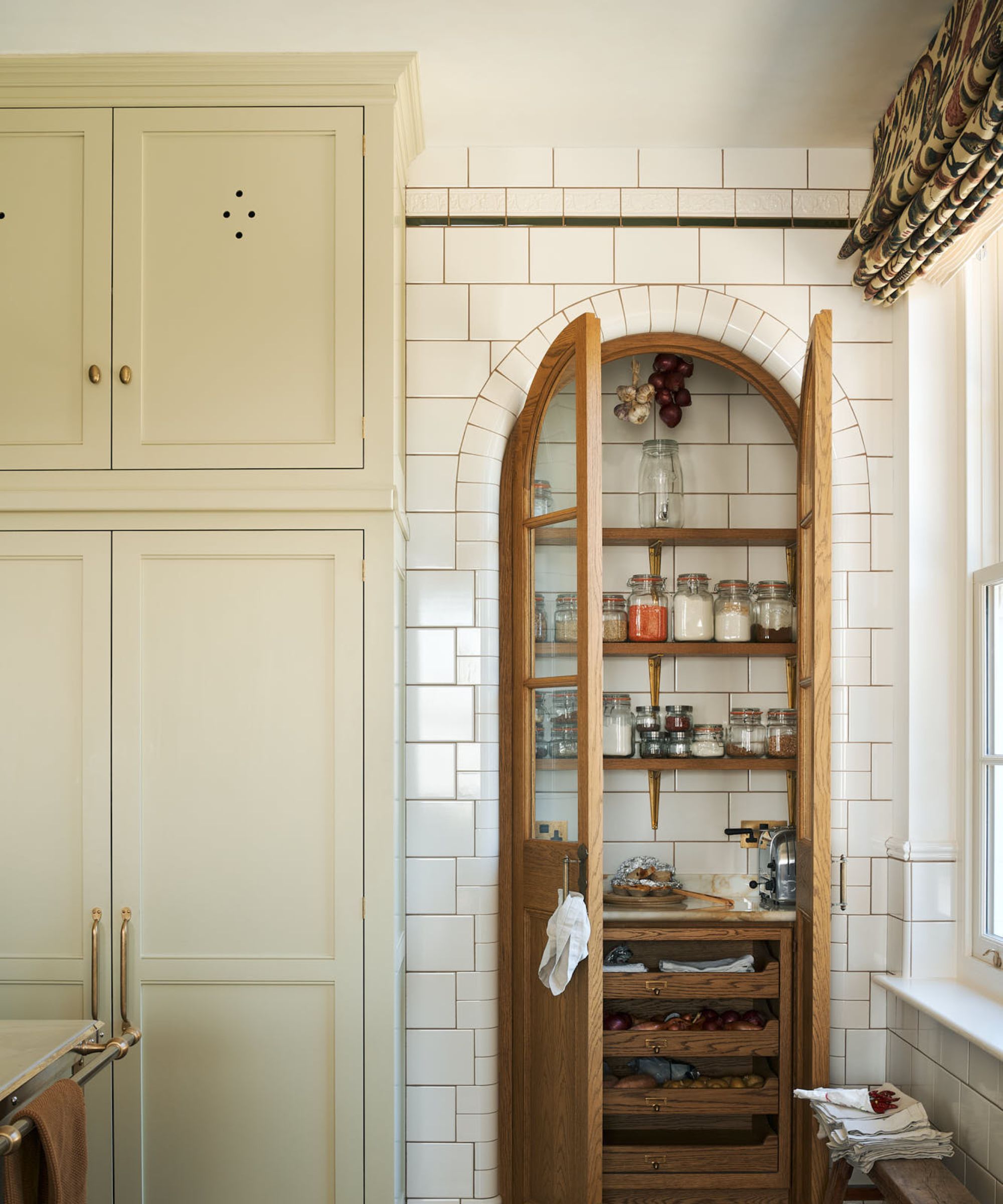
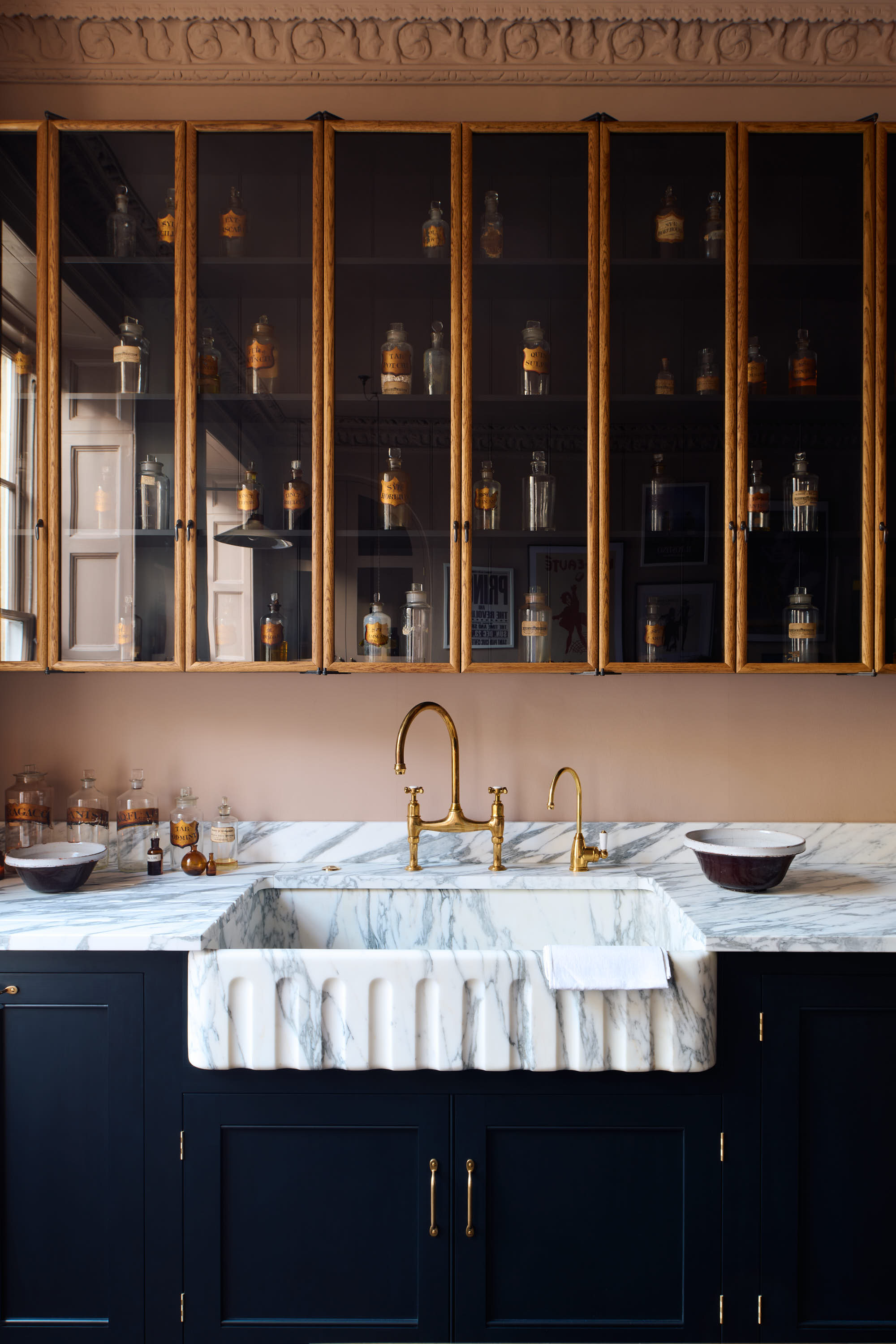
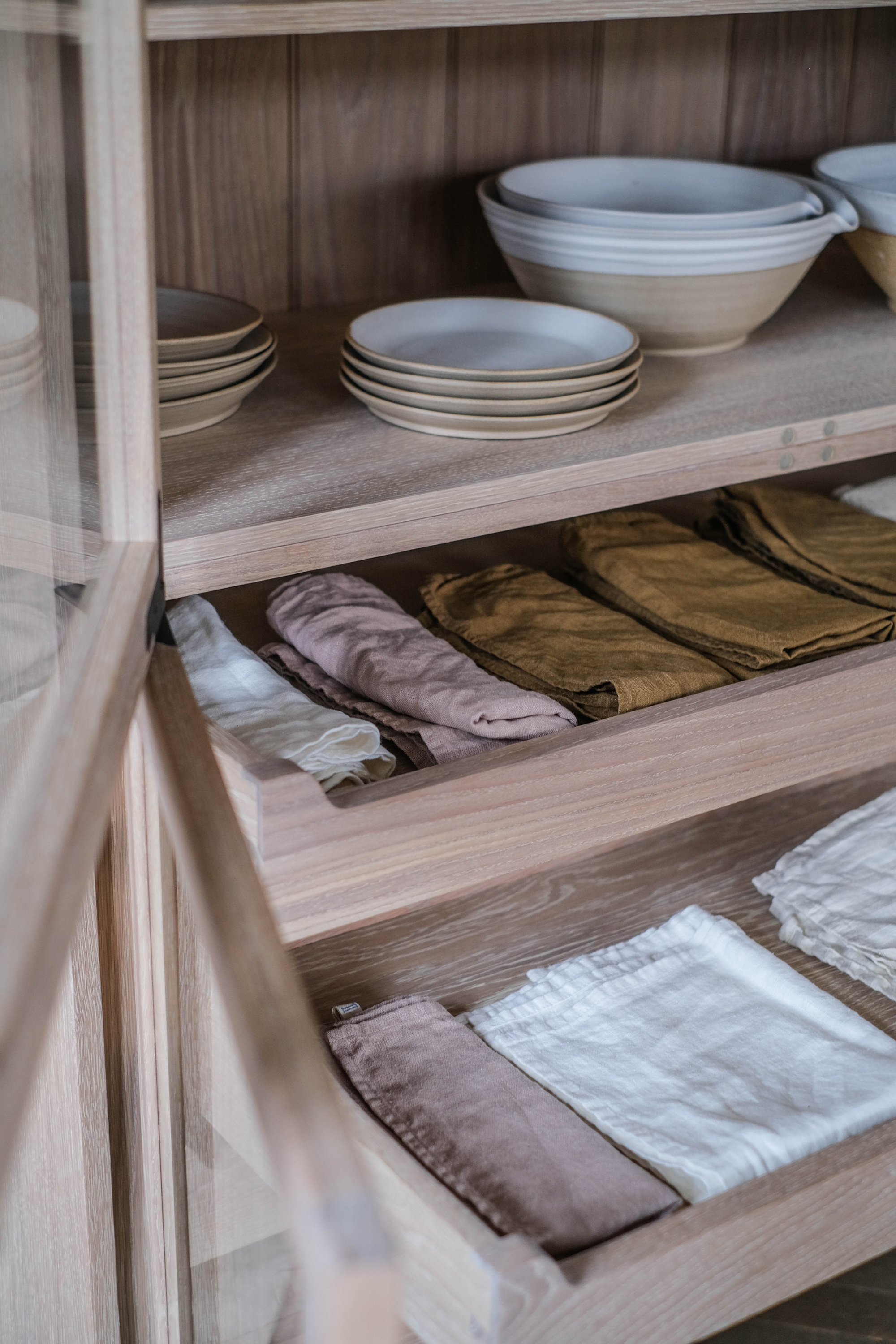
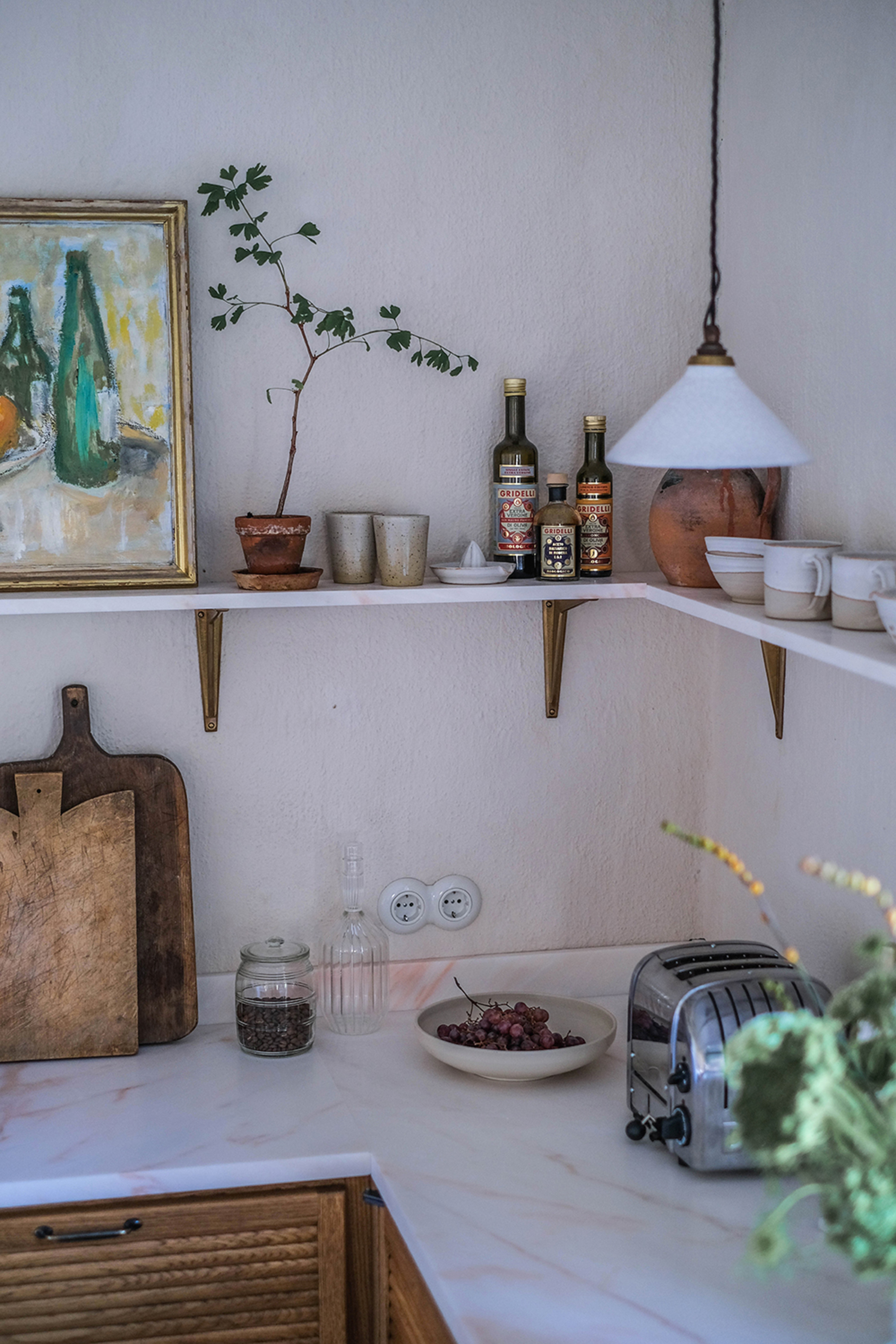
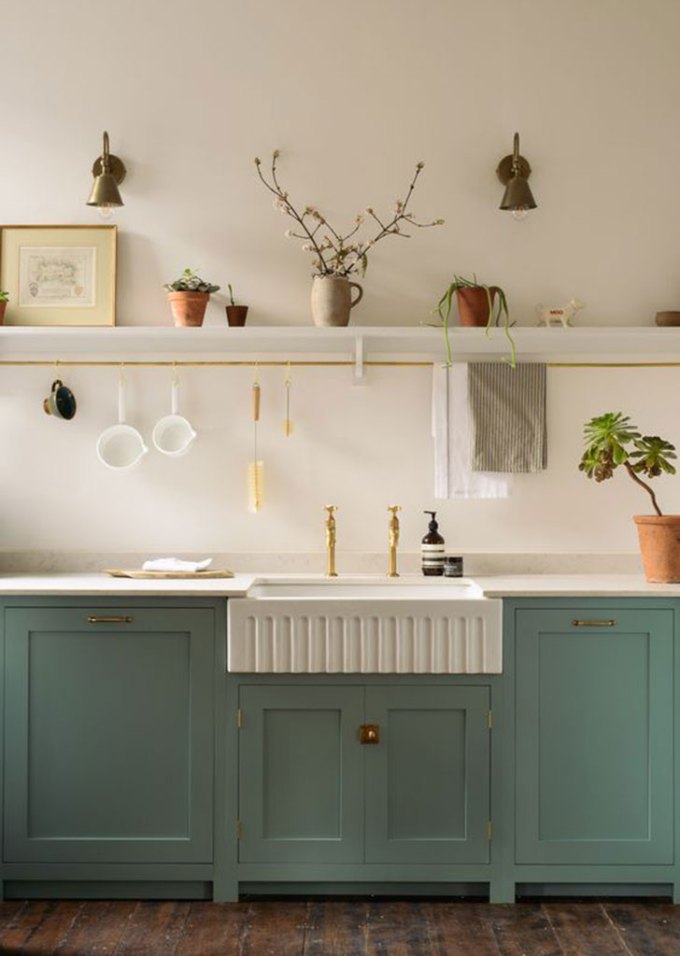
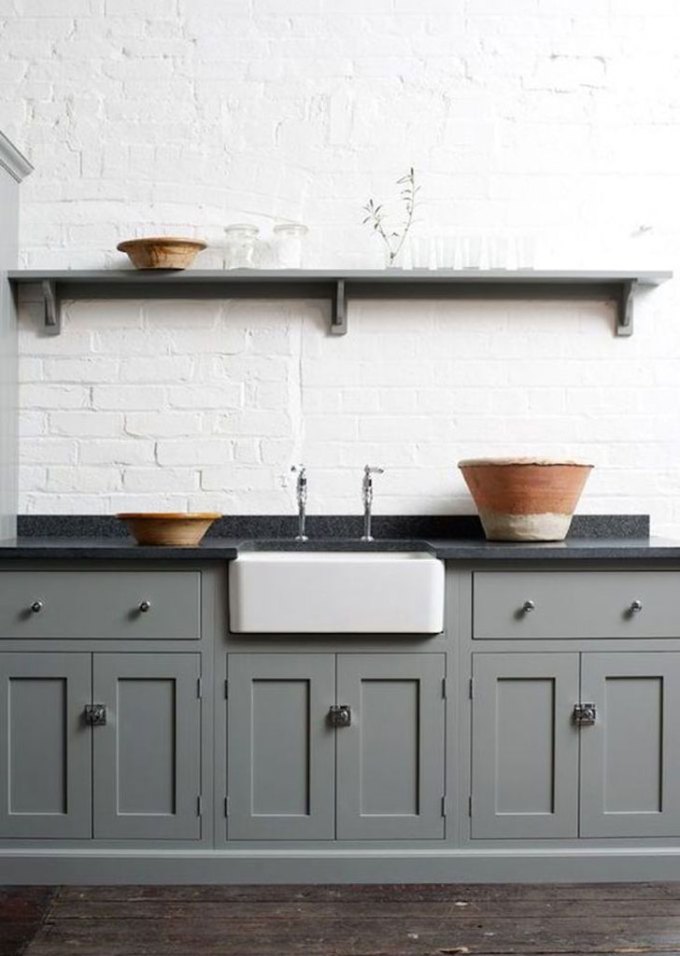
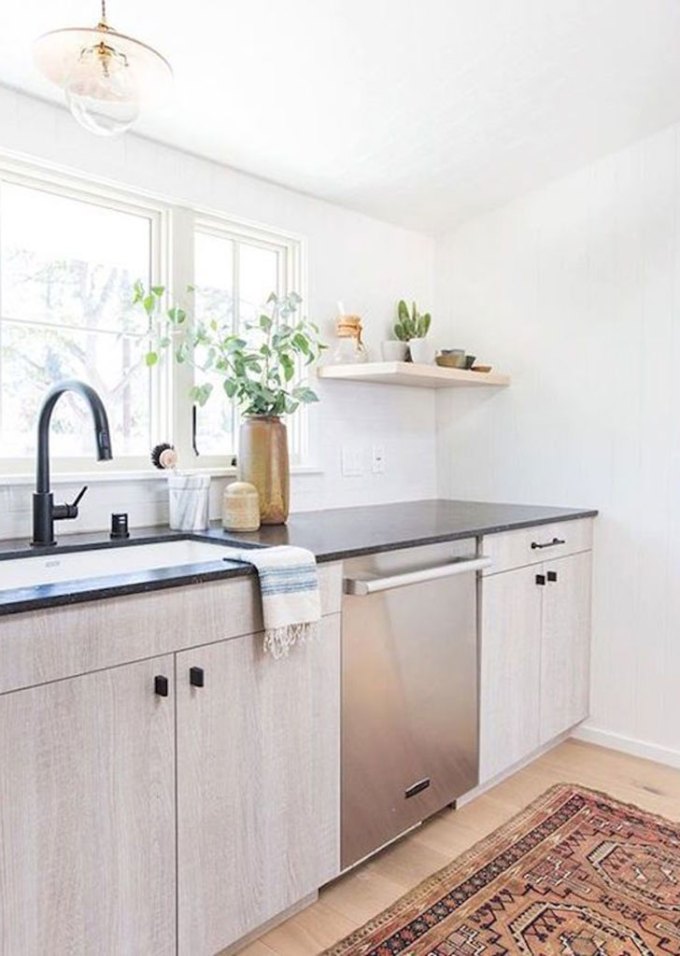
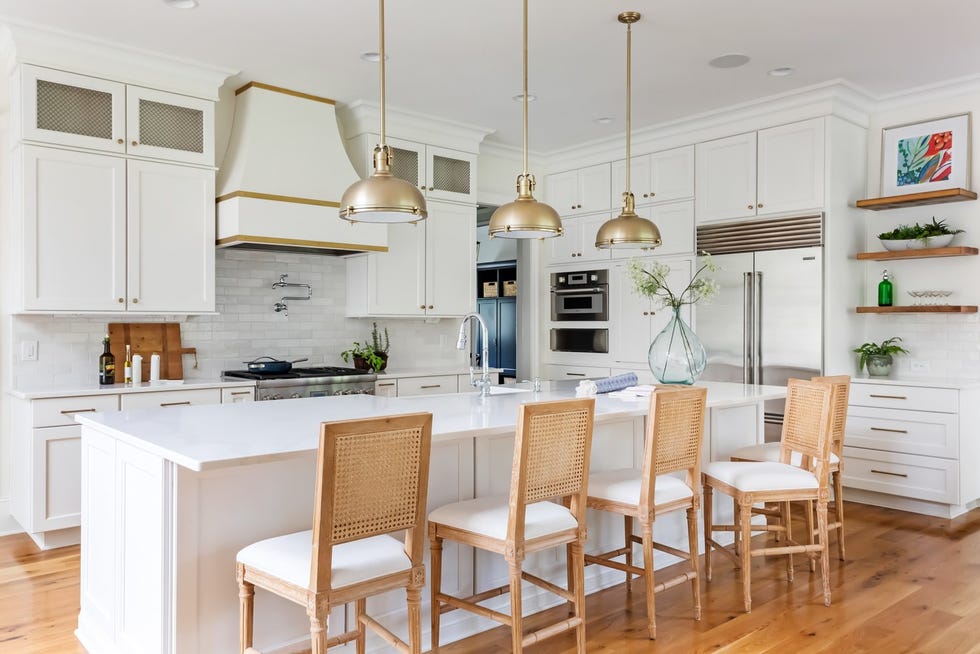
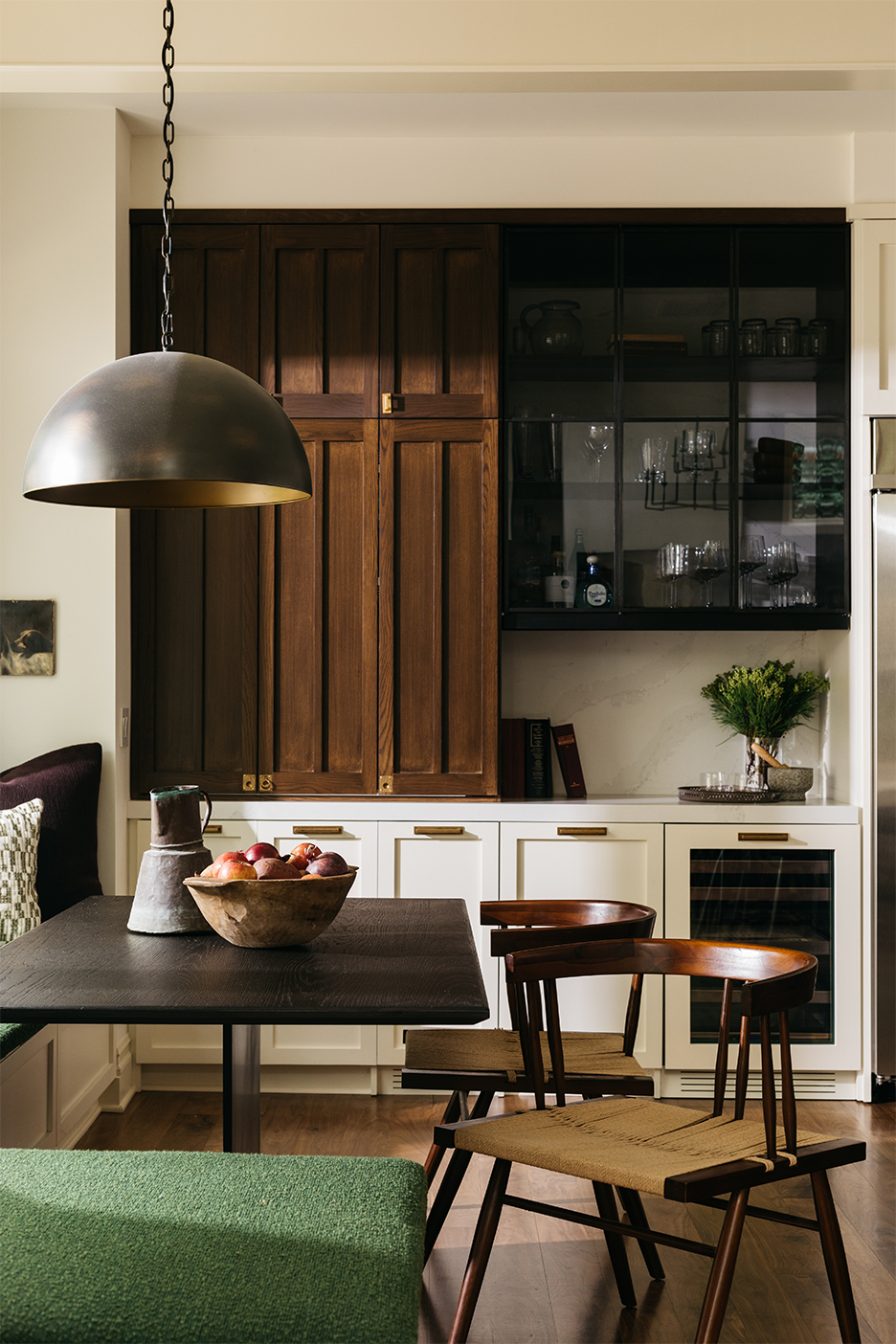
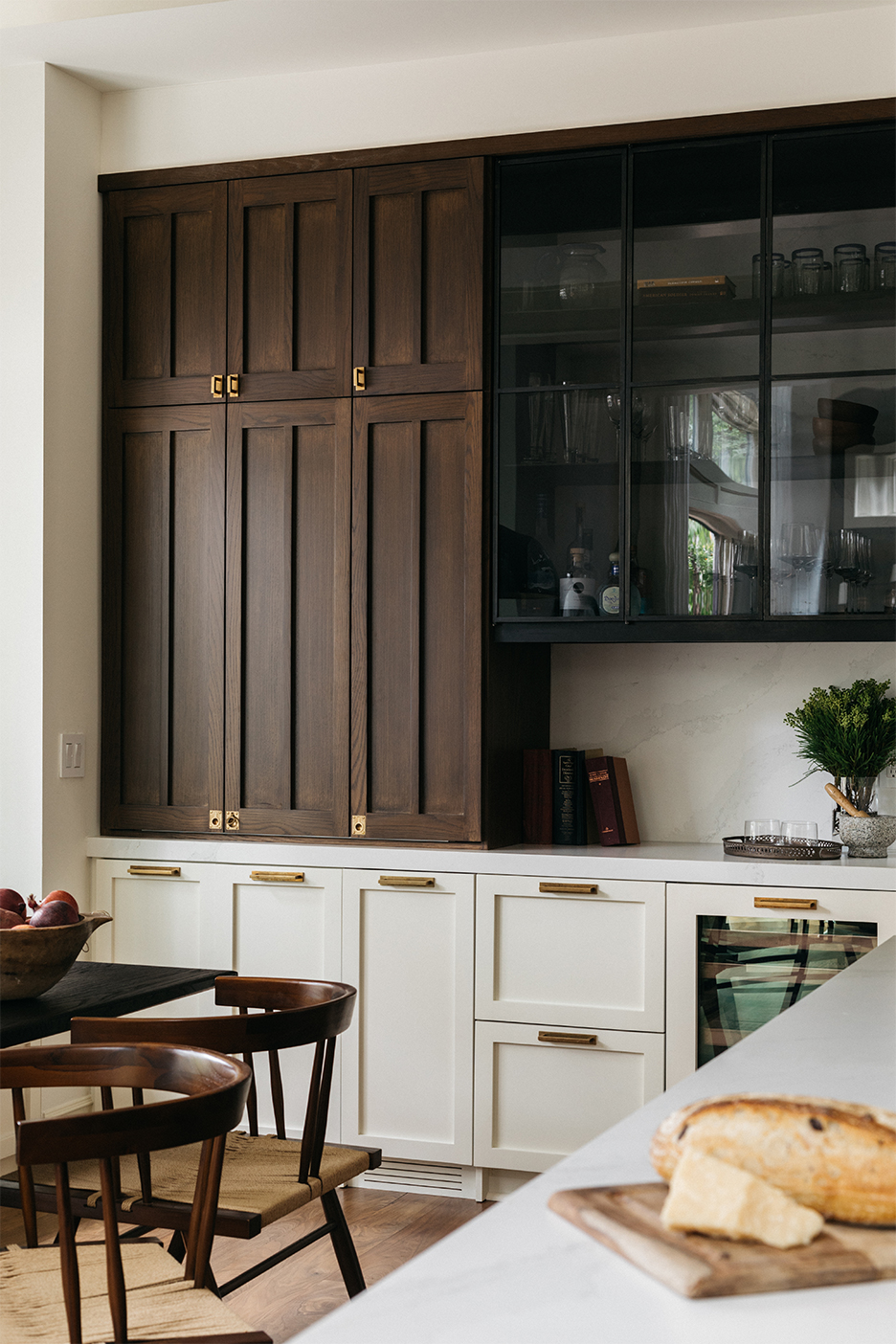
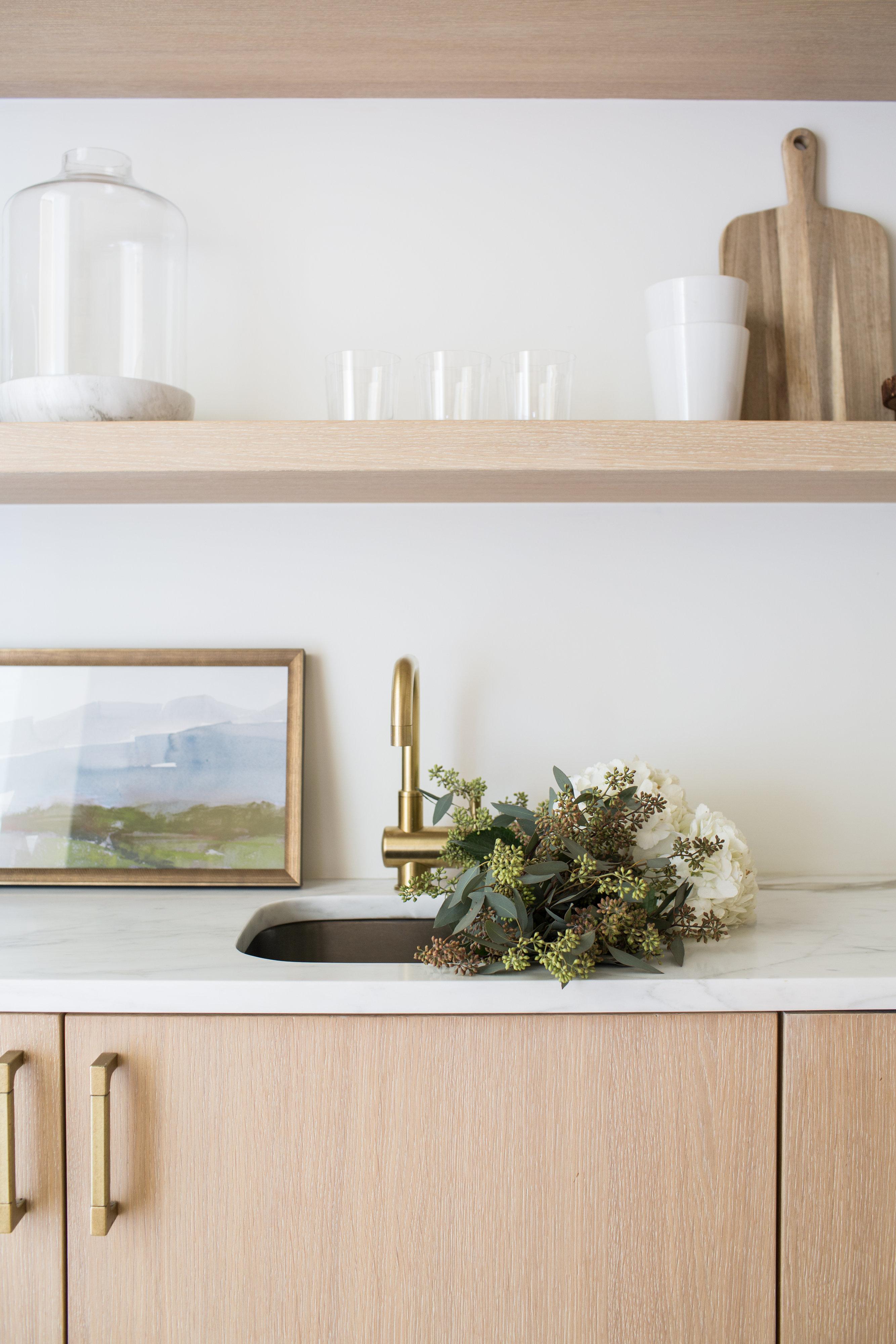
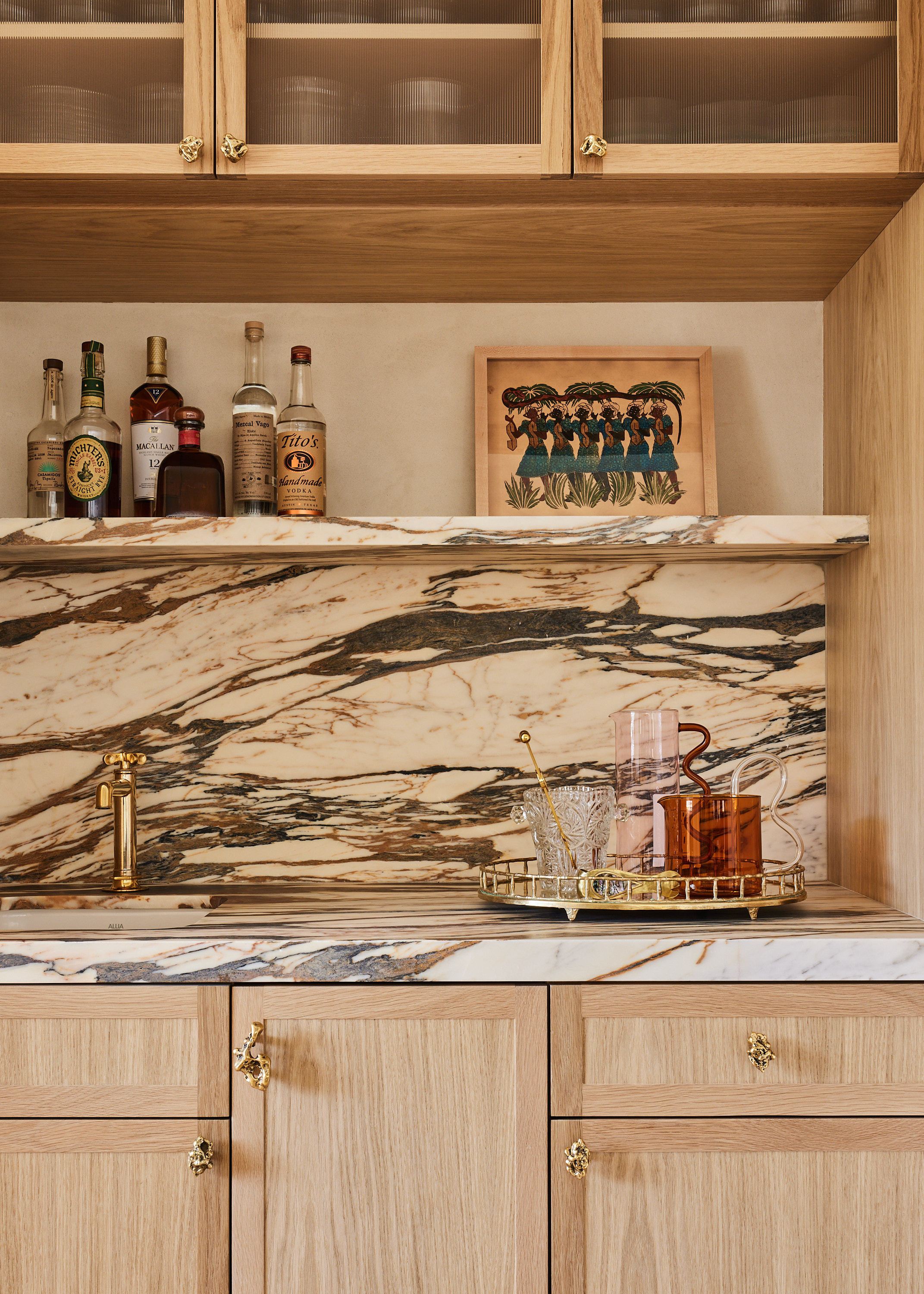
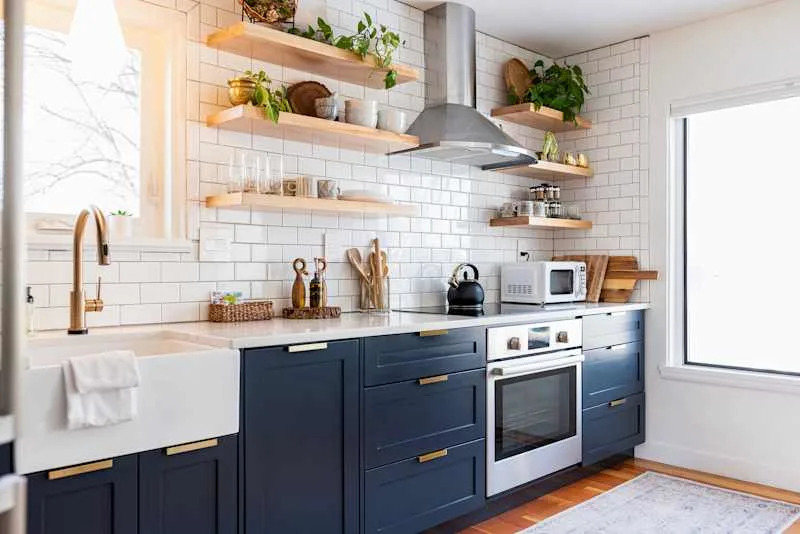
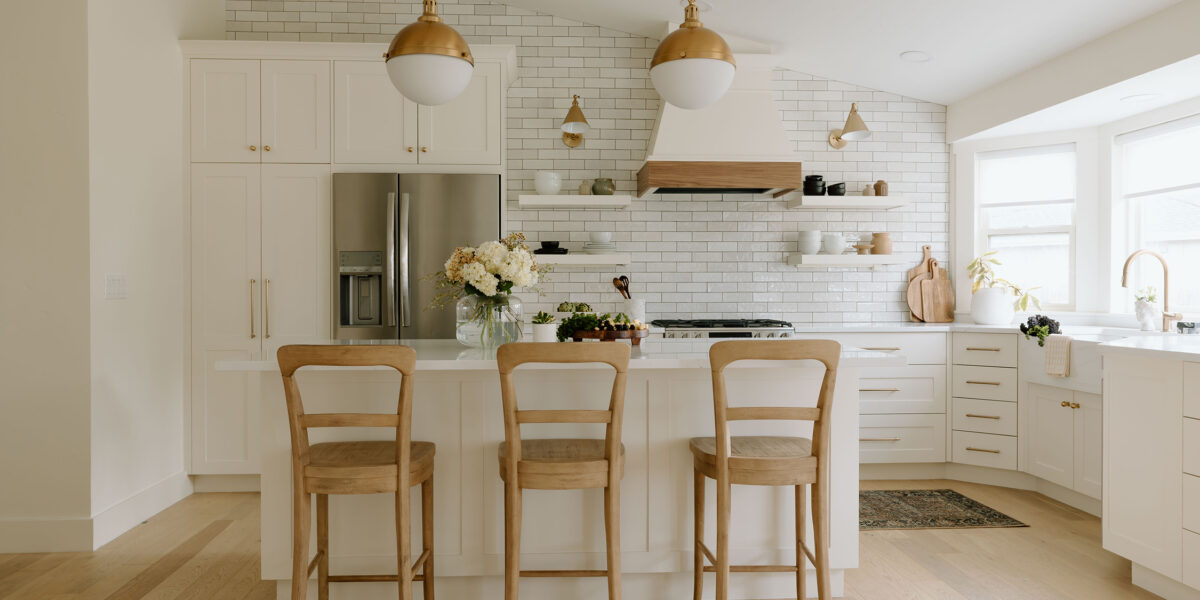
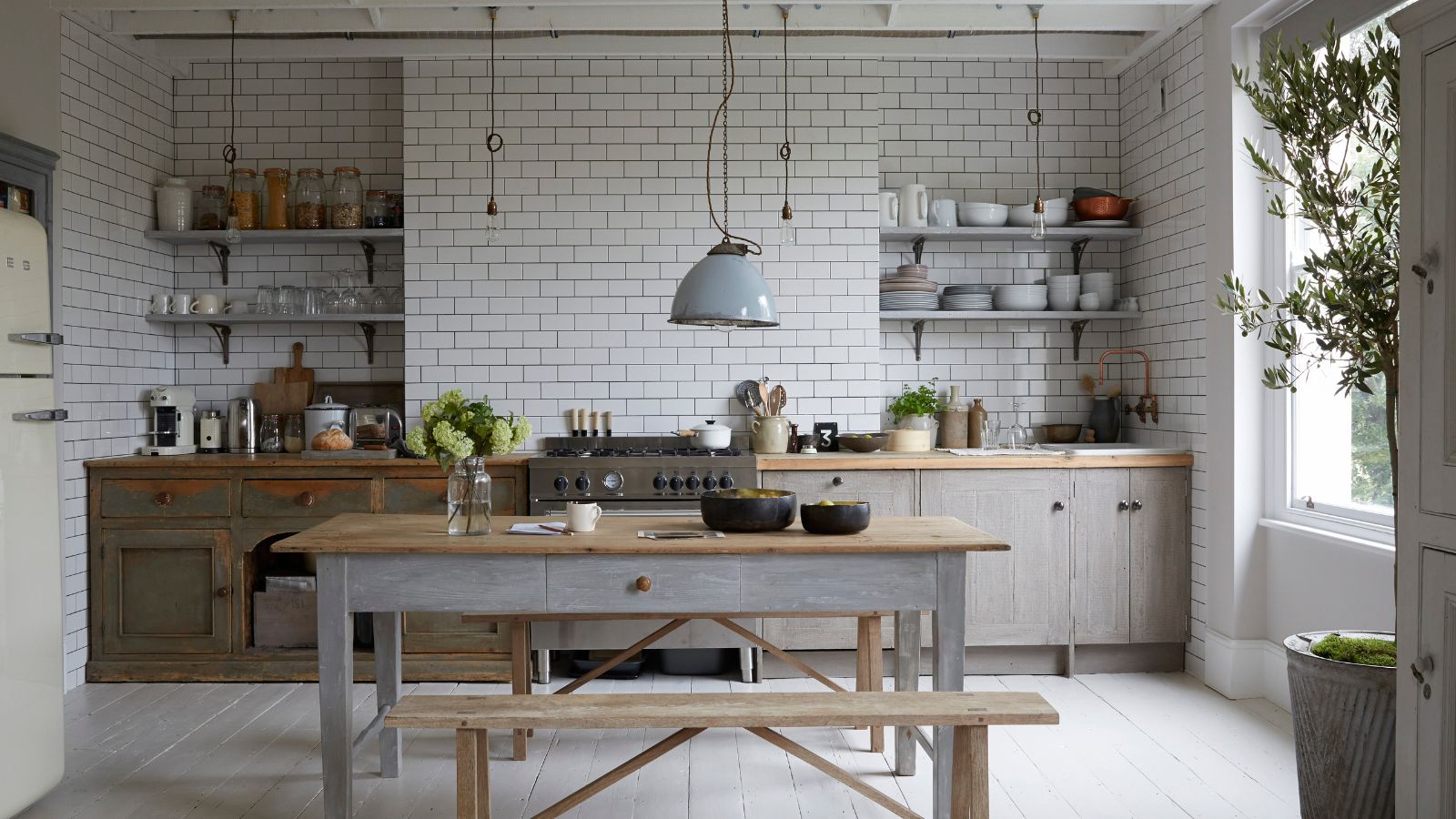
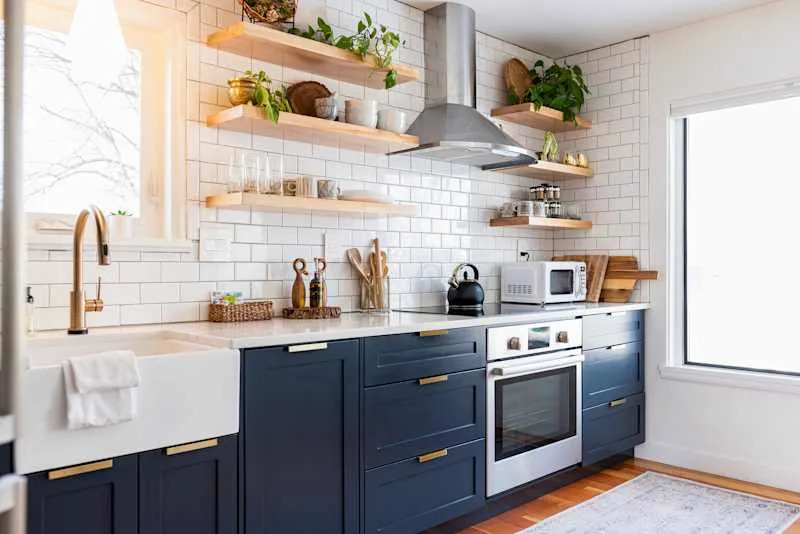
The second trend identified as impractical is open shelving. While once considered highly fashionable for showcasing kitchenware, designers now largely view it as unsuitable for typical household use. Jennifer Stephan considers floating open shelving impractical for anything beyond minimal usage, like in an Airbnb, as it is challenging for families to maintain a "showroom" appearance in an active kitchen. She extends this sentiment to glass-fronted cabinets, which also demand constant organization and styling. Katelyn De Spain agrees on the impracticality for both storage and aesthetics, though she suggests it might work in small, controlled doses when integrated with traditional upper cabinetry. Izabela Tokarski further elaborates on the downsides: open shelves necessitate constant curation of kitchenware, and their contents are exposed to dust, grease, and cooking residue, potentially requiring re-washing of clean dishes before use. Moreover, open shelving limits the ability to discreetly store less aesthetically pleasing items like gadgets, bulk supplies, or other miscellaneous kitchen necessities. This often results in a jumbled or messy appearance, detracting from the overall kitchen aesthetic. While open shelving can be organized, designers caution that it requires significant commitment to continuous maintenance and tidiness, making it less ideal for those seeking low-maintenance kitchen solutions.
#KitchenDesign #CabinetryTrends #HomeInterior #DesignImpracticality #MirroredCabinets #OpenShelving #KitchenFunctionality #HomeMaintenance #InteriorDesignTips #KitchenDesign #CabinetryTrends #HomeInterior #DesignImpracticality #MirroredCabinets #OpenShelving #KitchenFunctionality #HomeMaintenance #InteriorDesignTips
Há 0 comentários no total
 Ainda não há comentários
Você também pode gostar
Designers Reveal the Surprising Kitchen Cabinet Trend That's Taking Over

7 Kitchen Design Trends Chefs Say Are Totally Bogus
7 Kitchen Storage Trends That Designers say are Best Avoided

The 2 Cabinet Colors Designers Say Make Kitchens Look Outdated

These are the outdated kitchen cabinet trends designers say you should ditch in 2025
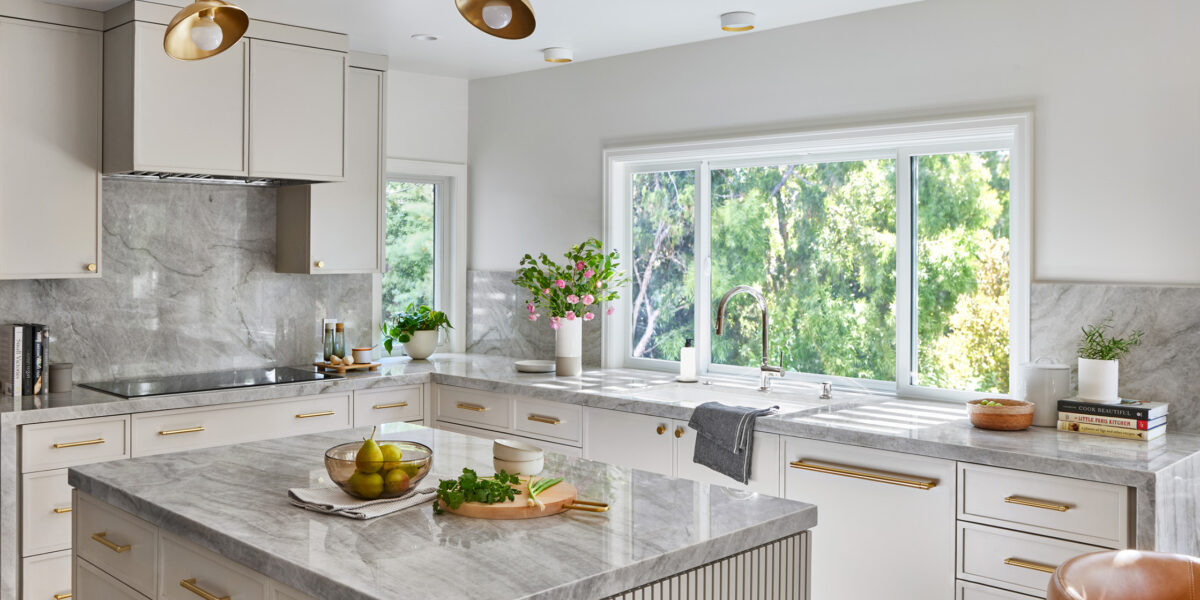
This Once-Popular Kitchen Trend Is Actually a Huge Pain—Here’s One Designer’s Solution
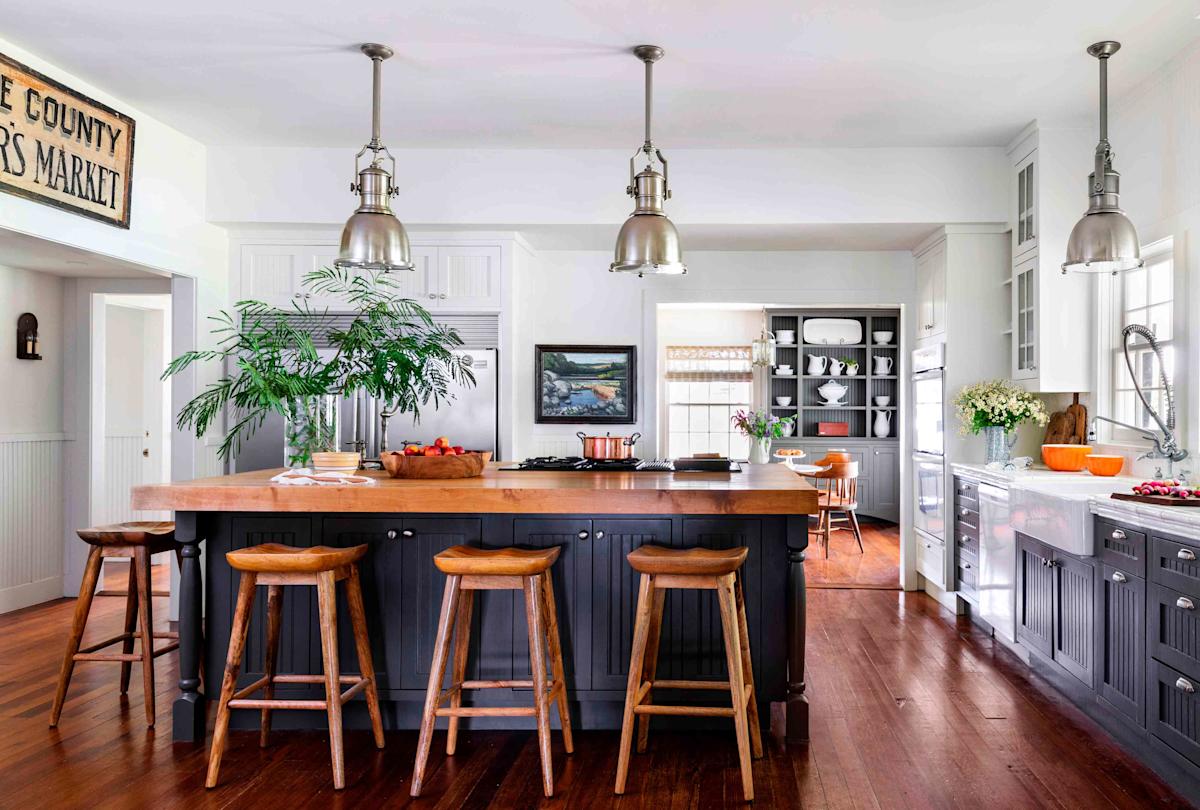
The 2 Cabinet Colors Designers Say Make Kitchens Look Outdated

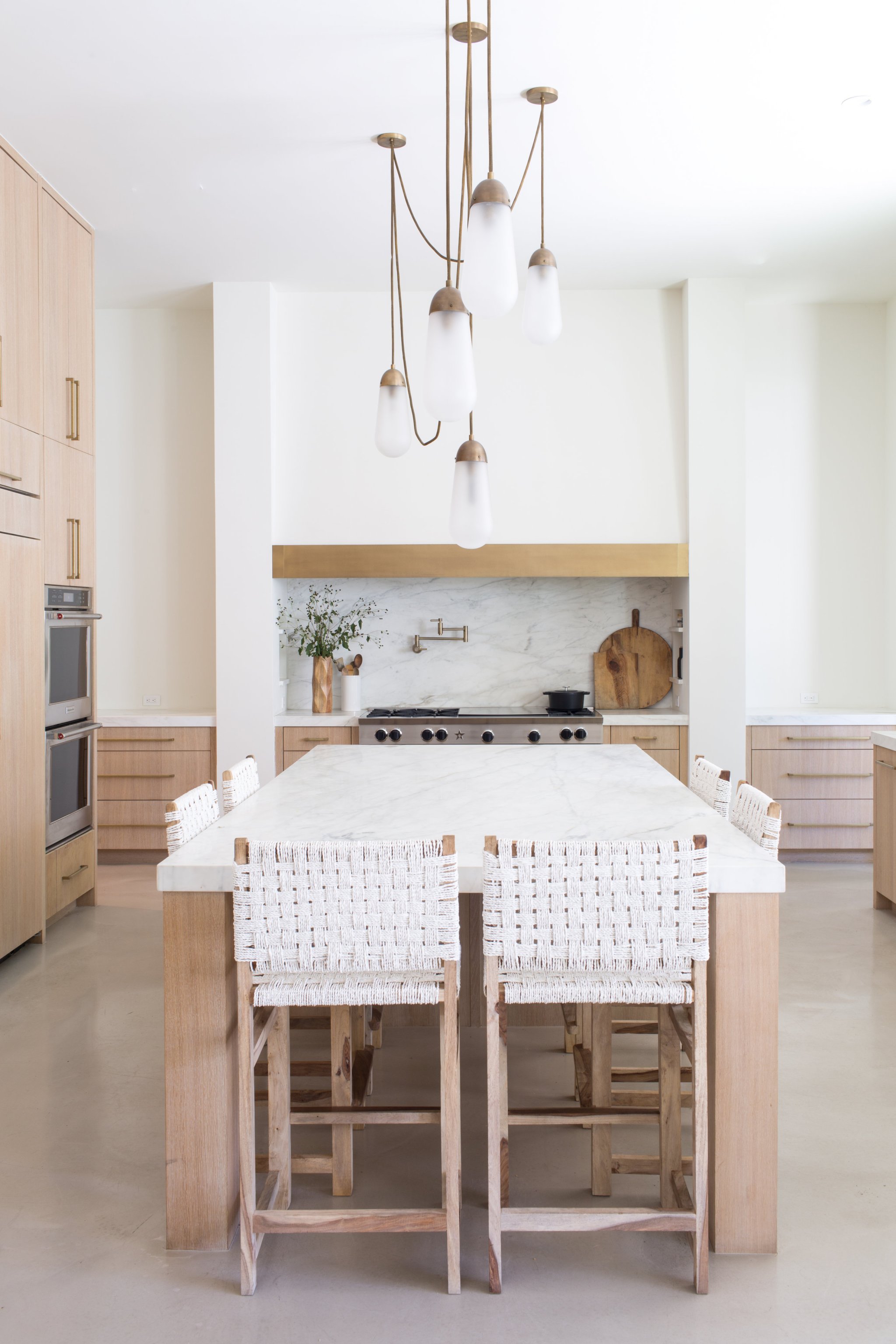
This Designer Isn’t a Fan of Upper Kitchen Cabinets—Here’s Why
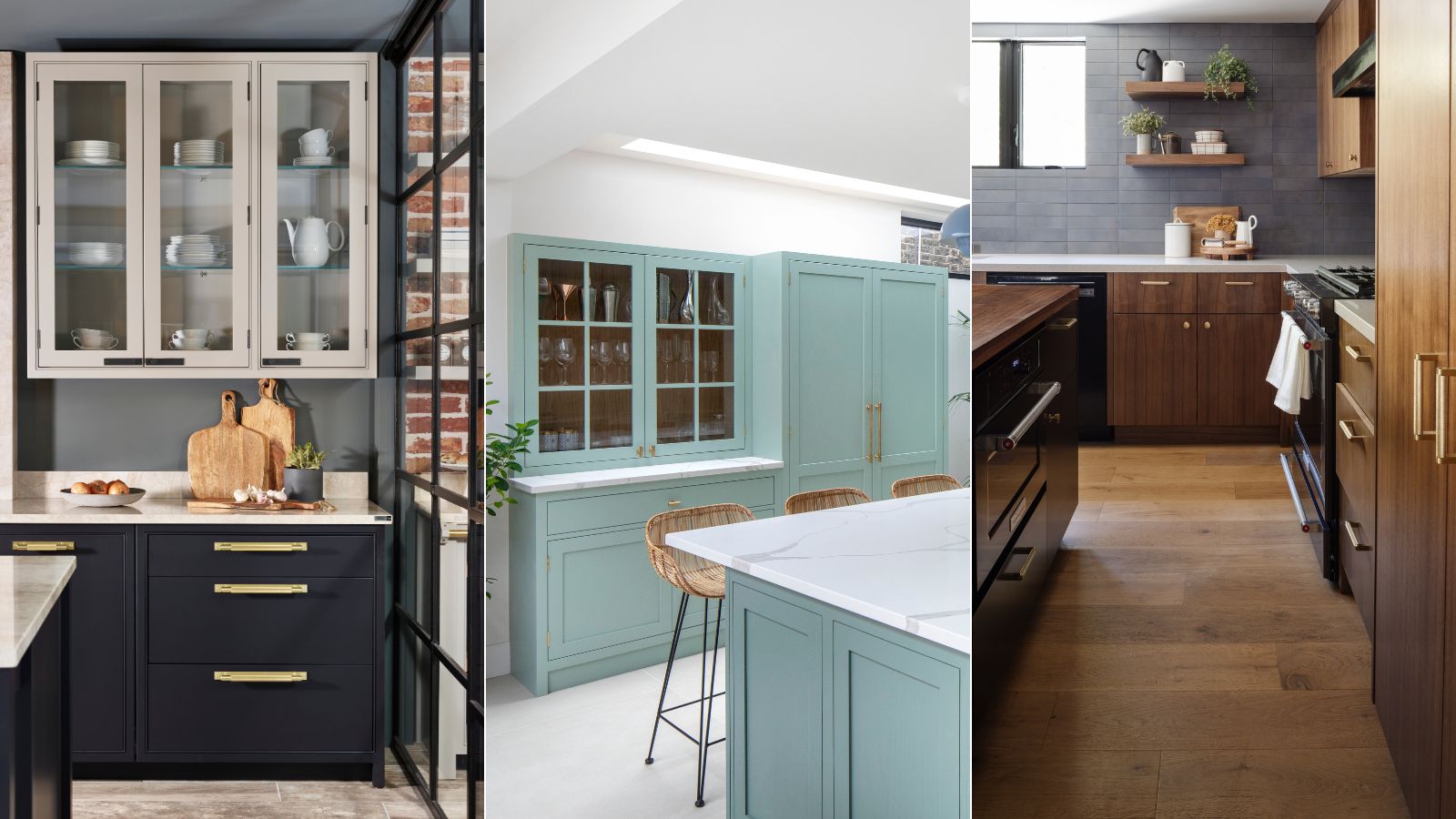
5 dated kitchen hardware trends that could be bringing down the look of your kitchen

4 Kitchen Cabinet Trends That Are More Trouble Than They’re Worth

The Controversial Kitchen Trend the Design World Is Buzzing Over
Cabinet Hardware Trends To Give Your Kitchen An Upgrade On A Budget
Designers Say These Are the 2 Most Impractical Kitchen Cabinet Trends

Kitchen Designers Weigh In on Deep Drawers vs. Cabinets
Why You Should Never, Ever Put an Island in Your Kitchen

10 key kitchen hardware trends for 2023: handles, hinges and pulls that update without a full renovation
5 kitchen hardware mistakes interior designers say homeowners always make, and how to fix them
This Traditional Kitchen Detail is Making an Unexpected Comeback This Year
3 Kitchen Cabinet Styles Are Better Than 1—Give This Craftsman-Inspired Trio a Try

Designers Say They Secretly Hate This Popular Kitchen Design Trend