1/4
Kitchen Designers Weigh In on Deep Drawers vs. Cabinets
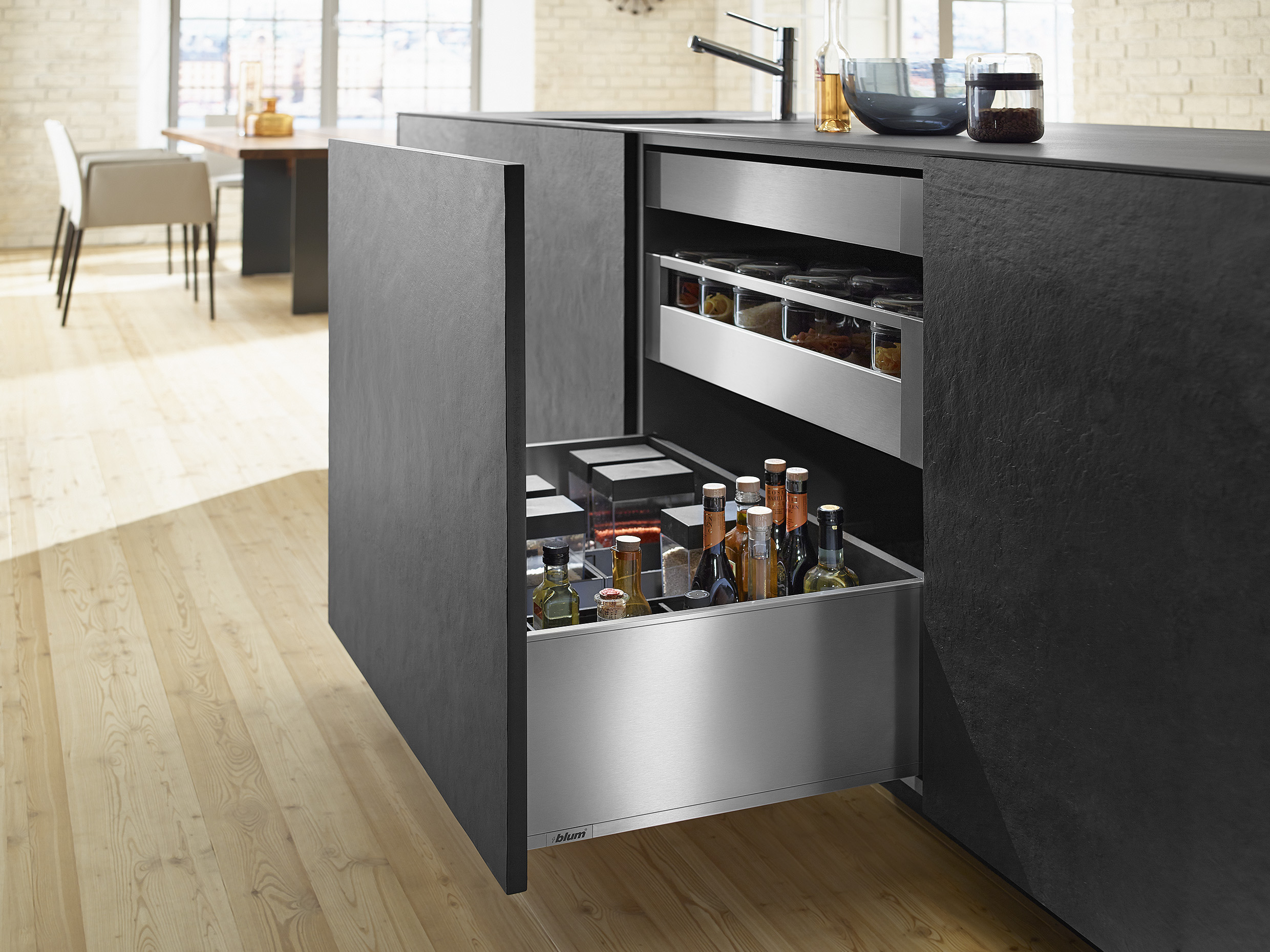
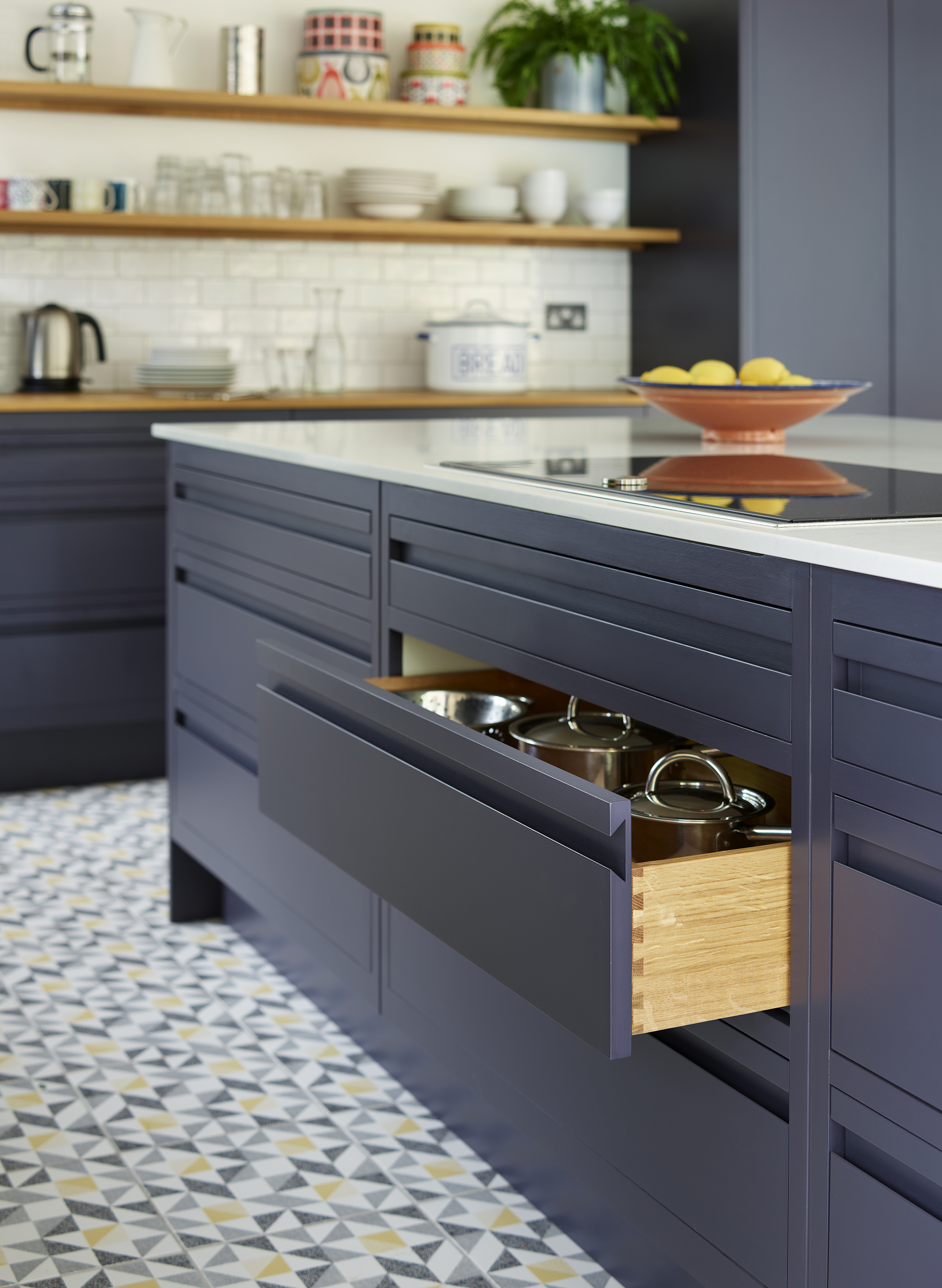
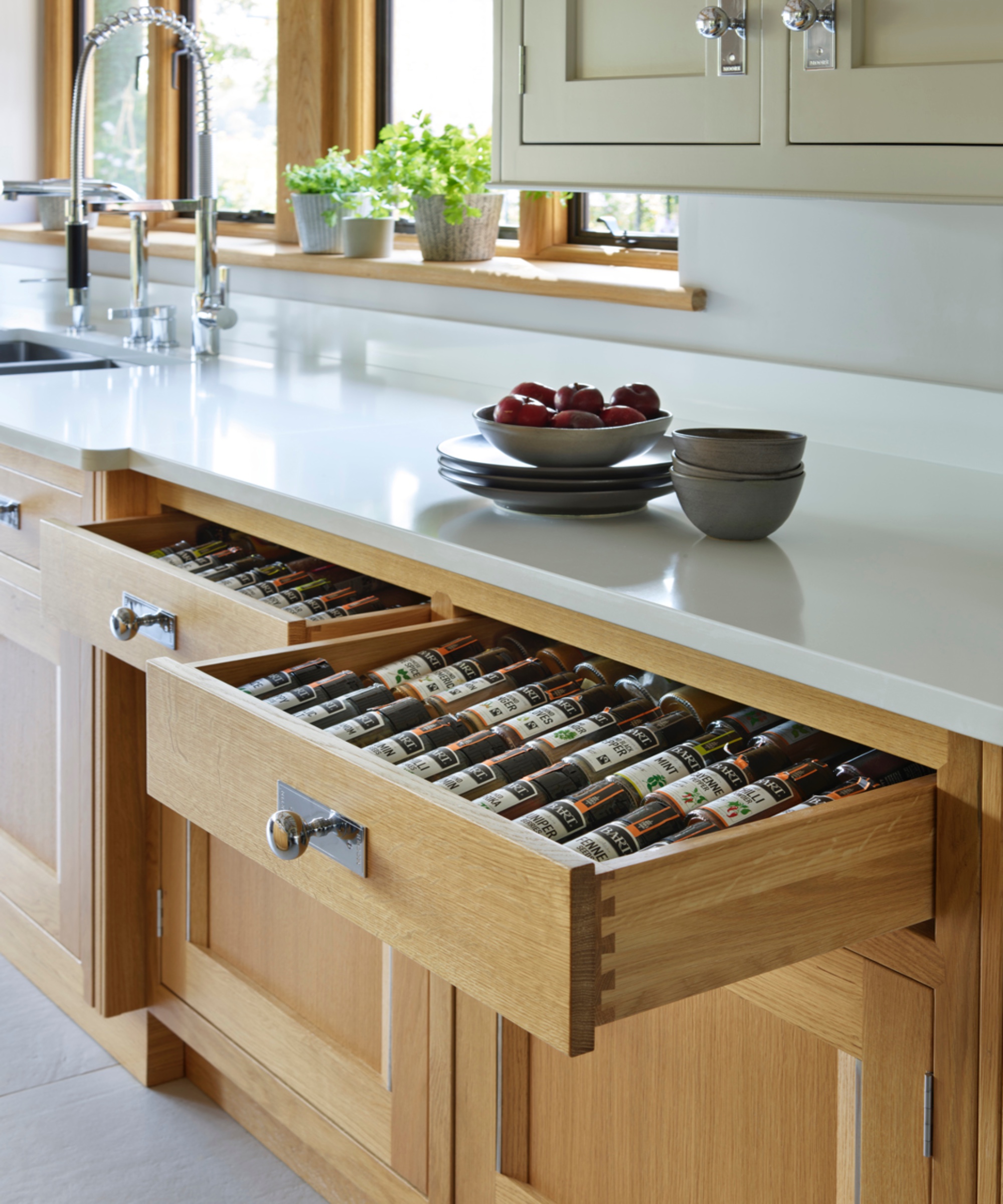
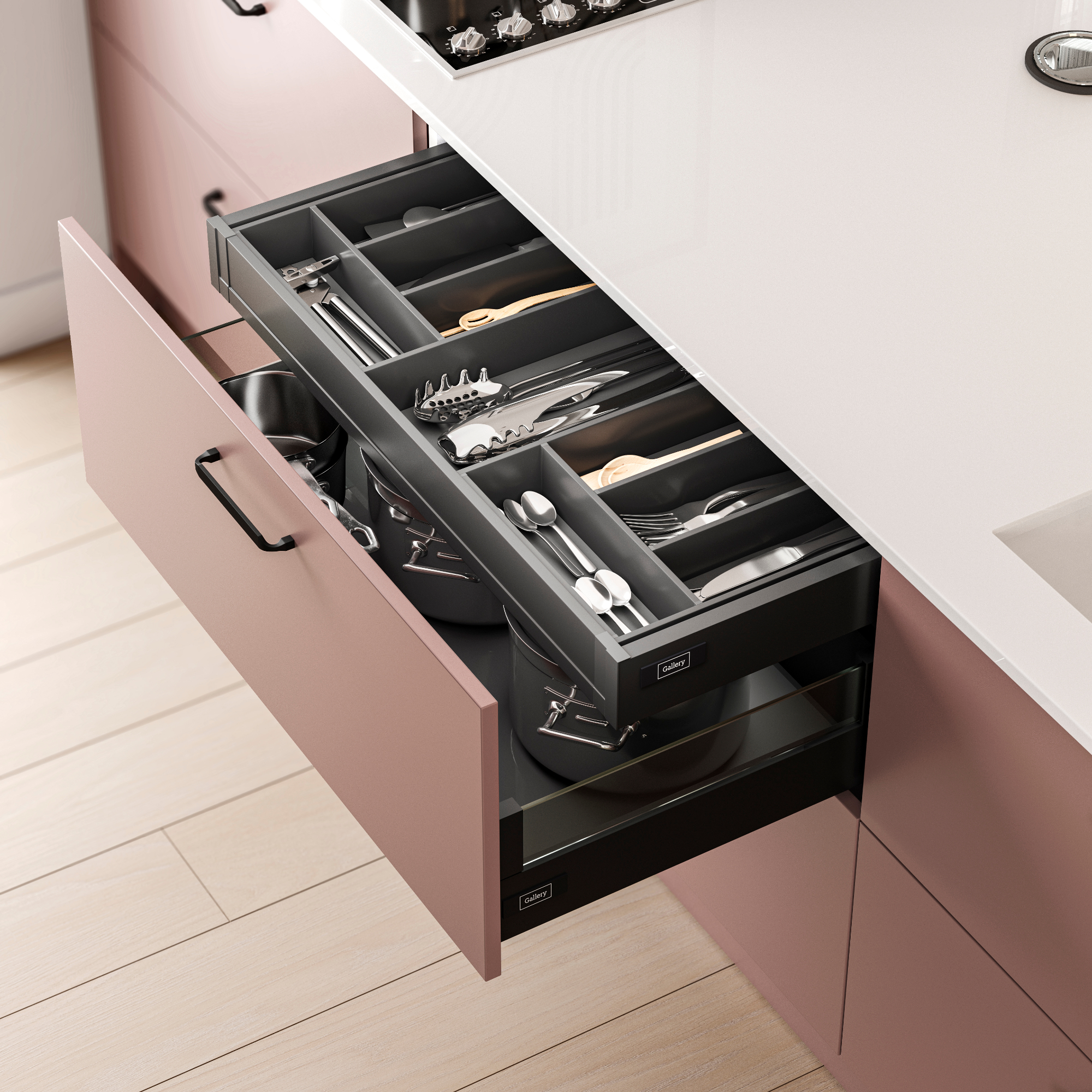
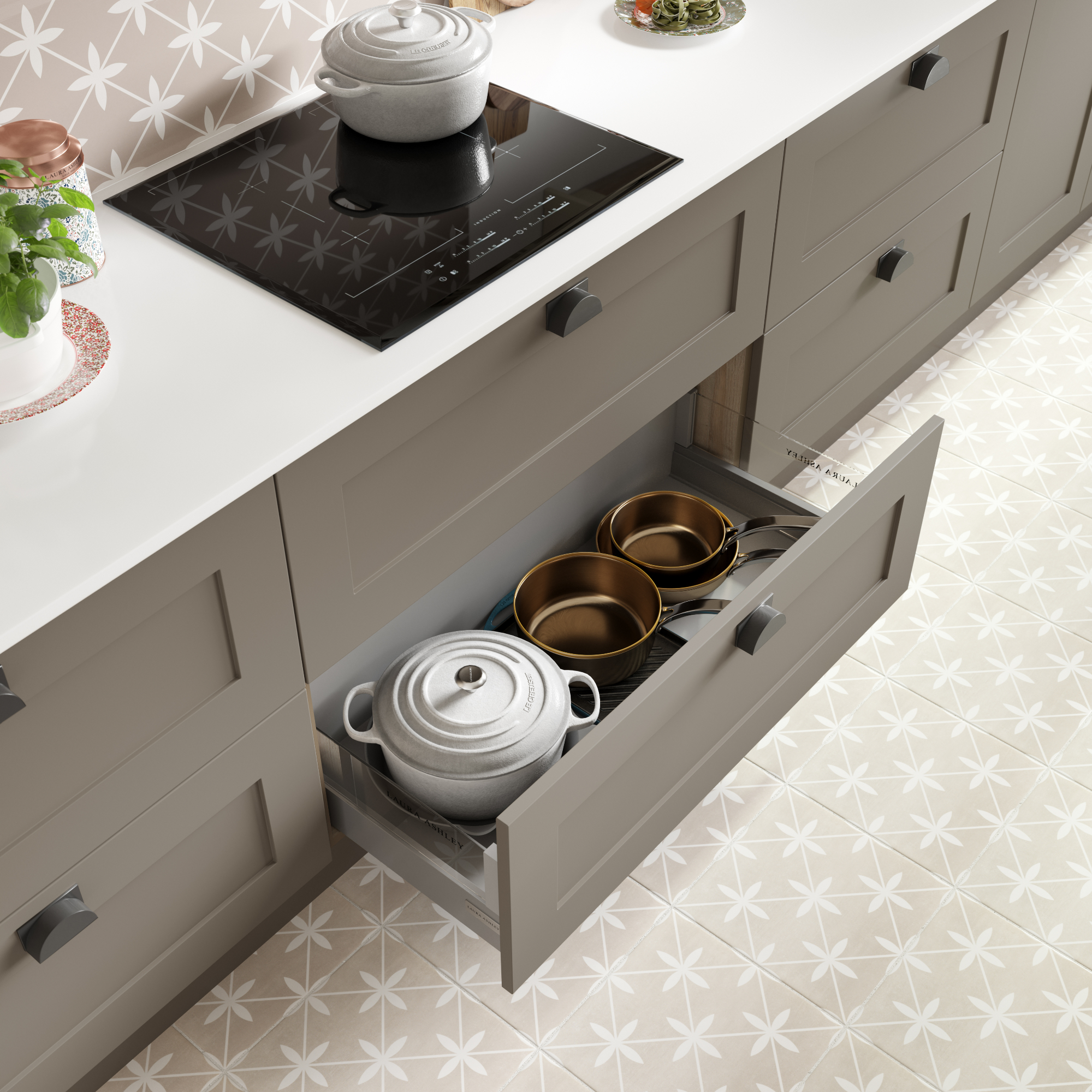
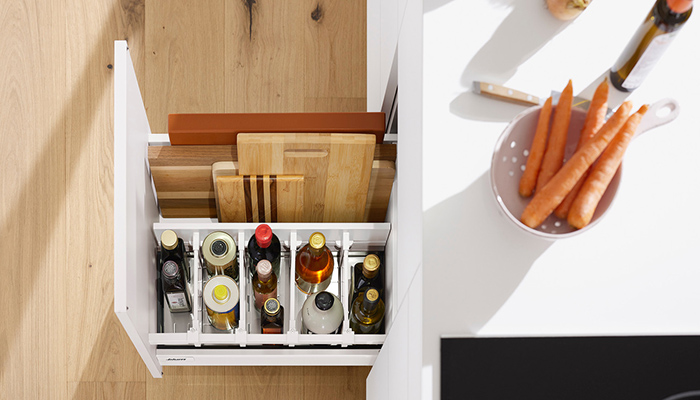
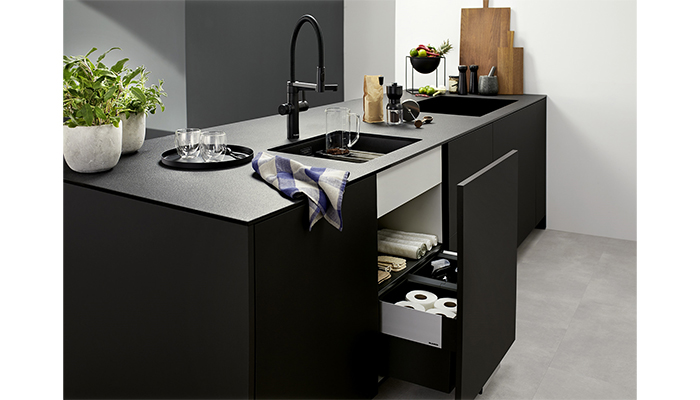
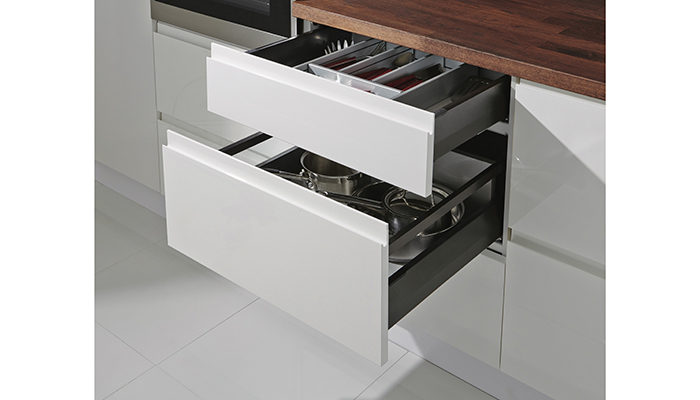
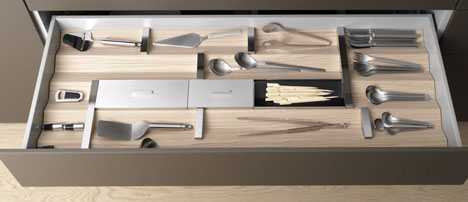
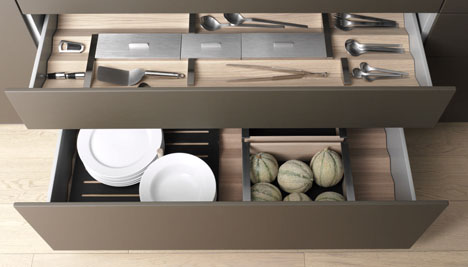
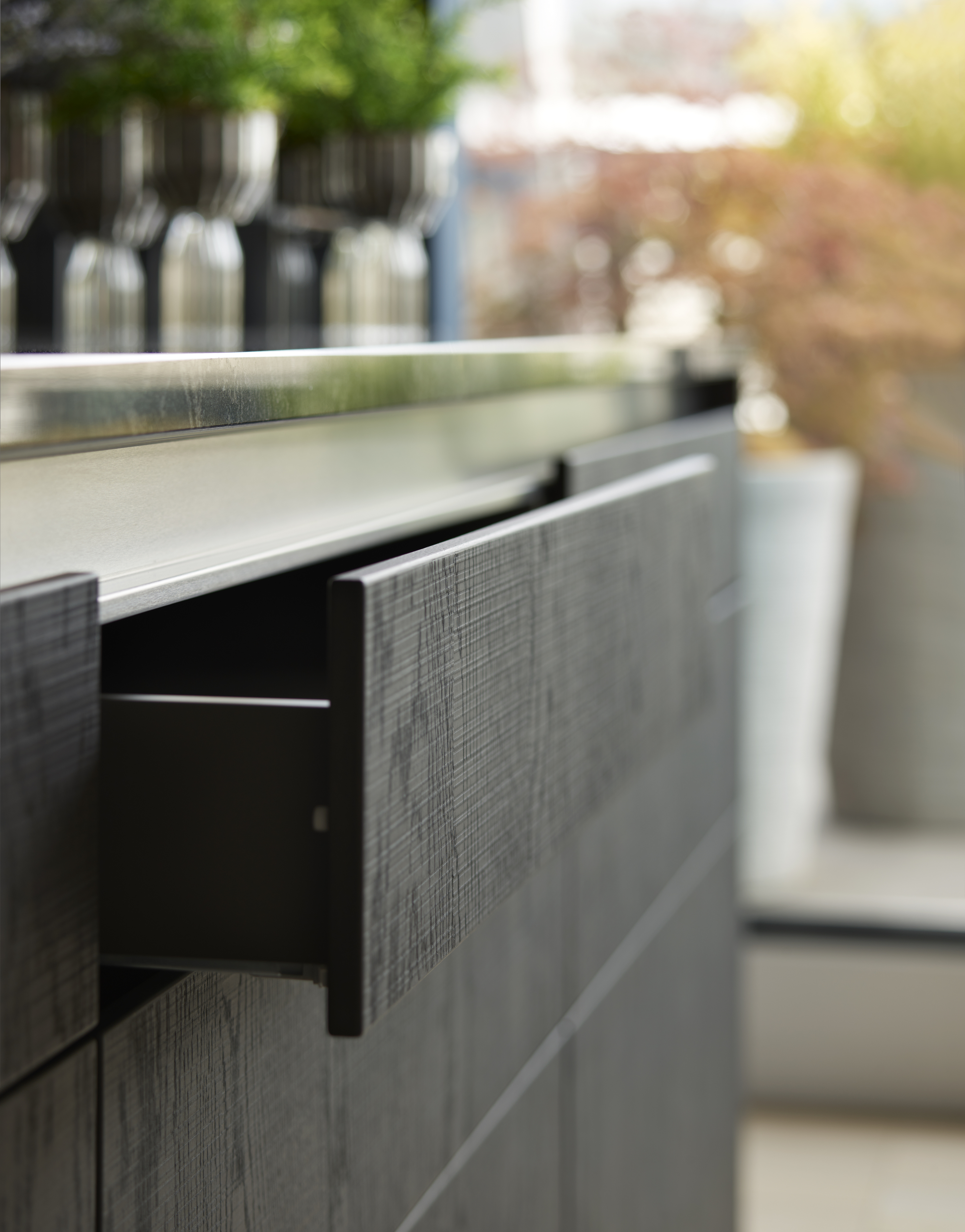
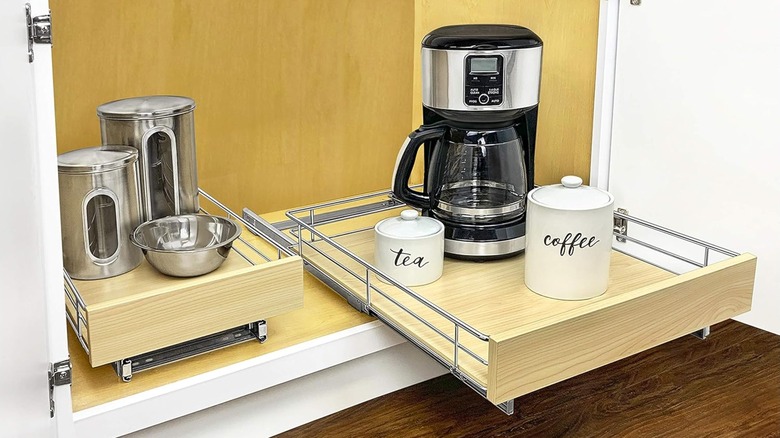
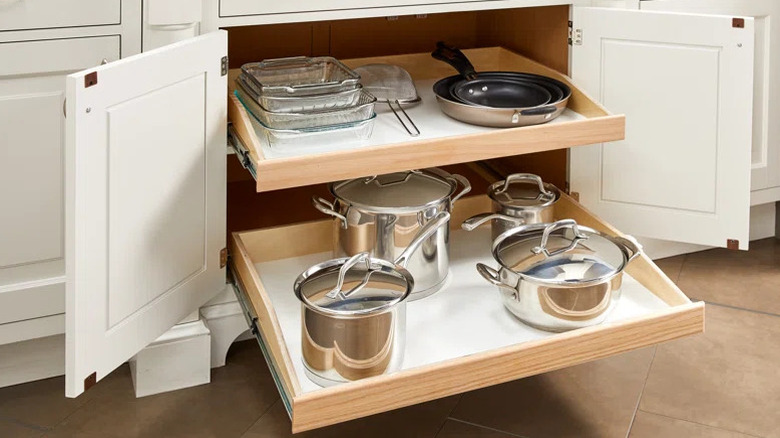
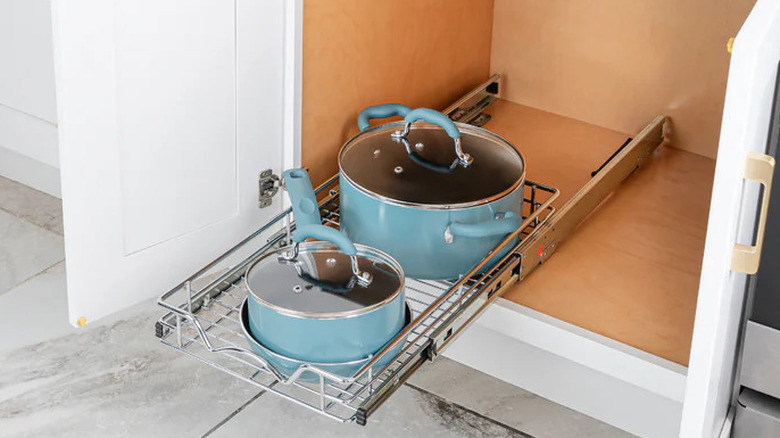
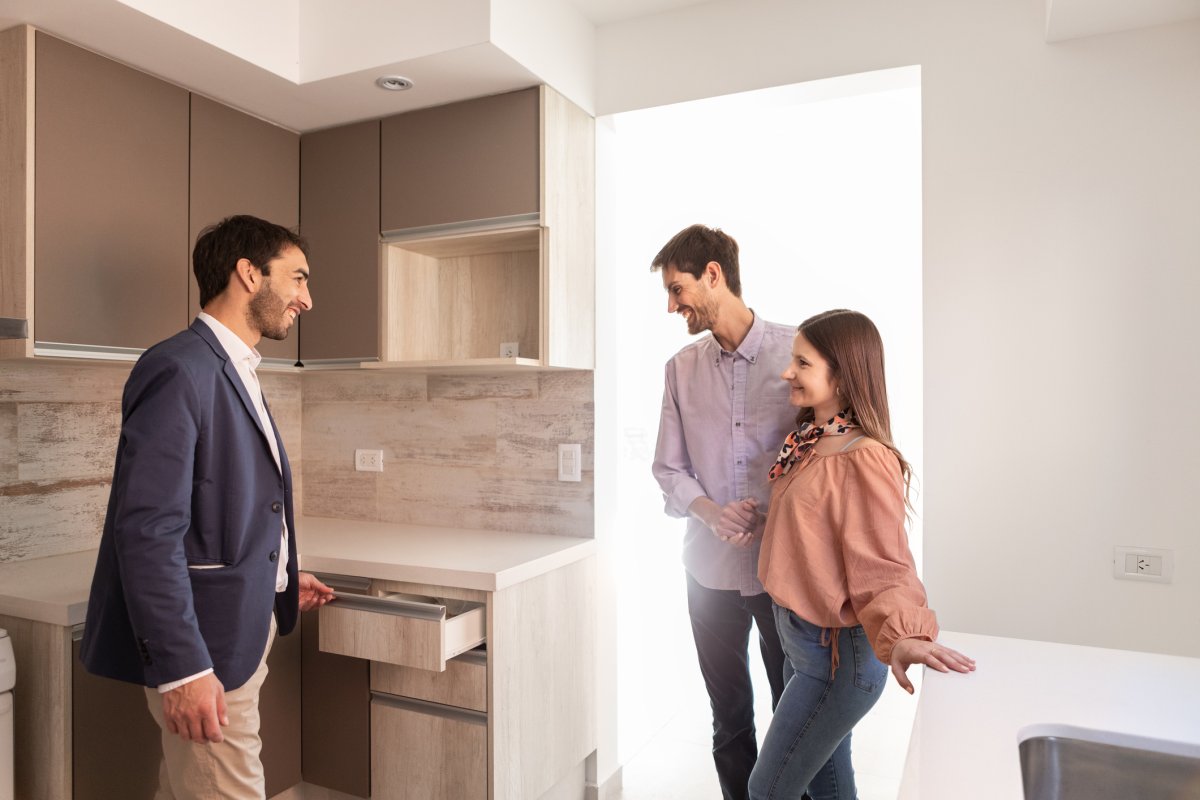
The article explores the ongoing debate between using deep drawers and traditional cabinets for kitchen storage, offering insights from interior design specialists and home design experts. It delves into the benefits and drawbacks of each option to help homeowners make informed decisions when designing or renovating their kitchens. Deep kitchen drawers are highlighted for their efficiency, superior accessibility, and organization capabilities. Experts like Nicole Saunders and Jasmine Charbonier emphasize that drawers allow for easy sectioning with dividers, maximize vertical space for bulky items such as pots and pans, and provide ergonomic advantages by reducing the need to bend or reach deep into spaces. Additionally, drawers are often considered more aesthetically pleasing, contributing to the overall design of the kitchen when chosen thoughtfully.
However, deep drawers come with their own set of disadvantages. They are generally more expensive to construct, especially when incorporating high-quality glides and organizers. There is also a risk of drawers becoming overfilled and cluttered, making it difficult to locate items. A crucial consideration is the height of items to be stored, as taller appliances and gadgets might not fit. Furthermore, weight limits can be an issue, requiring robust hardware and construction to support heavy loads like copper pans or Dutch ovens.
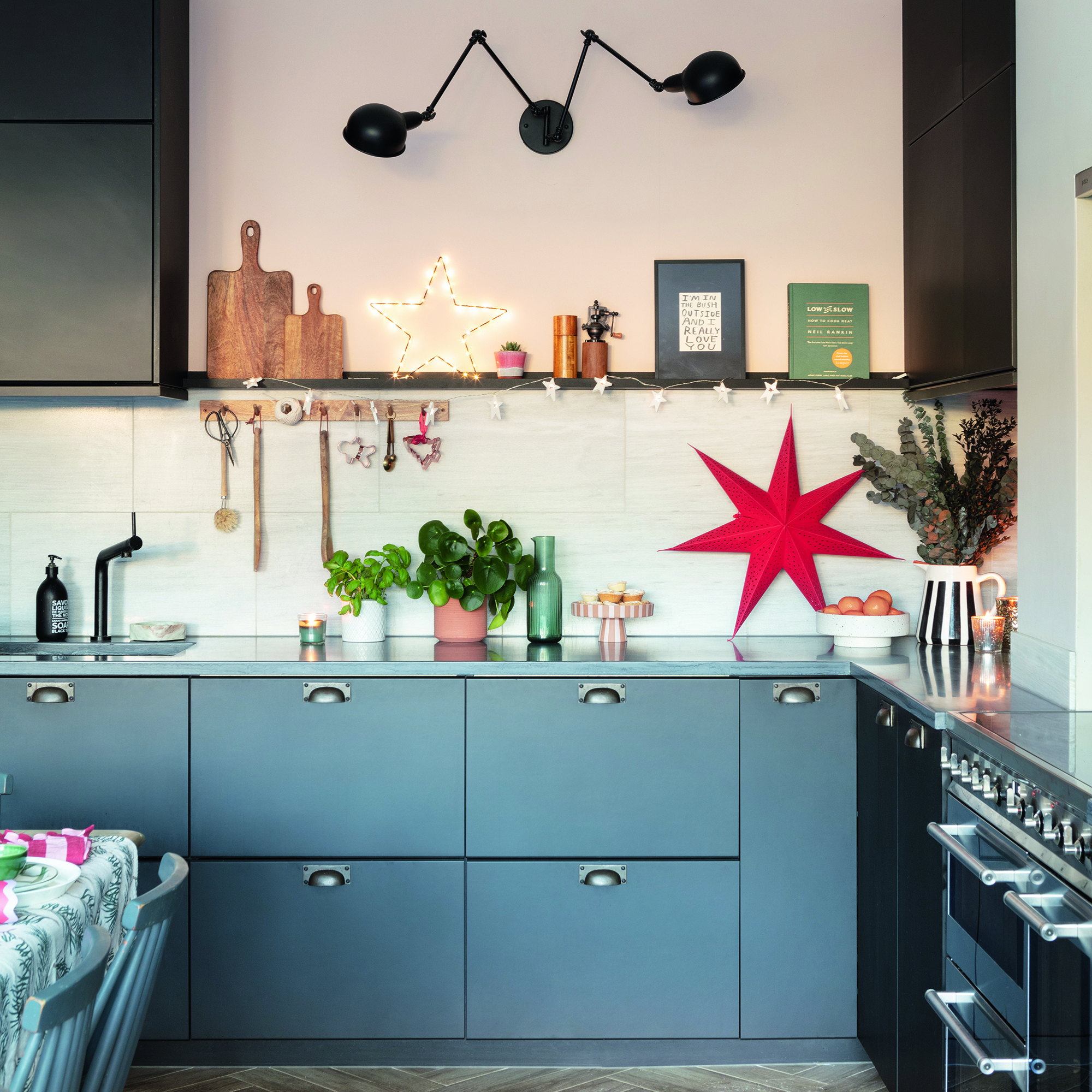
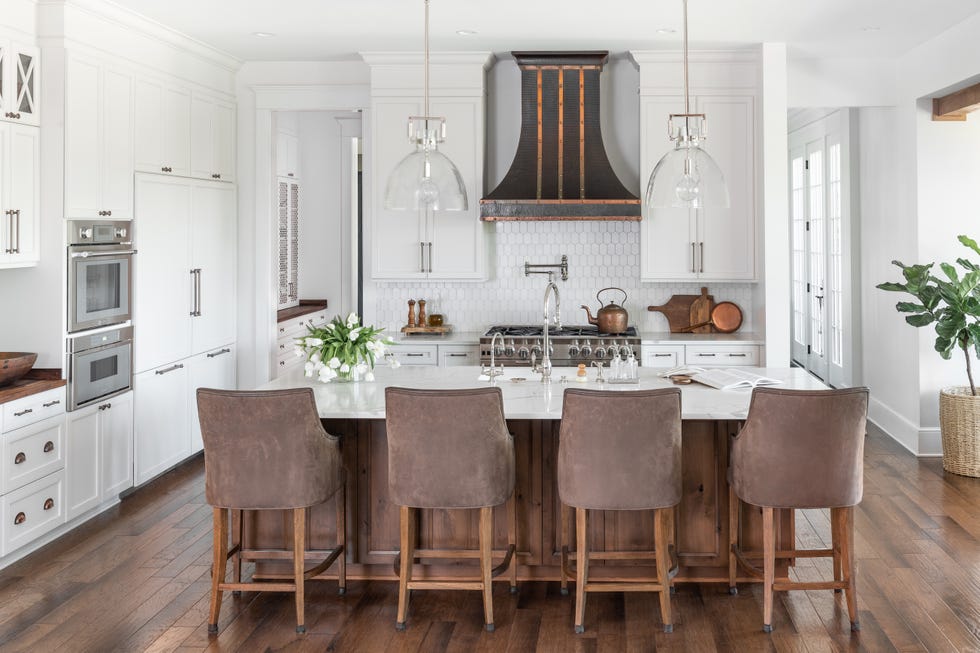
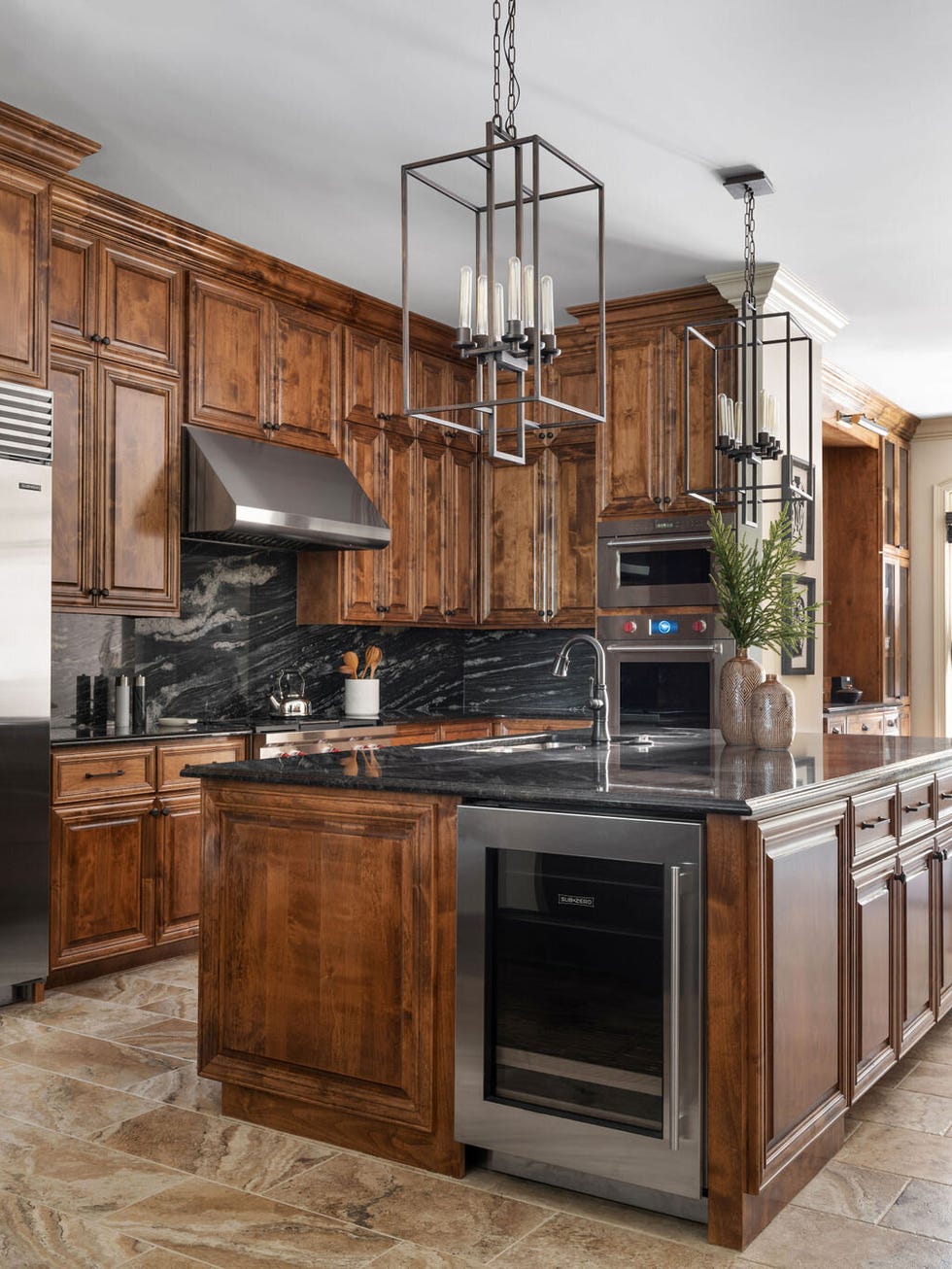
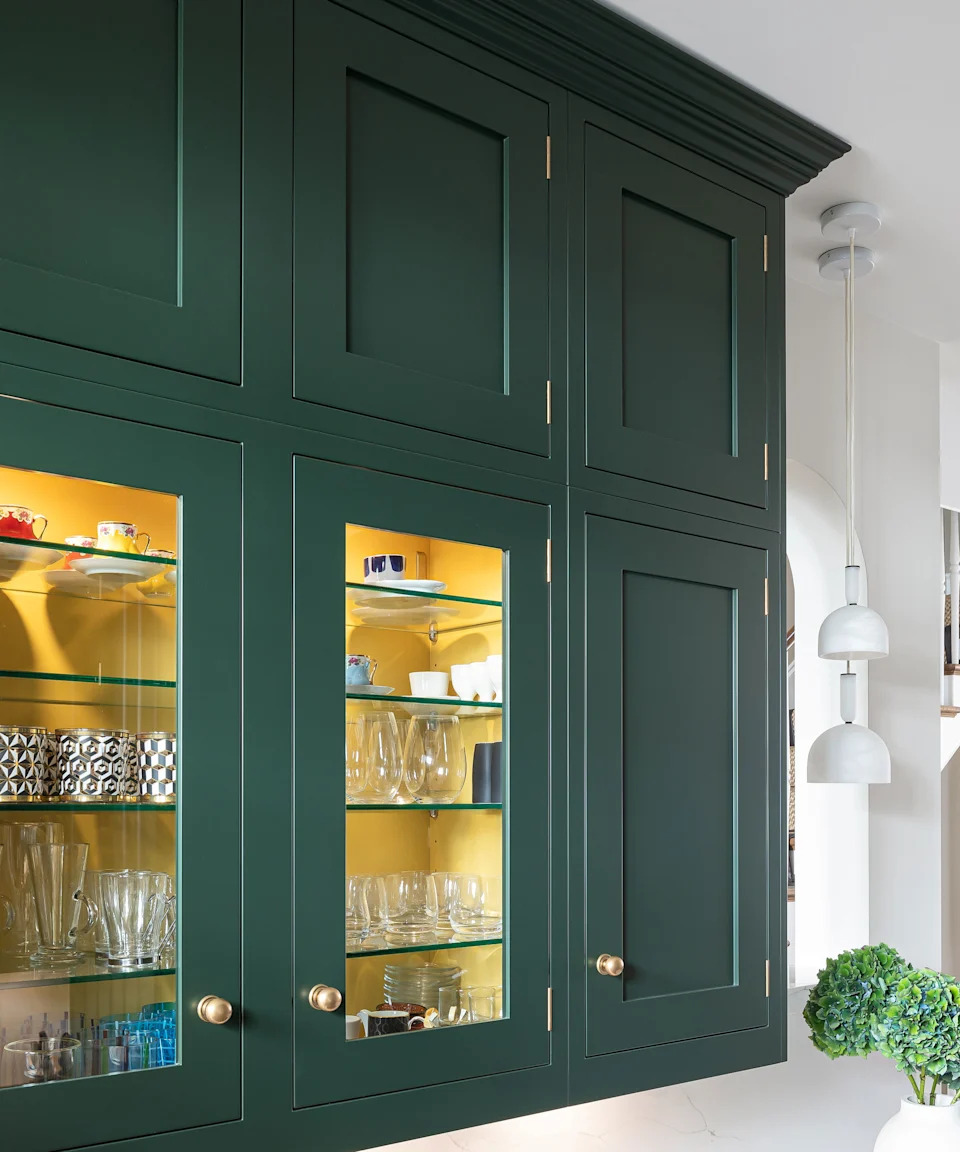
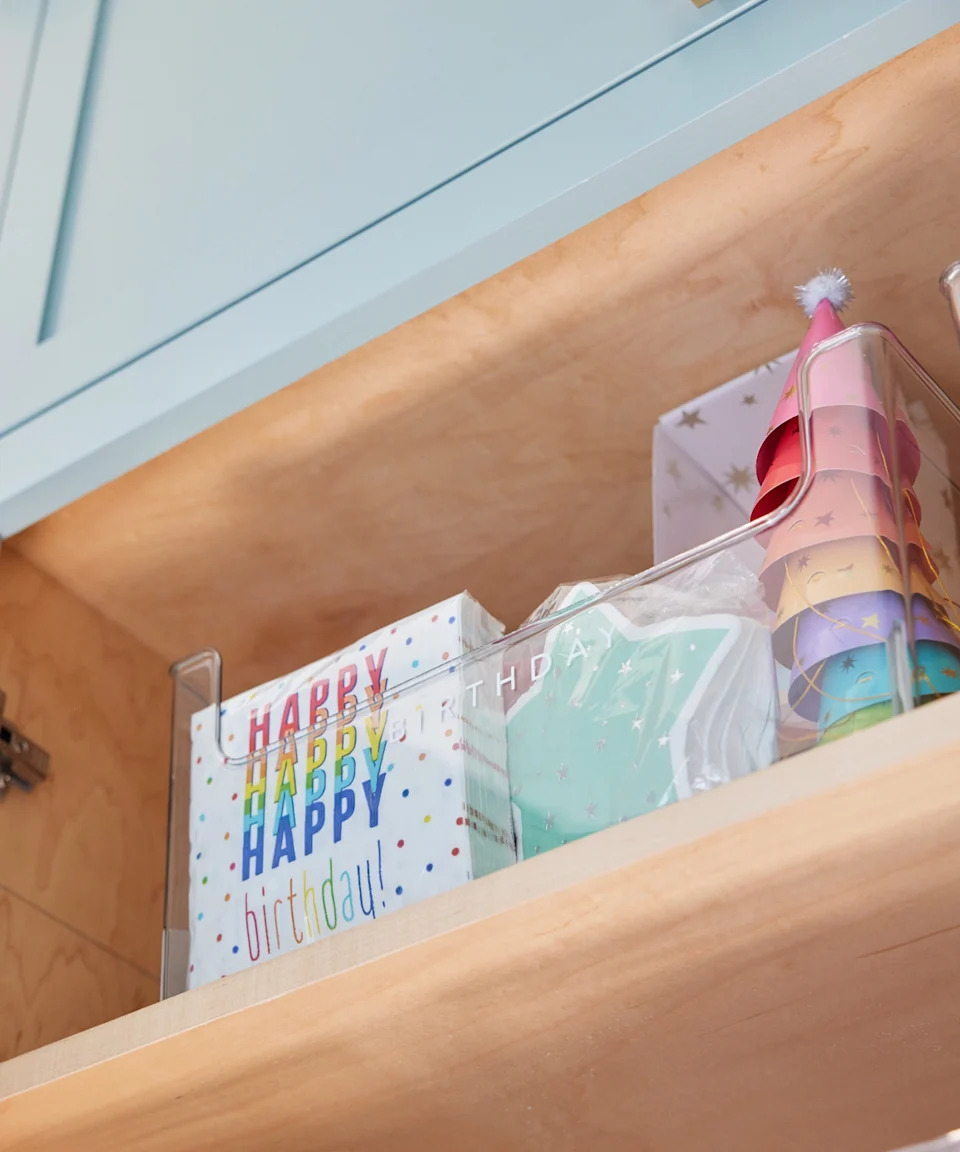
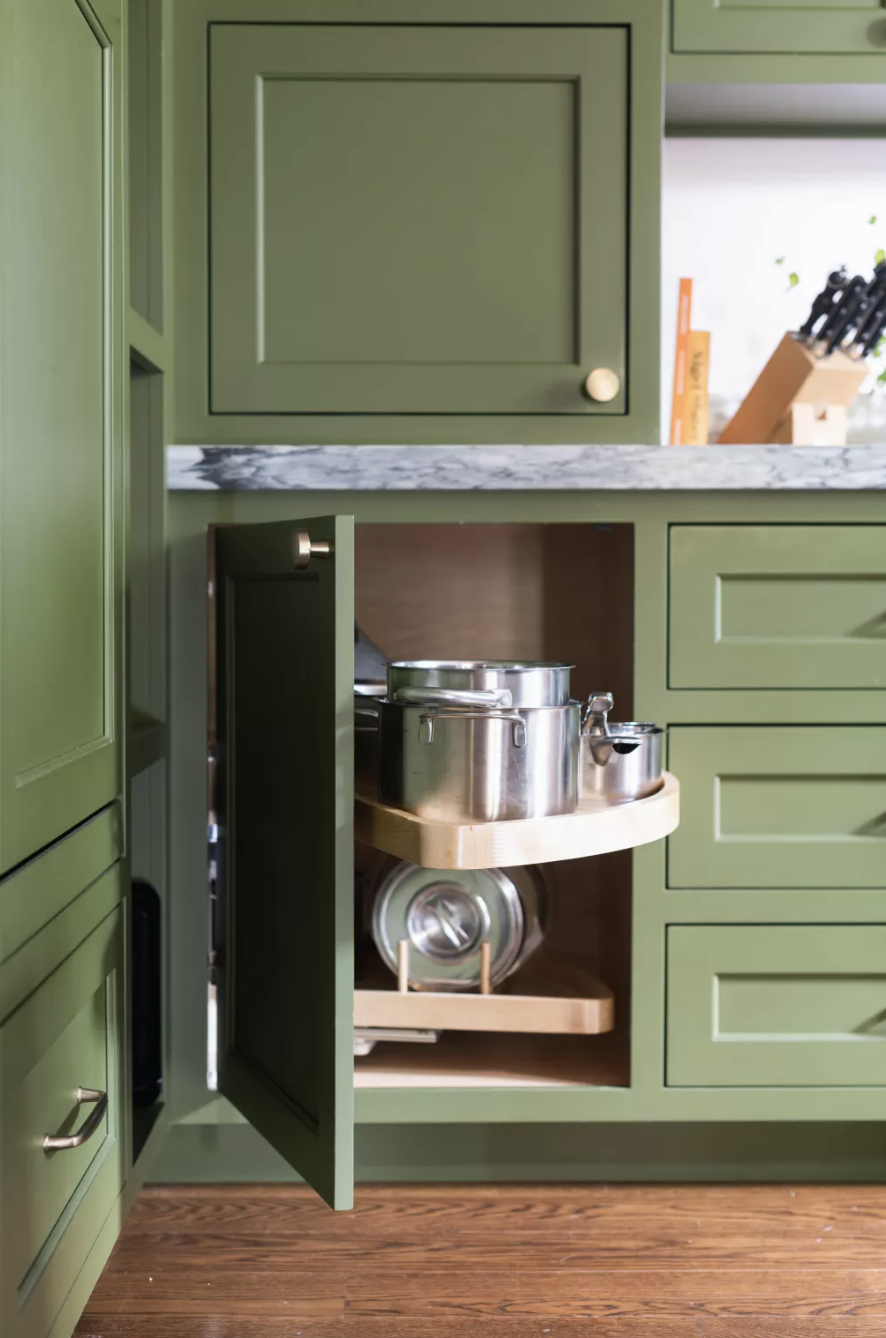
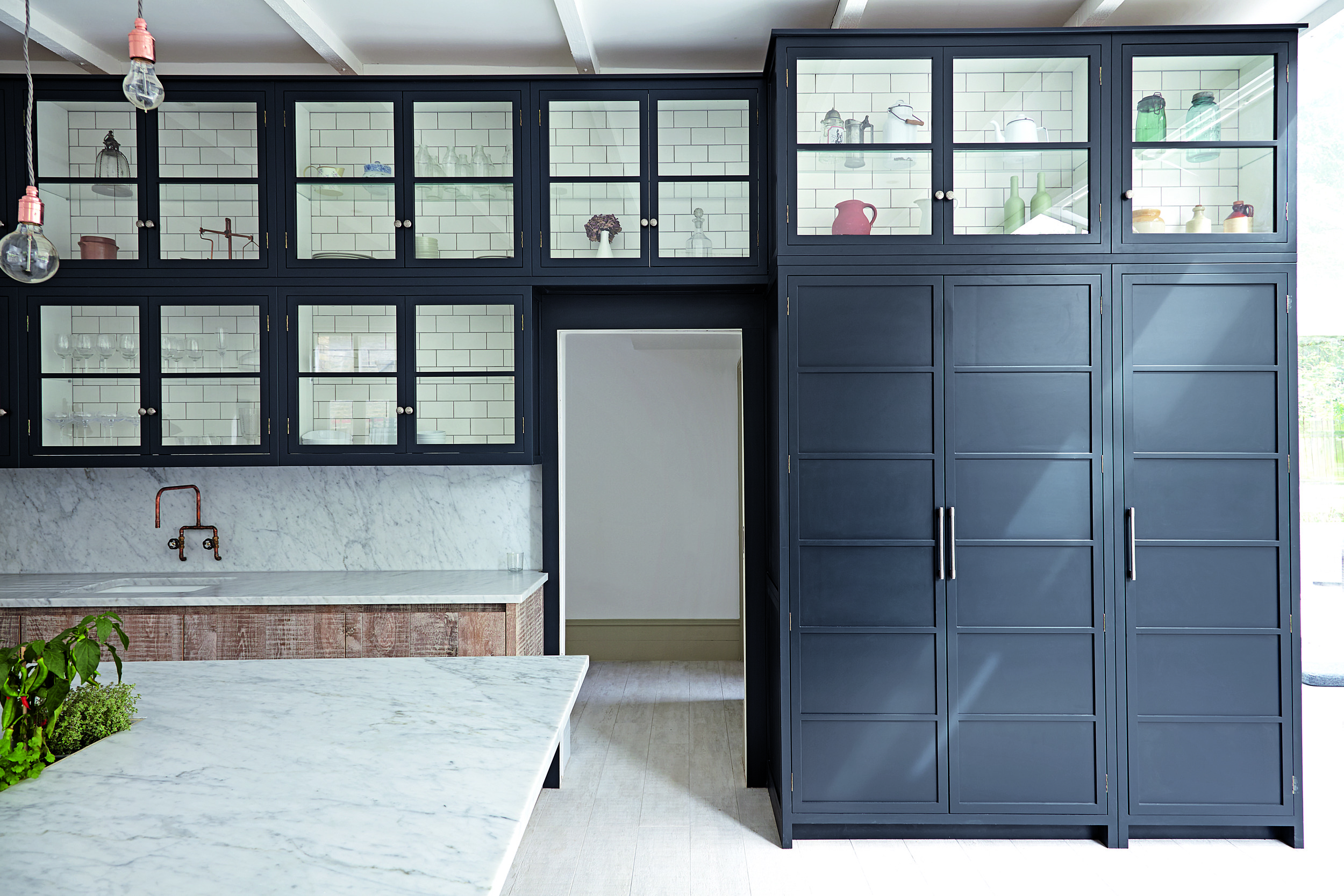
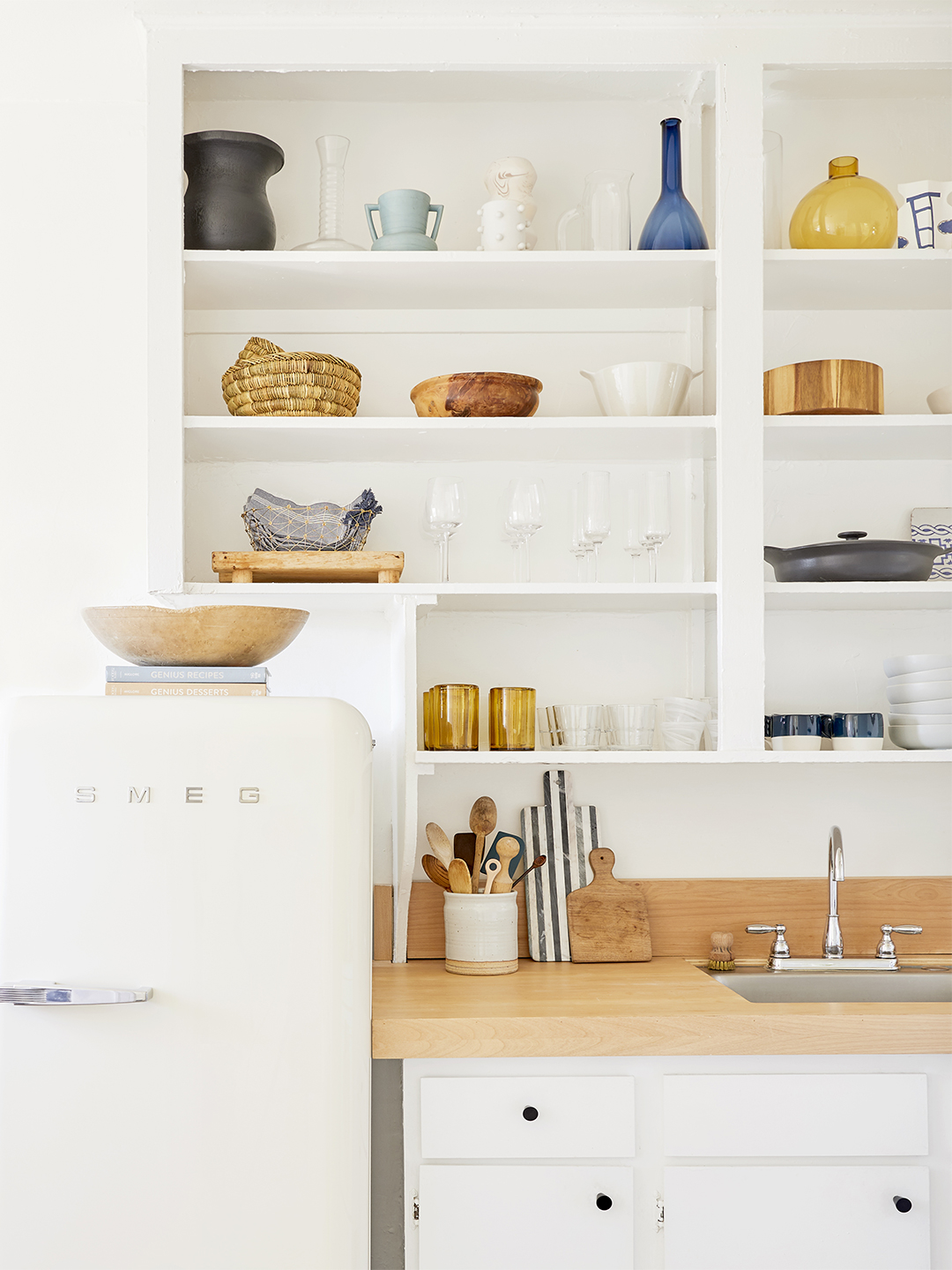
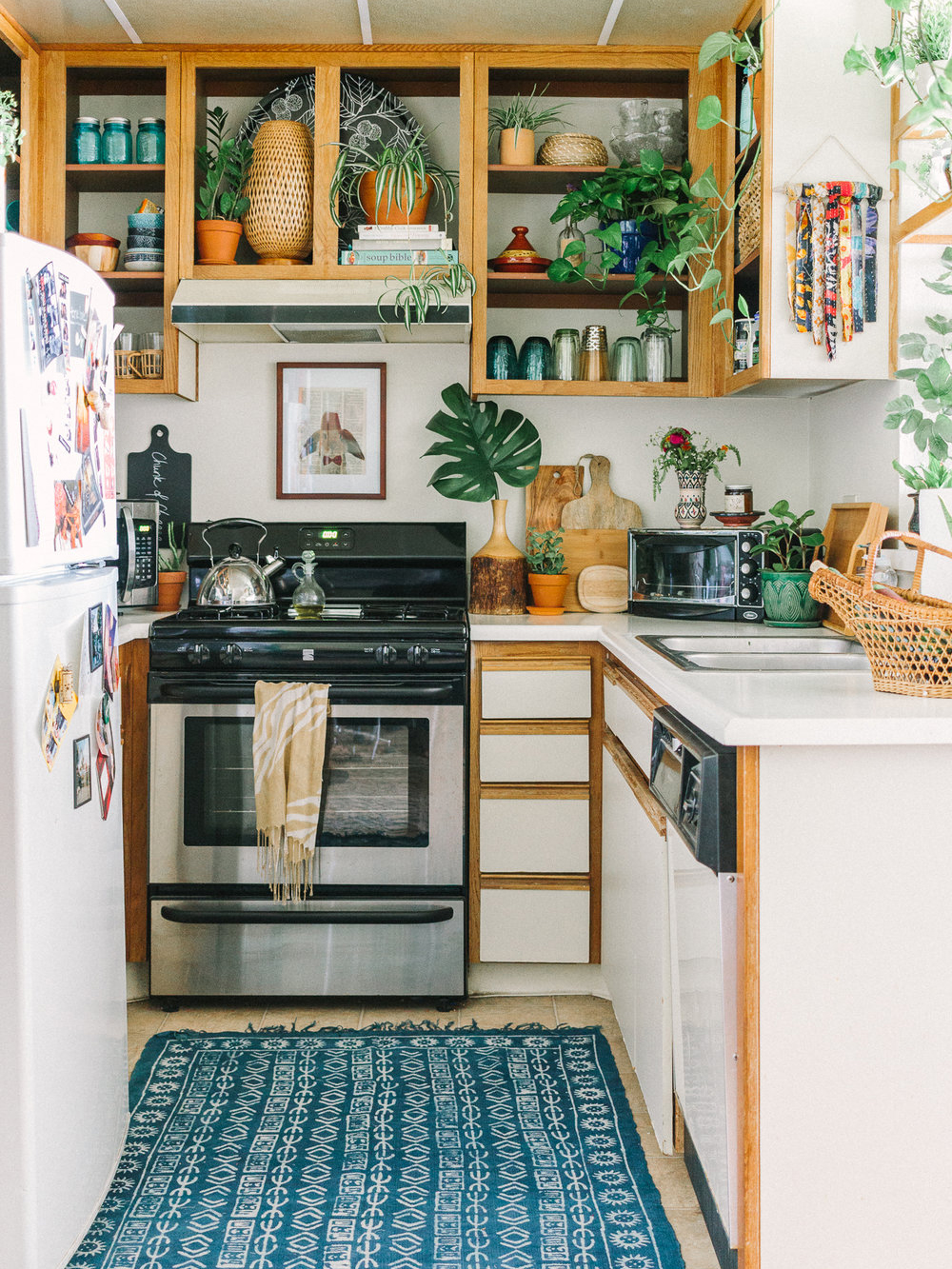
Traditional kitchen cabinets, on the other hand, offer a sleeker appearance and can be customized with various shelves and dividers. They are typically more affordable than deep drawers due to their simpler structure and can make smaller kitchens appear more spacious, unlike open drawers which might make a room feel cramped. Cabinets are also versatile, capable of storing a wide range of items from dishes to small appliances, and their timeless design allows for various door styles and finishes to complement kitchen aesthetics. Amber Brandt, an interior decorator, points out that shelves in cabinets often have a greater weight capacity than drawers.
Despite their advantages, cabinets also have drawbacks, including limited storage space for larger items and the challenge of seeing and accessing items at the back of shelves. They require careful stacking and organization to utilize space effectively, which can be difficult, leading to disorganized and underutilized areas, especially in corners or higher sections. The article also addresses the feasibility of converting between the two storage types. Converting cabinets to deep drawers is a complex and costly endeavor, often requiring professional installation due to factors like matching paint colors, sizing, and structural integrity. Conversely, converting drawers to cabinets is less common but involves removing drawer hardware and adding shelves.
Ultimately, kitchen design experts advocate for a combination of both deep drawers and cabinets. This approach leverages the strengths of each, utilizing lower drawers for frequently used items like plates, bowls, and large pots, and upper cabinets with vertical dividers for appliances, heavy stockpots, and baking sheets. This balanced strategy ensures optimal functionality, accessibility, and aesthetic appeal in a modern kitchen.
#KitchenDesign #KitchenStorage #DeepDrawers #KitchenCabinets #HomeRenovation #InteriorDesign #KitchenRemodeling #HomeOrganization #KitchenDesign #KitchenStorage #DeepDrawers #KitchenCabinets #HomeRenovation #InteriorDesign #KitchenRemodeling #HomeOrganization
0 comment in total
 No comments yet
You may also like
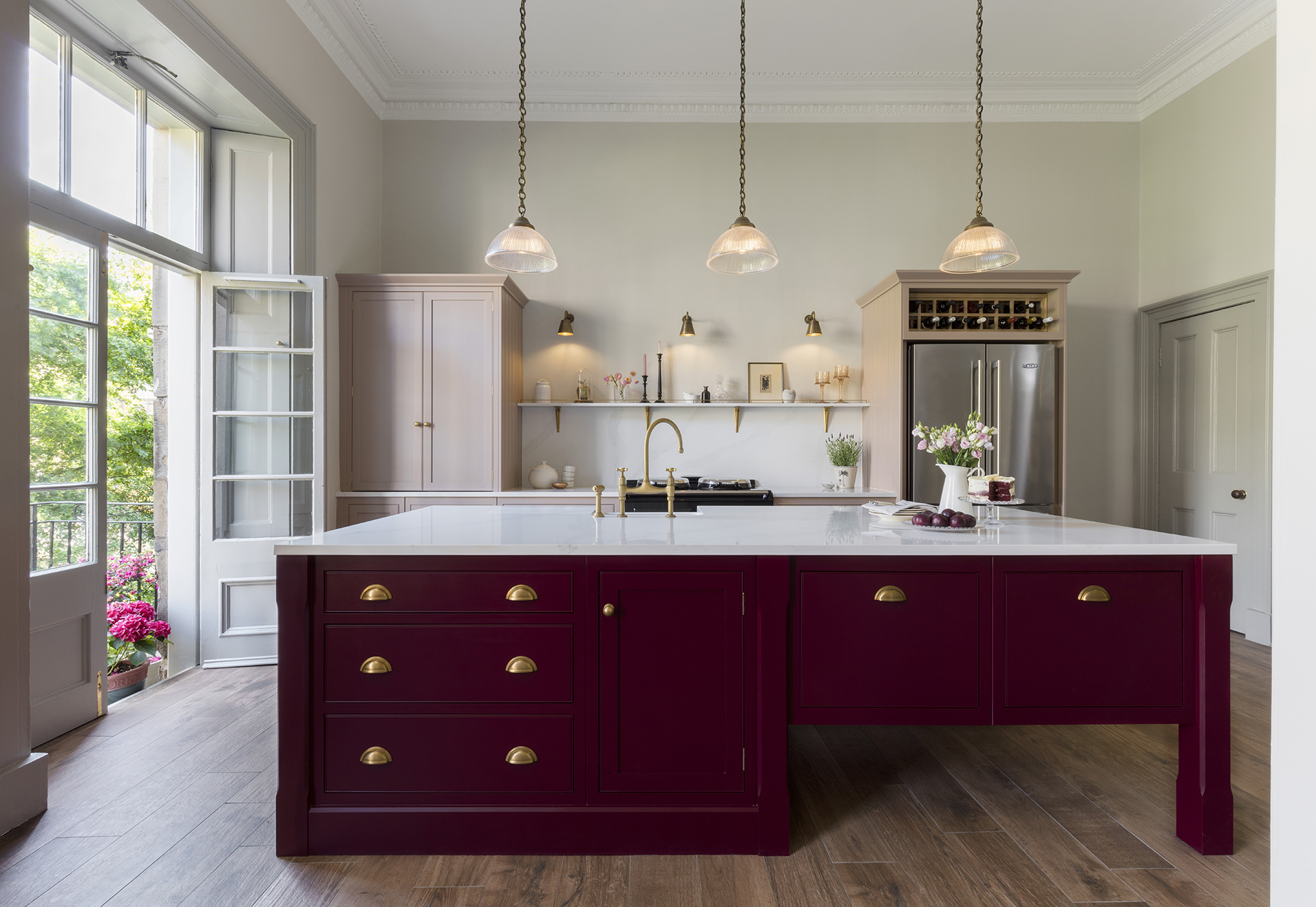
Is it better to have doors or drawers in a kitchen? The experts advise

Bulthaup's New Drawer Organizing System

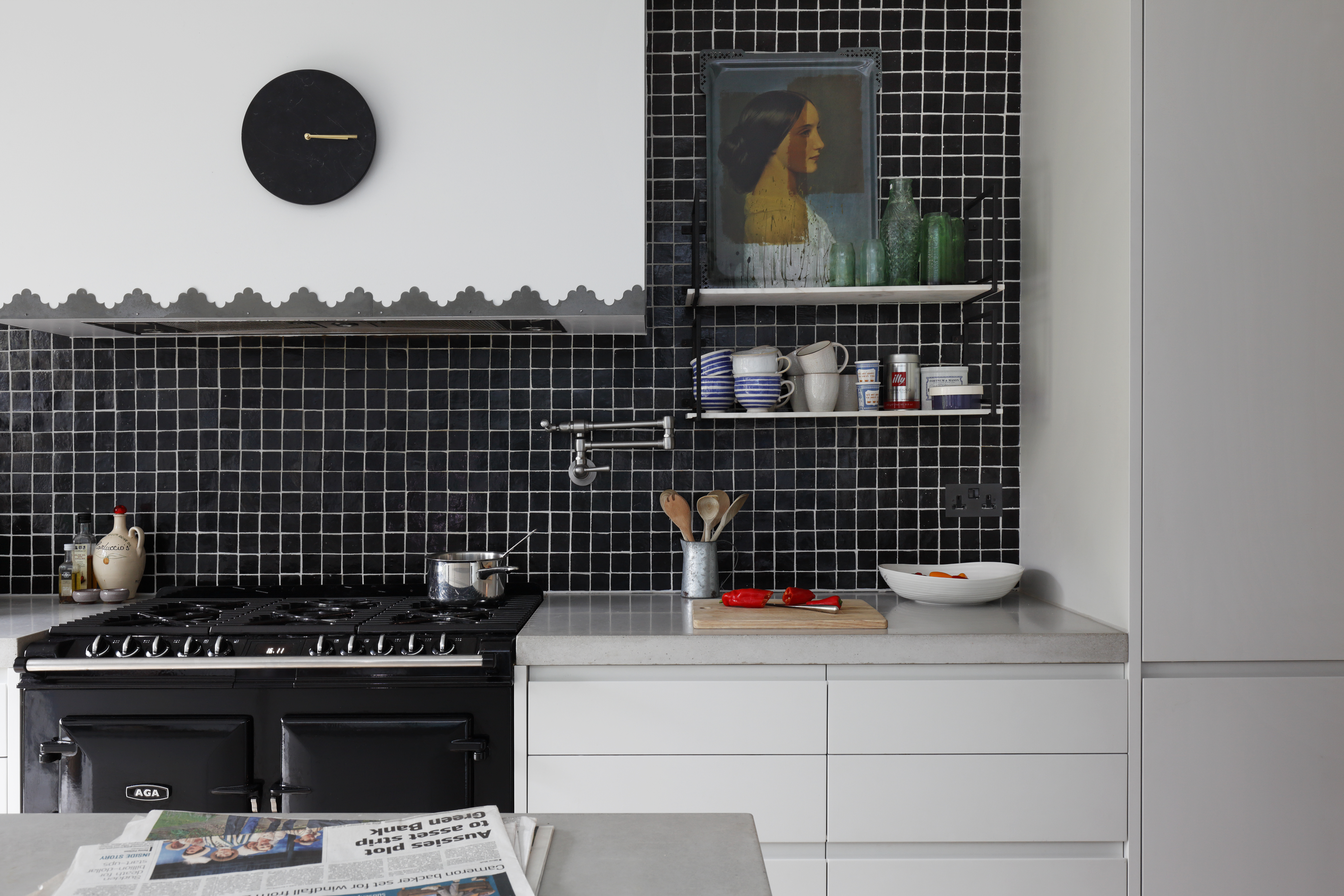
5 storage mistakes people with clutter-free kitchens never make - they'll make you re-think your remodel plans

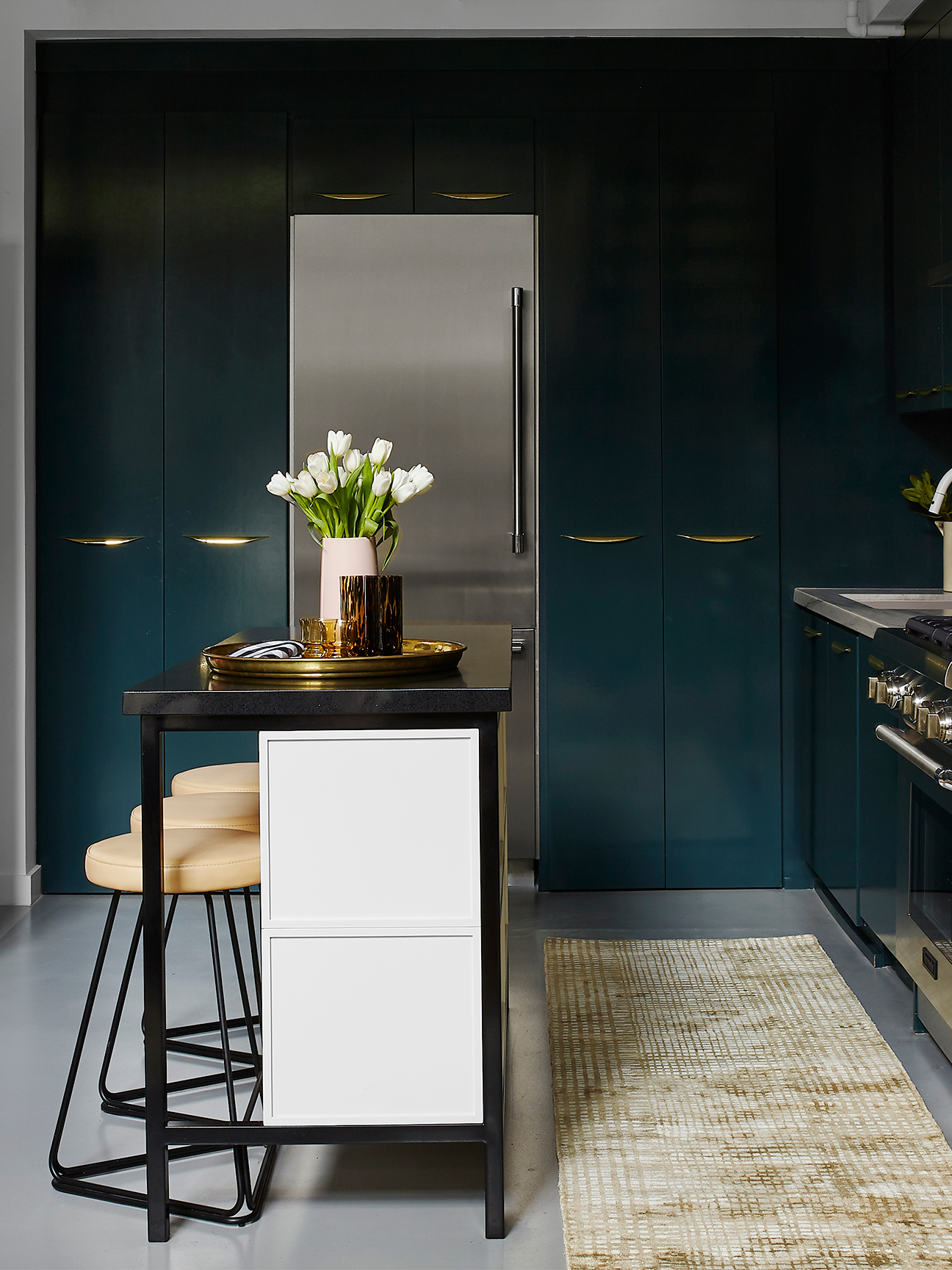
This Type of Kitchen Cabinet Is on the Rise

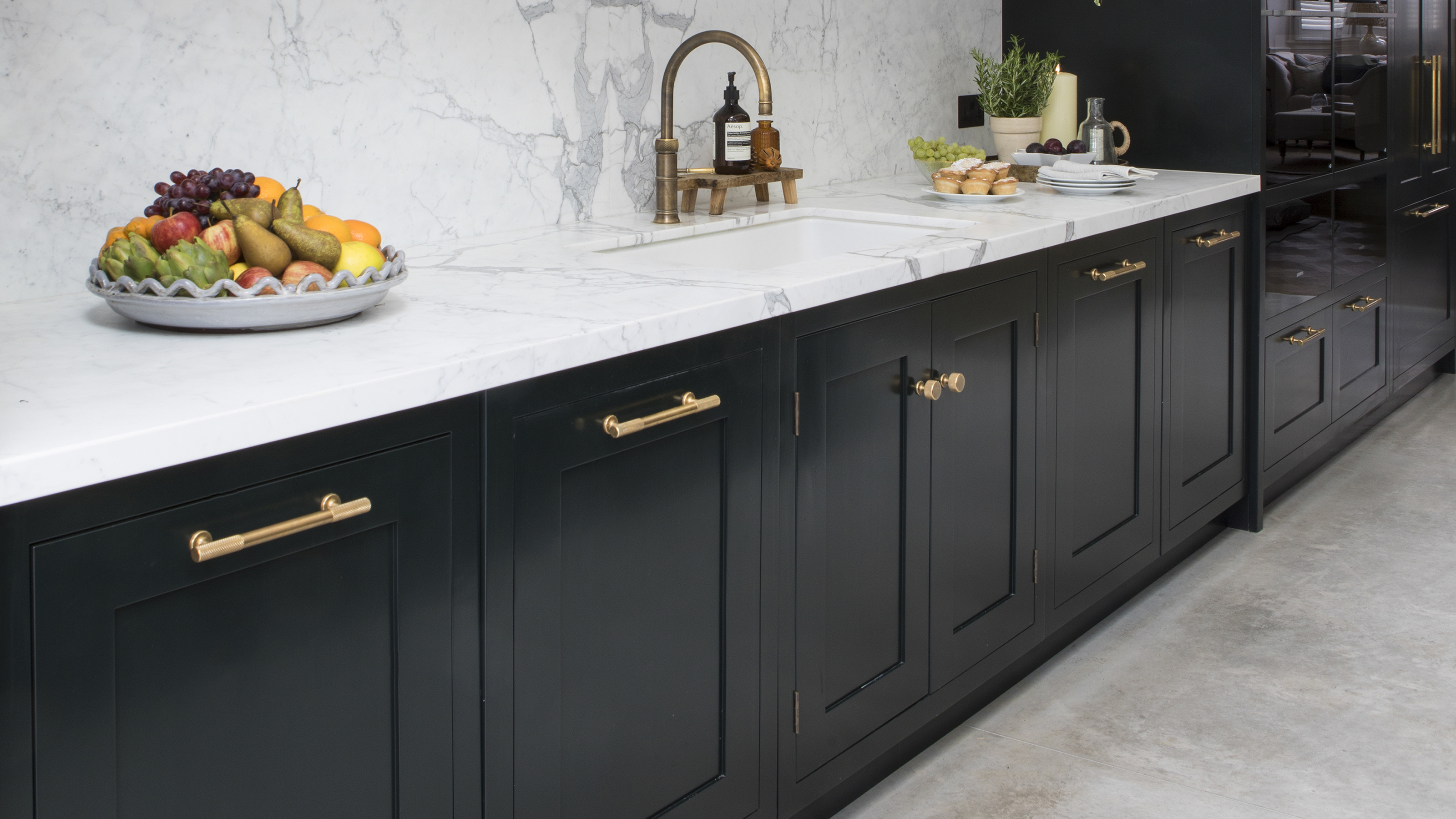
Kitchen drawers vs cabinets - which should you choose?
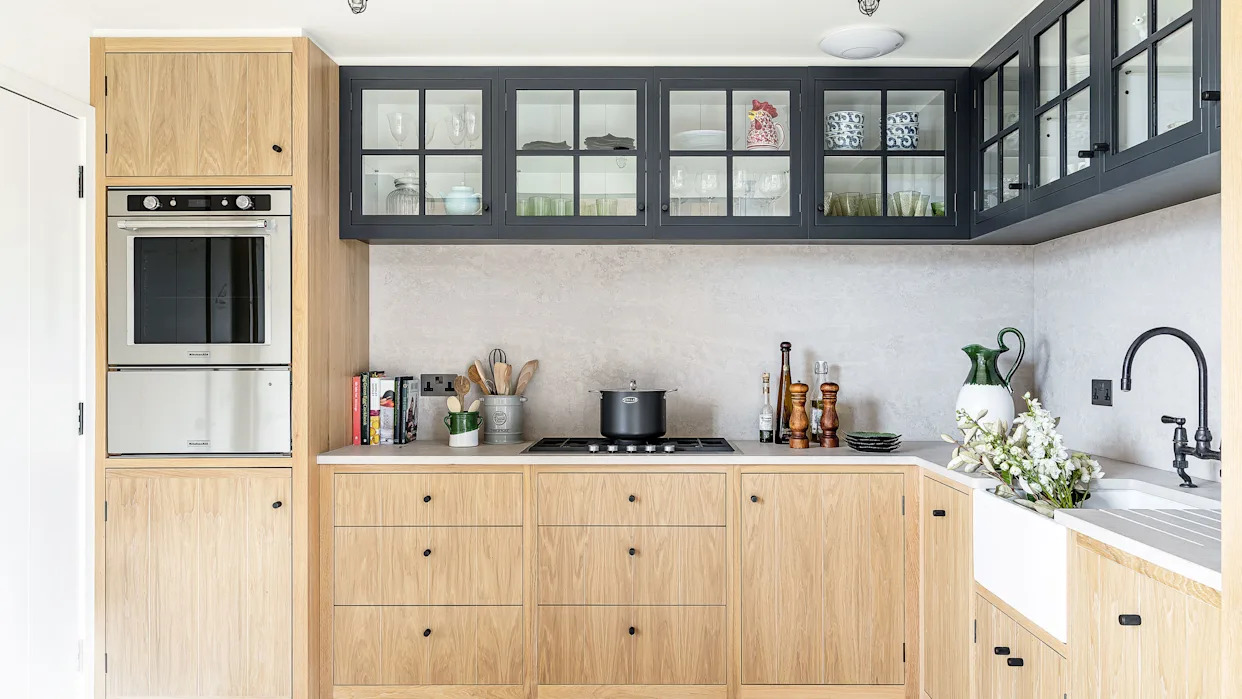
What to put in high kitchen cabinets –according to professional organizers and designers
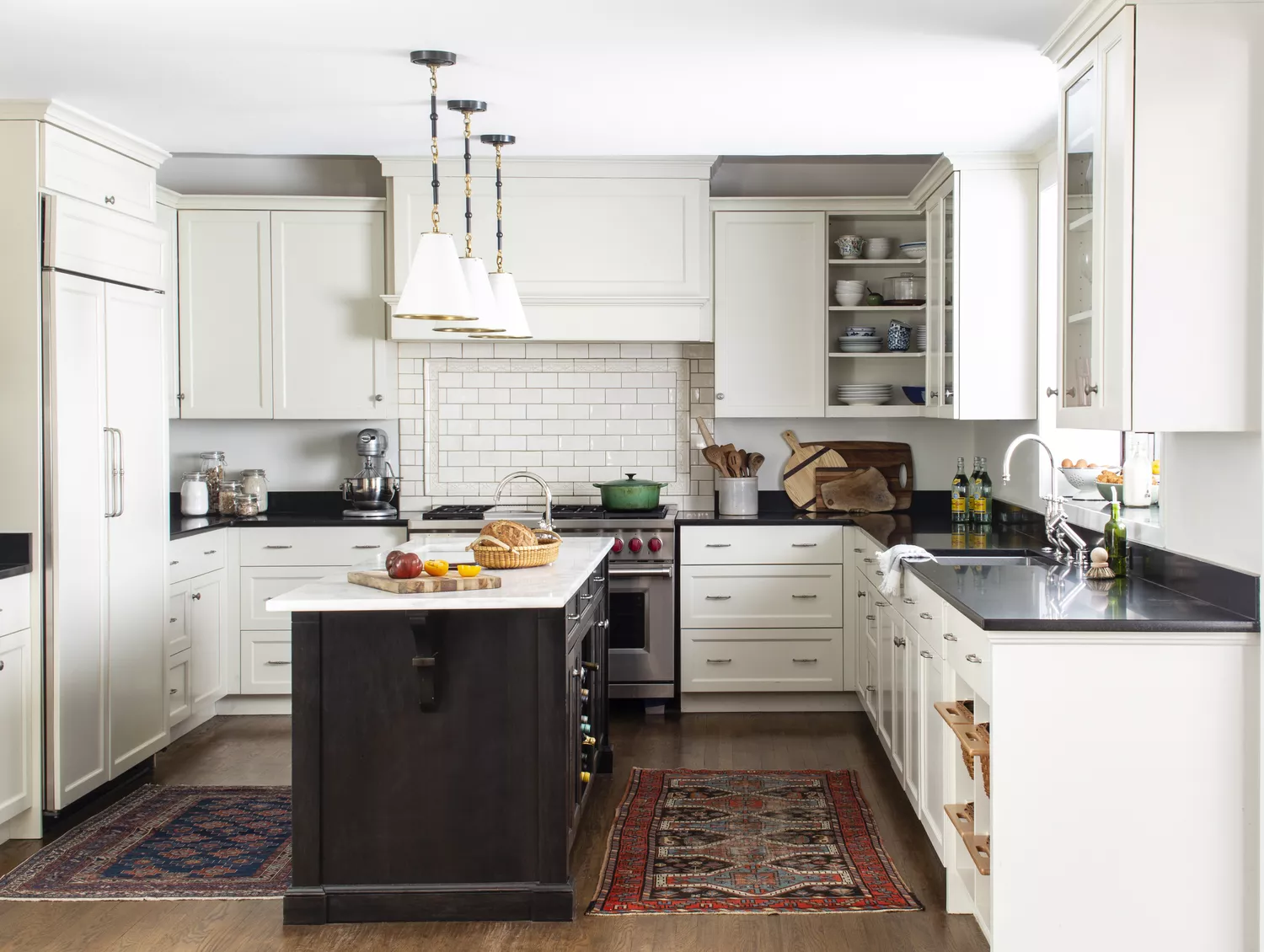
These Kitchen Cabinet Trends Will Revolutionize Your Storage Space in 2025
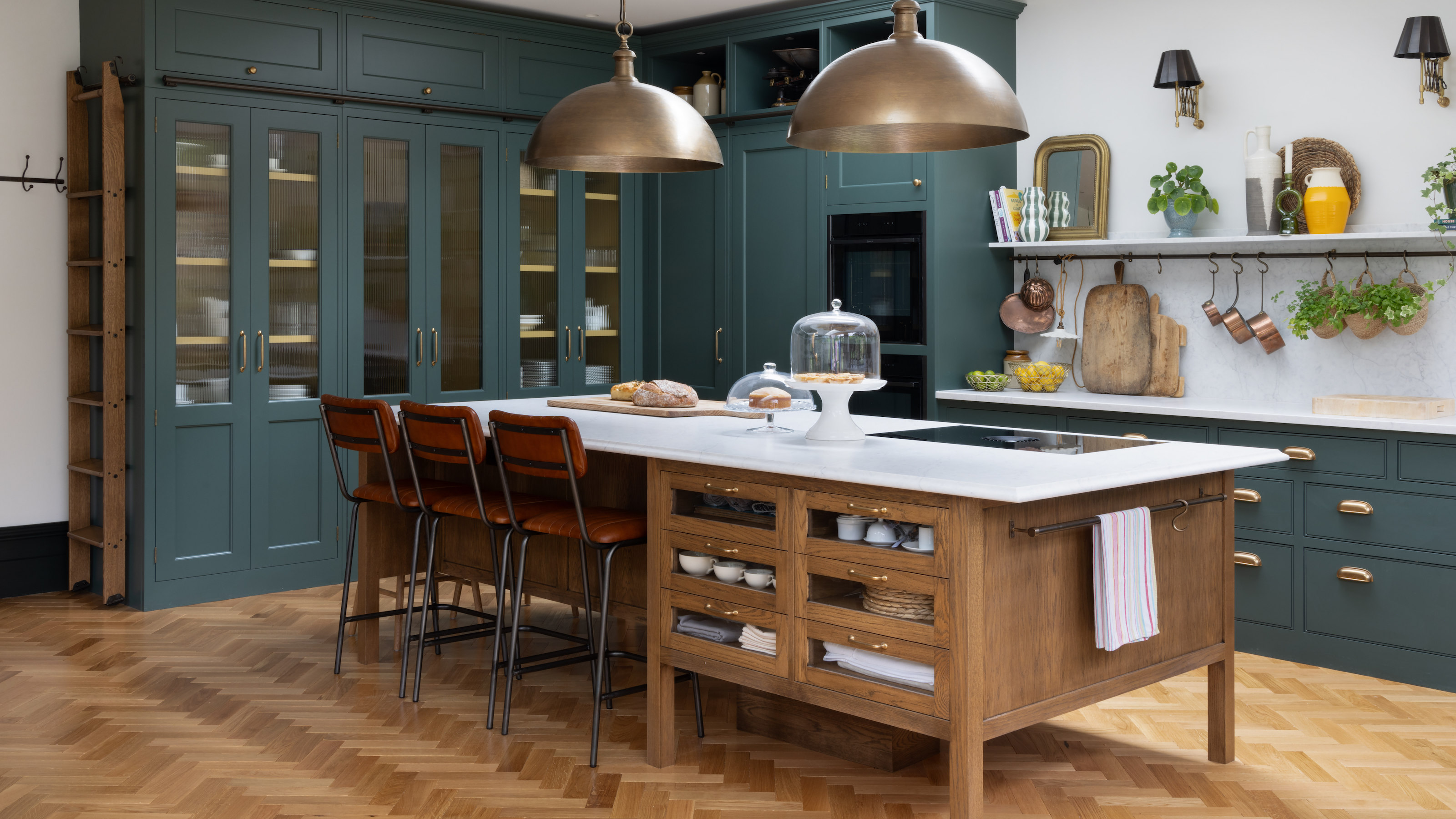
10 Ladder Kitchen Cabinet Ideas That Make the Most of High Storage and Make Your Scheme Feel Classy

Designers Reveal the Surprising Kitchen Cabinet Trend That's Taking Over

Open Kitchen Shelves Are Losing Their Appeal—Here's What to Use Instead, According to Interior Designers
We Predict This Kitchen Cabinet Trend Will Take Over in 2024

Upper Kitchen Cabinets Are on Their Way Out in 2025 — Here’s What’s Replacing Them
We Asked Pro Chefs for the Worst Kitchen Design Trends They've Ever Seen—And We're Shocked

The correct way to organise your kitchen drawers according to TikTok

14 Easy-To-Install Drawers That Make The Most Of Lower Kitchen Cabinet Space
13 Unique Cabinet Hardware Options You May Not Know About
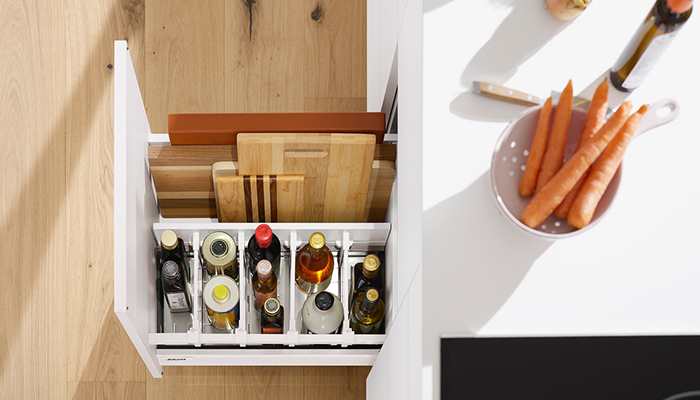
Kitchen storage: The latest innovations for a super-organised space
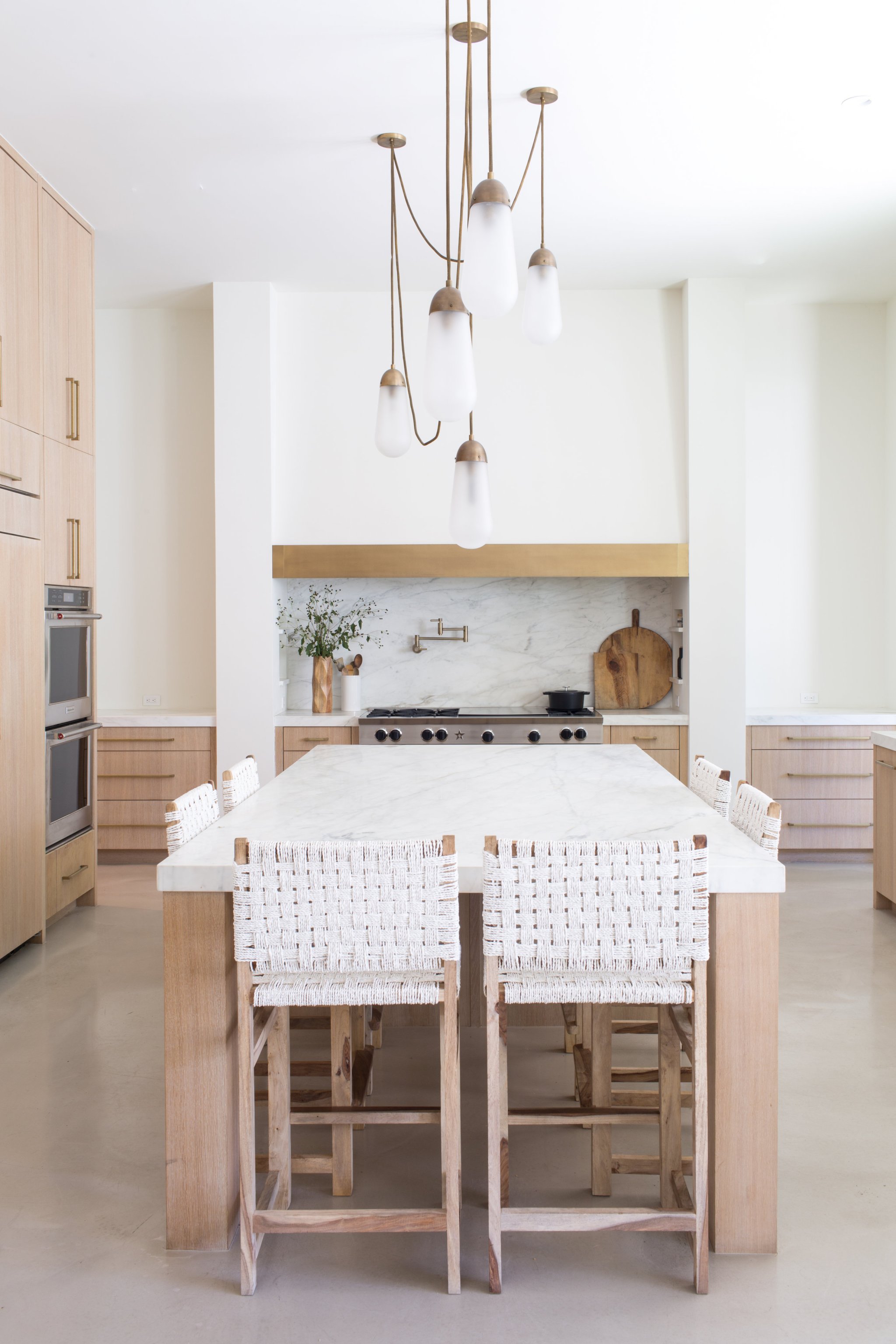
This Designer Isn’t a Fan of Upper Kitchen Cabinets—Here’s Why
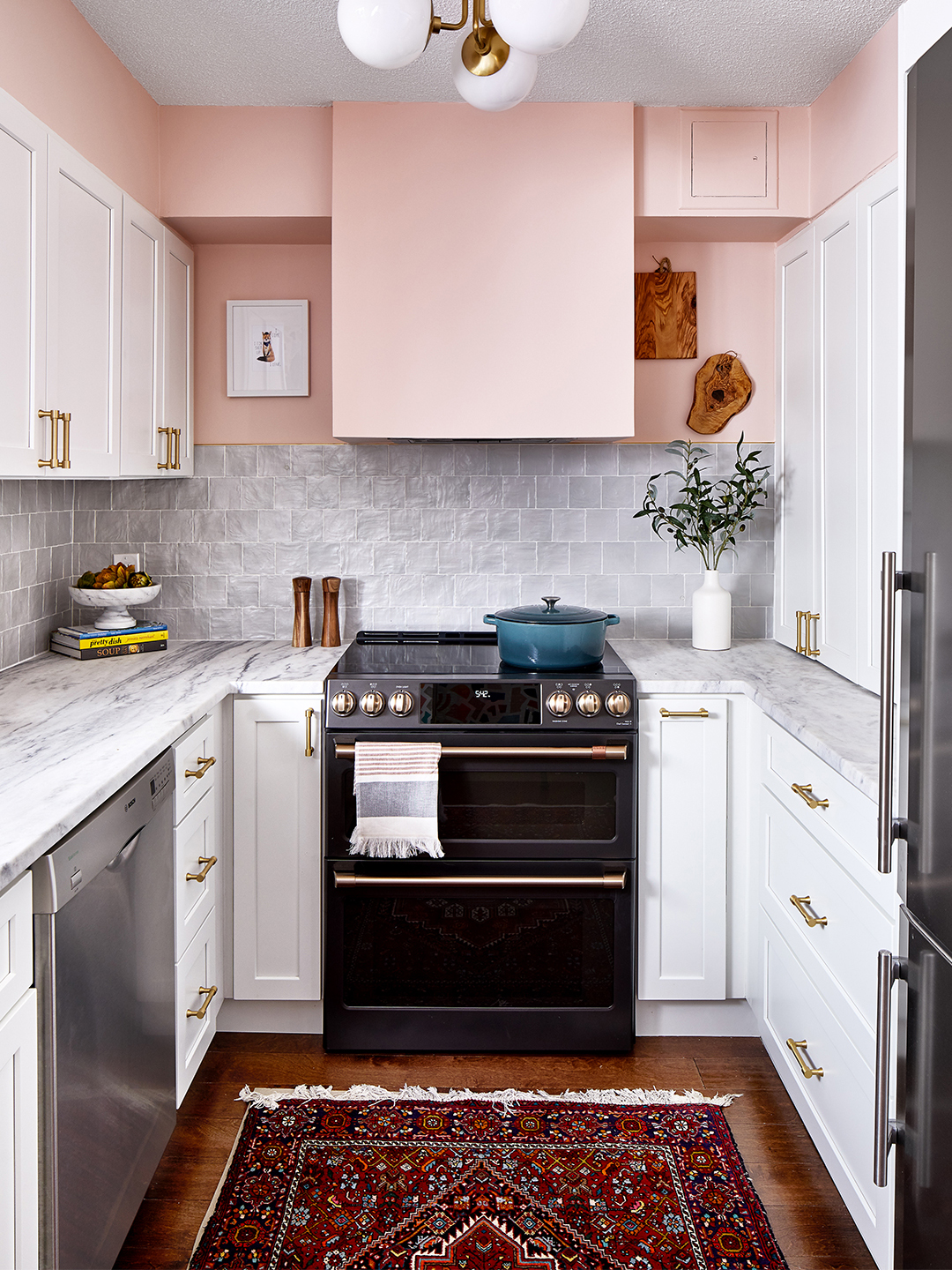
5 Upper Kitchen Cabinet Designs to Fuel Your Reno Dreams
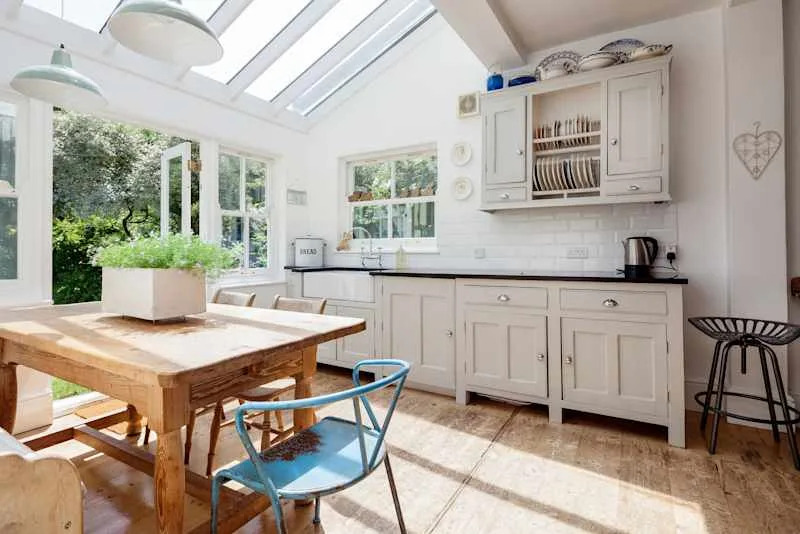
6 Kitchen Trends Definitely on Their Way Out in 2025, According to Designers