1/11
Is it better to have doors or drawers in a kitchen? The experts advise
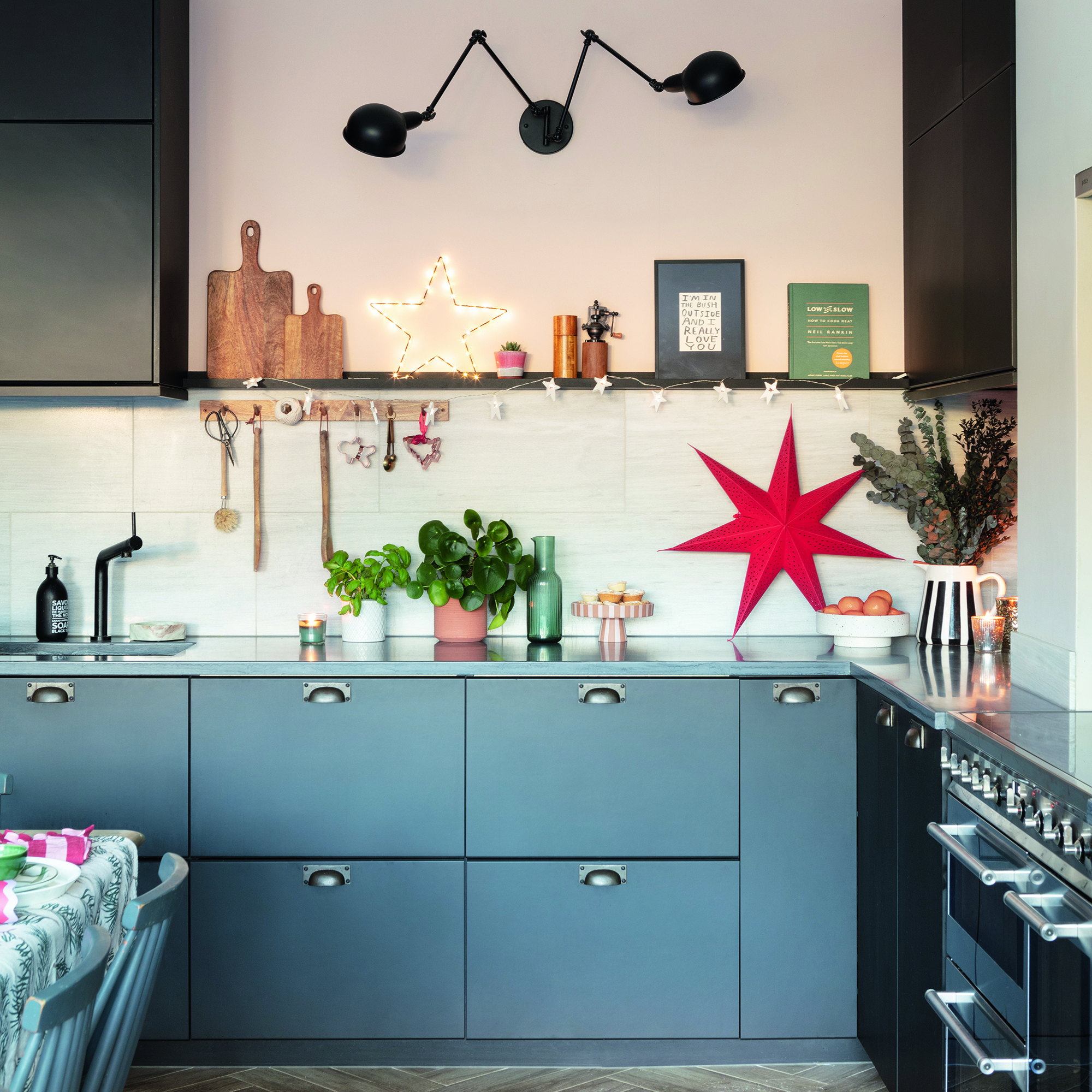
The decision between incorporating doors or drawers in kitchen design is a critical aspect of creating a functional and aesthetically pleasing space. While traditional kitchens predominantly featured cabinets with doors, modern designs increasingly integrate drawers, not just for small items but also for larger kitchen essentials like pots, pans, and crockery. The choice between these two storage solutions significantly impacts a kitchen's ergonomics, accessibility, versatility, and overall cost.
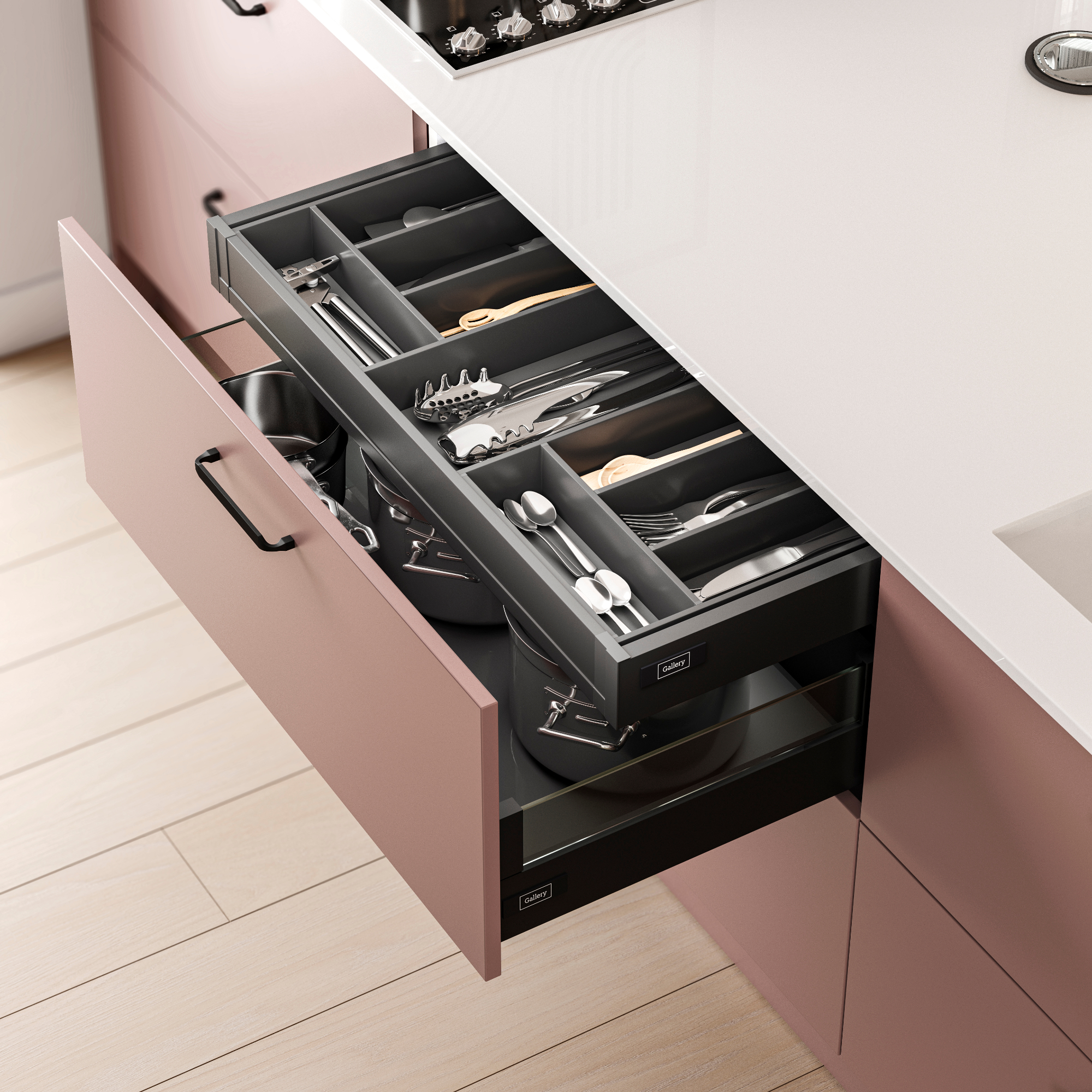
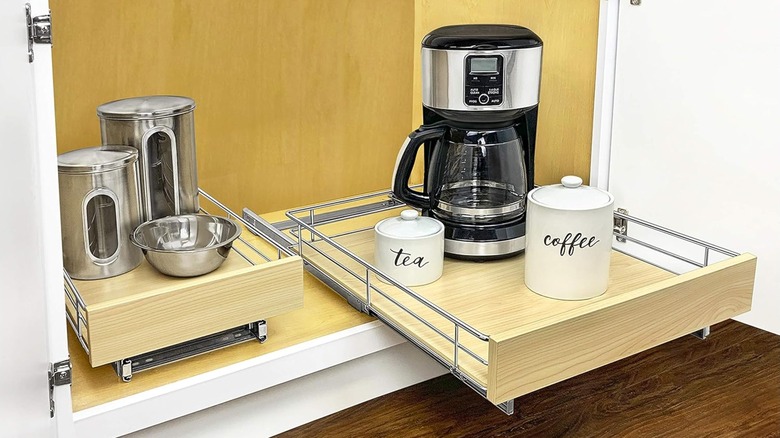
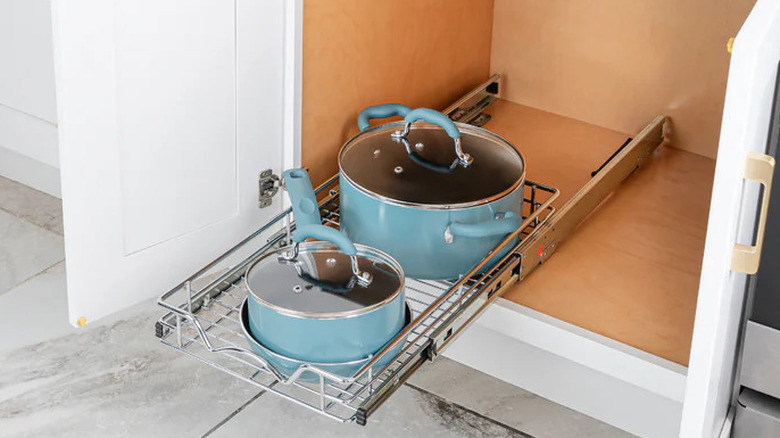
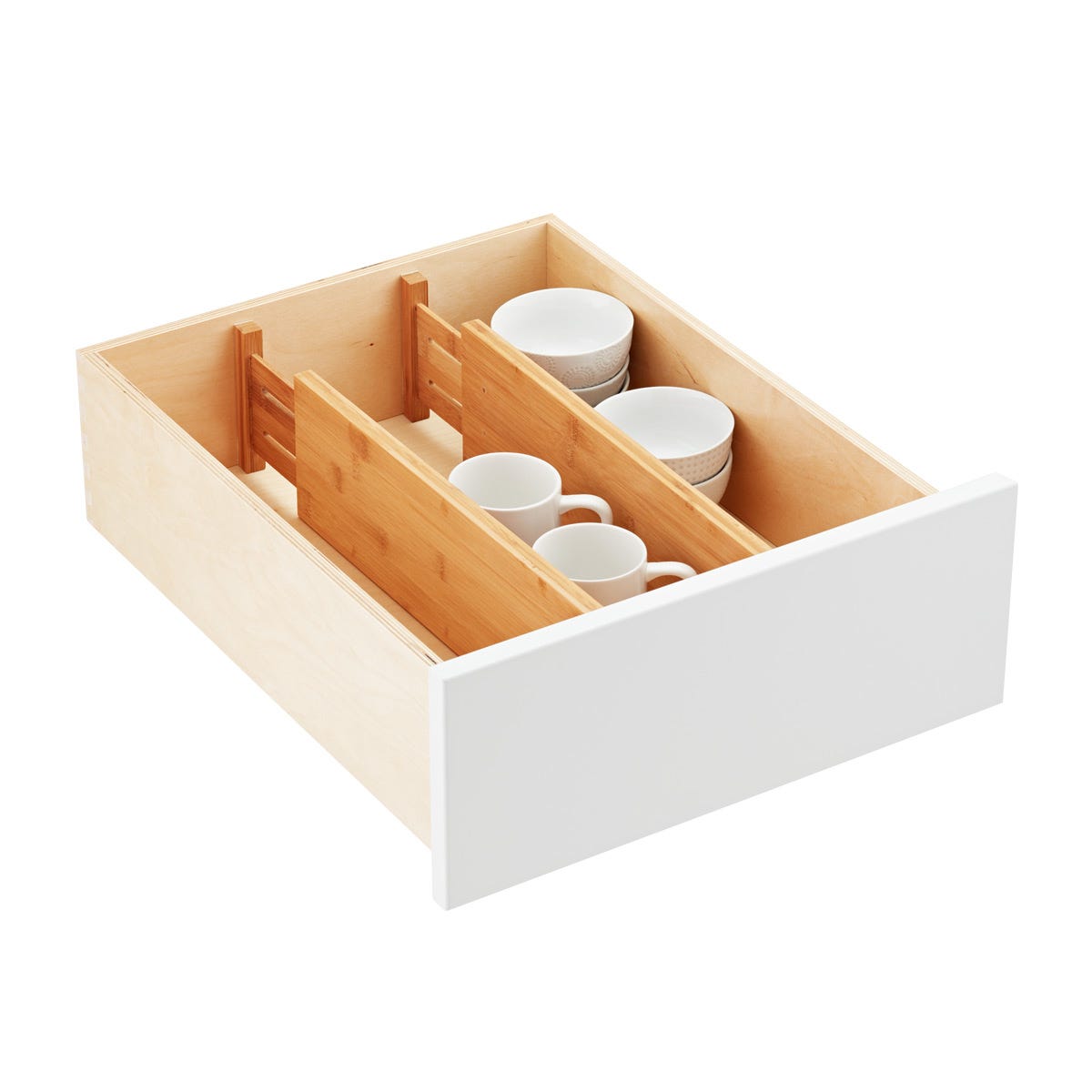
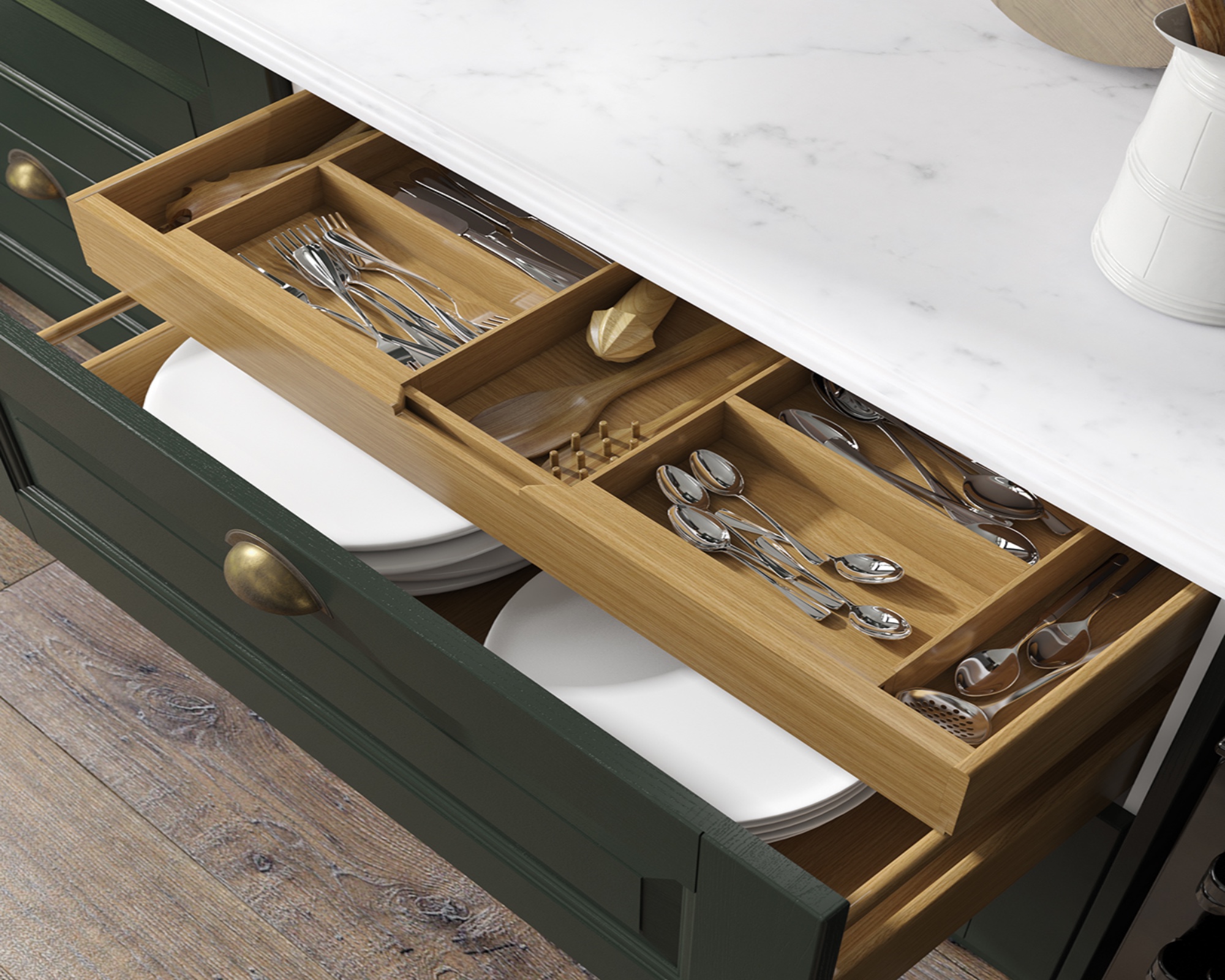
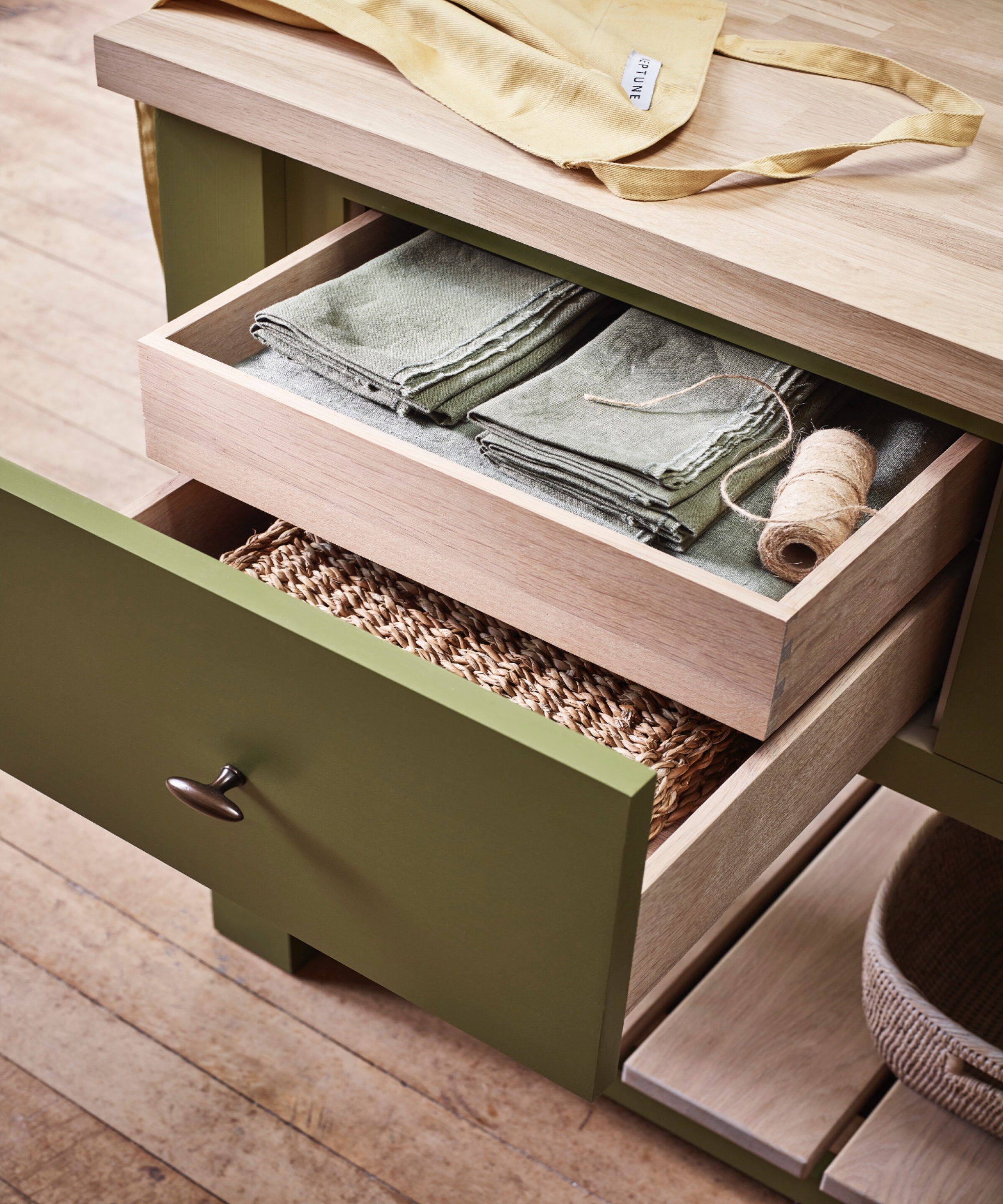
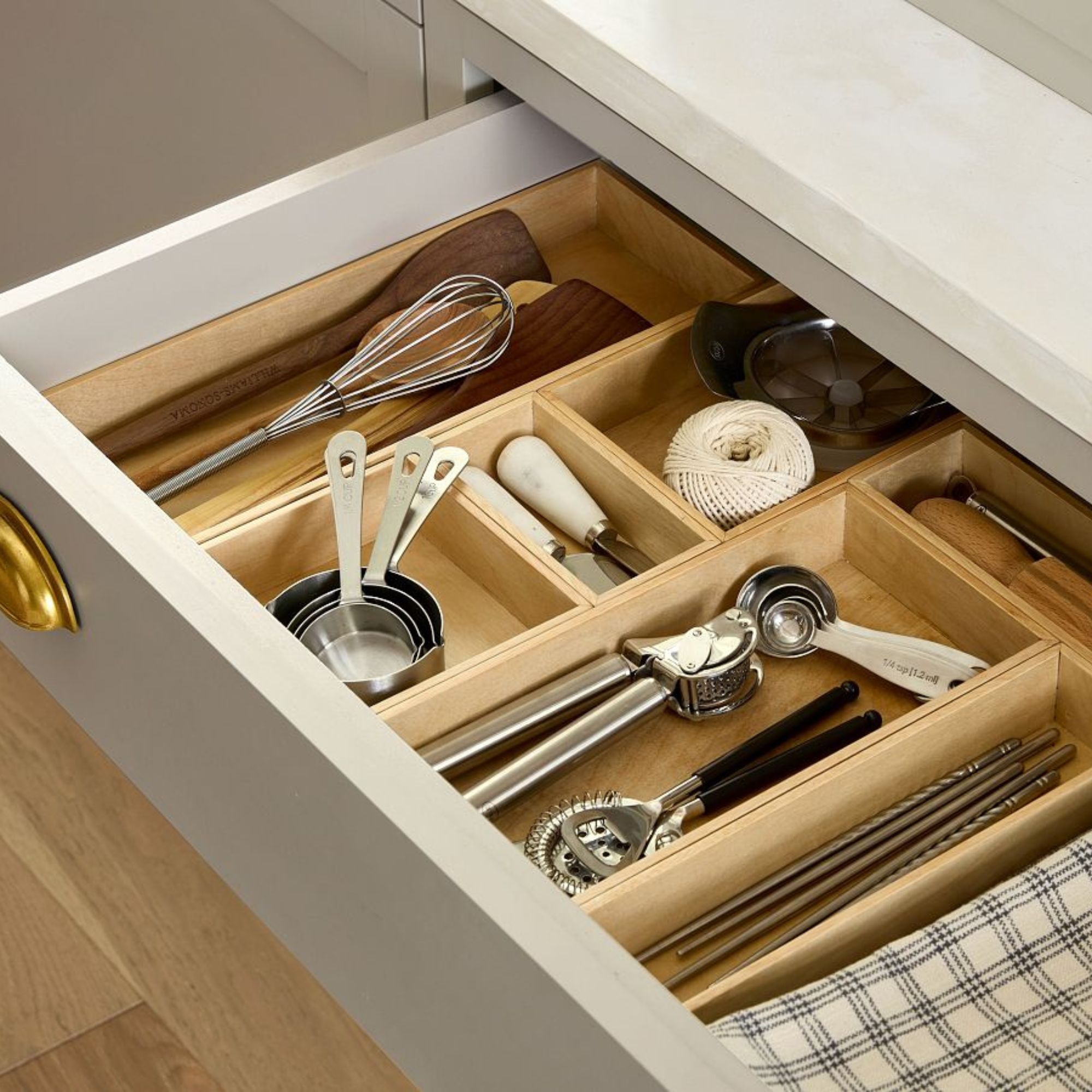
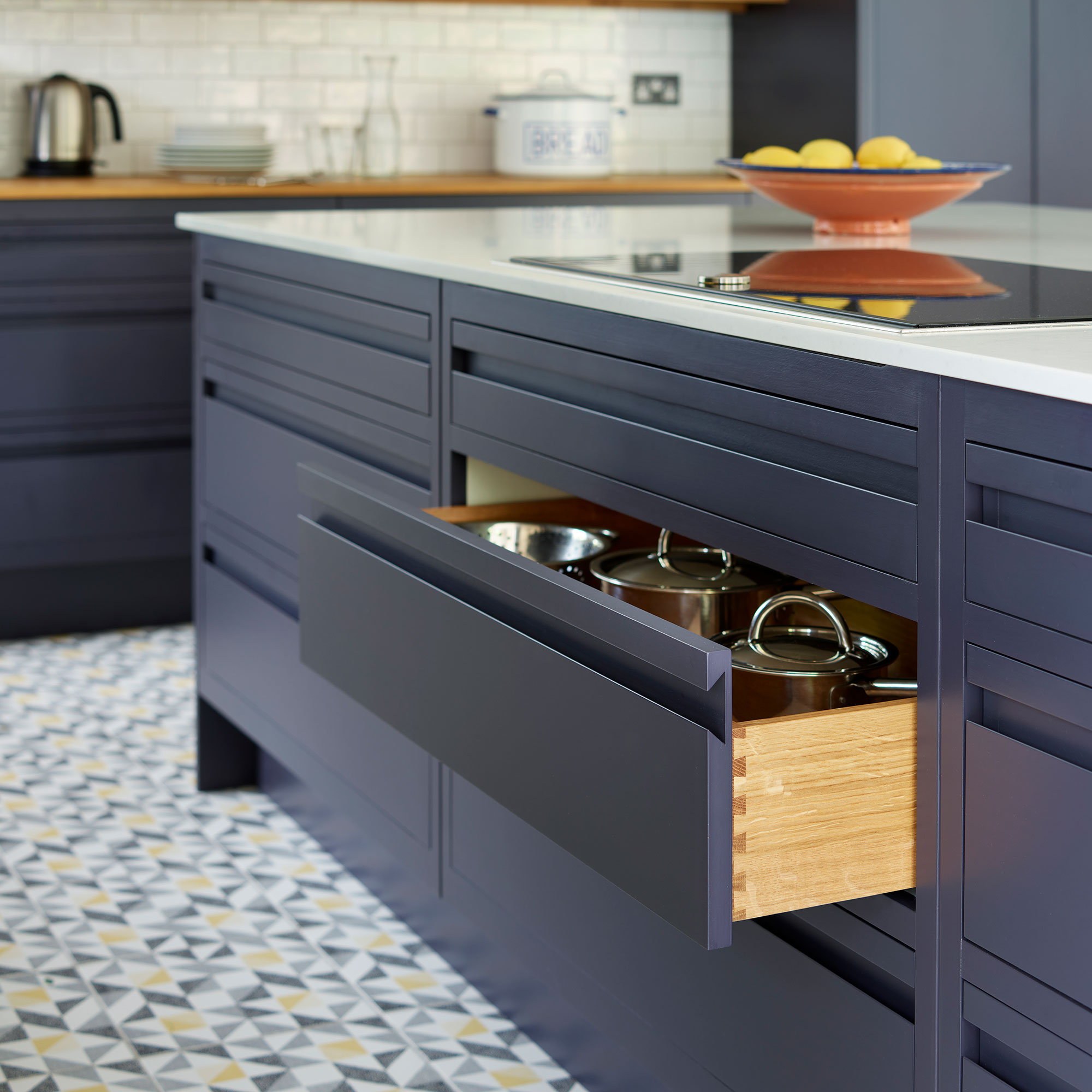
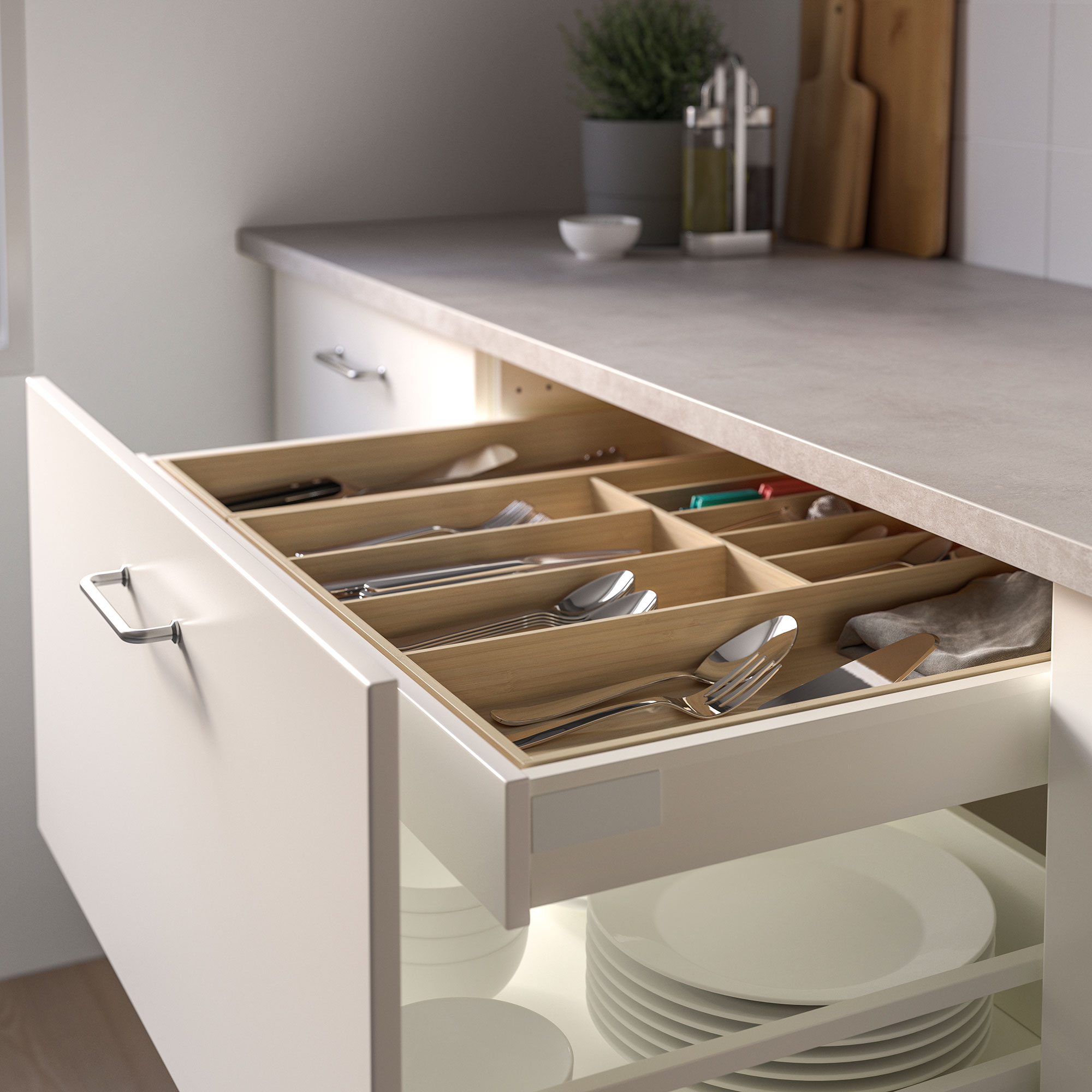
Drawers offer substantial benefits for long-term accessibility, particularly as residents age. Research from institutions like Blum UK, utilizing tools like the “Age Explorer” suite, highlights that full extension pull-out drawers make all contents instantly visible and easily retrievable without the need for bending or kneeling. This design eliminates the necessity of removing front items to access those at the back, greatly enhancing user convenience. Even a traditional door aesthetic can be maintained with tall pull-outs and internal drawers, showcasing the adaptability of modern drawer systems.
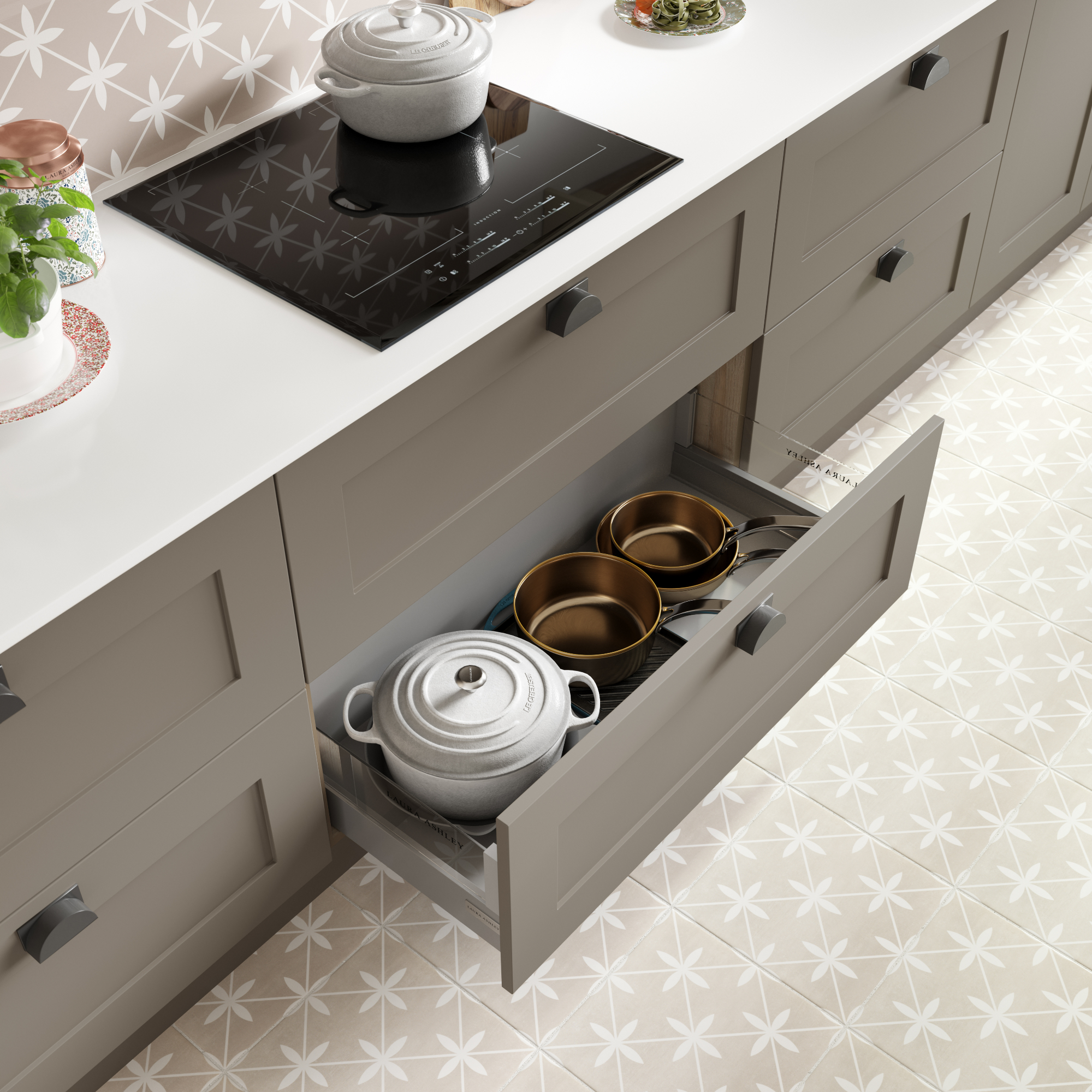
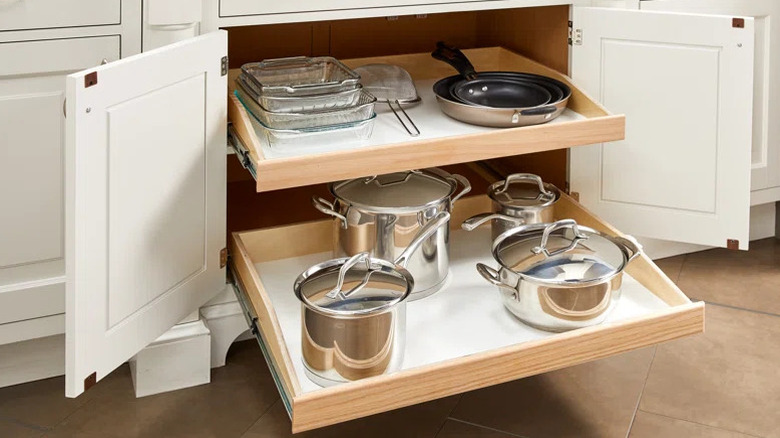
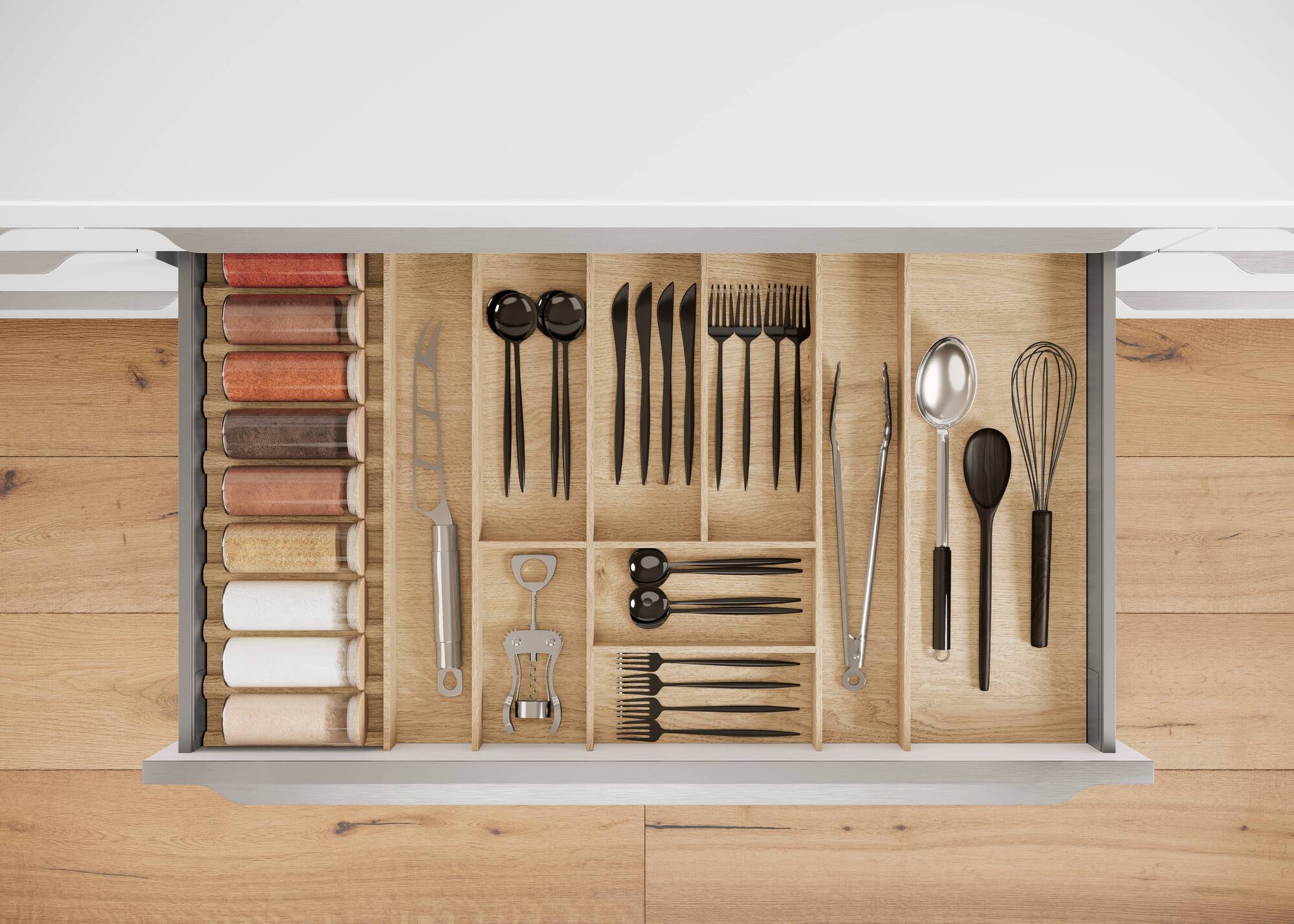
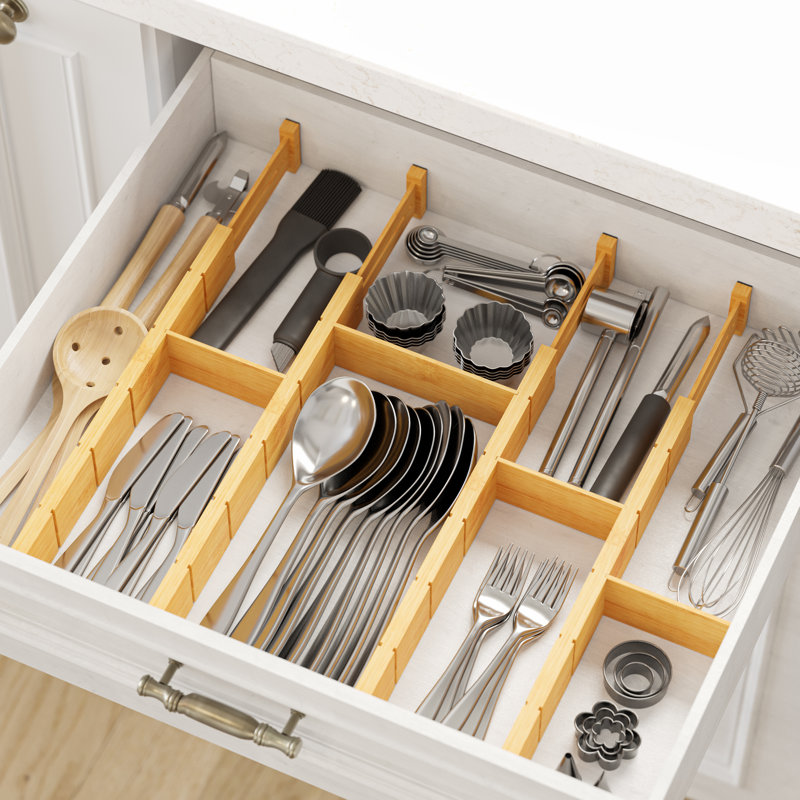
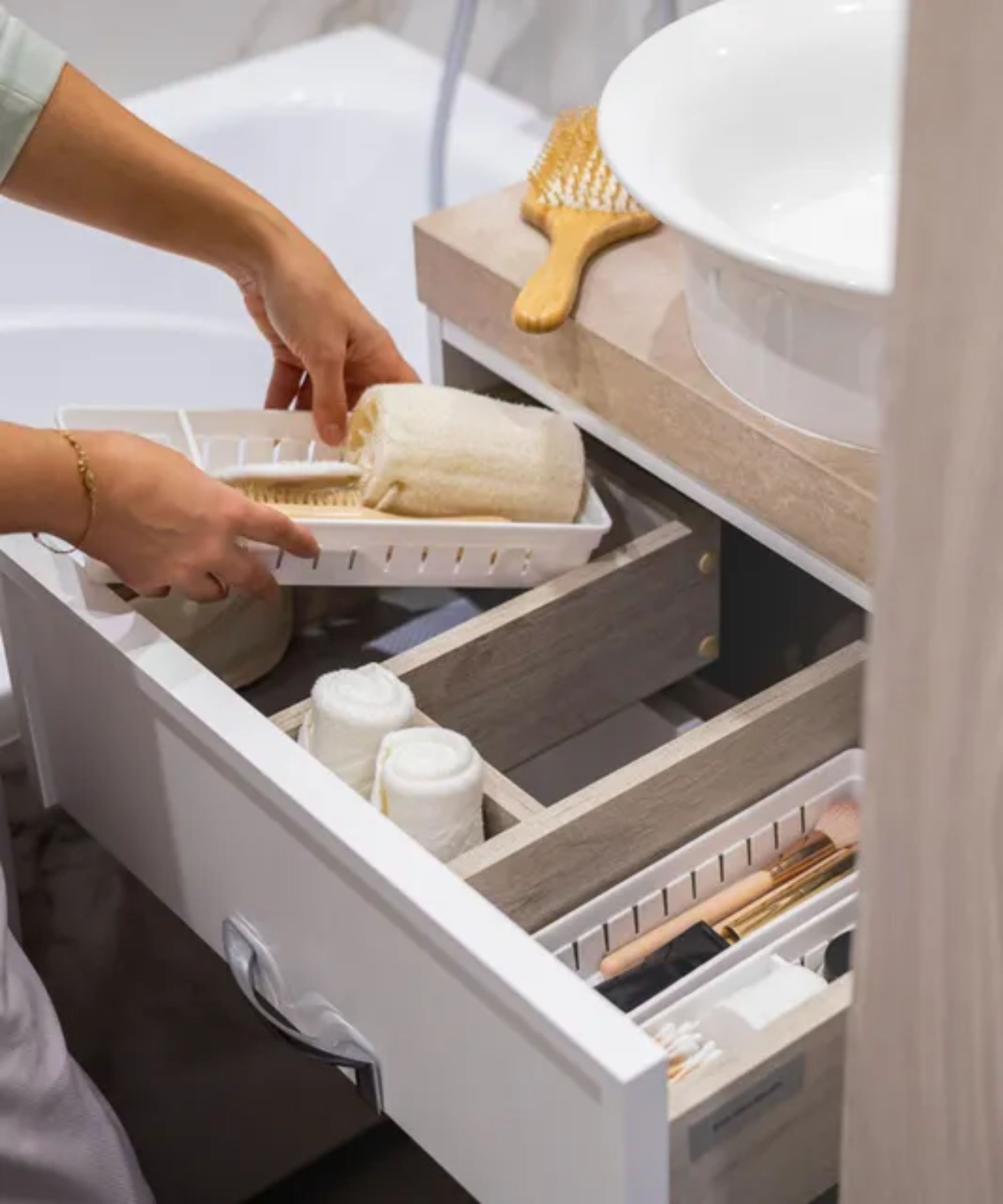
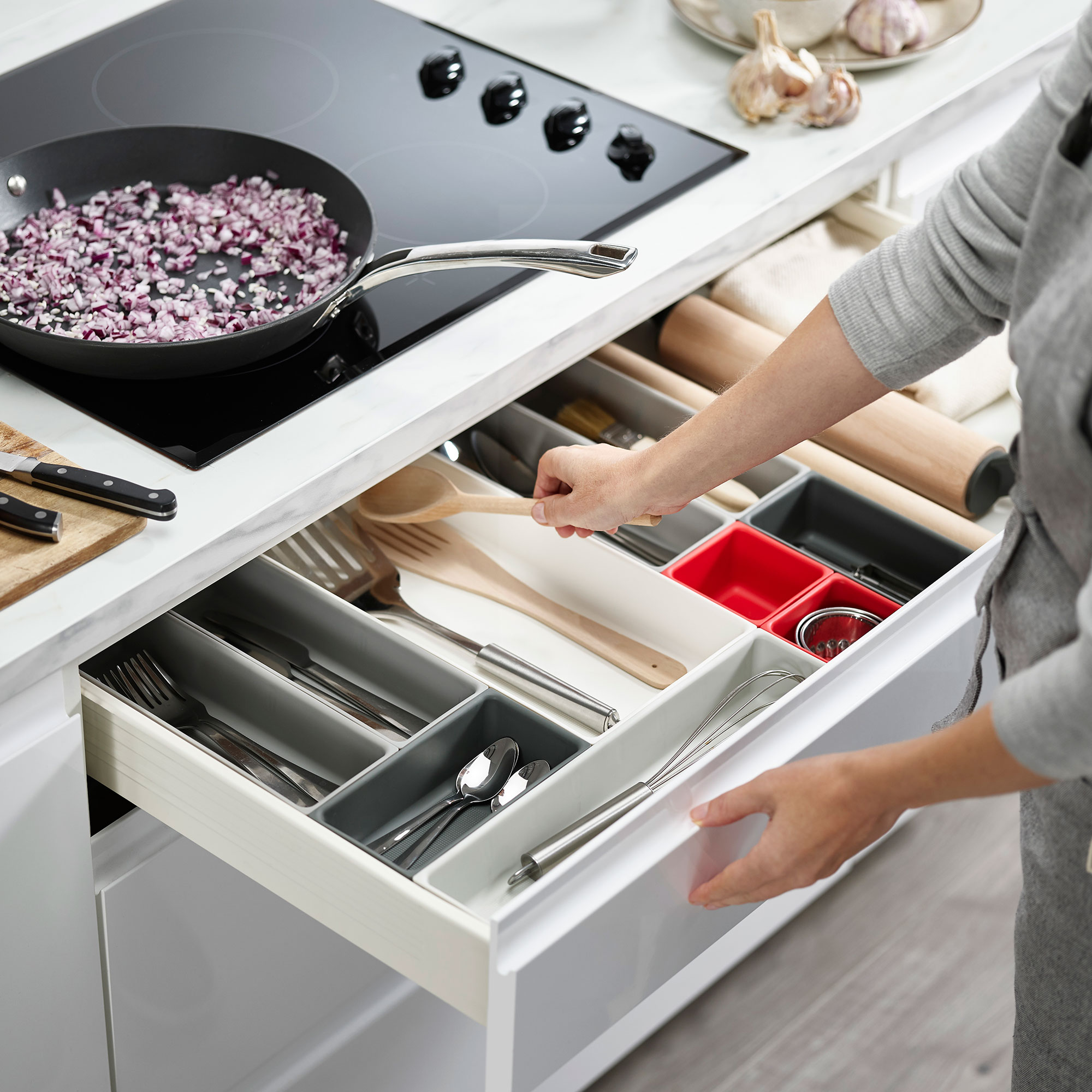
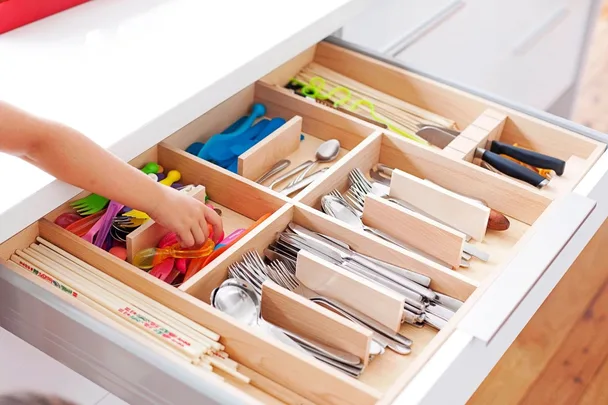
Beyond accessibility, drawers provide superior versatility. They can accommodate a wide range of kitchen items, from small utensils to large cooking appliances, depending on their depth and size. This flexibility allows for highly organized storage solutions, making them ideal for items that benefit from clear visibility and easy reach. Experts recommend drawers for storing cooking appliances, frying pans, utensils, and crockery due to their efficient accessibility.
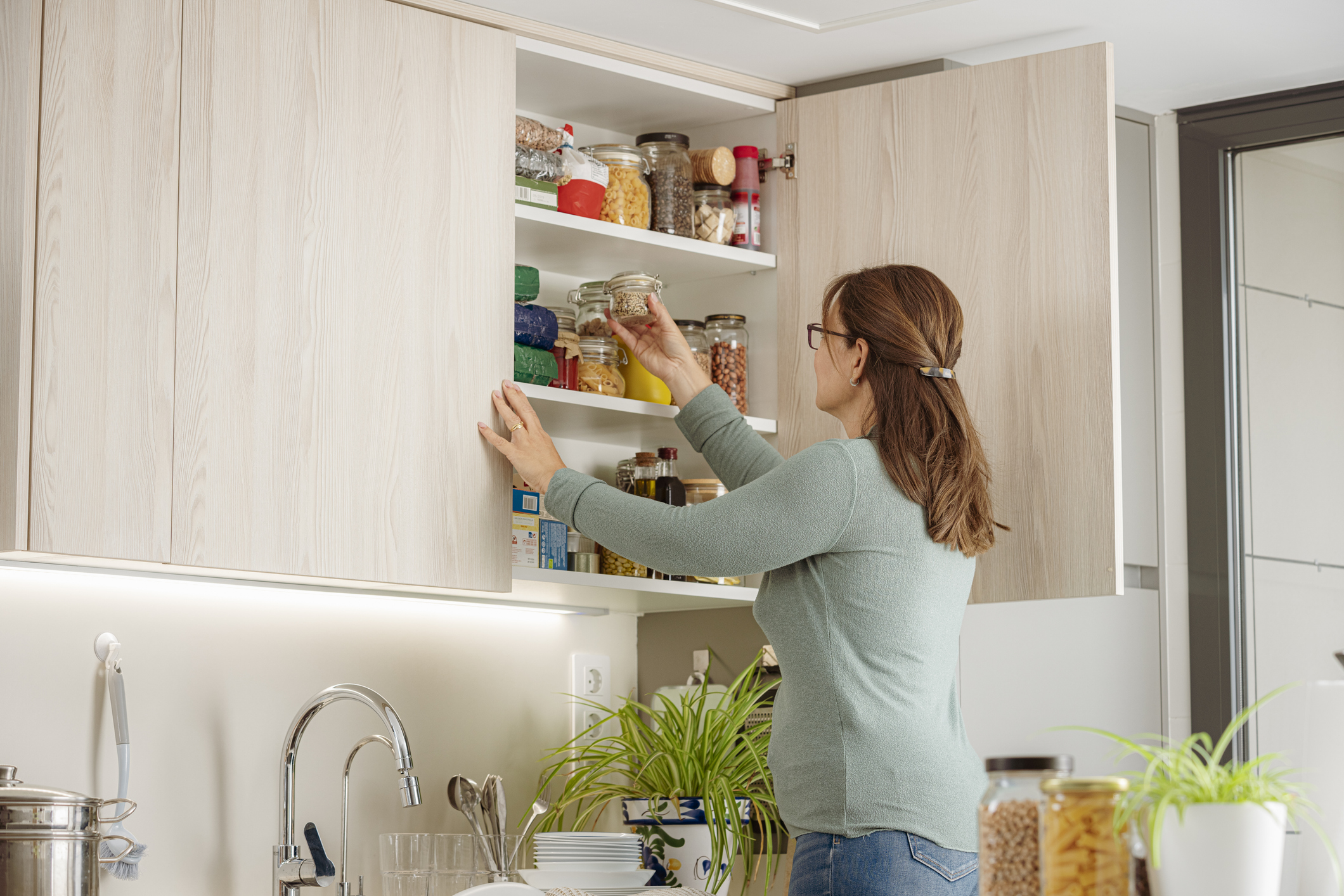
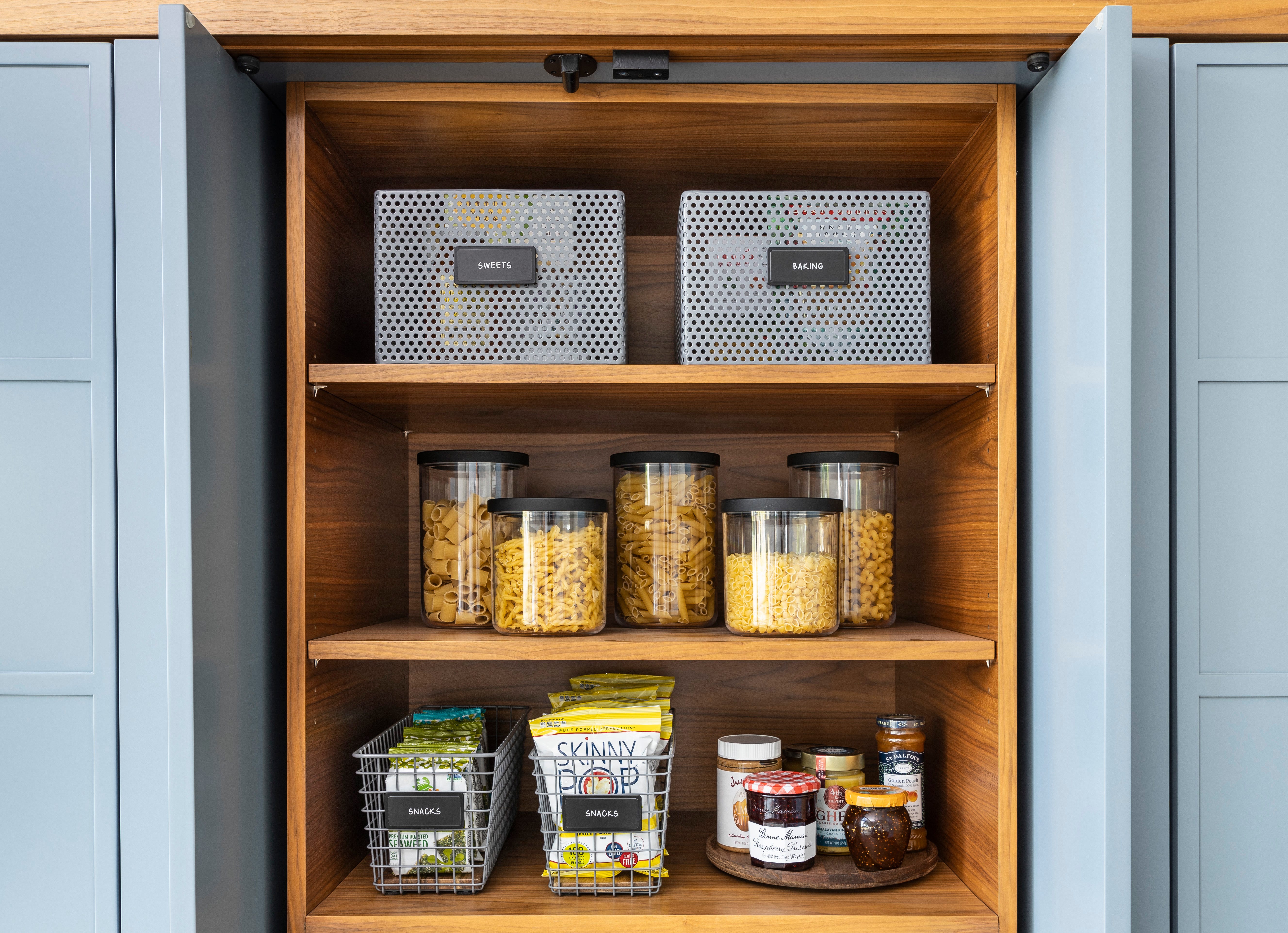
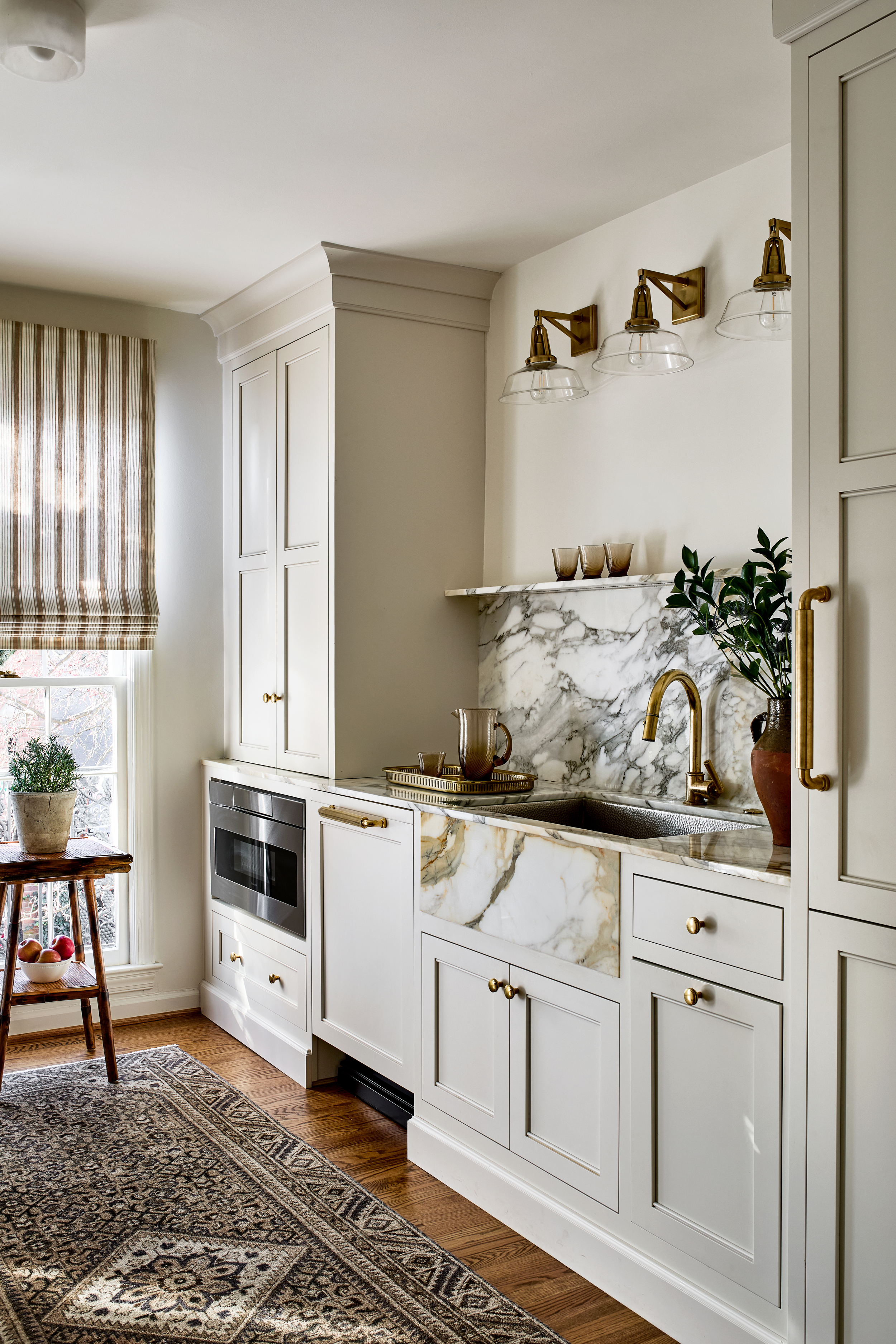
However, doors also present distinct advantages, especially when maximizing storage space and managing budgets. Cabinets with adjustable shelves can often store more items than a comparable set of drawers because drawers themselves occupy some internal space. Doors are particularly suitable for taller items like vases and jugs that might not fit in standard drawers, and they can offer a safer environment for delicate items. From a budgetary perspective, doors are generally less expensive to construct, especially in bespoke kitchens, where the intricate detailing of drawers can significantly increase costs.
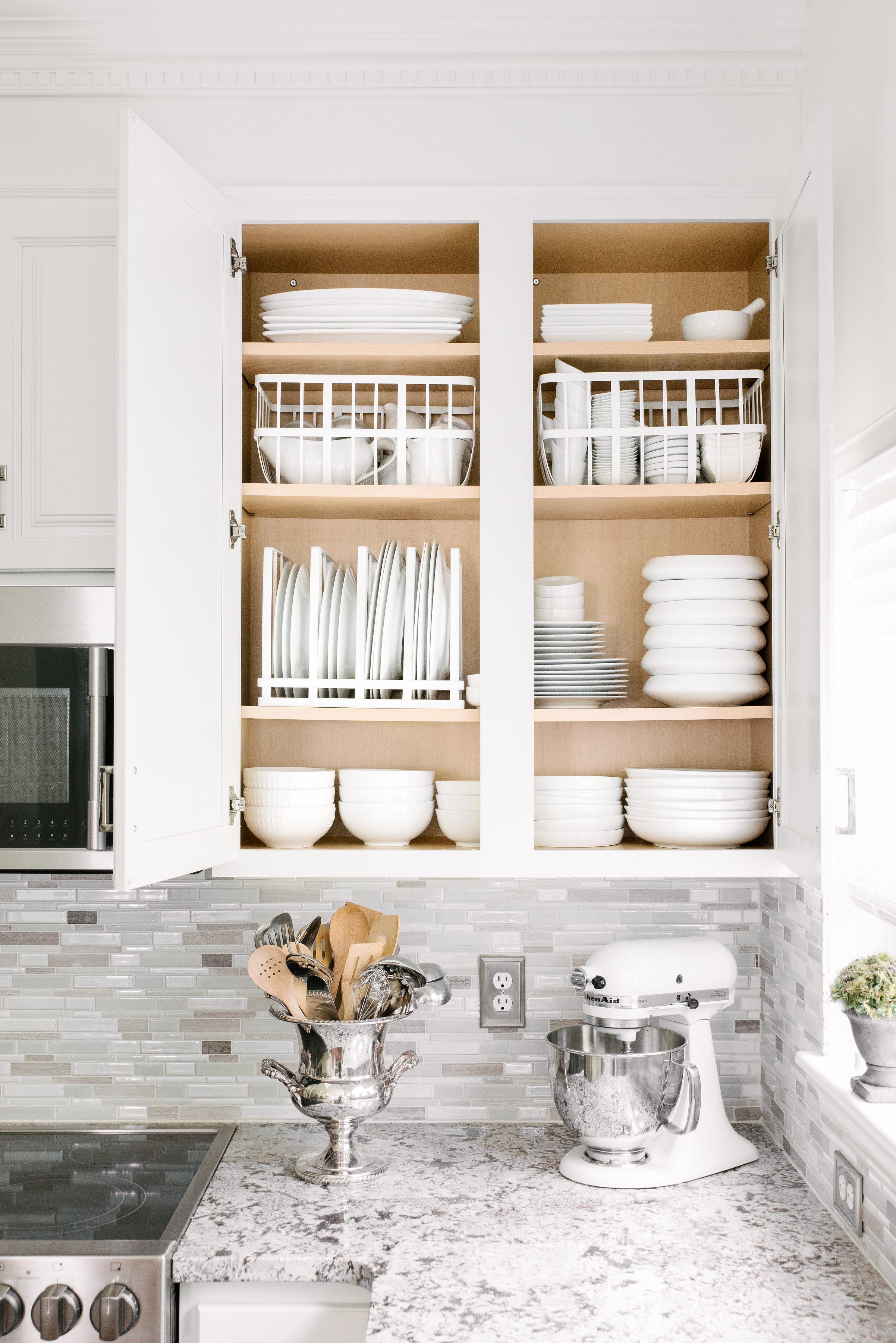
The storage of crockery warrants specific consideration. While drawers offer ergonomic benefits, the weight of stacked plates can, over time, strain drawer runners and mechanisms. Cabinets provide a more robust and spacious option for stacking crockery, potentially extending the lifespan of the storage unit. Doors are also ideal for concealing small appliances, particularly countertop cabinets with bifolding doors that allow appliances to remain plugged in and ready for use while hidden, maintaining a clutter-free appearance.
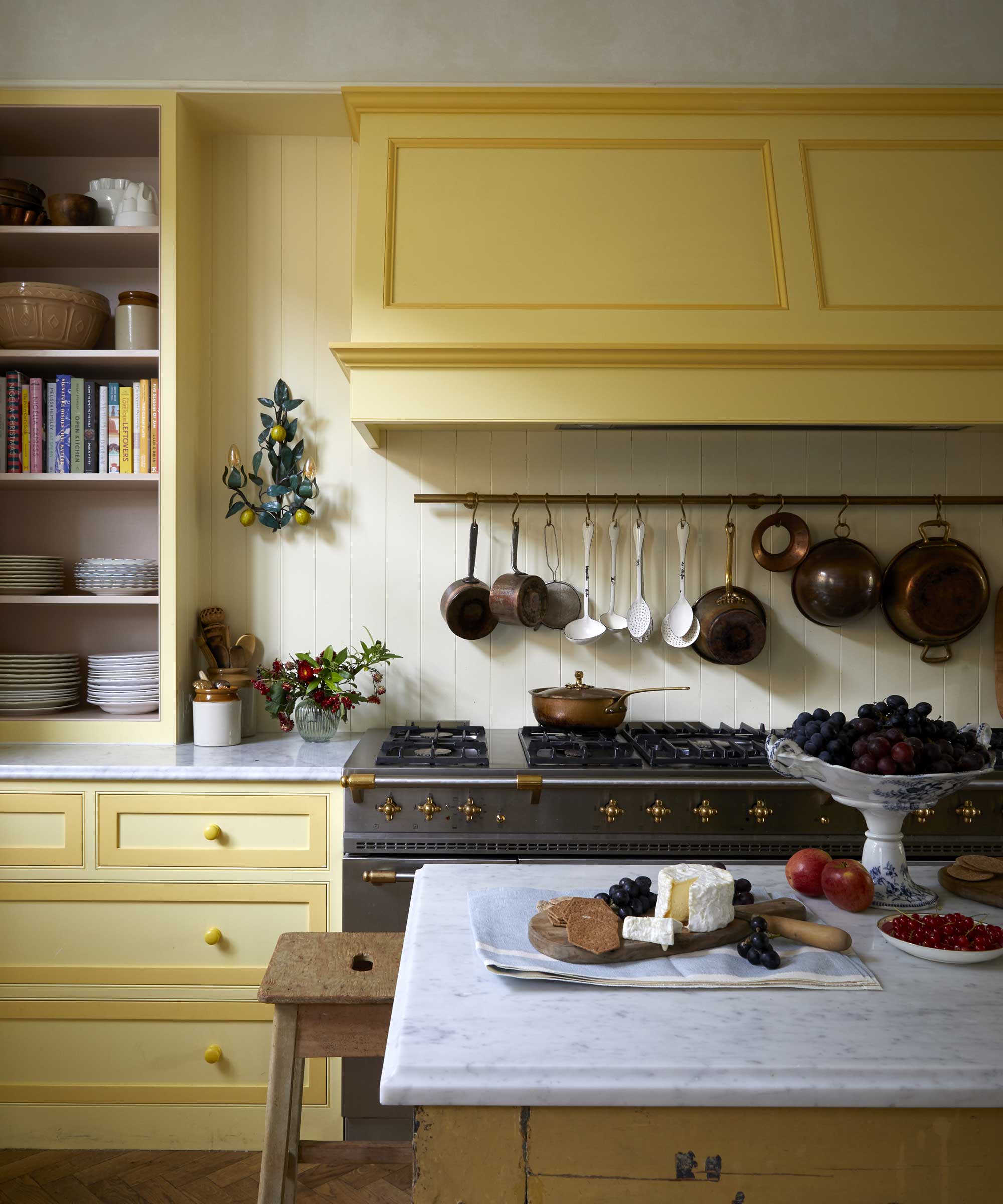
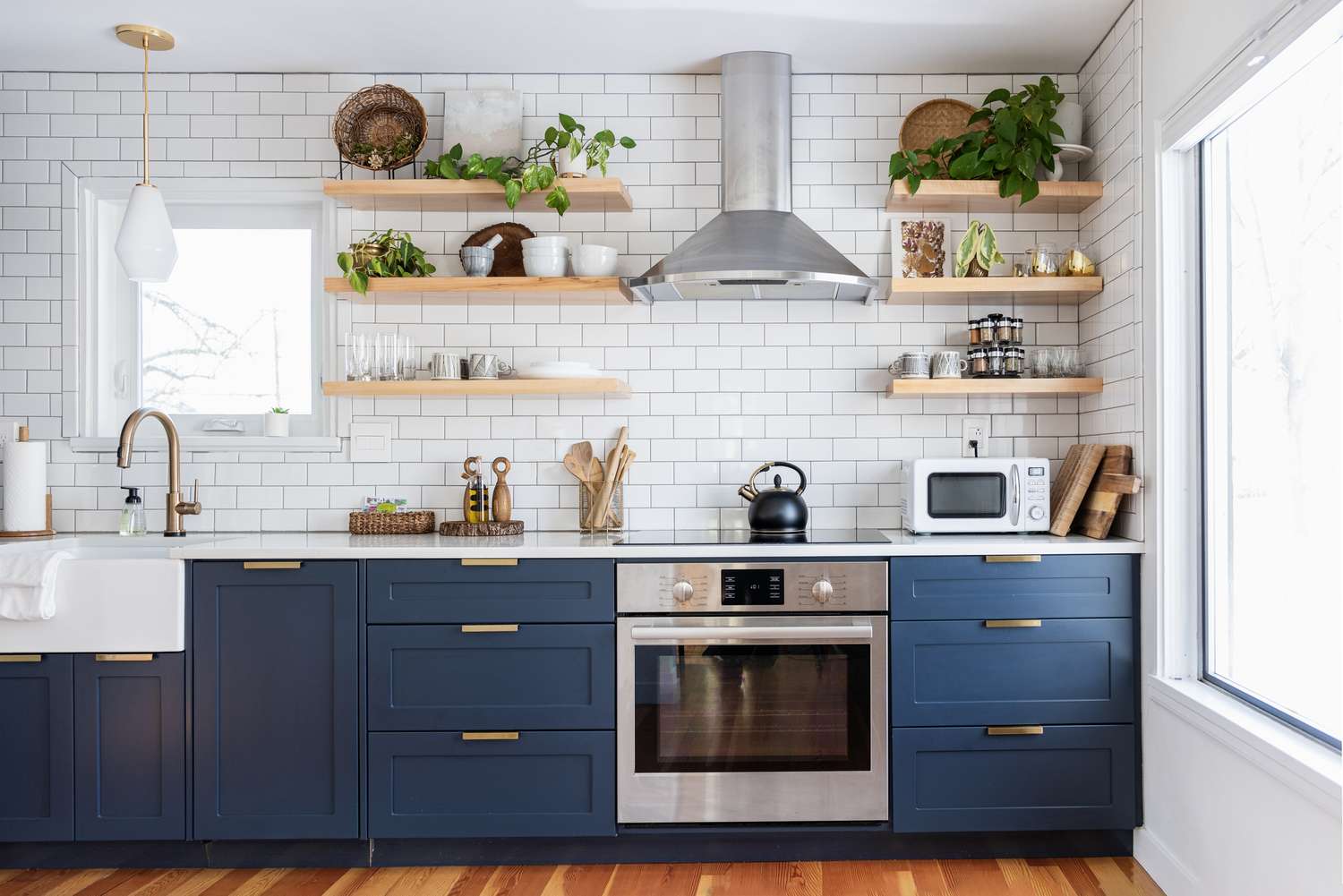
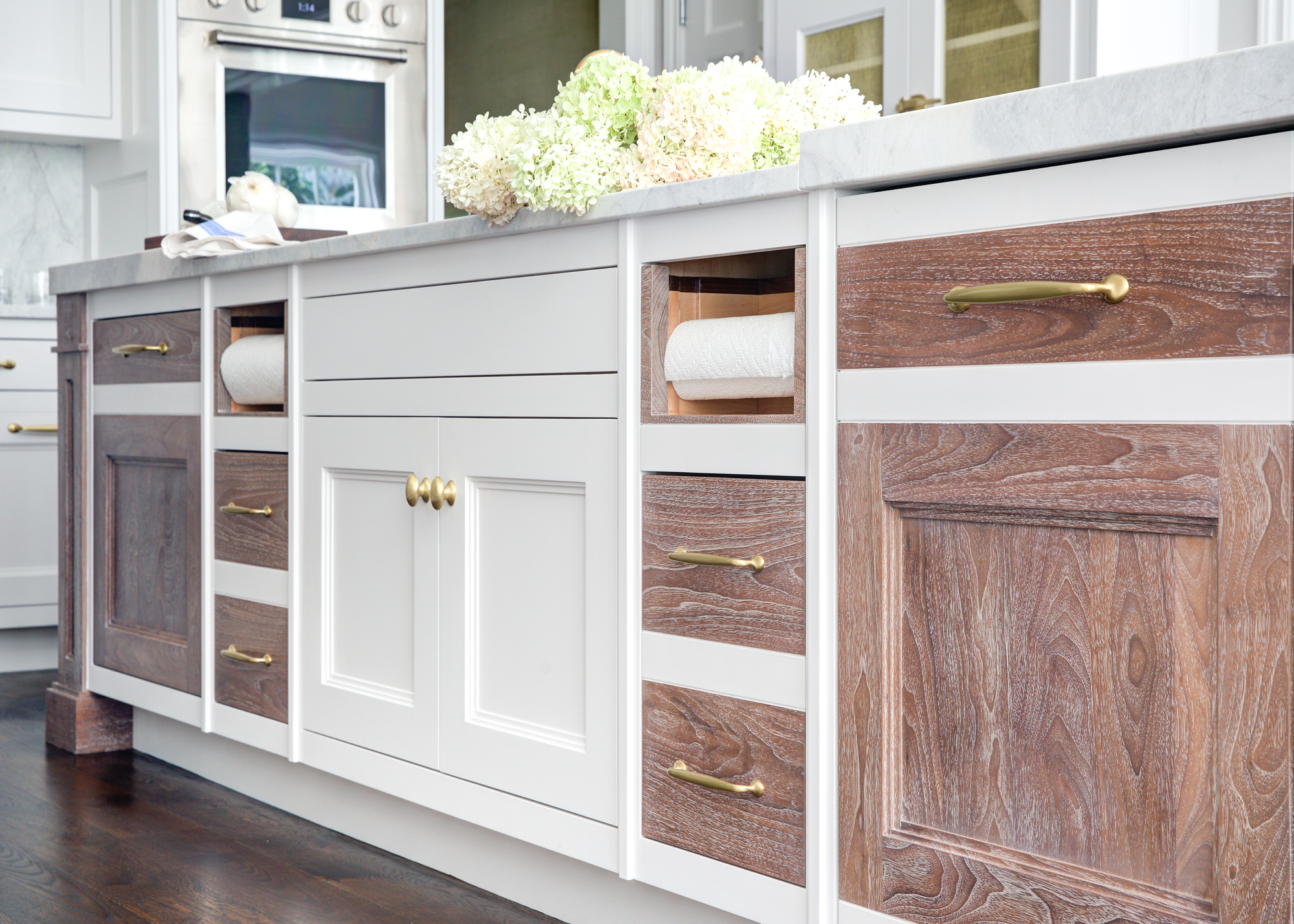
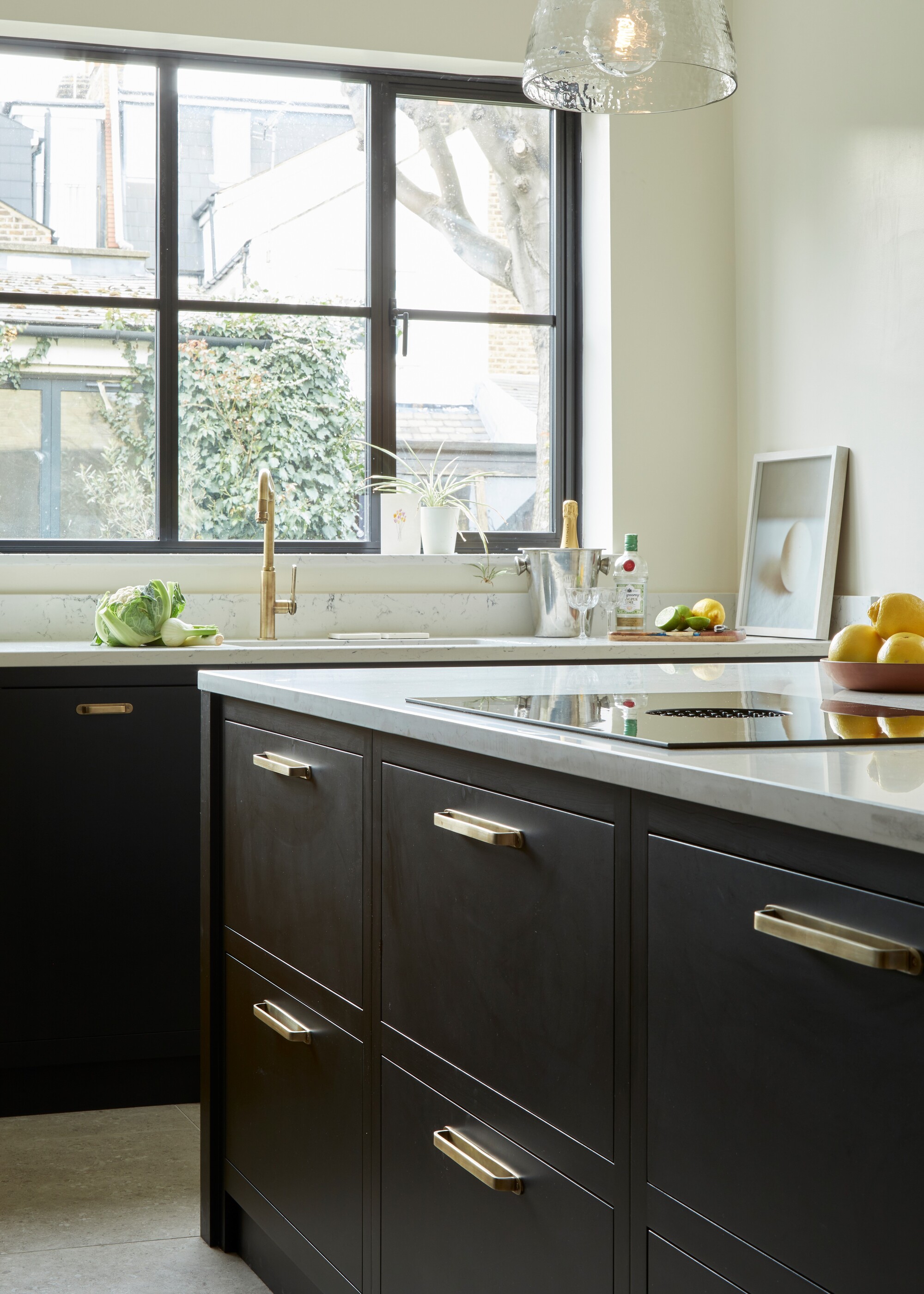
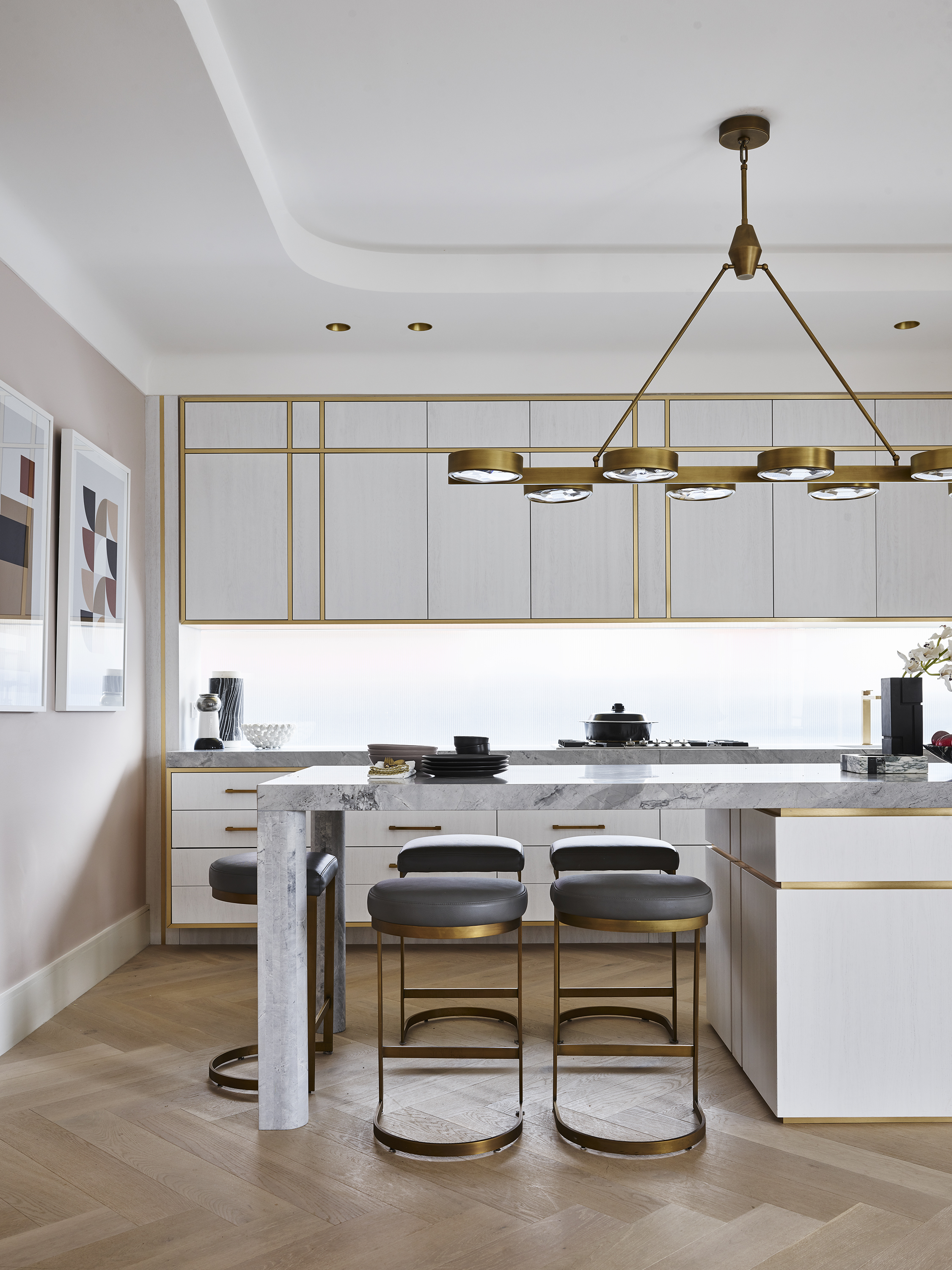
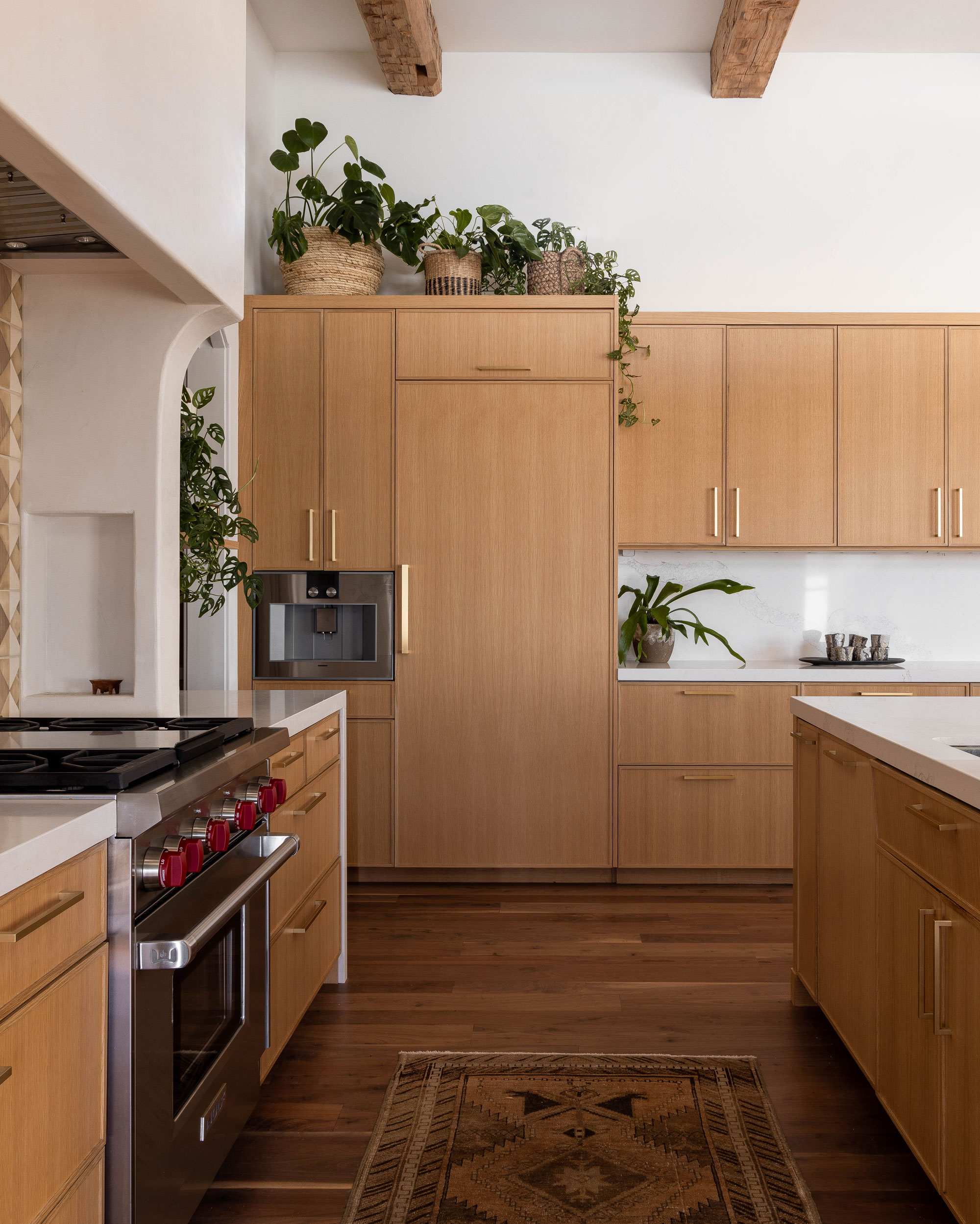
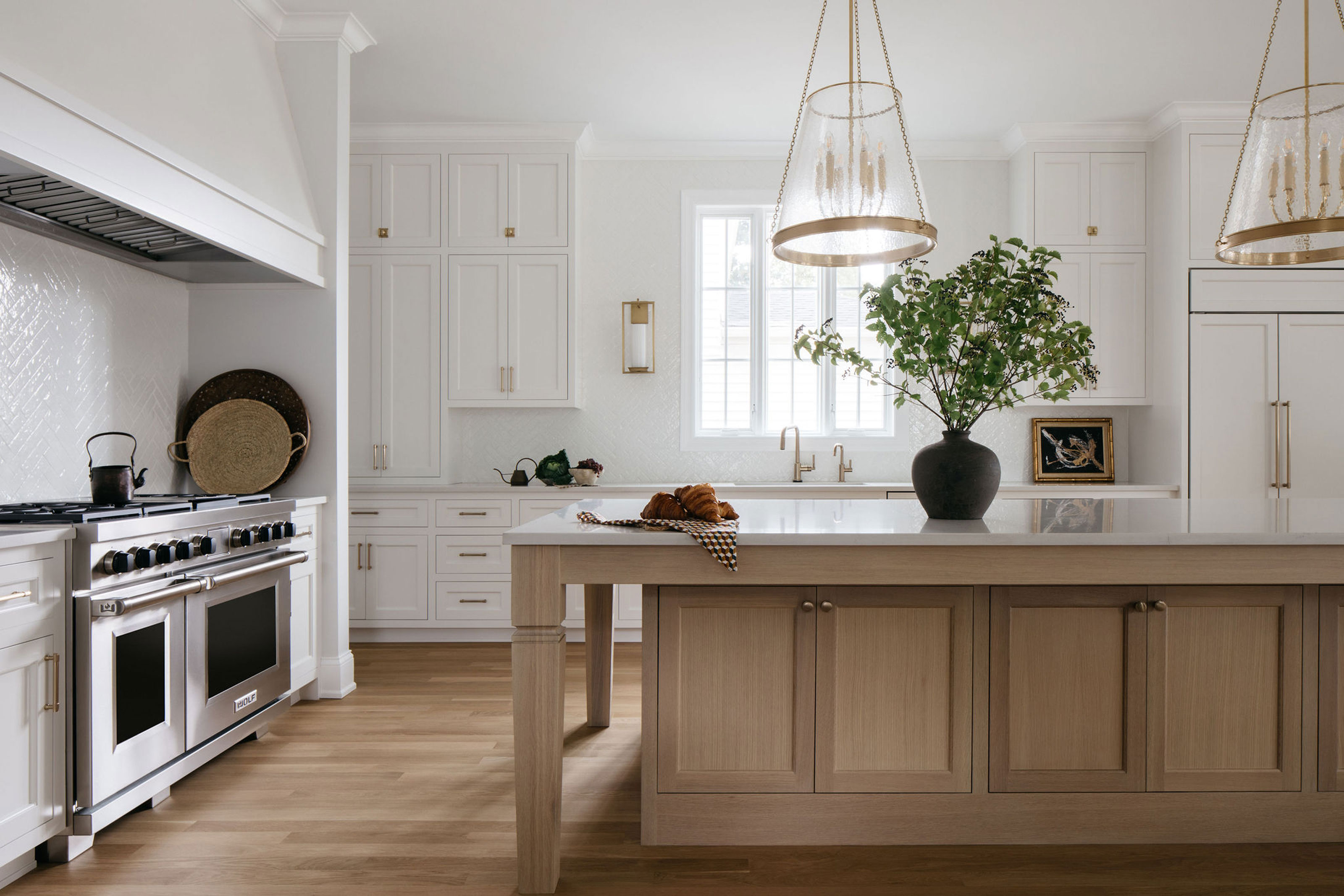
In smaller kitchens, the visual impact of storage solutions is crucial. An overuse of multiple drawers can visually break the vertical lines of a kitchen, making the space appear smaller. In such cases, sleek slab doors can create a more cohesive and expansive aesthetic. Ultimately, kitchen design experts advocate for a balanced approach, recommending a combination of both doors and drawers. This hybrid strategy allows homeowners to leverage the individual strengths of each storage type, optimizing functionality, accessibility, and aesthetics for a well-designed kitchen that caters to diverse storage needs.
#KitchenDesign #KitchenStorage #DrawersVsDoors #KitchenRemodeling #HomeOrganization #InteriorDesignAdvice #ErgonomicKitchen #KitchenCabinets #KitchenAccessibility #KitchenDesign #KitchenStorage #DrawersVsDoors #KitchenRemodeling #HomeOrganization #InteriorDesignAdvice #ErgonomicKitchen #KitchenCabinets #KitchenAccessibility
0 comment in total
 No comments yet
You may also like
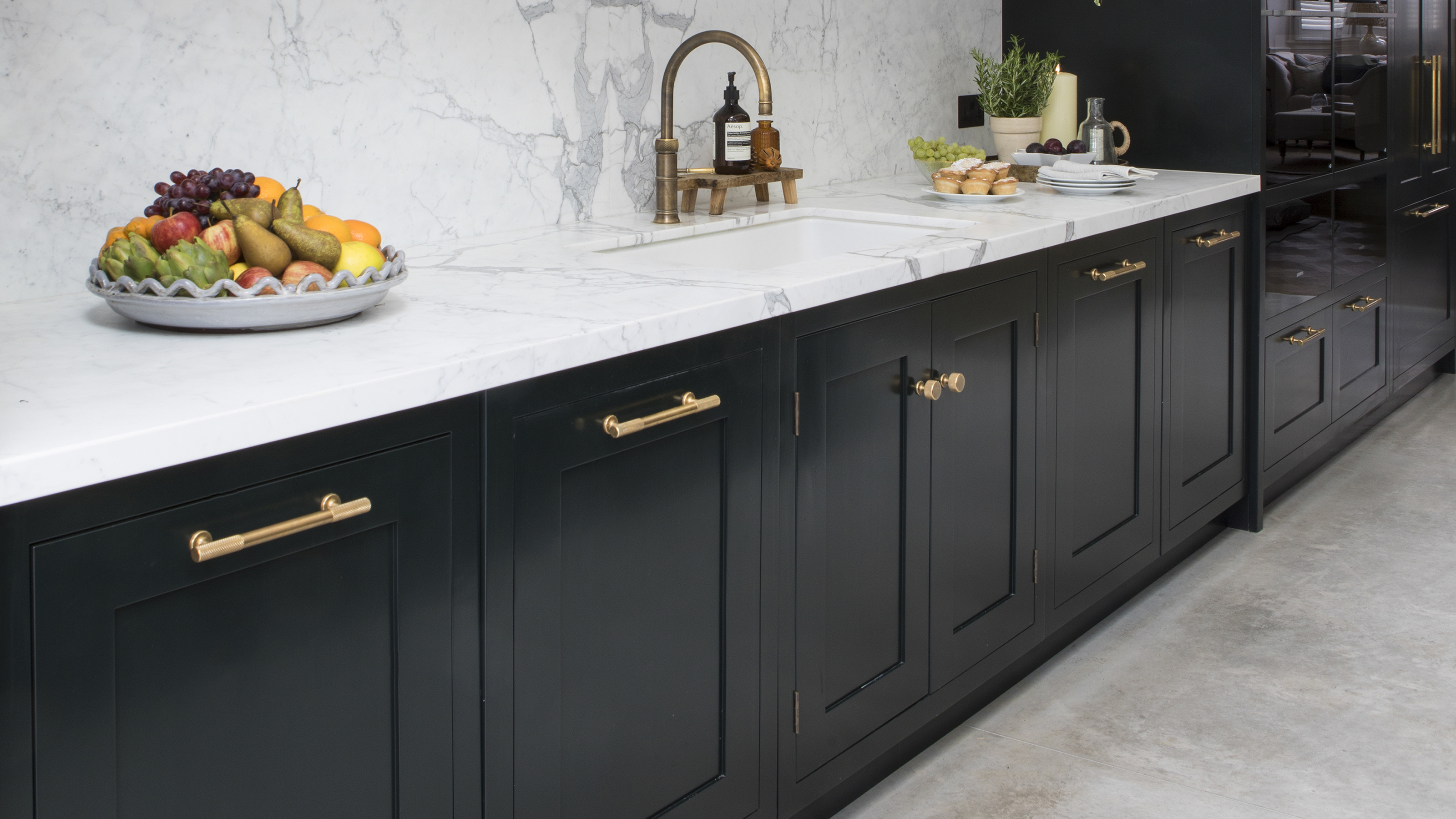
Kitchen drawers vs cabinets - which should you choose?
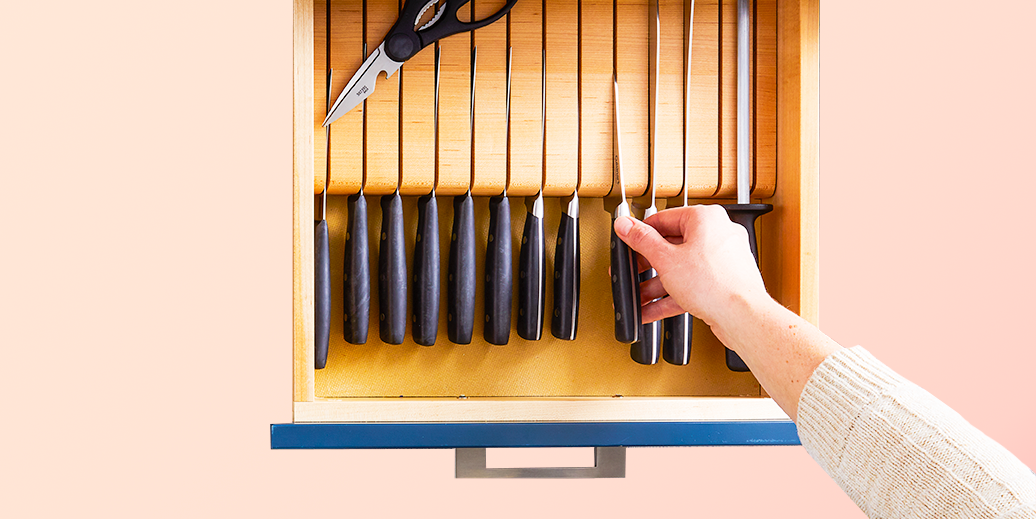
Stop the Clutter With These Top-Tested Kitchen Drawer Organizers

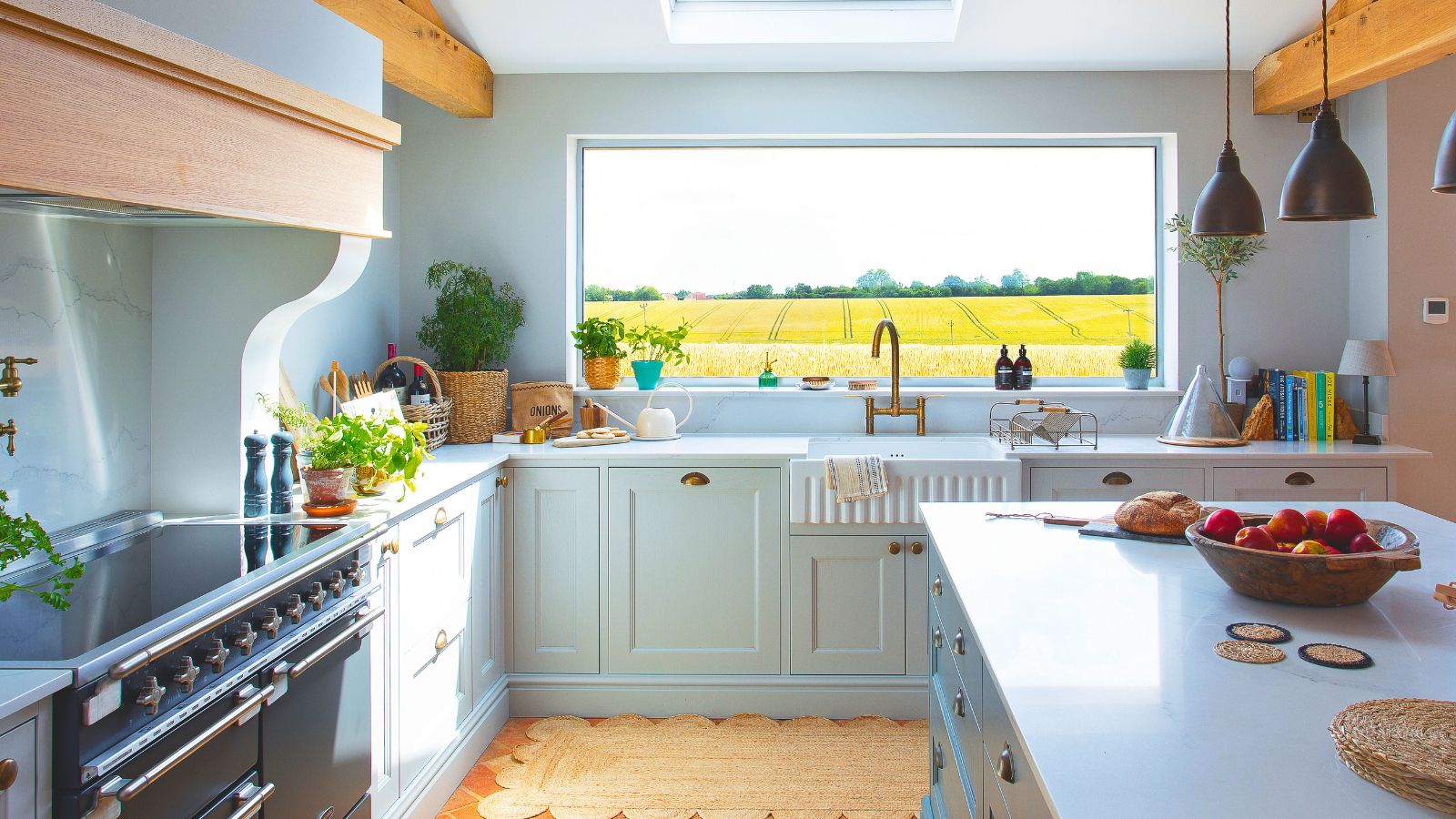
Drawer organizers tidied my tiny kitchen drawers in 5 minutes
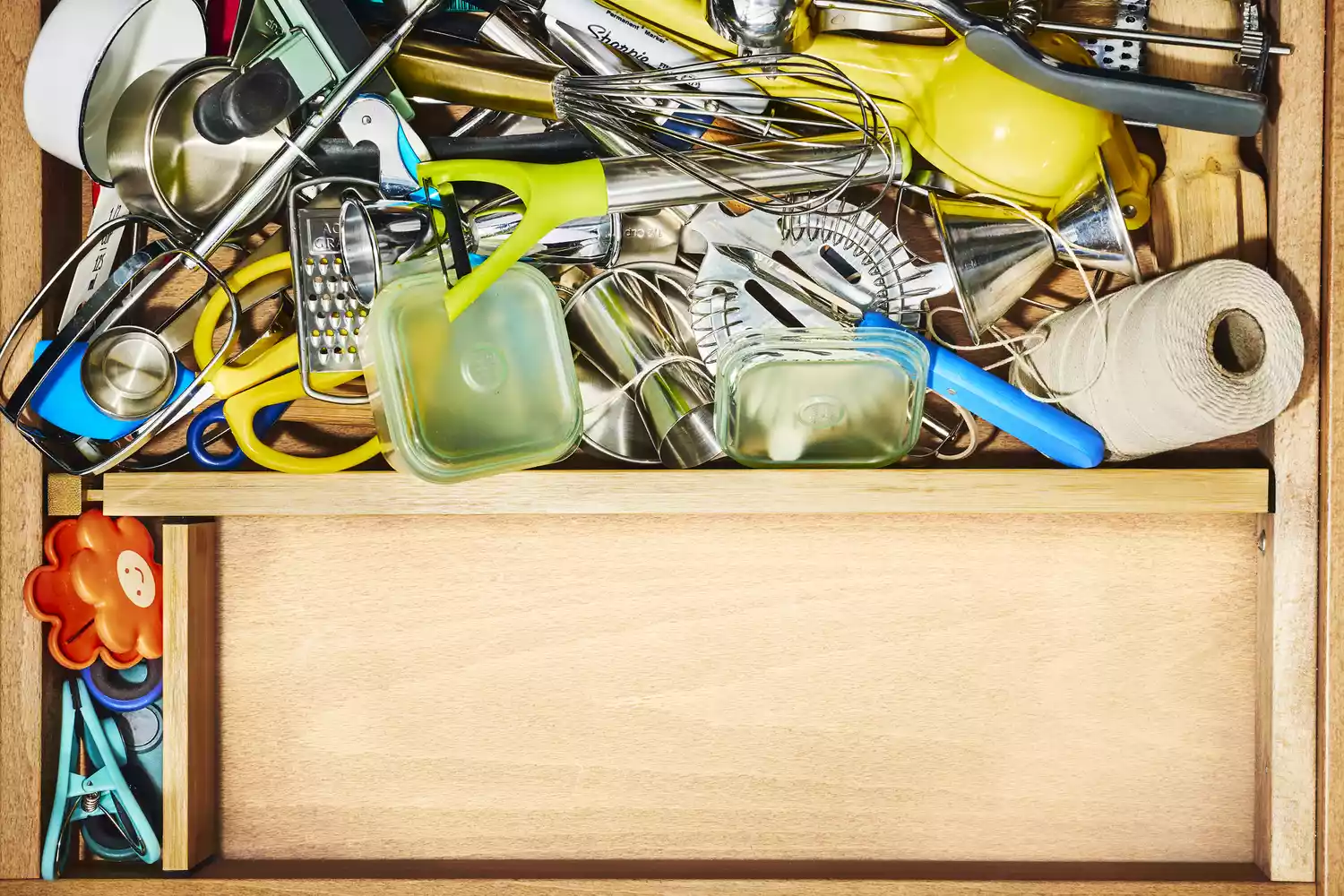
How to Organize Your Junk Drawer, According to a Very Neat Person

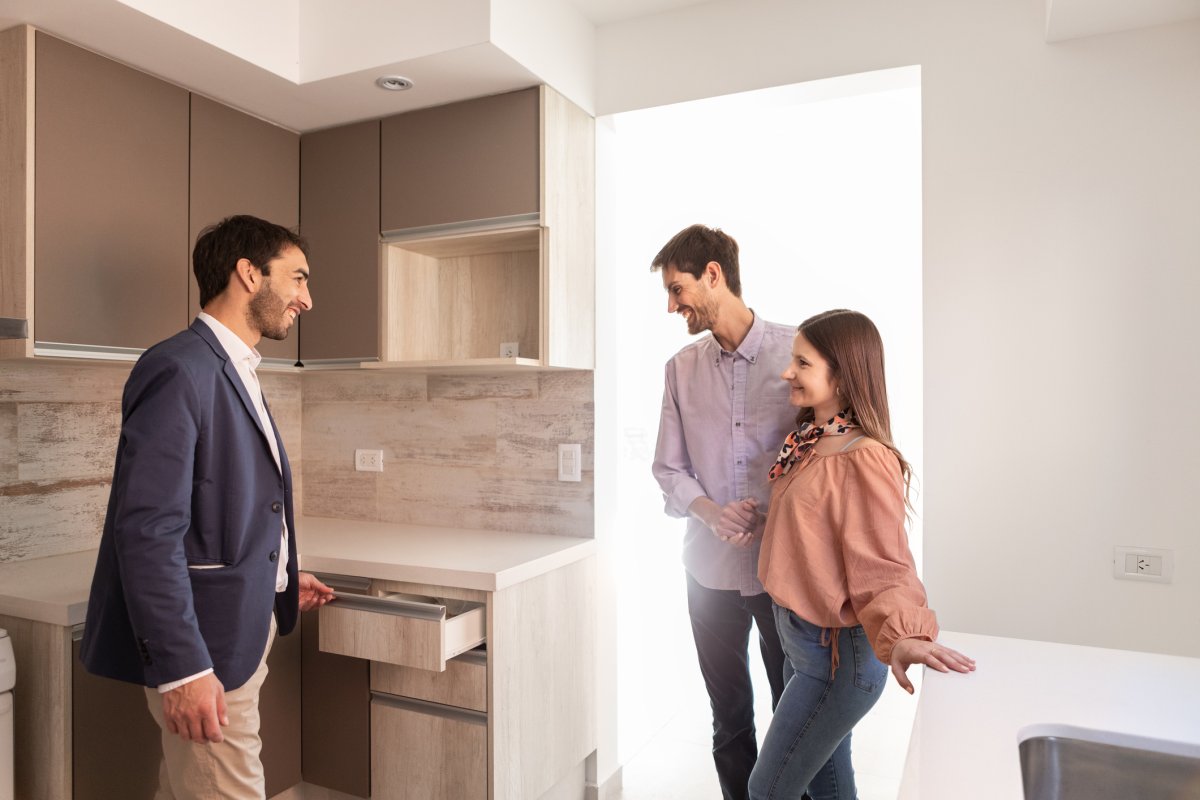
Kitchen Designers Weigh In on Deep Drawers vs. Cabinets
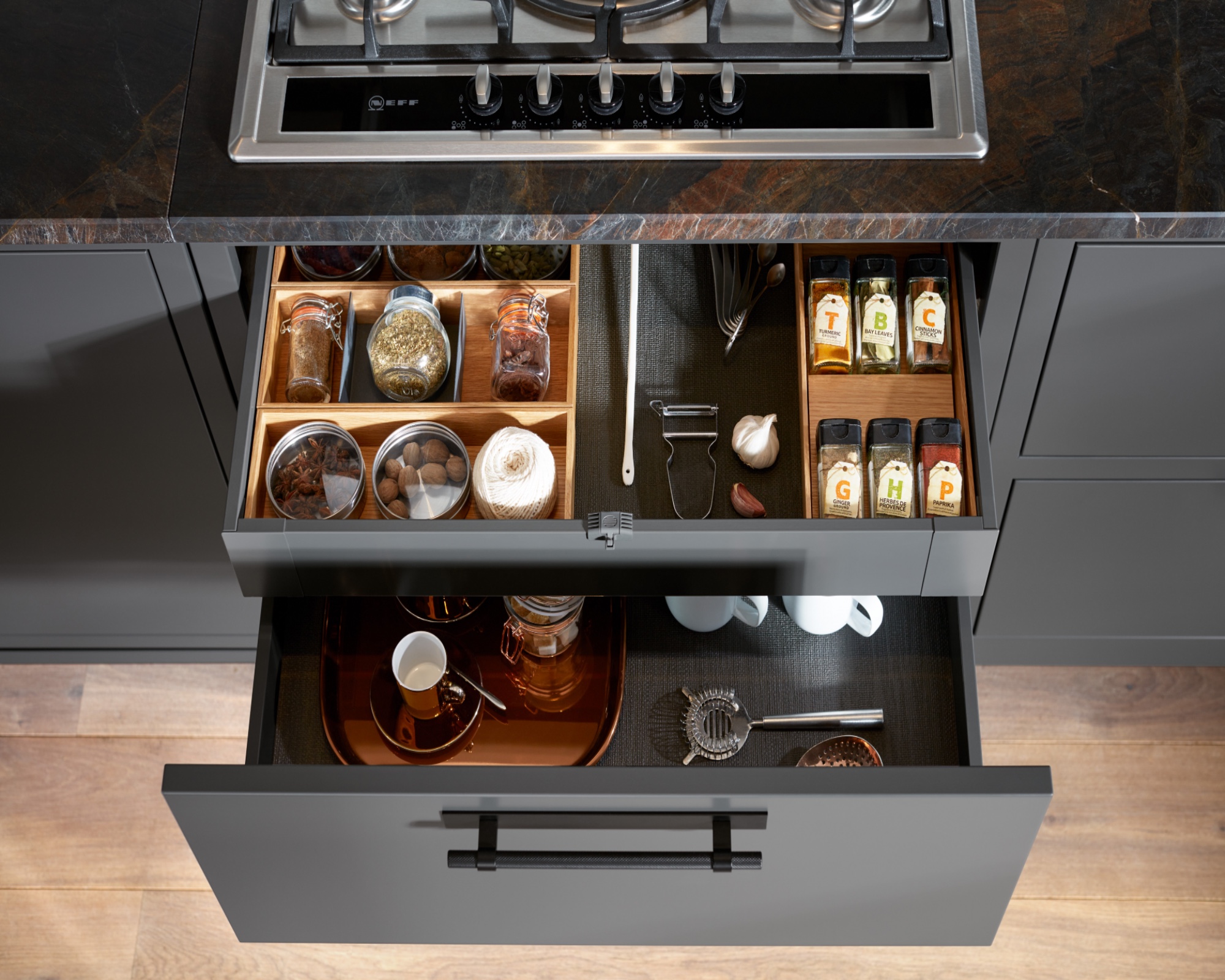
How to organize kitchen drawers – 12 ways to keep cooking essentials orderly
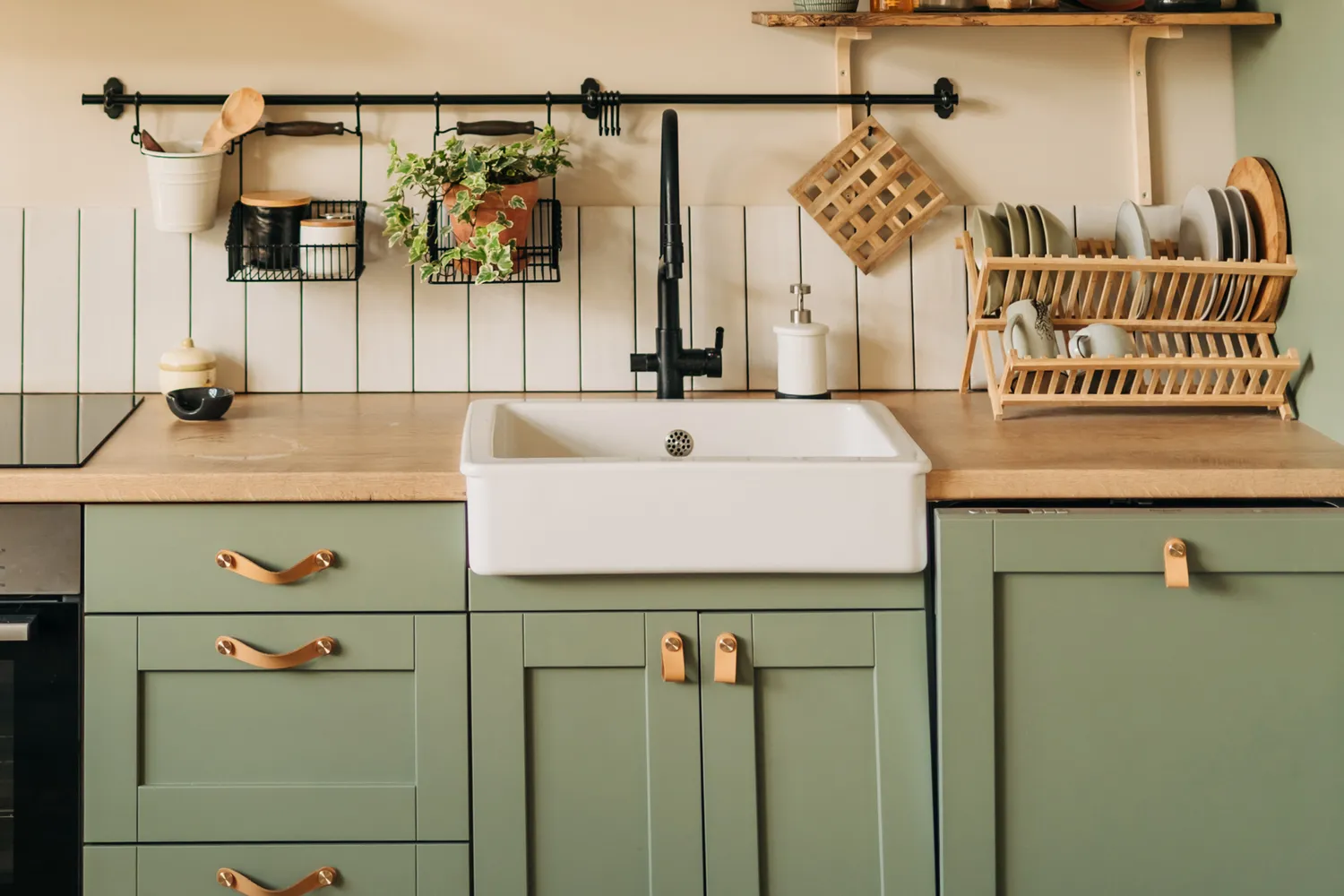
The #1 Cabinet Hardware Mistake Designers See in Kitchens—and How to Get It Right

Are wooden cabinets outdated? Interior designers weigh in on whether to shut the door on this style

14 Easy-To-Install Drawers That Make The Most Of Lower Kitchen Cabinet Space
We Asked Pro Chefs for the Worst Kitchen Design Trends They've Ever Seen—And We're Shocked

Tips for organising kitchen drawers - 12 ways to banish clutter for good
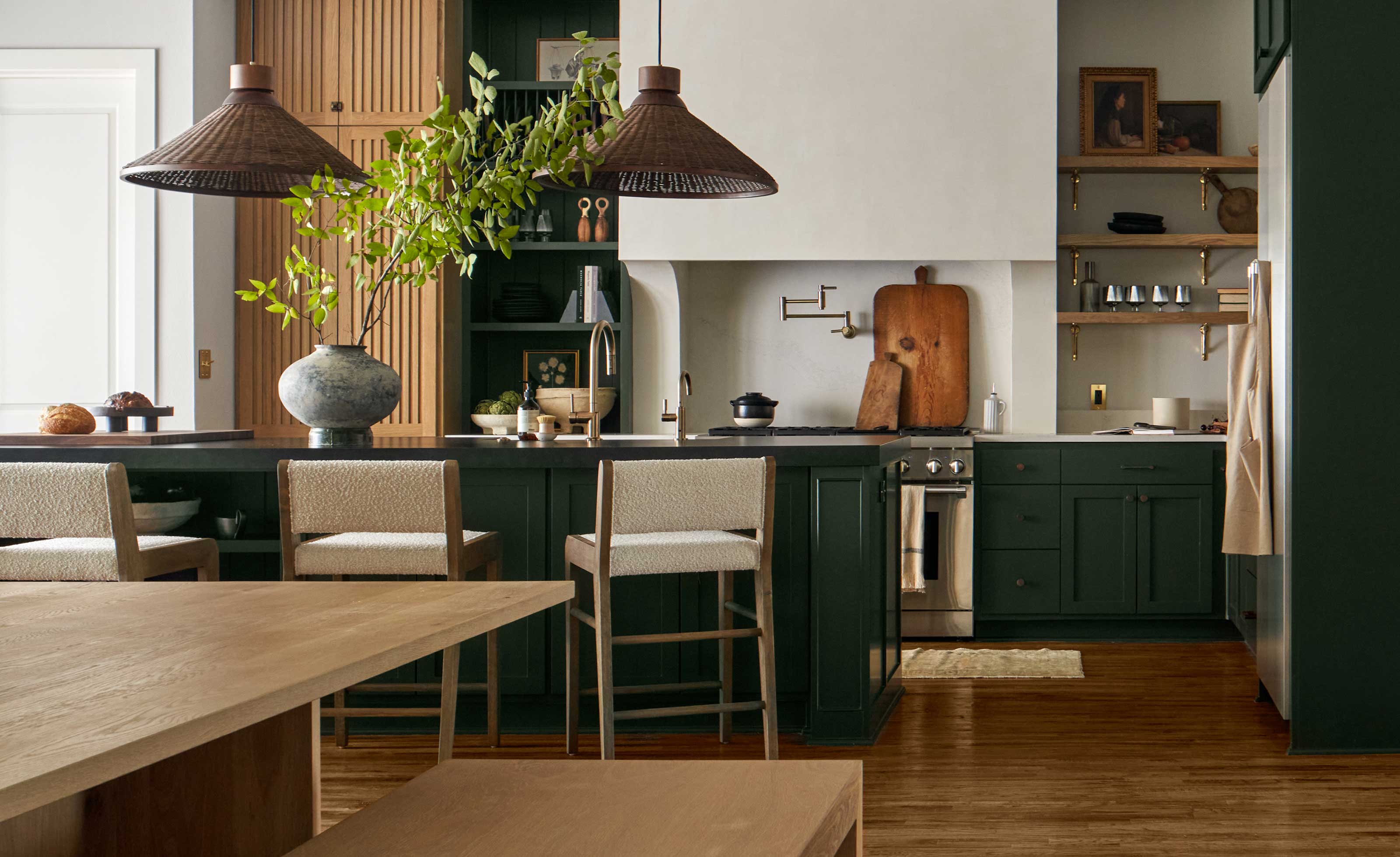
Open vs closed kitchens – which floorplan is really better for the modern kitchen?

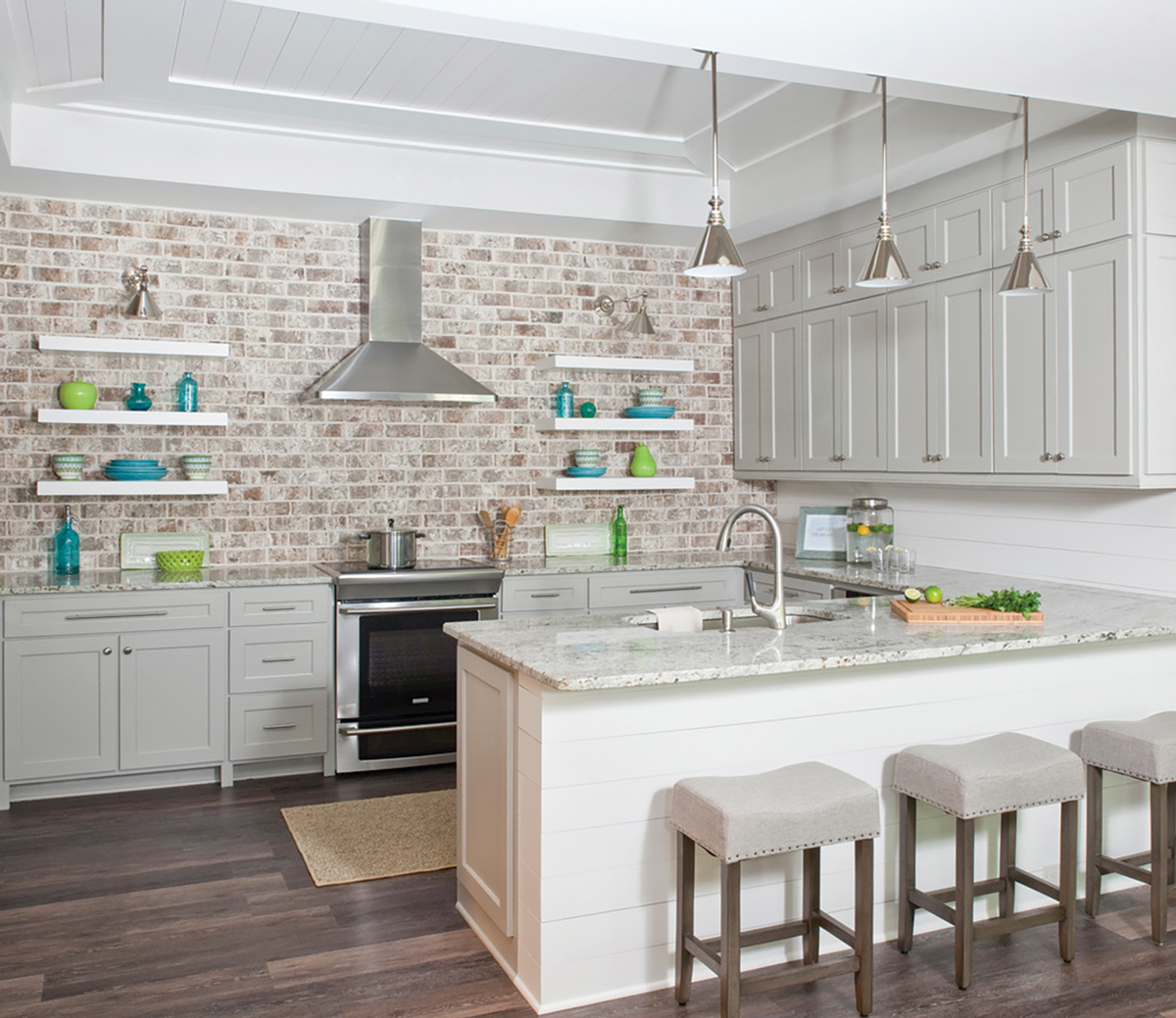
Kitchen cabinets? Or open shelving? We asked an expert for the pros and cons.
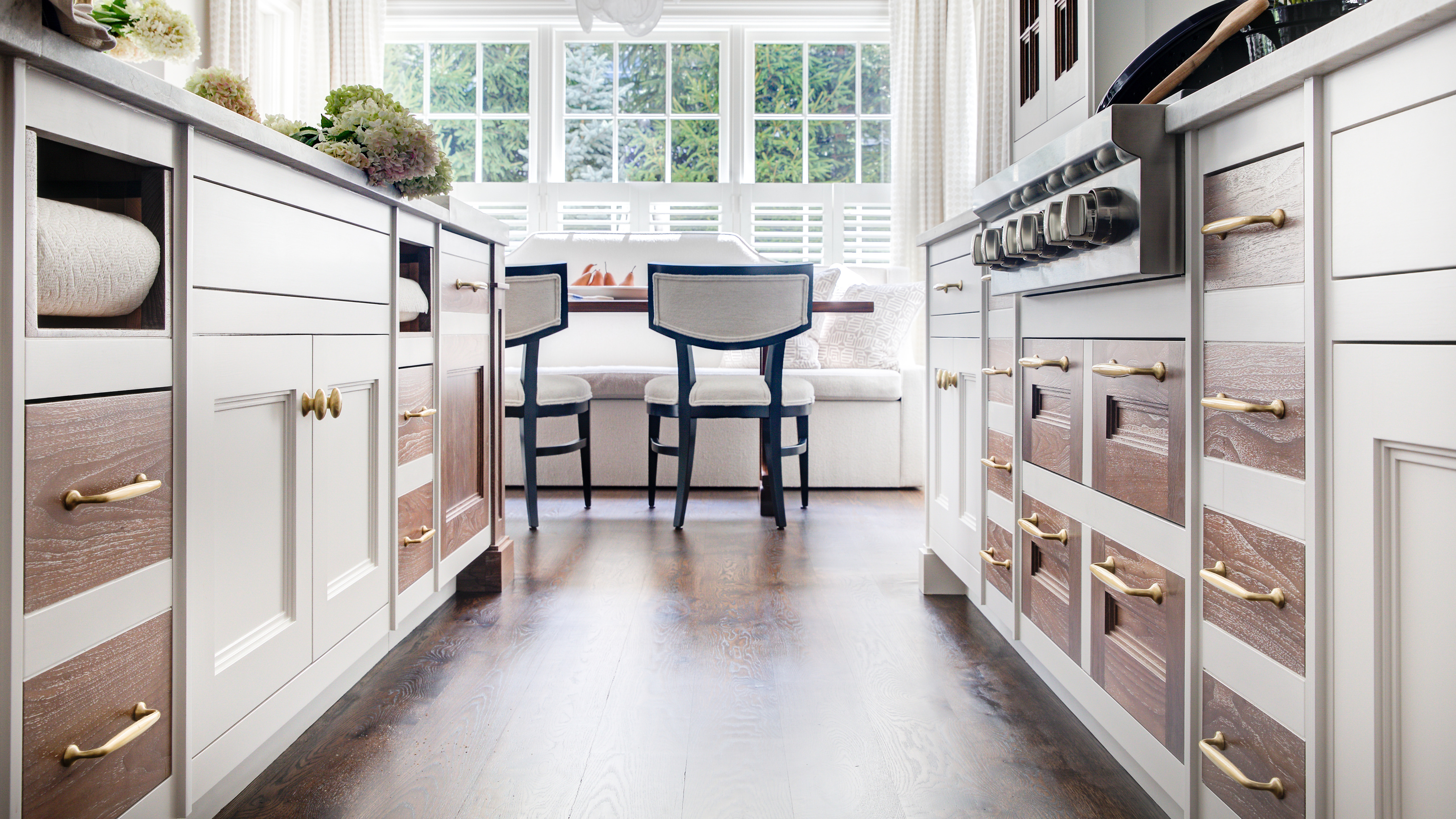
5 Storage Mistakes You're Making With Your Kitchen Drawers That Are Sabotaging Your Space's Potential
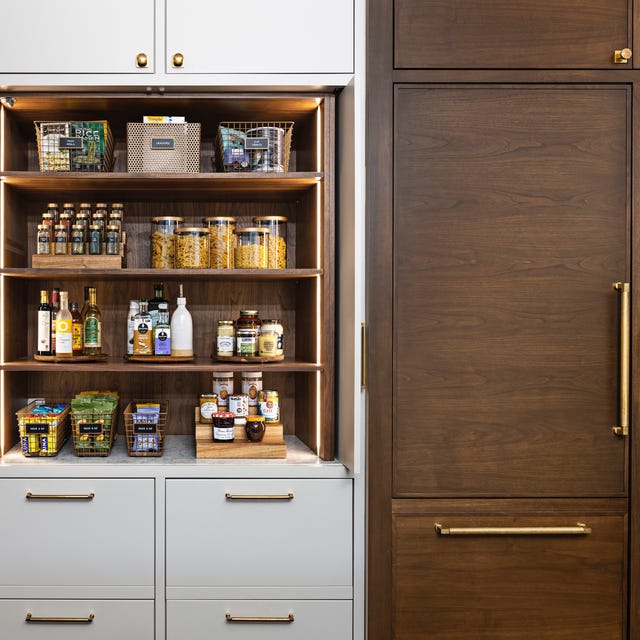
Decluttering Experts Share Their Best Kitchen Cabinet Organization Ideas

Internal Doors

How to Fit Kitchen Drawers

The correct way to organise your kitchen drawers according to TikTok

Should You Put Flooring Under Kitchen Cabinets? It All Depends on the Type of Floor, Say Professional Remodelers
You're Not Using Your Kitchen Island Drawers Right, Here's What To Store