Benjamin Moore vs. Sherwin-Williams: Painting pros explain the differences and why both make great paint
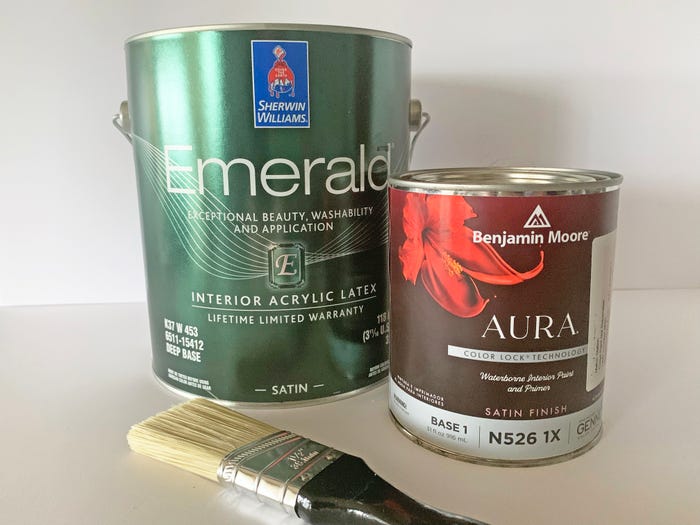
Benjamin Moore and Sherwin-Williams are leading paint retailers in the US, offering numerous products and color options. This article consults five painting companies to compare these two brands, highlighting their strengths and ideal applications. Both brands offer good product lines, supported by extensive research and development. However, specific situations may favor one over the other, influencing choices for DIY projects, professional painting, and specialized applications like cabinets.
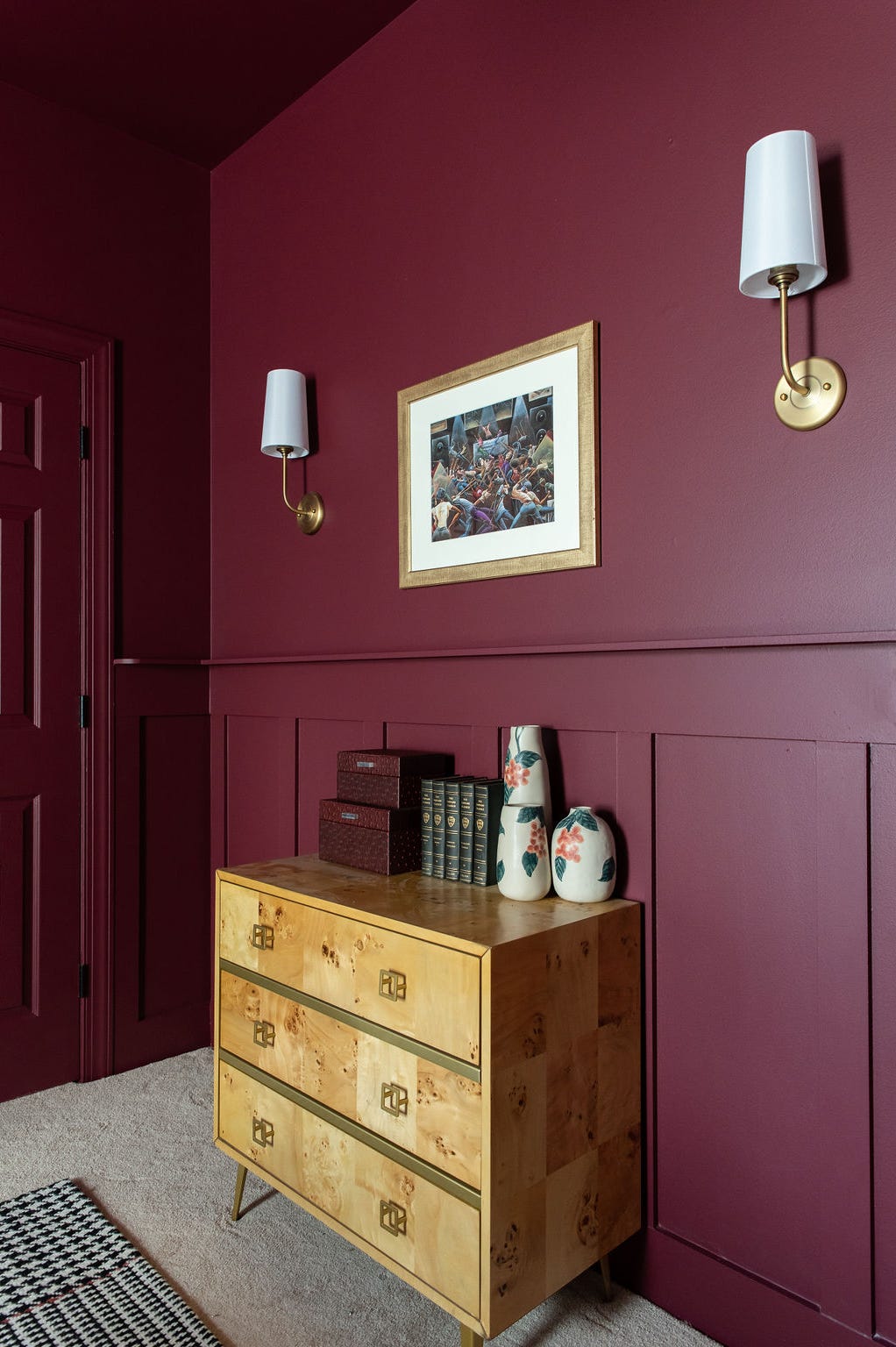
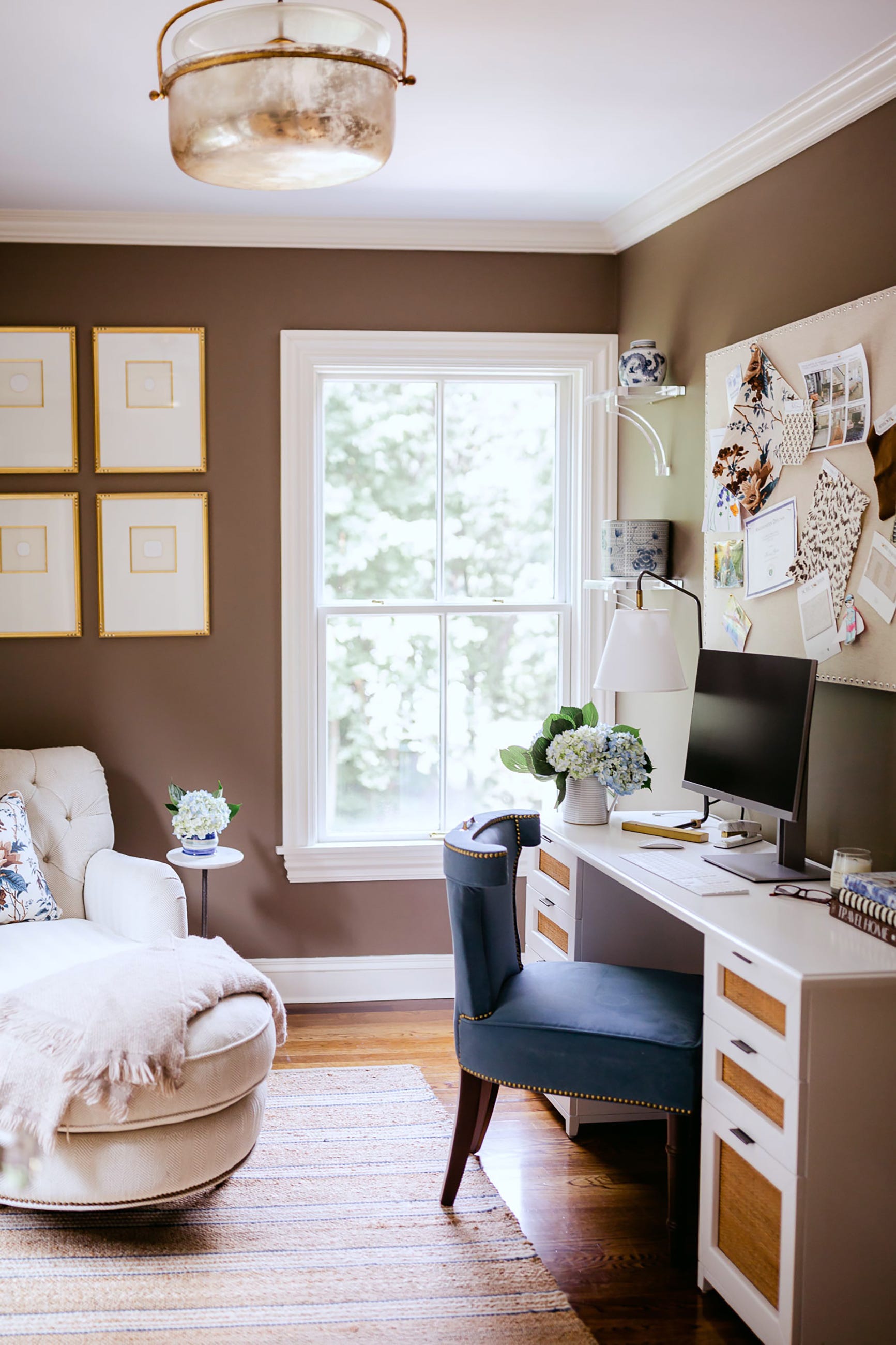
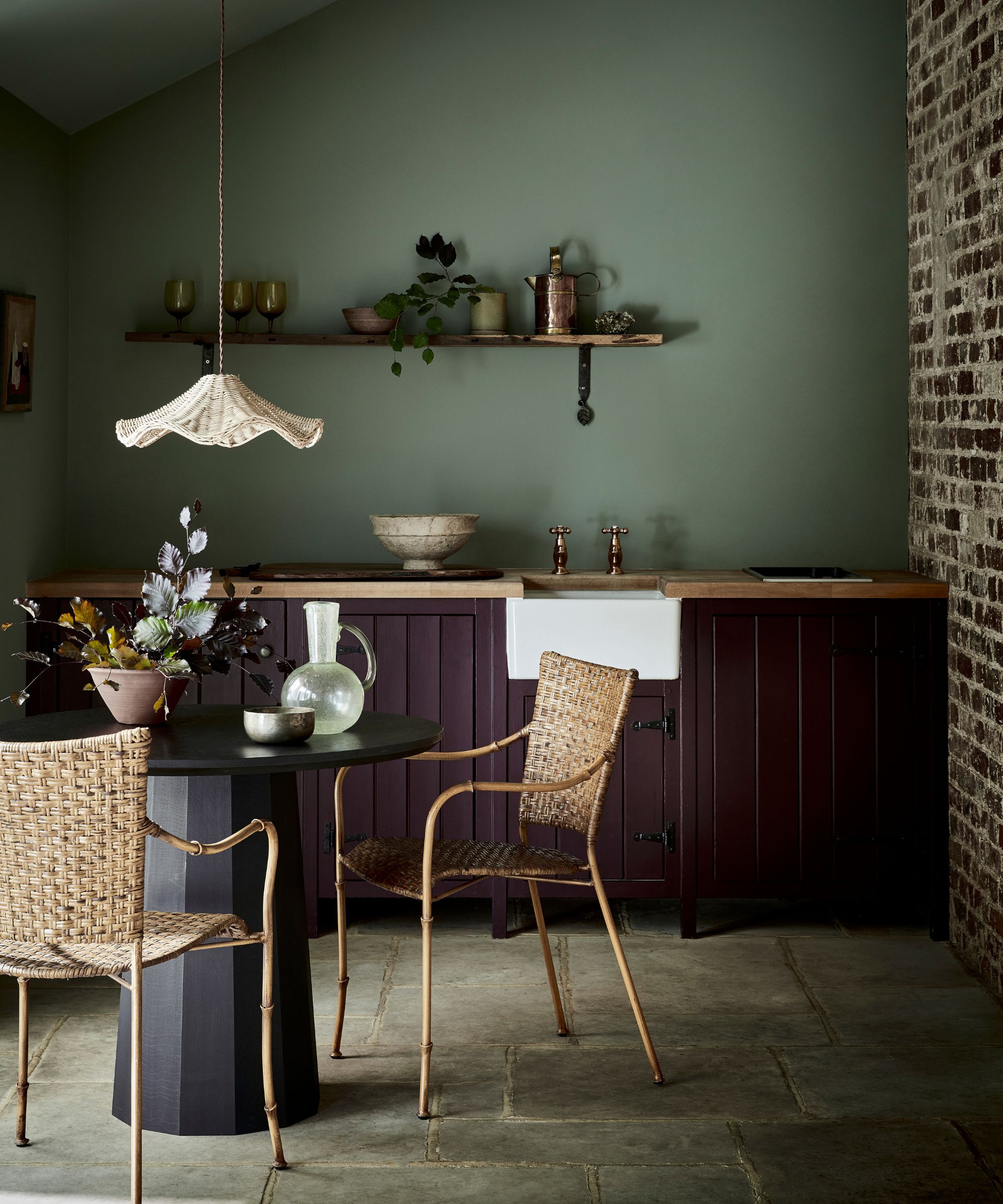
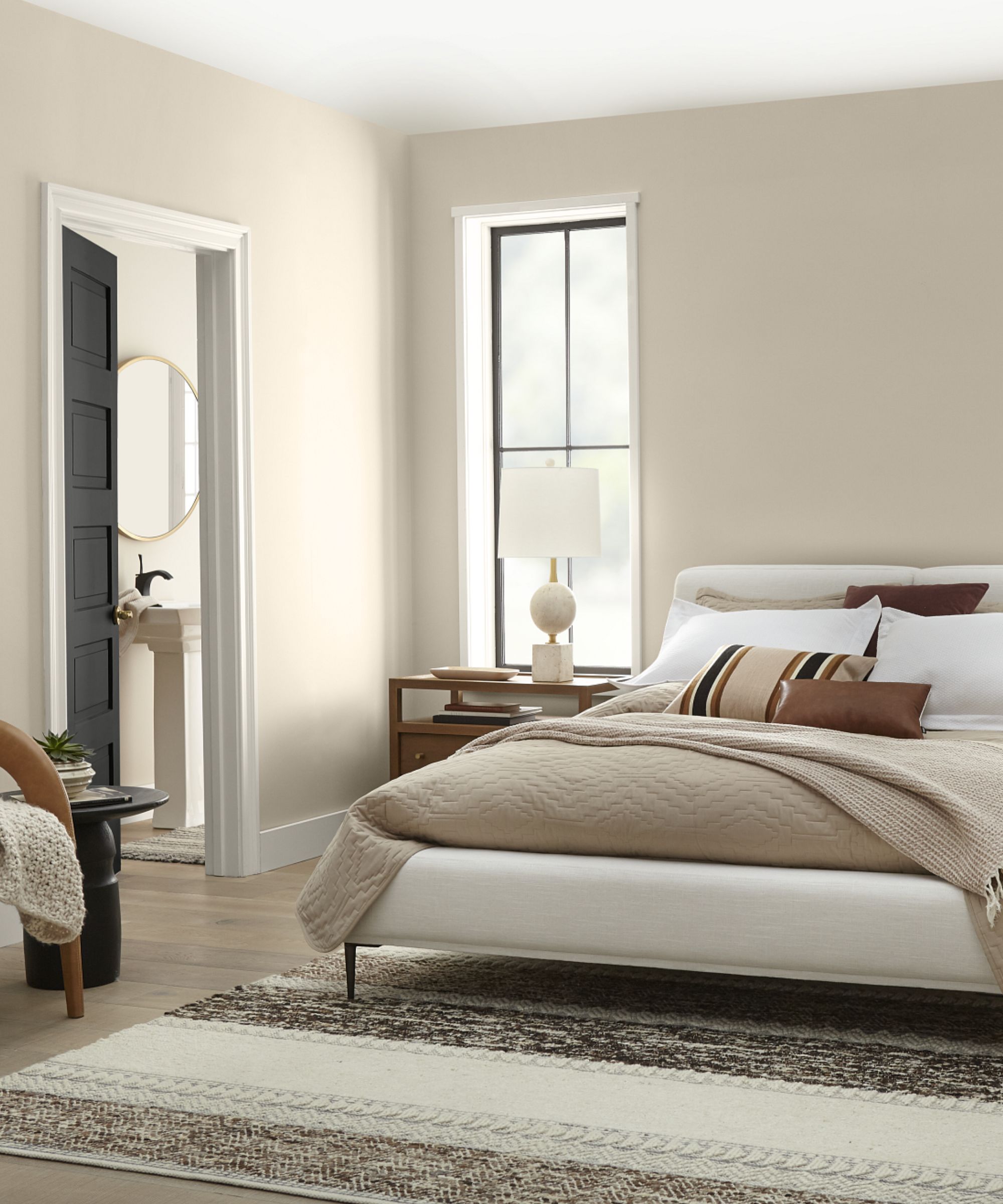

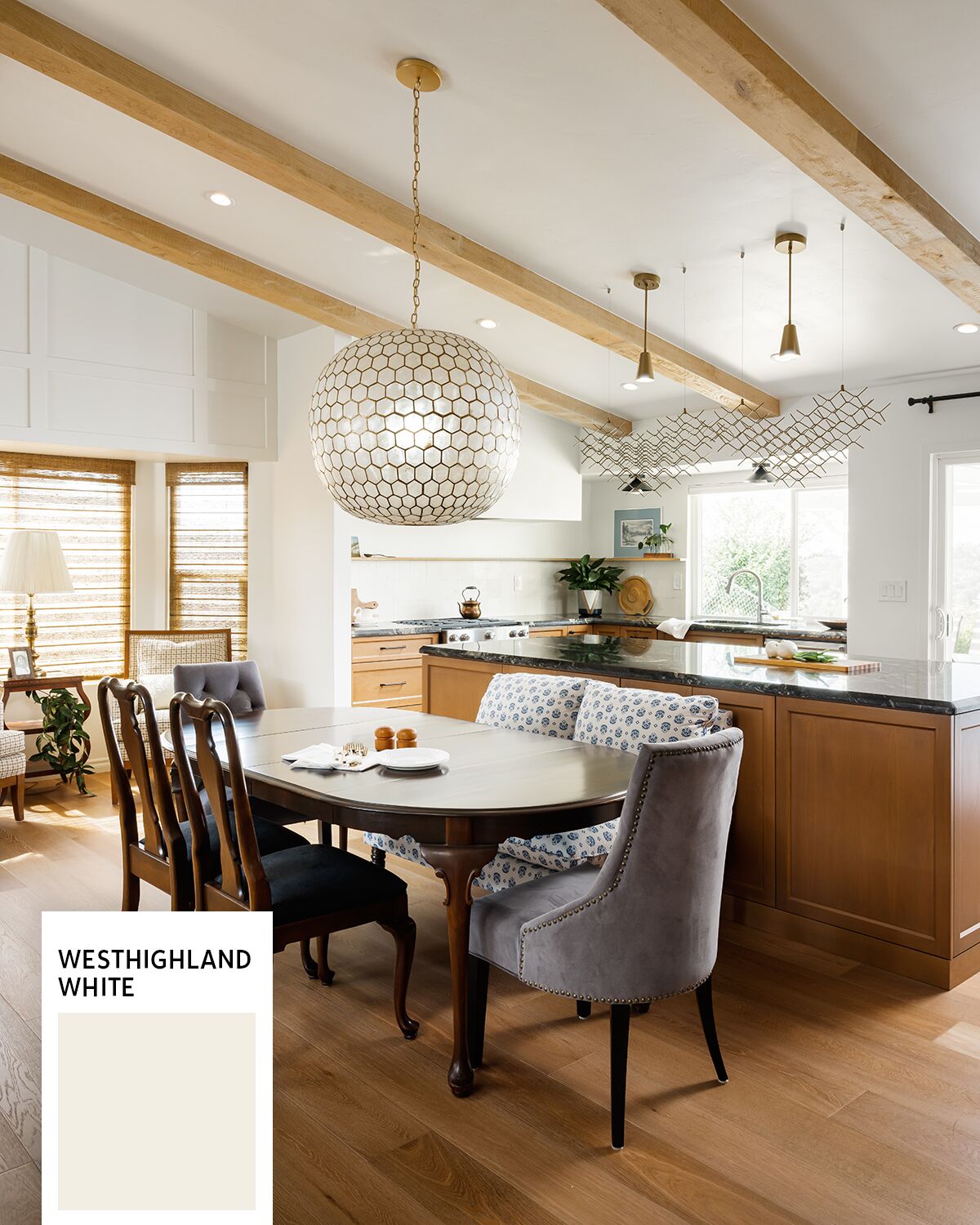
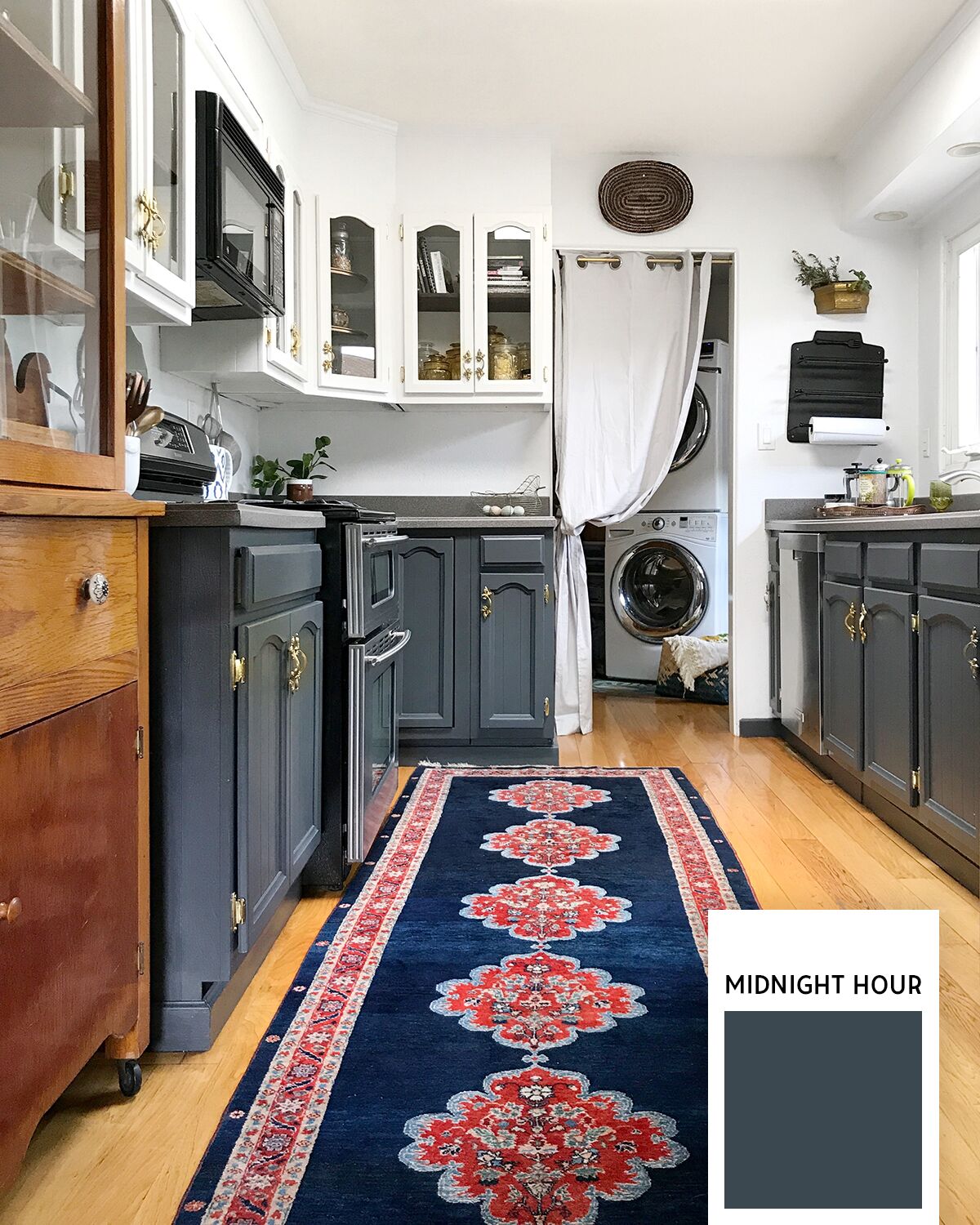
Regarding interior design preferences, experts often recommend a mix of both brands. Color consultant Amy Wax notes that Sherwin-Williams excels in earthier tones like grays, beiges, and slate blues, while Benjamin Moore offers brighter, more energized colors. The choice of brand can depend on the desired aesthetic and specific project goals.
For color matching, opinions are divided, though Sherwin-Williams is often cited for superior color-matching software and mixers, according to Matt Kunz of Five Star Painting and Michael Camper of M&M Precision Painting. Benjamin Moore's Aura line, however, is considered trickier to match precisely. Despite claims of one-coat coverage, experts like Camper advise applying two coats after priming to ensure a high-quality finish.
Climate suitability is another differentiating factor. Benjamin Moore's Regal Select and Aura lines are popular for high-sun areas, as are Sherwin-Williams' Duration and SuperPaint. For humid climates like Florida, Sherwin-Williams' Resilience is recommended due to its quick-drying properties and resistance to heat and humidity, which helps prevent paint from peeling.
When hiring professionals, it is advisable to use the paint brand and type they recommend, as crews often develop expertise with specific products. This familiarity ensures optimal application and results. Although higher-quality, more expensive paints are suggested, materials account for only about 10% of the total project cost, making labor savings more impactful. For DIYers, self-leveling paints like Benjamin Moore Aura or Sherwin-Williams Emerald Urethane (for trim) are more forgiving of imperfections. Benjamin Moore is often preferred for touch-ups, as Sherwin-Williams paints can become shinier with multiple coats, potentially leading to flashing (glossier spots).
For painting cabinets, water-based alkyd paints are recommended due to their durability and ease of cleaning. Sherwin-Williams ProClassic and Benjamin Moore Advance are suggested as suitable options. Both brands offer tools to assist in color selection, including color chips, website visualizers, and sample jars. Benjamin Moore's Personal Color Viewer allows users to upload photos and digitally paint rooms, while Sherwin-Williams offers the ColorSnap Visualizer and a "Snap It Button" for creating color palettes from photos. Sherwin-Williams also provides free virtual color consultations, a service not currently offered by Benjamin Moore. Peel-and-stick samples are available from both brands for testing colors in different lighting conditions and locations.
Both Benjamin Moore and Sherwin-Williams are highly regarded by painting professionals, with preferences often depending on specific project needs, desired color palettes, and environmental factors. The final choice can hinge on factors like ease of application for DIYers, durability requirements, and regional climate considerations.
#PaintBrands #HomeImprovement #DIYPainting #ProfessionalPainting #InteriorDesign #ColorMatching #PaintDurability #ClimateConsiderations #CabinetPainting #PaintBrands #HomeImprovement #DIYPainting #ProfessionalPainting #InteriorDesign #ColorMatching #PaintDurability #ClimateConsiderations #CabinetPainting
Há 0 comentários no total
 Ainda não há comentários
Você também pode gostar
The Best Interior Paint | Reviews by Wirecutter
Take 'Disco Nap,' and other 2021 colors of the year, for a spin

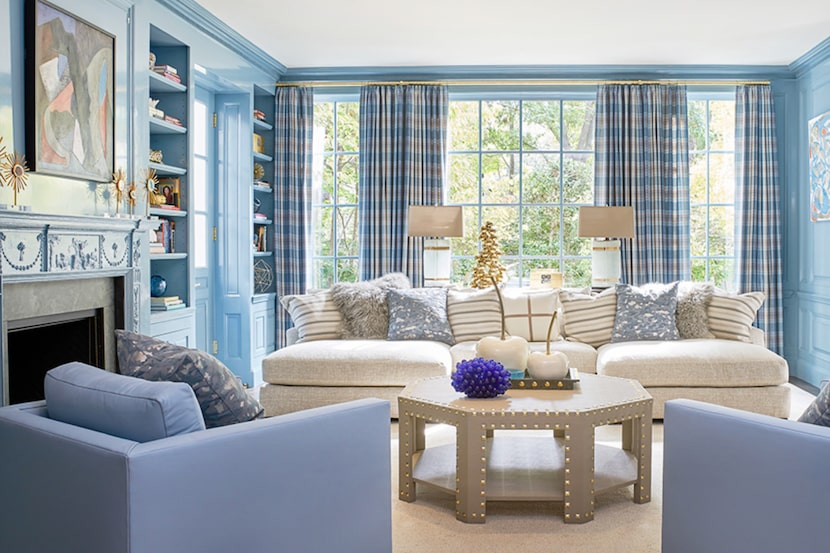
19 go-to paint colors that Dallas designers love
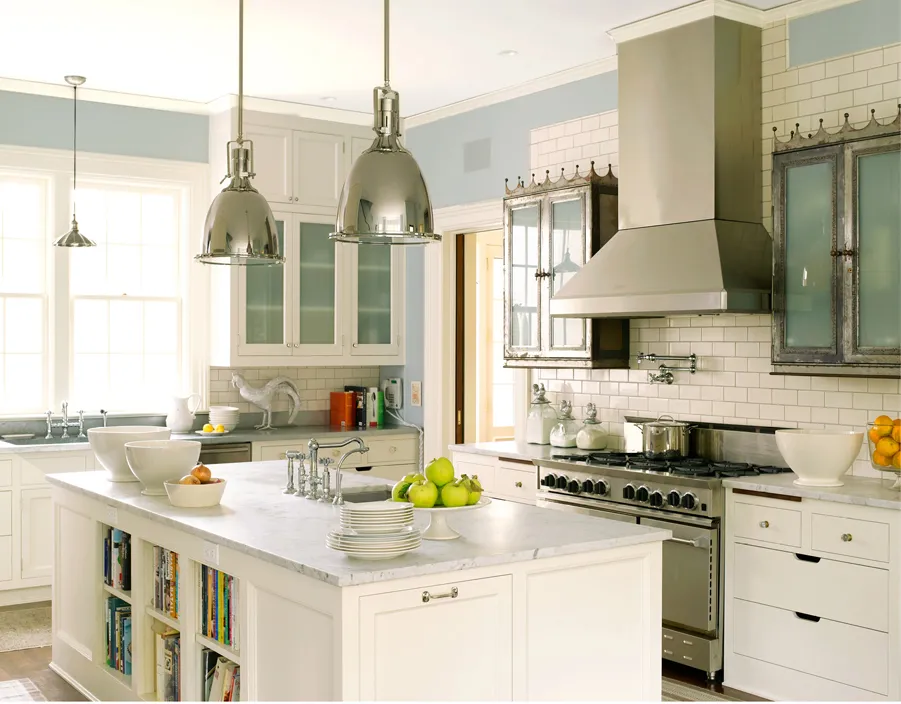
9 Paint Colors Experts Predict We'll All Be Using In 2026
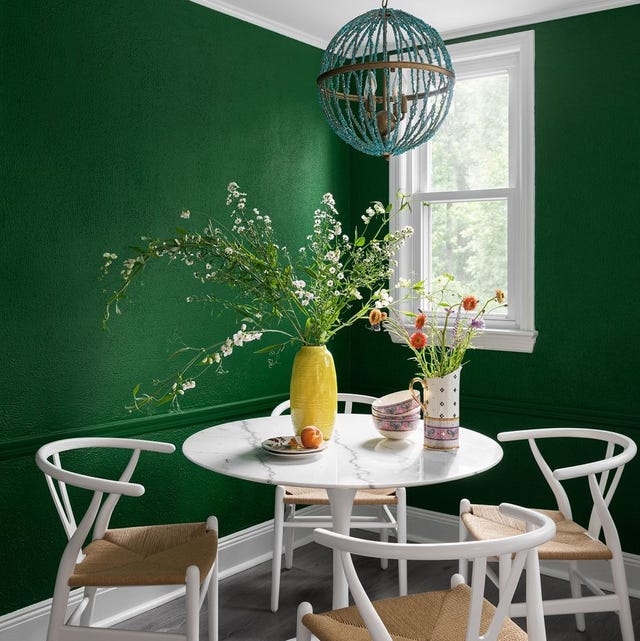
The Interior Paint Colors You'll Be Seeing Everywhere in 2024

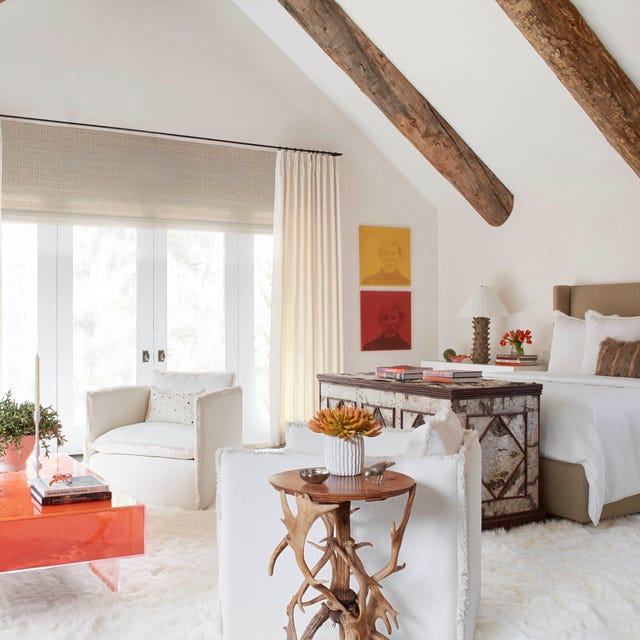
The 40 Best White Paint Colors, According to Designers
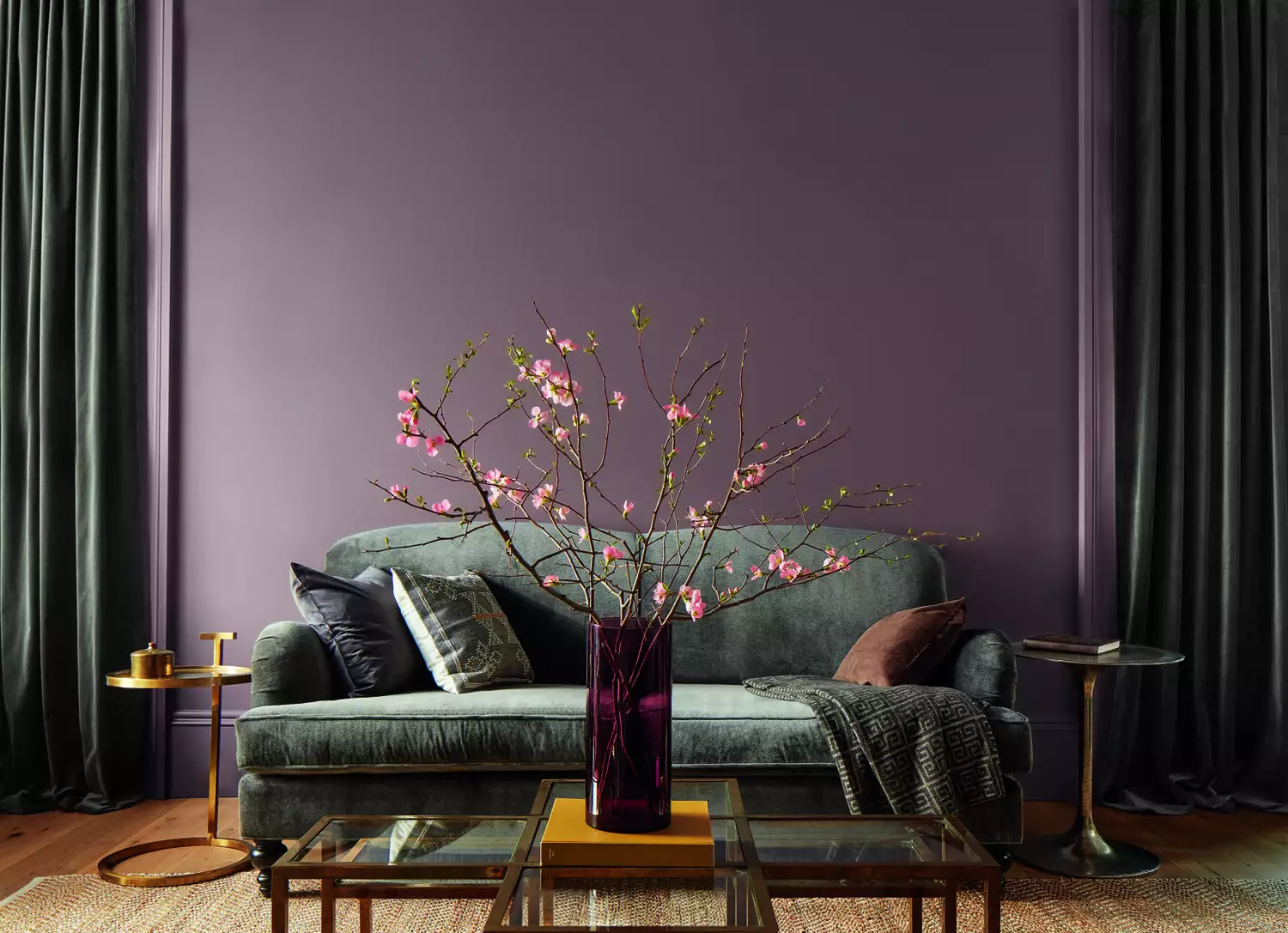
12 Paint Colors That Interior Designers Are Buzzing About—See the Gorgeous Hues Here
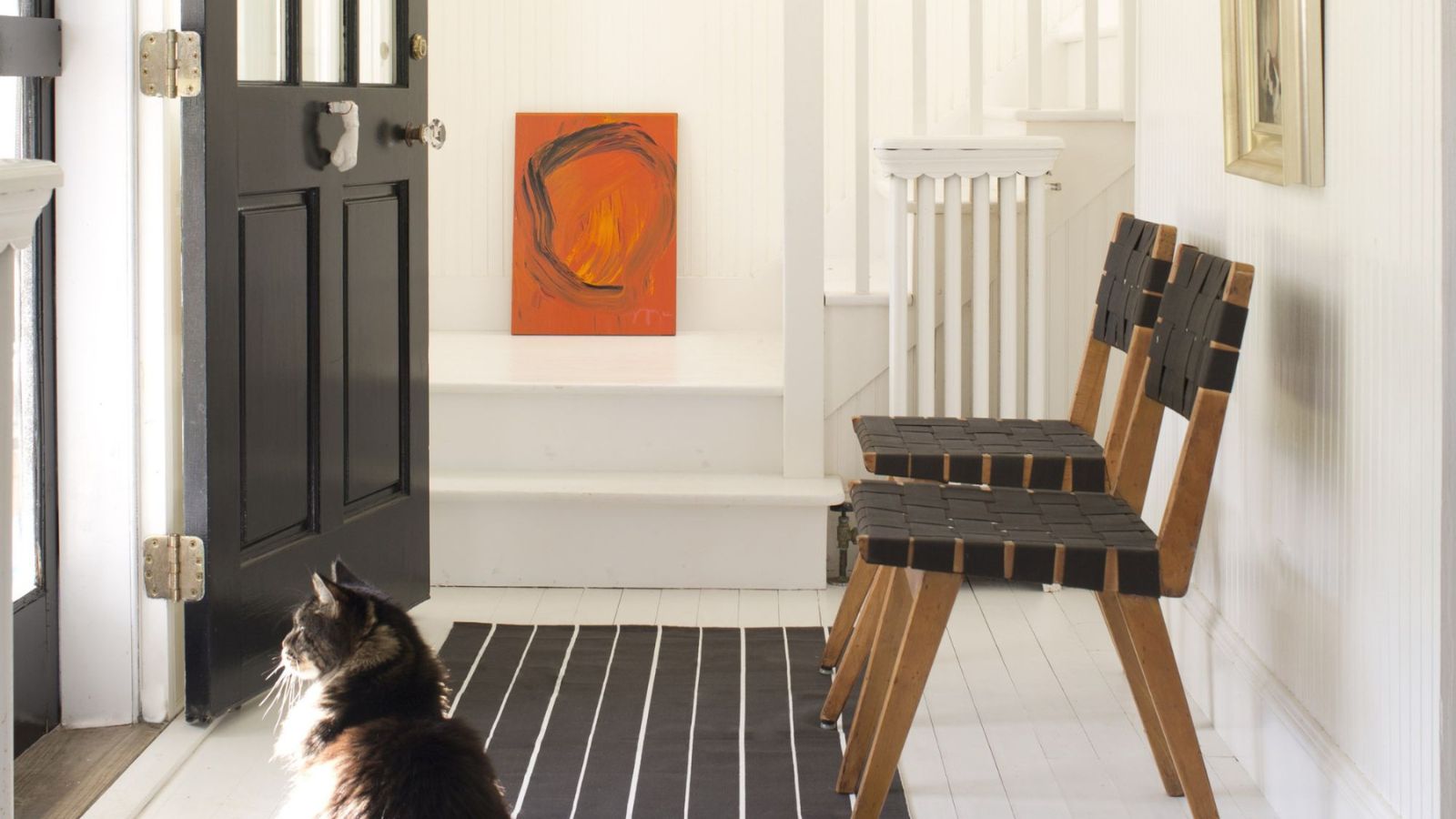
Swiss Coffee vs White Dove – how to choose between Benjamin Moore's most popular white paints

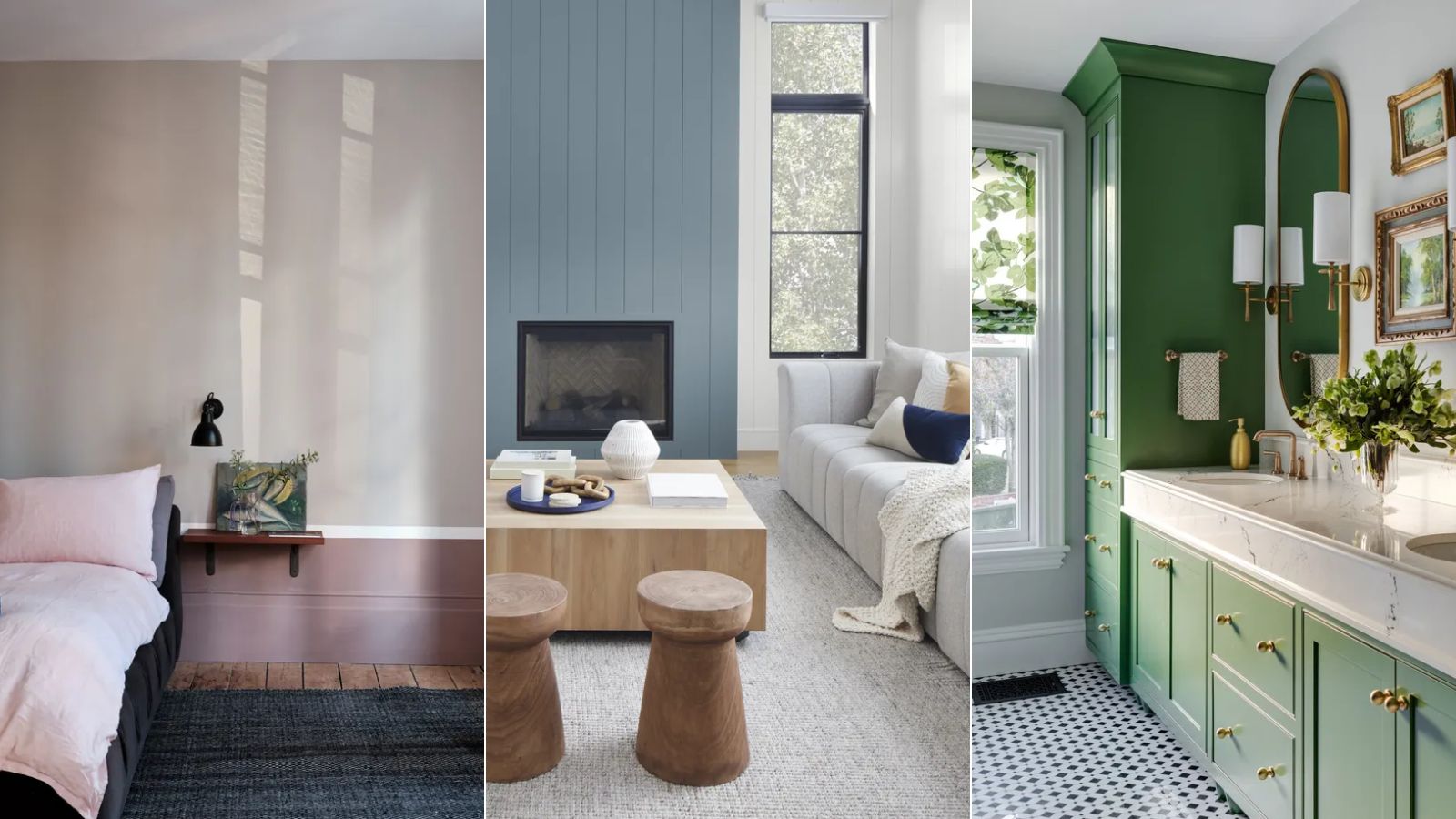
Where are the best places to buy paint? 6 go-to paint brands used and loved by interior designers
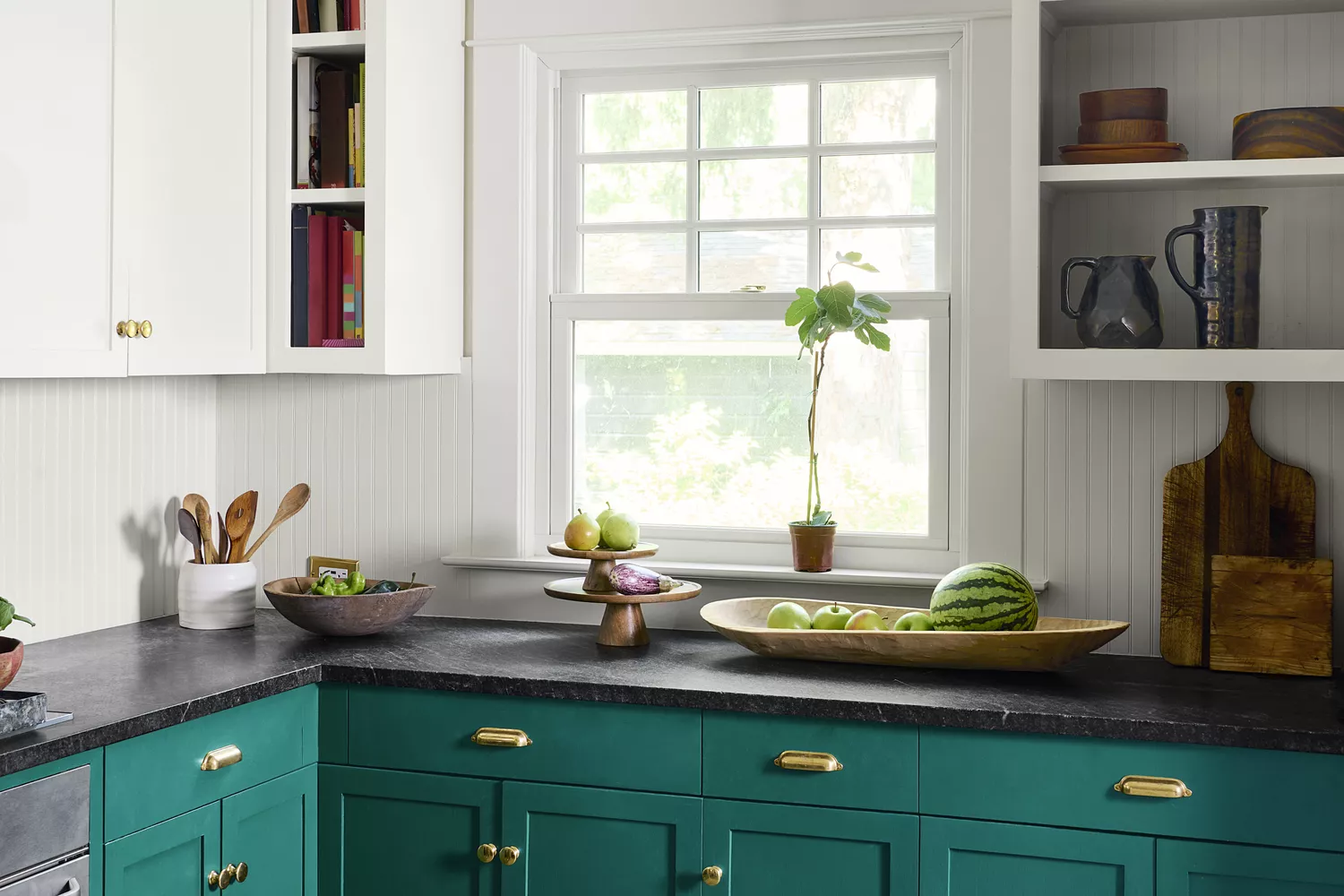
This Paint Color Has Been Benjamin Moore’s Best Seller for Years—and Designers Swear by It

8 Favorite Paint Colors of Local Interior Designers

Sherwin-Williams, Benjamin Moore Pick Colors of the Year for 2015

7 Paint Colors Realtors Say Increase Your Home's Value
The ultimate guide to choosing the right shade of white for your walls

We Asked 20 Designers for Their Favorite Paint Colors for Windows

These 20 Paint Colors Will Never Go Out of Style, According to Designers
Best paint brands chosen by interior designers – their top picks revealed
Interior designers share their favorite Benjamin Moore paint colors – and there's something for every style
The 16 Best Accent Wall Colors

8 Paint Colors to Enhance Your Hallways, According to Interior Designers