1/6
5 mistakes you're making that are compromising your home's air quality – and how to fix it like a HVAC pro
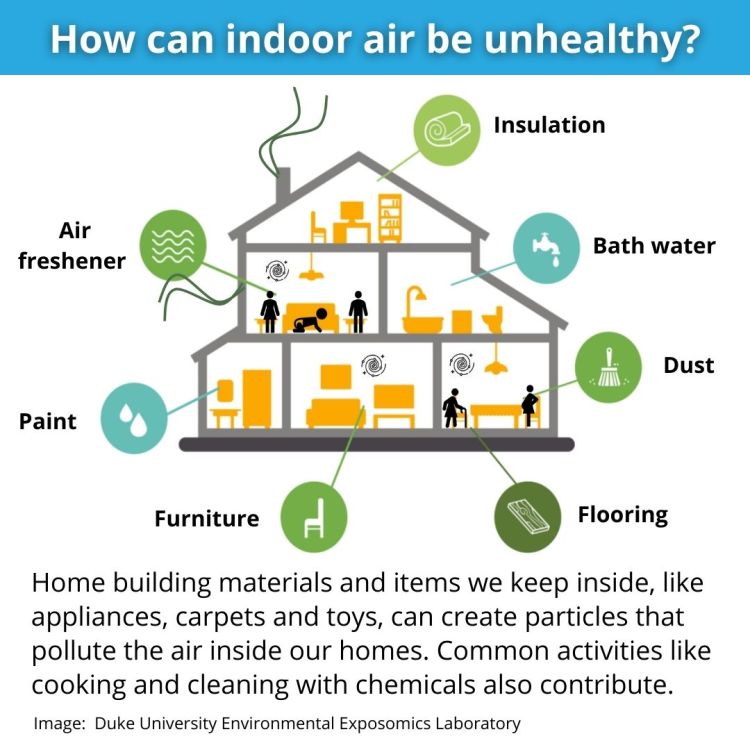
Maintaining good indoor air quality is crucial for a healthy home environment, as insufficient ventilation can lead to issues such as condensation, mold, and general stuffiness. HVAC (Heating, Ventilation, and Air Conditioning) professionals identify five common mistakes that compromise air quality and offer practical solutions. Addressing these issues can improve both health and comfort within the home.
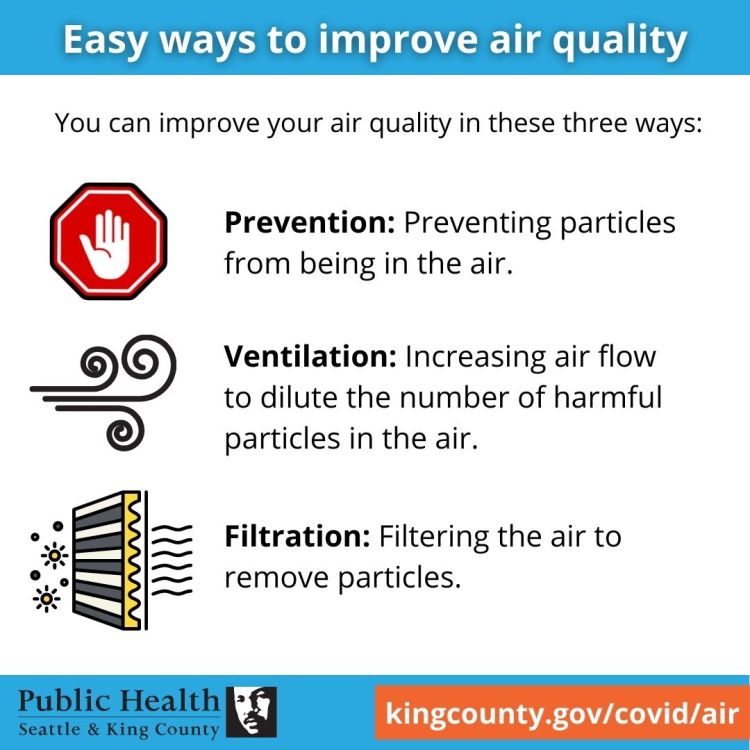
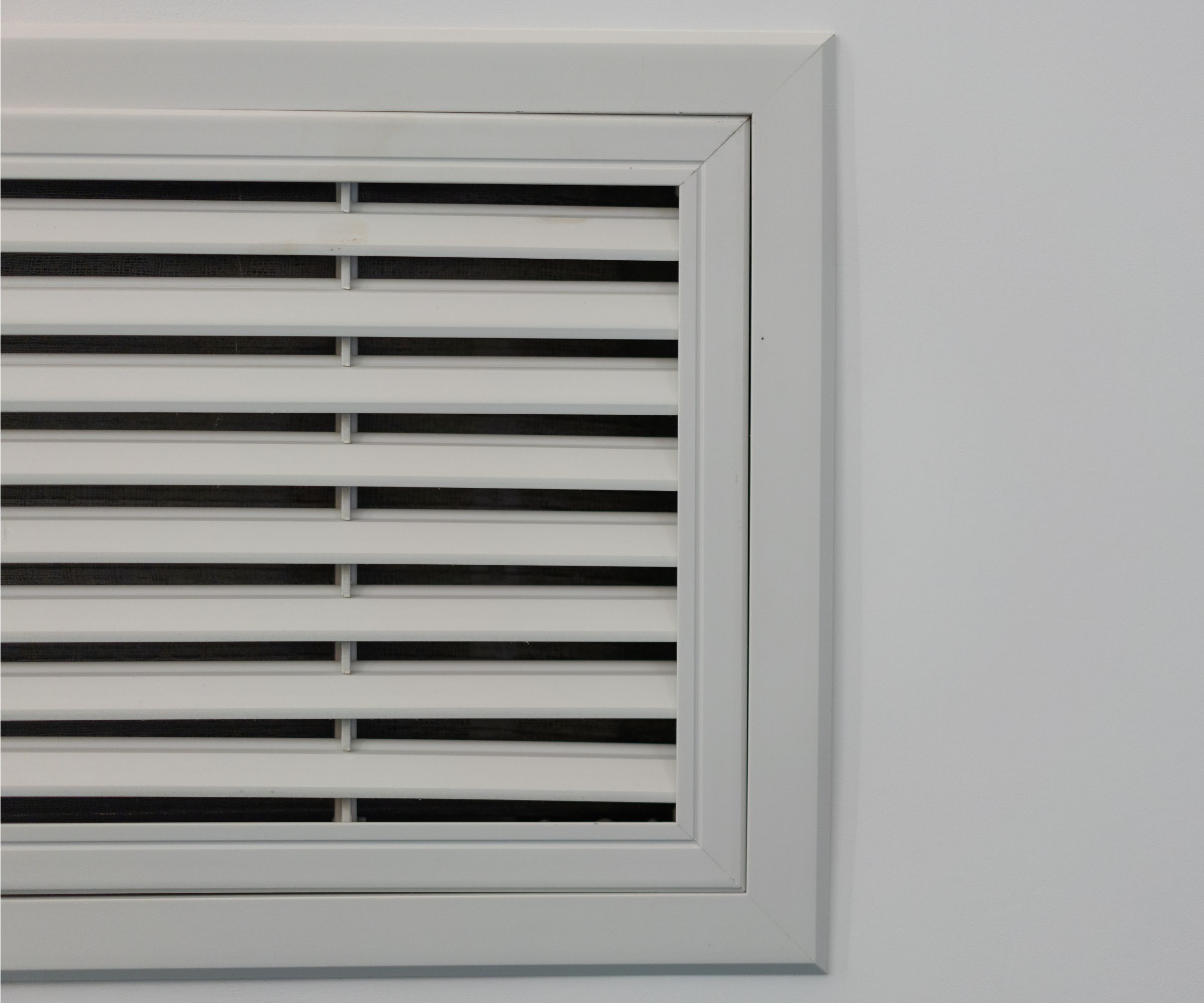
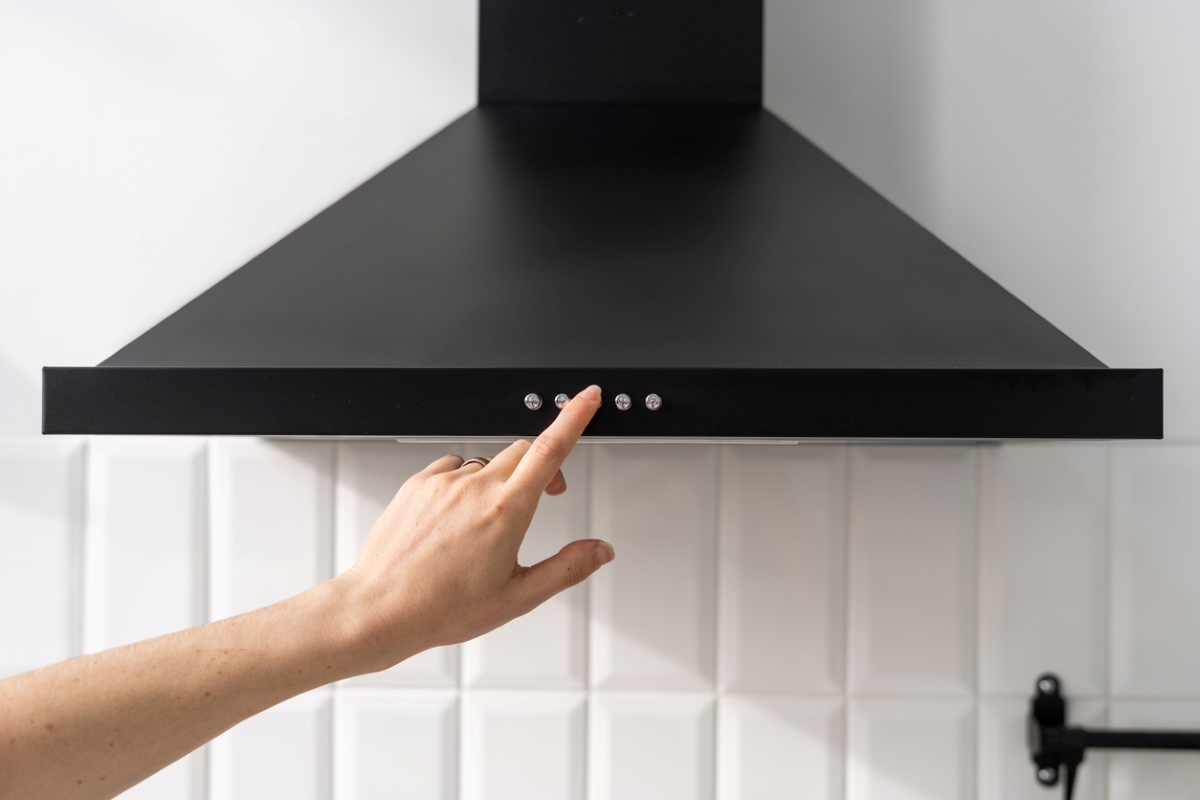
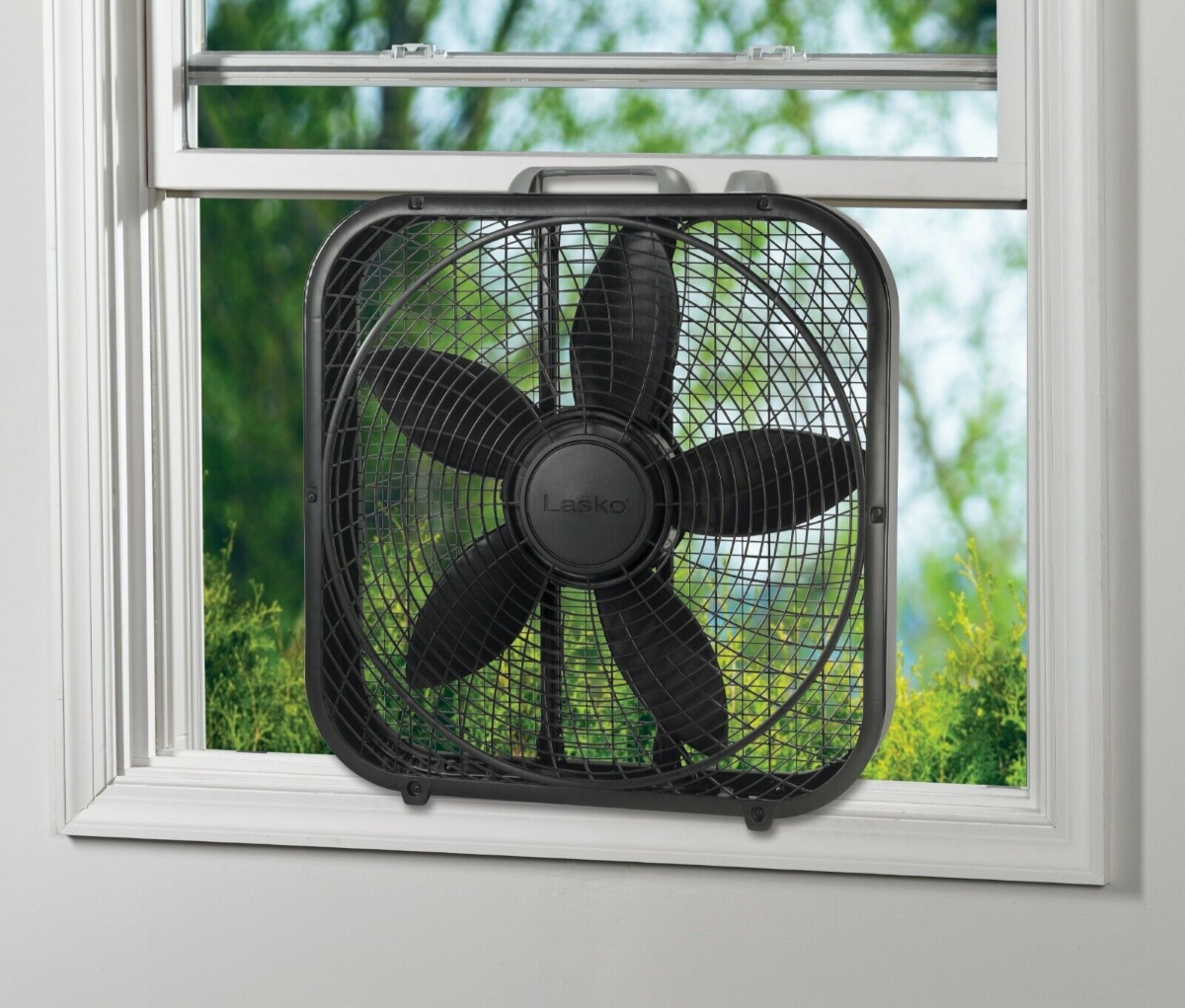
The first common mistake is not allowing adequate ventilation. Fresh air circulation is essential to expel indoor pollutants like carbon dioxide, cooking fumes, dust, spores, allergens, germs, and odors, and to regulate humidity levels. Experts recommend opening windows and doors regularly. For homes with limited natural ventilation, installing air vents is a viable solution, with options like wall-mounted exhaust fans or window air conditioner purifiers available to filter allergens. Additionally, understanding how to manage crawl space vents, clean mold from existing vents, and utilize attic doors for natural ventilation can further enhance airflow.
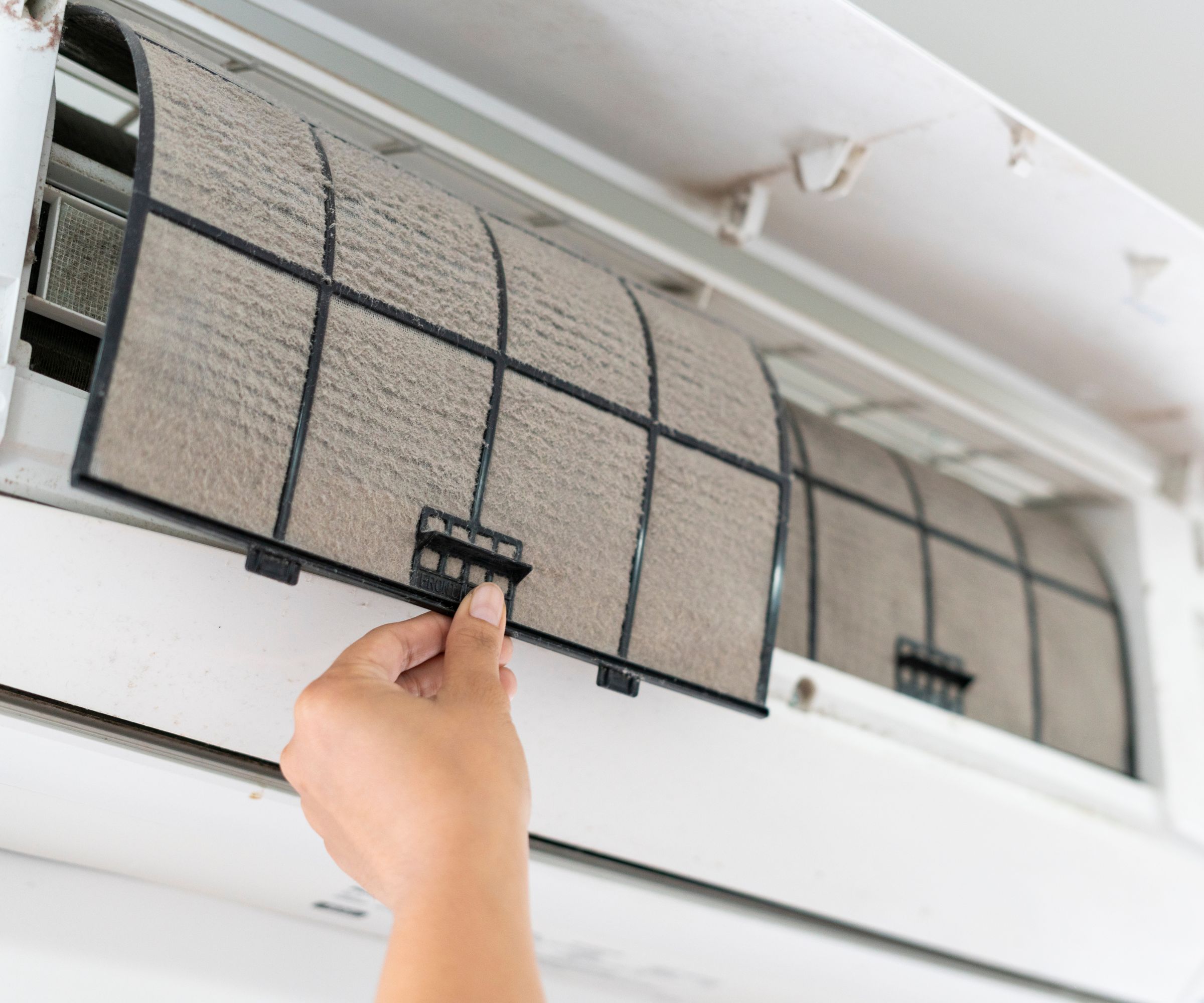
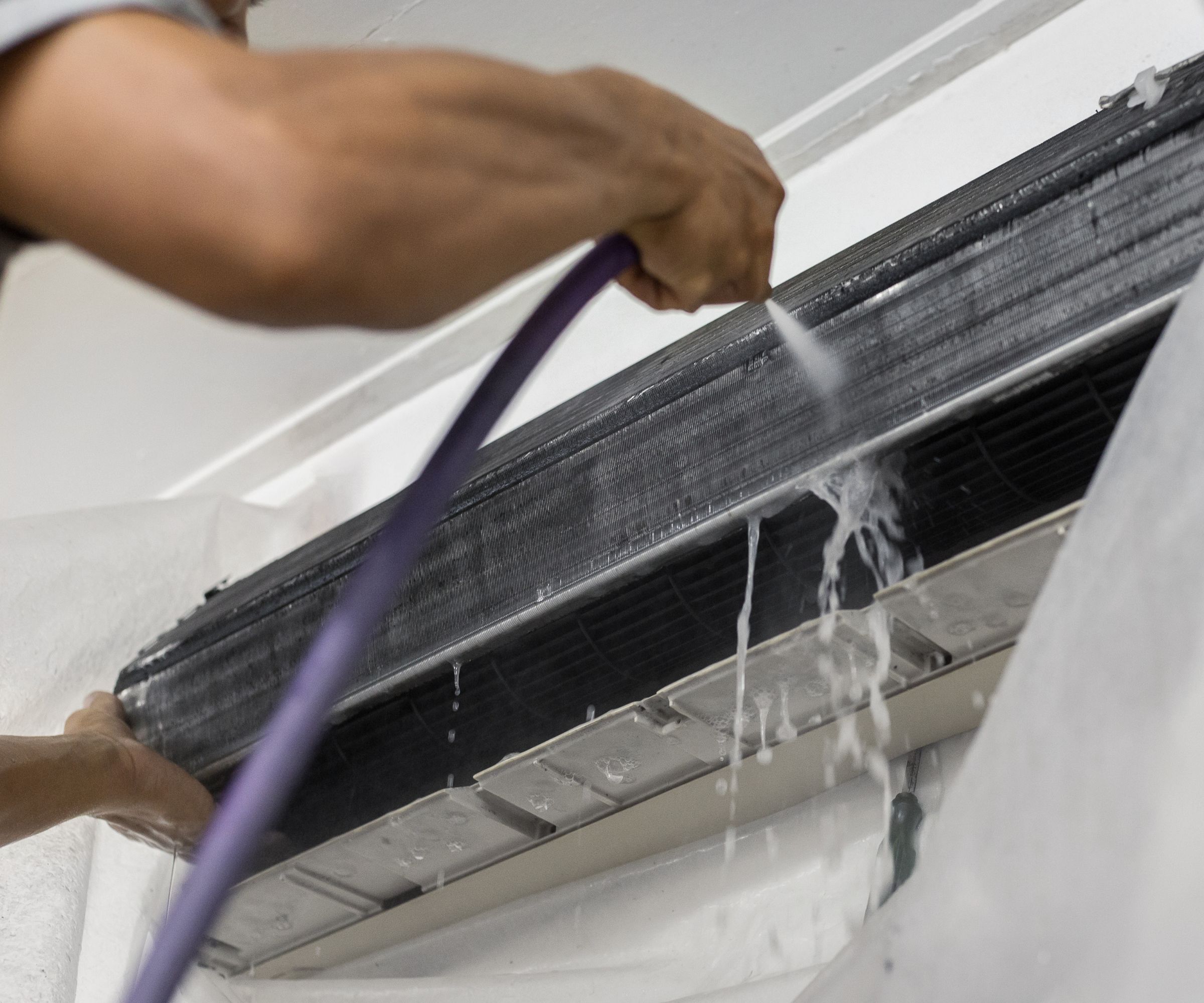
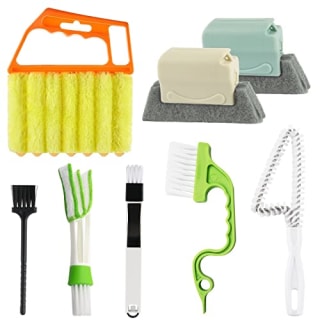
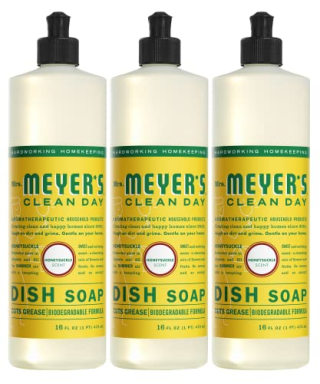
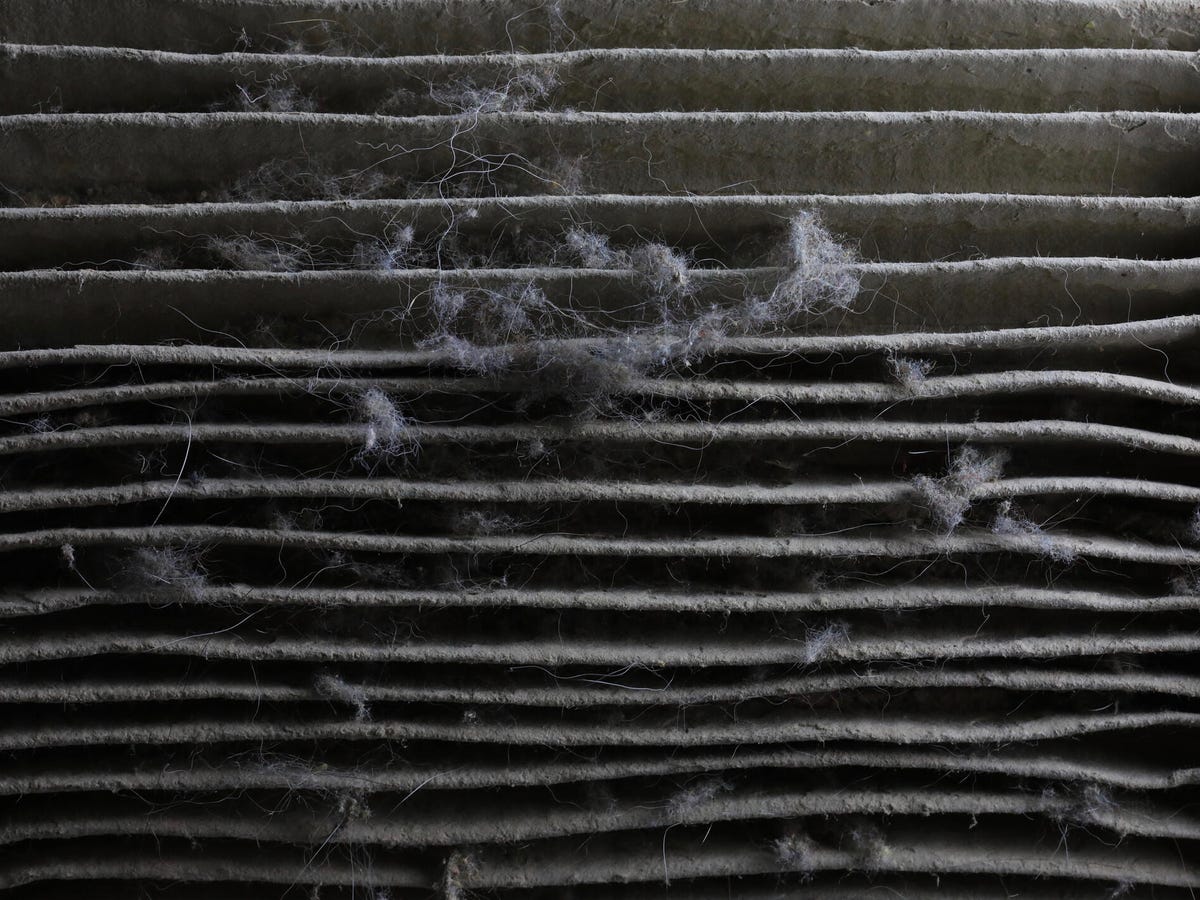
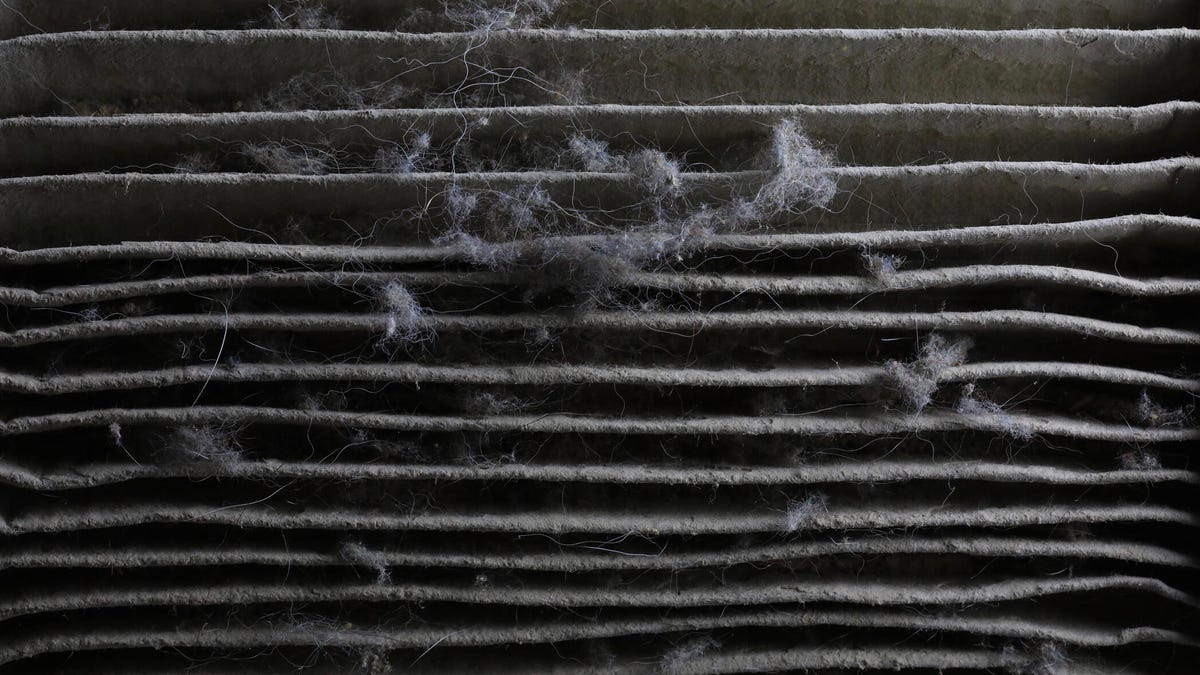
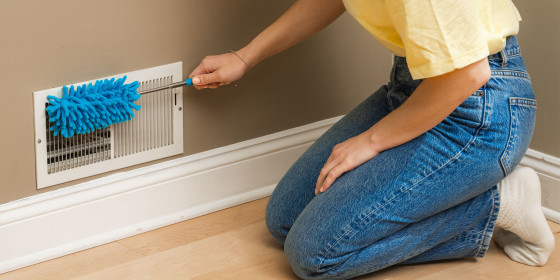
Secondly, failing to clean ventilation systems regularly significantly impacts air quality. HVAC systems accumulate dust, mold, and bacteria over time, which are then distributed throughout the home, posing health risks and reducing air freshness. Regular maintenance is key; HVAC systems should be serviced at least once a year, ideally before summer and winter seasons. When cleaning air vents, it is advisable to use neutral cleaning solutions like warm soap and water or a vinegar-based mixture, as harsh chemicals can release volatile organic compounds (VOCs) that irritate and cause long-term health issues. Thoroughly drying cleaned components is also crucial to prevent mold regrowth.
The third mistake is neglecting other routine maintenance for HVAC systems. If a home feels stuffy and ventilation systems haven't been checked recently, they might not be operating efficiently due to internal dirt buildup or mechanical issues. Before considering replacement, professional assistance should be sought to diagnose and address any repairs needed to restore optimal functionality. Regular checks ensure the entire system functions as intended to maintain air purity.
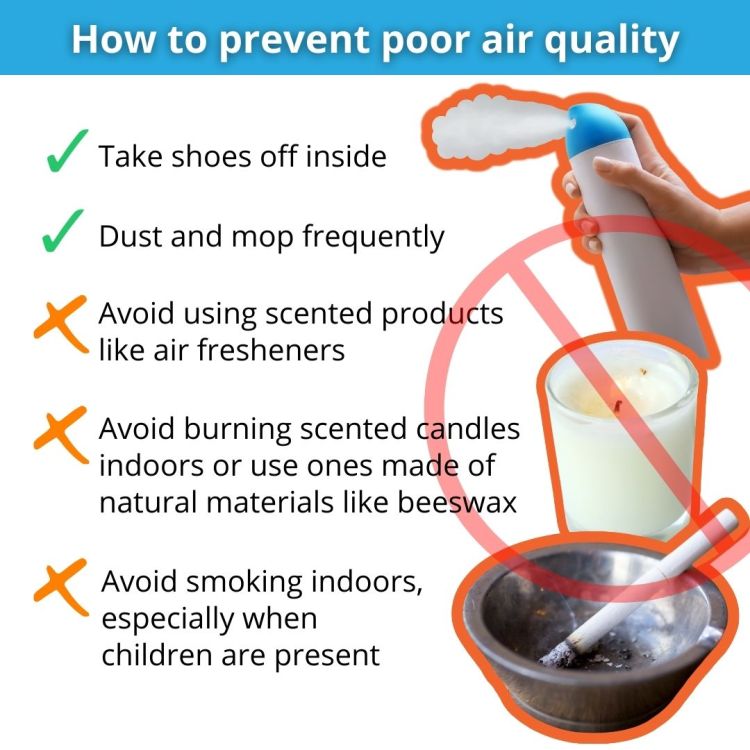
Fourthly, keeping windows closed while burning candles or incense can lead to the accumulation of toxic fumes and smoke indoors. These common household items release pollutants that can decrease indoor air quality, especially in poorly ventilated spaces. To counteract this, it's recommended to keep windows cracked open while burning candles or incense. This allows fresh air to mix with and push out harmful chemicals, while still retaining pleasant scents. If it’s cold outside, using a heater can help maintain warmth while ensuring proper ventilation.
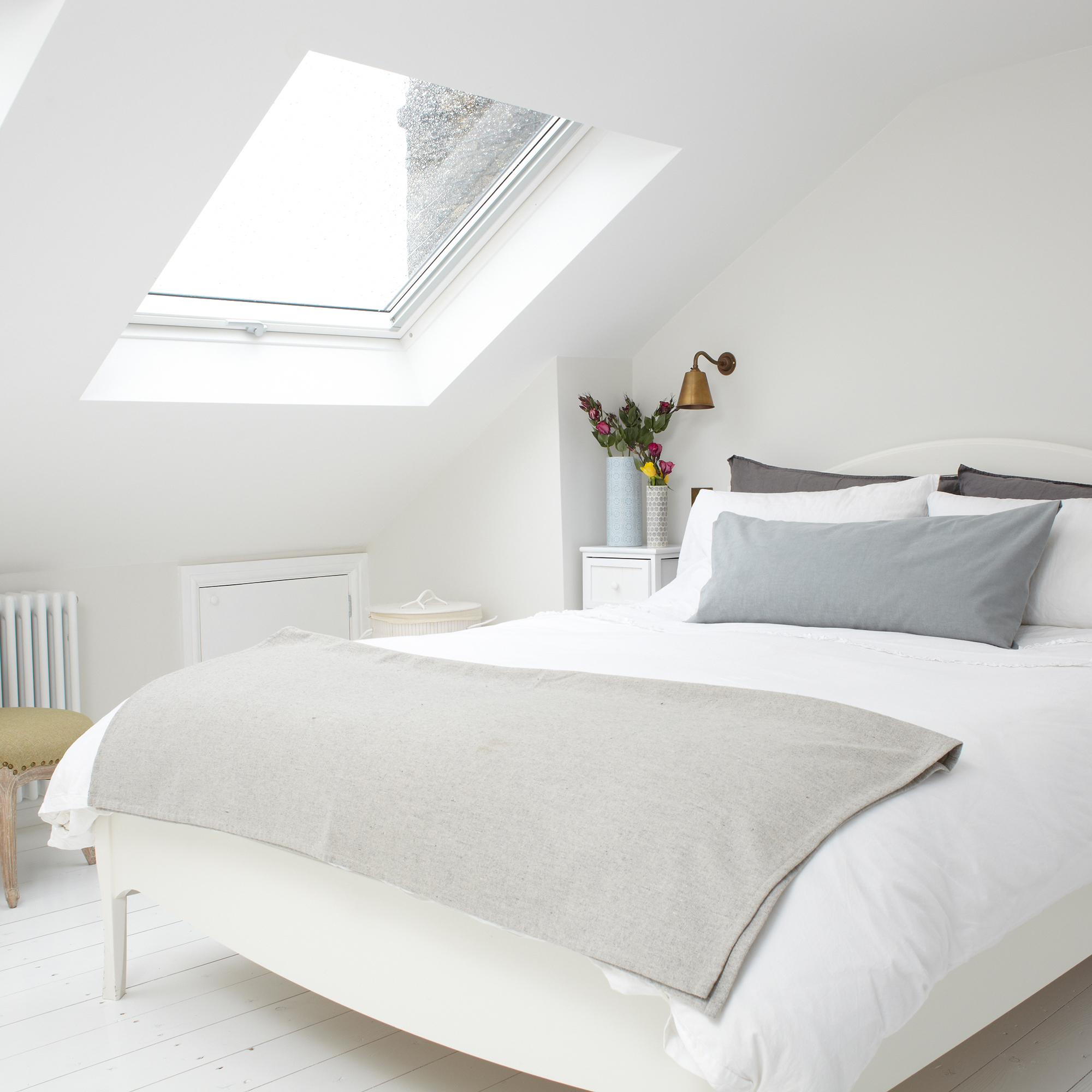
Finally, purchasing and installing poor-quality windows can compromise indoor air quality and overall home comfort. Incompatible or poorly insulated windows can lead to issues like condensation, inadequate insulation, and excessive heat gain in summer or heat loss in winter. This often results in increased reliance on heating or cooling systems and reduced natural ventilation due to discomfort. Investing in windows with good insulation ratings (U-factor, R-value) and low-emissivity (Low-E) coatings can help maintain stable indoor temperatures year-round, reduce energy consumption, and support better air circulation without extreme temperature fluctuations.
#HomeAirQuality #HVACMaintenance #HomeVentilation #IndoorPollutants #WindowInsulation #CleaningTips #EnergyEfficiency #HomeComfort #HomeAirQuality #HVACMaintenance #HomeVentilation #IndoorPollutants #WindowInsulation #CleaningTips #EnergyEfficiency #HomeComfort
Há 0 comentários no total
 Ainda não há comentários
Você também pode gostar
How to improve indoor air quality at home

How to improve air quality at home - it’s the big health issue nobody’s talking about
How to clean your HVAC system – 6 expert tips to make this essential task DIY-friendly
How to improve indoor air quality

How to Get Better Indoor Air Quality | Wirecutter

The Fan Mistake You’re Making That’s Making Your House Hotter
How to Improve Indoor Air Quality | Wirecutter

Is your air purifier in the best spot? Follow these rules


I Just Found Out That Wall Finishes Can Reduce the Air Quality in Your Home — Here's 5 Options That Don't

HVAC and Indoor-Air Quality


5 Easy Ways to Improve Kitchen Ventilation

HVAC Maintenance Guide: What to DIY and When to Call a Pro

Simple Ways to Improve the Indoor Air Quality of Your Home

'If you can smell it, there's a problem in progress' – 5 expert-approved ways to get rid of musty smells in an attic
How to clean vent covers and how often to do it - TODAY


15 Design Products for Improving Indoor Air Quality at Home


5 Design Mistakes Making Your Heating Less Effective in Your Home — And the Easy Ways to Fix Them
6 Vacuum cleaner mistakes to avoid – and why they aren’t cleaning your home
Your home stinks. Here's how to fix it, according to experts
8 Simple Ways to Improve Indoor Air Quality This Winter