1/4
Home Renovation Projects That Are (Mostly) Tariff-Proof
The article discusses the impact of recent tariffs on home renovation projects, specifically focusing on the new 30 percent tariff on furniture and a 50 percent tariff on kitchen and bathroom cabinets, effective October 1. These tariffs are noted to significantly affect home remodeling budgets, client timelines, and the livelihoods of professionals in the design and construction industries. Homeowners are increasingly concerned about potential cost increases and some are delaying their renovation plans due to uncertainty.
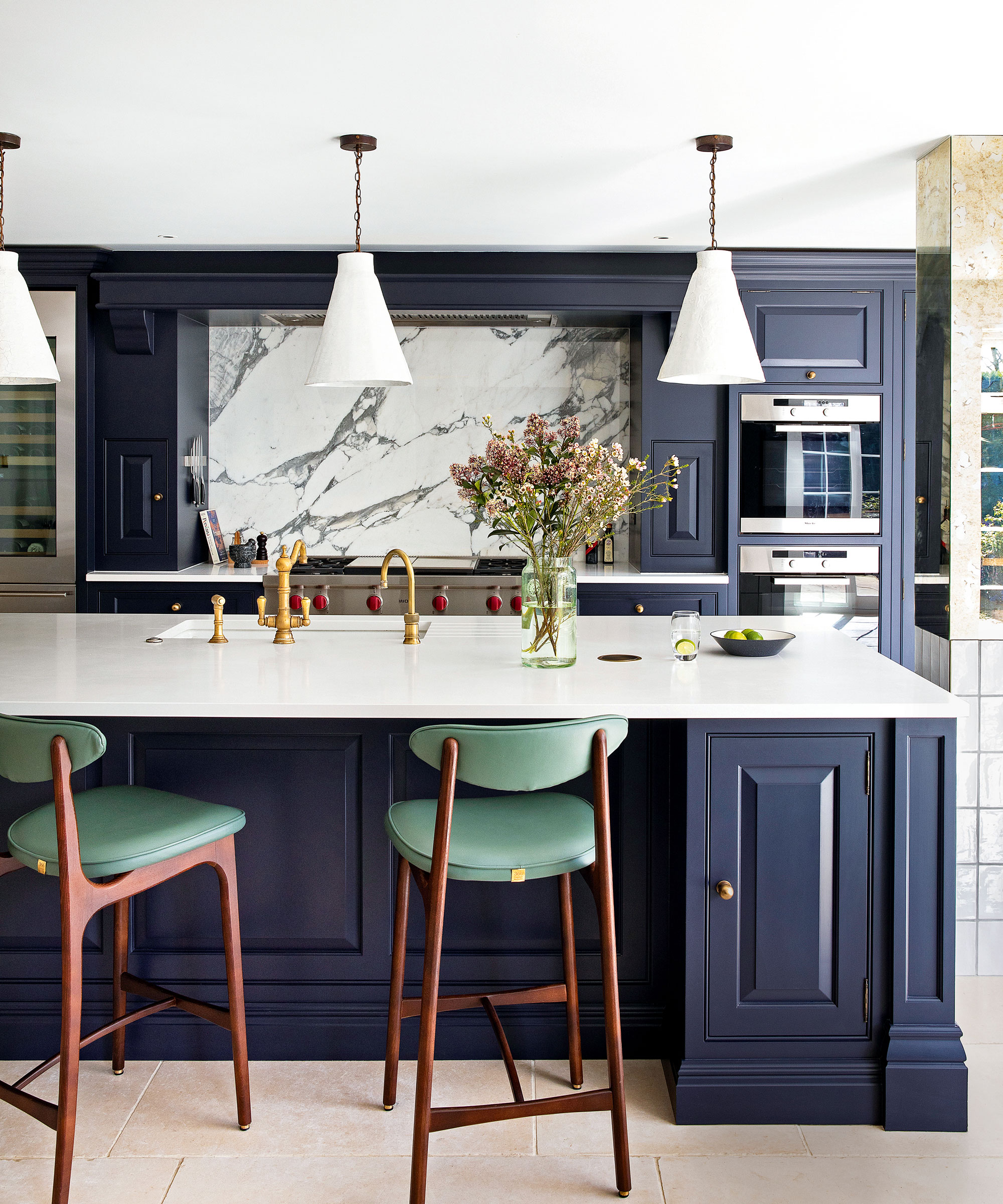
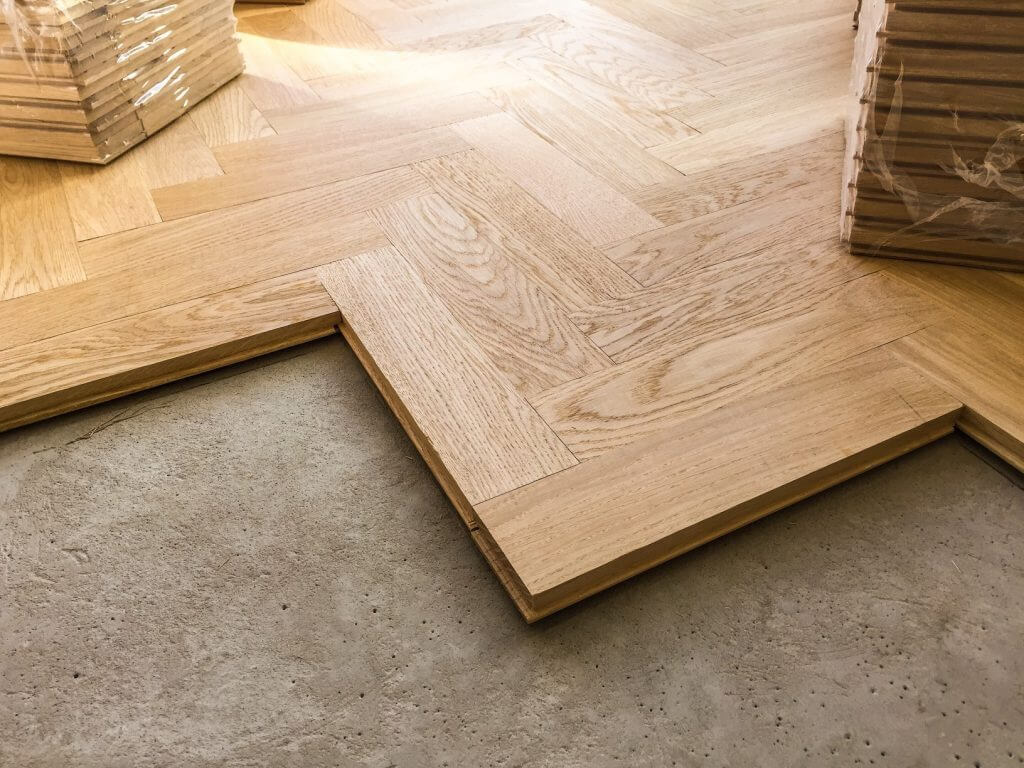
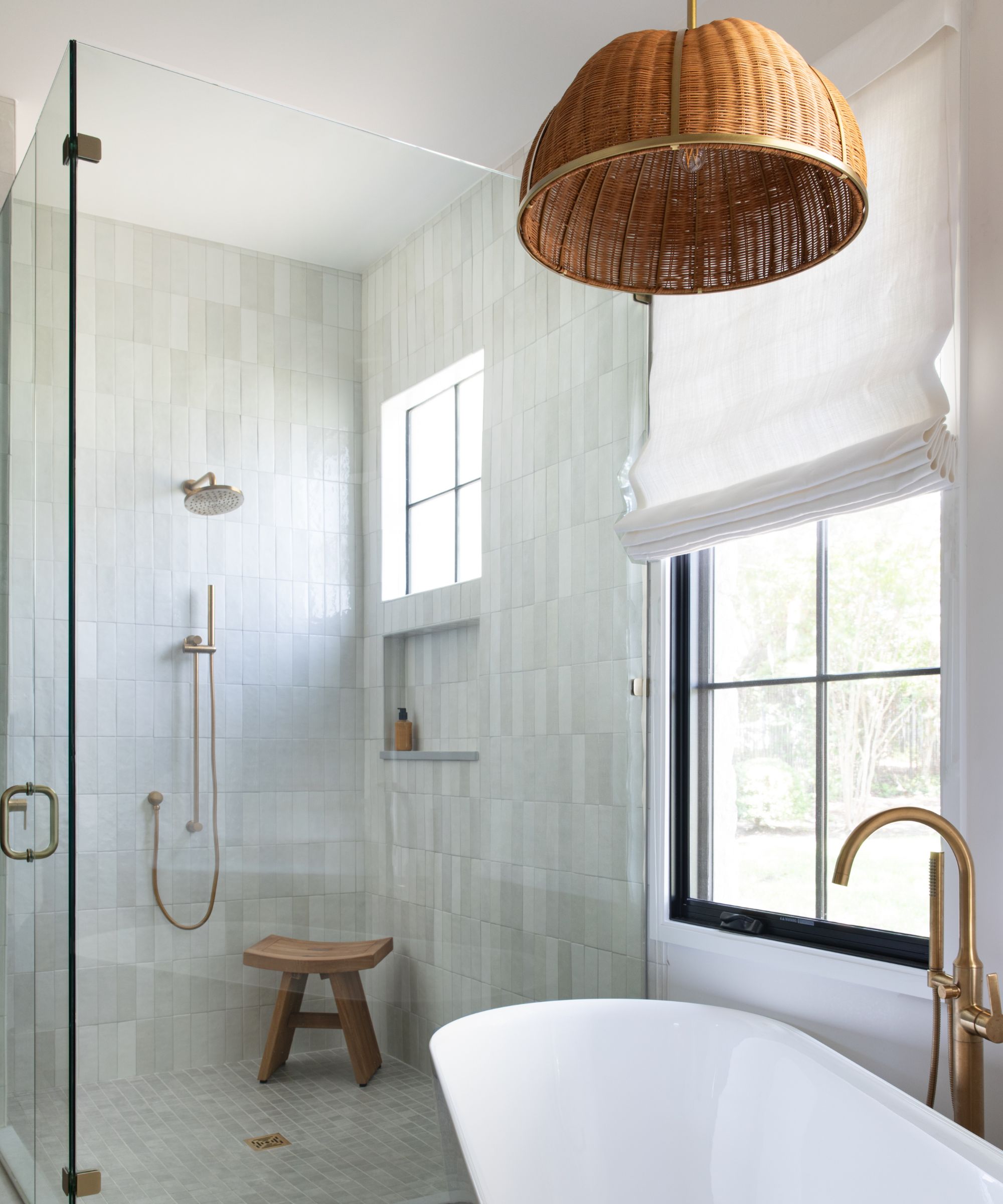
The article highlights that high-end renovations utilizing imported materials, such as Italian marble or Spanish tile, are particularly susceptible to price surges. Furthermore, commonly imported materials like lumber, plywood, steel, aluminum, and various flooring types, often sourced from Canada and Asia, are also vulnerable to cost hikes. For projects heavily reliant on these materials, the author recommends including a financial buffer to account for potential price fluctuations.
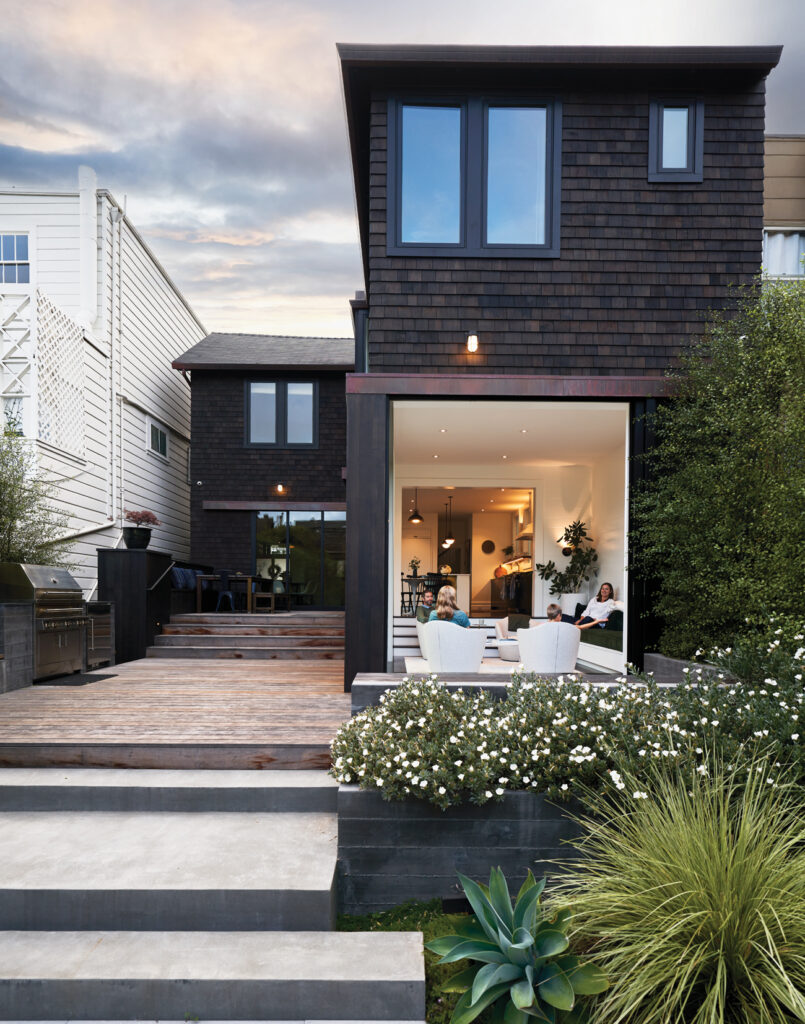
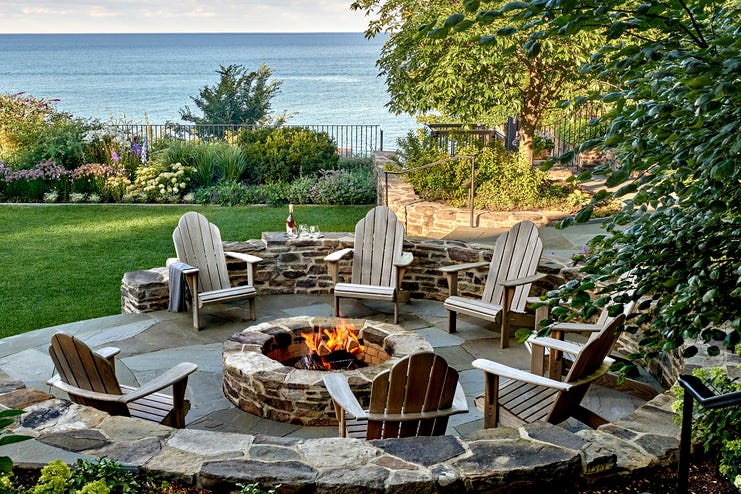
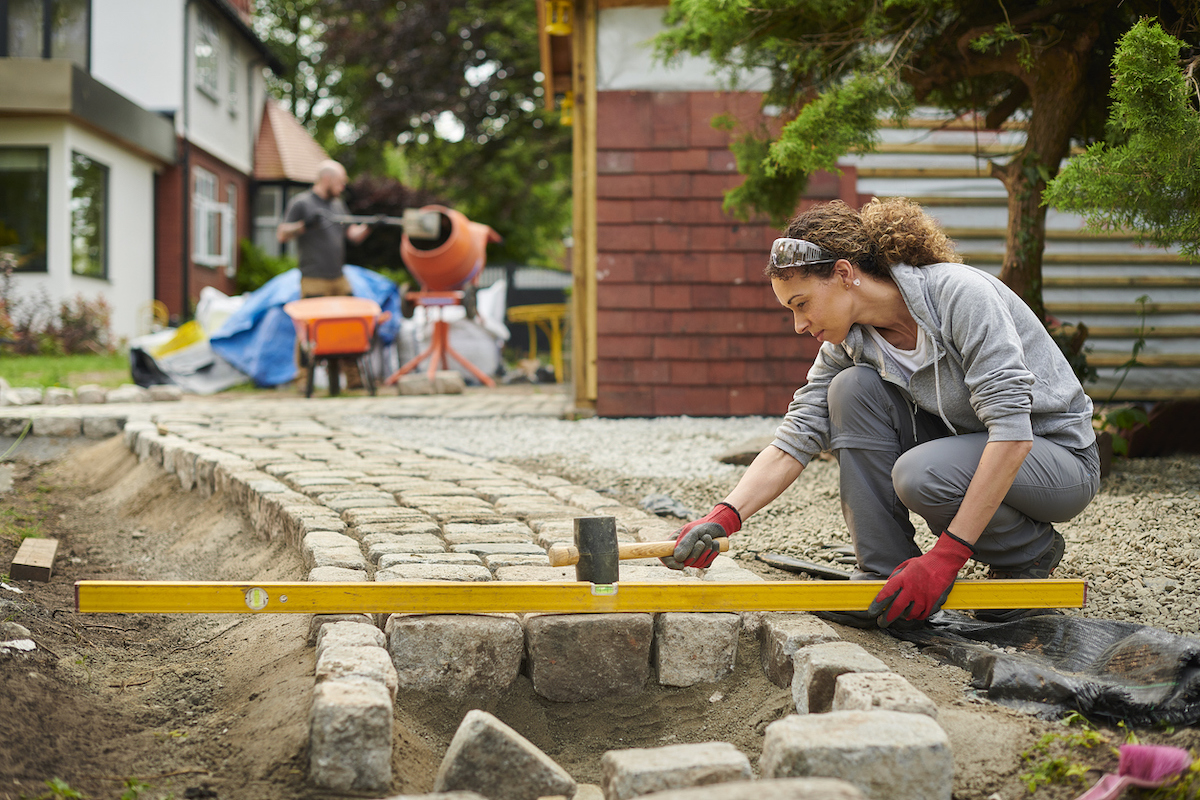
While no renovation is entirely immune to tariff-related price increases, the article identifies several types of projects that are considered less vulnerable, or "tariff-proof." These include landscaping and hardscaping, where materials like concrete, stone, gravel, and native plants are typically sourced domestically, thereby reducing exposure to global trade fluctuations. Opting for local resources in landscaping not only mitigates tariff risks but also promotes designs that are in harmony with the natural environment.
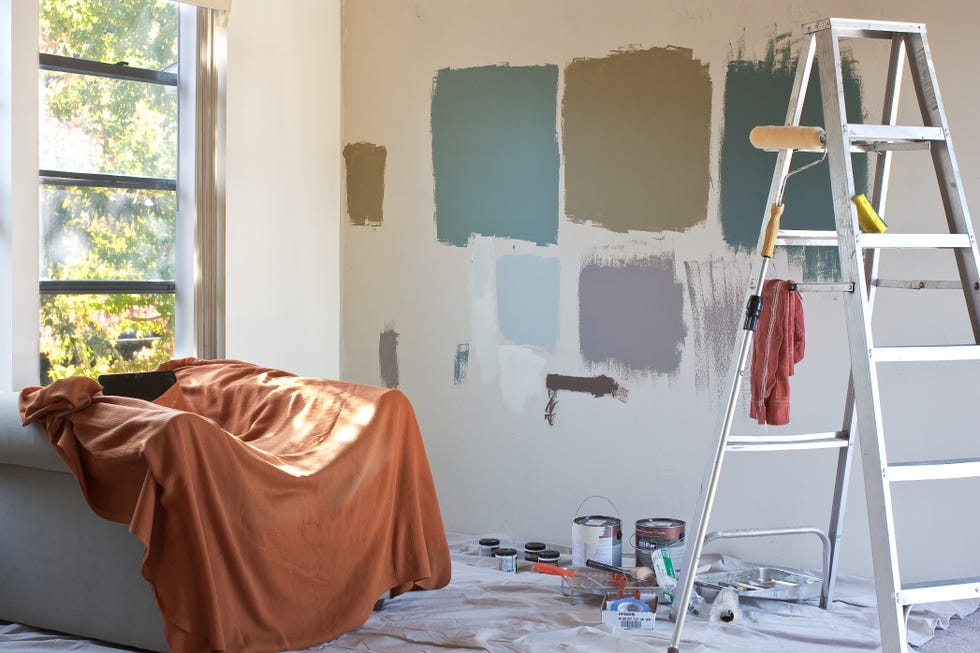
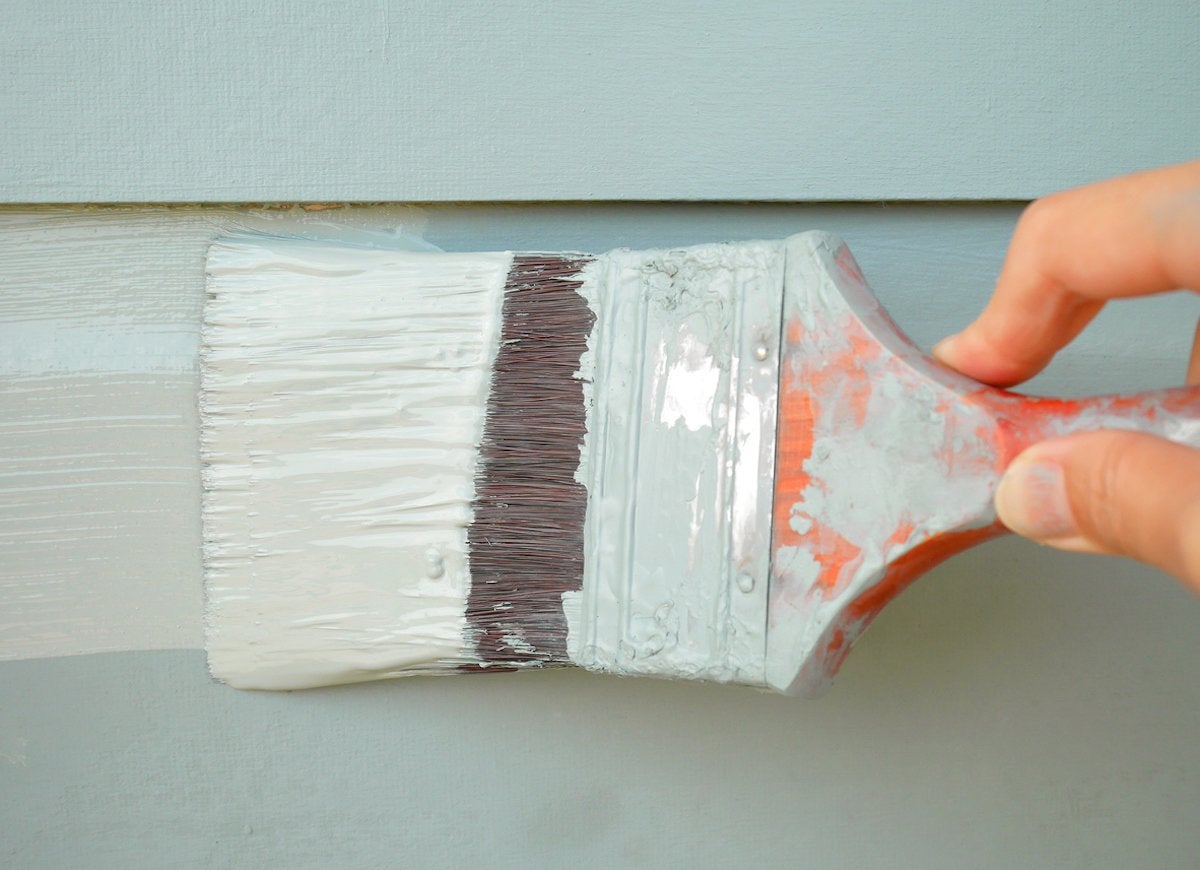
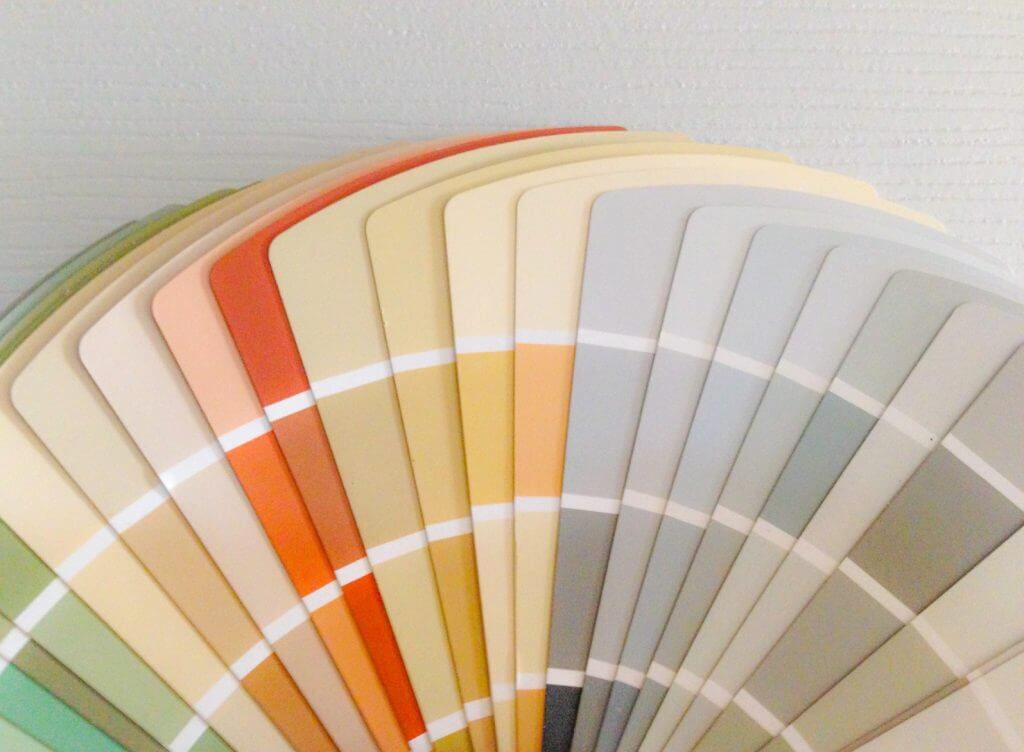
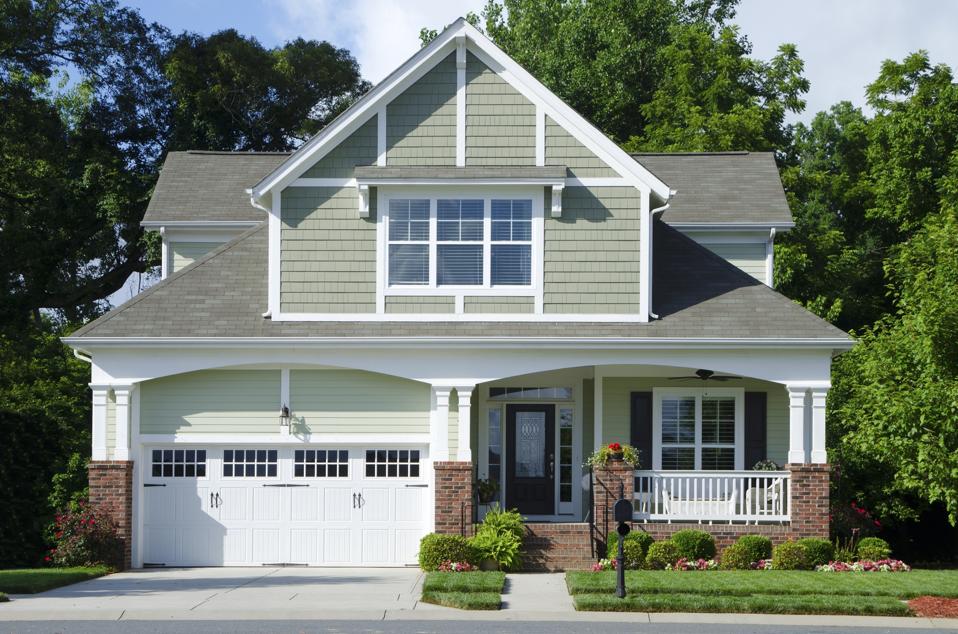
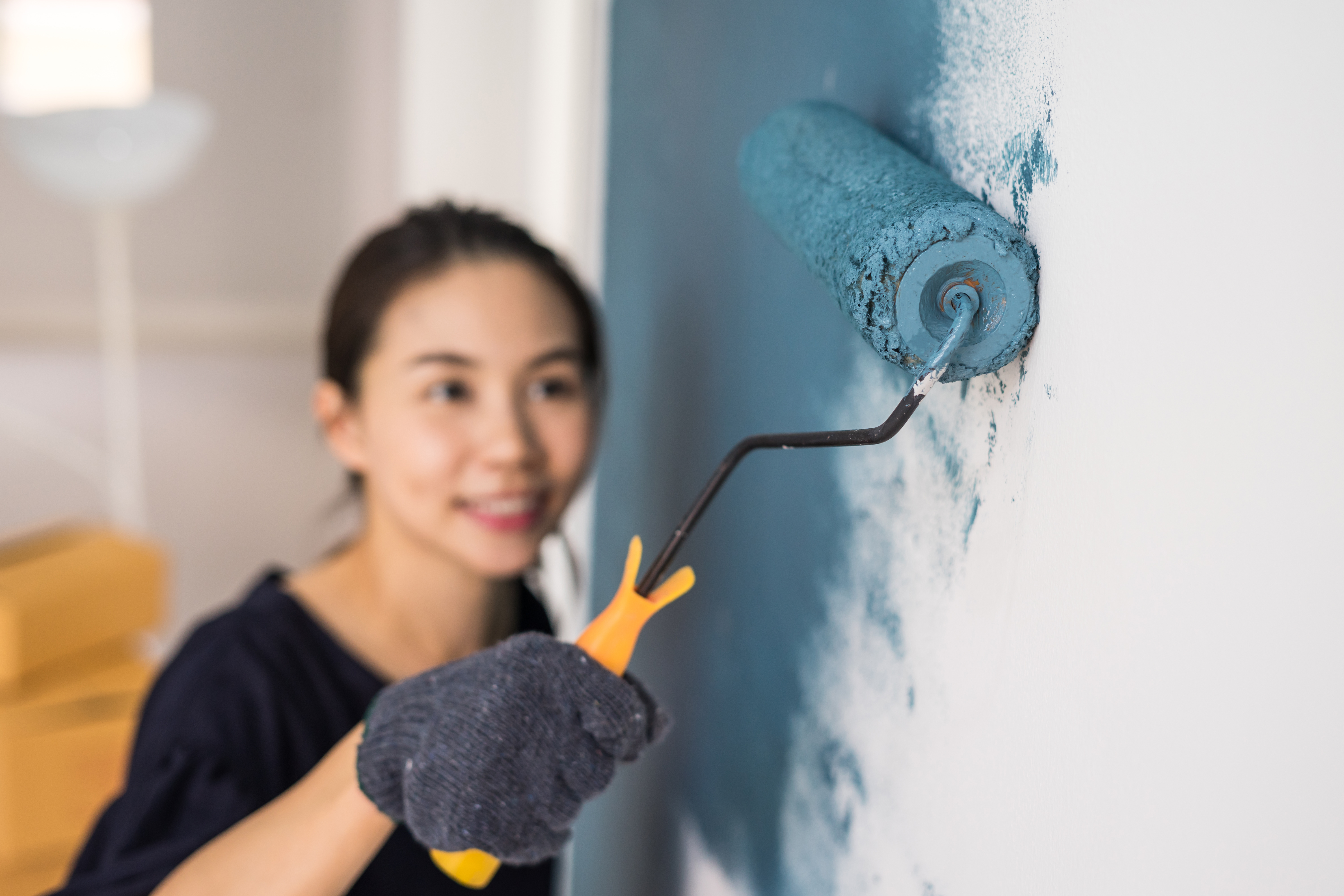
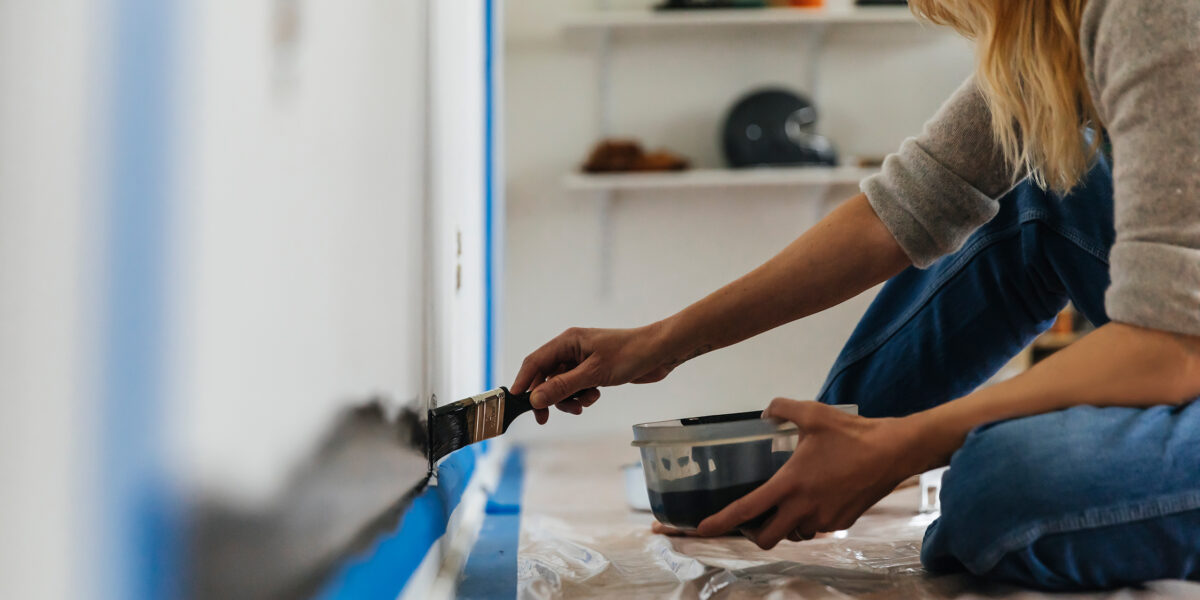
Painting is another cost-effective upgrade that remains relatively unaffected by tariffs, especially when U.S.-made products from brands like Dunn-Edwards, Sherwin-Williams, and Benjamin Moore are chosen. Although some raw materials for paint might be imported, any resulting cost increases are expected to be minor. Similarly, window and roofing projects, particularly those using asphalt shingles, are often insulated from significant tariff-driven hikes because many of these materials are produced within the U.S. However, components sourced from Mexico or Canada could lead to slight cost increases, though not to the same extent as cabinetry or imported stone.
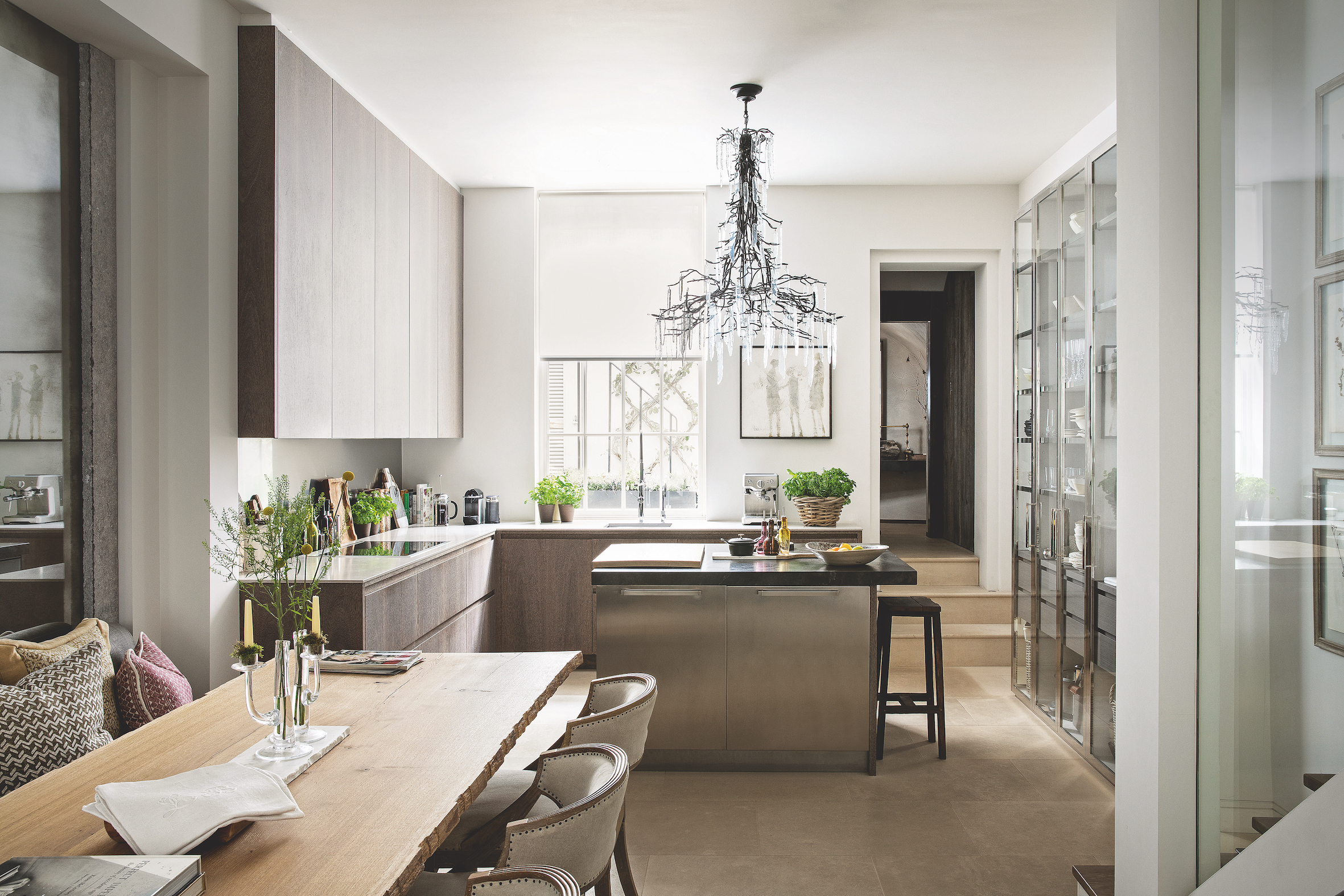
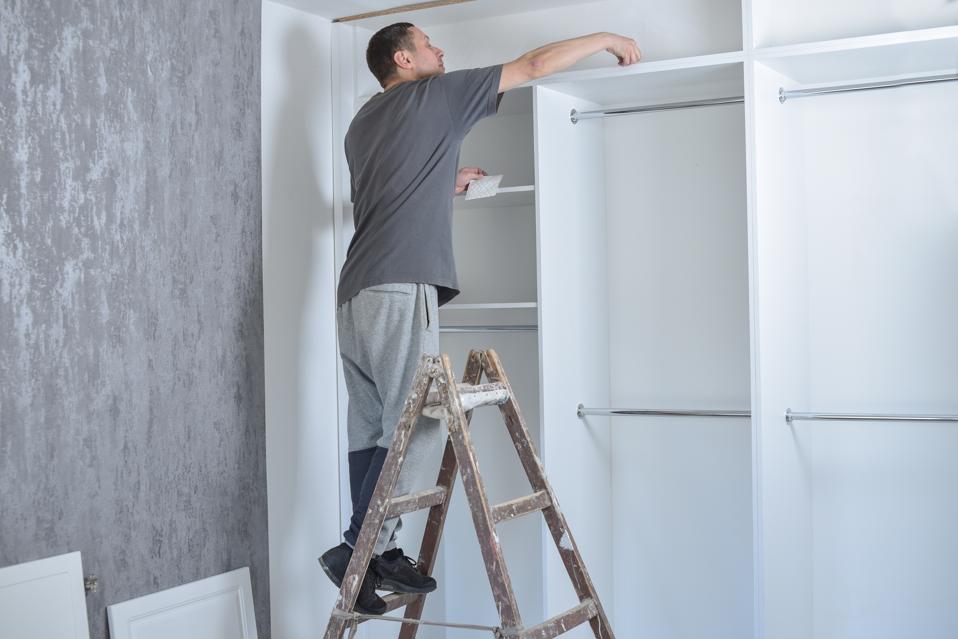
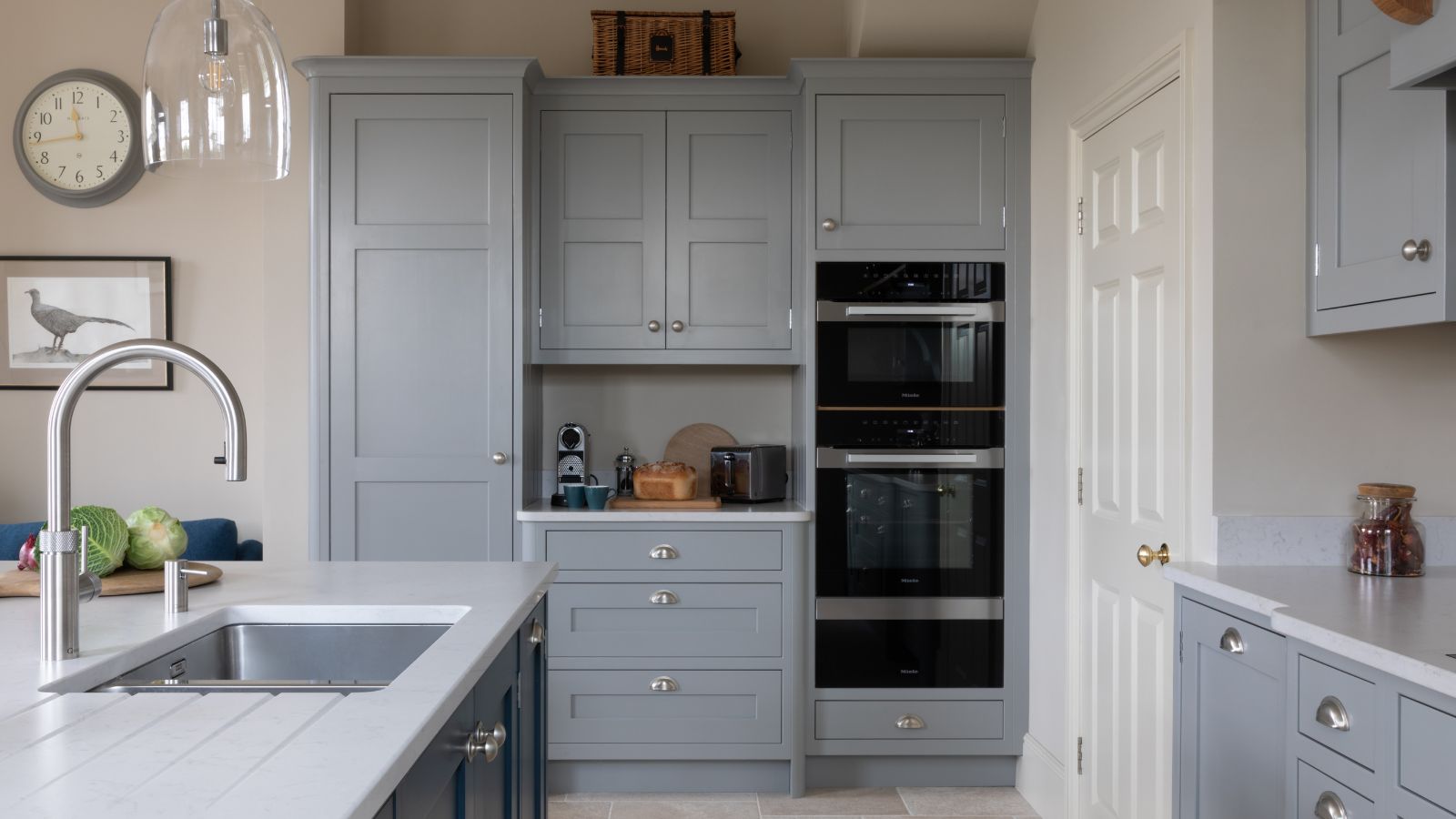
Basic maintenance tasks, such as gutter cleaning and minor repairs, are largely tariff-proof as they do not involve substantial quantities of imported materials. Projects centered on new or refaced cabinets that utilize U.S.-made materials are also presented as a safer option. The author advises homeowners not to let tariff uncertainty completely halt their renovation plans. Instead, they should consult with their contractors or designers to identify materials that maintain stable prices and availability, and to determine which materials might be better to postpone. The overall message emphasizes balancing aesthetics and functionality with financial investment and value, allowing homeowners to achieve their vision while navigating the realities of global trade policies.
#HomeRenovation #TariffImpact #ConstructionCosts #InteriorDesign #RealEstate #BuildingMaterials #EconomicImpact #PropertyUpgrade #HomeRenovation #TariffImpact #ConstructionCosts #InteriorDesign #RealEstate #BuildingMaterials #EconomicImpact #PropertyUpgrade
Há 0 comentários no total
 Ainda não há comentários
Você também pode gostar

5 "Tariff-Proof" Home Renovations That Experts Recommend in 2025


How Much Does a Loft Conversion Cost on Average in 2025? Architects Share Their Latest Loft Projects' Budgets


5 renovation projects that will add value to your home in 2024


Home Renovations That Are Worth Your Time And Money

Home Renovations Cost More Than You Think—Especially These 3 Projects

You should try to avoid these 10 common home remodeling mistakes, urge experts
7 Types of Tax-Deductible Home Improvements
Experts Swear By These 10 No-Demo Renovation Projects That Will Majorly Increase Your Home's Value


Remodeling
Seven Popular Home Renovations That Will Increase Your Property Taxes


5 Most Profitable Home Improvements to Make Before Selling Your Home

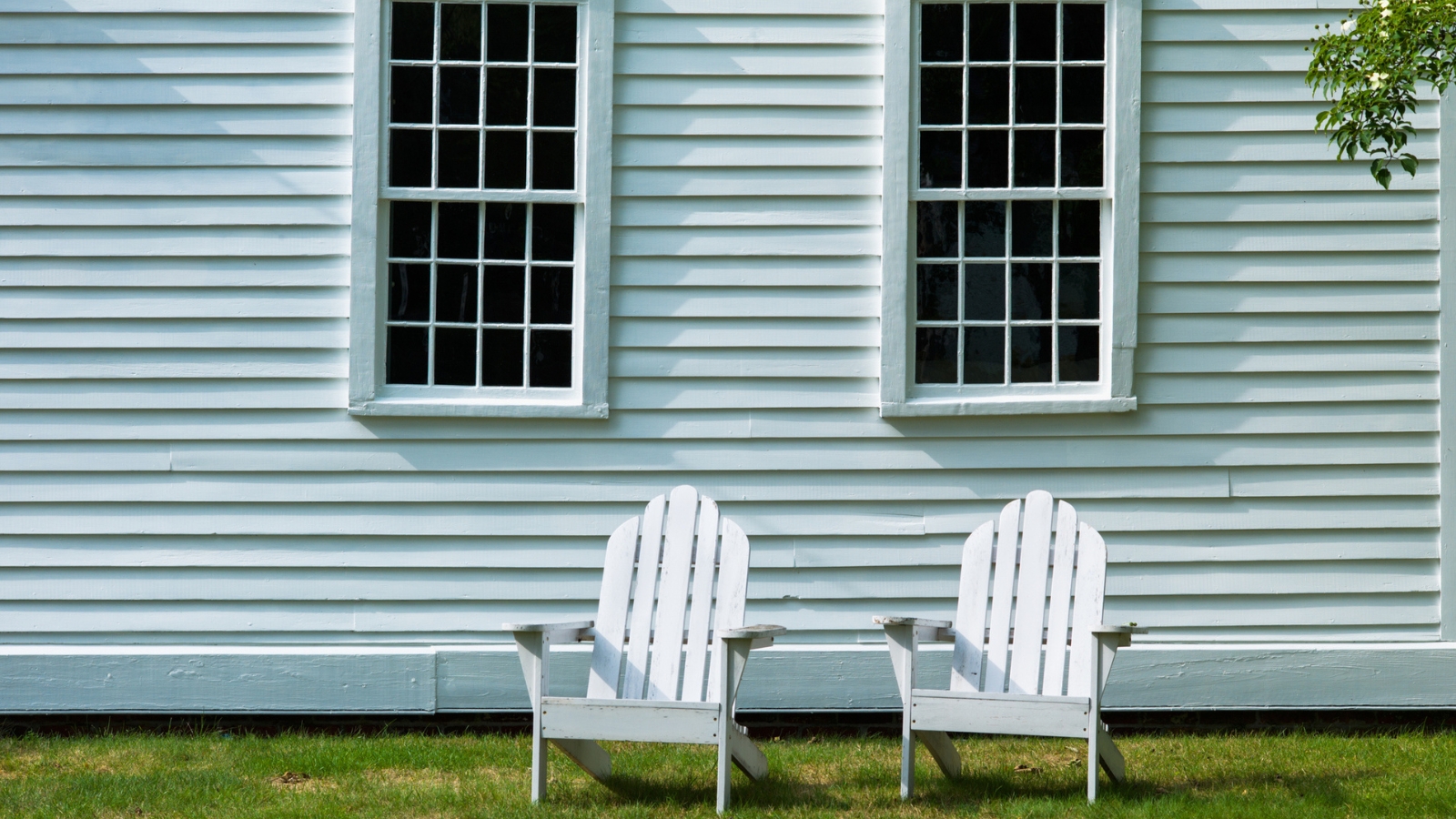
Experts warn these 7 DIY home improvements will devalue it – plus what to do instead
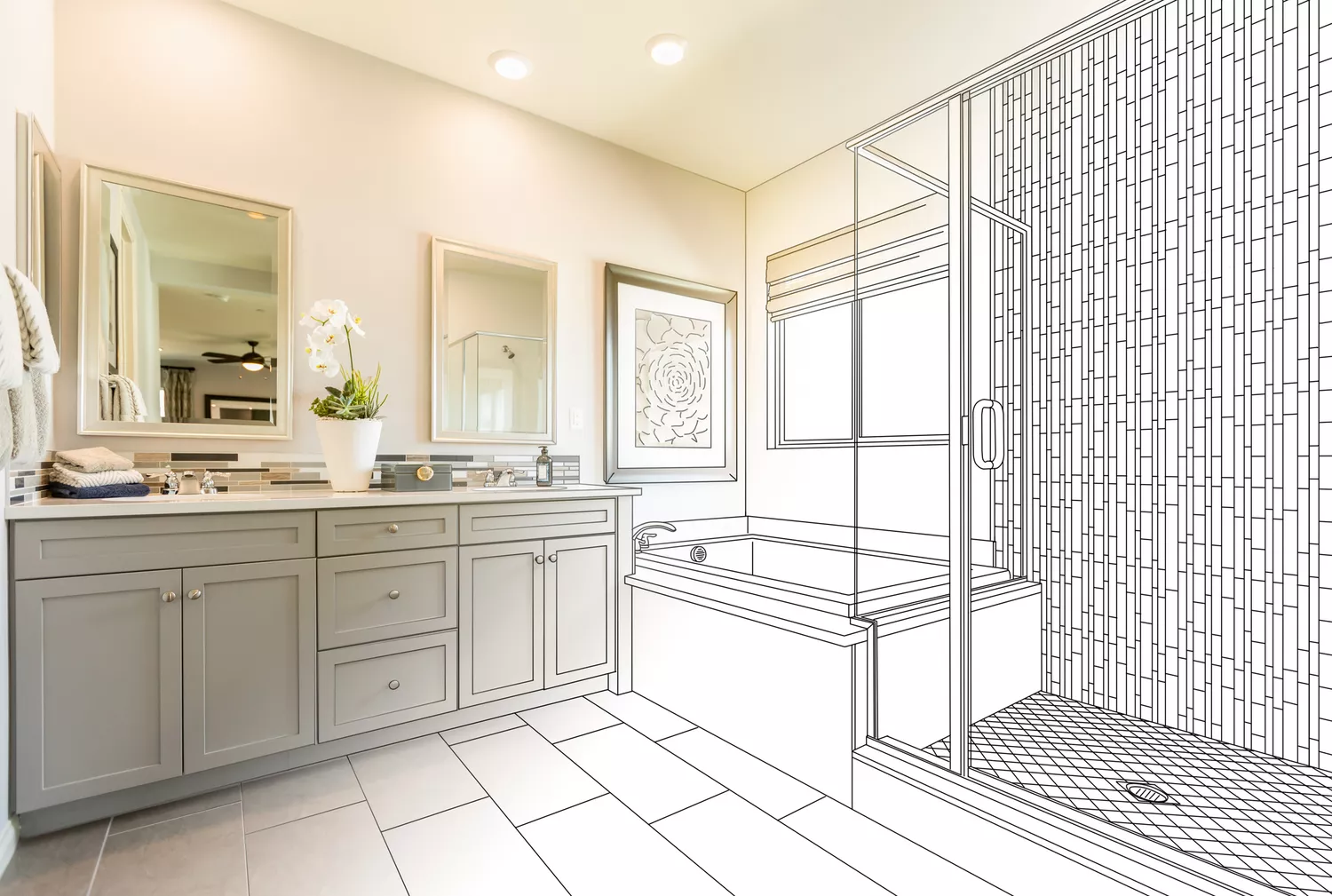
8 Home Upgrades You Can Finally Check Off Your List, Based on Your Tax Refund

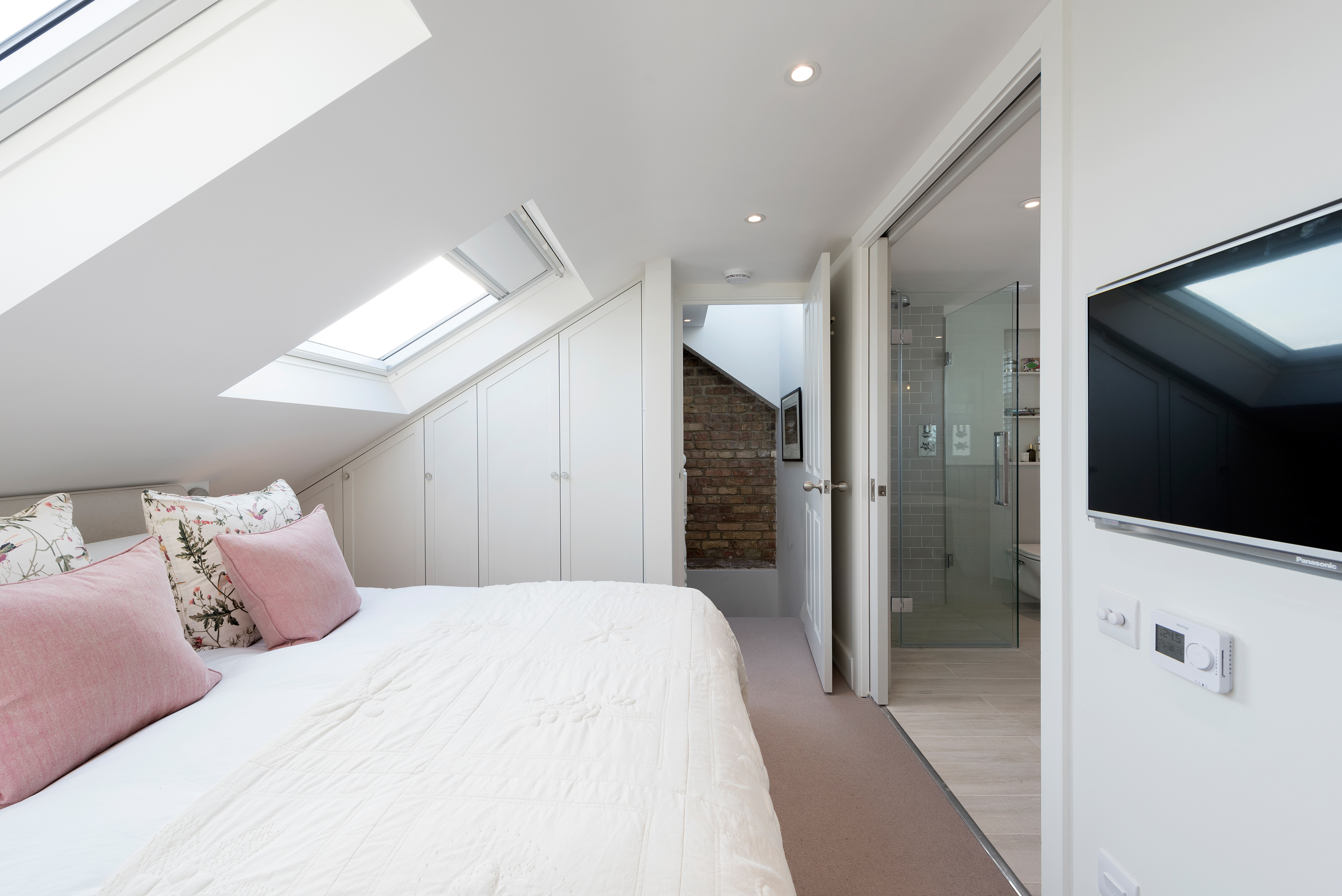
Loft conversion costs 2022 and how to budget for the perfect design

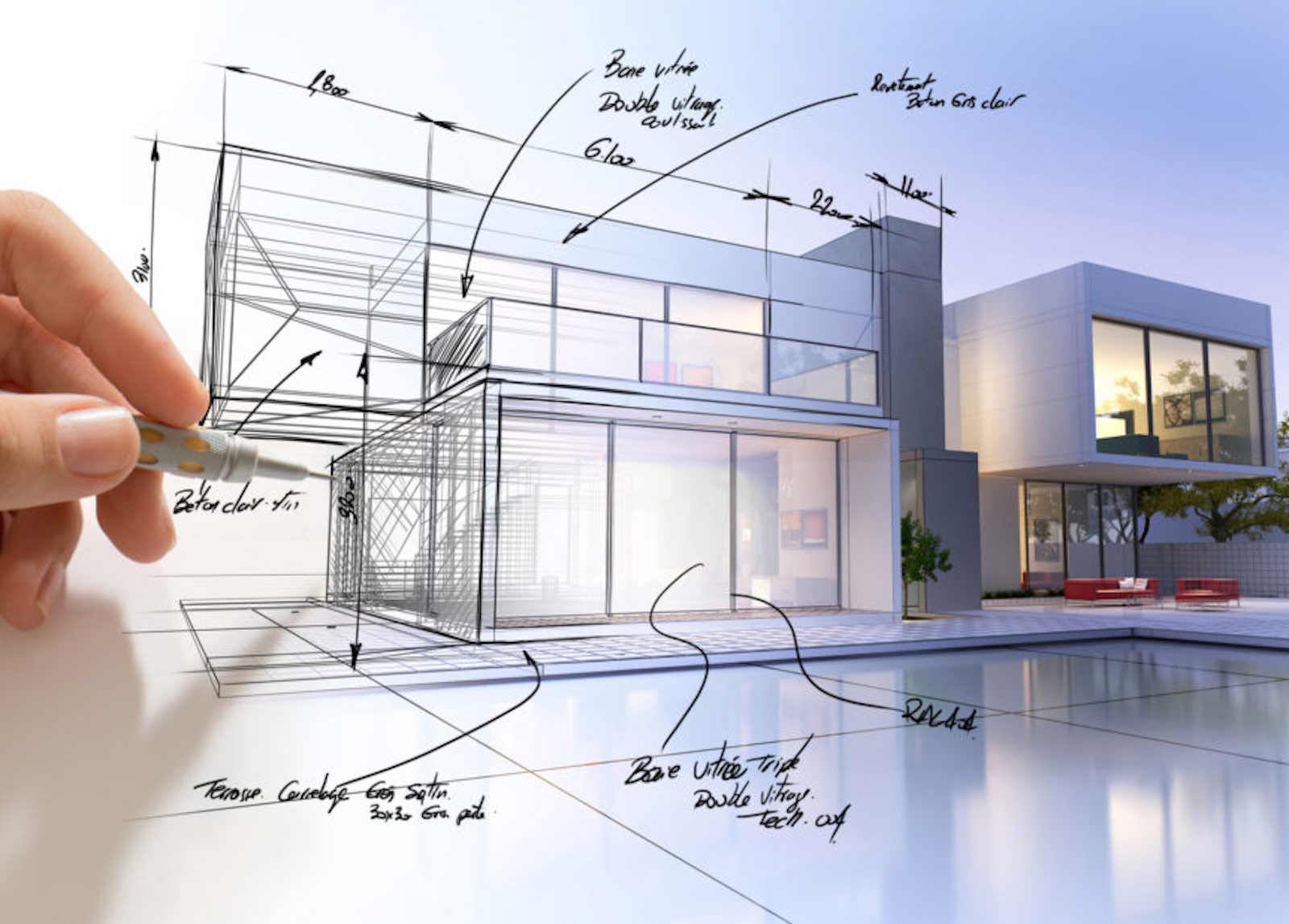
Guide to Denver's Home Renovation Scene


Home Remodeling Projects That Pay Back The Most In Happiness

18 Home Improvement Projects You Can Tackle with Your Tax Refund

The 3 most expensive home renovation projects, and how to save money on them
9 Things You Need to Know Before Renovating Your Home, According to Experts
Do-It-Yourself Projects to Boost Home Value