7 Types of Tax-Deductible Home Improvements
As Tax Day approaches, homeowners are encouraged to understand the potential tax deductions available for various home improvements, which can help offset the significant costs of homeownership. With a substantial portion of homeowners planning major renovations, identifying eligible projects for tax benefits is crucial. This overview details seven categories of home improvements that may qualify for deductions or credits, emphasizing the importance of consulting a tax professional for personalized advice.
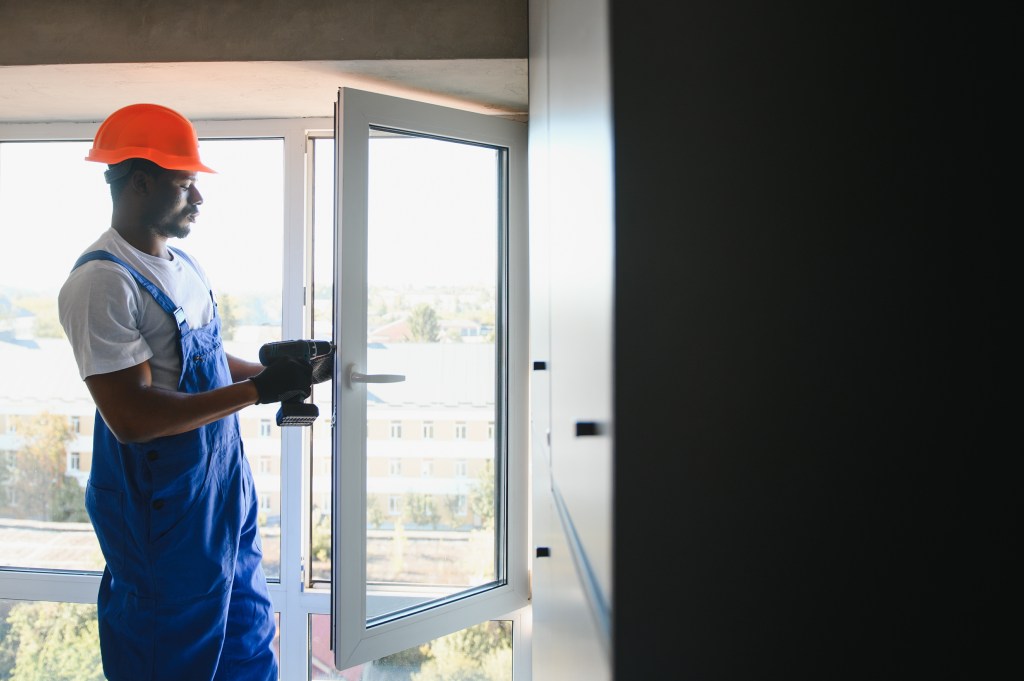
Energy-efficient upgrades offer homeowners opportunities for tax credits, specifically the Energy Efficiency Home Improvement Credit, which can amount to up to $3,200 for improvements made after January 1, 2023. The credit covers 30% of qualified expenses, with specific limits per improvement type. Examples include home energy audits, which can yield up to a $150 credit and help reduce energy bills by up to 30%. Installing ENERGY STAR’s Most Efficient exterior windows and skylights may qualify for up to a $600 credit, while biomass stoves meeting ENERGY STAR requirements with a thermal efficiency of at least 75% could net up to a $2,000 credit, including installation labor. While biomass stoves reduce energy use, adherence to best practices for wood burning is advised to mitigate fire risks.
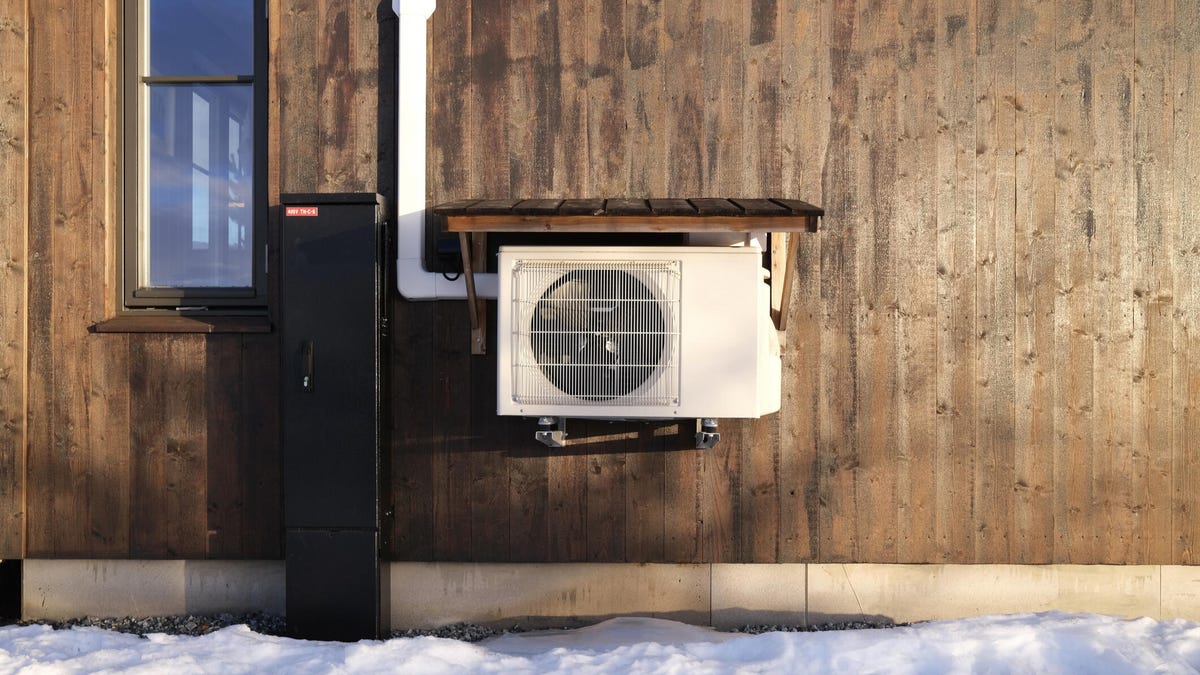
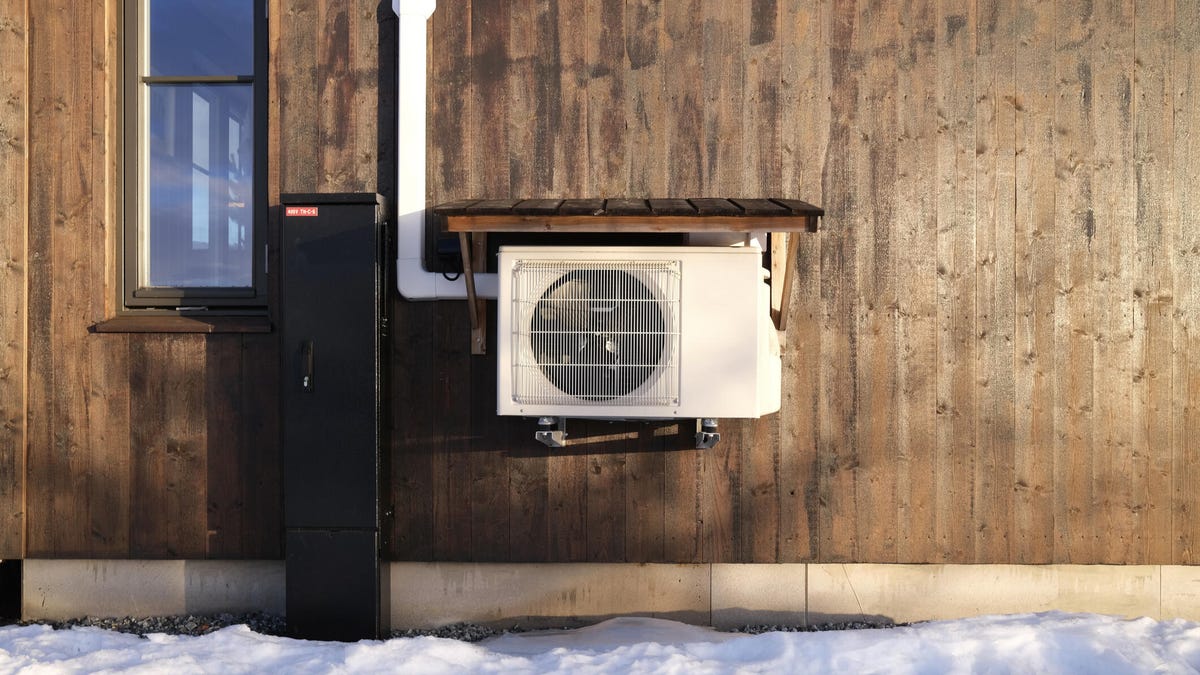
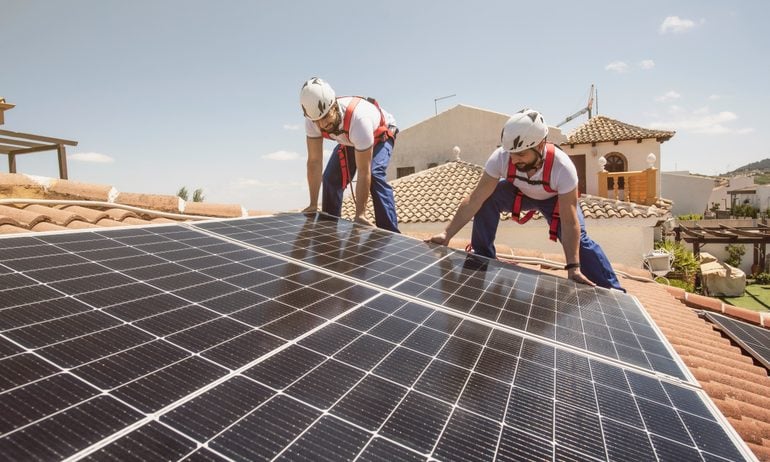
Clean energy upgrades are another significant area for tax relief through the Residential Clean Energy Credit. This credit applies to new renewable energy properties installed in homes, with no general dollar limit except for fuel cell properties. Projects such as installing solar water heaters can decrease reliance on traditional water heaters and reduce energy consumption, as water heating is a major household energy expense. Geothermal heat pumps, though expensive, offer efficient heating and cooling by transferring heat to the ground, potentially providing a return on investment within five to ten years. Battery storage technology, which stores excess clean energy, provides a reliable power source, particularly during grid outages.
Homeowners undertaking renovations on historic properties may be eligible for the Federal Historic Rehabilitation Tax Credit. This credit supports the preservation of historical buildings, helping to ease the financial burden of necessary repairs. Qualifying projects can include upgrading old pipes, replacing deteriorated structural components like posts or beams with visually similar materials, and fully replacing decaying staircases with compatible materials to maintain the home’s historical integrity and improve safety.
Medically necessary home upgrades can be included as part of a medical expense deduction. These improvements make a home more accommodating for individuals with disabilities, including the homeowner, spouse, or dependents residing in the home. The deductible amount depends on whether the improvement increases the home’s value; if so, the medical expense is the cost minus the value increase. If no value increase occurs, the entire cost can be deducted. Examples include installing modified smoke detectors with strobe lights, grading ground to improve accessibility and drainage, and making bathroom modifications like adding grab bars to prevent falls.
For those with a home office, certain repair expenses are tax-deductible if the space is regularly used as a primary place of business. The deduction depends on whether the repair impacts the entire home or solely the office. Home office improvements are generally categorized as capital improvements rather than deductible repairs. Deductible repairs can include a portion of a home security system’s maintenance related to the business area, repairing damaged electrical outlets and wiring to prevent hazards, and replacing home office windows with energy-efficient alternatives to reduce noise and utility costs.
Homeowners renting out a portion of their residence may deduct repair expenses from their taxable rental income, subject to specific limitations. Maintaining rental units proactively prevents larger issues that could affect the entire home. Examples include repairing leaks in a tenant’s bathroom to prevent mold, addressing air leaks around windows and doors to improve insulation and comfort, and routinely checking air vents to ensure proper airflow and indoor air quality.
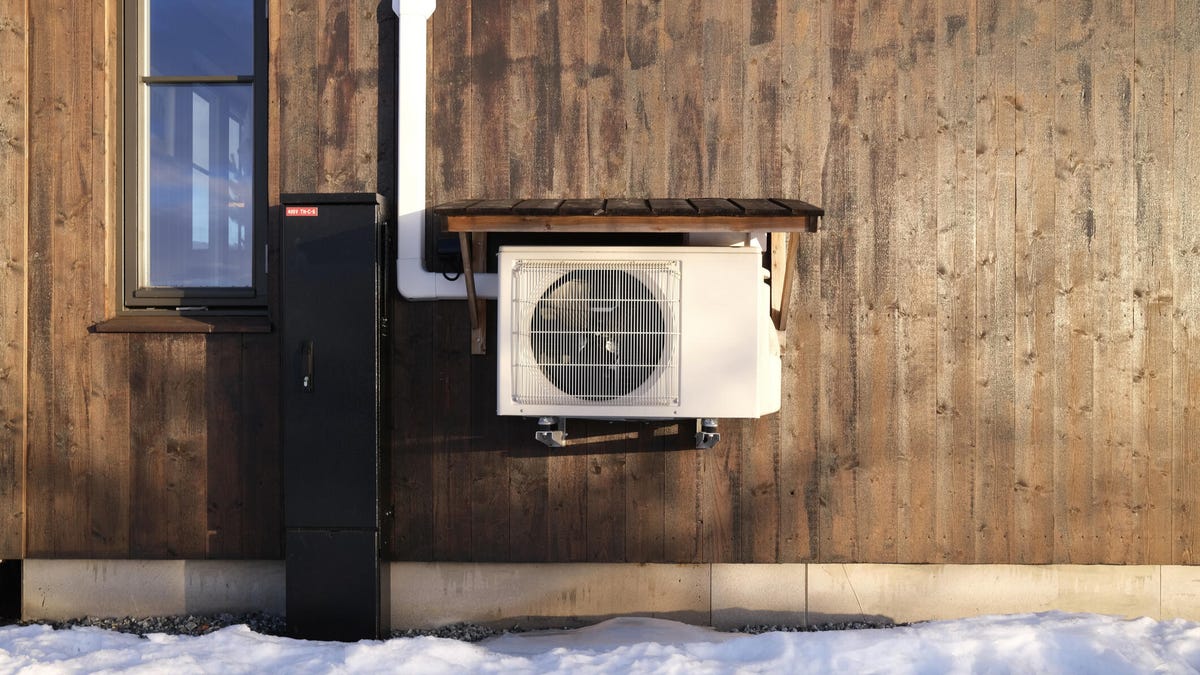
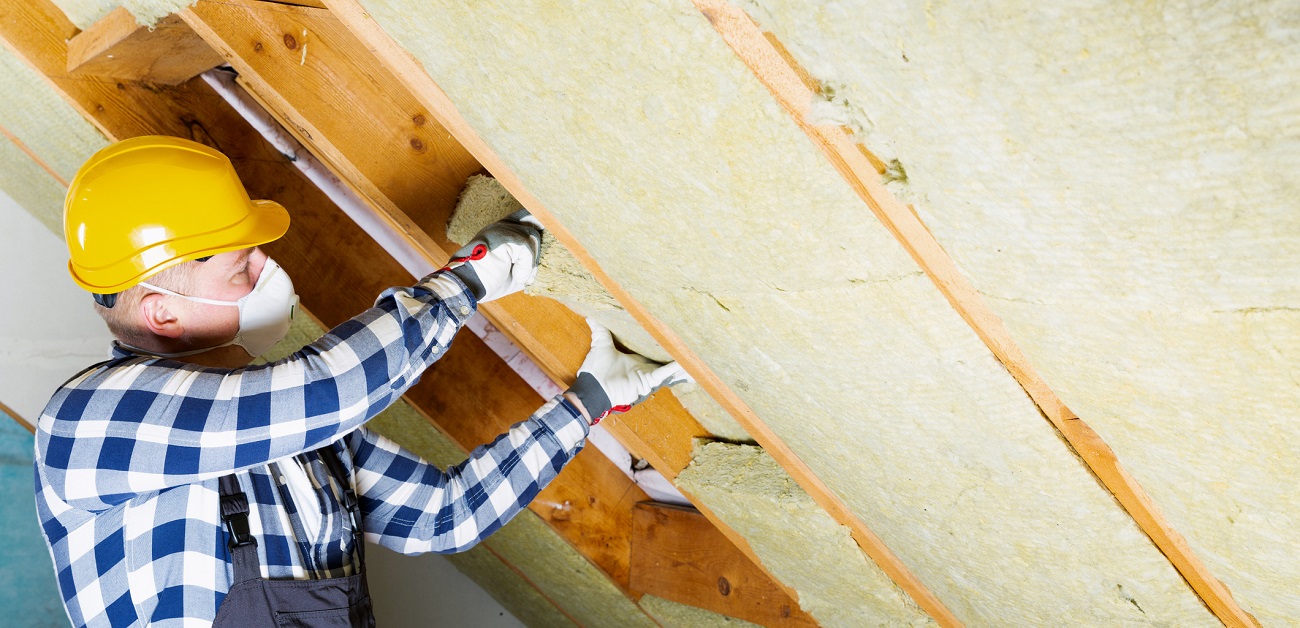
Finally, capital improvements, which extend a home’s life, add value, or adapt it for new uses, differ from basic repairs. While immediate tax benefits are generally not available, these improvements increase a home’s cost basis. This adjusted cost basis can reduce capital gains taxes when the home is eventually sold. Examples of capital improvements include installing a new, efficient HVAC system, adding attic insulation to reduce heating and cooling costs and prevent roof damage, and installing water softeners to prevent mineral buildup in plumbing and extend appliance lifespan. Homeowners must consider tax implications related to capital gains upon sale.
#TaxDeductibleHomeImprovements #EnergyEfficientUpgrades #CleanEnergy #HistoricHomeRenovation #MedicalExpenseDeduction #HomeOfficeDeductions #RentalPropertyRepairs #CapitalImprovements #Homeownership #TaxDeductibleHomeImprovements #EnergyEfficientUpgrades #CleanEnergy #HistoricHomeRenovation #MedicalExpenseDeduction #HomeOfficeDeductions #RentalPropertyRepairs #CapitalImprovements #Homeownership
0 comment in total
 No comments yet
You may also like

18 Home Improvement Projects You Can Tackle with Your Tax Refund


7 DIY Home Improvement Ideas for Your Forever House

7 Things You Can Actually Cut Corners on During a Home Renovation, According to Experts
Home Improvement Tax Credits and Rebates for Energy Efficiency in 2025

Home Renovation Projects That Are (Mostly) Tariff-Proof


Home renovation loan benefits & guidelines

Summer Backyard Ideas With Added Tax Benefits for 2025

How to save money on home renovations – 6 cost-effective ideas

5 "Tariff-Proof" Home Renovations That Experts Recommend in 2025

8 Home Upgrades You Can Finally Check Off Your List, Based on Your Tax Refund


Experts warn these 7 DIY home improvements will devalue it – plus what to do instead

Contractors Swear By These Weird Things That Make Your Home Look Way More Expensive


Seven Popular Home Renovations That Will Increase Your Property Taxes

Remodeling
Experts Swear By These 10 No-Demo Renovation Projects That Will Majorly Increase Your Home's Value

Invest In Your Nest: 41 Home Upgrades That Pay Off In Comfort And Value
Home Upgrades That Pay Off

HVAC Buying Guide: What to Know When You're Shopping


10 Small Home Projects That Pay Off Big
If You're Planning to Install a Walk-in Tub, Here's How Much It Will Really Cost