Seven Popular Home Renovations That Will Increase Your Property Taxes
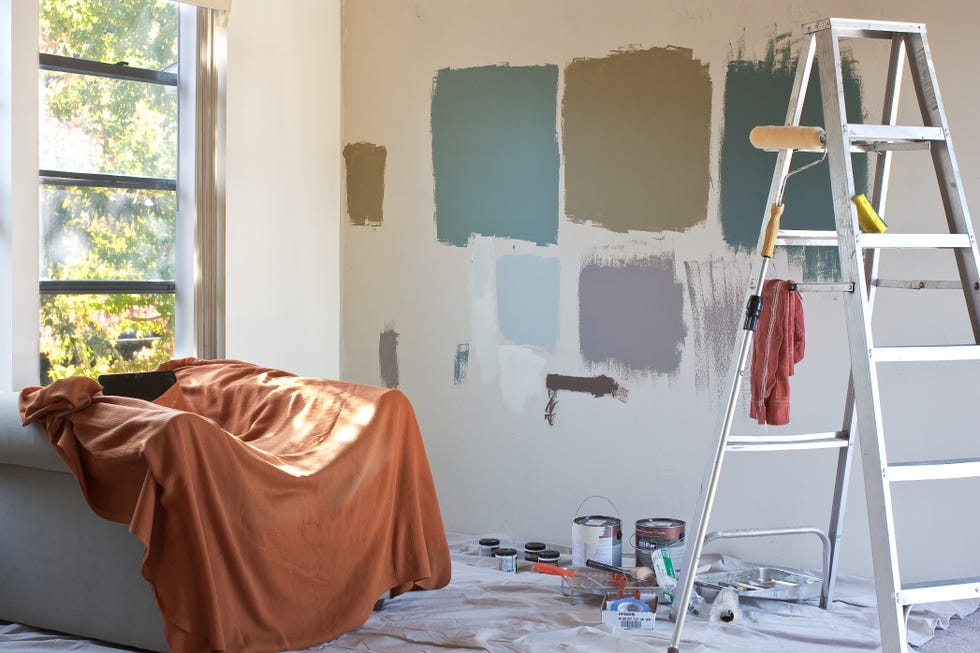
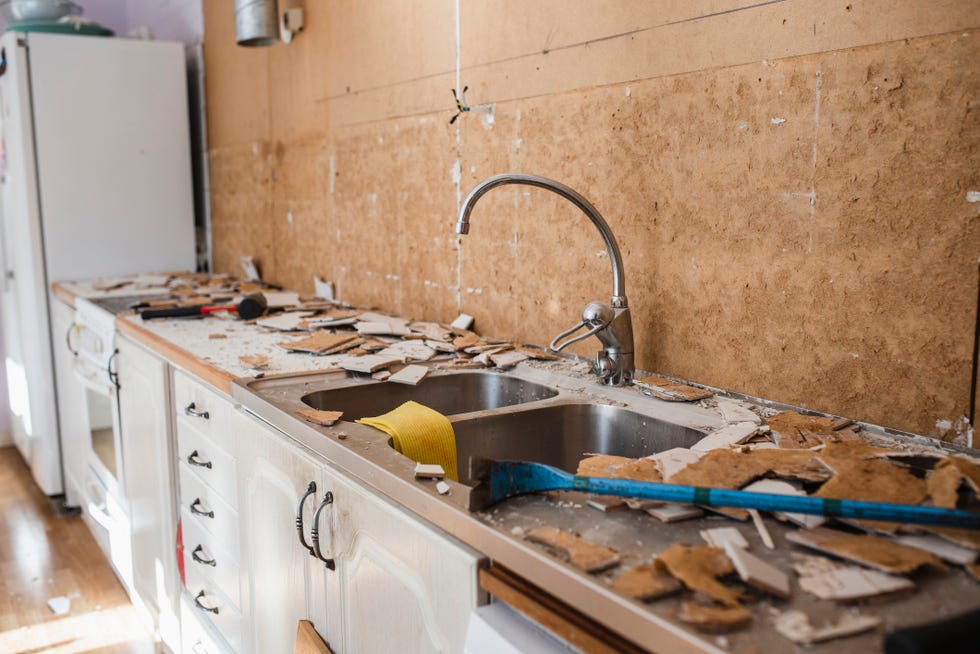
Property taxes are a significant consideration for homeowners, with rates varying greatly across the United States. While some states like West Virginia have low average property taxes, others, such as Essex County, New Jersey, face much higher rates. Regardless of location, homeowners should be aware that significant improvements to their property will likely lead to an increase in their property taxes. This occurs because renovations typically boost a home's value, and property taxes are based on this valuation. Although it may take time for local tax assessors to update their records, properties are eventually reassessed, leading to higher tax bills. Therefore, preparing for this increase by understanding which renovations have the most substantial impact is crucial.
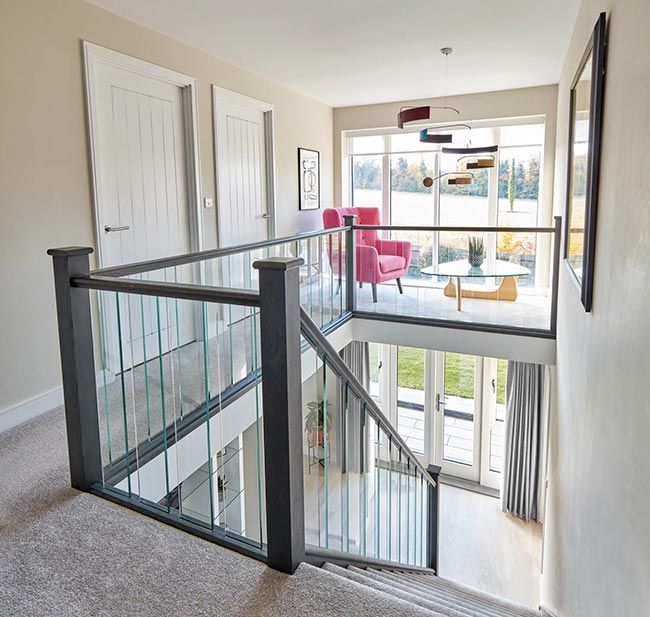
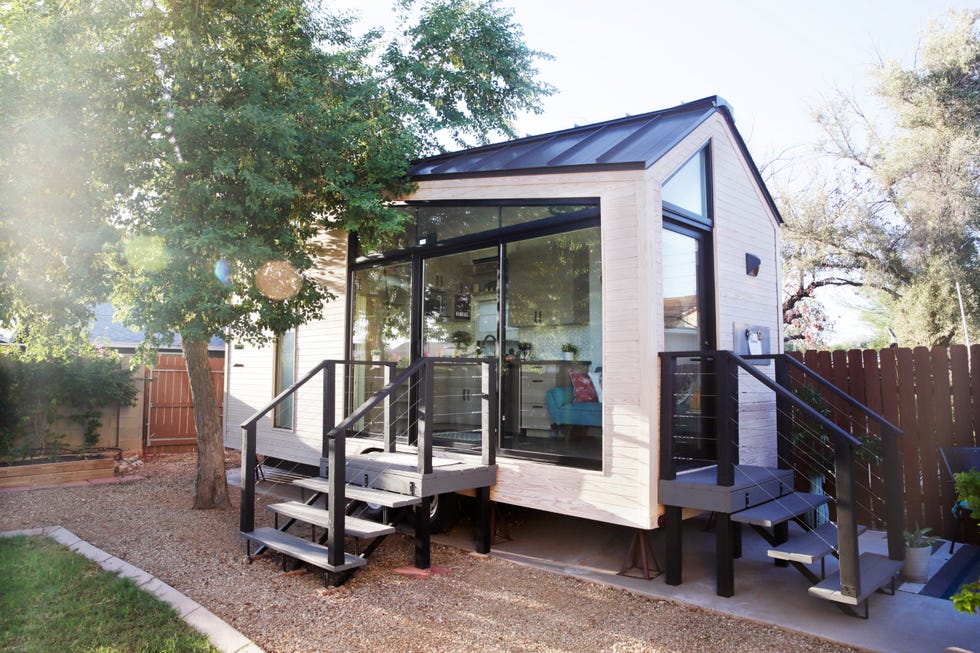
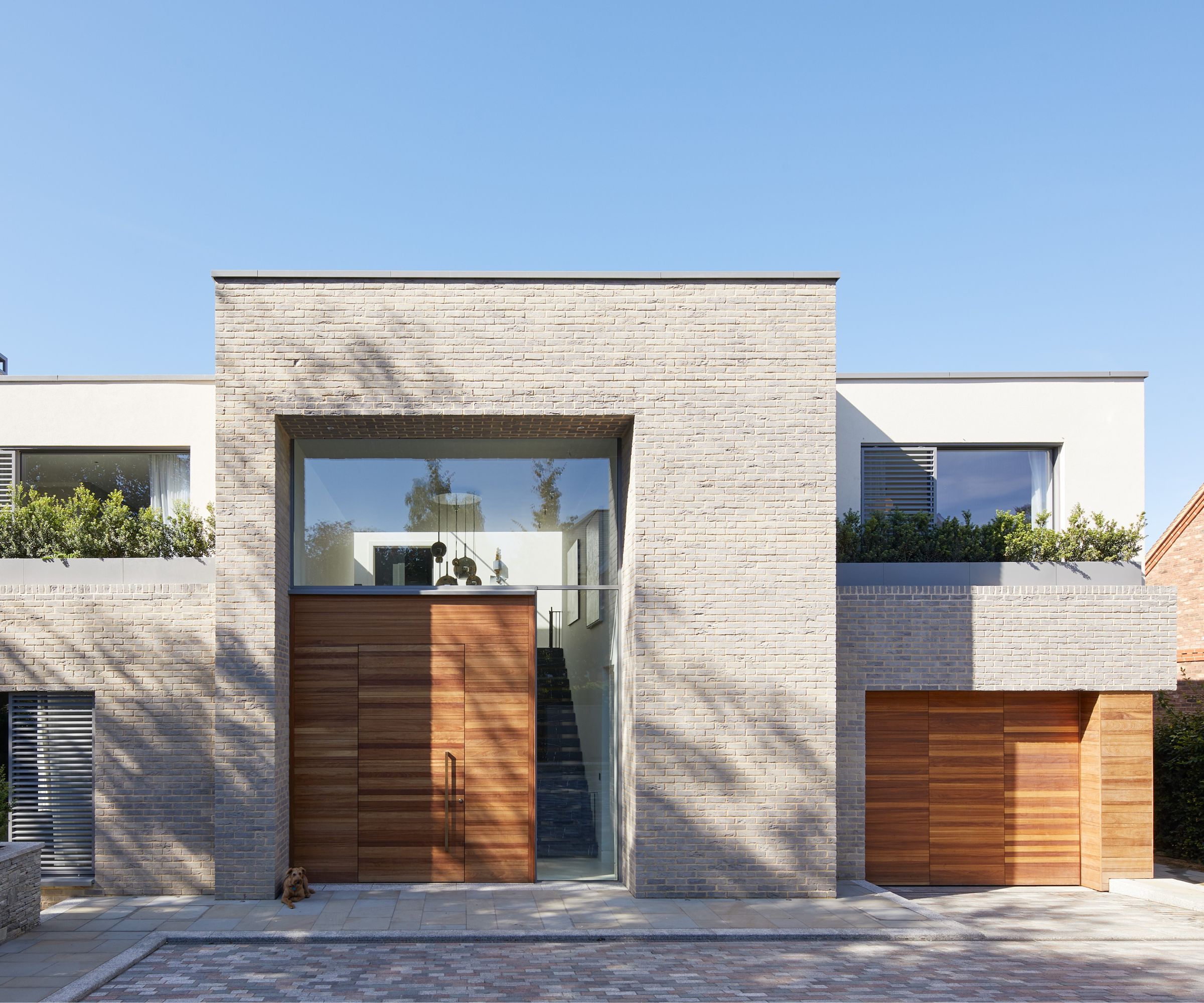
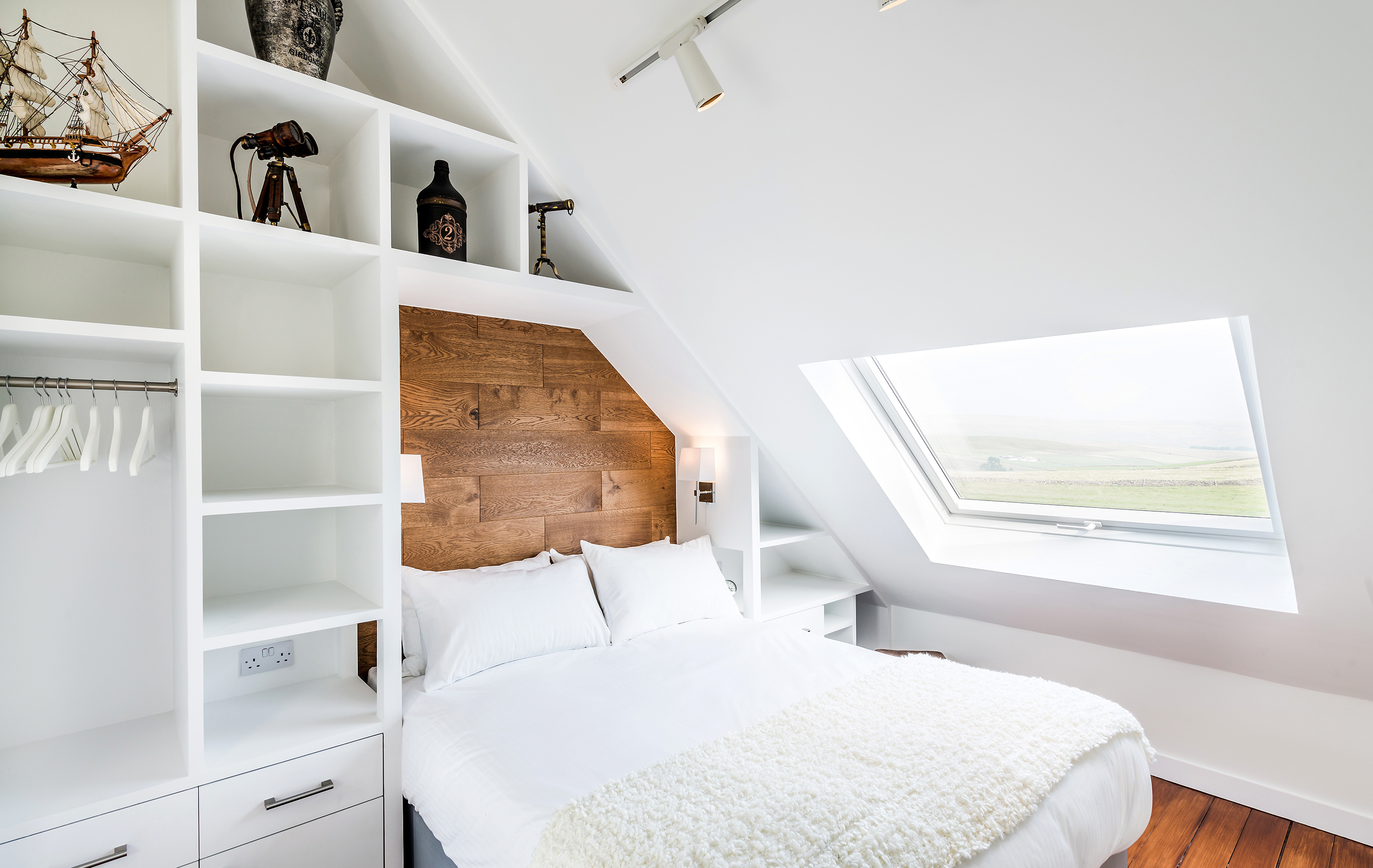
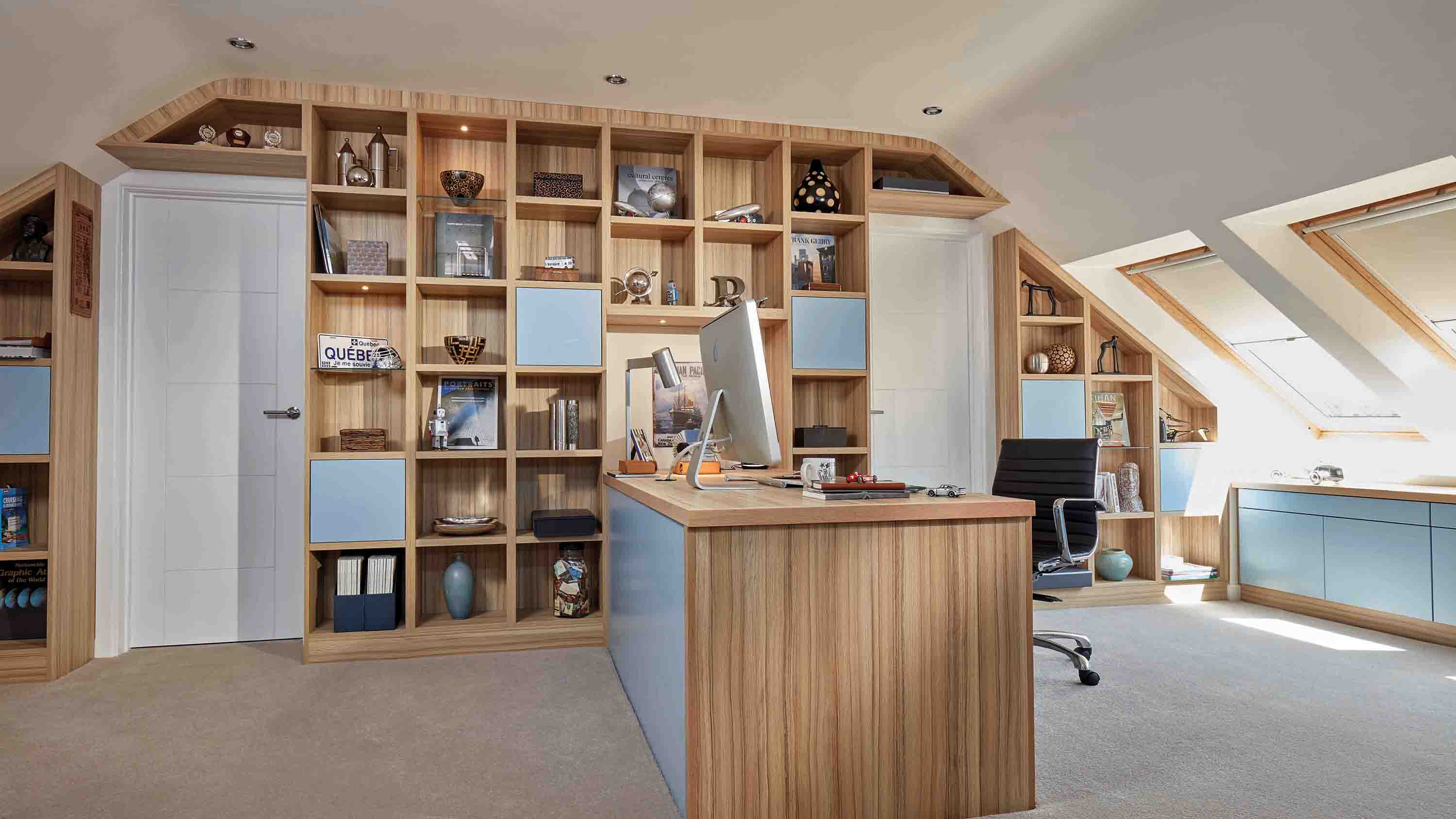
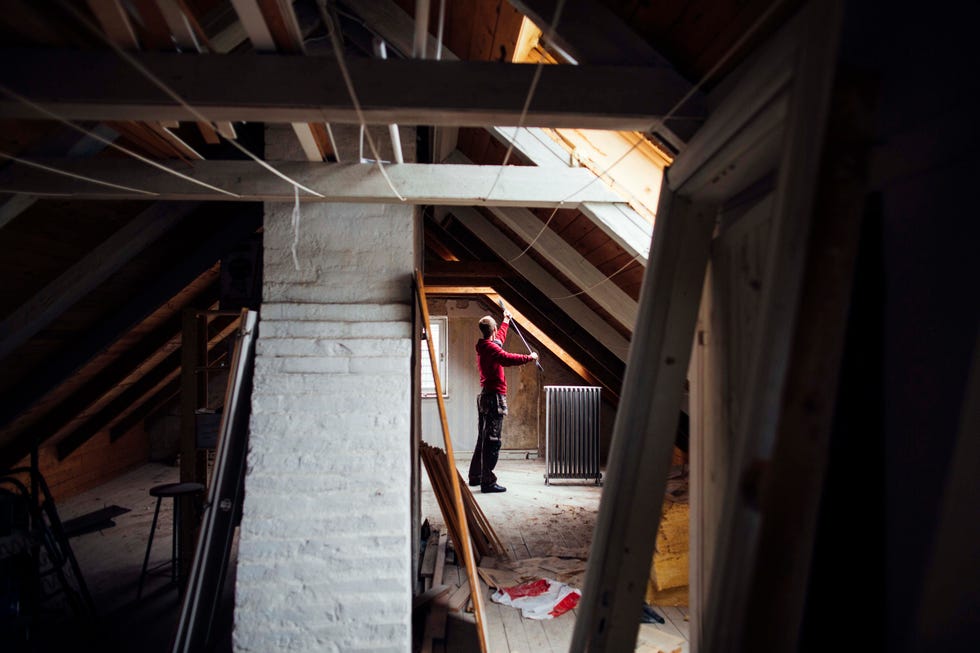
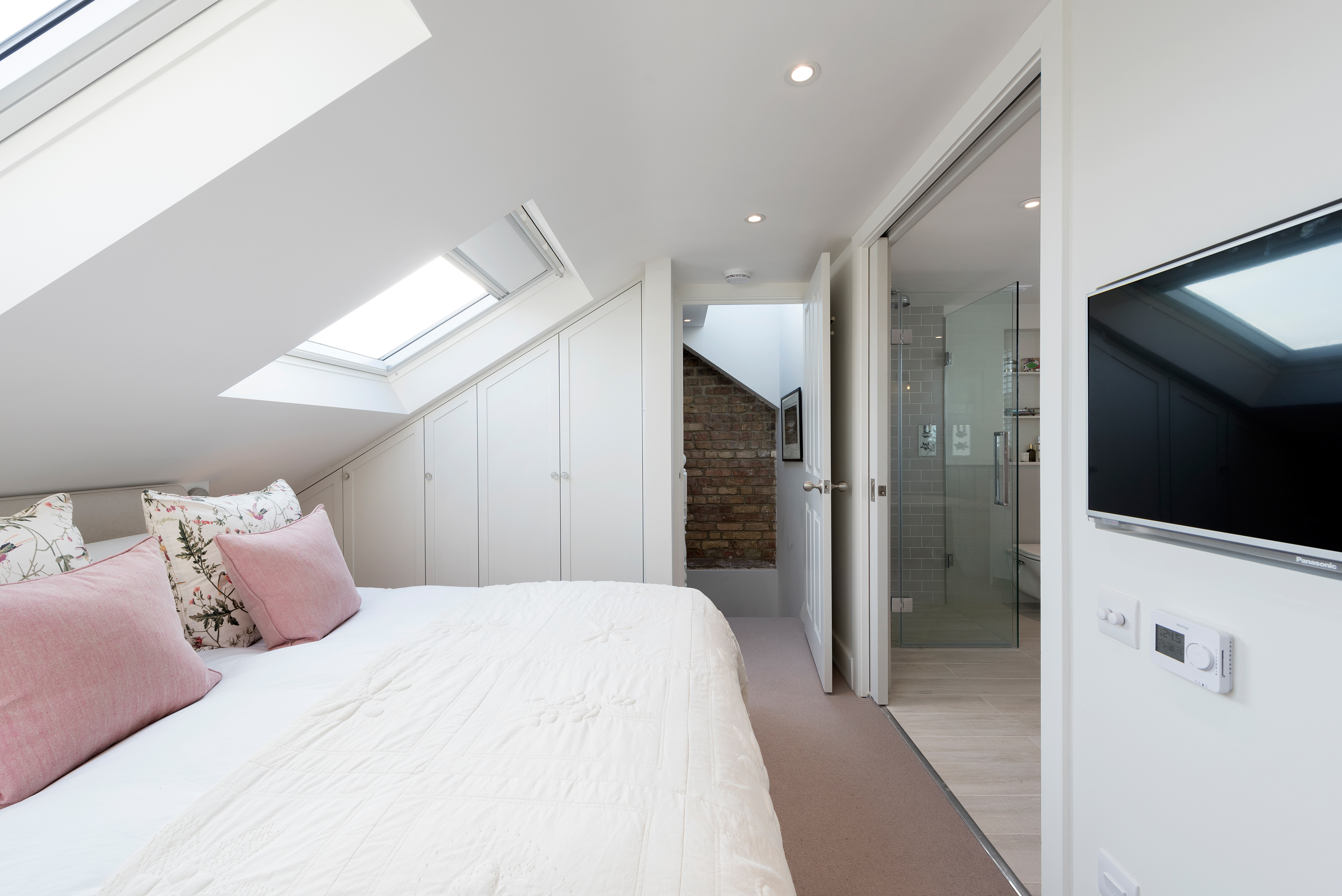
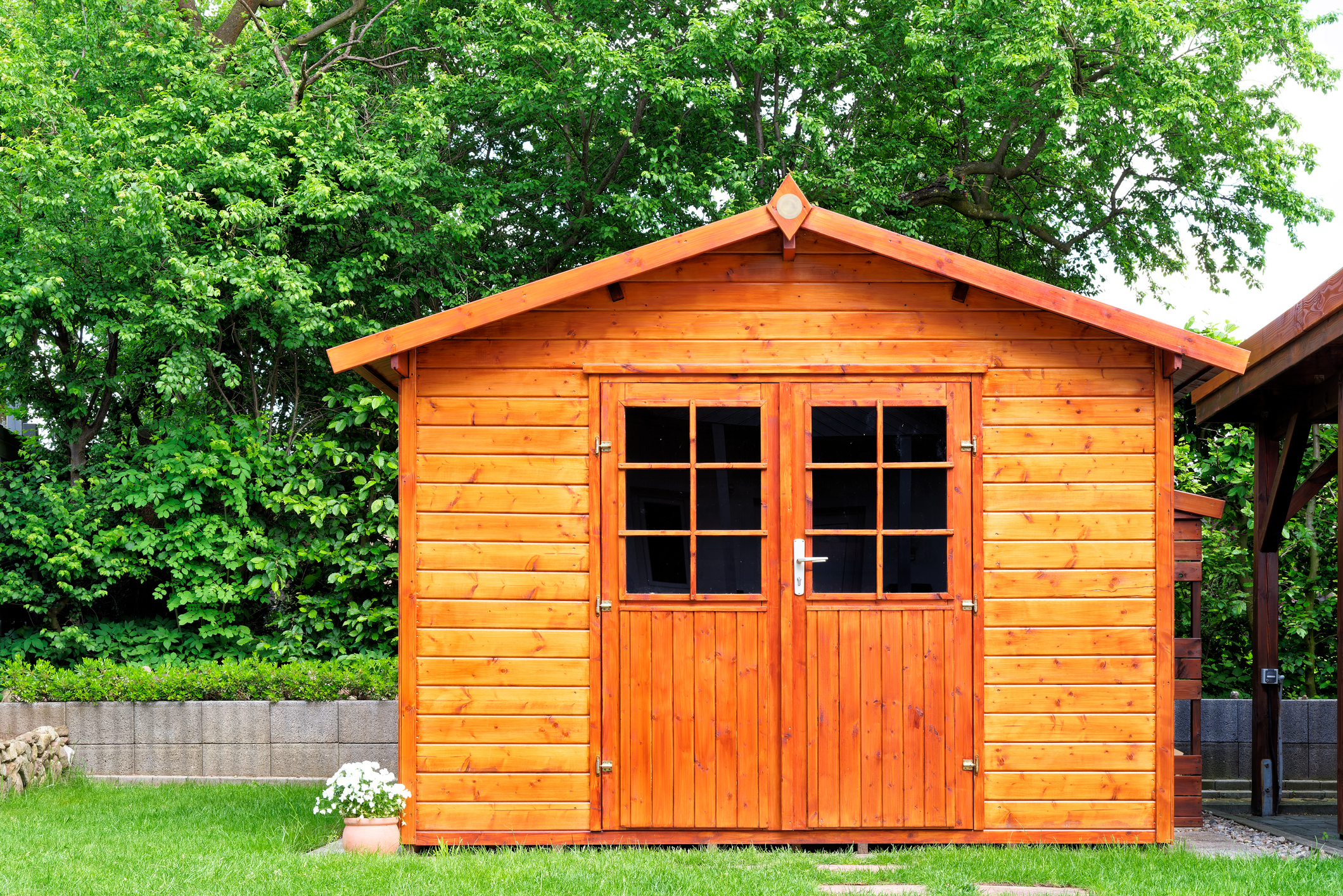
Renovations that expand a home's livable space are primary drivers of property tax increases. This includes constructing an addition, as more living space directly enhances a home's potential sales value, replacement cost, and estimated rental value. Even projects that don't involve new construction but add livable space, such as converting a garage into a bedroom or office, or subdividing a large bedroom into two, can increase tax assessments. Similarly, certain outbuildings, especially those with foundations and utility connections like sheds, may also contribute to a higher tax bill. The key factor is the increase in functional and valuable space.
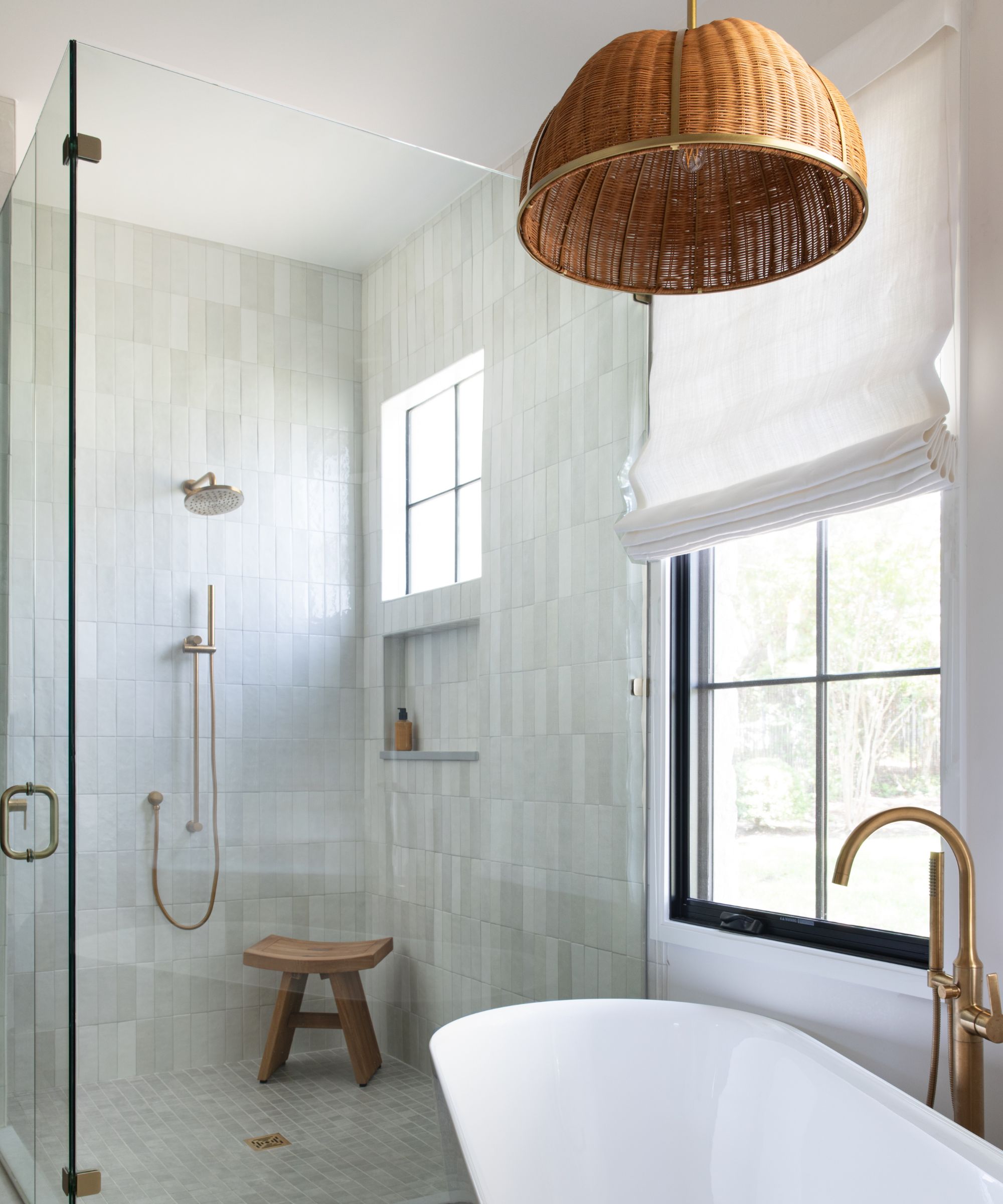
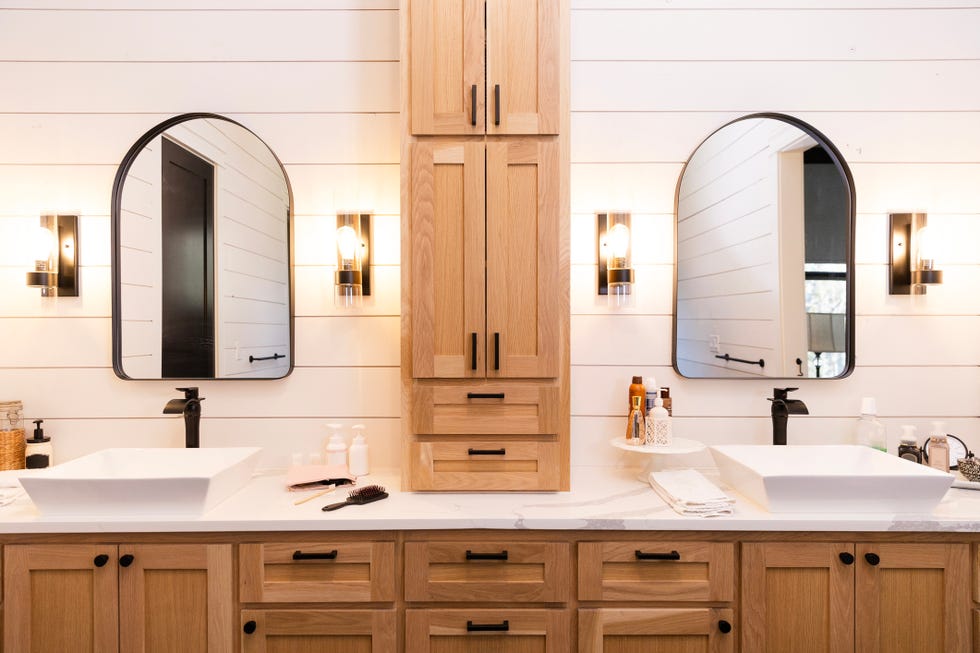
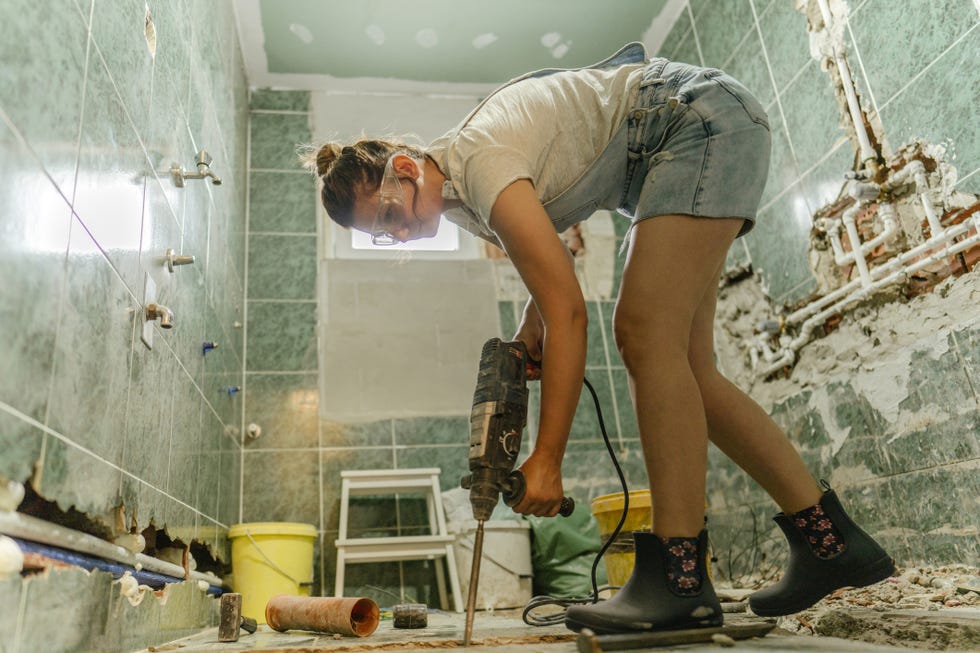
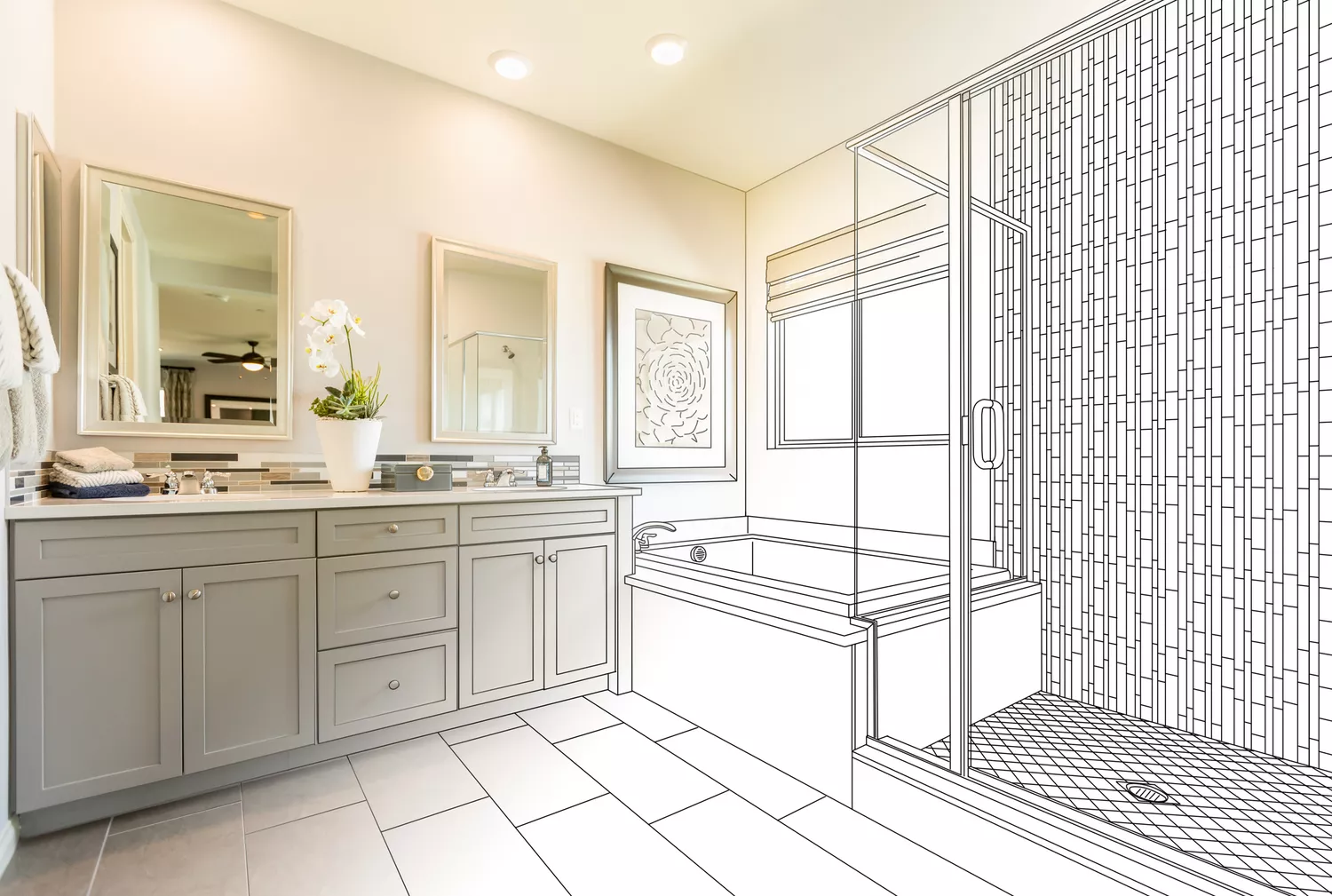
Adding a bathroom is another renovation likely to elevate property taxes. Homes with more bathrooms are generally considered more valuable. Even upgrading existing bathrooms can trigger an increase, particularly if the assessment method relies on the number of fixtures. For instance, transforming a basic three-piece bathroom into a luxurious spa bathroom, despite not being a new addition, could result in higher taxes due to the perceived increase in value and amenities. The presence of additional or significantly improved bathing facilities directly correlates with a higher property valuation.
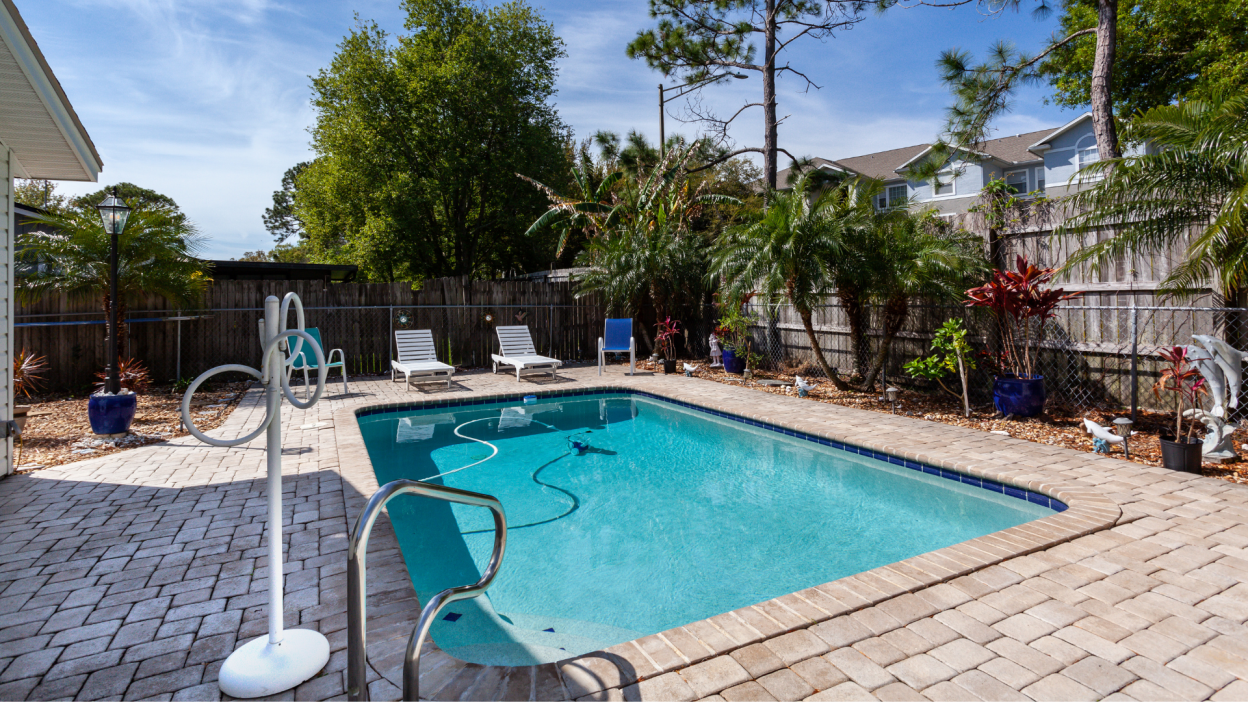
Installing an in-ground pool, despite being a debated feature in terms of overall home value, almost always leads to increased property taxes. While some argue about a pool's long-term maintenance costs and universal appeal affecting resale value, they are definitively considered an improvement that adds value to a property. Furthermore, in-ground pools are classified as "real property" because they are permanently attached to the home, unlike portable above-ground pools which are usually considered personal property and do not impact taxes. This permanent fixture adds a luxury element that assessors account for.
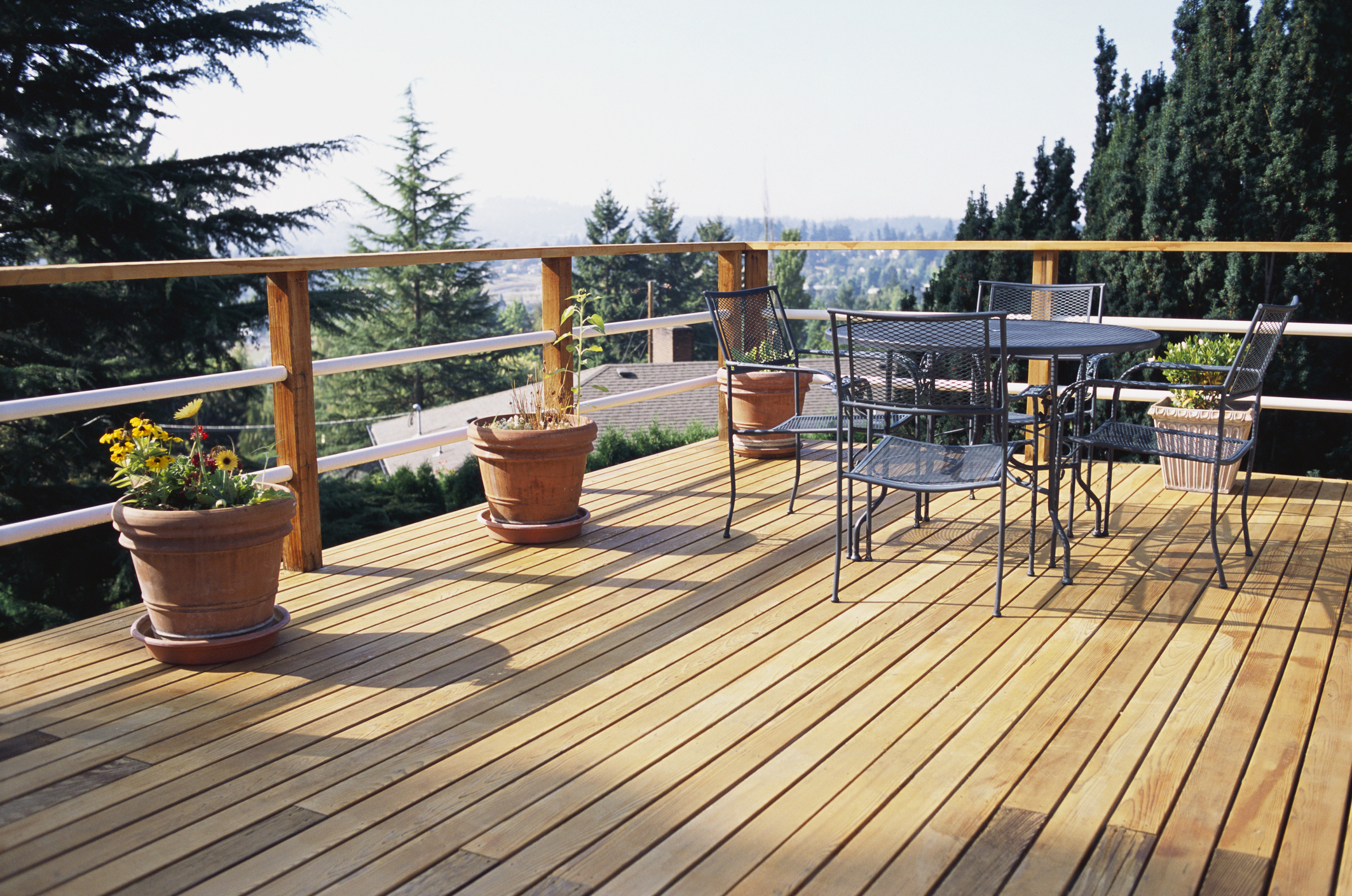
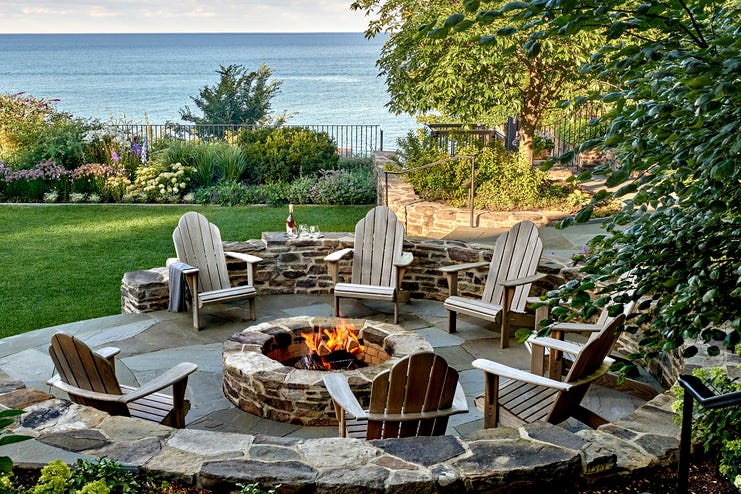
Adding a patio or deck enhances outdoor living space and typically increases a home's value. The impact on property taxes can vary depending on local tax codes, the size and scope of the outdoor structure, and the materials used. However, if the new outdoor space is expected to raise the home's sale value, it will likely lead to an increase in property taxes. Finished basements also significantly impact property taxes. Transforming a previously unfinished, unutilized basement into a finished living area, such as an entertainment space or guest suite, offers a substantial return on investment (ROI) in terms of home value. This added functional space directly contributes to a higher assessed value and, consequently, higher taxes.
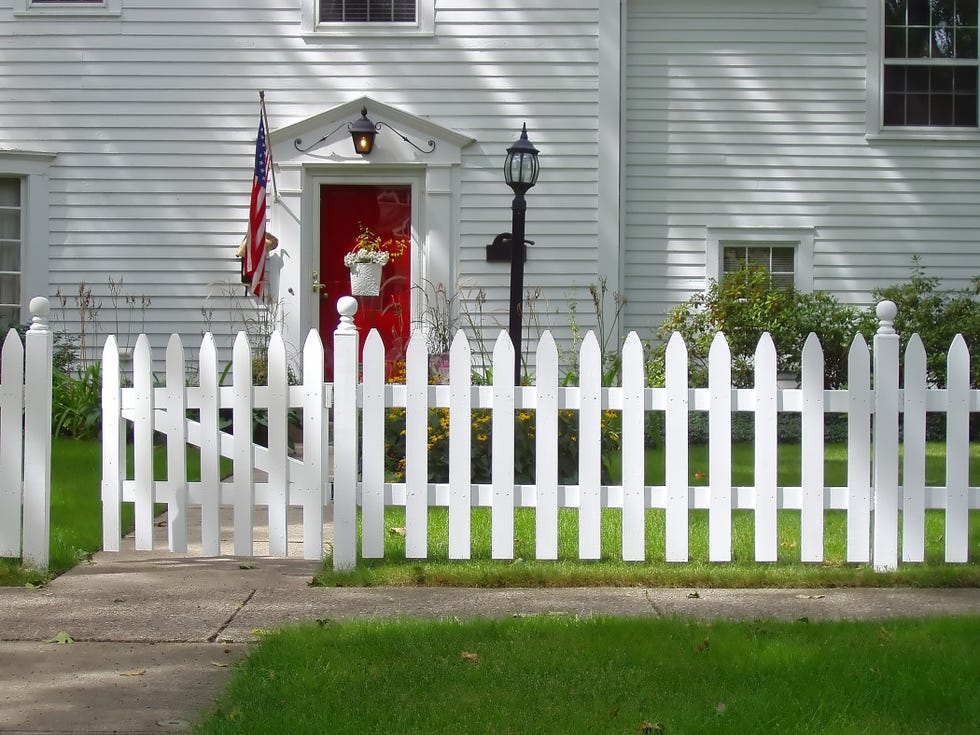
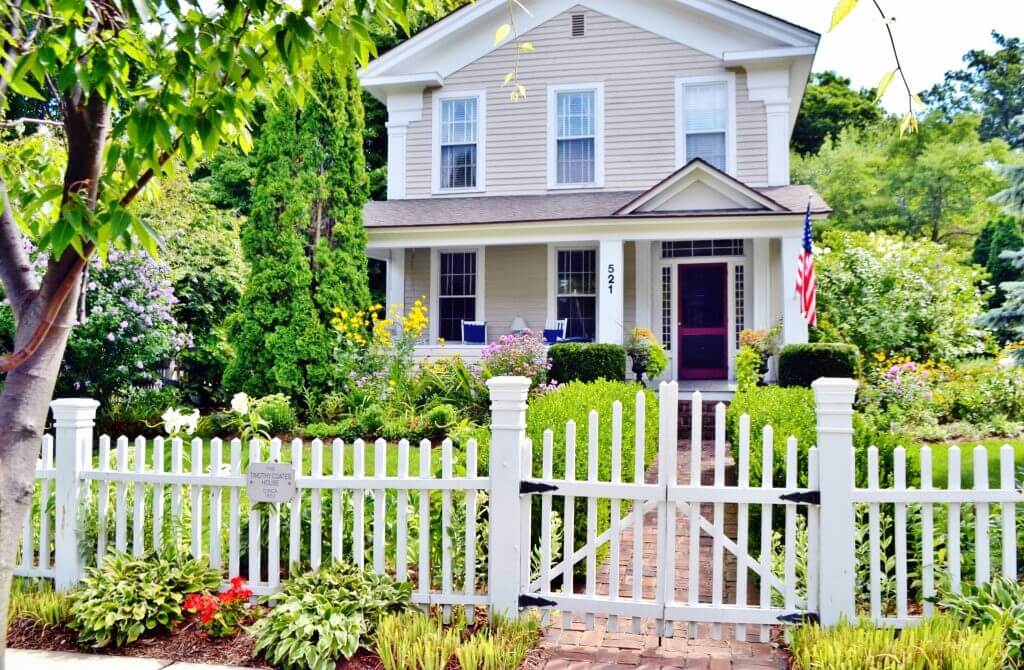
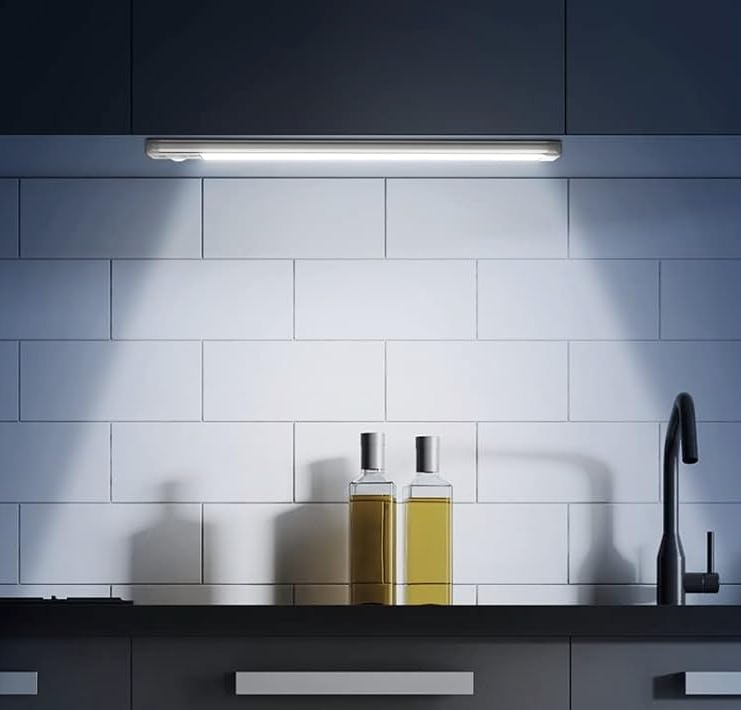
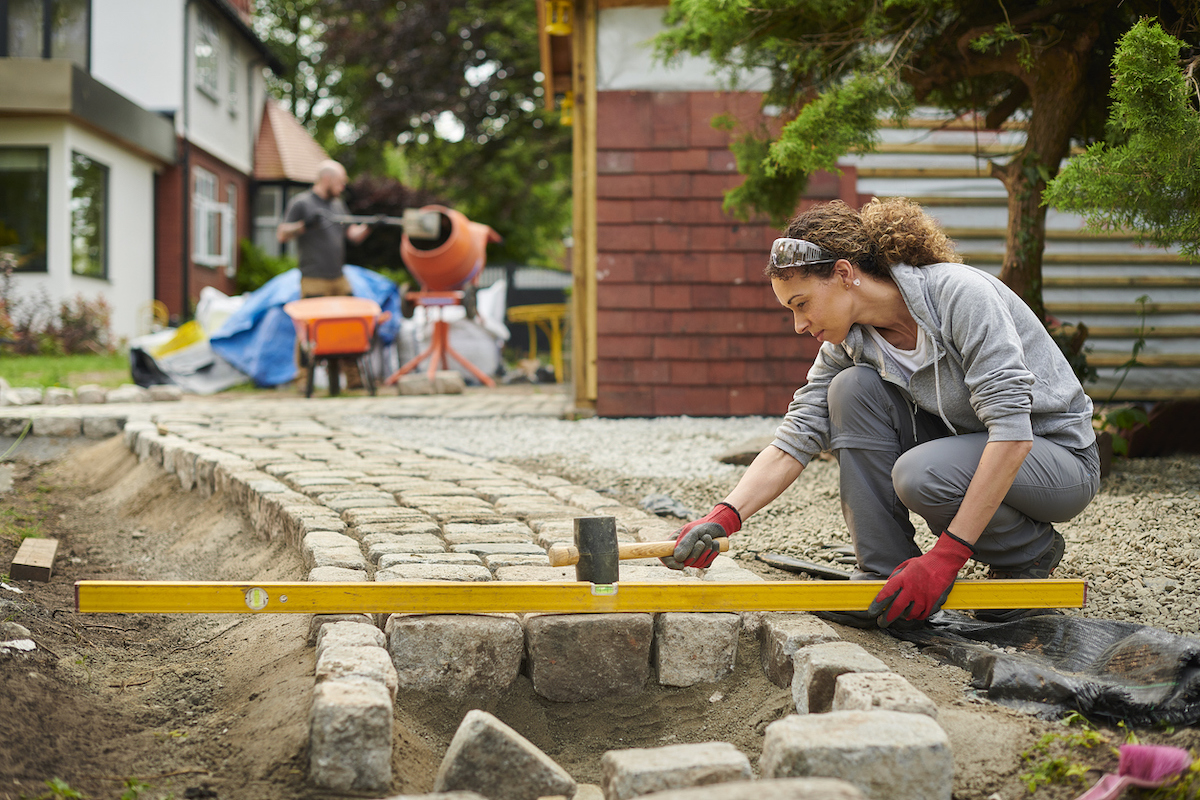
General land improvements extend beyond the main structure and can also result in property tax hikes. Any project that enhances the land's value is considered an "improvement." This includes fencing, paving driveways, installing drainage or irrigation systems, landscaping and hardscaping, adding outdoor lighting, regrading, and installing sidewalks. These modifications make the property more desirable and valuable, leading to increased tax assessments. Finally, adding a fireplace is seen as a luxury that makes a home cozier and more appealing, contributing to an average 13% increase in sale value. This added value is reflected in subsequent tax assessments. Homeowners are advised to contact their local assessor's office before undertaking renovations, especially those requiring permits, to anticipate potential property tax implications.
#HomeRenovations #PropertyTaxes #HomeImprovement #RealEstateValue #TaxAssessment #HomeAdditions #BathroomRemodel #PoolInstallation #Landscaping #HomeRenovations #PropertyTaxes #HomeImprovement #RealEstateValue #TaxAssessment #HomeAdditions #BathroomRemodel #PoolInstallation #Landscaping
0 comment in total
 No comments yet
You may also like
18 Home Improvement Projects You Can Tackle with Your Tax Refund

Experts warn these 7 DIY home improvements will devalue it – plus what to do instead

Loft conversion costs 2022 and how to budget for the perfect design


Top 7 home renovations that can increase your property's value — and quality of life as you age

Home Renovation Projects That Are (Mostly) Tariff-Proof

Remodeling
Summer Backyard Ideas With Added Tax Benefits for 2025
Upgrading THIS Simple Feature Makes Your Home Look More Expensive, According to Designers


5 home updates to increase your property's value by 20%

8 Home Upgrades You Can Finally Check Off Your List, Based on Your Tax Refund

These Easy Home Updates Could Add $6,000+ to Your Selling Price

5 Most Profitable Home Improvements to Make Before Selling Your Home

7 Types of Tax-Deductible Home Improvements
7 Renovations Homeowners Regret the MOST, According to the Experts Who Fix Them
Experts Swear By These 10 No-Demo Renovation Projects That Will Majorly Increase Your Home's Value

Contractors Swear By These Weird Things That Make Your Home Look Way More Expensive

5 "Tariff-Proof" Home Renovations That Experts Recommend in 2025
Home Upgrades That Pay Off

Home Renovations Cost More Than You Think—Especially These 3 Projects
These Are the Home Products That Could Be Impacted by Tariffs—Plus How to Save