1/12
11 Reasons Hardwood Flooring Might Not Be Right for Your Home
While hardwood flooring offers a high return on investment, recouping 118 percent of project costs according to the 2022 Remodeling Impact Report by the National Association of Realtors, it may not be suitable for every household. Several factors, including budget constraints, household composition, maintenance preferences, and personal comfort, should be considered before investing in hardwood floors.
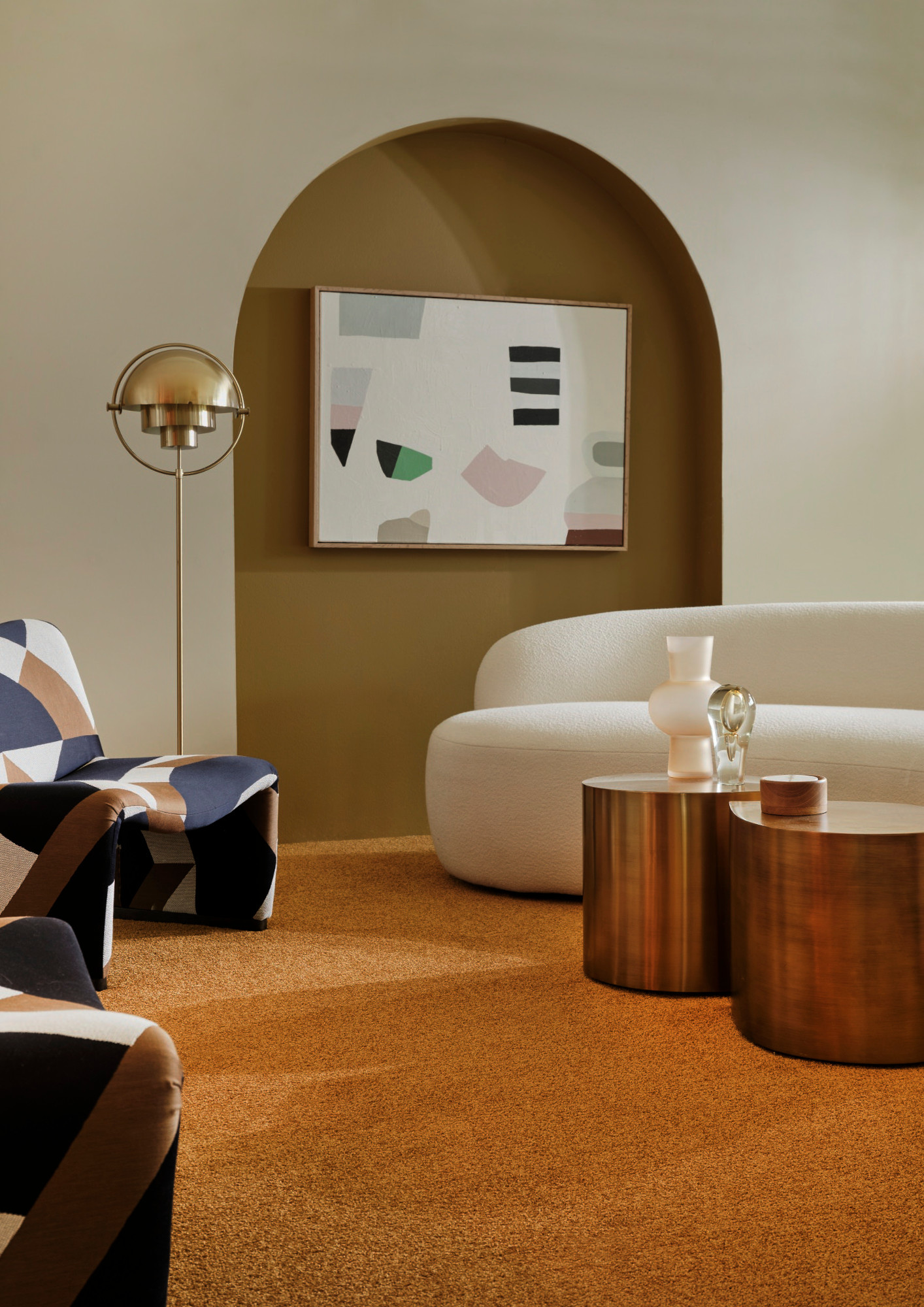
Financially, hardwood floors are a significant investment. Paul Carter, executive vice president at Empire Today, notes that solid hardwood costs have risen more sharply than other flooring types, potentially being up to three times more expensive per square foot than carpet. For those with tight budgets, alternative flooring options like carpet or vinyl might be more appropriate.
Households with pets, especially dogs, often find hardwood floors challenging. Pet nails can scratch the finish, and accidents, particularly from young animals, can lead to difficult-to-remove stains and odors. Similarly, children, especially young ones, can be tough on hardwood floors, dragging toys and shoes that cause nicks and scratches. Hardwood also offers less cushioning than other flooring types, making it less comfortable for kids to play on. For these reasons, many homeowners opt for more durable and forgiving surfaces.
Maintenance is another critical consideration. Hardwood floors are not low-maintenance; they require regular sweeping and cleaning to prevent damage and maintain their appearance. Specific cleaning products are needed to avoid damaging the finish, and care must be taken with water. If a homeowner is unwilling or unable to commit to daily cleaning, hardwood floors may quickly lose their appeal. Carter highlights that many customers seeking the 'wood look' often shift to wood alternatives once they understand the maintenance and performance aspects.
Soundproofing is also a factor. Hardwood floors amplify sound, making spaces feel louder, which can be an issue for musicians or those desiring quiet areas. Sound-absorbing options like carpeting, cork, or vinyl are better choices for noise reduction. Moreover, the lack of cushioning in hardwood can be uncomfortable for individuals with joint issues, as standing on them for extended periods can cause discomfort. Softer flooring alternatives are recommended for those needing more ergonomic support.
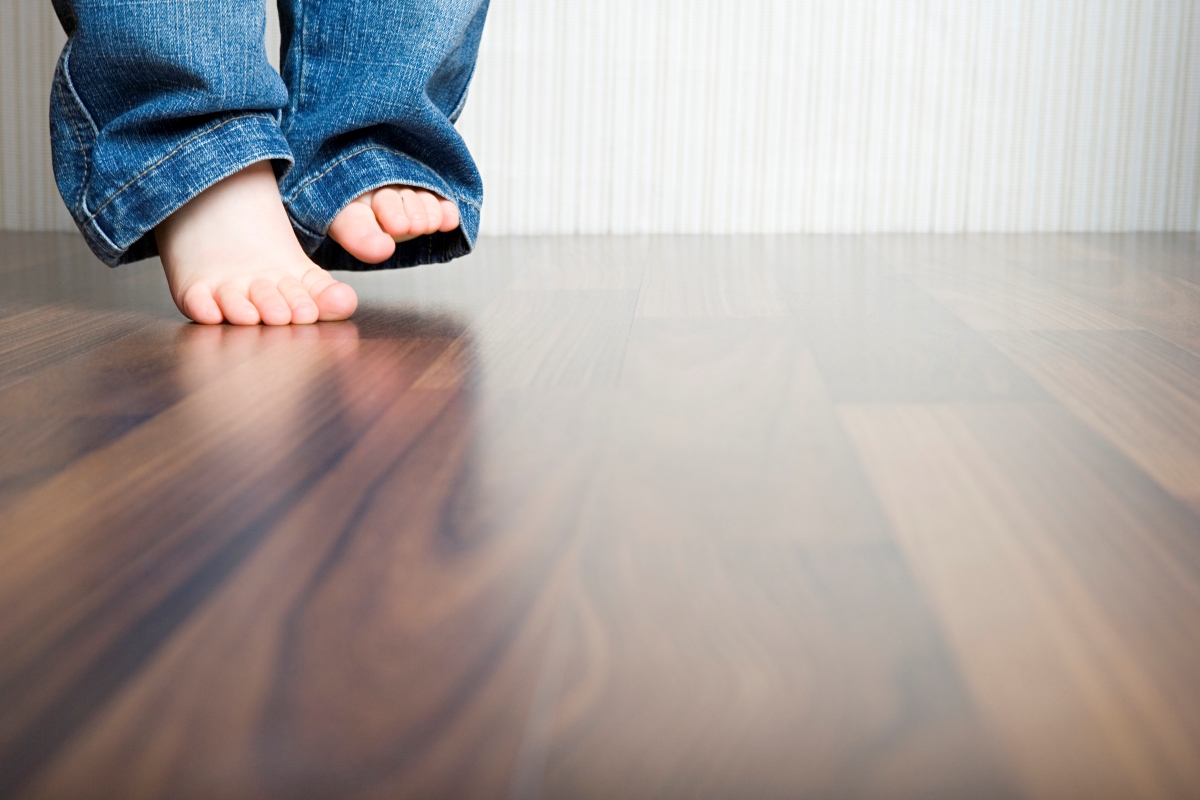
Despite their popularity, hardwood floors can also be perceived as commonplace due to their widespread use in new home construction and home improvement shows. For homeowners seeking a unique and original aesthetic, hardwood might not offer the distinctiveness desired. In terms of comfort, hardwood floors tend to squeak over time, regardless of installation quality, and are cold underfoot, especially during colder months. These factors can detract from a home's coziness.
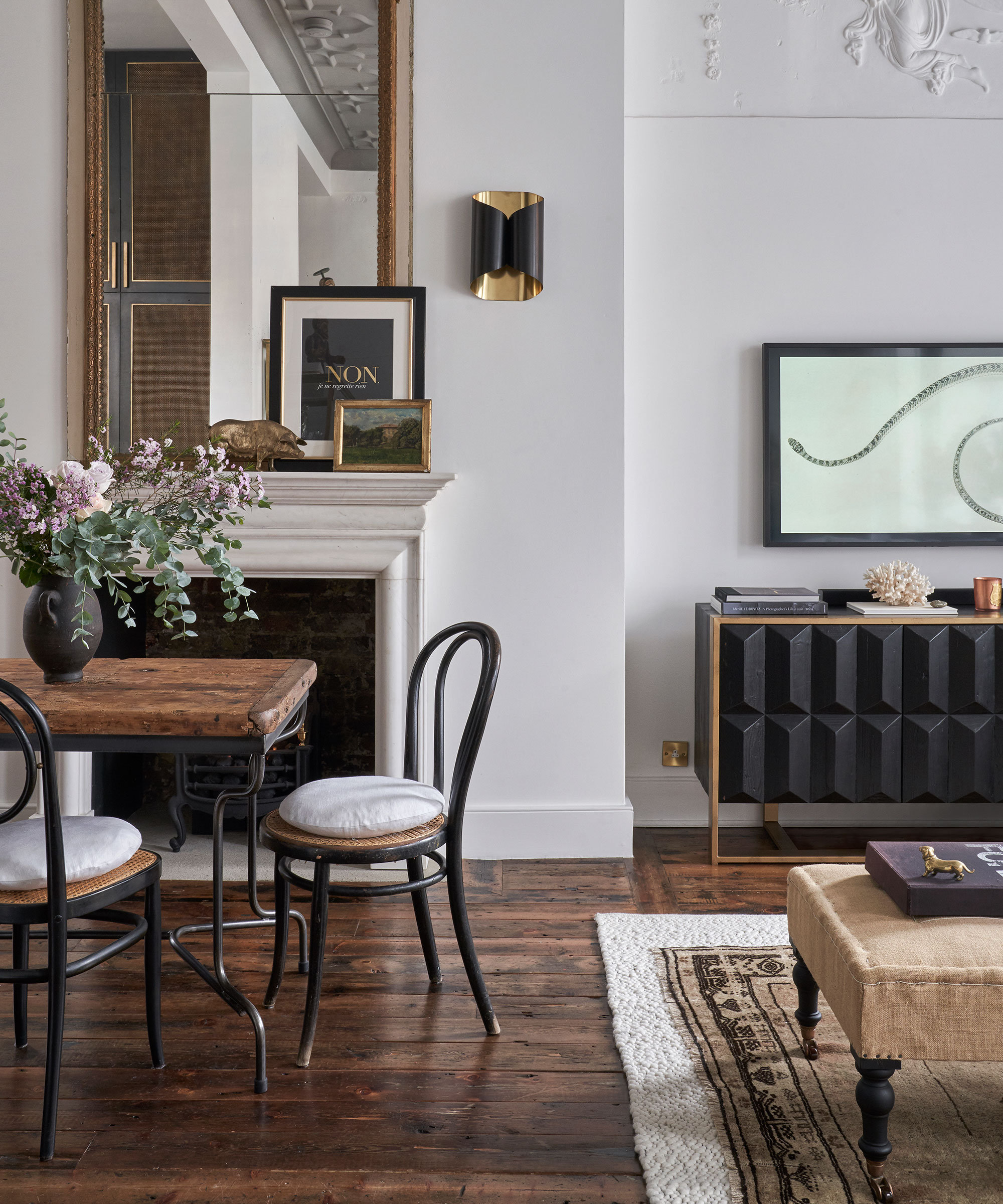
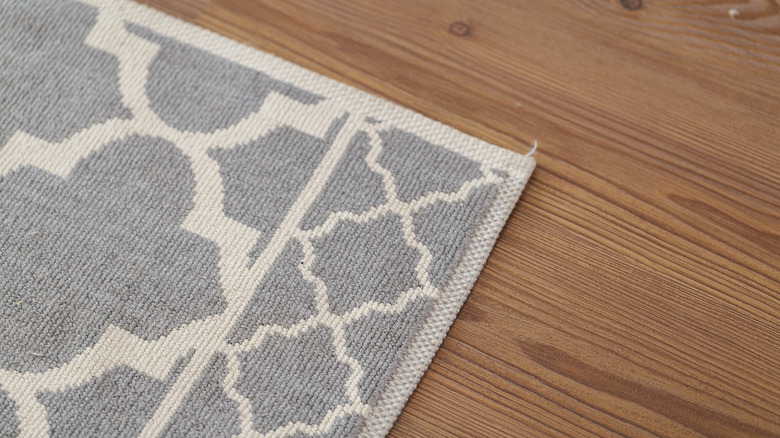
Finally, hardwood floors tend to accumulate dust and dirt quickly, requiring daily sweeping to maintain a clean appearance. Households with pets or children may find themselves cleaning even more frequently. Many homeowners also find it necessary to supplement hardwood with area rugs to add warmth, absorb sound, and provide visual interest. If area rugs are not preferred, the inherent coldness and lack of comfort of bare hardwood floors may be a significant drawback. Therefore, while aesthetically pleasing and a strong investment, hardwood flooring requires careful consideration of lifestyle, maintenance commitment, and personal preferences.
#HardwoodFlooring #HomeImprovement #FlooringOptions #HomeMaintenance #PetFriendlyHome #ChildFriendlyHome #InteriorDesign #CostEfficiency #HardwoodFlooring #HomeImprovement #FlooringOptions #HomeMaintenance #PetFriendlyHome #ChildFriendlyHome #InteriorDesign #CostEfficiency
Há 0 comentários no total
 Ainda não há comentários
Você também pode gostar
A Home Improvement Expert Reveal the Best Hardwood Flooring

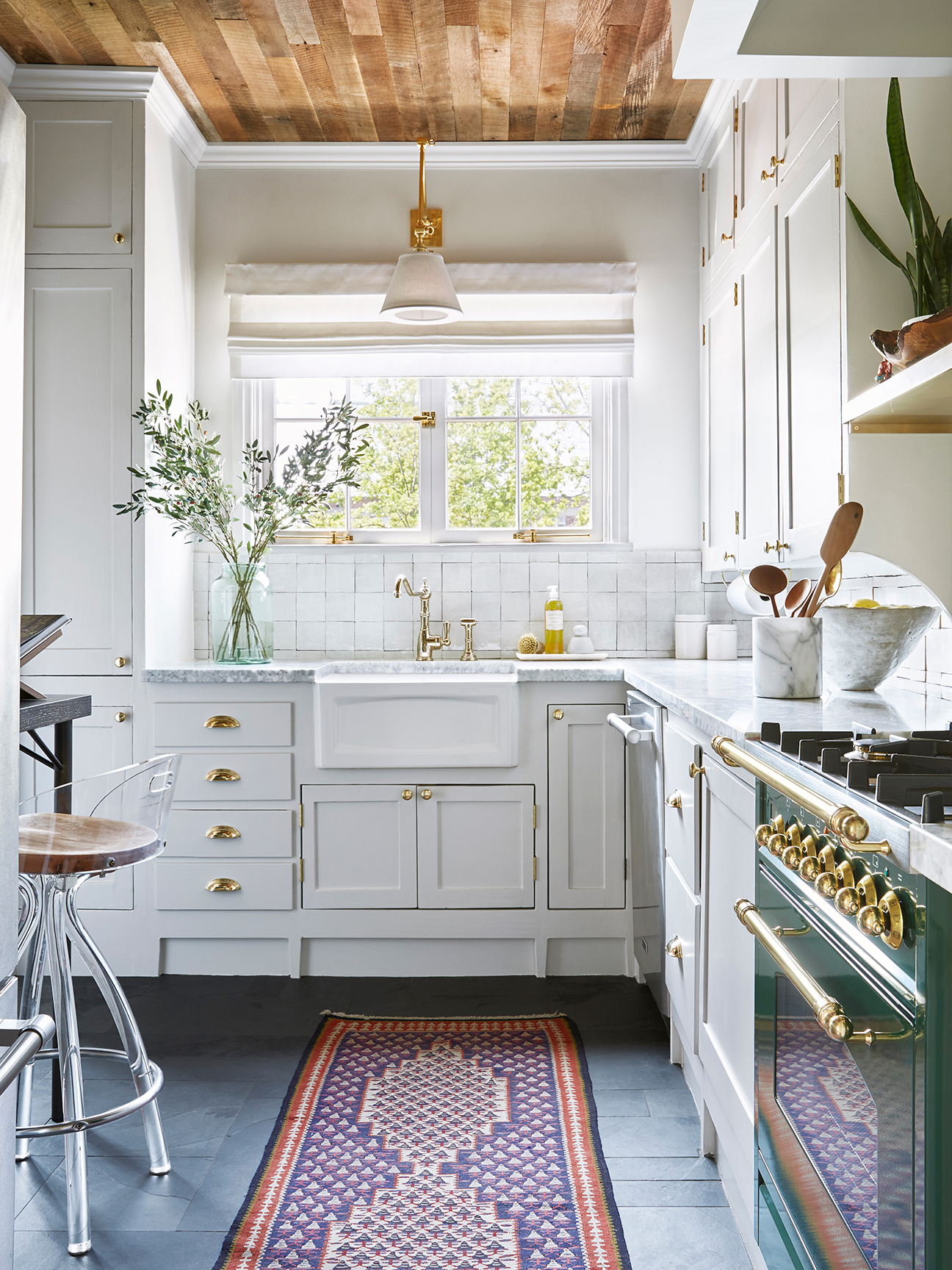
Hardwood Isn’t Just for Your Floors Anymore
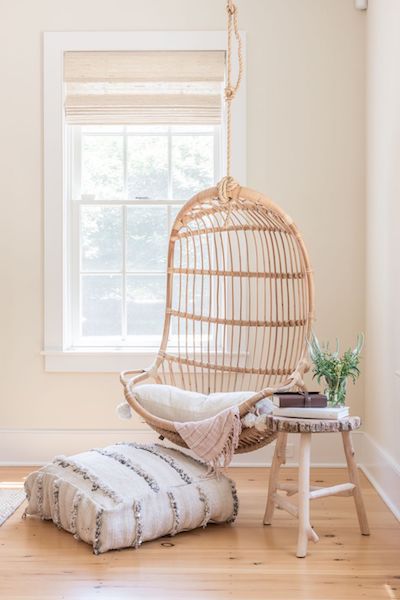
12 color trends for hardwood floors

HGTV's Mike Holmes Says Hardwood Flooring Should Never Be Installed In One Area

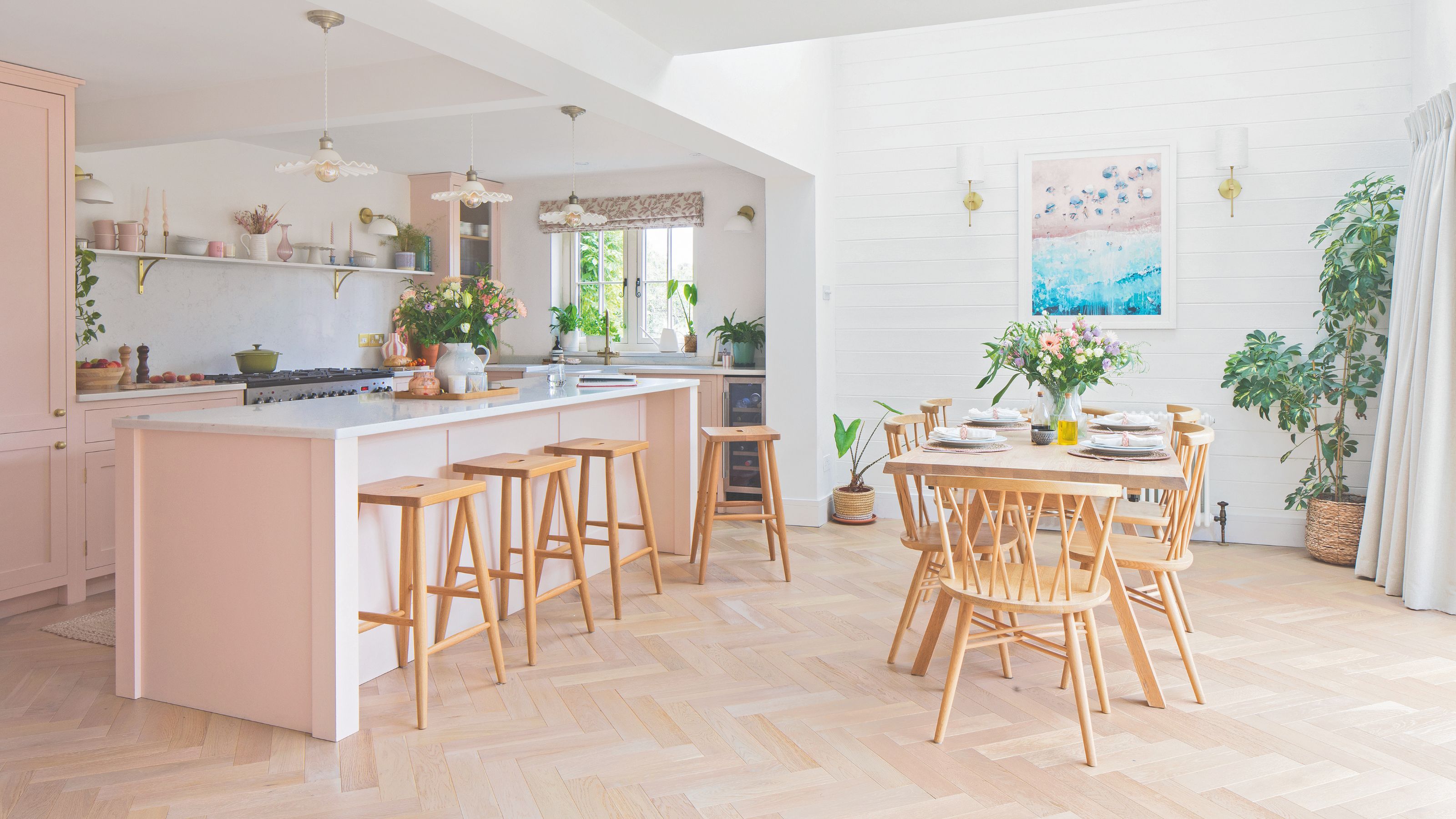
5 flooring choices that will make it harder to sell your home
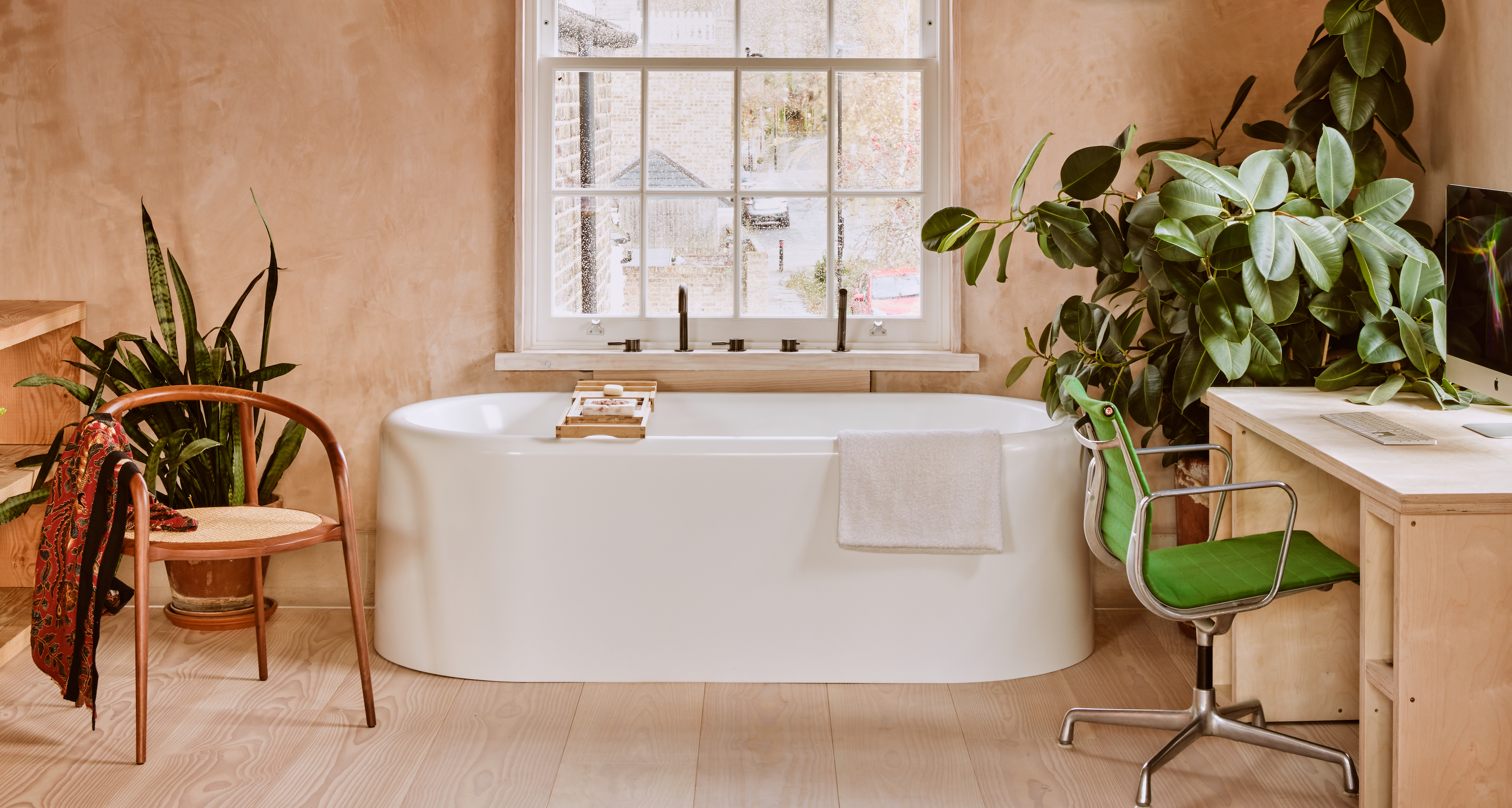
Don't use hardwood flooring in a bathroom without reading this expert advice for long-lasting boards

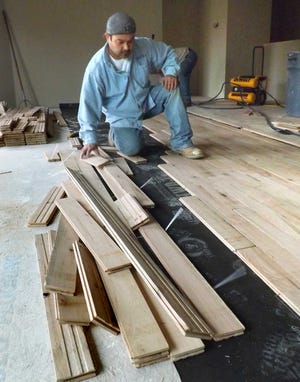
At Home: Hardwood flooring -- Options abound

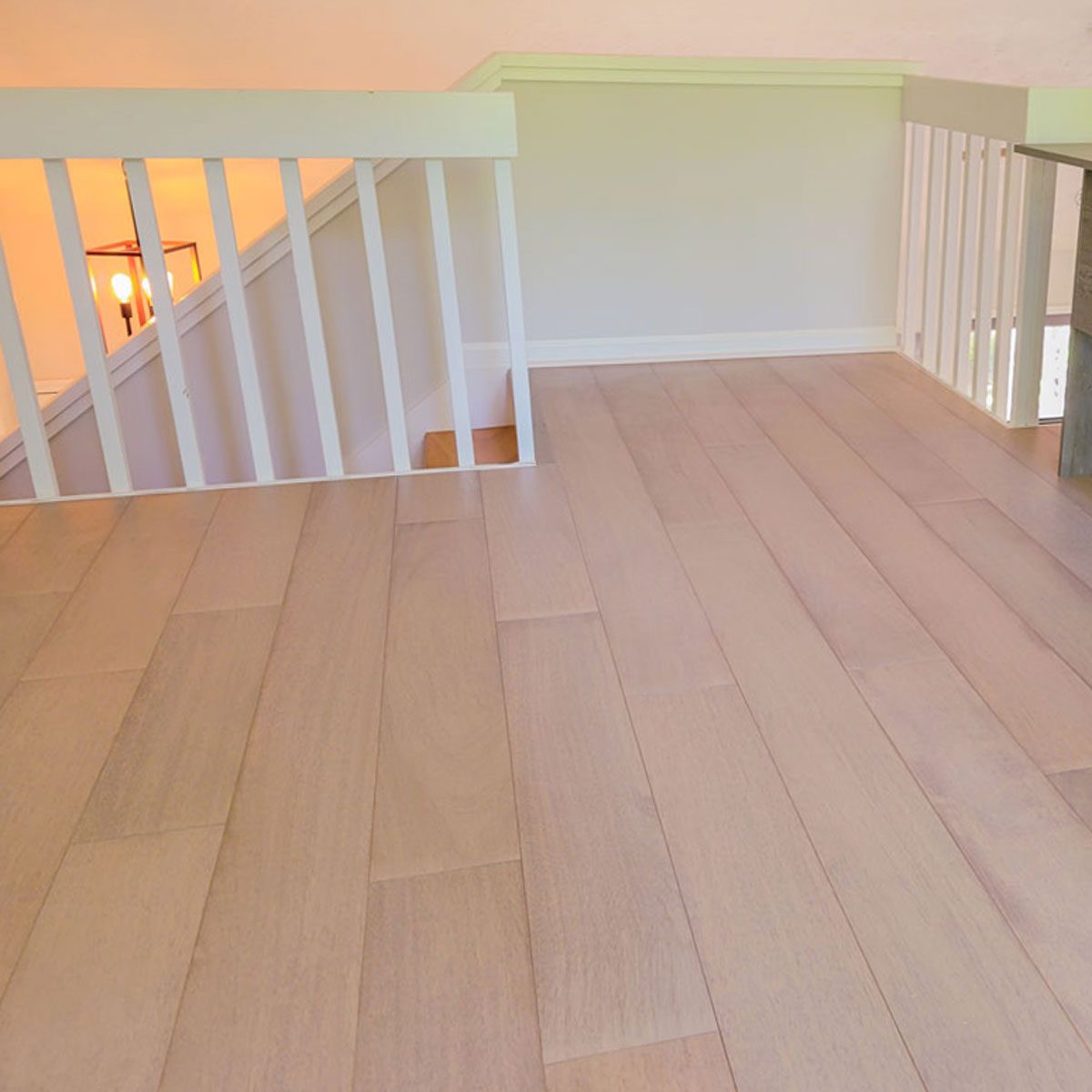
LL Flooring Review: Our Thoughts on Quality, Install and Features

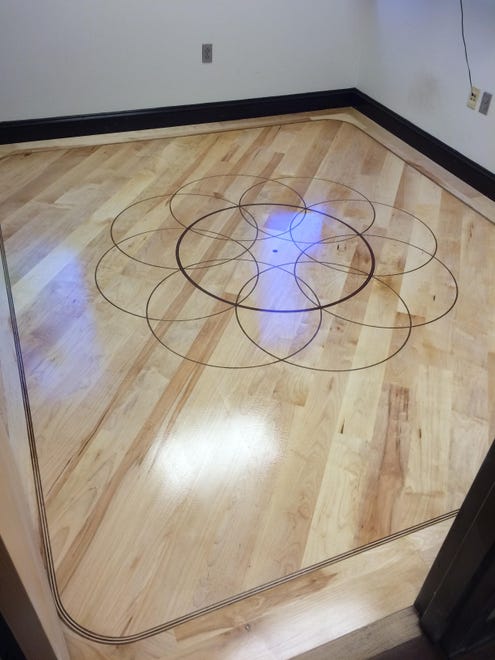
Beauty of hardwood flooring
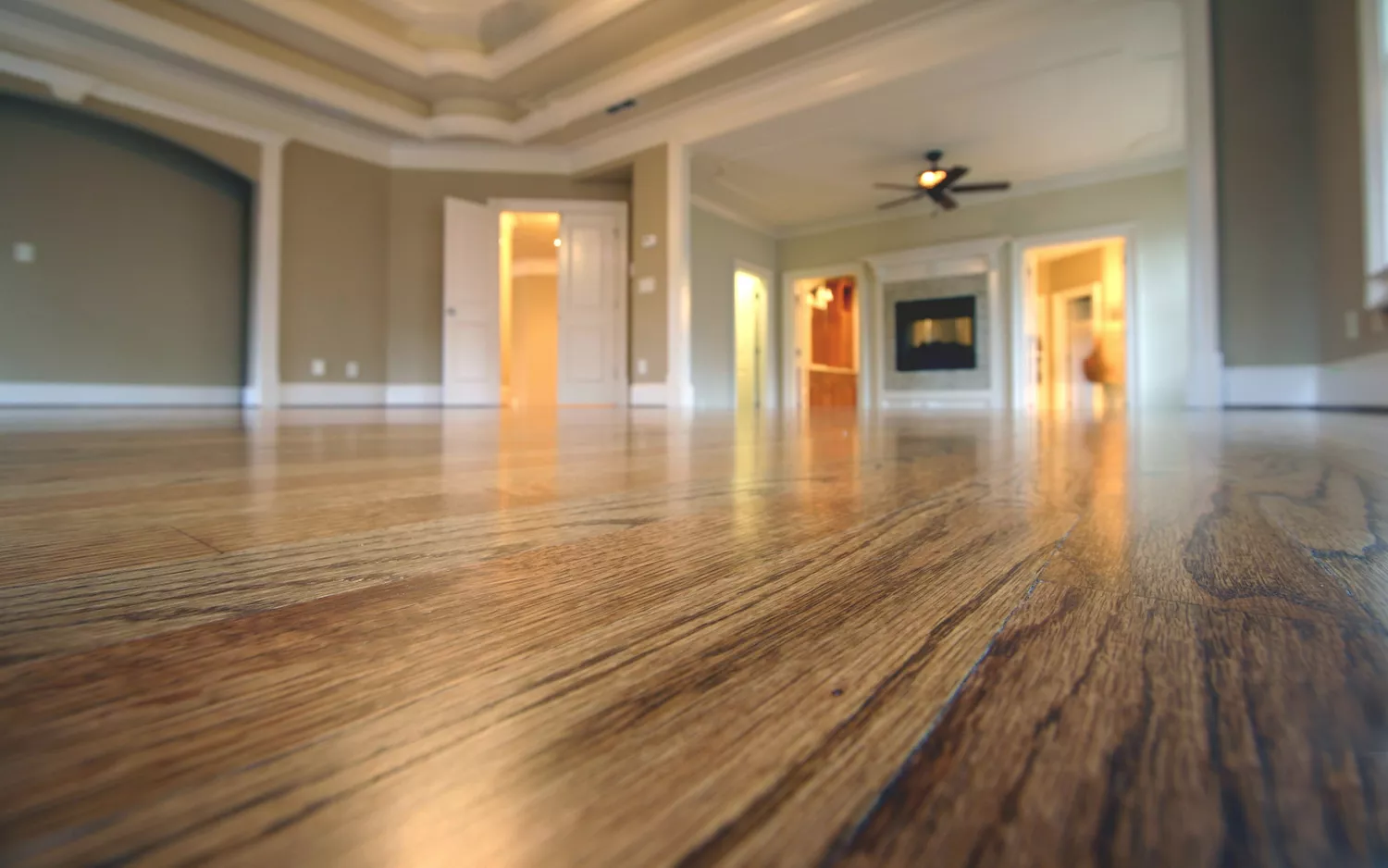
6 Mistakes You Should Avoid When Choosing Hardwood Floors, According to Home Reno Pros

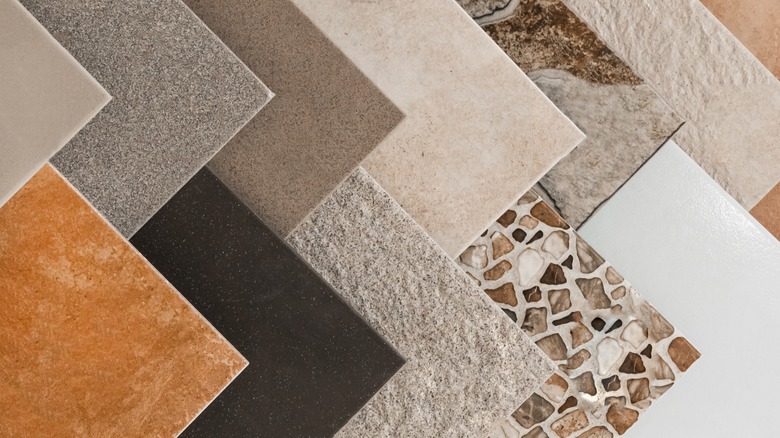
Our Real Estate Expert Names The Kitchen Flooring Choice That Can Hurt Your Resale Value
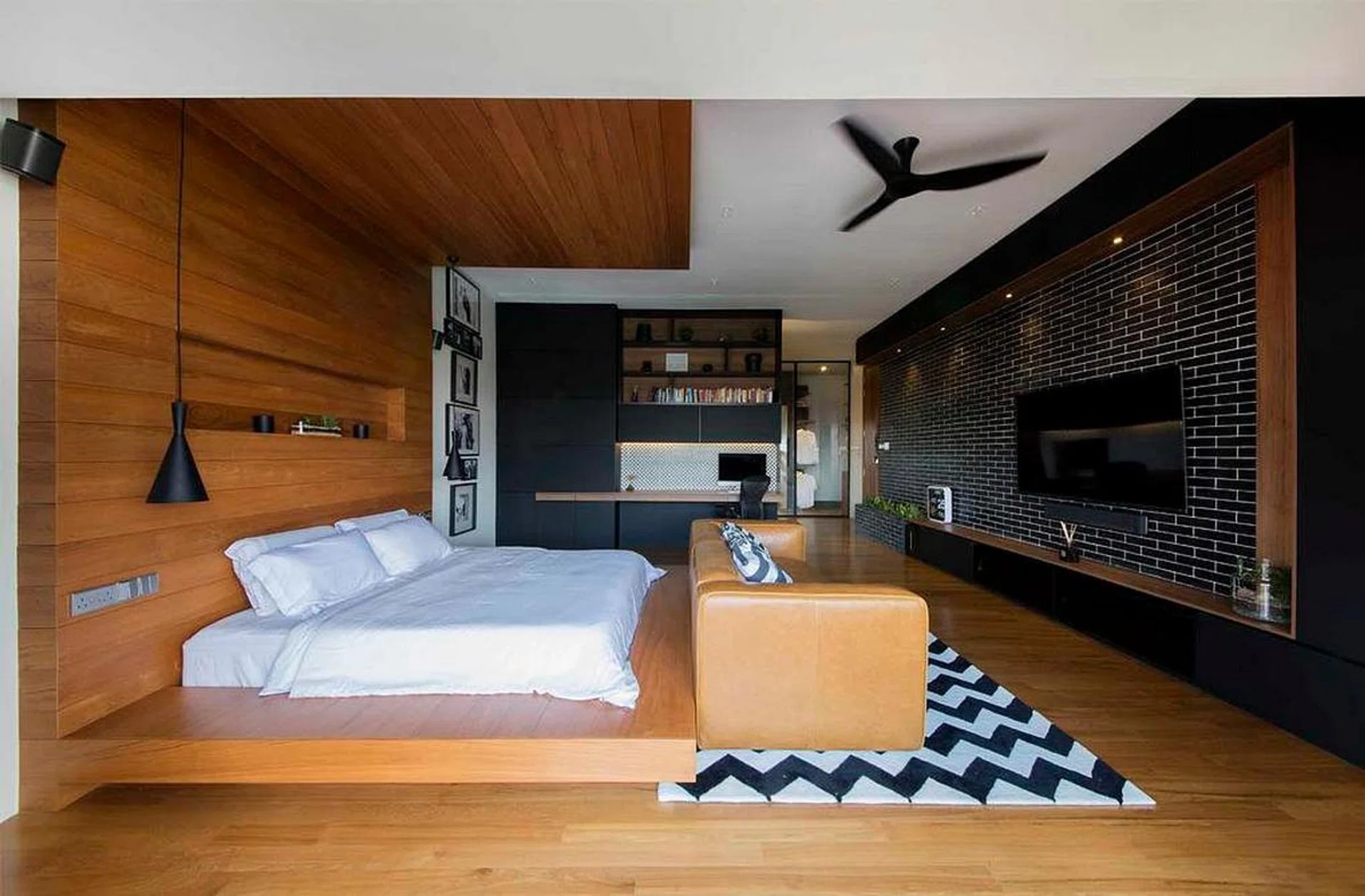
Q&A on wood flooring: How much it costs and more
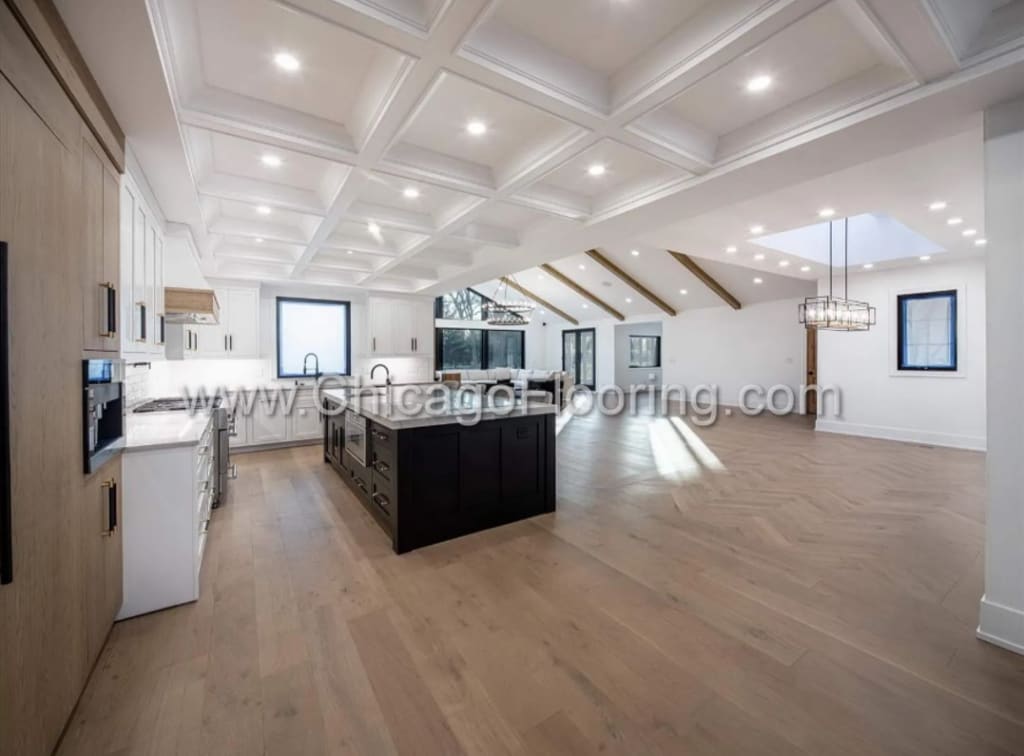
6 Common Mistakes When Choosing Hardwood Flooring

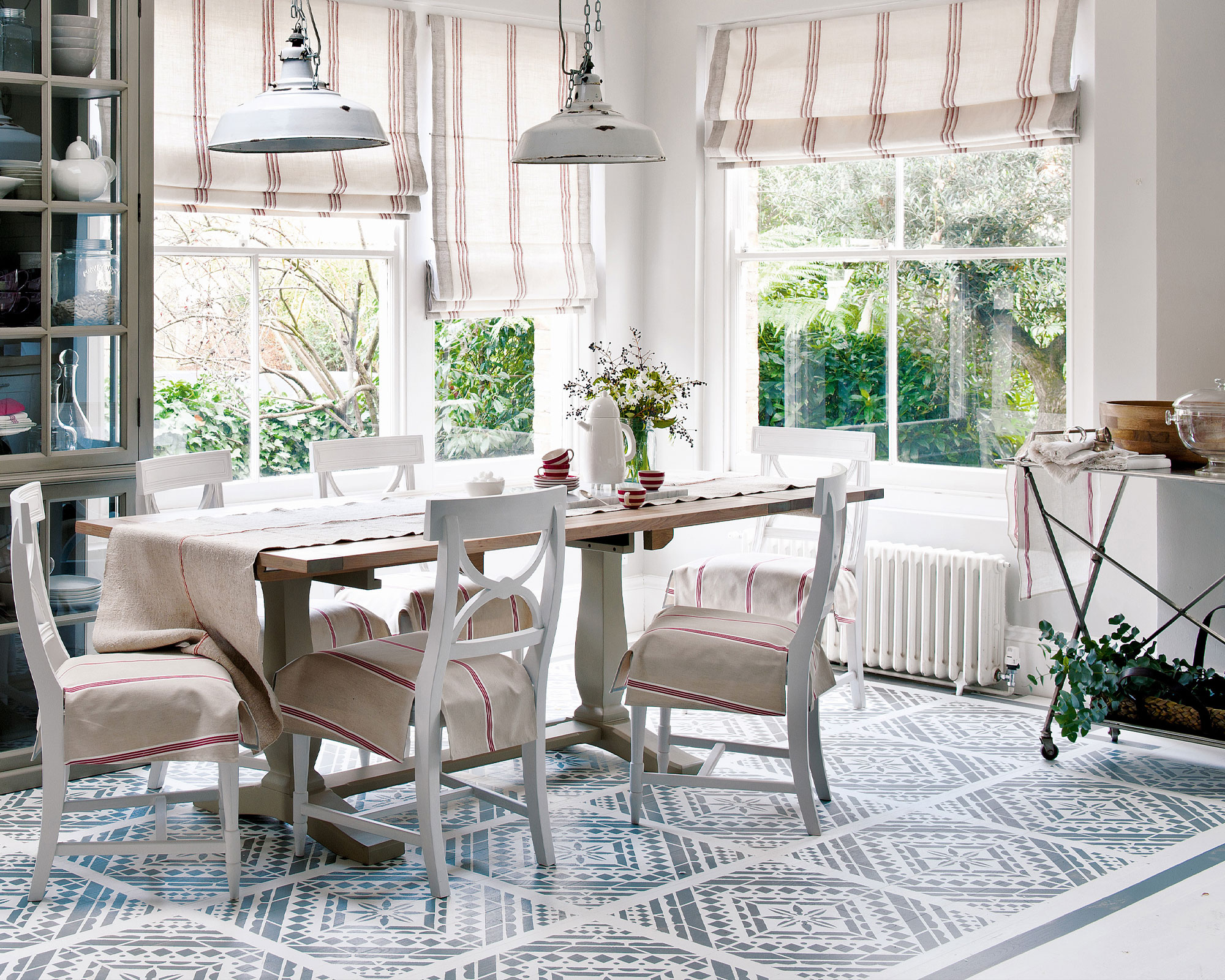
5 flooring mistakes to avoid – according to architects and interior designers

Wood Flooring – Our Pick of the Best
Add comfort and beauty to your home with new floors

5 things designers look at to compare carpet vs hardwood floors – they'll help you choose the right one for your room
What You Should Know Before Painting Hardwood Floors


How Hardwood Flooring is Made at Advantage Lumber

5 Flooring Choices Designers Always Use in Their Own Homes (and You Should Too)