1/5
Your Primer for Preparing Surfaces for Plaster, Pebble and Other Interior Finishes
Proper surface preparation is crucial for the successful application of interior finishes in pools and spas, especially in existing vessels, to ensure the new material adheres correctly to the old. Contractors utilize various methods, including chipping, applying a bond coat, and water jetting, to create optimal conditions for a perfect bond while minimizing damage to the pool shell.
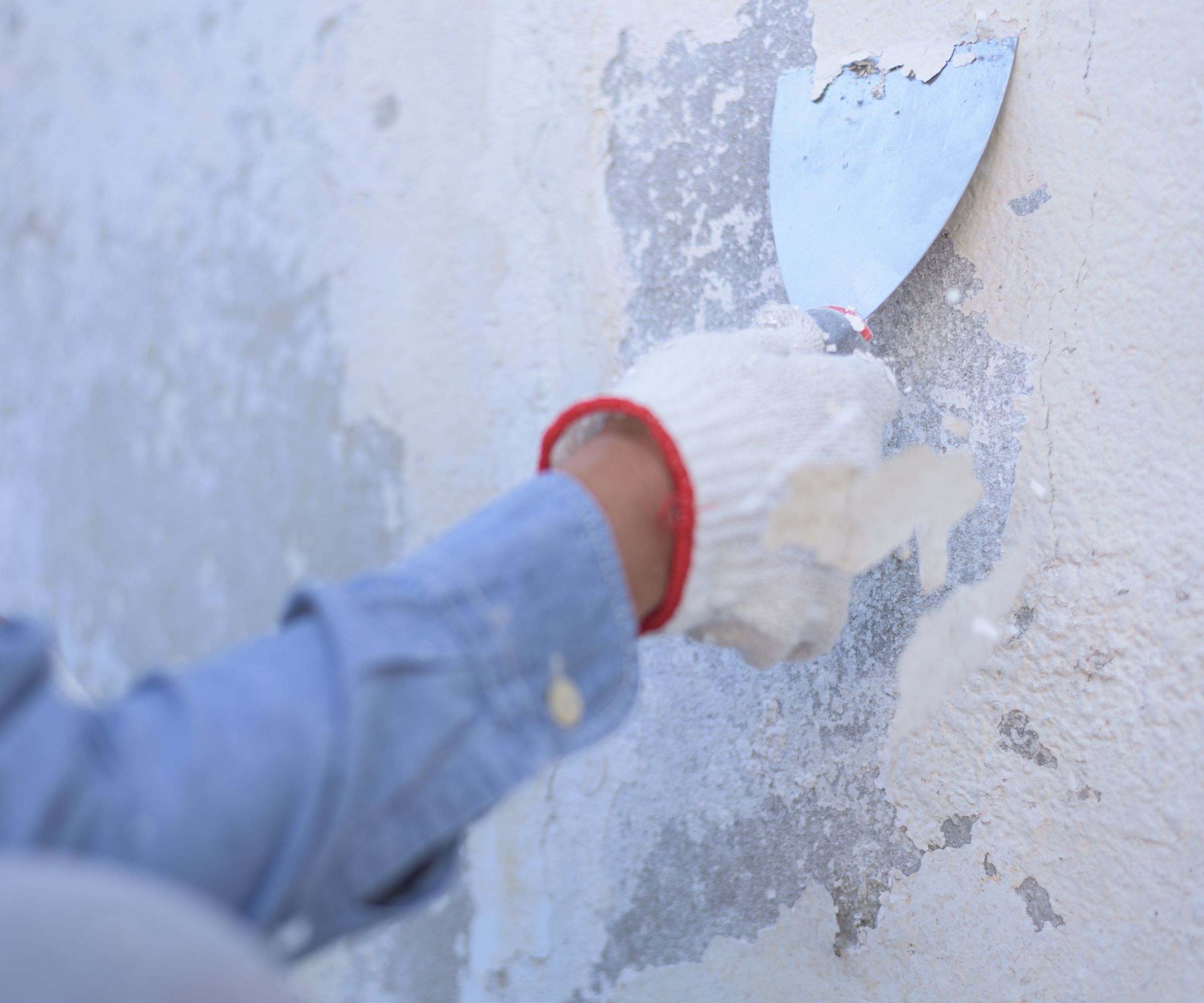
Chipping the old finish involves removing existing plaster. Experts advise against aggressive chipping that could expose rebar or create deep gouges, as inconsistent material thickness can lead to hydration issues and mottling in the new finish. Partial chip-outs are often performed when a bond coat will be applied, focusing on areas under the tile line and around fittings to allow for proper feathering and wrapping of the new material, preventing leakage. Saw cutting beneath the tile line and around fittings helps achieve clean removal and minimize tile damage. Tools like angle grinders or hand grinders with diamond blades are used for precise cuts, while less powerful equipment and flat chisels are preferred for walls to avoid shattering. Hollows, or areas of delamination, must be identified by dragging a chain or rod across the surface and removed, as replastering over them will not provide a stable foundation. Full chip-outs may be necessary if a significant percentage of the pool is debonded or if multiple layers of plaster are present.
Bond coats are increasingly necessary, especially with newer finishes that require a rougher surface for adhesion. A bond coat, a cementitious material, creates both a physical and chemical bond with the new finish. Before application, the surface must be roughened, often through acid washing or sandblasting, and then thoroughly cleaned of debris and neutralized if acid-washed. It's crucial to use bond coats specifically designed for submerged applications in pools and spas and to avoid custom mixes. Proper mixing, without adding excess water, is essential to maintain the coat's strength and texture. Weather conditions, such as high temperatures or imminent rain/fog, can compromise the bond coat's effectiveness, as polymers may not cross-link or coalesce properly below certain temperatures. Application methods include brushing, rolling, or spraying. Brushing is economical, creating small peaks by snapping the brush towards the surface. Rolling uses thick-nap rollers for a peaked texture and offers control but may use more material. Spraying, while requiring a pricier gun, is faster, uses less material, and creates a stucco-like surface if the gun is held perpendicular and the compressor settings are correct. The chosen method should result in a uniformly rough and level surface, and the bond coat should cure for at least one to three days for optimal chemical bonding.
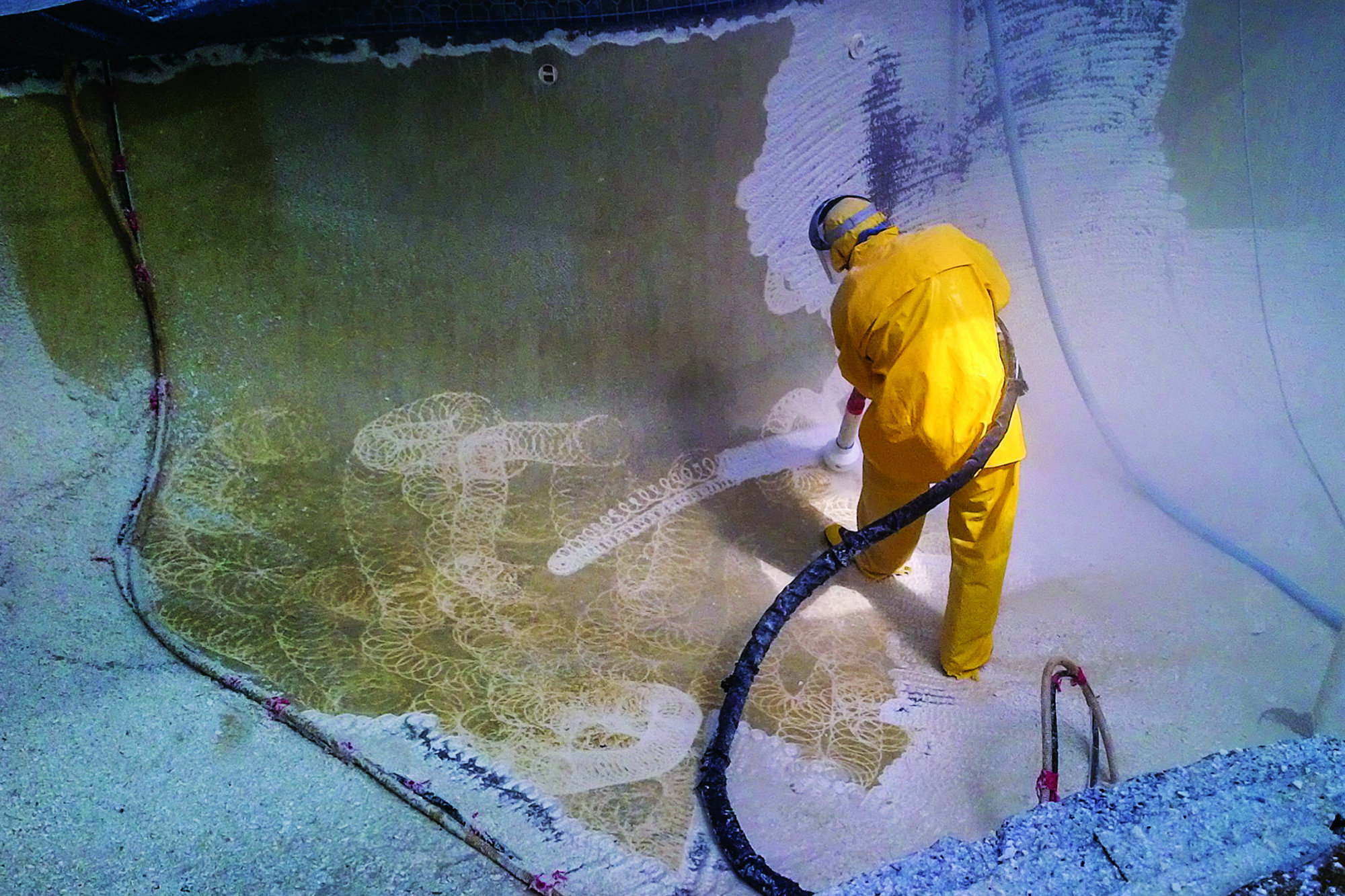
Water jetting, a newer and more expensive solution compared to traditional sandblasting, uses high-pressure water to etch or remove existing surfaces. This method offers a cleaner process, eliminating the need to shovel sand. It also effectively removes delaminated or hollow areas. Systems range from 10,000 to 40,000 psi, with higher pressures allowing for more intense etching, sometimes eliminating the need for a bond coat. Ultra-high-pressure systems also generate heat, further enhancing cleaning. While some plasterers may still apply a bond coat even after water jetting, considering the minimal additional cost versus the risk, the method significantly reduces preparation time, allowing for same-day prep and plastering in some cases. However, water jetting requires a substantial investment, high maintenance costs for parts, and specialized training due to its power and safety considerations. Workers must wear body armor, and the equipment, particularly hoses, needs careful handling due to fragility and high replacement costs. Despite these challenges, the efficiency and quality of water jetting can lead to significant long-term savings and better control over scheduling for companies that adopt it.
#PoolFinishing #SurfacePreparation #PoolConstruction #BondCoat #WaterJetting #PlasteringTechniques #PebbleFinishes #HomeDesign #PoolMaintenance #PoolFinishing #SurfacePreparation #PoolConstruction #BondCoat #WaterJetting #PlasteringTechniques #PebbleFinishes #HomeDesign #PoolMaintenance
0 komentarzy łącznie
 Brak komentarzy jeszcze
Możesz również polubić
Can you paint over wallpaper? Experts explain how to make this time-saving hack work
Clayworks natural clay plasters offer a variety of interior finishes
Eight calming home interiors with earthy finishes
Ask the Experts: Hard Surfaces 101


Clay Plasters Rustic Range by Clayworks
Ideal Work showcases innovative finishes, coatings and flooring on Dezeen Showroom
How to choose the right type of paint when decorating a room

Undercoat & Primer Paints

How to Paint Kitchen Cabinets, From Unfinished Wood to Tricky IKEA Laminate

How Long Does Primer Take to Dry? Experts Share Their Best Advice

Paint finishes – a guide for every room

How to add texture to your walls - a beginner's guide to the many beautiful plaster finishes

Types of Paint: A Guide to Paint Finishes and Surfaces

12 top interior painting tips from experts – for a flawless, fabulous finish
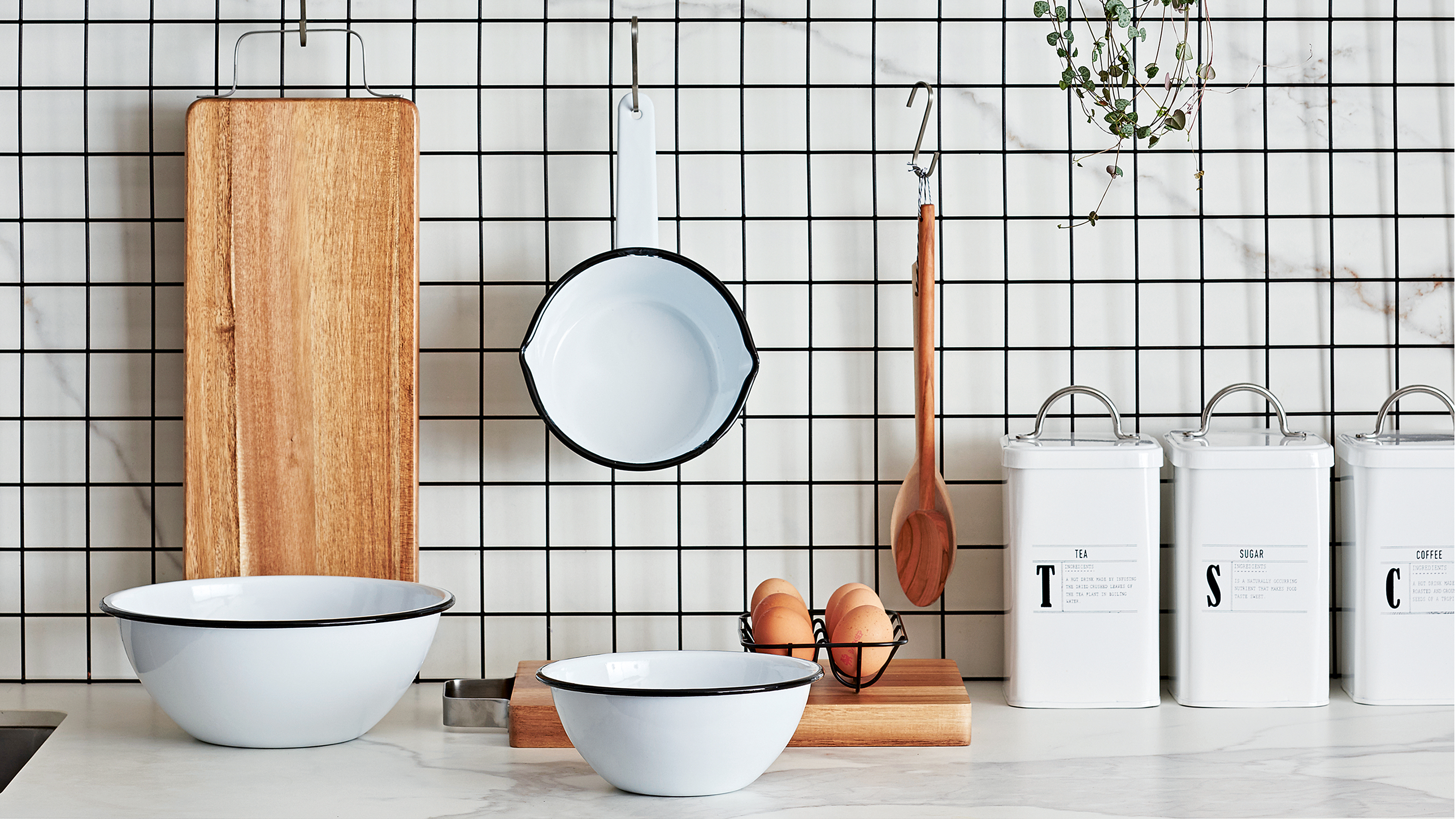
Can you plaster over tiles? The experts issue a surprising warning...
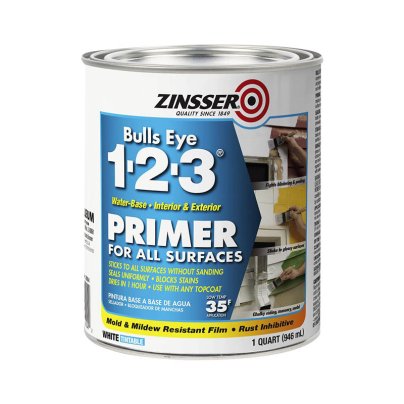
The 8 Best Paint Primers for Indoor, Outdoor, and General Use
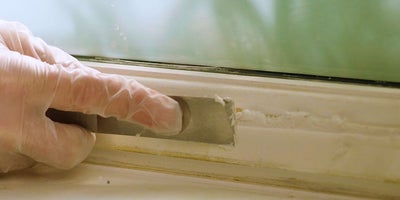
How to Prepare Interior Woodwork For Painting

From Tints to Tadelakt, Special Plaster Finishes Polish Brownstone Renovations
How to fix peeling paint in 4 steps – and reasons why your paint is crumbling
How to Paint Wood Paneling the Right Way