The future of sustainable building materials
The construction industry plays a critical role in addressing global warming, as high carbon-emitting industries face increasing scrutiny. As COP26 approaches, attention is turning to sustainable alternatives to traditional building materials. This exploration delves into the past, present, and future of three key construction materials that offer more environmentally friendly solutions for building projects: biocomposite concrete, rammed earth, and wood.
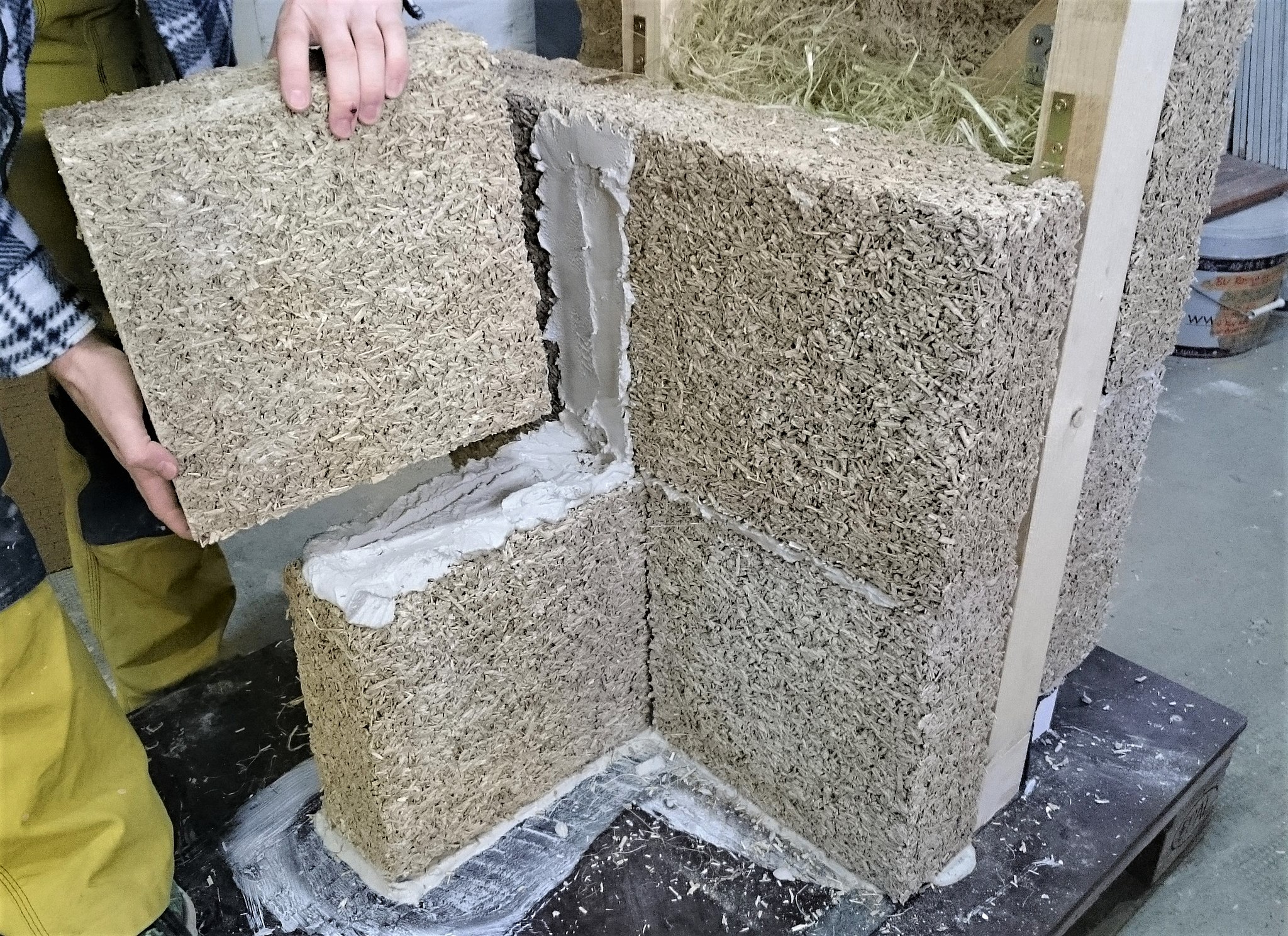
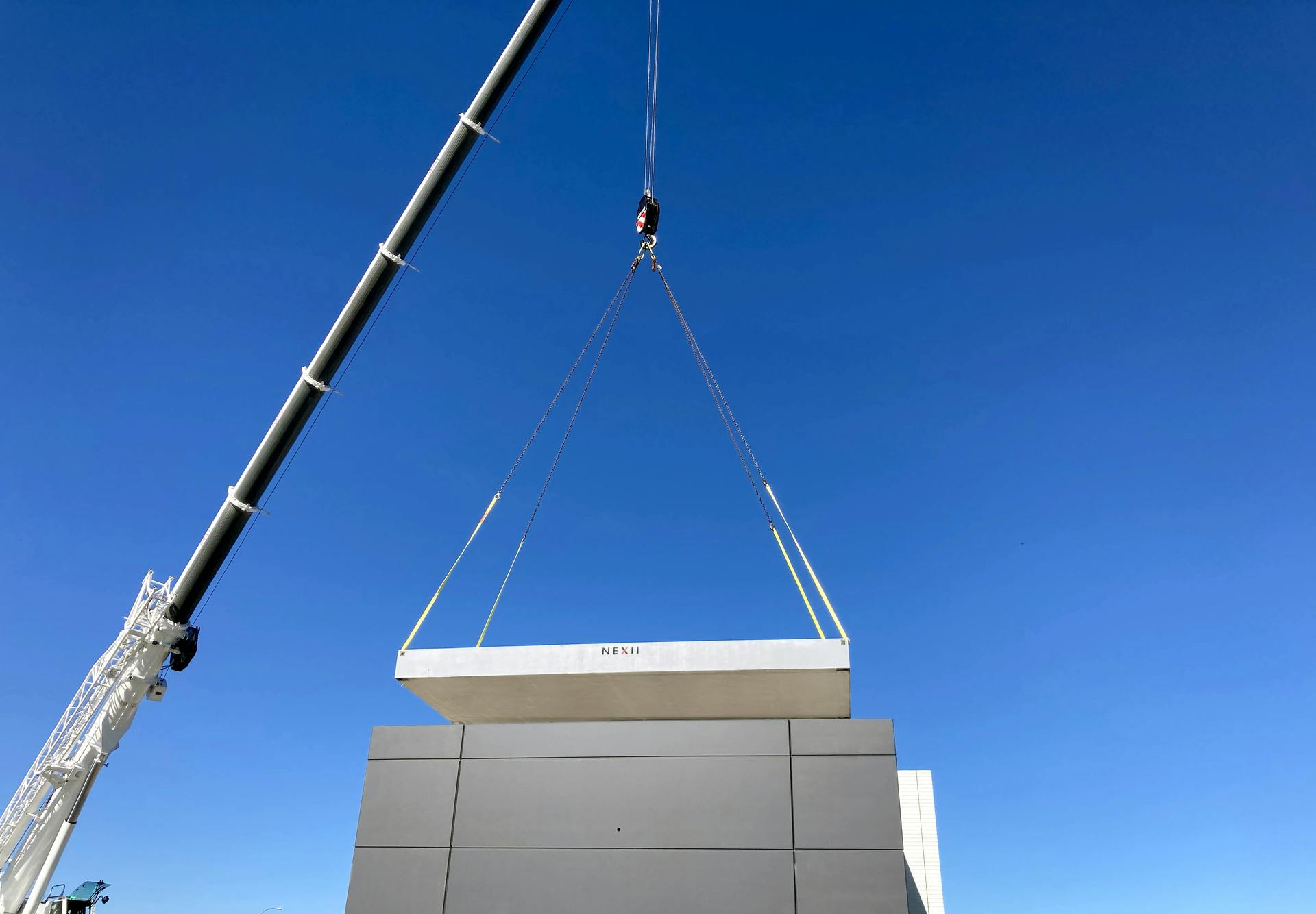
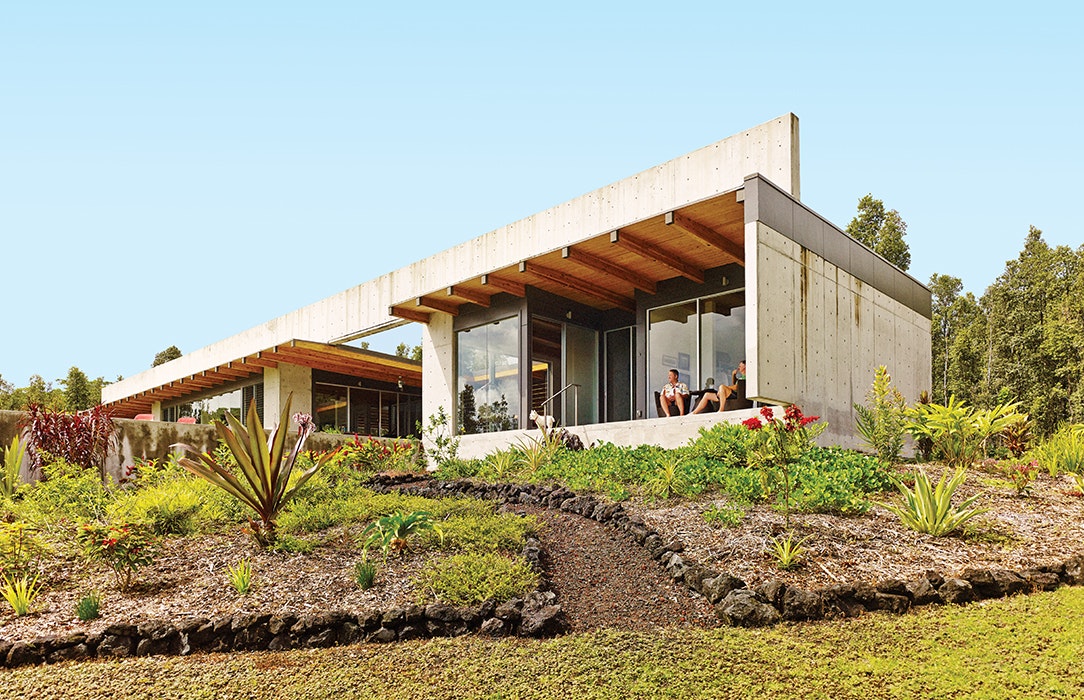
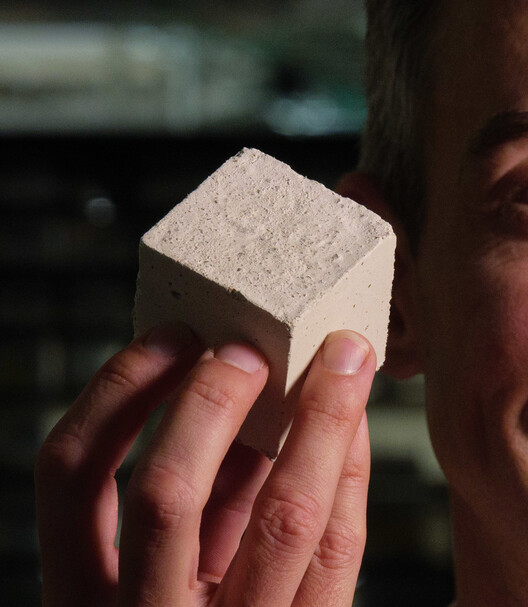
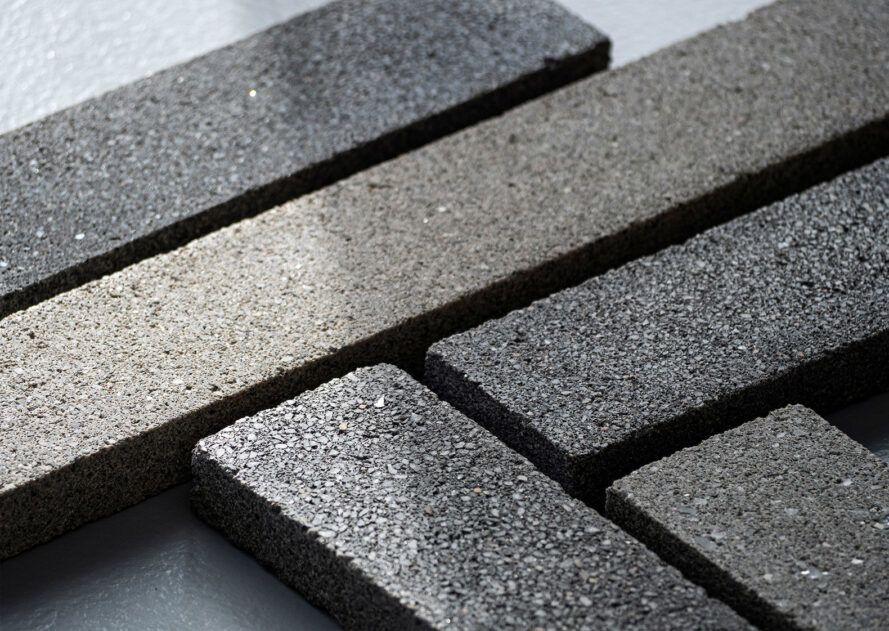
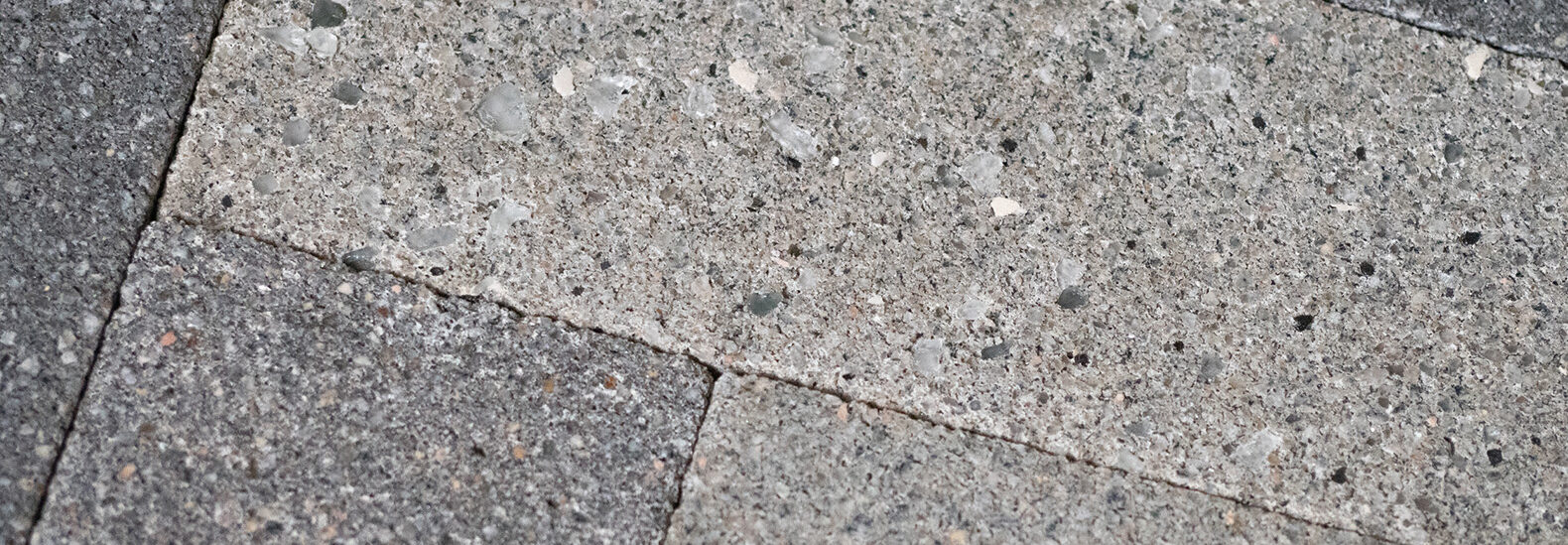
Concrete, despite its high carbon footprint, is undergoing significant technological advancements. Historically, lime mortar, used in ancient Indian and Greek structures, served as a primary cement-like material. However, the early 19th century saw the invention of Portland cement, which subsequently became the world's most common construction cement. Its production and use contribute approximately 8% of global carbon dioxide emissions. The reintroduction of traditional lime, which re-absorbs CO2 and enhances indoor air quality, is gaining traction as a means to decarbonize concrete. Sheryl Boyle, an associate professor at Carleton University’s Azrieli School of Architecture and Urbanism, emphasizes that changing concrete's carbon footprint would be a significant development. Looking ahead, a "cellulose revolution" is anticipated, with materials like hempcrete – a lightweight biocomposite made from hemp – offering promising alternatives. This material is already being utilized in various building projects worldwide. Furthermore, historical inspirations like using volcanic rock, as the Ancient Romans did, or developing innovative materials such as Martian concrete, which sets without water, present potential future directions, especially for water-scarce regions or extraterrestrial construction.
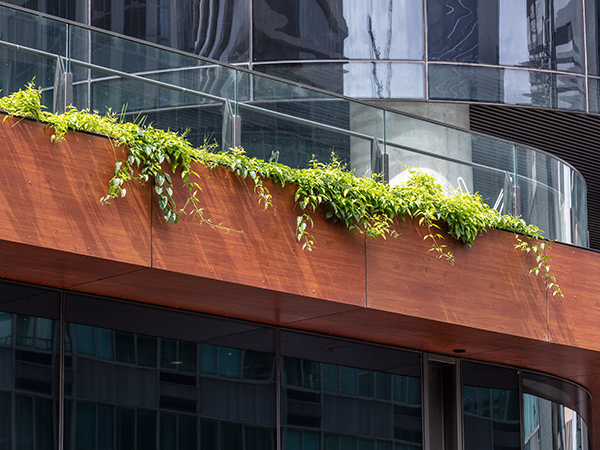
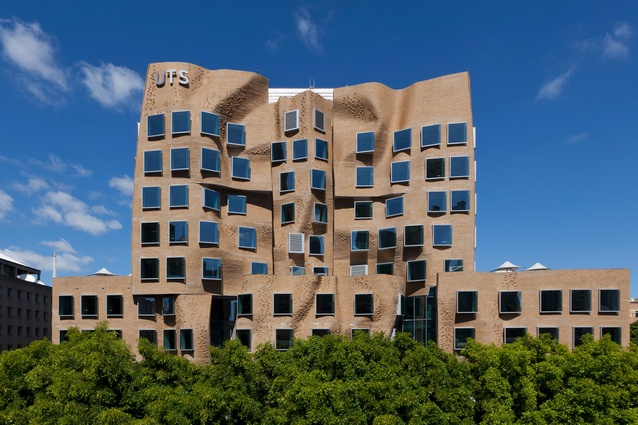
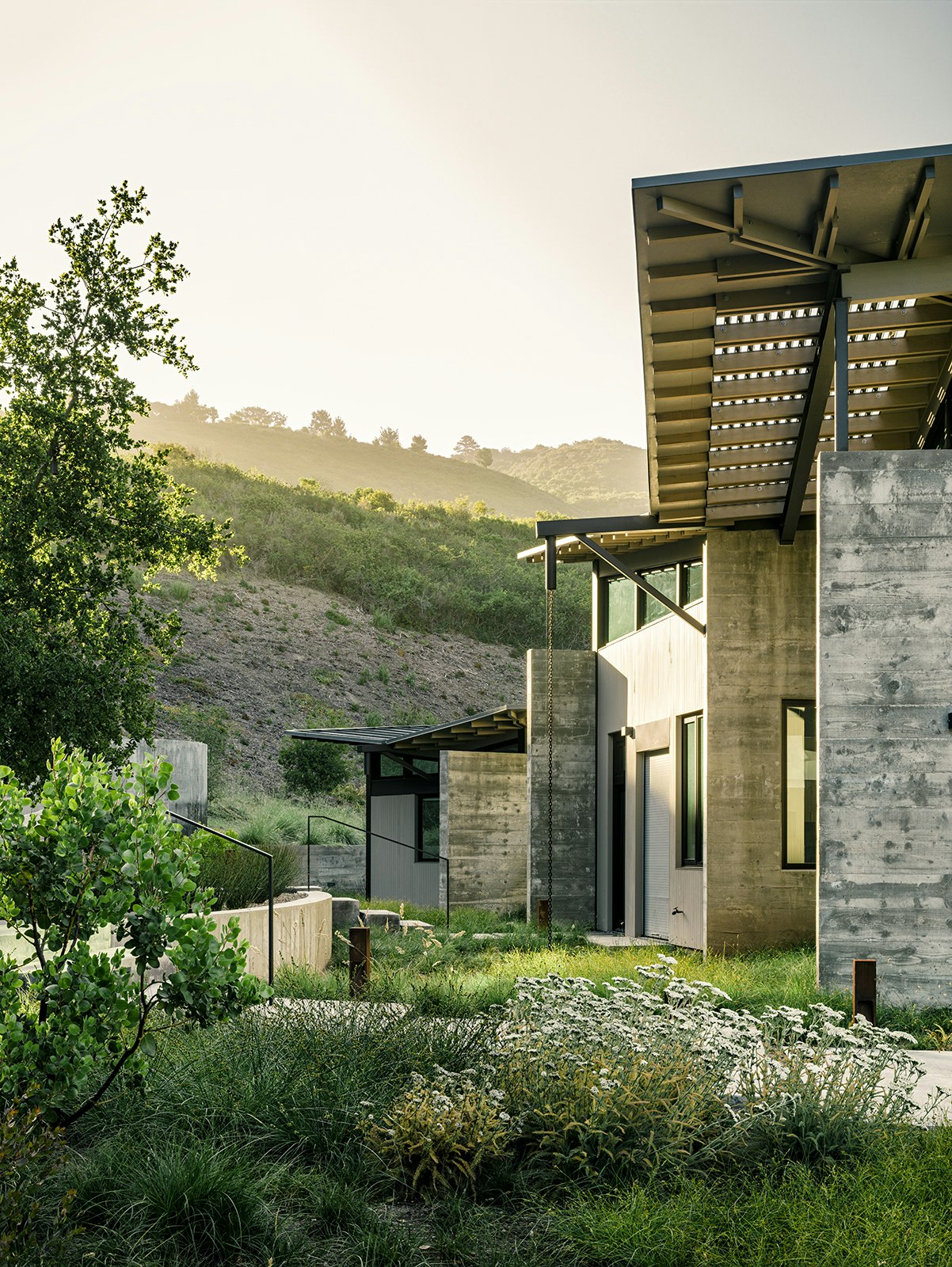
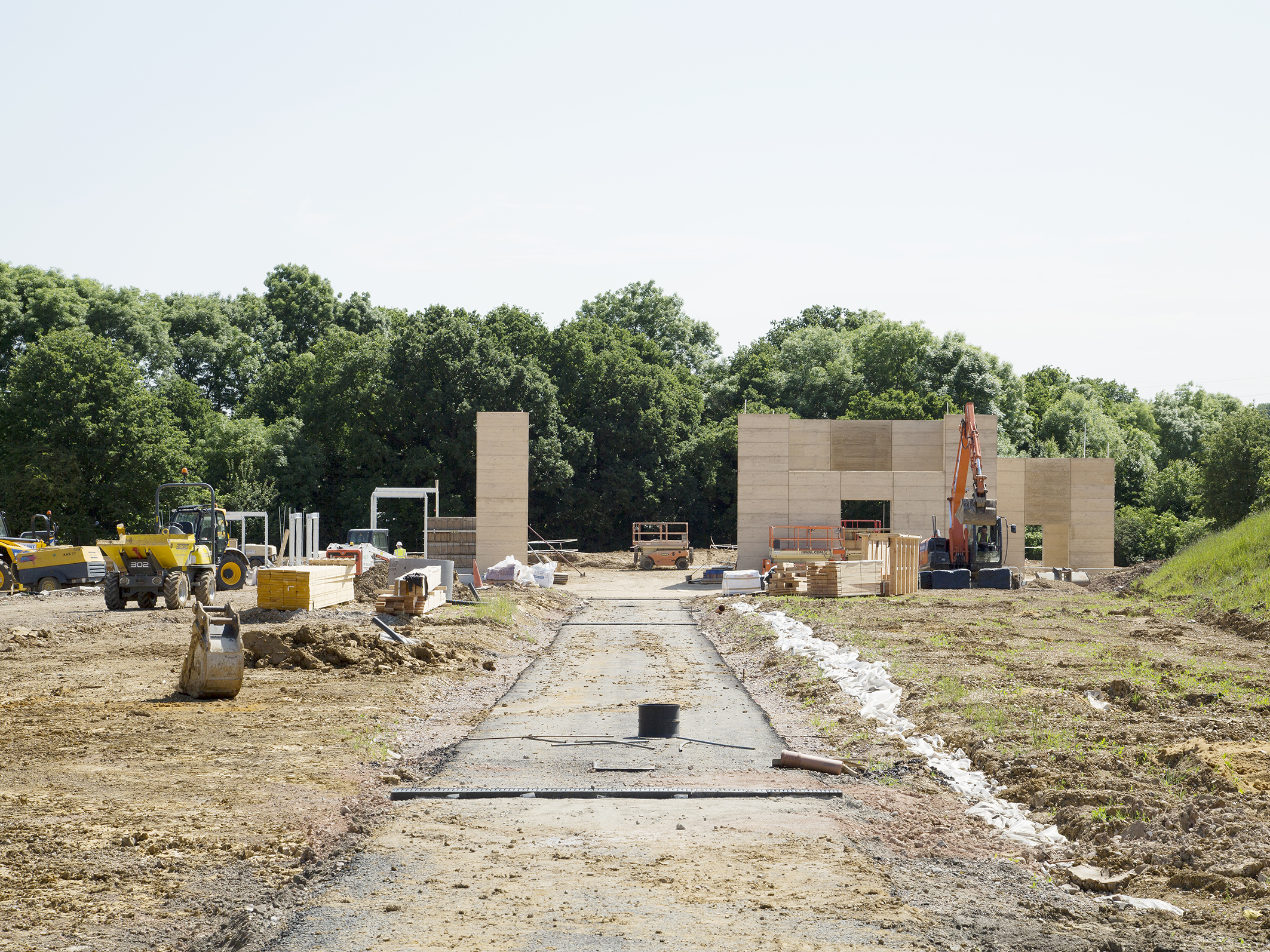
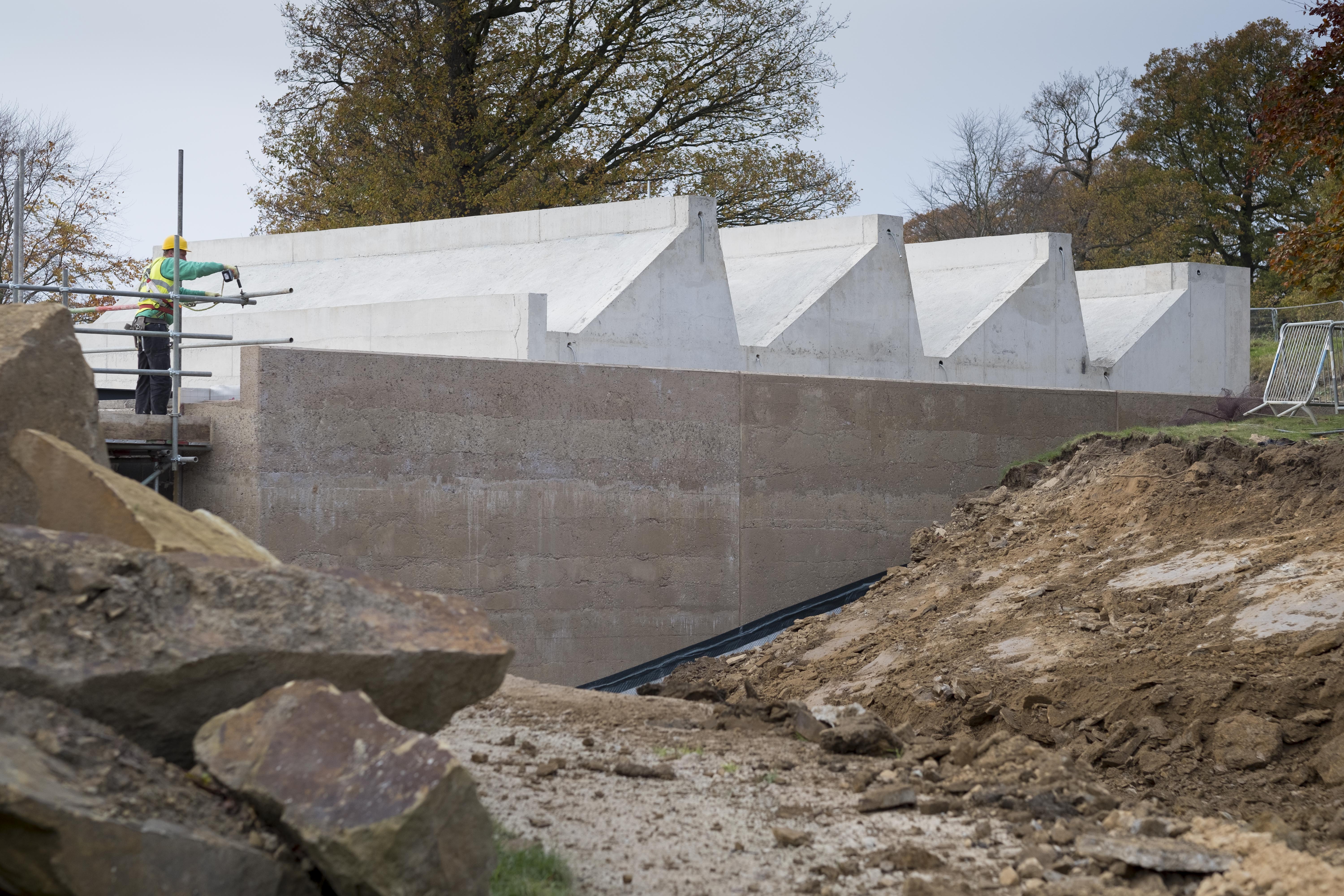
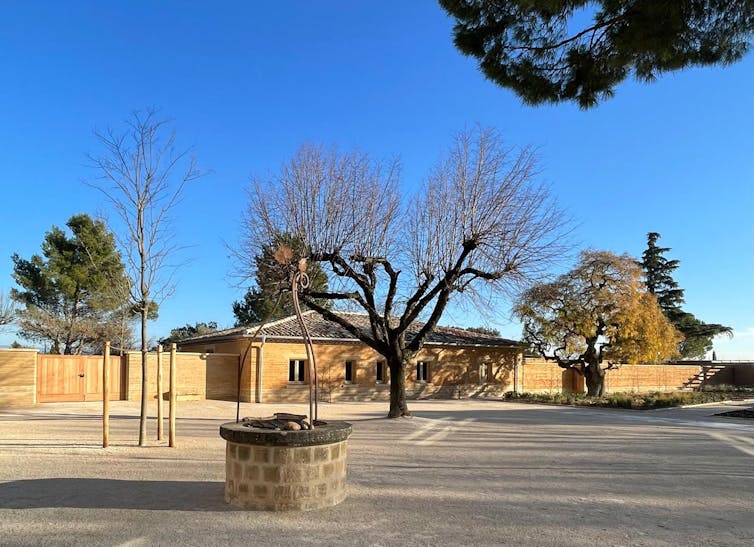
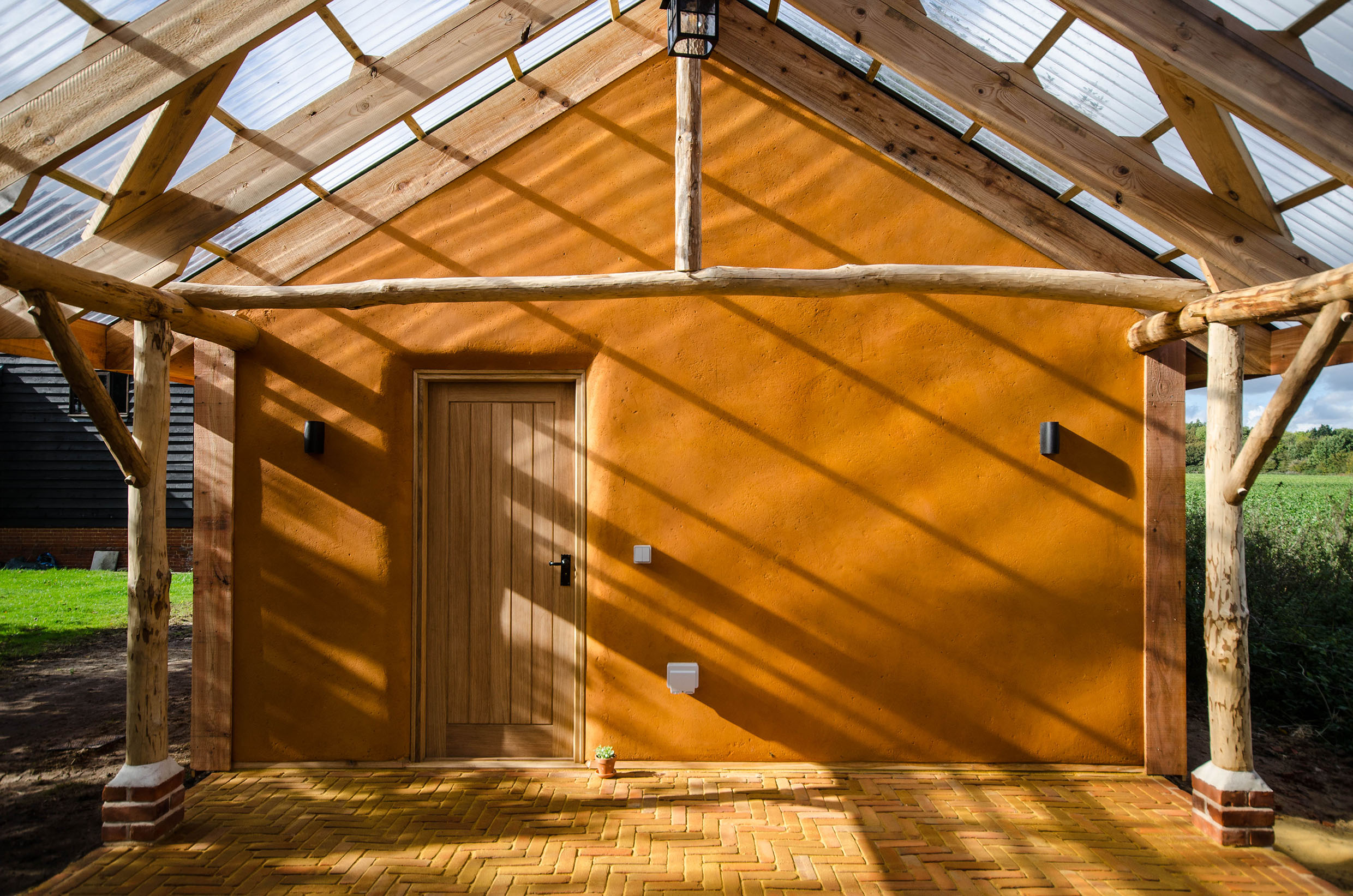
Rammed earth, an ancient building method, involves compacting natural materials like earth, chalk, or gravel into molds. This technique originated thousands of years ago in China, with notable examples like Aït Benhaddou in Morocco, an 11th-century town largely reconstructed using these methods. Rammed earth also saw a resurgence during the US depression due to its low cost. Today, it is recognized as an incredibly low-carbon building method, particularly when local materials are used, minimizing transportation emissions. Its aesthetic appeal and environmental credentials have led to a modern comeback among architects, exemplified by projects such as the Nk’Mip Desert Cultural Centre in Canada, which utilizes rammed earth façades for thermal regulation and design. Sara Wilkinson FRICS, professor of sustainable property at the University of Technology Sydney, predicts that low-carbon materials like rammed earth, strawbale, and hempcrete will become highly popular in the next 5-10 years, driven by the urgent need to decarbonize the built environment and the insights from reports like the IPCC's findings on climate change. She also advocates for more green infrastructure, including green roofs and walls, to mitigate urban heat islands, improve air quality, enhance thermal and acoustic performance, manage stormwater runoff, and support biodiversity.
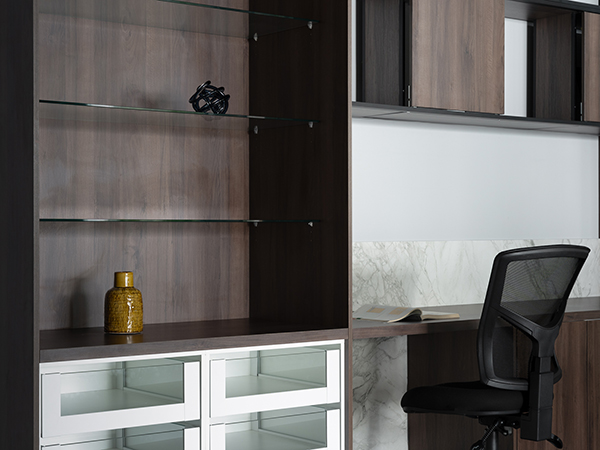
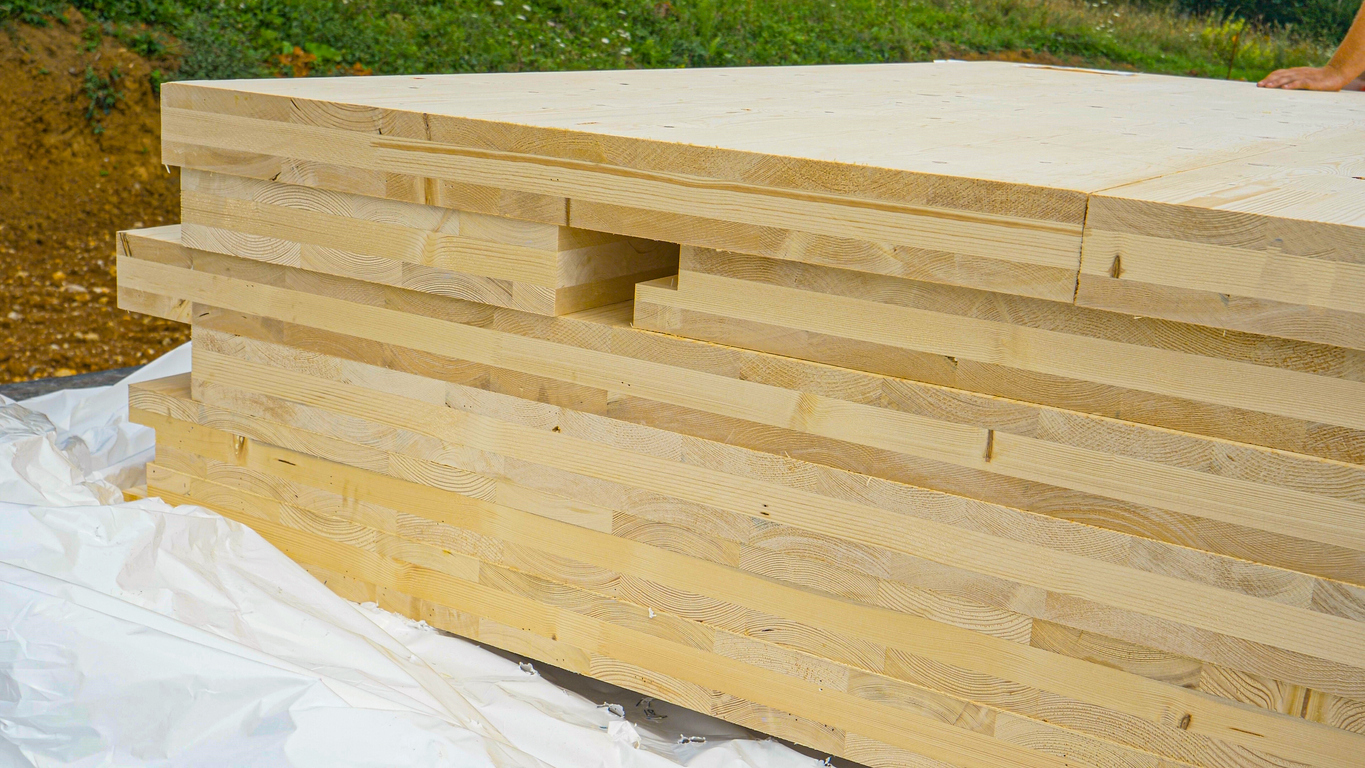
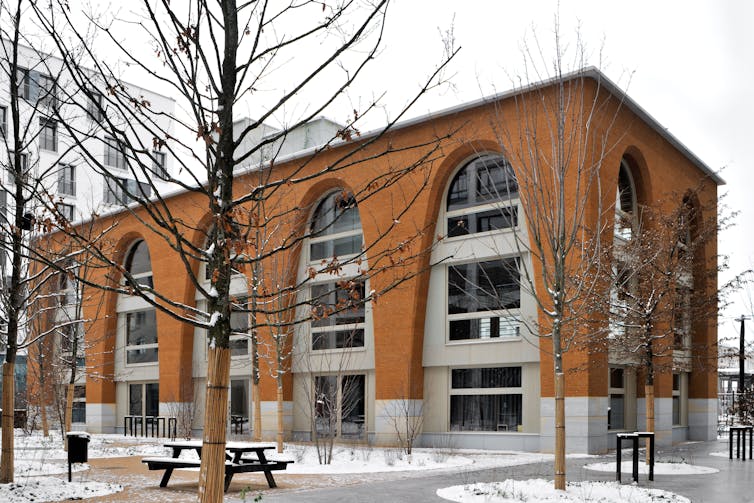
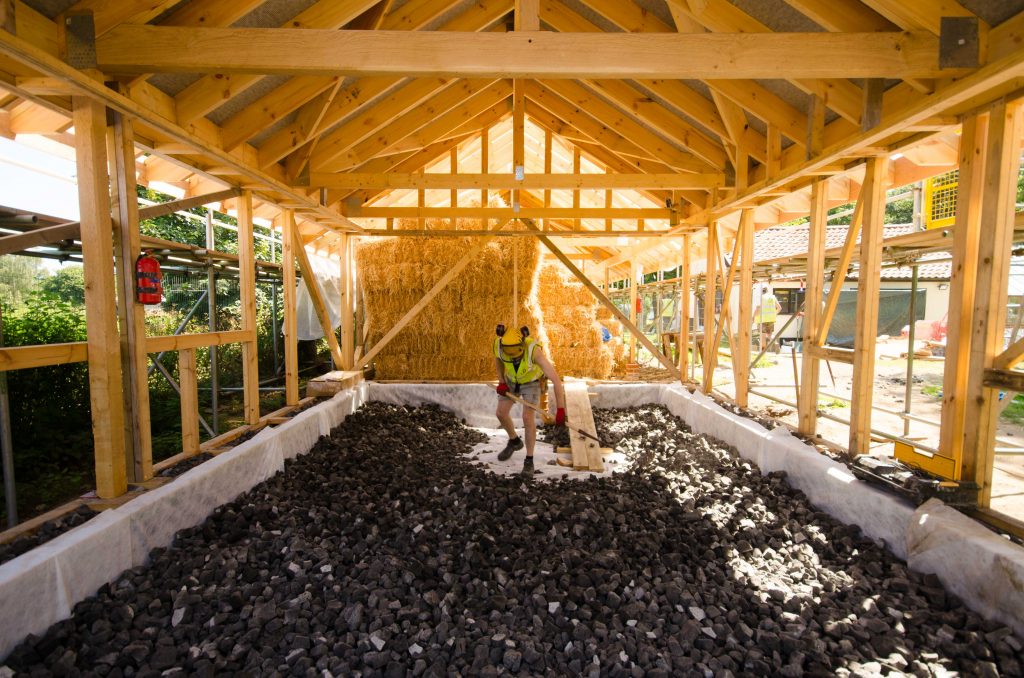
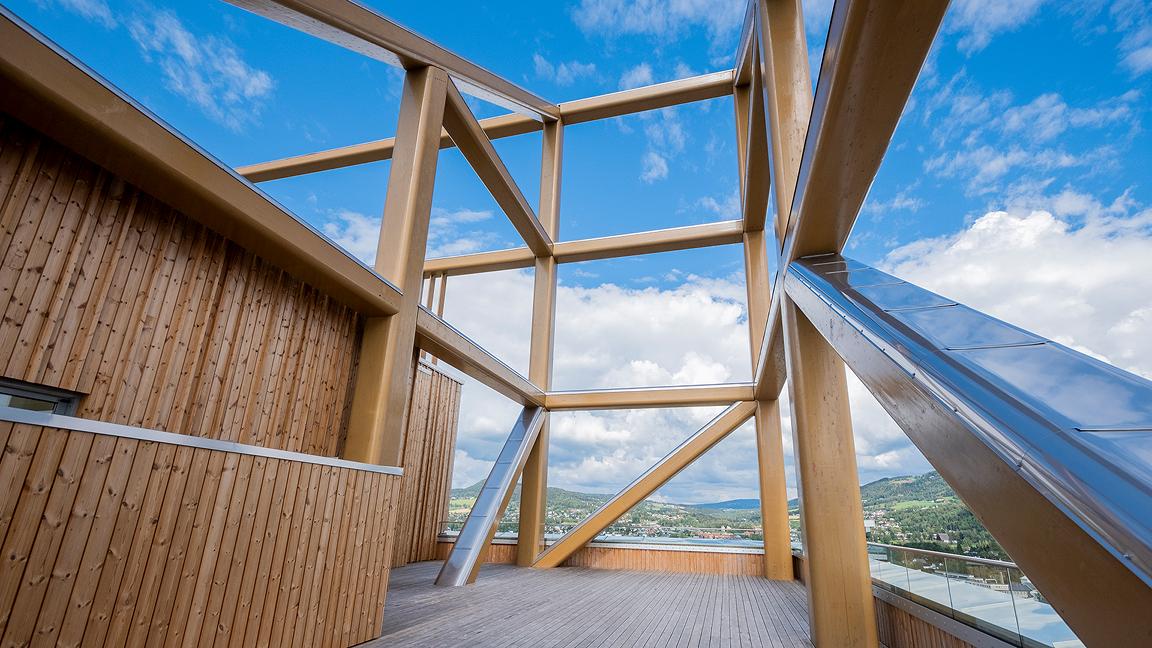
Wood, a highly renewable material when managed responsibly, has the added benefit of storing carbon, contributing to its recent resurgence in construction. Timber structures have a long history, with the earliest known timber home dating back 10,000 years. Early human evolution was closely tied to the ability to work with materials like wood, often using sophisticated joinery methods such as mortise and tenon joints. The industrial era shifted focus to mass-produced glass, steel, and concrete, and wood fell out of favor due to perceptions of flammability and lack of durability. However, the contemporary drive for less carbon-intensive building materials has brought wood back into prominence. Innovations like cross-laminated timber (CLT) enable the construction of tall structures, such as the 18-story Mjøstårnet in Norway, a hotel, office, and apartment complex built with a combination of CLT and glulam. Mass timber has demonstrated excellent seismic resistance and offers unique aesthetic qualities. Future possibilities include wooden skyscrapers, like the proposed 80-story timber tower in Chicago, and its integration into urban design concepts such as ArkDes’s "one-minute city" street furniture. Boyle emphasizes that the ultimate goal is to create healthy and sustainable spaces, potentially by recapturing and reintroducing older, proven building practices and materials into contemporary design.
#SustainableBuildingMaterials #LowCarbonConstruction #BiocompositeConcrete #RammedEarth #WoodConstruction #ClimateChange #CircularEconomy #ArchitecturalInnovation #GreenInfrastructure #SustainableBuildingMaterials #LowCarbonConstruction #BiocompositeConcrete #RammedEarth #WoodConstruction #ClimateChange #CircularEconomy #ArchitecturalInnovation #GreenInfrastructure
0 komentarzy łącznie
 Brak komentarzy jeszcze
Możesz również polubić
The latest and greatest innovations in sustainable building materials
Another brick in the wall
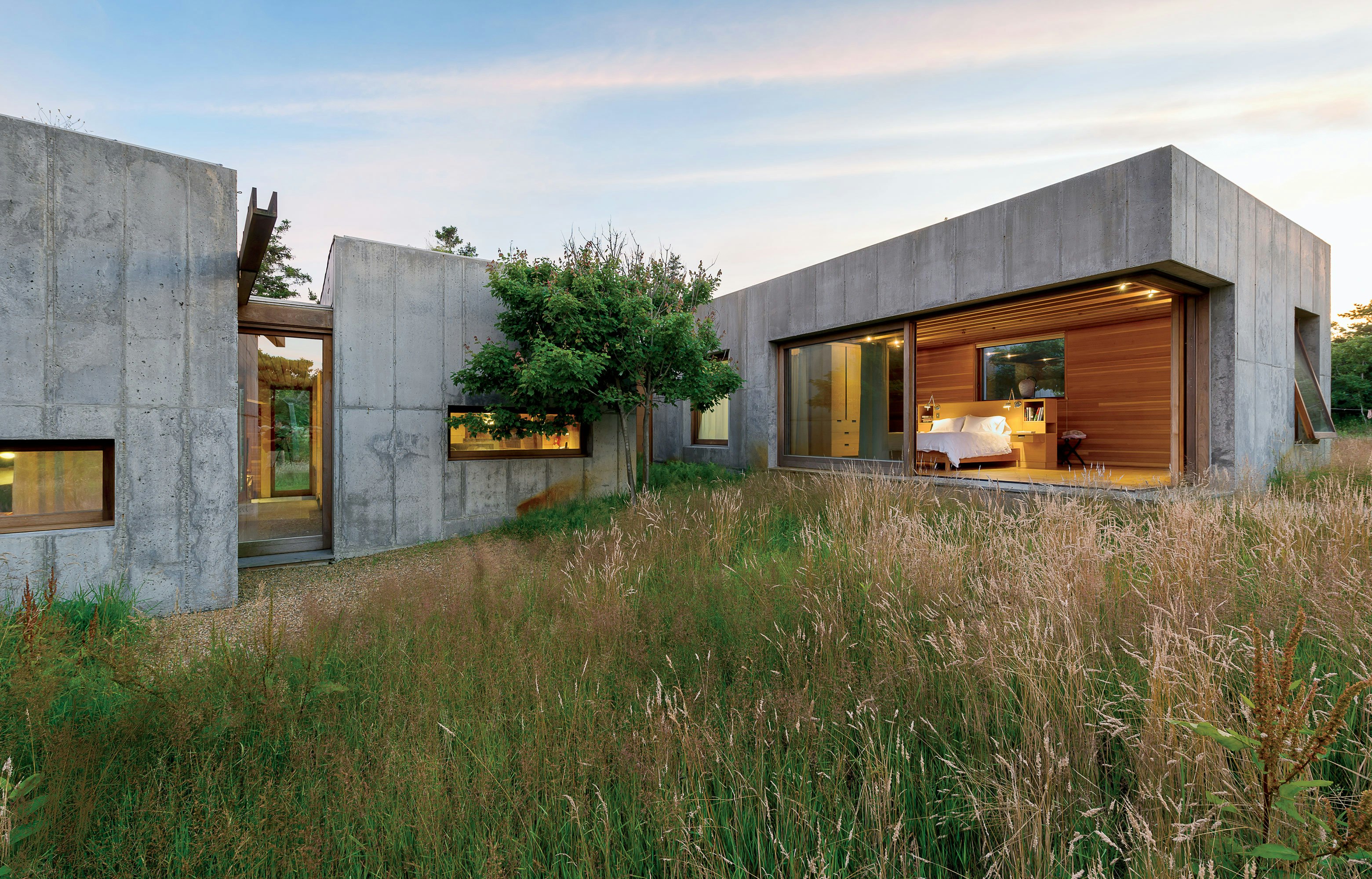
Material Guide: The Benefits of Building With Concrete

Innovations Driving Sustainable Building and Architecture Forward
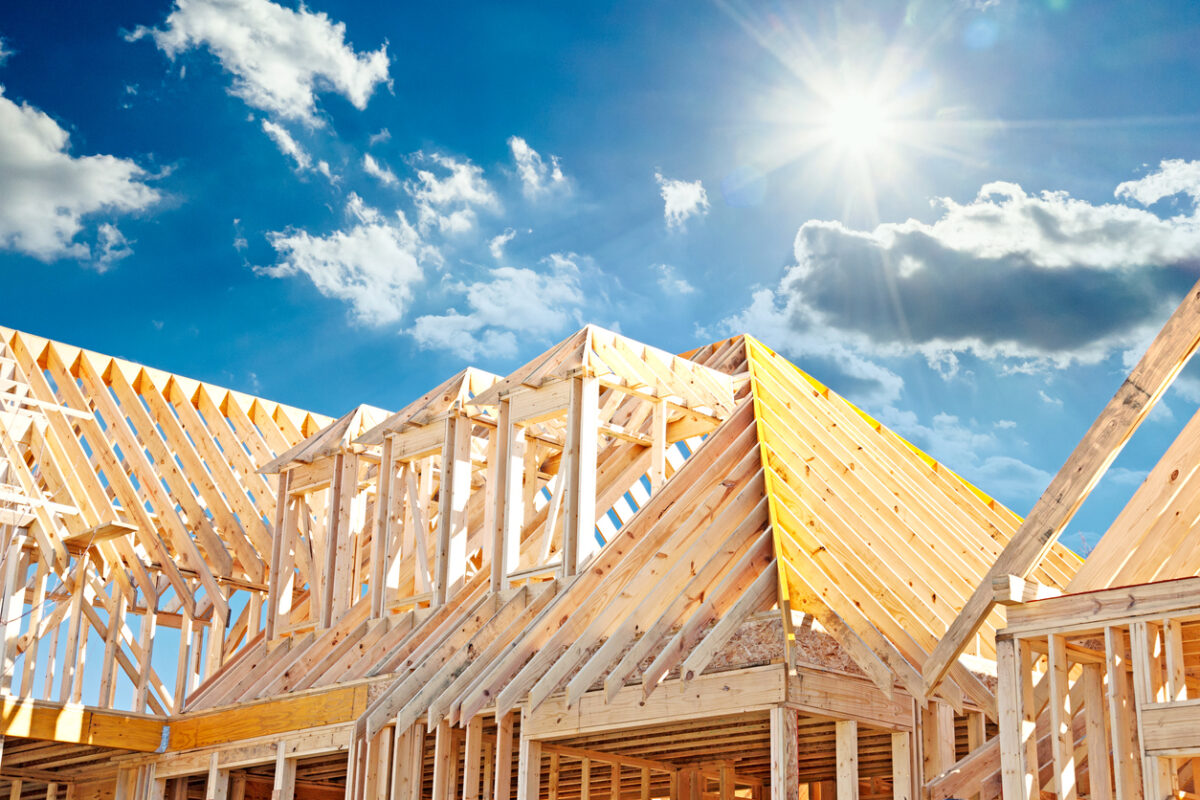
10 Innovative Materials Poised to Make Home Building More Sustainable

2023 Tile Trends Feature Wellness, Sustainability And Resilience

Building with earth could transform sustainable construction – here’s how

The BioBased concrete tiles cut carbon emissions and waste

11 Recycled Building Materials Made From Trash


Finding Sustainable Alternatives to Traditional Building Materials
Sustainable Buildings: Pioneering a Green Revolution in Urban Design

Application of bionic architecture in low-carbon design: a systematic review from nature inspiration to architectural practice
Eco-friendly materials: the future of residential and commercial construction

10 Ways to Use Recycled Materials in Your Home Reno
10 Start-ups Creating Innovative and Sustainable Building Materials, from Mycelium Bricks to Water Purifying Tiles

Sustainable architecture: 46 innovative and inspiring building designs

6 Sustainable Material Trends That Prove It's No Longer Just a Buzzword, but an Exciting Design Opportunity

Sustainable Concrete Panel Construction | Spotlight on Nexii and Vero Building Systems

Saving the earth: making the case for rammed earth architecture

Sustainable Construction in Concrete - A Greener Future