1/6
9 common home renovation mistakes to avoid
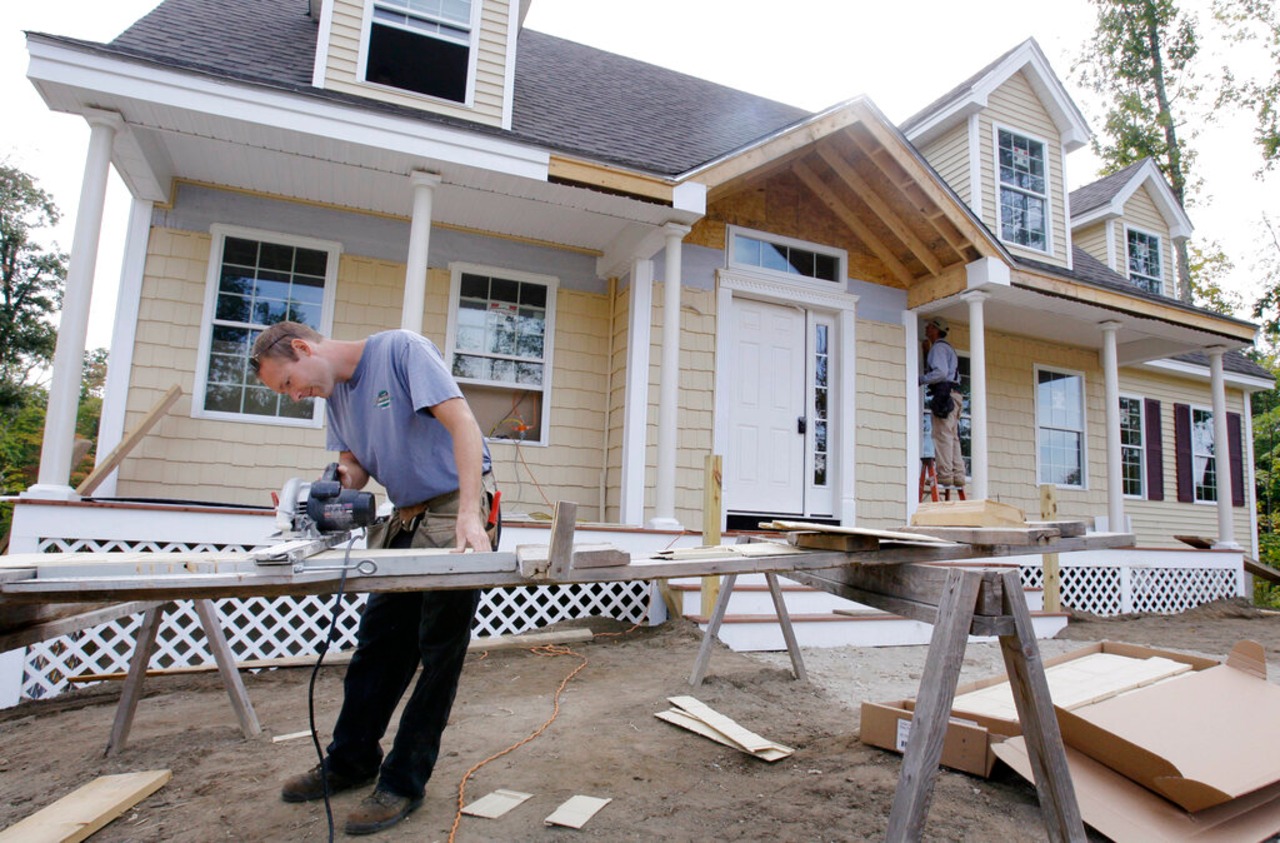
Home renovations, whether intended to revitalize existing spaces or expand living areas, frequently present numerous challenges. D-FW professionals in architecture, interior design, and construction identify nine common mistakes homeowners make and offer solutions to prevent these issues from arising. Among the primary errors is the belief that extensive renovation projects can be handled independently. Experts stress the importance of engaging a team of experienced professionals, such as architects, builders, and interior designers, who possess established relationships with vendors and subcontractors, ensuring project prioritization and cohesion. Attempting a piecemeal approach without expert guidance can lead to a disjointed final design and inefficient budget allocation.
Another significant mistake involves not thoroughly understanding the specific nuances and challenges of the home undergoing renovation. For example, removing a wall to create an open-concept space, especially in older homes, can reveal complex issues with load-bearing structures, plumbing, electrical, mechanical, and HVAC systems. Professionals advise hiring an inspector with renovation experience and collaborating with a skilled architect during the planning phase to anticipate potential problems. While homeowners often prefer to allocate funds to visible aesthetics like countertops and tiles, investing in thorough inspections and addressing underlying structural or system issues is crucial for setting realistic project expectations and avoiding costly surprises.
Budgeting inadequately for unexpected contingencies is a frequent oversight. Renovations are inherently unpredictable, and unforeseen issues can emerge once work begins. Industry professionals recommend setting aside at least 10% to 15% of the total budget for contingencies. This financial buffer allows for unexpected expenses without derailing the project or compromising its quality. Reputable contractors typically aim to avoid using these contingency funds unless absolutely necessary.
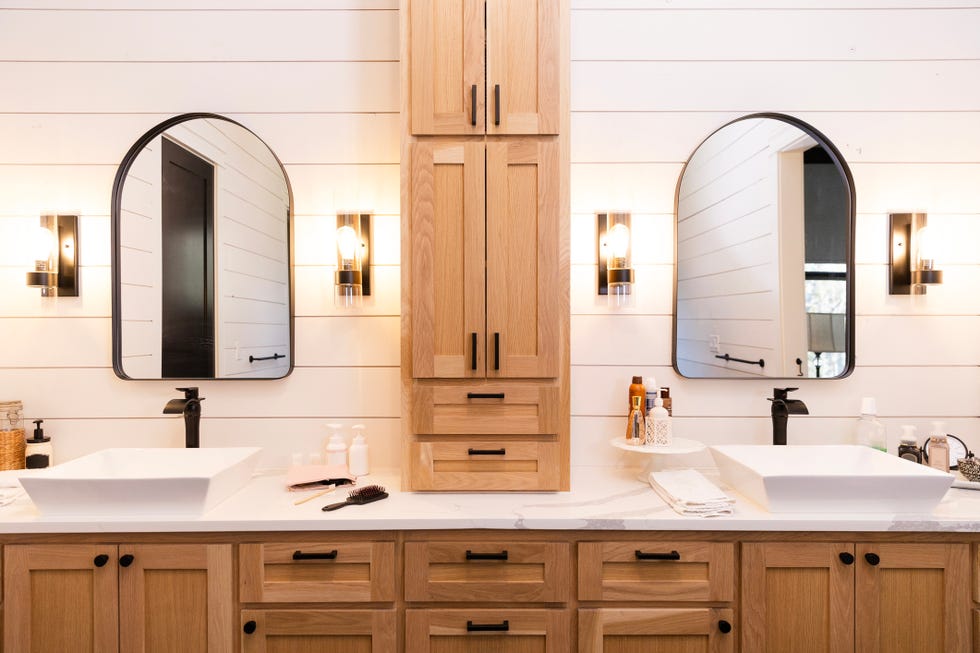
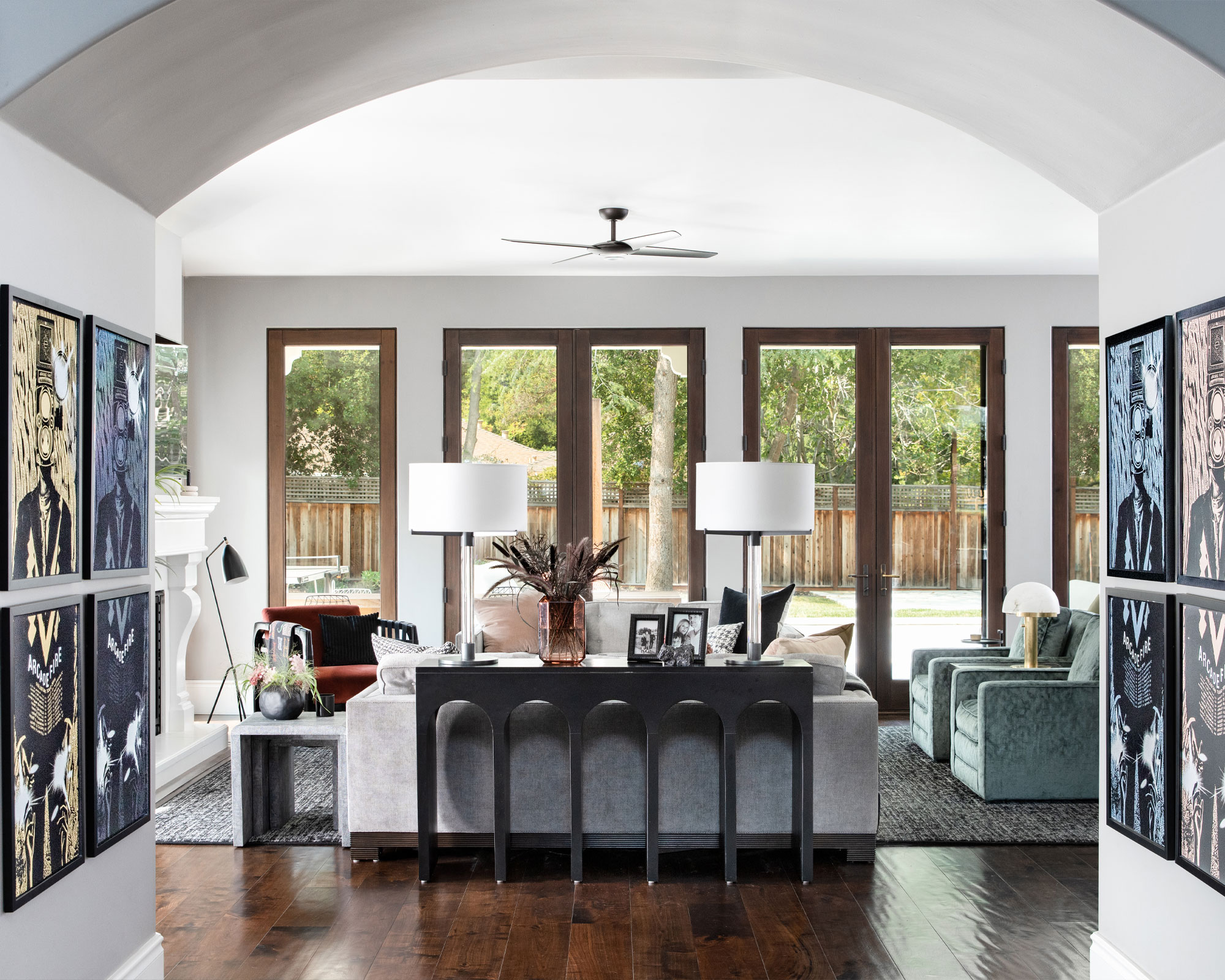
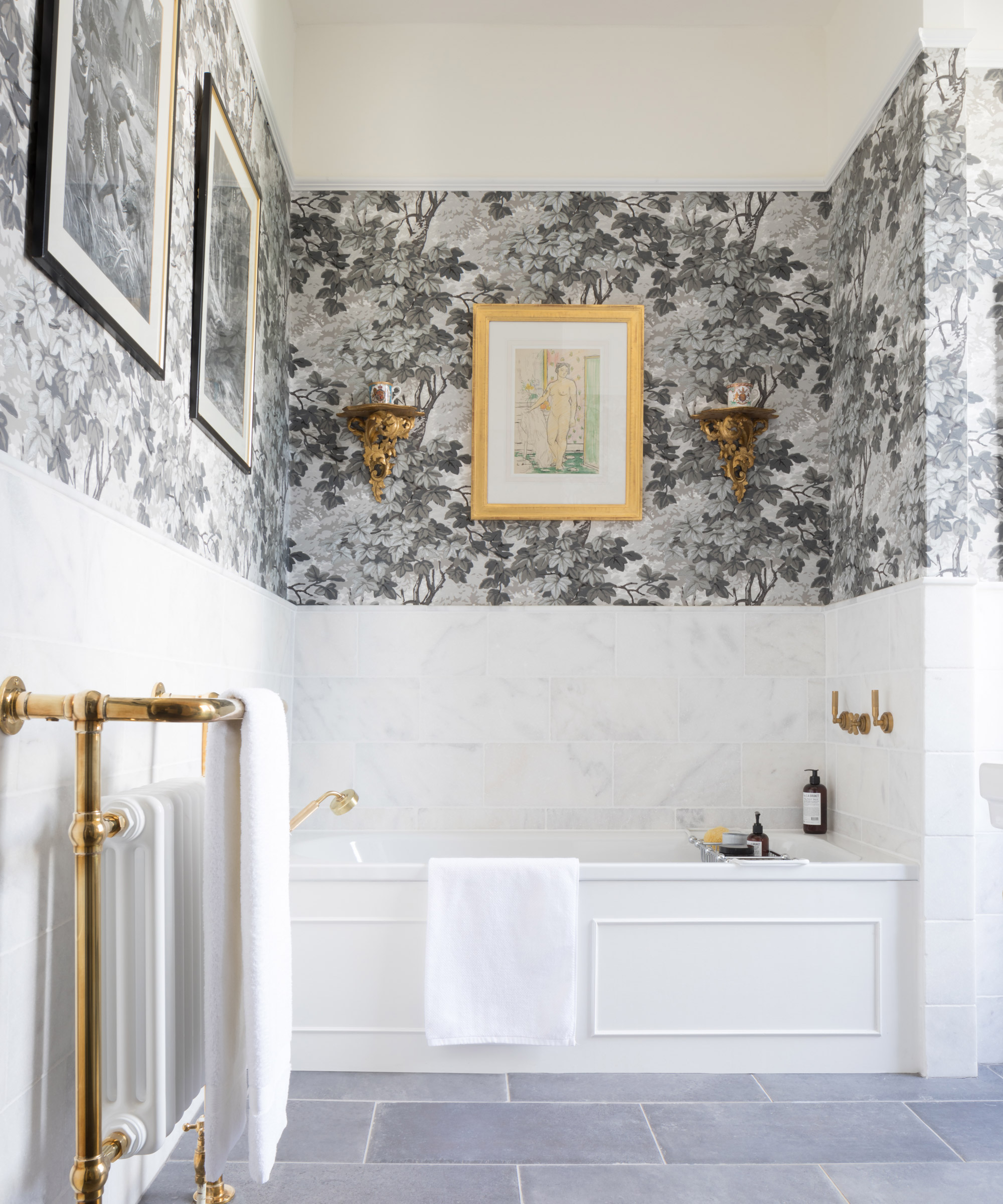
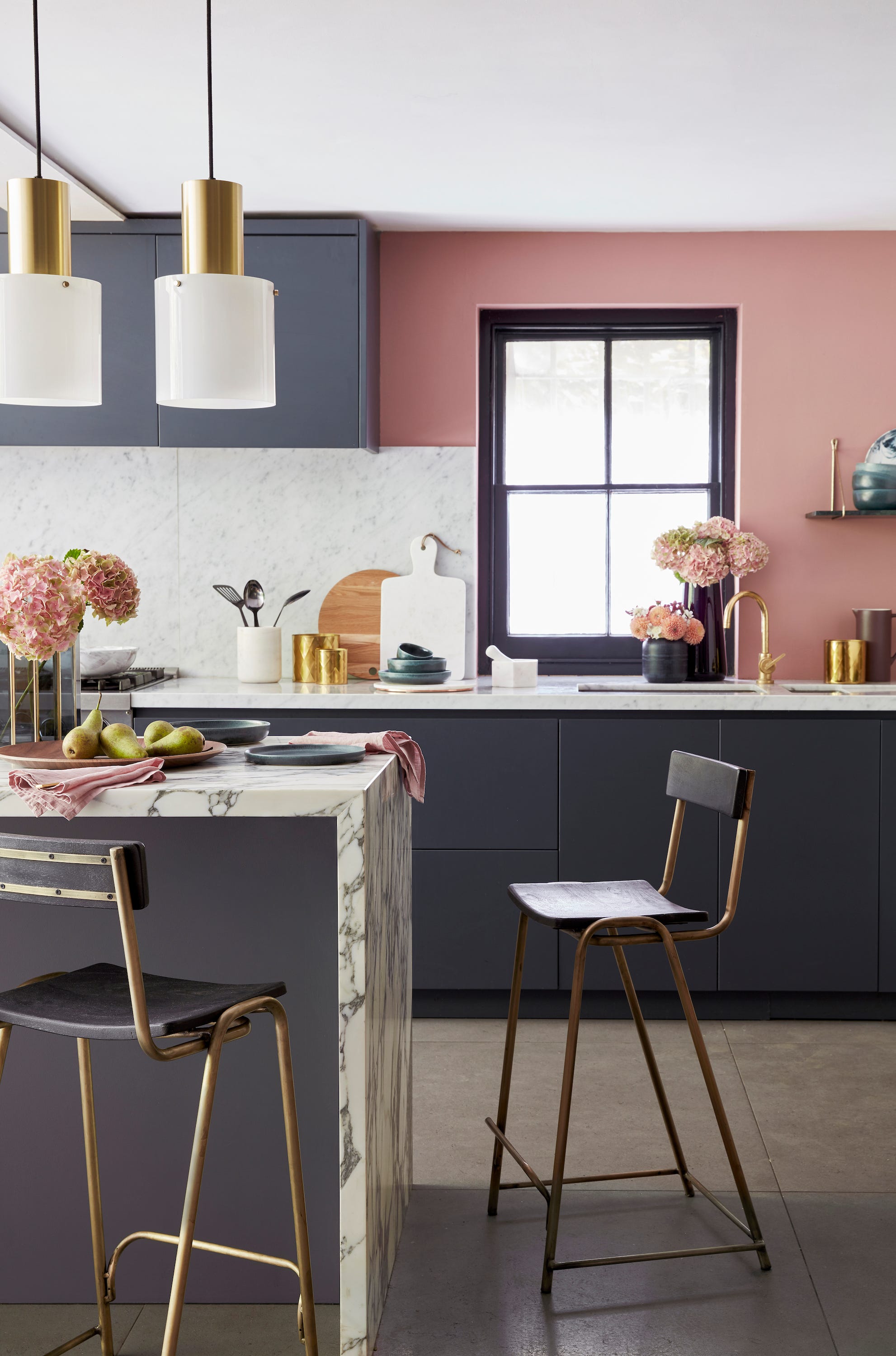
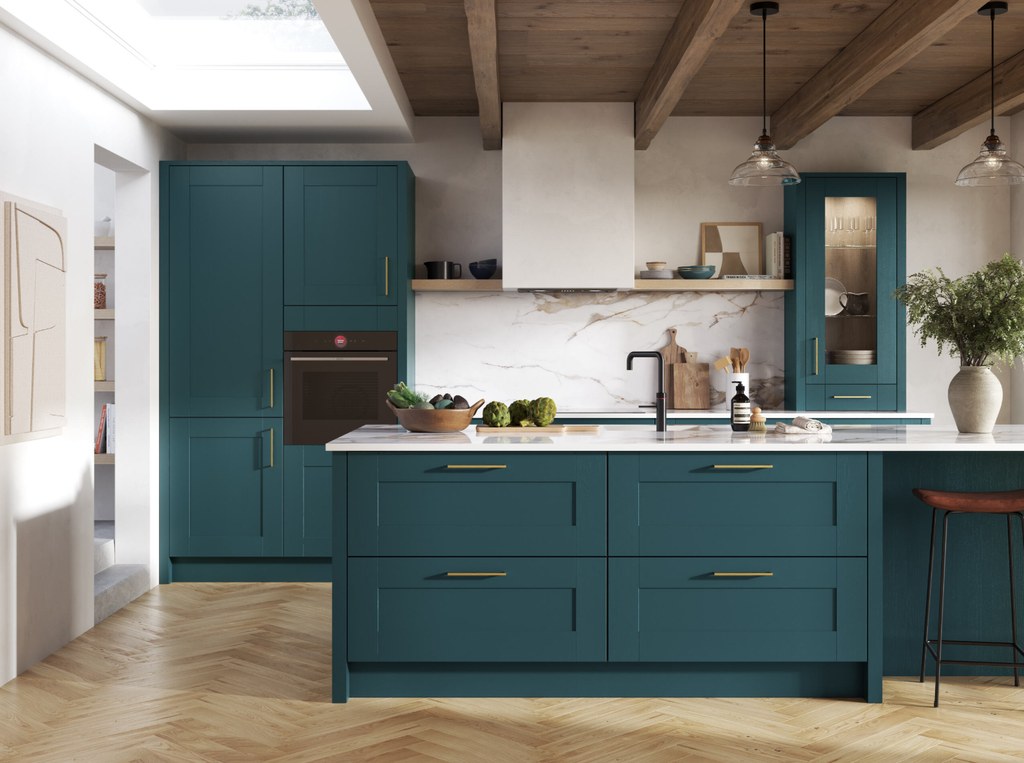
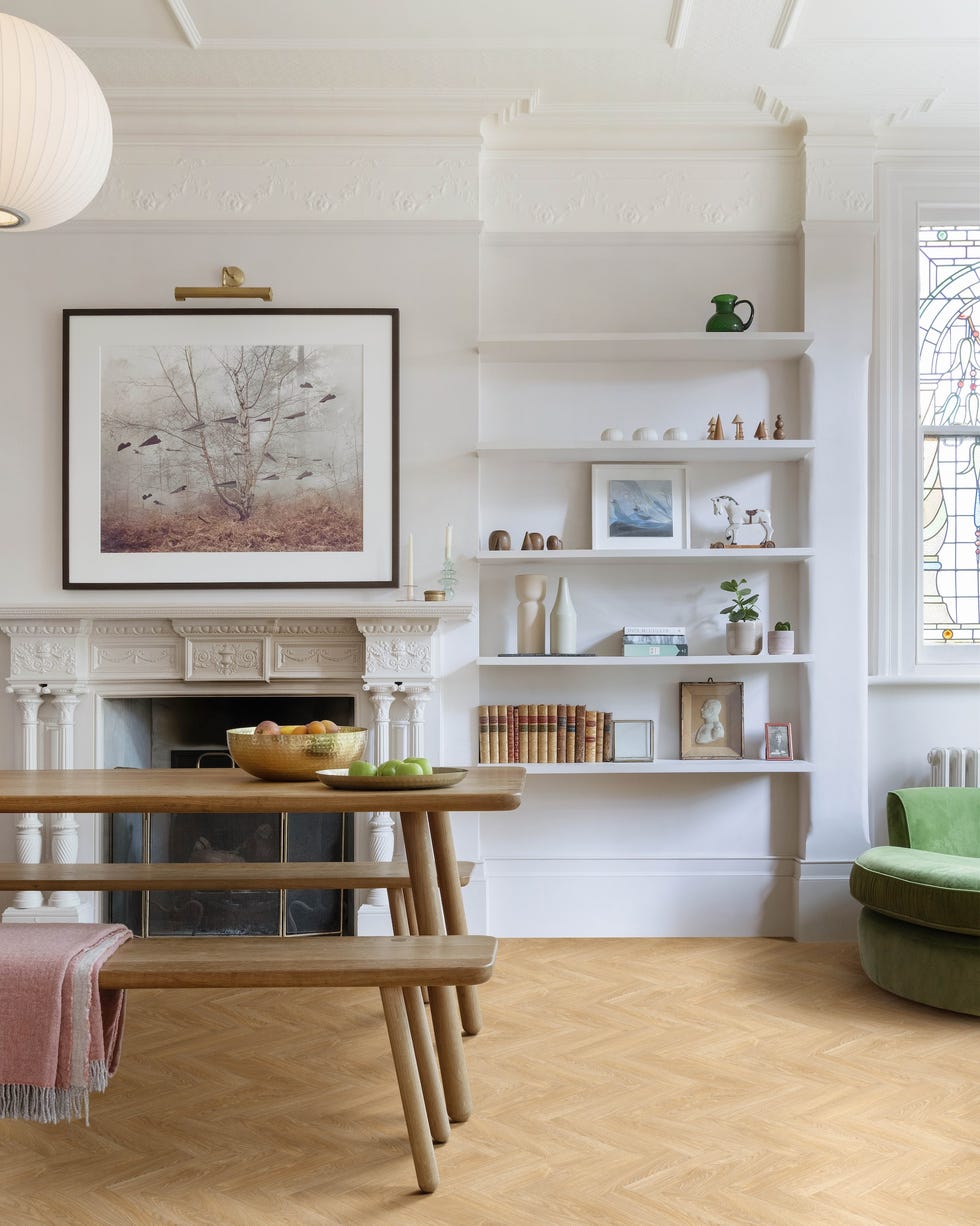
Additionally, many homeowners make the mistake of renovating a single space without considering its integration with adjacent areas. Renovating a kitchen or bathroom, for instance, requires careful thought about how the new design flows into neighboring rooms. Disjointed aesthetics can result if a newly updated space contrasts sharply with an outdated adjoining area. At a minimum, updating paint in connecting spaces can help maintain a consistent and fresh overall look throughout the home.
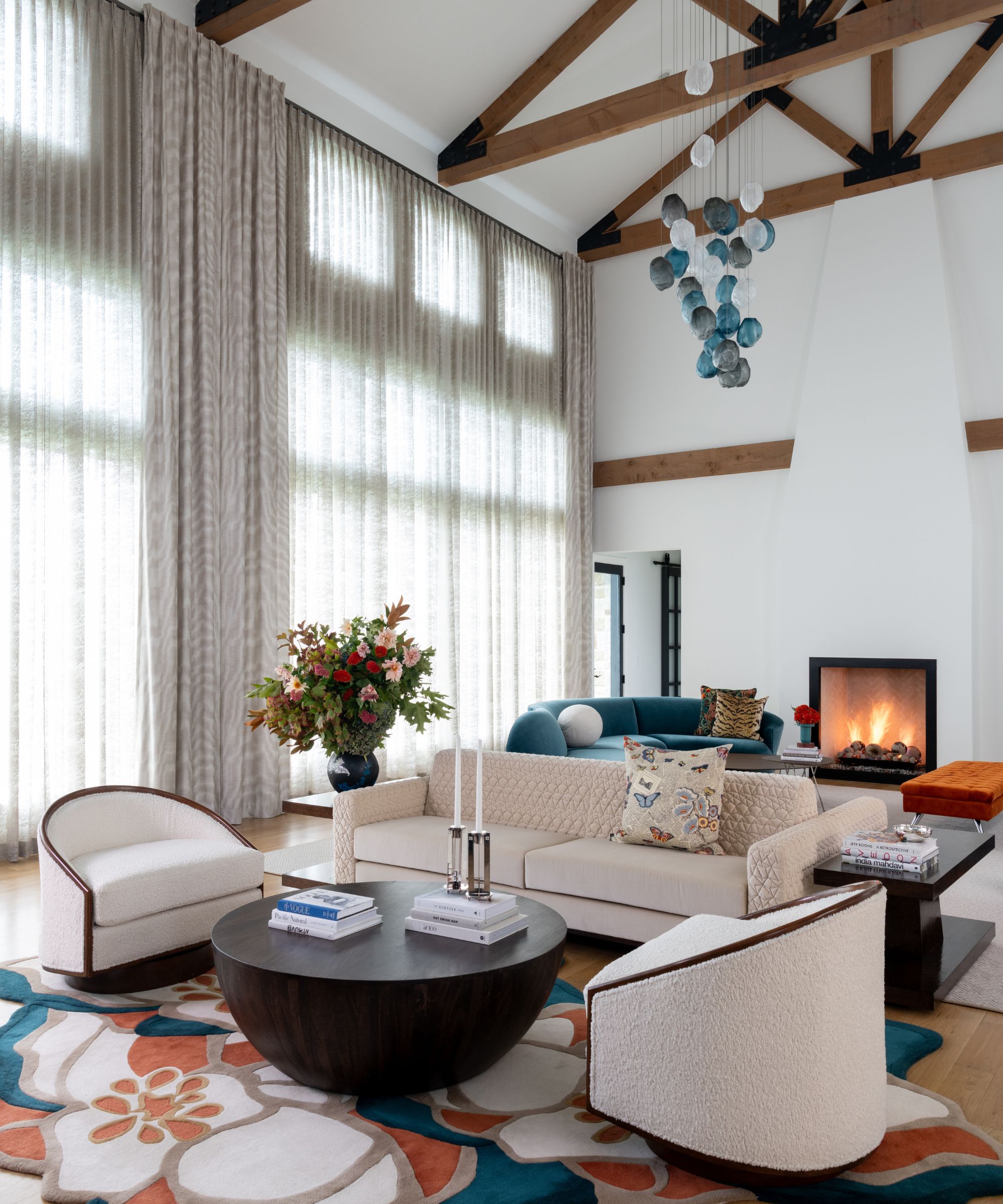
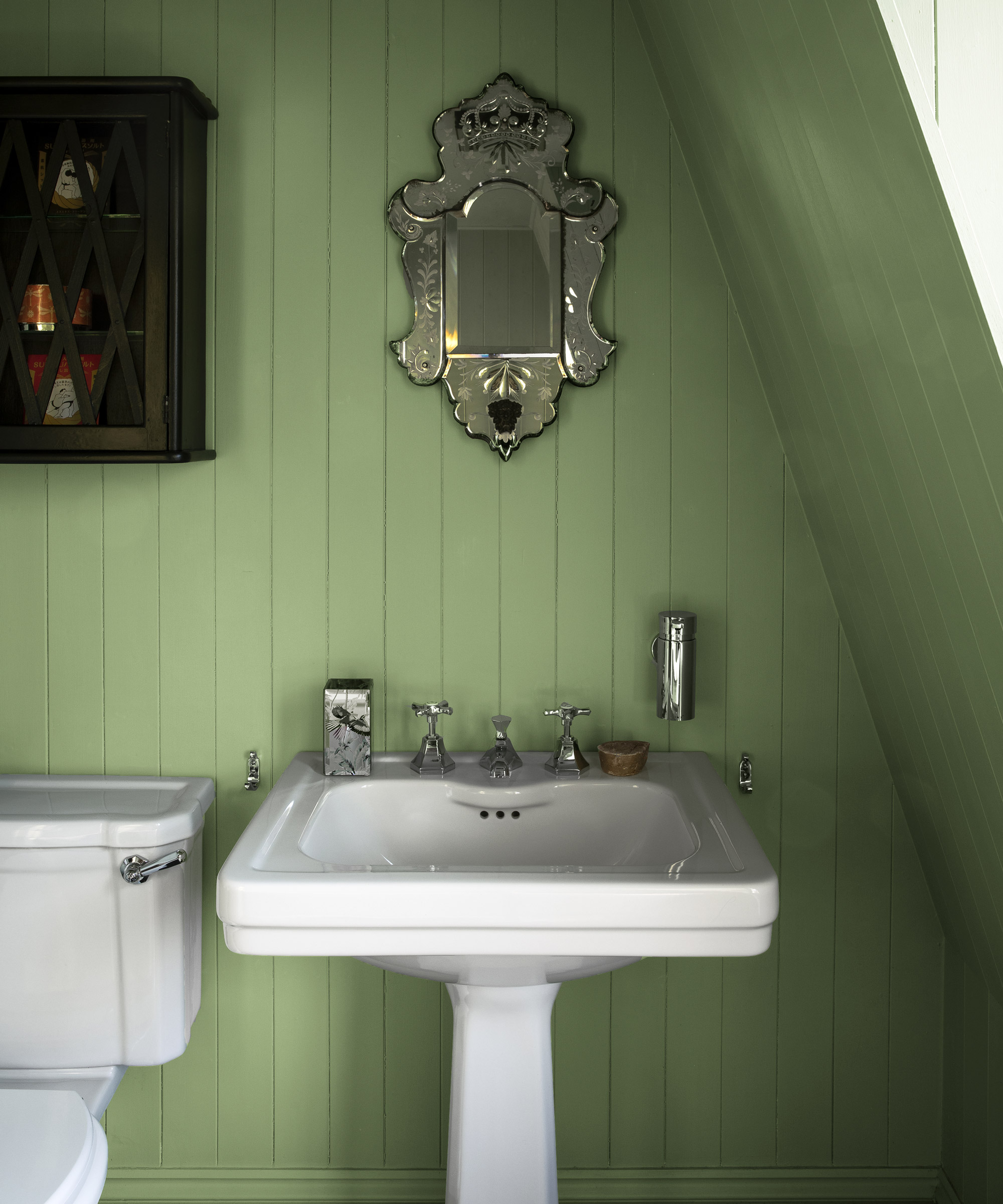
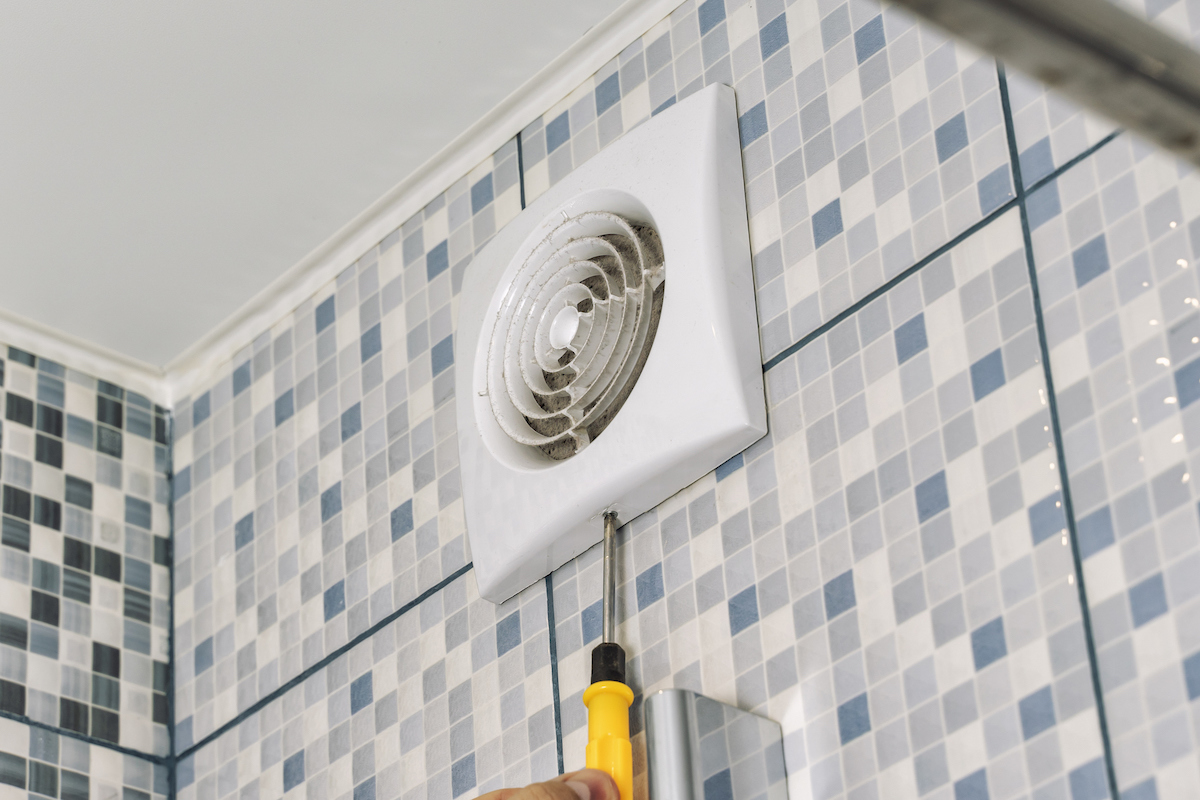
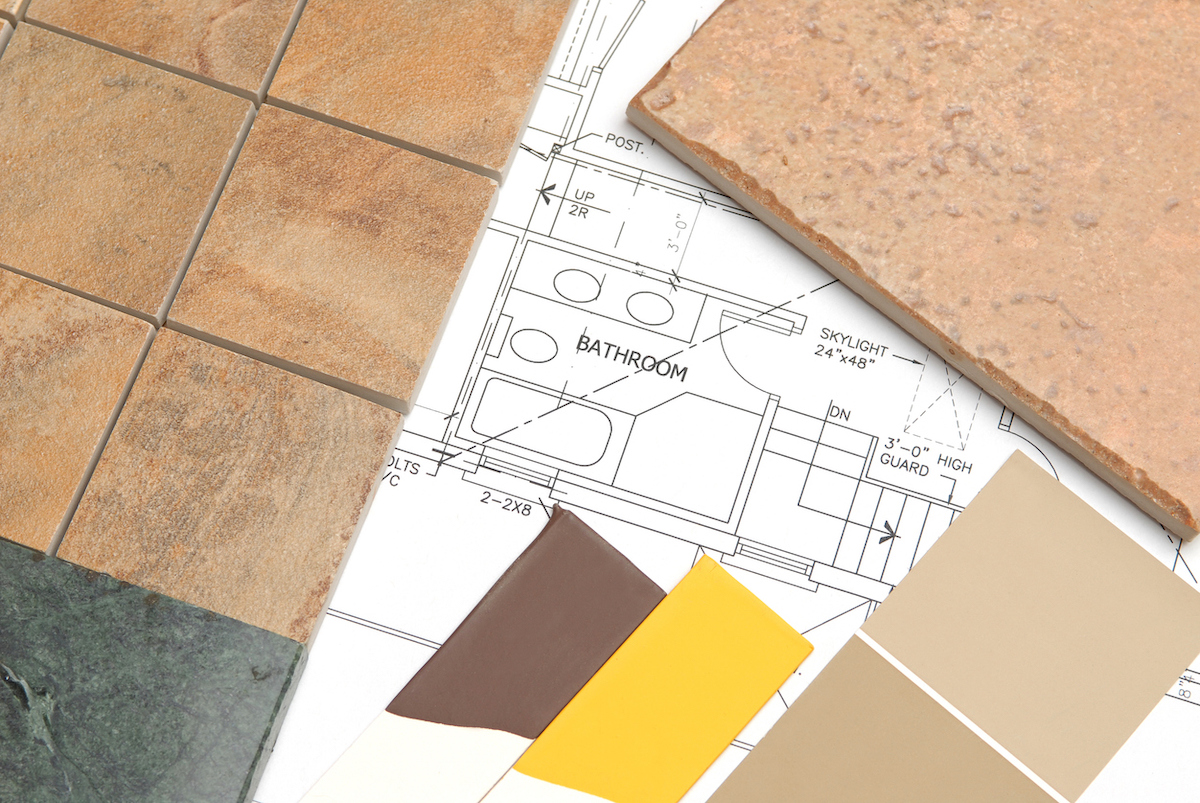
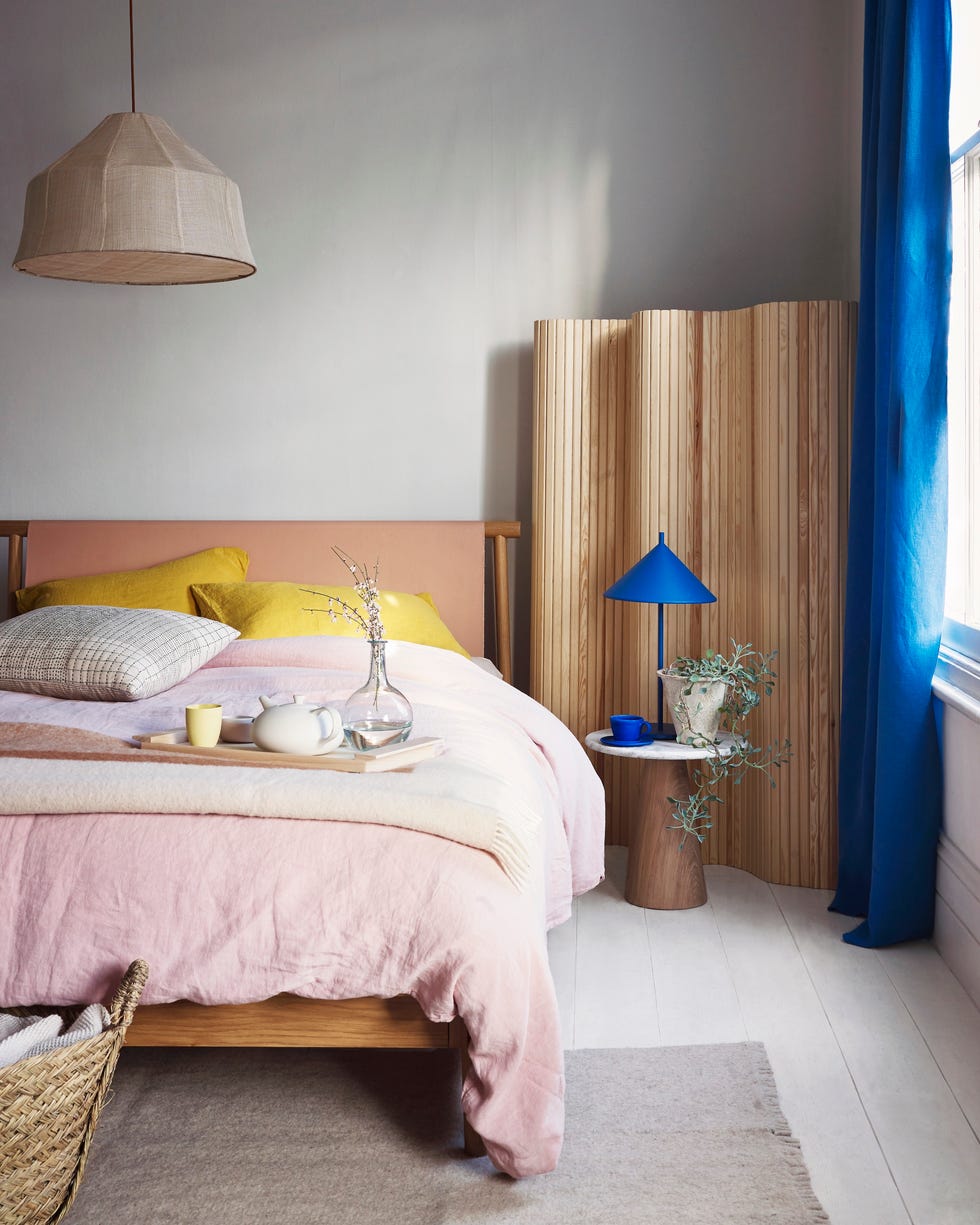
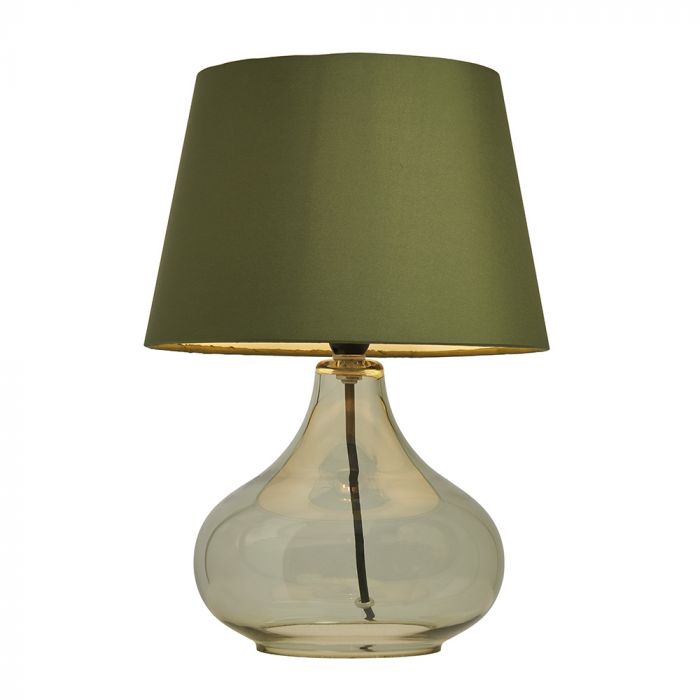
Delaying critical design decisions is another common pitfall. The multitude of choices in a renovation can lead homeowners to postpone smaller decisions, such as hardware finishes or paint colors. However, this delay can result in a jumbled appearance. It is advisable to finalize choices for finishes, furniture, and window treatments as part of the initial planning to ensure a cohesive design. Furthermore, neglecting to plan for the placement of vents, lights, outlets, and mechanical systems can detract from a home’s aesthetic. Strategically planning these elements, such as tucking outlets under cabinets or using lamps instead of excessive can lighting, helps avoid visual clutter.
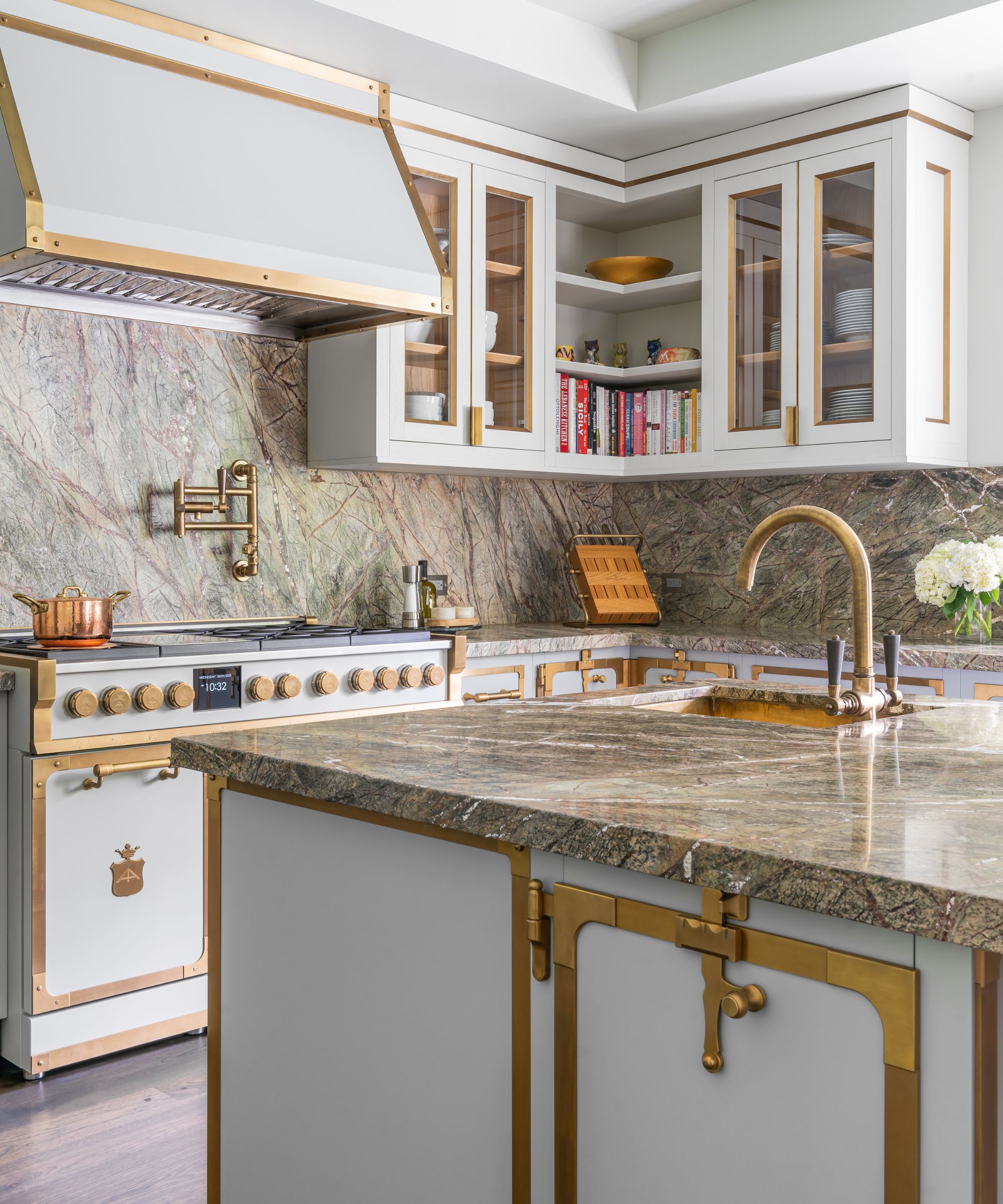
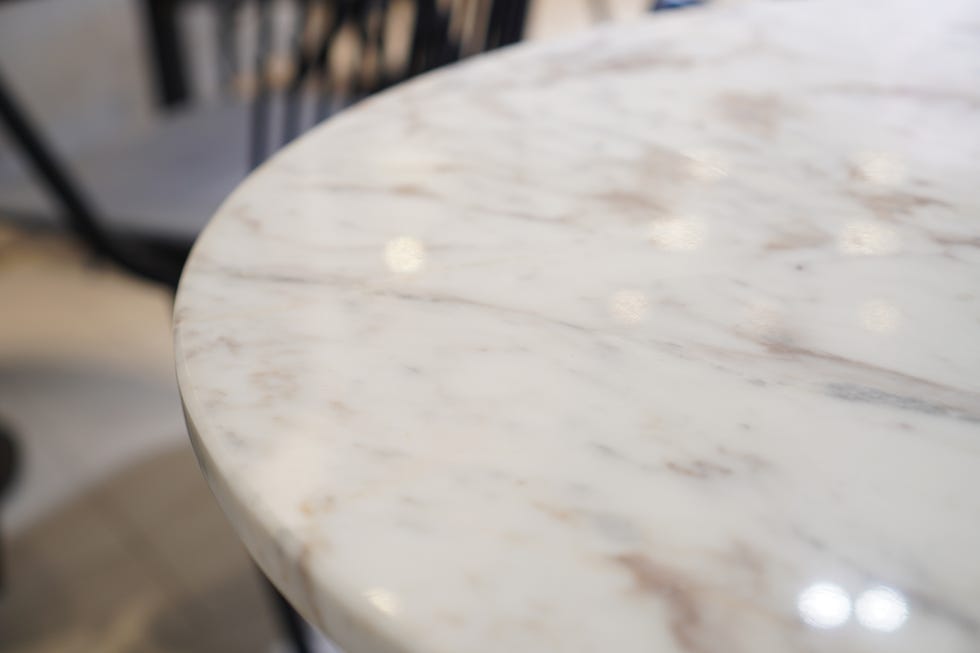
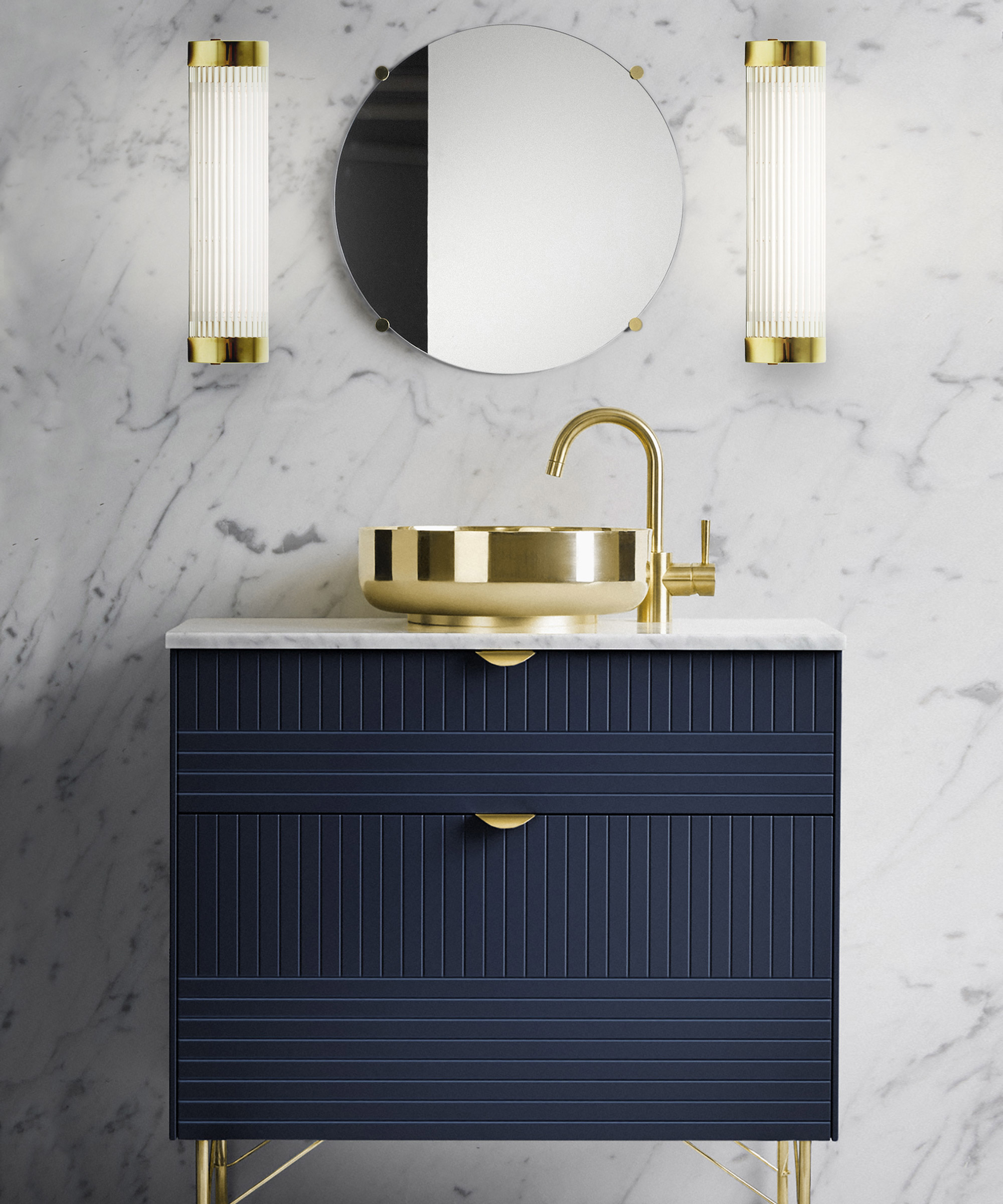
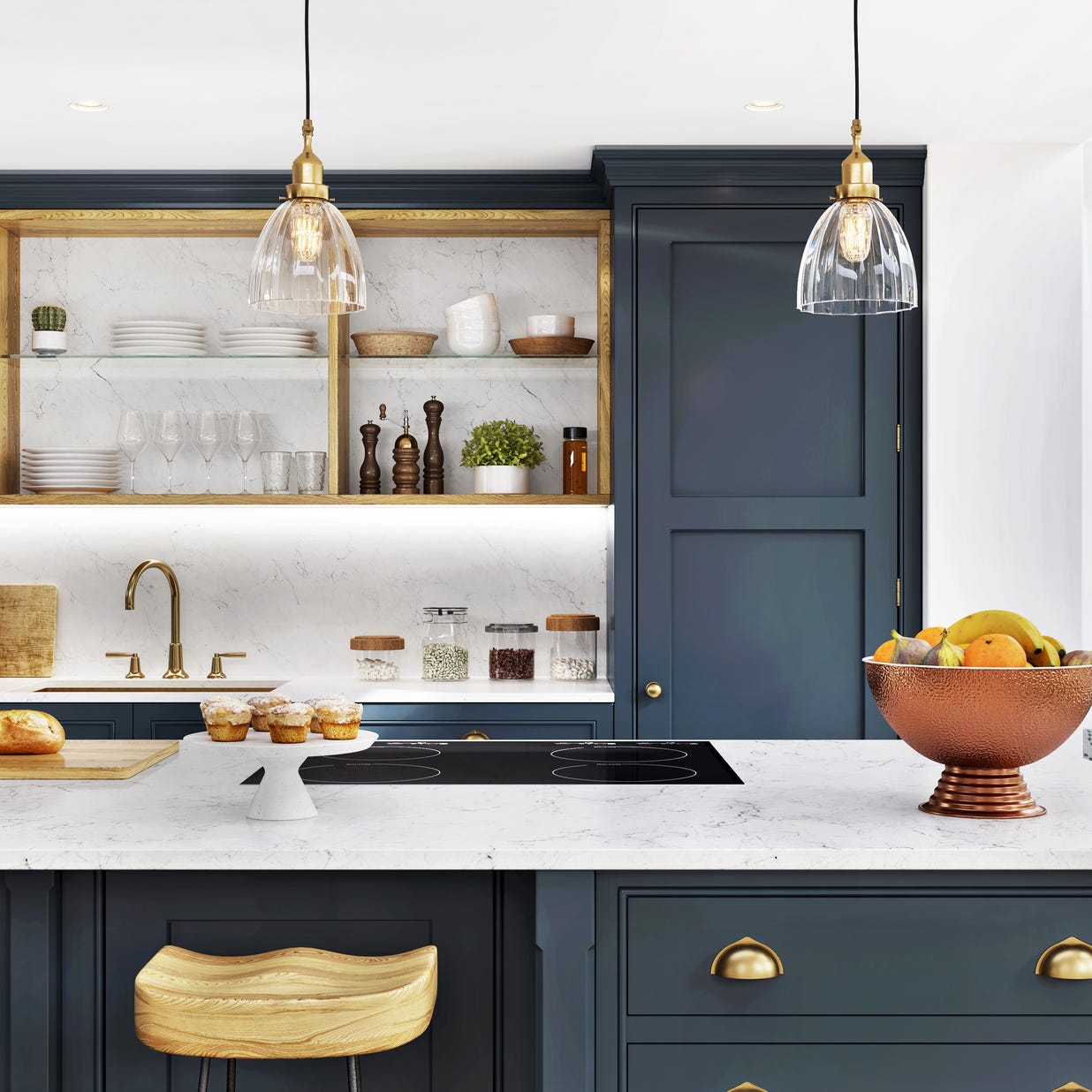
The selection of trendy, hard-surface materials for permanent fixtures like countertops and tiles is also a mistake that can lead to rapid obsolescence and costly replacements. Experts suggest opting for timeless materials for these long-term elements and incorporating trends through easily changeable items like paint, furniture, or decor. Counter-intuitively, some experts advocate for natural materials like wood and marble in high-traffic areas, despite concerns about durability, arguing that their aesthetic and tactile qualities contribute to daily happiness.
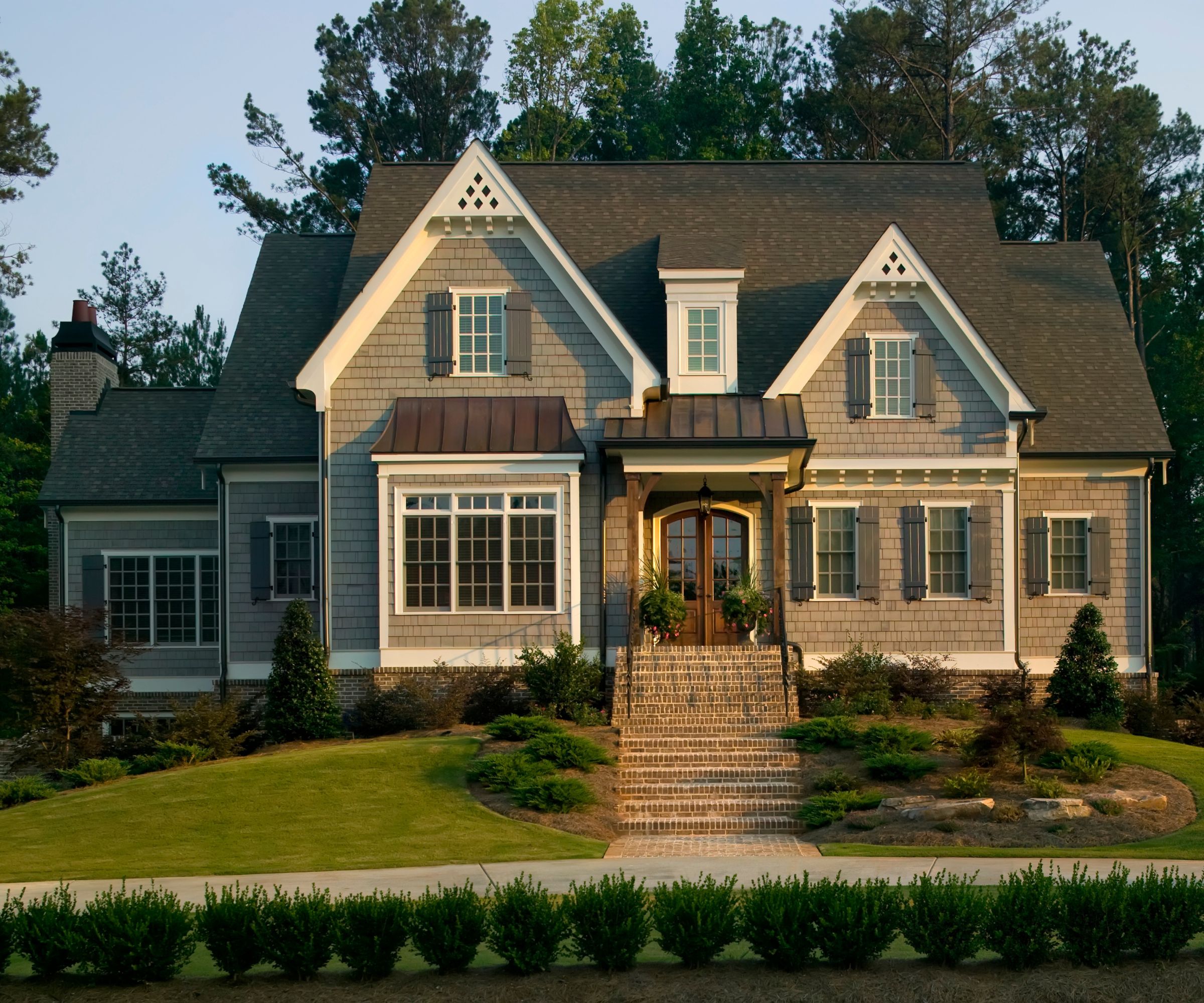
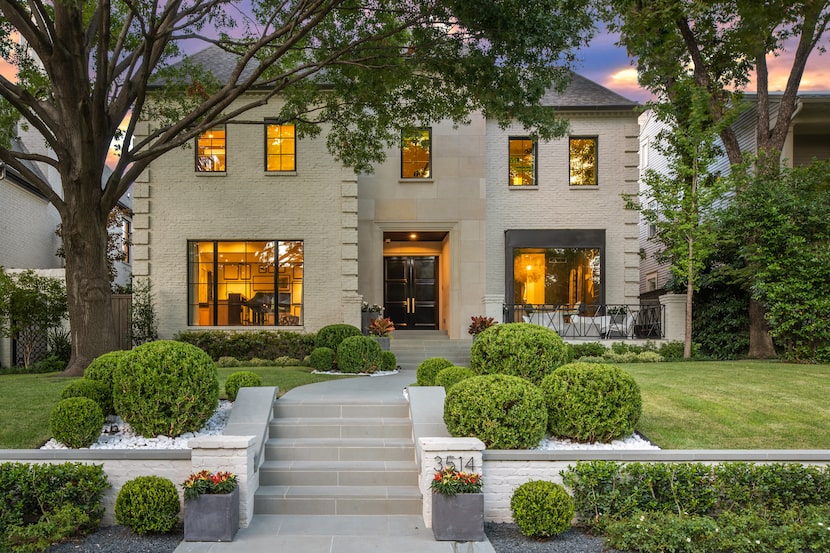
Improper selection of exterior finishes can damage existing materials, particularly with brick. Brick is permeable and requires appropriate paint that allows it to breathe, preventing moisture entrapment and exterior damage. Limewash is presented as a superior alternative to paint for brick, offering a similar appearance while promoting the home’s longevity. Finally, employing unlicensed tradespeople is a risky decision. Licensed professionals provide accountability and recourse if issues arise, regardless of the project's scale, ensuring quality workmanship and adherence to safety standards.
#HomeRenovation #InteriorDesign #Architecture #ConstructionMistakes #Budgeting #HomeImprovement #LicensedProfessionals #DesignPlanning #ExteriorFinishes #HomeRenovation #InteriorDesign #Architecture #ConstructionMistakes #Budgeting #HomeImprovement #LicensedProfessionals #DesignPlanning #ExteriorFinishes
0 komentarzy łącznie
 Brak komentarzy jeszcze
Możesz również polubić
You should try to avoid these 10 common home remodeling mistakes, urge experts
10 Interior Design Mistakes Experts Avoid In Their Own Homes

8 shockingly common kitchen design mistakes according to a pro

The One Home Renovation Mistake I Wish I Never Made
7 Renovations Homeowners Regret the MOST, According to the Experts Who Fix Them

Bathroom remodel mistakes – and how to avoid them

6 Things People Always Regret Skipping During A Renovation
11 WORST Kitchen Design Mistakes You're Probably Making

5 Common Mistakes Homeowners Make When Restoring Old Houses

13 Most Expensive Renovation Mistakes You Can Make—and How to Avoid Them

8 shockingly common kitchen design mistakes according to a pro

9 Utility room design mistakes and how to avoid them
11 costliest home renovation mistakes you should avoid
Money-wasting home improvements to avoid

12 common family living room mistakes that pros warn against
6 mistakes design experts instantly notice in your home – and how to fix them
9 whole house layout mistakes – avoid these common floor plan flaws

7 Mistakes to Avoid When Remodeling Your Bathroom
5 interior design regrets experts are always called in to fix

A serial home flipper with over 25 years of experience shares 7 common renovation mistakes people make