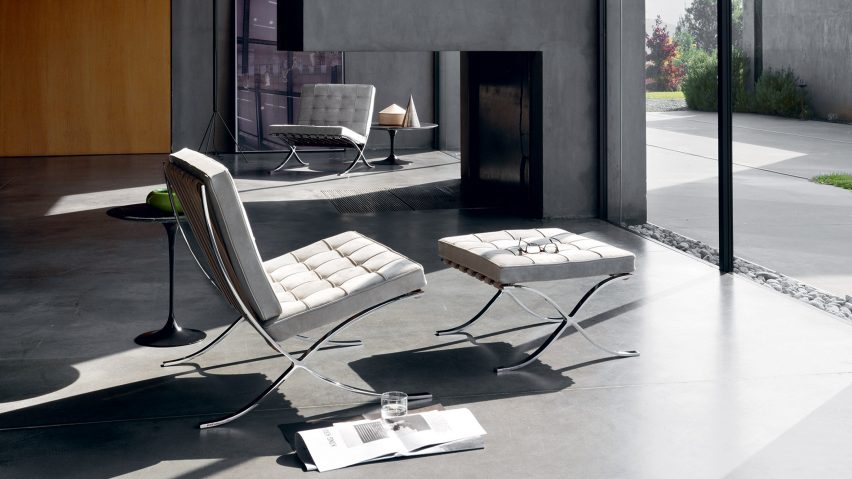
1/11
10 of the most iconic pieces of Bauhaus furniture
The article explores ten of the most influential pieces of furniture and homeware designed by Bauhaus artists and architects, celebrating the school's centenary. The Bauhaus school, known for its distinctive modern style rooted in simplicity and functionality, produced designs that became iconic in the 20th century. Bauhaus furniture emphasized practicality, stripping down objects to their basic elements and utilizing simple geometric forms. The aim was to create aesthetically pleasing items that were also accessible for mass production, leveraging modern industrial techniques and unconventional materials like steel, glass, plywood, and plastic.
Key designs highlighted include Marcel Breuer's Wassily Chair, inspired by bicycle handlebars and reducing the club chair to an outline of tubular steel and canvas. Peter Keler's Baby Cradle, designed for the first Bauhaus exhibition, draws inspiration from Wassily Kandinsky's color theory, featuring primary colors and simple geometric shapes like triangles, rectangles, and circles. Josef Hartwig's Bauhaus Chess Set simplifies the pieces to represent their movements, removing traditional religious and monarchical symbols to modernize the game. Ludwig Mies van der Rohe's Brno Chair showcases the cantilever principle, eliminating the need for four legs with a single C-shaped bar.
Marianne Brandt's Tea Infuser exemplifies functional design by stripping a conventional teapot of ornament, creating a compact, geometric metal vessel for a concentrated tea extract. Josef Pohl's Wardrobe on Rollers, or "Bachelor's Wardrobe," is a versatile and space-saving plywood design mounted on castors, making it affordable and convenient for apartment living. Mies van der Rohe and Lilly Reich's Barcelona Chair, created for the Barcelona International Exposition, features slim cushions on a stainless-steel frame, initially bolted and later redesigned as a seamless piece.
Wilhelm Wagenfeld and Carl Jakob Jucker's MT8 Lamp, known as the Bauhaus Lamp, embodies the "form follows function" principle with its simple, geometric shape of glass and metal, using an opaque industrial lampshade. Walter Gropius's Door Knob, first mass-produced in 1923, features a cylindrical grip and a squared stem made from nickel-plated brass, becoming the most commercially successful Bauhaus product. Finally, Josef Albers' Nesting Tables, designed during his tenure as artistic director of the furniture workshop, are a set of accent tables made from solid oak and lacquered acrylic glass, incorporating Albers' signature colorful and geometric style with blue, red, yellow, and white elements. These designs collectively showcase the Bauhaus's enduring impact on modern design through their innovative use of materials, emphasis on functionality, and minimalist aesthetics.
#Bauhaus #FurnitureDesign #Homeware #MarcelBreuer #MiesVanDerRohe #MarianneBrandt #WalterGropius #JosefAlbers #ProductDesign #Bauhaus #FurnitureDesign #Homeware #MarcelBreuer #MiesVanDerRohe #MarianneBrandt #WalterGropius #JosefAlbers #ProductDesign
0 comment in total
 No comments yet
You may also like
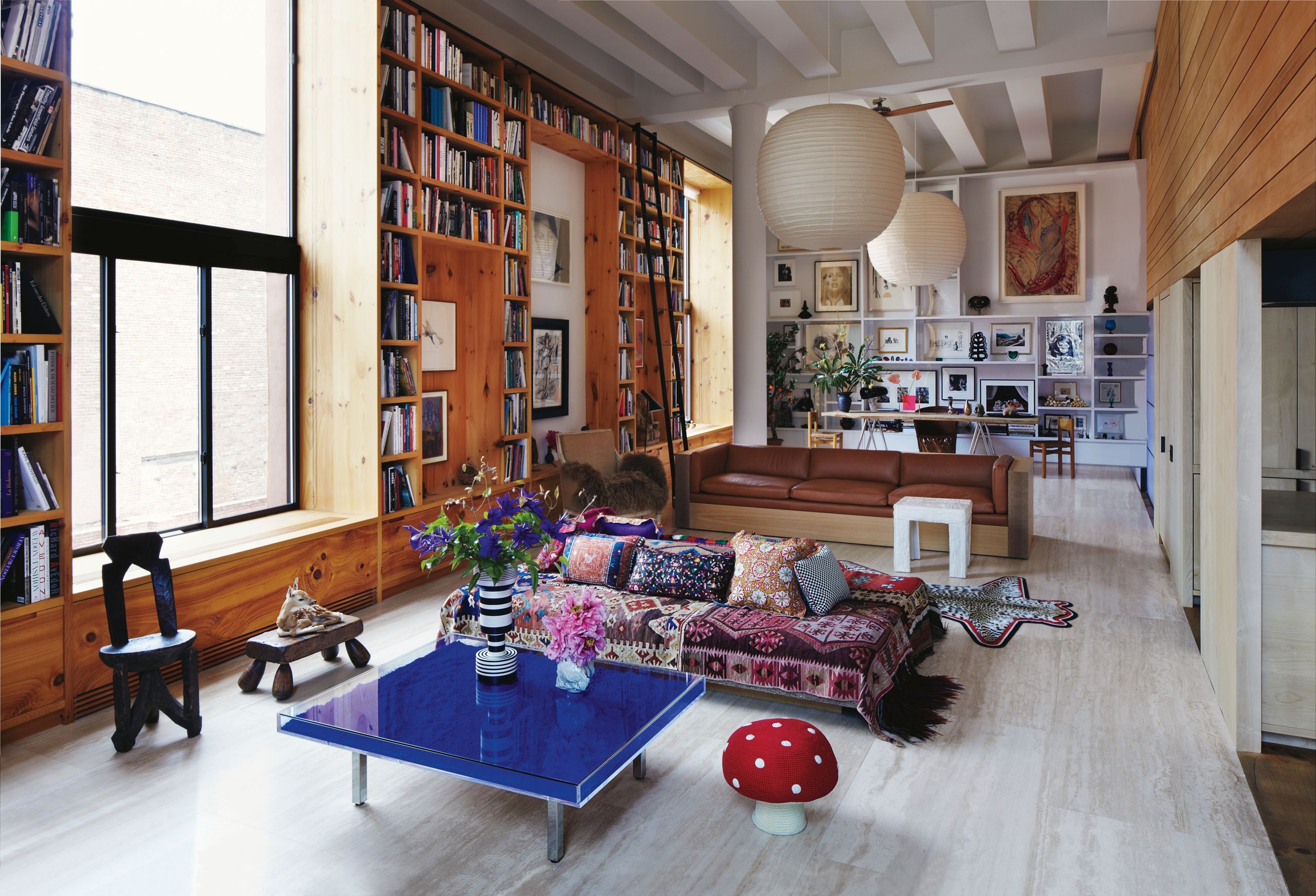
Interior Designers on the Most Iconic Furniture of All Time
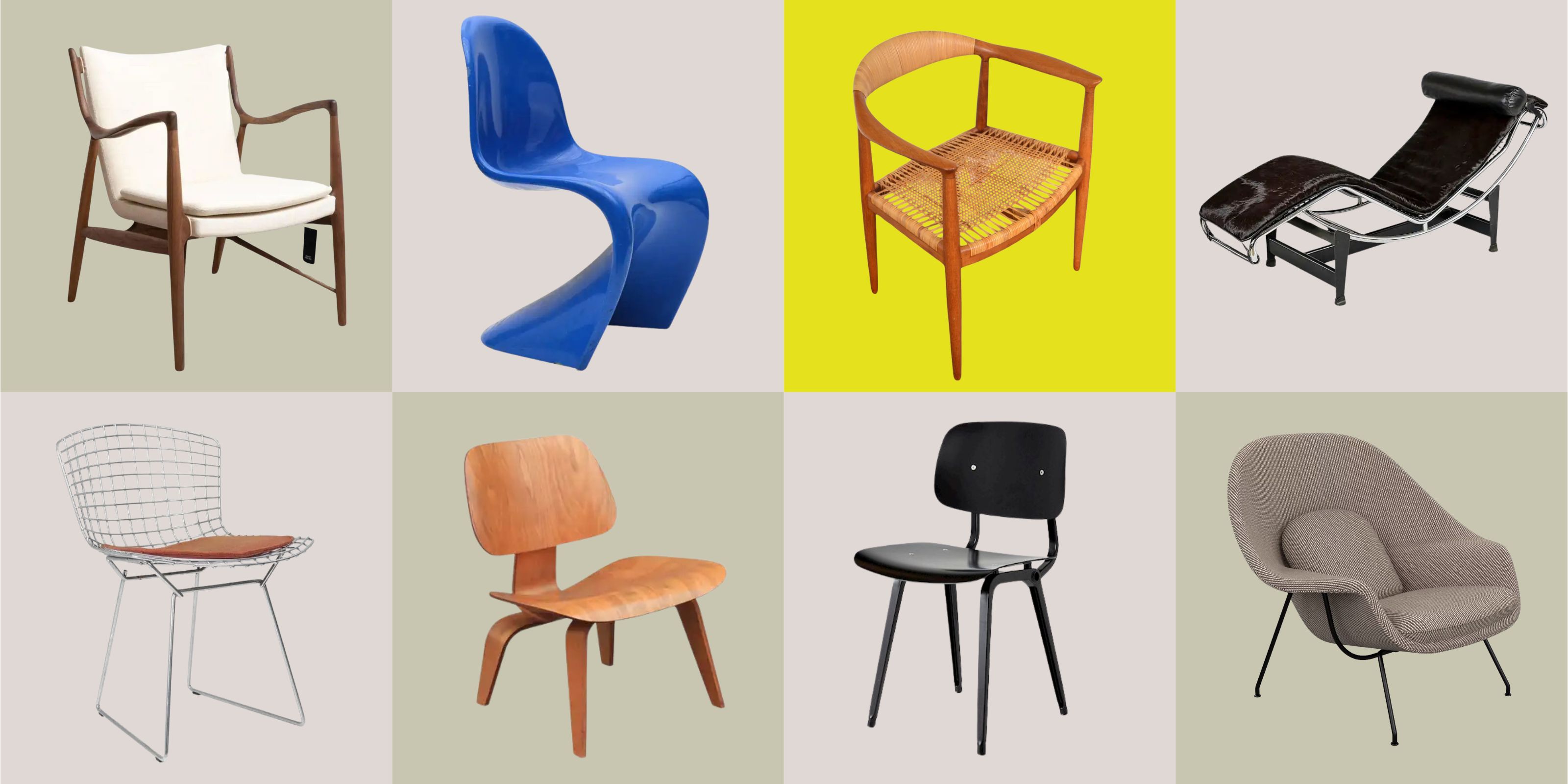
10 Iconic Mid-Century Modern Chairs That Are a 'Must-Know' for Any Design Enthusiast


10 Classic Midcentury Pieces That Will Never Go Out of Style

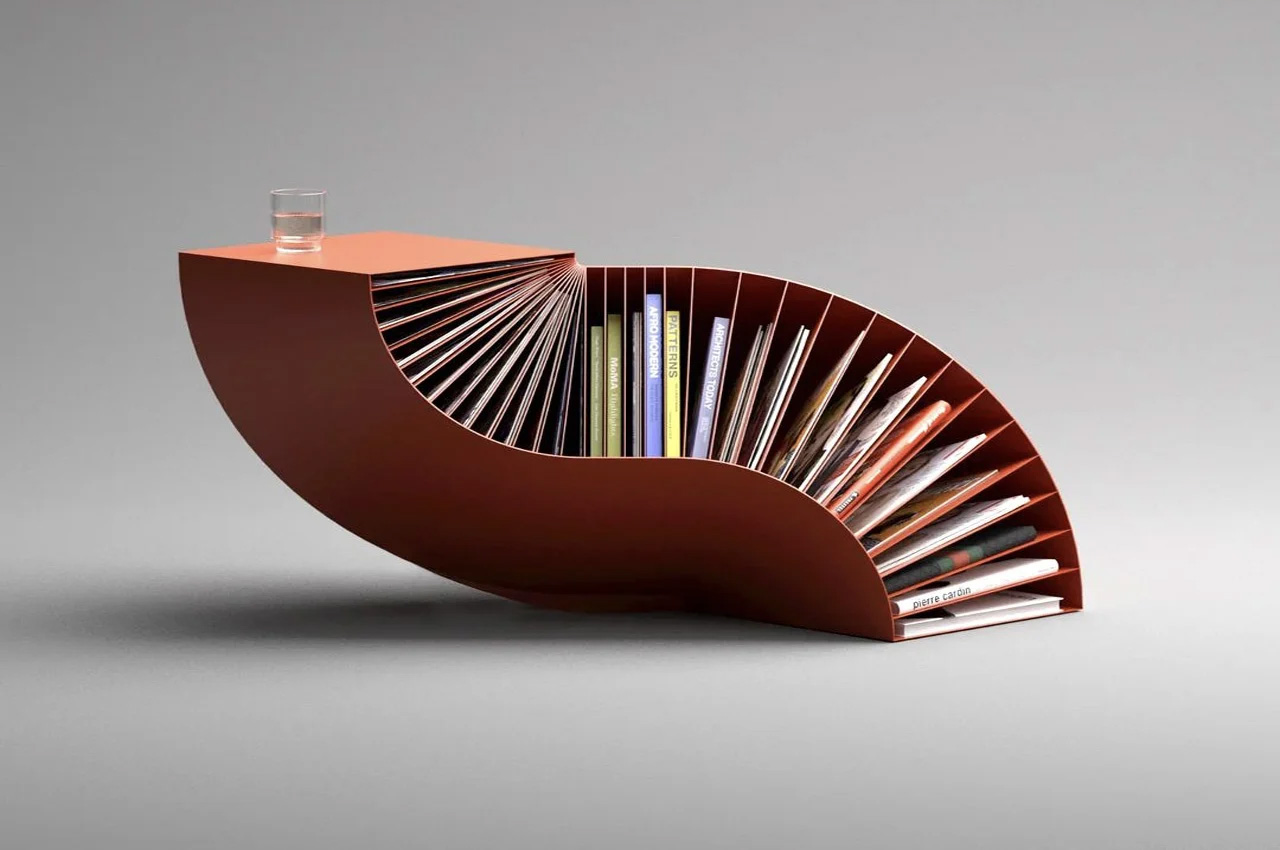
Top 10 coffee tables designed to be the center of attention of your living room

27 Contemporary Bauhaus Furniture and Decor Ideas That’ll Run You Less Than $300

Our 10 Favorite Modern Furniture Brands Will Have Your Home Oh So Chic
11 of the Most Iconic Interior Design Styles You Need to Know

10 Interior Design Books That Belong on Every Aesthete’s Coffee Table

The 10 Pieces of Ikea Furniture That Will Actually Last Forever(ish)
Top 10 Innovative Wooden Furniture Designs To Elevate Your Home Décor
The 10 best designer furniture dupes from Wayfair


10 Interior Design Books We Turn to for Home Inspiration

Bauhaus-Inspired Hardware

Bauhaus shapes and bold materials: best scene setters in the Wallpaper* Design Awards 2024

Belle-approved coffee table books for design enthusiasts

Ten furniture designs made from sustainable materials
10 Large Furniture Pieces Designed For Big Families and Loved by Editors
Bauhaus shapes and bold materials: best scene setters in the Wallpaper* Design Awards 2024
15 top-rated pieces of furniture you can buy at Home Depot

The 12 Most Covetable Pieces From Bunny Williams’s New Furniture Catalog