1/17
10 Iconic Mid-Century Modern Chairs That Are a 'Must-Know' for Any Design Enthusiast
Mid-century modern design, spanning approximately 1947 to 1957, continues to influence contemporary interiors with its innovative use of materials and timeless aesthetic. The era emerged from a post-World War II desire for functional yet aesthetically pleasing furniture, prioritizing comfort and clean lines over ornamentation. Many designs from this period have endured, becoming iconic pieces revered by design enthusiasts and collectors alike. This article highlights ten such chairs, detailing their origins, key features, and lasting impact on the design world.
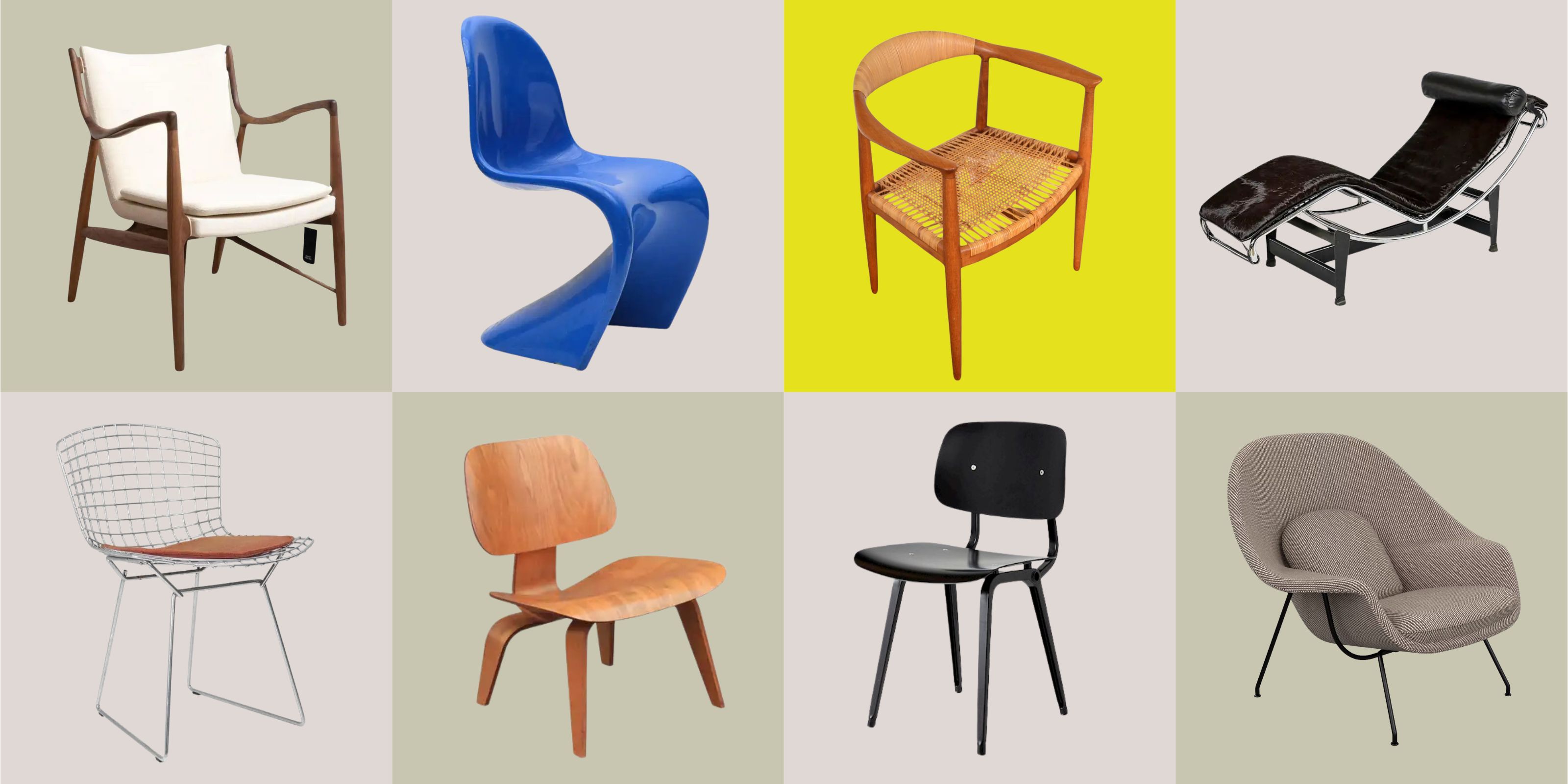
One of the most notable pieces is the Womb Chair, designed by Finnish-American architect Eero Saarinen in 1948. Commissioned by Florence Knoll, who sought a chair akin to "a basket full of pillows," Saarinen created a piece celebrated for its unparalleled comfort and ability to envelop the sitter. Its enduring production by Knoll exemplifies its iconic status and continued relevance in modern design.
The NV-45 Lounge Chair, introduced by Danish architect Finn Juhl in 1945, revolutionized furniture design with its "floating effect." Juhl's innovative separation of the seat and backrest from the frame resulted in a visually light and structurally advanced piece. The chair's organic curves and sculptural form reflect Juhl's artistic sensibilities, making it a masterpiece of mid-century modern design and a testament to his visionary approach.
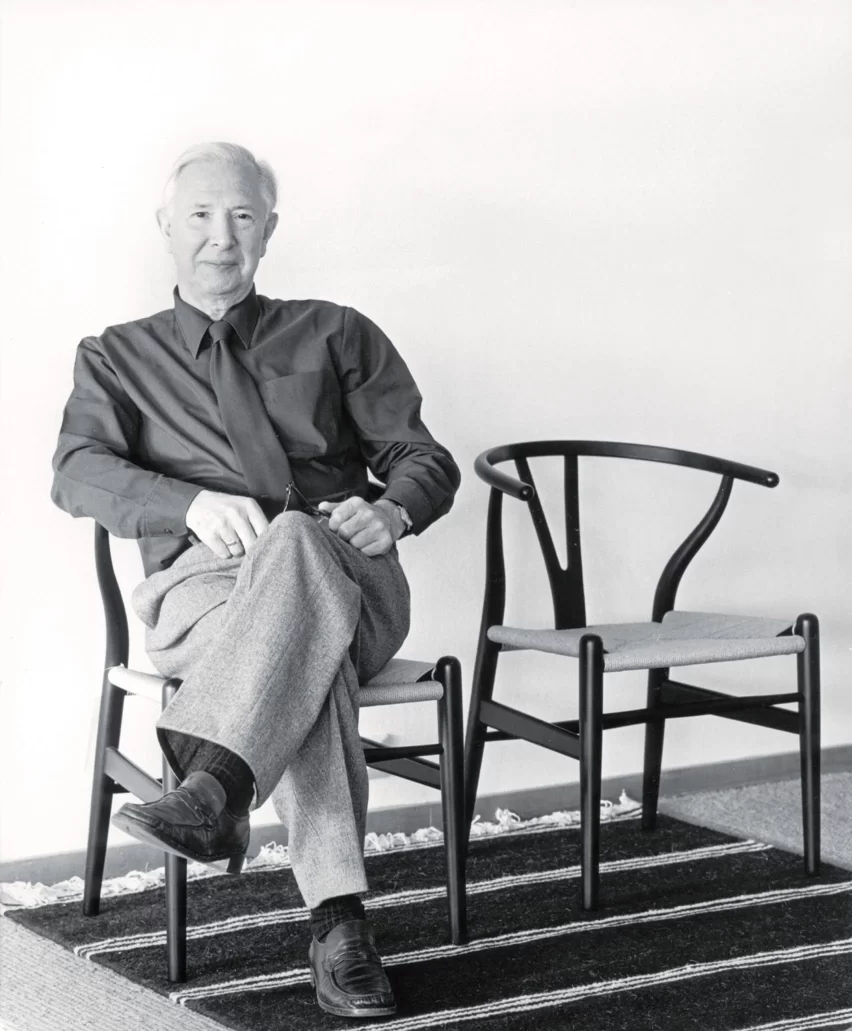
Hans Wegner's JH-501 'Round Chair,' often simply referred to as 'The Chair,' debuted in 1949. This piece is renowned for its seamless blend of form and function, featuring a continuous semicircular backrest and arms crafted from teak and cane. Its elegant and ergonomic silhouette gained international recognition after its appearance in the 1960 US presidential debate between John F. Kennedy and Richard Nixon, solidifying its place in design history.
The B 306 Chaise Lounge, a collaborative effort by Charlotte Perriand, Pierre Jeanneret, and Le Corbusier in 1929, was famously dubbed the 'Relaxing Machine.' This design, which predates the core mid-century period but significantly influenced it, was intended to mimic the body's natural curves. It innovatively combines the steam-bent designs of Michel Thonet with industrial materials like tubular steel, sheet metal, and elastic cord suspension, showcasing a pioneering approach to comfort and sophistication.
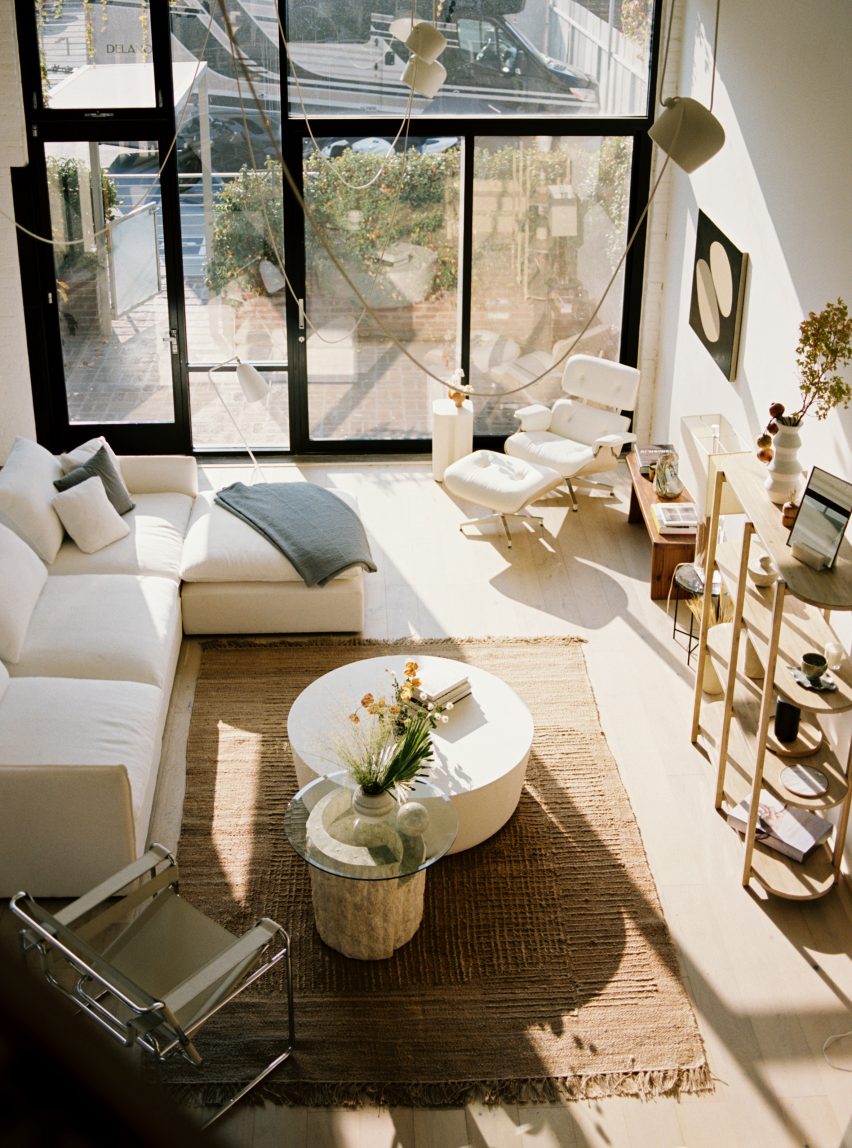
Charles and Ray Eames’ LCW (Lounge Chair Wood) from 1946 represents a triumph in molded plywood technology. Their work, initially spurred by a US government contract to produce medical splints during WWII, allowed them to perfect the molding process. The LCW was one of the first successful furniture applications of this technique, fusing everyday material with comfort and luxury. Produced by Herman Miller, it remains a quintessential mid-century piece.
Friso Kramer's Revolt Chair for Ahrend De Cirkel, designed in 1953, was a cornerstone of the Dutch Goed Wonen movement, which aimed to democratize good living through accessible design. Ellen LeComte describes it as "all function, but still full of soul," highlighting Kramer's dedication to its construction and comfort. Relaunched in partnership with Hay, its innovative design has even been commemorated on a postage stamp.
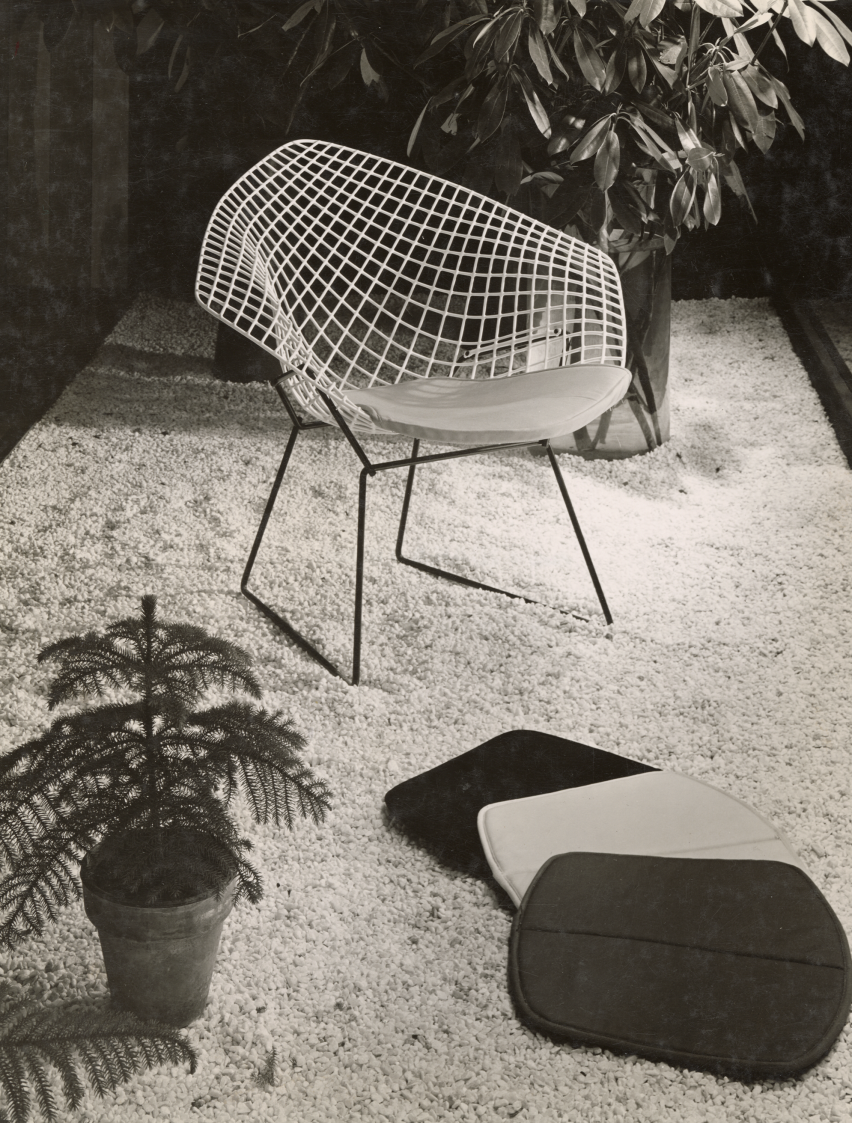
Harry Bertoia's Side Chair, introduced in 1952, is one of the most recognizable wire-grid chairs. Continuously produced since 1953, Bertoia described his creation as "mainly made of air" due to its lightweight and transparent appearance. Despite its delicate filigree, the chair is exceptionally durable, often complemented by seat pads secured with metal snaps.
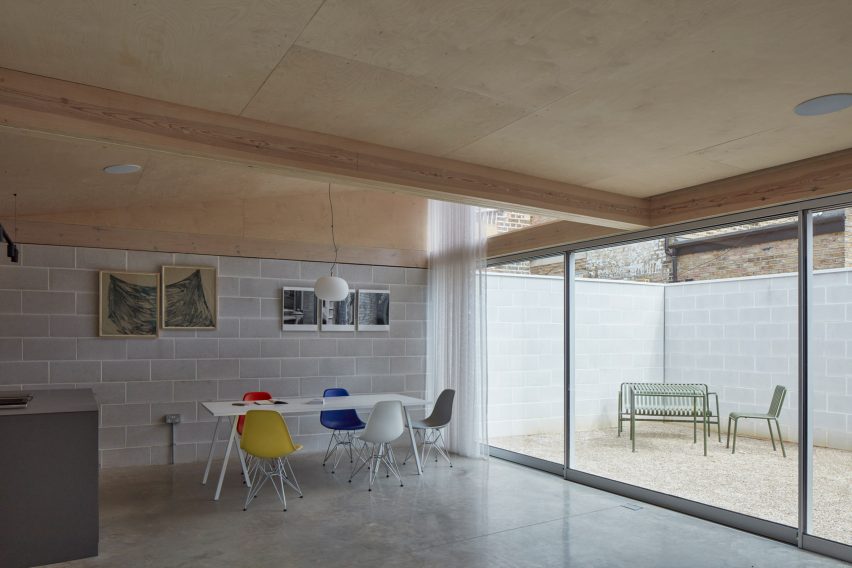
Verner Panton's Panton Chair, developed in 1960 in collaboration with Vitra, was a late but influential addition to mid-century modern design. This 'S'-shaped chair, made entirely of plastic, was the first single-piece, all-plastic chair with a cantilever design. Its stackable nature and vibrant color options, alongside its inherent comfort, made it an instant classic for both indoor and outdoor use.
Ole Wanscher's Model 166 'Senator' Lounge Chair from 1951 showcases Danish modernism with its refined aesthetics and functional design. Crafted with a solid teak frame, it features clean lines and a minimalist silhouette. Its ergonomic design and use of high-quality materials contribute to its timeless appeal and make it a highly sought-after piece for collectors.
Finally, the Congo Chair by Theo Ruth for Artifort, designed in 1952, was revolutionary for its time. LeComte notes its "innovative two-piece tension construction," which paved the way for a softer, more sculptural interpretation of modernism. This collector's favorite, readily available today, is a testament to Ruth's forward-thinking approach, blending functionality with a distinctive aesthetic.
These ten chairs, each with its unique story and design philosophy, collectively illustrate the enduring legacy of mid-century modern furniture, continuing to inspire designers and homeowners seeking iconic style and comfort.
#MidCenturyModern #IconicChairs #DesignHistory #EeroSaarinen #FinnJuhl #HansWegner #LeCorbusier #Eames #FrisoKramer #HarryBertoia #VernerPanton #OleWanscher #TheoRuth #FurnitureDesign #MidCenturyModern #IconicChairs #DesignHistory #EeroSaarinen #FinnJuhl #HansWegner #LeCorbusier #Eames #FrisoKramer #HarryBertoia #VernerPanton #OleWanscher #TheoRuth #FurnitureDesign
0 comment in total
 No comments yet
You may also like
The five most impactful chair designs of mid-century modernism
Ten homes where classic Eames chairs add a mid-century modern feel
11 Midcentury-Modern Sofas That Combine Style and Comfort
The 15 Best Dining Chairs for Every Style, According to Designers

23 of the Most Important Chair Designs of All Time

18 Modern Accent Chairs That Will Instantly Elevate Your Living Space
Shop Our Editors' Favorite Places to Buy Mid-Century Modern Sofas

Clearance pair of accent chairs for sale Top Sale Upholstered Mid Century Modern Accent Chairs Set of 2 Drew

These Accent Chairs Are the Definition of a Personality Hire

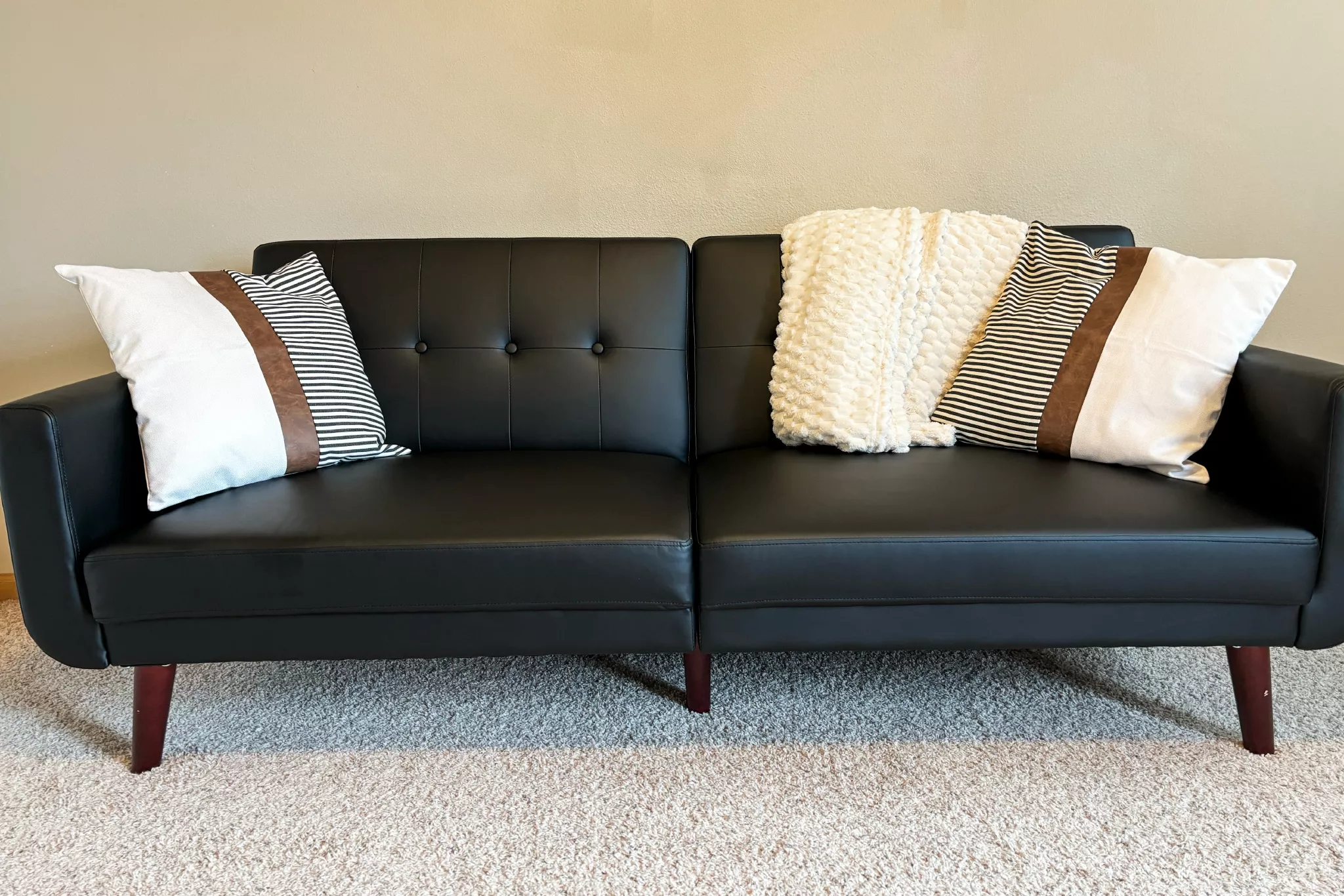
10 Midcentury Modern Couches That Can Transform Your Living Space

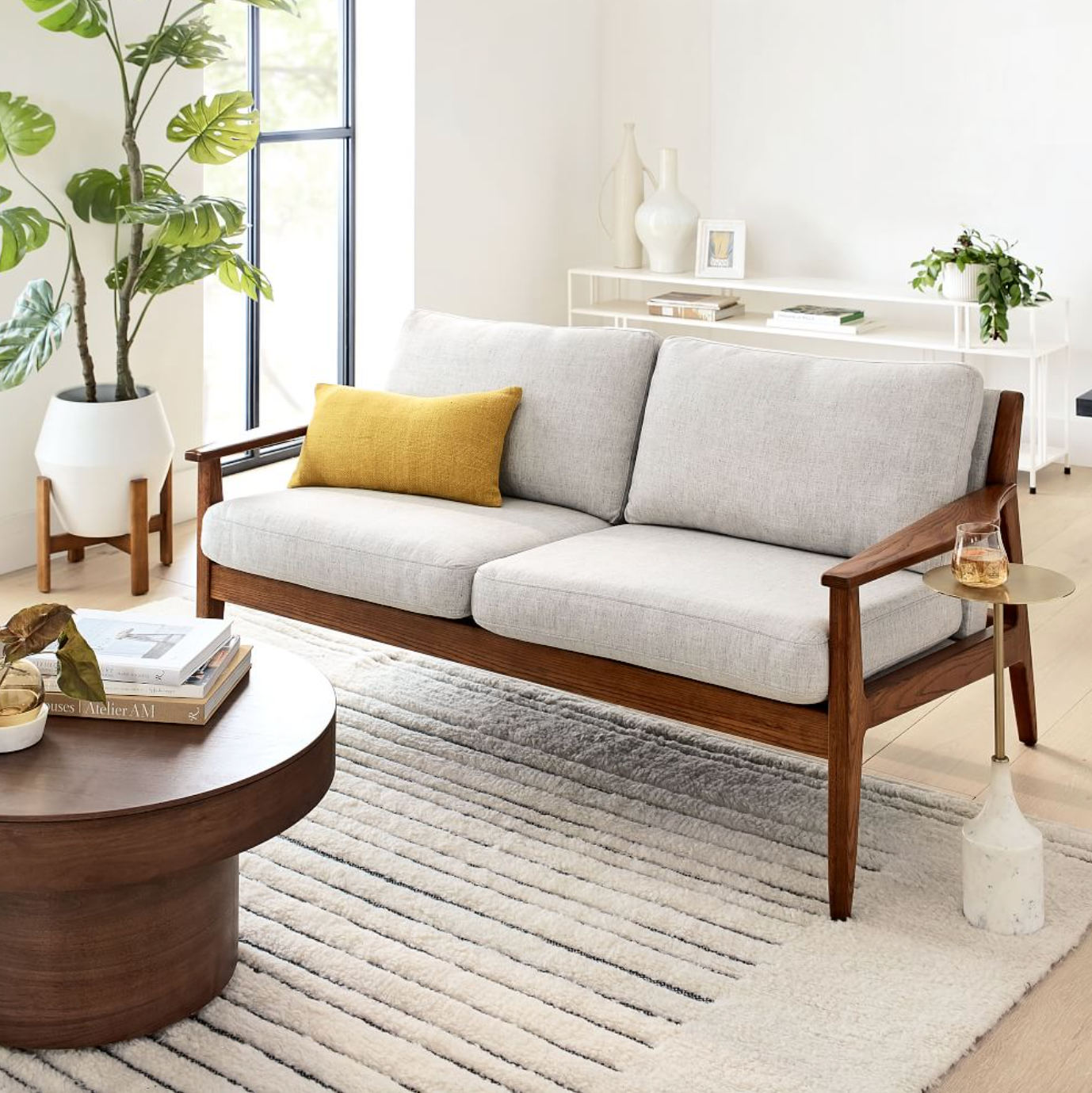
11 of the Absolute Best Midcentury Modern-Style Sofas for Your Living Room
Our 10 Favorite Modern Furniture Brands Will Have Your Home Oh So Chic
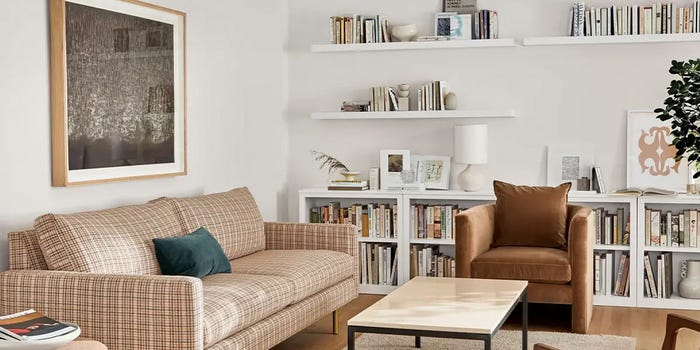
The 11 best places to buy midcentury-modern furniture, according to designers
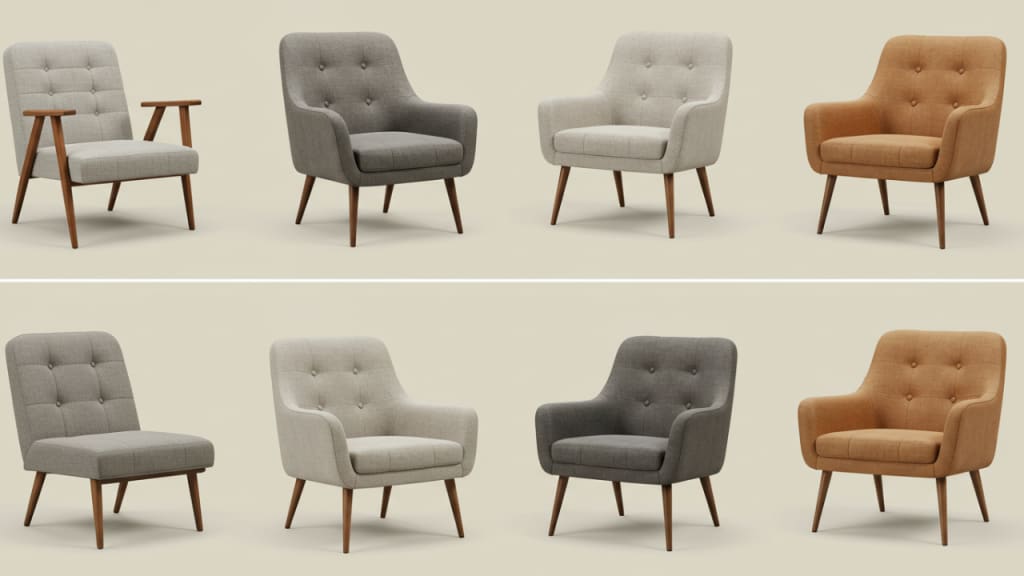
Best Mid-Century Modern Accent Chairs Under $200

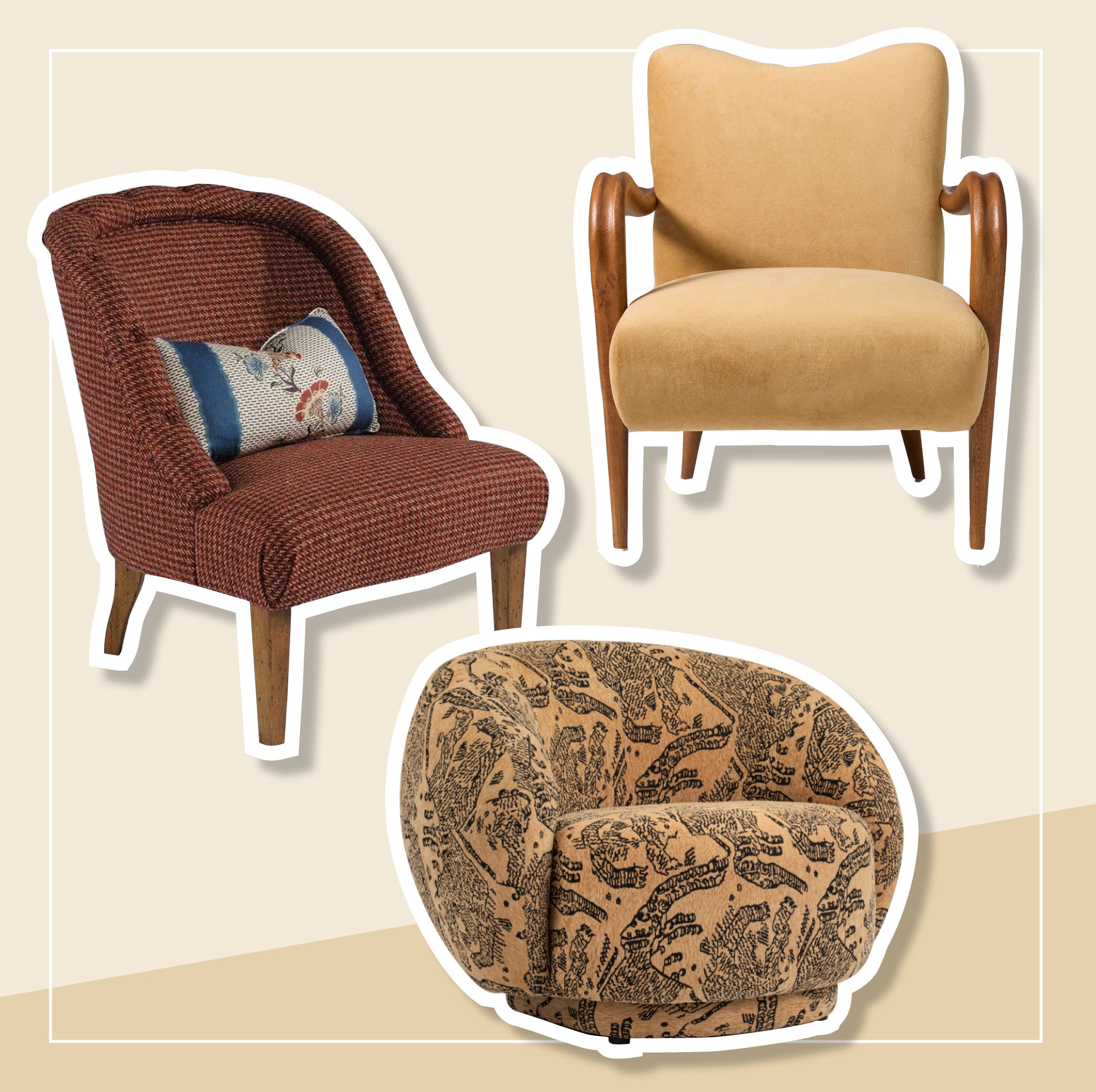
Interior Designers Swear By These 11 Cozy Accent Chairs

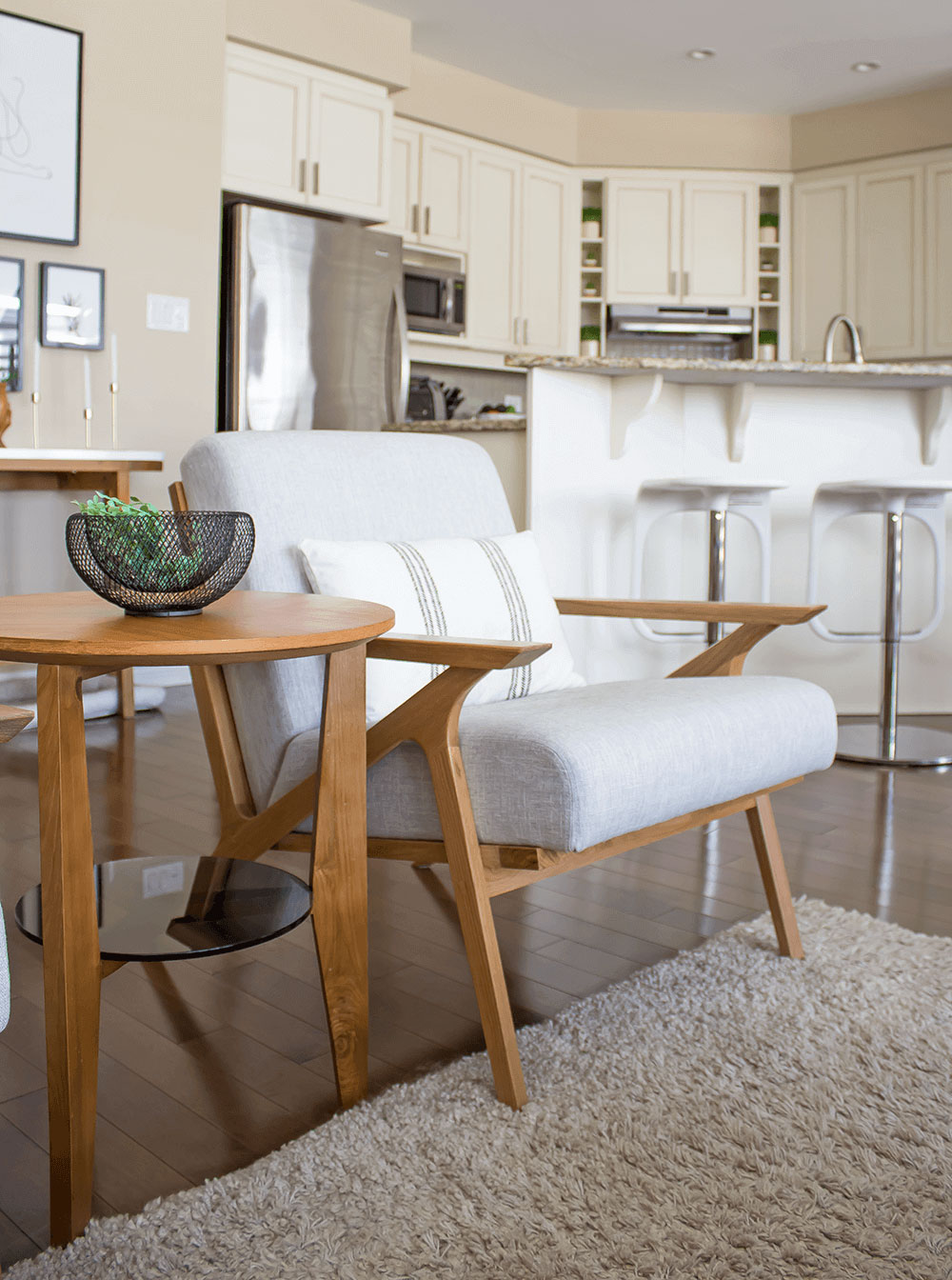
Best modern accent lounge chair Top Sellers 20 Edgy Modern Accent Chairs Cat Proofing Our Latest
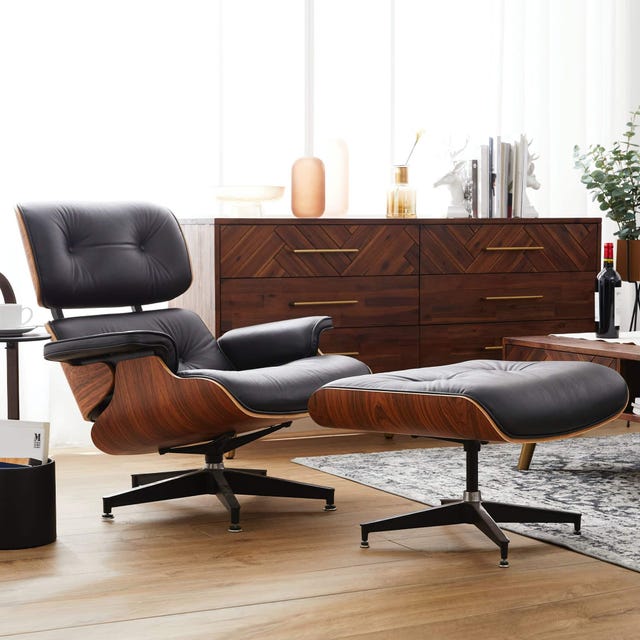
25 Midcentury Modern Furniture Pieces That Will Always Be in Style

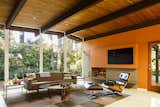
10 Classic Midcentury Pieces That Will Never Go Out of Style

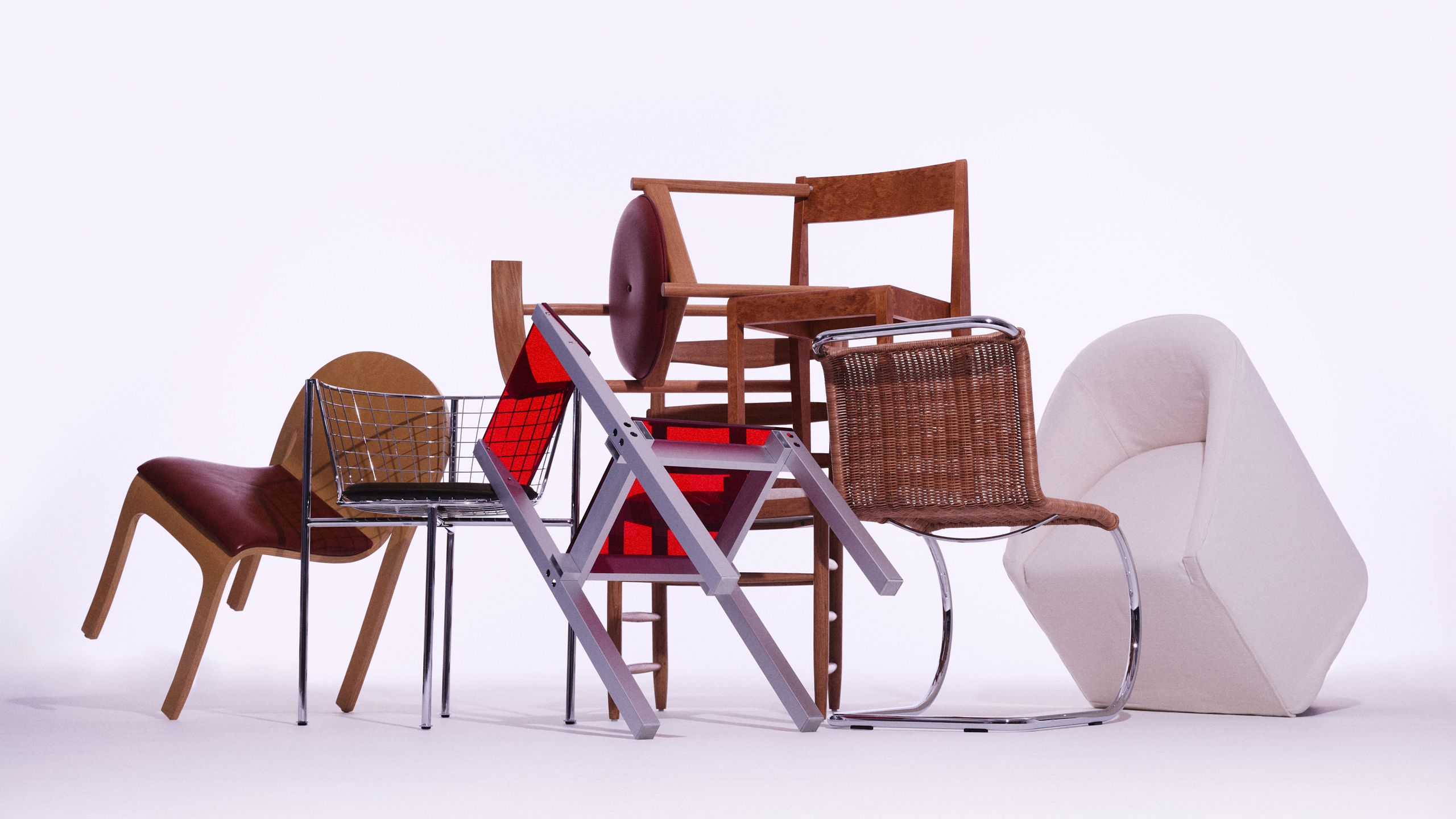
Icons Only: The Best Dining Chairs, According to AD Editors
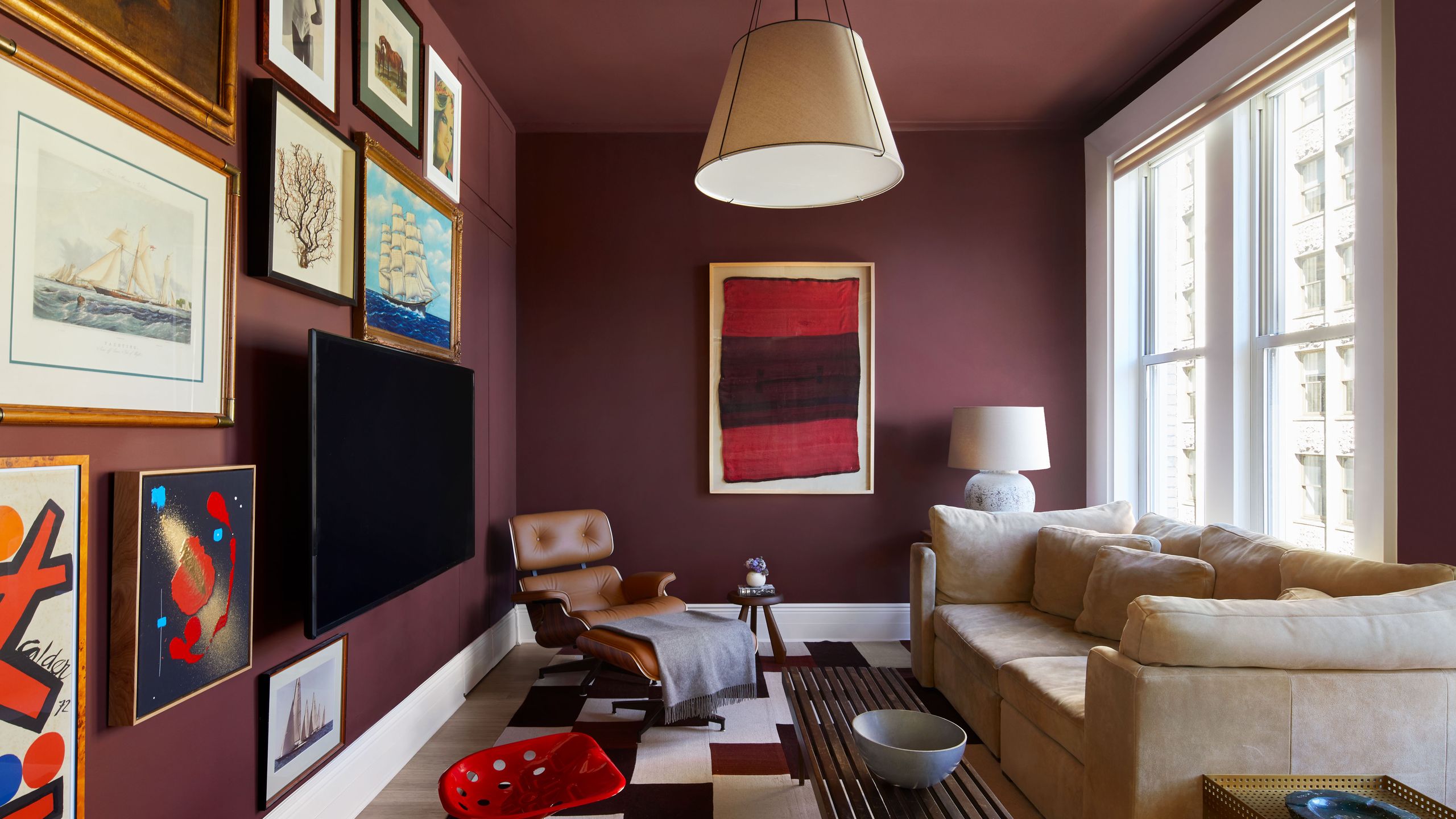
I Tried It: How Much Hype Does the Iconic Eames Chair Really Deserve?