1/3
Using electric water heaters to store renewable energy could do the work of 2 million home batteries – and save us billions
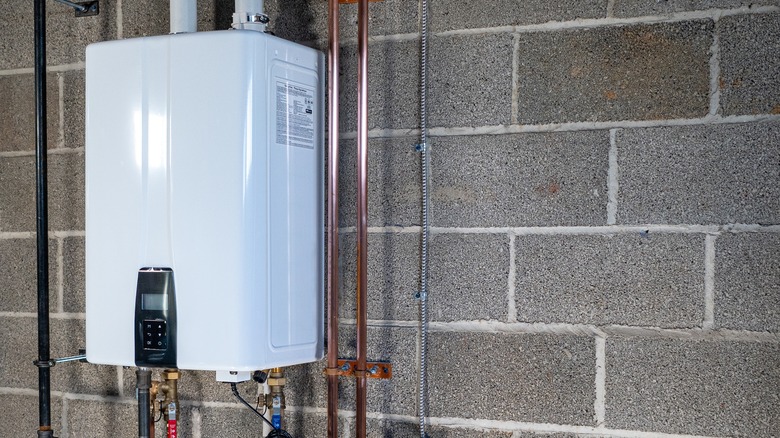
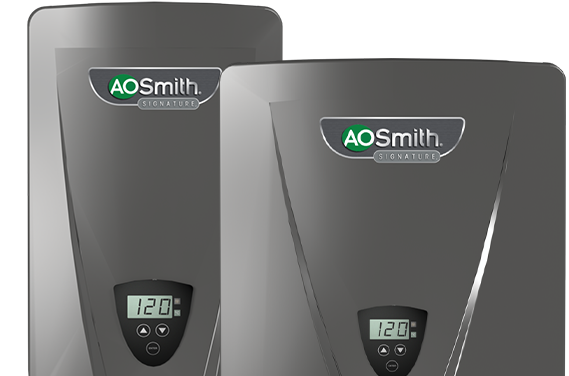
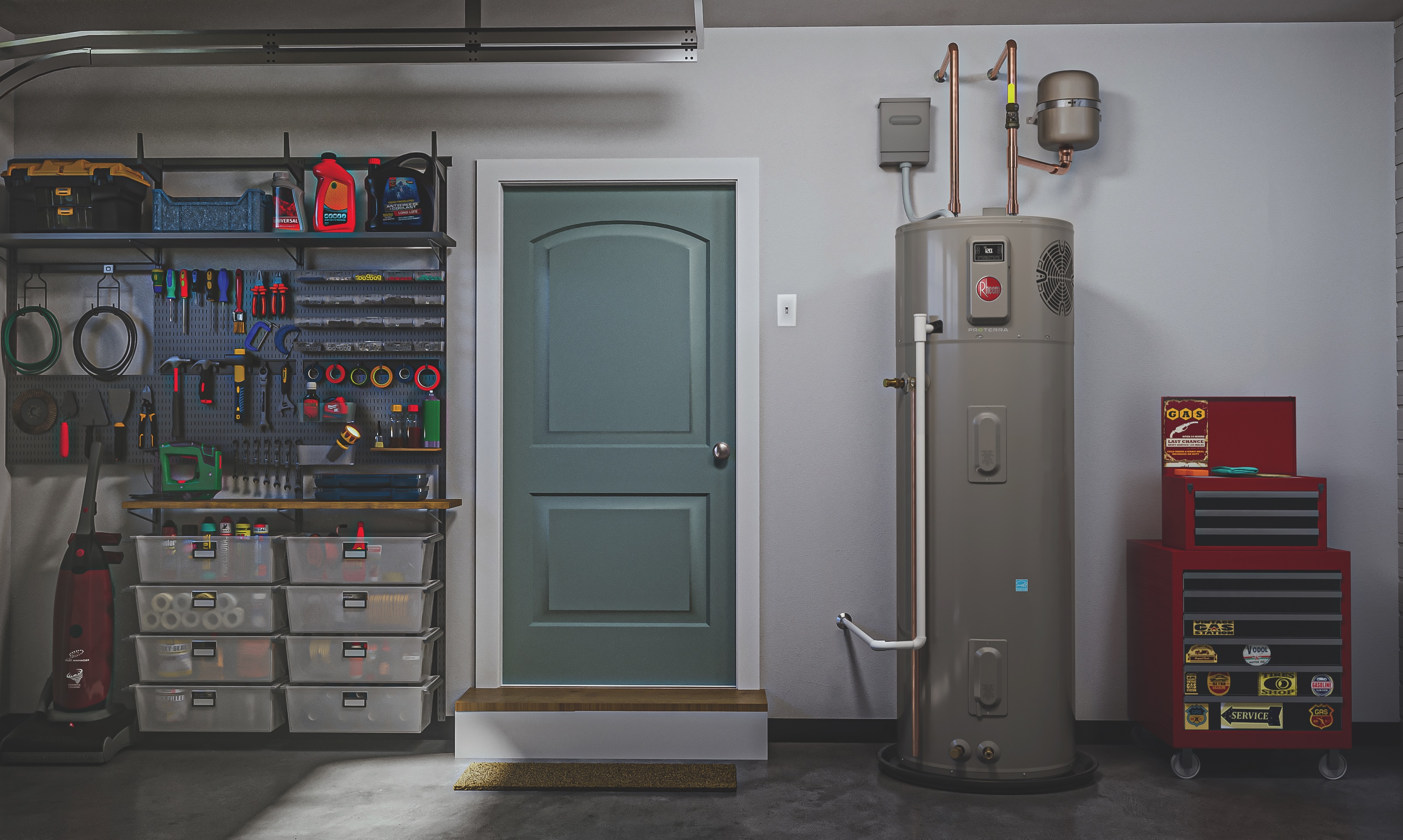
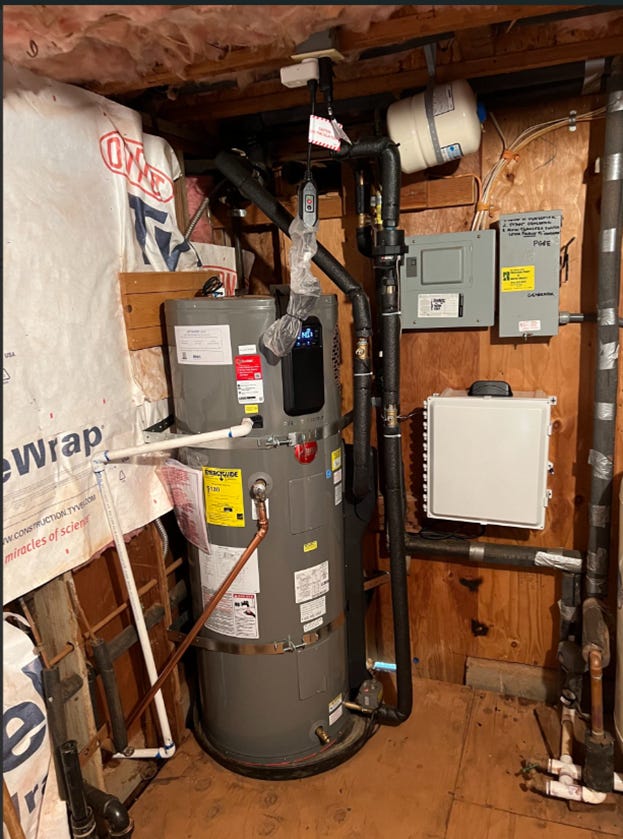
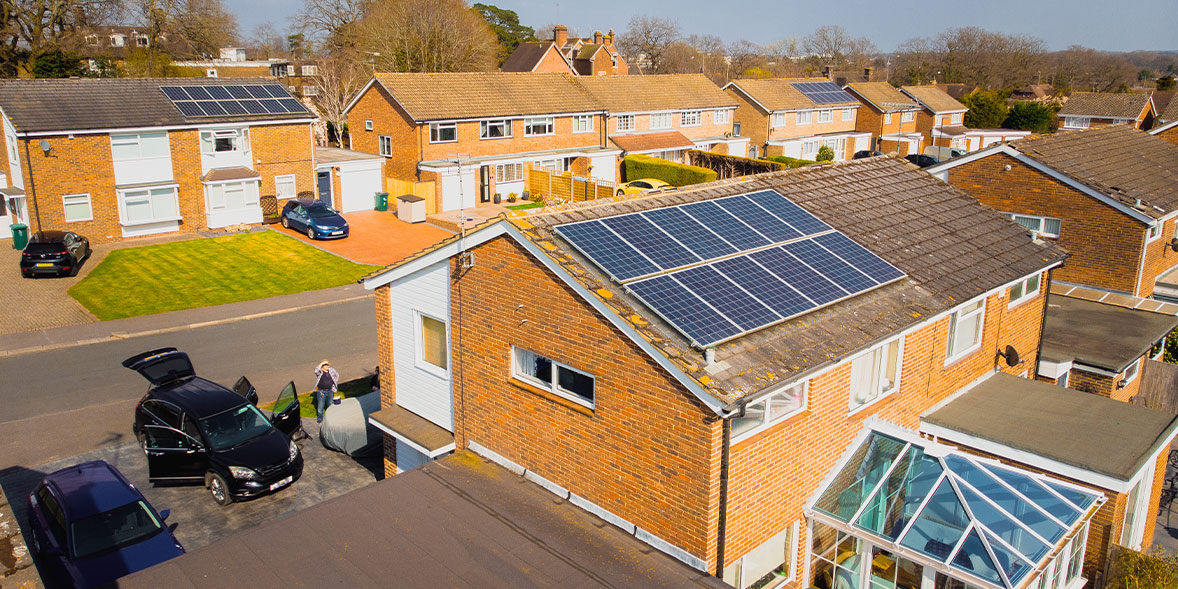
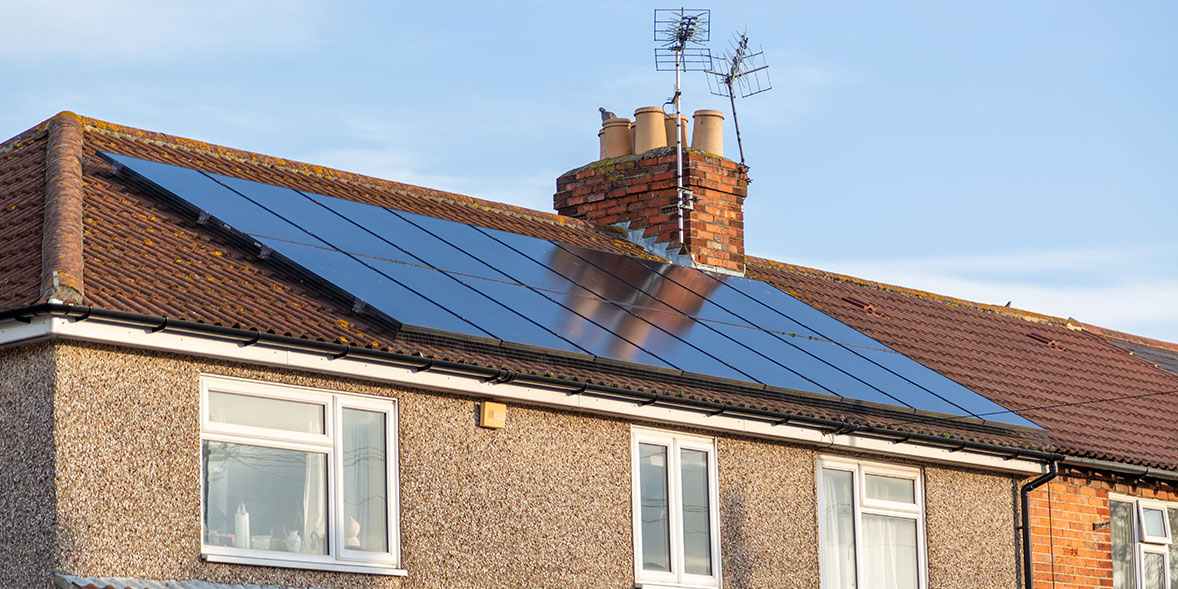
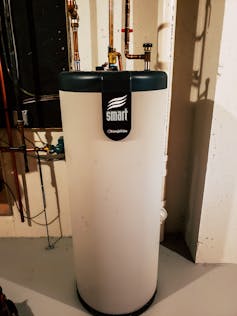
Australia is undergoing a significant energy transition, with a high adoption rate of rooftop solar panels and increasing sales of electric vehicles. However, a crucial technology for this transition, the electric water heater, is often overlooked. Approximately half of Australian households currently use electric water heaters, while the other half relies on gas. Electric water heaters offer a cost-effective method for storing large quantities of energy in the form of hot water. For instance, a 300-litre tank can store energy equivalent to a second-generation Tesla Powerwall at a much lower cost.
Research conducted by the UTS Institute for Sustainable Futures suggests that utilizing household electric water heaters could store energy equivalent to over 2 million home batteries across Australia. This initiative has the potential to save over A$6 billion annually on energy bills and significantly contribute to achieving net-zero carbon emissions. A report, funded by the Australian Renewable Energy Agency (ARENA), emphasizes the urgent need for policies to replace gas water heaters with "smart" electric water heaters to halve emissions by 2030 and reach net zero by 2050. Smart heaters can respond to grid changes, absorbing excess renewable energy, particularly from solar, thereby reducing greenhouse gas emissions and enhancing grid stability by balancing fluctuating renewable supply.
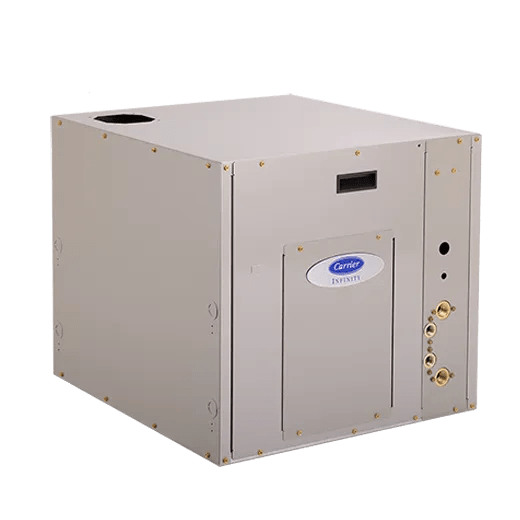
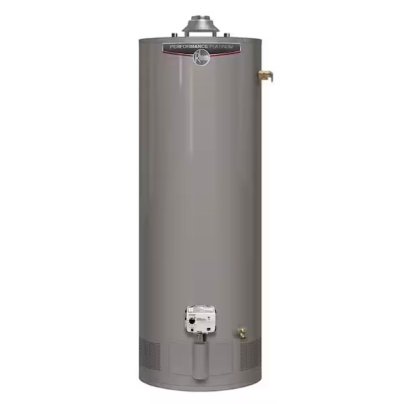
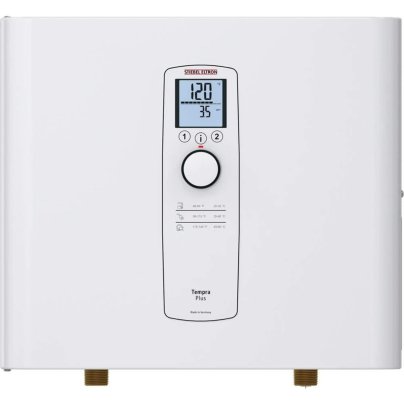
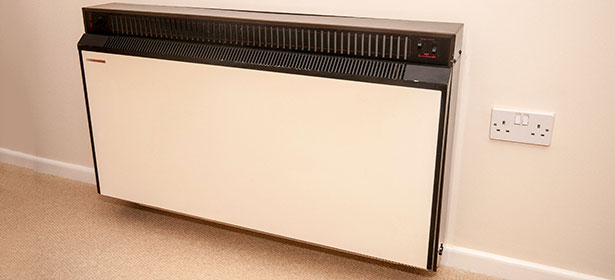
There are three primary types of electric water heaters: conventional "resistance" heaters, solar water heaters, and heat pump units. Heat pumps are more energy-efficient, using three to four times less electricity than resistance heaters. Historically, electric water heaters had higher emissions due to reliance on coal-fired electricity. However, with the increasing generation of renewable electricity, this scenario is rapidly changing. The Australian Energy Market Operator (AEMO) projects that gas will become the most greenhouse-intensive water-heating option by 2030, and by 2040, emissions from electric water heaters will be substantially lower than gas counterparts.
Given that water heaters typically last 15 years or more, prioritizing the replacement of gas heaters with electric ones is crucial for the energy transition. Studies indicate that this shift would accelerate the path to net-zero emissions and result in substantial financial savings, as gas is expensive, while abundant renewables offer cheap electricity that water heaters can utilize. This could lead to over $6 billion in annual energy bill savings by 2040. The National Electricity Market (NEM) modeling shows that a business-as-usual approach would prolong the use of costly and high-emission gas units, whereas rapid electrification would swiftly replace them with electric water heaters.
Beyond emissions reduction, electric water heaters contribute to grid stability. While batteries offer a solution for storing renewable energy, they remain expensive. Electric water heaters provide a more affordable alternative for large-scale energy storage and demand flexibility. Research suggests that scenarios emphasizing demand flexibility with smart electric water heaters could provide an additional 30GWh of daily flexible demand capacity, equivalent to over 2 million home batteries across the NEM.
The concept of "off-peak hot water," where heaters were operated during off-peak hours for discounted rates, was common in Australia since the 1950s but declined with increased natural gas connections. As hot water electrification progresses, a balance between highly flexible resistance water heaters and highly efficient heat pumps is necessary. Heat pumps, while efficient and cost-effective to run where electricity prices are high, have higher upfront costs and are not suitable for all residences. Resistance heaters, conversely, are excellent for absorbing excess off-peak renewable energy. With appropriate policies and market reforms, a system that rewards consumers with cheap off-peak electricity in exchange for network operators controlling water heater operation could be re-established, benefiting all.
#RenewableEnergy #ElectricWaterHeaters #EnergyTransition #HomeBatteries #NetZeroEmissions #GridStability #SolarEnergy #HeatPumps #EnergySavings #RenewableEnergy #ElectricWaterHeaters #EnergyTransition #HomeBatteries #NetZeroEmissions #GridStability #SolarEnergy #HeatPumps #EnergySavings
0 opmerkingen in totaal
 Nog geen opmerkingen
Dit vindt u mogelijk ook leuk
The Best Day of the Year — Heat Pump Water Heater Day — Is October 23
Today's Water Heaters Aren't Built Like They Once Were—They're Better

EcoFlow’s $200 PowerStream is so clever, you might buy a $4,000 solar generator
Upgrade your heating system to reduce bills and energy usage

How Much Should You Spend On A New Electric Water Heater?

How Radiant Heat Can Transform Your Home for the Better With Barron Heating, AC, Electrical & Plumbing

Winter Power Backup Guide: How to Choose the Best Home Battery System for Your Family Size
Electric Central Heating
What Do a National Lab, a Home Builder, and an Elephant Have in Common?
What Did Your Heat Pump Water Heater Installation Cost? We Want to Know

Best Portable Power Stations
![Homeowner shares personal utility costs one year after swapping their gas boiler for a heat pump: 'Hope that [this] is helpful for someone'](https://gstatic.ideal.house/news/images/5791e9b0f91d49288ec66c1fc4ccecd4.jpg)
Homeowner shares personal utility costs one year after swapping their gas boiler for a heat pump: 'Hope that [this] is helpful for someone'

![Electric Boilers: When and Where? [30 Mechanical Minutes]](https://gstatic.ideal.house/news/images/8a8383b4d3c94743abed2d0d30617505.jpg)
Electric Boilers: When and Where? [30 Mechanical Minutes]

Geothermal heat pumps for sustainable living.
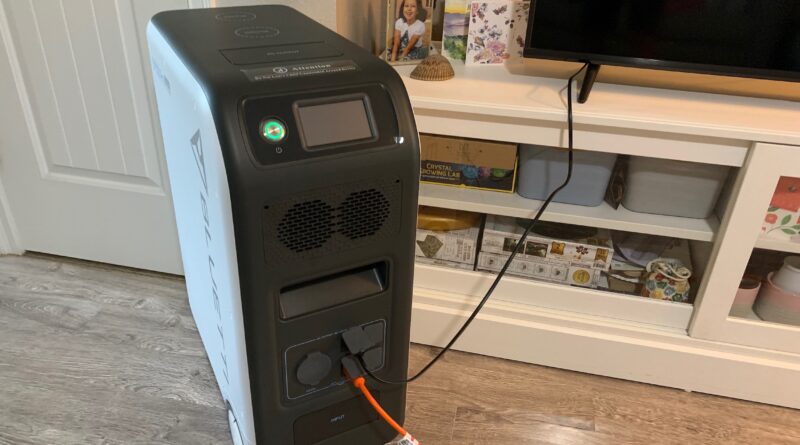
This Bluetti Energy Storage Backup System Is Smooth & Superb — I’m Ready For Hurricane Idalia!

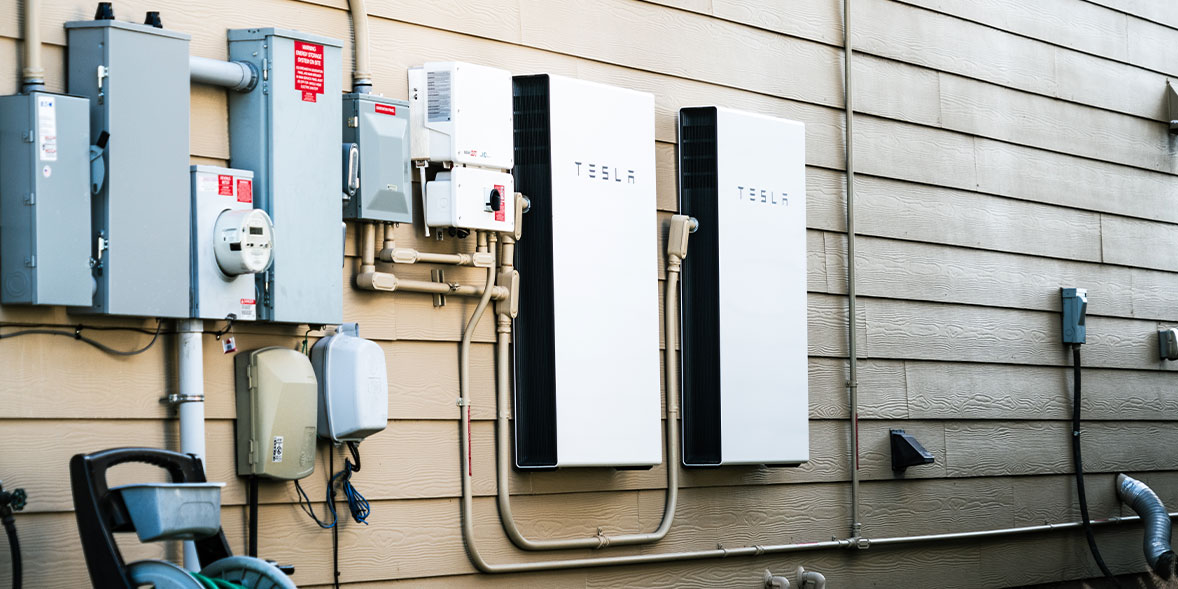
Solar Panel Battery Storage: Can You Save Money Storing Energy?
Zapping electric myths

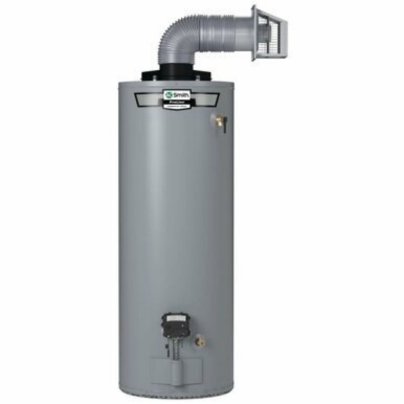
The 9 Best Water Heaters for Efficiency and Performance

The Most Reliable Water Heaters You Can Buy, According to Testing

Franklin Home Power Battery Review: Not the Cheapest, but It Gets the Job Done