1/4
Best Portable Power Stations
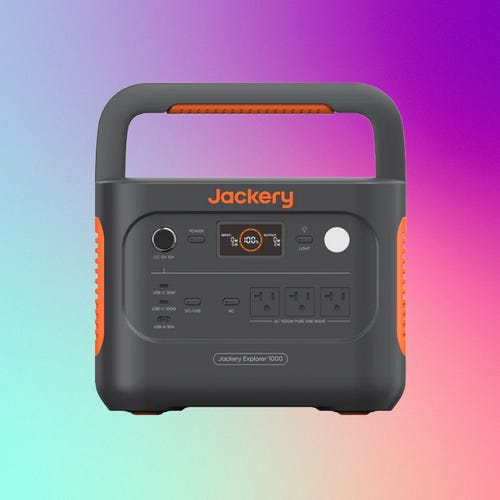
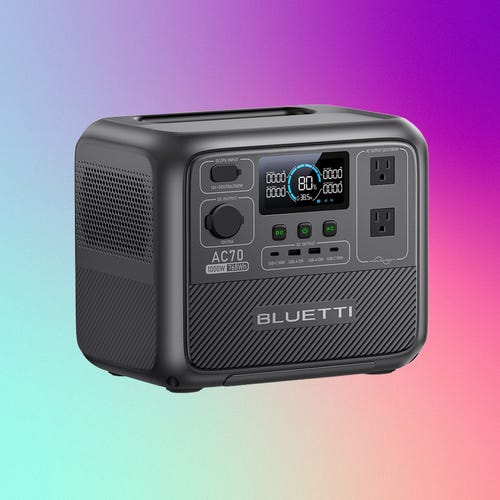
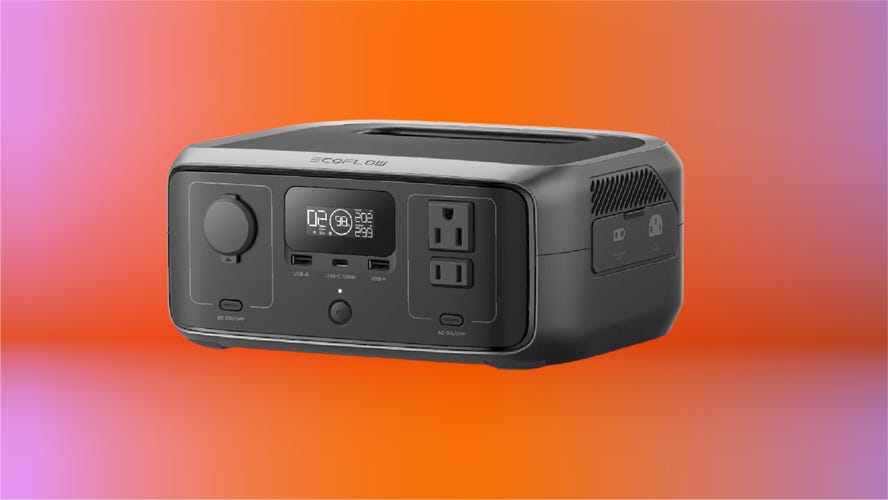
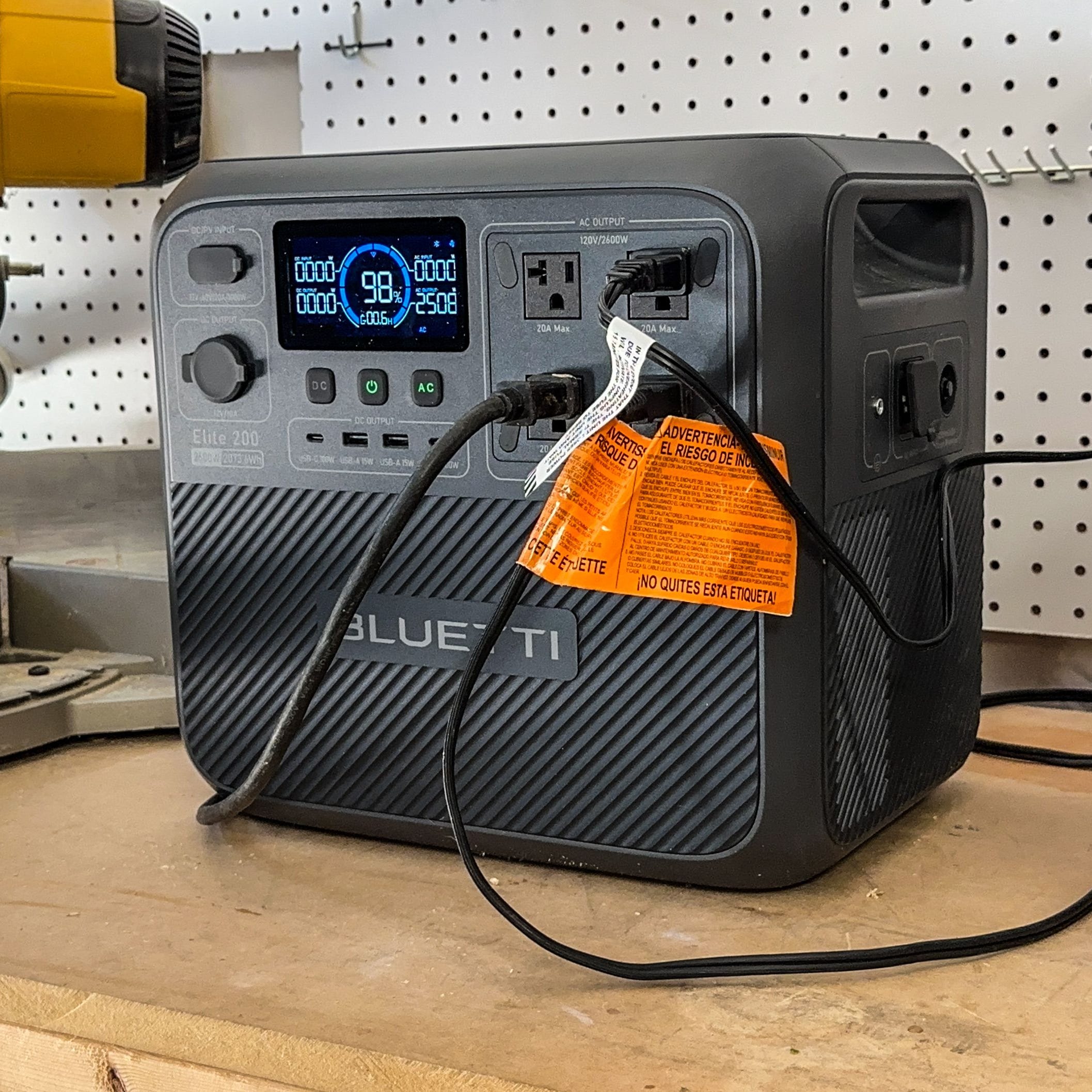
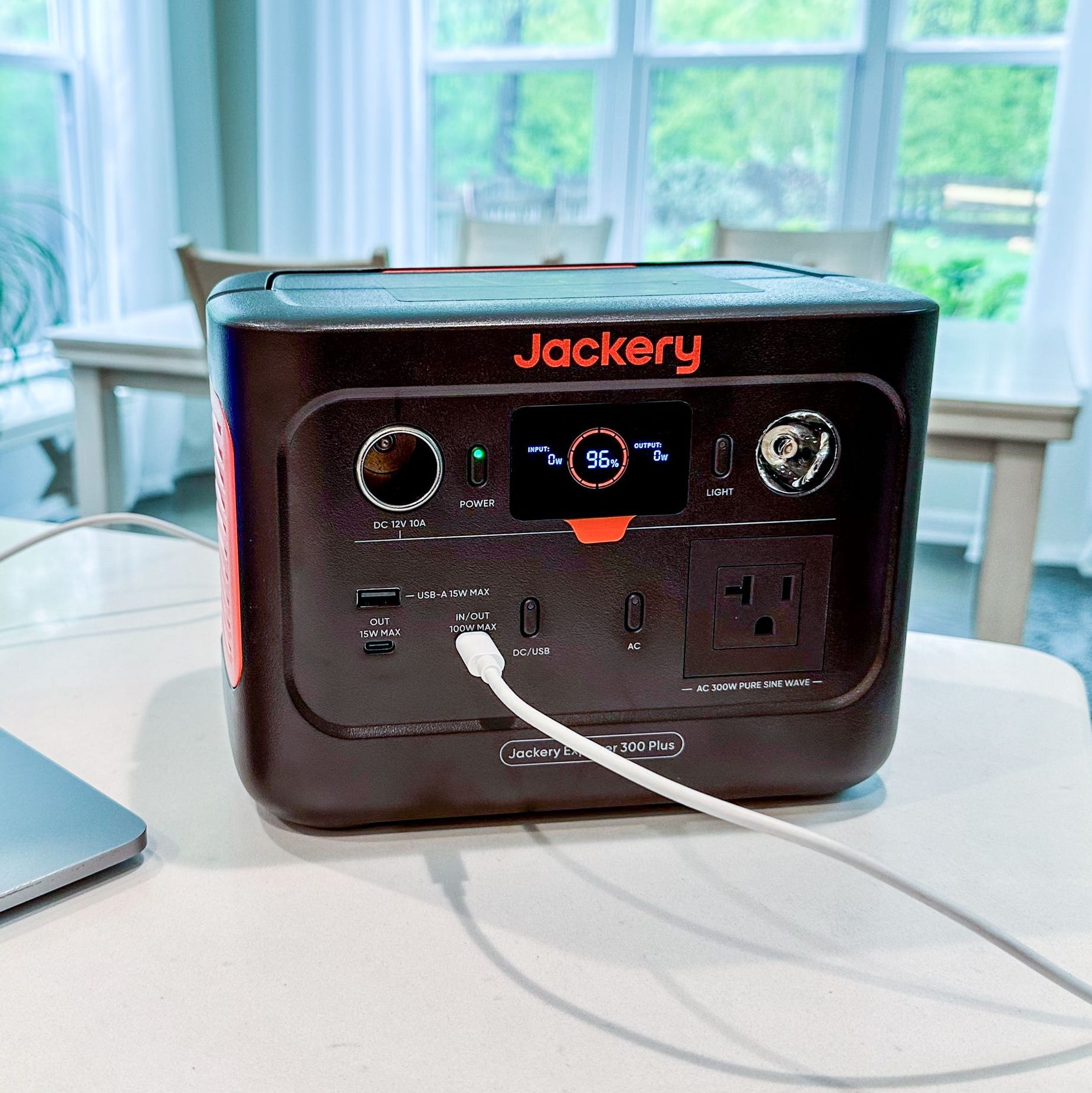
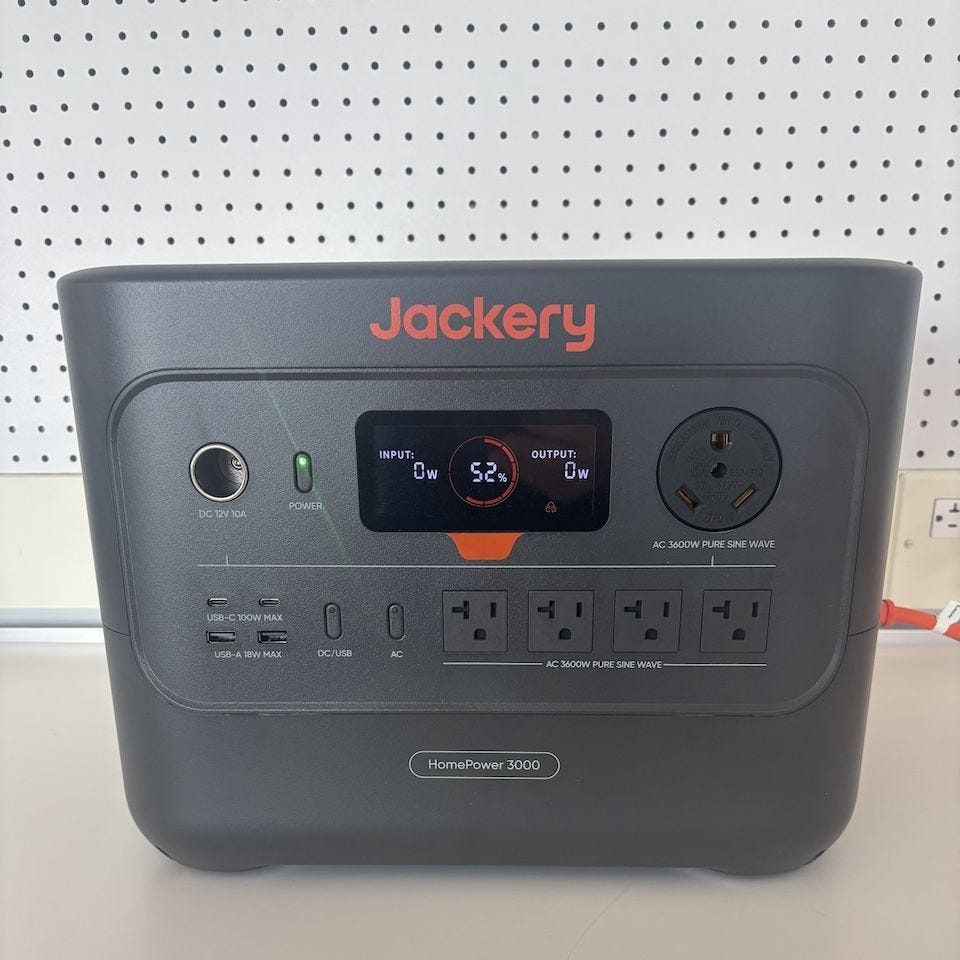
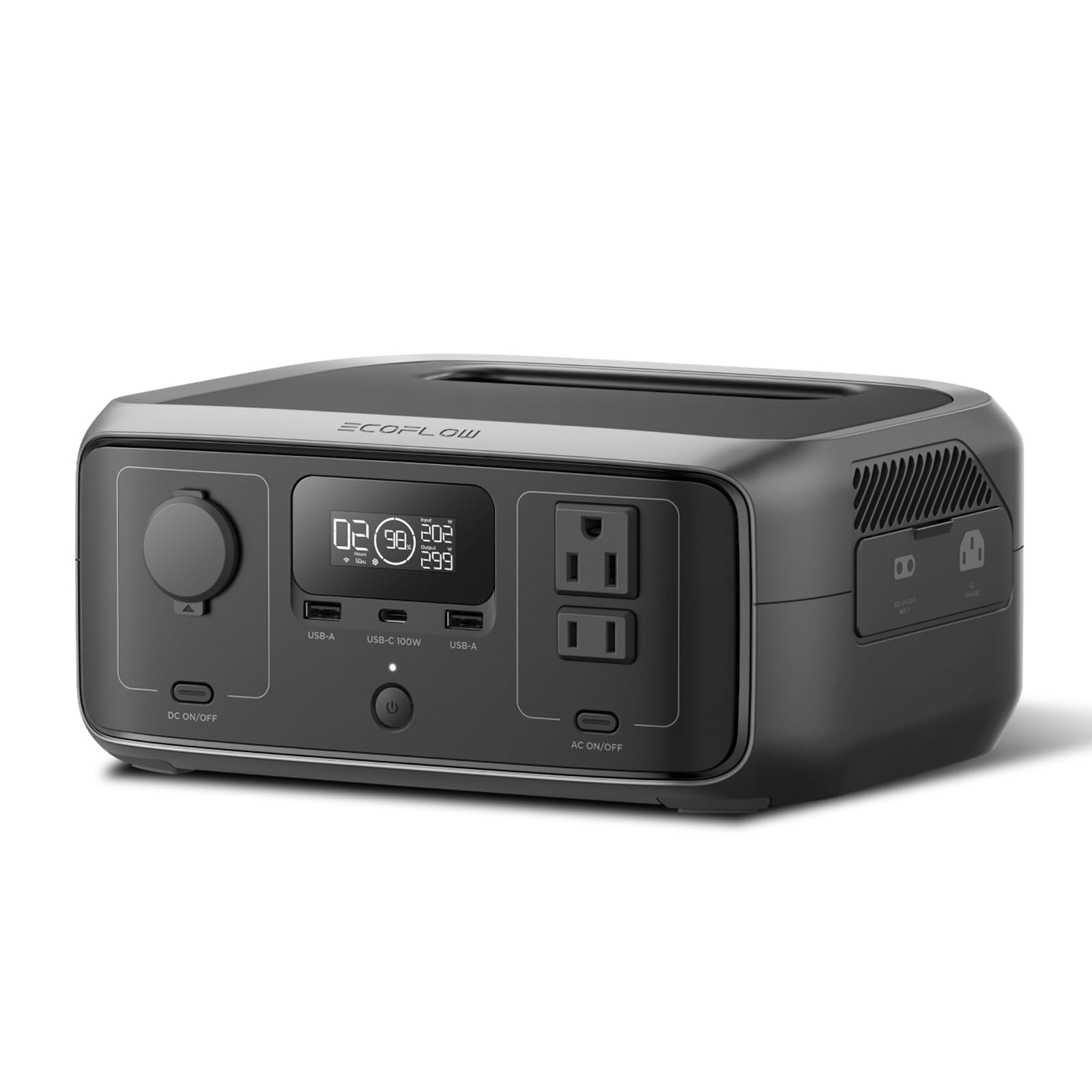
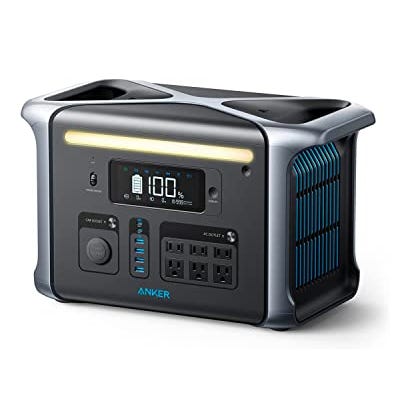
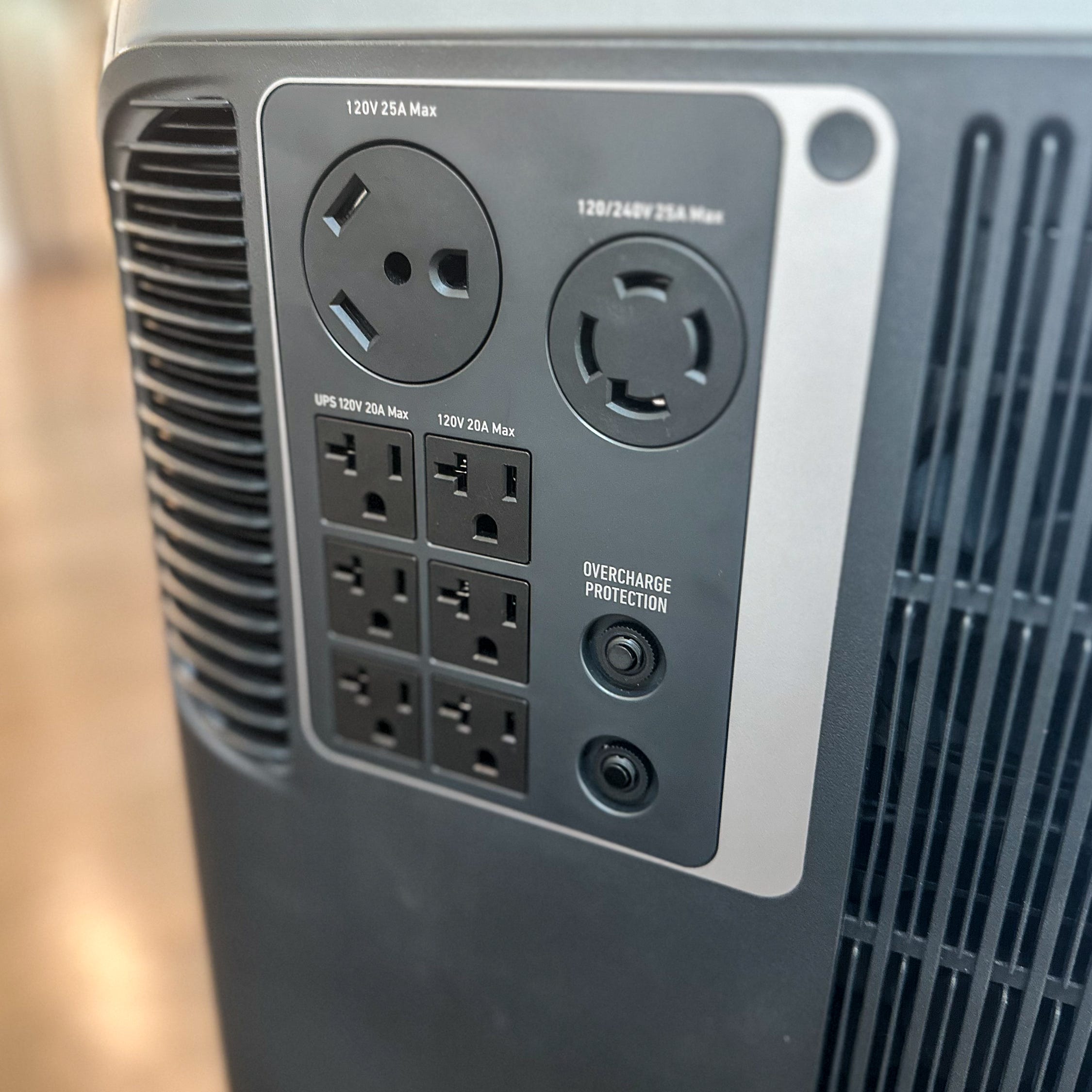
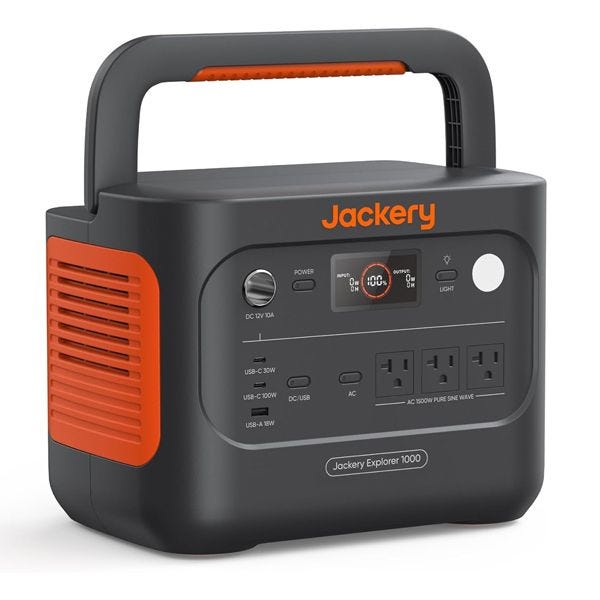
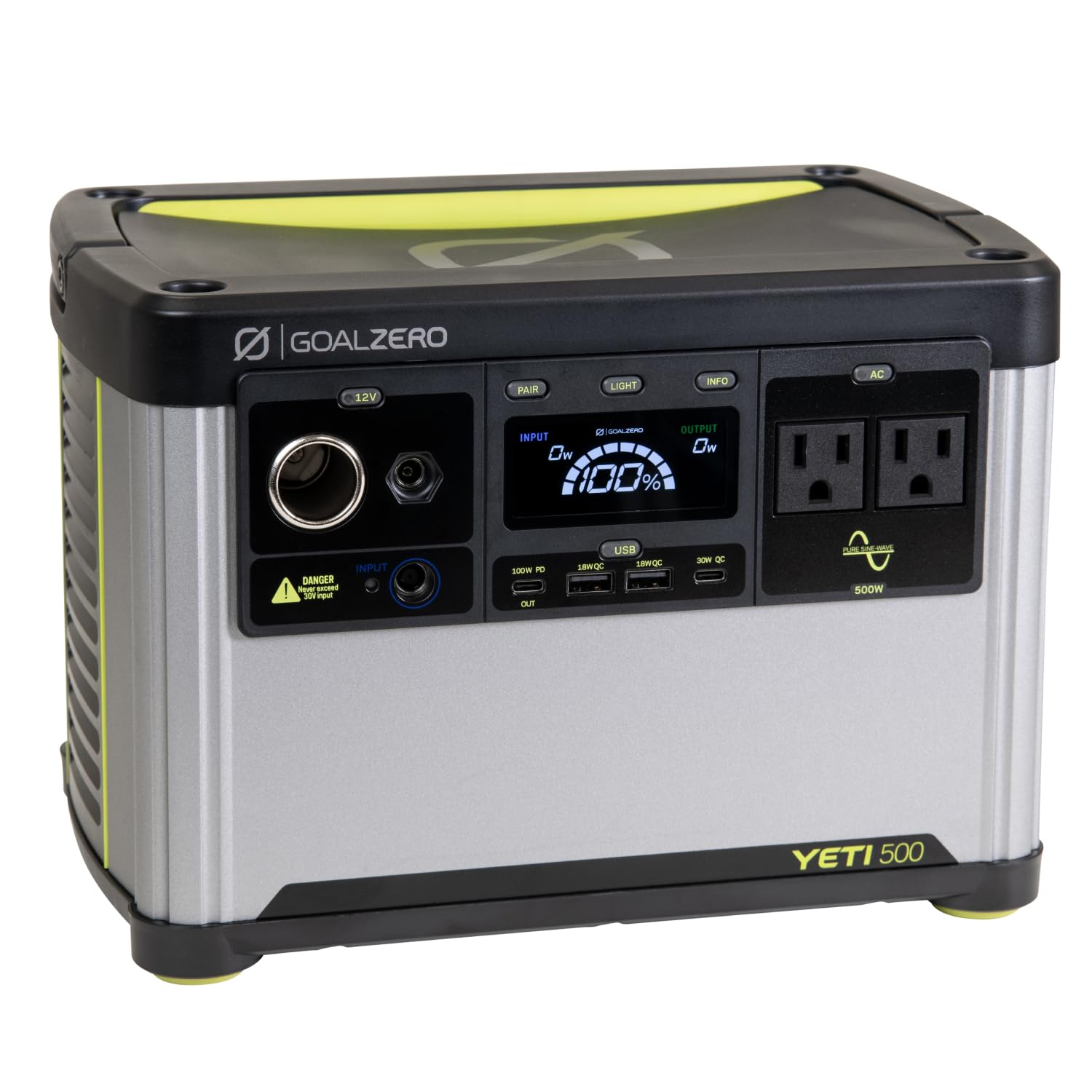
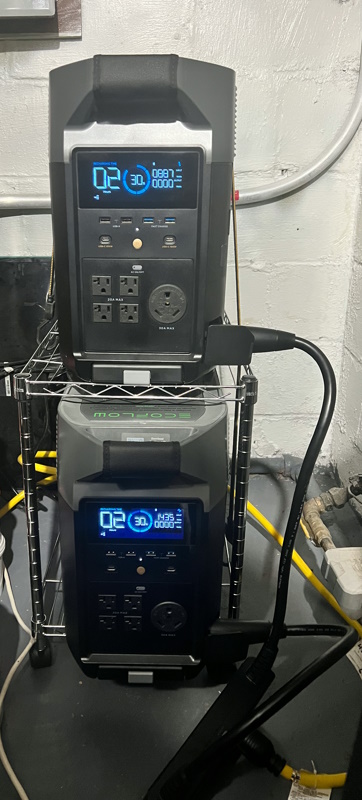
Portable power stations, essentially large rechargeable lithium-ion batteries with multiple outlets, offer a convenient and quiet alternative to traditional generators for powering devices and appliances both at home and on the go. These devices are useful for activities like camping, tailgating, and crucially, during power outages. Unlike gas-powered generators, portable power stations operate silently, do not produce carbon monoxide fumes, and can be safely used indoors, making them suitable for apartment dwellers or anyone without outdoor space for a generator. Their power quality is consistently high, delivering clean power without voltage fluctuations that could harm sensitive electronics.
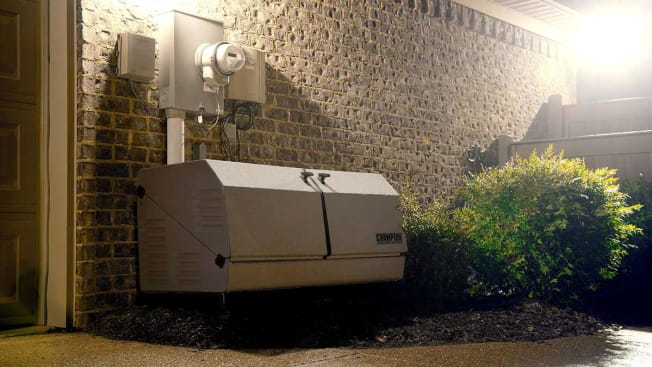
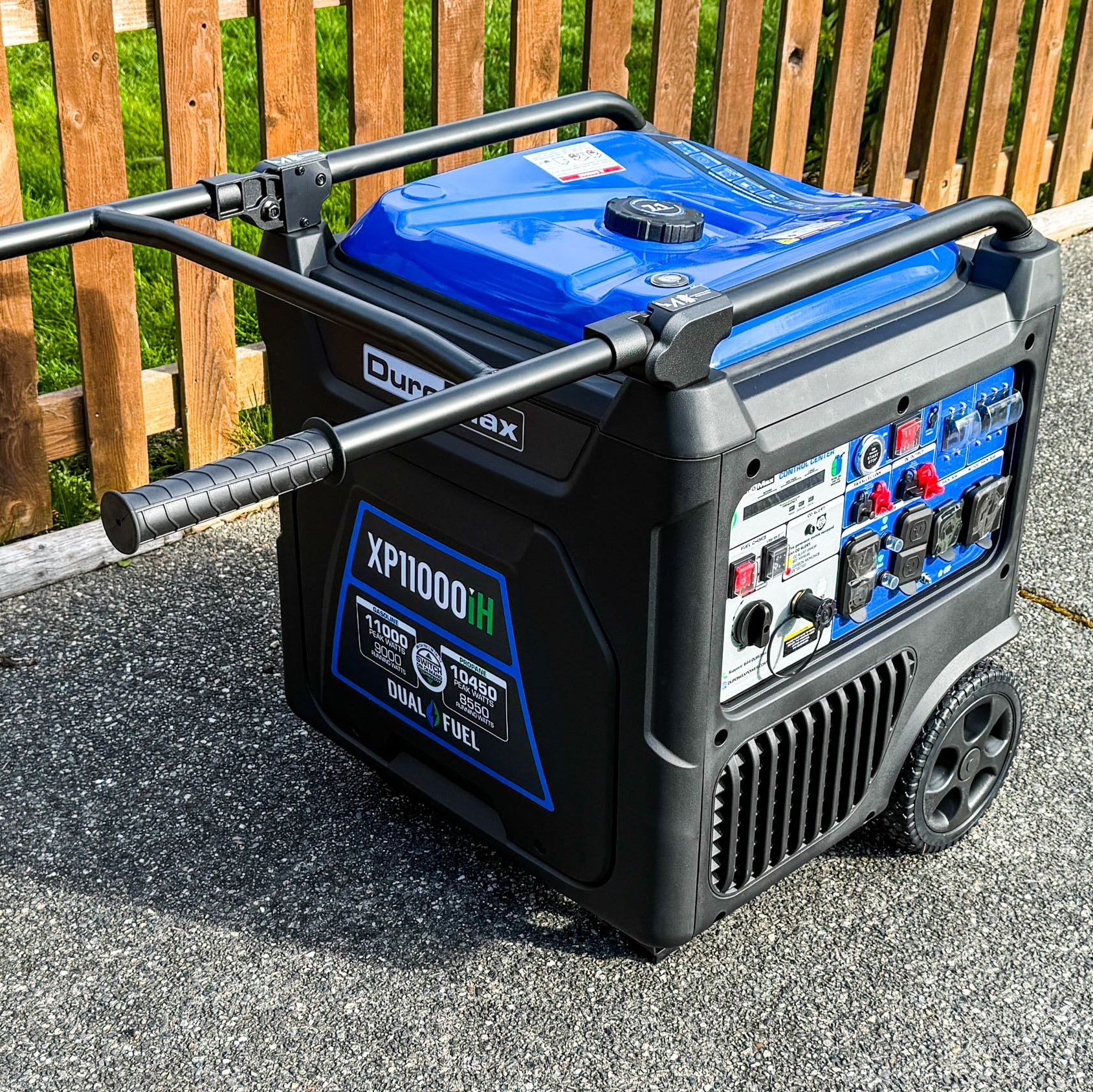
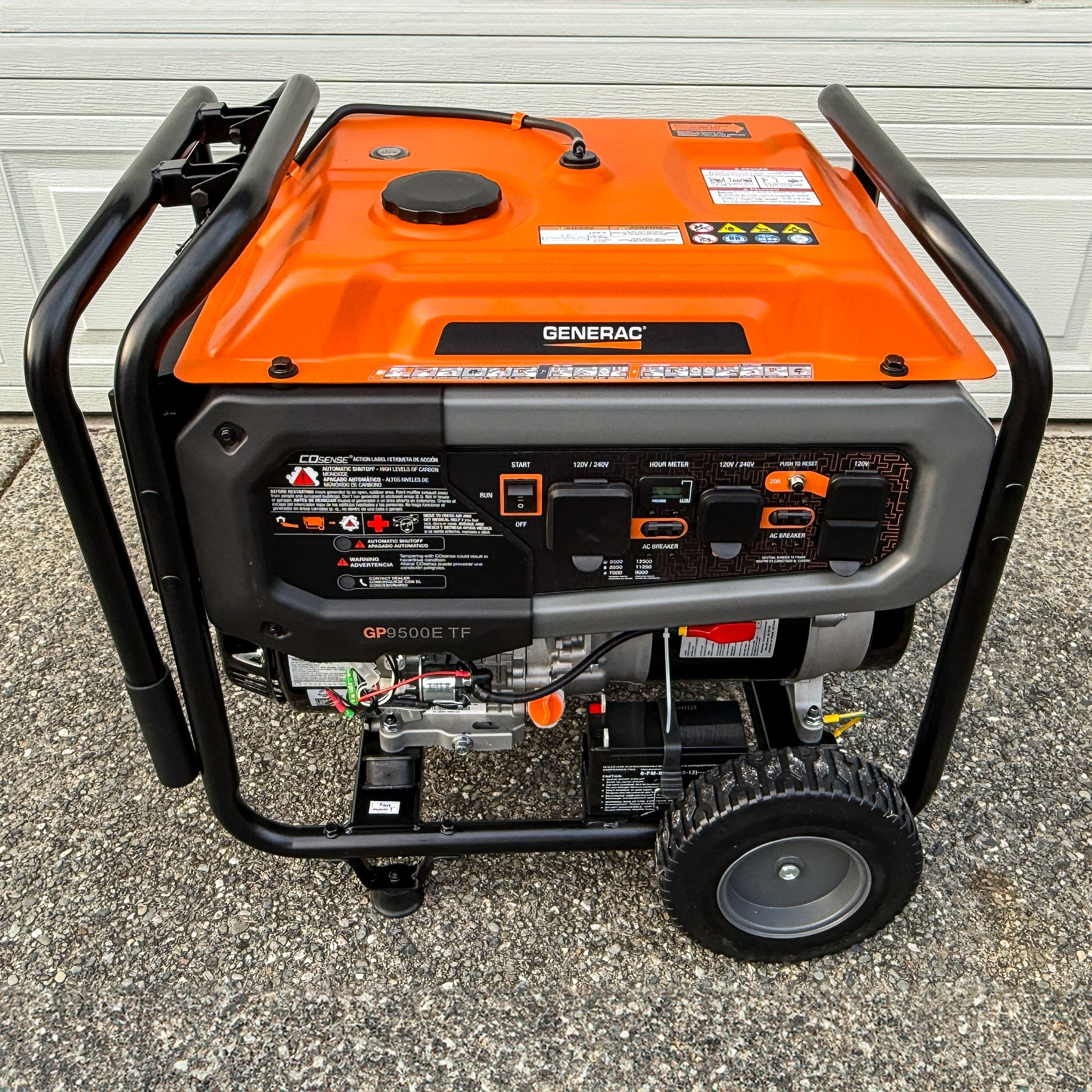
However, portable power stations come with their own set of drawbacks. They are expensive, with top-rated models costing upwards of $3,000, significantly more than comparable inverter generators. Their primary limitation is their reliance on battery power; once depleted, they require recharging, a process that can take several hours depending on the model and charging method. While some units offer solar panel charging, this is often slow and more effective for extending battery life than for rapid recharging, especially in adverse weather conditions. The weight and size of these units also pose a challenge to their portability, with some models weighing over 130 pounds, making transportation difficult despite features like wheels.
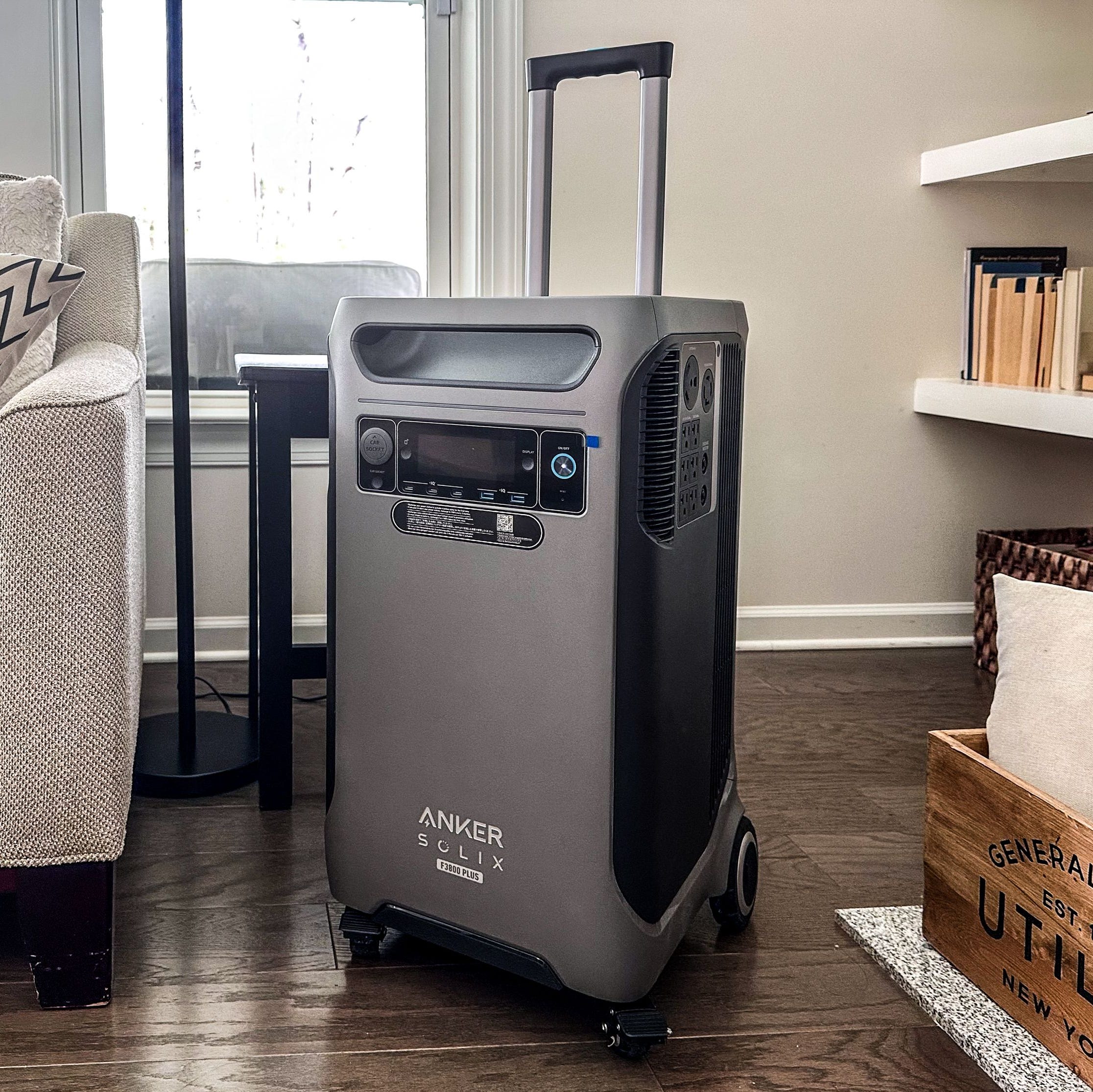
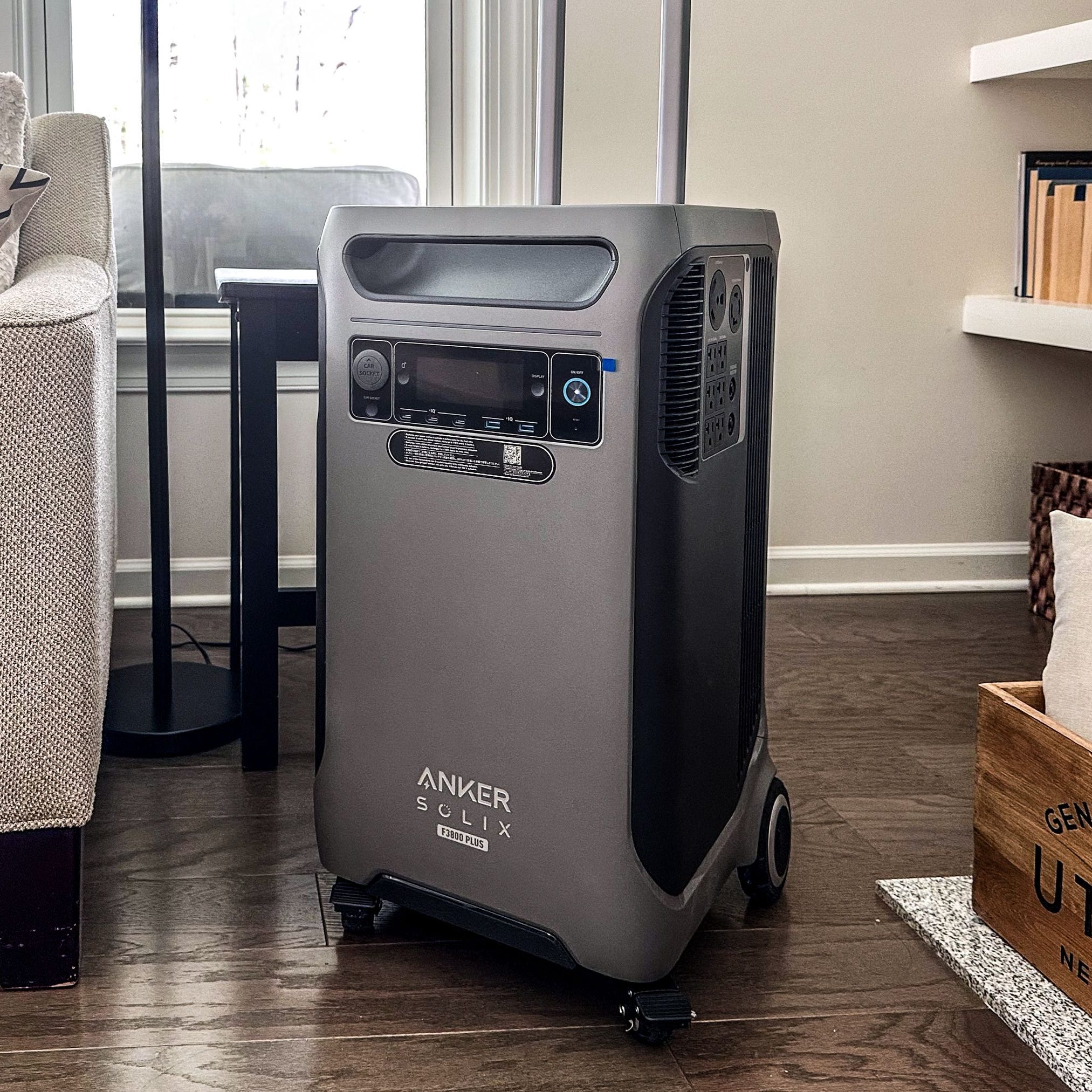
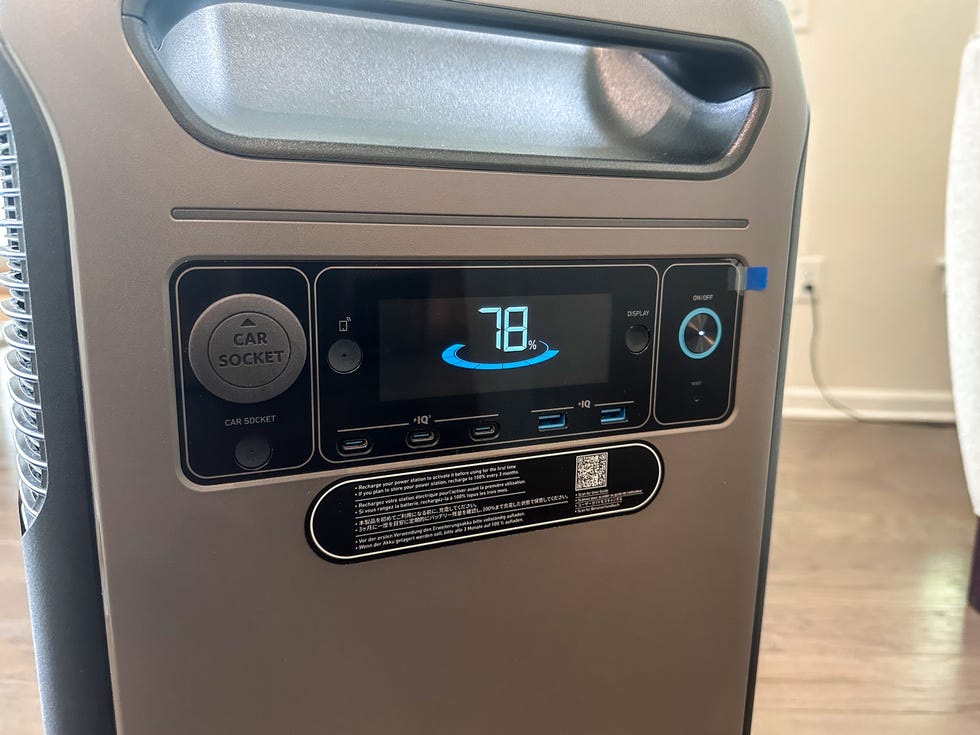
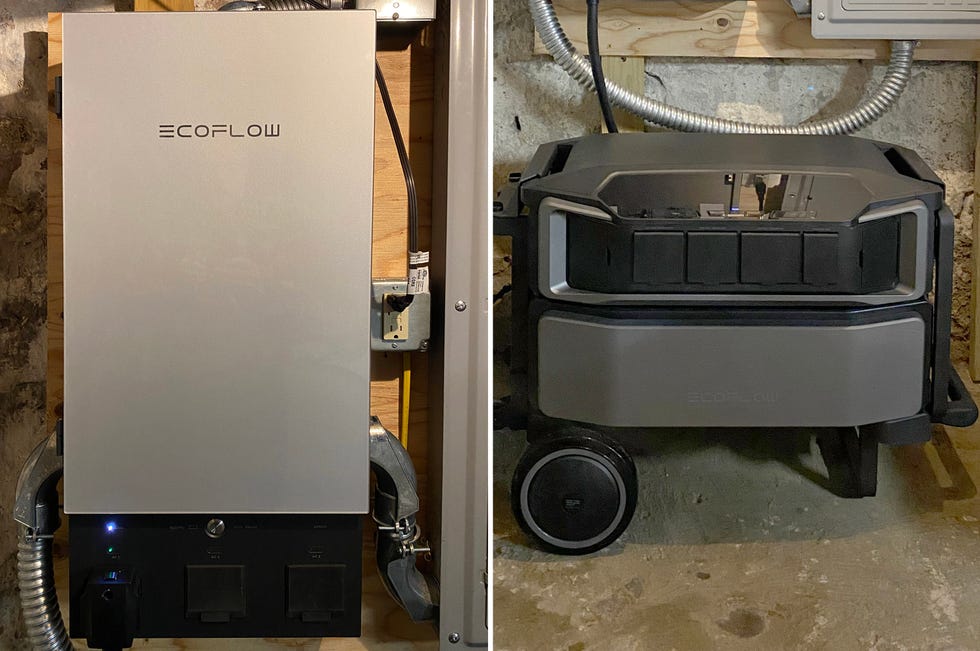
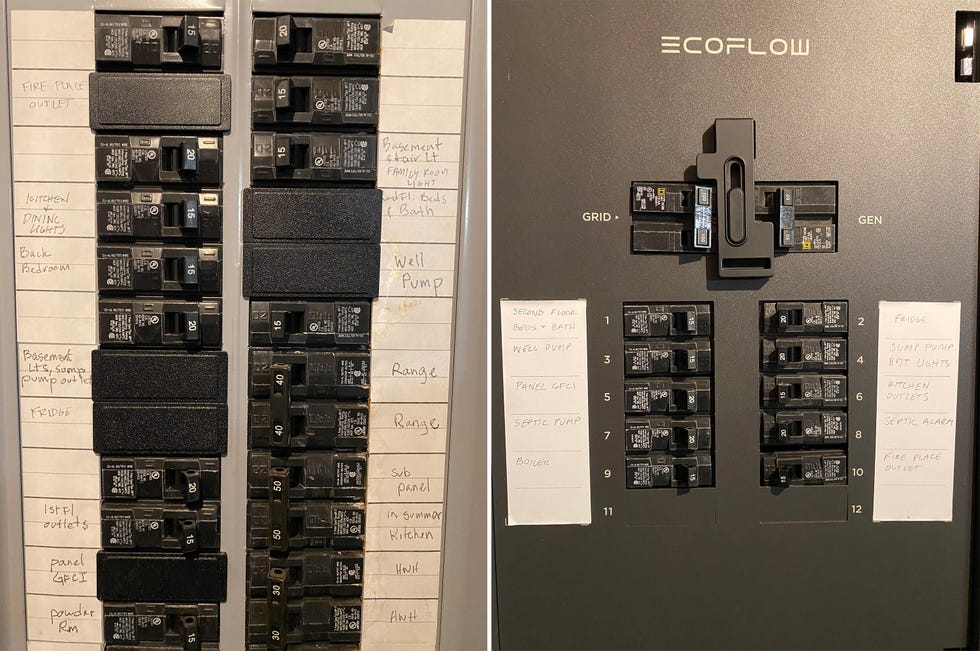
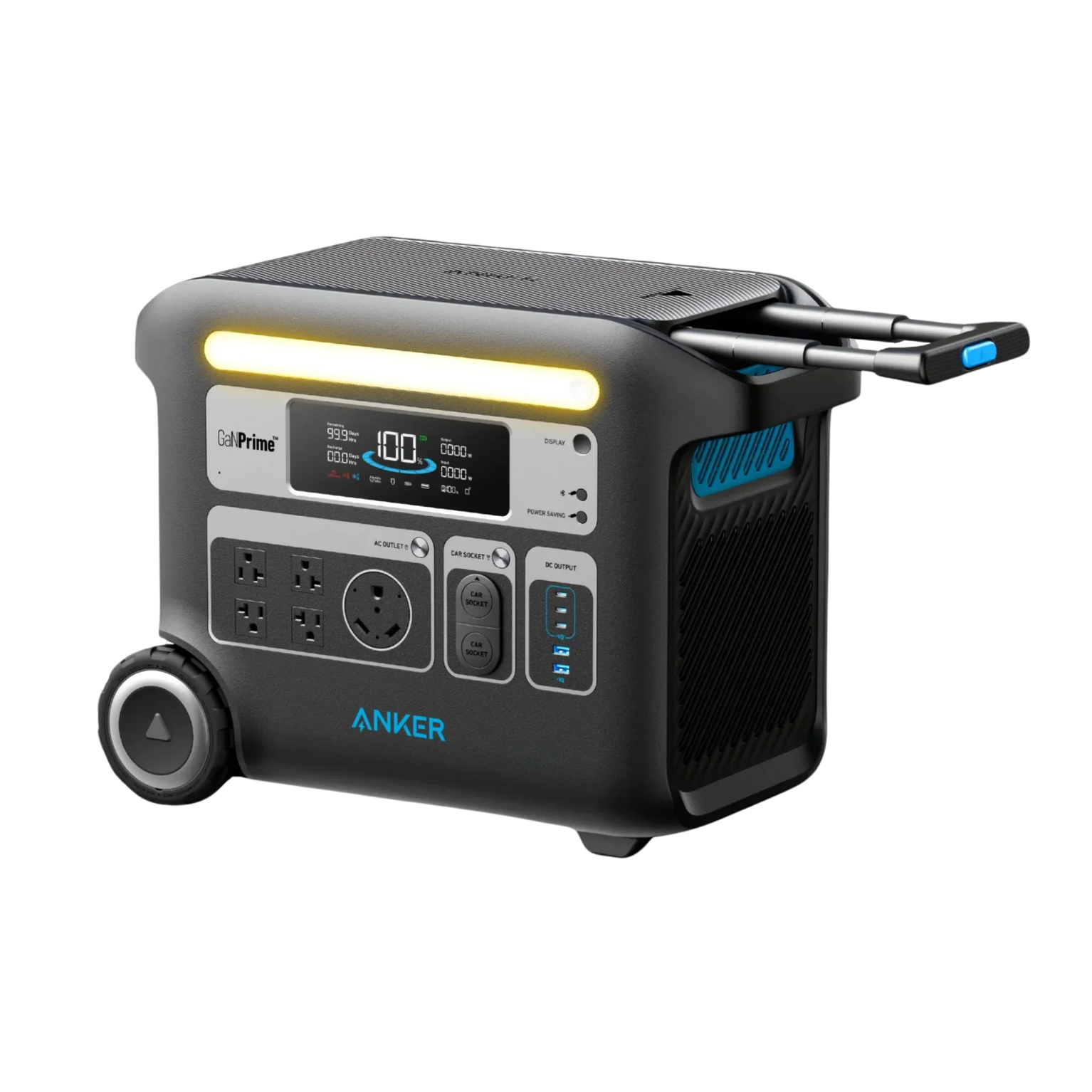
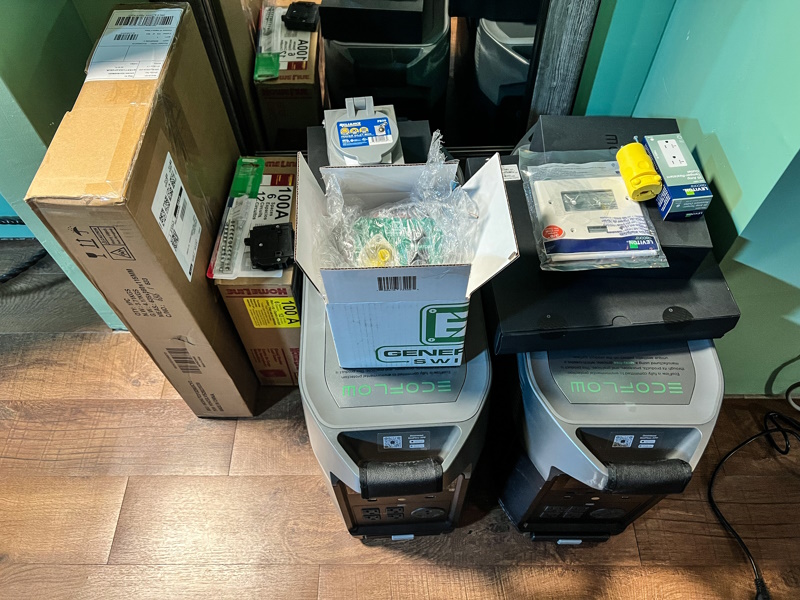
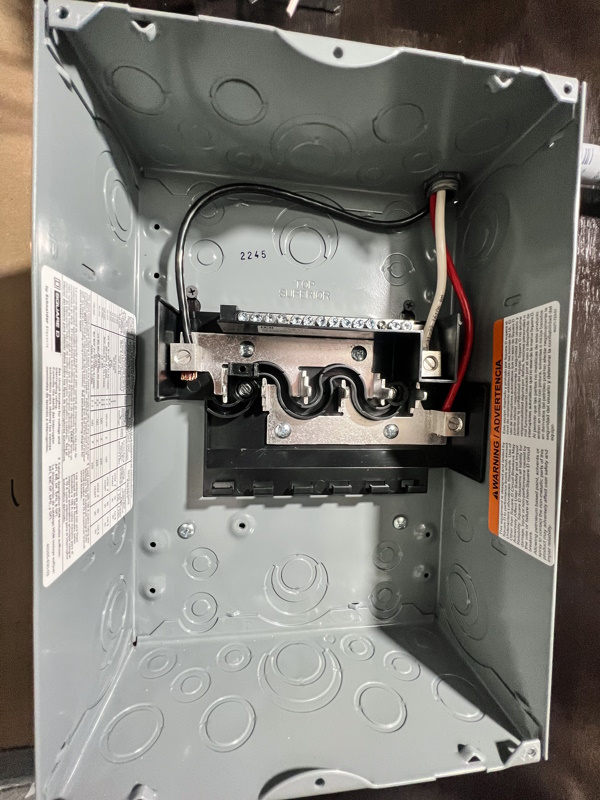
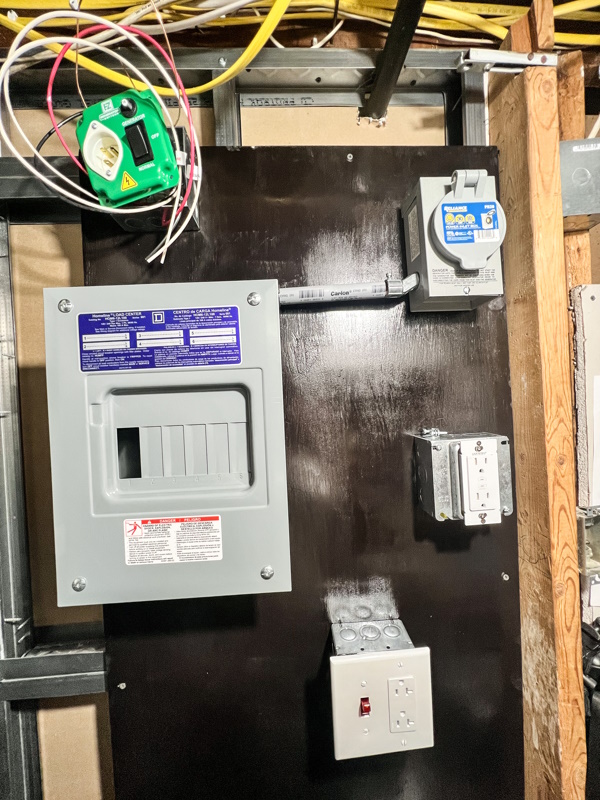
The capacity of portable power stations varies, typically ranging from 1,800 to 6,000 watts. A 2,000-watt station can handle basic needs like a refrigerator, some lights, and phone charging, but cannot power hardwired appliances or be connected to a circuit breaker panel. Larger 6,000-watt units, such as the Anker Solix F3800, can run heavier loads like furnaces or small central air conditioning units, and are best integrated with a home's electrical panel via a transfer switch or interlock device. Beyond emergency backup, these stations are increasingly popular for recreational use, providing power for various electronics through standard three-prong outlets, USB-A, and USB-C ports.
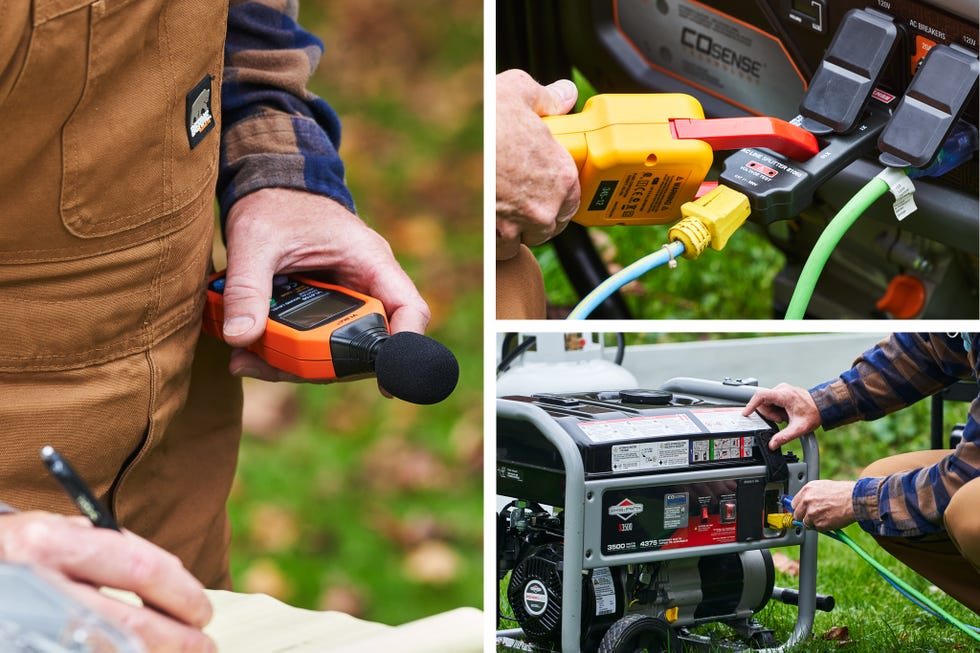
Consumer Reports evaluates portable power stations based on several key metrics: recharge speed, power delivery, power quality, portability, ease of use, and noise levels. Recharge speed is particularly important, with faster-charging models capable of reaching a substantial charge level significantly quicker than slower ones. For instance, top-rated models can achieve meaningful charge levels in approximately 90 minutes, compared to 9 hours for less efficient units. The decision to purchase a portable power station ultimately depends on individual needs and priorities. While gas generators may be more cost-effective and efficient for extended power outages where fuel is readily available, the quiet operation, indoor safety, and clean power output of portable power stations make them a compelling choice for those prioritizing these virtues, even at a higher price point.
#PortablePowerStations #EmergencyPreparedness #PowerOutage #Generators #HomeAppliances #ConsumerReports #BatteryTechnology #RenewableEnergy #HomeSafety #PortablePowerStations #EmergencyPreparedness #PowerOutage #Generators #HomeAppliances #ConsumerReports #BatteryTechnology #RenewableEnergy #HomeSafety
0 comment in total
 No comments yet
You may also like
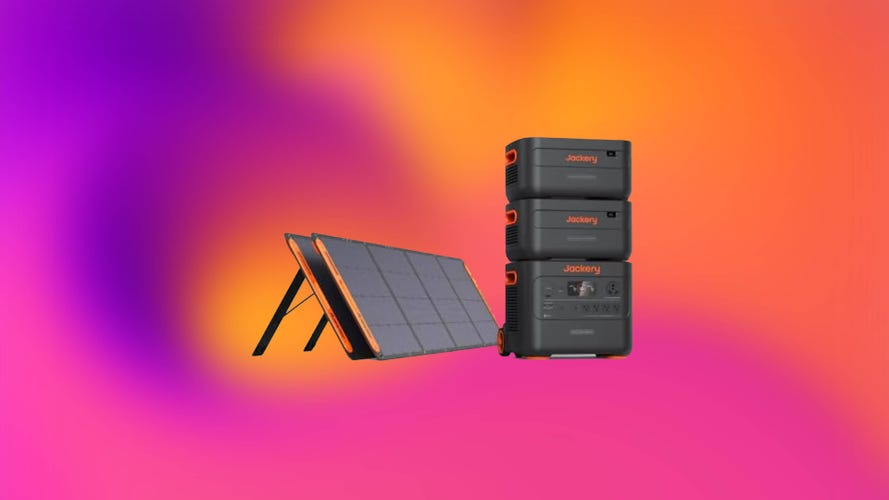
Best Tested Portable Power Stations in 2025: These Portable Power Stations Can Charge Almost Anything

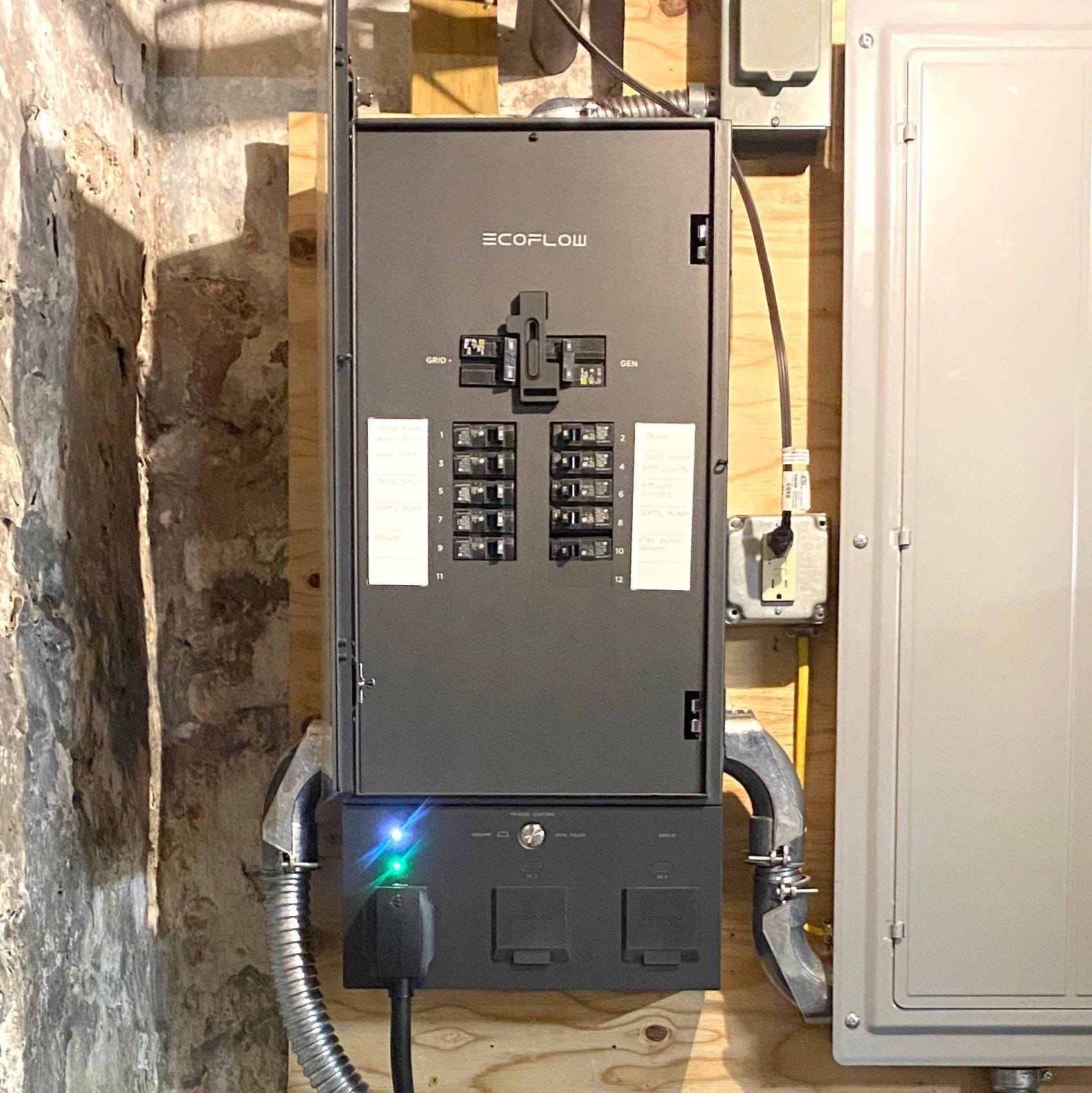
Be Prepared for an Electrical Outage by Installing a Power Station
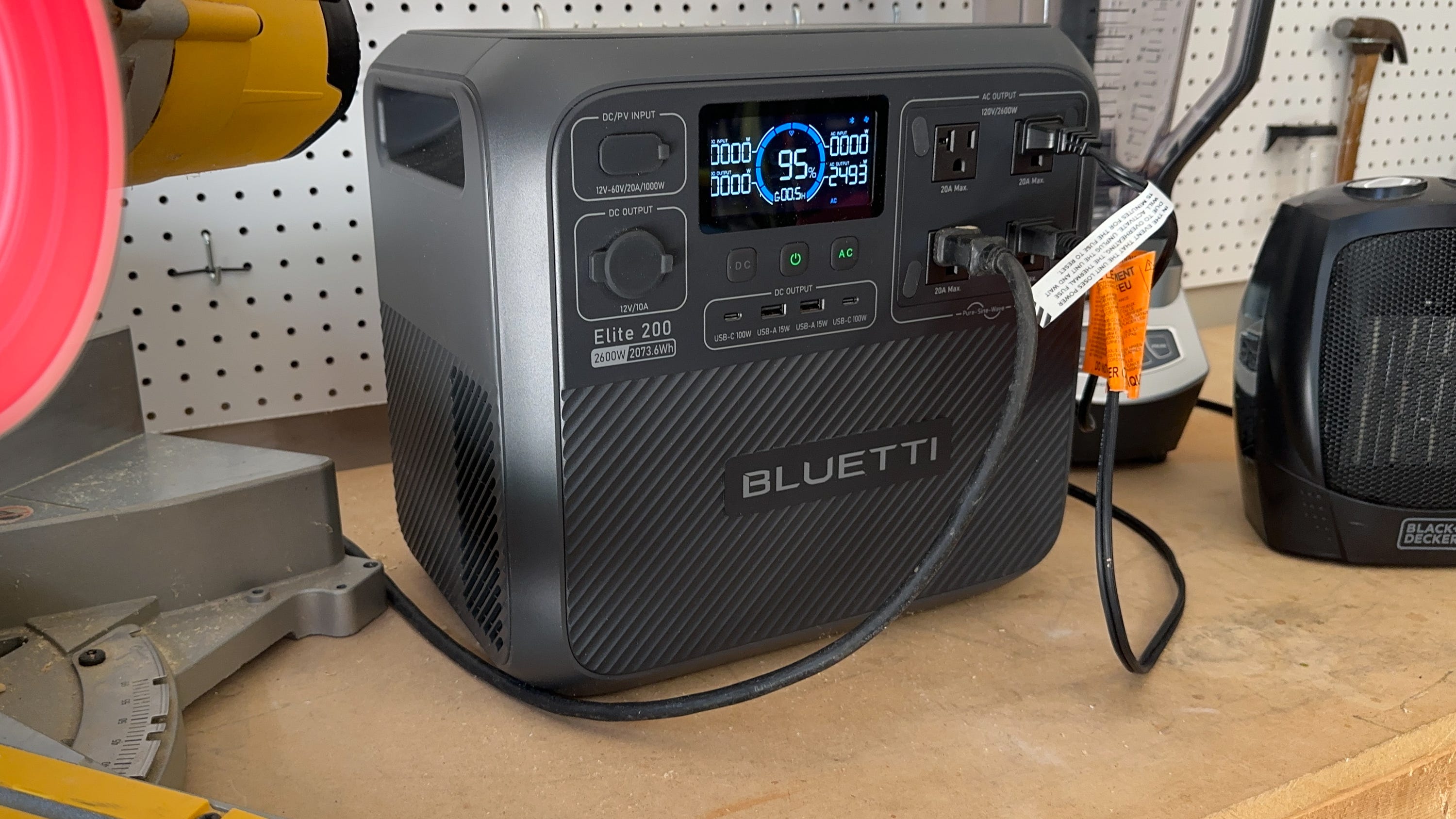
Need Reliable and Portable Power? Experts Say These Are Your Best Options.
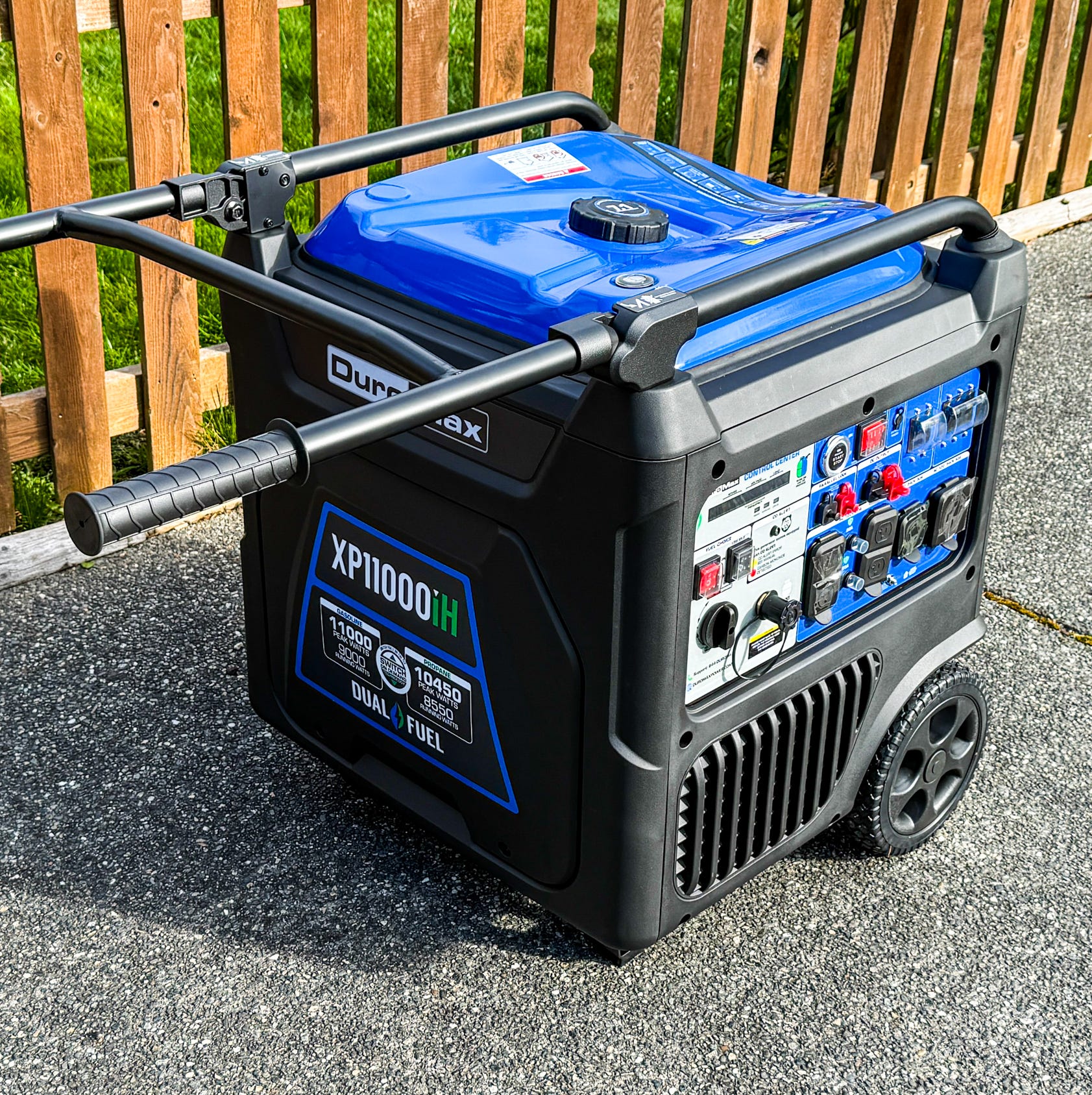
The Best Home Generators Are a Big Investment. These Models Deliver Reliable Power During an Outage.
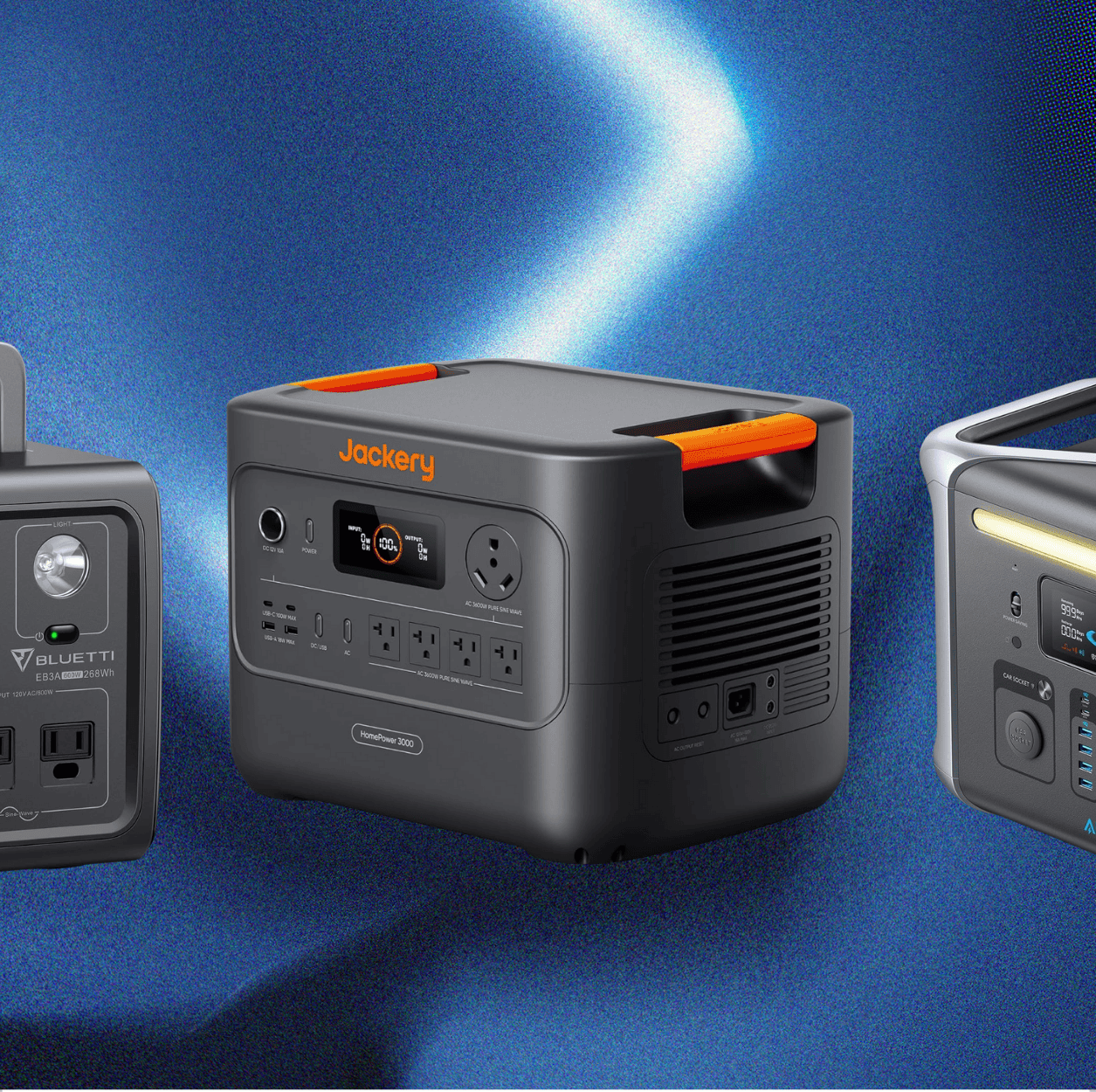
The Best Solar-Powered Generators We've Tested for Storm Prep and Beyond


Top 4 Best Solar Batteries (2025 Costs & Reviews)


Best Whole-House Generators
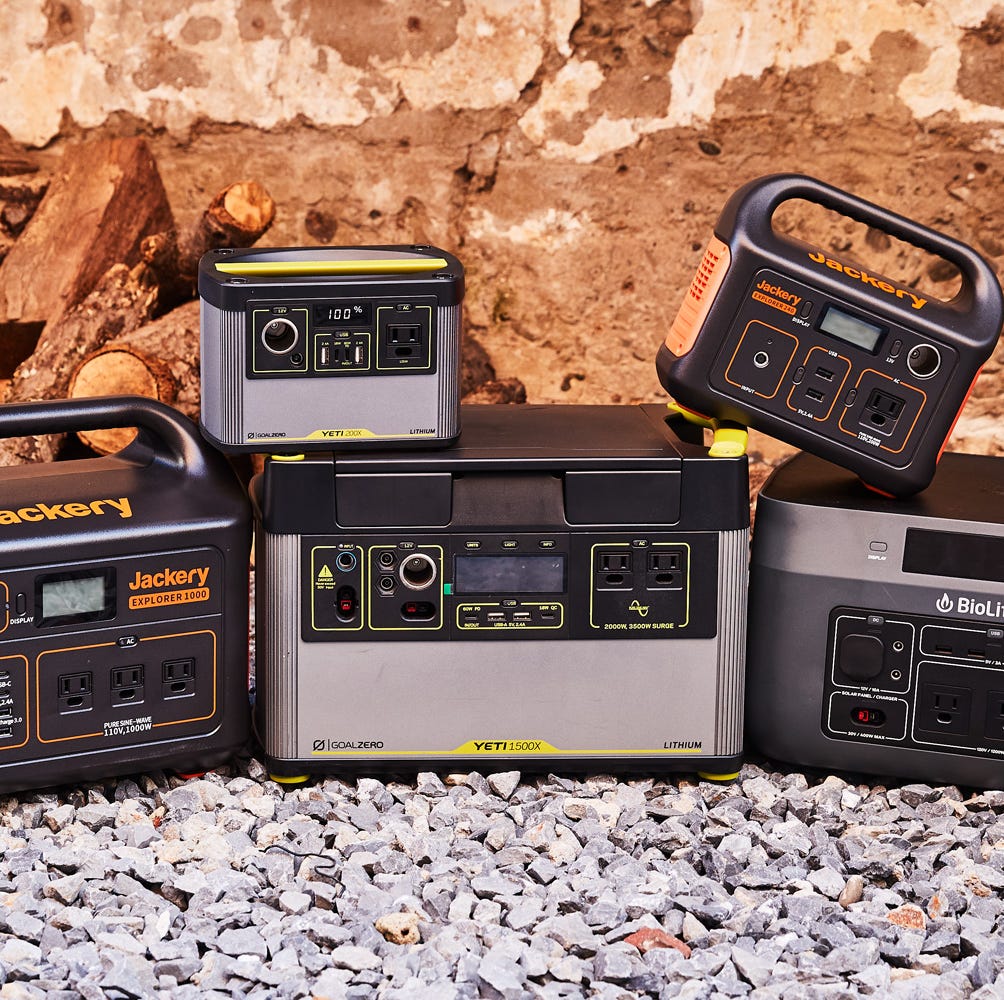
These Reliable Solar Generators Got Your Back(up) During Outages or Off-Grid Adventures
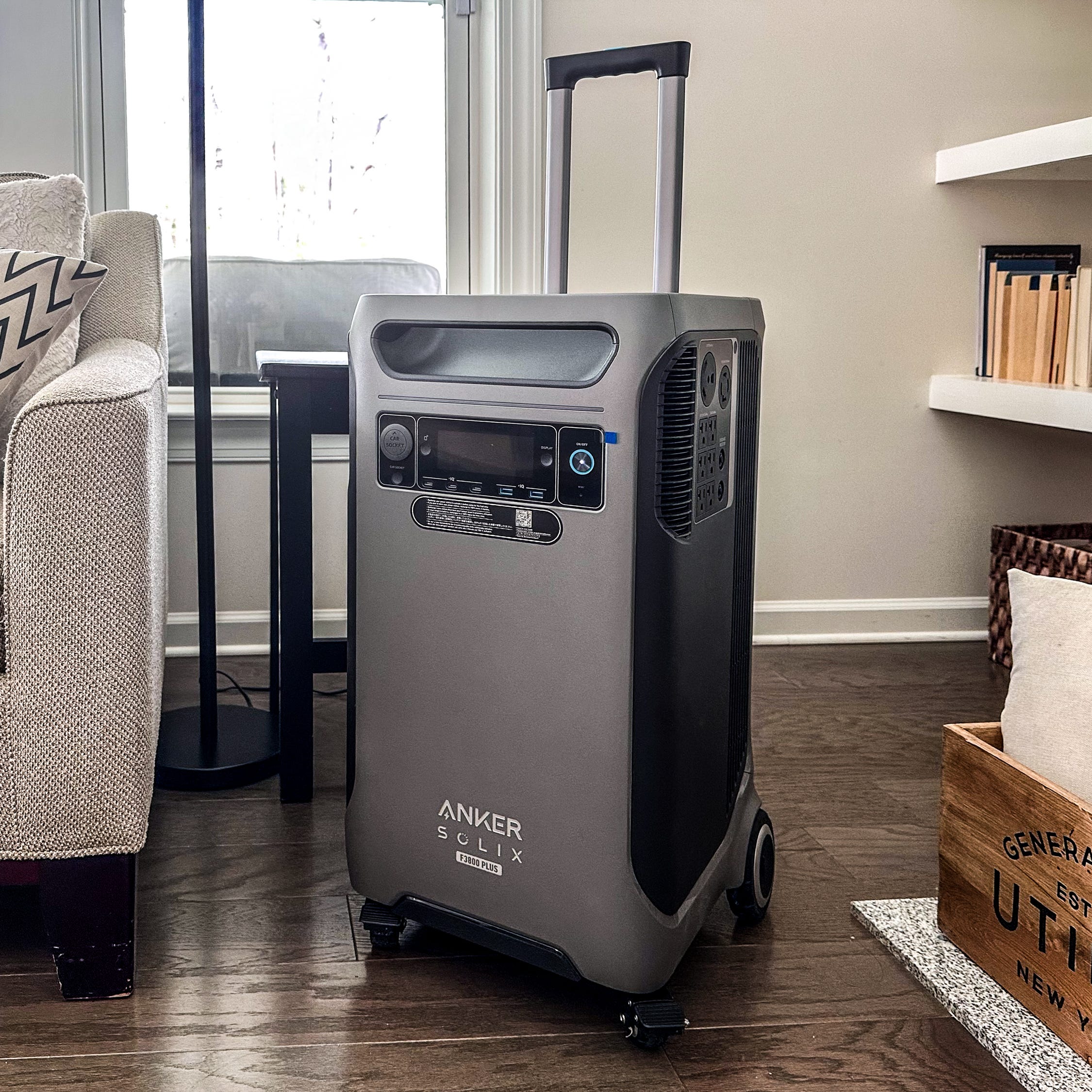
Anker Solix F3800 Plus Power Station Review: Finally, an Electric Home Backup Solution We Love
EcoFlow Whole Home Backup Power Solution review – The ultimate off-grid solution