1/19
Portuguese Tiles: Brief History and Contemporary Applications
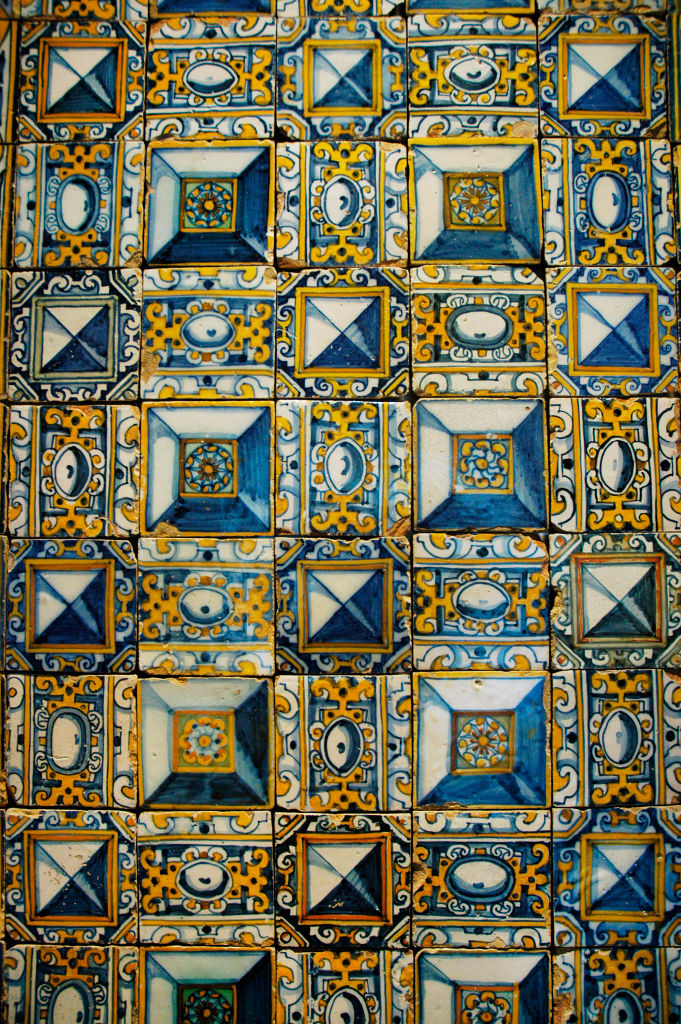
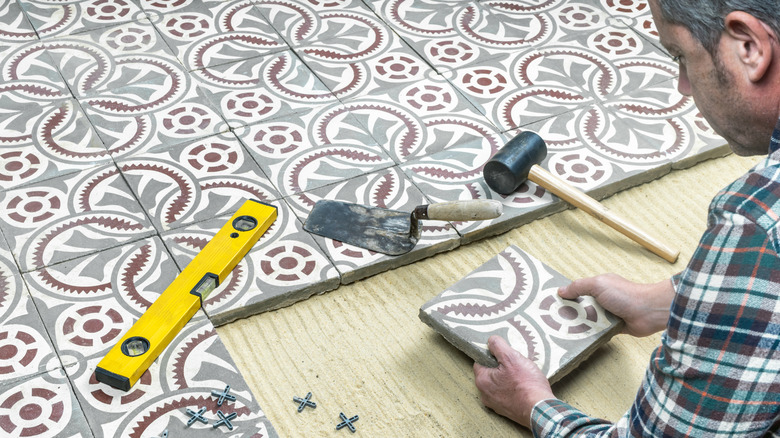
Portuguese tiles, known as azulejos, represent a rich cultural legacy, profoundly influencing Portugal's architectural and urban landscape. Their history is deeply intertwined with Islamic art, arriving in the Iberian Peninsula during the Moorish occupation. The term 'azulejo' itself originates from Arabic, meaning 'polished stone,' reflecting their initial form as monochromatic glazed ceramic pieces, primarily used for practical purposes like temperature regulation and hygiene. The first significant use of tiles in Portugal dates back to the 15th century, with inspiration drawn from Seville's tilework, notably in buildings like the Royal Palace of Sintra. Initially, these early tiles showcased geometric patterns, a characteristic of Moorish design, and were not widely produced in Portugal until the 16th century.
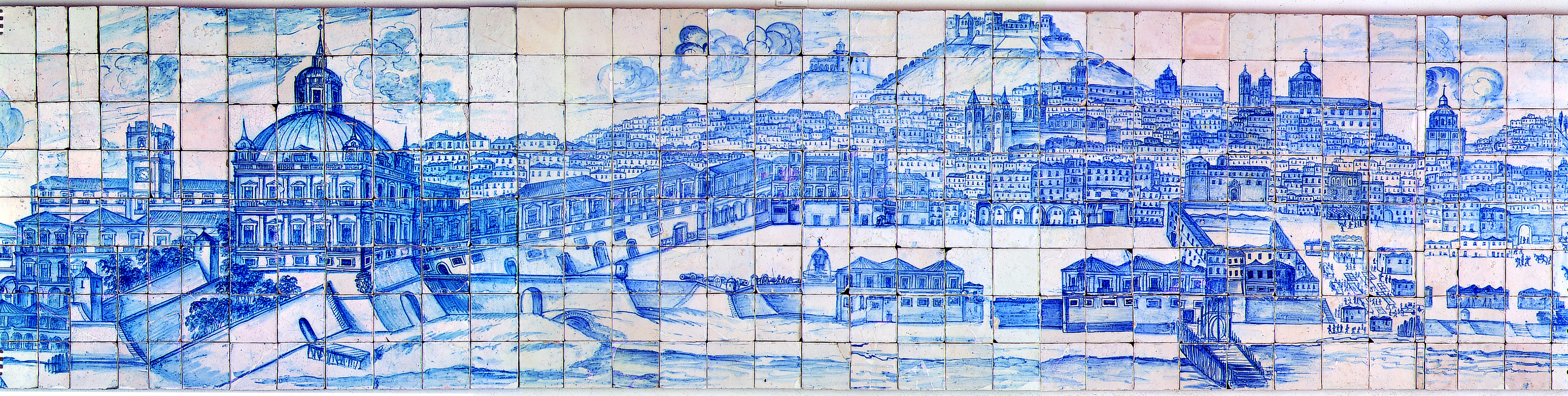
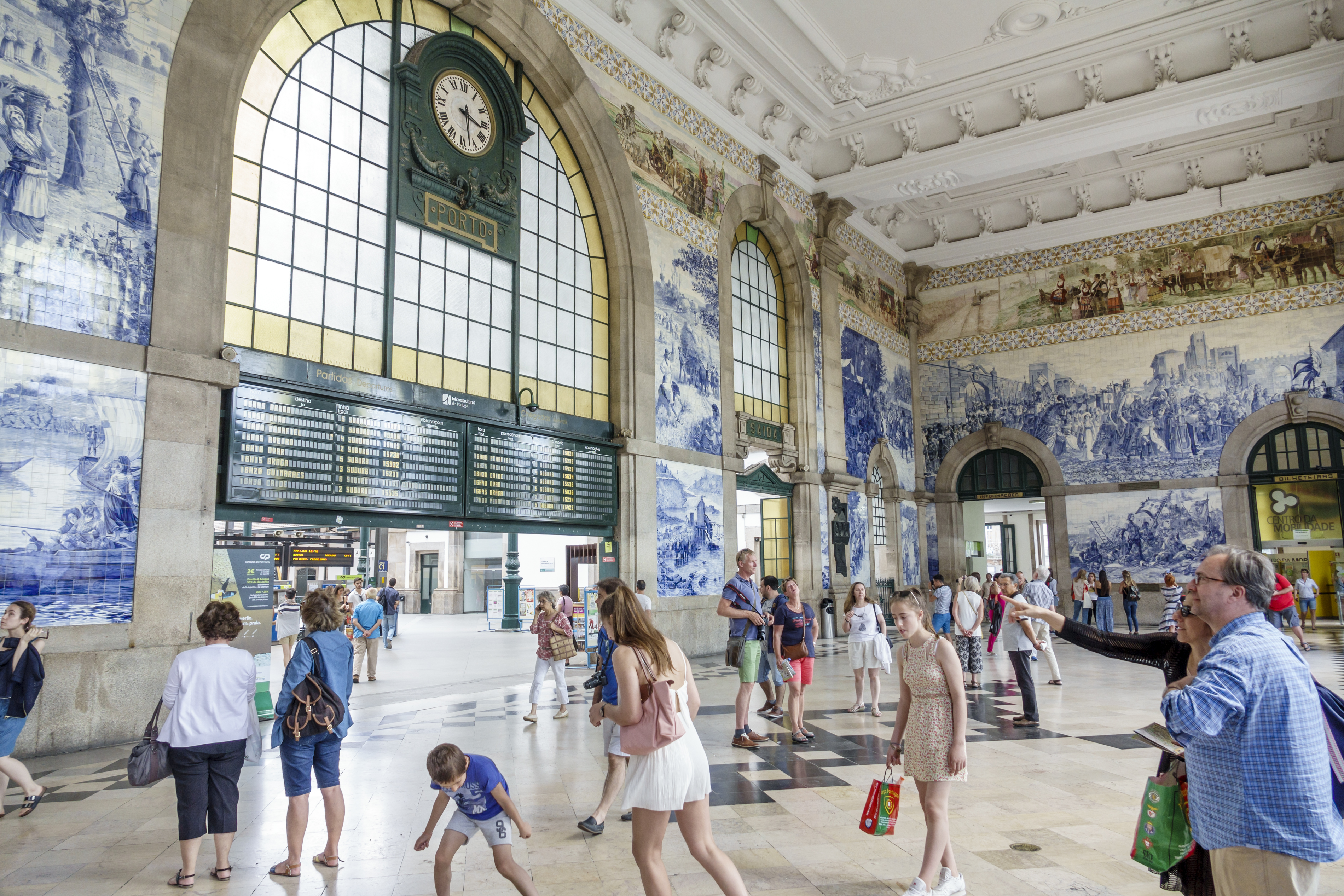
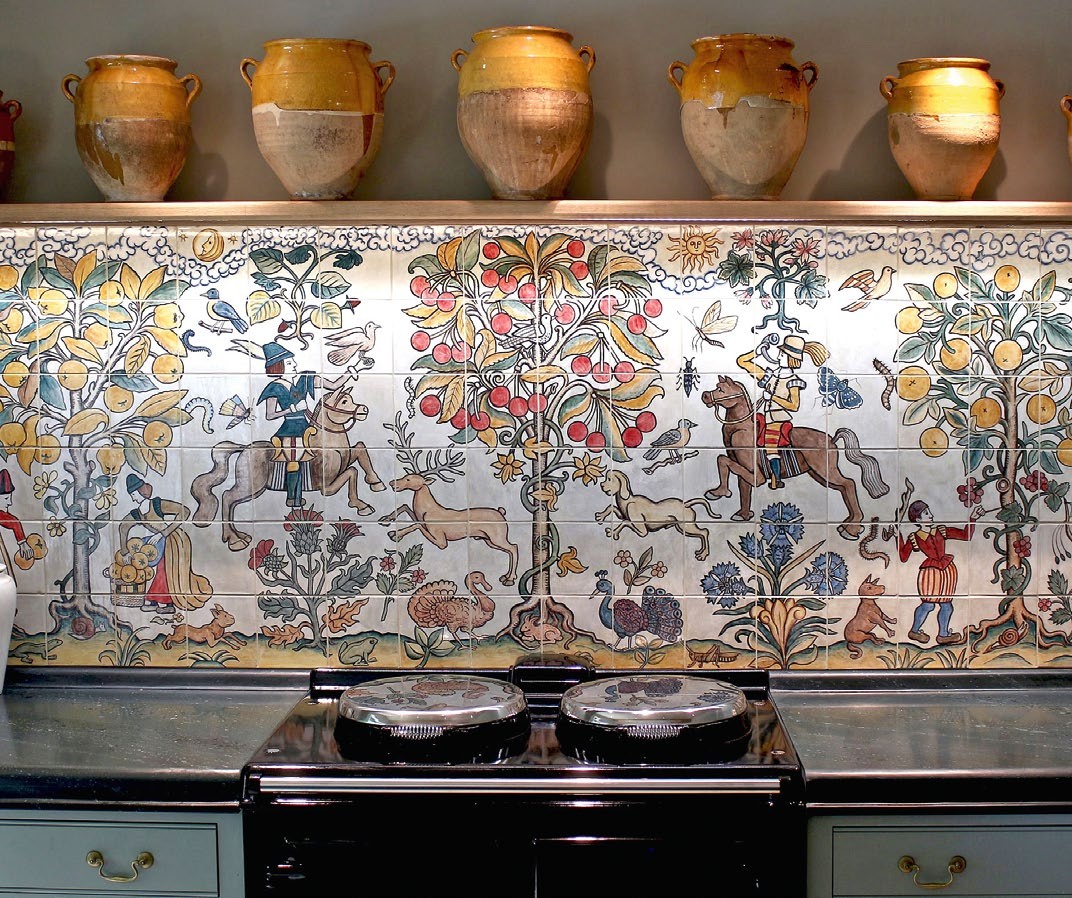
The Renaissance period brought a shift in aesthetic, with the introduction of majolica techniques from Italy. This innovation allowed for a broader palette of colors and pictorial representations, moving beyond simple geometric motifs to more complex narrative and decorative scenes. During the 17th century, a uniquely Portuguese style emerged, characterized by blue and white tiles, often depicting historical events, religious themes, and mythological narratives. This period saw tiles transform from mere architectural elements into significant artistic expressions, covering entire facades, church interiors, and public spaces, creating a distinctive visual identity for Portuguese cities.
The 18th century is considered the Golden Age of Azulejos. Following the 1755 Lisbon earthquake, tiles played a crucial role in the city's reconstruction, offering durability, ease of cleaning, and aesthetic appeal. The demand led to mass production, and panels became larger and more elaborate, often designed by renowned artists. The 'pattern tiles' or 'azulejos de padrão' emerged, featuring repetitive geometric or floral designs, which allowed for efficient decoration of vast surfaces.
In the 19th and 20th centuries, as industrialization progressed, tile production became more mechanized. While this led to standardization, it also prompted a revival of traditional techniques and an exploration of new artistic expressions. Art Nouveau and Art Deco movements influenced tile designs, introducing new colors and forms. However, the mid-20th century saw a decline in the use of traditional tiles, as modern architectural trends favored minimalist aesthetics and new materials.
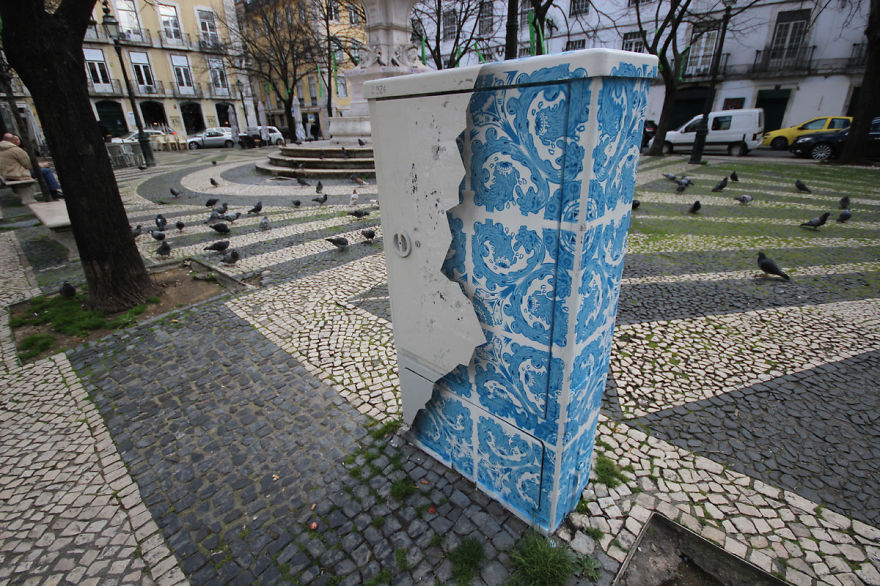
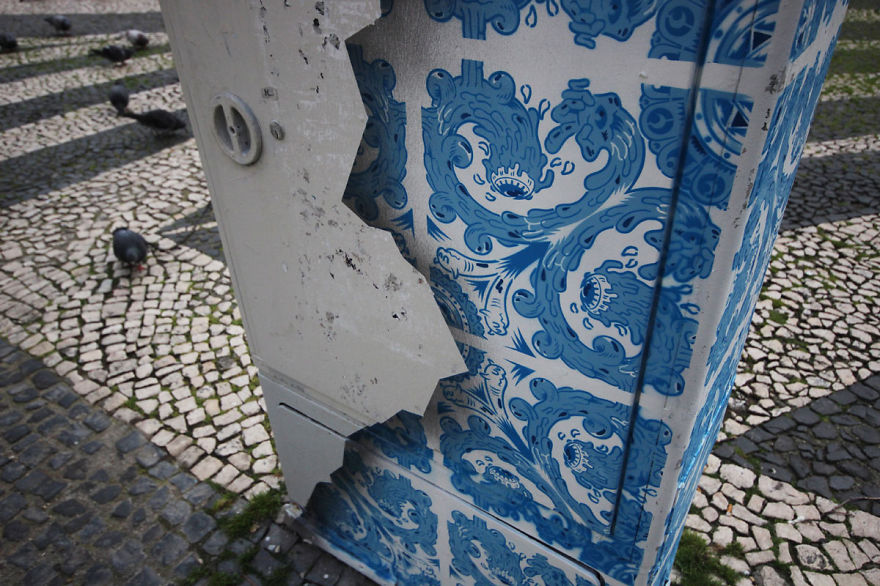
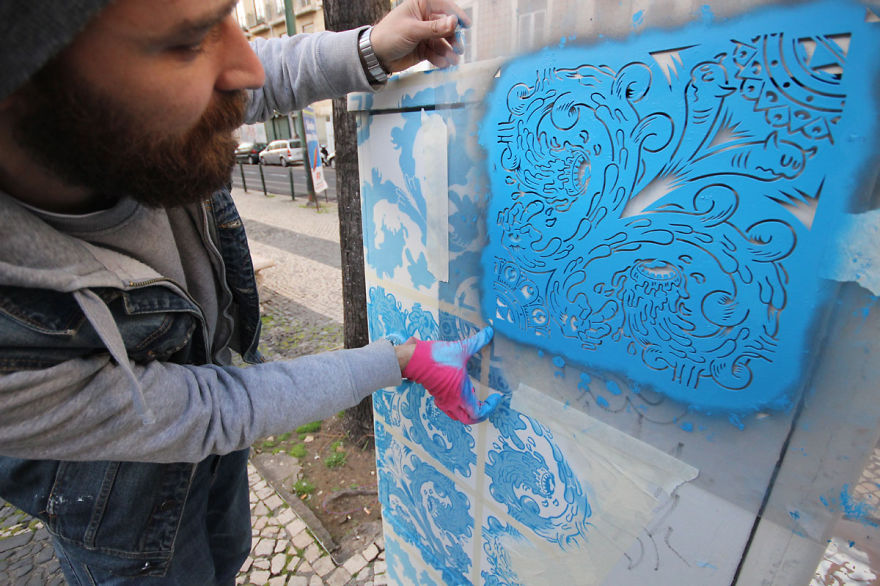
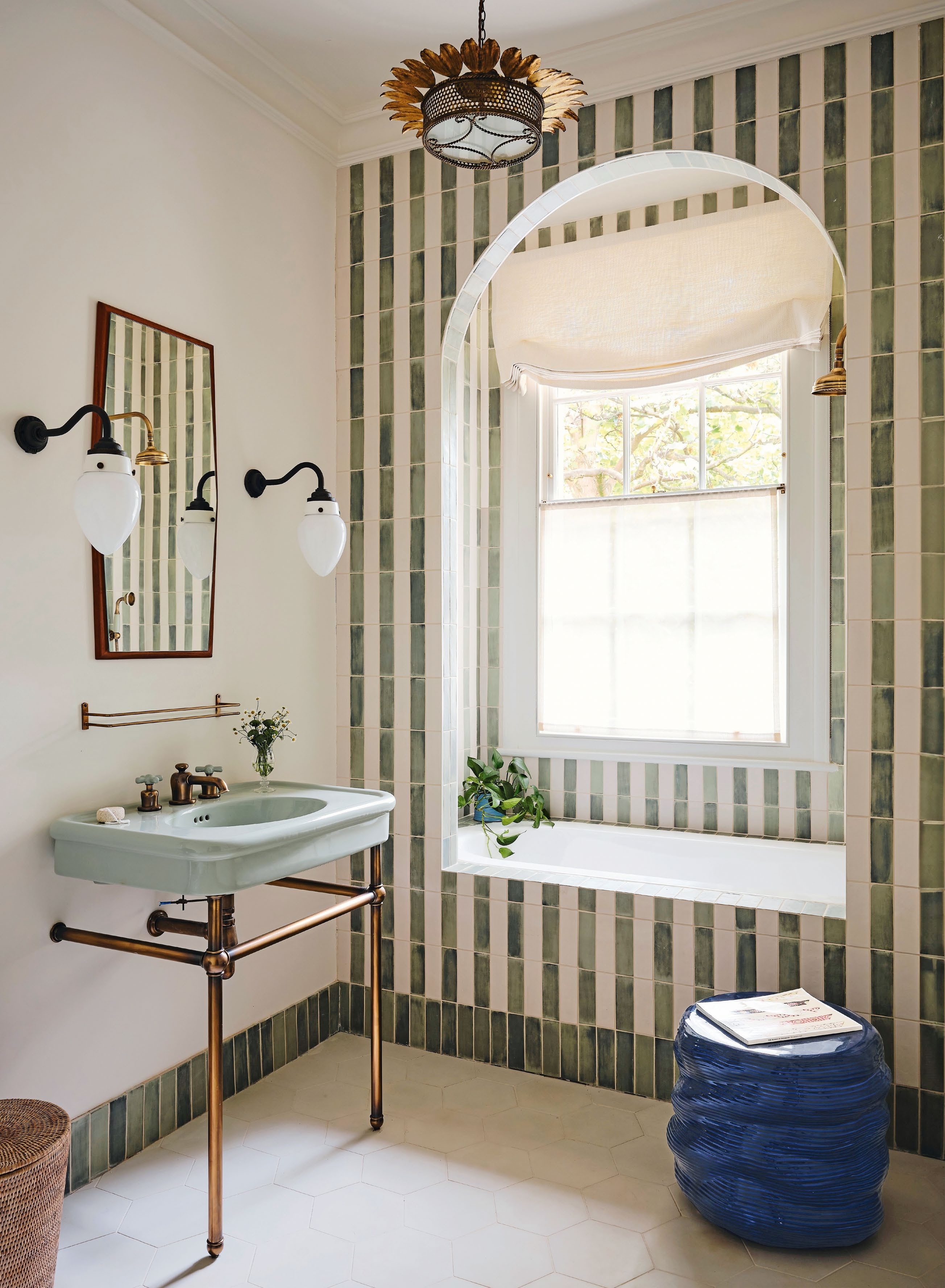
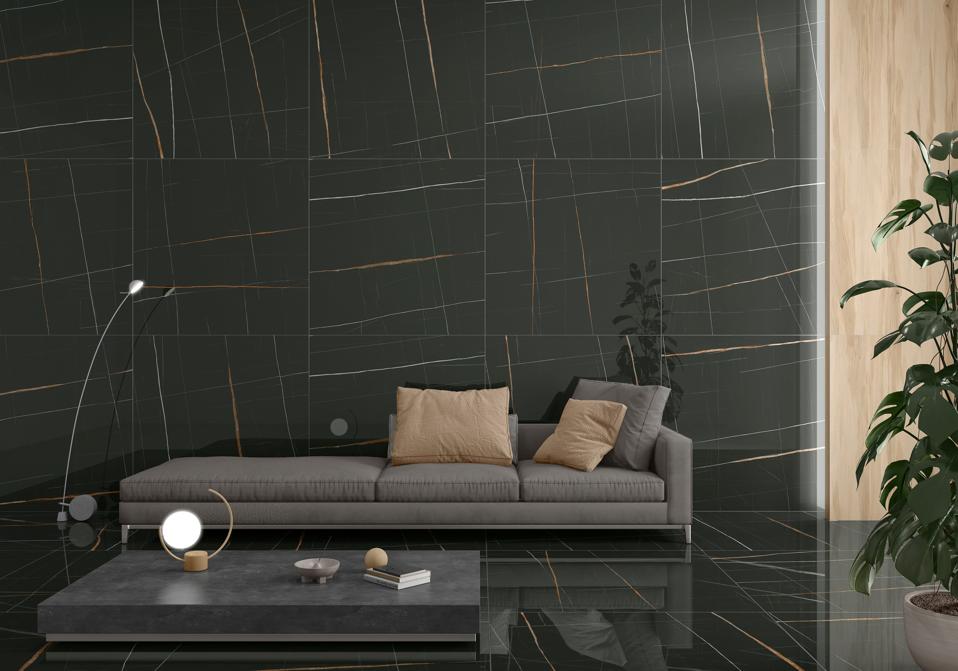
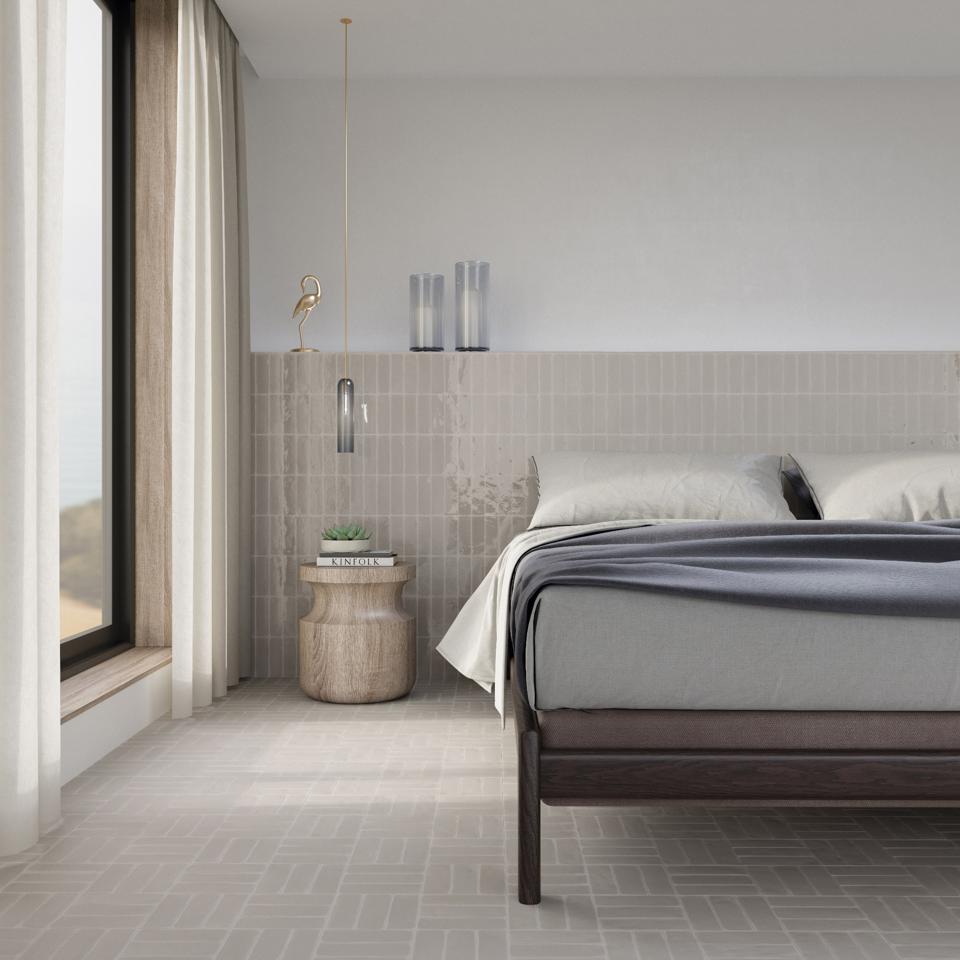
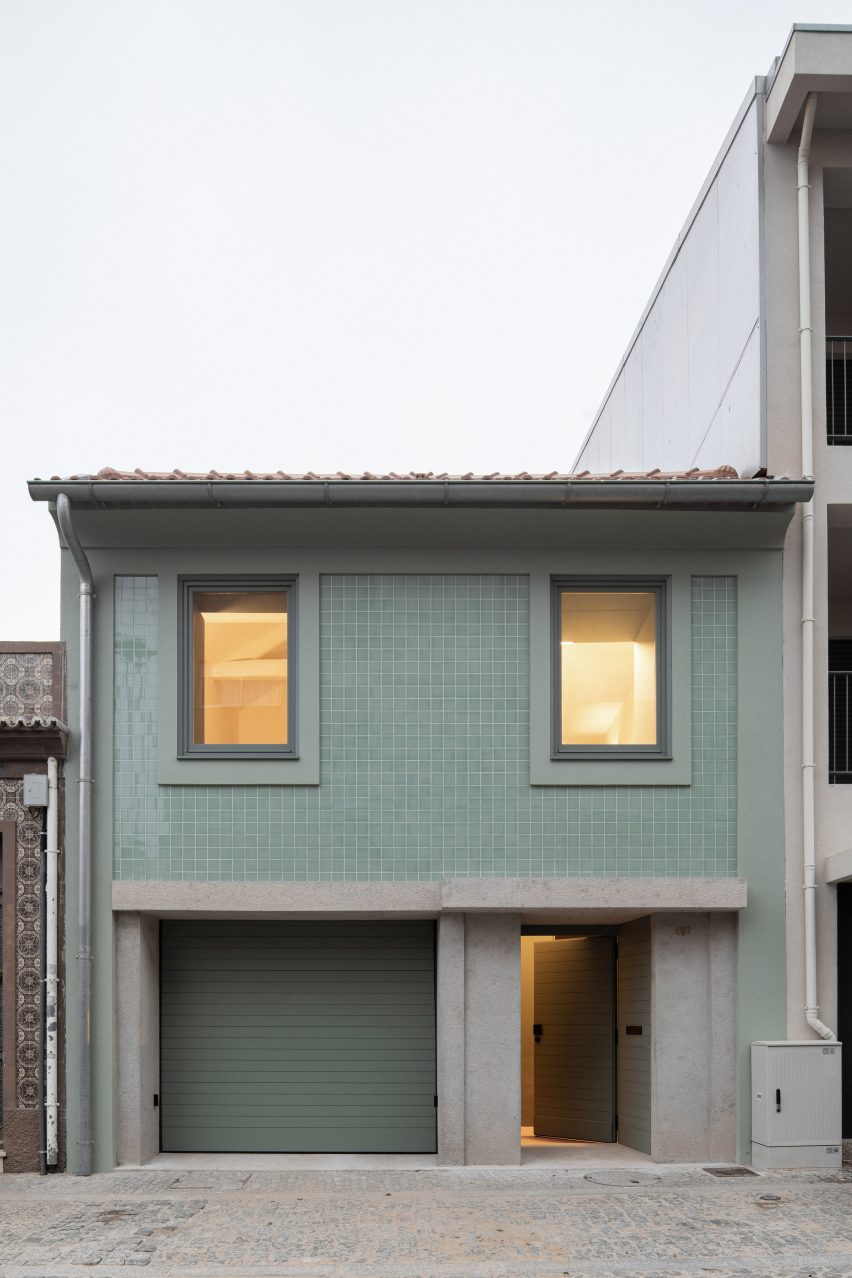
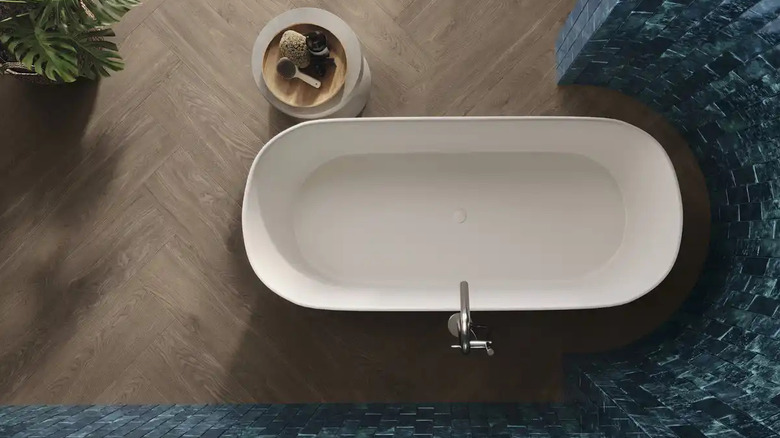
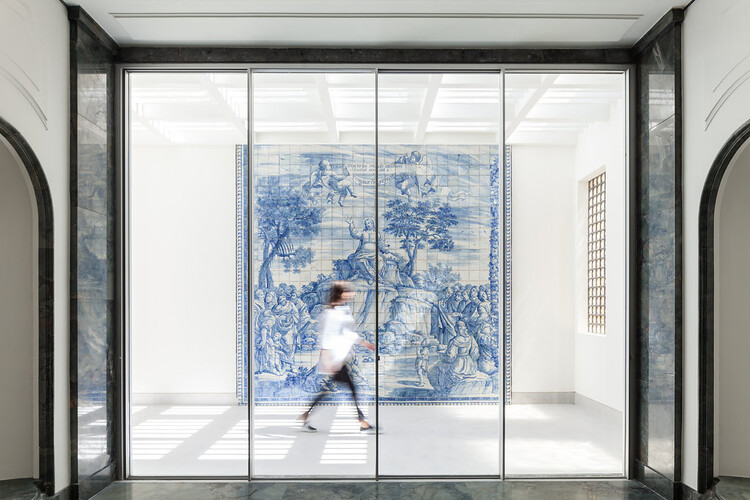
Today, Portuguese tiles are experiencing a renaissance, blending their historical significance with contemporary architectural practices. Architects and designers are reinterpreting traditional patterns and developing new applications for azulejos, not only in restoration projects but also in modern buildings. They are used in innovative ways to create unique facades, interior walls, and public art installations, demonstrating their versatility and enduring appeal. The material's resilience, aesthetic flexibility, and cultural resonance make it a favored choice for adding character and historical depth to modern designs. This ongoing adaptation ensures that azulejos remain a vibrant and evolving part of Portugal's architectural heritage, connecting past and present through a material that continues to narrate the country's rich history and artistic evolution.
#PortugueseTiles #Azulejos #ArchitecturalHistory #ContemporaryDesign #Heritage #MoorishInfluence #CeramicArt #BuildingMaterials #PortugueseTiles #Azulejos #ArchitecturalHistory #ContemporaryDesign #Heritage #MoorishInfluence #CeramicArt #BuildingMaterials
0 opmerkingen in totaal
 Nog geen opmerkingen
Dit vindt u mogelijk ook leuk
To Get to Know Portugal, Explore Its Azulejo Tilework
10 Tile Trends You'll Be Seeing More Of In 2026

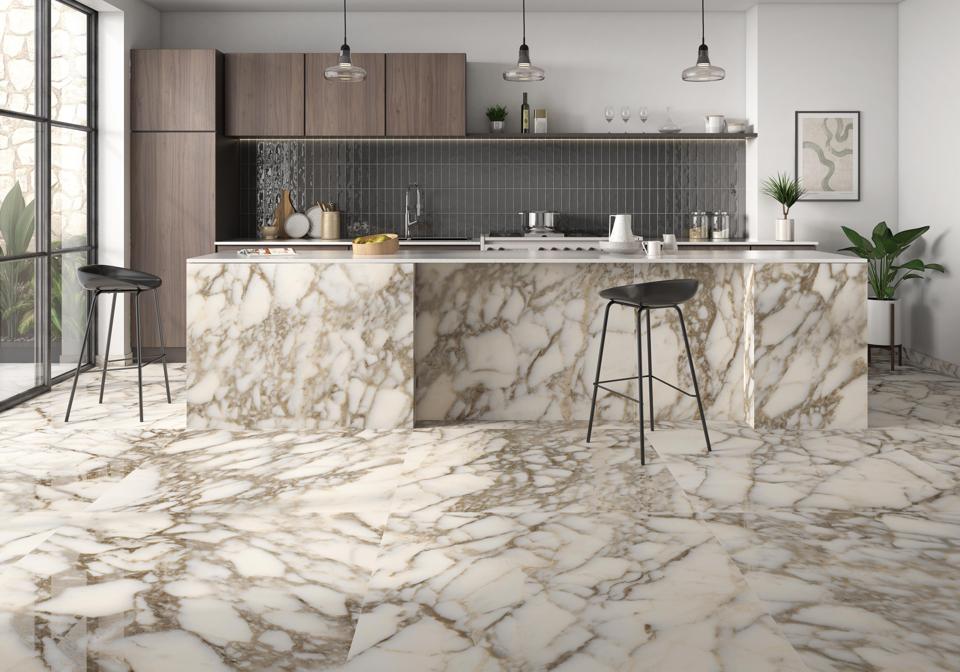
2023 Tile Trends Feature Wellness, Sustainability And Resilience

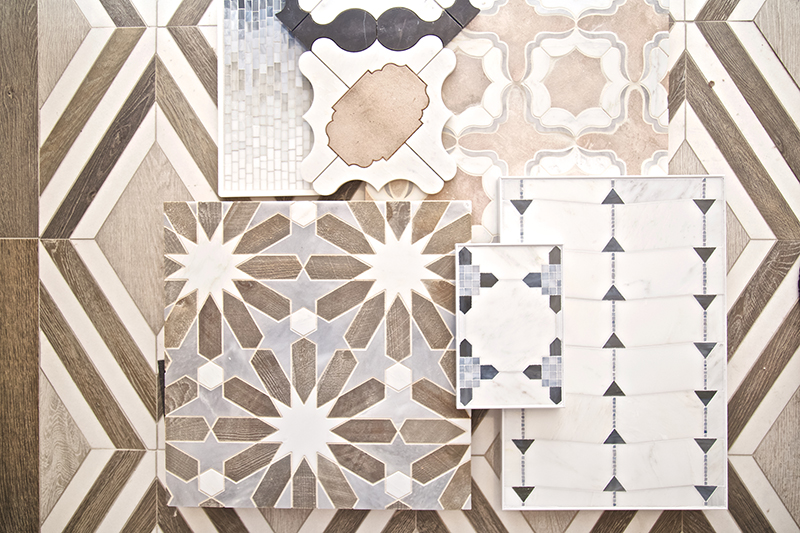
Ask the Experts: The Stone (and Tile) Age

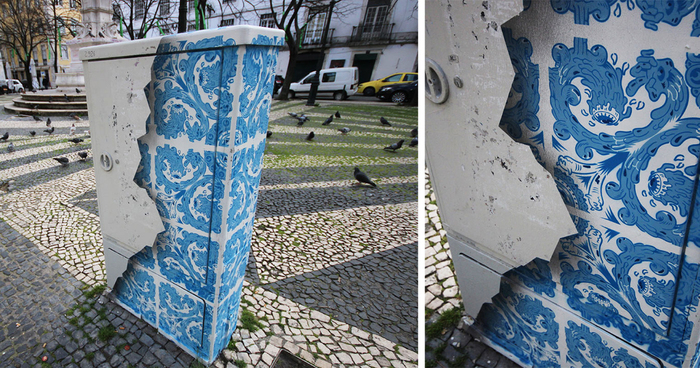
I Create Ceramic Tile Illusions On Electrical Boxes And Buildings To Remind People Of Portuguese History
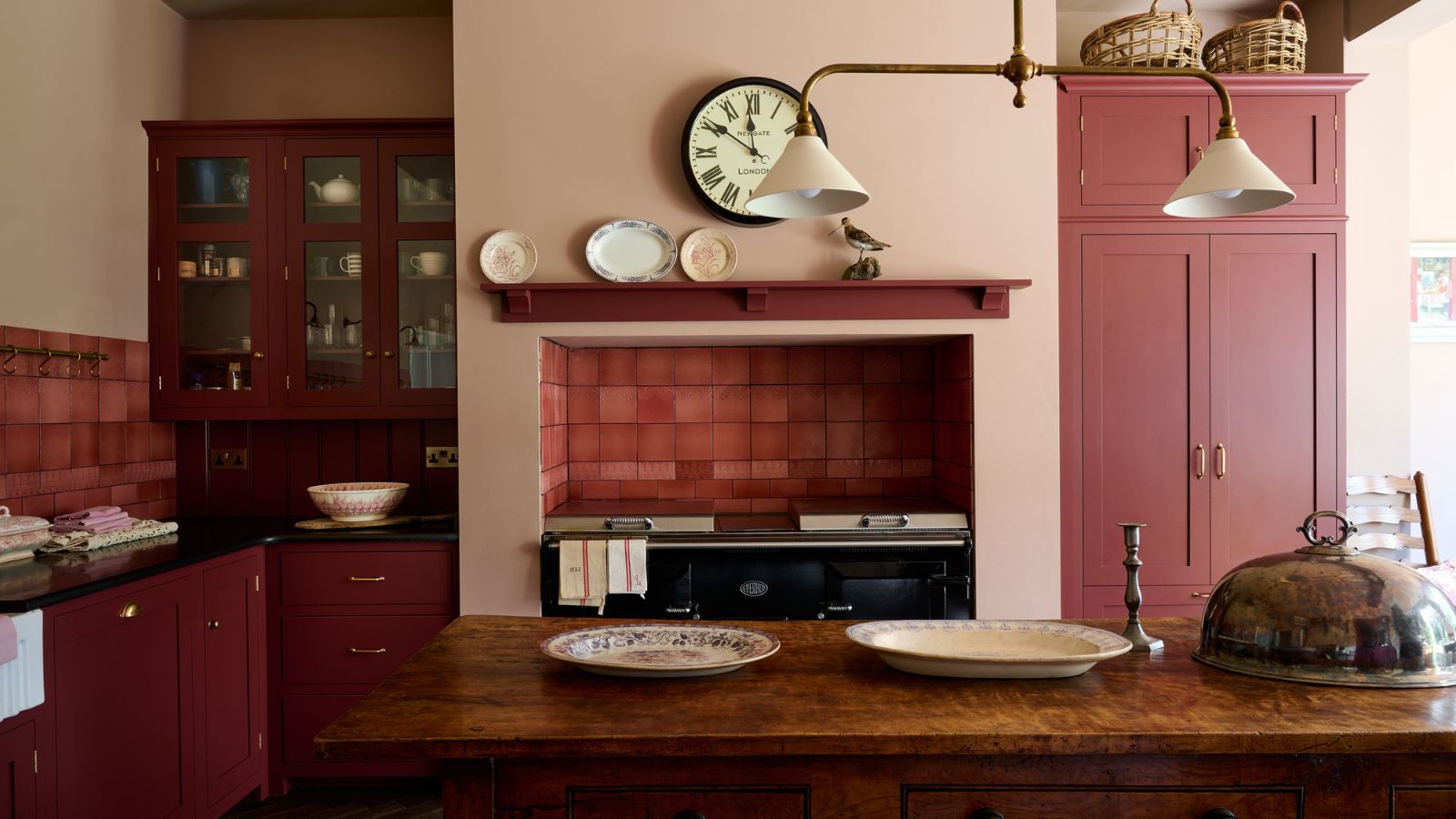
How to decorate with vintage tiles

atlas concorde harmonizes in & outdoors with sedimentary stone-inspired tiles
A Tile Collection That Takes on Architecture’s Oldest Embellishments

All fired up - 5 Jun 2025 - Period Living Magazine

The Decades Old Tile Trend That Is Popping Back Up In Bathrooms
Ceramics of Italy predicts tile trends for 2019
Clever’s Guide to Bathroom Tile Trends Through the Decades


Tiles take inspiration from fashion
FMG releases collection of tiles that can be applied to any interior surface
7 Top Tile Trends And Styles For 2021
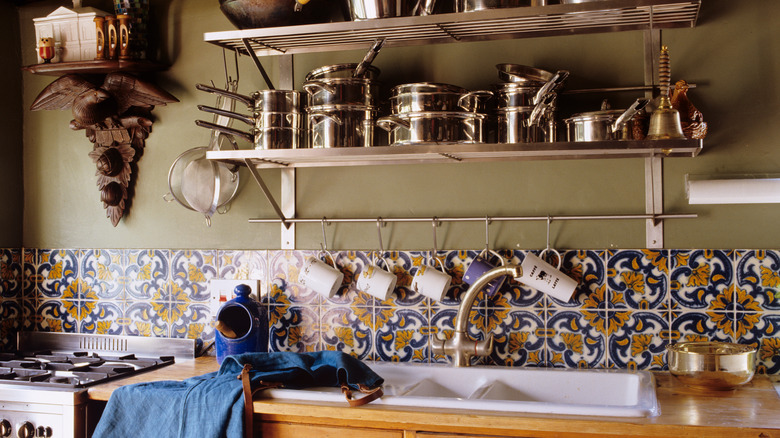
10 Vintage Tile Brands That Will Make A Big Statement In Your Kitchen Or Bathroom
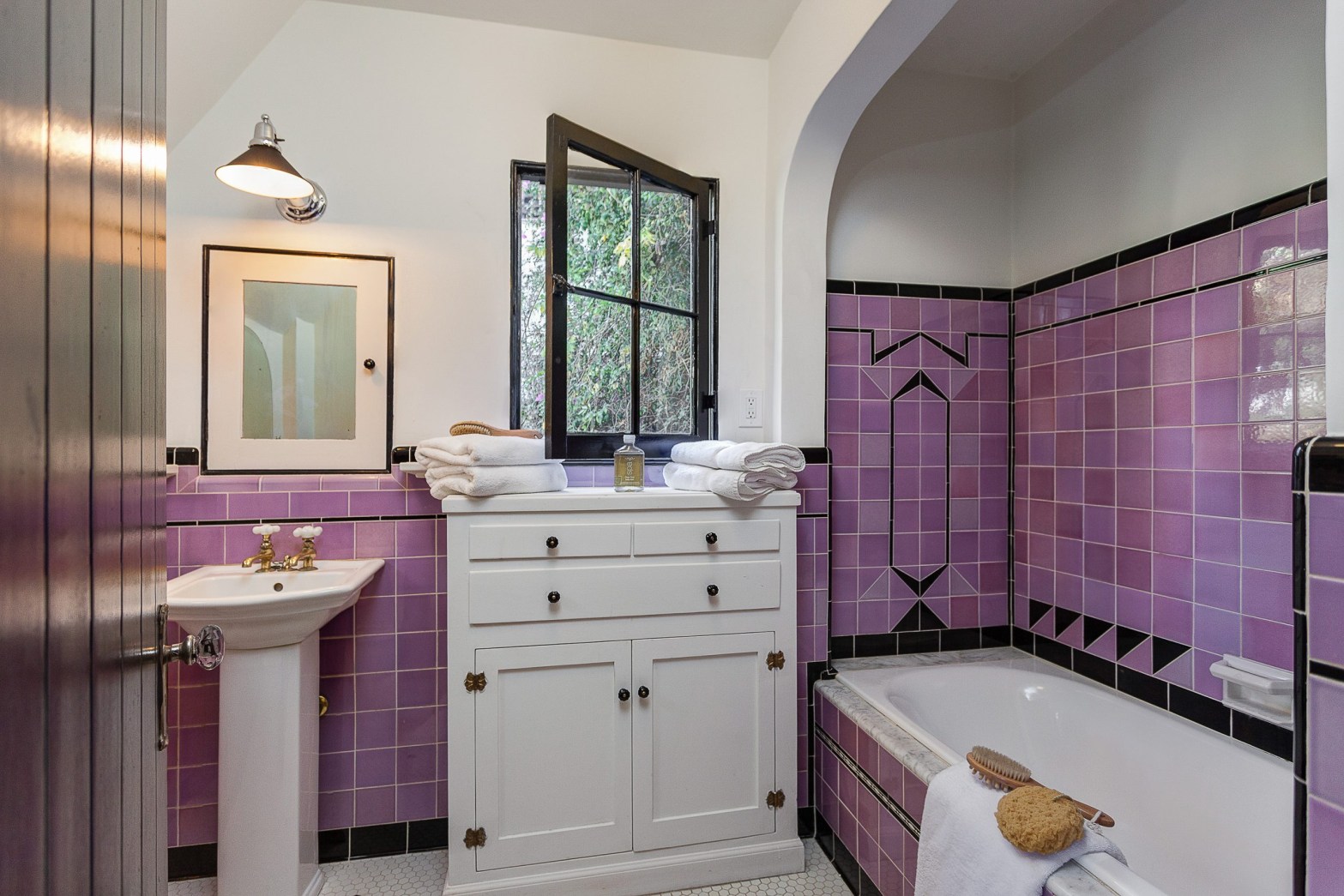
The Enduring Artistry of Vintage Tiles

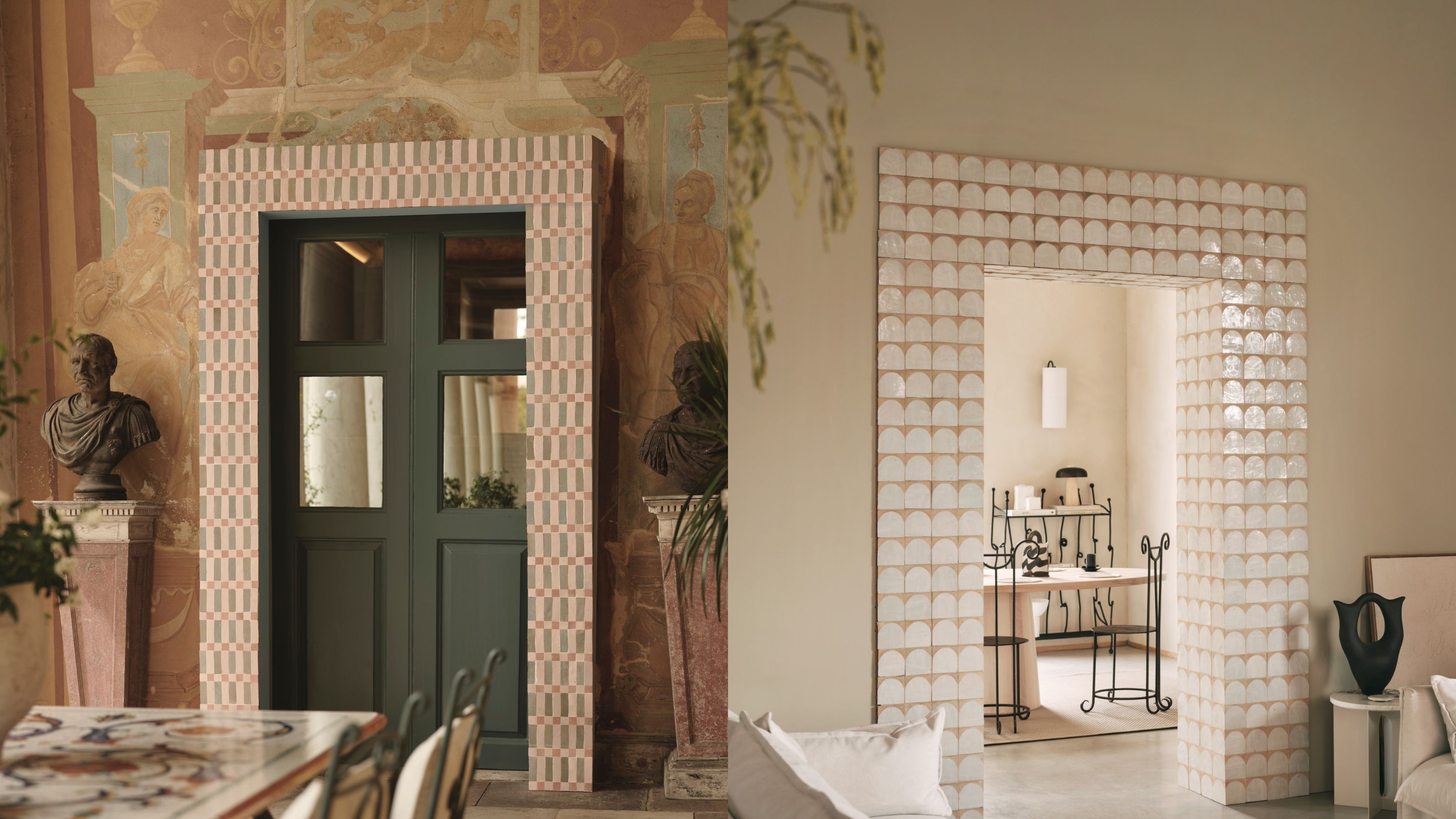
Meet the Tiled Doorway — The Classy, Elegant Detailing That I Can't Stop Thinking About

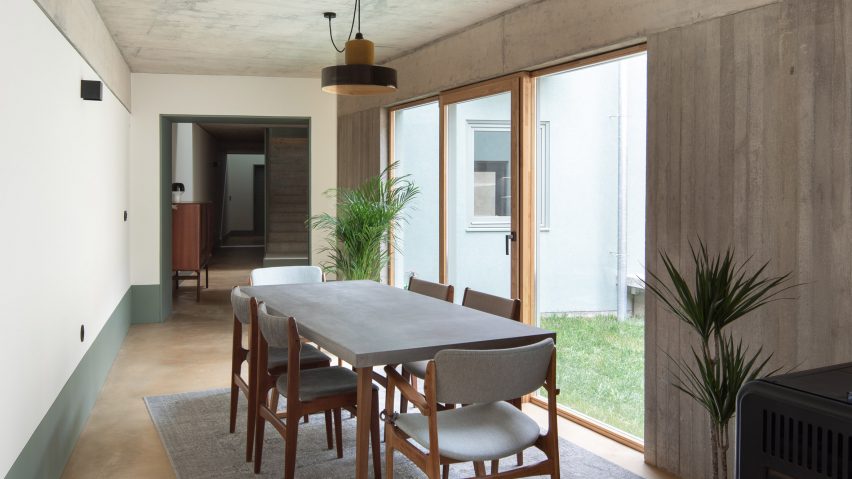
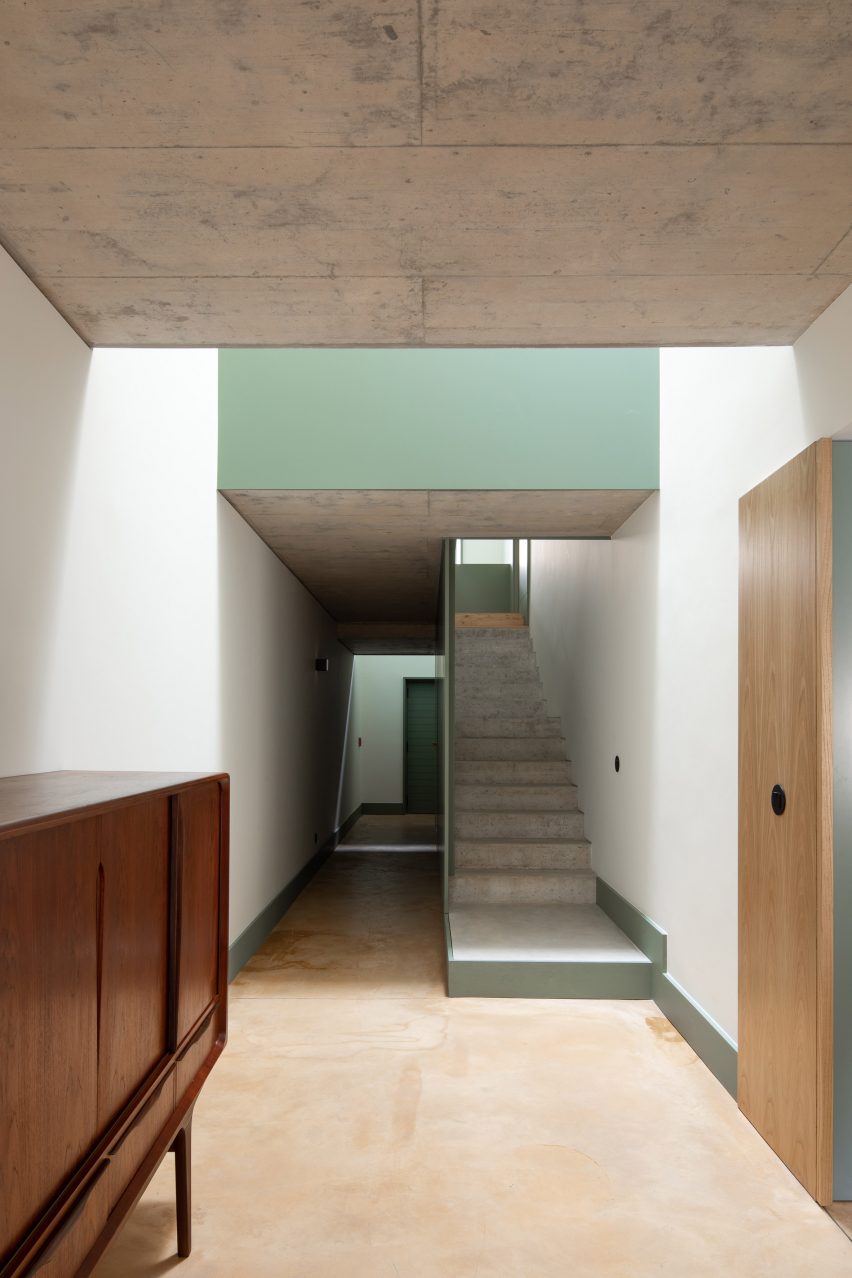
DepA Architects clads traditional Portuguese house in sage-green tiles
We Asked Designers Which Design Choice Homeowners Regret Most—And It’s Surprisingly Common