1/8
Clever’s Guide to Bathroom Tile Trends Through the Decades
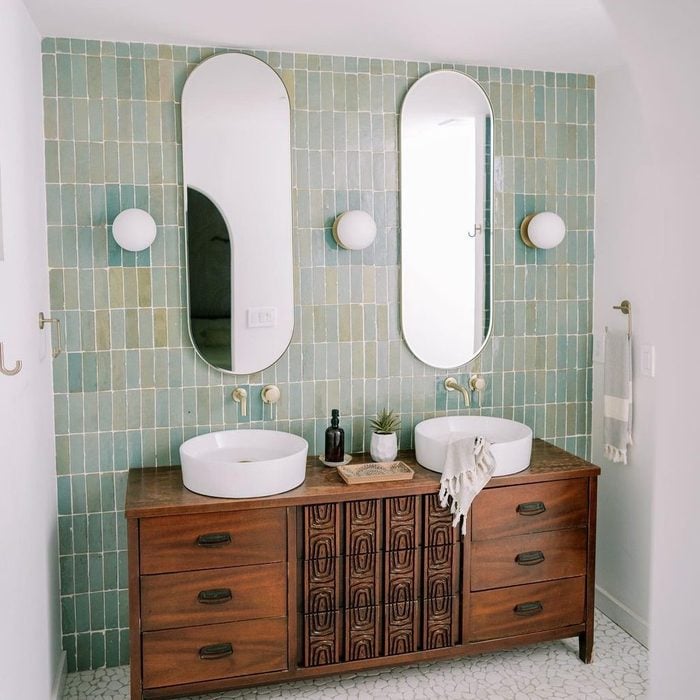
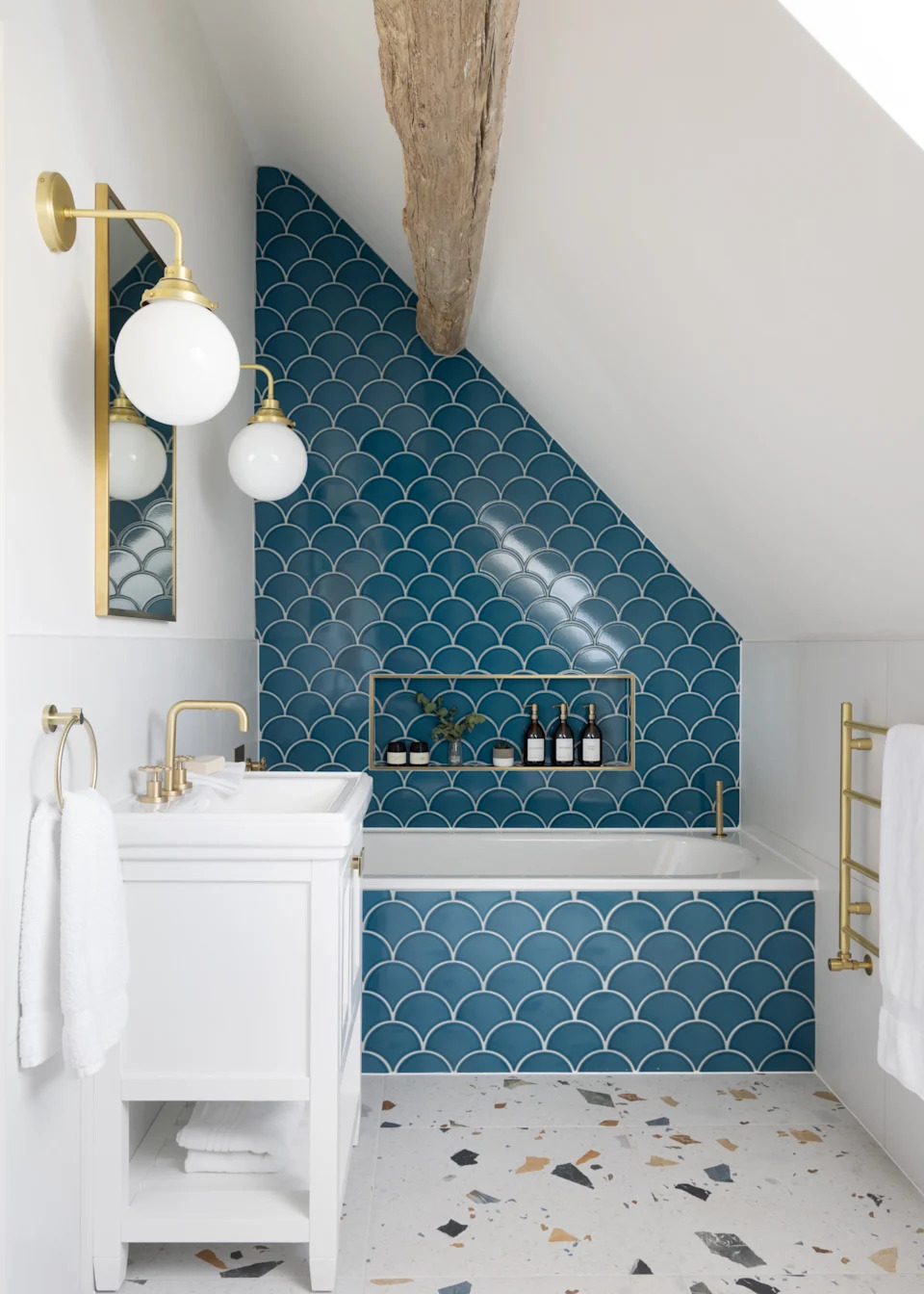
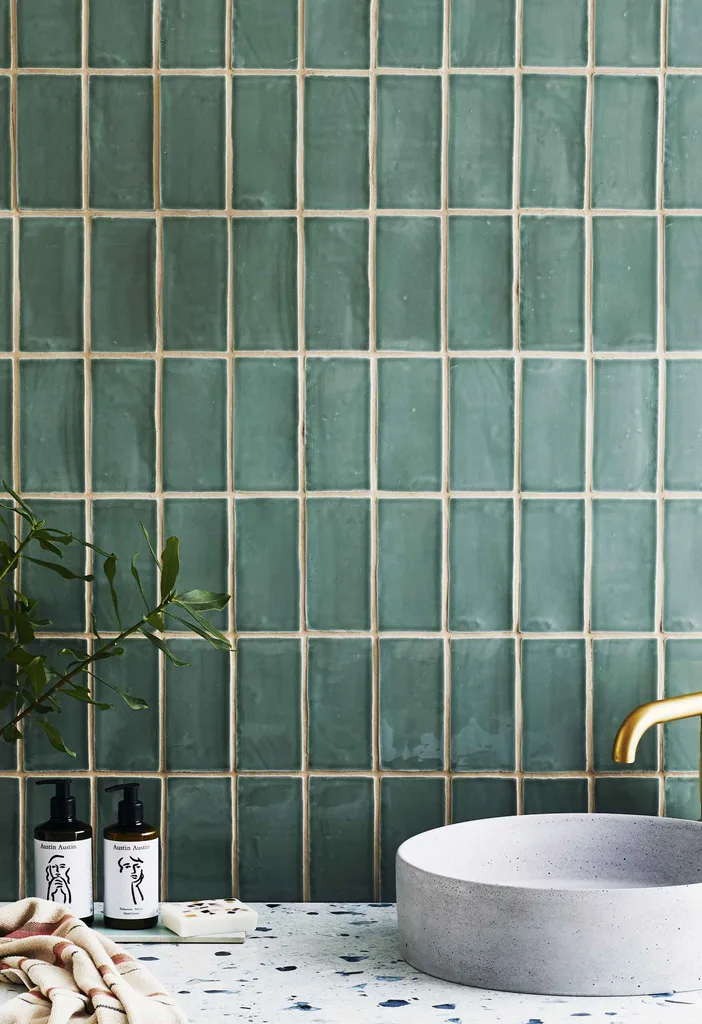
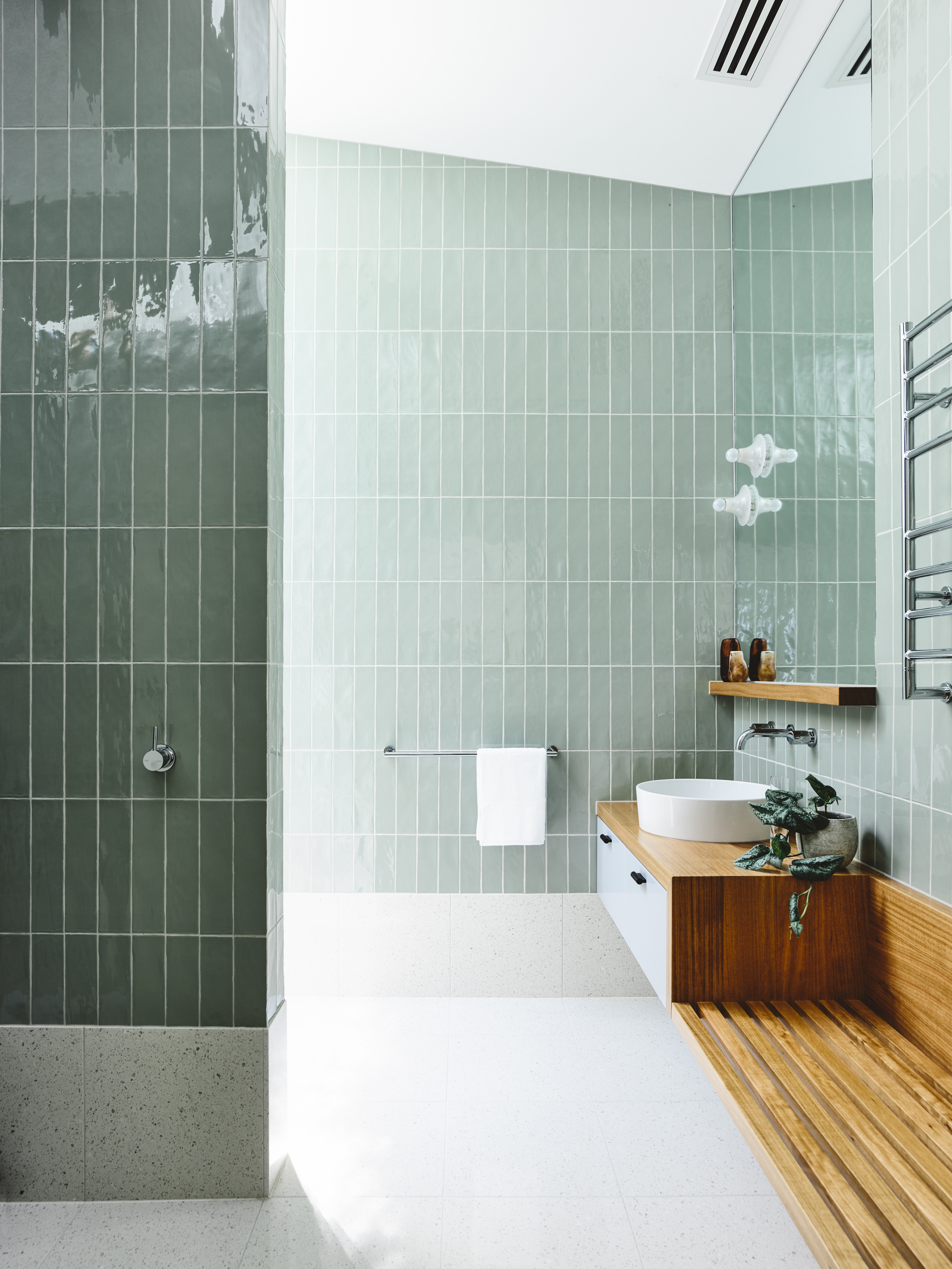
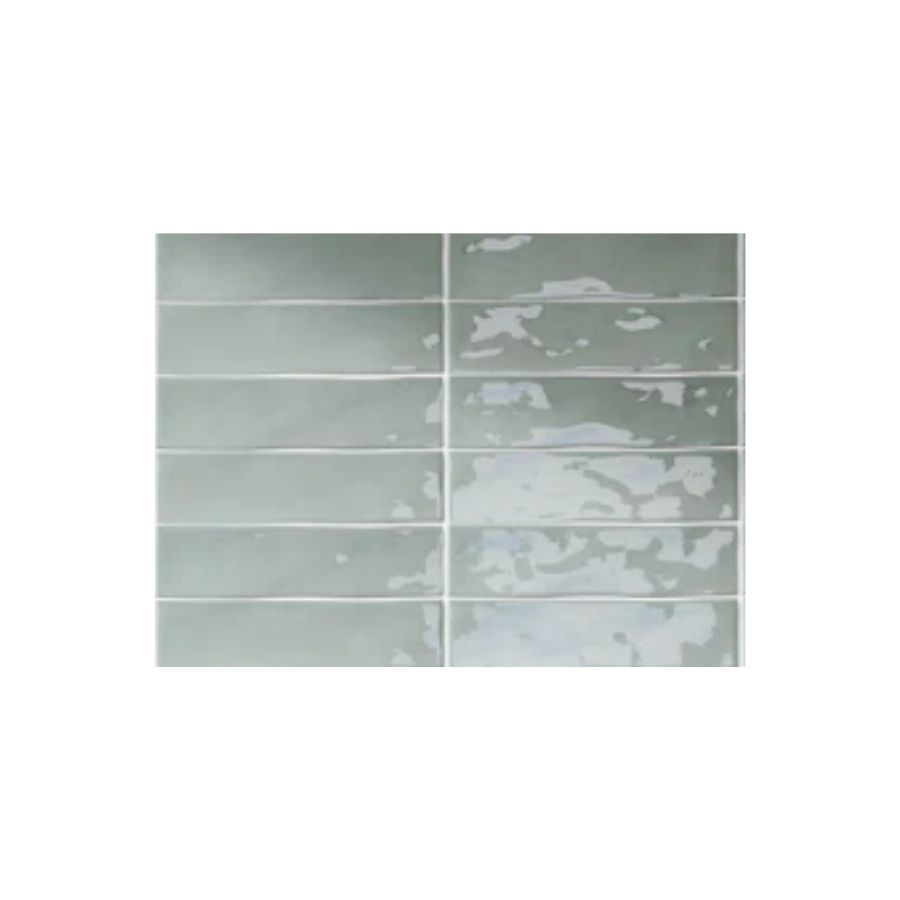
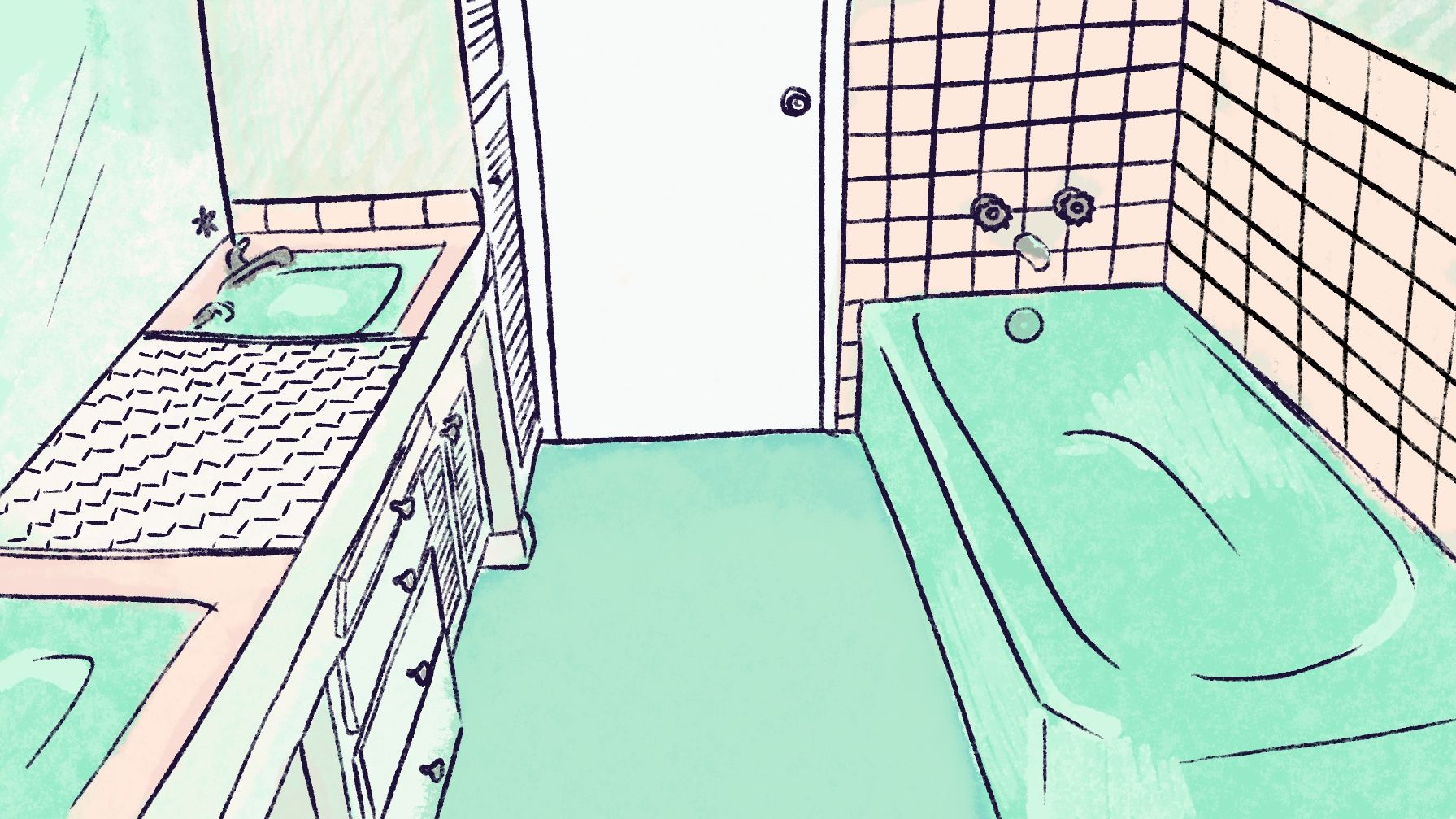
The author explores the evolution of bathroom tile trends from the early 1900s to the present day, noting a personal connection to a jade-colored en-suite bathroom in their childhood home. This personal anecdote serves as a starting point to delve into how bathroom aesthetics have changed, from the utilitarian styles of the early 20th century to the colorful and expressive designs of later decades, and how these older styles are now experiencing a resurgence.
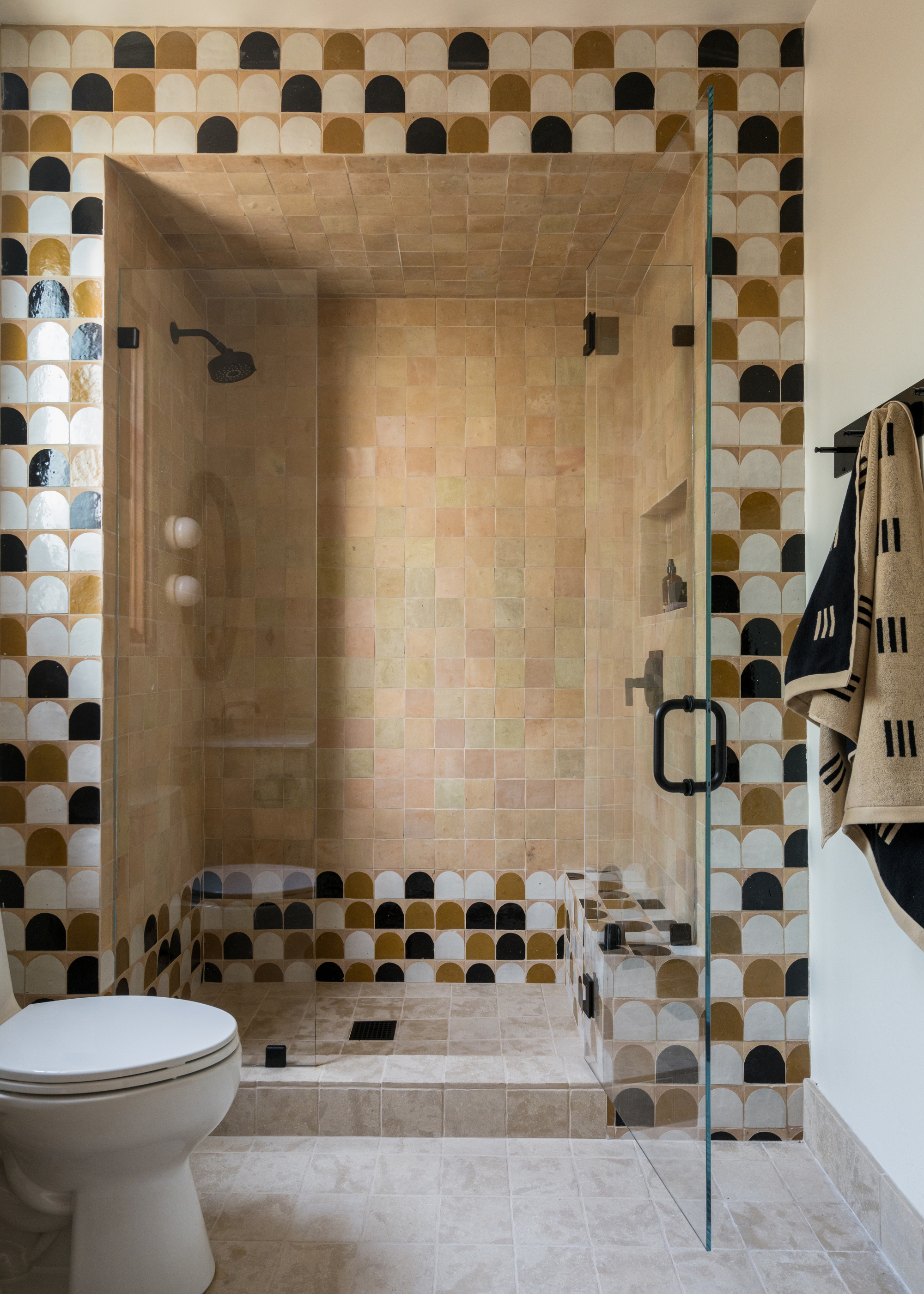
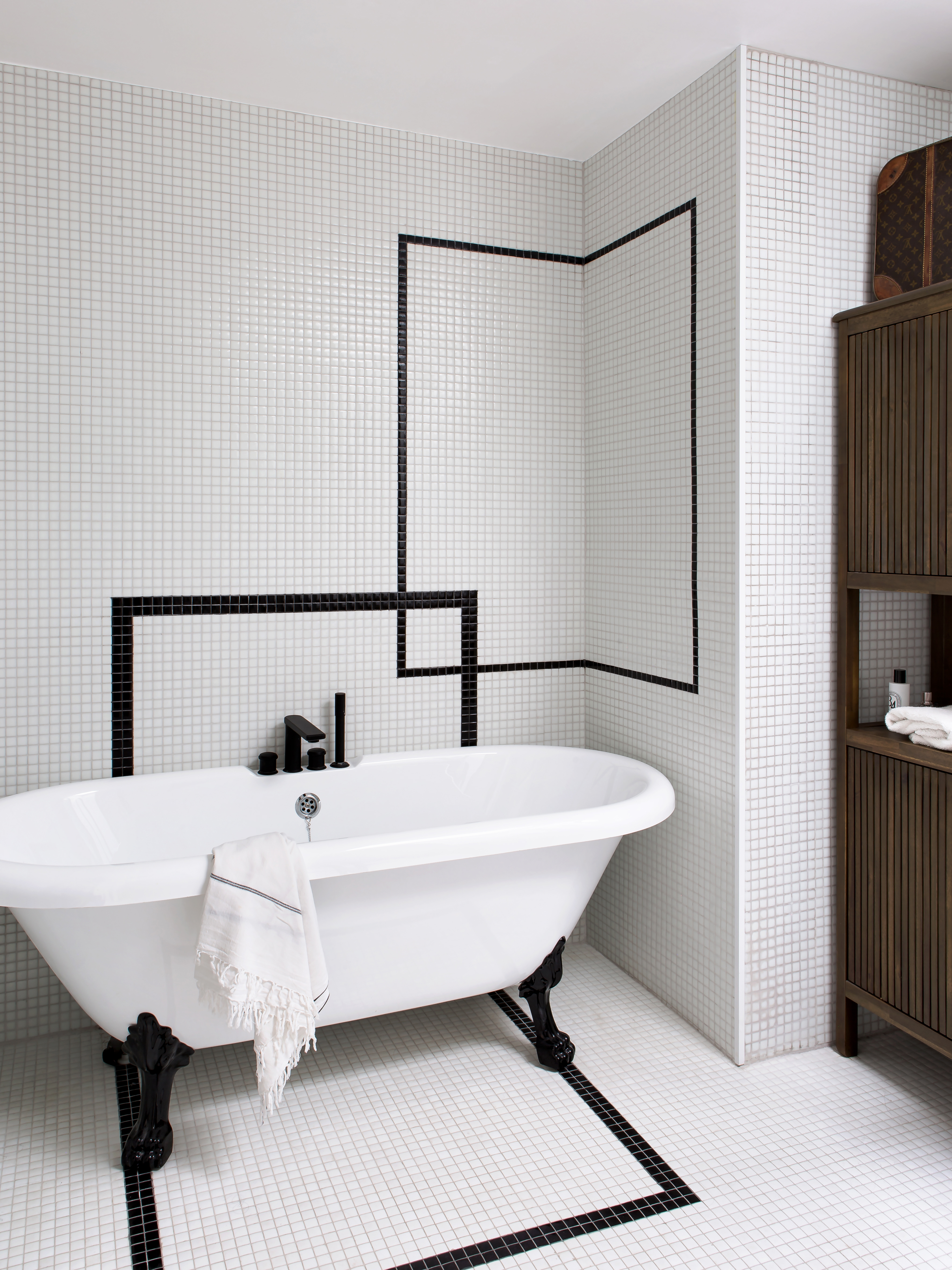
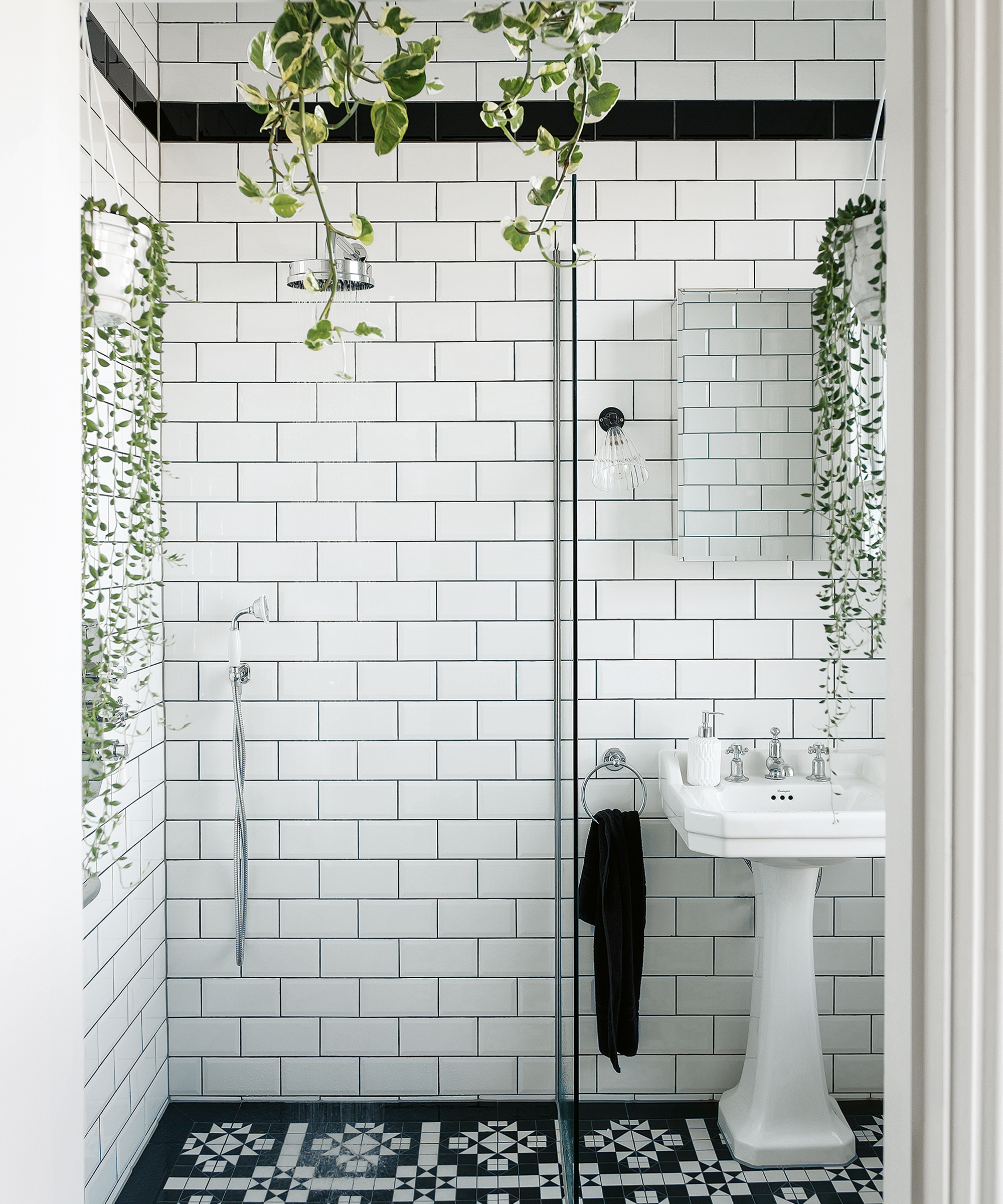
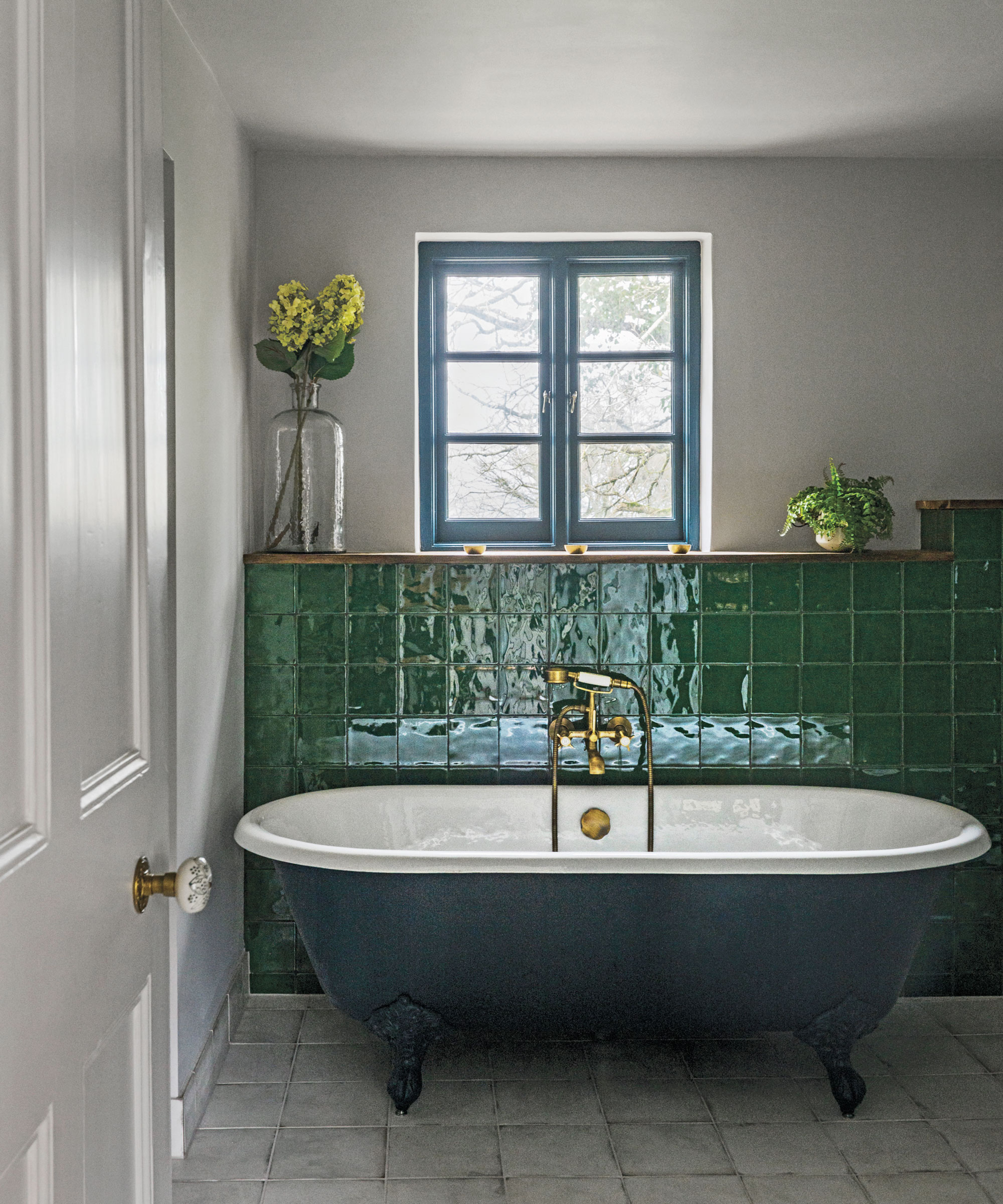
In the early 1900s, bathrooms were characterized by a utilitarian aesthetic, featuring clean, monotone looks with subway tiles and classic black-and-white hexagonal flower tile floors. This restrained style, surprisingly, aligns with some modern trends today. The 1920s and 1930s saw a shift towards flamboyance with the Art Deco era. Designers embraced deep hues of purple, yellow, and green, moving away from starkness to incorporate illustrative textures such as ocean waves, Deco patterns, flowers, and fruit. Spanish Colonial Revival and Tudor-style homes often showcased this sumptuous blend of texture and color, with tiled arches creating distinctive spaces for baths and showers.
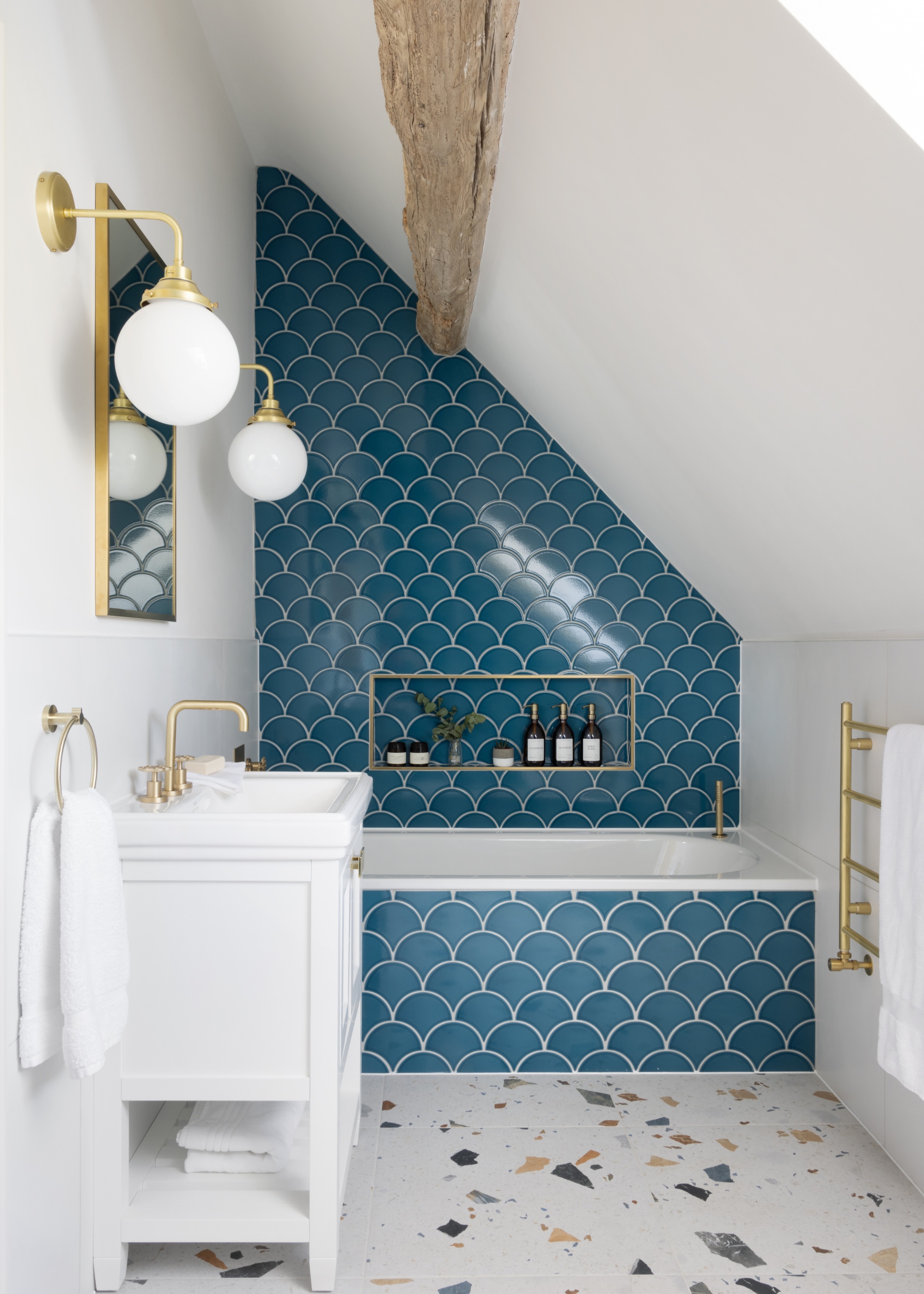
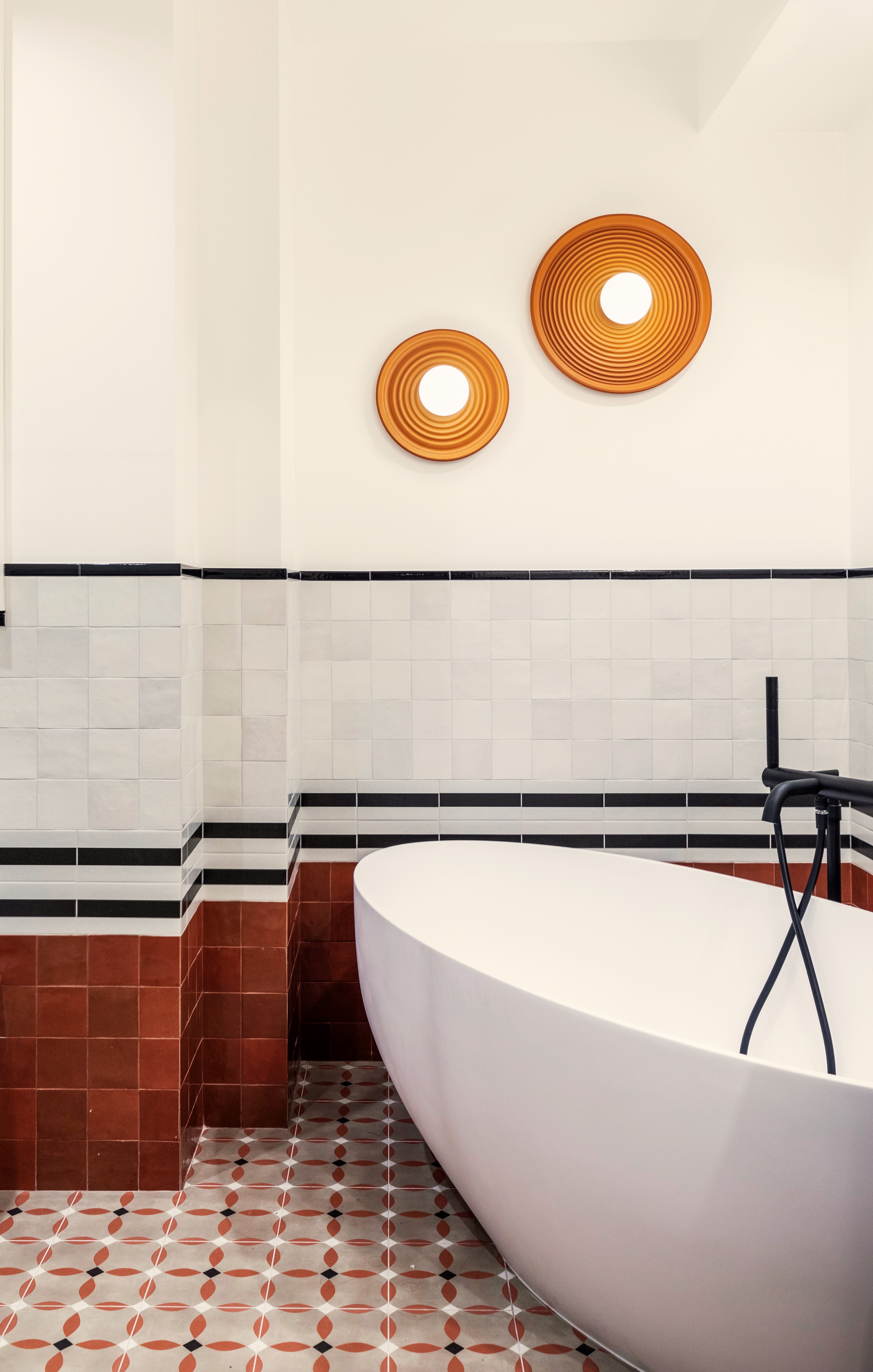
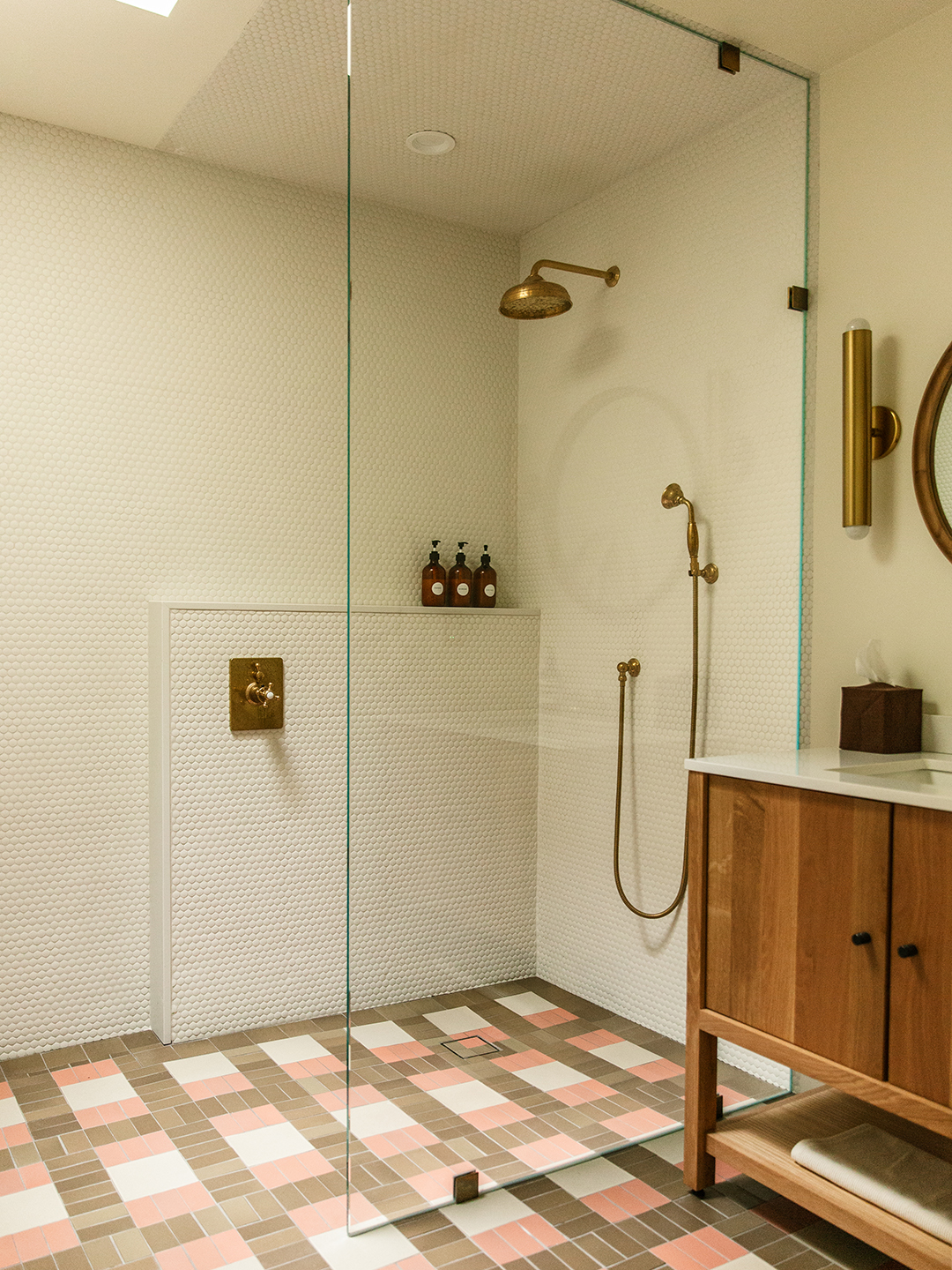
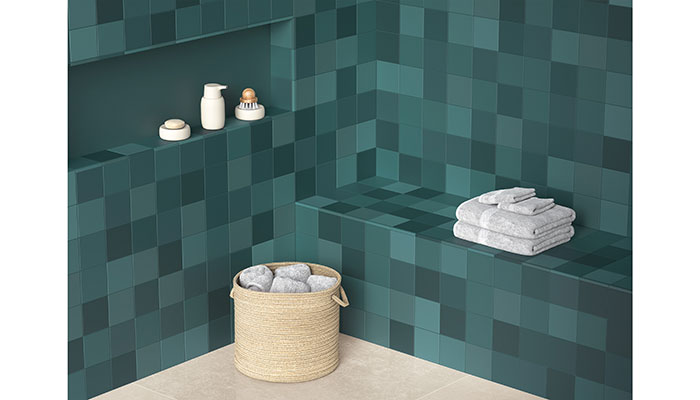
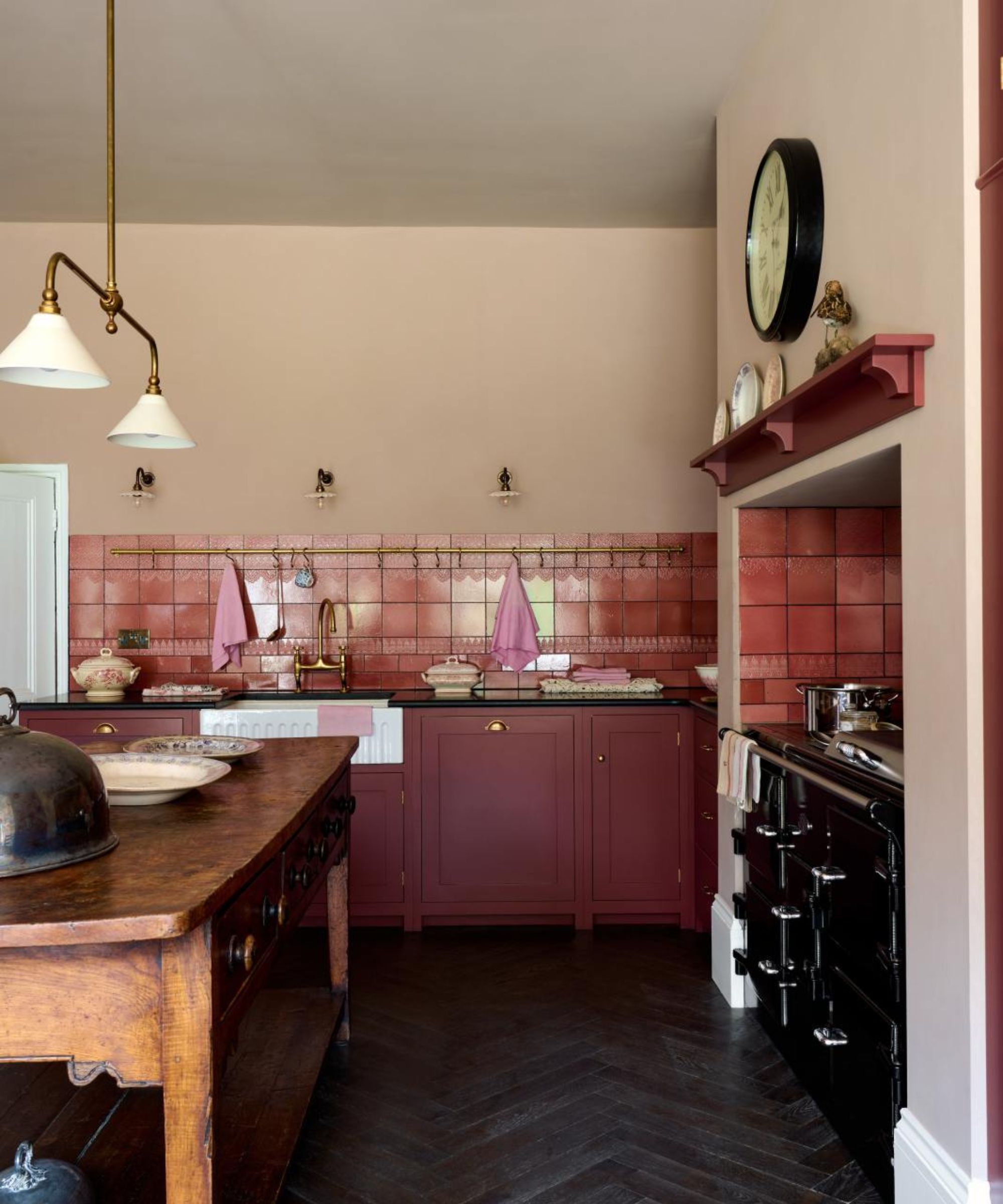
The midcentury period, specifically the 1950s and 1960s, brought a reinterpretation of color with a post-war austerity. Lavish jewel tones were replaced by softer palettes of Pepto pink, baby blue, and jade green. Four-by-four inch square tiles adorned walls, while floors featured classic Versailles mosaic tiles. Fixtures were often sleek chrome, paired with color-coordinated tubs and sinks, demonstrating a minimalist yet detail-oriented approach. The 1970s marked a return to maximalism, with bold colors like mustard, avocado, and burnt sienna, often combined with foiled wallpaper. Bathrooms became more indulgent, with deep tubs designed for multiple occupants and vibrant arabesque geometries.
The 1980s ushered in an era of luxury, characterized by oversized bathrooms with limited color palettes, typically white with splashes of mauve or teal. The focus was on creating a spa-inspired experience, incorporating features like jacuzzi tubs, wet saunas, and soft vanity lighting. Large windows allowed natural light to enhance the serene atmosphere. Wood interiors often evoked a bathhouse vibe, while mosaic patterns added a touch of glam. The 1990s, in contrast, embraced beige as the dominant color. Bathrooms frequently featured border wallpaper or hand-stamped motifs, glass blocks for windows or furniture, and granite countertops. Beige tiled floors, sometimes imitation or genuine marble, complemented medium-stained wood cabinets, promoting a natural aesthetic.
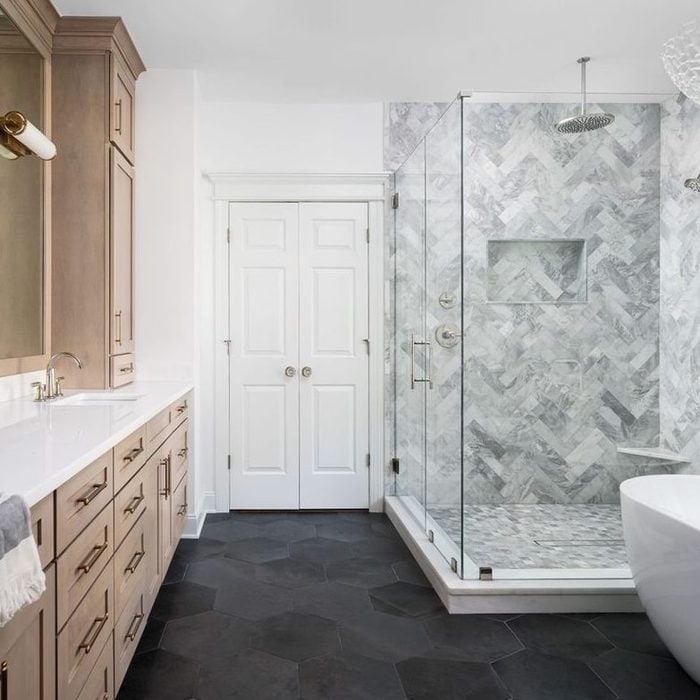
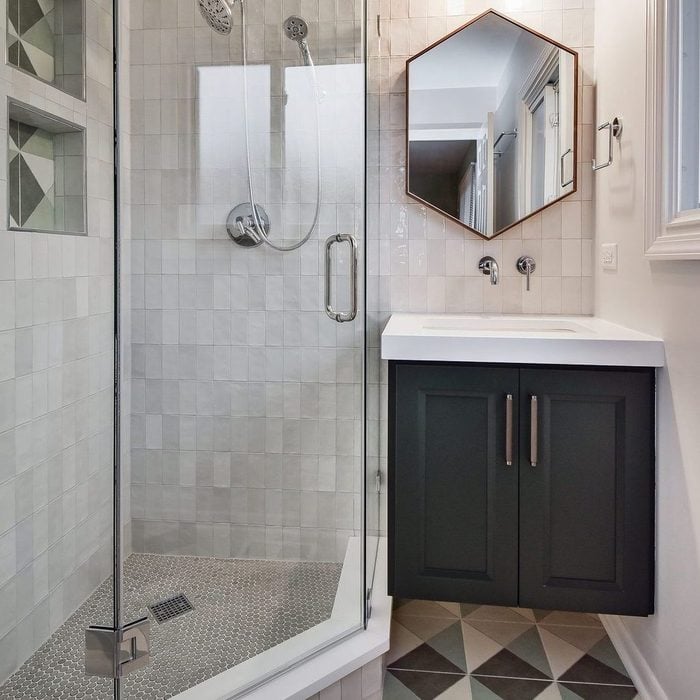
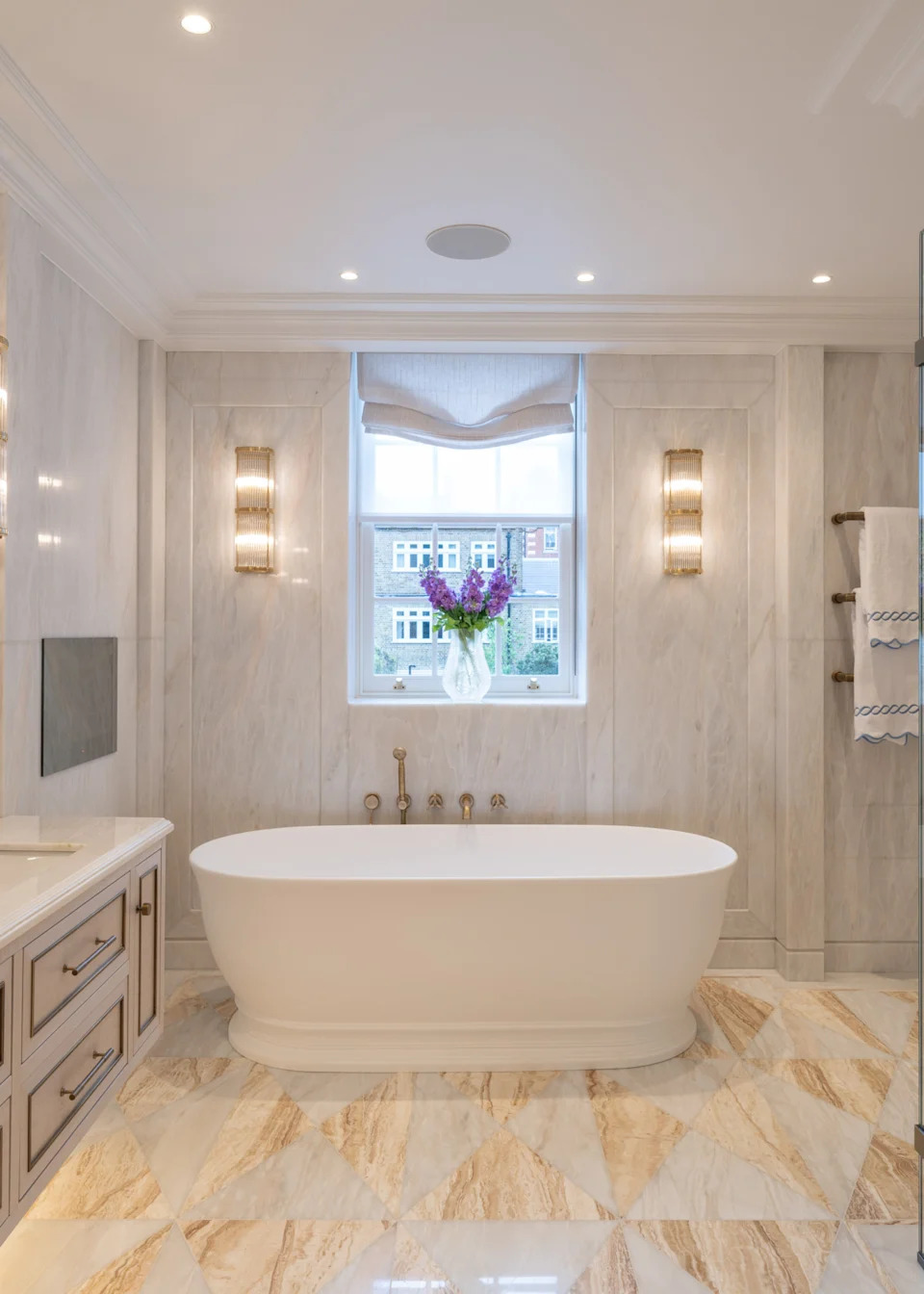
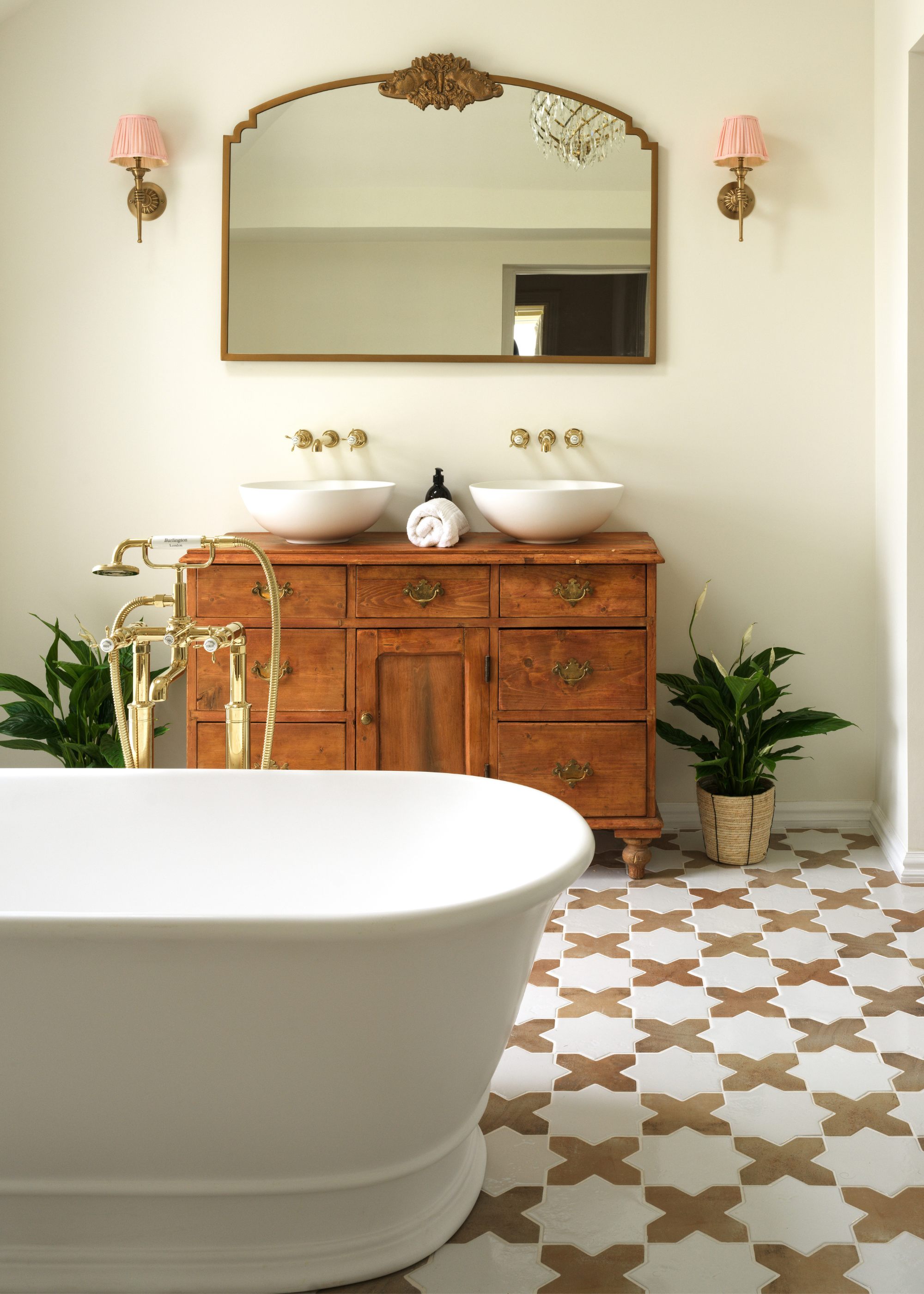
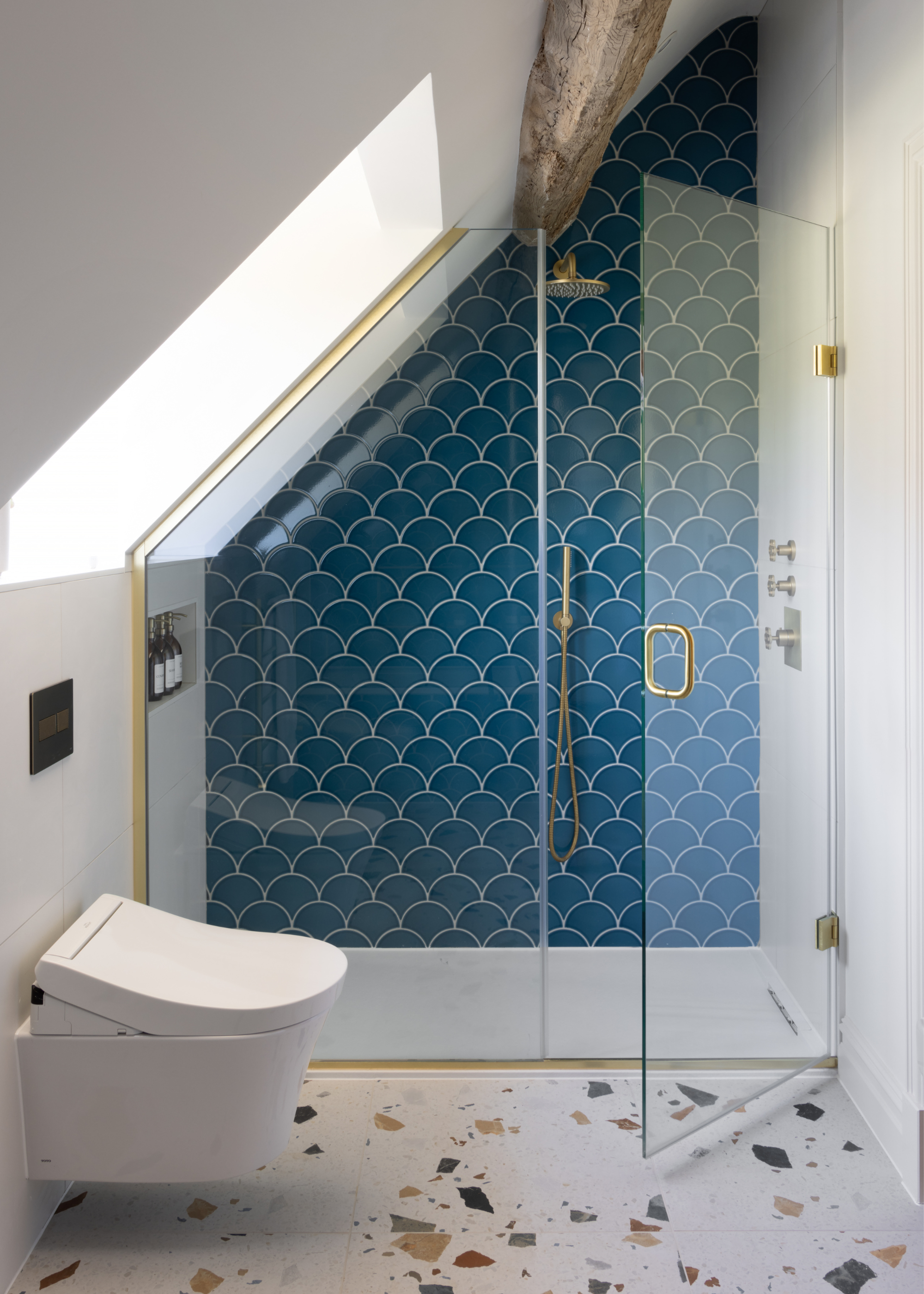
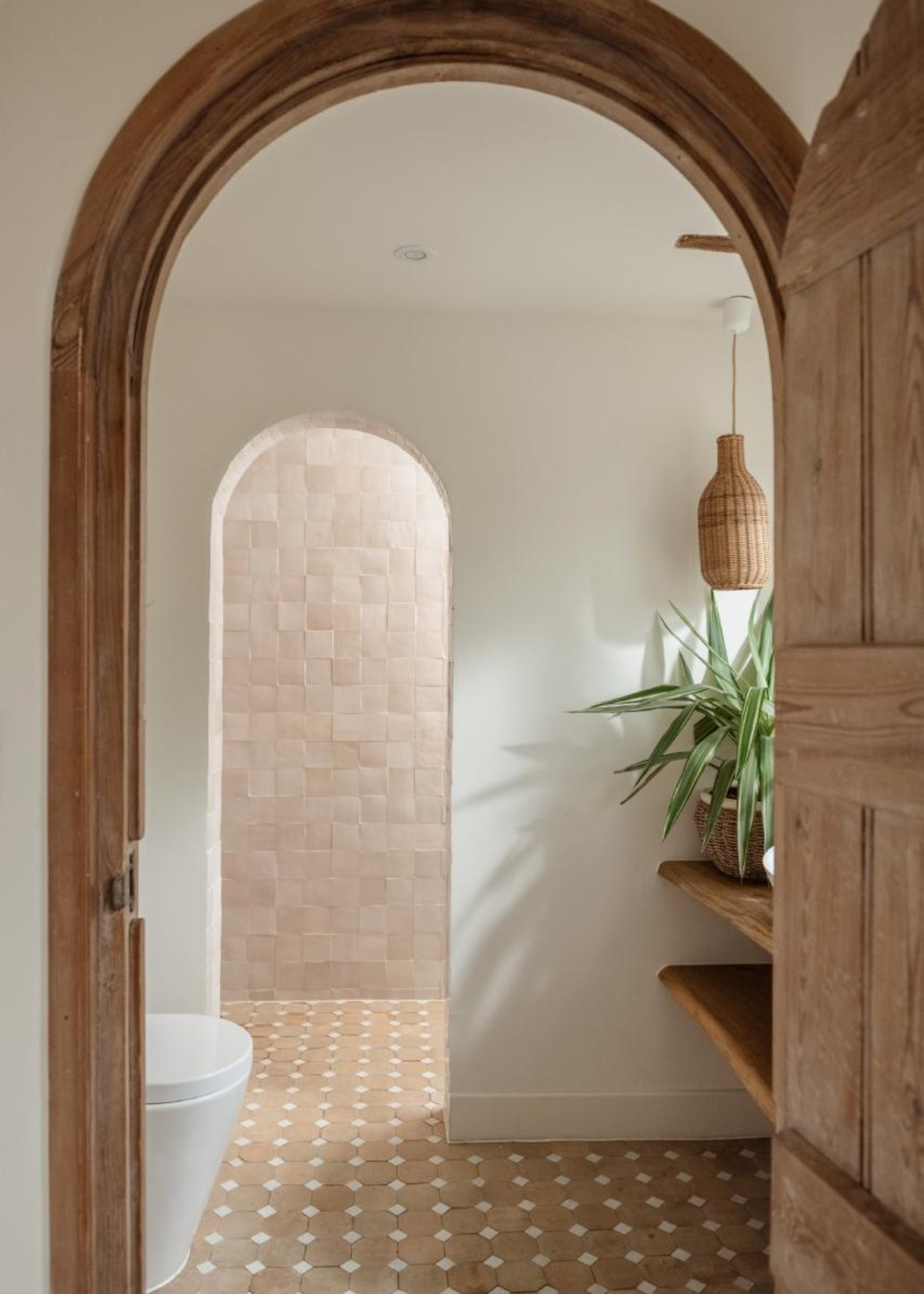
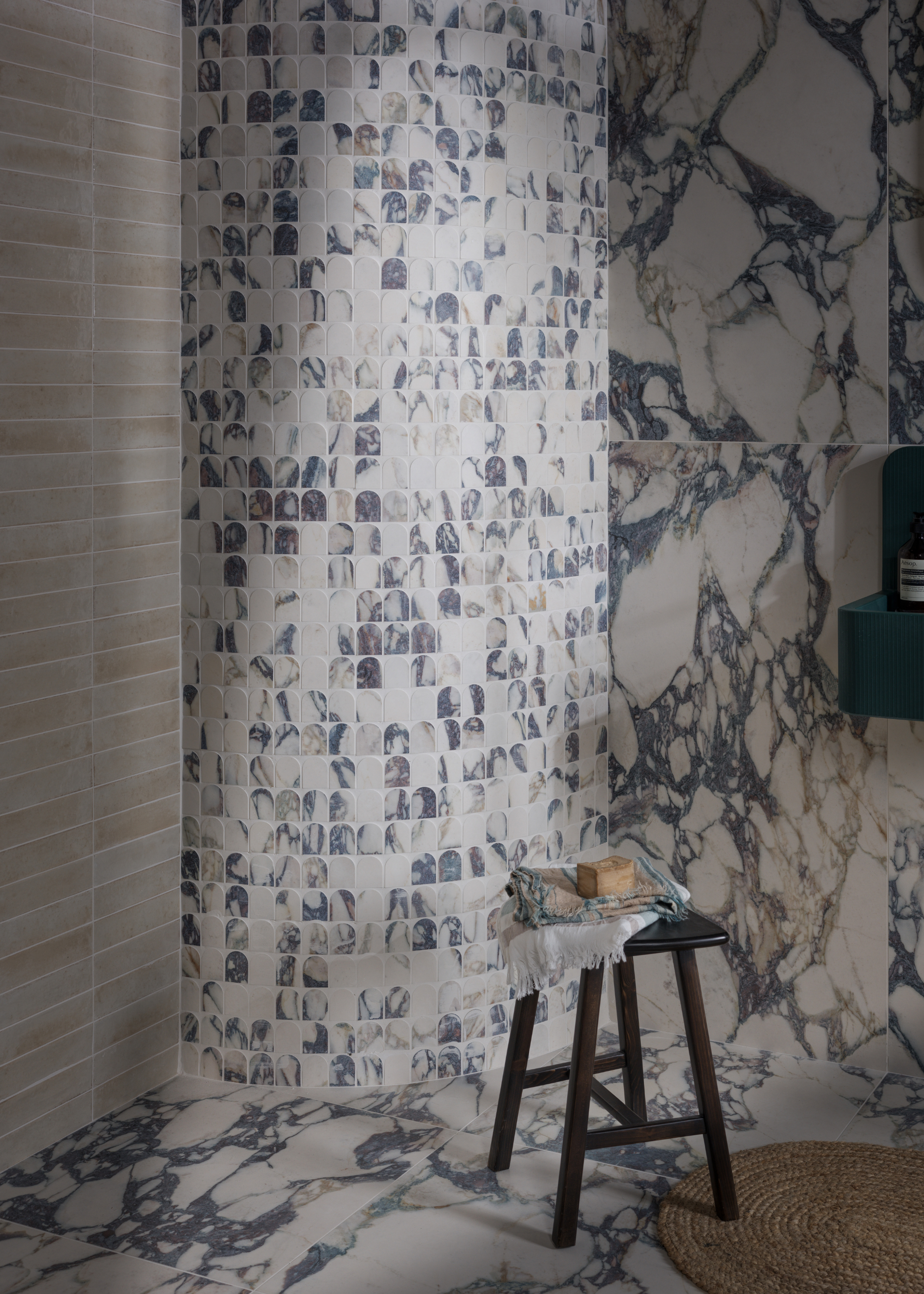
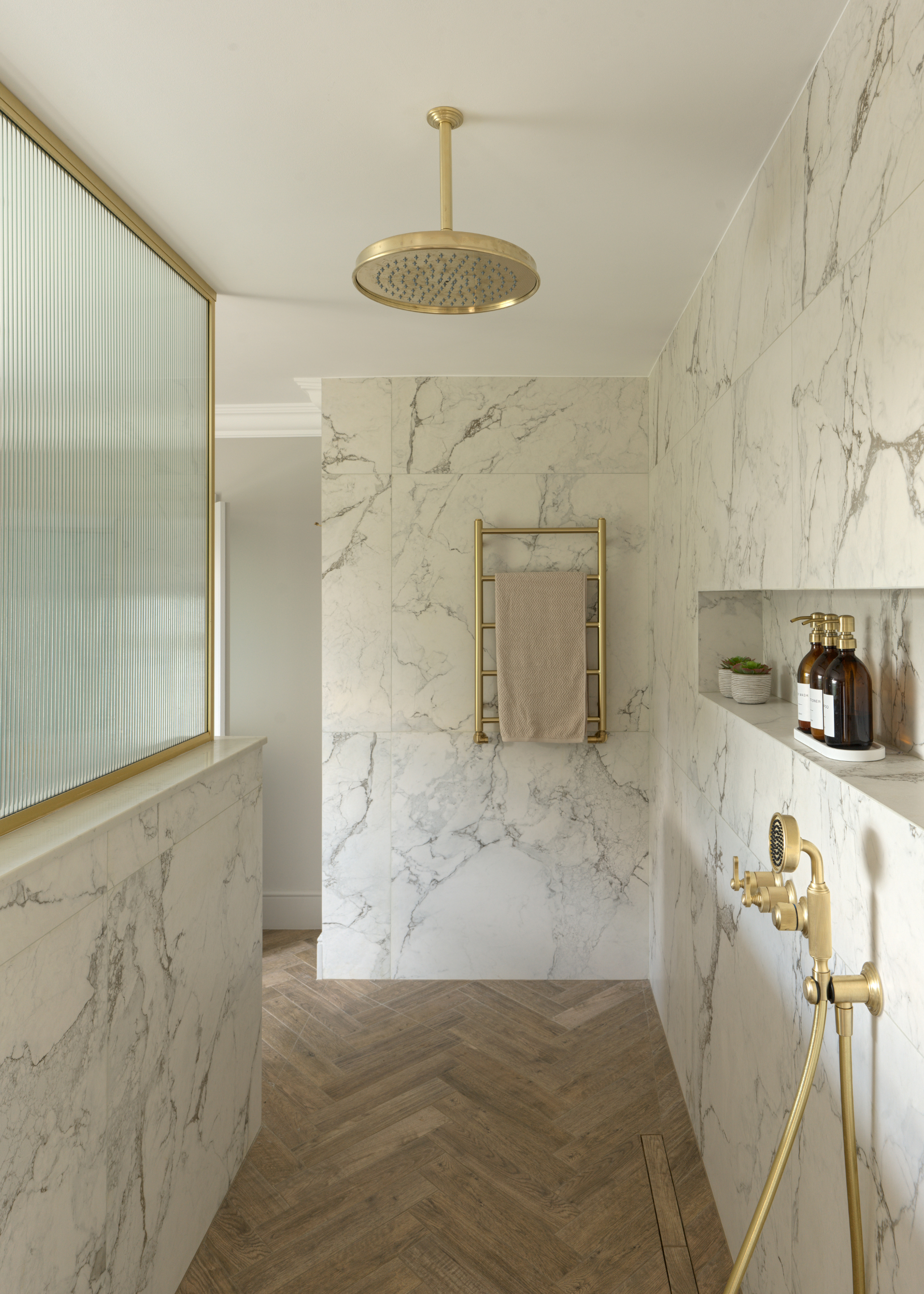
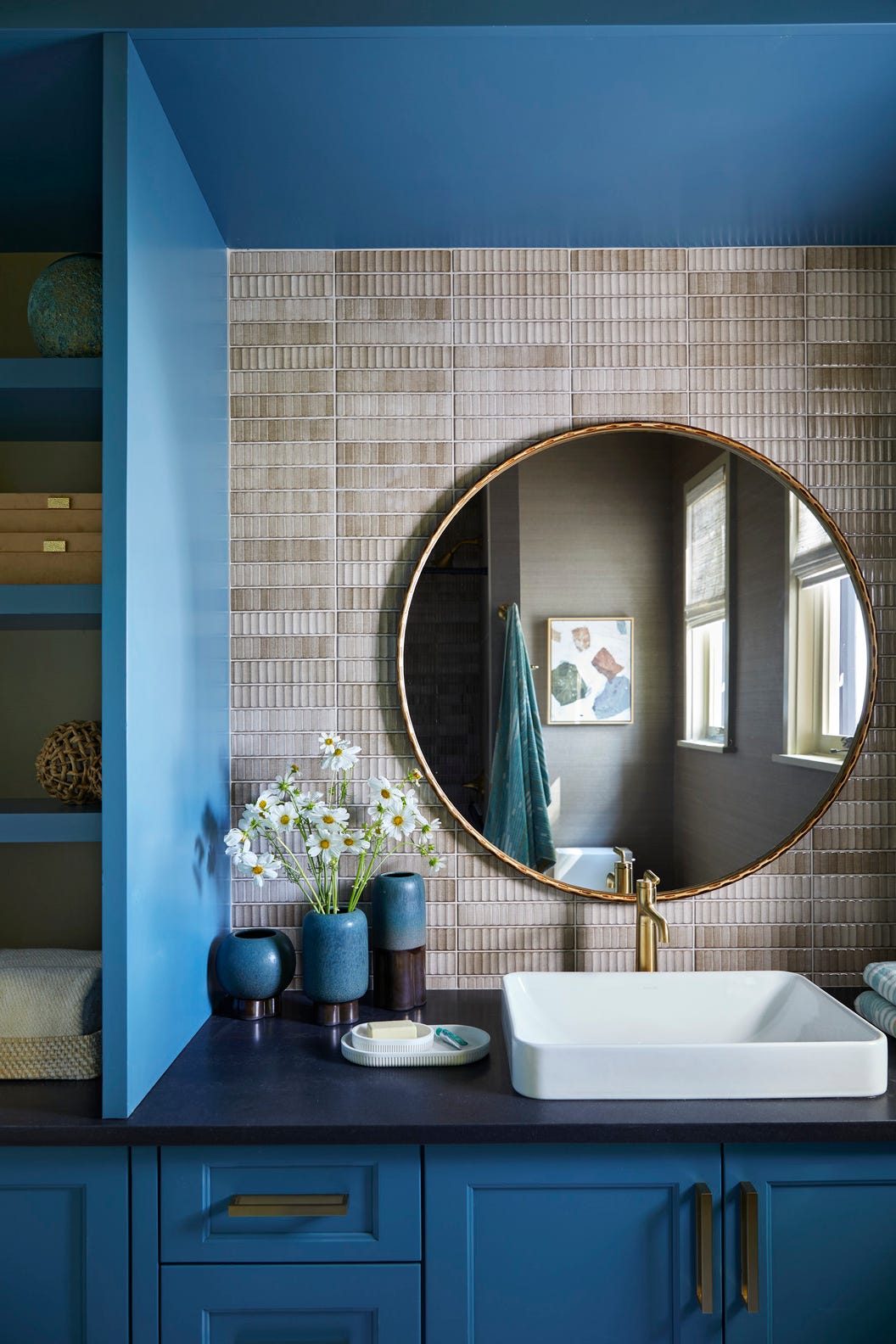
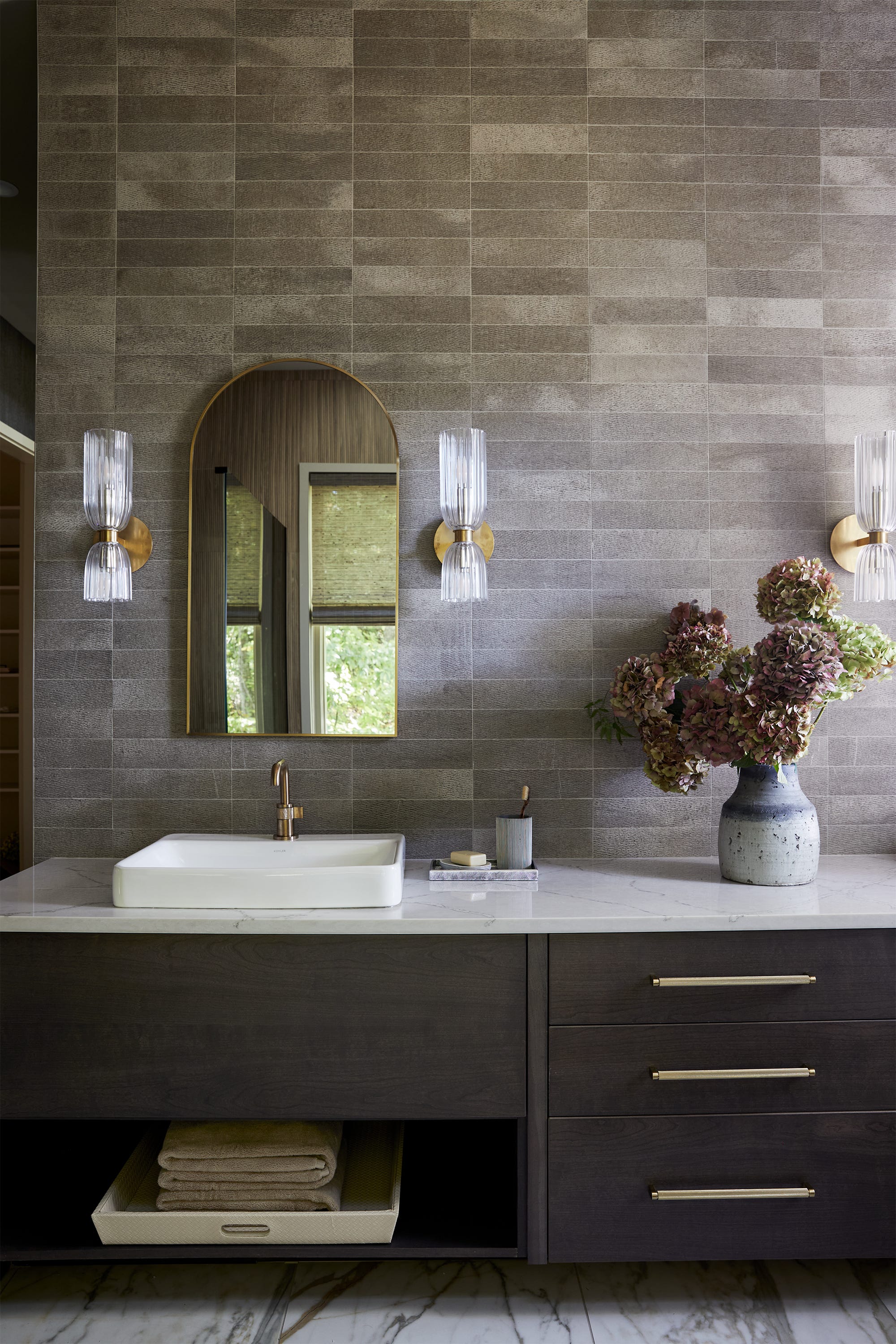
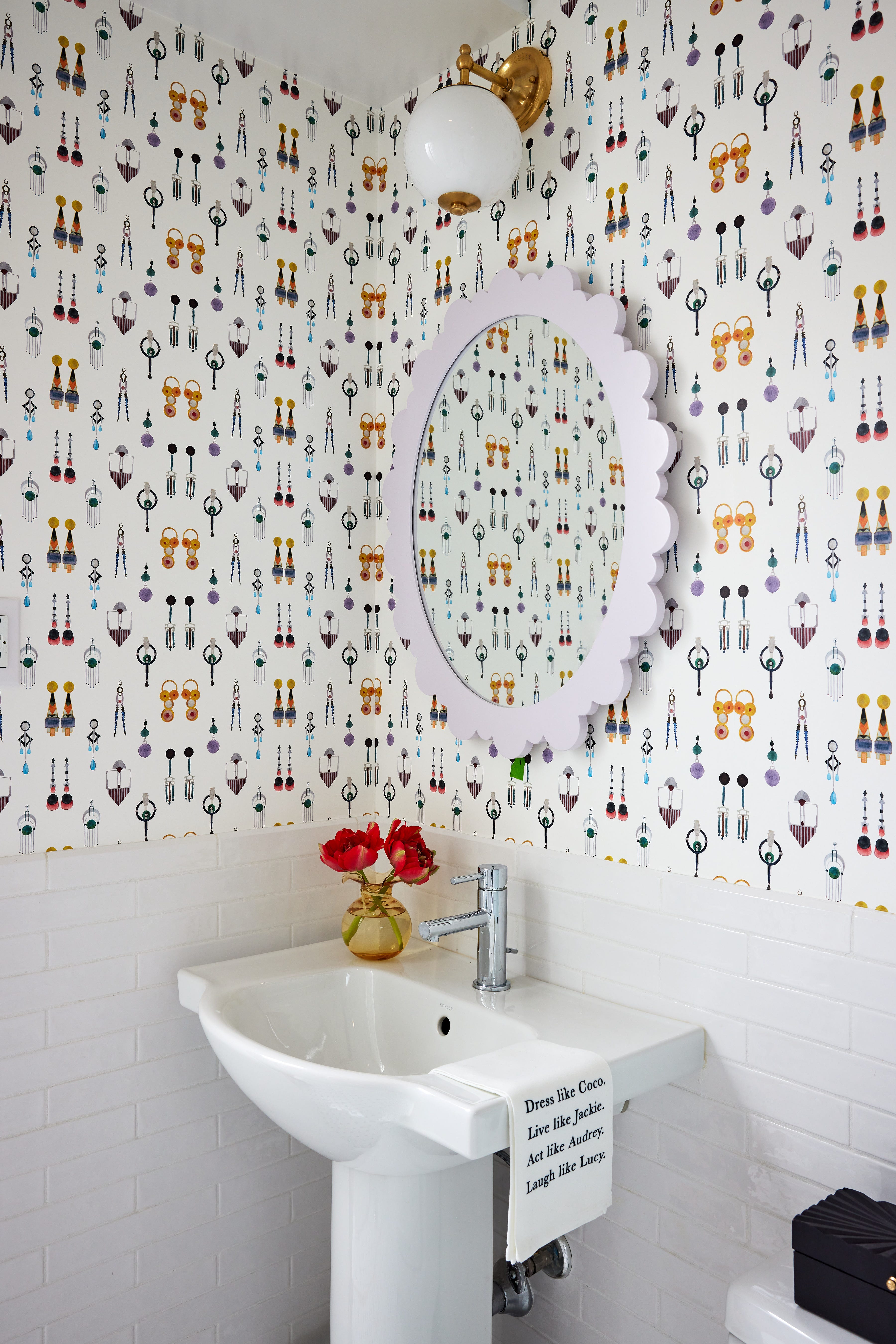
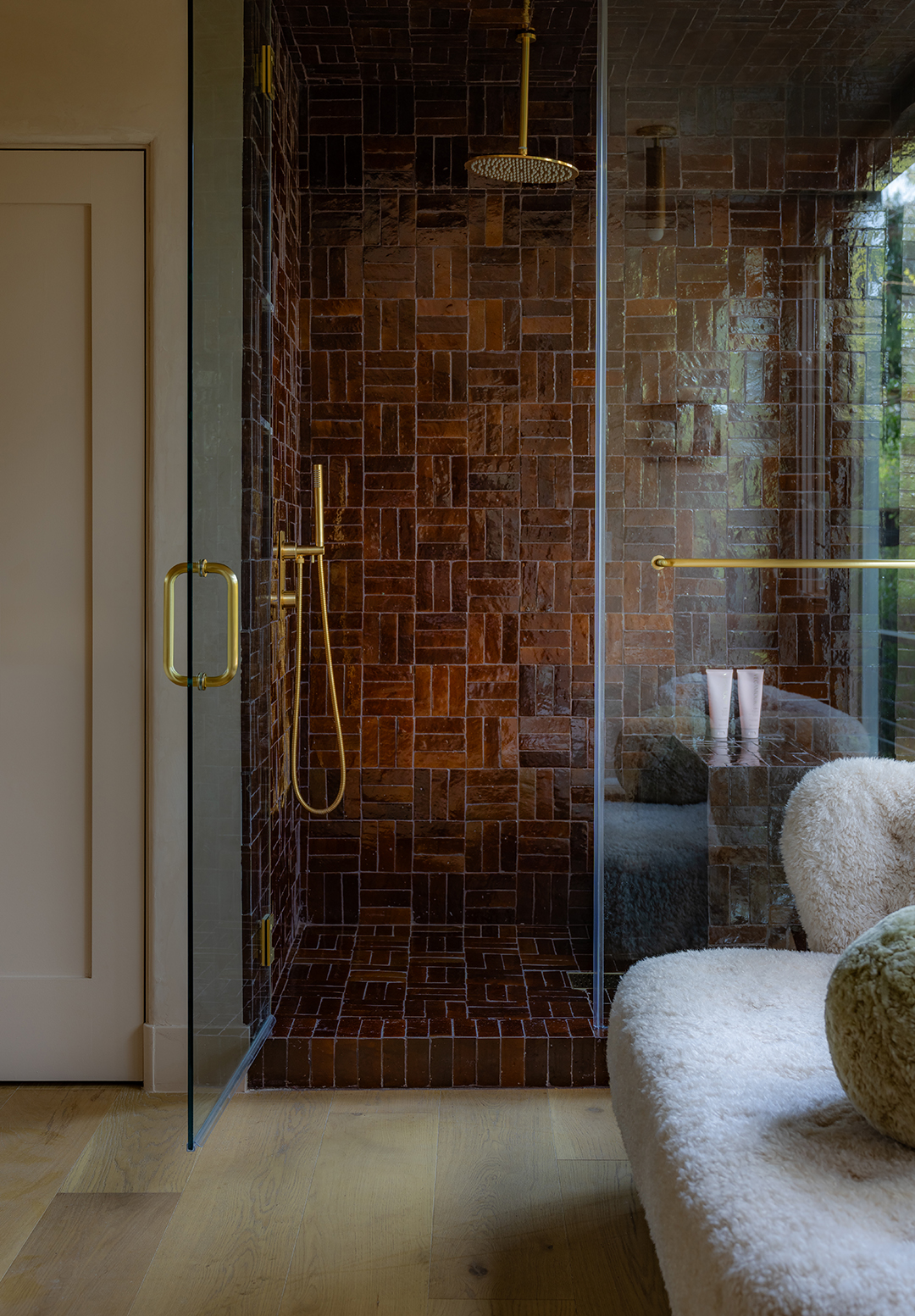
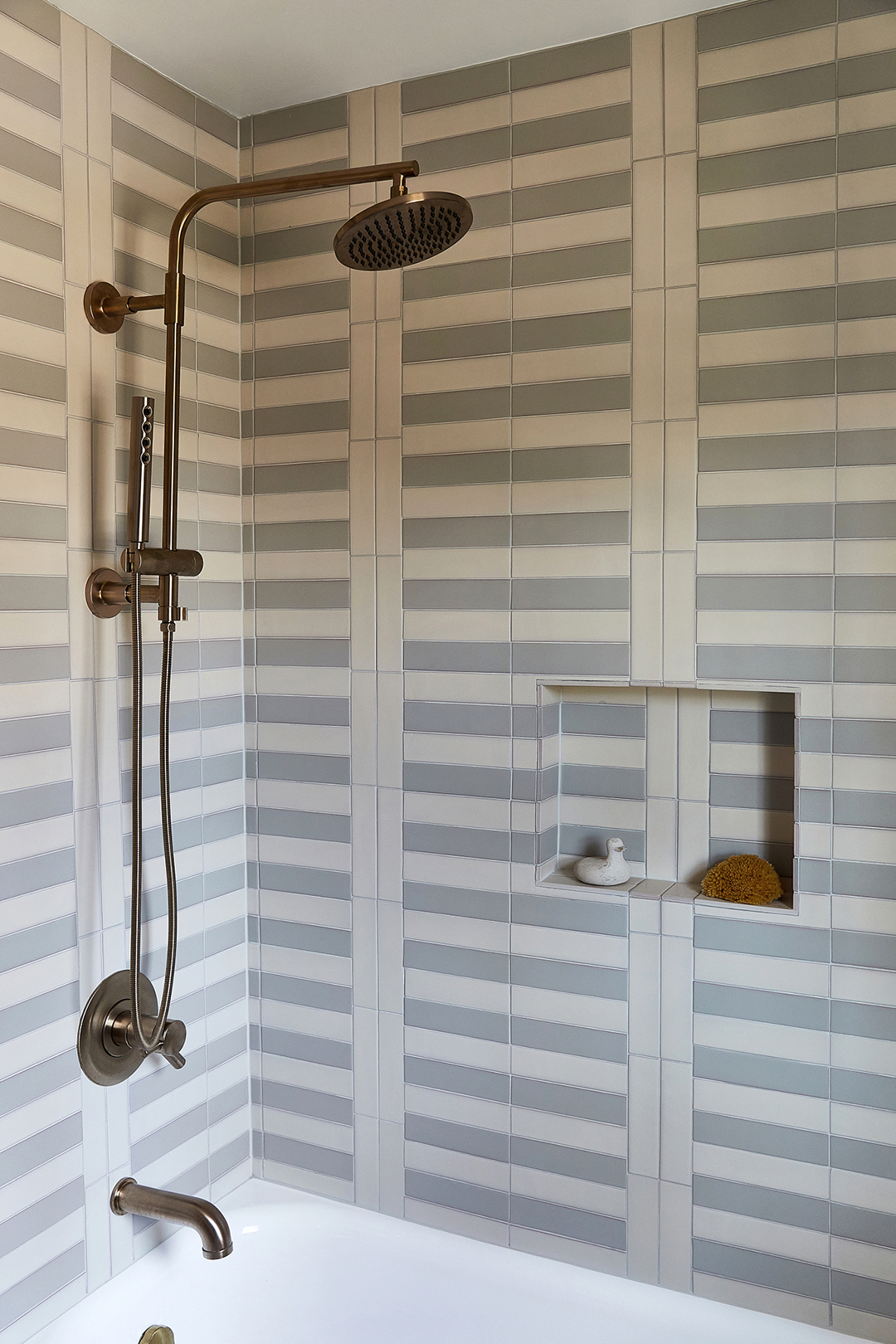
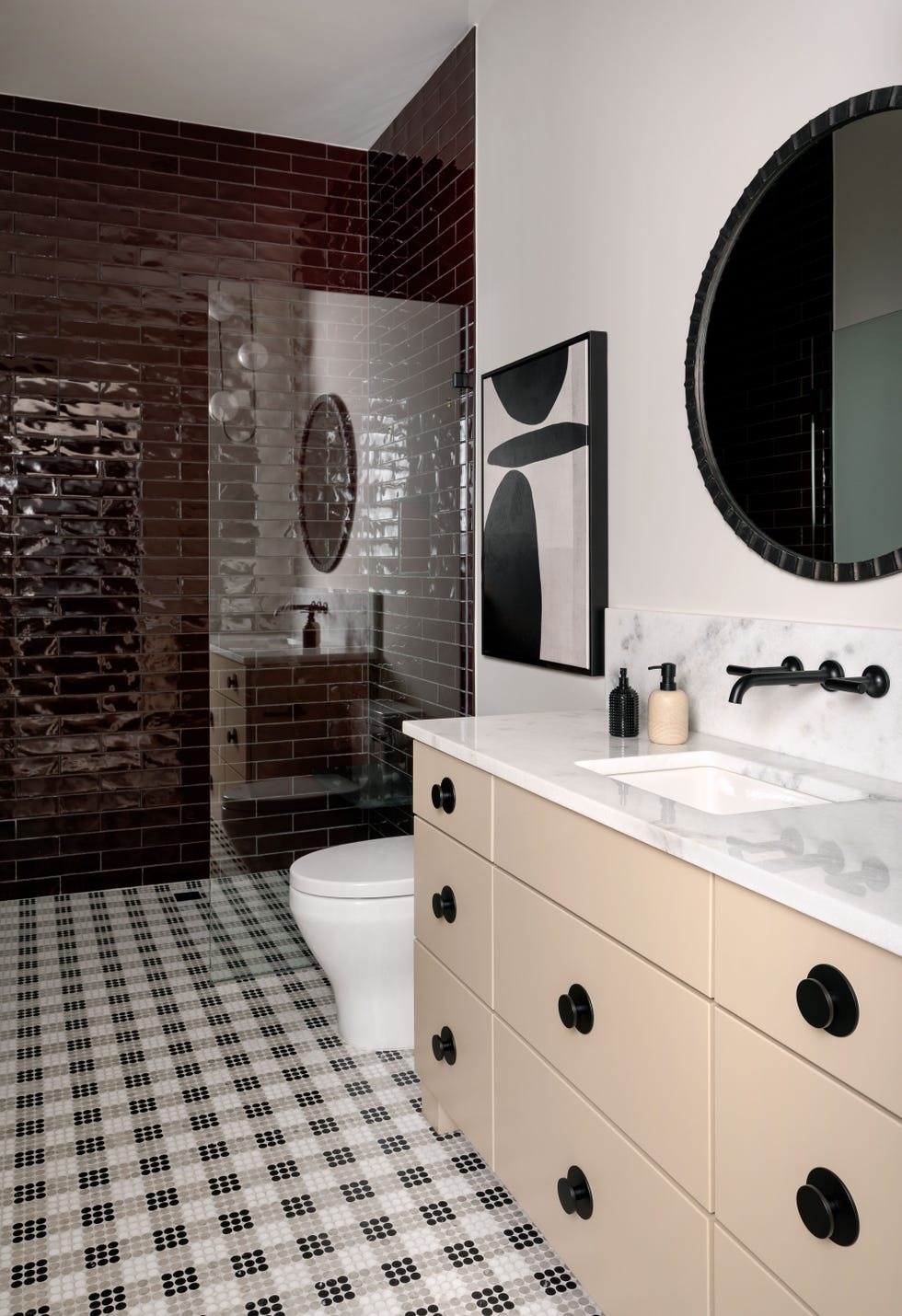
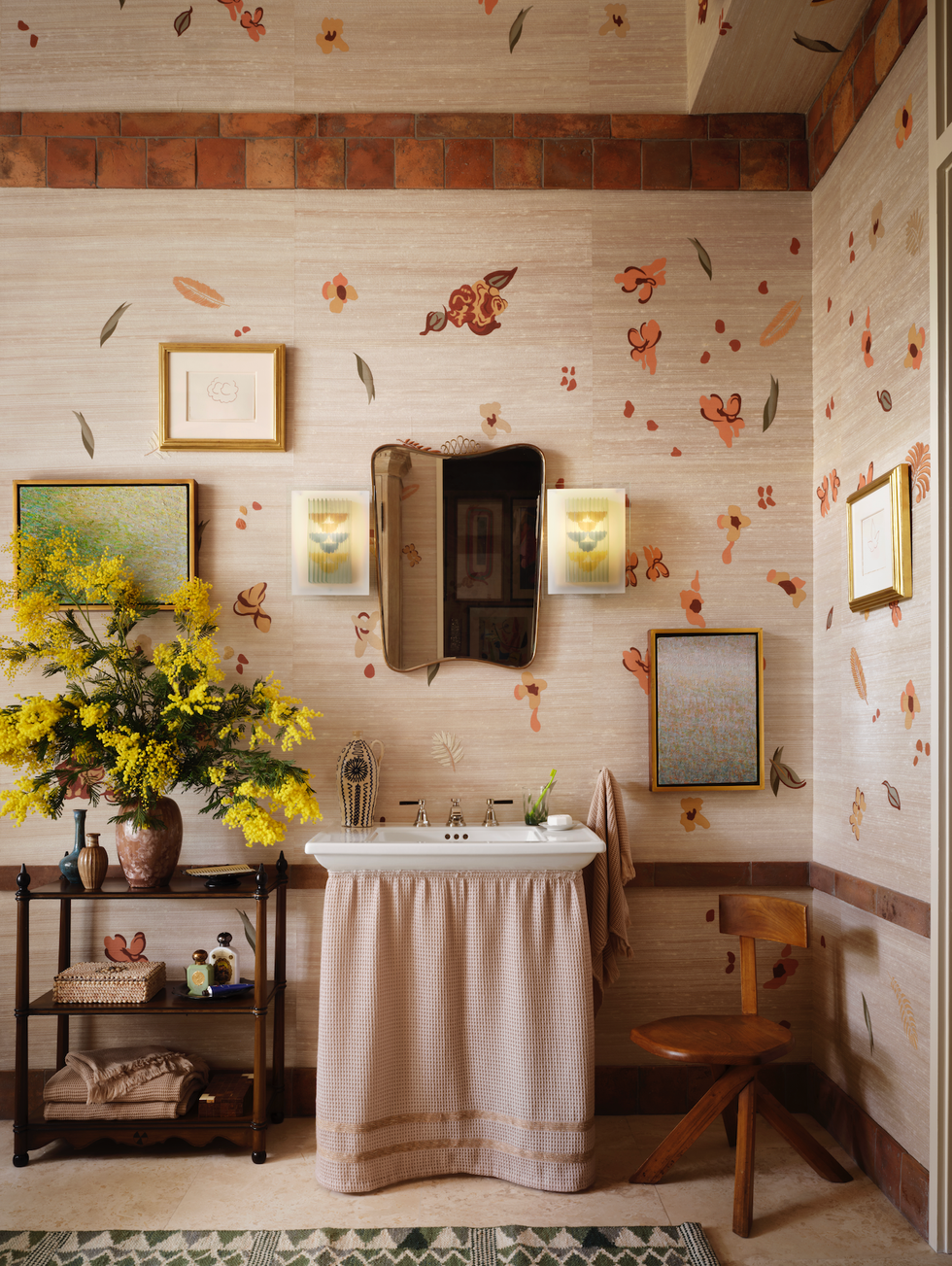
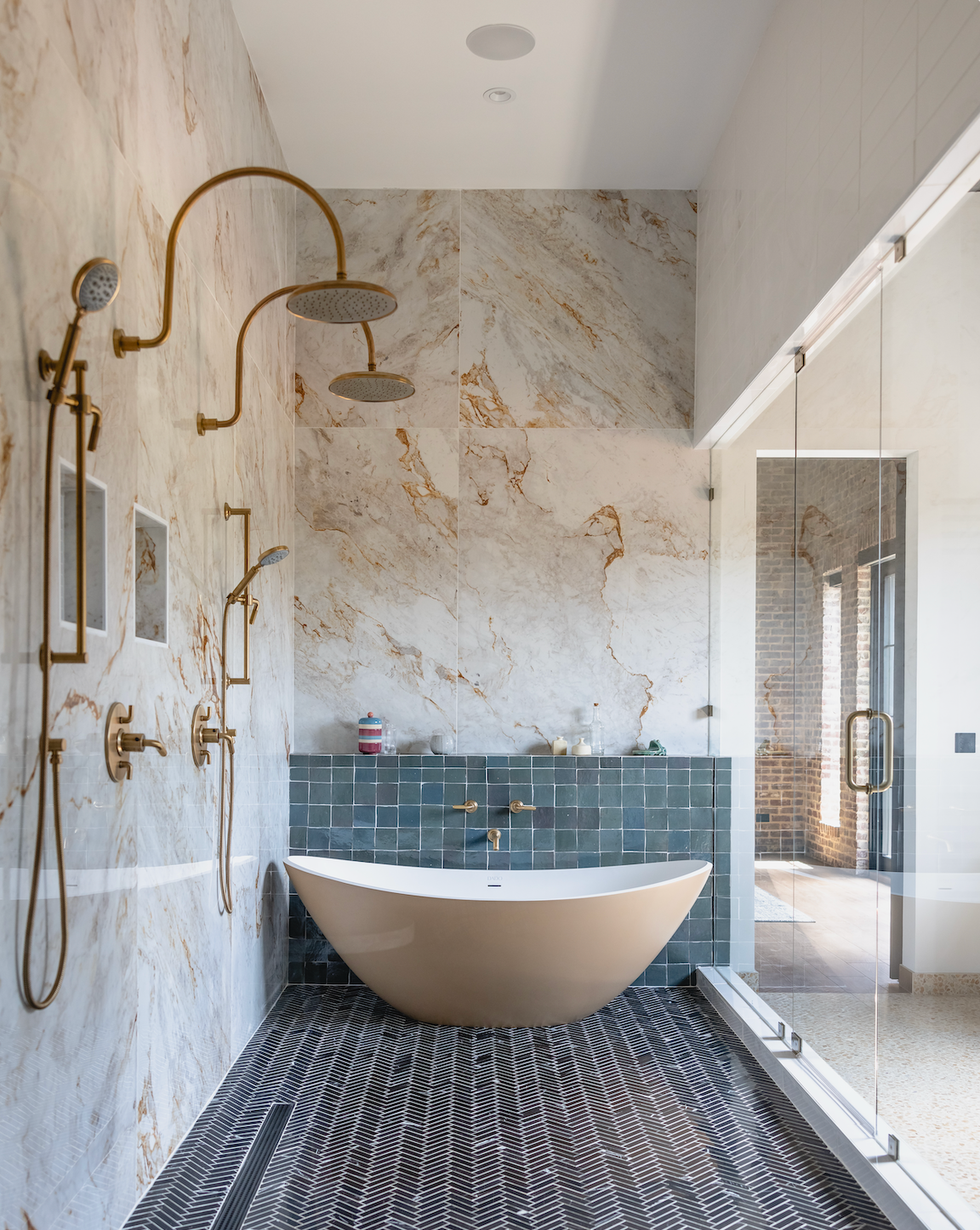
Currently, there is a notable resurgence of vintage tiled bathrooms, challenging the dominance of modern, monotonous designs. This shift is attributed to a growing appreciation for individuality and personality in home design, as observed by figures like the anonymous curator of @vintagebathroomlove. The article suggests that past trends indicate the future direction of bathroom interior design, encouraging homeowners to embrace color and unique styles. For those without original vintage bathrooms, numerous retro-inspired DIY hacks are available to inject personality into even the smallest spaces, fostering a hope that unique, character-filled bathrooms will be preserved and celebrated.
#BathroomDesign #TileTrends #InteriorDesign #ArchitecturalHistory #VintageStyle #HomeRenovation #DecorativeTiles #ColorPalettes #MidcenturyModern #BathroomDesign #TileTrends #InteriorDesign #ArchitecturalHistory #VintageStyle #HomeRenovation #DecorativeTiles #ColorPalettes #MidcenturyModern
0 comment in total
 No comments yet
You may also like
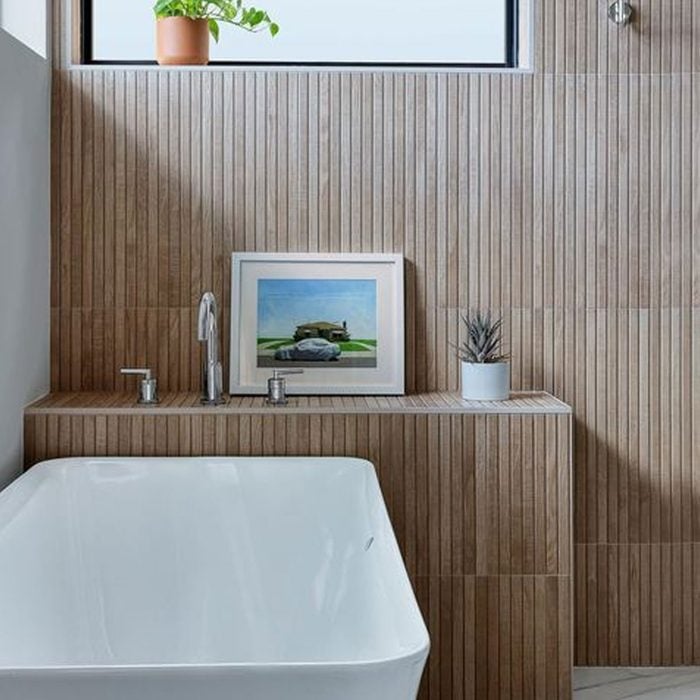
10 Bathroom Tile Trends That We Love

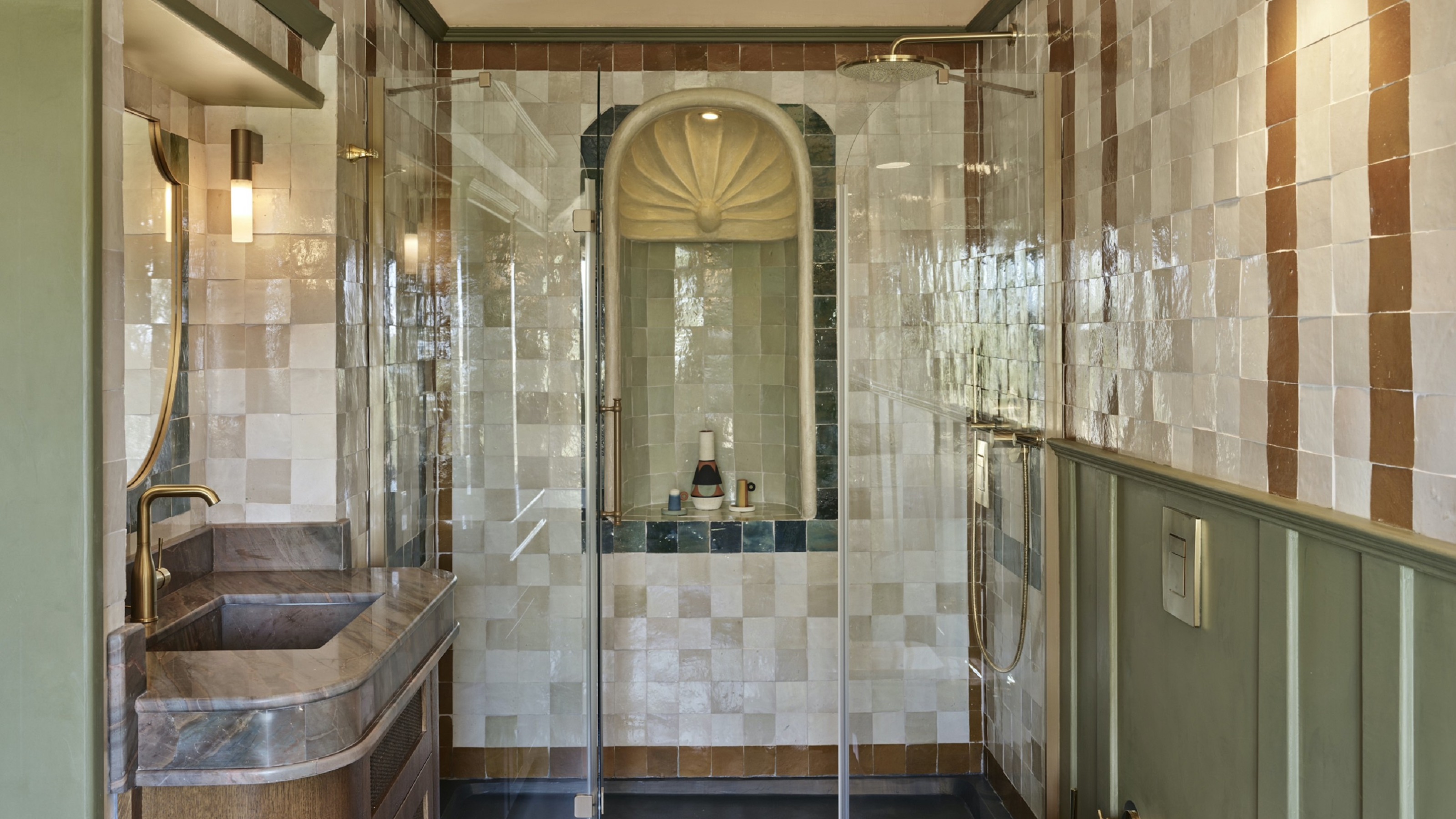
"Your Eye Doesn't Know Where to Land" — Yes, You Can Have Too Much Tile in Your Bathroom, Here's the Rule to Get the Balance Right

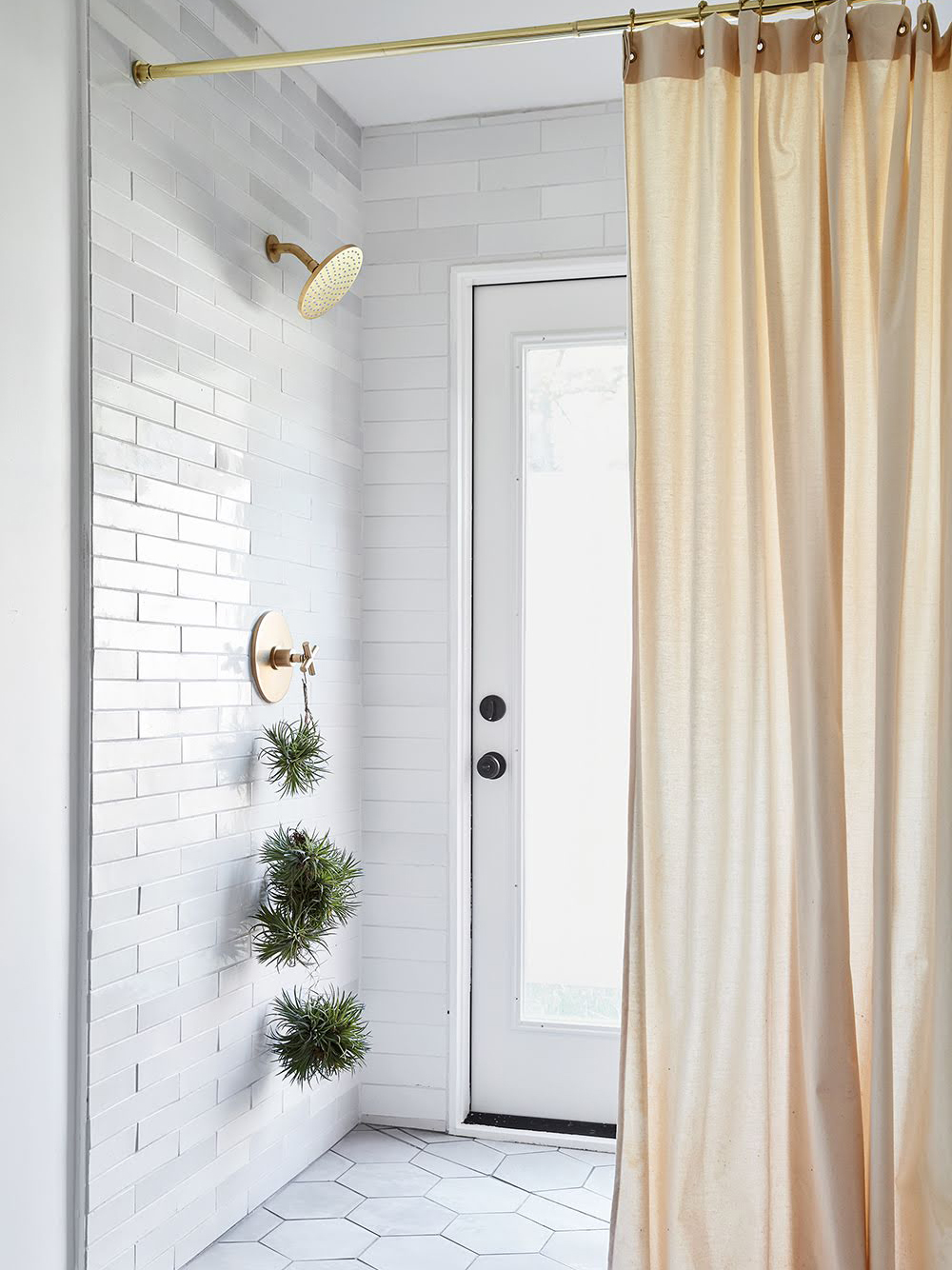
One-Third of Renovators Choose This Bathroom Tile Pattern, But We've Got Other (Just as Timeless!) Ideas


Bathroom Remodeling at PointClickHome.com – 2010 Tile Trends
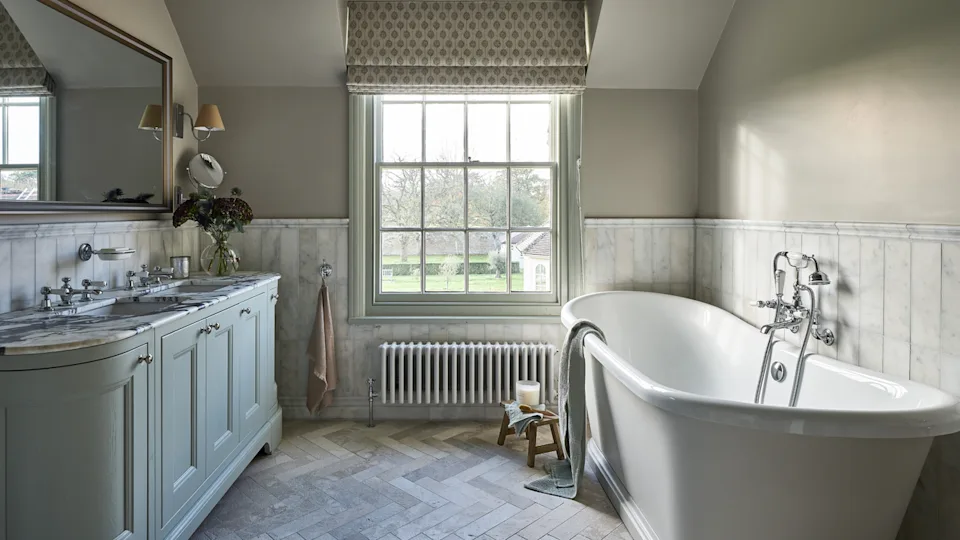
5 Outdated Tile Trends Designers Are Still Noticing in 2025 That Can Make Your Space Look Old-Fashioned
70 Beautiful Bathroom Tile Ideas That Will ELEVATE Your Space

21 bathroom tile design ideas, from trendy to timeless
Design focus: 5 new bathroom tile trends you need to know about now
5 tile trends that are taking over the bathroom

7 Tacky Bathroom Tile Patterns That Designers Are So Tired of Seeing

The "Stark Spa" Feel Is Out—Here Are 12 Bathroom Tile Trends That'll Define 2025
5 Trendy Ways to Add More Color to the Bathroom
4 Bathroom Tile Trends That Are So Outdated, According to Designers
5 Outdated Tile Trends Designers Are Still Noticing in 2025 That Can Make Your Space Look Old-Fashioned
Bathroom Tile Trends 2025 — What All the Best Dressed Bathroom Walls Are Wearing
5 outdated tile trends that are letting your kitchens and bathrooms down

5 Outdated Bathroom Flooring Trends to Avoid in 2025 — Plus the Ones the Experts Want to See More of in Your Home
Bathroom tile ideas – 23 creative ways with color, pattern and installations
The bathroom trends set to dominate from now ’til the new year
6 Bathroom Tile Patterns Designers Are Ready To Say Goodbye To