How to Become a Certified Tile Flooring Installer
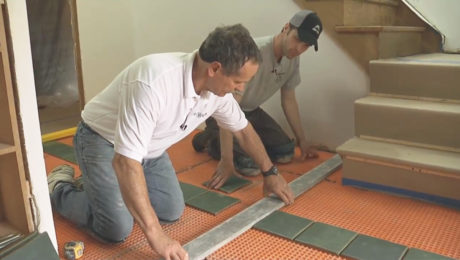
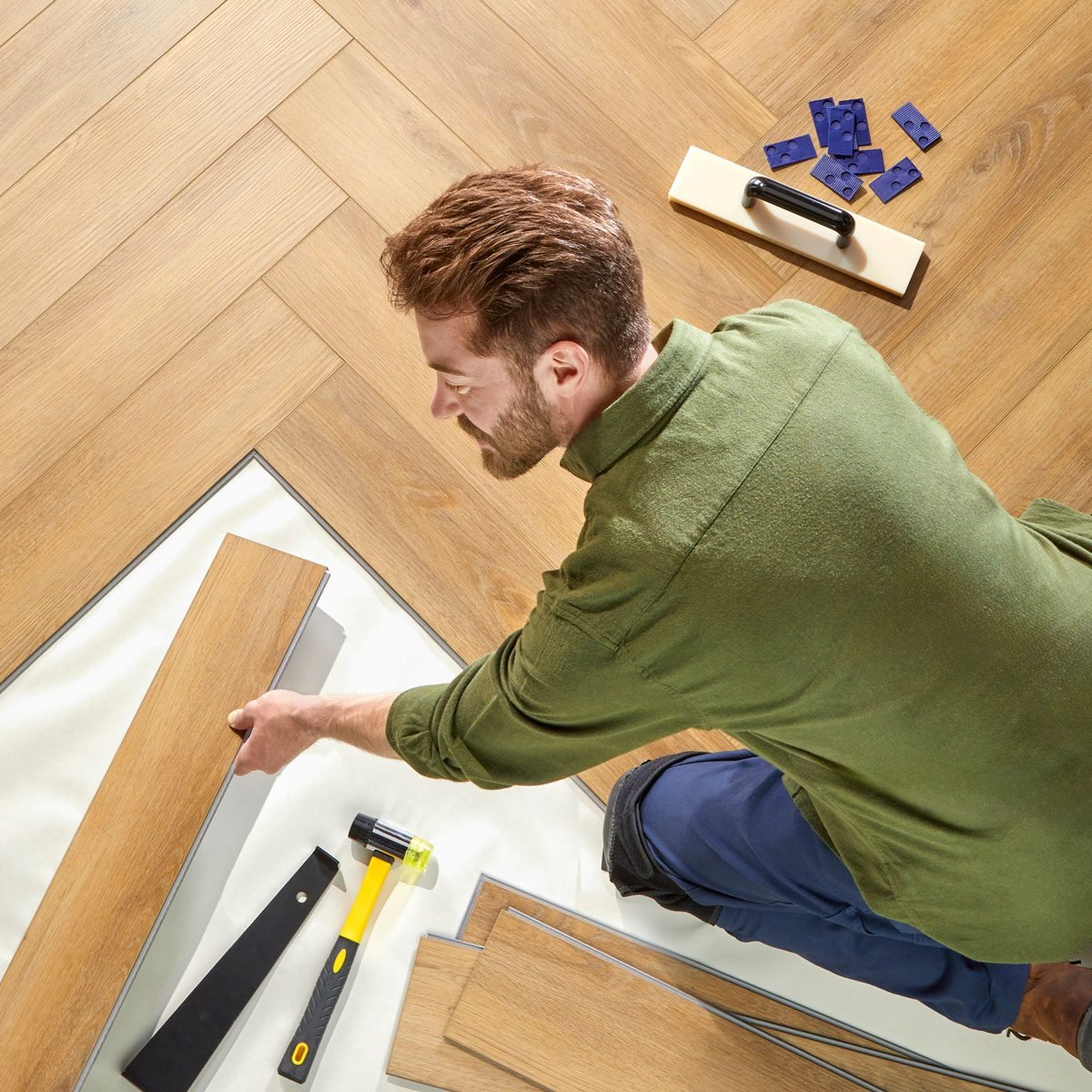
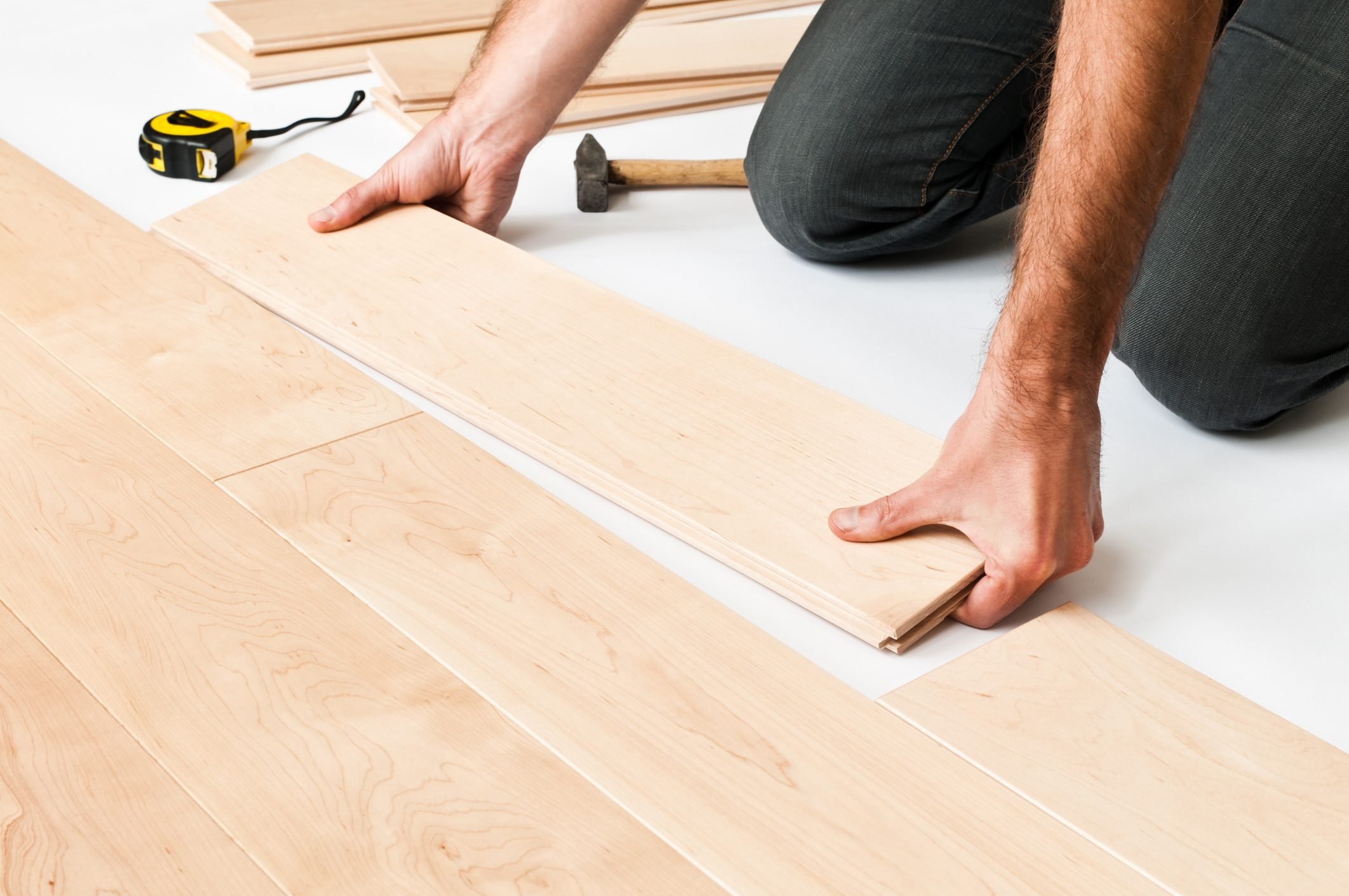
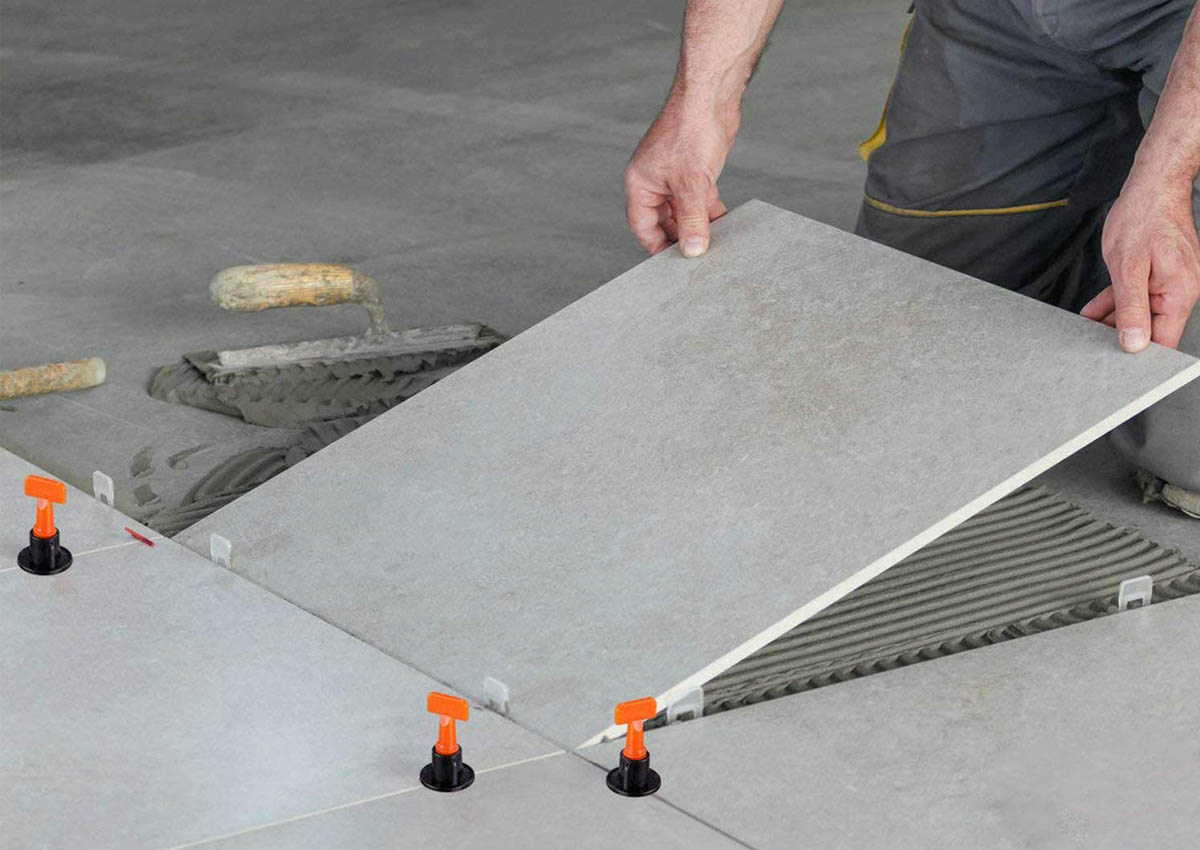
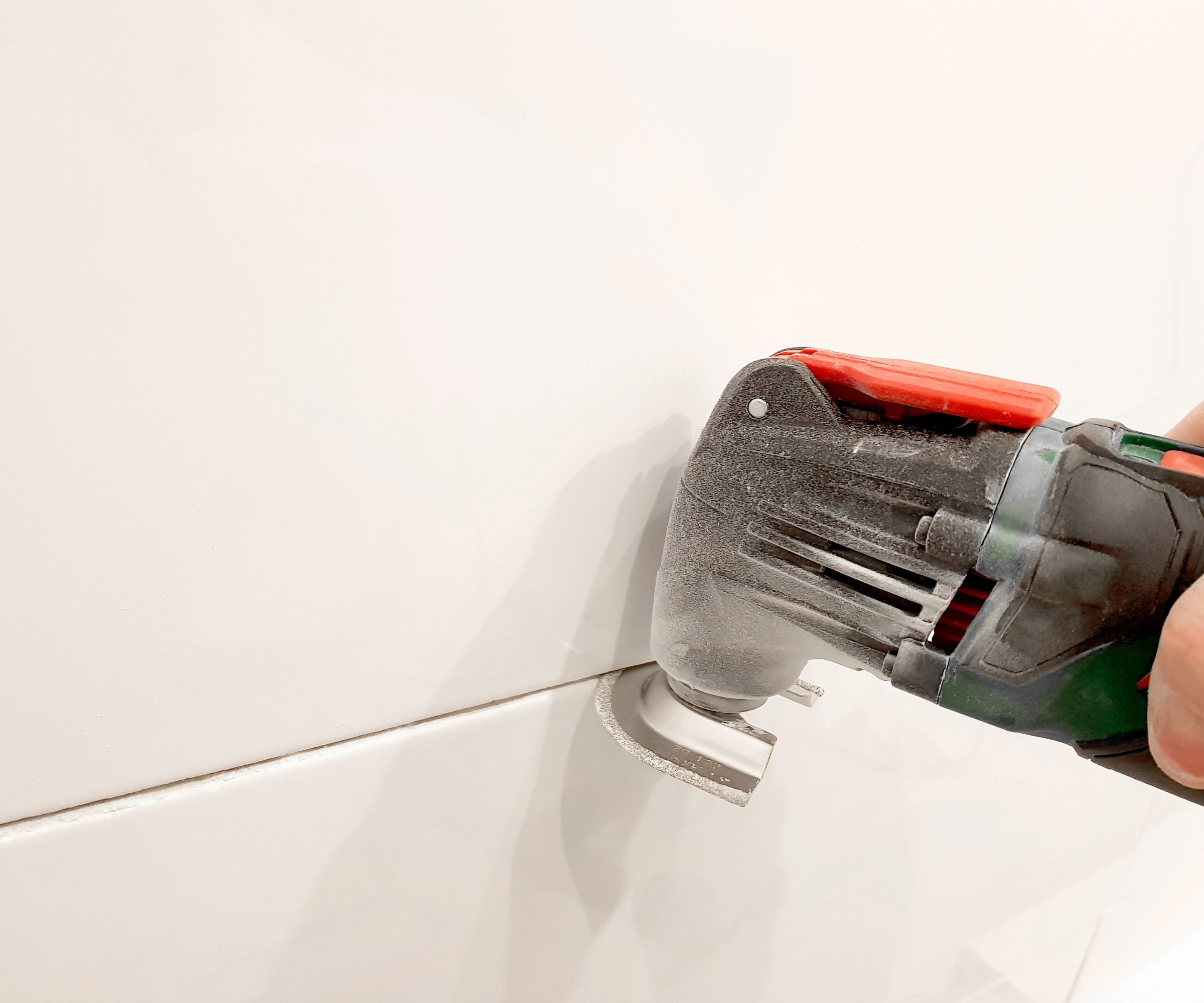
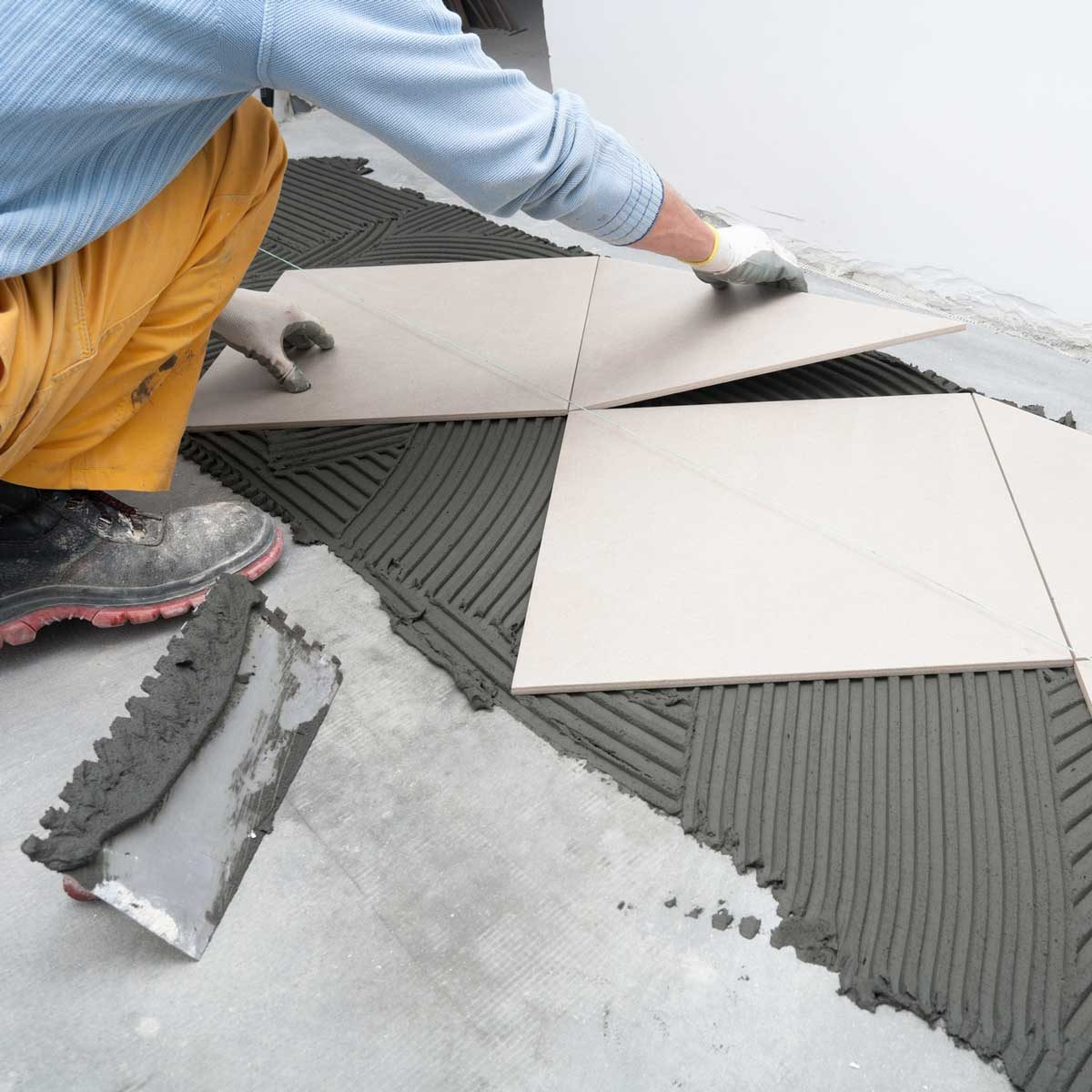
Becoming a tile setter offers a career path characterized by steady work, competitive wages, and tangible results, as highlighted by Laurent “Frenchy” Billaud, who has over two decades of experience in the Los Angeles area. Billaud emphasizes the consistent demand for tile flooring installers and the financial opportunities available in the trade. The initial steps to becoming a tile flooring installer involve hands-on experience, often starting as a helper on a job site. This role primarily involves physically demanding tasks such as lifting, carrying materials, and mixing thinset, a type of mortar for tile adhesion. While helpers typically earn minimum wage or slightly more, this foundational experience is crucial for understanding the trade and progressing into more formal training. The physical demands of tile setting are significant, requiring installers to spend considerable time bent over or on their knees, and involving the precise cutting and grinding of tiles.
Formal training for aspiring tile flooring installers generally requires a high school diploma or GED, along with the physical strength to handle materials and reliable transportation to job sites. A strong work ethic and a commitment to learning the intricacies of the trade are essential for success. Billaud notes a lack of dedicated trade schools for tile installation, making on-the-job experience a common learning route. However, relying solely on uncertified experience can limit career advancement and independence. To achieve a more comprehensive and recognized skill set, Billaud suggests enrolling in an apprenticeship program or basic training courses offered by organizations like the Ceramic Tile Education Foundation.
While not all states mandate apprenticeships, these programs are highly recommended for their structured approach to training. A typical apprenticeship spans four years, combining approximately 2,000 hours of on-site work annually with about 150 hours of classroom or online instruction. Apprentices receive a progressive percentage of the journey-worker's negotiated wage, increasing with their time in the program. The costs of these apprenticeships are often shared between contractors and unions, minimizing financial burden on apprentices who typically only pay for basic materials. Upon completing an apprenticeship, individuals qualify as journey-workers, enabling them to work independently. Further career progression includes obtaining certification in installation or securing a license to establish and operate one's own tile installation business.
The earning potential for tile flooring installers varies based on experience and specialization. According to the U.S. Bureau of Labor Statistics, the median annual wage for tile setters is approximately $43,000. However, this figure can fluctuate, with finishers—those who primarily apply grout, sealants, and caulk—tending to earn slightly less. Billaud indicates that a reliable tile setter might earn around $25 per hour, while unionized workers in regions like New York or New Jersey can command higher rates, such as $60 per hour. For those who establish their own tile installation companies, the earning potential is primarily dictated by their business acumen, ability to secure clients, and overall management skills.
#TileInstallation #FlooringContractors #CareerPath #Apprenticeship #ConstructionTrades #SkilledLabor #VocationalTraining #HomeImprovement #JobMarket #TileInstallation #FlooringContractors #CareerPath #Apprenticeship #ConstructionTrades #SkilledLabor #VocationalTraining #HomeImprovement #JobMarket
0 opmerkingen in totaal
 Nog geen opmerkingen
Dit vindt u mogelijk ook leuk

How to Tile a Bathroom Floor Yourself
Home Flooring Installation and Repair
How to tile a bathroom wall – 10 steps to give your space a DIY refresh

How to Install a Subfloor

Video Series: Foyer Tile Installation
The Easiest Way To Install Laminate Flooring, According To An Expert

How to tile stairs – expert advice for tackling this tricky project

How to regrout between tiles to keep them from looking tired in 6 simple steps
Expert Tips For Perfecting Quarry Tile Floor Installation At Home
Install Tile Backerboard

Bathroom Tiles

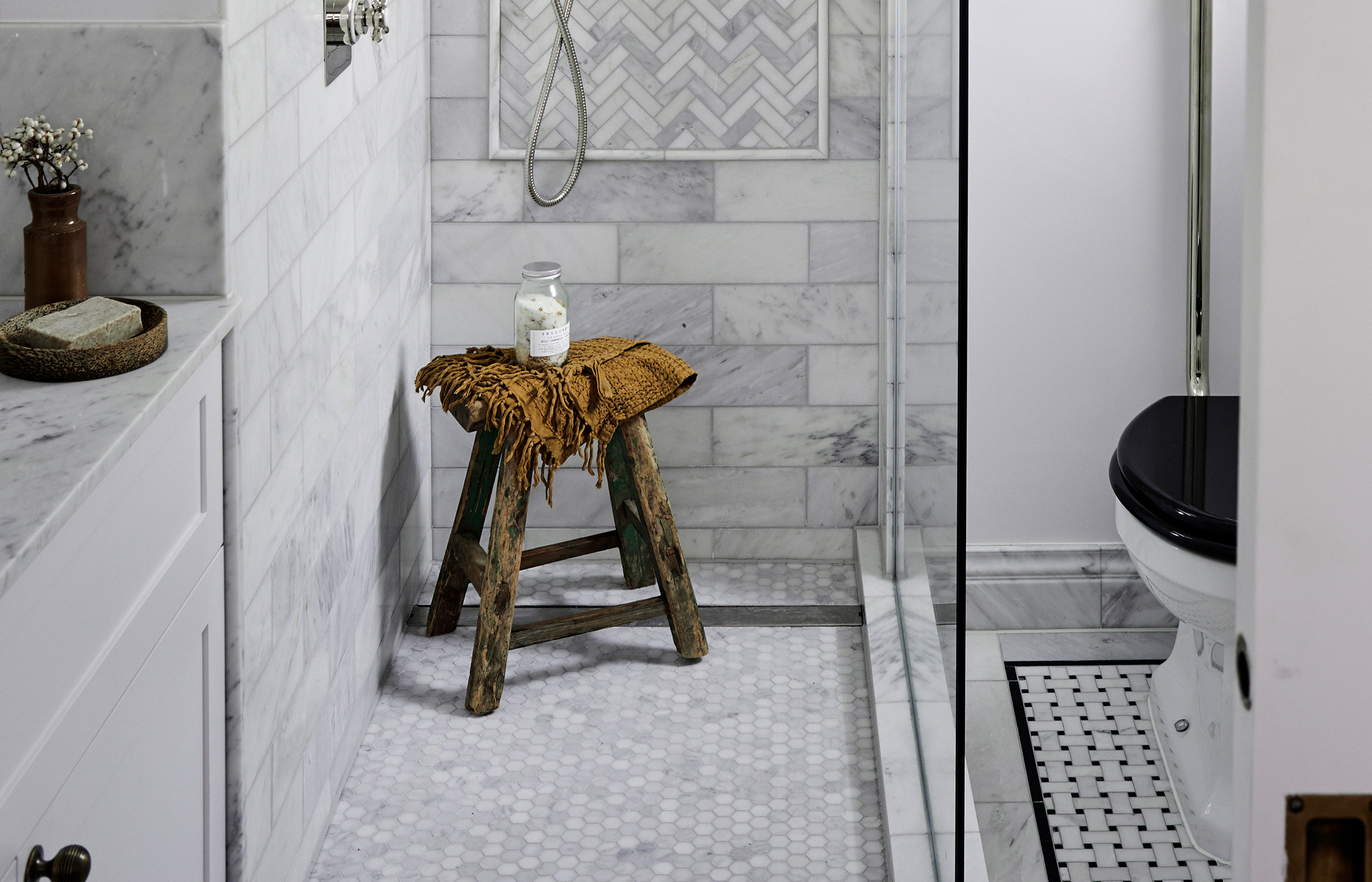
Can I use mosaic tiles on the floor? Expert advice you need to know before making your decision
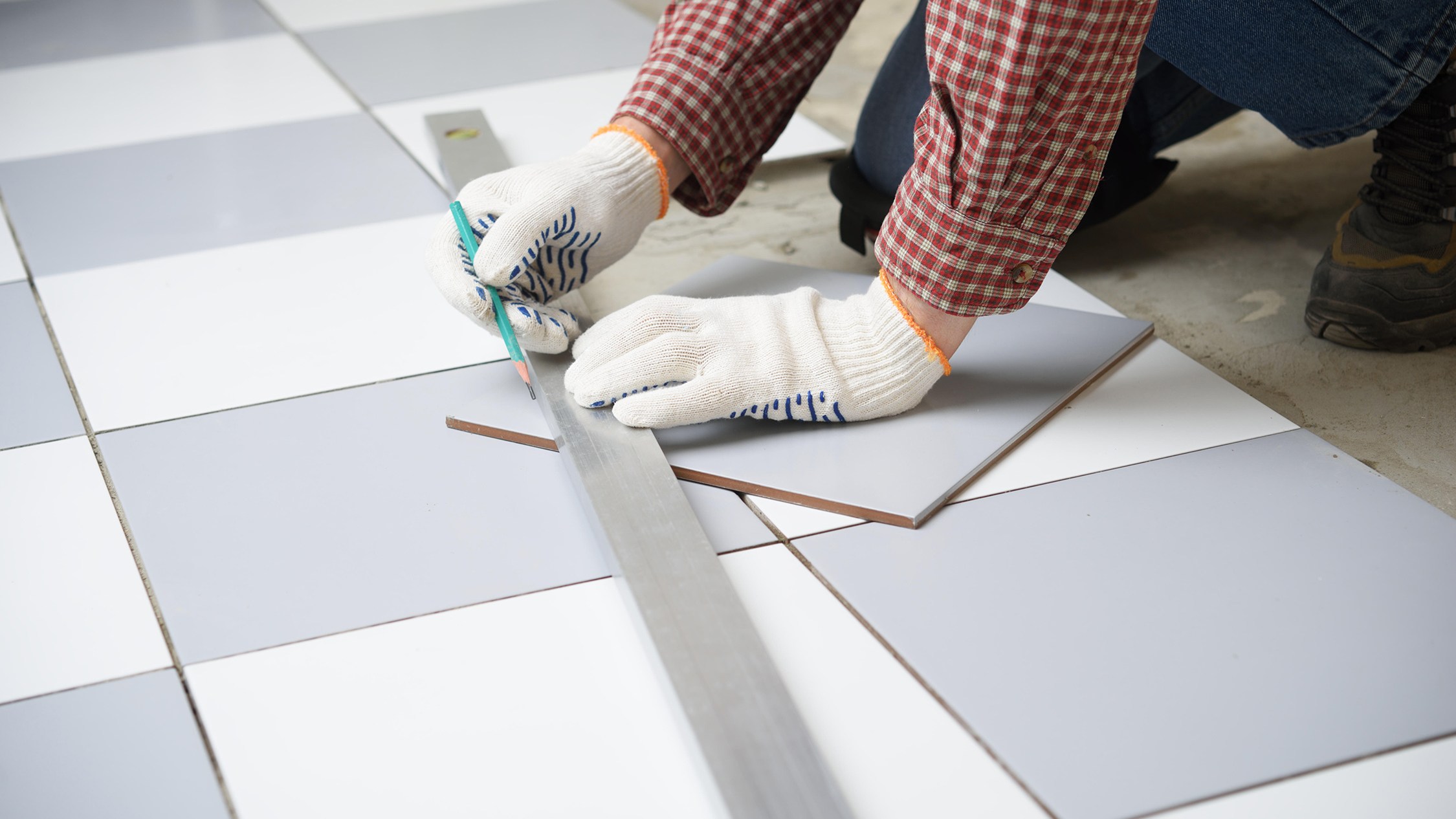
From preparation to cutting, here's how to lay floor tiles

Fit to be tiled


The Best Flooring Companies Near Austin, According to Locals


Tips for DIY flooring projects: Everything you need to know

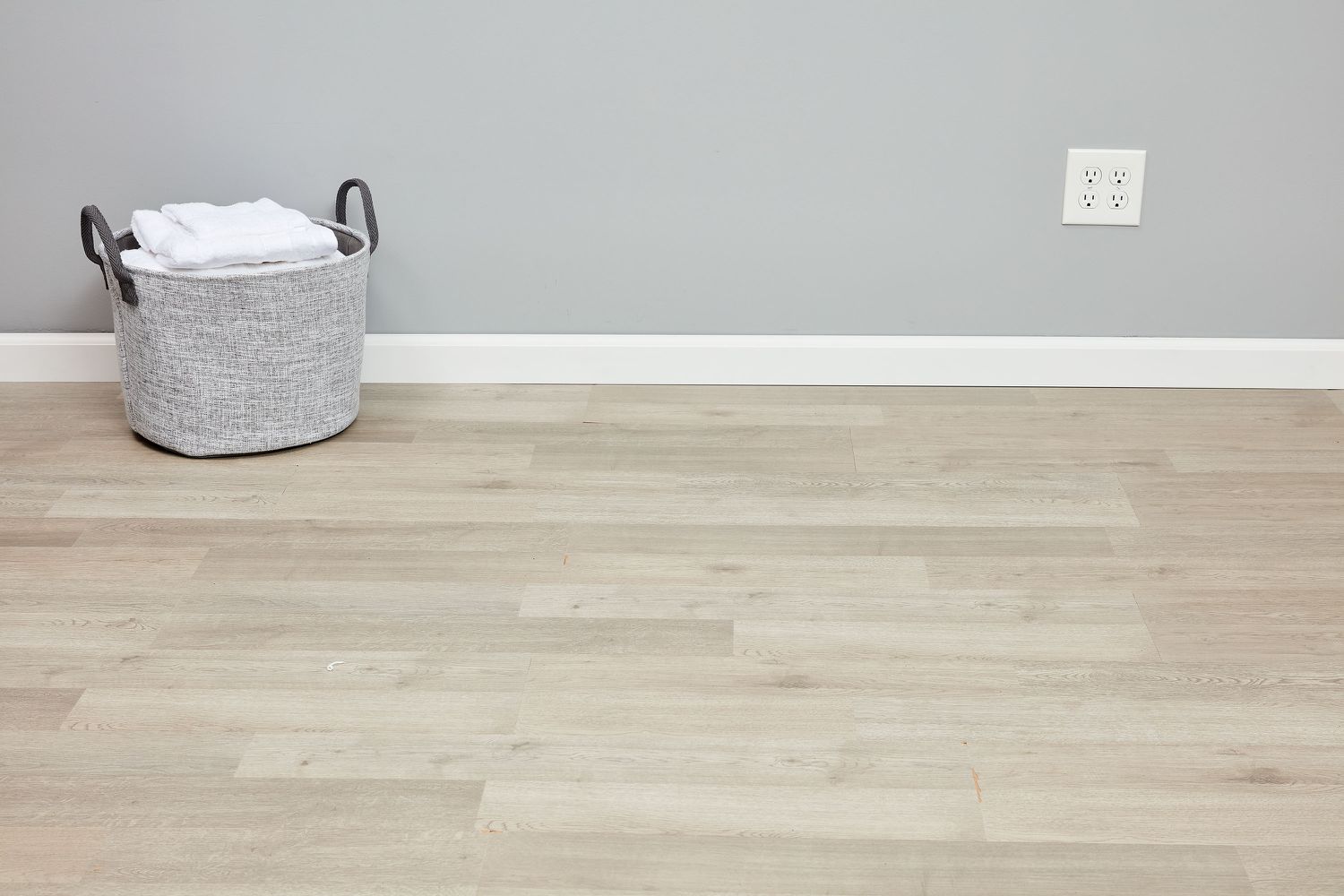
Learn How to Install Laminate Flooring Yourself

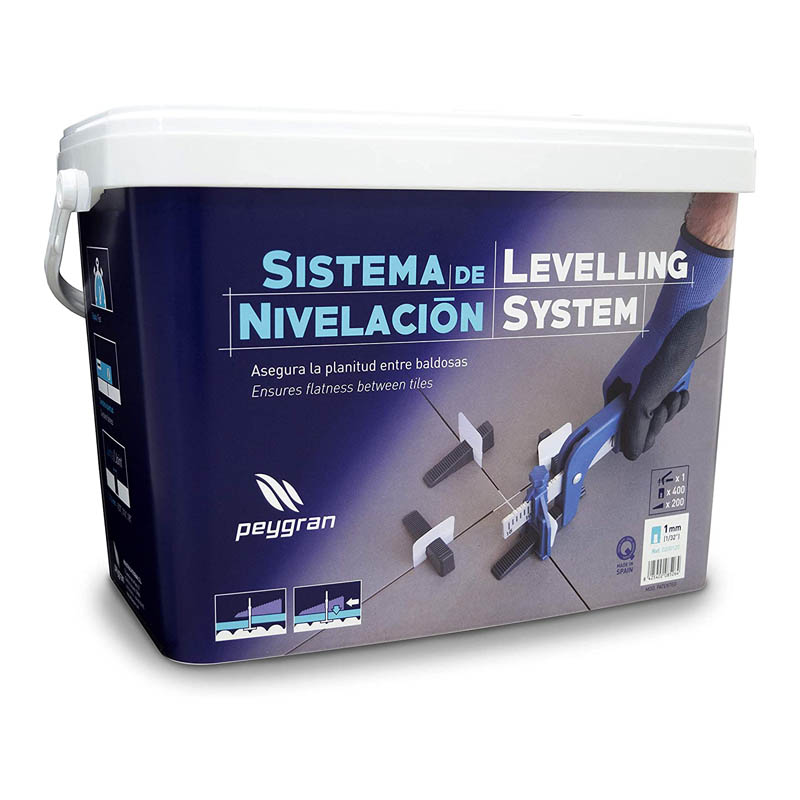
The Best Tile Leveling Systems for DIYers or Pros

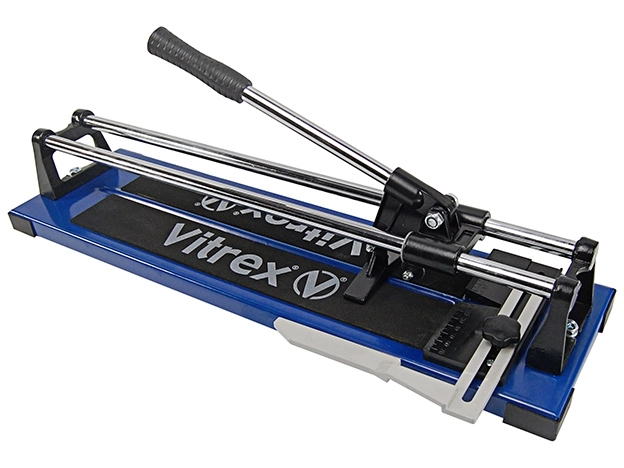
Tile Tools & Accessories
Tiling 102: The Bathroom Floor (Published 2013)