1/9
How a Smart Interior Design Saved This House
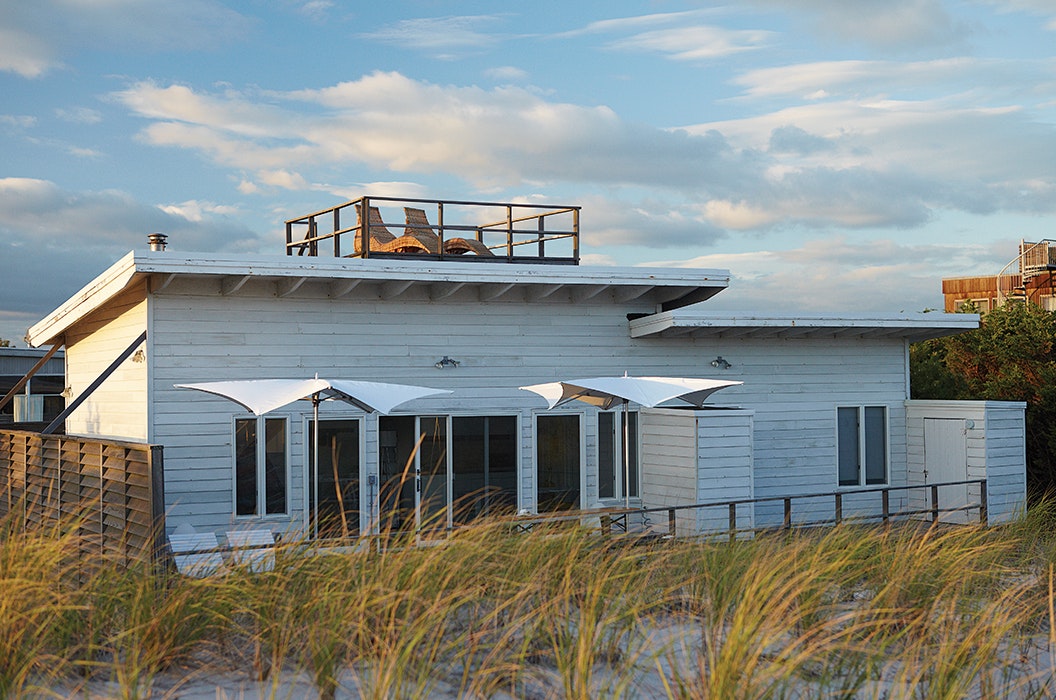
This article highlights the successful interior design intervention by Alexandra Angle that saved a 1950s beach house on Fire Island, New York, from demolition. The property, an architecturally unremarkable 1,400-square-foot wooden cabin, was acquired by a New York City couple, a real estate executive and a bond trader, with the intention of either radically renovating or rebuilding it. The husband had spent his childhood summers on Fire Island, and the couple sought a beach retreat suitable for their two young sons.
Angle, a college friend of the wife and a designer who had previously worked on their Manhattan and upstate New York homes, was tasked with making the beach house livable for the upcoming summer of 2010. The initial plan was to use her temporary solutions as a stopgap before undertaking a full renovation or demolition. However, Angle's transformations proved so effective and delightful that the family decided to indefinitely postpone any major structural changes, effectively saving the original house.
The project presented challenges due to a tight three-month deadline and a limited budget, as the improvements were initially considered temporary. Angle’s primary design strategy involved using color to revitalize the space. She maintained white walls and ceilings throughout, using vibrant accents inspired by the colorful kāhili feather standards she encountered at the Bernice Pauahi Bishop Museum in Honolulu. This approach infused the once-drab dwelling with a bright, welcoming atmosphere.
In the main living area, which features expansive ocean views through floor-to-ceiling windows, Angle refreshed the built-in banquettes with durable fabric from Liberty, anticipating heavy use. She painted an existing piano white and complemented it with Källemo chairs and a Flos floor lamp. A custom medicine chest, designed by Angle, was integrated as a bar. A wood-burning stove by Antonio Citterio with Toan Nguyen provided warmth, while a whimsical Tropicalia Cocoon swinging nest chair by Patricia Urquiola added a playful touch, particularly enjoyed by the children.
The kitchen received a simple yet impactful update: cabinet doors were removed, and the interiors were painted a striking Poppy Red by Benjamin Moore. The refrigerator, stove, and countertop were replaced. Armstrong linoleum was chosen for its practicality and cost-effectiveness in a beach house, laid in an orange-and-white striped pattern in the kitchen and throughout the home. The dining area, kept mostly white, featured Bertoia chairs, a Kartell table, and a print by Leo de Goede.
To brighten a dark hallway, Angle painted the doors to the four bedrooms in shades coordinating with the rooms beyond. The bedrooms themselves were sparsely furnished in white, with color introduced through linens, accessories, and lighting. The two sons shared separate rooms for sleeping and playing. The bathrooms, showing signs of age with worn fixtures and rust, underwent more significant changes. Angle retained the plumbing but reconfigured walls and installed new fixtures. Both bathrooms now showcase boldly striped linoleum floors.
Five years after Angle's intervention, the family continues to enjoy their revitalized beach house, which remains in excellent condition. The success of her design negated the need for the extensive overhaul that was originally contemplated, demonstrating how strategic and thoughtful interior design can breathe new life into an existing structure and avert its destruction.
#InteriorDesign #BeachHouse #HomeRenovation #FireIsland #AlexandraAngle #ColorPalette #MidCenturyModern #CoastalLiving #HomeTransformation #InteriorDesign #BeachHouse #HomeRenovation #FireIsland #AlexandraAngle #ColorPalette #MidCenturyModern #CoastalLiving #HomeTransformation
0 opmerkingen in totaal
 Nog geen opmerkingen
Dit vindt u mogelijk ook leuk
This House Survived a Wildfire Because of Its Smart Design. Here’s How.
Invest In Your Nest: 41 Home Upgrades That Pay Off In Comfort And Value
This $28 Purchase Solved a Designer’s All-Too-Common Wall Eyesore

6 Ways to Modernize Your Home While Keeping Its Character, According to Designers

7 Things You Should Always Preserve or Try to Save in an Old Home, According to Designers

This House's Layout Was Actually Great, But Its Interiors Weren't. Here's How a Designer Fixed it.

Stephen Orr: Making Renovations Matter

Contractors Swear By These Weird Things That Make Your Home Look Way More Expensive

How a Designer Turned This "Modern White Box" Into a Lively—and Functional—Family Home

3 Home Decor Items You Should Always Splurge on (and When to Save Instead)

An Architect Turned This Old Summer Camp Into a Charming Family Home

Interior Designer Shares Simple But Brilliant Home Improvement Hacks, Goes Viral


How to Work With the Dated Designs You Hate in Your Home
“It Instantly Becomes Tacky": 22 Home Design Trends That Are Mega-Popular For Reasons Many People Will Never Understand

10 Interior Design Mistakes Experts Avoid In Their Own Homes

Here's What Nobody Tells You About Buying and Renovating a Historic Home
6 design tips to upgrade an older home without clashing styles | Hindustan Times

How to save money on home renovations – 6 cost-effective ideas
This Former 1930s Hunting Lodge Was Updated for Family Living
This Interior Designer-Approved Tip Can Upgrade Your Space In The Most Sustainable Way