8 Things You Should Never Keep on Your Open Shelves, According to Designers
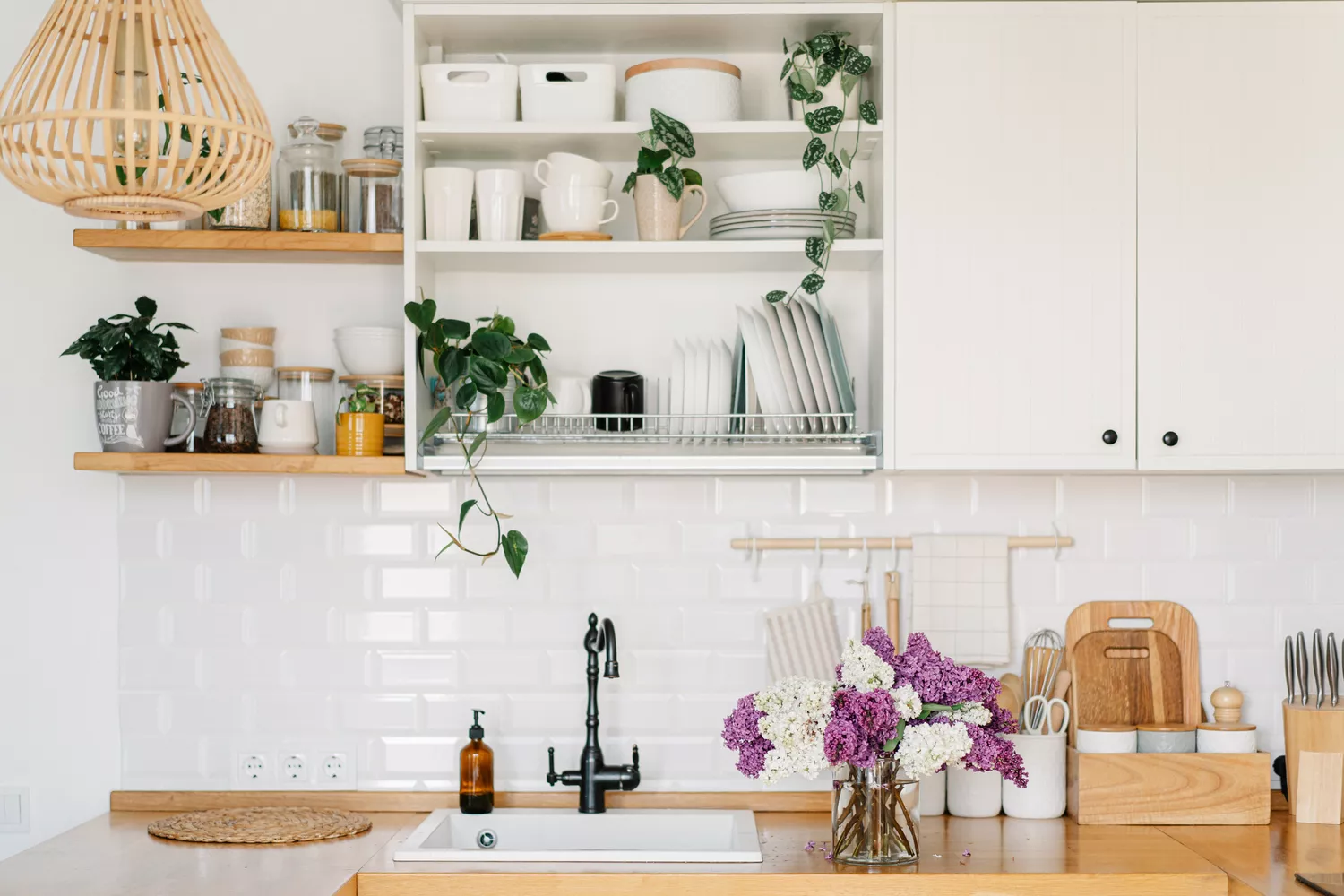
Open shelving offers a visually appealing way to display items and enhance a room's aesthetic; however, careful consideration is required regarding what items are placed on them. Interior design professionals advise against storing certain items on open shelves, whether in the kitchen or other areas of the home, due to their impracticality, dust accumulation, or tendency to create clutter.
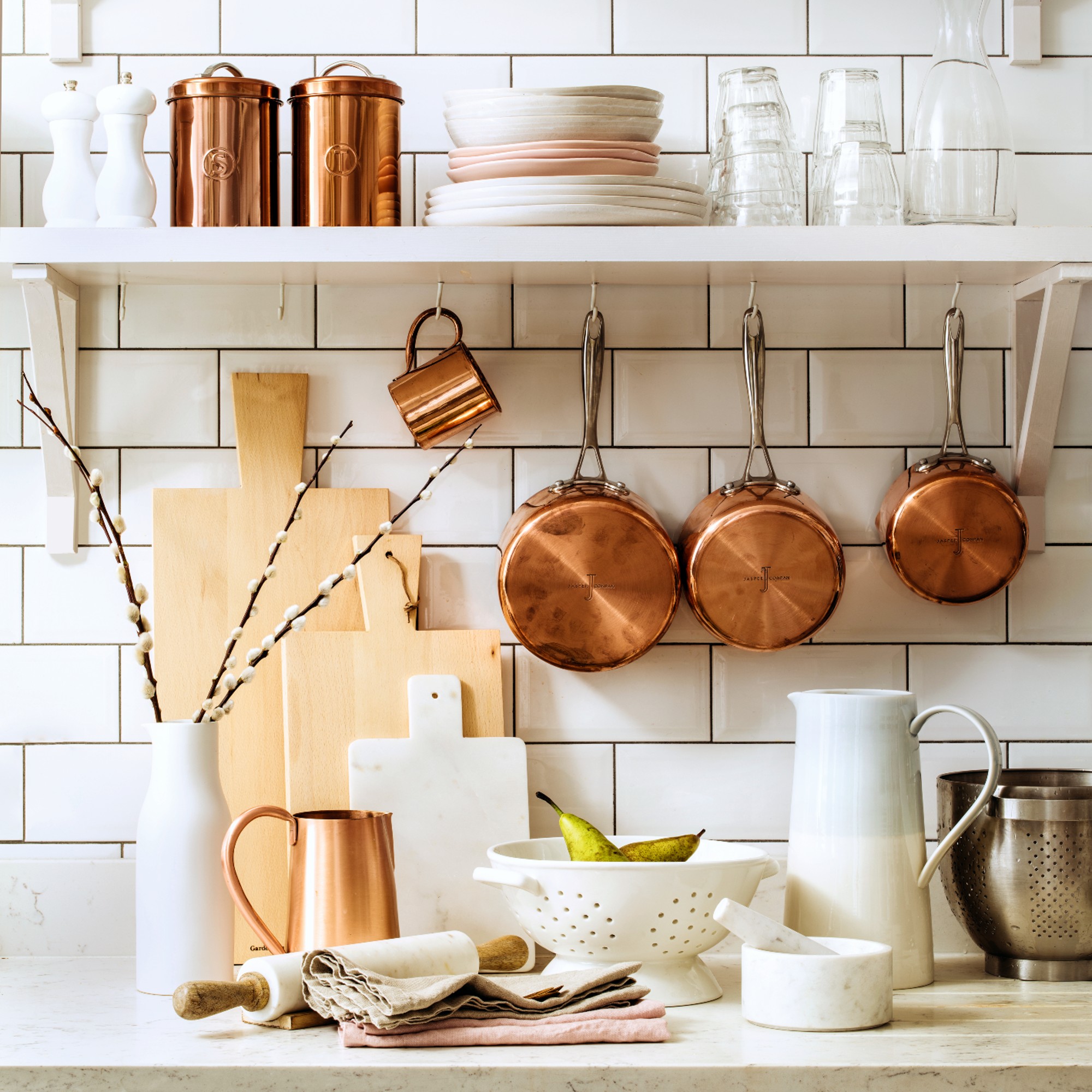
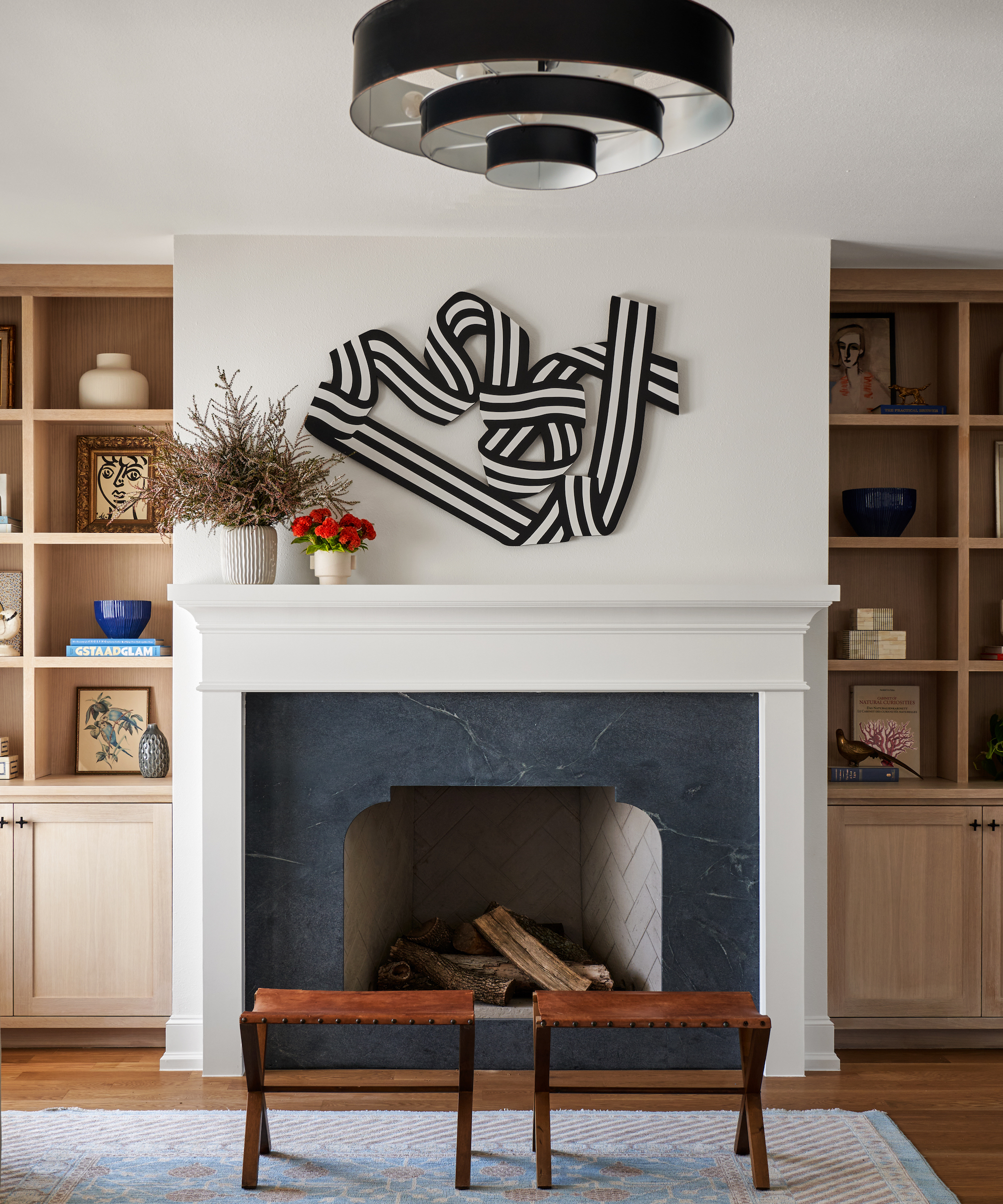
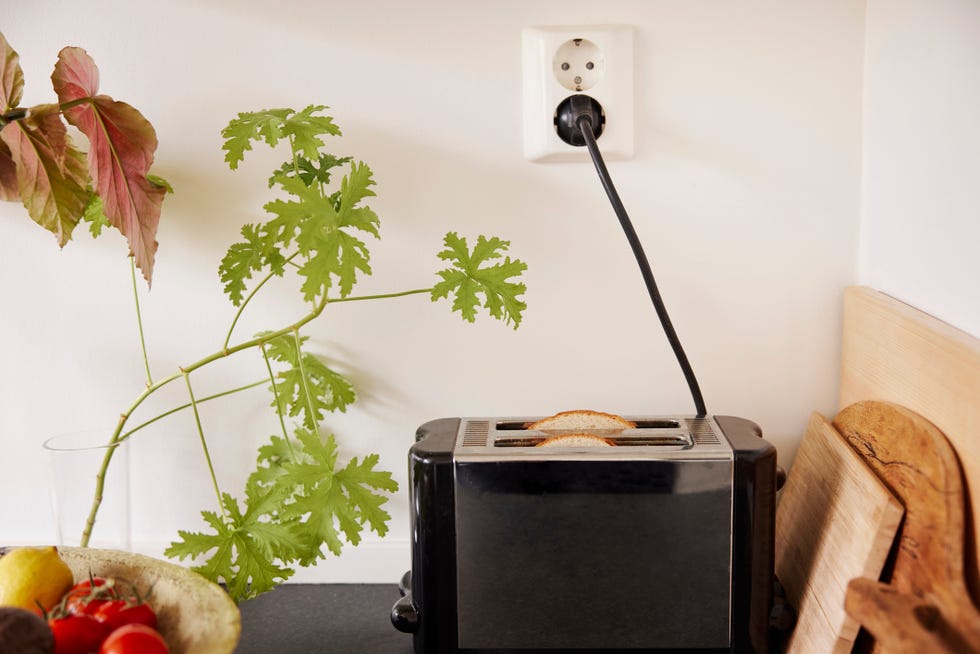
One category of items to avoid storing on open shelves is appliances, especially in the kitchen. Most appliances are heavy and do not contribute positively to the visual appeal of the space when openly displayed. Furthermore, they often require frequent cleaning, making their placement on open shelves inconvenient. Instead, open shelves are best reserved for carefully curated decorative items that do not need to be accessed regularly, such as candles, decorative bowls, or coffee table books.
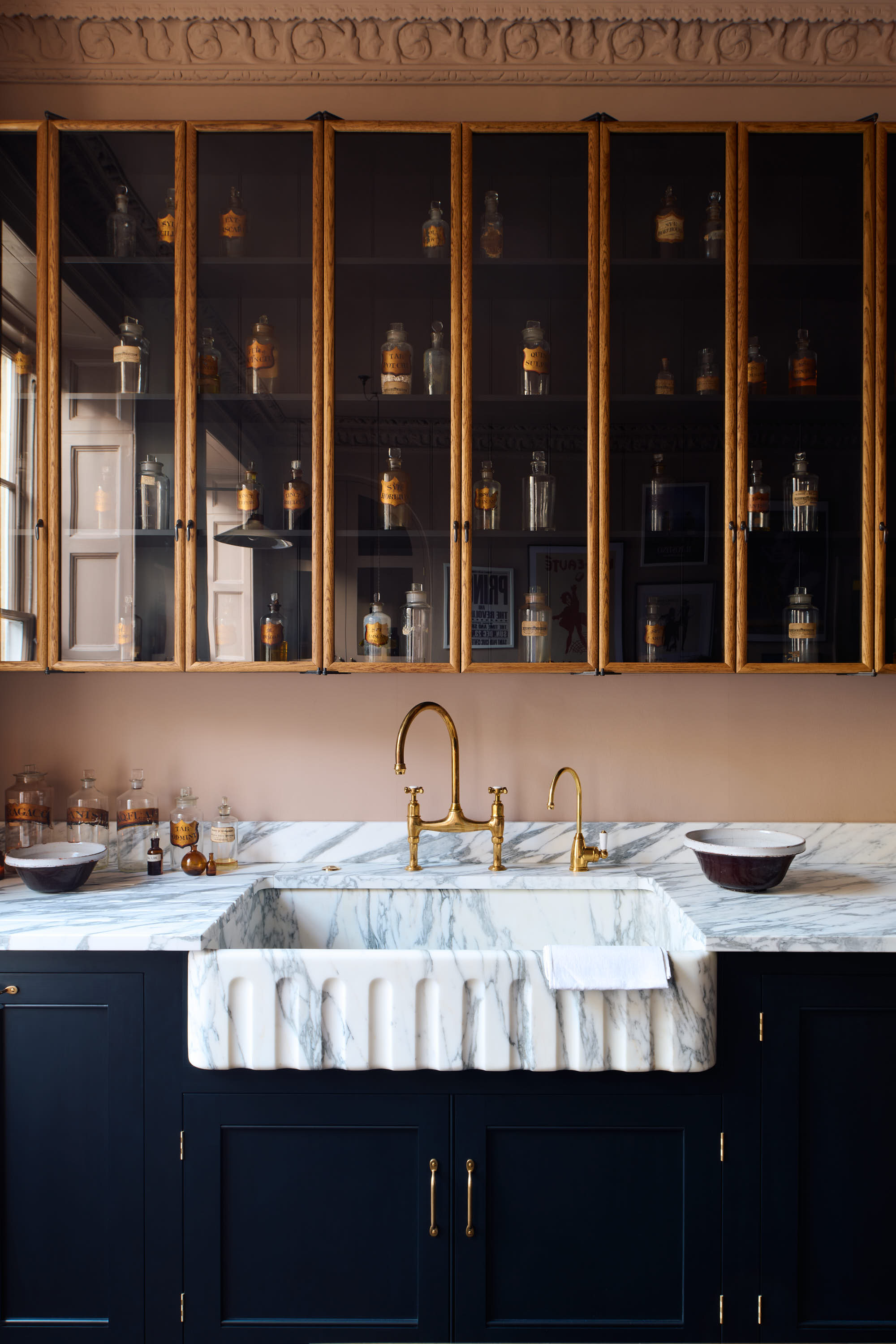
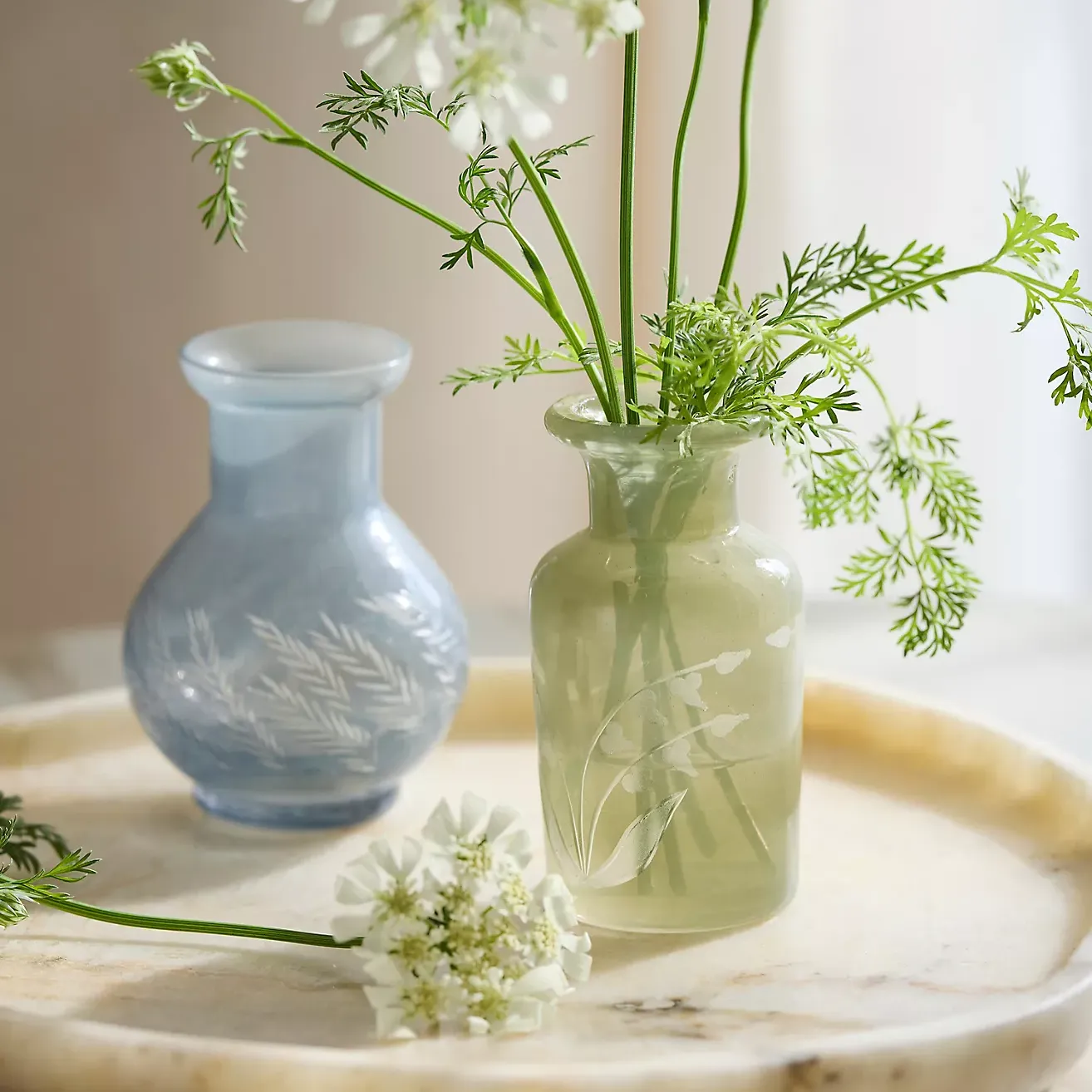
Clear glassware is another item that designers recommend keeping off open shelves. These items are prone to collecting dust, which not only detracts from their visual appeal but also necessitates wiping them down before each use. Storing clear glassware in enclosed cabinets can mitigate this issue, preserving their cleanliness and presentation.
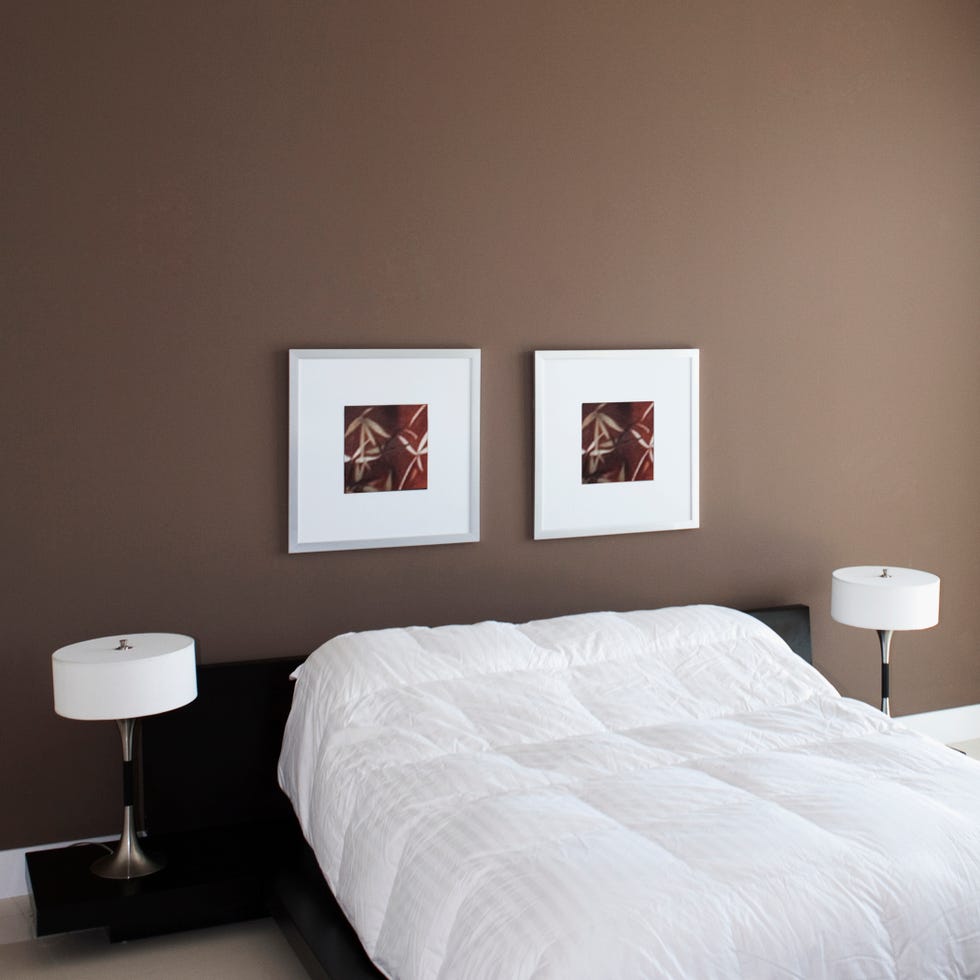
Personal photographs, particularly an excessive number of them, are also deemed unsuitable for open shelving. While personal touches are valued, an abundance of photos can overwhelm the space, making it appear cluttered and uncurated. Designers suggest that framed photos are better suited for wall displays, such as in hallways or stairwells, to create a more cohesive and less distracting arrangement.
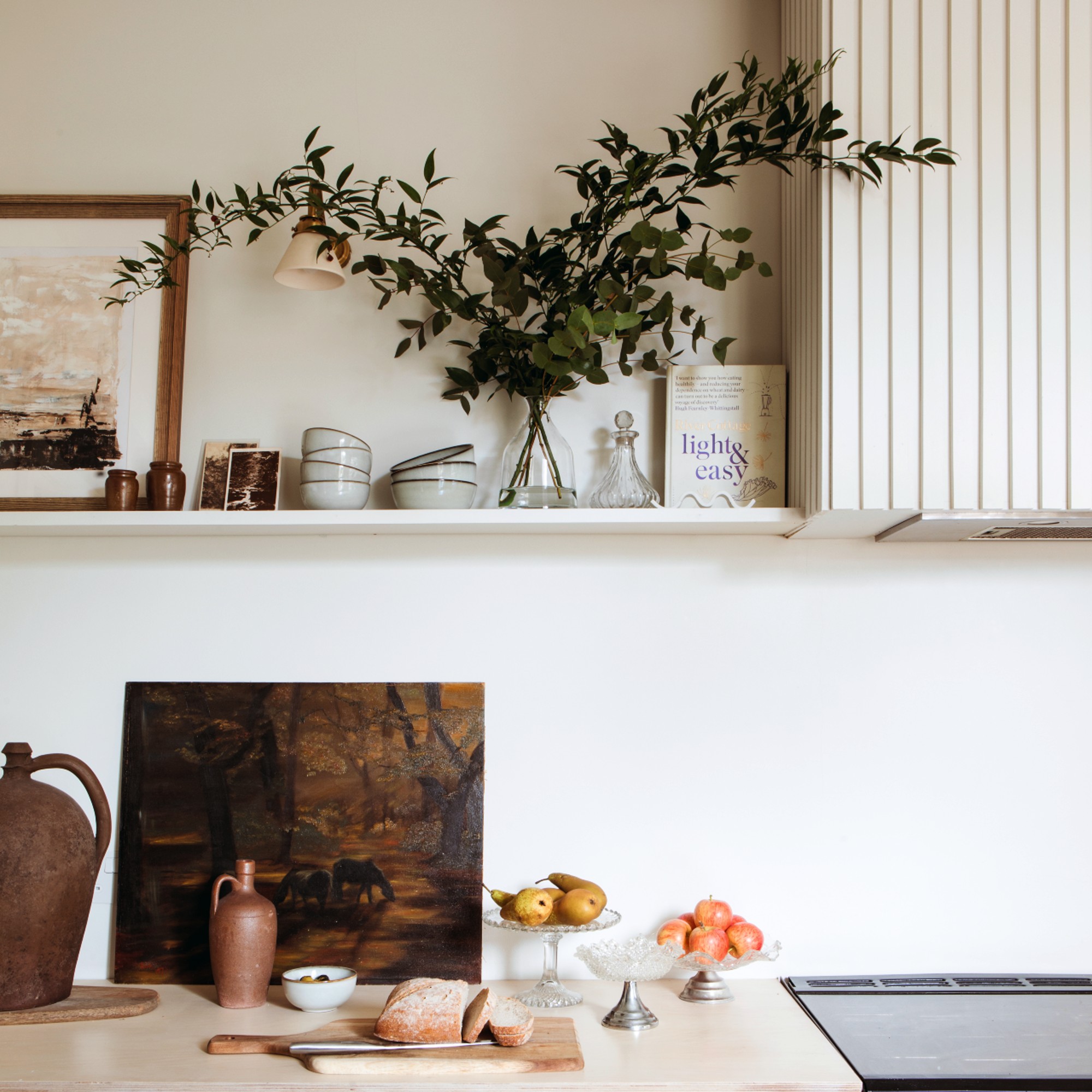
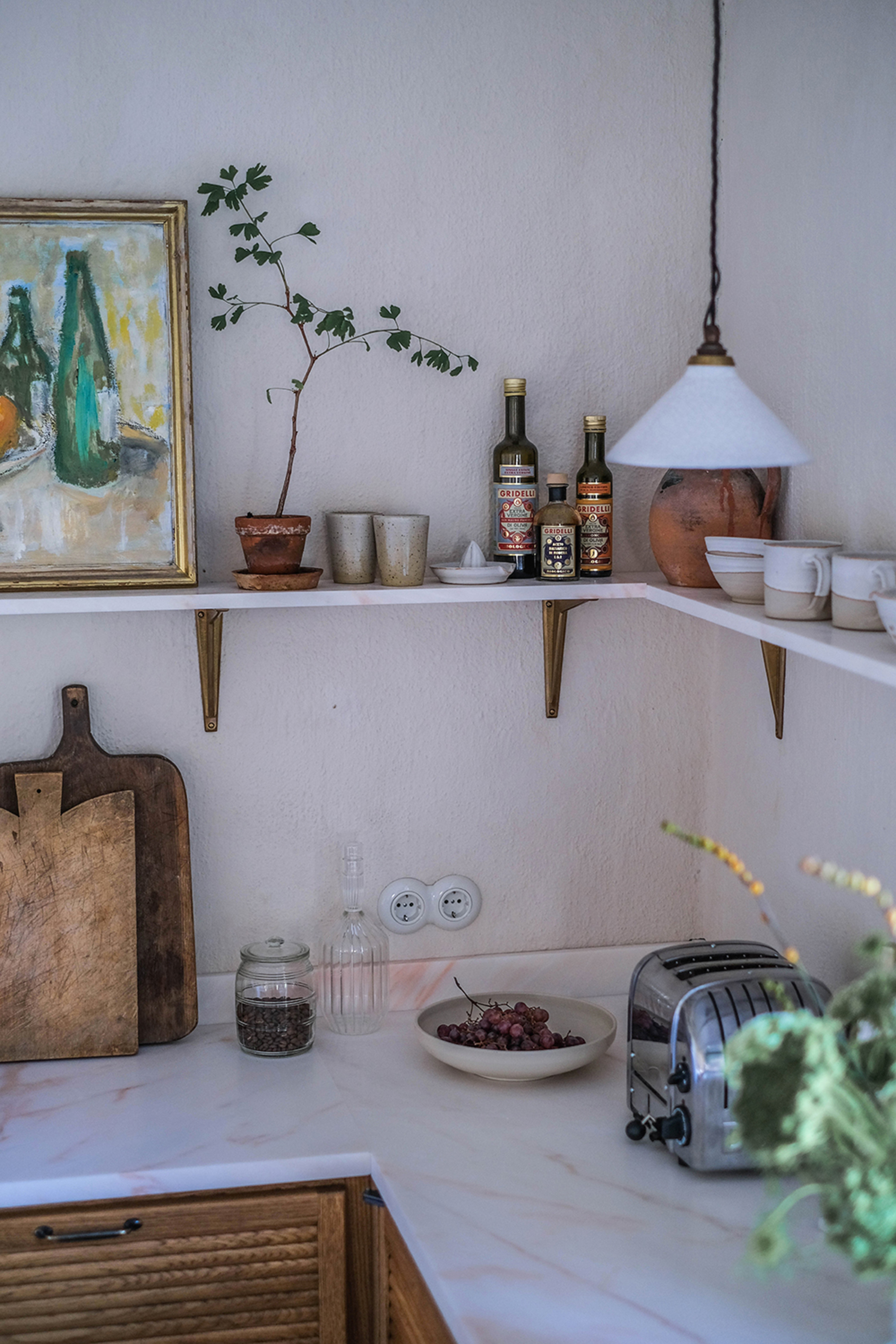
Houseplants, despite their aesthetic appeal and light requirements, can be impractical for open shelves, especially those placed high up. The effort required to water and care for plants in such locations can be significant, potentially leading to neglect. Considering the practicalities of plant care is crucial before placing them on high shelves.
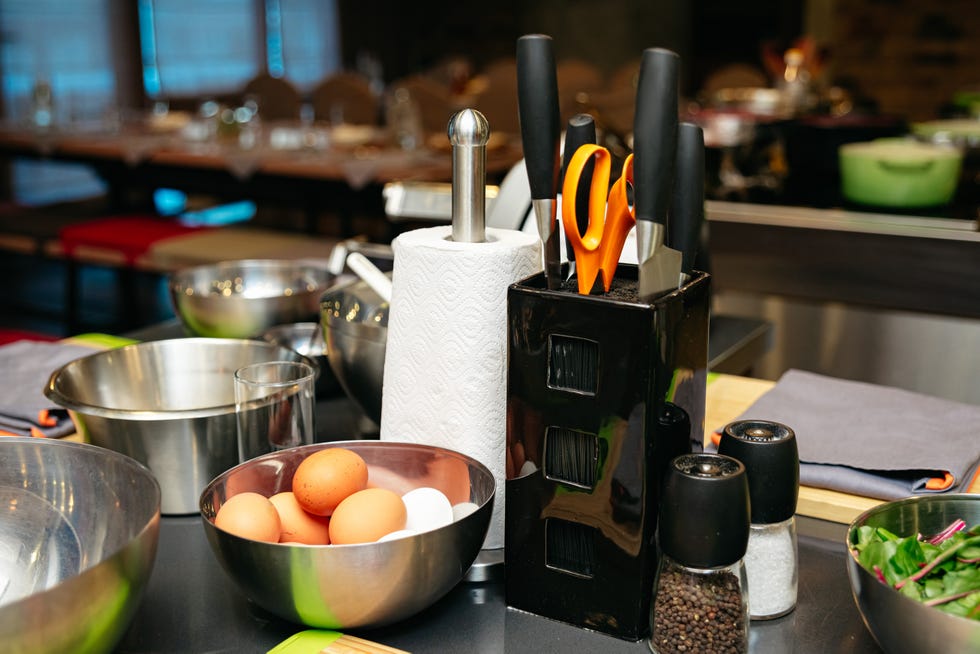
Clutter-causing items, including everyday household essentials like keys, mail, or sunglasses, should also be avoided on open shelves. These items are not visually appealing and contribute to a cluttered, disorganized appearance. Open shelves are intended for thoughtful, curated displays, not as catch-all areas for miscellaneous items.
Regarding books, designers often recommend removing their covers before displaying them on open shelves. Even for maximalist styles, removing covers can prevent a chaotic and messy look. Similarly, an excess of papers, magazines, or paperback books can create visual clutter, underscoring the importance of selective display.
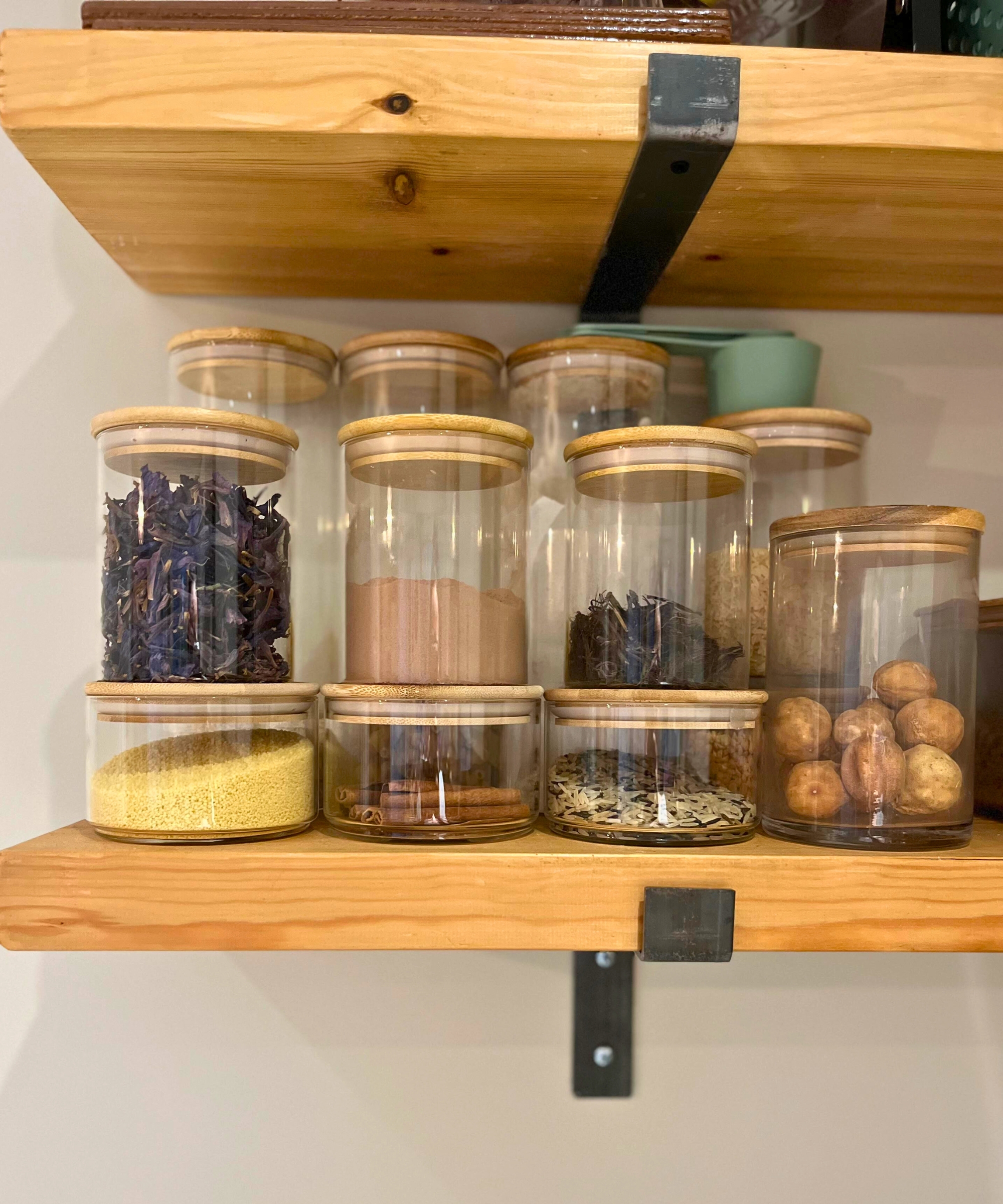
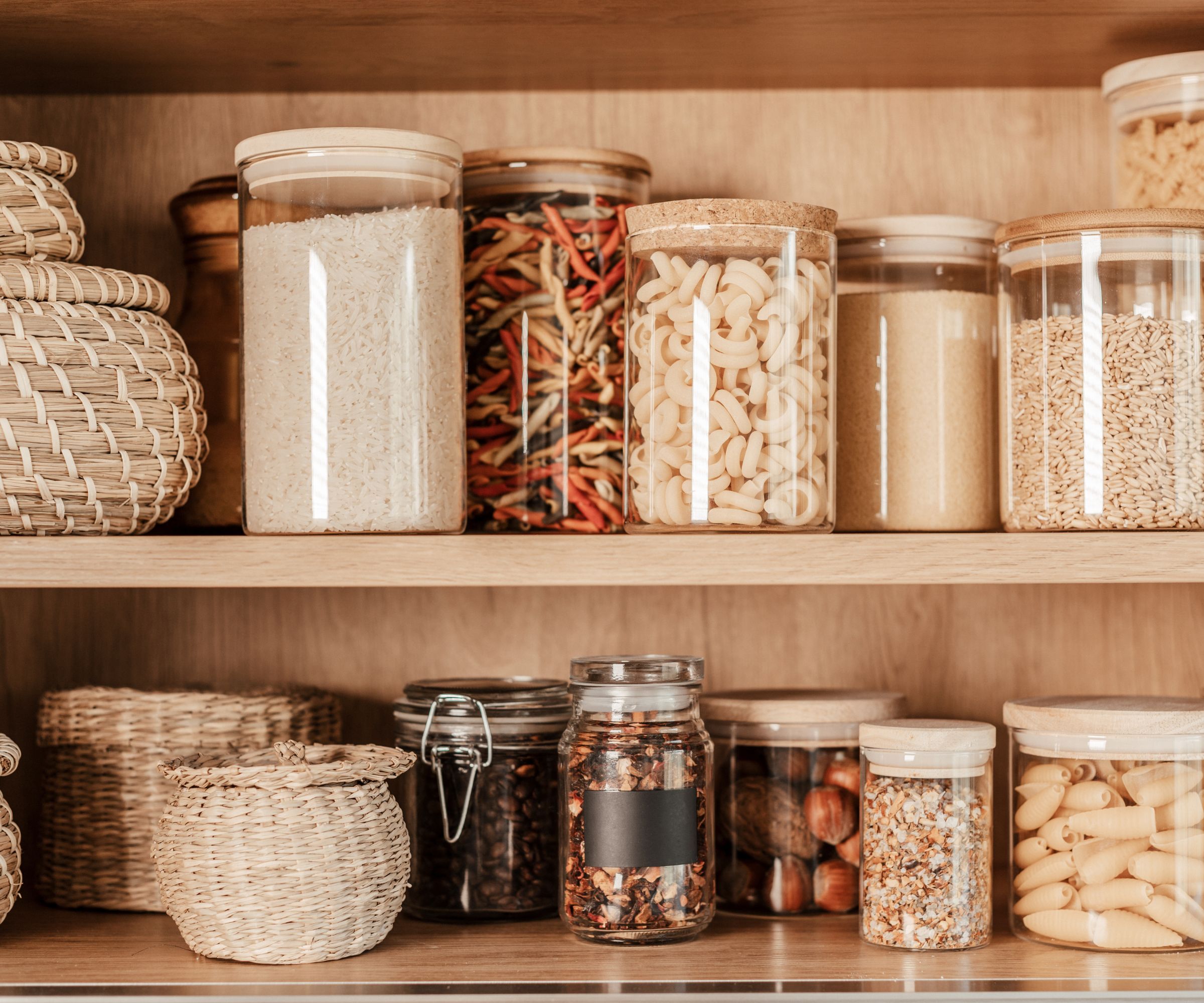
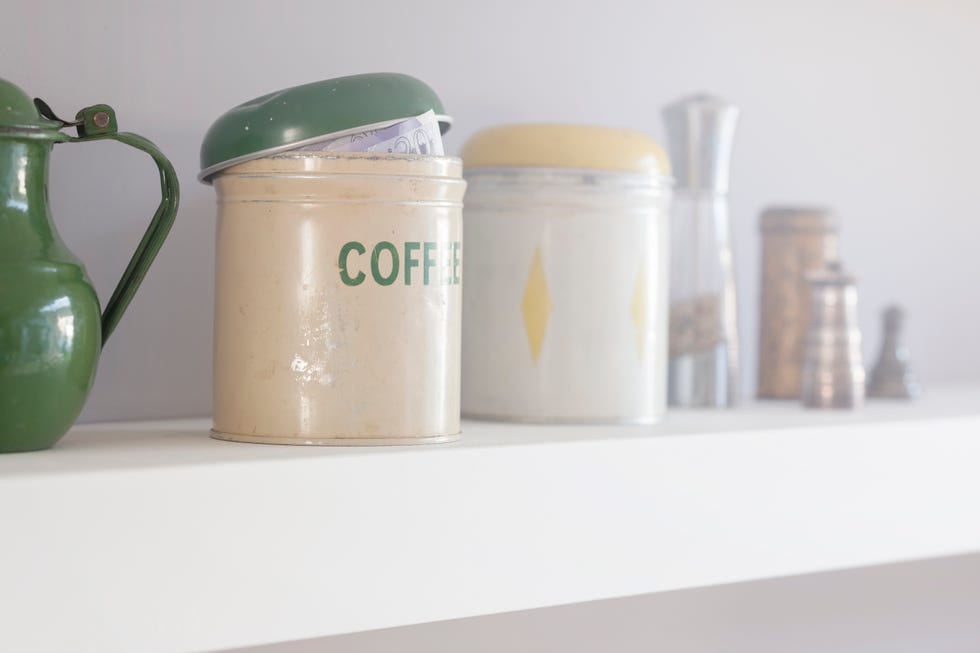
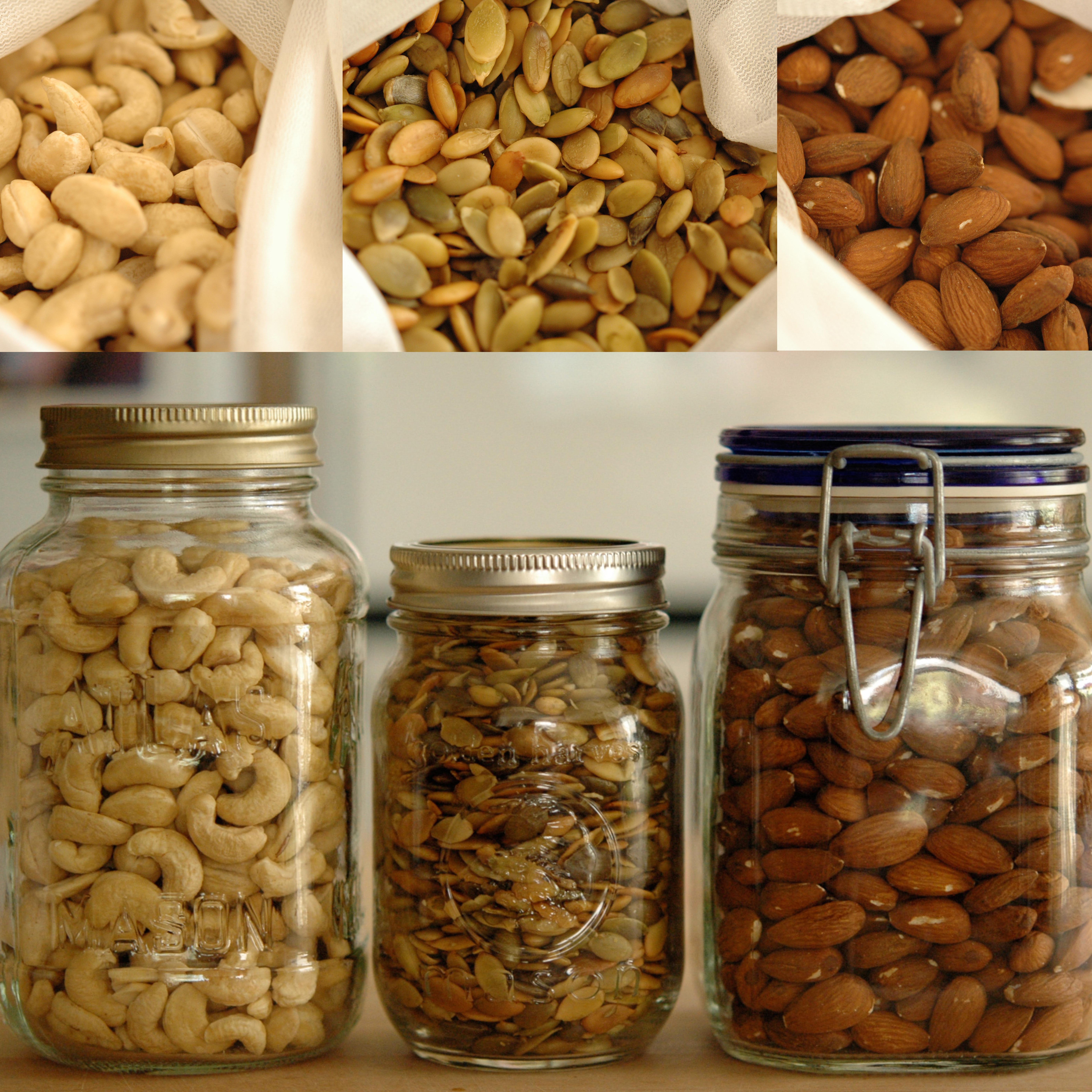
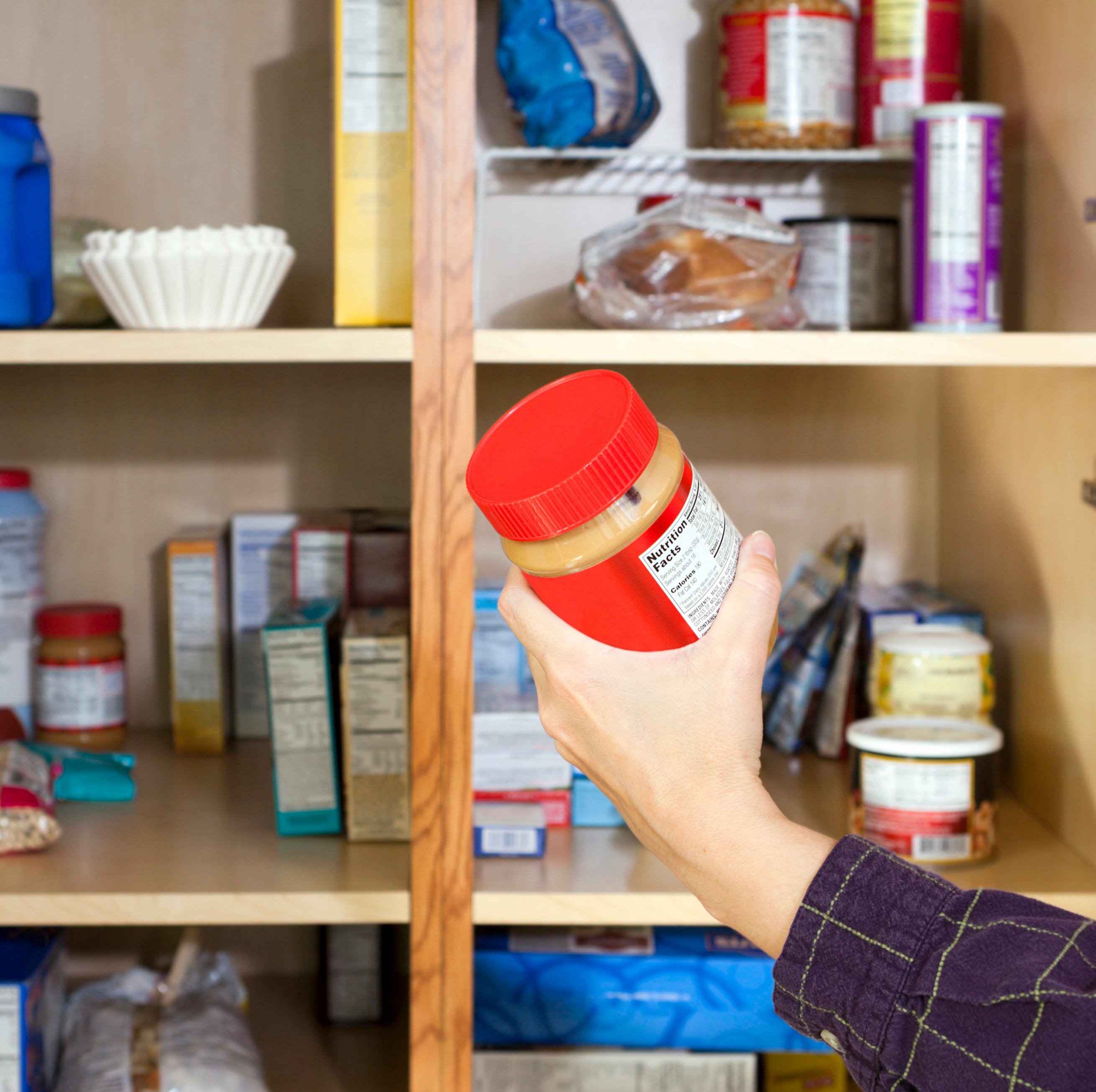
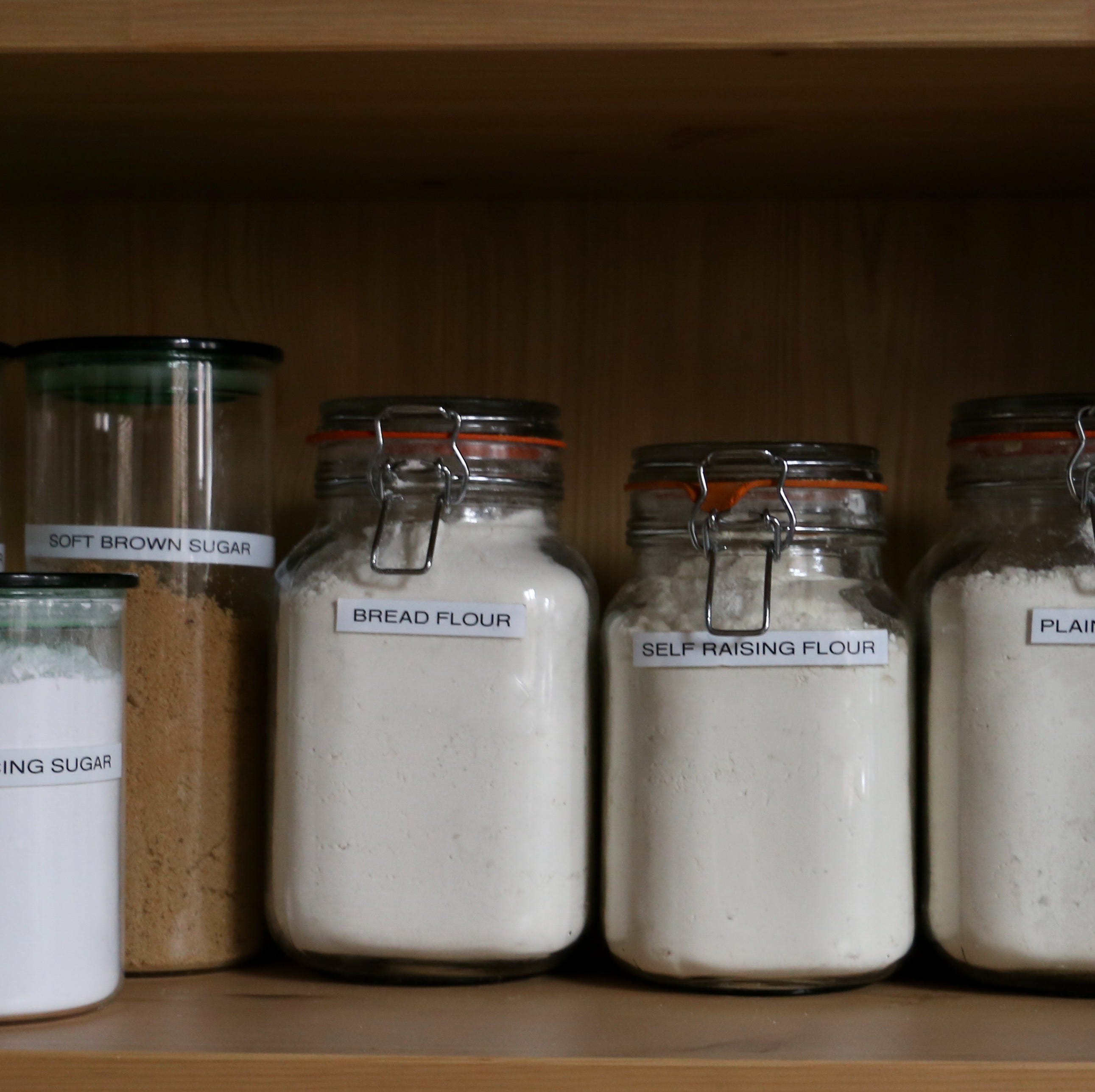
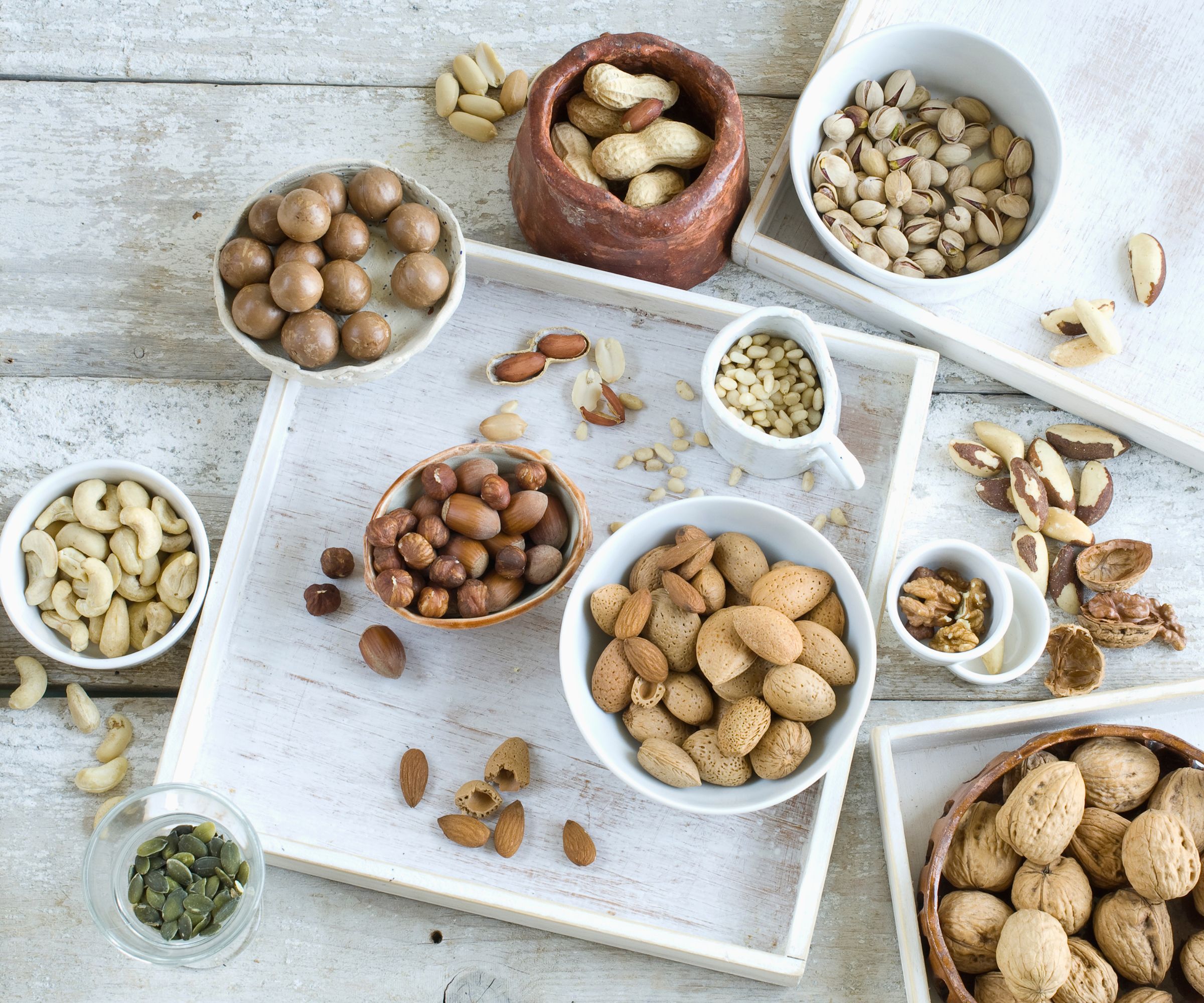
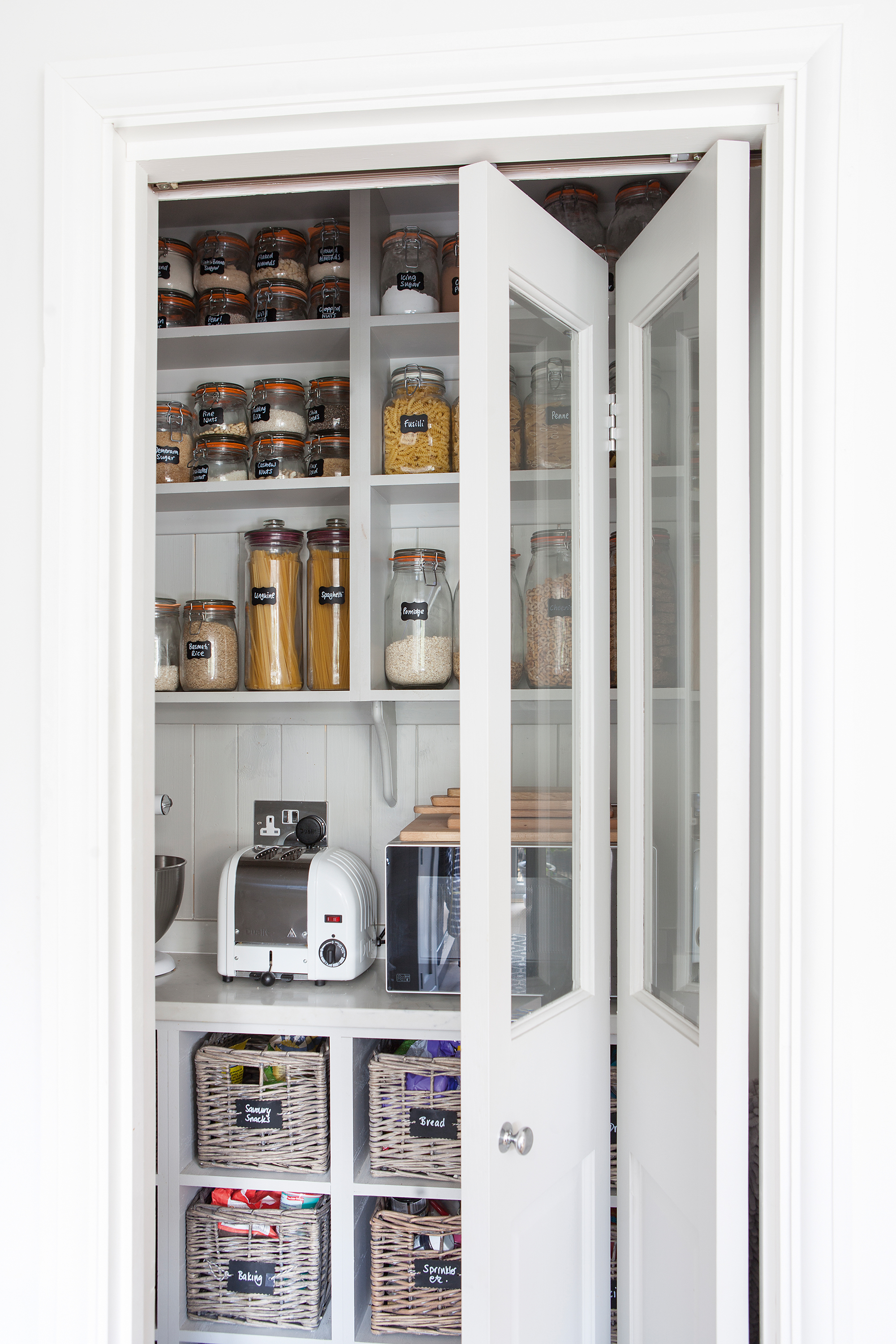
For functional items in kitchen open shelving, such as coffee grounds or grains, it is advised to remove them from their original packaging. Storing these ingredients in coordinating glass or ceramic jars provides a more organized and aesthetically pleasing presentation. This approach ensures that even functional items contribute positively to the overall design.
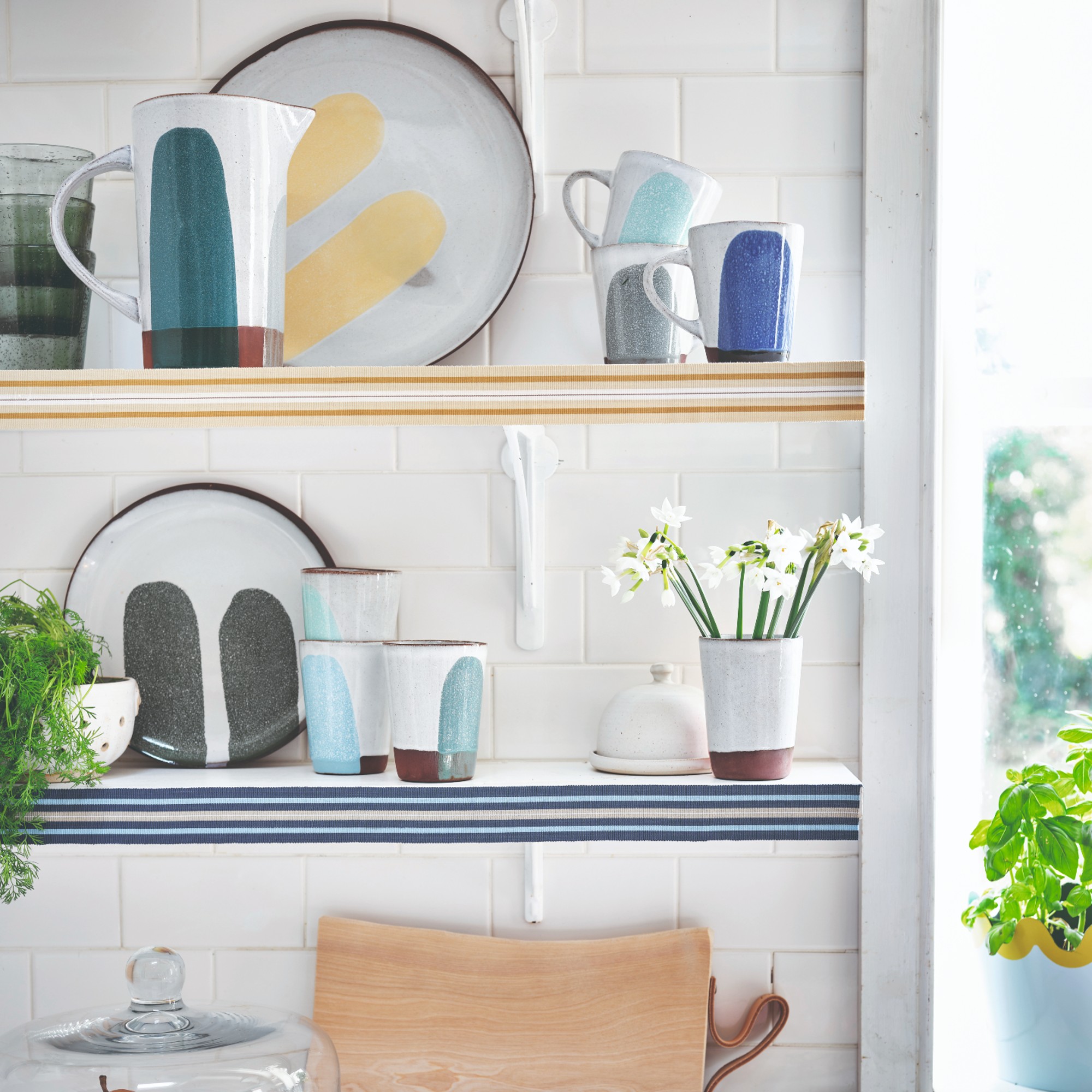
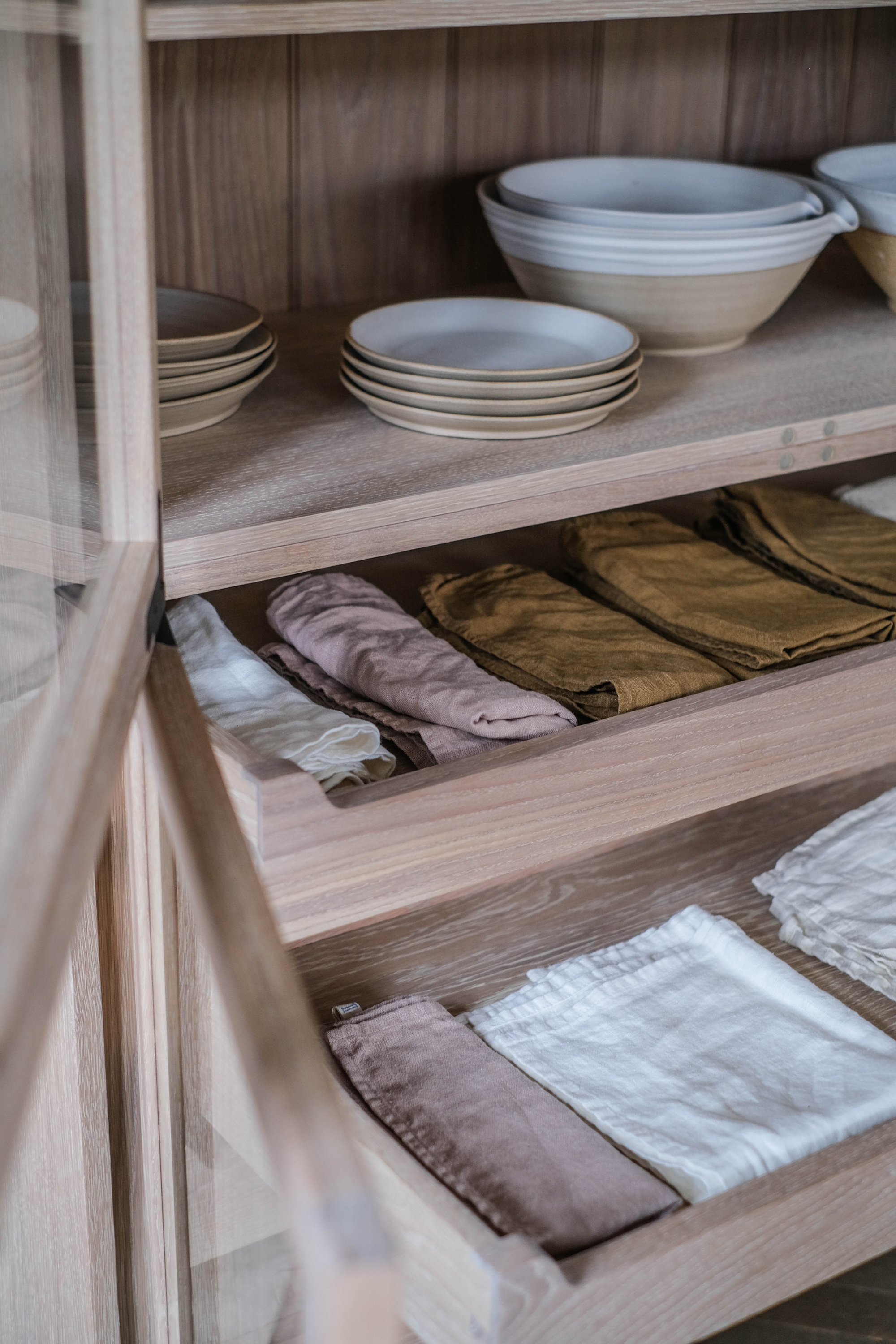
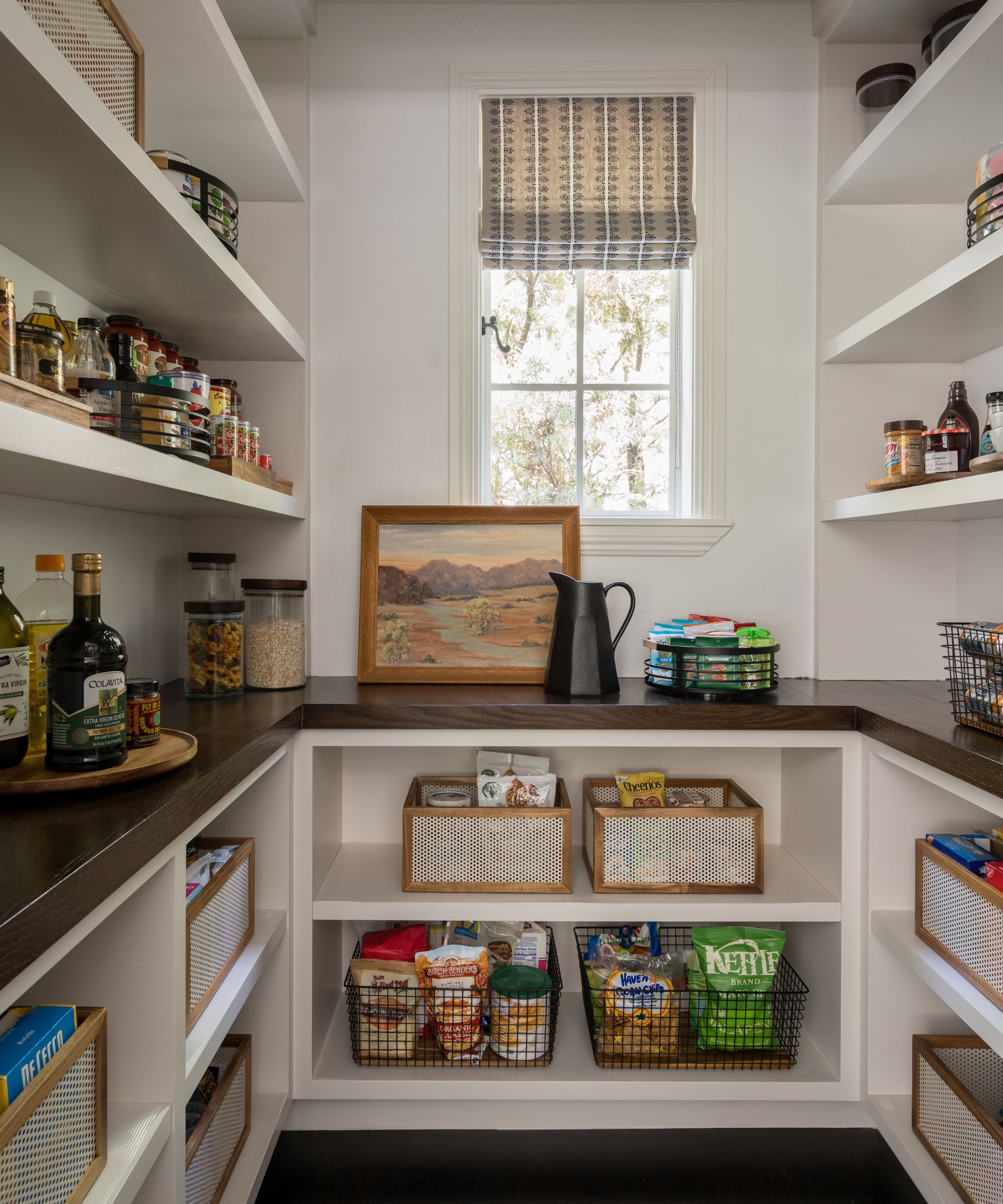
Finally, designers emphasize that open shelving in the kitchen should integrate both functional and decorative items. A mix of daily use essentials, such as plain plates and bowls, with decorative elements like art, plants, and colorful ceramics, can maximize valuable kitchen space. This balanced approach creates a charming, lived-in, and aesthetically pleasing home environment, challenging the notion that open shelves are merely a waste of space and affirming their potential for both beauty and utility.
#OpenShelving #InteriorDesign #HomeDecor #KitchenDesign #StorageSolutions #Decluttering #DesignTips #HomeOrganization #OpenShelving #InteriorDesign #HomeDecor #KitchenDesign #StorageSolutions #Decluttering #DesignTips #HomeOrganization
0 opmerkingen in totaal
 Nog geen opmerkingen
Dit vindt u mogelijk ook leuk
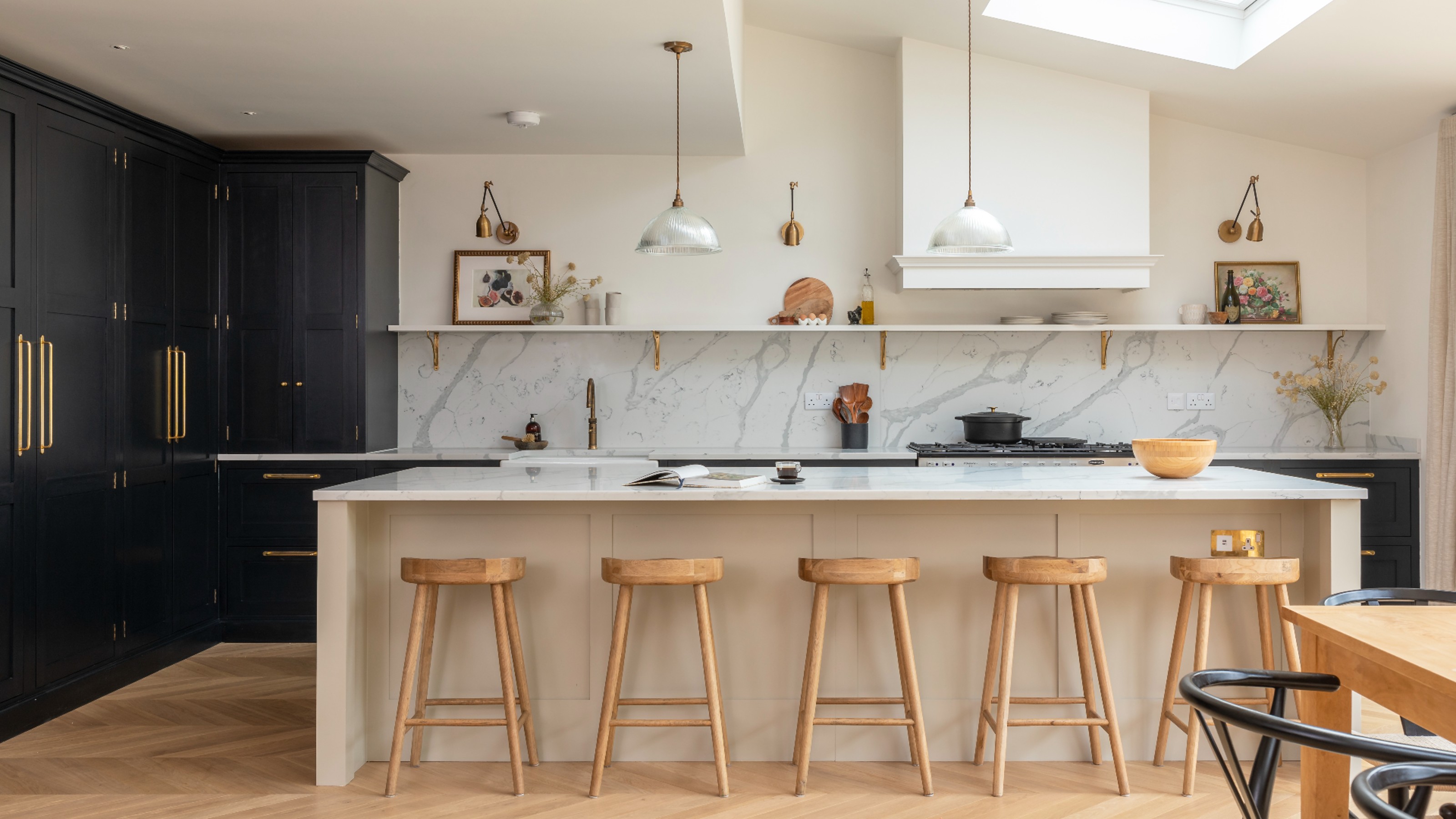
Never store these 6 things on open kitchen shelving, warn pro organisers
5 things to never put on your kitchen island, according to interior designers

9 CONTROVERSIAL Decor Choices Designers Secretly Wish You’d Stop Making

Interior designers share 6 things you should never have in your bedroom
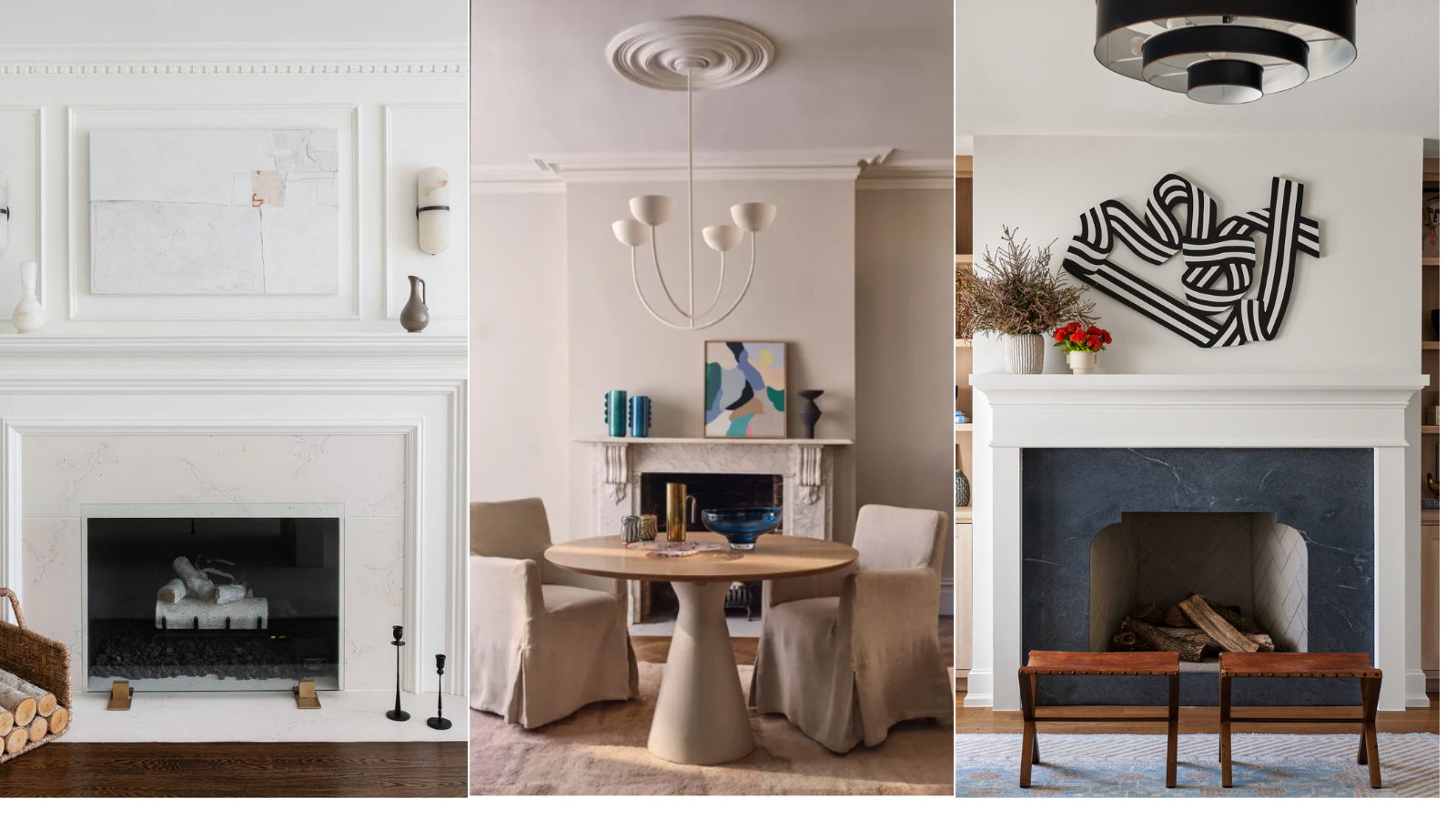
5 things designers say you should never put on a mantel
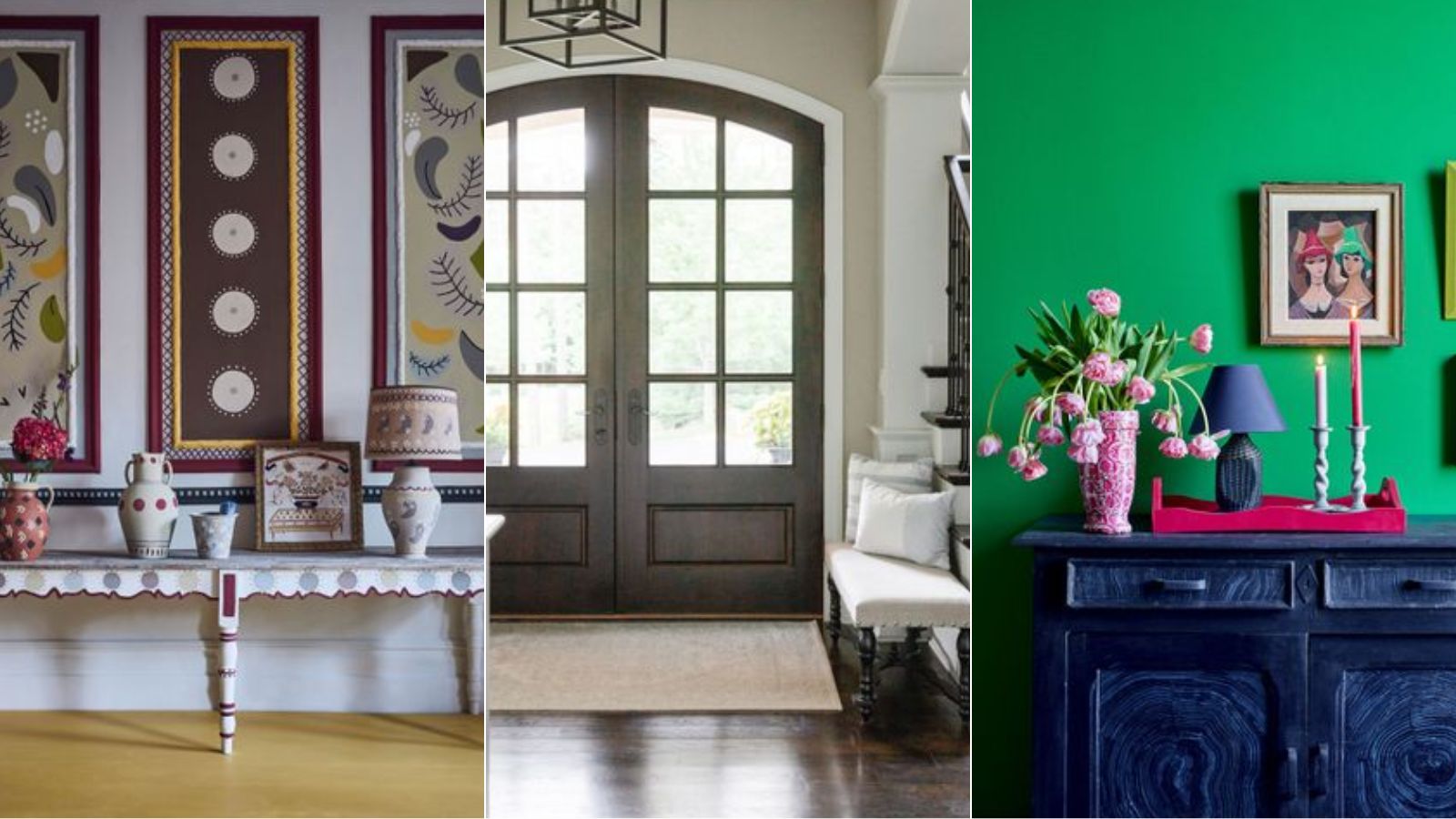
Items to never store in an entryway, according to cleaning, organizing and interiors experts
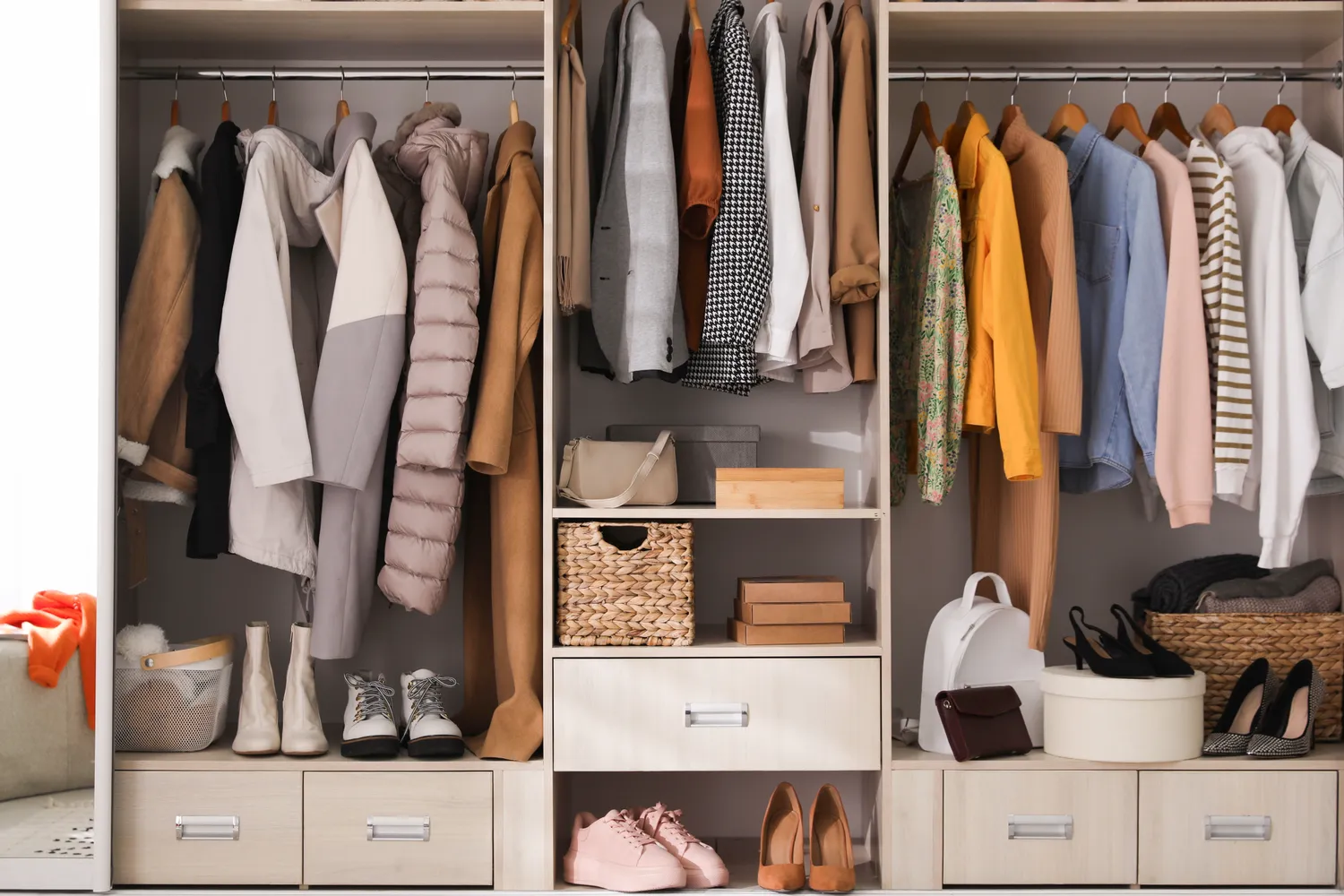
5 Outdated Closet Features You Should Never Add to Your Home, According to Designers

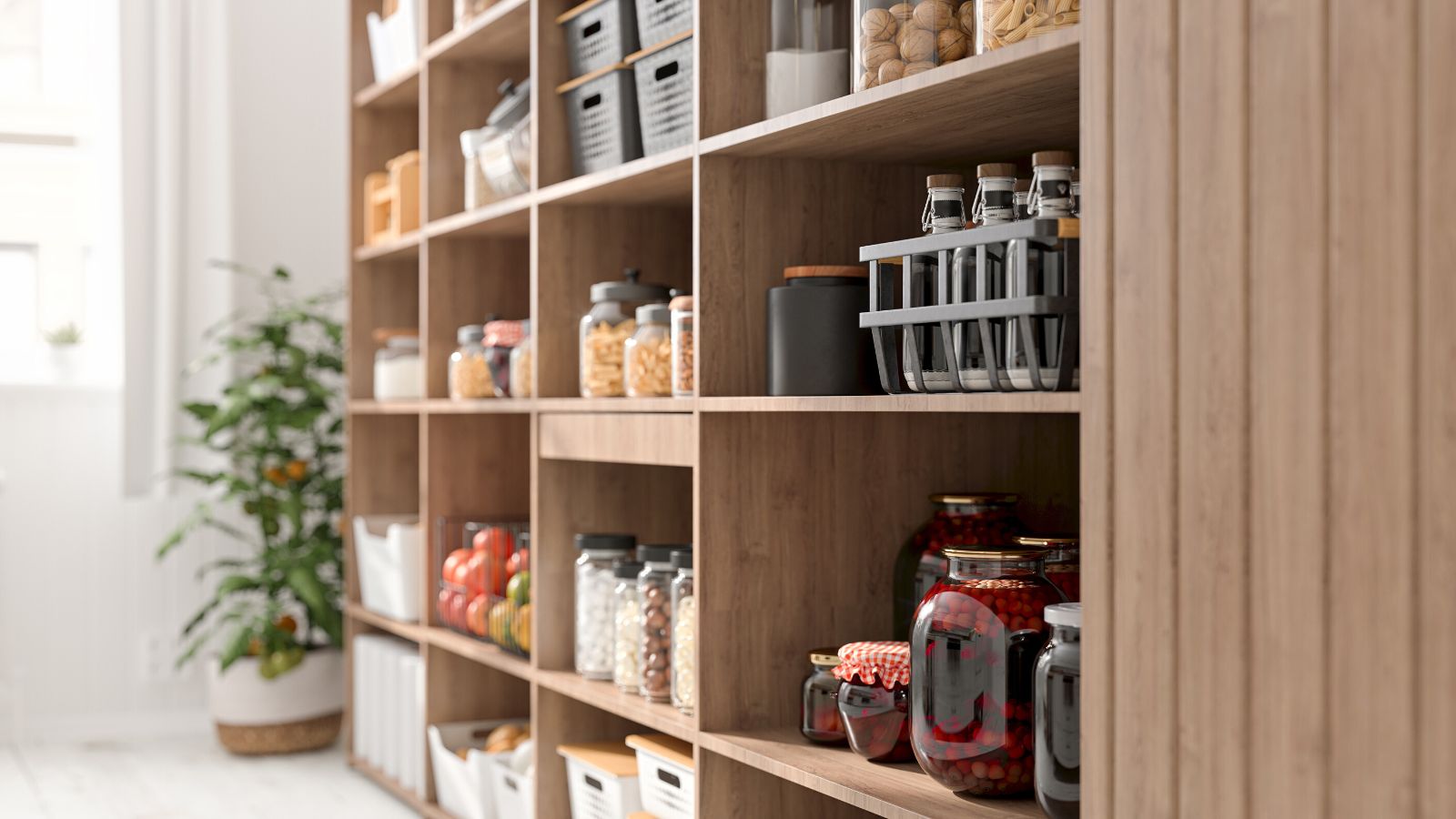
11 things you should never store in a pantry, according to experts
8 things a professional organiser would never keep in a hallway – and you shouldn’t either
8 Things Pro Organizers Say You Should NEVER Keep On Your Kitchen Counter

8 Things You Should NEVER Keep On Your Kitchen Counter
5 small entryway storage mistakes designers want you to stop making

Organizers Say These 8 Things Don’t Belong in Your Closet — Here’s Why
Pros warn never to keep these 8 things in your pantry
6 Things You Should NEVER Keep In Your Pantry, According To Pro Organizers & Chefs
5 Things You Should NEVER Leave in Your Shed, According to an Expert
7 Kitchen Storage Trends That Designers say are Best Avoided

6 things you should never put on your dining room table, according to interior designers
9 items never to store in a bathroom vanity – according to the experts
10 Things To Keep Out Of Your Living Room, According To Designers