6 Pantry Mistakes You Didn't Know You Were Making—and How to Fix Them
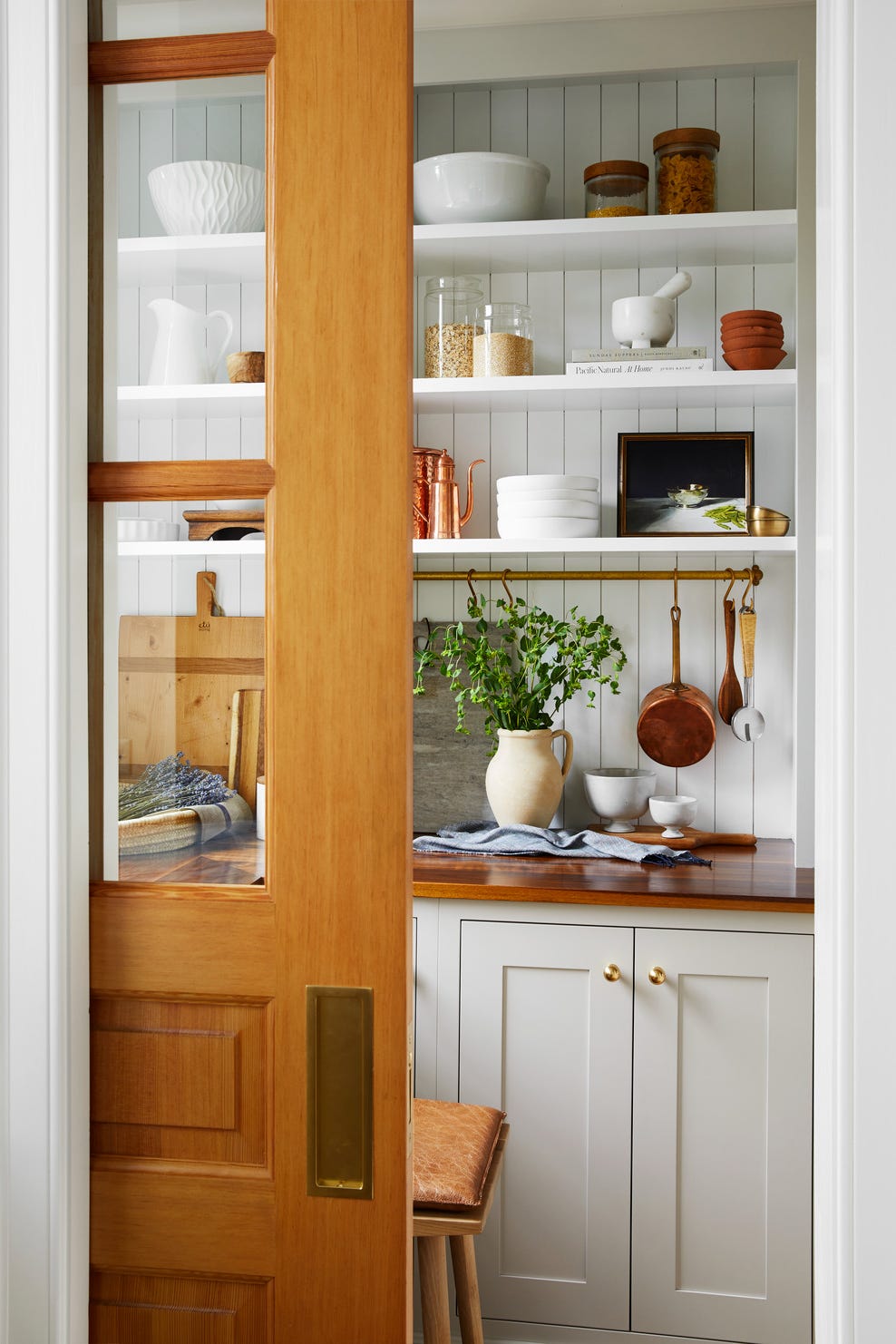
An efficient and organized pantry is crucial for a stress-free mealtime experience, preventing issues like food waste and unnecessary spending. Many common pantry organization mistakes can be easily remedied to create a more functional space. These mistakes often stem from a lack of personalization, improper use of organizing products, disorganized item placement, absence of labels, failure to remove unused items, and underutilization of vertical space.
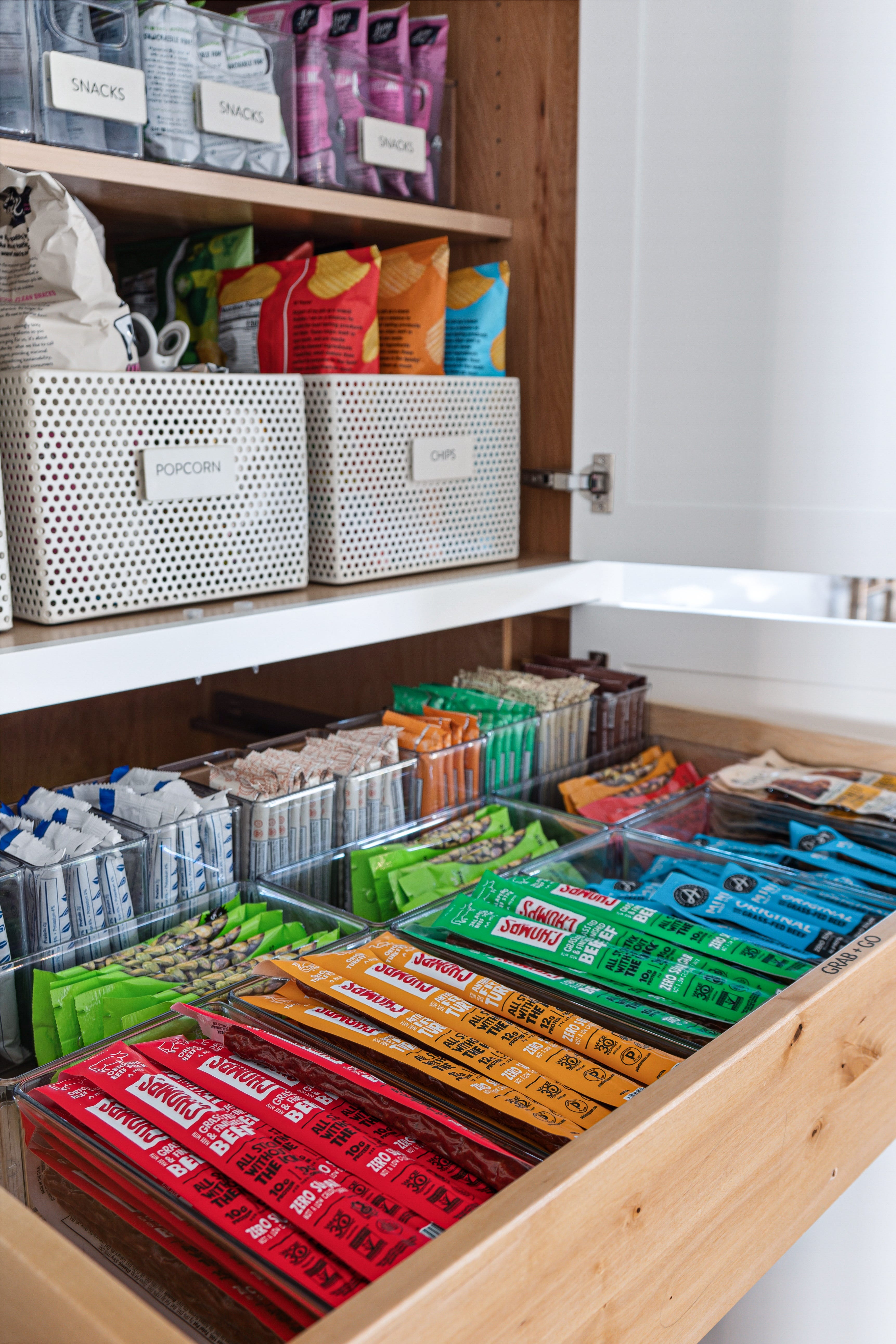
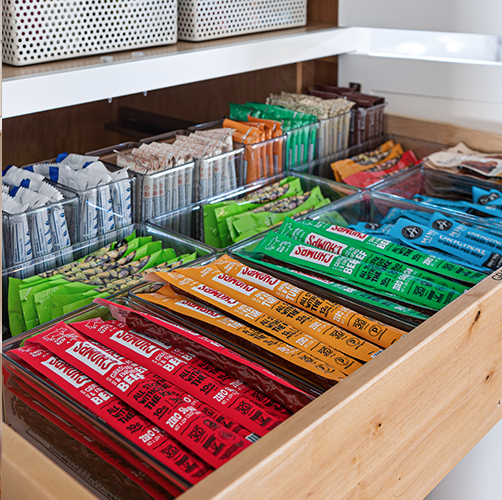
One significant mistake is not organizing the pantry according to individual eating habits. A pantry should reflect how its users actually interact with their food. For instance, frequently used items, like snacks or baking ingredients, should be kept readily accessible and grouped in dedicated sections. Tailoring the pantry layout to personal routines ensures greater functionality and efficiency, contrasting with a generic or standard organizational approach.
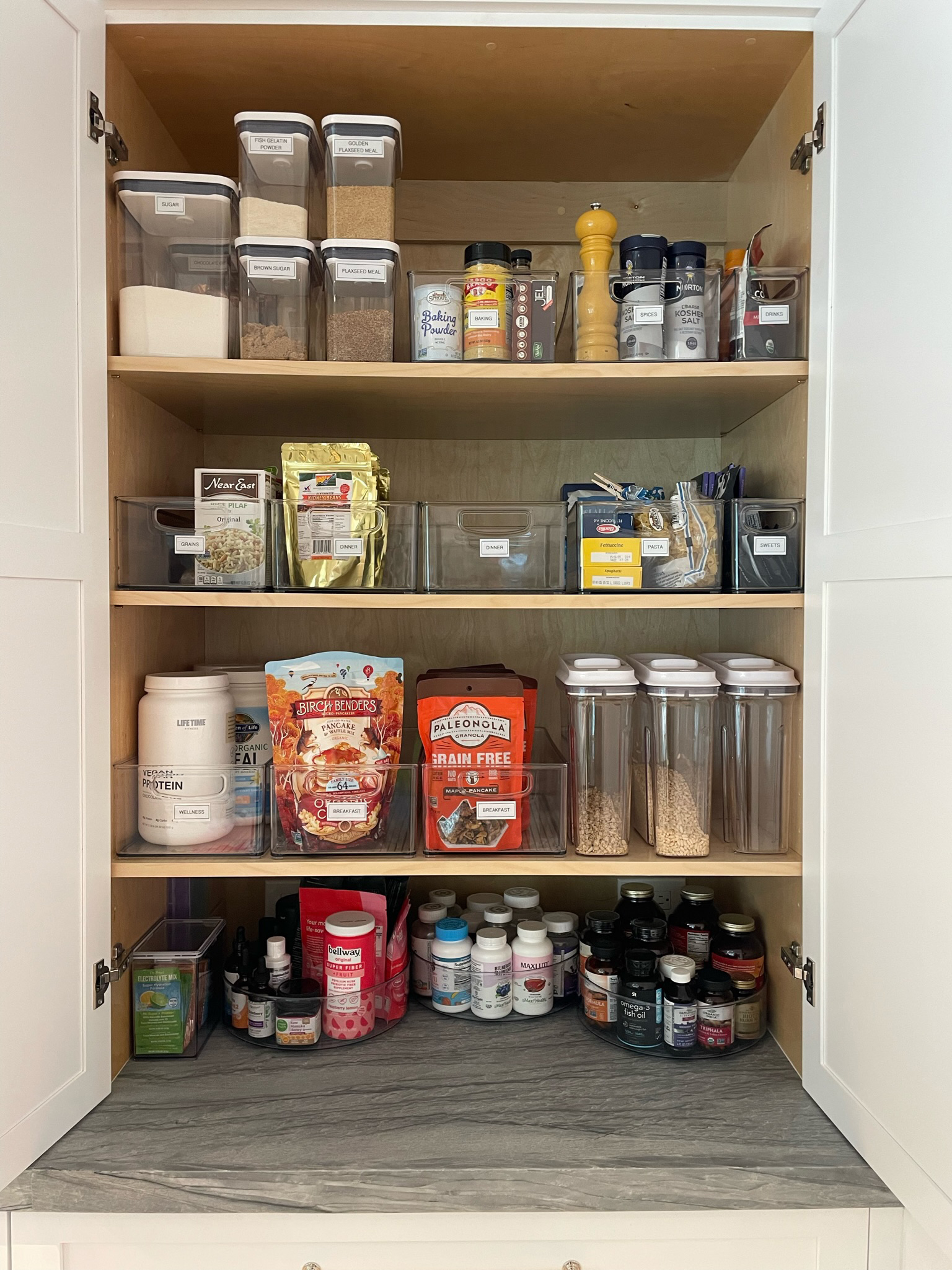
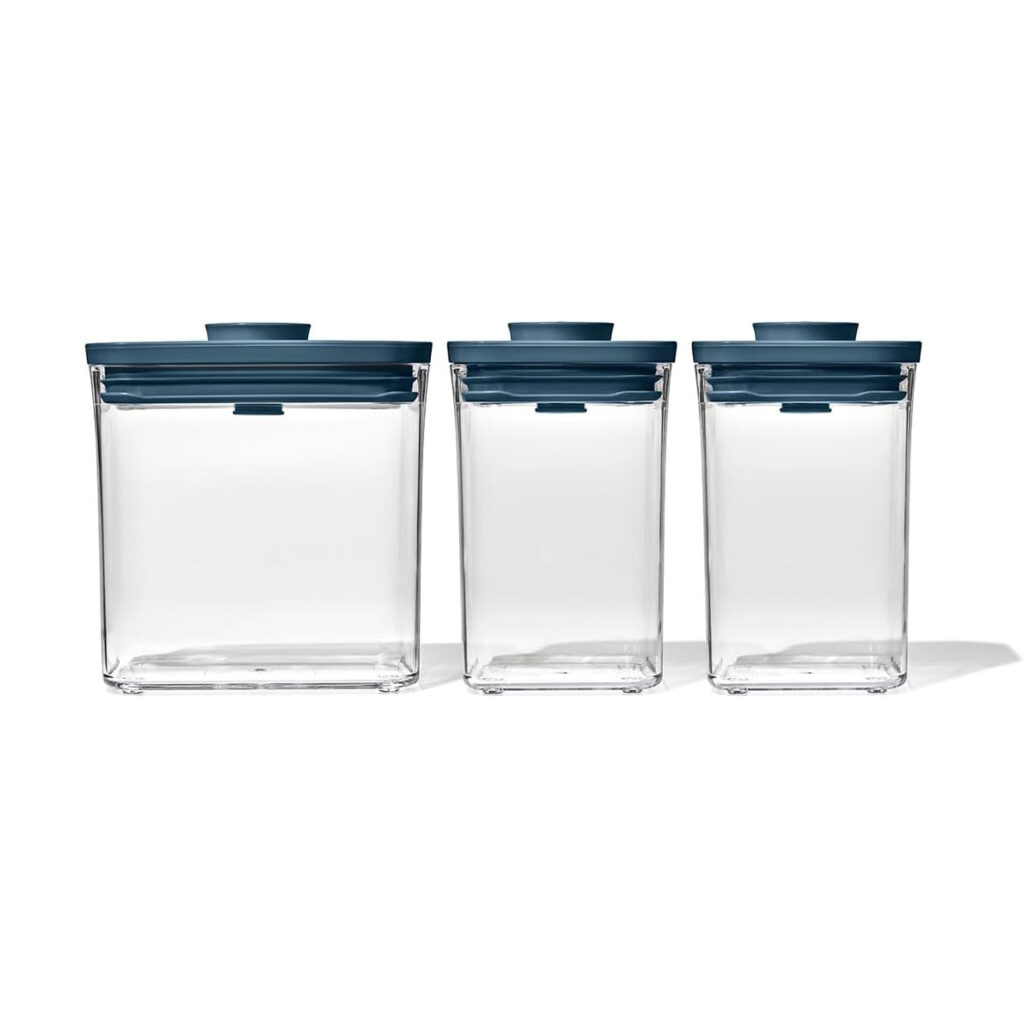
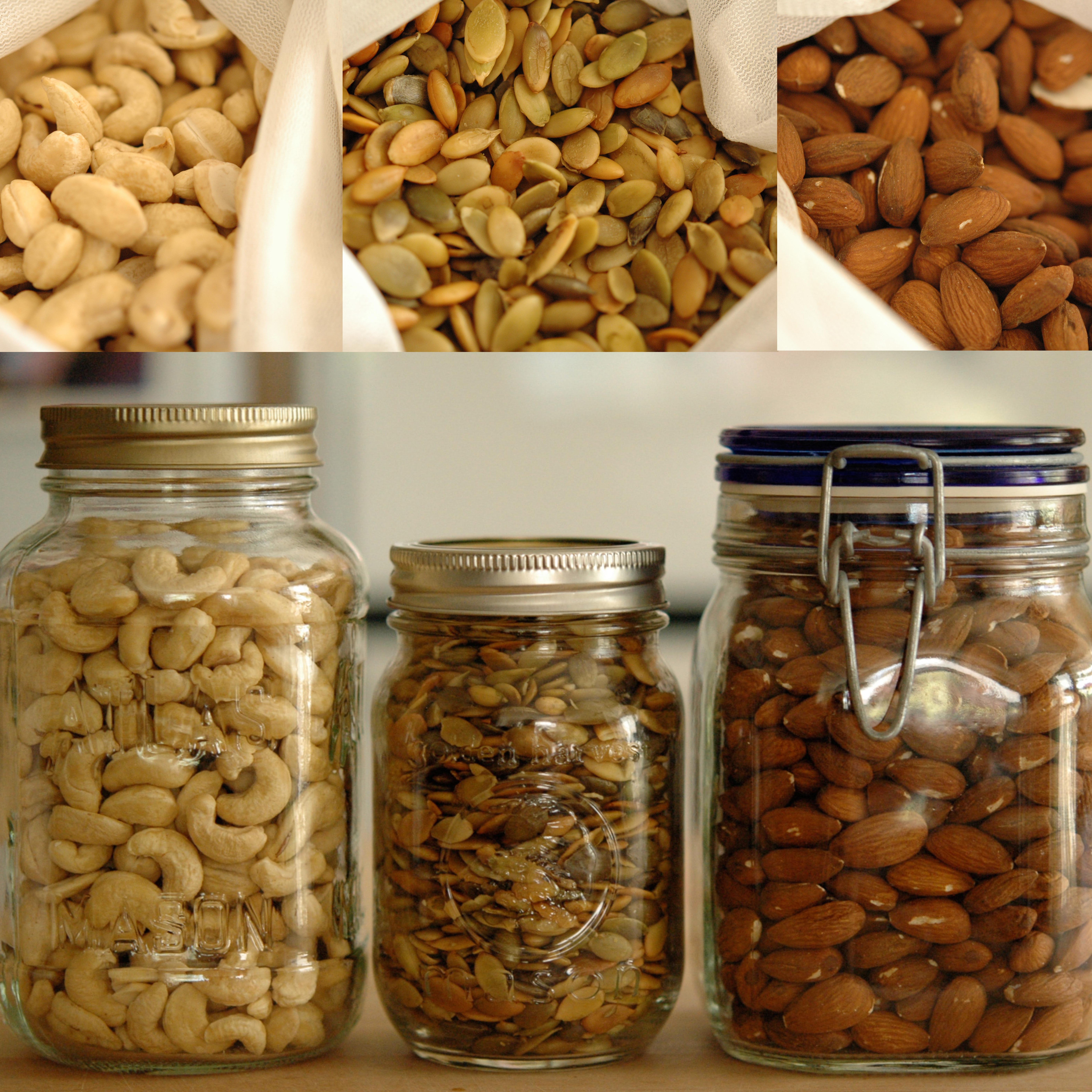
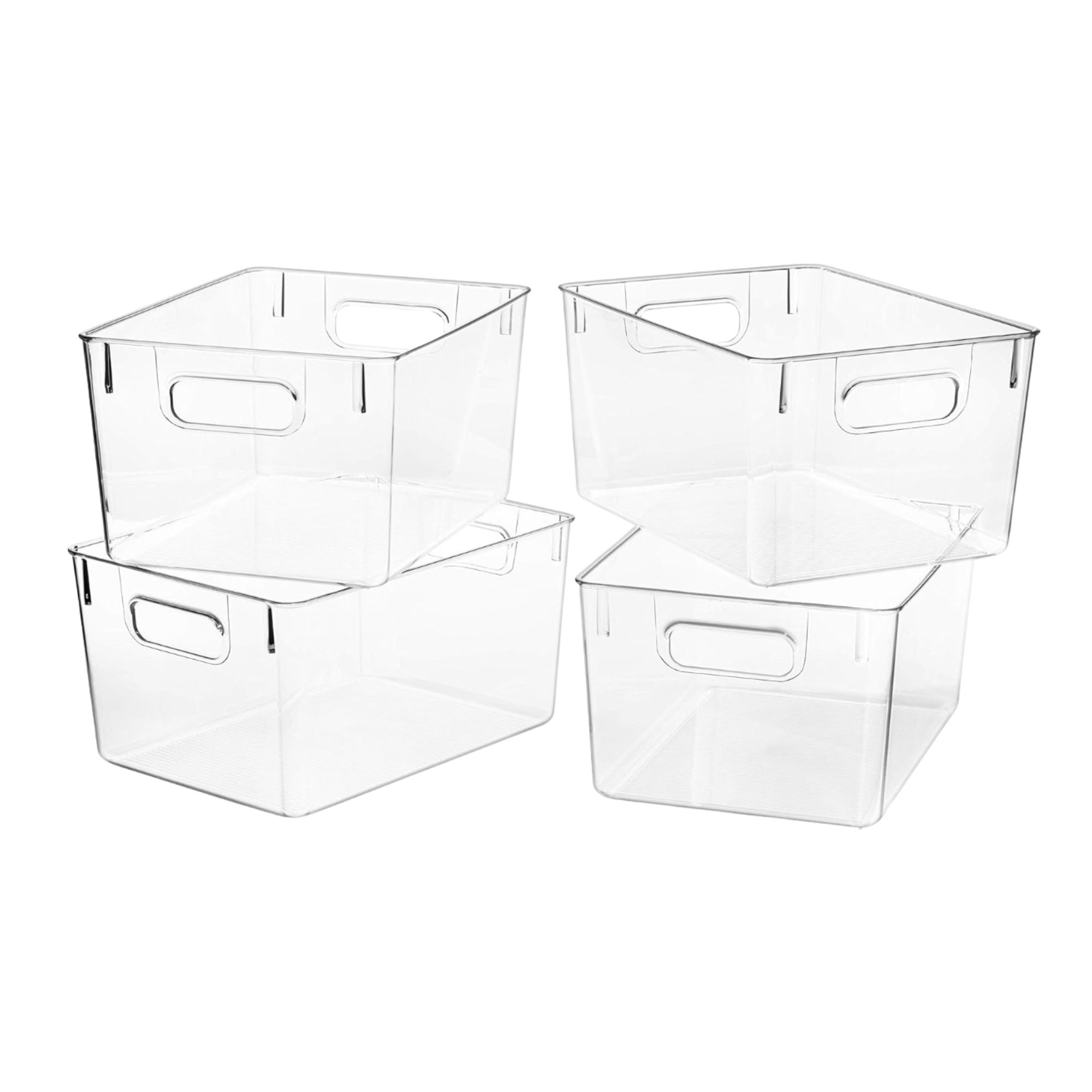
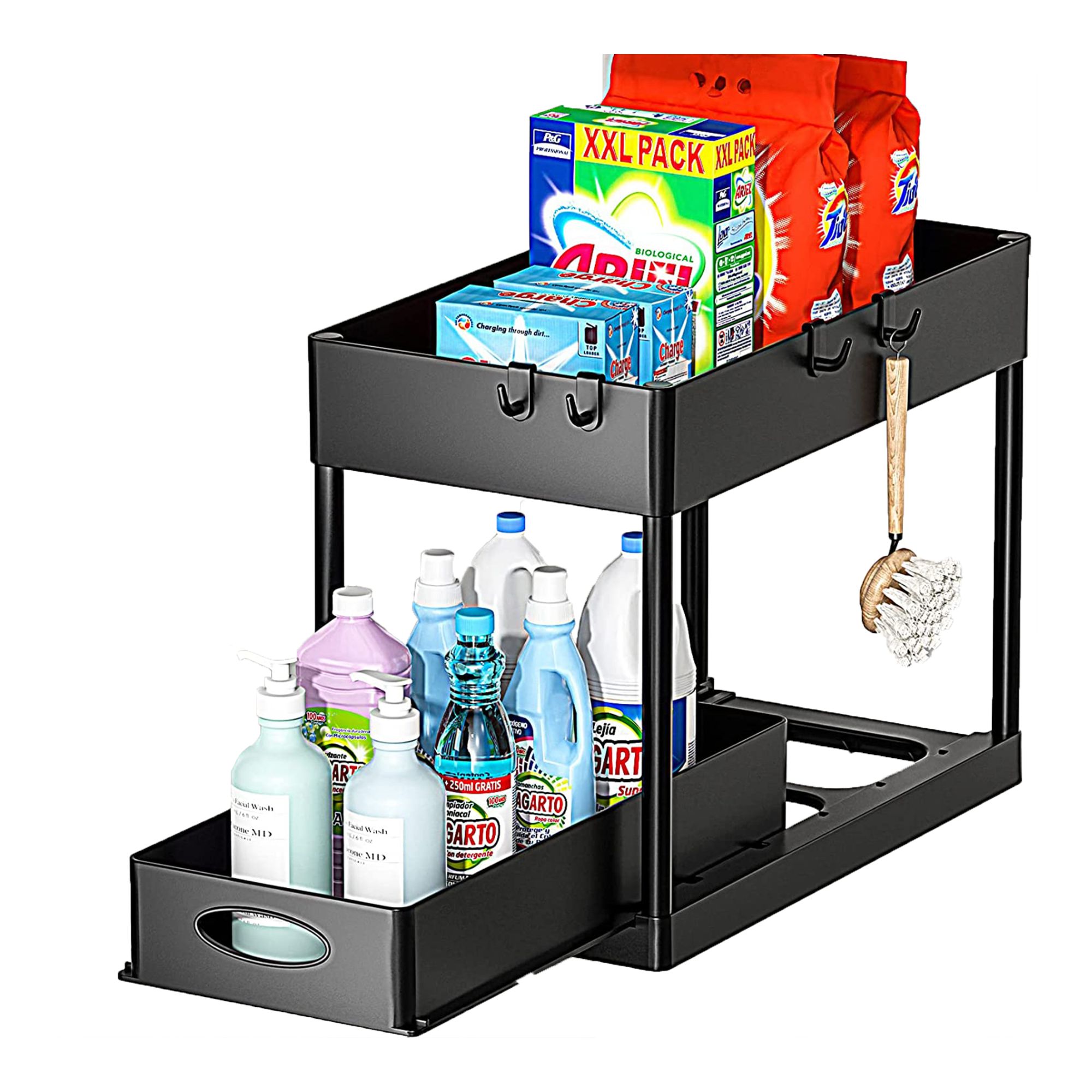
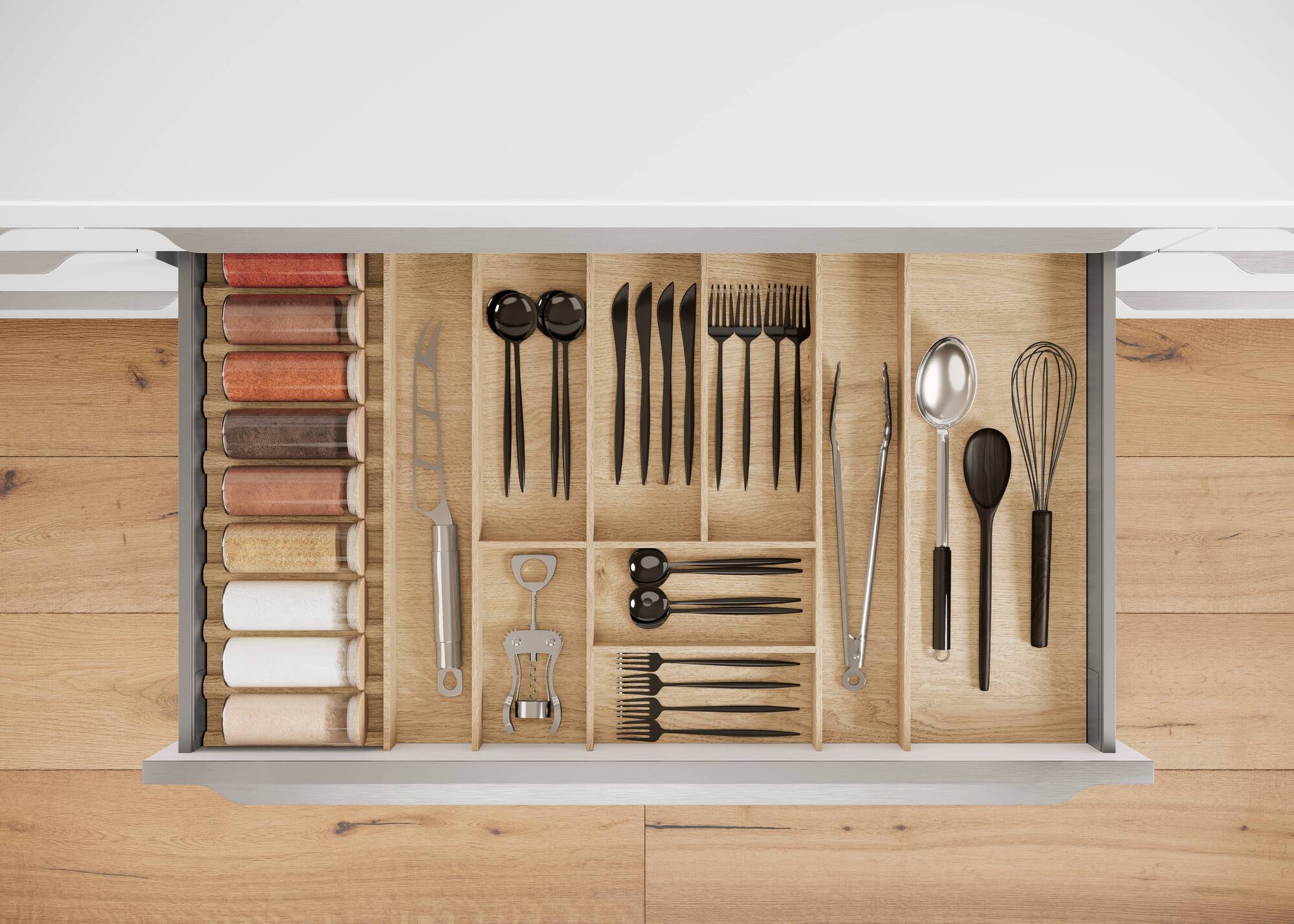
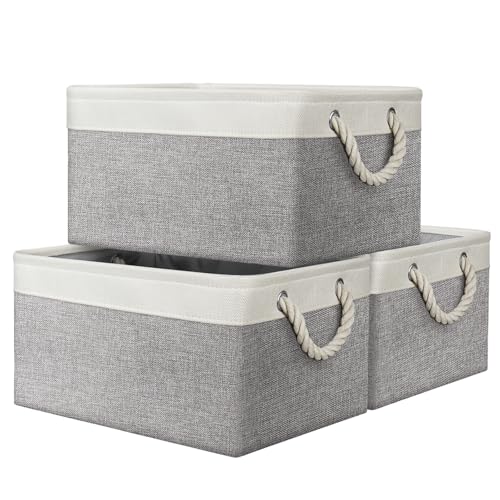
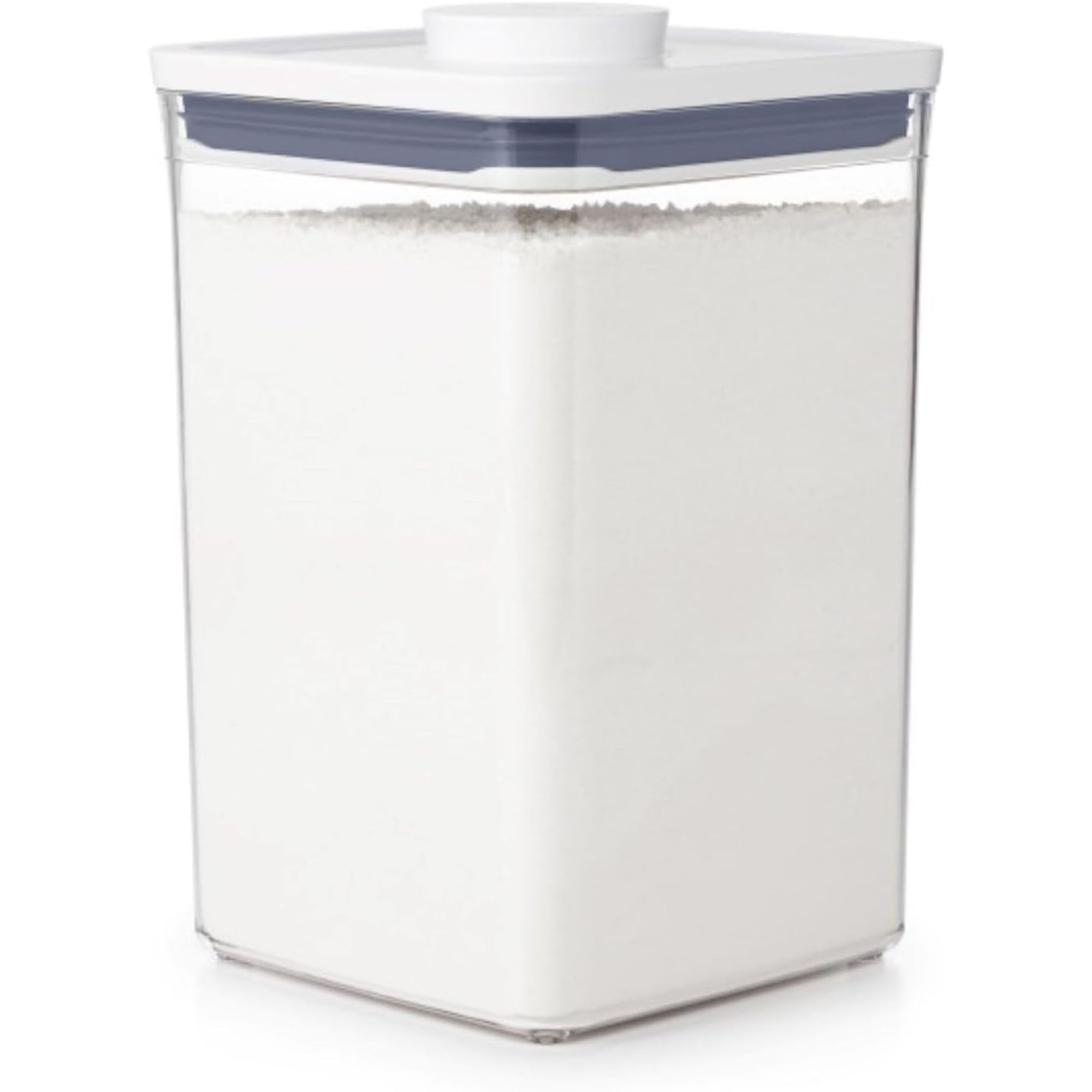
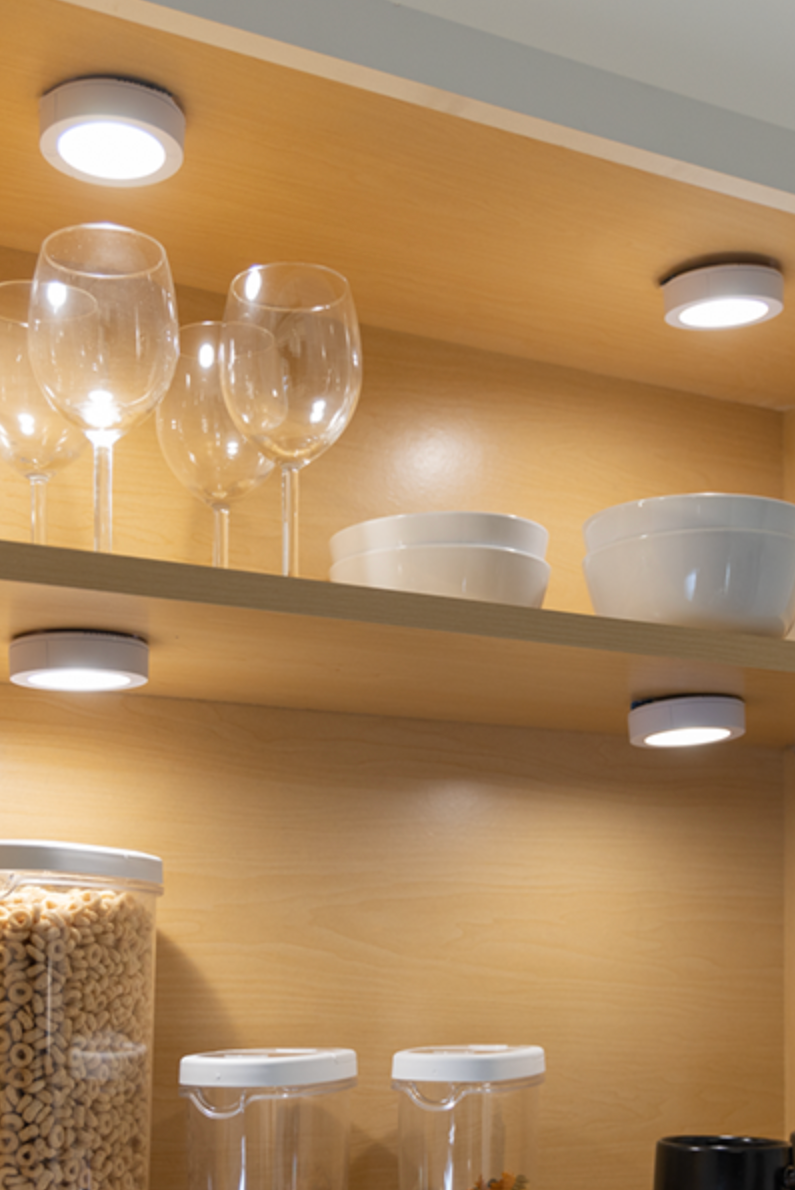
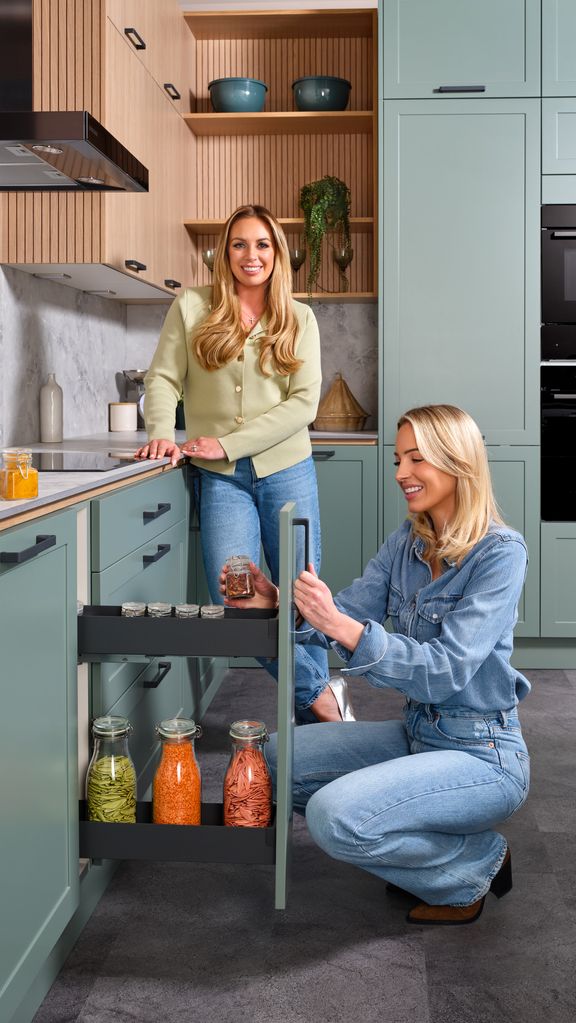
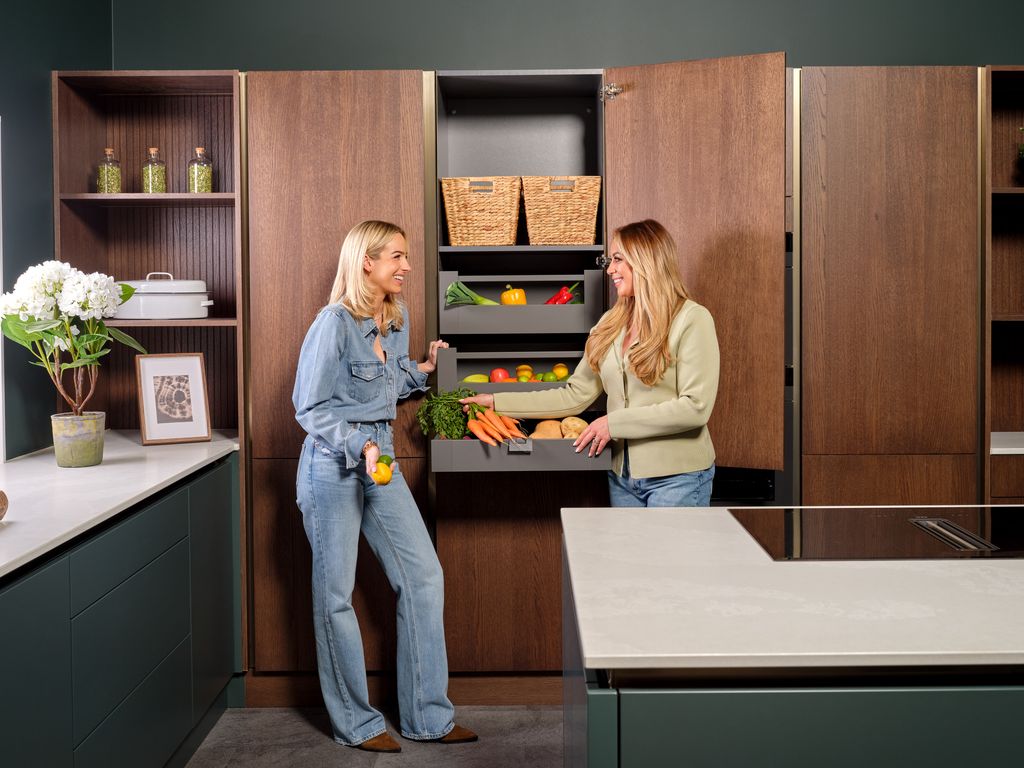
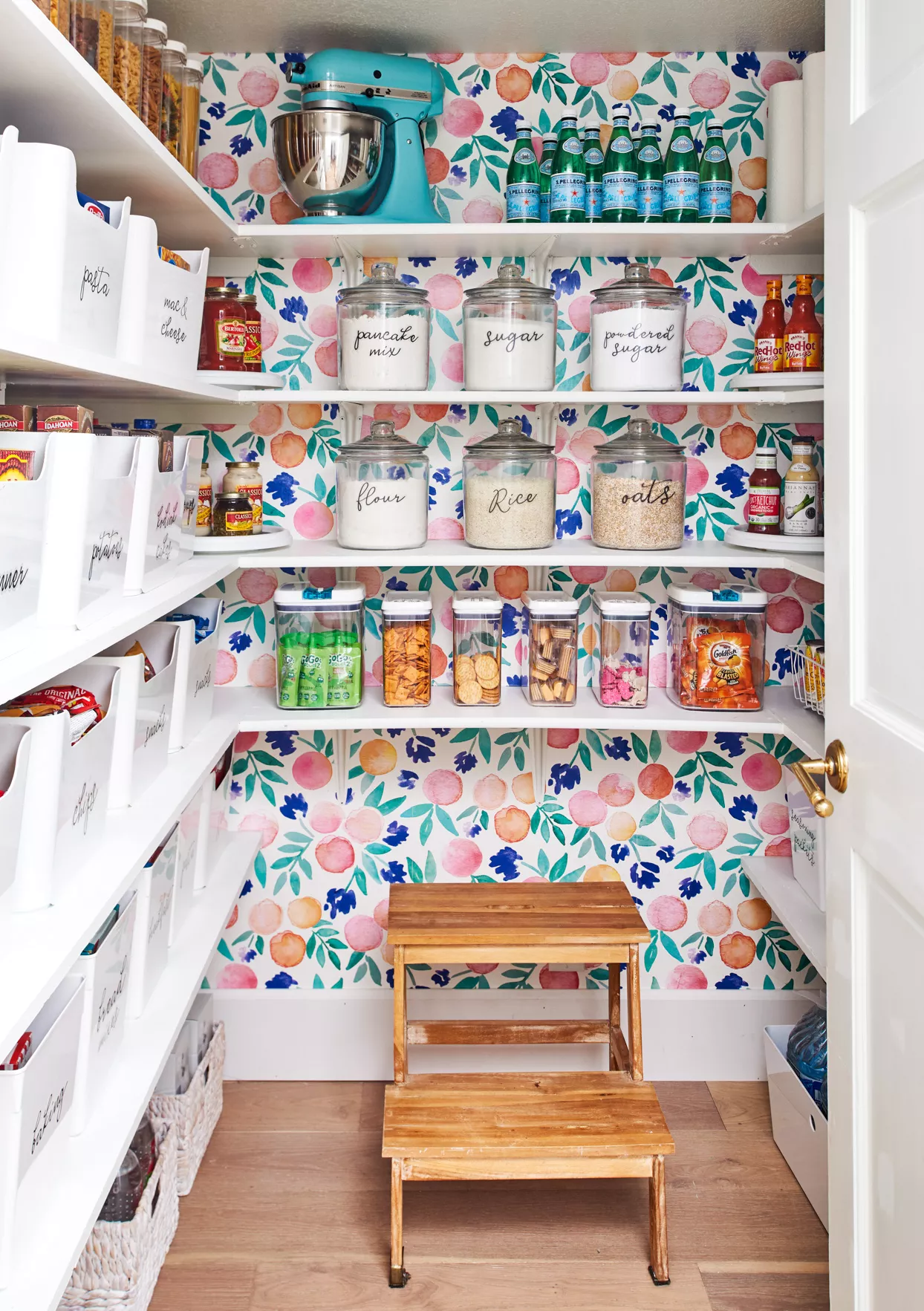
The incorrect use of organizing products also contributes to pantry chaos. While aesthetically pleasing containers might seem appealing, they are ineffective if they don't meet specific storage needs or fit the available space. Instead, selecting products that enhance storage functionality, such as adjustable shelving, clear bins, and pull-out baskets, can maximize space and simplify access to items, making meal preparation and packing lunches more streamlined.
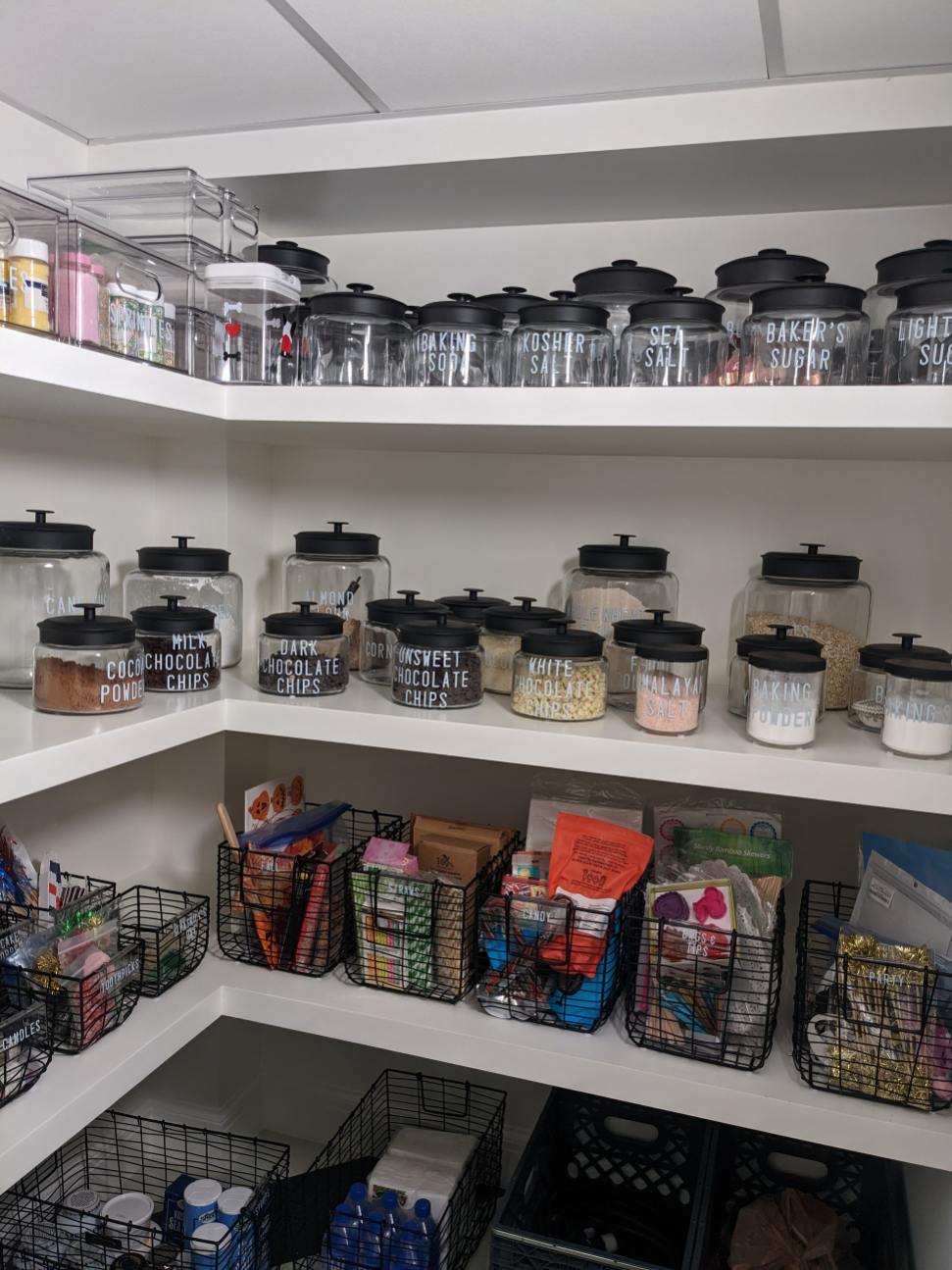
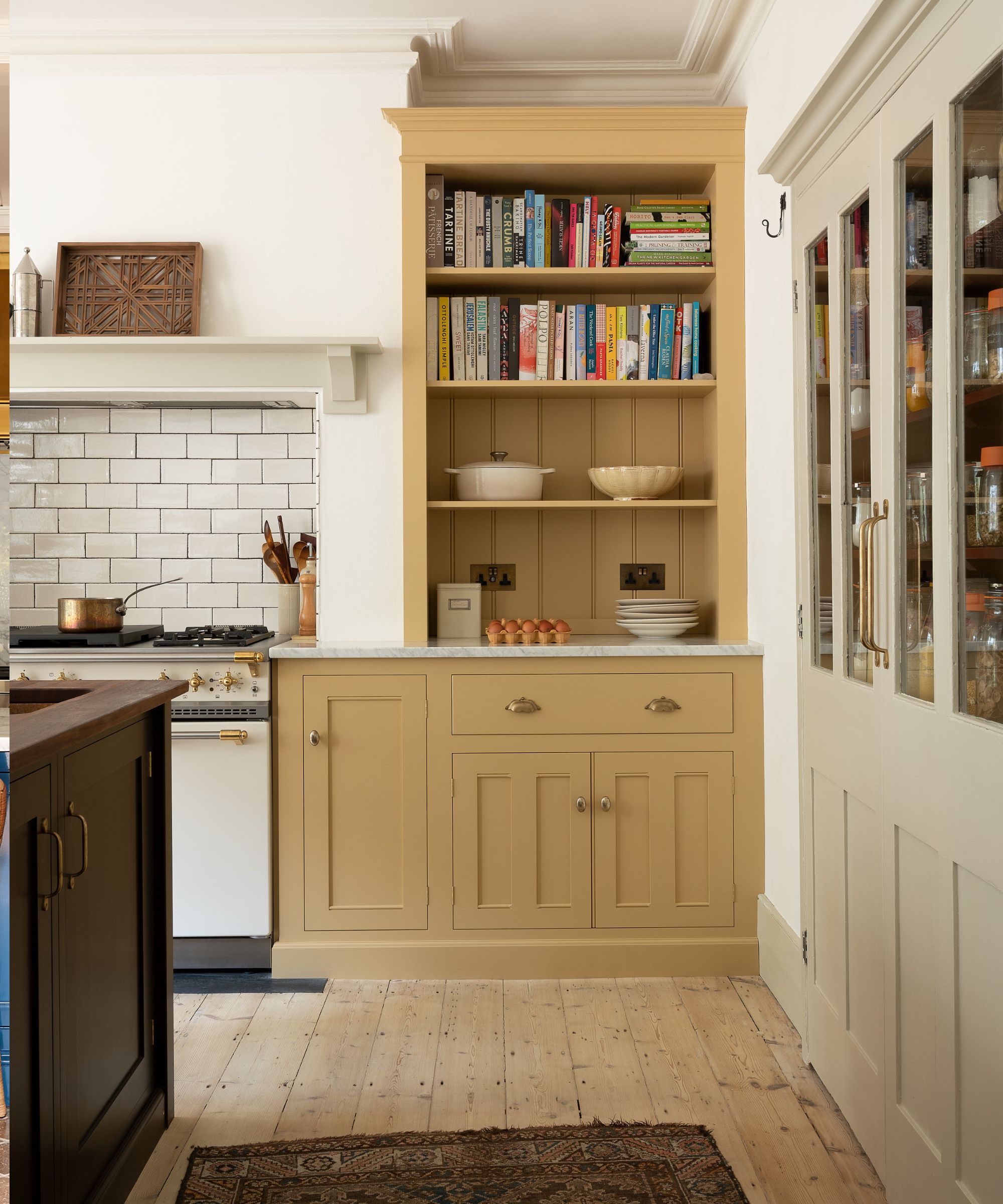
Failing to group similar items together is another common error. A jumbled pantry where pasta, condiments, and snacks are mixed indiscriminately makes it difficult and time-consuming to locate specific ingredients. Implementing a categorization system, where all grab-and-go items, grains, pastas, baking supplies, and coffee essentials are stored together, significantly improves navigability. Once categorized, consistent labeling becomes essential.
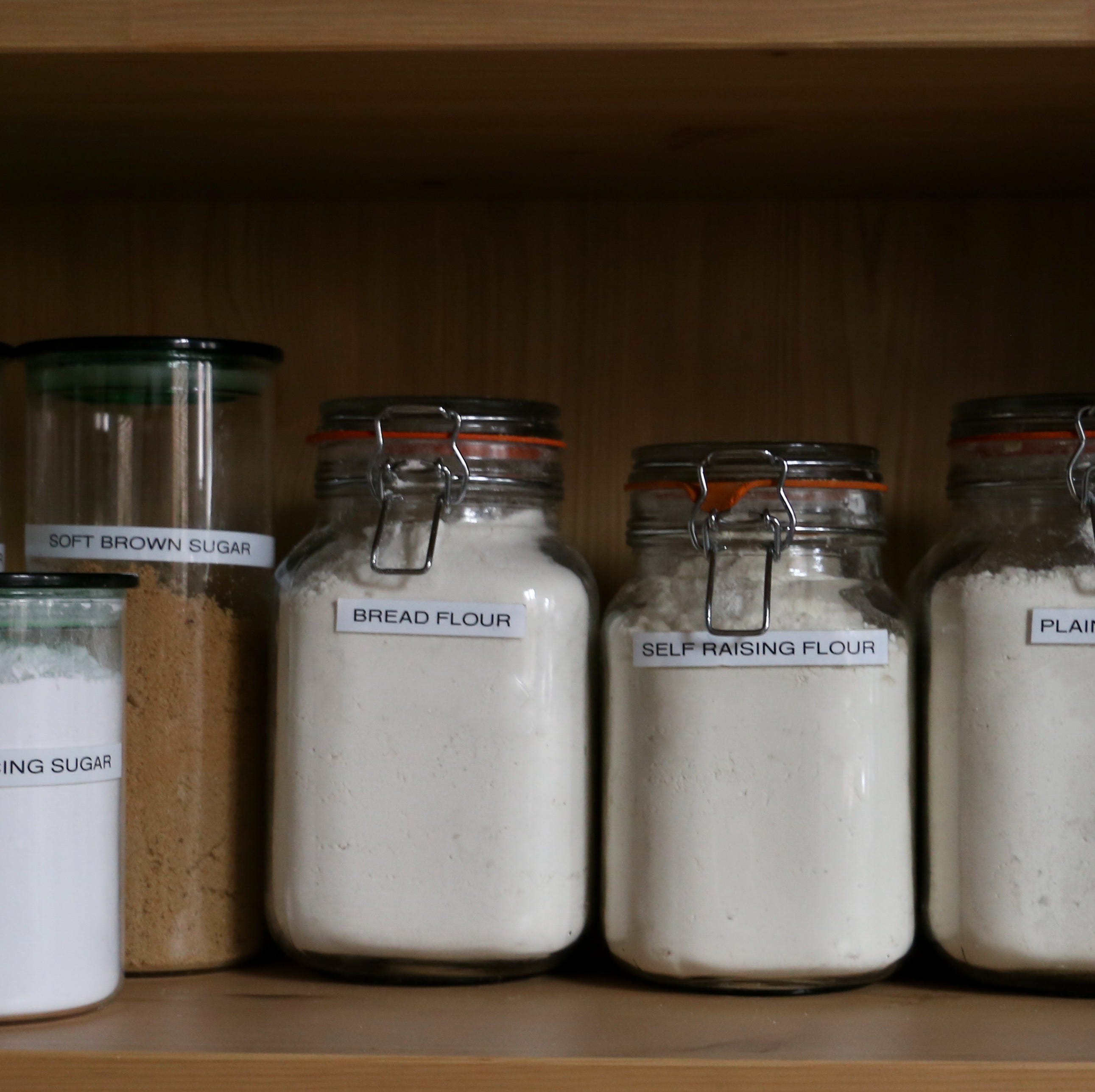
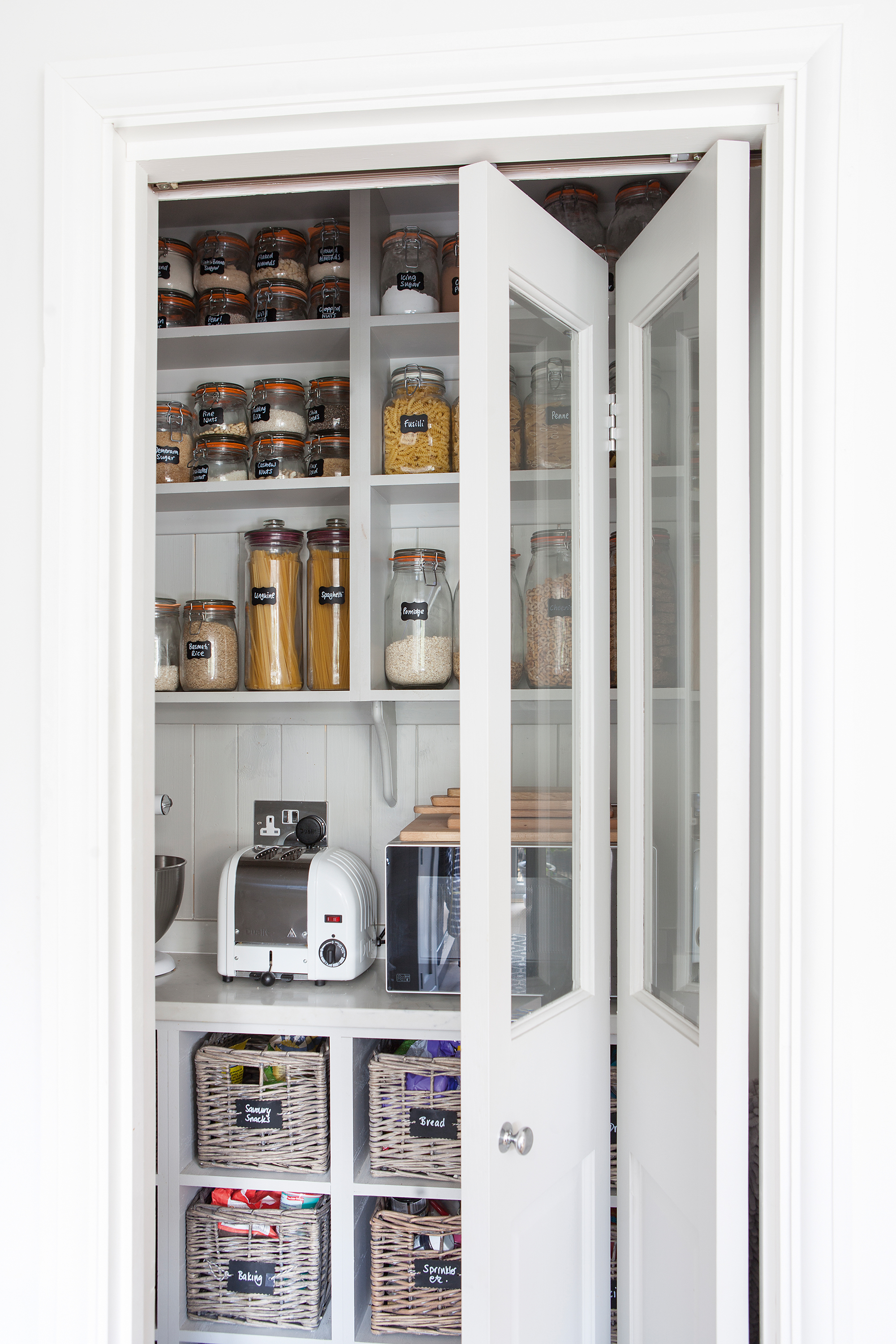
The absence of clear labels is a major oversight that can lead to frustration and wasted time. Without labels, users might fumble through containers to identify contents, hindering efficient meal prep or snack retrieval. Labels for containers, bins, and boxes, especially those in vibrant colors, allow for quick identification of items like breakfast supplies, snacks, or spices. For canister-stored goods, attaching expiration dates to the underside of lids ensures visibility while maintaining a tidy appearance.
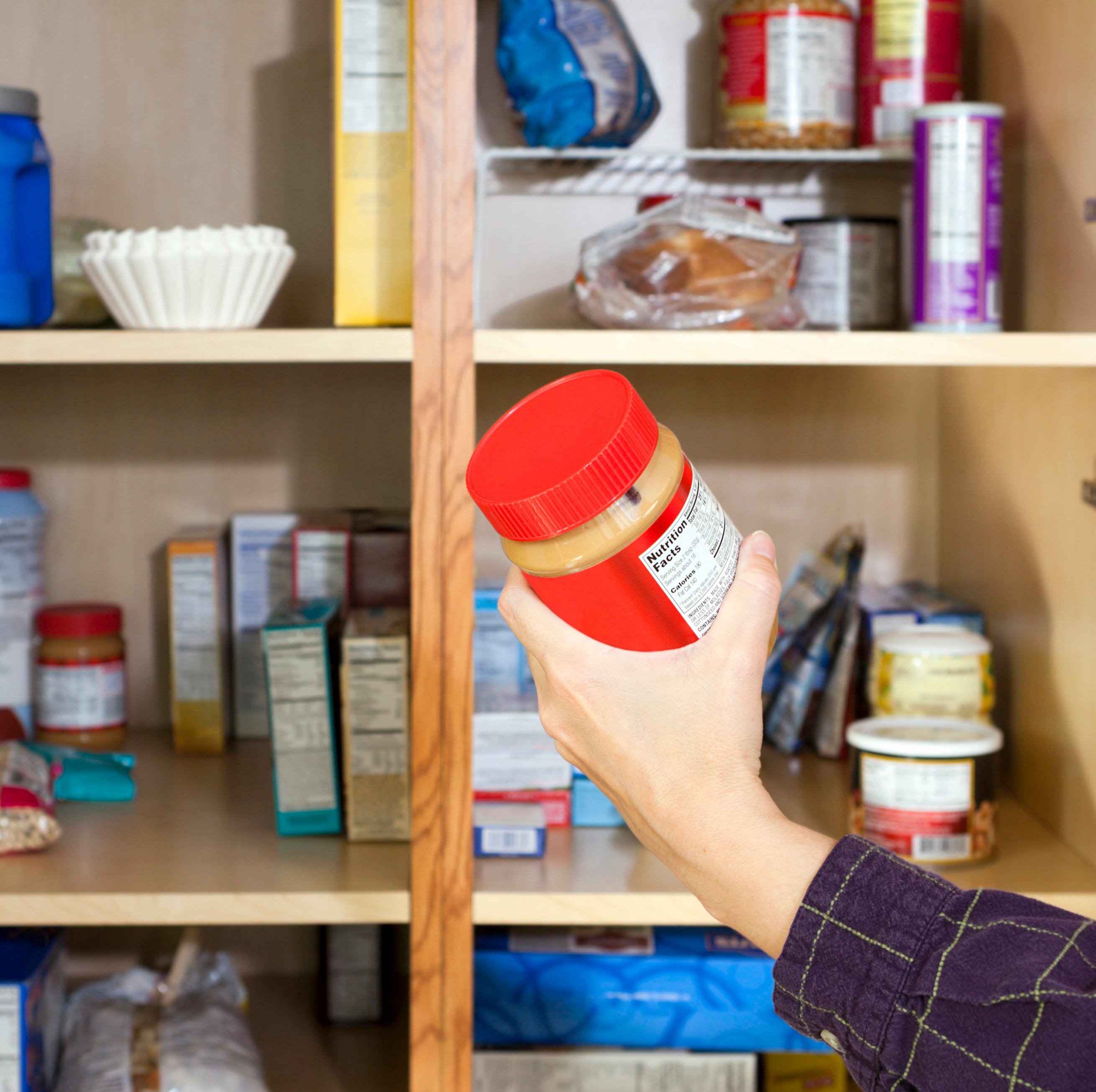
Neglecting to remove unused or expired items is another pitfall, contributing to food waste and redundant purchases. Regular pantry checks for expired products are recommended. Adopting a "first in, first out" system—placing older items at the front and newer ones at the back—helps ensure products are used before their expiration dates. An inventory system, perhaps using sticky notes to track low or overstocked items, can prevent duplicate purchases and aid in maintaining an up-to-date pantry.
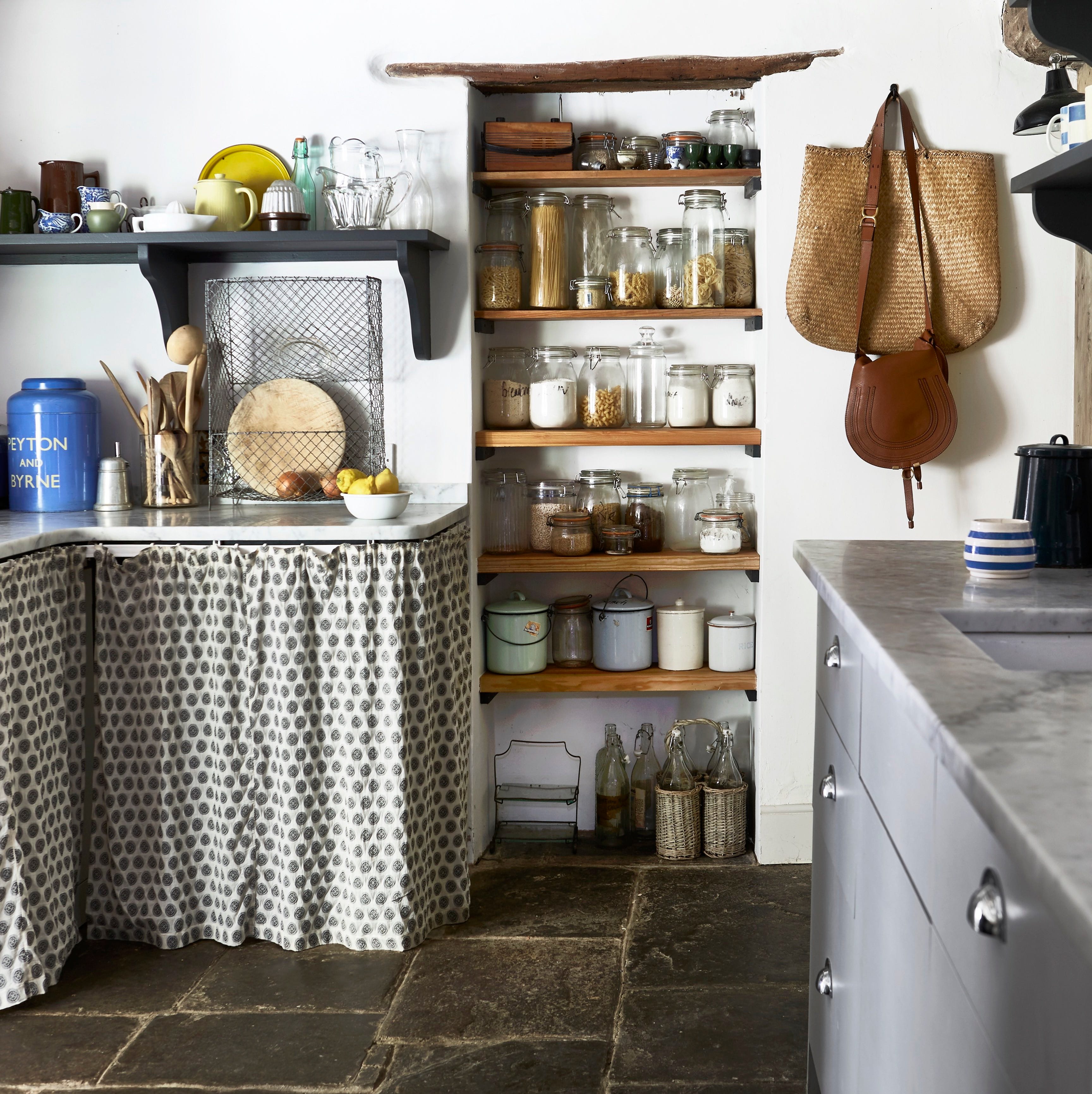
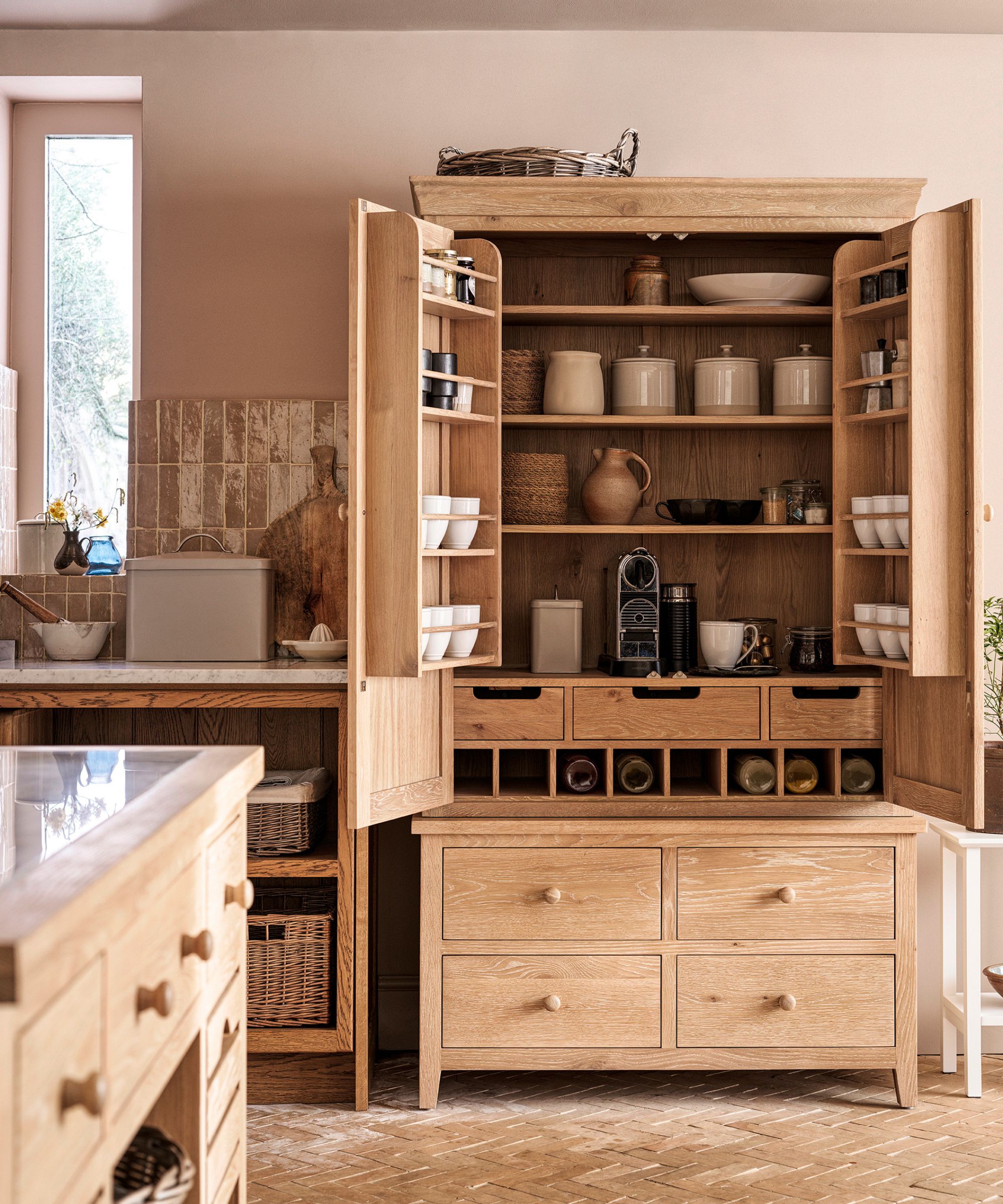
Finally, underutilizing vertical space in a pantry, especially in those with deep shelves, is a common error. Items stored in the back of deep shelves are often forgotten or difficult to reach. Maximizing vertical space involves using tall, narrow bins, installing adjustable shelves, or incorporating tiered racks to keep all items visible and accessible. Additionally, leveraging free wall space or the back of the pantry door for storage, and strategically placing bulky or less-frequently used items on upper and lower shelves, while reserving central shelves for everyday essentials, can significantly enhance overall pantry organization.
#PantryOrganization #HomeStorage #KitchenOrganization #DeclutterYourHome #OrganizingTips #FoodStorage #HouseholdHacks #SpaceUtilization #PantryOrganization #HomeStorage #KitchenOrganization #DeclutterYourHome #OrganizingTips #FoodStorage #HouseholdHacks #SpaceUtilization
0 opmerkingen in totaal
 Nog geen opmerkingen
Dit vindt u mogelijk ook leuk
7 kitchen storage mistakes you're making – and how to fix them
5 storage mistakes people with clutter-free kitchens never make - they'll make you re-think your remodel plans


6 bedroom storage mistakes that could be causing mould – and what to do instead
3 Common Storage Mistakes That Are Ruining Your Pots And Pans
Don’t Skip These 6 Tasks When Organizing Your Pantry
The 5 kitchen storage mistakes interior designers always avoid

5 Mistakes People Make When Organizing Their Closets—and How to Fix Them


5 small entryway storage mistakes designers want you to stop making
6 Things You Should NEVER Keep In Your Pantry, According To Pro Organizers & Chefs
Have You Been Storing These 6 Foods in the Refrigerator? If So, You’re Storing Them Wrong

7 things people with organized kitchen pantries always do
Exclusive: Style Sisters reveal the biggest kitchen organisation mistakes you're making

6 Things You Should Never Store in Your Kitchen Cabinets—and Where to Keep Them Instead


9 Bathroom Storage Mistakes You're Probably Making

11 things you should never store in a pantry, according to experts


8 shockingly common kitchen design mistakes according to a pro
6 powder room storage mistakes to avoid – and what you should be doing instead
5 Storage Mistakes You're Making With Your Kitchen Drawers That Are Sabotaging Your Space's Potential
9 Genius Pantry Hacks Professional Organizers ALWAYS Recommend


10 Closet Organizing Mistakes You're Probably Making