5 Mistakes People Make When Organizing Their Closets—and How to Fix Them
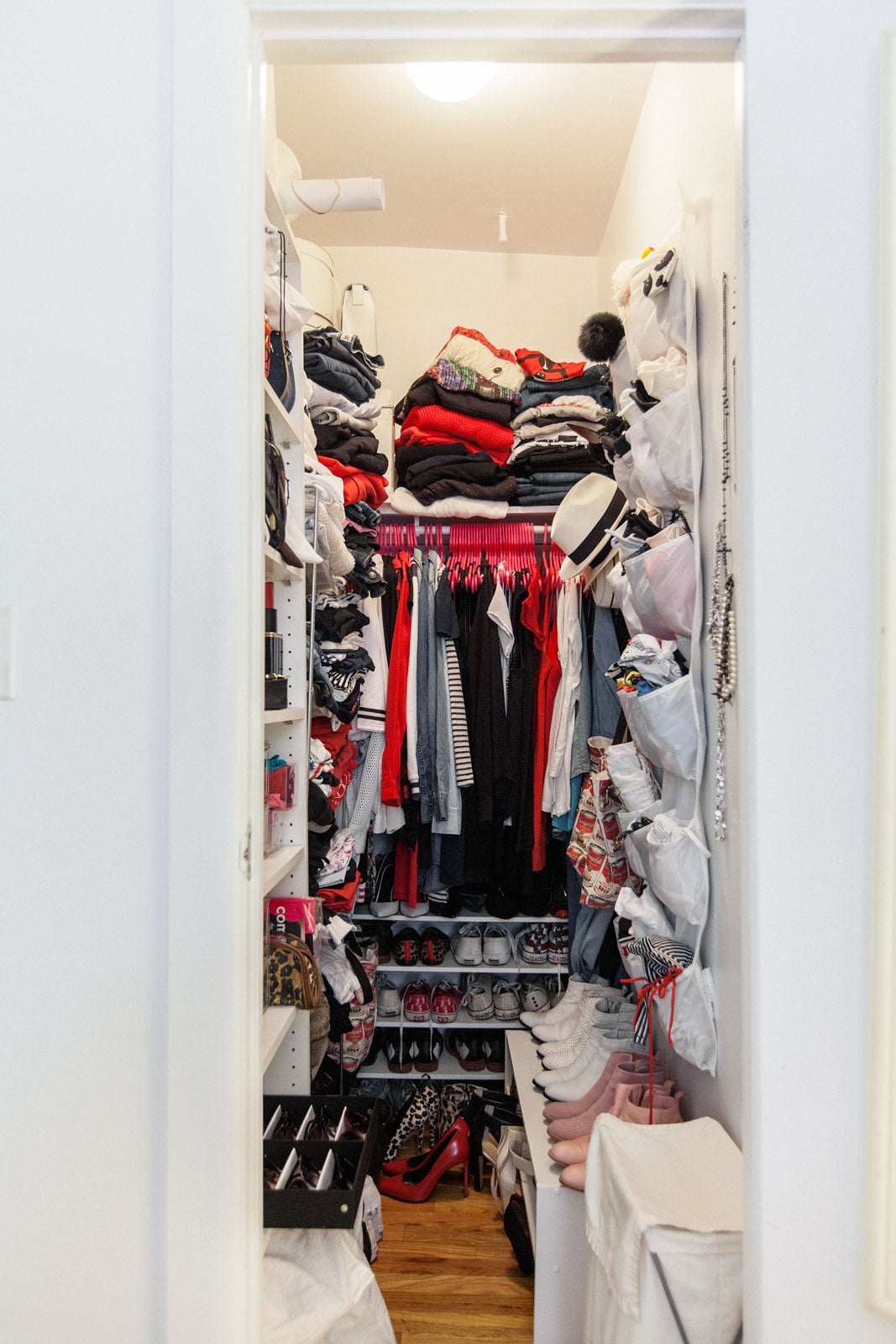
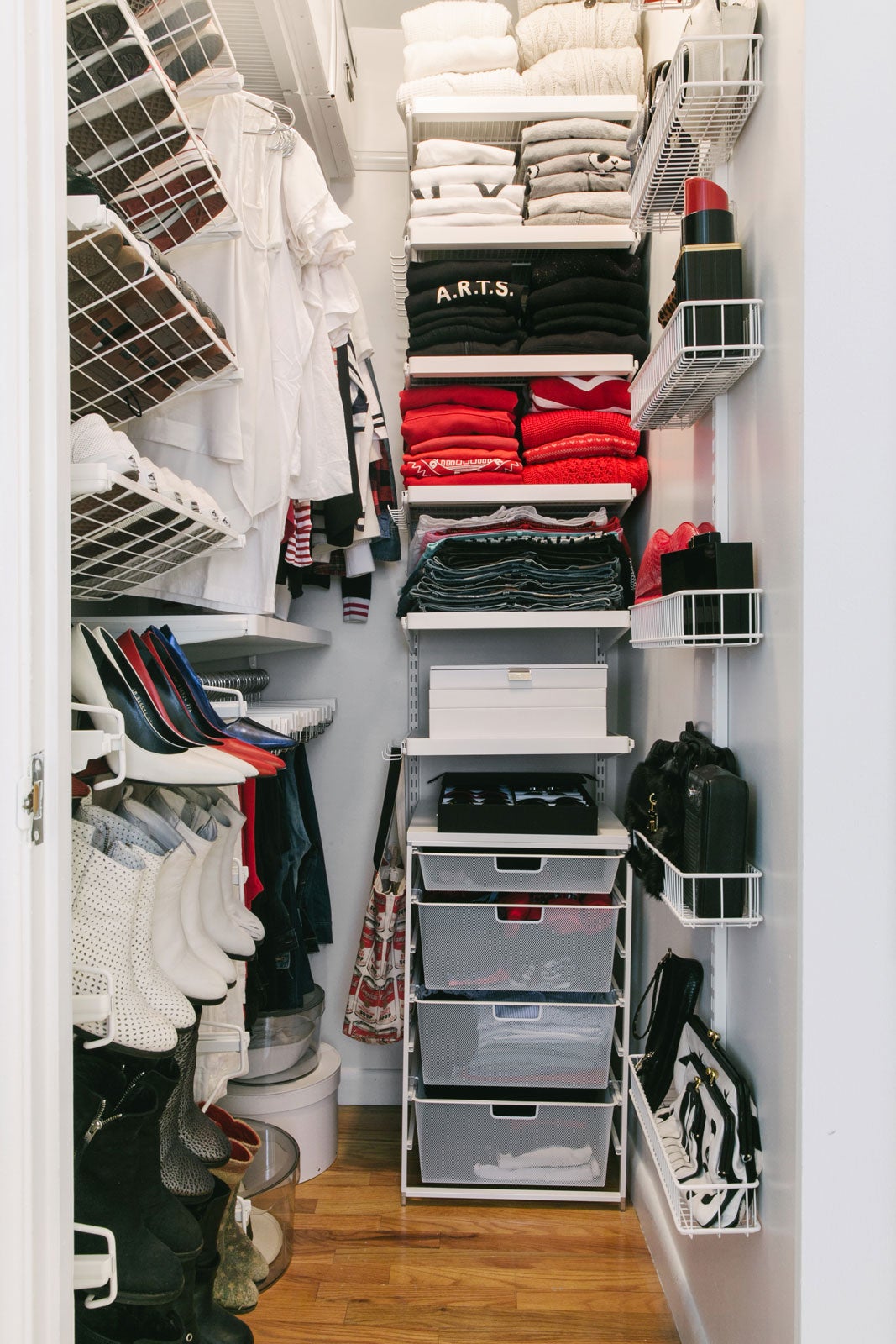
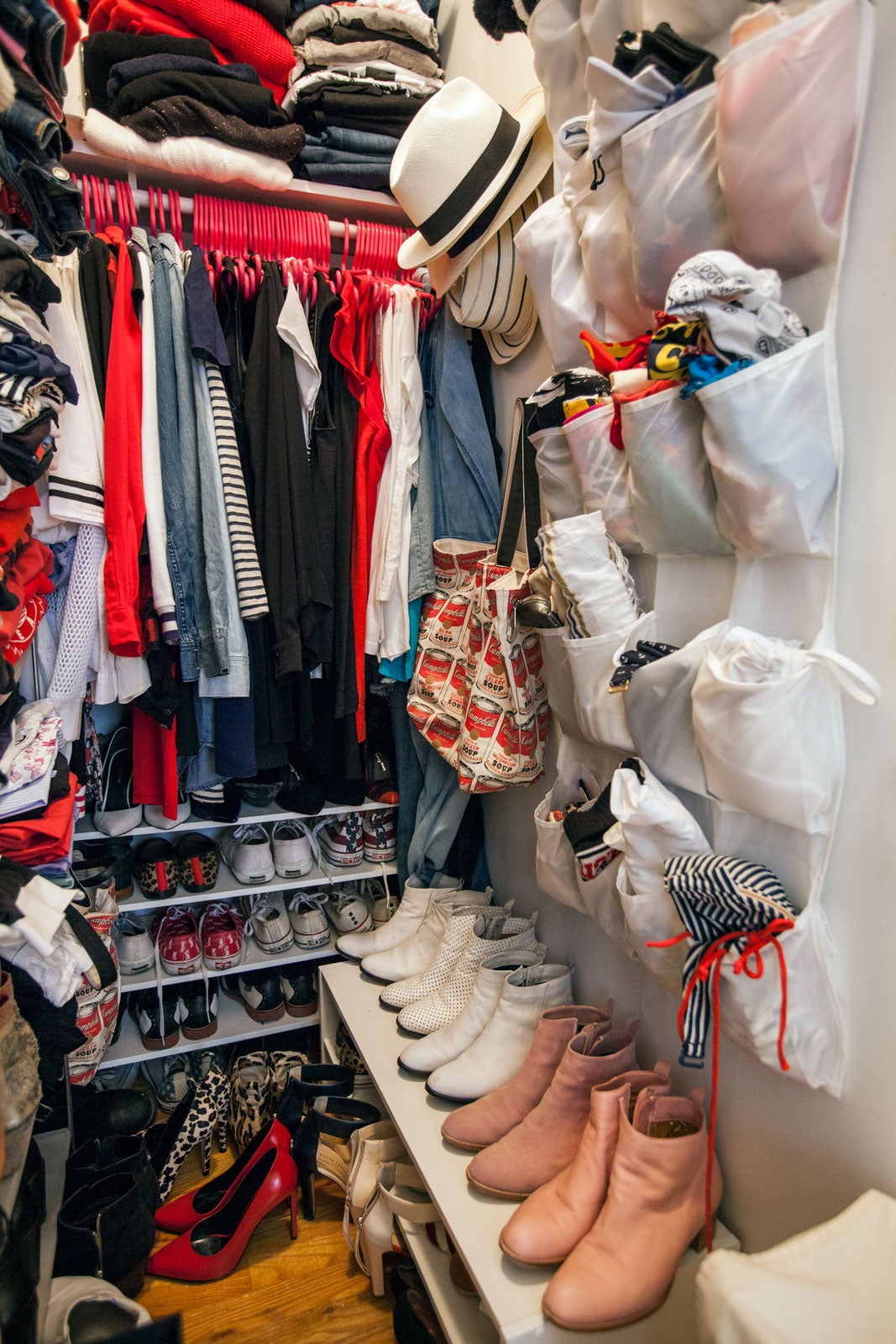
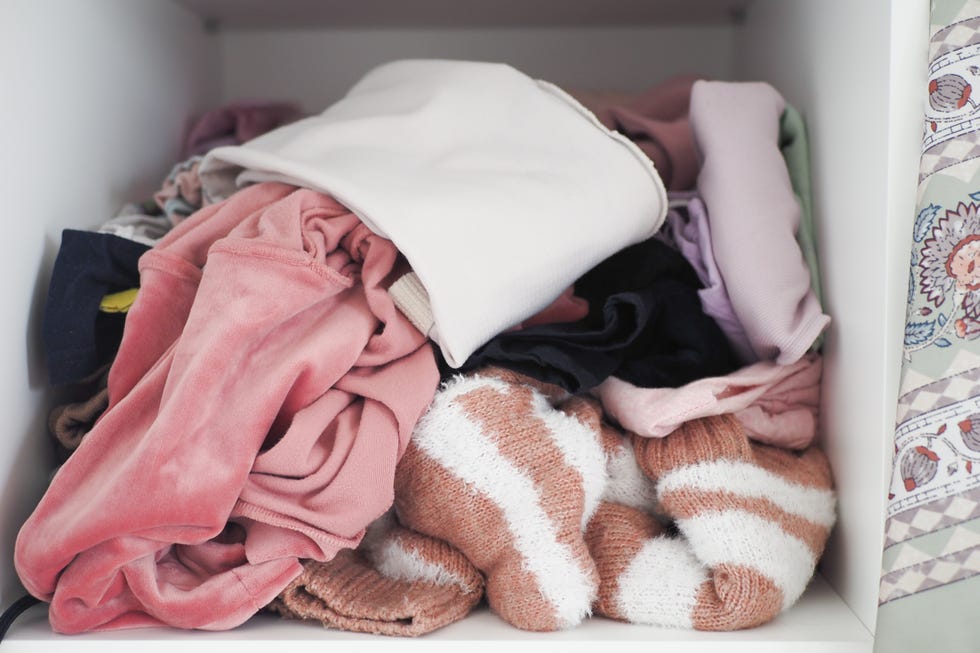
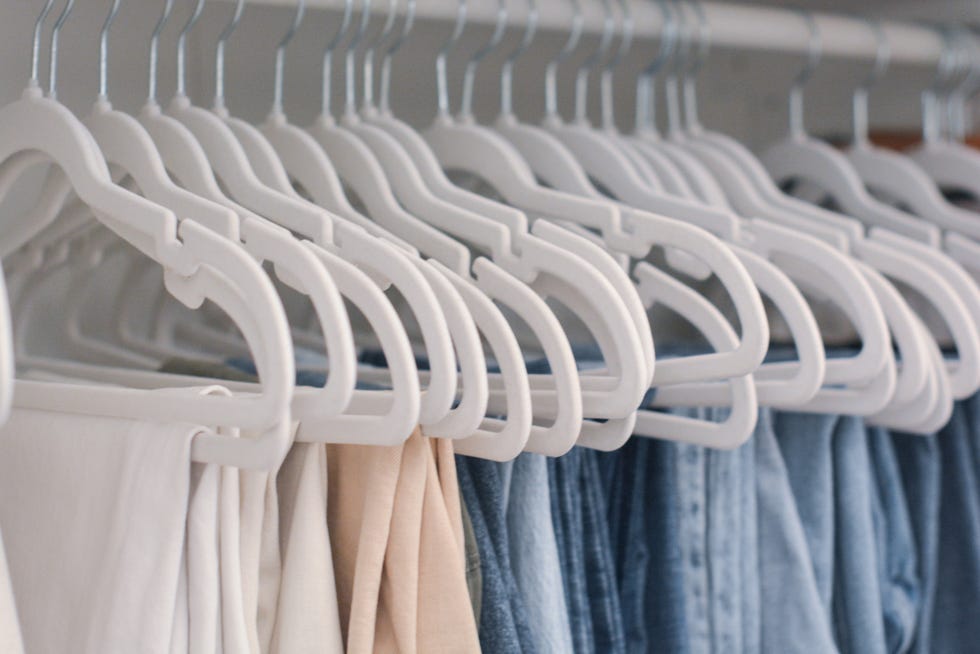
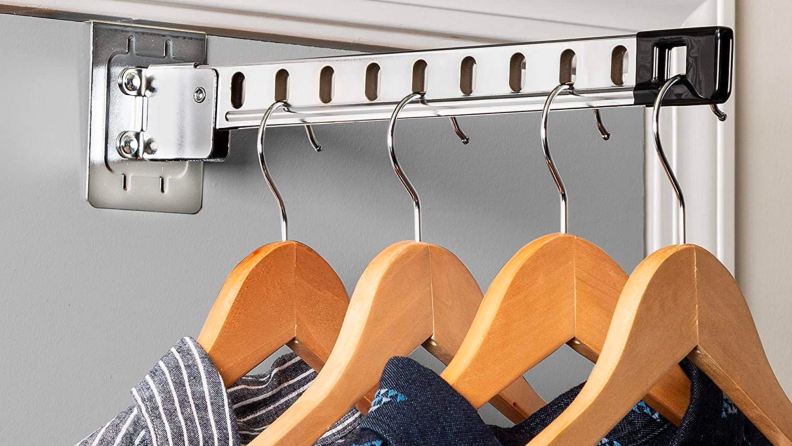
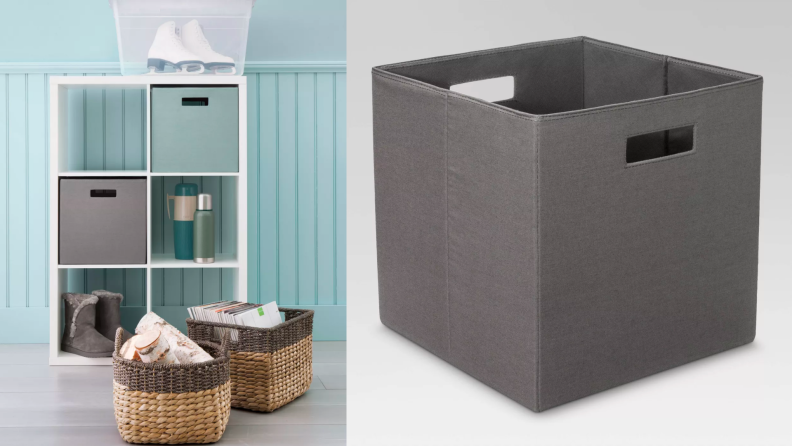
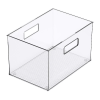
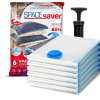
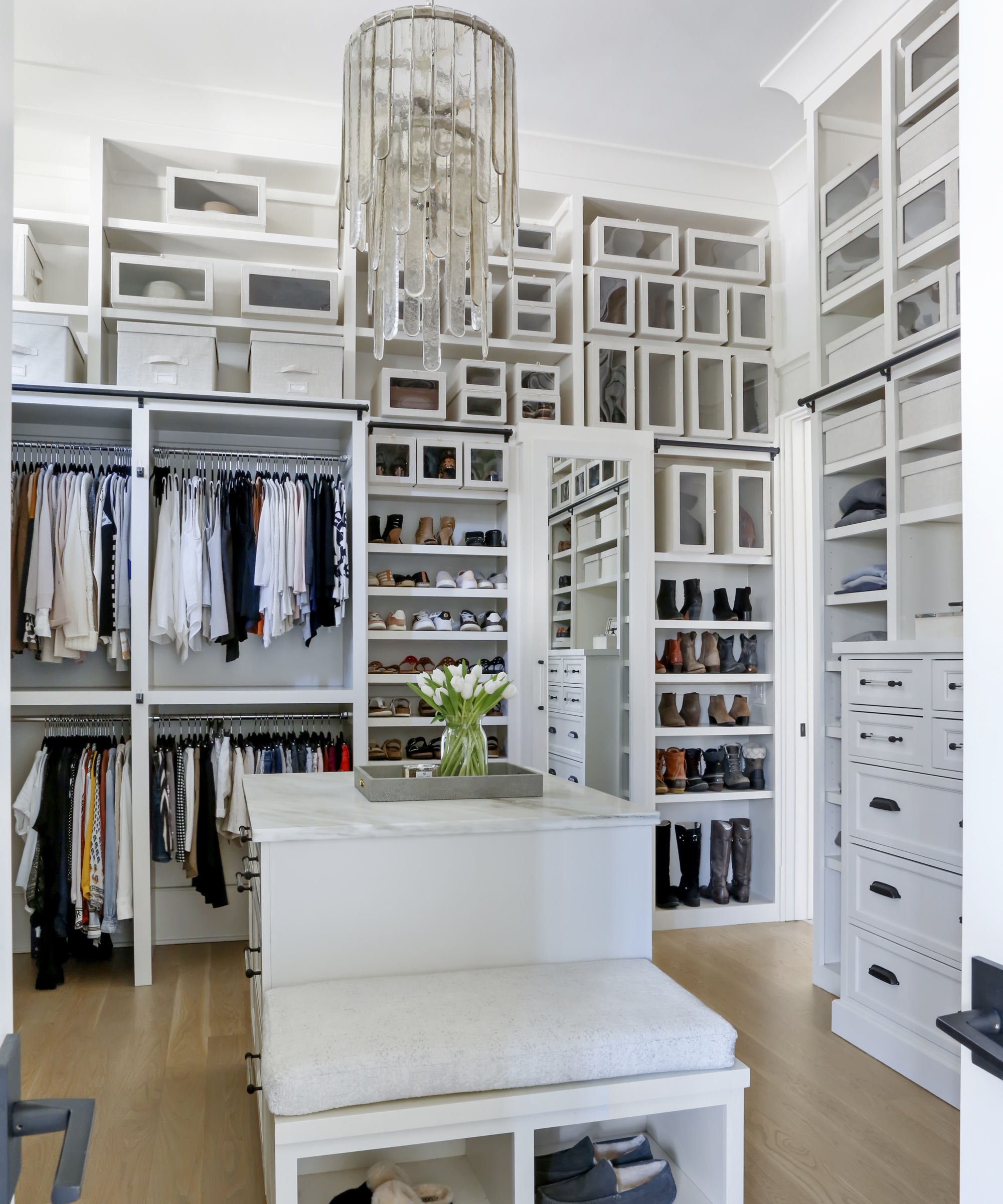
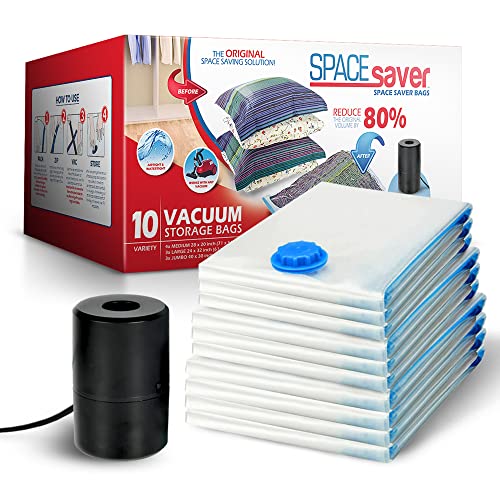
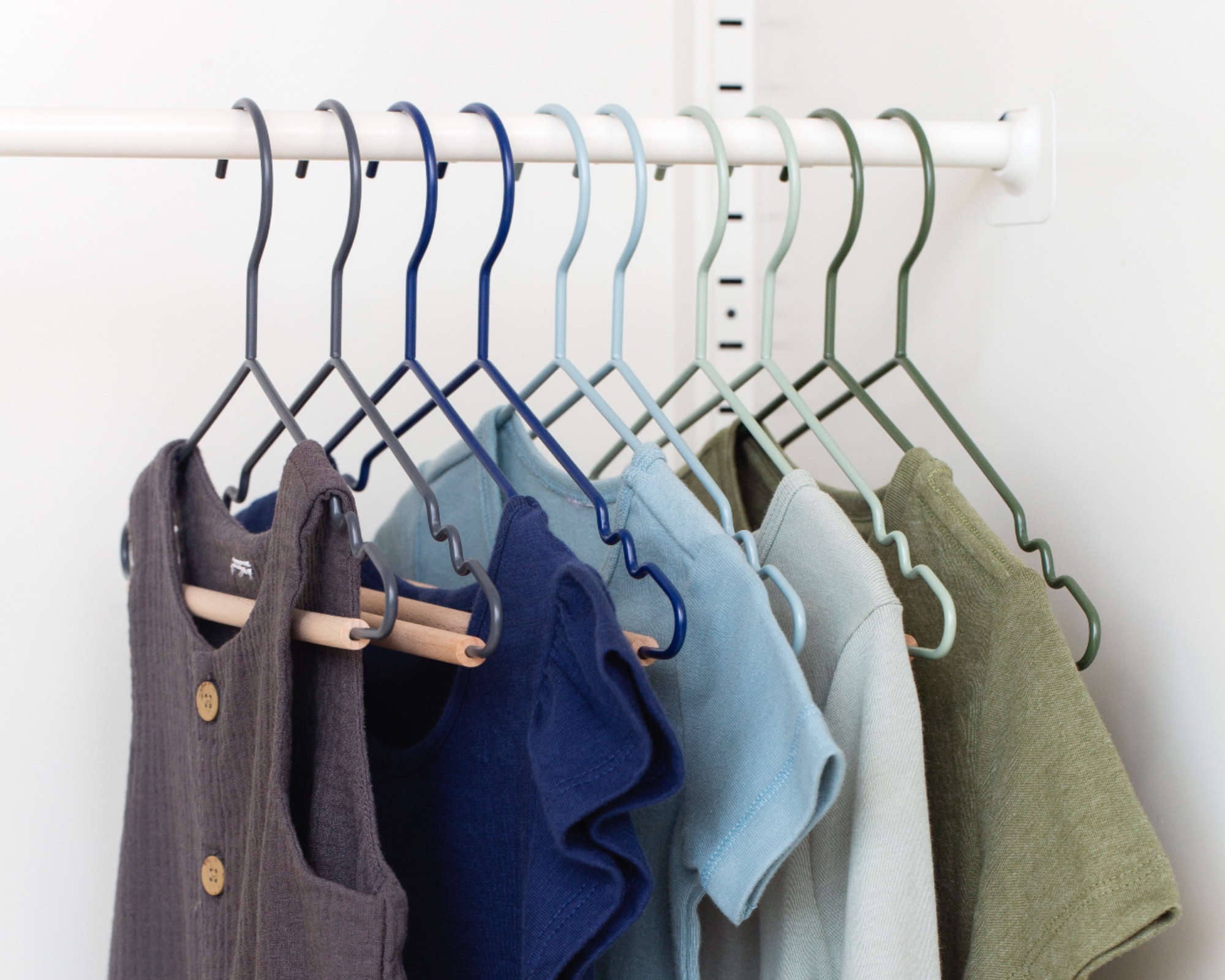
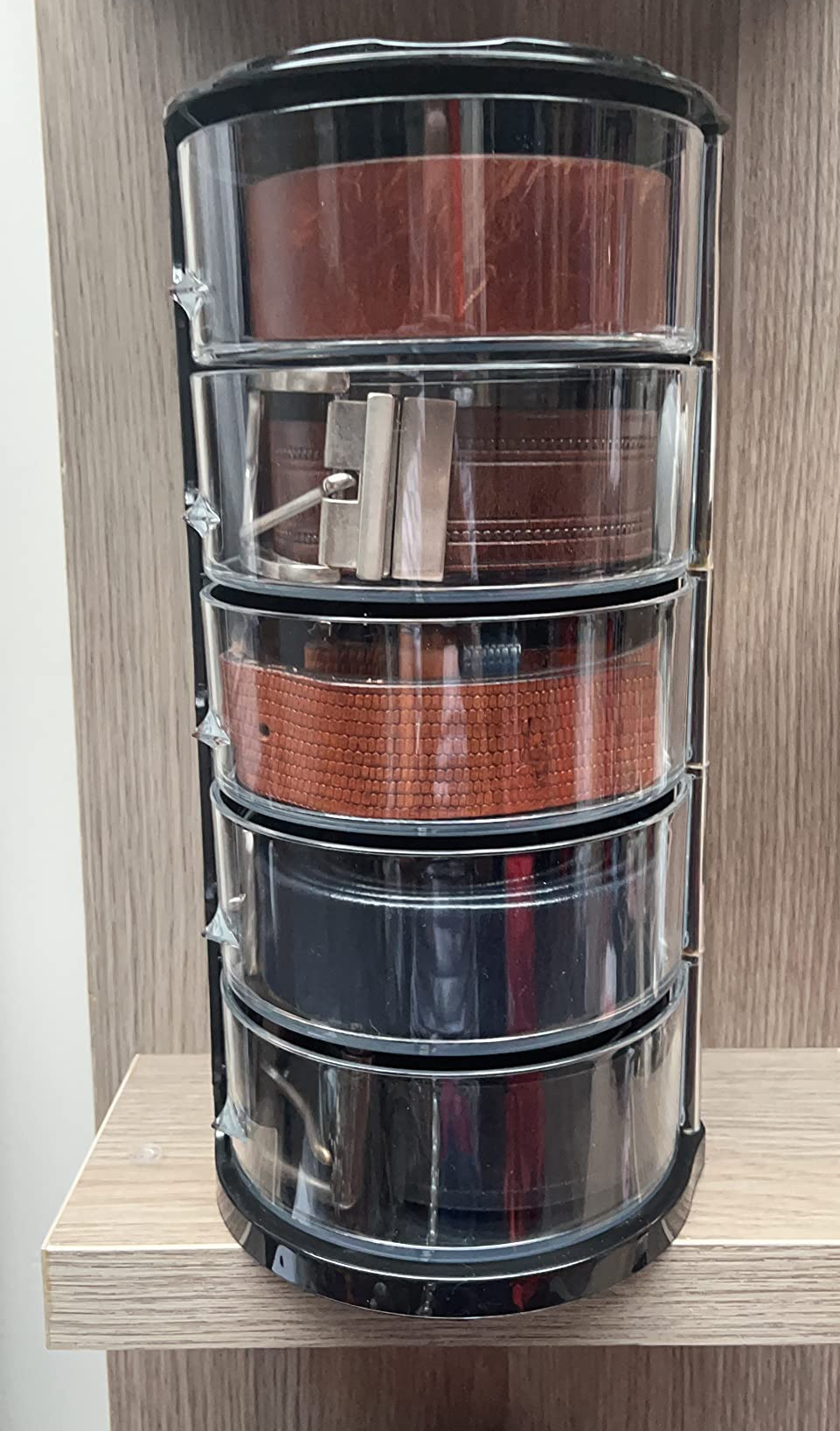
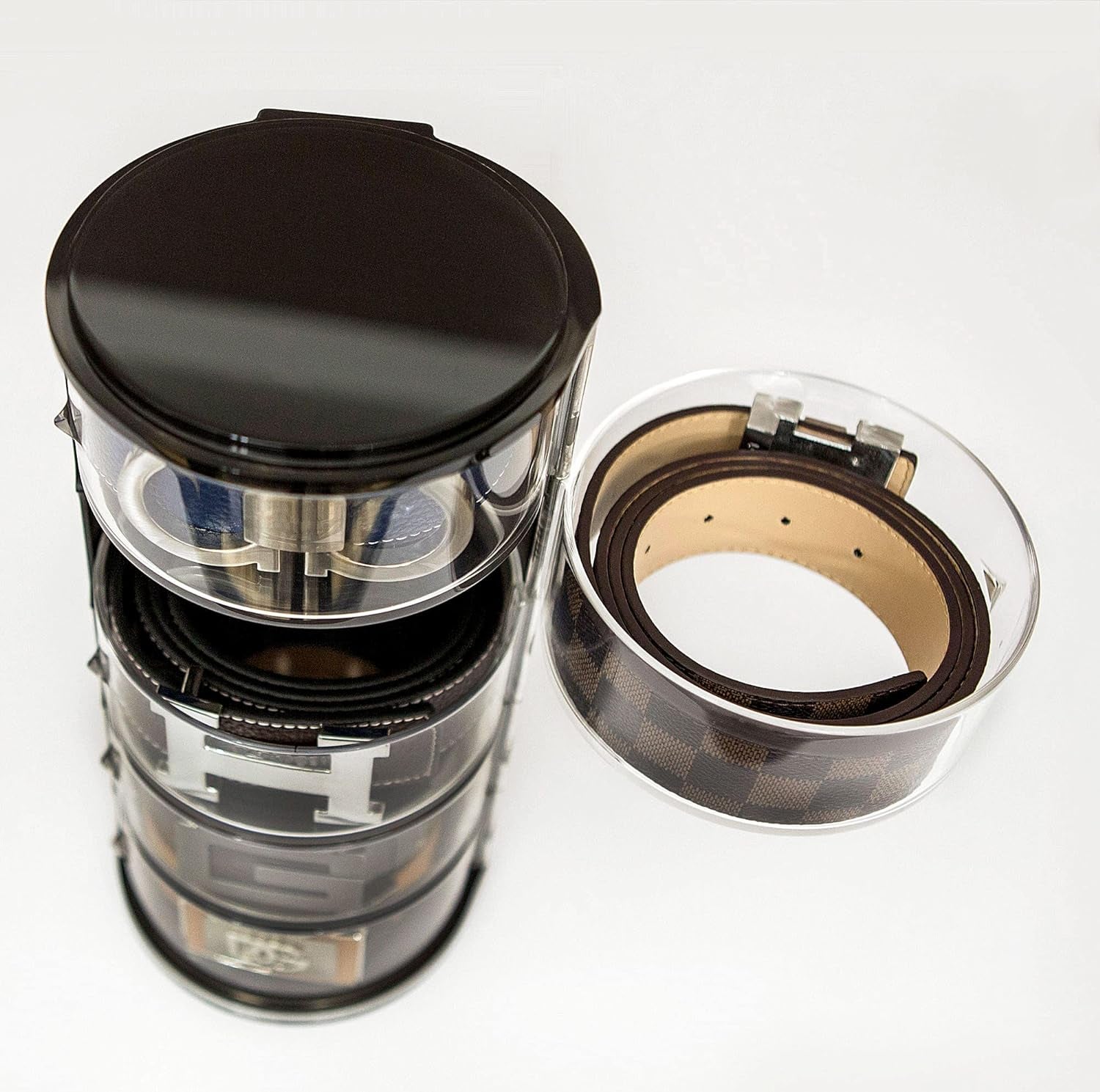
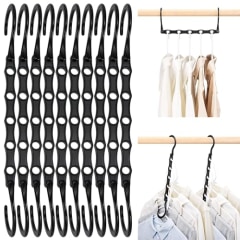
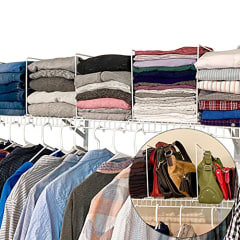
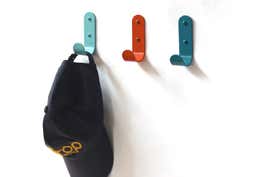
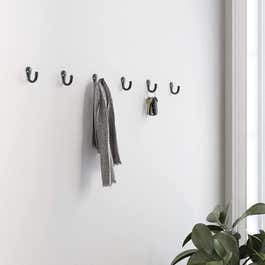
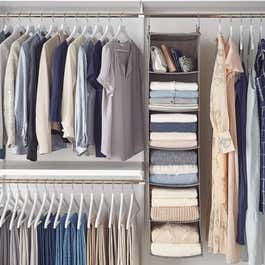
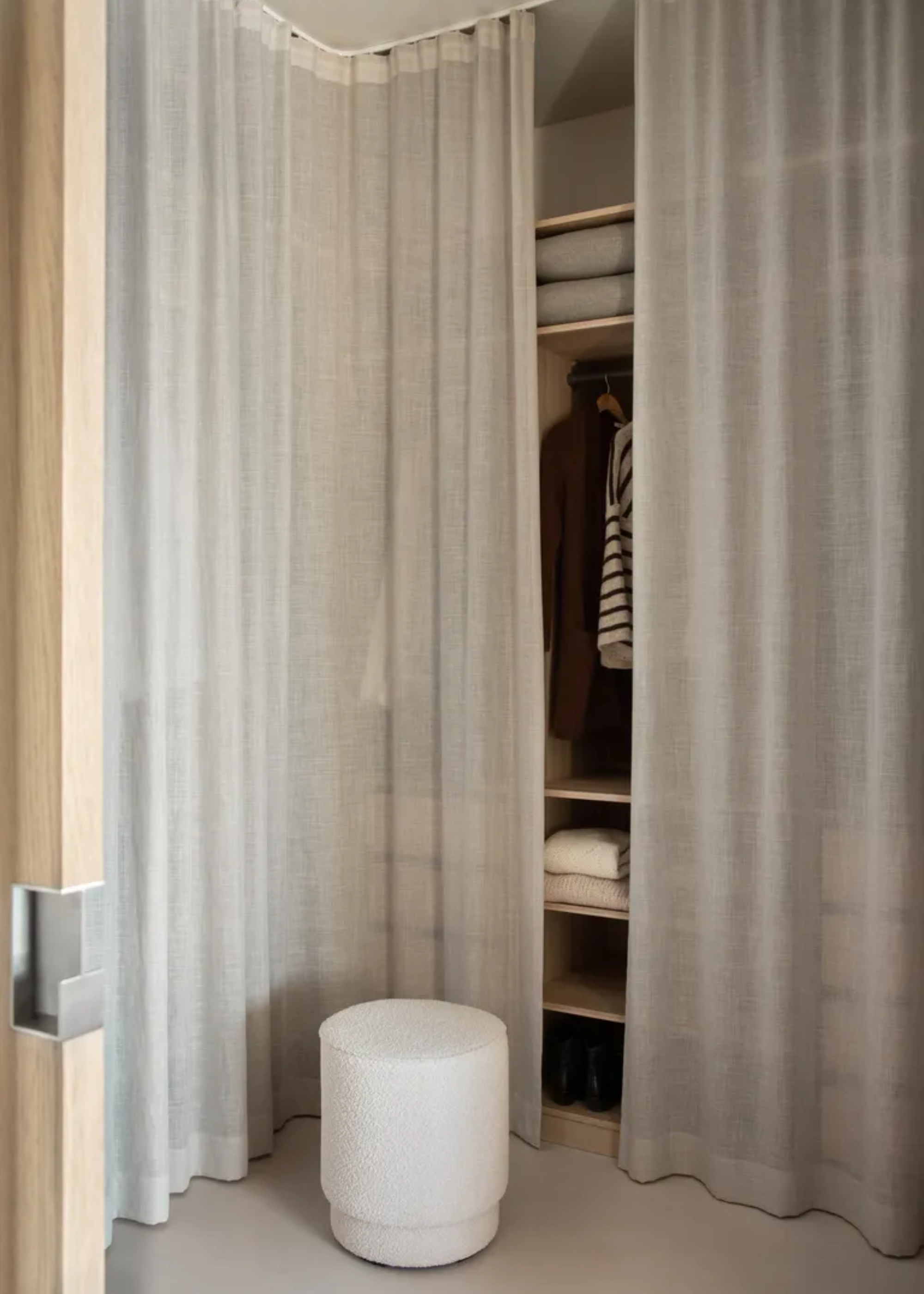
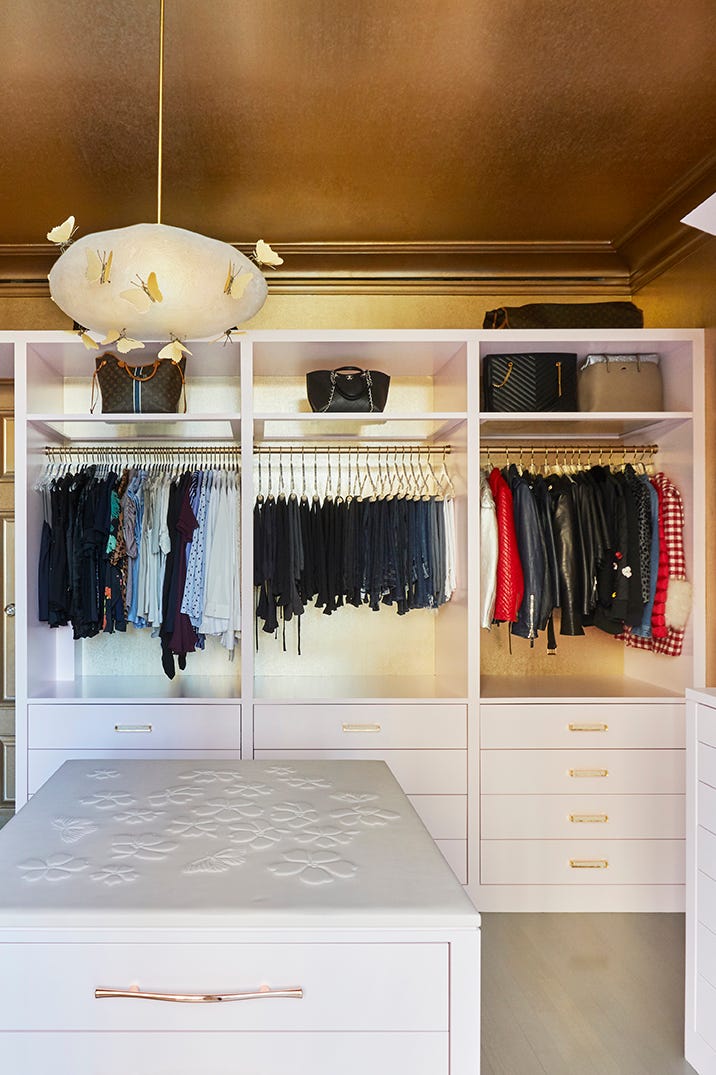
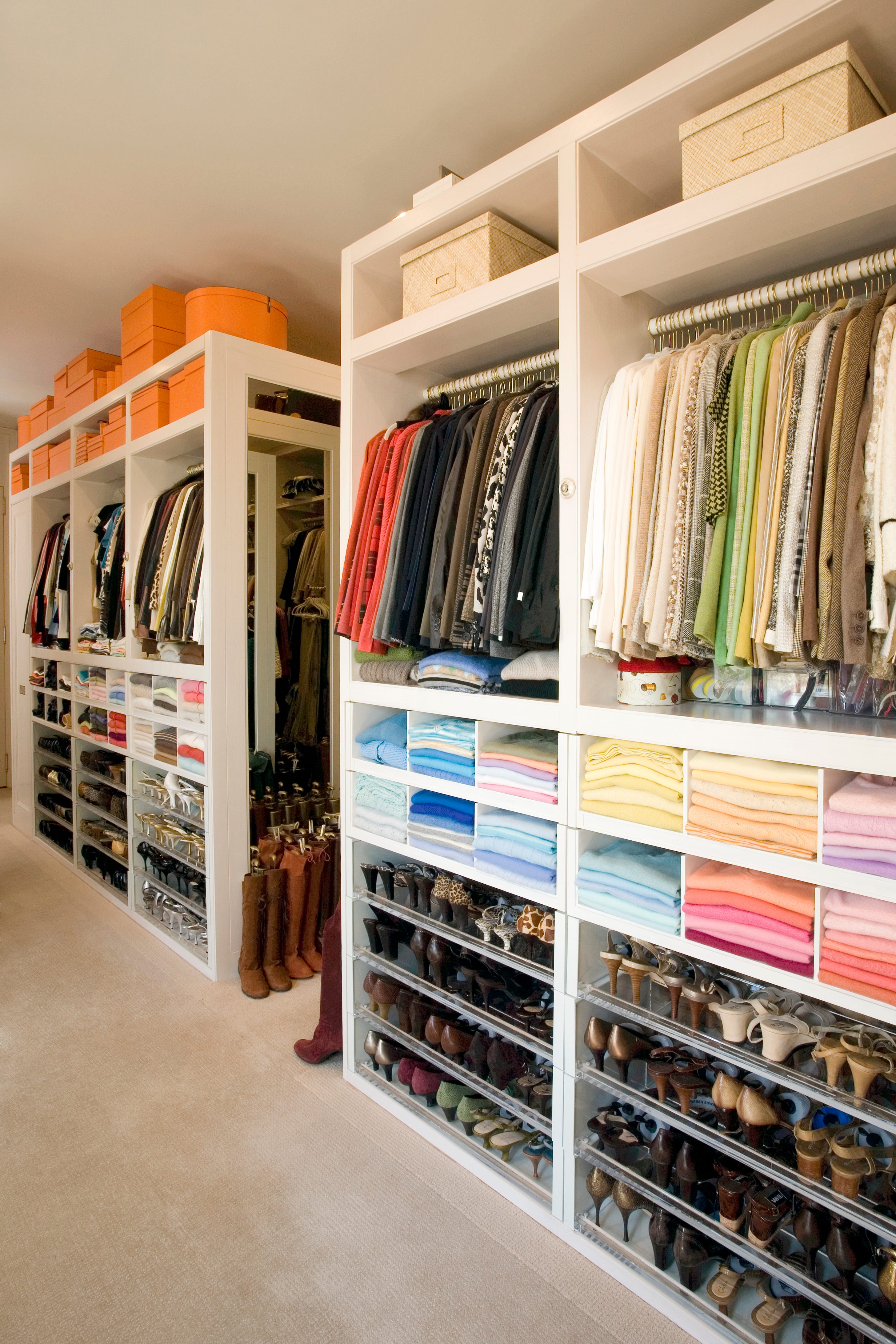
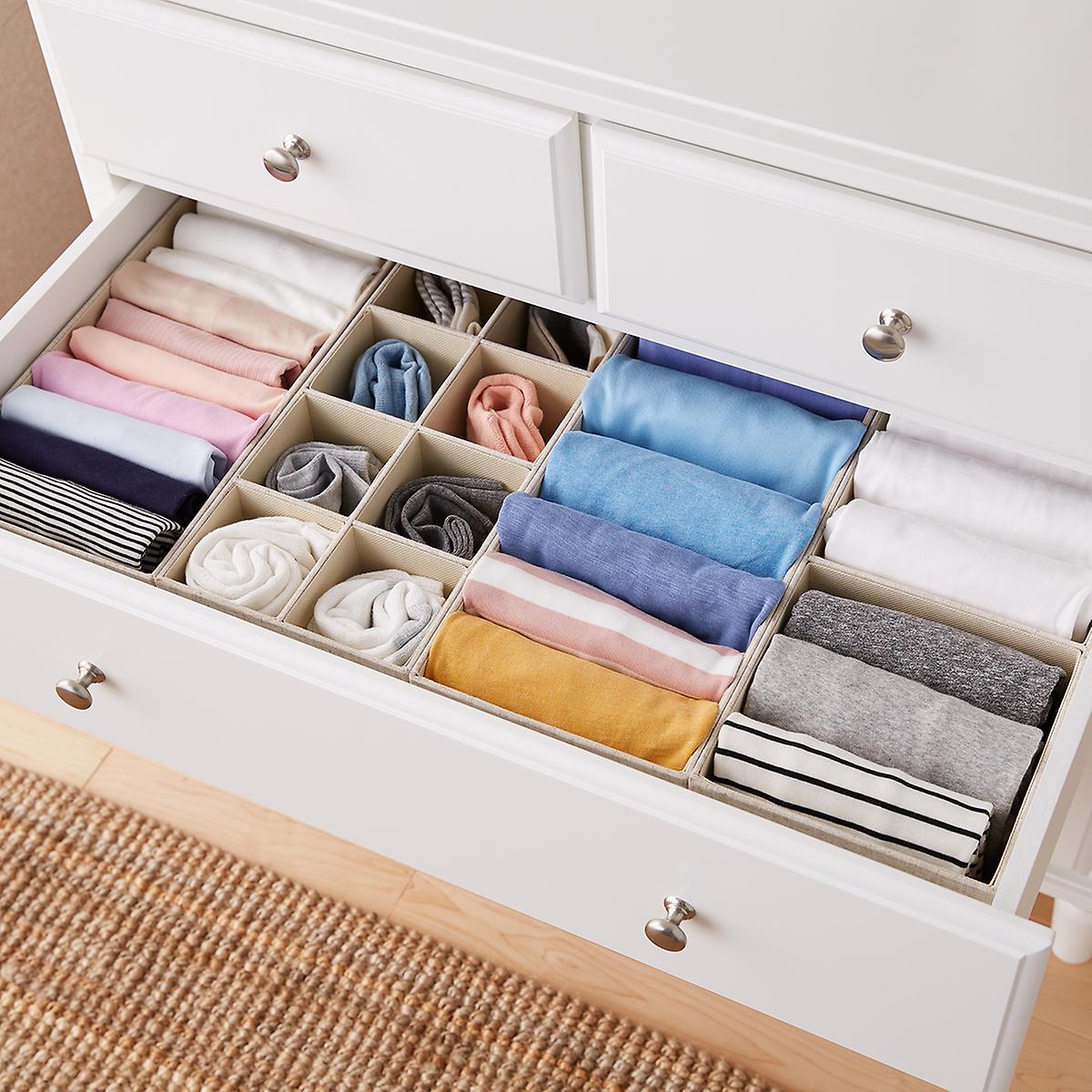
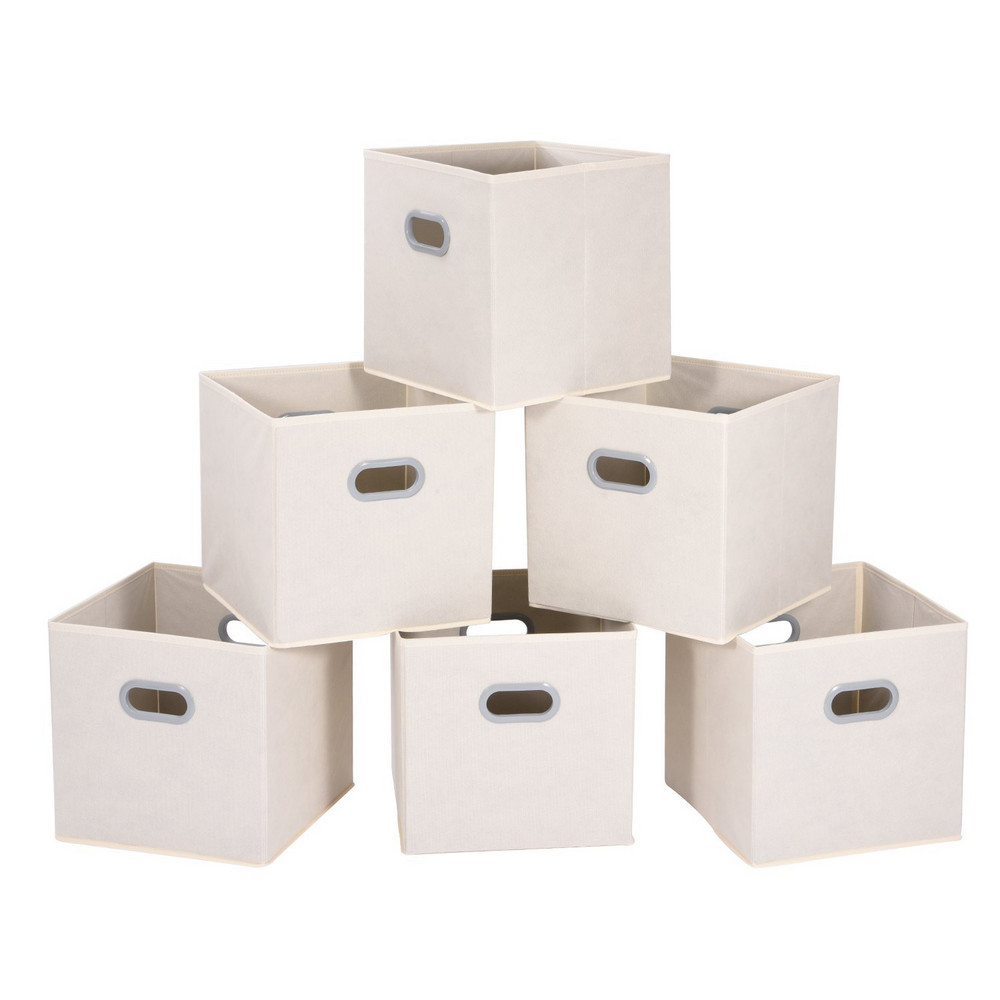
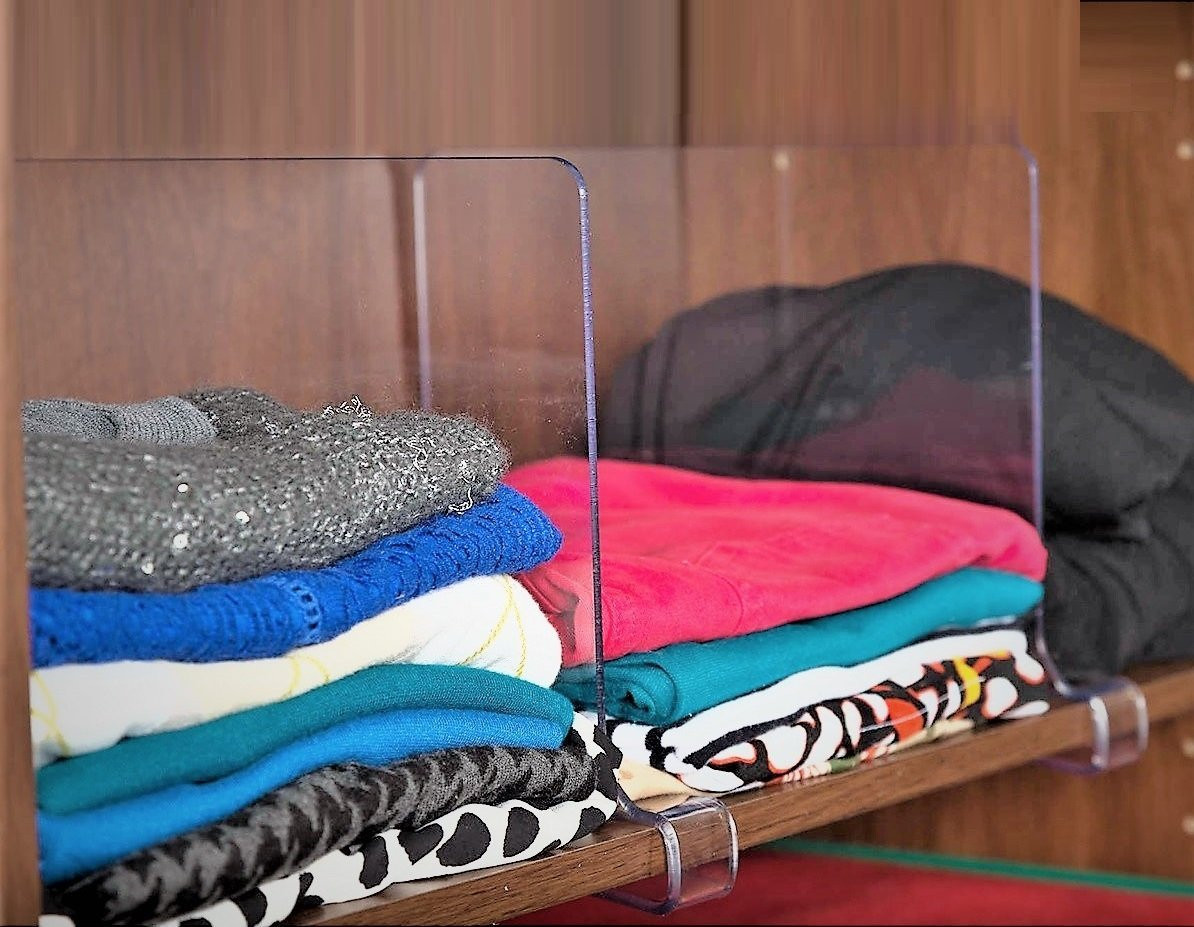
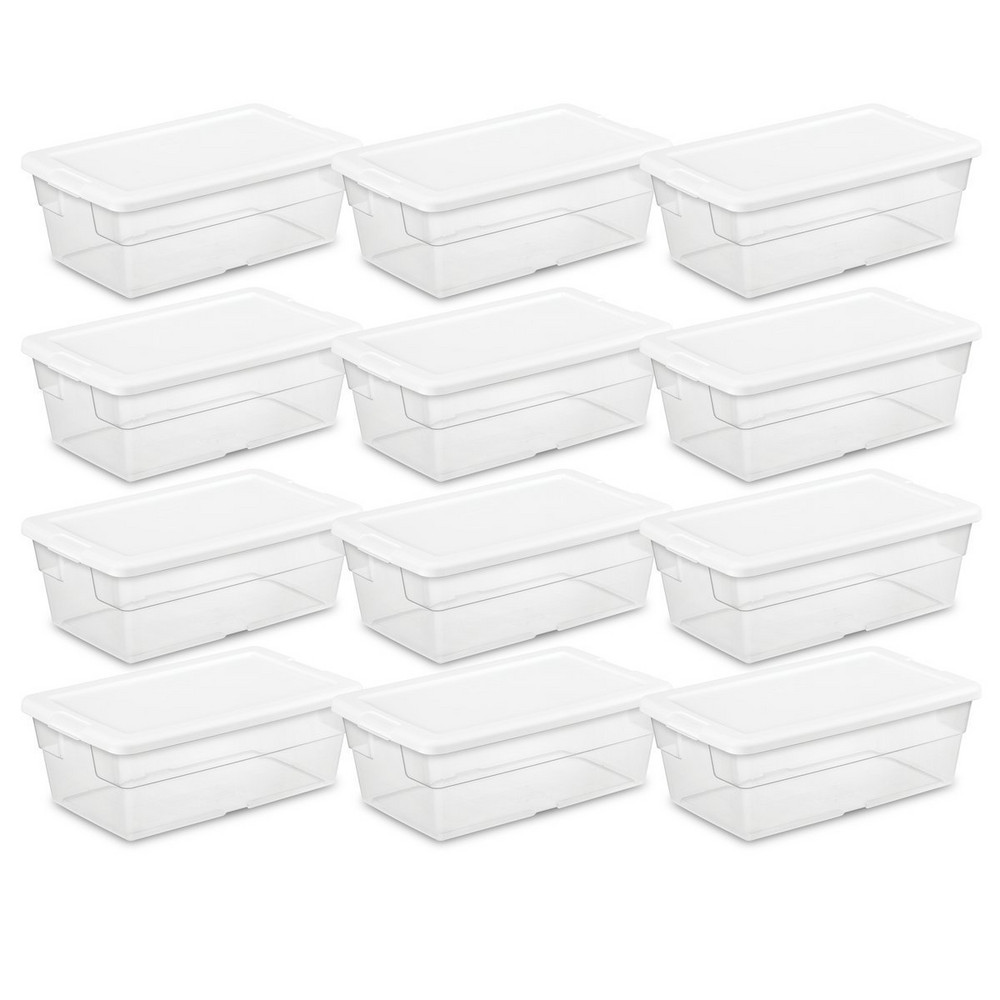
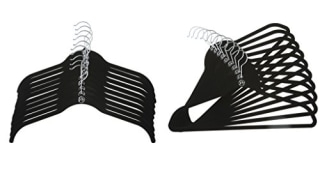
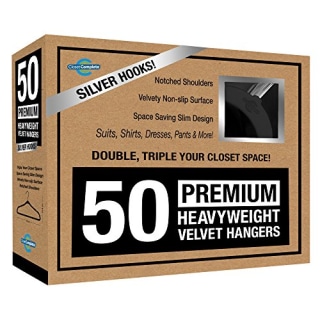
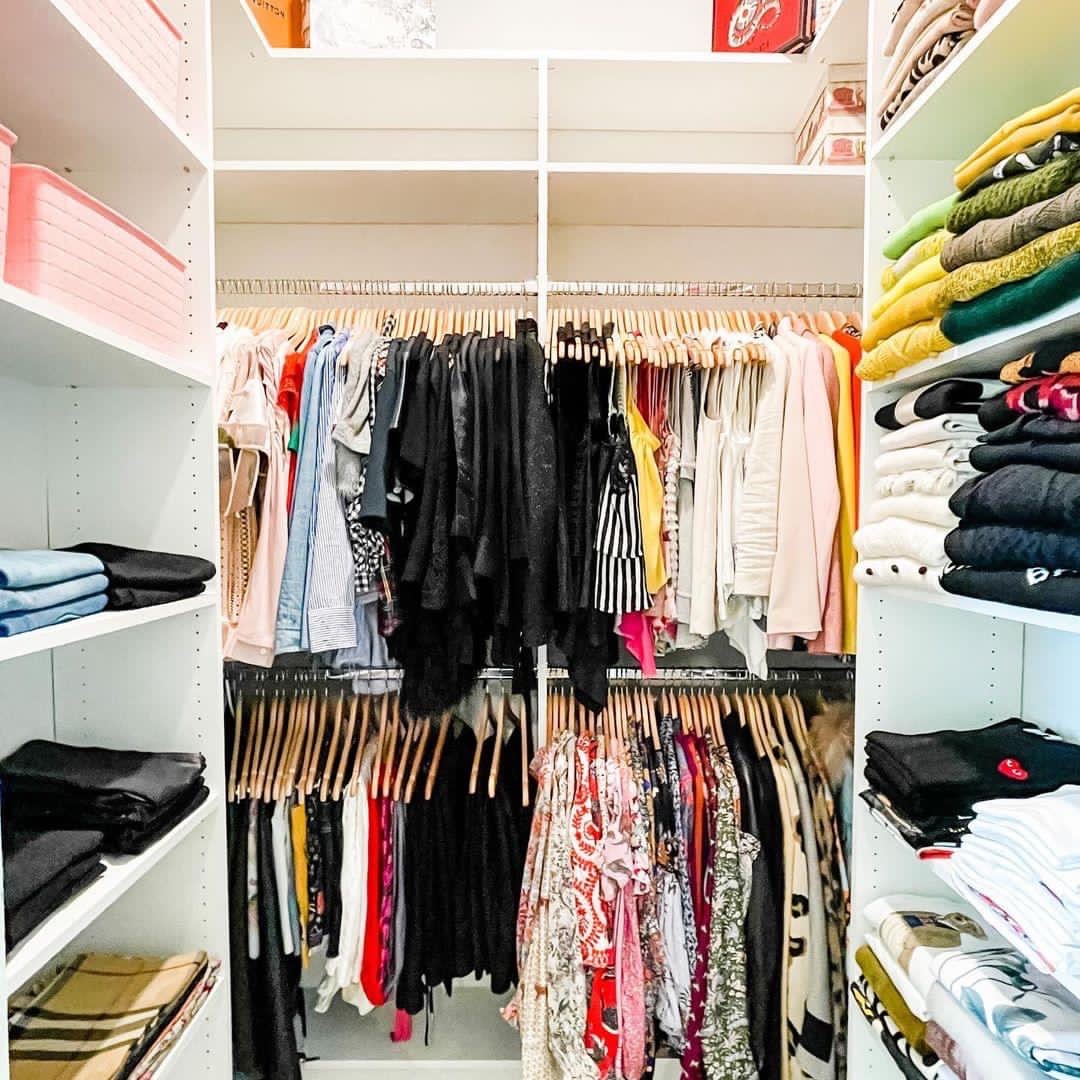
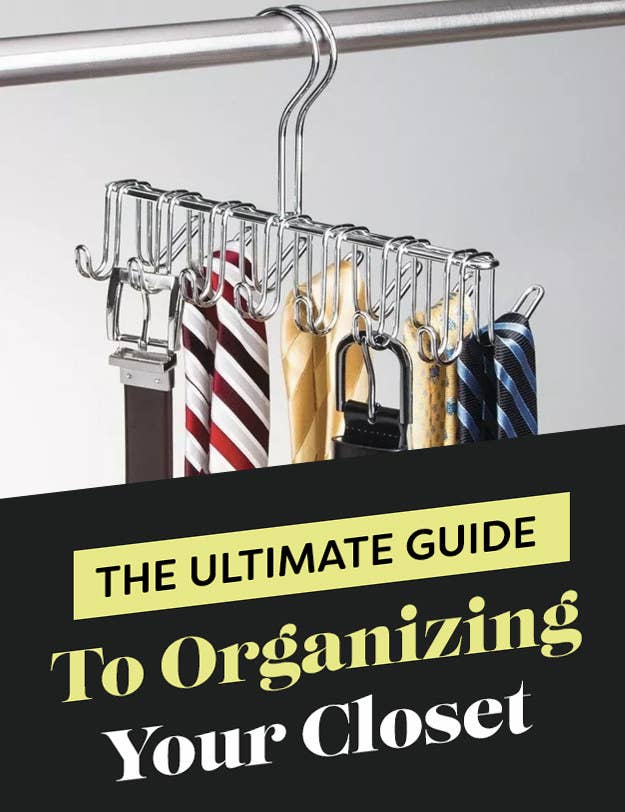
A well-organized closet can significantly improve daily routines by saving time and reducing stress, but common organizing mistakes often lead to disarray. Professional organizers Jen Robin and Morgan Tyree identify five frequent errors and provide practical solutions. The first mistake is overstuffing the closet, which results in wrinkled clothes, difficulty finding items, and an unmanageable mess. To fix this, adopting a 'one-in, one-out' rule is recommended, meaning an old item is removed for every new one acquired. Storing out-of-season clothing in alternative locations, such as under the bed or in storage bins, can also free up considerable space. Space-saving tools like vacuum-sealed bags are useful for bulky items. Neglecting regular maintenance is another prevalent mistake. Even a perfectly organized closet can quickly become chaotic without consistent upkeep. Robin emphasizes that regularly editing a closet is like pruning a plant, encouraging healthy growth and maintaining desired shape. A monthly tidy-up, involving putting items back in their designated spots, decluttering unnecessary items, and ensuring everything is clean and in good repair, can prevent accumulation. Keeping a donation bin nearby simplifies the process of removing unwanted items. Ignoring vertical space is the third mistake, where shelves and walls are underutilized, leading to overcrowded rods and clothes piled on the floor. Installing additional shelves, hanging organizers, or a second clothing rod can maximize vertical storage. Hooks on walls or inside closet doors are effective for accessories like belts, scarves, and bags. Clear bins or baskets can be used for seasonal items, maintaining tidiness and accessibility. The fourth mistake is holding onto clothes that are no longer worn. Sentimental value or the hope of wearing an item again often contributes to cluttered closets, making it hard to find beloved and frequently used pieces. A general guideline is to donate or sell items in good condition, or recycle worn-out pieces, if they haven't been worn in over a year. Tyree suggests a practical method: turning all hangers backward and only flipping them forward when an item is worn. After a few months, this visual cue clearly indicates which items are genuinely used and worth keeping. Regular assessments for faded or worn-out items are also crucial. Finally, failing to categorize clothes makes it difficult and frustrating to locate specific items, wasting time. Grouping clothes by category, such as workwear, casual, or activewear, and then organizing them by color within each category, creates a visually appealing and highly functional system. Using matching hangers, especially slim velvet ones, can also contribute to a cohesive look and maximize hanging space. By addressing these common organizational pitfalls with these straightforward strategies, individuals can create a closet that is functional, stress-free, and easy to maintain.
#ClosetOrganization #HomeOrganization #DeclutteringTips #SpaceSavingSolutions #WardrobeMaintenance #HomeImprovement #StorageIdeas #ClosetOrganization #HomeOrganization #DeclutteringTips #SpaceSavingSolutions #WardrobeMaintenance #HomeImprovement #StorageIdeas
0 comment in total
 No comments yet
You may also like

These 5 Linen Closet Organization Mistakes Are Costing You Space and Losing You Time


The best ways to organize your closet, according to a pro

The Best Solutions for Organizing a Closet of Any Size
10 Closet Organization Mistakes That Make Getting Dressed More Stressful
How To Organize Your Messy, Crowded Closet

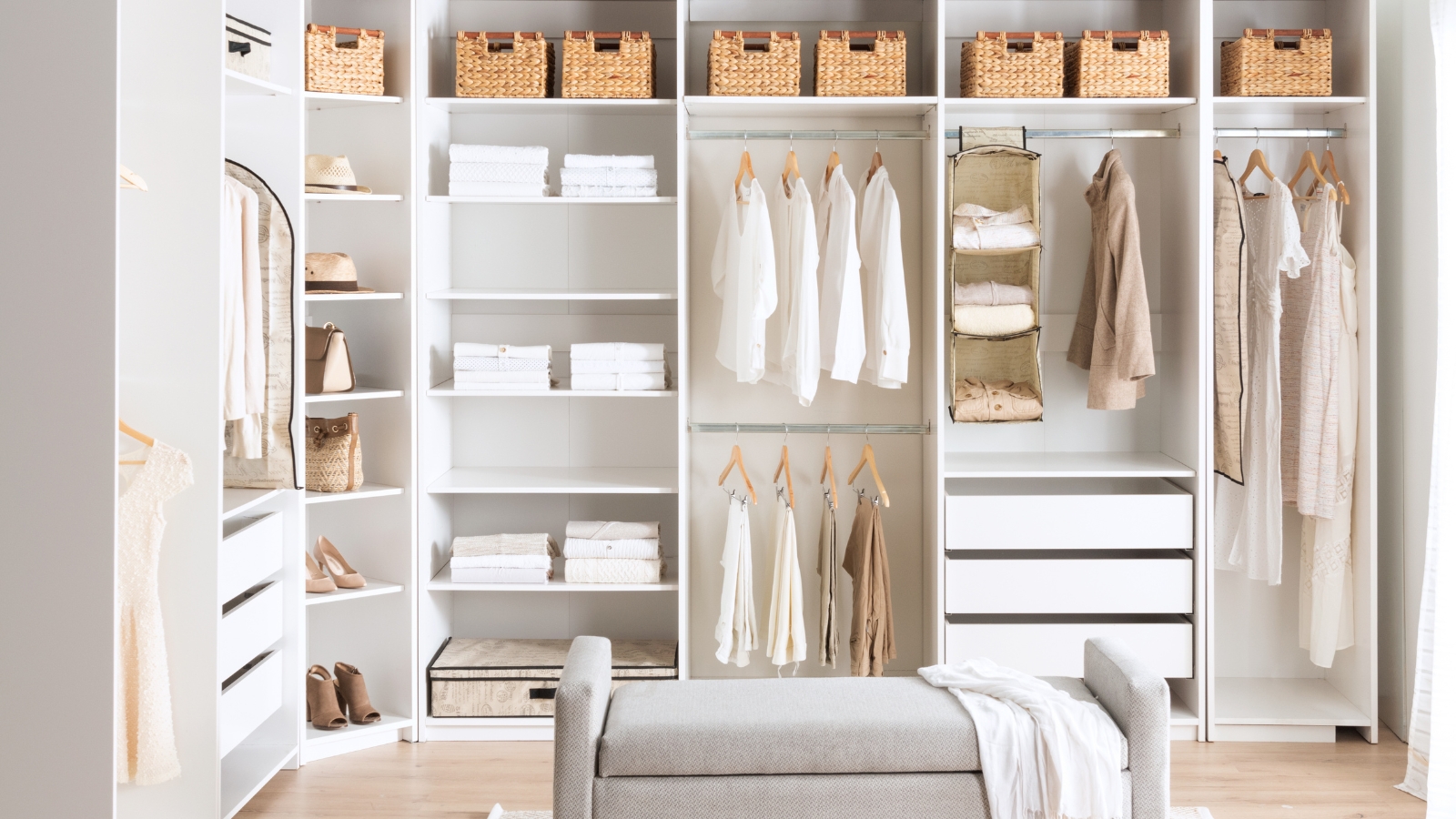
7 things the most organized people have in their closets – and what they always do first

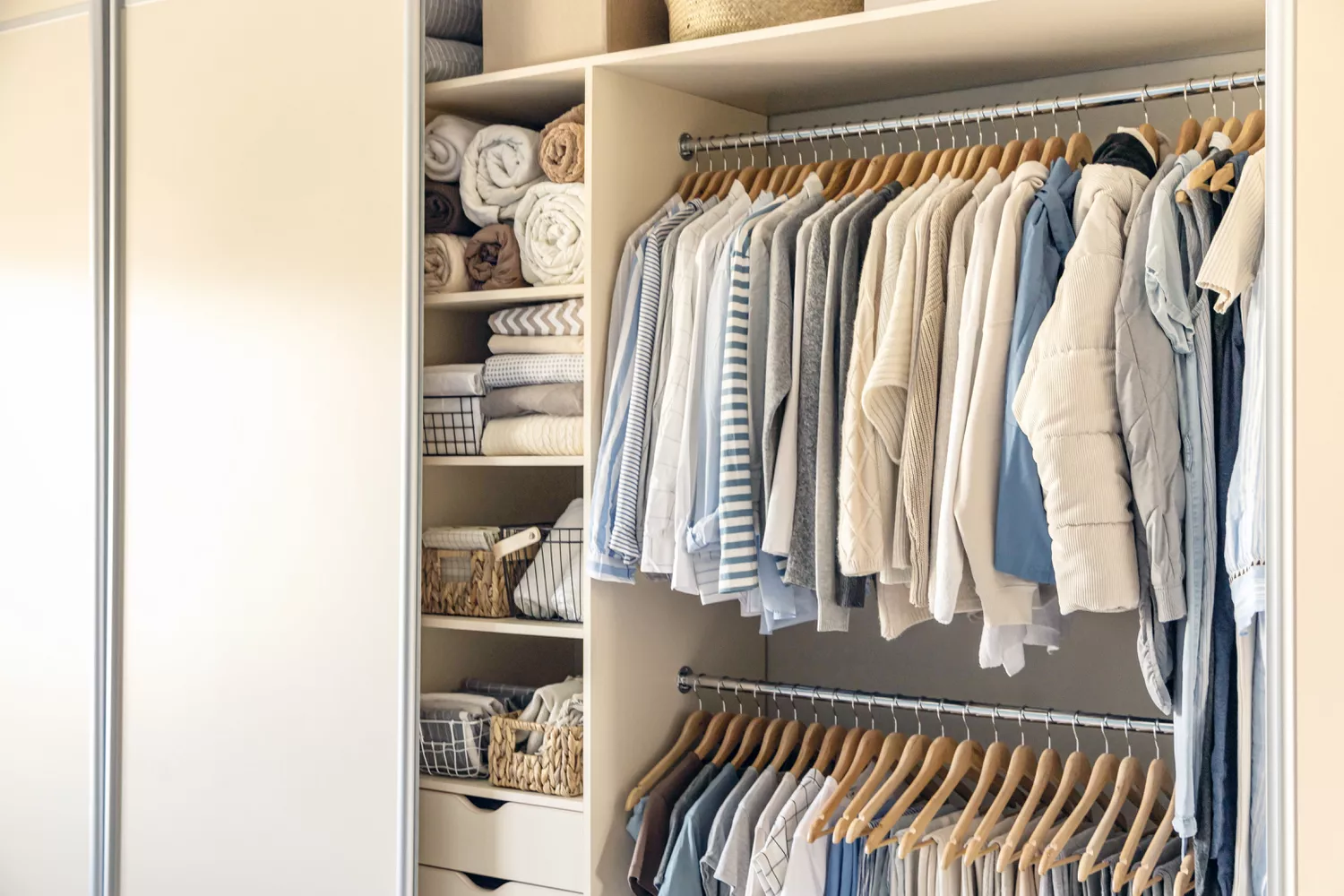
8 Closet Organization Mistakes That Annoy Pro Organizers—and Make Your Space Way Less Functional


7 of the best space saving hangers to organize your closet
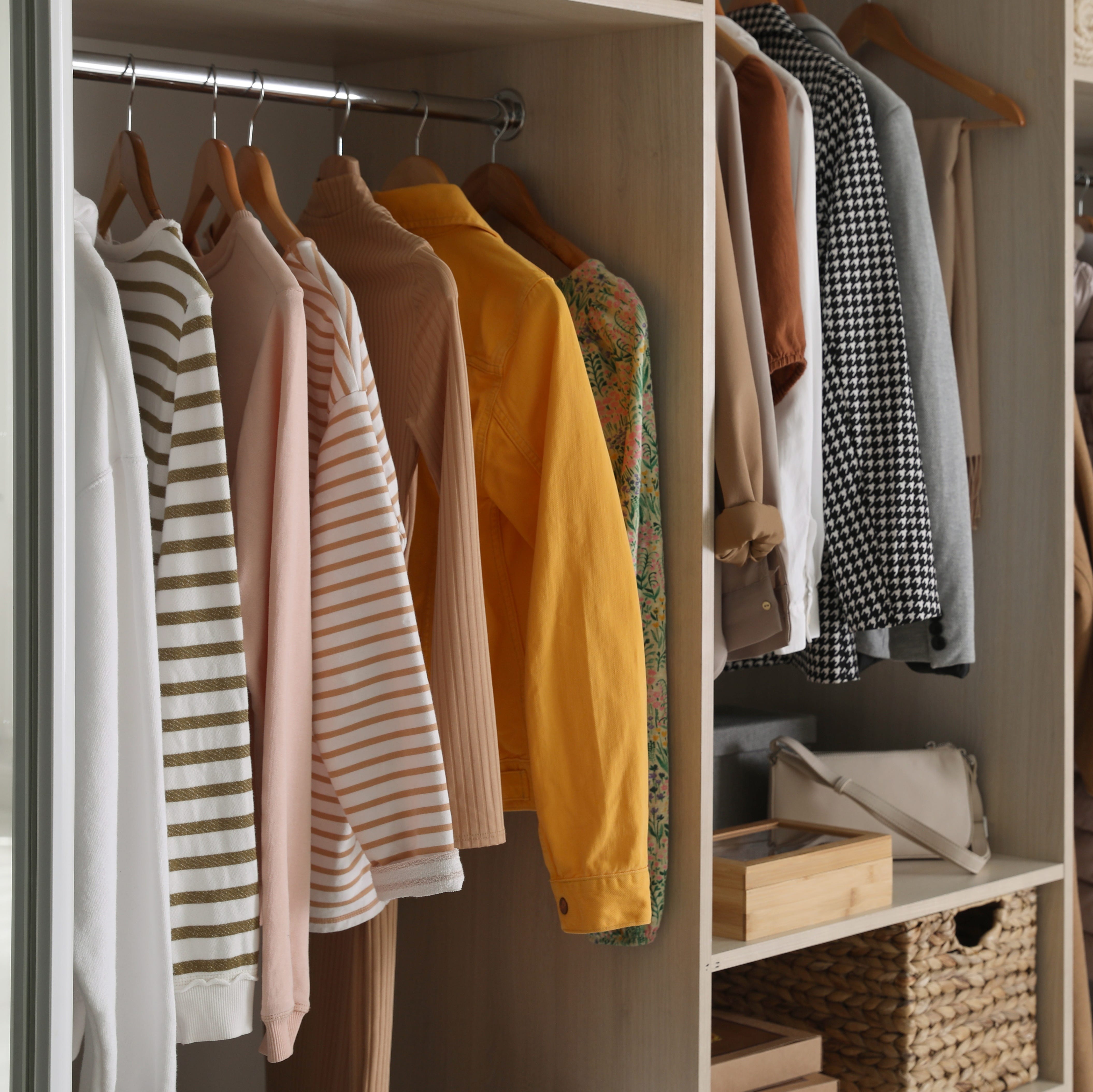
Never Make These Closet Organization Mistakes, Warn Experts

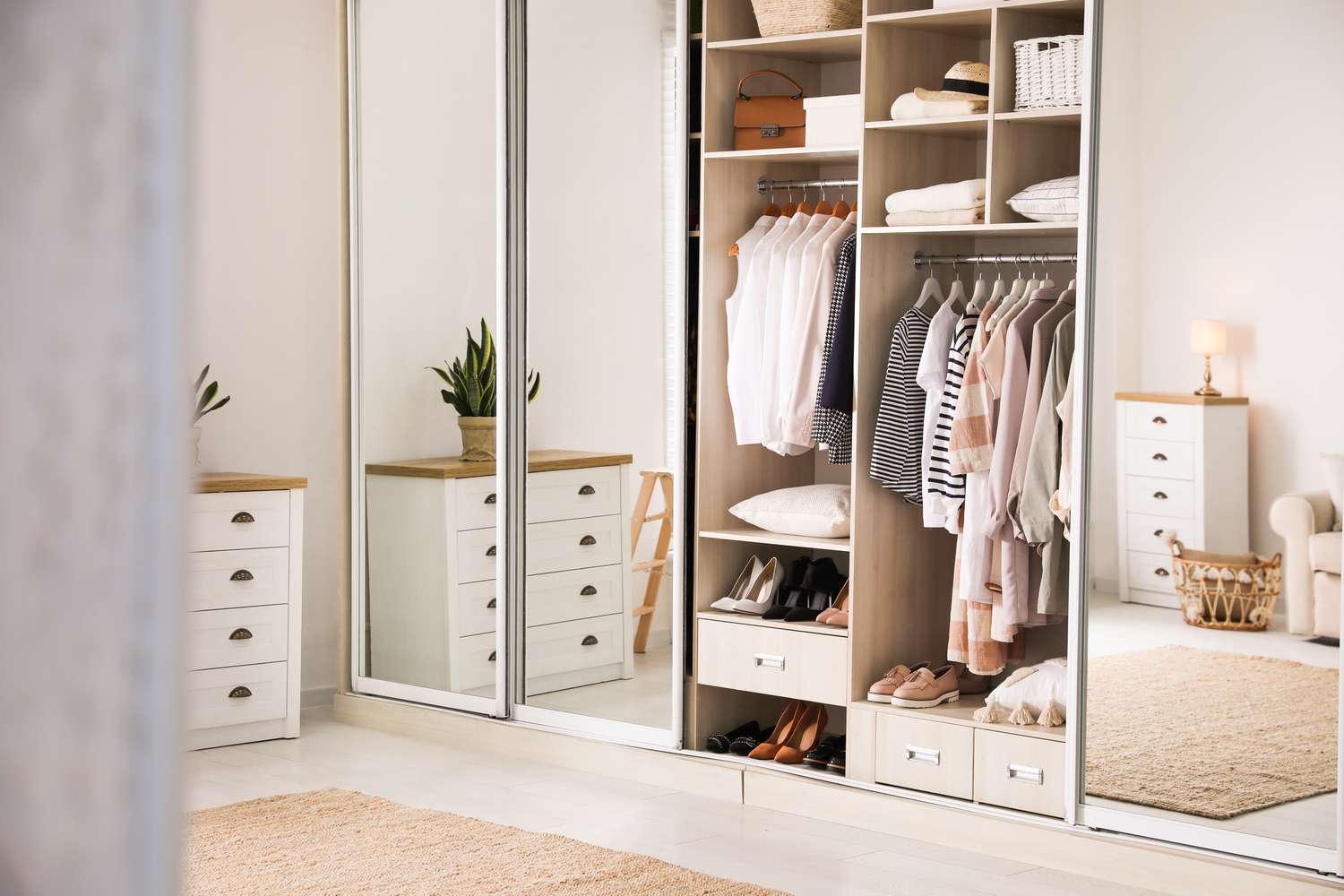
Are You Making These Closet Organization Mistakes? Read Our Expert Tips on What Not to Do

Give Your Wardrobe an Energy Glow-Up by Ditching These 5 Feng Shui Closet Mistakes Now (And Forevermore)
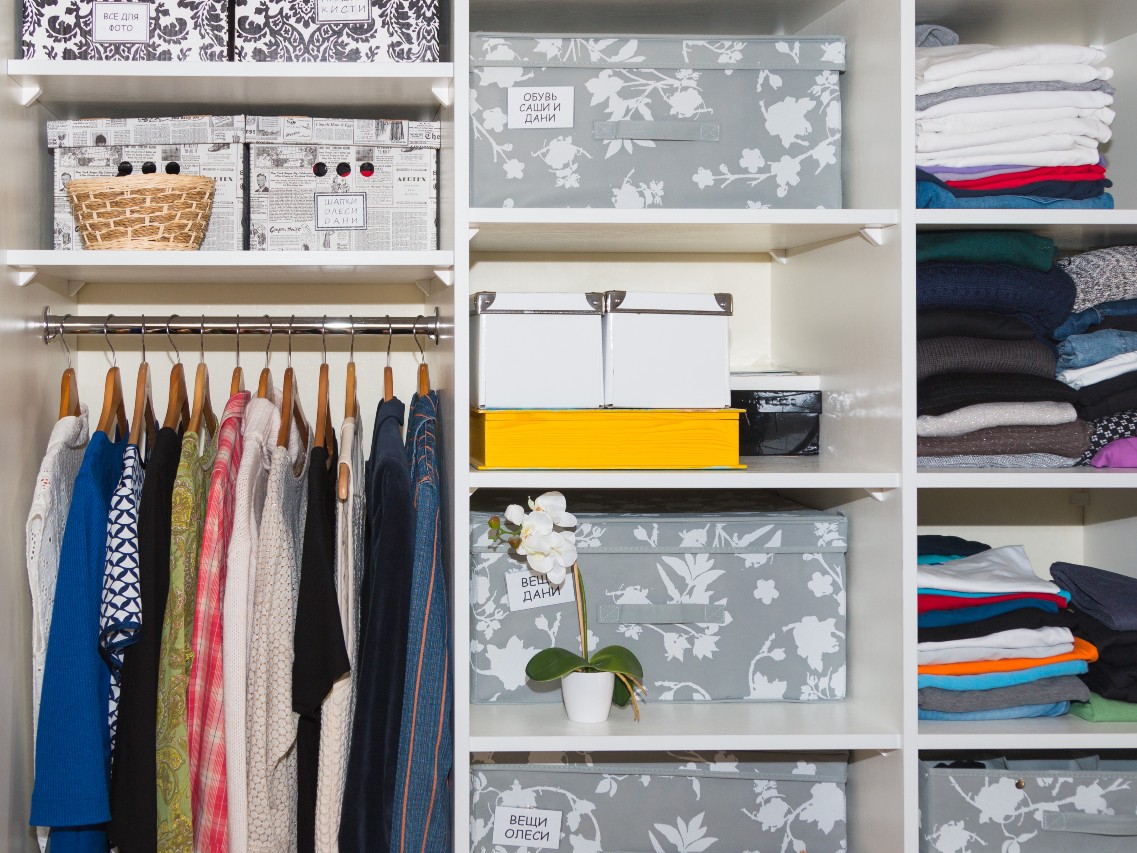
Banish Closet Chaos with These Storage Organizers

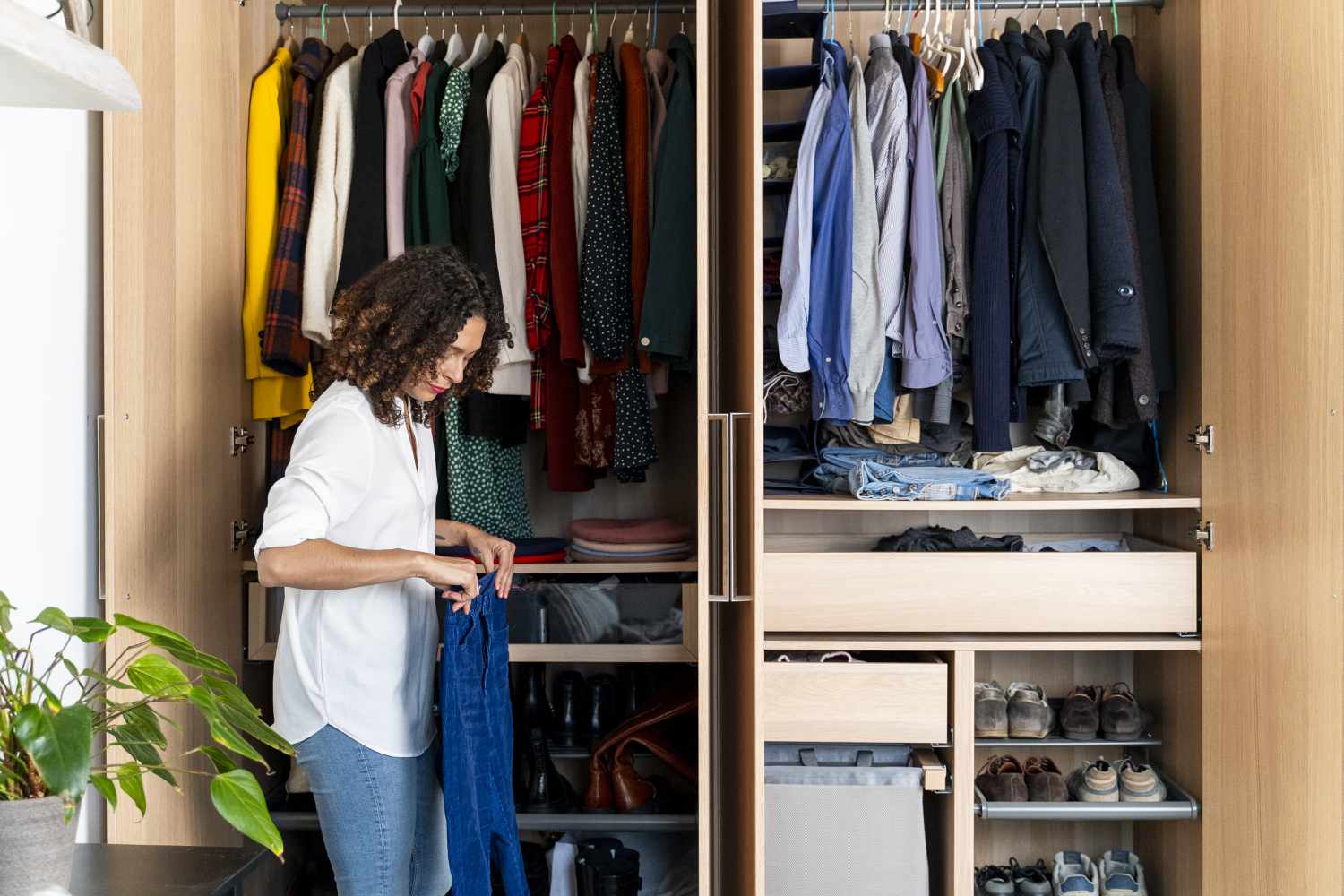
10 Closet Organizing Mistakes You're Probably Making
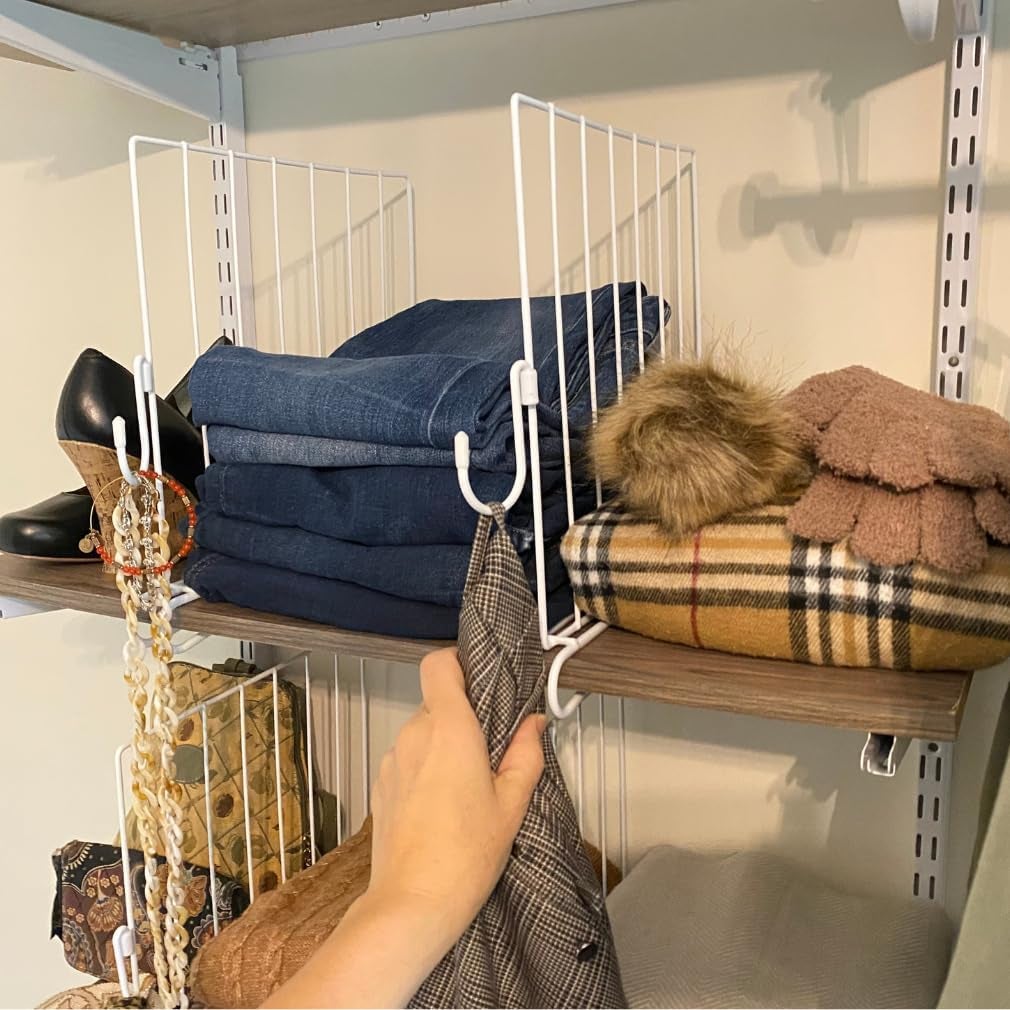
If Your Closet Is A Total Horror Show, These 30 Things Will Turn It Into An Organized Dream Come True


9 Foolproof Tips for Organizing Your Closet, from Melanie Charlton Fowler
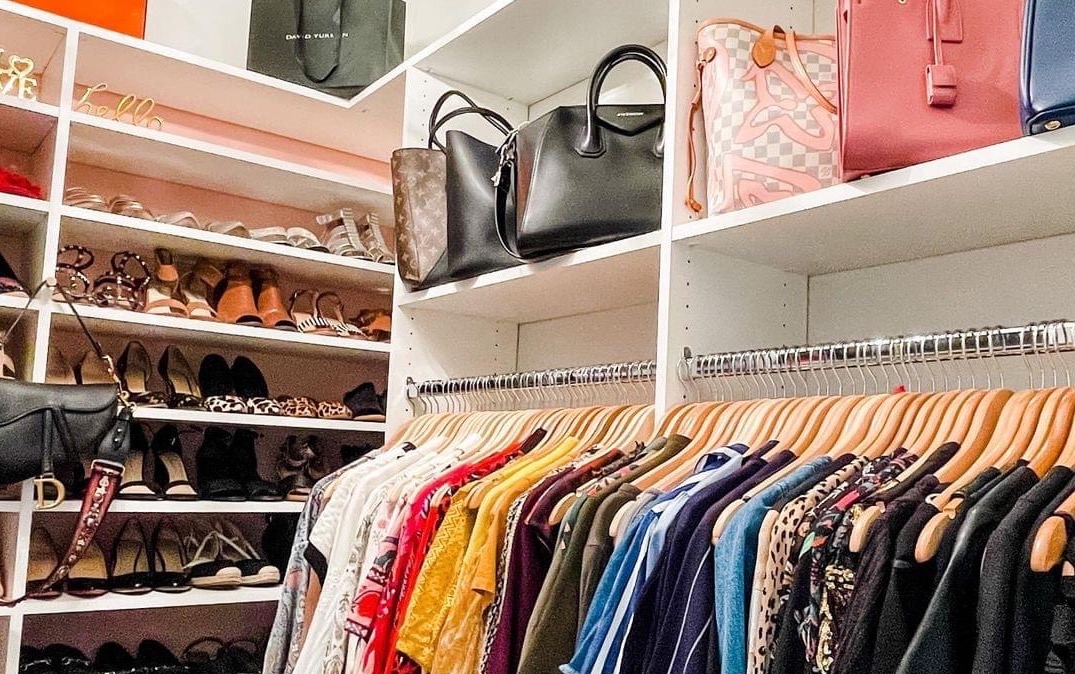
Messy closets? This local design expert reveals the easy solutions you’ve been waiting for
Expert tips for organizing a closet and maximizing storage space

33 Best Closet Systems of 2025, According to Experts

10 Must-Haves For an Organized Closet
35 Tips That'll Finally Organize Your Closet Once And For All