1/10
4 rules for luxurious lighting according to interior design experts
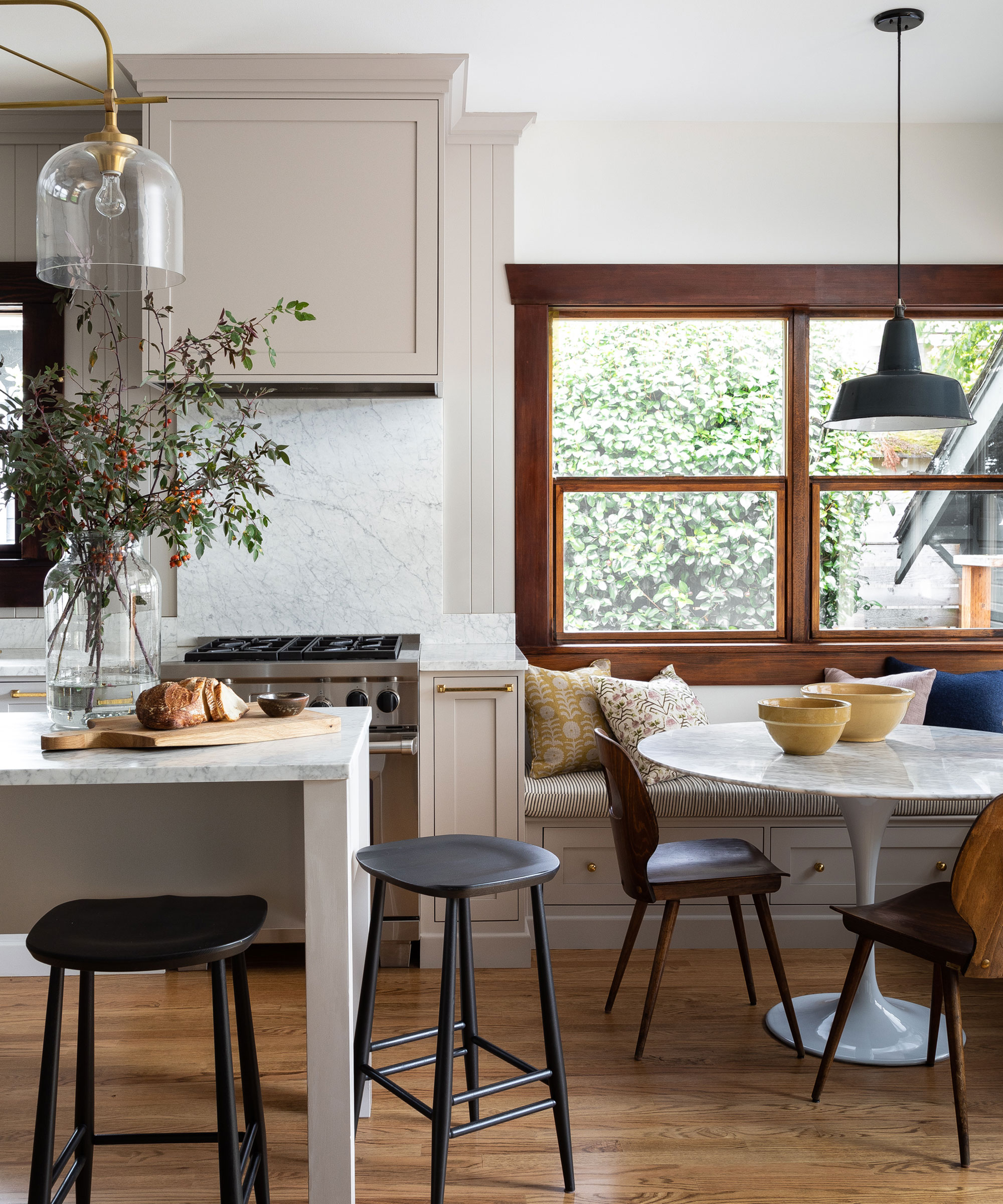
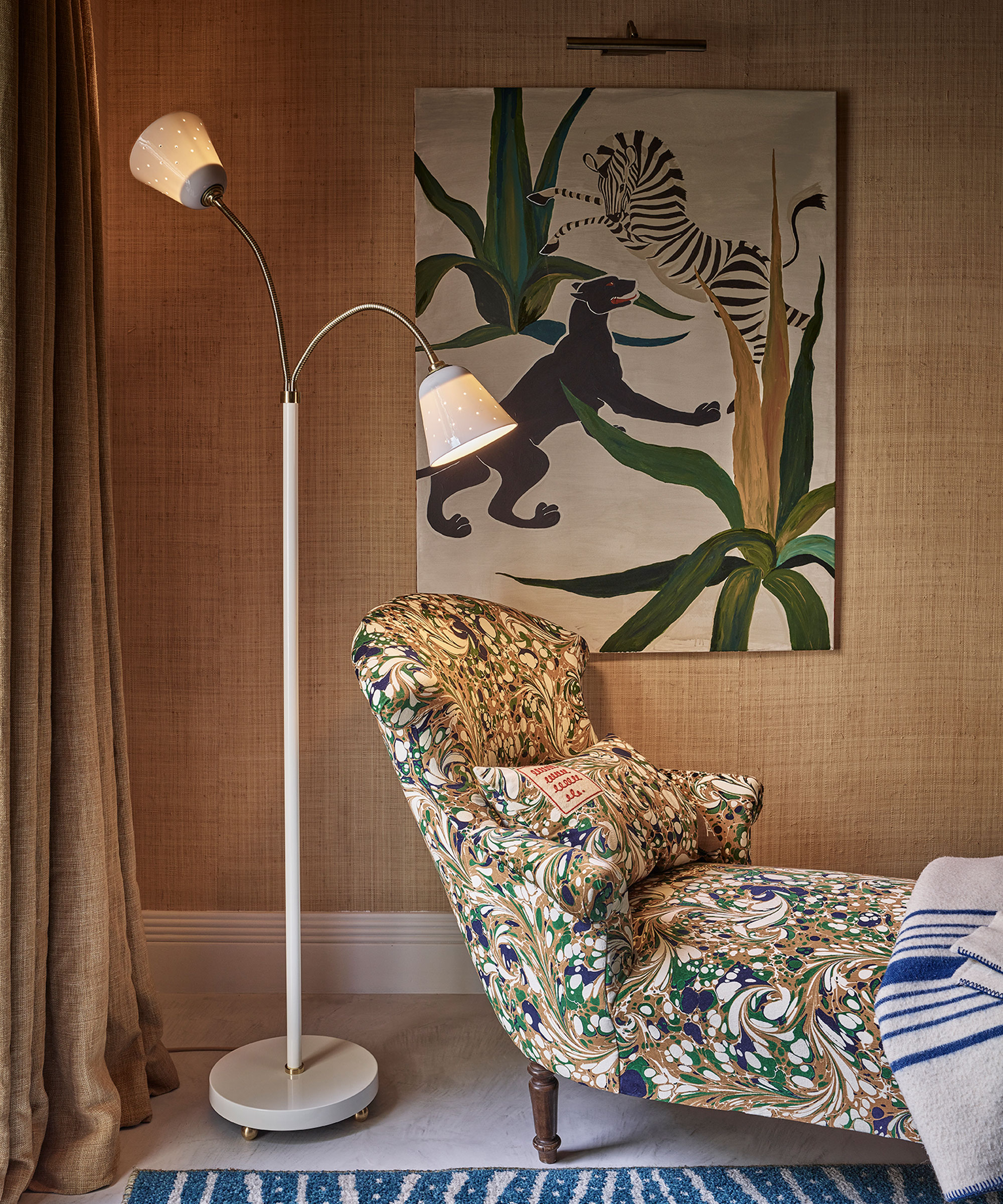
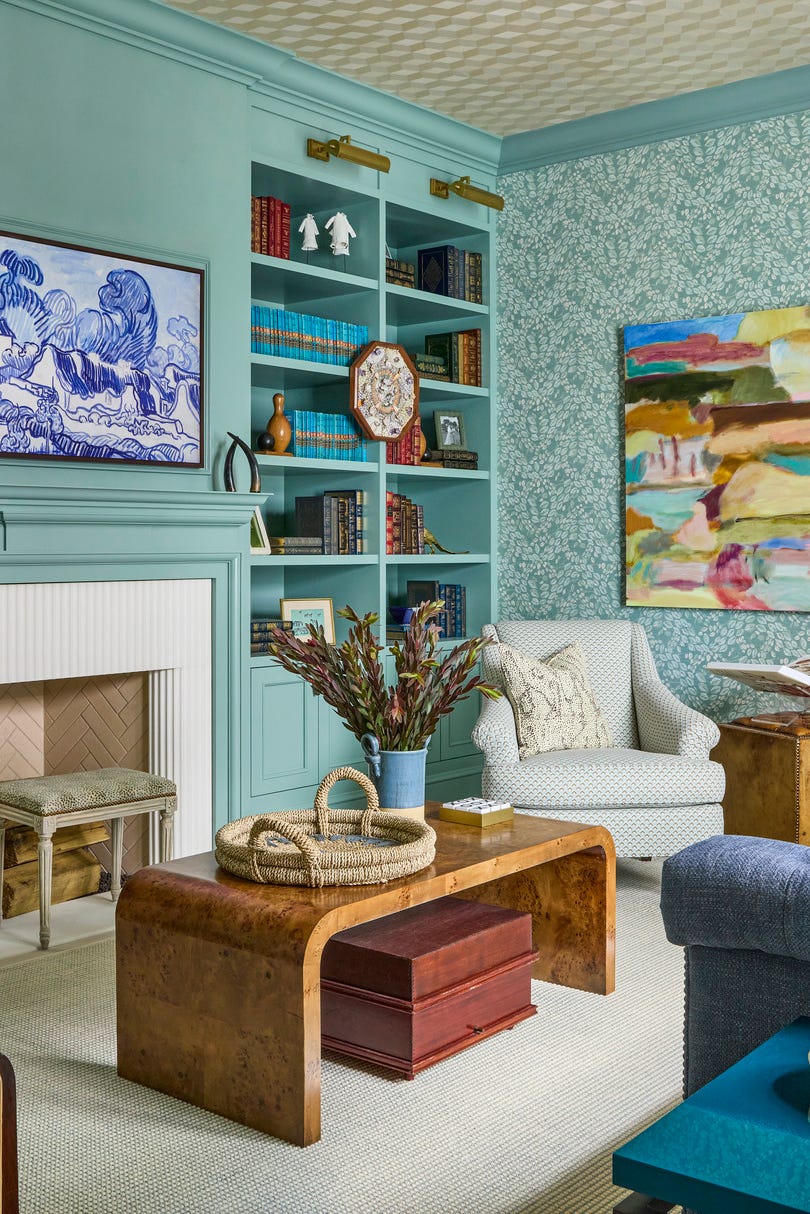
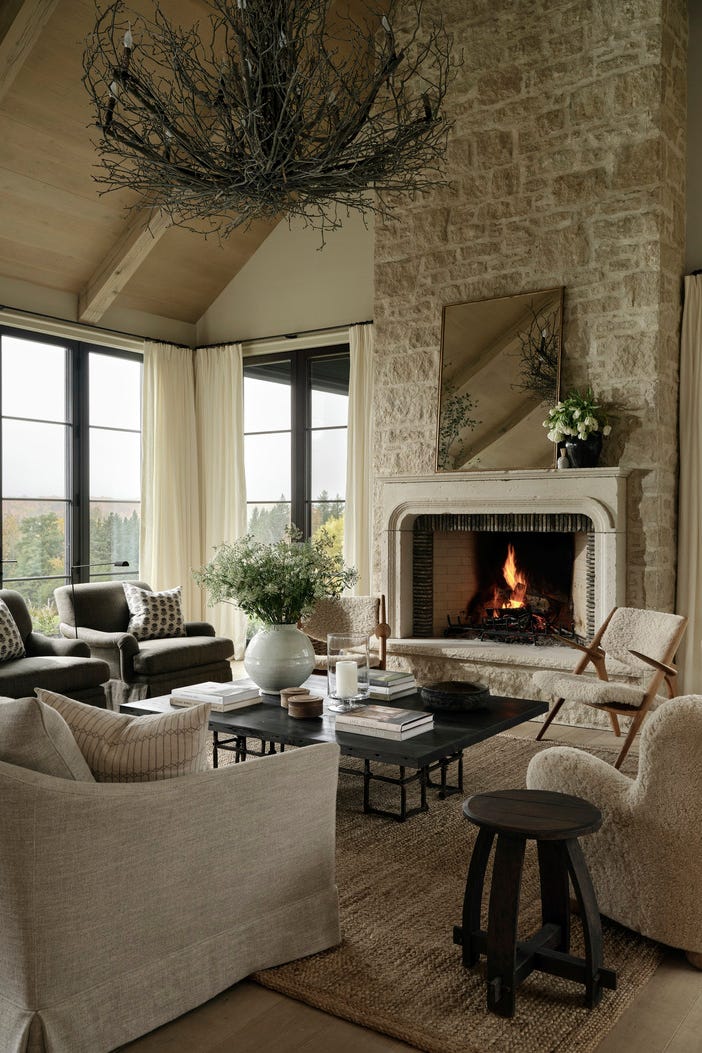
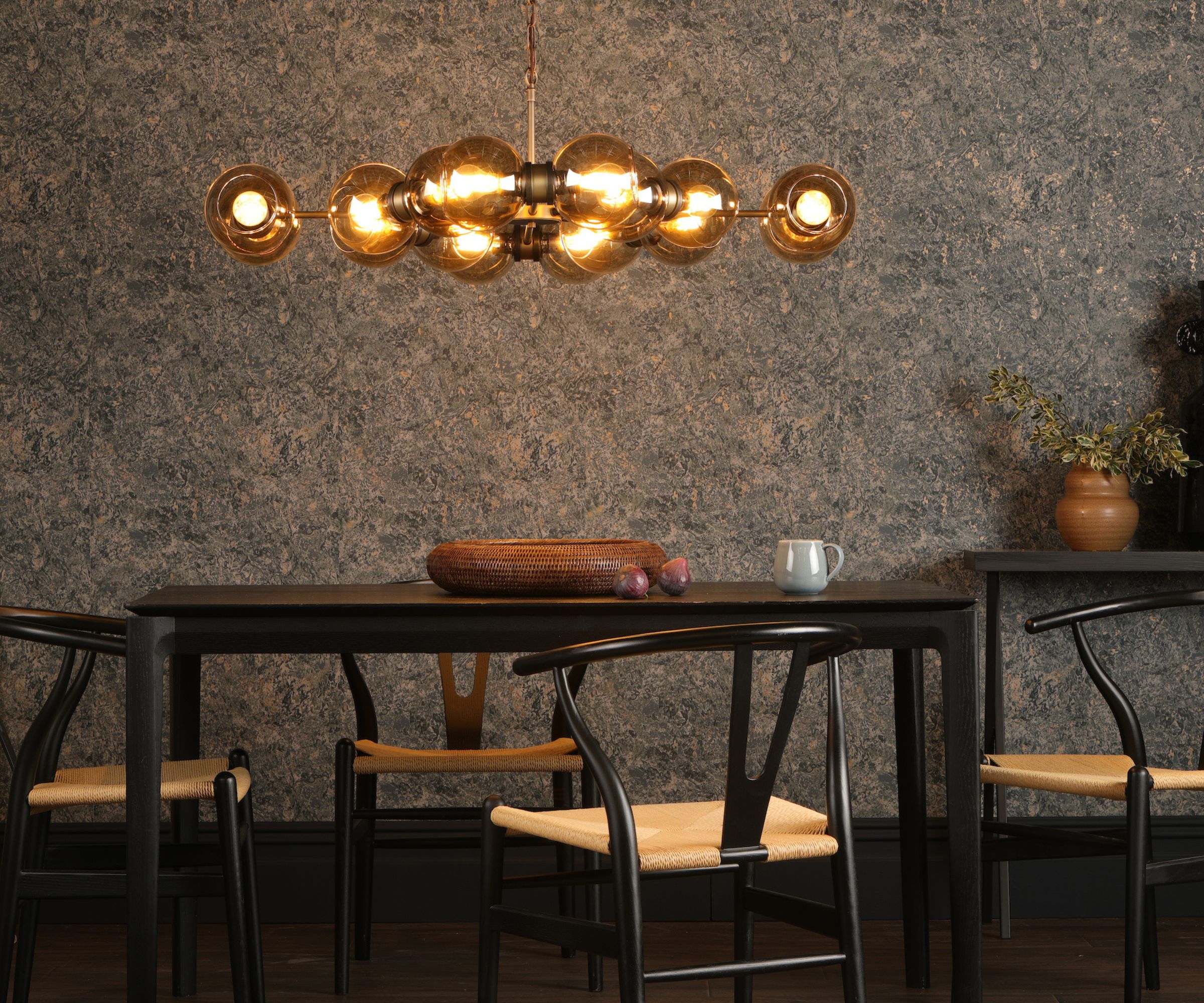
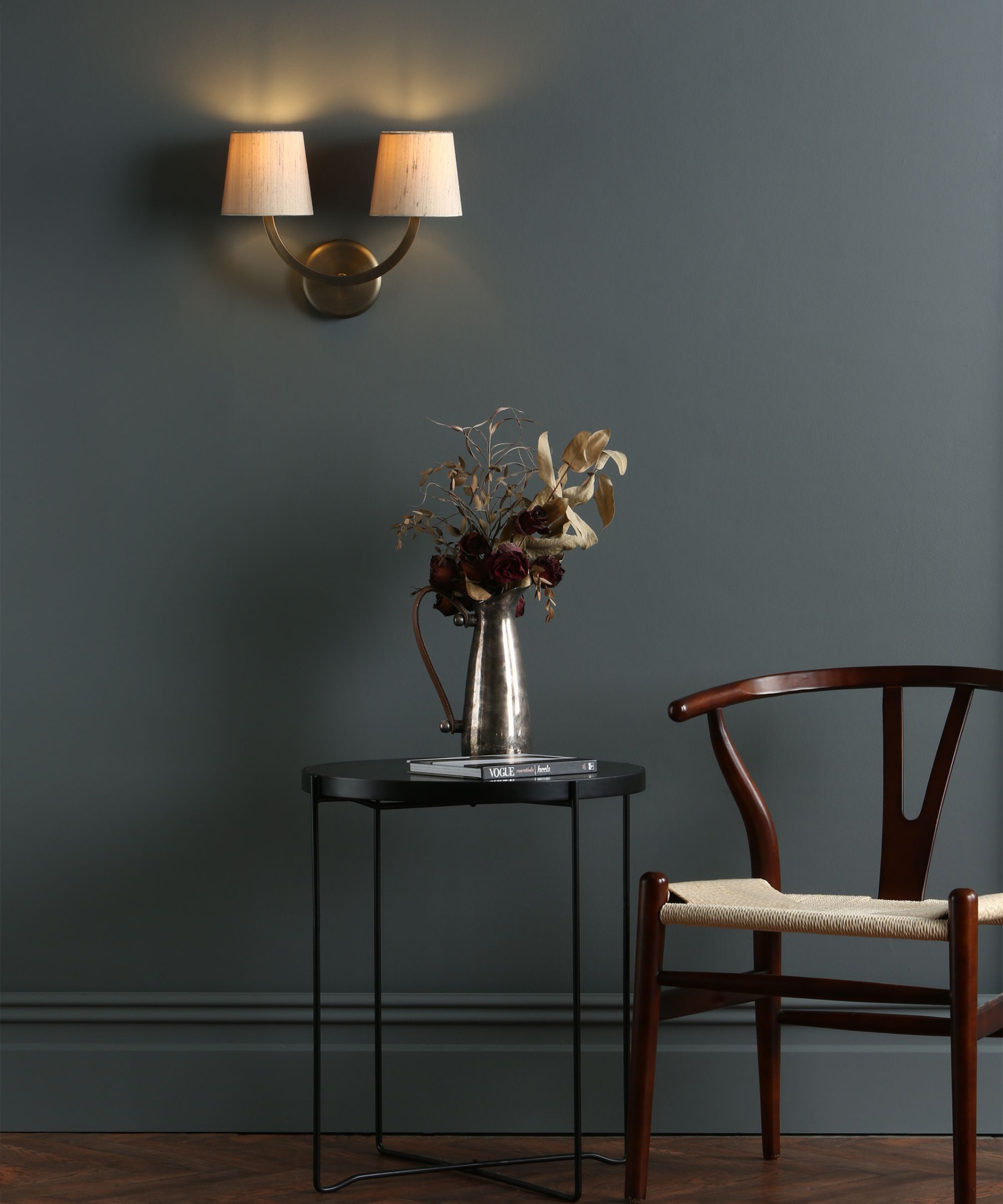
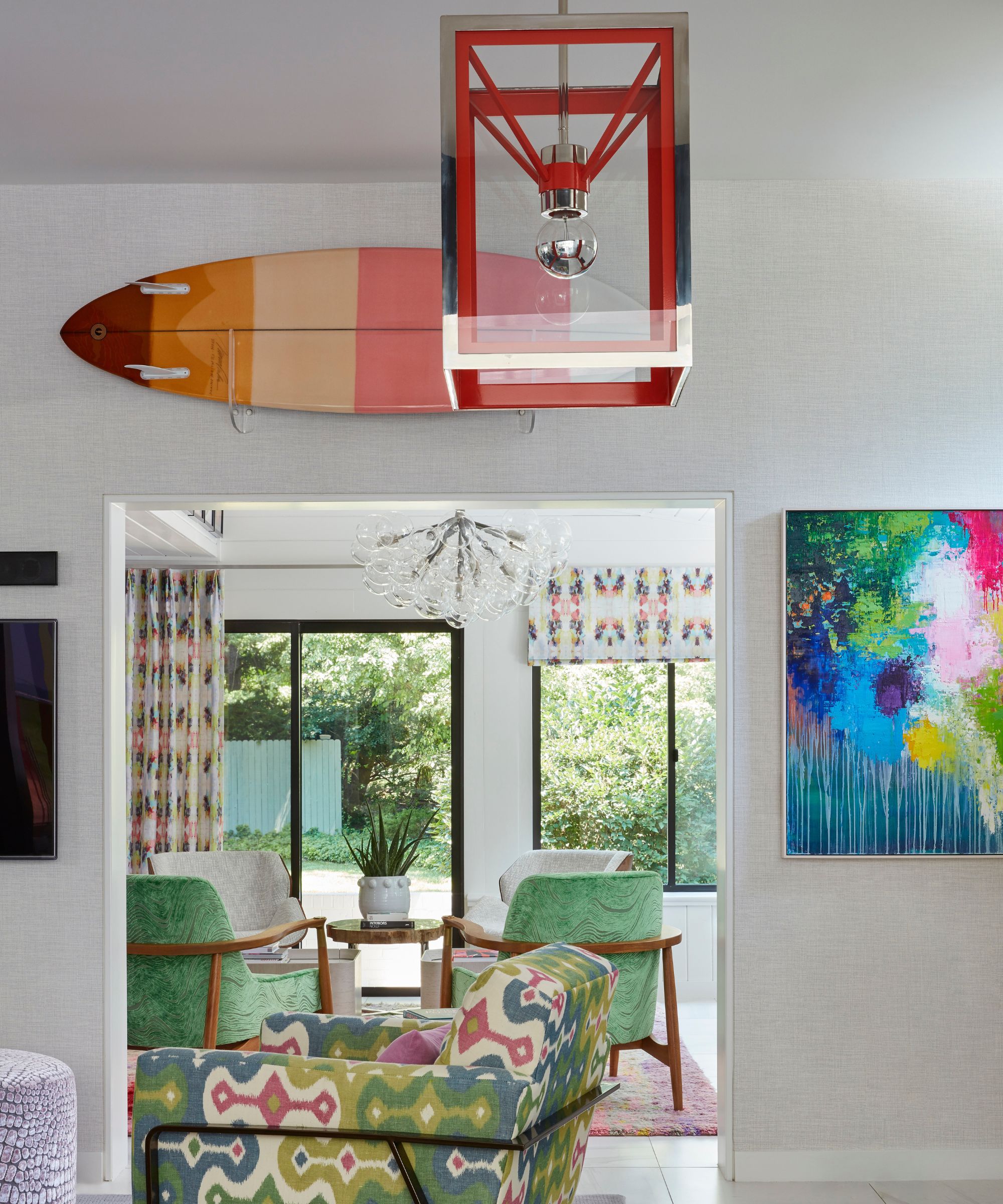
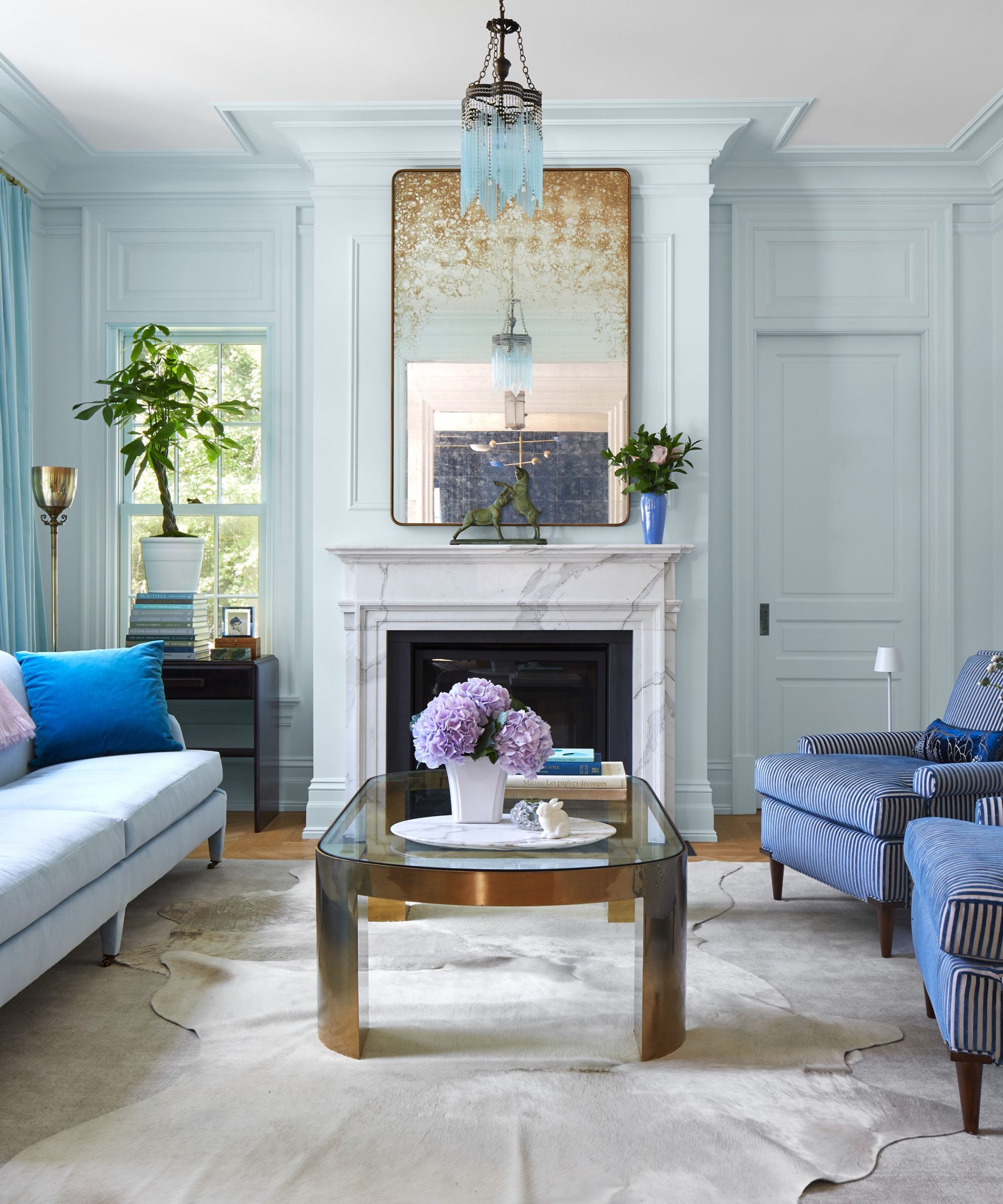
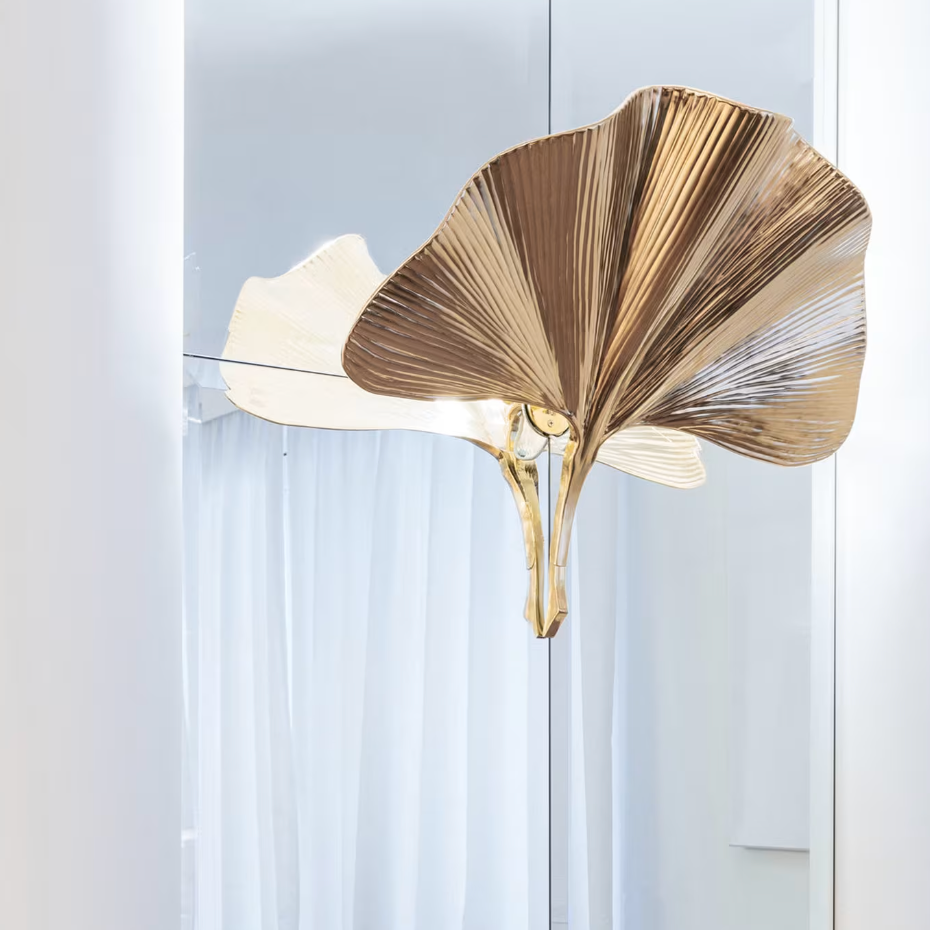
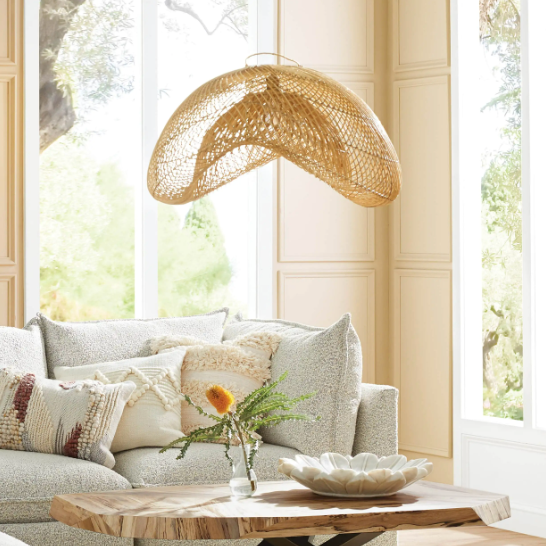
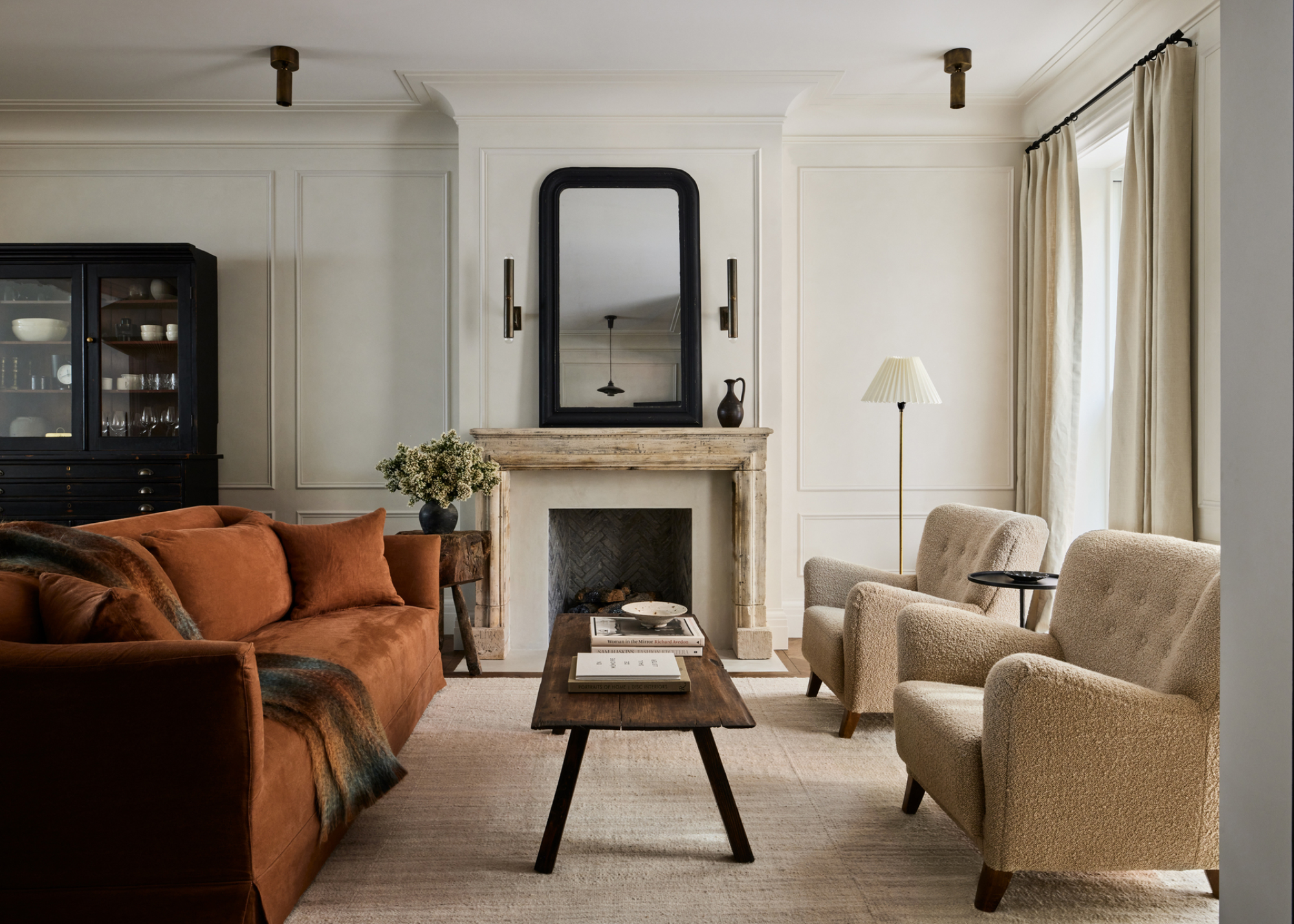
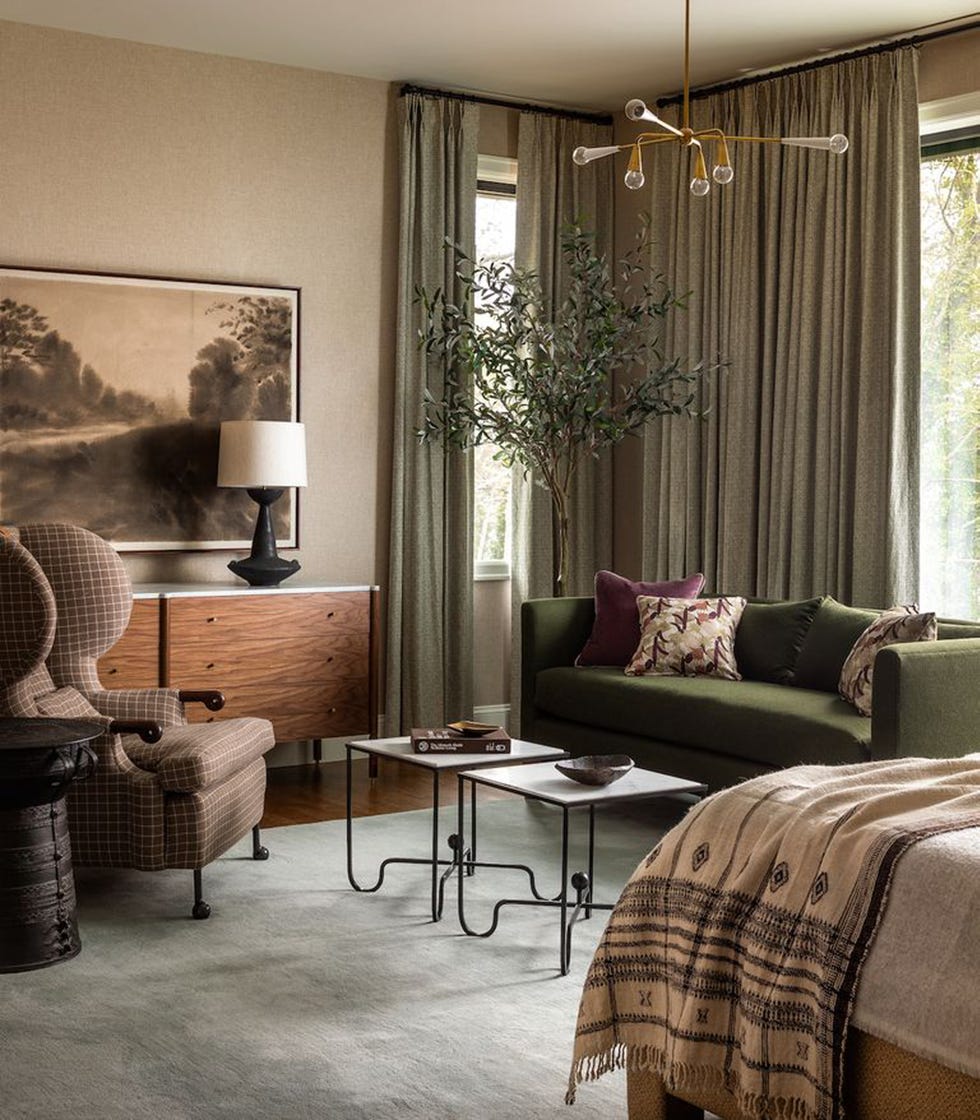
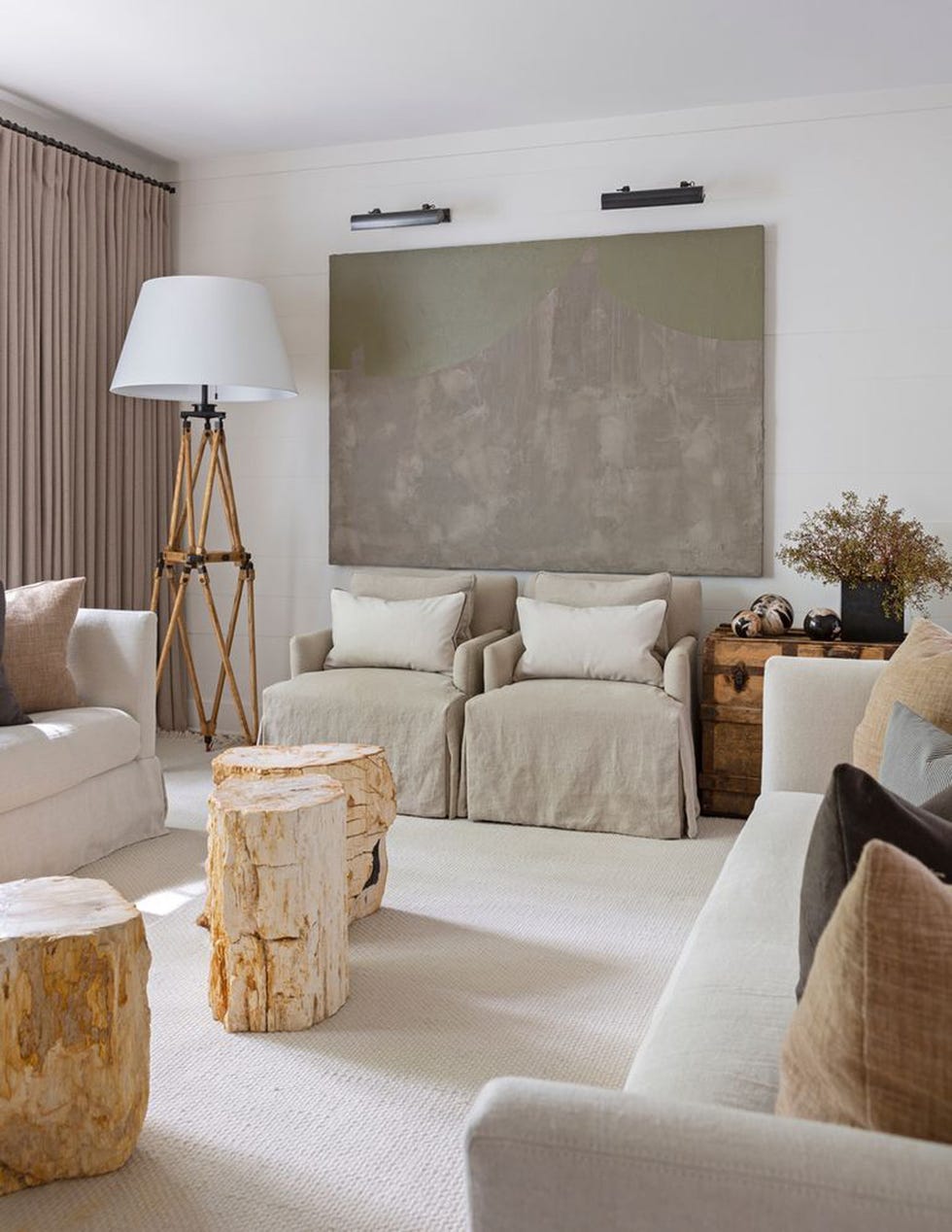
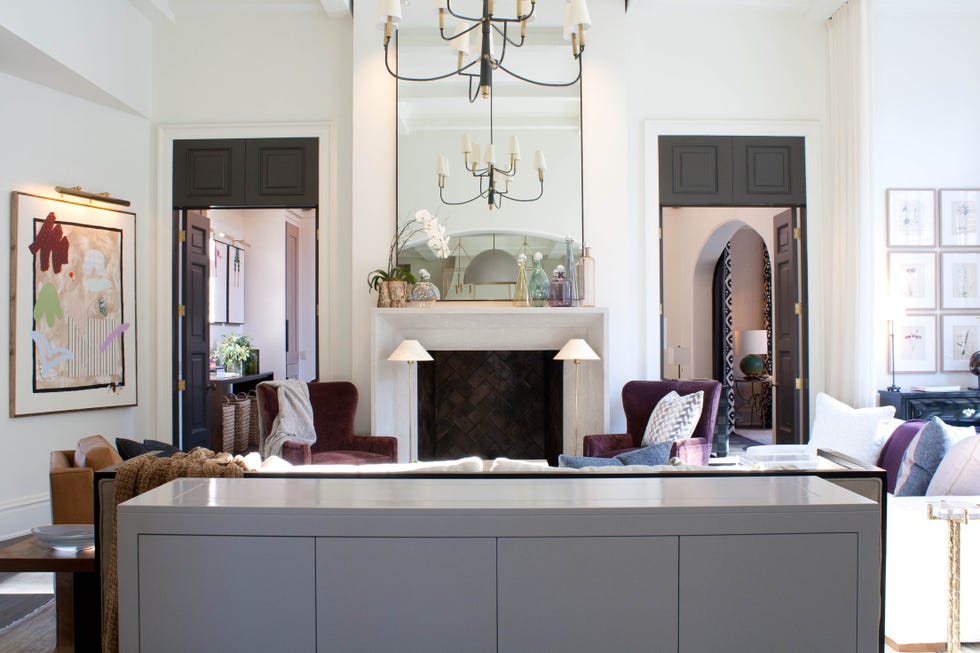
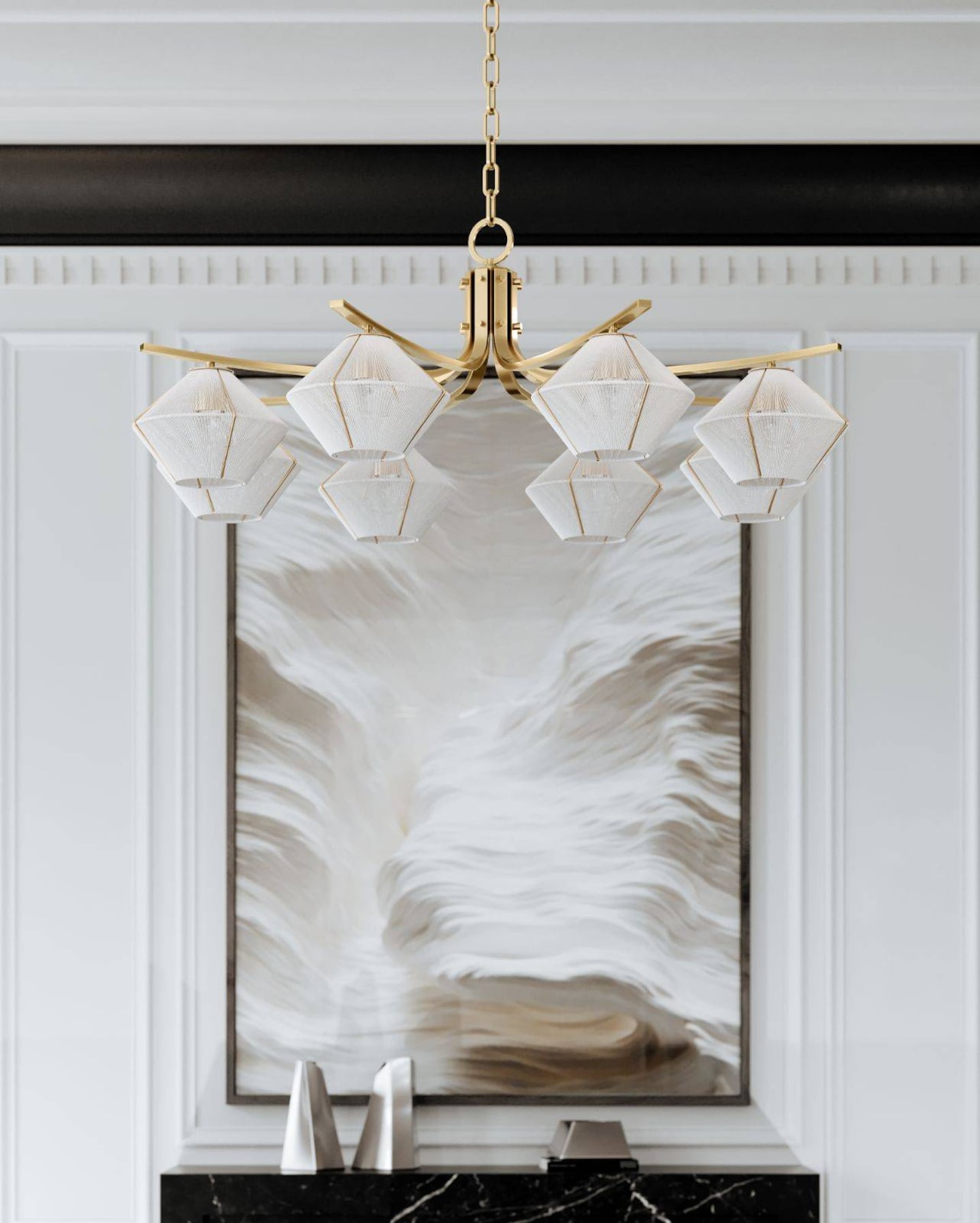
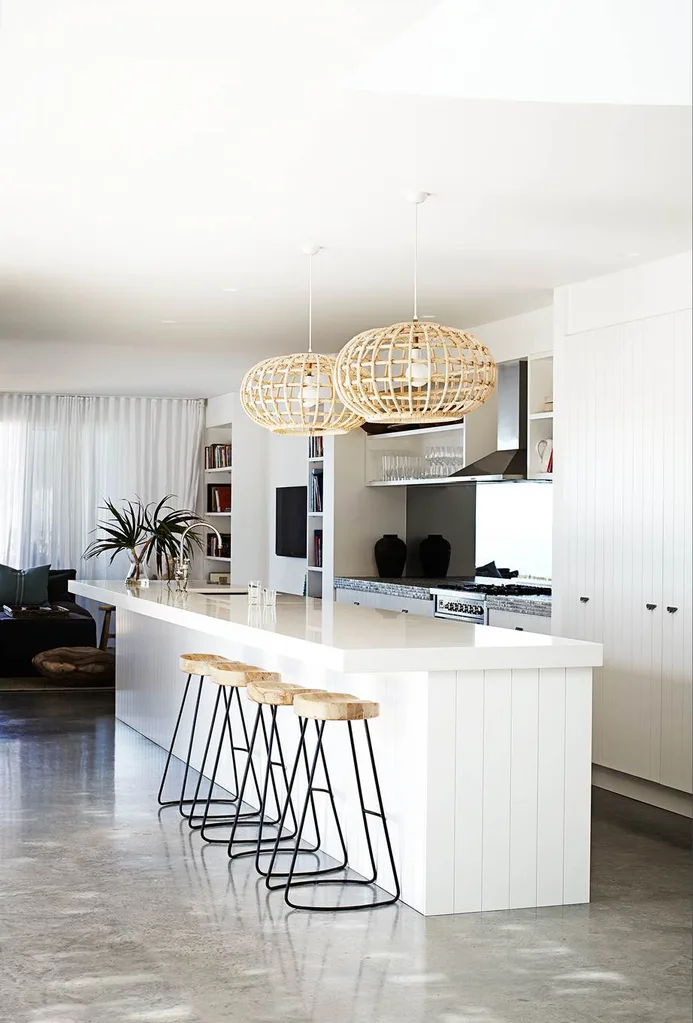
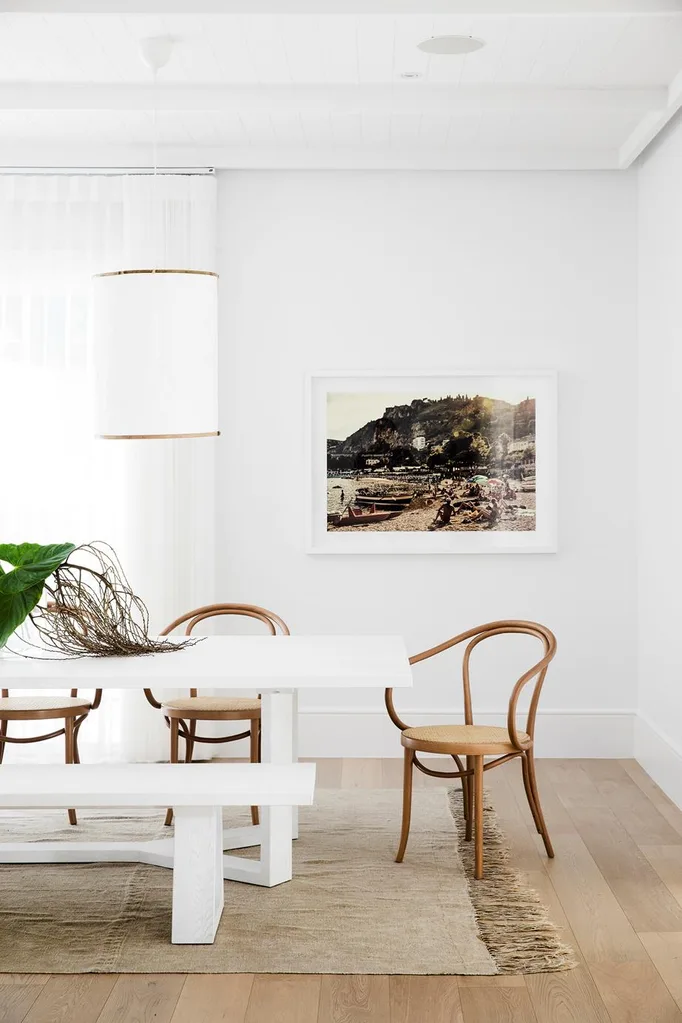
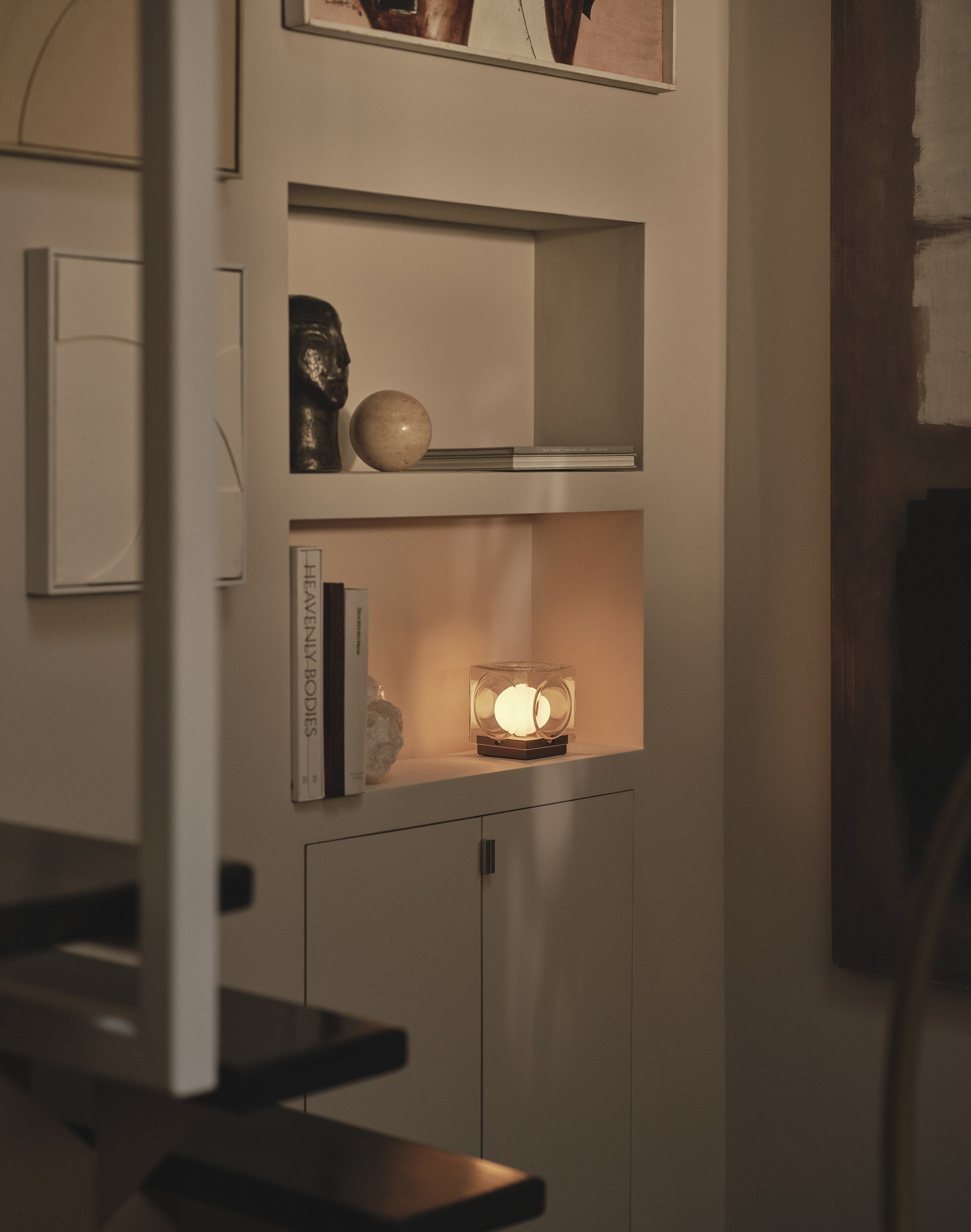
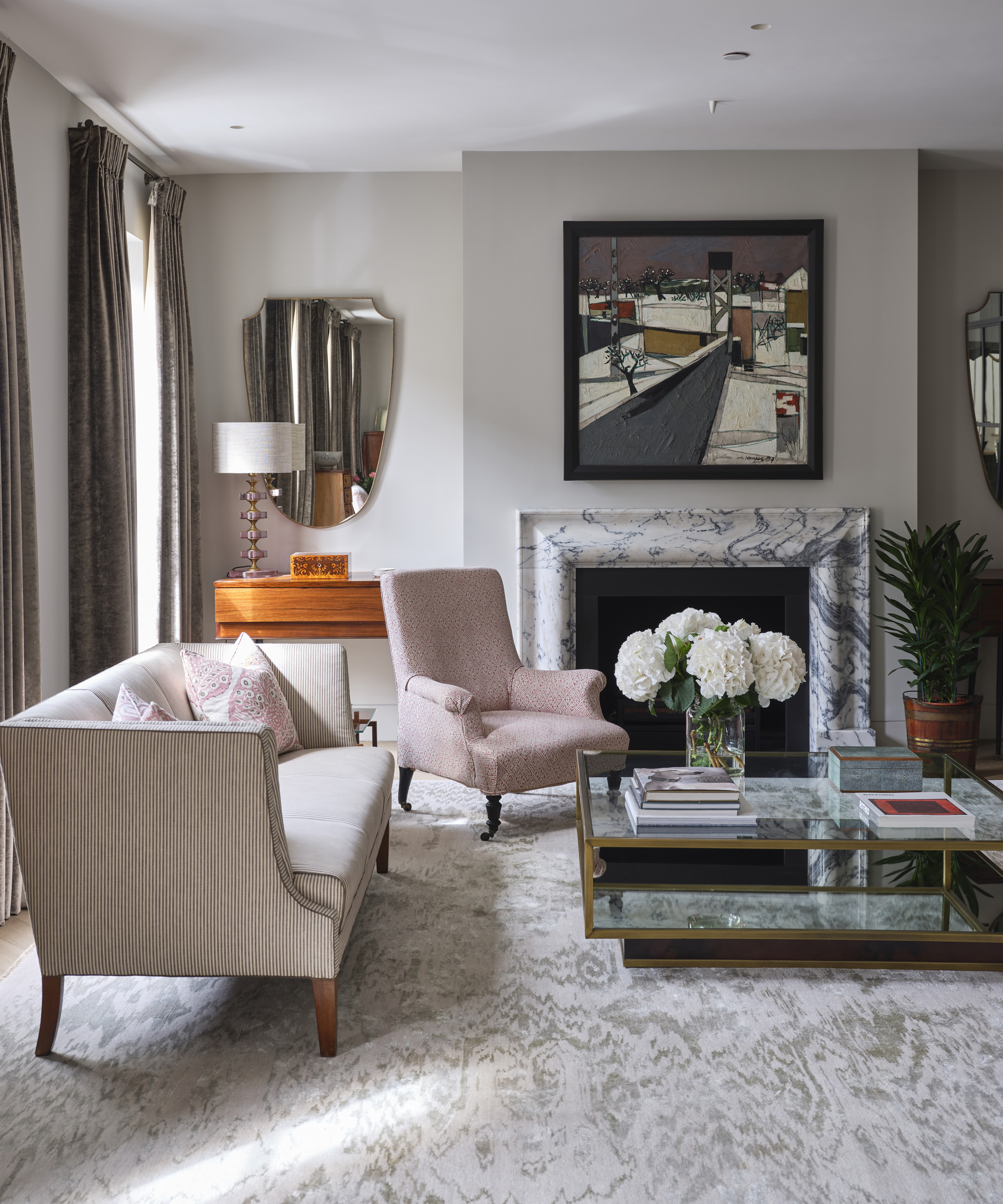
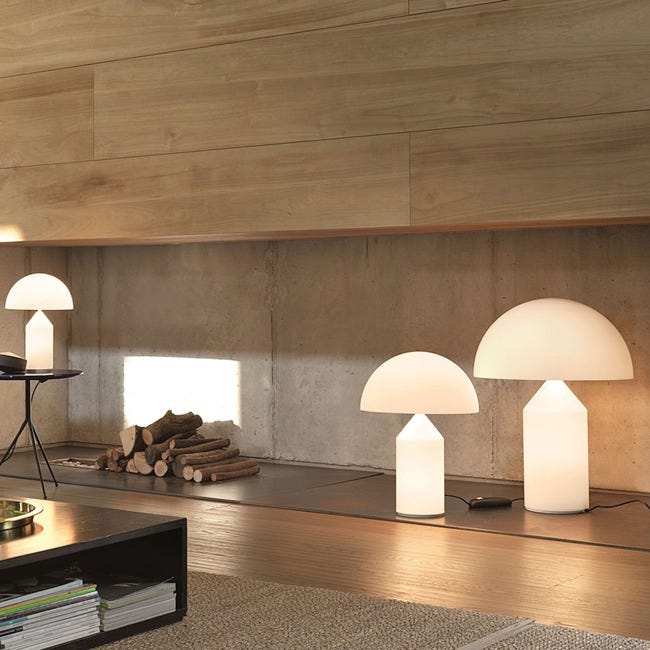
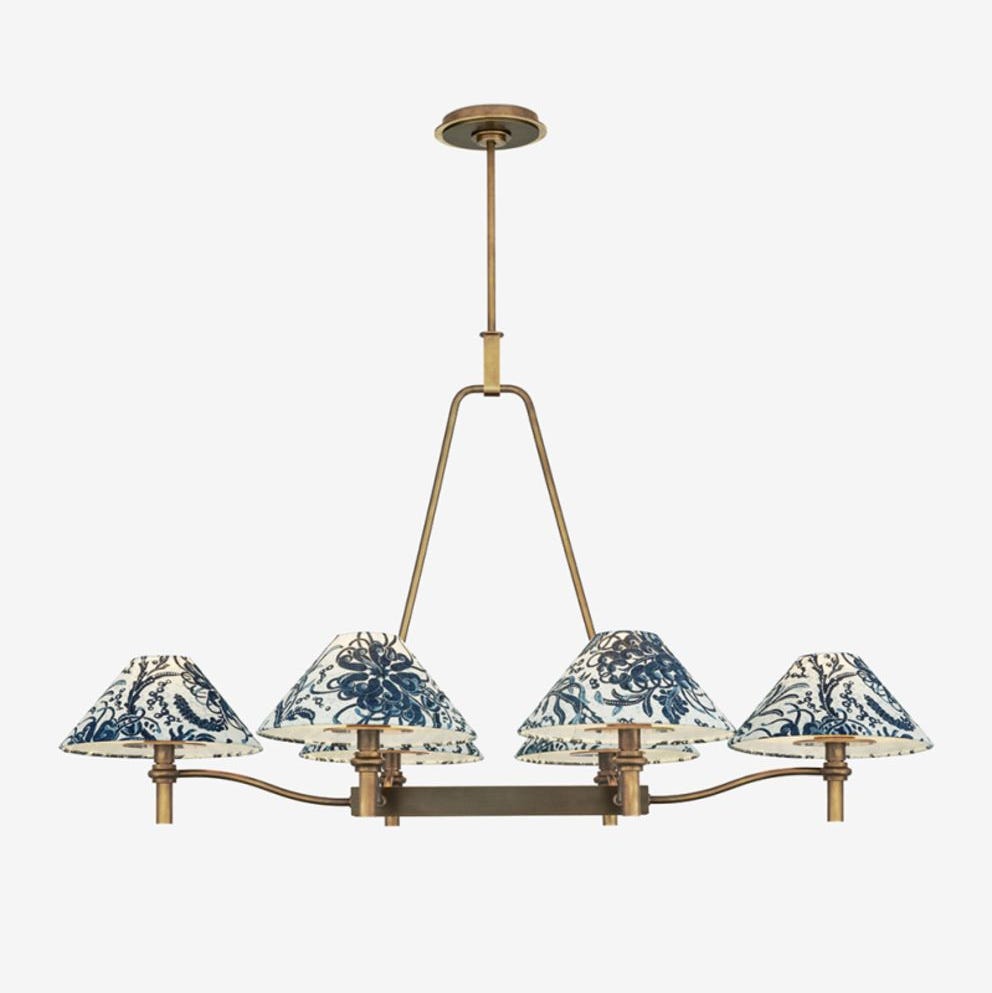
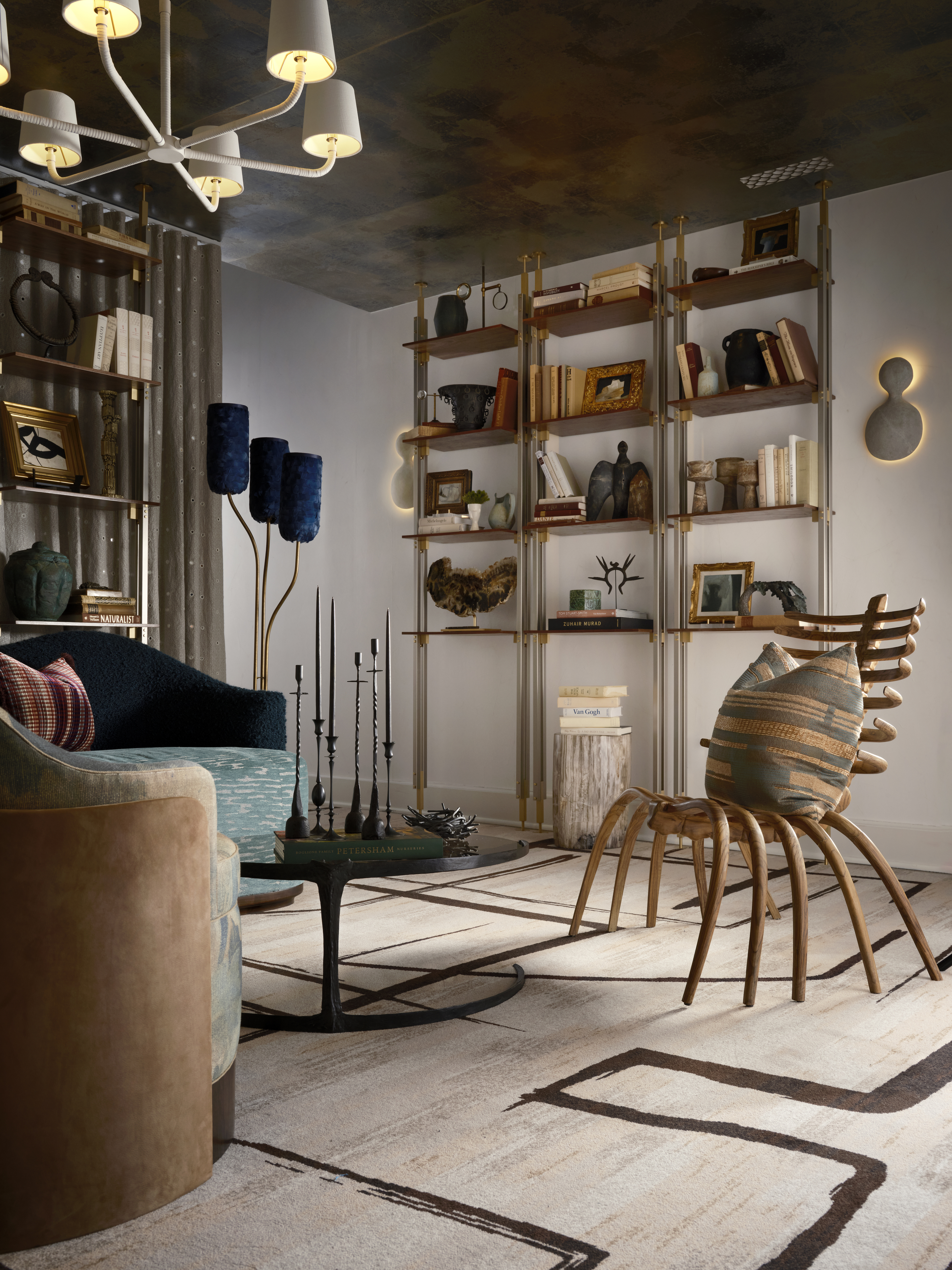
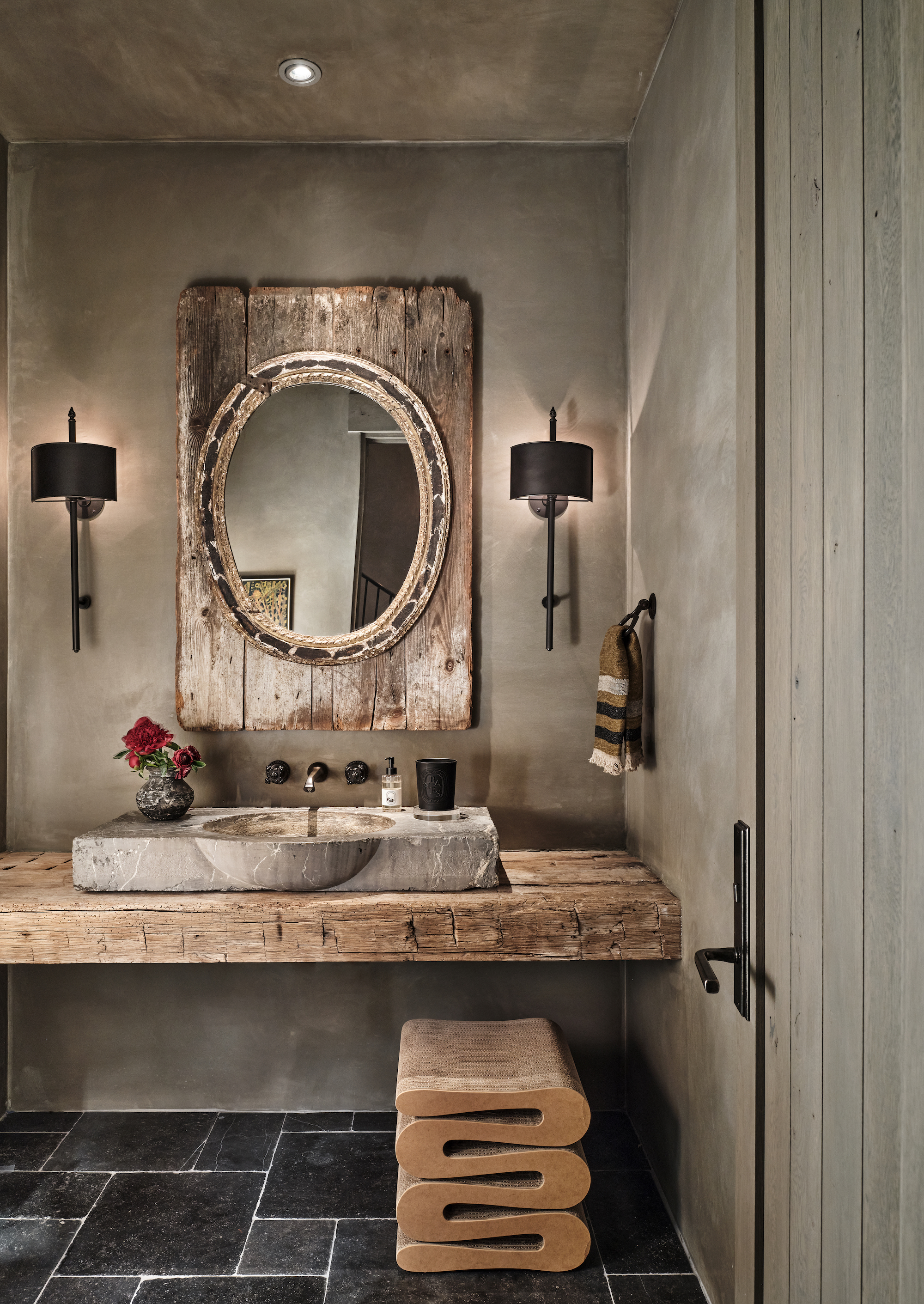
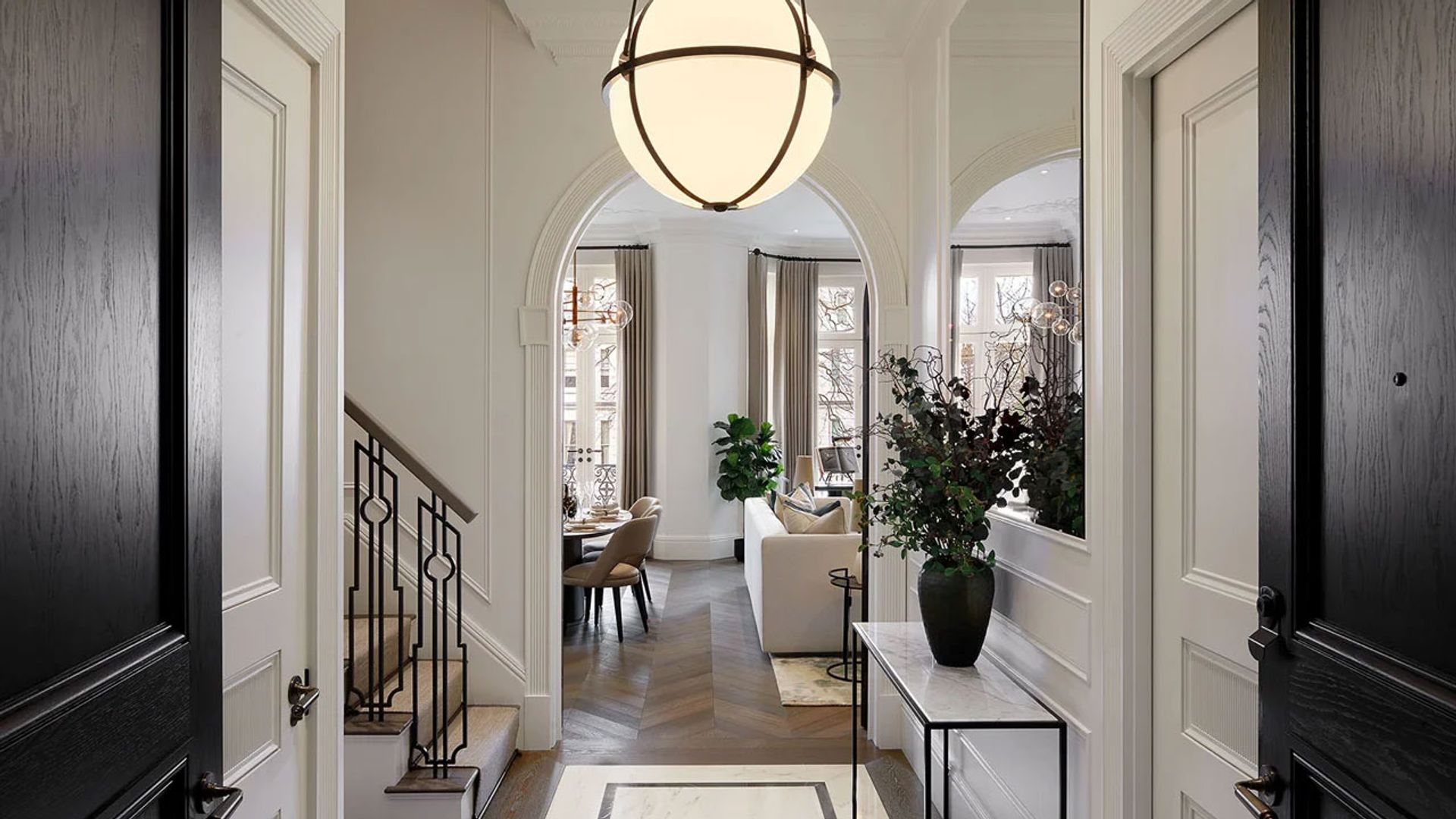
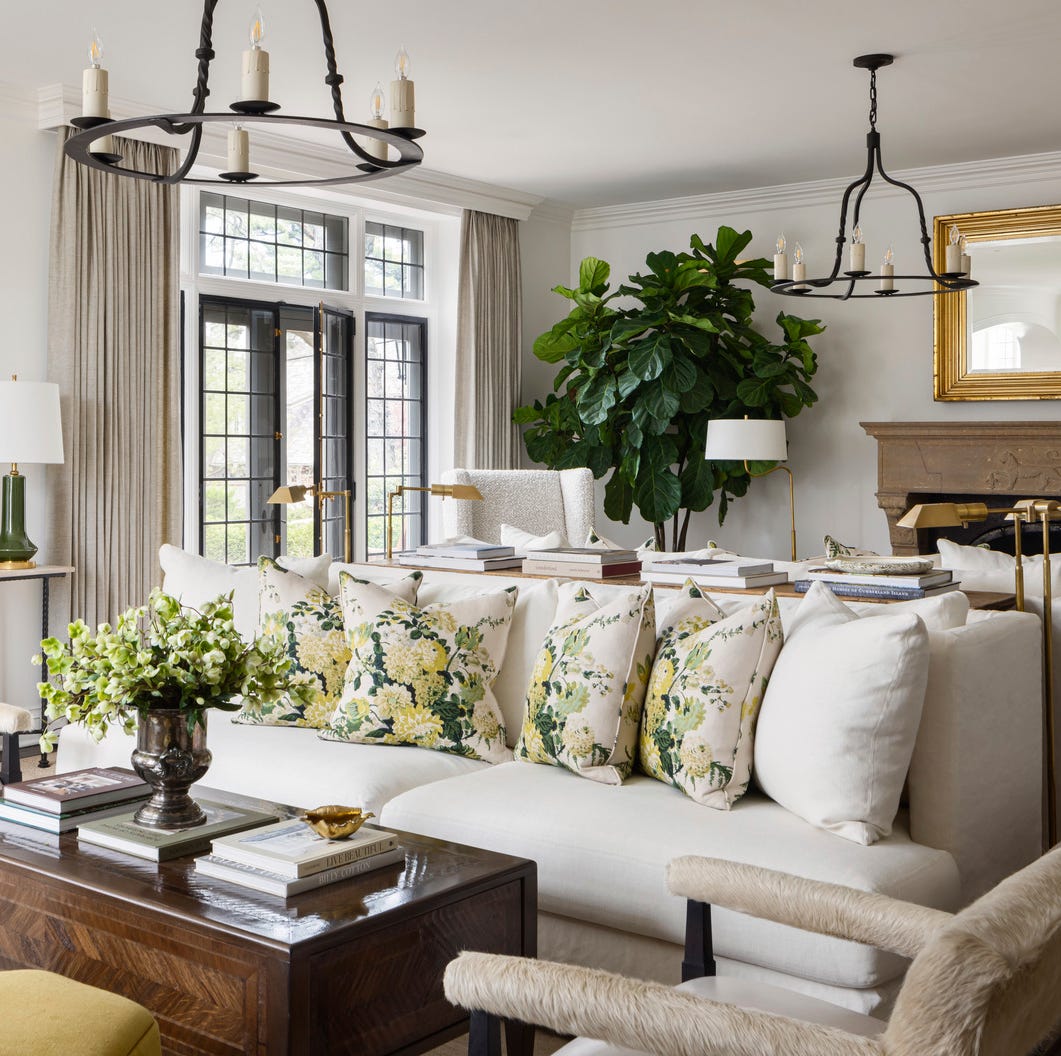
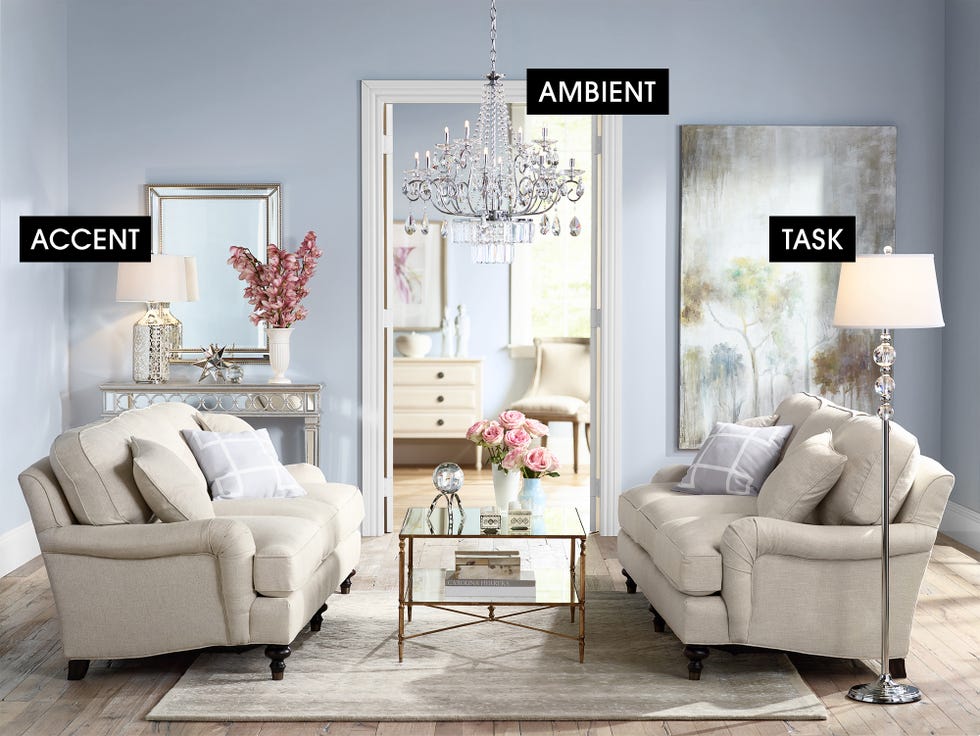
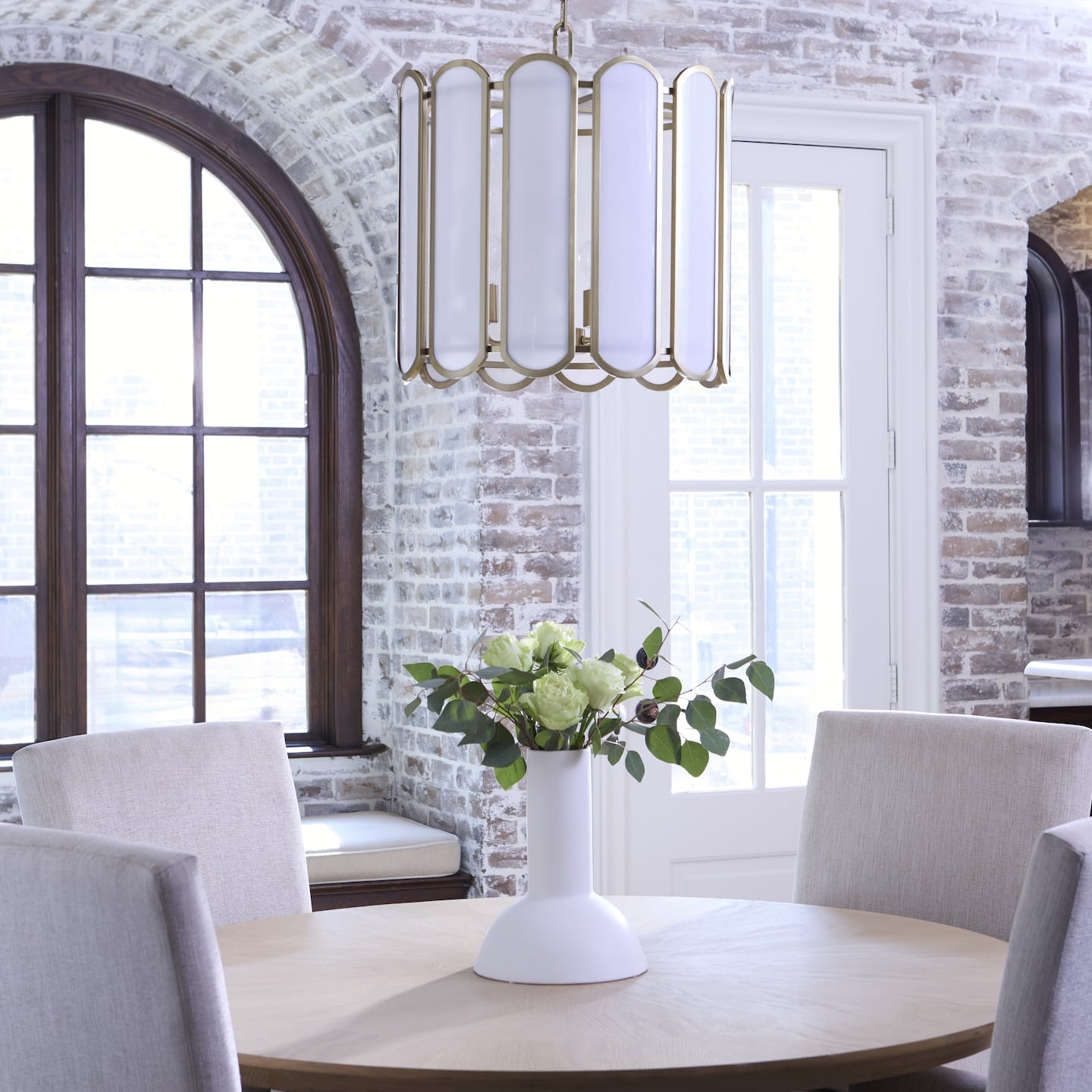
Achieving luxurious lighting in a home involves more than simply selecting fixtures; it requires a strategic approach to create ambiance, functionality, and visual appeal. Interior design experts emphasize that lighting should be an integral part of the design process from the outset, rather than an afterthought. The first crucial rule is to set the scene through layering different types of light. Ambient lighting, often achieved with dimmable sconces, establishes the overall mood, while accent lighting, such as floor or table lamps, adds warmth, intimacy, and depth. A hero piece, like a chandelier or large-scale pendant, can serve as a focal point, with dimmer switches being essential tools to allow lighting to adapt to different times of day and create a sense of theatre.
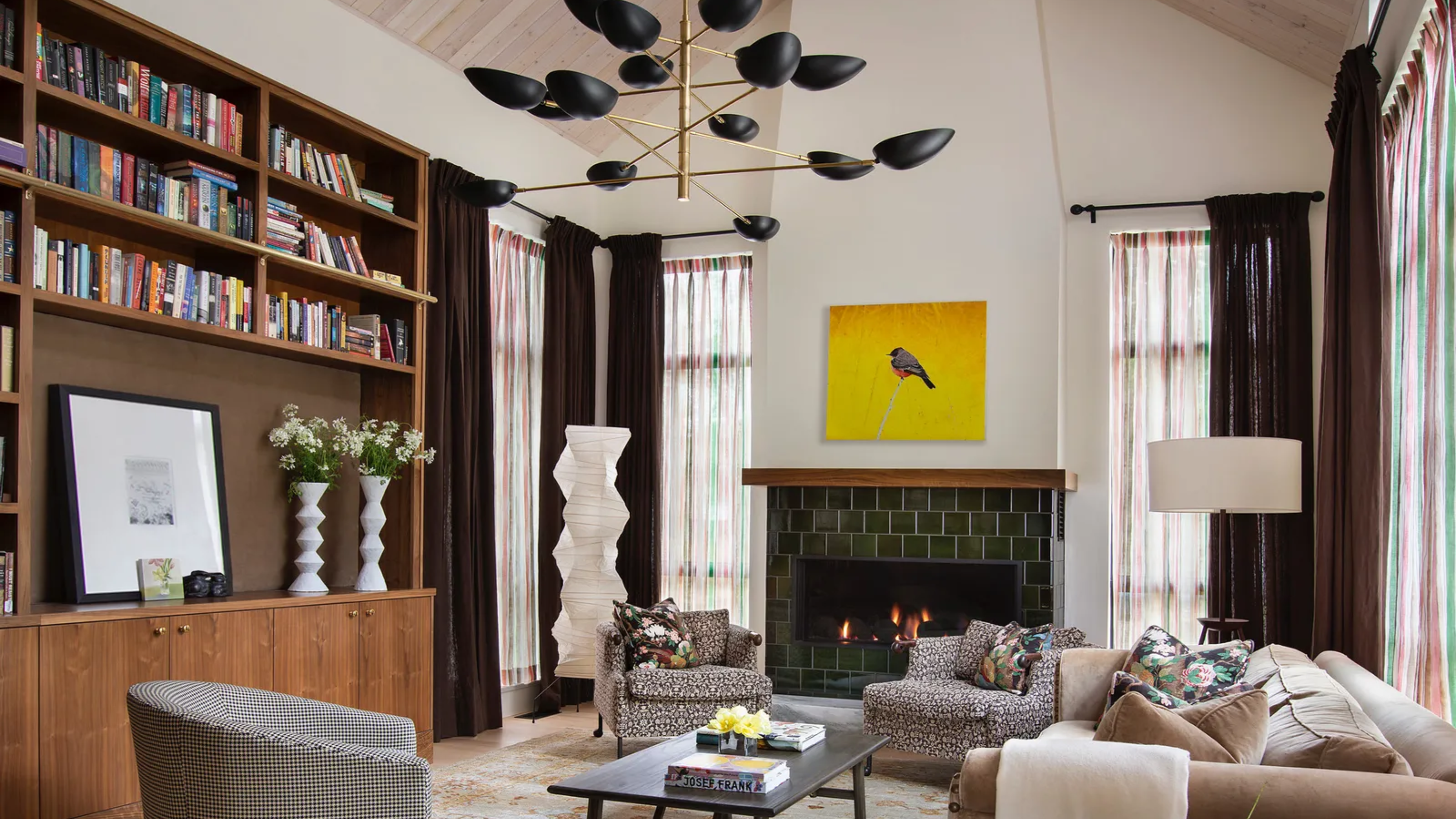
The second rule advocates for avoiding the reliance on a single, harsh overhead light source, often dubbed 'the big light.' This type of lighting, while functional, tends to flatten a room, diminish atmosphere, and lack nuance. Instead, luxurious interiors prioritize sculptural and atmospheric lighting that invites one into a space rather than overwhelming it. Designers stress that a single light source limits functionality and makes a room feel stark and unflattering. The goal is to use ceiling lights with intention, integrating them into a broader lighting scheme rather than as the sole illuminator.
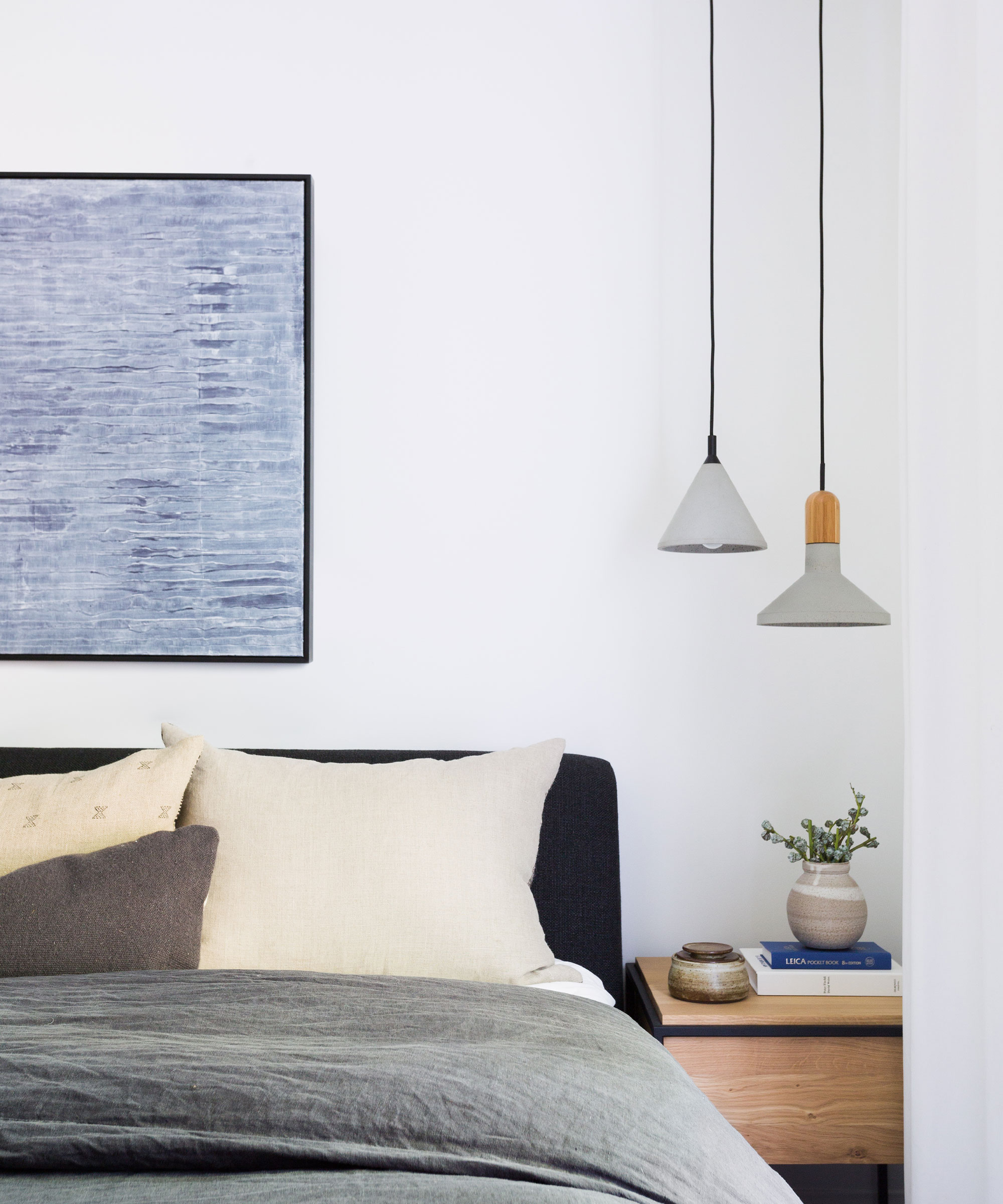
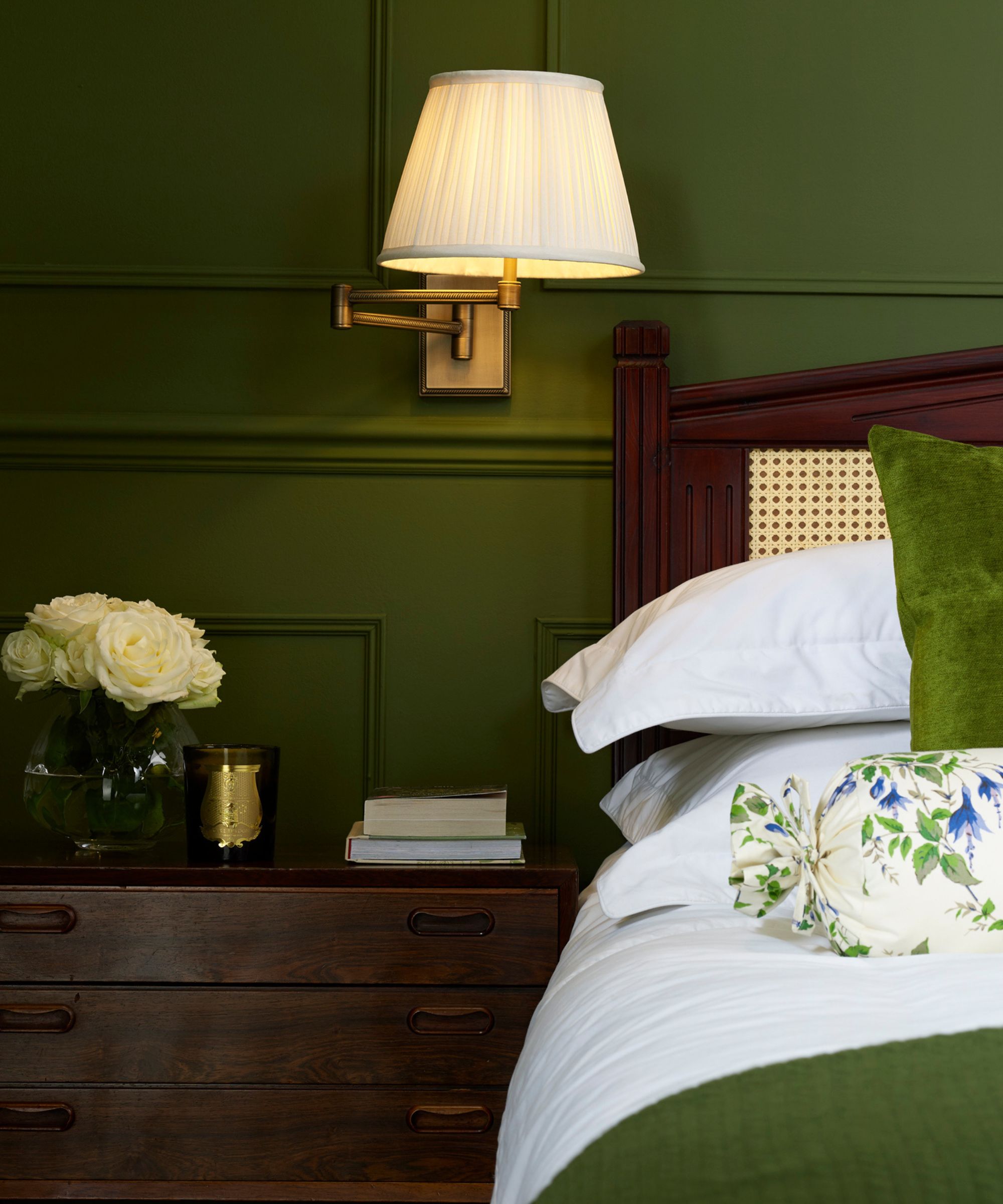
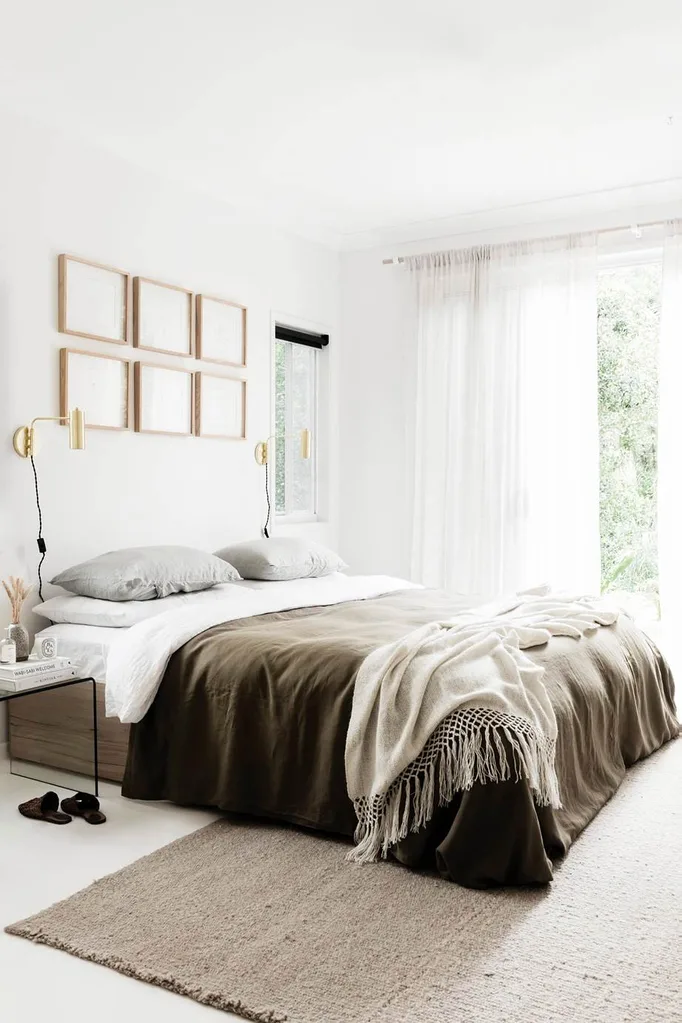
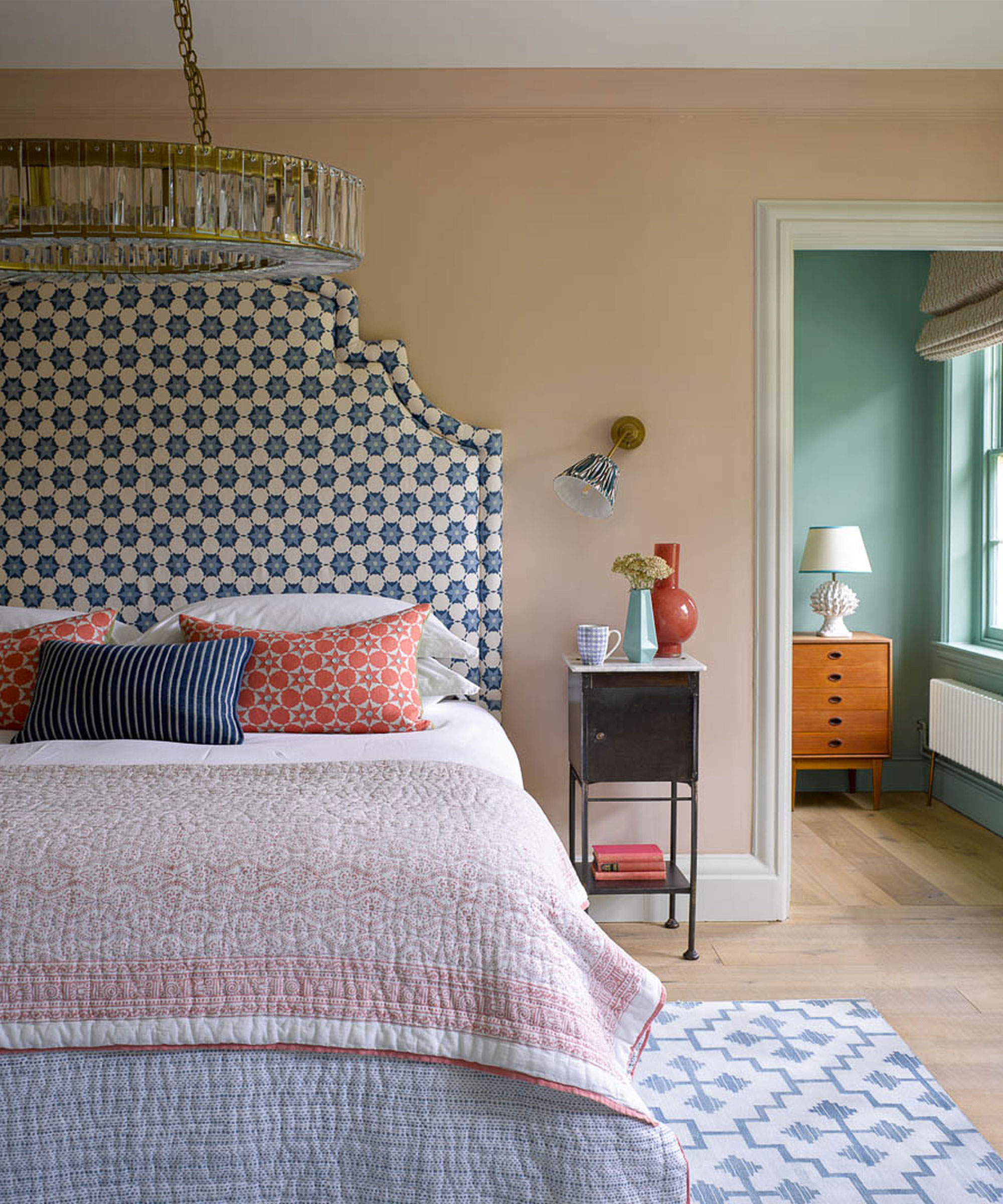
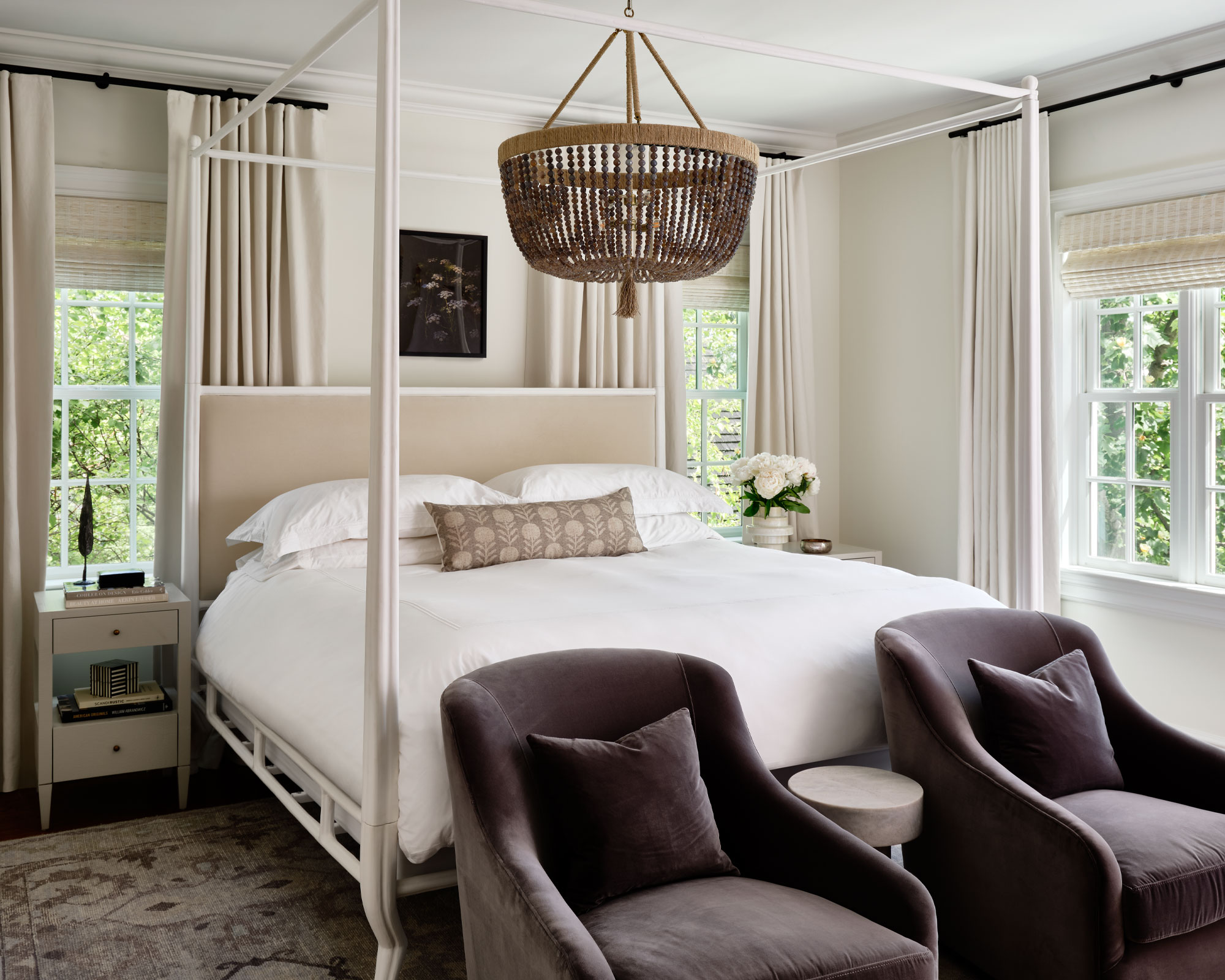
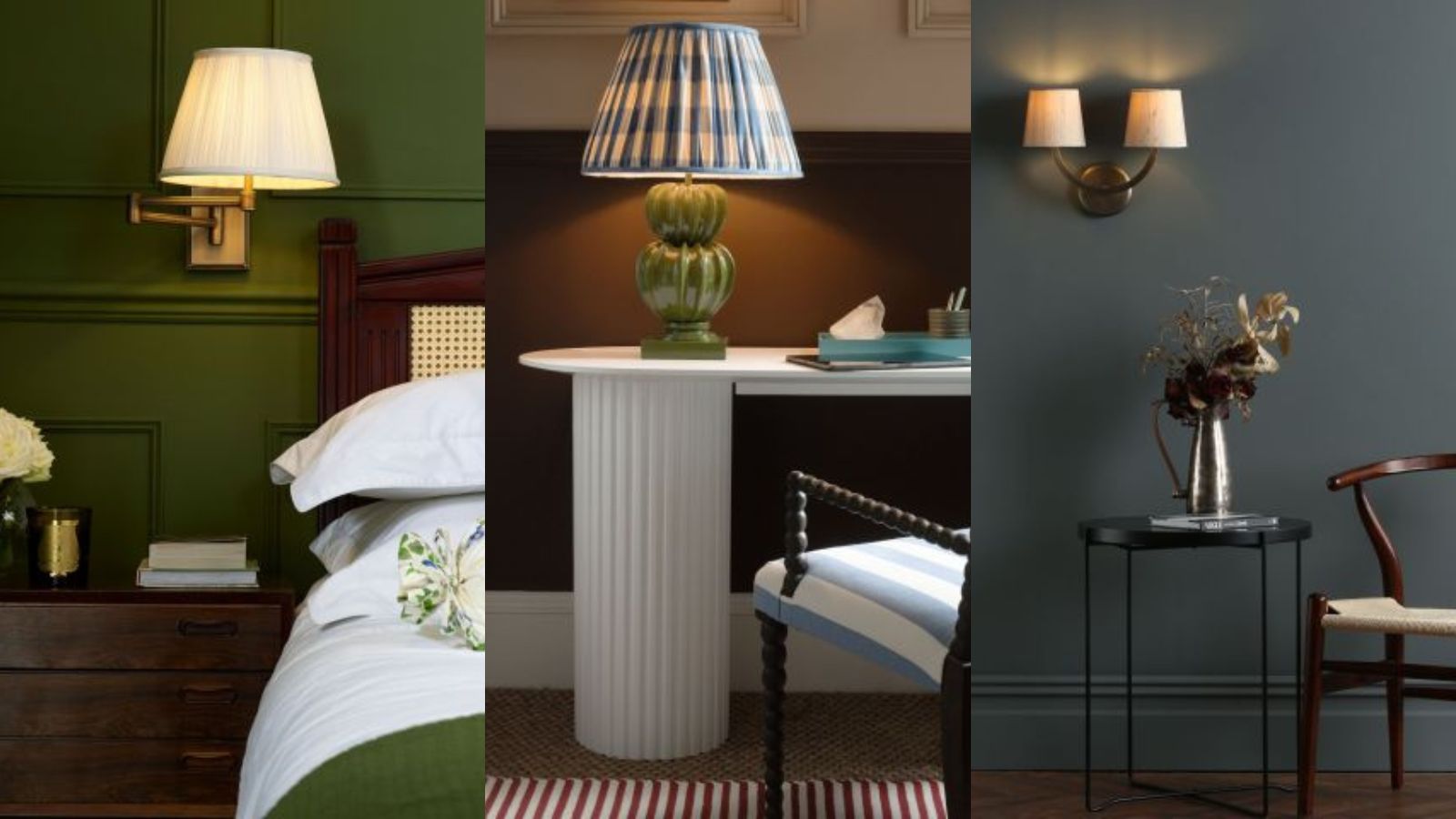
For bedrooms, the third rule emphasizes a dual-purpose lighting strategy to create both a serene retreat and a functional space. Experts suggest incorporating soft, diffused light, aiming for an enveloping and gentle, almost cocoon-like atmosphere. This can be achieved through low-wattage bulbs in bedside lamps and softly-lit candles. Layering is again key, with recommendations for bedside lamps featuring fabric shades, wall-mounted lighting for reading, and overhead pendants with diffused shades and dimmers. This multi-faceted approach allows for flexible control over the room's mood, adapting from bright morning preparation to a calm evening wind-down.
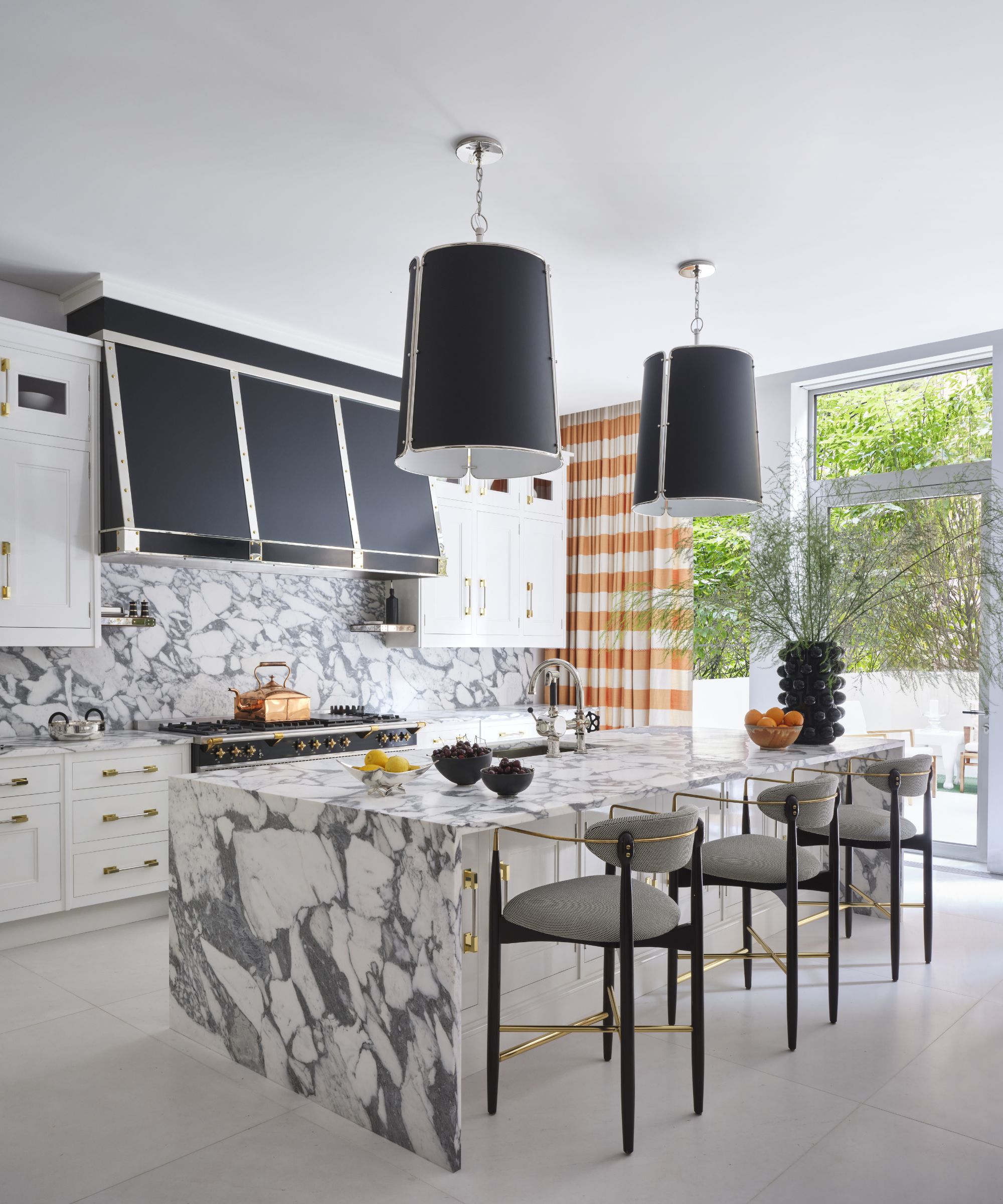
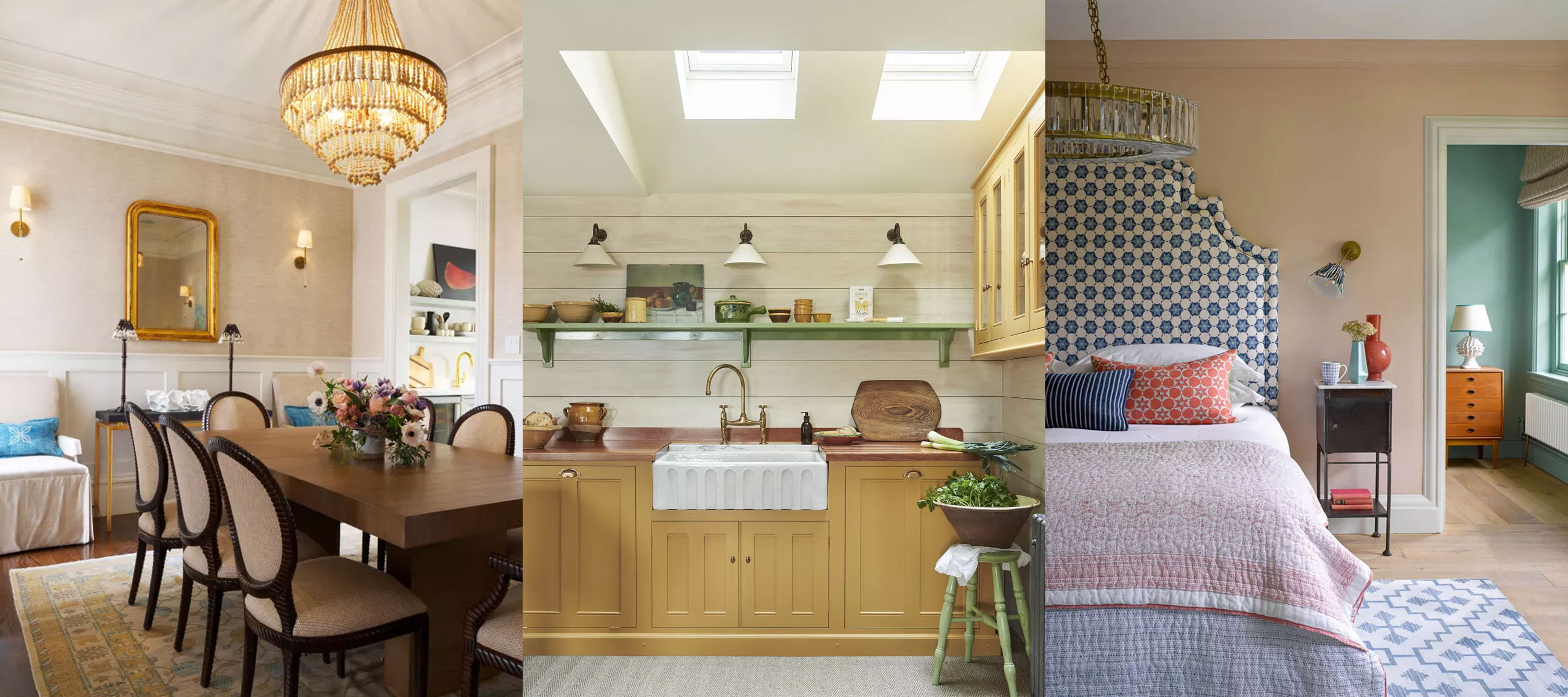
Finally, designers highlight common mistakes to avoid. A significant oversight is neglecting scale; undersized fixtures can appear apologetic in large spaces, while oversized ones can dominate smaller rooms. Striking the right balance is paramount. Another crucial error is the use of overly bright bulbs or harsh white lighting, which can strip a room of its character and make it feel clinical and uninviting. The objective is for lighting to flatter the room and its occupants, creating a welcoming and sophisticated environment rather than washing everything out. By adhering to these principles of layering, avoiding single harsh light sources, tailoring lighting to specific room functions like bedrooms, and mindful of scale and bulb intensity, homeowners can achieve a truly luxurious and well-lit interior.
#LuxuryLighting #InteriorDesign #HomeDecor #LightingTips #AmbientLighting #BedroomLighting #DesignMistakes #HomeIllumination #LuxuryLighting #InteriorDesign #HomeDecor #LightingTips #AmbientLighting #BedroomLighting #DesignMistakes #HomeIllumination
0 opmerkingen in totaal
 Nog geen opmerkingen
Dit vindt u mogelijk ook leuk
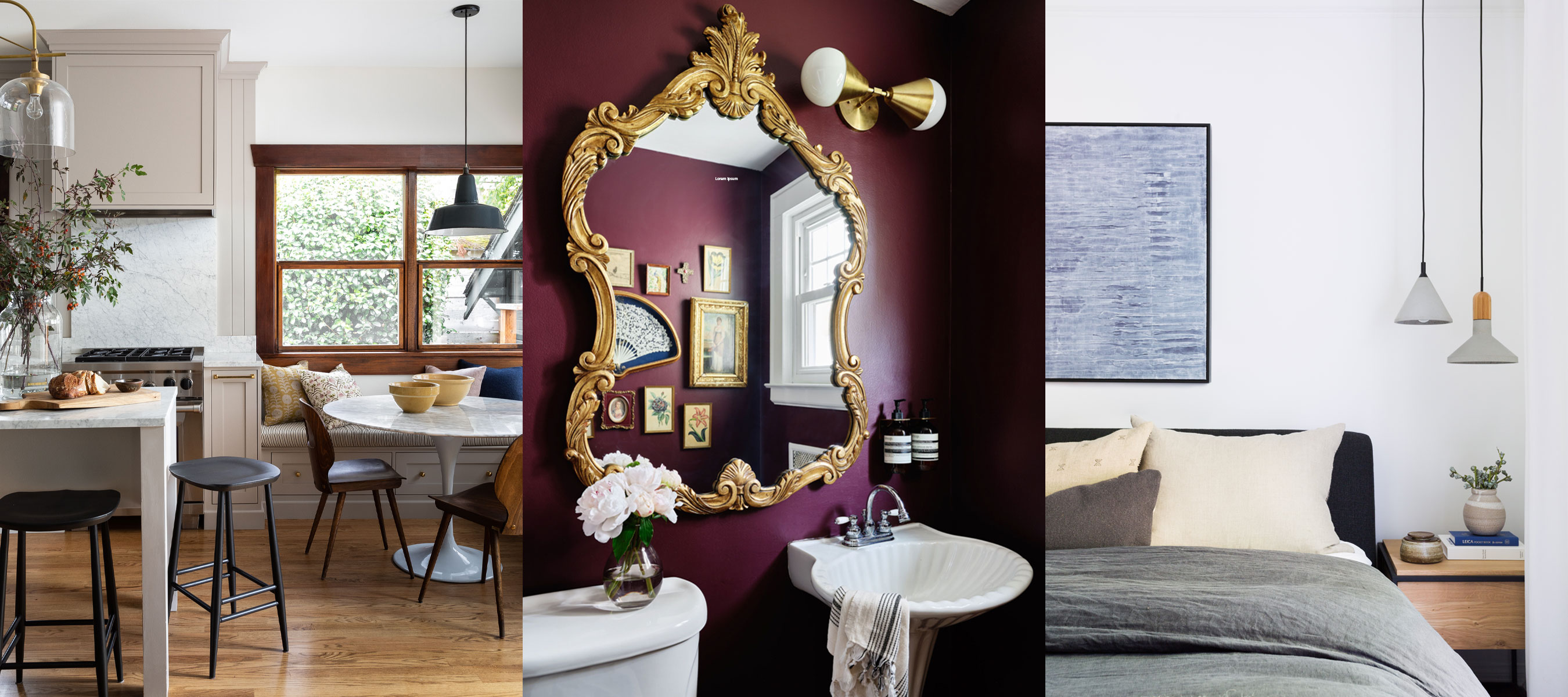
What lighting makes a home look expensive? 5 ideas from the designers in the know

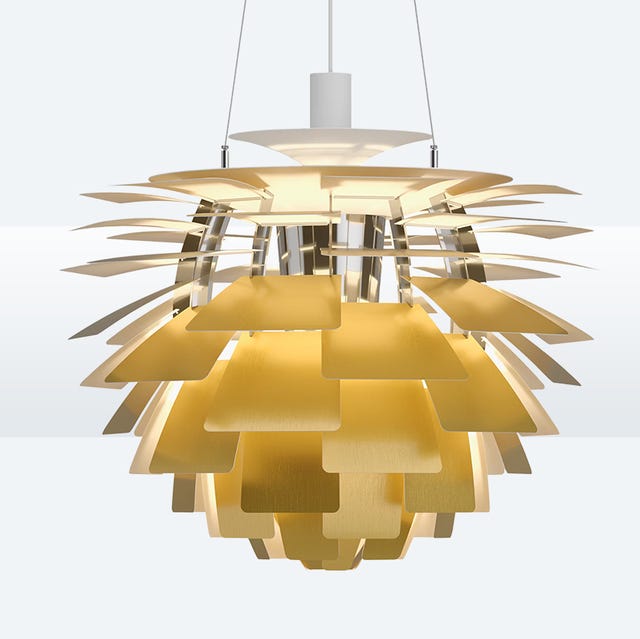
Illuminate Your Space These Luxury Lighting Brands

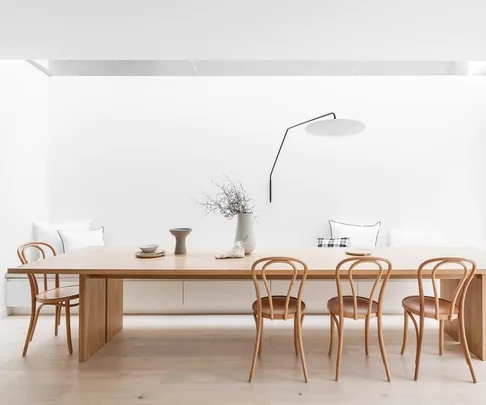
An interior designer’s guide to lighting your home

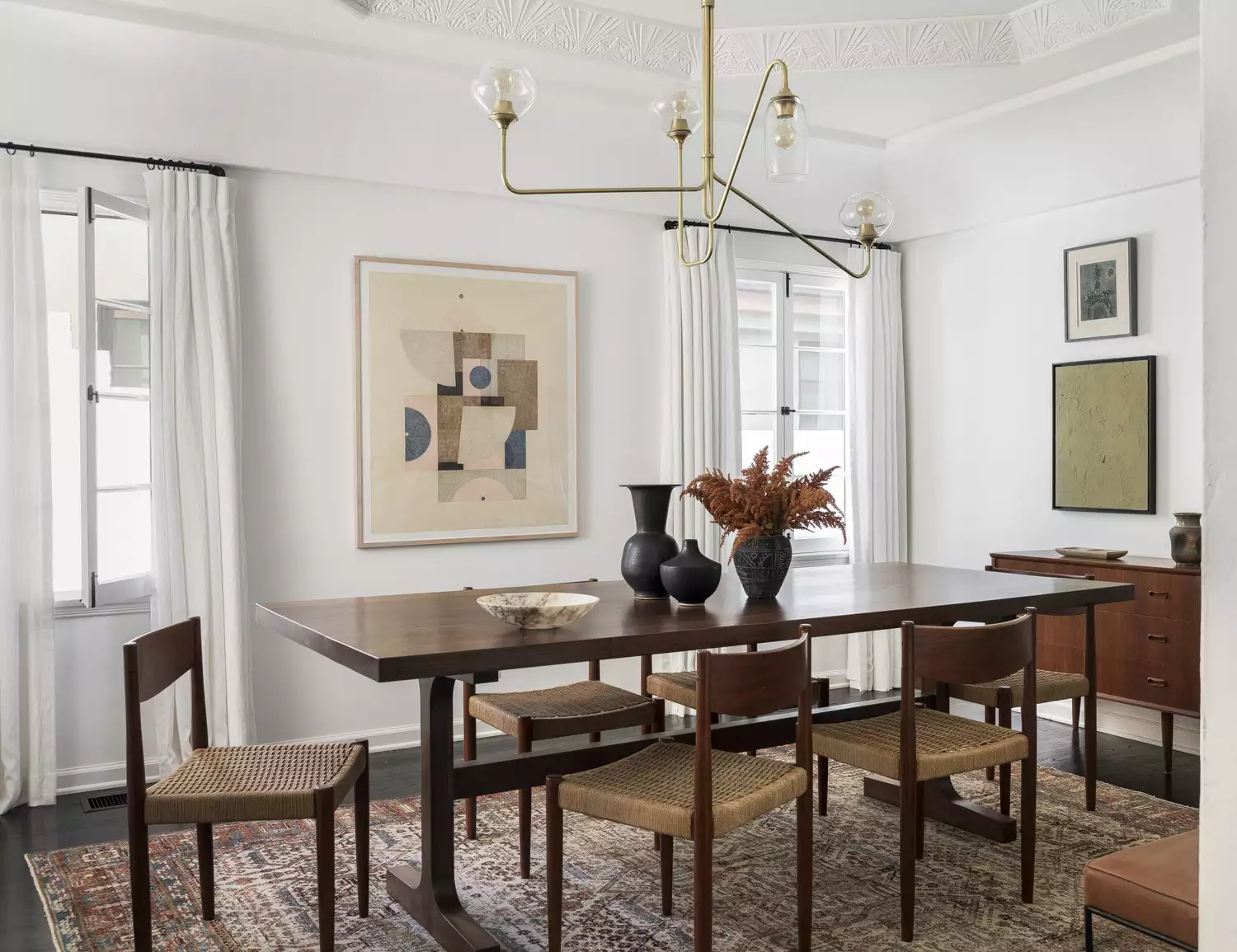
Interior Designers Share Their Secrets for Upgrading Home Lighting—Without Breaking the Bank

20 Ways High-End Designers Properly Light a Living Room

5 Types of Lighting Designers Would Never Use —They're Harsh and Unflattering and Here's Why


How to Light Your Home So Even the Overhead Haters Are Happy

5 outdated lighting trends designers say to avoid – and the designs and techniques to use, instead
4 expert lighting schemes to make guests feel welcome in the rooms they'll use most
The 3 Types Of Lighting Every Room Needs

5 Things You Should Be Lighting in Your Home to Make Your Rooms Look More Expensive
How to Make a Lighting Scheme Feel Cozy — 4 Expert-Recommended Ideas To Try
The Secrets Of Good Lighting
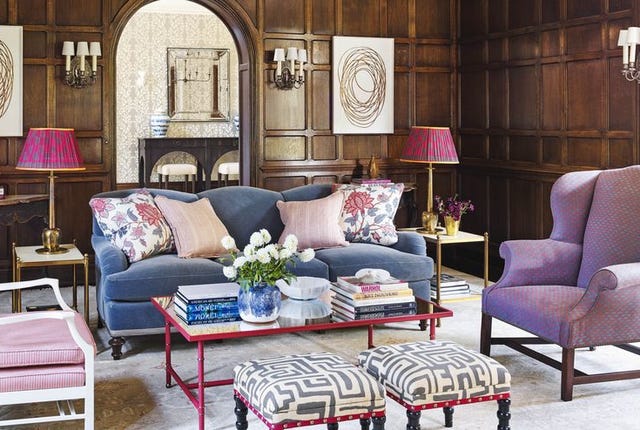
Designers Share Their Best Tips for Acing Ambience in the Living Room with Lighting
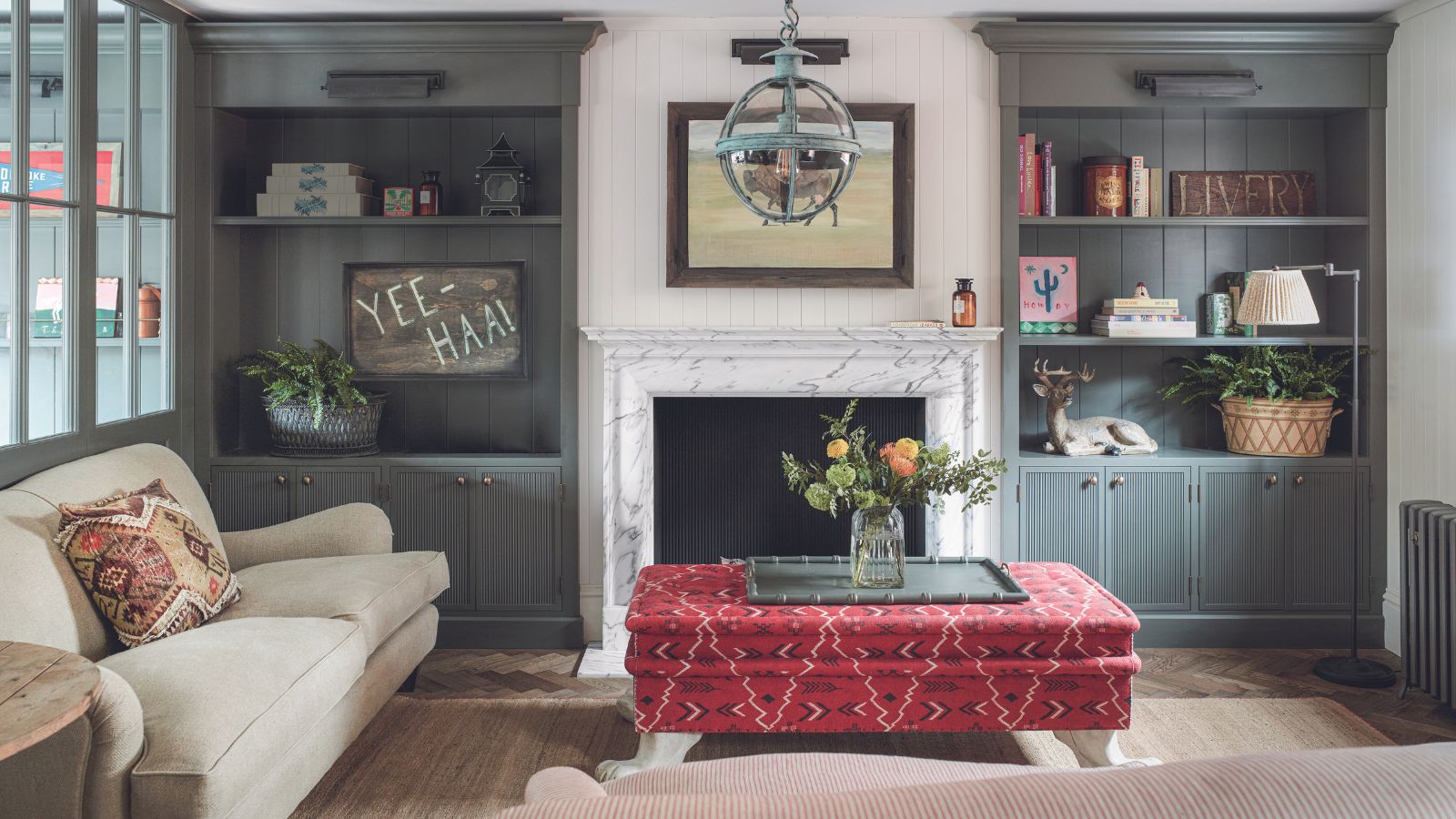
How to make a living room lighter – an interior designer's 10 tips for a creating brighter space
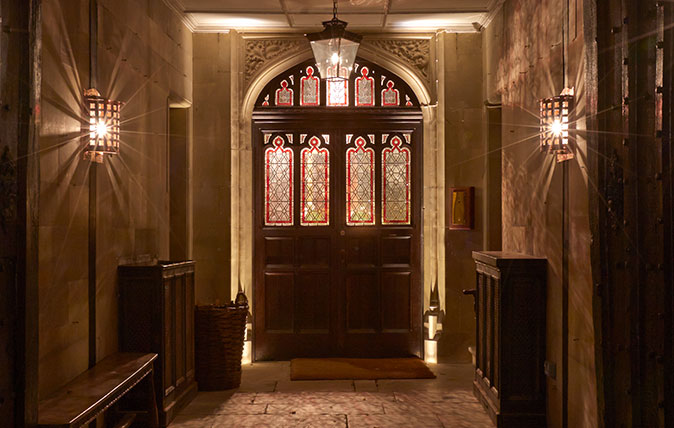
Get your home's lighting just right: Seven questions answered
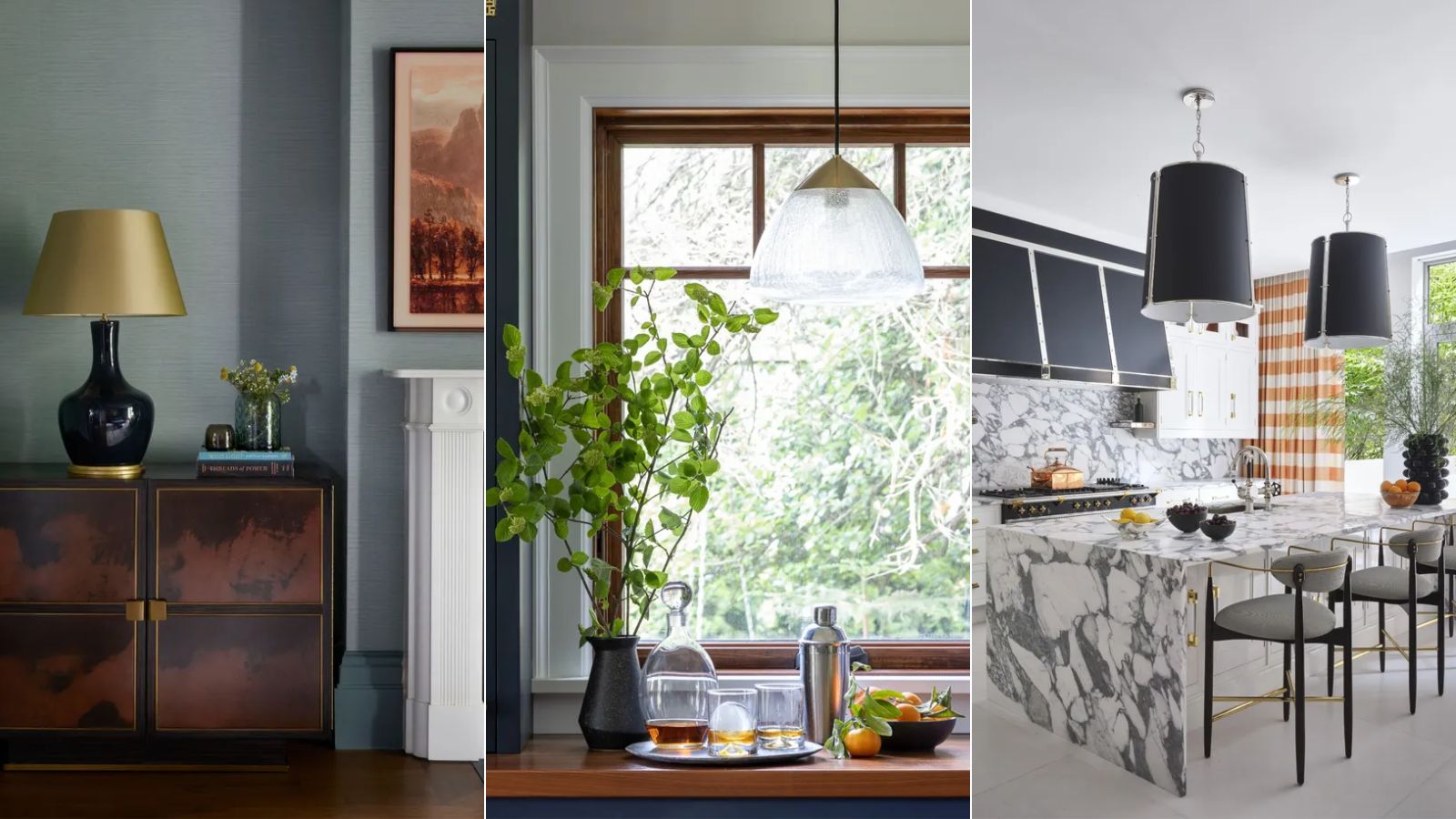
Decorator's Address Book: 15 of the best places to shop for lighting as suggested by interior designers
Design experts offer lighting tips for upgrades that shine

Interior Designers Reveal Their 26 Favorite Online Lighting Stores

5 Easy, Designer-Approved Lighting Hacks to Brighten Up Your Home