1/5
Hurricane-Proof Construction with the Fortified Home Standard
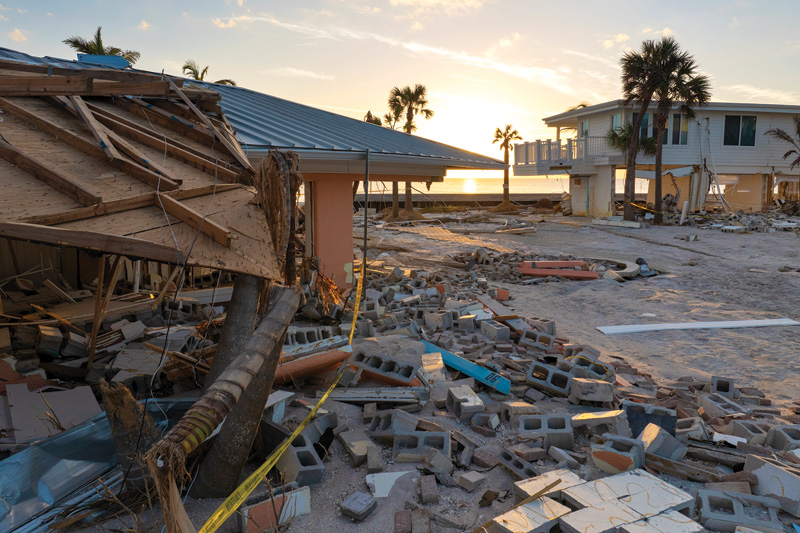
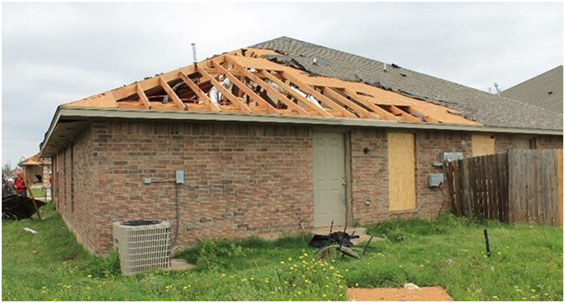
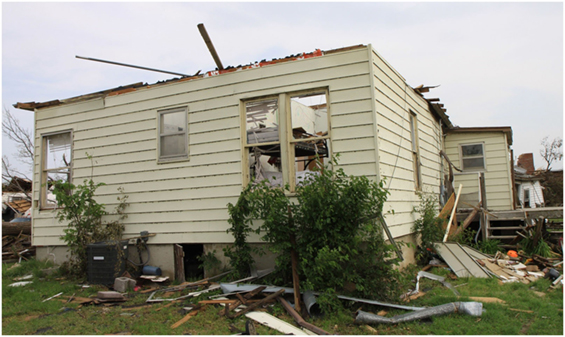
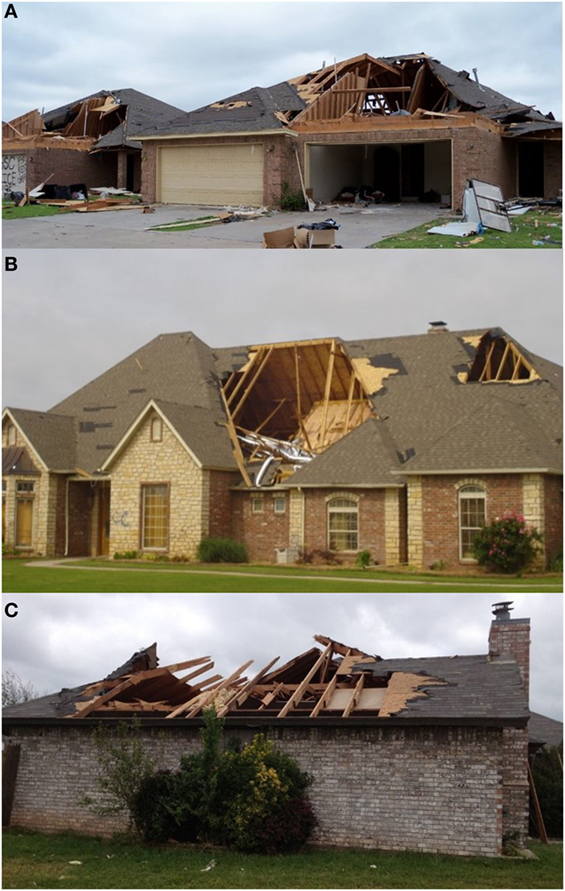
The article discusses the importance of building resilient homes to withstand severe weather events, drawing on the author's extensive experience with hurricane damage and the advancements in construction standards. The author, Patrick McCombe, recounts his early career experiences observing the devastation left by hurricanes Andrew and Katrina, highlighting the prolonged and incomplete recovery efforts in their wake. These experiences underscore the critical need for more robust building practices.
The focus of the article is the Fortified Home standard, developed by the Institute for Business and Home Safety (IBHS), a nonprofit research organization funded by the insurance industry. The IBHS conducts rigorous testing at its South Carolina research facility, simulating hurricane-force winds, rain, hail, and flying projectiles, to create standards designed to make homes more resilient. The Fortified standard offers three designation levels—Fortified Roof, Fortified Silver, and Fortified Gold—each building on the previous level with additional improvements for increased resilience against natural disasters. These standards apply to both new constructions and retrofits.
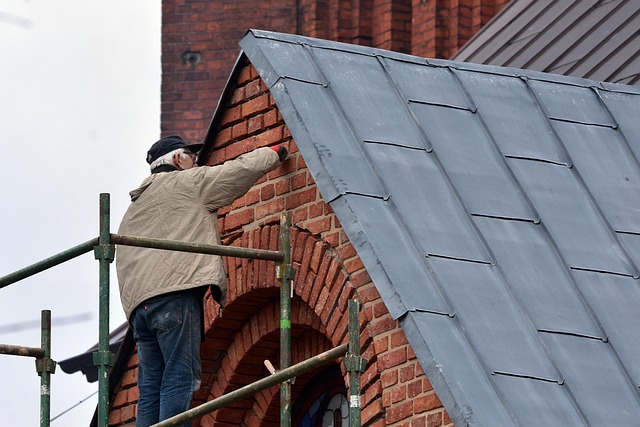
The Fortified Roof standard, for instance, includes specific measures such as sealed roof sheathing, strengthened edge protection, and additional nails in the sheathing, underlayment, and drip edge. Shingles are installed according to the manufacturer’s high-wind instructions. These measures aim to prevent water intrusion even if shingles are dislodged during a storm. For Fortified Silver and Gold homes, additional enhancements include strengthened gables, sheathed walls with specific nailing patterns for enhanced impact, racking, and blow-off resistance, and a continuous load path (CLP) connecting the roof, walls, floor systems, and foundation. Fortified Gold homes in hurricane zones often require professional engineer designs for the CLP.
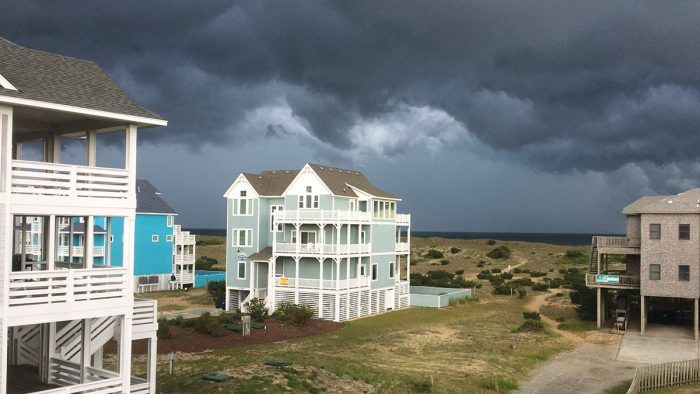
The article features an interview with Ben Murphy, a roofing contractor and home builder in Foley, Alabama, who has been a Fortified roofer for over a decade. Murphy shares his experiences, noting that his Fortified Roofs sustained zero damage from Hurricane Sally in 2020, a Category 2 storm with 110 mph winds and significant rainfall, except for three instances where trees fell directly onto the roofs. This contrasts sharply with the widespread devastation observed in other homes in the area. Similar testimonials are provided on the fortifiedhome.org website, including a house in Mexico Beach, Florida, that survived the Category 5 Hurricane Michael in 2018.
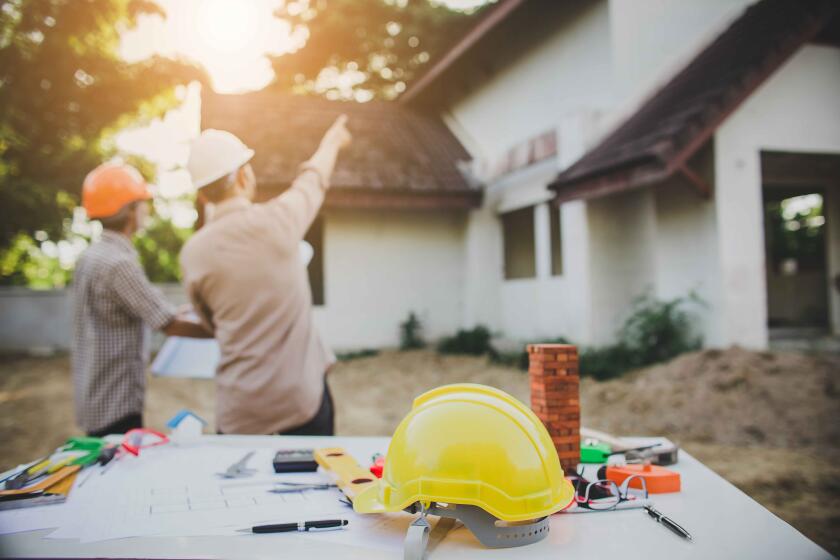
The financial implications of Fortified construction are also addressed. Building a Fortified Home entails higher costs due to additional materials like connectors, impact-rated windows, fully sheathed walls, and more stringent fastening schedules for sheathing and roofing. The work also requires more time than conventional construction, as speed is often prioritized in traditional methods. Third-party inspections by Fortified-trained inspectors, along with extensive photo documentation of nailing patterns and roof-deck sealing, are part of the certification process. Ben Murphy estimates that a Fortified Roof costs 15% to 25% more than a conventional roof, and a Fortified Gold home can cost 10% to 15% more than a standard structure, with substantial investment in components like stainless-steel fasteners and impact-rated windows.
Despite the higher initial costs, there are significant long-term benefits and motivations beyond financial considerations. Insurance discounts are often provided for Fortified-certified homes, and in high-risk areas, meeting these standards may be a prerequisite for obtaining insurance at all. More importantly, building stronger homes can prevent deaths and injuries during severe weather, allow residents to shelter in place, and facilitate quicker community recovery. The availability of housing helps retain local workers, contributing to regional economic stability. The construction industry also benefits from reduced volatility and scarcity of building products that often follow major storms. The article argues that while some question building in disaster-prone areas, the appeal of locations like the coast means construction will continue, making resilient building the sensible solution. It also highlights that high winds and hail are widespread issues, affecting much of the country, not just coastal regions, and often cause more damage than hurricanes and tornadoes combined in an average year.
The insurance industry's influence on building standards is presented as a historical precedent, drawing parallels to the development of early building codes after major fires in the 19th century. The article suggests that current efforts by the insurance industry to promote resilient construction are a continuation of this tradition, aiming to mitigate future losses and protect communities. Government-funded grant programs for homeowners implementing resiliency measures are seen as crucial for the widespread adoption of Fortified standards.
#FortifiedHome #HurricaneResilience #SevereWeatherProtection #BuildingStandards #ConstructionMethods #Roofing #NaturalDisasters #InsuranceIndustry #HomeSafety #FortifiedHome #HurricaneResilience #SevereWeatherProtection #BuildingStandards #ConstructionMethods #Roofing #NaturalDisasters #InsuranceIndustry #HomeSafety
0 opmerkingen in totaal
 Nog geen opmerkingen
Dit vindt u mogelijk ook leuk
6 Best Hurricane Shutters to Protect Your Home During Storm Season

Hurricanes and flooding: Advancing building strategies for resilience
7 ways to flood-proof your home during Thailand’s storm season
Tag: climate

Building a Fire-Resistant House
This House Survived a Wildfire Because of Its Smart Design. Here’s How.
Storm-Proof Your Garage Doors


This Hamptons shingle beach house sits on stilts six feet above the ground – perfect for seaside living

6 ways to future-proof your home against extreme weather – your home (and wallet) will thank you
Four ways to storm-proof your home for hurricane season


Framing Failures in Wood-Frame Hip Roofs under Extreme Wind Loads
How Architects Help After a Wildfire and How to Find the Right One

How Strong Gable Ends and Wall Bracing Can Protect Your Home in Natural Disasters
flood proof house by studio peek ancona
Ways to protect your home from flooding – safeguard your space from storms
The New Rules of Fire-Resilient Home Design, According to a Top Malibu Architect
Development of a Full-Scale Structural Testing Program to Evaluate the Resistance of Australian Houses to Wind Loads
Design of stick-framed wood roofs under tornado wind loads
Rubble Stone Masonry Buildings With Cement Mortar: Design Specifications in Seismic and Masonry Codes Worldwide
Fire Separation Distance