1/11
Top tips for renovating old homes: Whether restoring or modernising, clever design is key
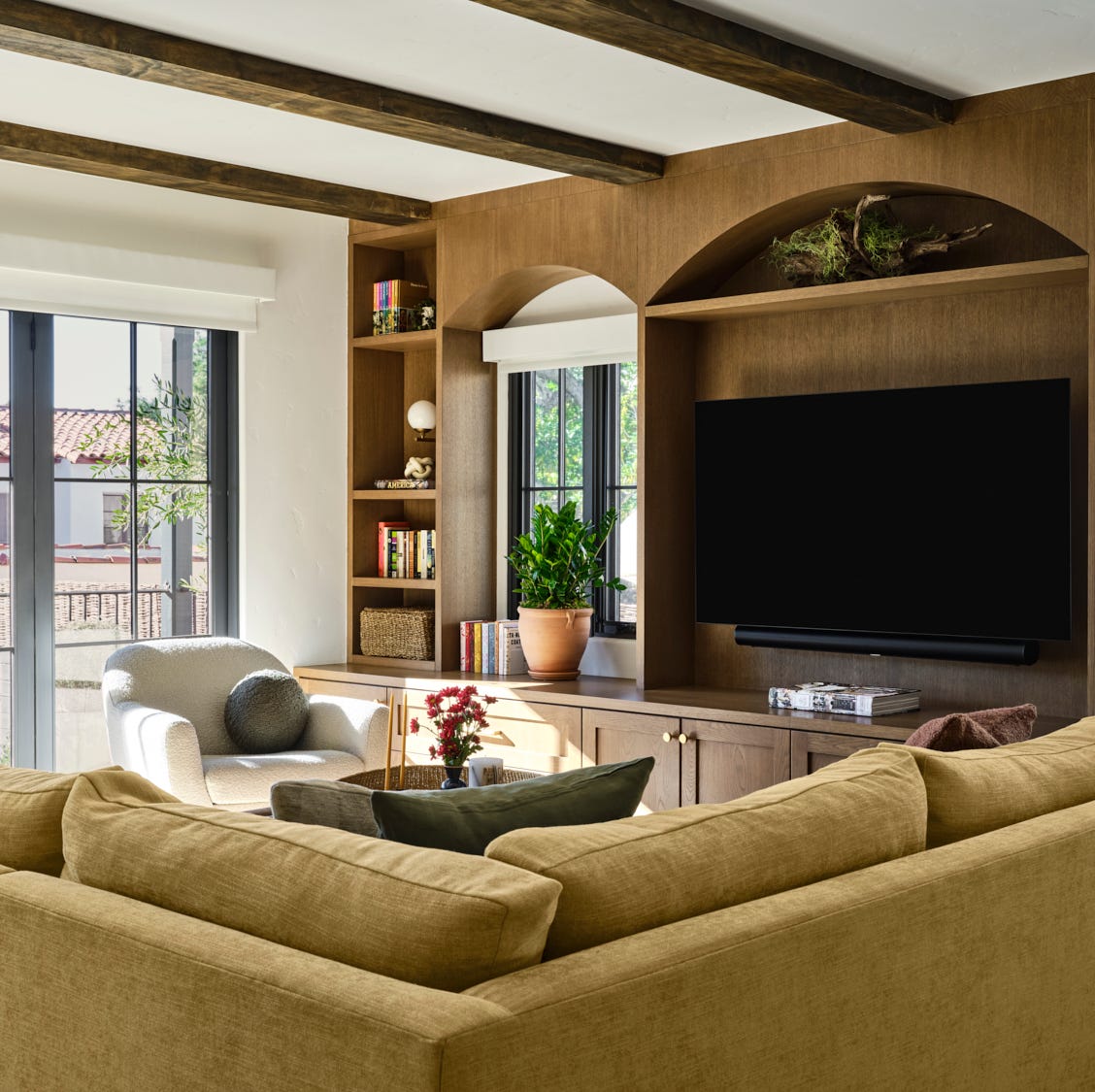
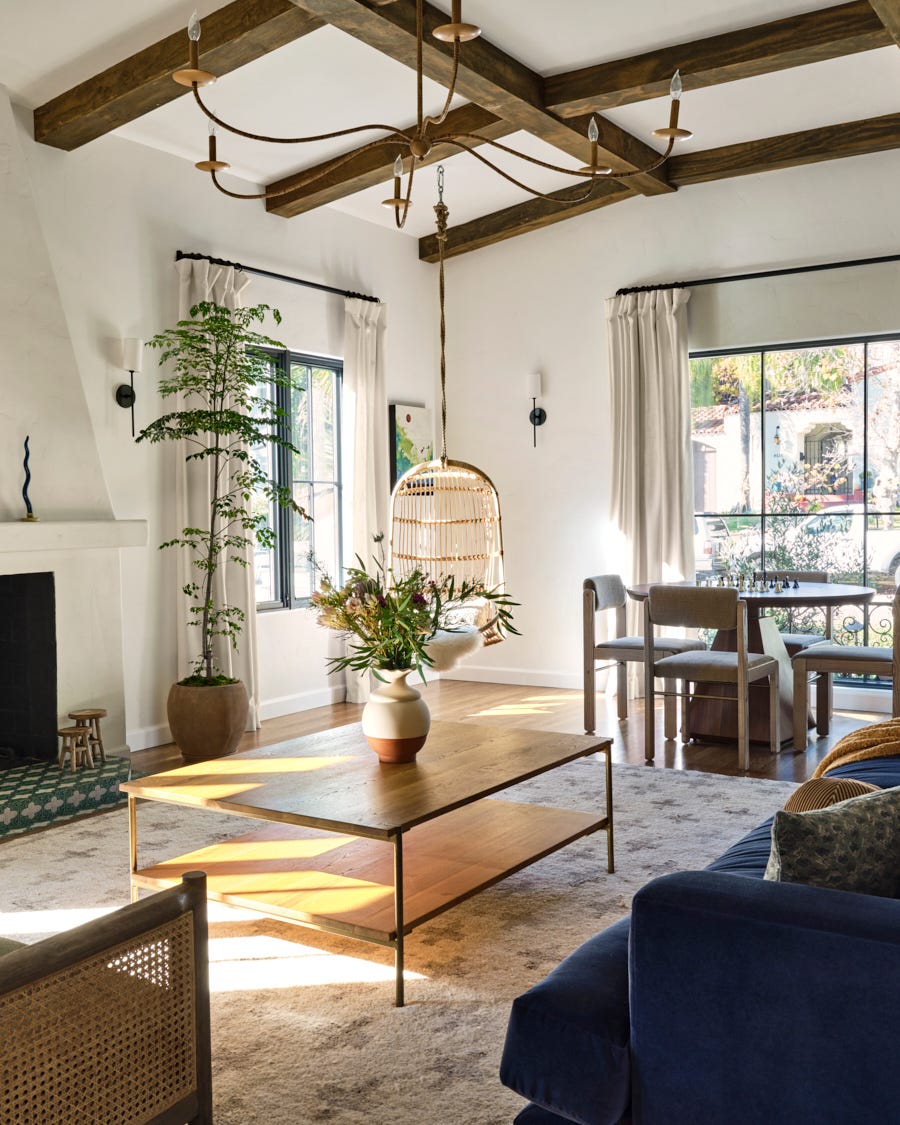
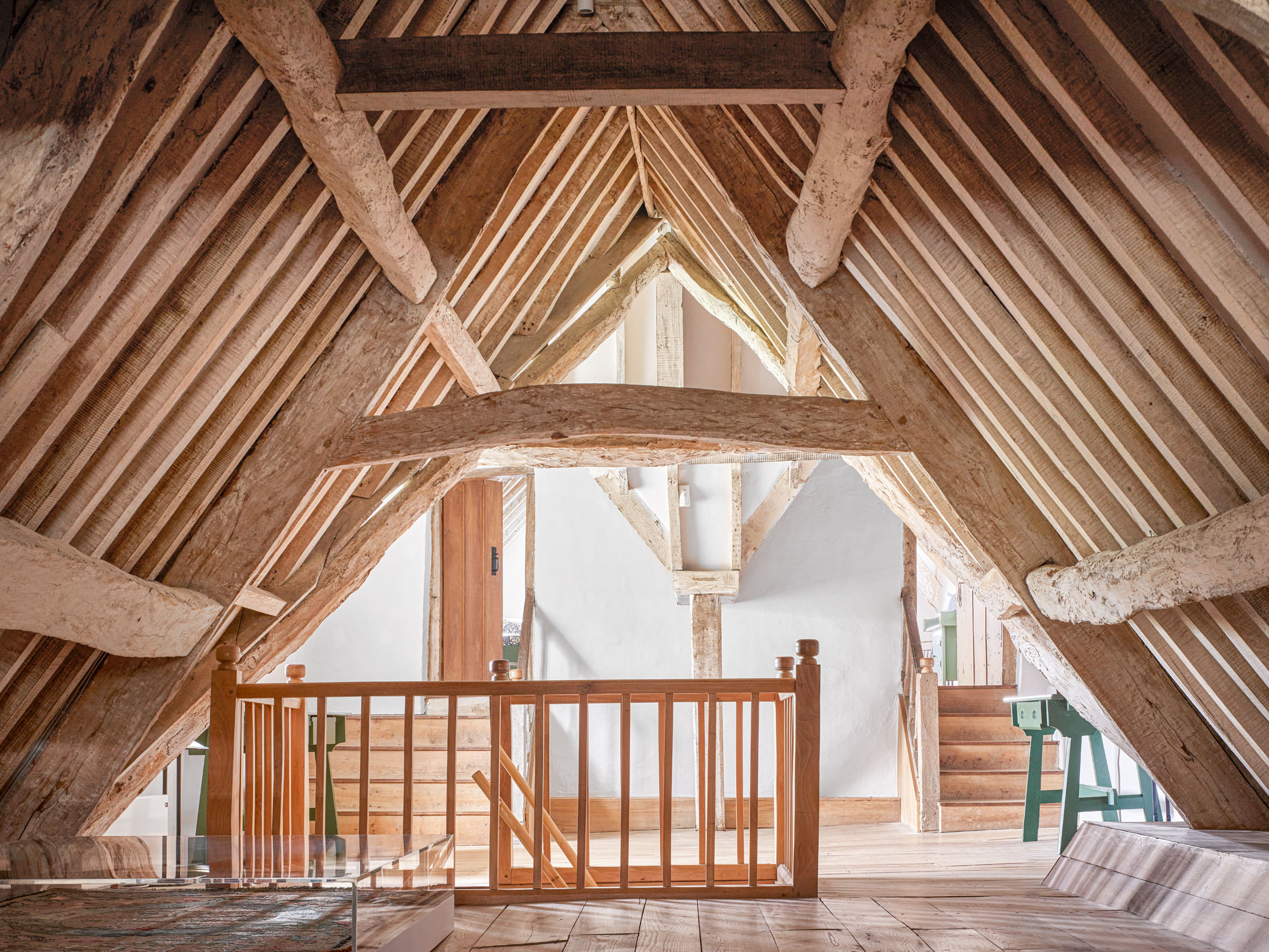
Renovating an older home presents a unique set of challenges and opportunities, requiring careful consideration of how to balance historical preservation with modern living needs. Interior designers Alannah Monks and Michele Kennedy offer their expert advice on approaching such projects, emphasizing that thoughtful design is paramount, whether the goal is restoration, modernization, or expansion.
Monks, creative director of Oriana B, stresses the importance of defining one's approach to conservation early on. Homeowners must decide the extent to which they wish to honor the house's age, whether by maintaining its heritage intact or by introducing an eclectic mix of old and new elements. This initial decision will guide subsequent choices, particularly given that restoration can often be more costly than demolition and rebuilding. The process of renovating old homes frequently uncovers unforeseen issues, such as damaged floorboards hidden beneath carpets or structural surprises, which necessitates a flexible budget and a patient mindset.
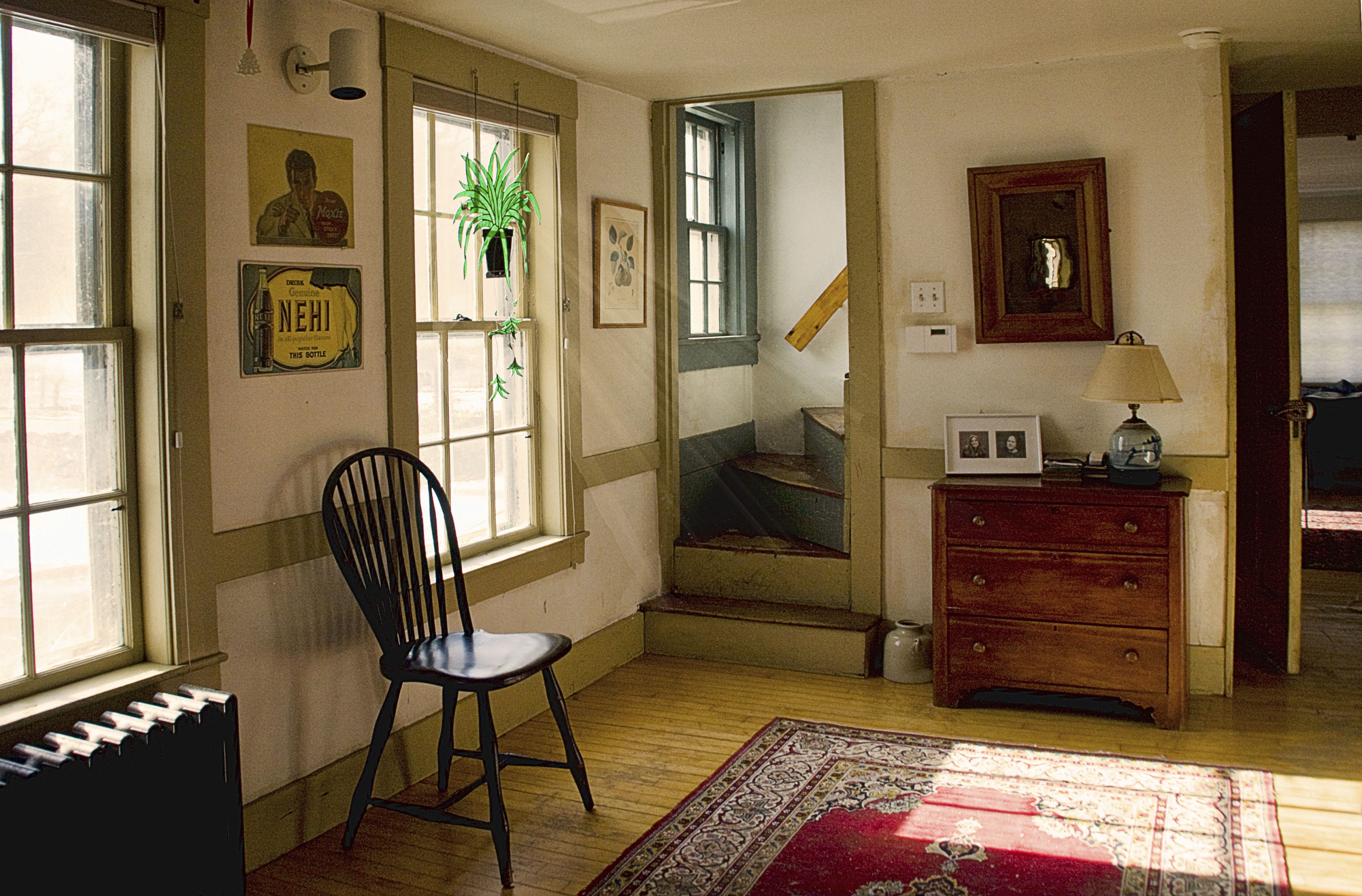
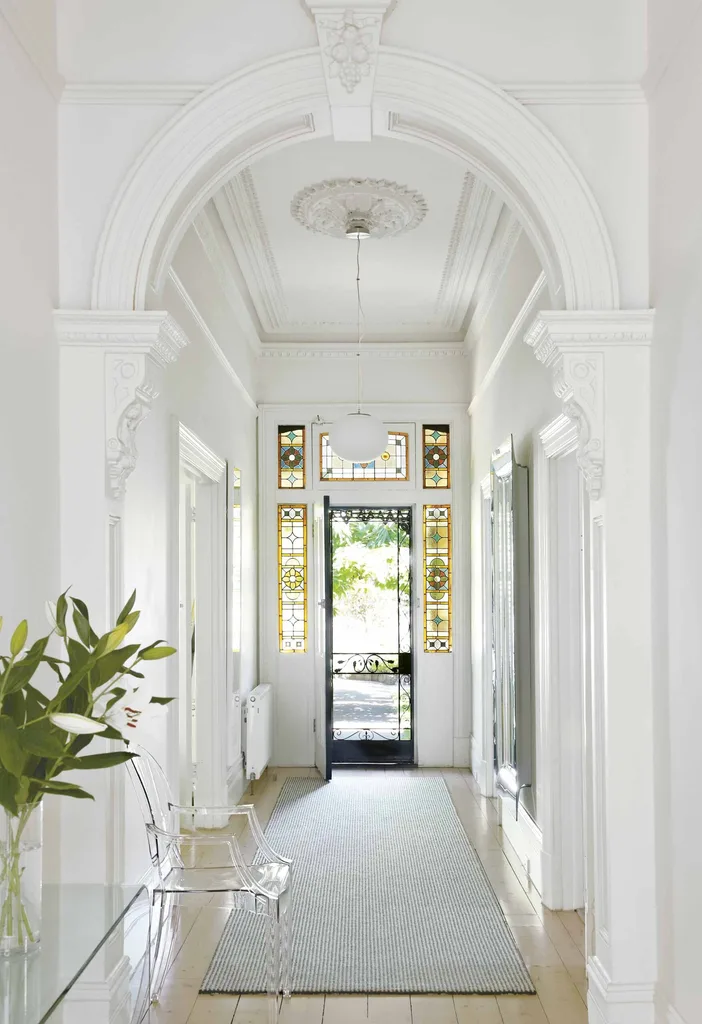
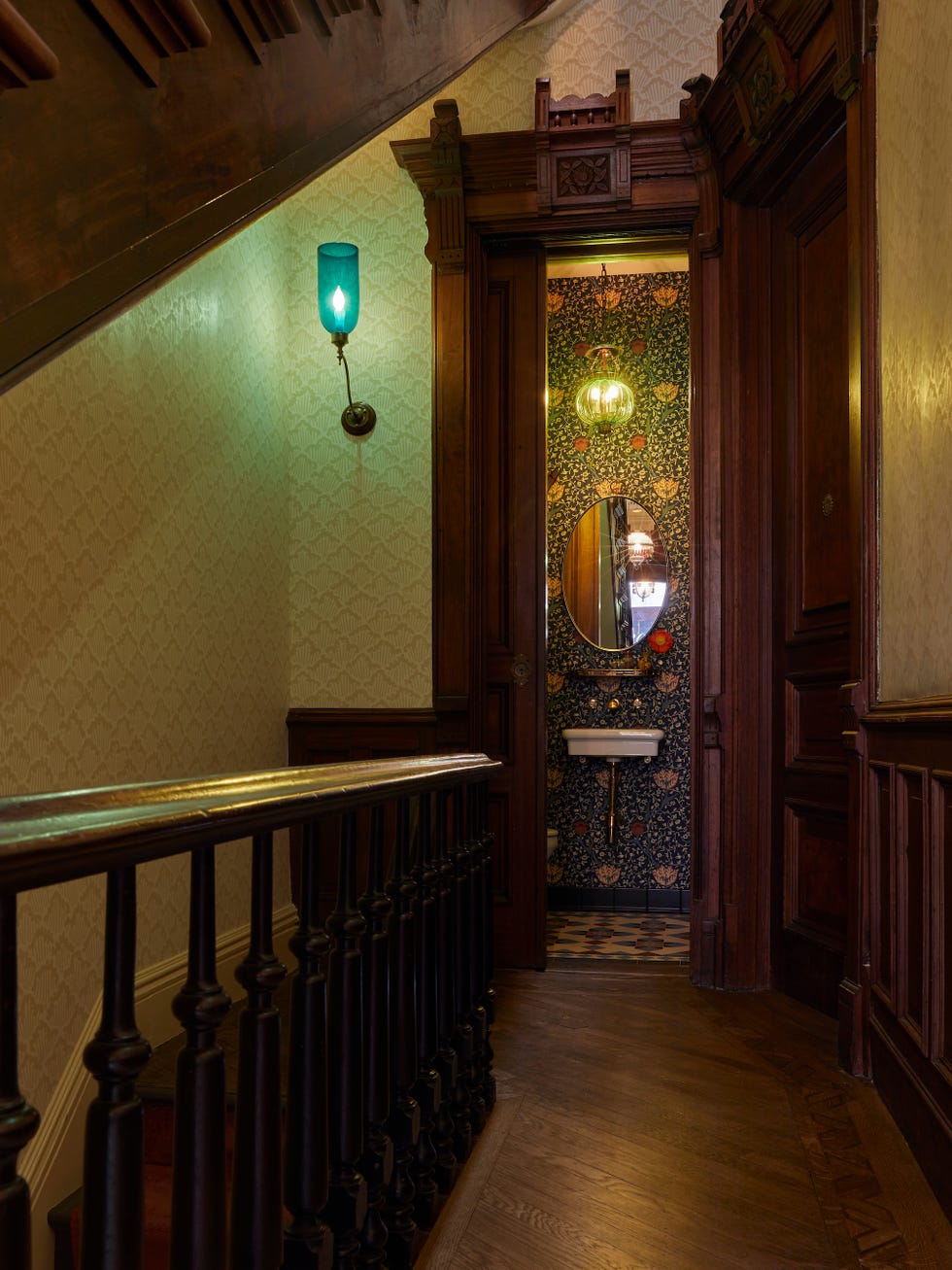
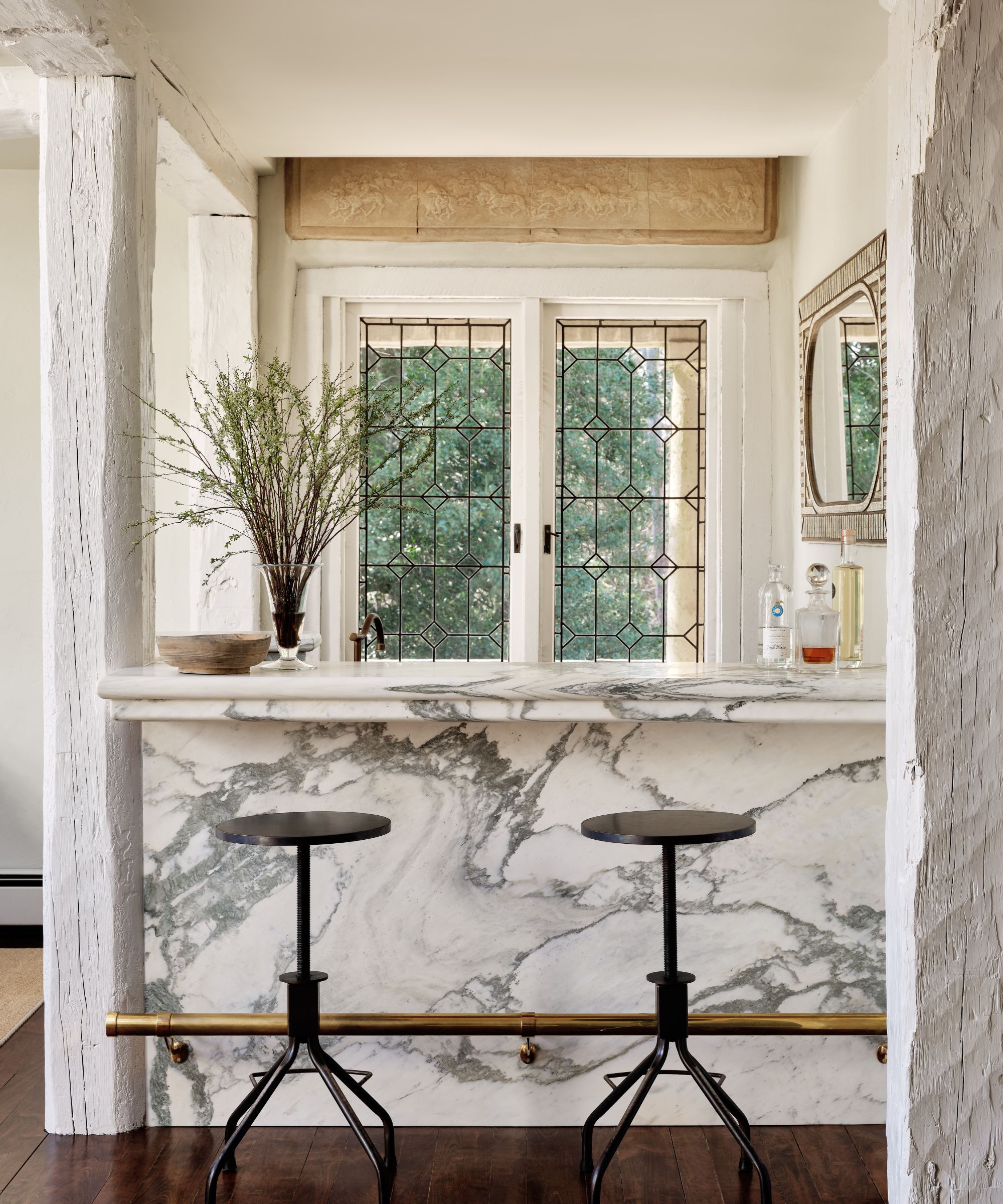
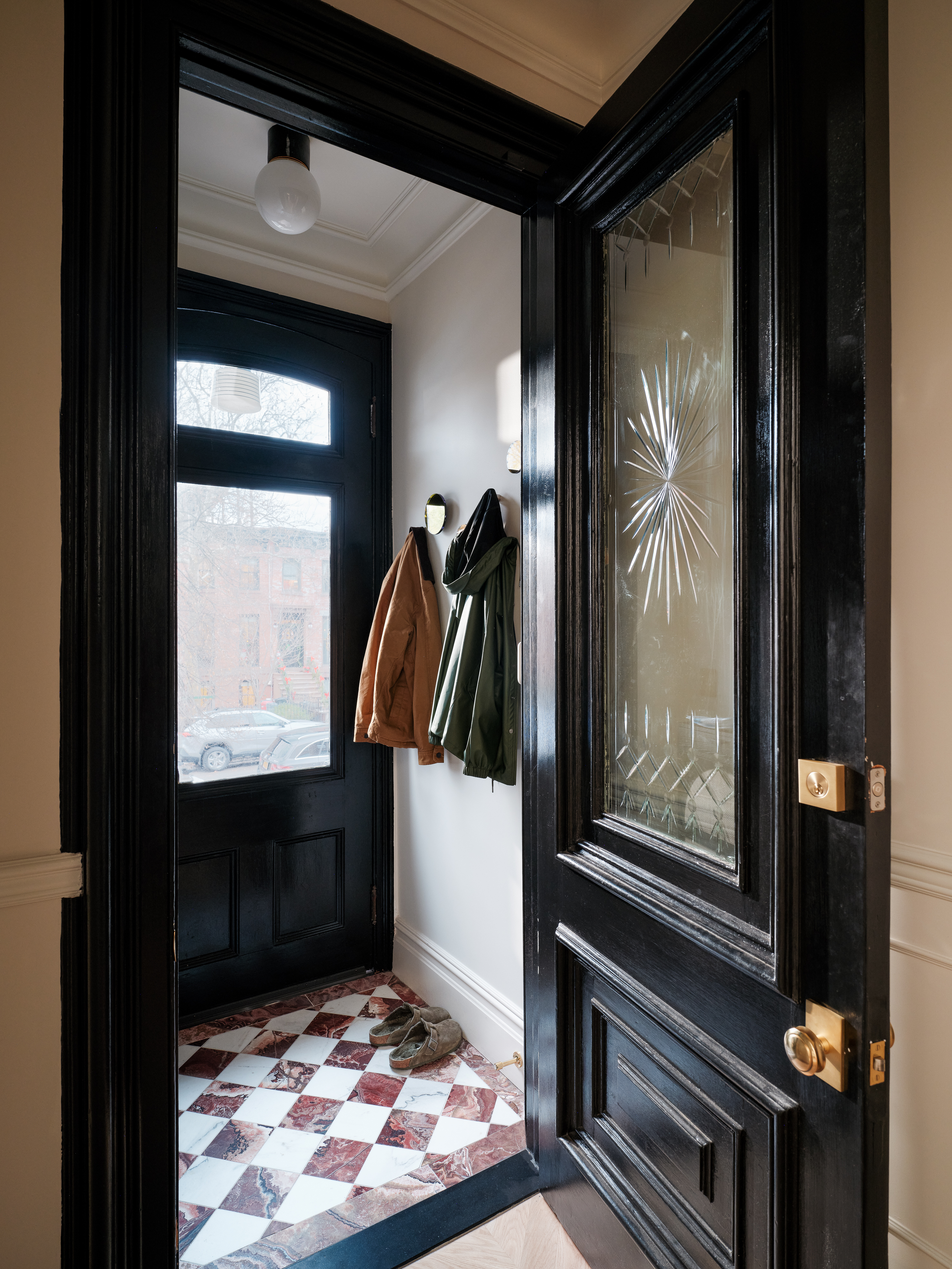
In a recent project involving an 1850s townhouse in Co Wicklow, which had been converted into flats and was being restored into a family home, Monks encountered such dilemmas. While some rooms, like the formal dining room, were returned to their original functions, others, such as the back kitchen, were repurposed into modern spaces like a children's den. When the original floorboards in the hallway were found to be beyond repair, the decision was made to replace them with ceramic patterned tiles, prioritizing practicality over strict historical adherence. However, in other areas where floorboards were salvageable, they were stained and retained, embracing their imperfections as part of the home's narrative. Monks advocates for respecting the age of features, even if they bear cracks or signs of wear, as these elements contribute to the home's unique character and soulfulness.
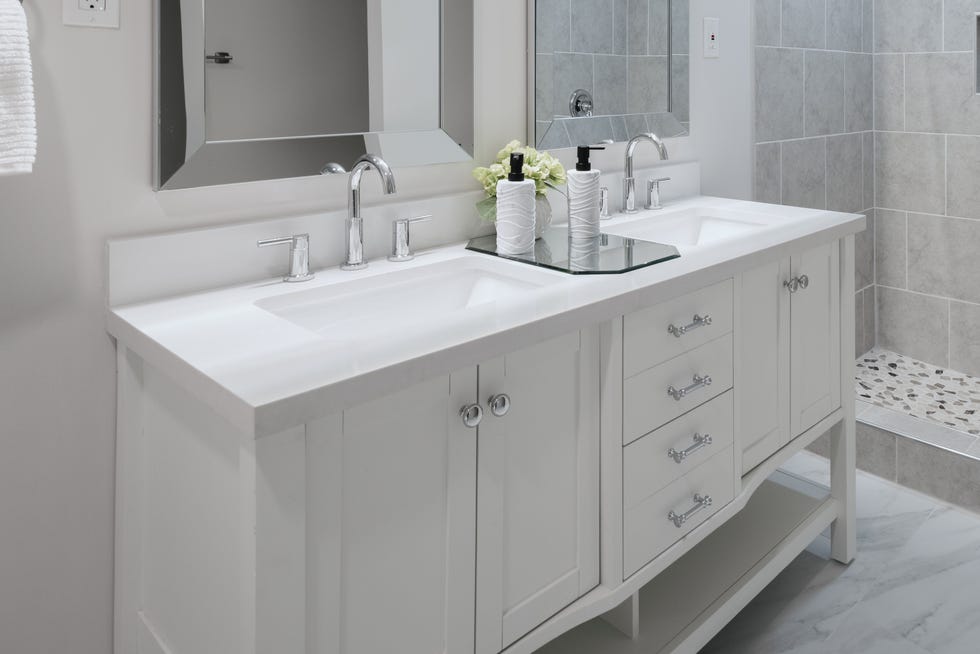
Incorporating modern amenities into old homes, such as en-suites and walk-in wardrobes, often proves challenging due to the differing architectural proportions of historical structures. Monks advises managing expectations regarding space availability and designing within the existing architectural framework to avoid creating poorly lit or awkwardly sized additions. She highlights the common pitfall of sacrificing proper window placement for the sake of creating multiple smaller rooms, underscoring the need for careful spatial planning.
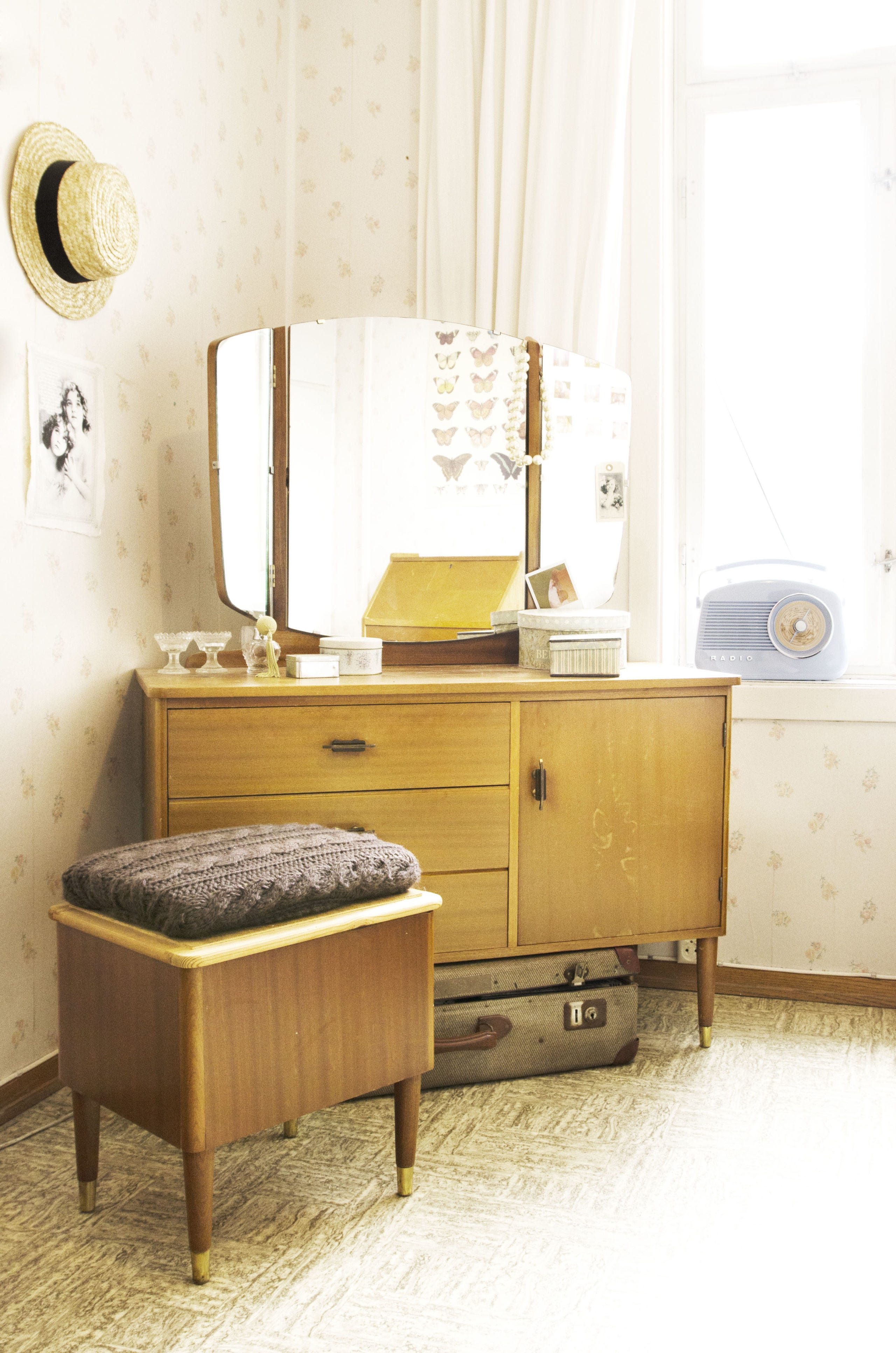
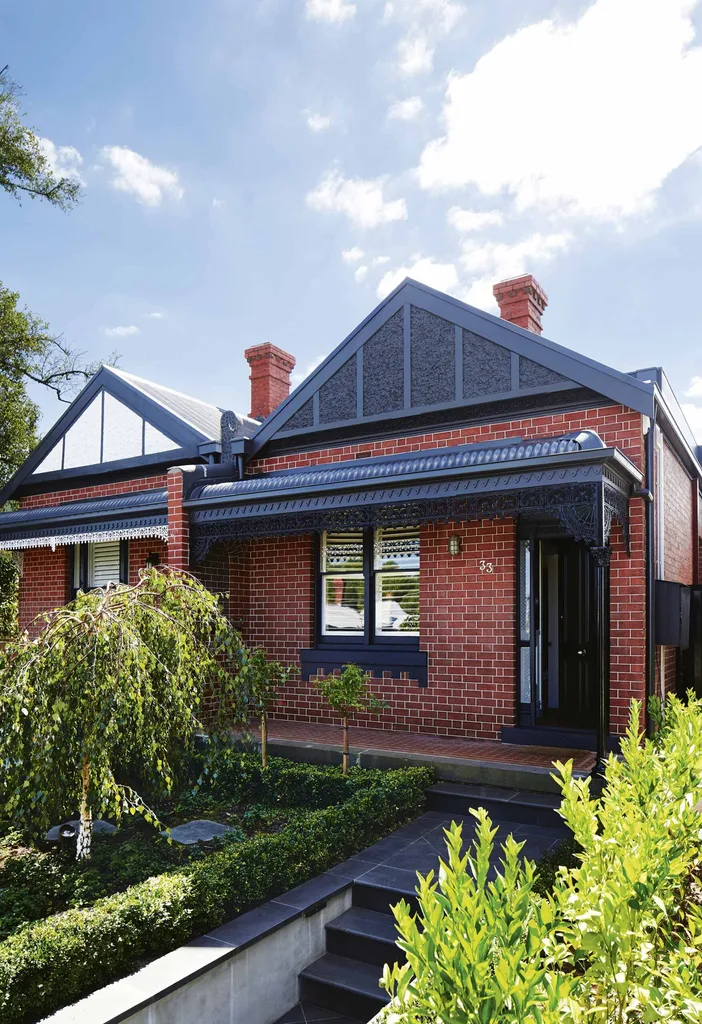
When adding extensions to old houses, homeowners face another crucial decision: whether to build an extension that blends seamlessly with the original architecture or one that distinctly contrasts with it. Monks firmly believes that attempting to perfectly replicate old architecture with new construction is often futile and undesirable. Instead, she advocates for a clear distinction between old and new, allowing the modern extension to stand as a contemporary addition rather than a poor imitation of historical styles. The furniture choices within such a renovated space can bridge the gap between old and new, creating a cohesive aesthetic without being strictly period-specific or aggressively modern.
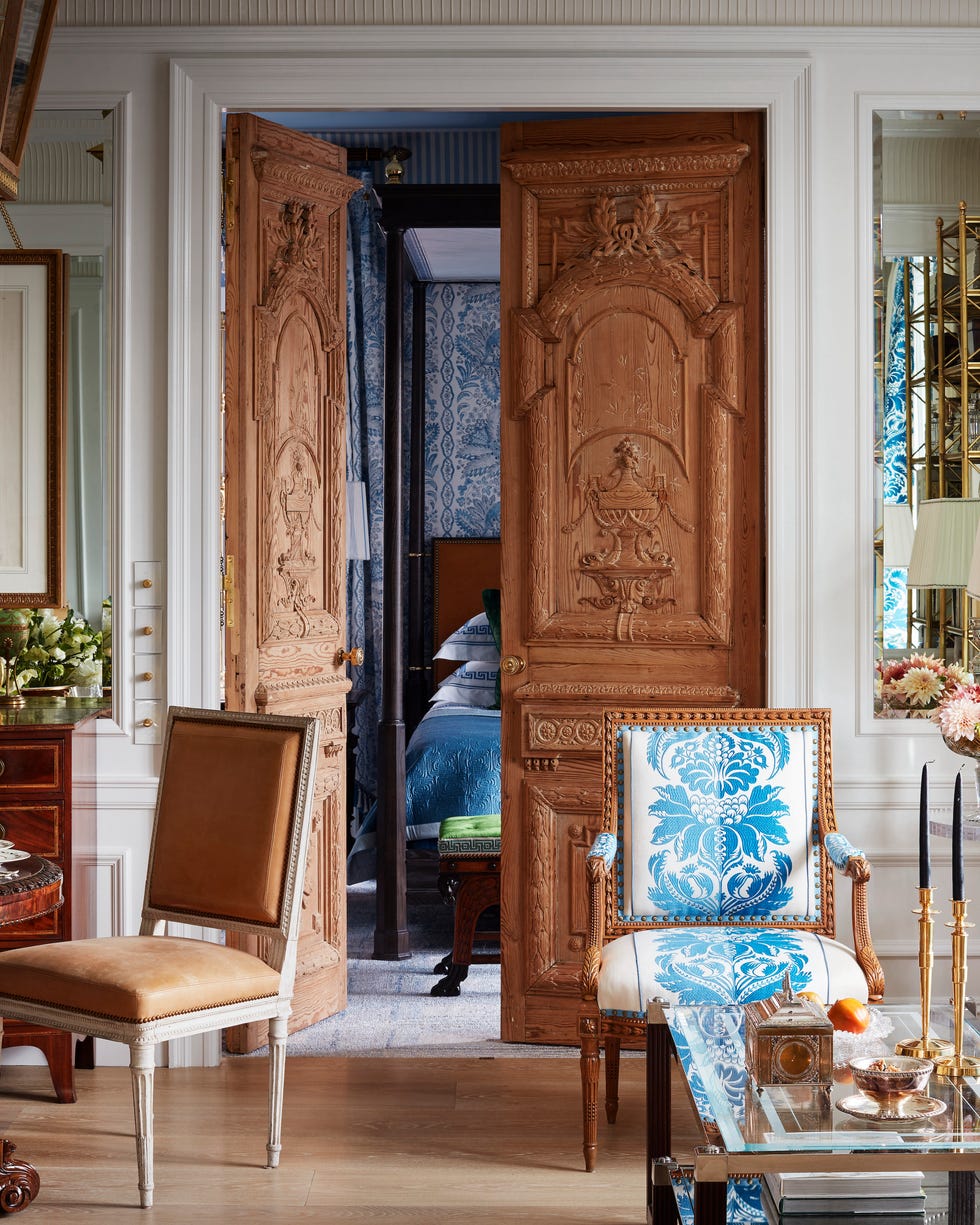
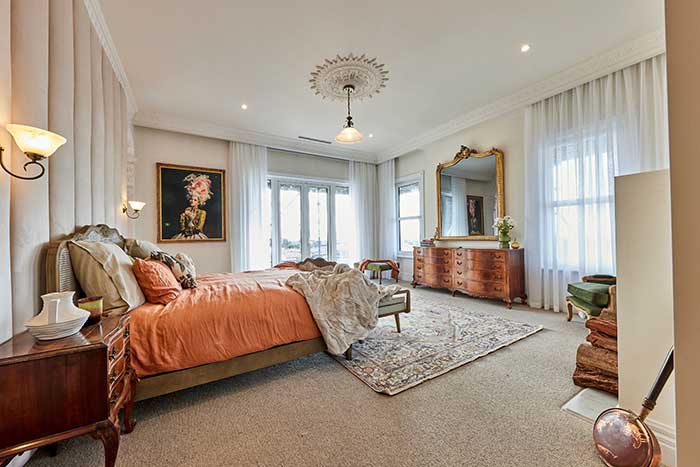
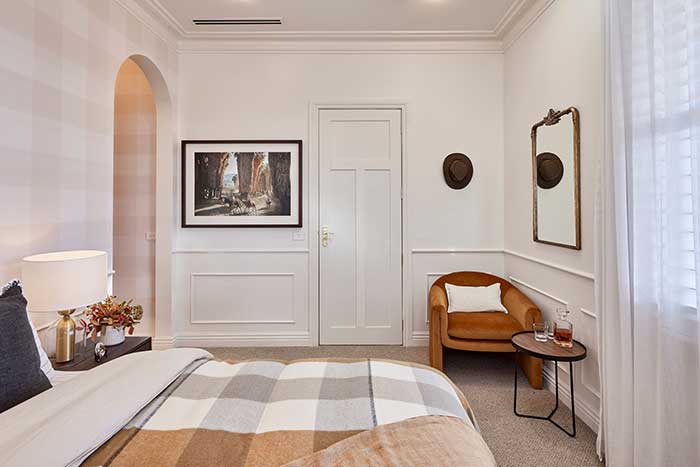
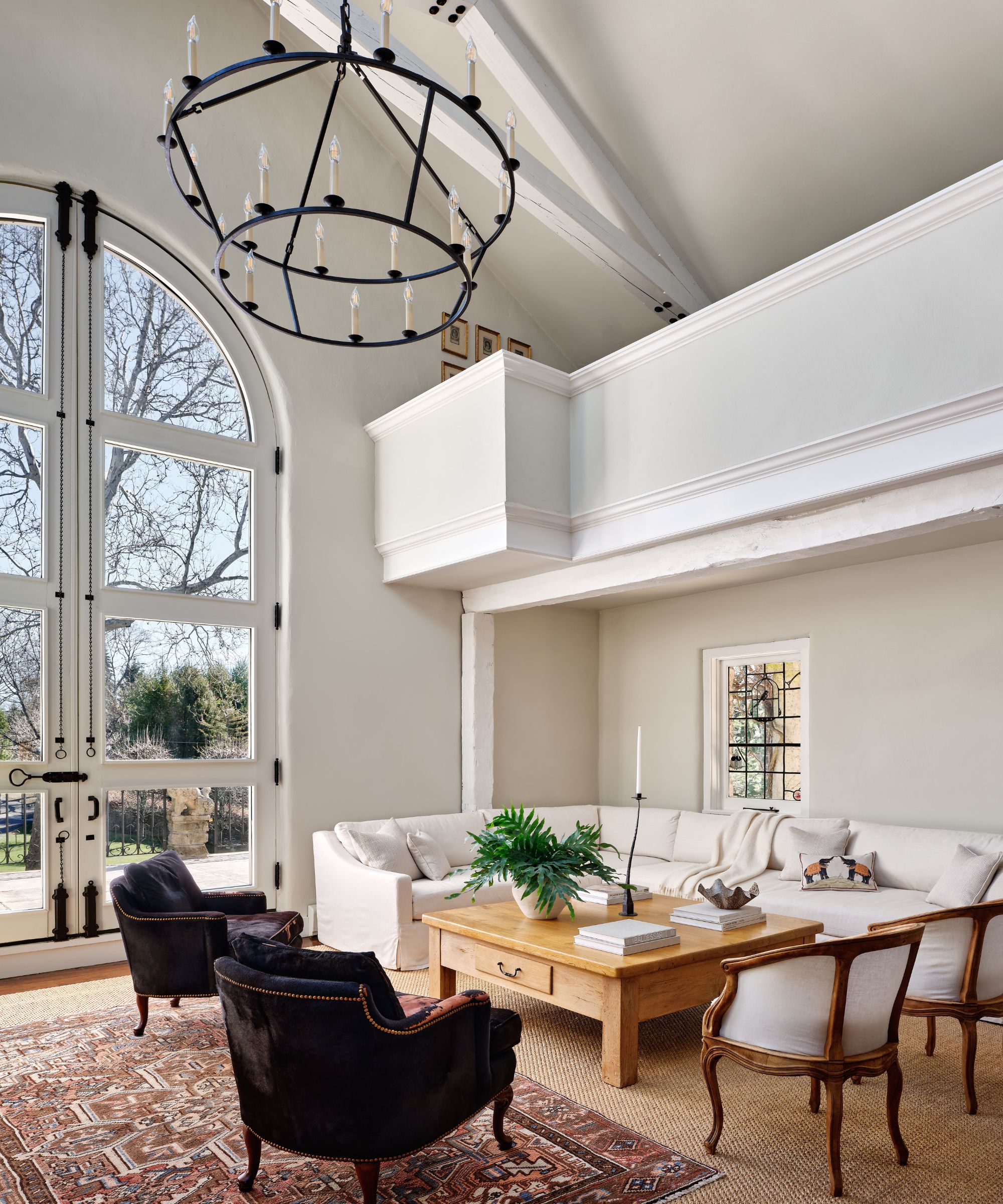
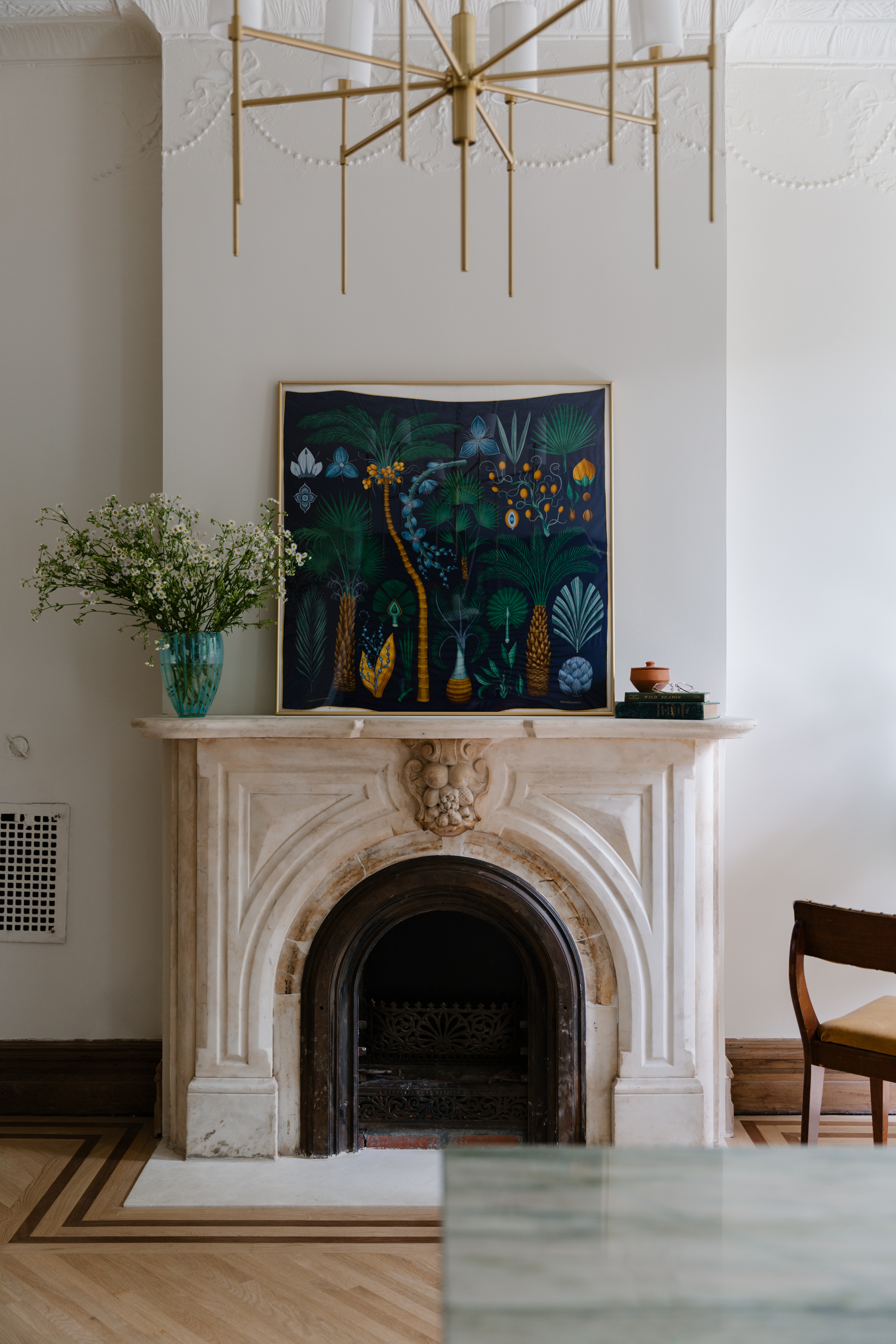
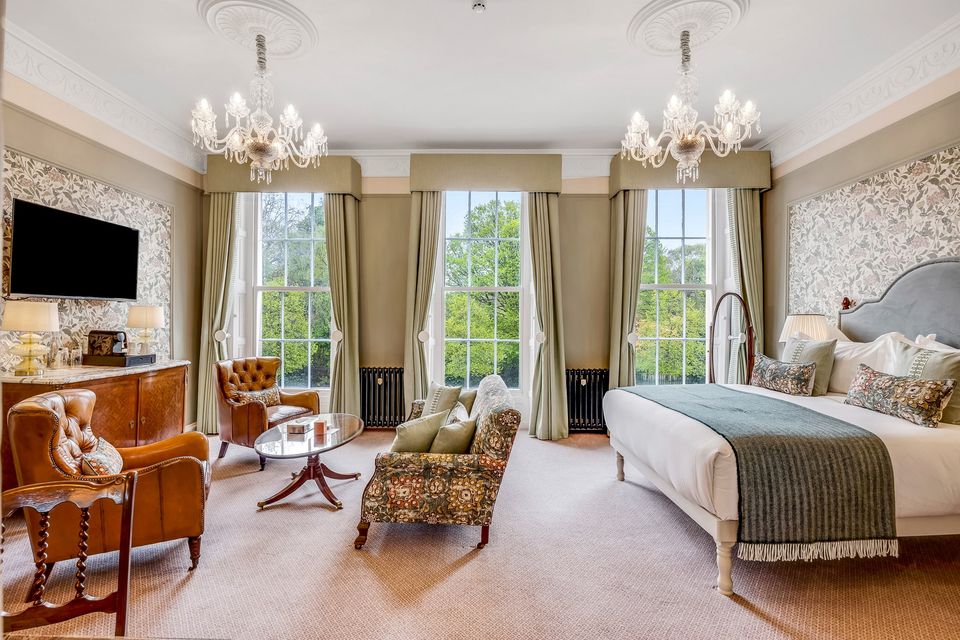
Michele Kennedy, working with Nigel Howard Creative on the refurbishment of junior suites in Stauntons on the Green, a hotel housed in Georgian Dublin properties, adopted a complementary approach. Her design philosophy focused on allowing the original features, such as tall sash windows and marble fireplaces, to be the focal points. By employing a soft color palette and understated lighting, the new design subtly enhanced the existing grandeur without overpowering it. In cases where modern requirements, like larger bathrooms, necessitated structural changes, creative solutions were employed, such as borrowing space from generously sized Georgian landings, thereby preserving the integrity and proportions of the main rooms. These examples underscore that successful renovation of old homes involves a blend of preservation, practical adaptation, and thoughtful design decisions to honor the past while meeting contemporary needs.
#HomeRenovation #InteriorDesign #PeriodHomes #HistoricPreservation #Modernization #ArchitecturalExtension #DesignTips #Restoration #OldHouse #HomeRenovation #InteriorDesign #PeriodHomes #HistoricPreservation #Modernization #ArchitecturalExtension #DesignTips #Restoration #OldHouse
0개의 댓글이 총 표시됩니다.
 아직 댓글이 없습니다
추가로 마음에 드릴 만한 콘텐츠
5 Common Mistakes Homeowners Make When Restoring Old Houses
Modernising period homes: Practical tips on blending old and new
Here's How to Give an Old House a Modern Makeover Without Stripping Away the Charm
Renovating a Home? Here's How to Modernize Without Losing Character

6 design tips to upgrade an older home without clashing styles | Hindustan Times

15 Old House Features We Were Wrong to Abandon

6 Ways to Modernize Your Home While Keeping Its Character, According to Designers

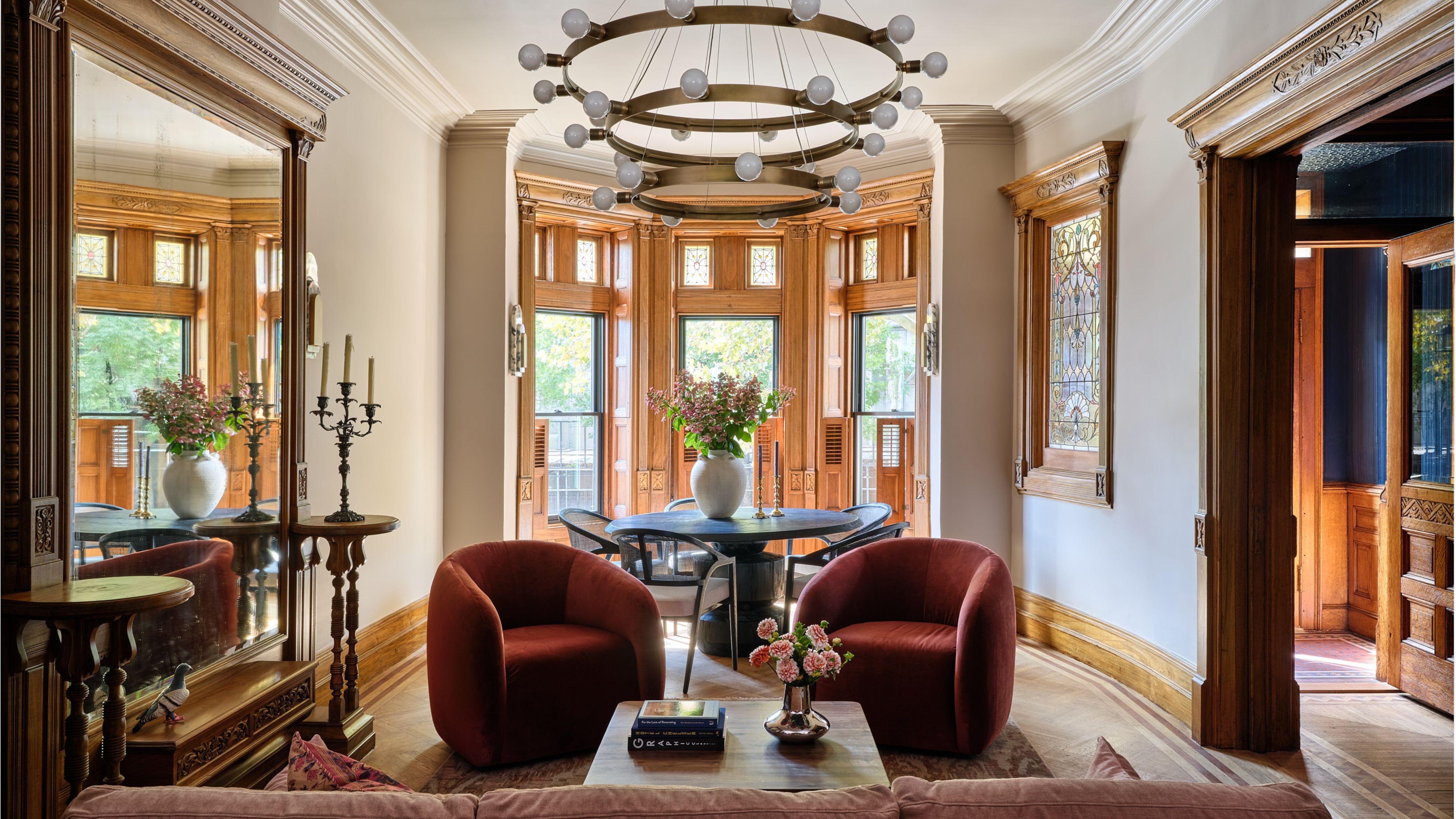
‘We’re just the current caretakers’ – The Brownstone Boys' golden rules for making the most out of your home's historic bones

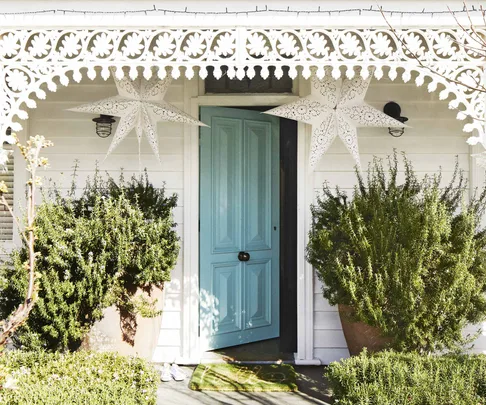
7 tips for restoring heritage homes to their former glory

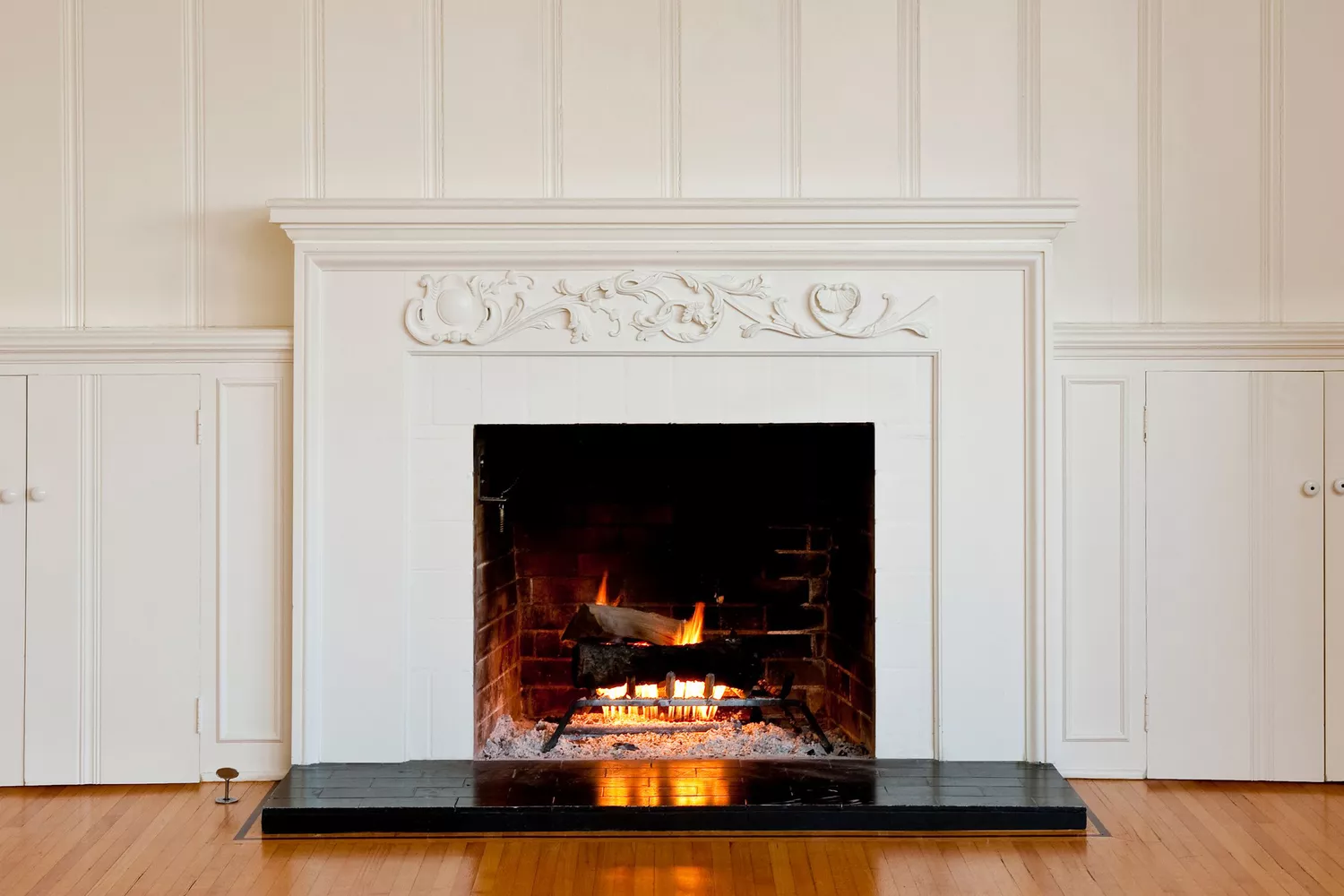
How to Update an Older Home While Honoring Its History

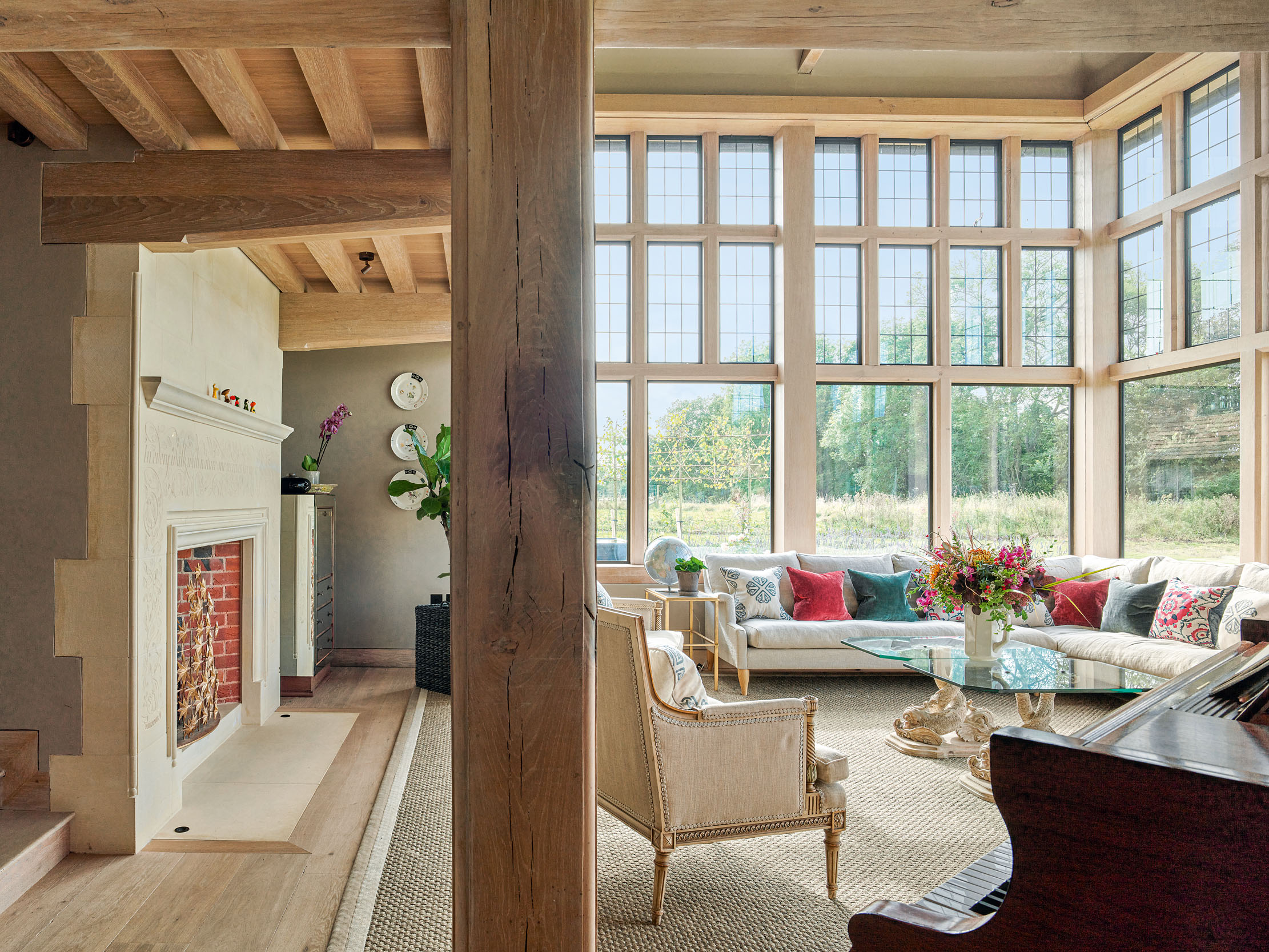
10 things I wish I'd known about doing up old houses before I started, by Country Life's interiors guru Giles Kime
When restoring historic homes, what’s old is new again

How to Renovate a Historic Home—and Keep Its Character—According to Designers

Guide to Buying Older Homes by Decade
Here's What Nobody Tells You About Buying and Renovating a Historic Home

These Trendy Home Additions Will Look "Dated" in 2026, According to Designers

7 Things You Should Always Preserve or Try to Save in an Old Home, According to Designers

How to update a historic home for modern living – 9 lessons we learned from this artful redesign
7 Architectural Details You Should NEVER Get Rid of in a Historic Home

Stephen Orr: Making Renovations Matter