1/6
Can you paint bathroom countertops? Professional painters share the vital tips you need to get it right
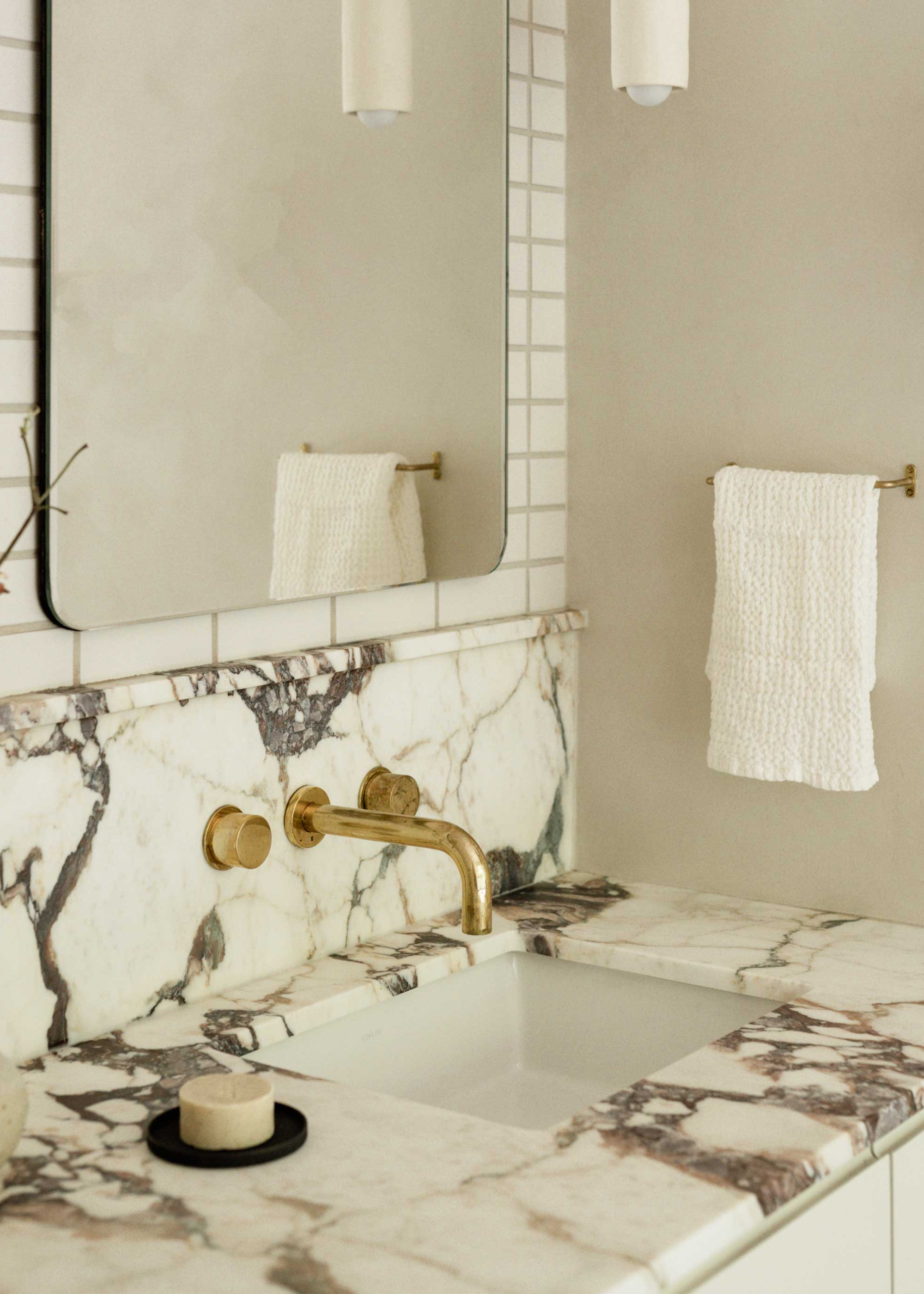
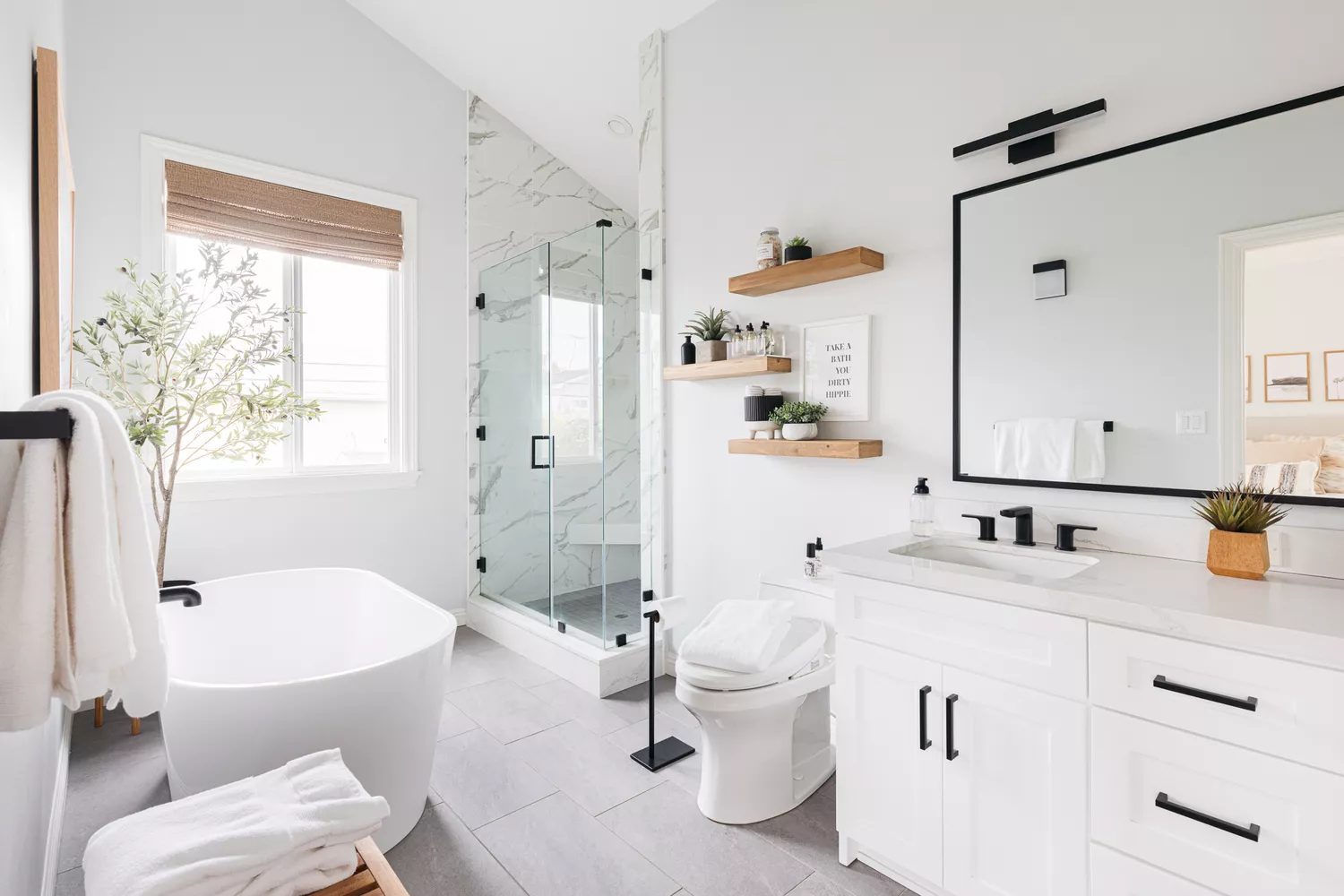
Painting bathroom countertops is a feasible and cost-effective DIY project to refresh the space, but it requires careful preparation and the right materials to achieve a durable and aesthetically pleasing result. Not all countertop materials are suitable for painting; natural stone surfaces like granite or marble are generally not recommended due to their porous nature and potential for paint adherence issues. However, laminate countertops are good candidates for painting, provided they undergo thorough preparation.
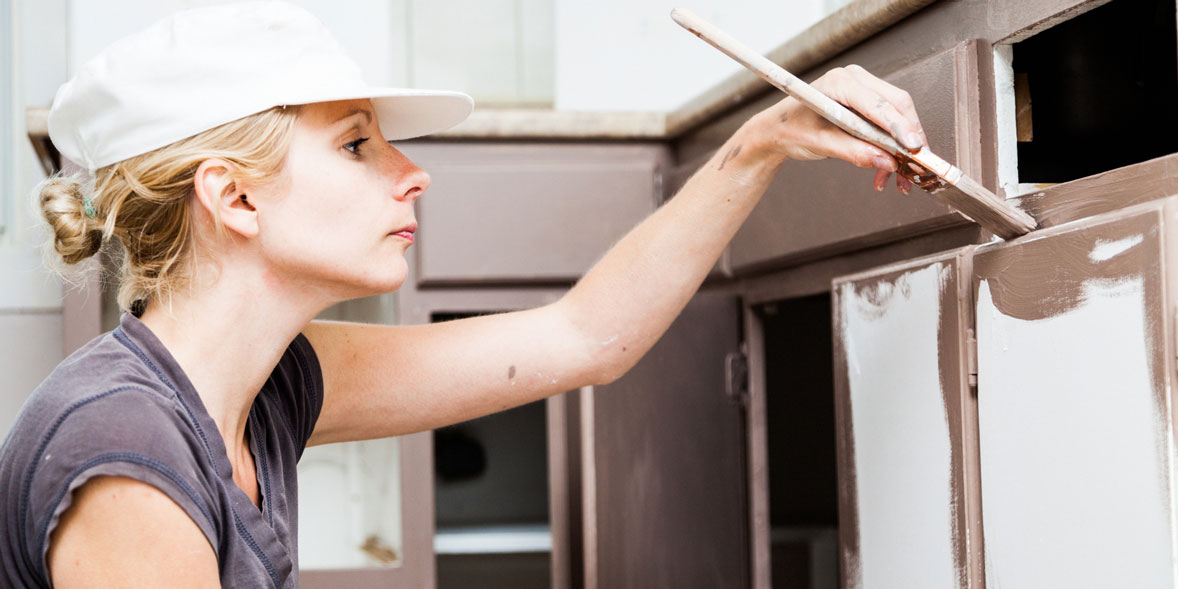
Preparation is crucial for a successful paint job on bathroom countertops. This involves sanding the surface to create a profile for better adhesion, followed by a meticulous cleaning process to remove any grease, grime, or residue. Professionals suggest using a cleaner like sugar soap, which effectively cleans without leaving a film. After cleaning, applying a high-quality primer is essential. Given the high humidity in bathrooms, it is important to choose moisture-resistant primers and paints to prevent peeling and ensure longevity. A recommended primer is Zinsser Bulls-Eye 1-2-3 Primer, praised by painters for various household tasks due to its versatility and effectiveness.
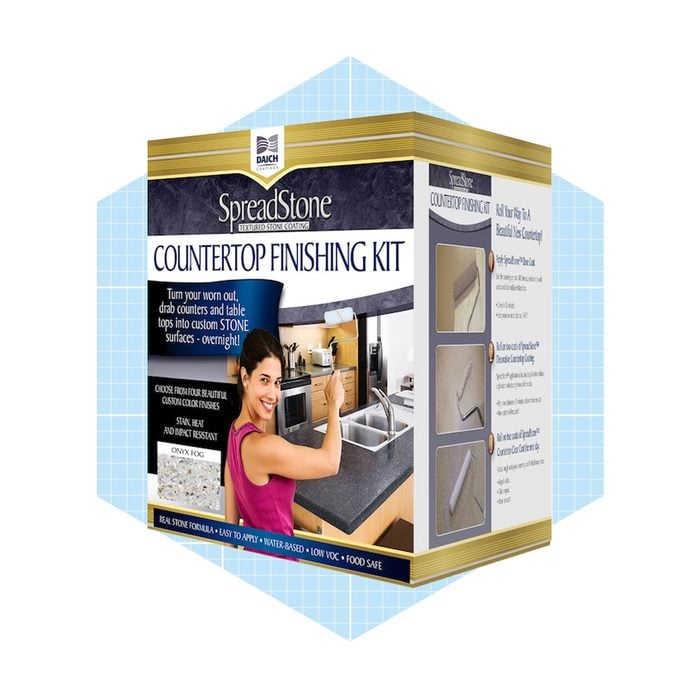
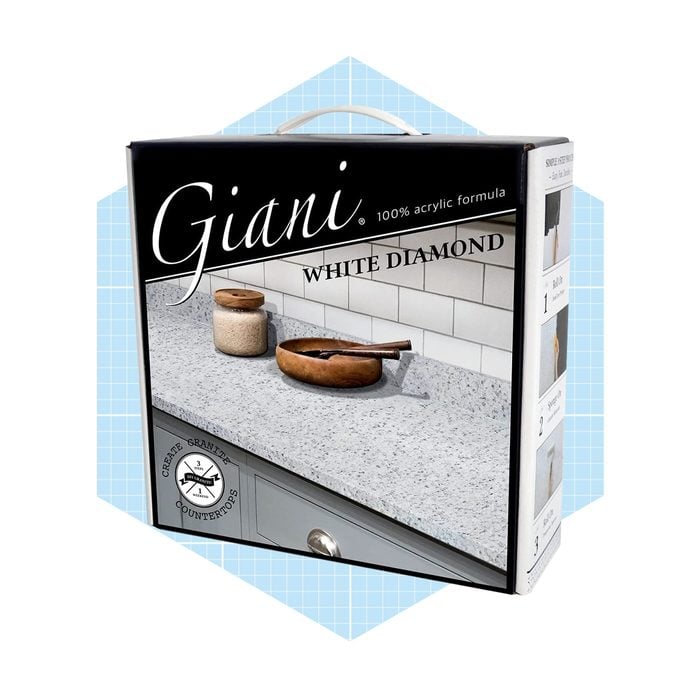
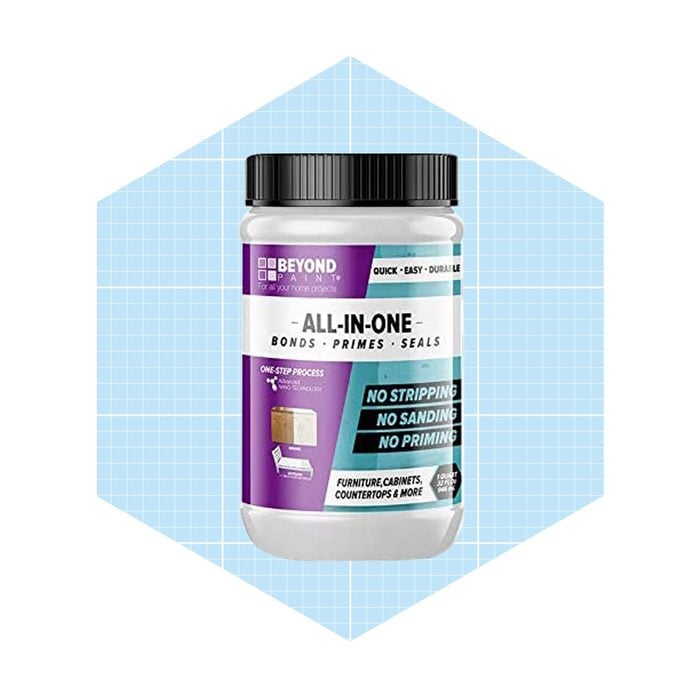
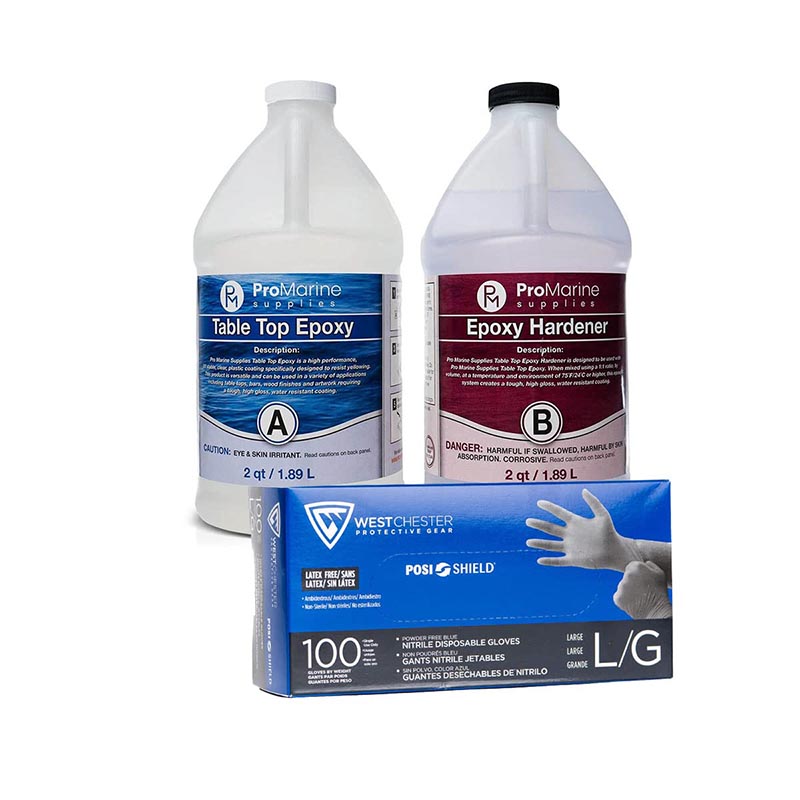
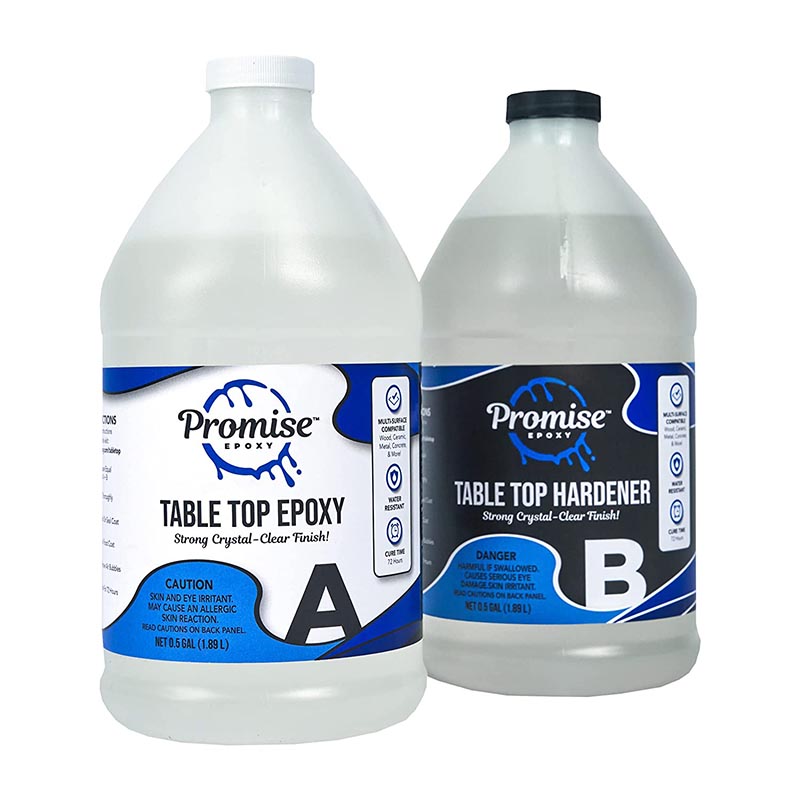
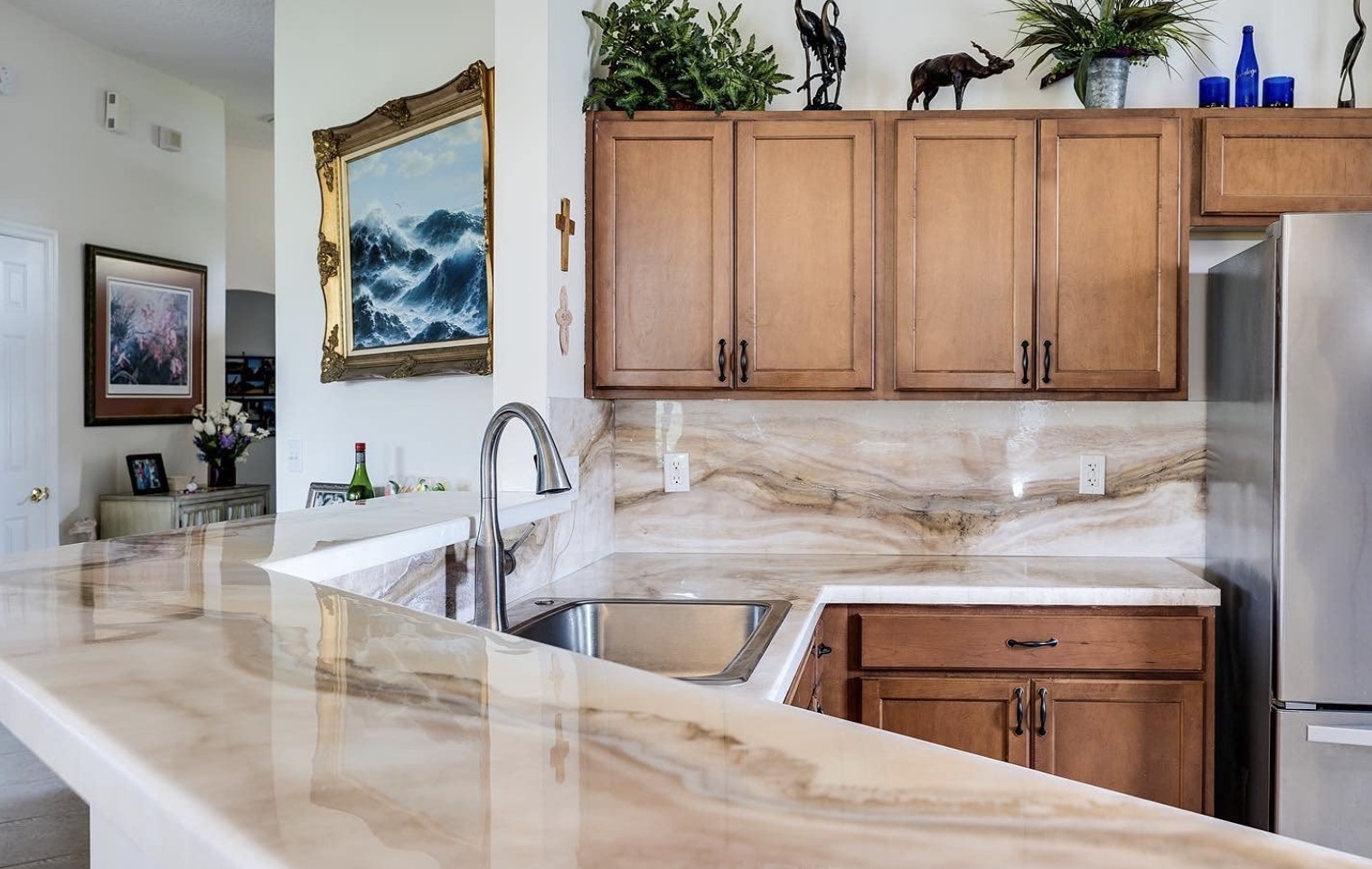
The choice of paint and top coat is equally important for a lasting finish. Specialized two-part epoxy paint, often used for floors, is a popular and durable option for bathroom countertops due to its water resistance and robustness. Following the paint application, a clear topcoat is necessary to protect the painted surface and enhance its durability without compromising the final appearance. This multi-step process, including at least three coats of paint and several coats of sealant, ensures that the painted countertop can withstand frequent use and exposure to moisture.
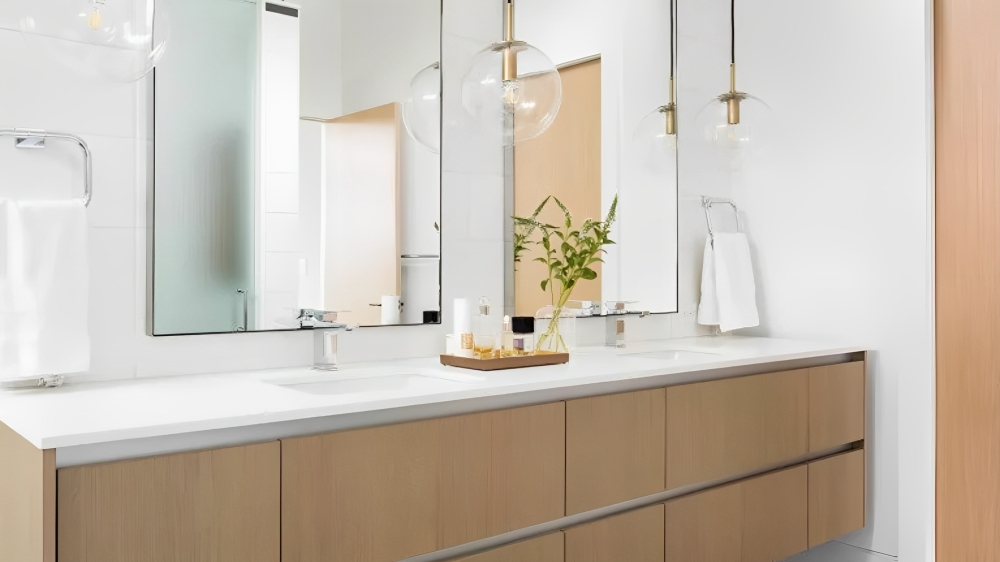
Regarding aesthetic choices, neutral colors such as white or stone-like shades are commonly chosen for painted countertops to create a timeless look and mimic natural materials. However, any color, from subtle grays to vibrant blues, can be used to achieve a desired design. For those looking to resurface countertops without replacement, options beyond painting include sanding and resealing wooden countertops, applying high-quality contact paper or laminate sheets for a temporary change, or using a more durable concrete overlay to conceal the existing surface.
While painting bathroom countertops can be time-consuming, it is a manageable task for DIY enthusiasts. Adhering to professional interior painting tips and ensuring proper preparation can result in a smooth, brushstroke-free finish that significantly updates the bathroom's aesthetic. The effort invested in preparation and material selection directly correlates with the quality and longevity of the painted countertop.
#BathroomDesign #DIYHomeImprovement #CountertopPainting #HomeRenovation #InteriorPainting #LaminateCountertops #EpoxyPaint #HomeDecor #SurfaceResurfacing #BathroomDesign #DIYHomeImprovement #CountertopPainting #HomeRenovation #InteriorPainting #LaminateCountertops #EpoxyPaint #HomeDecor #SurfaceResurfacing
0개의 댓글이 총 표시됩니다.
 아직 댓글이 없습니다
추가로 마음에 드릴 만한 콘텐츠
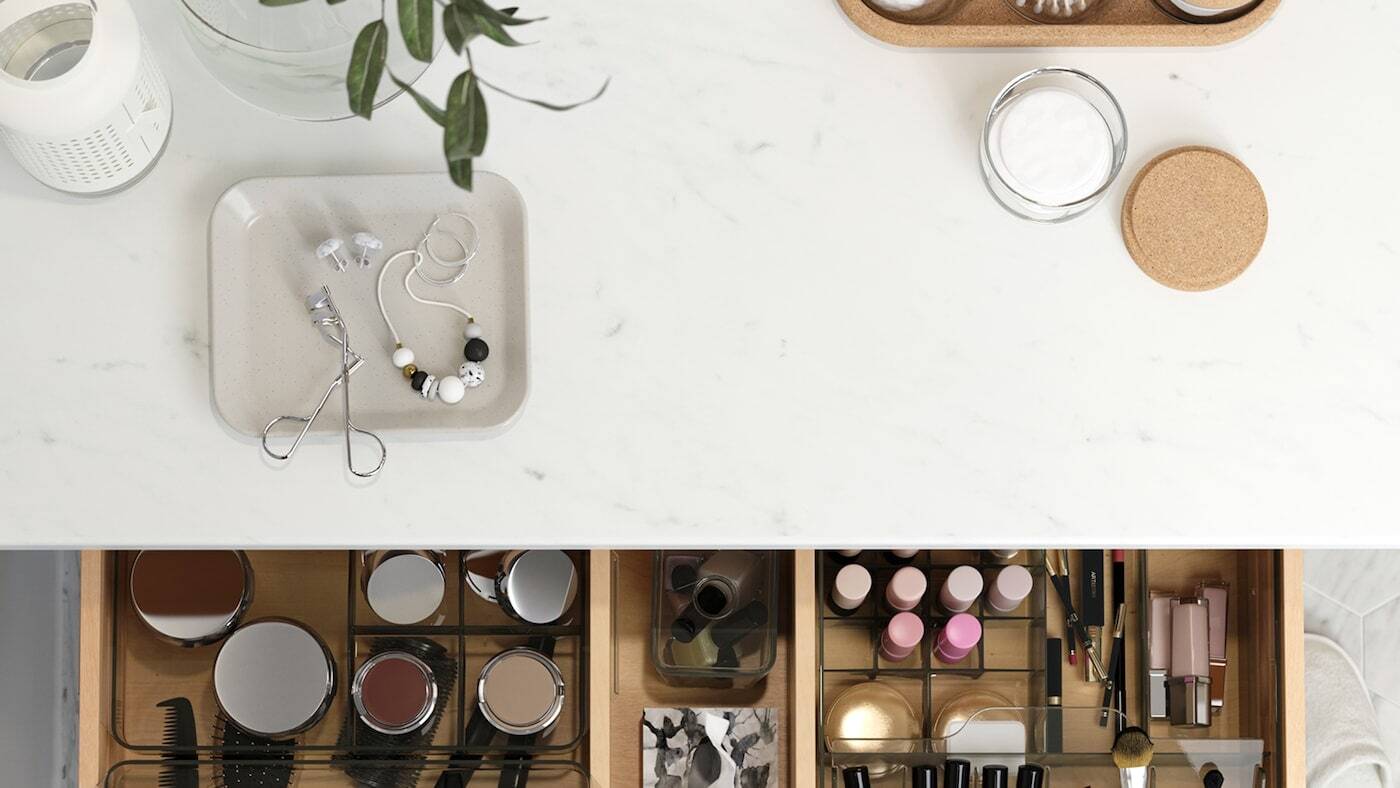
How to organize bathroom countertops for good, according to the pros


How to paint kitchen cabinets: an expert, step-by-step guide
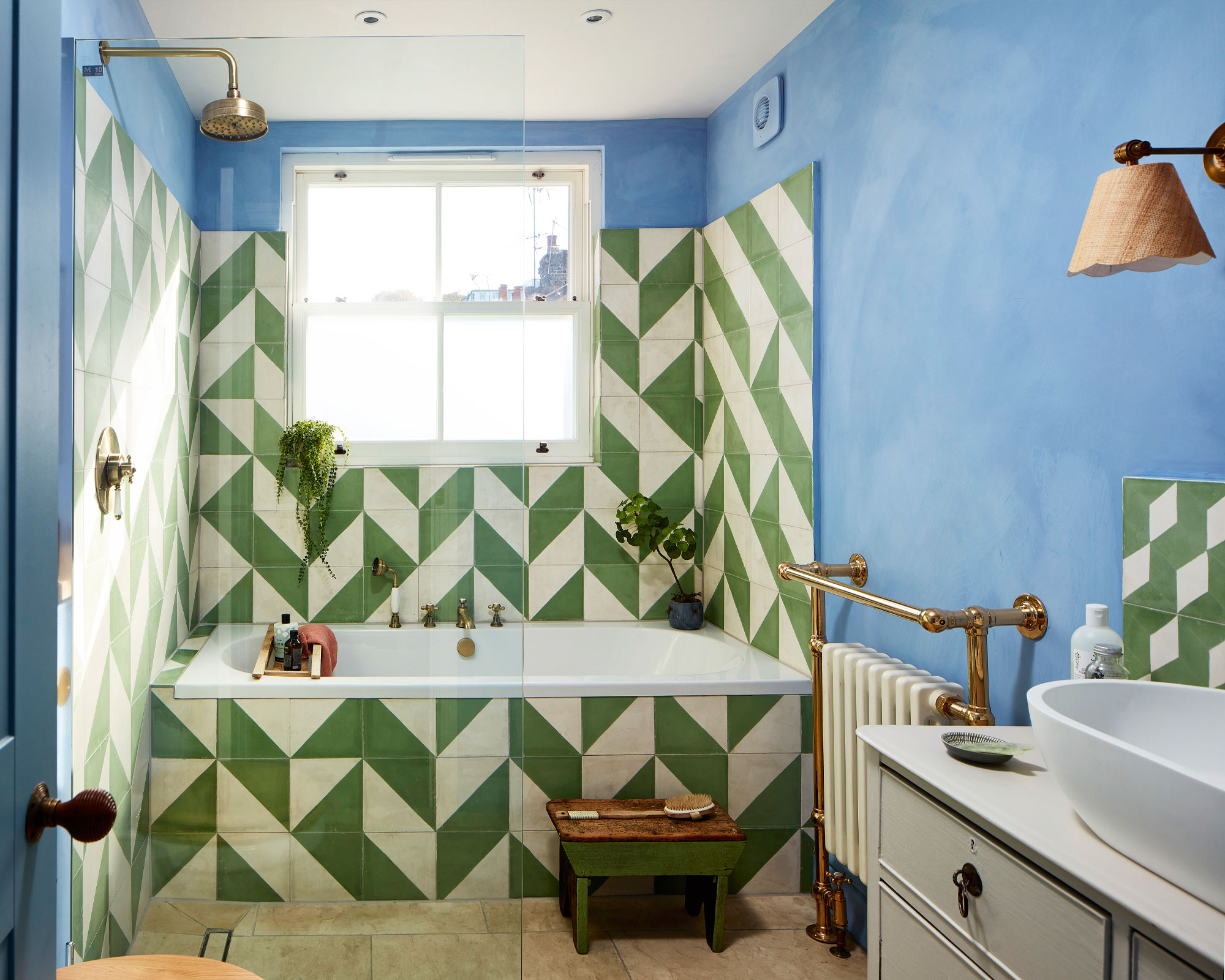
Bathroom paint ideas – 11 best paint schemes for your bathroom

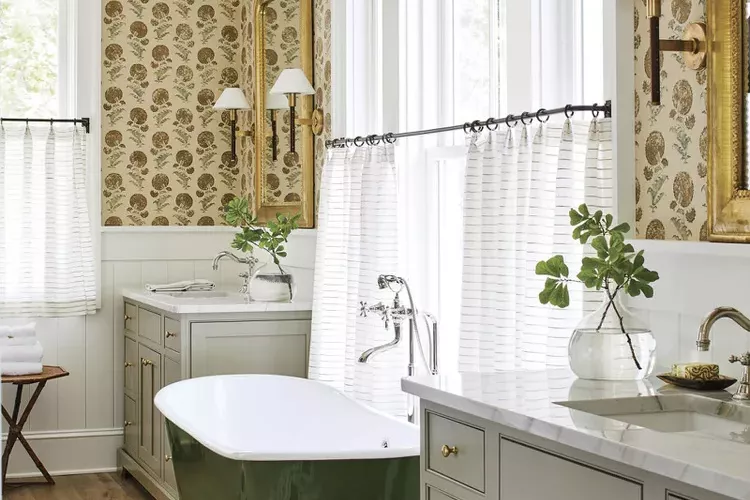
6 Paint Colors To Avoid In Your Bathroom—And 6 Shades You Should Use Instead

Bathroom Paint

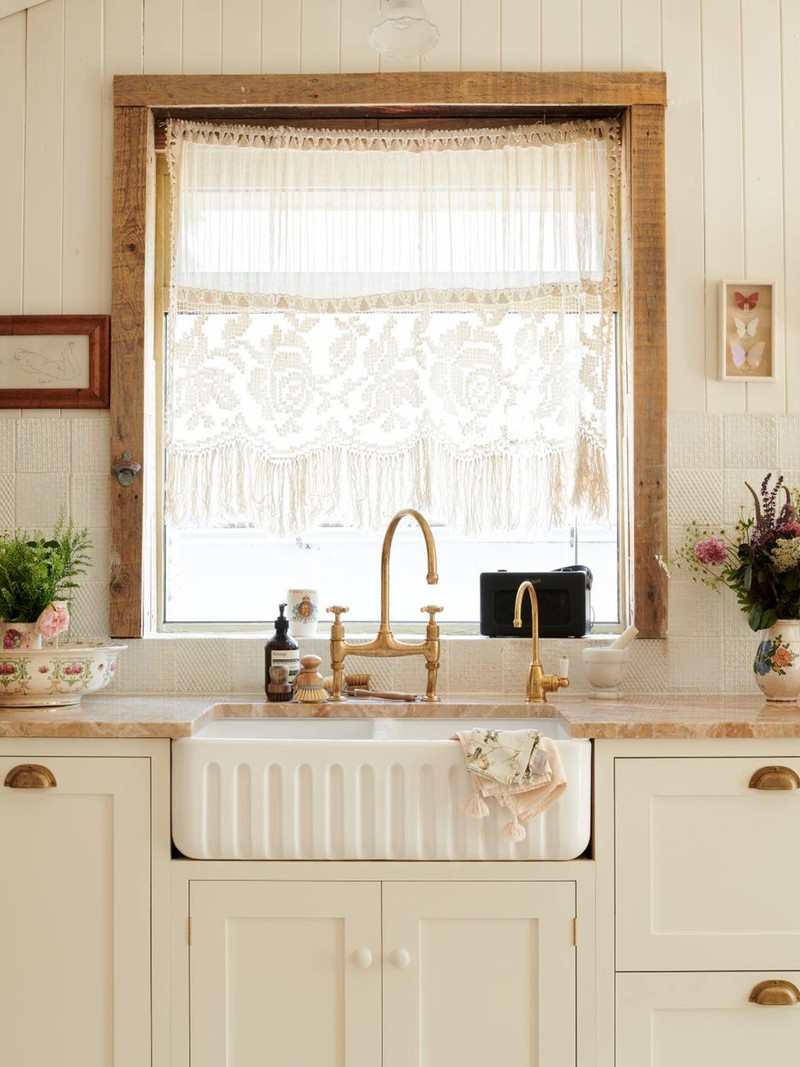
An Interior Designer’s Tips For Painting Kitchen Cabinets
5 Paint Colors You Should Never Use in a Bathroom, Designers Warn

The Best Cabinet Paint of 2026

Bathroom paint - the ultimate guide to the right colors and finishes for walls, ceilings and radiators

Paint finishes for bathrooms explained
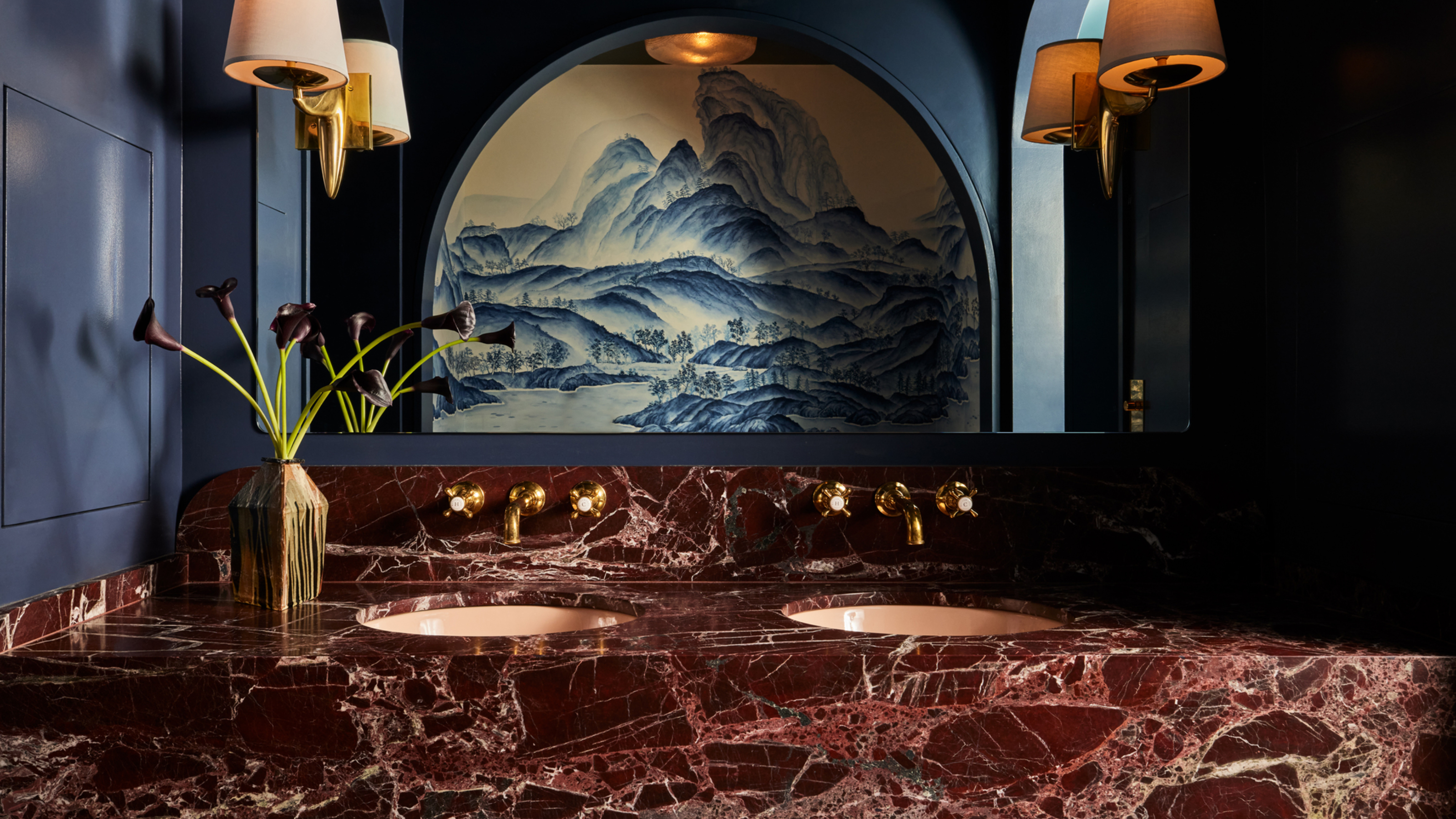
5 Bathroom Vanity Countertops Experts Avoid
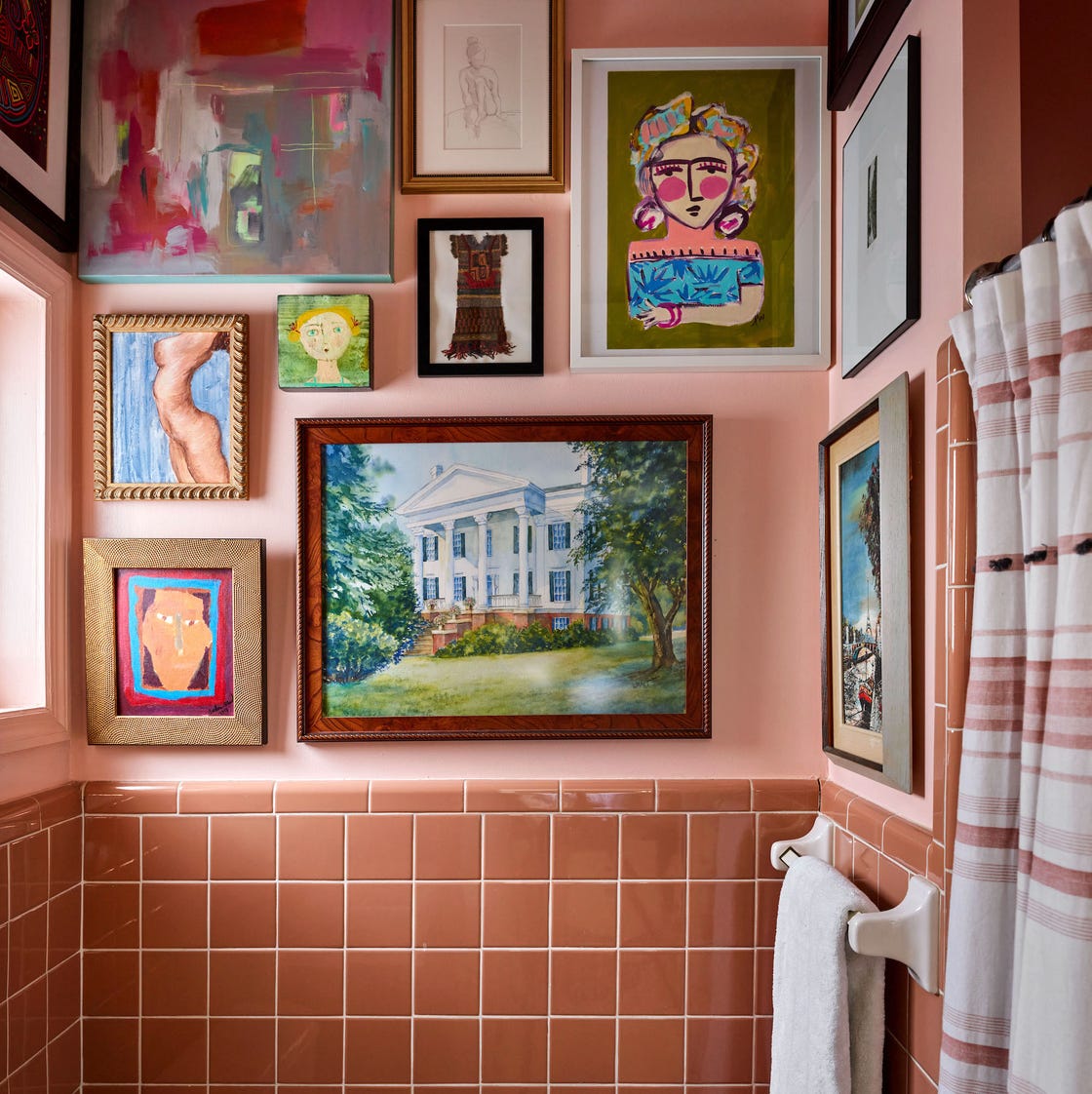
25 Designer-Approved Bathroom Paint Colors to Refresh Your Retreat

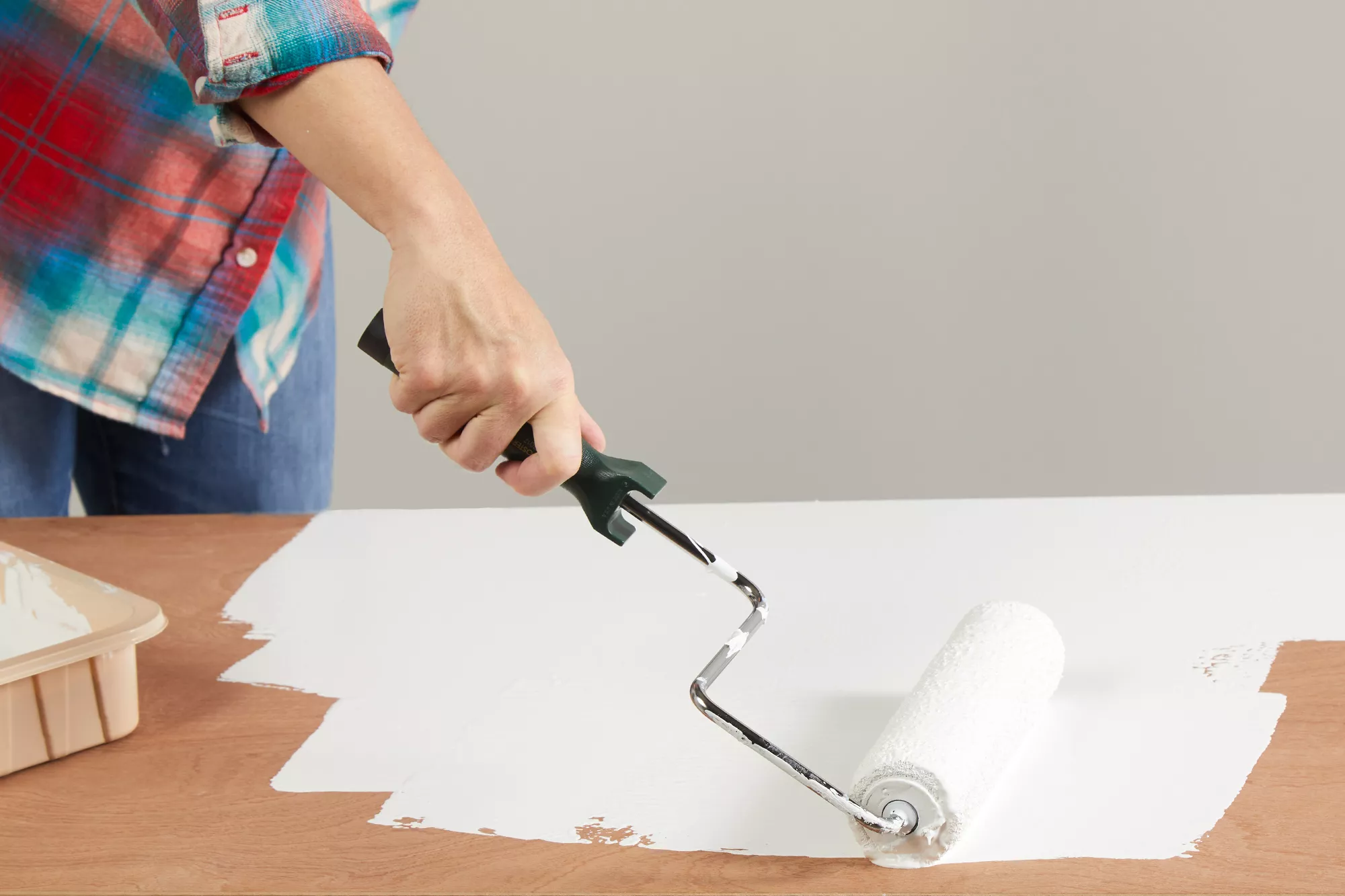
Can You Paint Countertops? What to Know Before Trying This DIY Update

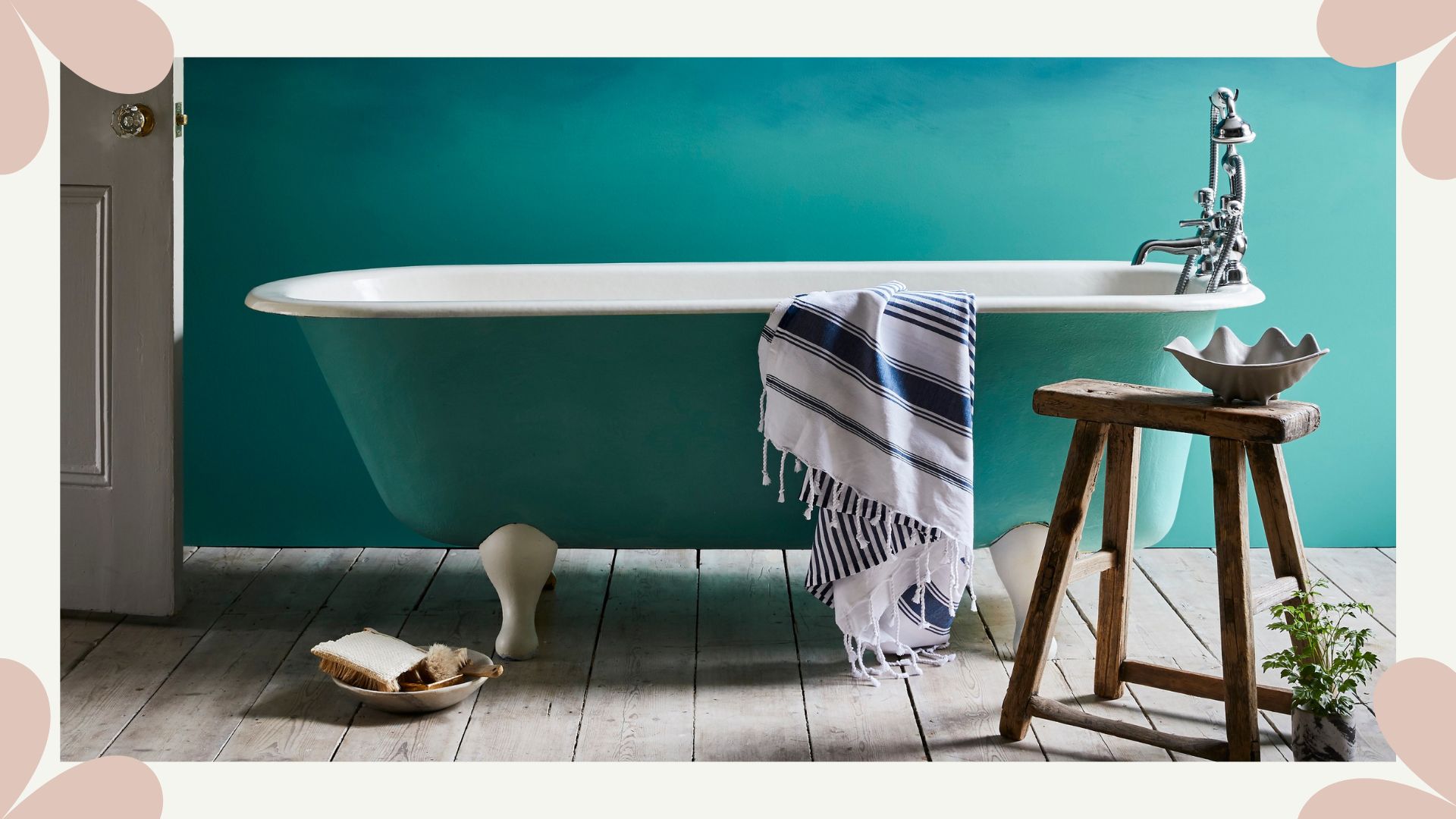
Paint color ideas for bathrooms: expert advice for choosing the best shades

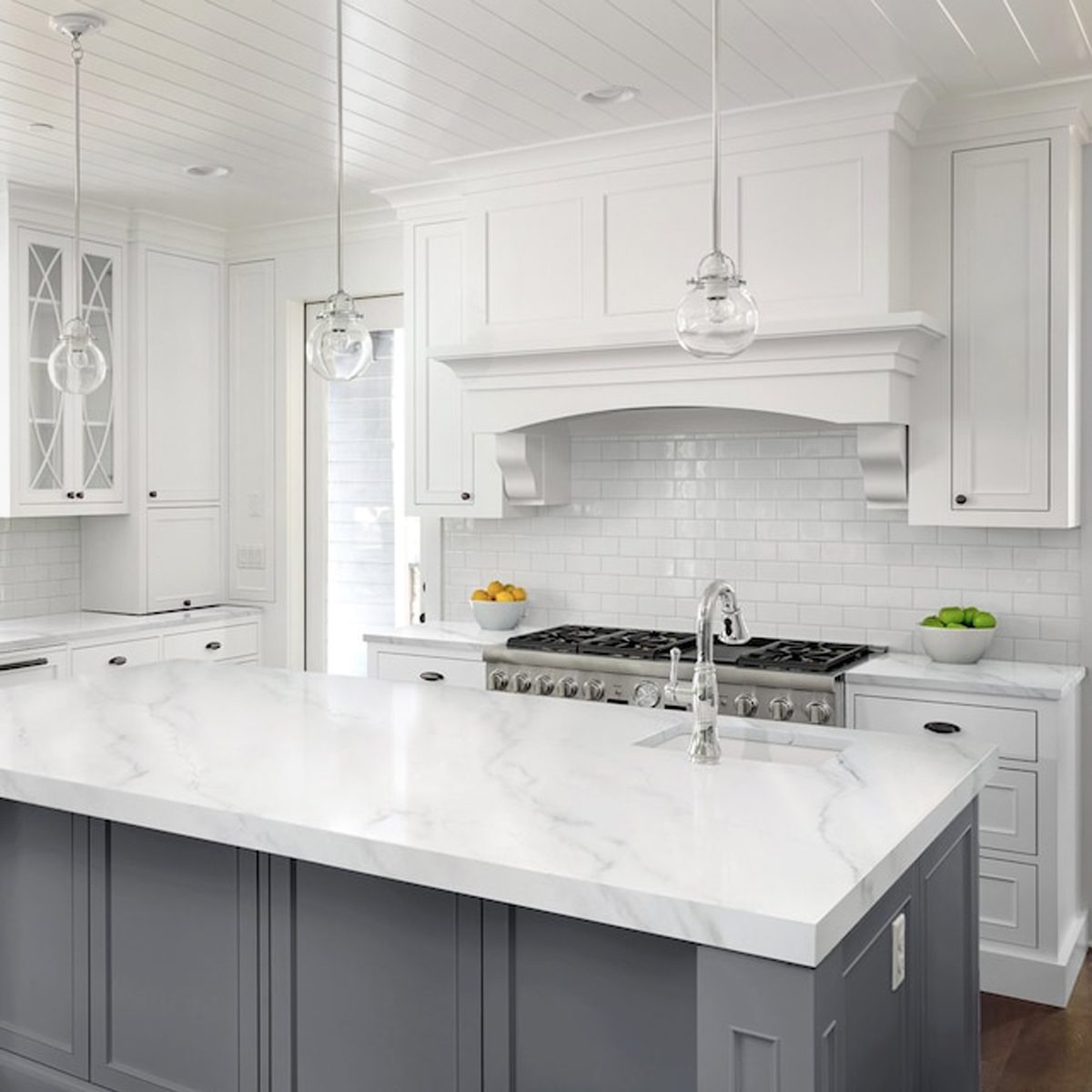
7 Best Countertop Paint and Refinishing Kits

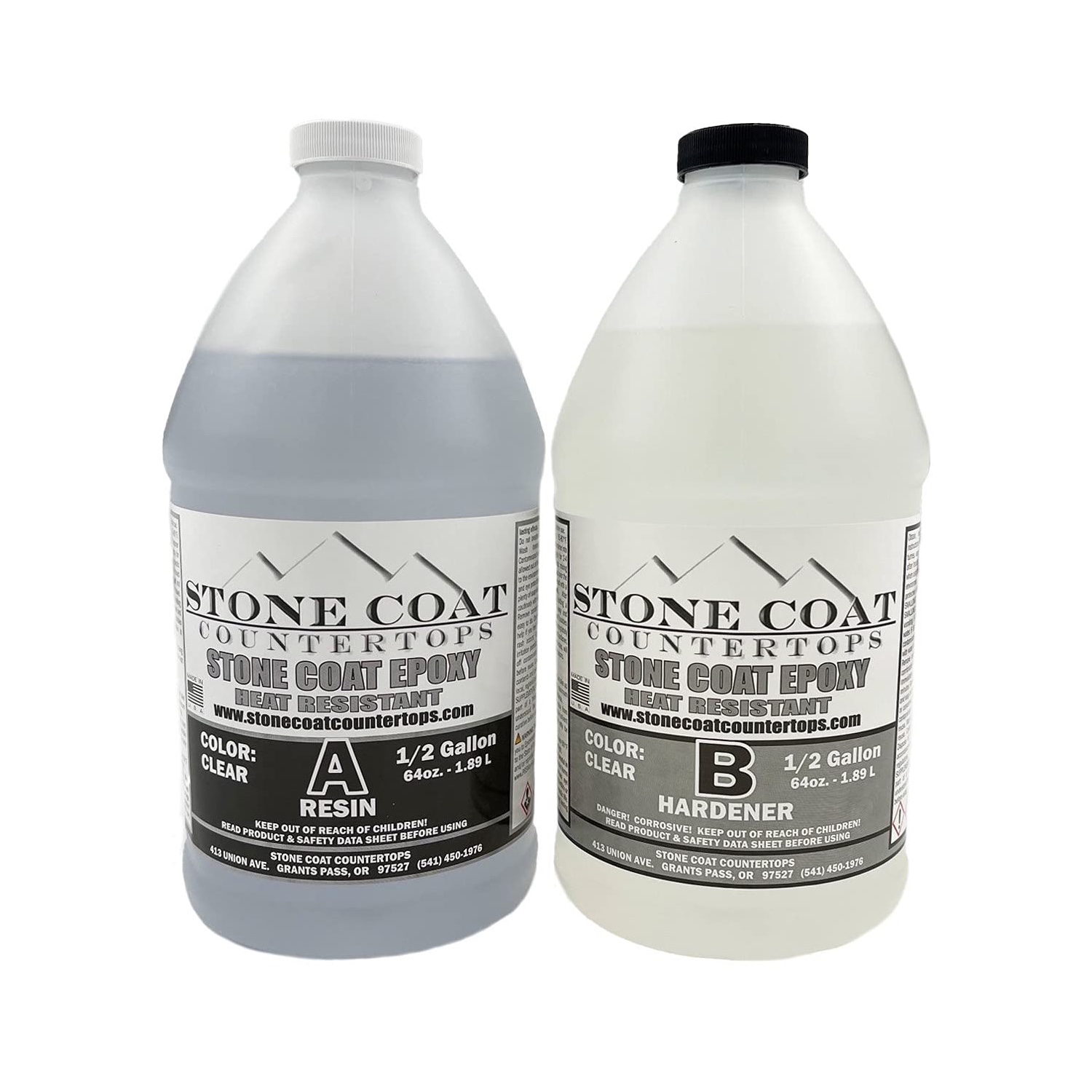
The Best Epoxy for Countertops in Kitchens and Bathrooms

Stop! Step Away From the Paintbrush — Here's 4 Things Interior Designers Would Never, Ever Paint Around the Home
Should you choose your bathroom paint color or tiles first?
The Bathroom Paint Colors Interior Designers Swear By

Update Your Home with These 12 Paints for Cabinets