1/13
The Best Epoxy for Countertops in Kitchens and Bathrooms
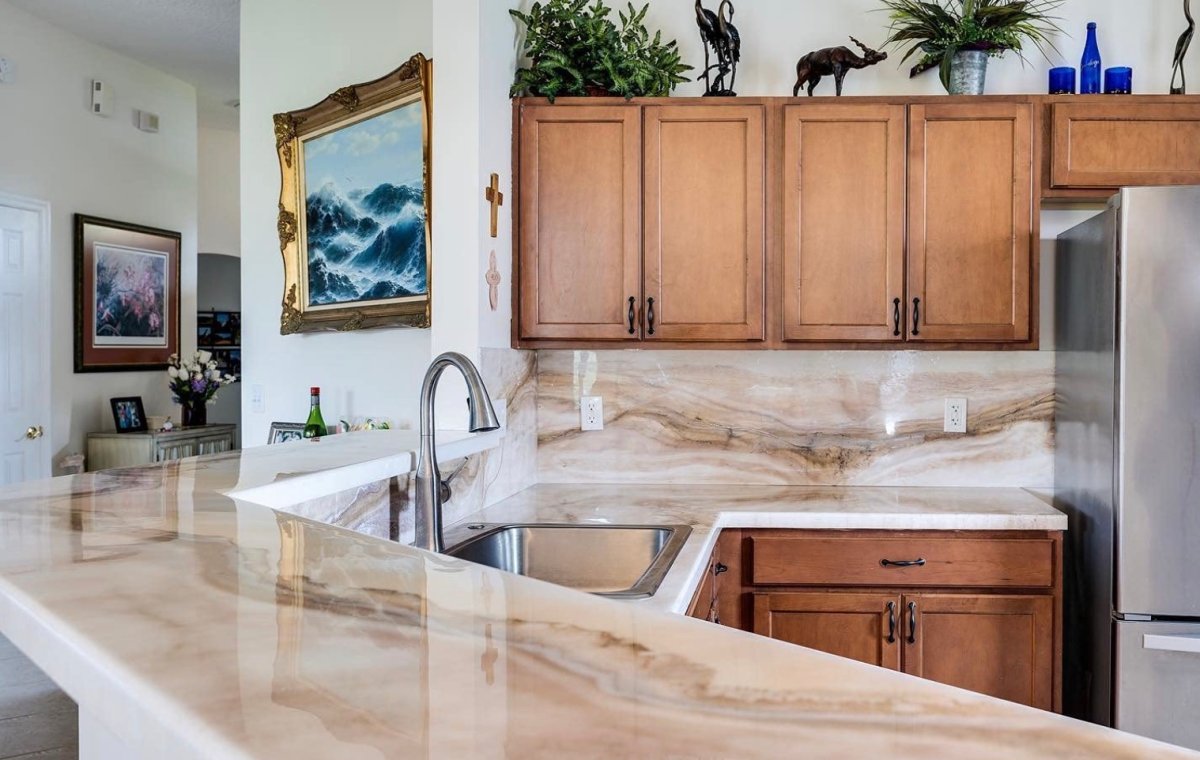
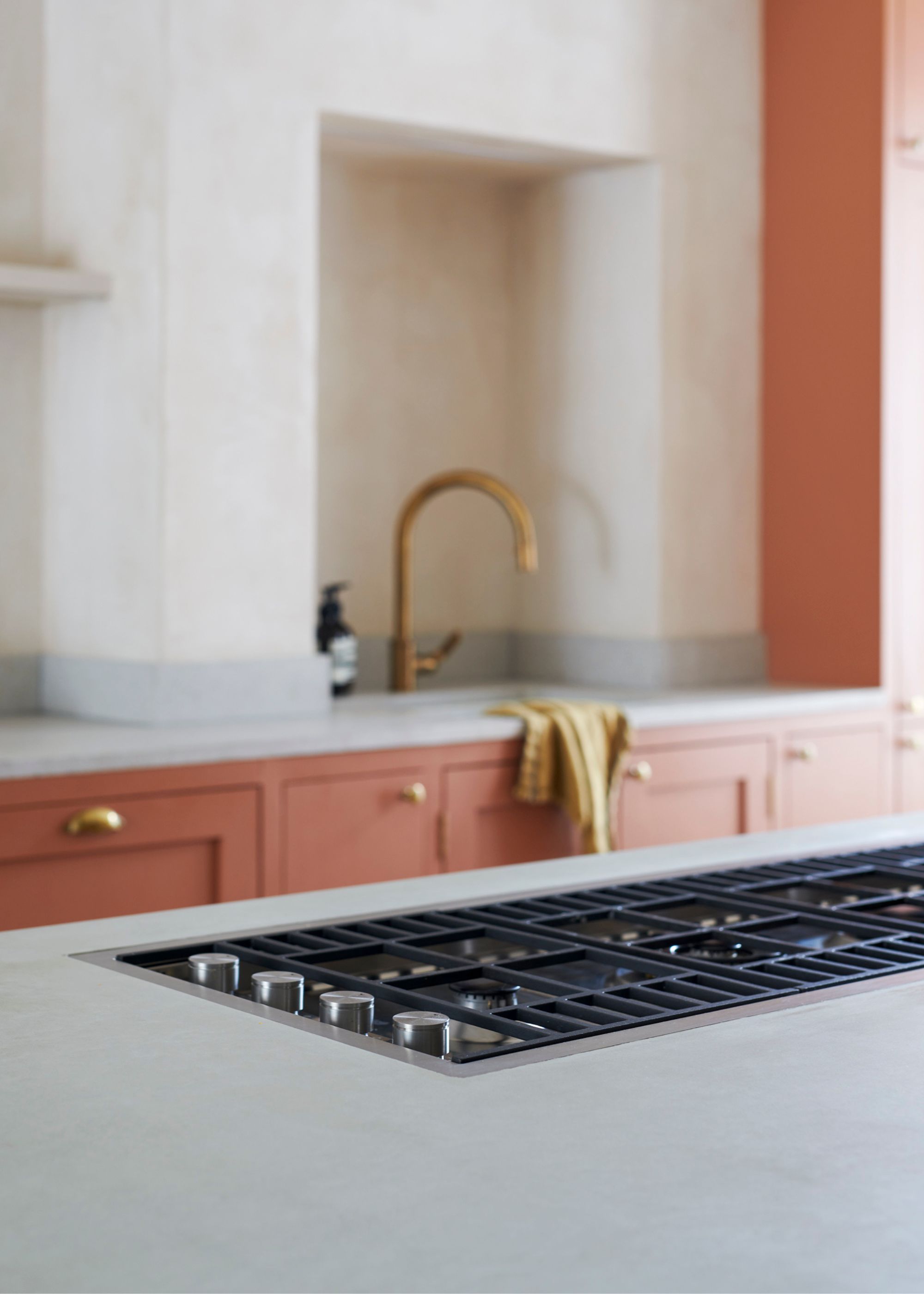
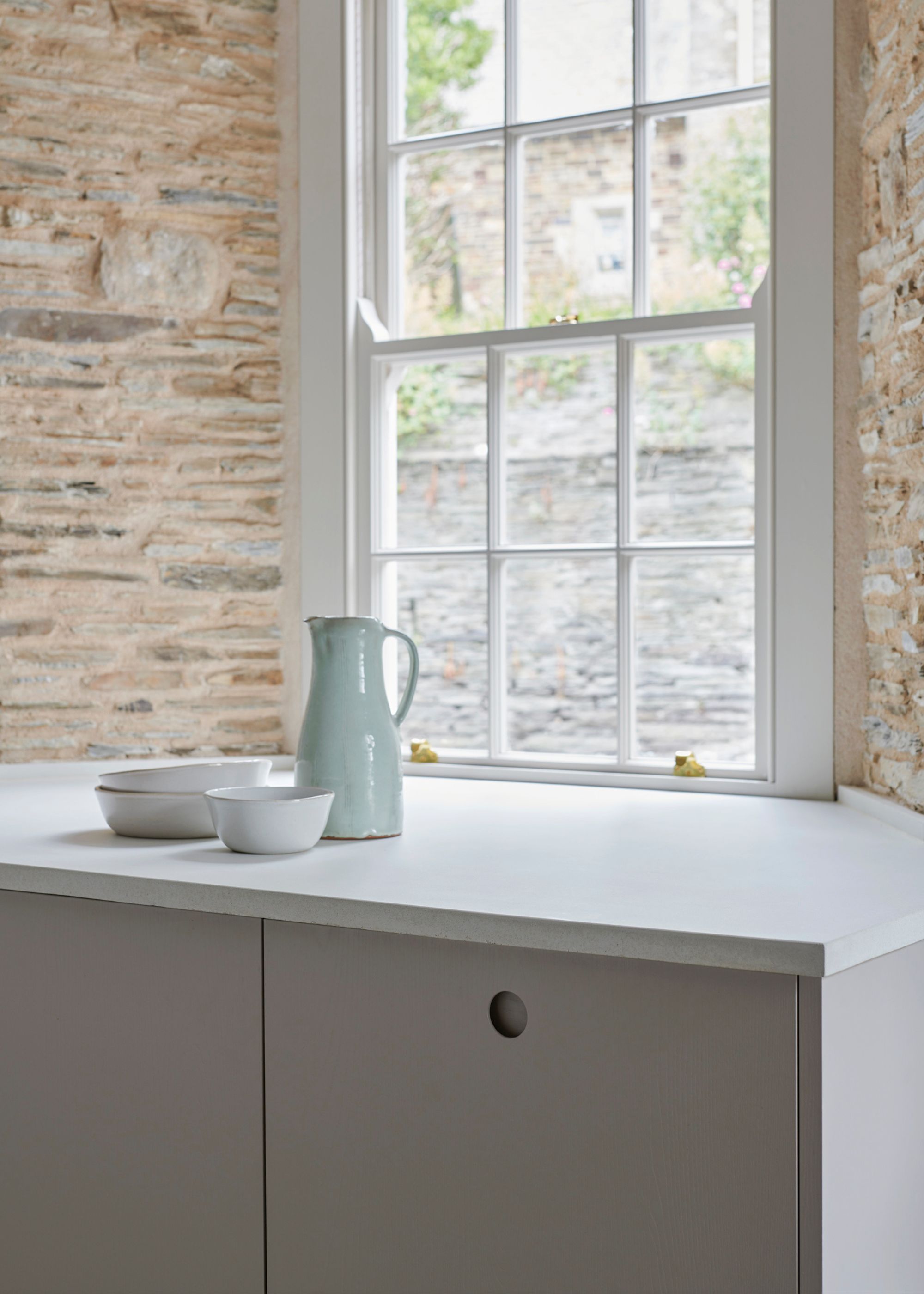
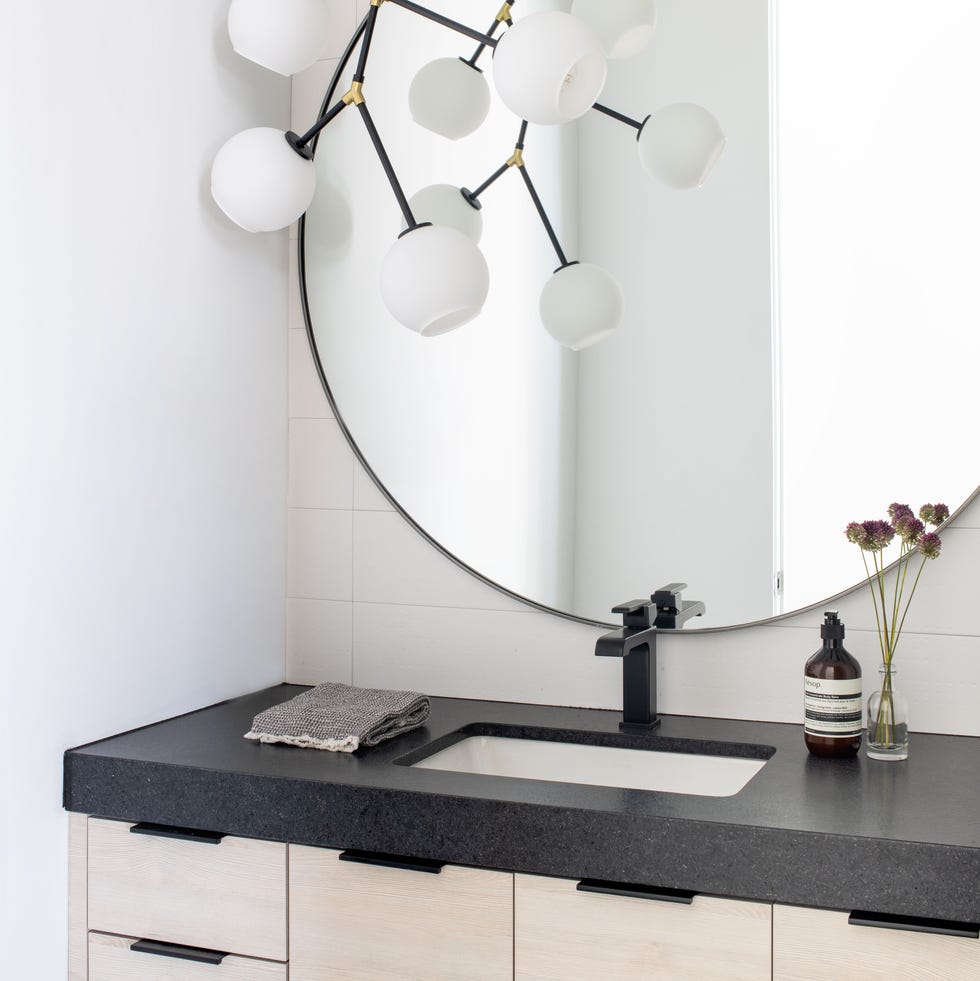
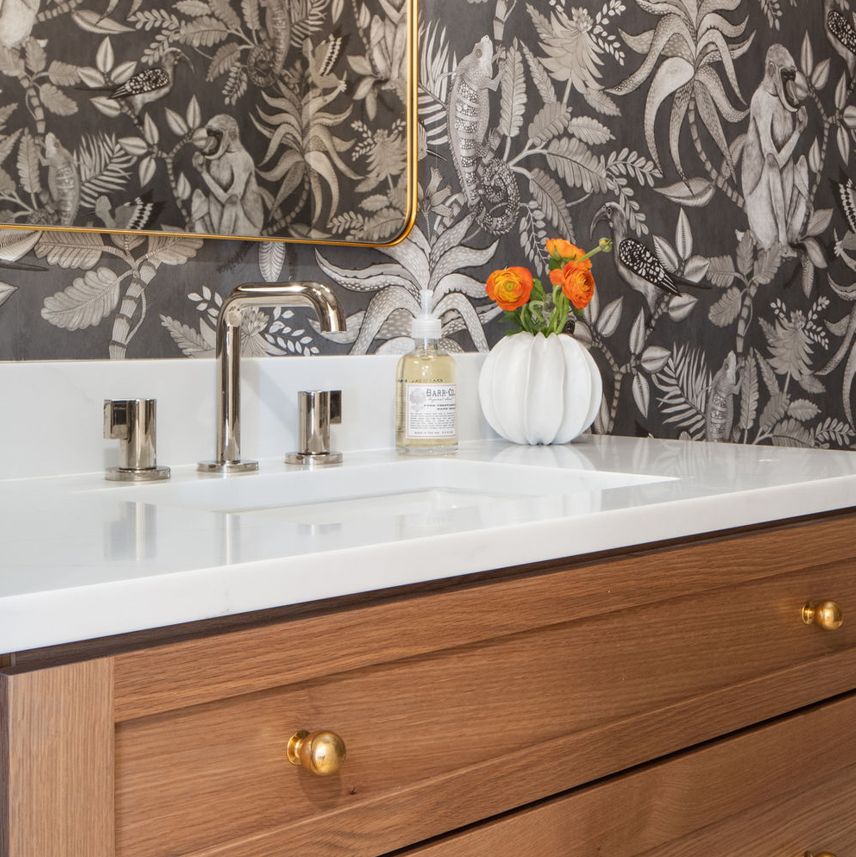
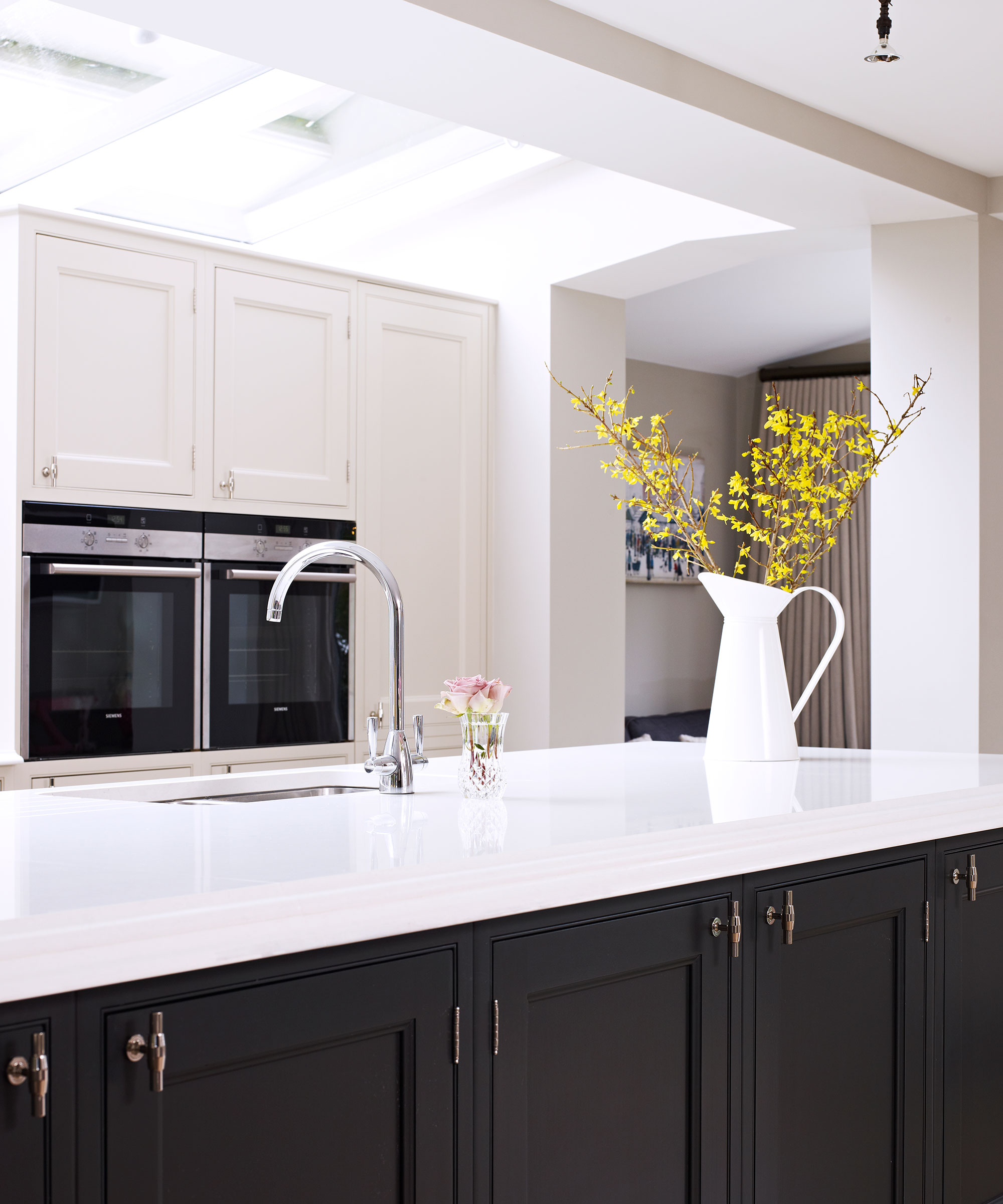
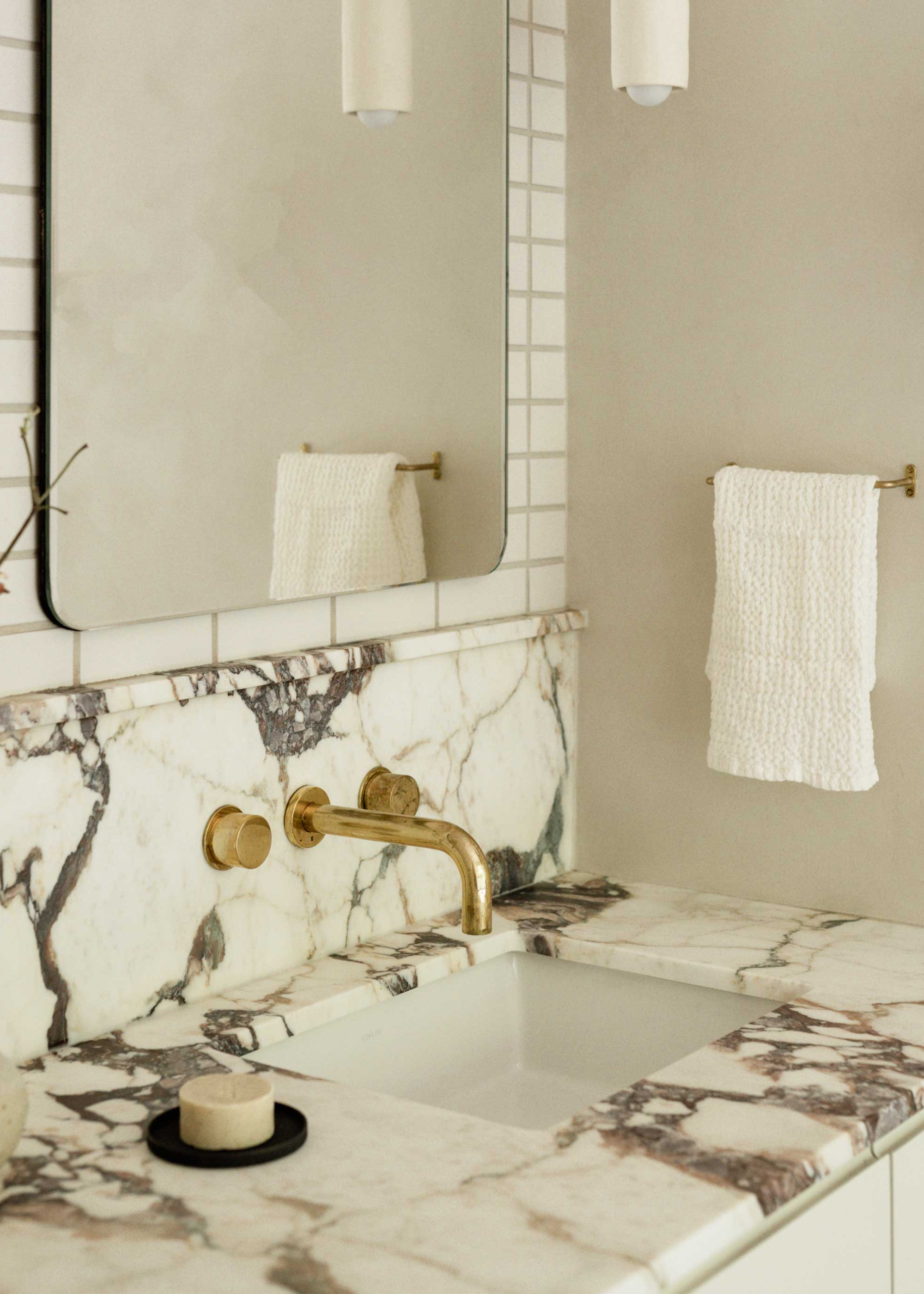
Epoxy resin offers a versatile and durable solution for updating home countertops, providing an affordable alternative to materials like quartz and marble. The market now features numerous epoxy resins, making product selection challenging. This guide, informed by a construction expert and extensive research, details the best epoxy products for countertops, highlighting their technical and practical applications.
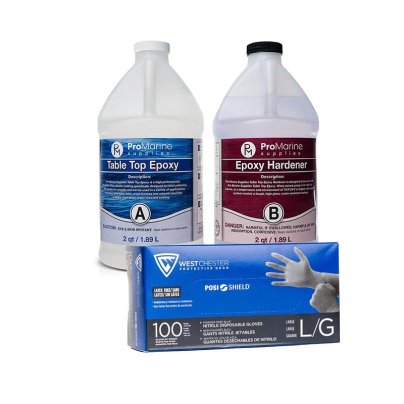
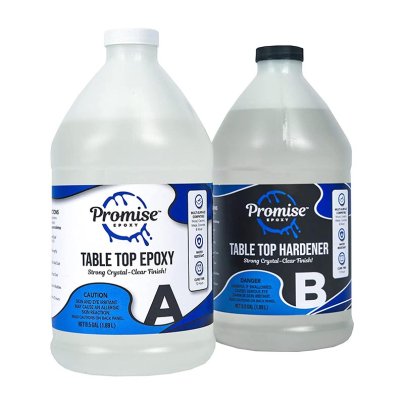
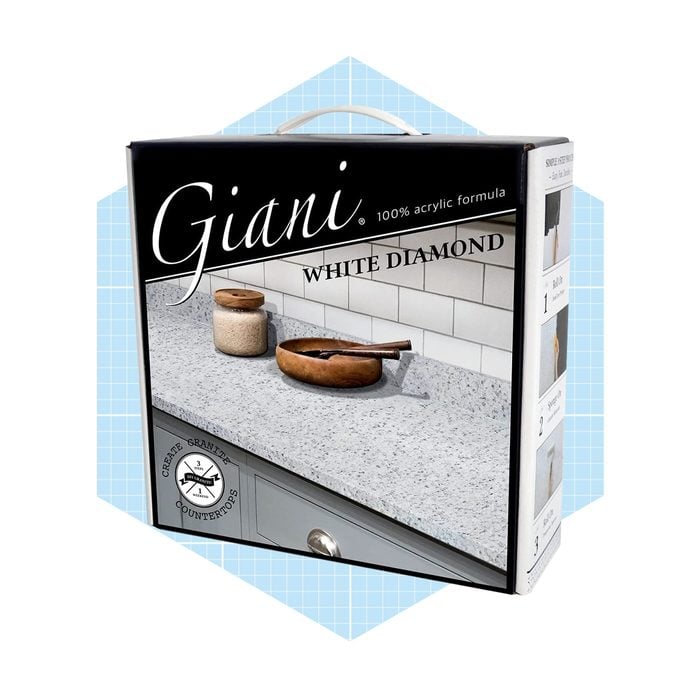
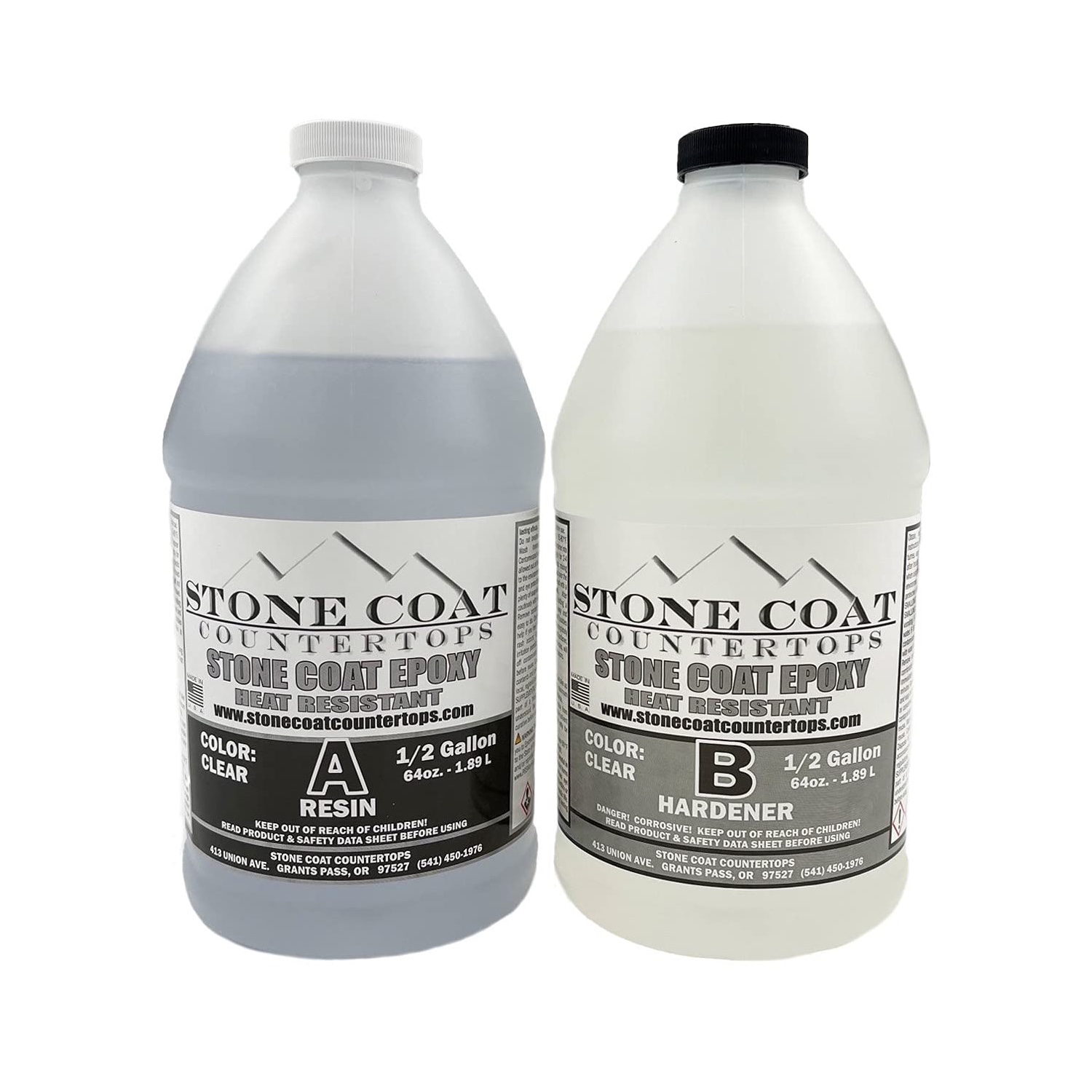
The top recommendation is the Stone Coat Countertops Epoxy Gallon Kit, recognized for its DIY-friendly application, self-leveling properties, food safety, and zero VOC content. Other notable options include the Pro Marine Supplies Crystal Clear Epoxy Bundle, praised for its low odor, fast curing, and food safety; the Polytek Promise Tabletop Epoxy Resin, an affordable choice that creates a crystal-clear, durable finish; the Giani Epoxy Marble Countertop Paint Kit, ideal for those seeking a marble effect with all necessary accessories included; the Dr. Crafty Crystal Clear Epoxy Resin Kit, a smaller, budget-friendly option suitable for beginners and small projects; the FGCI Superclear Tabletop Epoxy Kit, distinguished by its versatility for various surfaces and thicker pours; and the TotalBoat Table Top Epoxy Resin Kit, known for its heat, scratch, stain, and yellowing resistance, though it has limited food contact safety.
Key considerations for choosing epoxy include its application properties, durability, and UV resistance. Most epoxies are two-part products that require mixing a resin and a hardener. Modern formulations are low in or free of VOCs and produce minimal odor. Once cured, epoxy provides a high-gloss, water-resistant, and scratch-resistant surface. While generally heat-resistant, extreme heat can cause damage. UV resistance varies, so products designed for outdoor use or a UV-resistant topcoat are recommended for exterior applications. For kitchen countertops, ensuring the epoxy is FDA-compliant for food safety is crucial. Epoxy offers extensive design possibilities, allowing for custom colors, marble, granite, or quartz effects, and the incorporation of metallic powders.
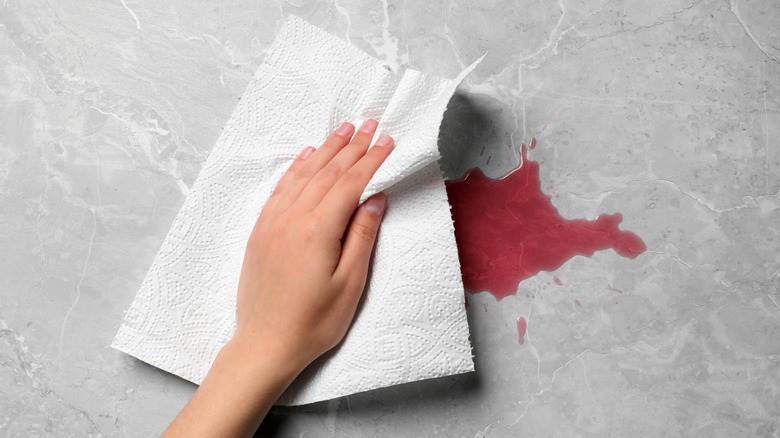
Cleaning and maintenance are generally straightforward; spills should be wiped promptly, and mild soap or glass cleaner can be used for tougher stains. Abrasive cleaners and bleach should be avoided to prevent surface damage. For dull areas, mineral oil or liquid countertop polish can restore shine. When purchasing, it's important to calculate the required volume, as a gallon typically covers a specific cubic inch volume. Epoxies have a limited application time once mixed, usually around 45 minutes, necessitating pre-planning. Techniques like using a heat gun to release air bubbles and having cleanup materials ready are advisable. Epoxy can be applied over laminate, solid wood, concrete, or stone, or used to create entirely new countertops. While light use is possible after a few days, full curing can take anywhere from 7 to 30 days depending on the product, especially for full heat resistance. Proper surface preparation involves thorough cleaning, filling cracks, sanding, and taping off the work area. The ideal thickness for an epoxy countertop is between ⅛ to ¼ inch. While epoxy is a type of resin, it is distinct from casting resins due to its thicker viscosity and higher bond strength, making it suitable for durable surfaces. Potential disadvantages include the fact that not all epoxy is food-safe, its relative durability compared to some other counter surfaces, and the potential for imperfections if applied incorrectly by novices.
#CountertopEpoxy #DIYHomeImprovement #KitchenRemodel #BathroomRenovation #EpoxyResin #HomeDecor #SurfaceFinishing #DurableSurfaces #VOCFree #CountertopEpoxy #DIYHomeImprovement #KitchenRemodel #BathroomRenovation #EpoxyResin #HomeDecor #SurfaceFinishing #DurableSurfaces #VOCFree
0 comment in total
 No comments yet
You may also like
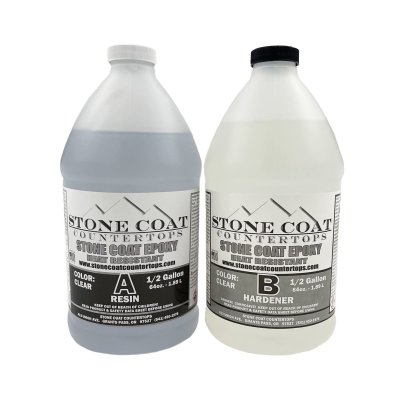
2025’s Best Epoxy for Countertops in Kitchens and Bathrooms


7 Material Options for Your Bathroom Countertops


The Best Types of Kitchen Countertops

Thinking About Upgrading Your Kitchen Countertops? Here Are 15 Types to Consider

Can you paint bathroom countertops? Professional painters share the vital tips you need to get it right
How To Pick The Perfect Countertop Material For Your Kitchen


Epoxy Flooring-Your Guide for 2020


What Designers Call the "Little Black Dress" of Bathroom Countertops

7 Best Countertop Paint and Refinishing Kits

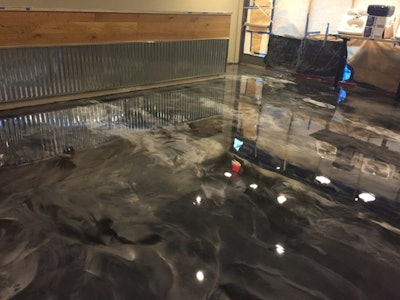
Durable Epoxy Coatings Provide Endless Design Possibilities

Best in class: Kitchen countertops

6 outdated kitchen countertop trends to leave behind in 2025
8 Countertop Edge Styles To Consider In Your Remodel, According To Designers
From Natural Stone to Plastic Laminate, We're Helping You Choose the Best Countertop Material for Your Kitchen

6 Kitchen Flooring Options That Are Durable And Stylish


5 Bathroom Vanity Countertops Experts Avoid

The Best Countertop Materials for Every Type of Kitchen

A Crash Course in Choosing Kitchen Countertops
This Underutilized Countertop Looks Great, but "It's Not the Material for Everyone" — The Pros and Cons of Concrete, Explained by a Specialist
6 Kitchen Countertop Trends That Are on Their Way Out This Year (and What to Do Instead)