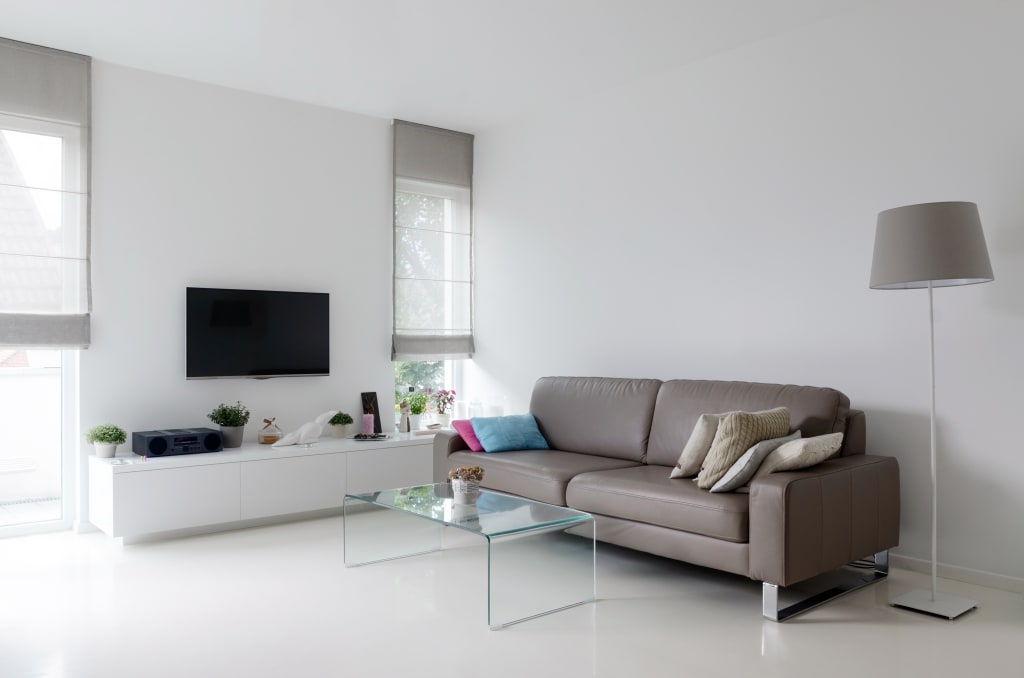
Epoxy Flooring-Your Guide for 2020
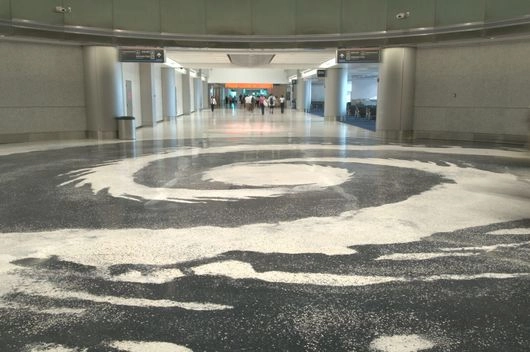
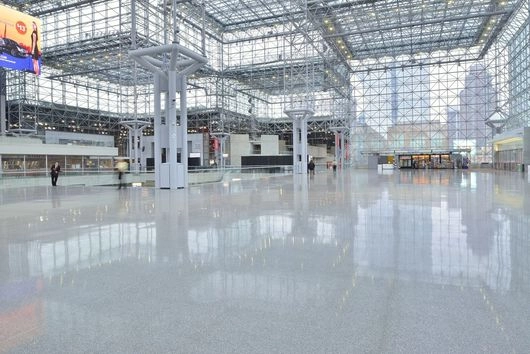
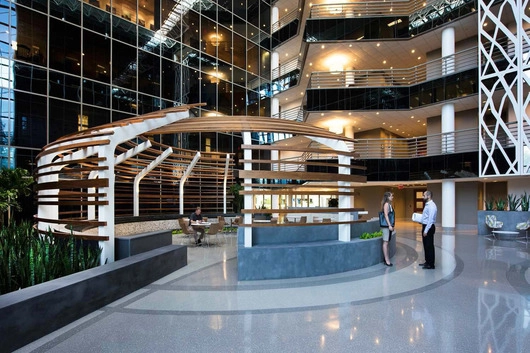
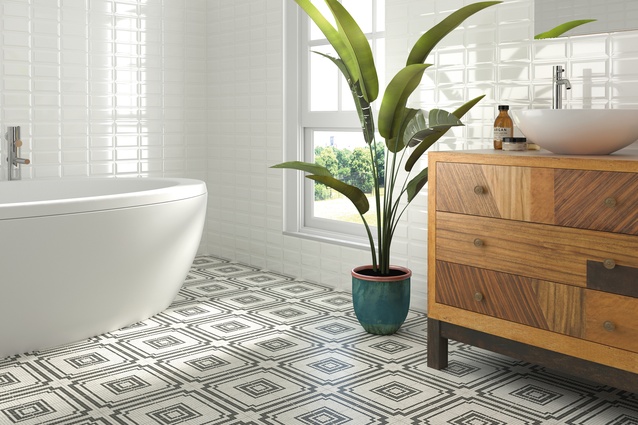
Epoxy flooring is presented as an optimal choice for various spaces, from garages and basements to retail shops and warehouses, due to its durability, longevity, and affordability. This resinous floor coating can be applied over existing hard flooring like concrete or wood and offers a wide array of colors, patterns, and textures. When properly maintained, an epoxy floor can last for over 25 years. The article details several popular styles of epoxy flooring. Standard epoxy, often used in commercial settings, is the most budget-friendly option and allows for solid colors or geometric patterns, with non-skid additives available for wet environments. Metallic epoxy is highlighted for its unique aesthetic, created by mixing metallic pigments into the resin, resulting in one-of-a-kind swirl patterns or designs that mimic natural scenes like ocean waves or lava. Decorative flake epoxy, frequently chosen for residential use in areas like garages and home offices, involves applying acrylic chips over the resin and then sealing them with a topcoat, providing texture. These flakes come in various colors, sizes, and broadcast densities, allowing for significant customization.
The installation process for standard epoxy typically spans one to two days. It begins with a thorough cleaning and inspection of the concrete subfloor to identify and remove debris and assess structural stability. Any damage found, such as cracks, chips, or pits, must be repaired to prevent future issues. Following repairs, the surface undergoes preparation, which involves using a floor grinder with a diamond grinding wheel to roughen the concrete. This crucial step ensures proper adhesion of the epoxy to the subfloor, preventing premature failure. Once the surface is prepped, the epoxy mixture is poured and spread to the desired thickness using specialized tools. The epoxy then needs to cure, being safe to walk on after 24 hours but reaching full cure only after 72 hours.
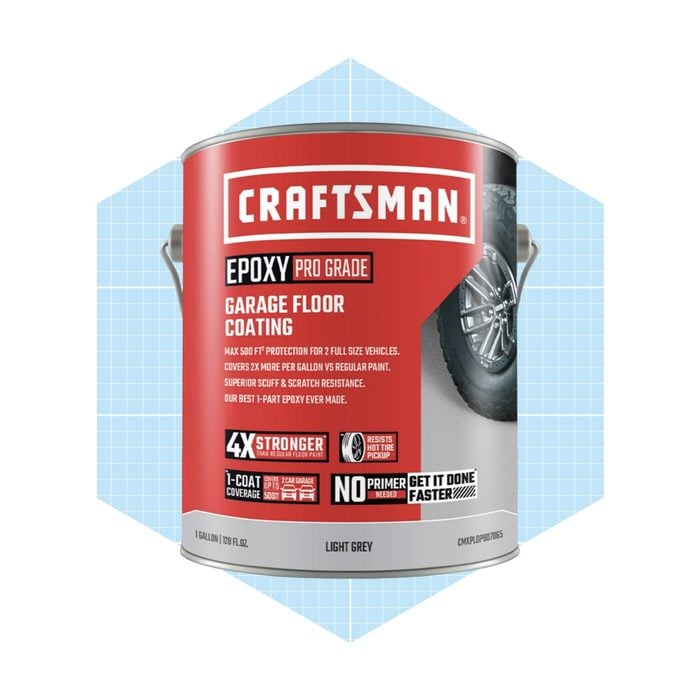
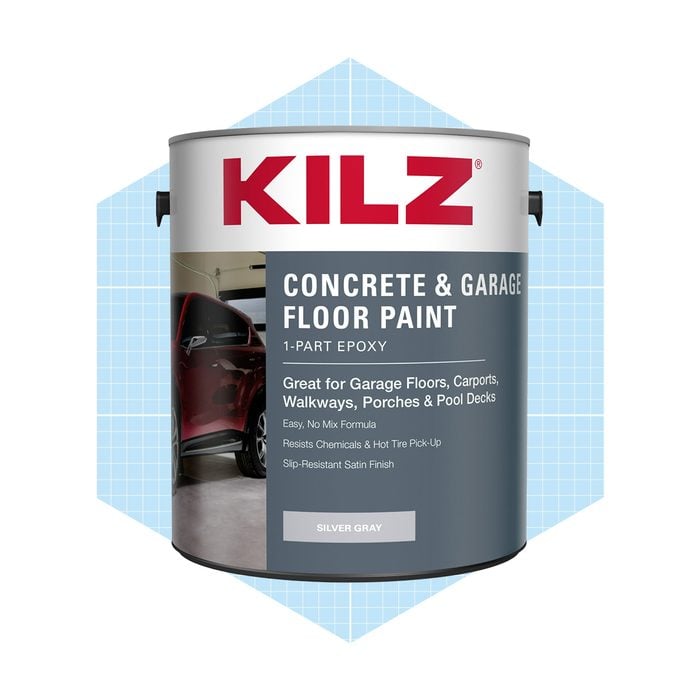
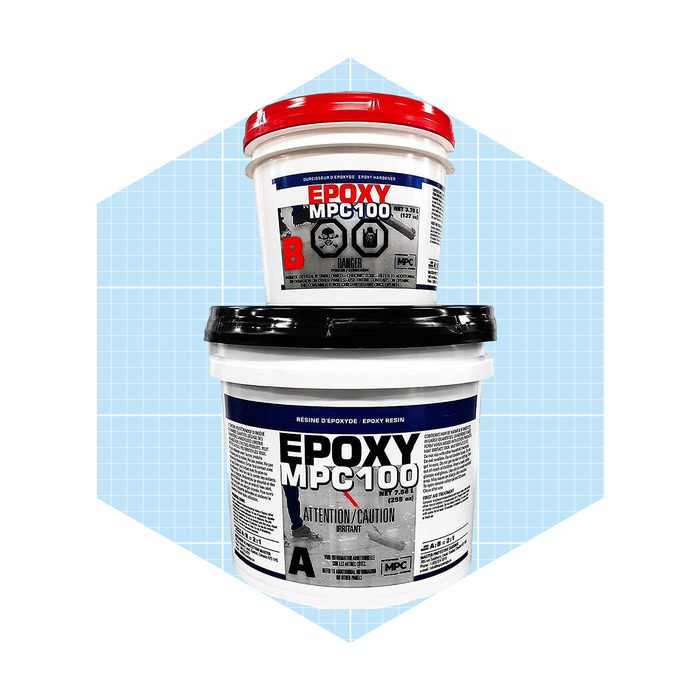
The cost of professional epoxy floor installation in 2020 varies based on several factors, including the size of the space, the chosen epoxy type, and the complexity of the design. Generally, larger areas have a lower per-square-foot cost, while smaller floors may incur a slightly higher per-square-foot price to cover material costs. A standard epoxy floor typically costs between $3 and $7 per square foot. The article advises caution regarding DIY epoxy installations, particularly those using kits from big box stores, as these often lack the quality of professional-grade materials. Mistakes during DIY application can be costly to rectify, potentially requiring complete removal and reinstallation. Therefore, for a high-quality, long-lasting epoxy floor, hiring a professional contractor is recommended due to the precision and timing required for successful installation. The article concludes by encouraging readers to consider the various styles, colors, and patterns available to complement their space and to engage a professional contractor for their epoxy flooring project in 2020.
#EpoxyFlooring #HomeImprovement #FloorInstallation #InteriorDesign #HomeRenovation #DurableFlooring #FloorCoating #ResidentialFlooring #EpoxyFlooring #HomeImprovement #FloorInstallation #InteriorDesign #HomeRenovation #DurableFlooring #FloorCoating #ResidentialFlooring
0 comment in total
 No comments yet
You may also like
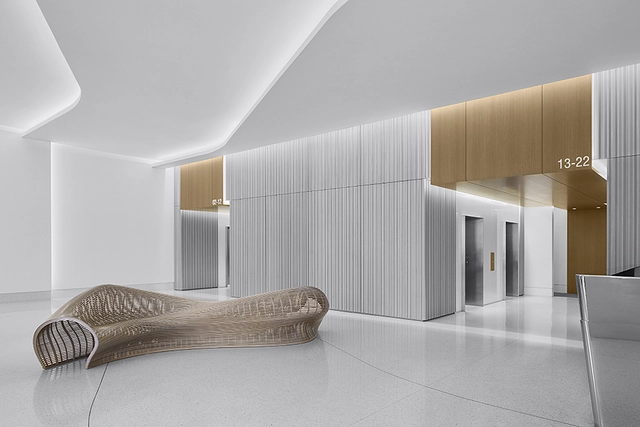
Terrazzo Flooring - Terroxy Resin Systems from Terrazzo & Marble

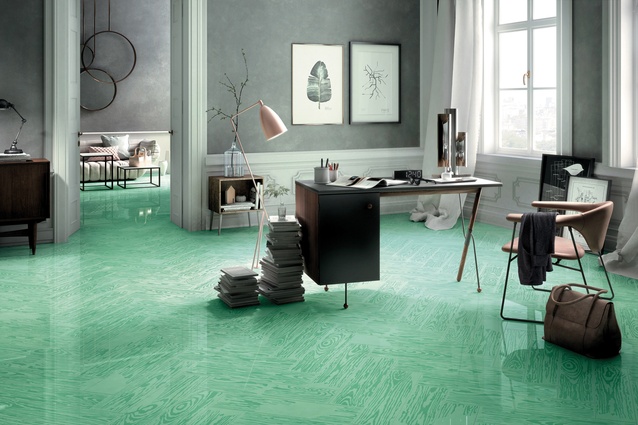
Walk on by: flooring focus
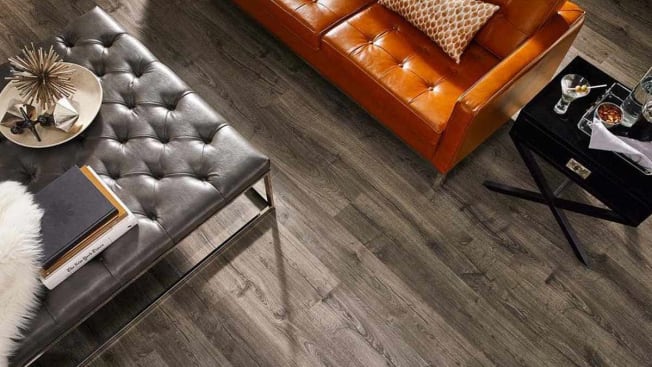
Best Flooring of 2025
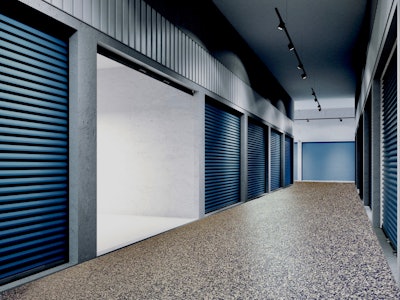
Transforming Ordinary to Art with Epoxy Flooring Systems

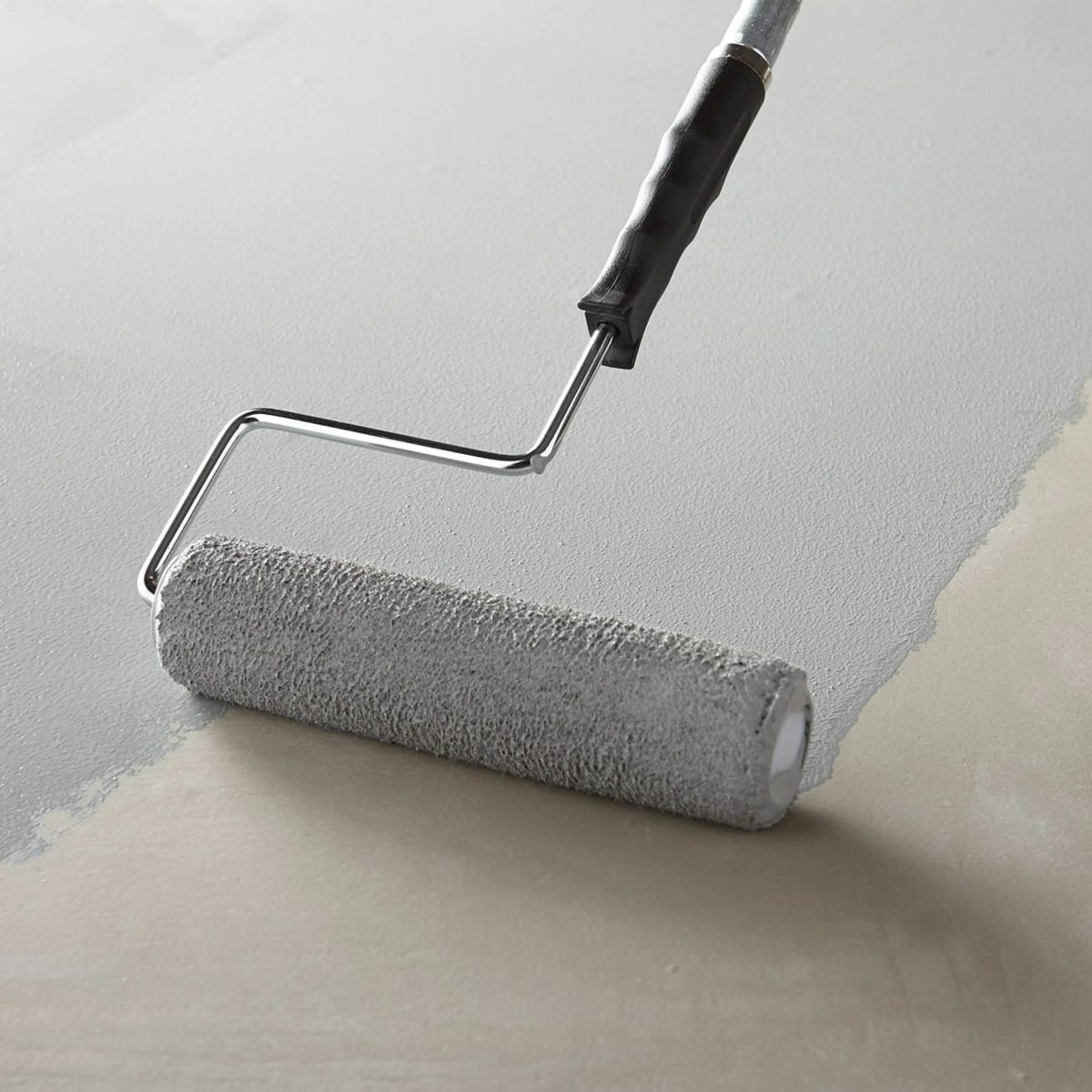
Top-Rated Garage Floor Epoxy Coatings for Ultimate Protection

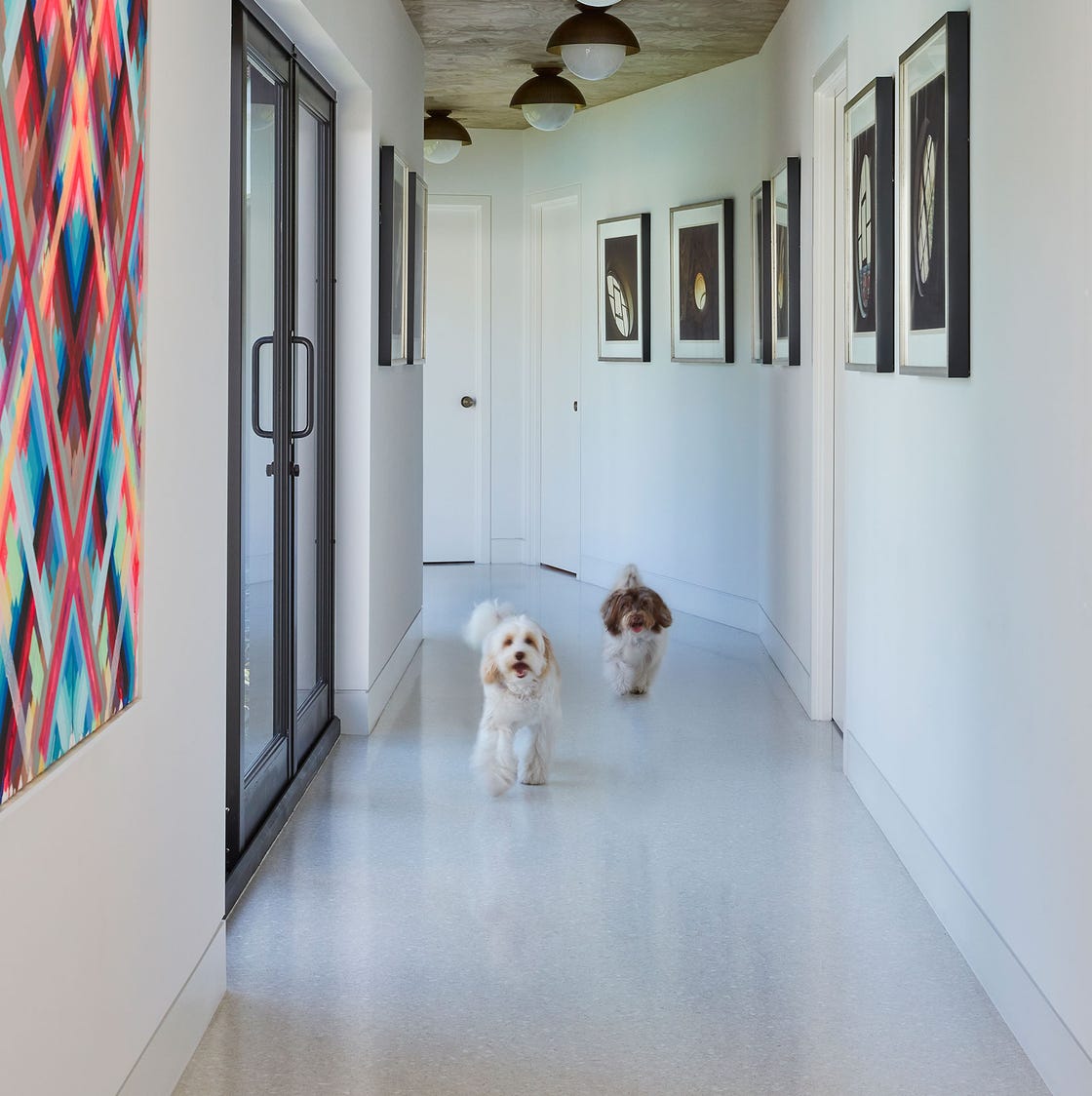
8 Basement Flooring Ideas to Elevate Your Subterranean Space

![Ultimate Guide to Garage Floor Coatings, Tiles and Surfaces [2024]](https://gstatic.ideal.house/news/images/605cf6f898ab40f0b14b5b0a00aab97b.jpg)
Ultimate Guide to Garage Floor Coatings, Tiles and Surfaces [2024]
10 Types Of Flooring Inspired By Pantone's Color Of The Year
Can you paint a tile floor? Expert advice for a durable, long lasting finish

10 reasons epoxy floors will rule 2016
The 12 Best Engineered Wood Flooring Options, According to Testing and Reviews

All Flooring | Wood, Vinyl & Laminate Flooring

Durable Epoxy Coatings Provide Endless Design Possibilities
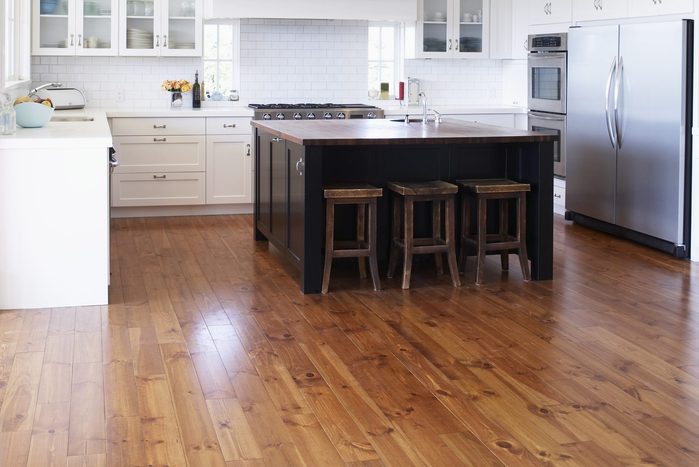
The Top 10 Flooring Trends for 2022
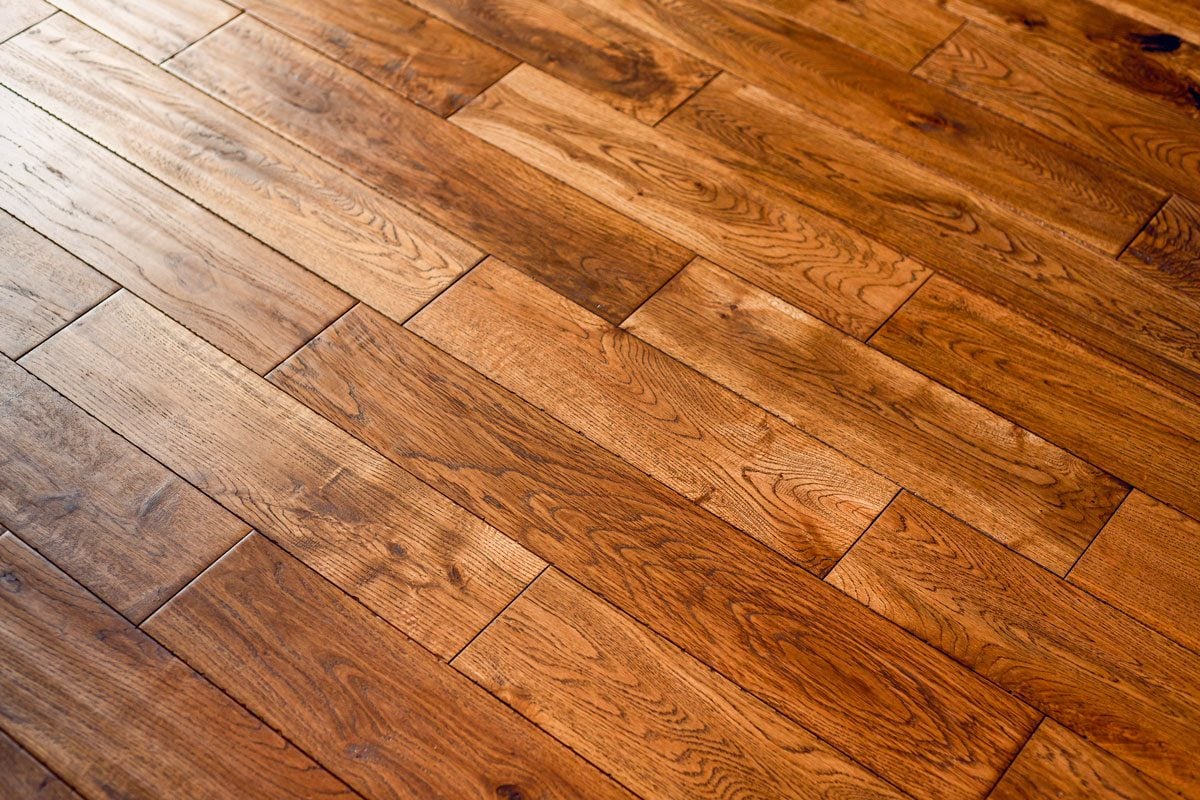
Future of Flooring: Home Pros Talk Through the Latest and Greatest Flooring Trends
Flooring
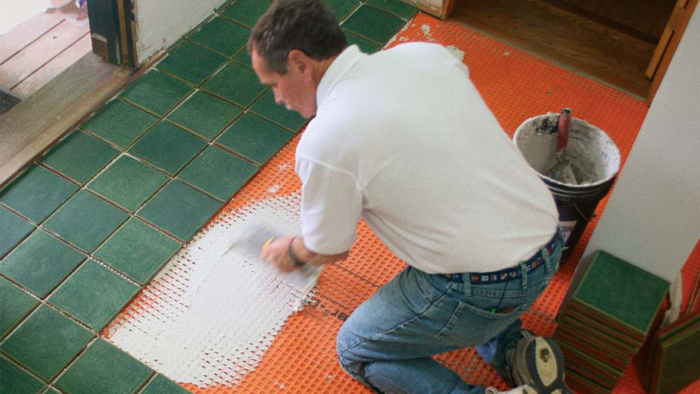
Video Series: Foyer Tile Installation

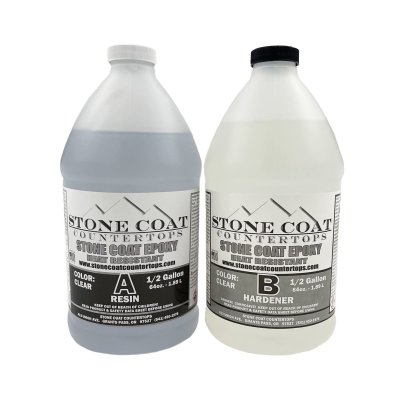
2025’s Best Epoxy for Countertops in Kitchens and Bathrooms

Eco-friendly flooring – everything you need to know about sustainable floors
7 Floor Materials Contractors Never Use (and You Shouldn't Either)